17 Beautiful Maximalist Interior Design Inspiration Photos Worth Saving
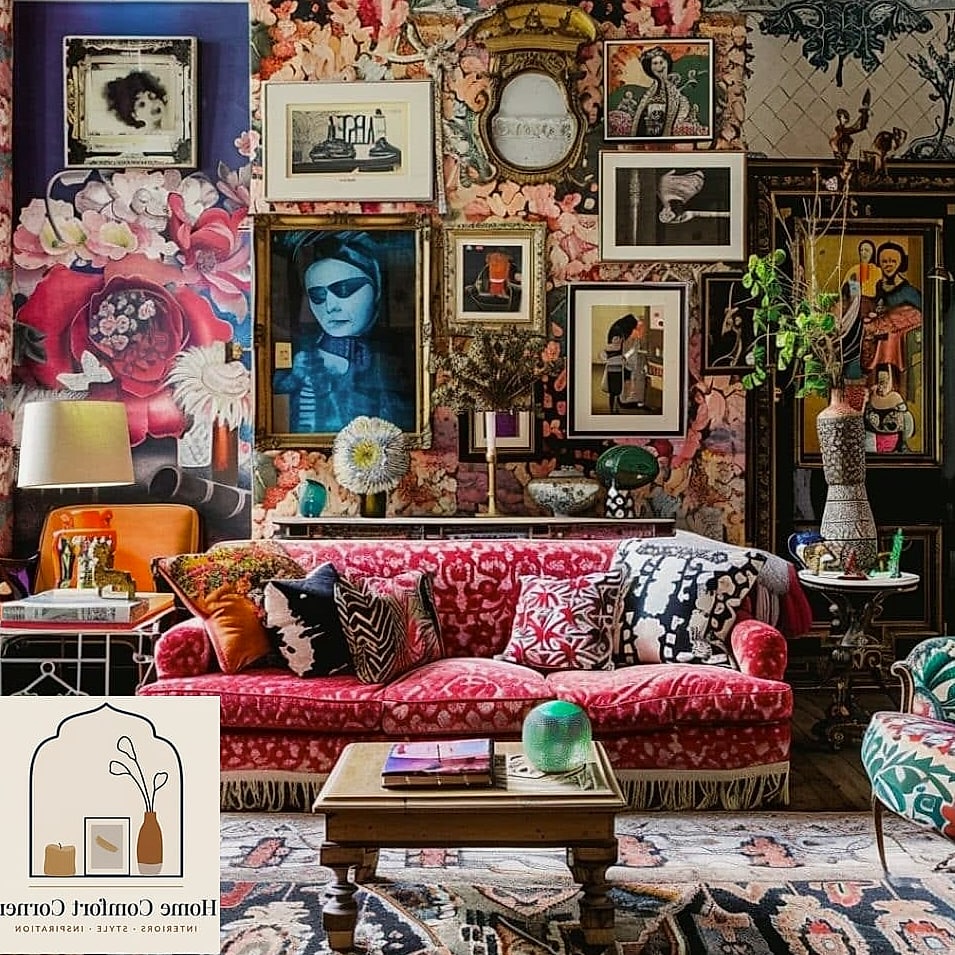
- Jewel-Toned Living Room with Layered Textiles
- Gallery Wall That Covers an Entire Wall
- Pattern-on-Pattern Bedroom
- Maximalist Kitchen with Colorful Cabinetry
- Wallpapered Ceiling
- Layered Rugs in the Living Room
- Statement Ceiling Fixture
- Botanical Wallpaper with Vintage Furniture
- Color-Drenched Bathroom
- Mixed Metal Hardware Throughout the Home
- Curated Curio and Display Shelving
- Maximalist Dining Room with Bold Wallpaper and Art
- Velvet and Brass Reading Nook
- Layered Window Treatments
- Antique Mirror Wall
- Maximalist Home Office with Bold Wall Color and Art
- Layered Greenery Throughout the Home
17 Beautiful Maximalist Interior Design Inspiration Photos Worth Saving
Maximalism gets a bad reputation sometimes, like it’s just clutter with better lighting. But real maximalist design is intentional. It’s about layering colors, patterns, and textures until a room feels rich and alive instead of empty and sterile. If you’ve been scrolling through inspiration boards wondering how people pull it off without the room looking chaotic, you’re in the right place. I pulled together seventeen looks that show exactly how maximalism works when it’s done well, and I’ll break down why each one earns its spot on your save list.
Jewel-Toned Living Room with Layered Textiles
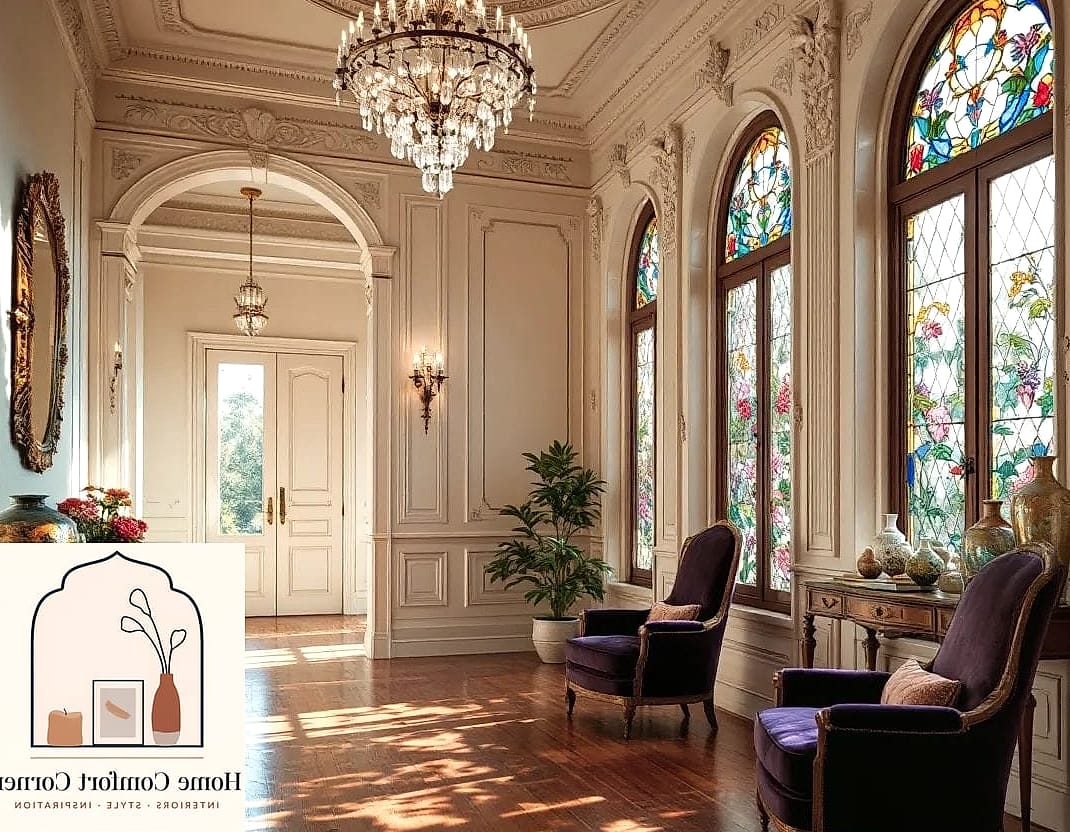
This look starts with a deep emerald or sapphire sofa as the anchor, then builds outward with velvet throw pillows, a patterned rug, and curtains in a contrasting jewel tone. It works especially well in living rooms with good natural light, since the sunlight keeps those saturated colors from feeling heavy. Homeowners love it because it photographs beautifully and instantly reads as expensive, even when half the pieces came from a thrift store. Mixing textures is the real trick here: velvet against boucle against a woven rug gives your eyes something new to land on every time.
Gallery Wall That Covers an Entire Wall
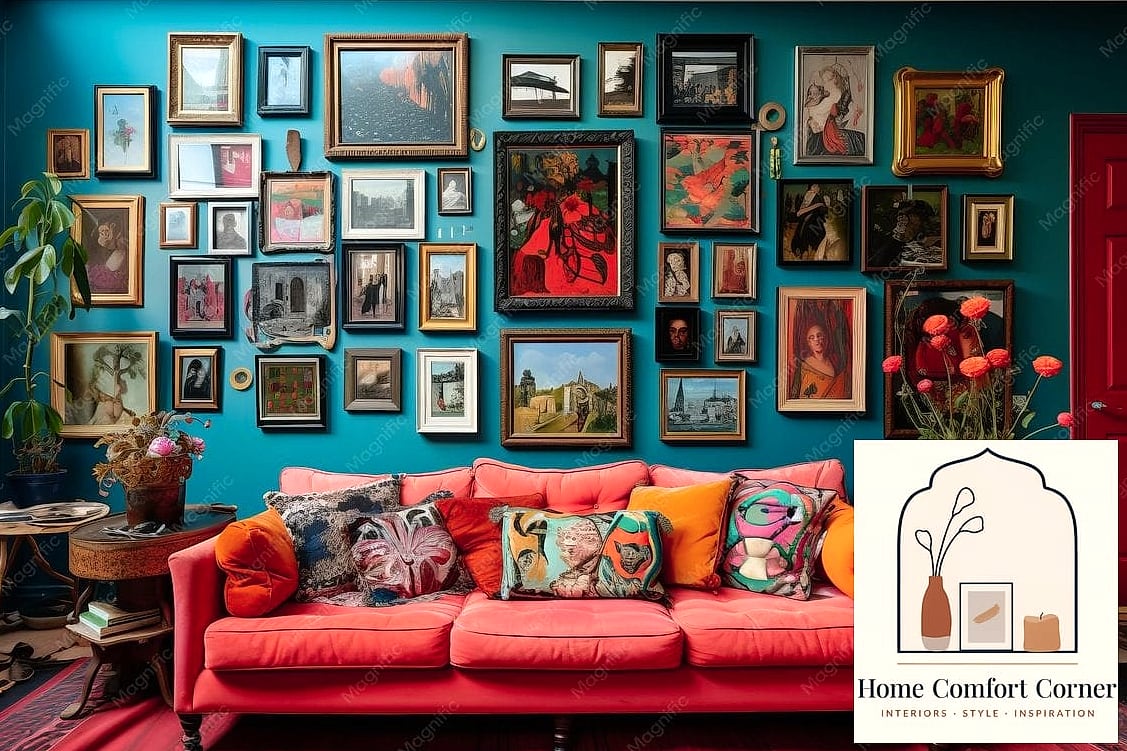
Forget the neat grid gallery wall you see in every starter apartment. Maximalist gallery walls go floor to ceiling, mixing frame sizes, colors, and even mediums like mirrors or small shelves. This works best in stairwells, hallways, or a living room wall that needs personality. It’s genuinely one of the most budget-friendly ways to fill a large wall, since you can mix thrifted frames with prints you already own. Just keep a loose color story running through the pieces so the wall feels curated rather than random.
Pattern-on-Pattern Bedroom
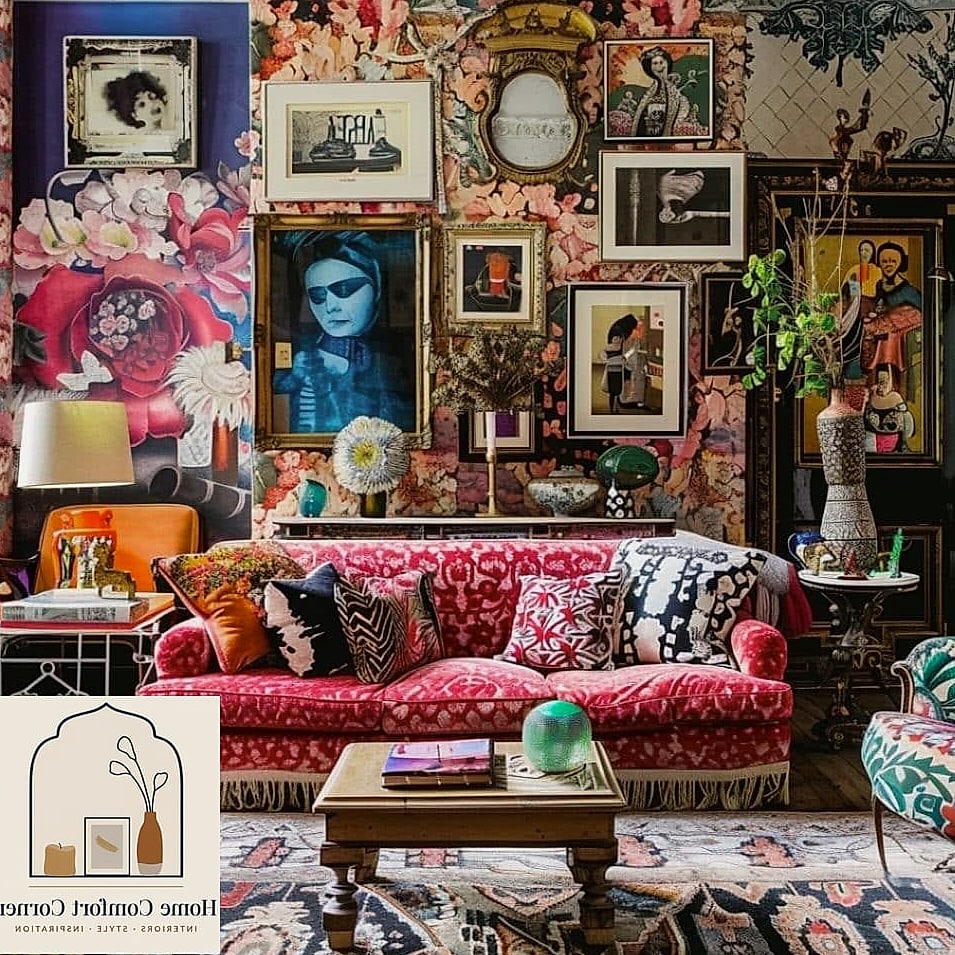
Florals with stripes, checks with paisley, it sounds like it shouldn’t work and yet it does. This look thrives in bedrooms because it creates a cocoon-like feeling that’s genuinely restful once you settle into it. The trick is keeping one consistent color palette running through all the patterns so your eye reads them as a family rather than a fight. A floral duvet paired with striped shams and a checked throw blanket is a low-risk way to test this before committing to wallpaper.
Maximalist Kitchen with Colorful Cabinetry
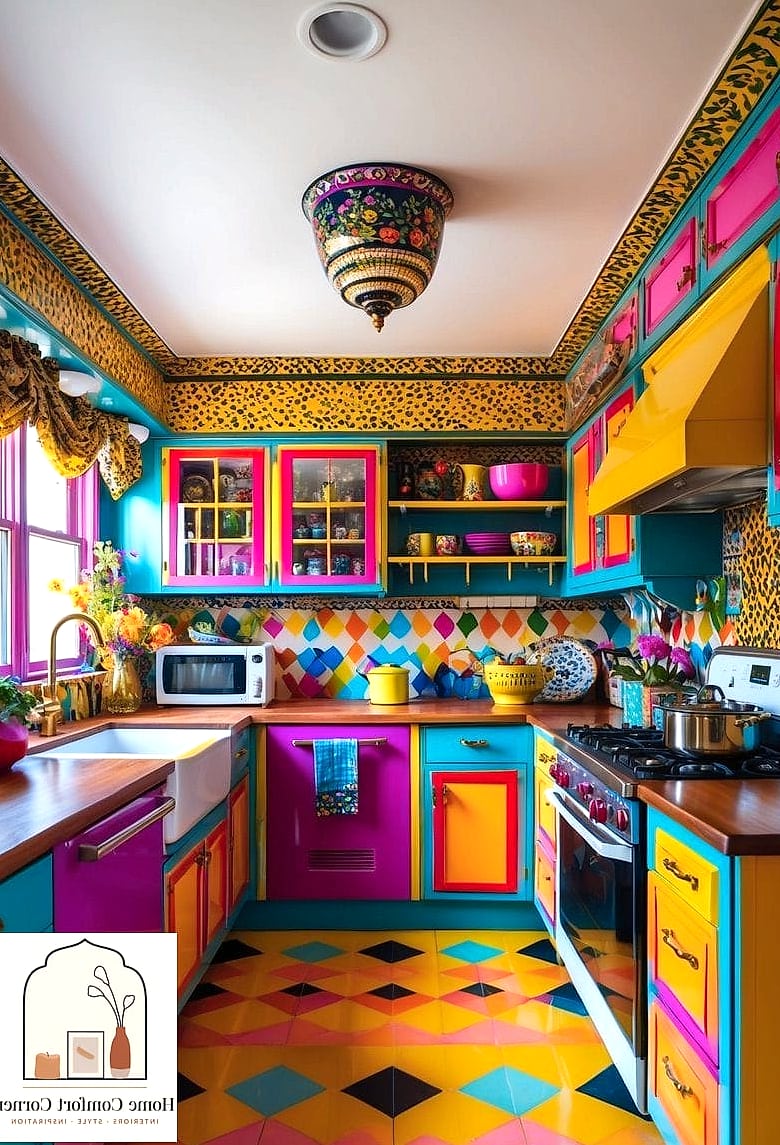
Swap out the all-white kitchen for cabinetry in a rich color like forest green, terracotta, or deep navy, then layer in patterned tile and brass hardware. This works in kitchens of any size, though smaller kitchens actually benefit because the color makes the space feel more intentional rather than cramped. It’s not the cheapest update since cabinet painting or replacement takes real budget, but a peel-and-stick backsplash in a bold pattern gets you most of the visual impact for a fraction of the cost.
Wallpapered Ceiling
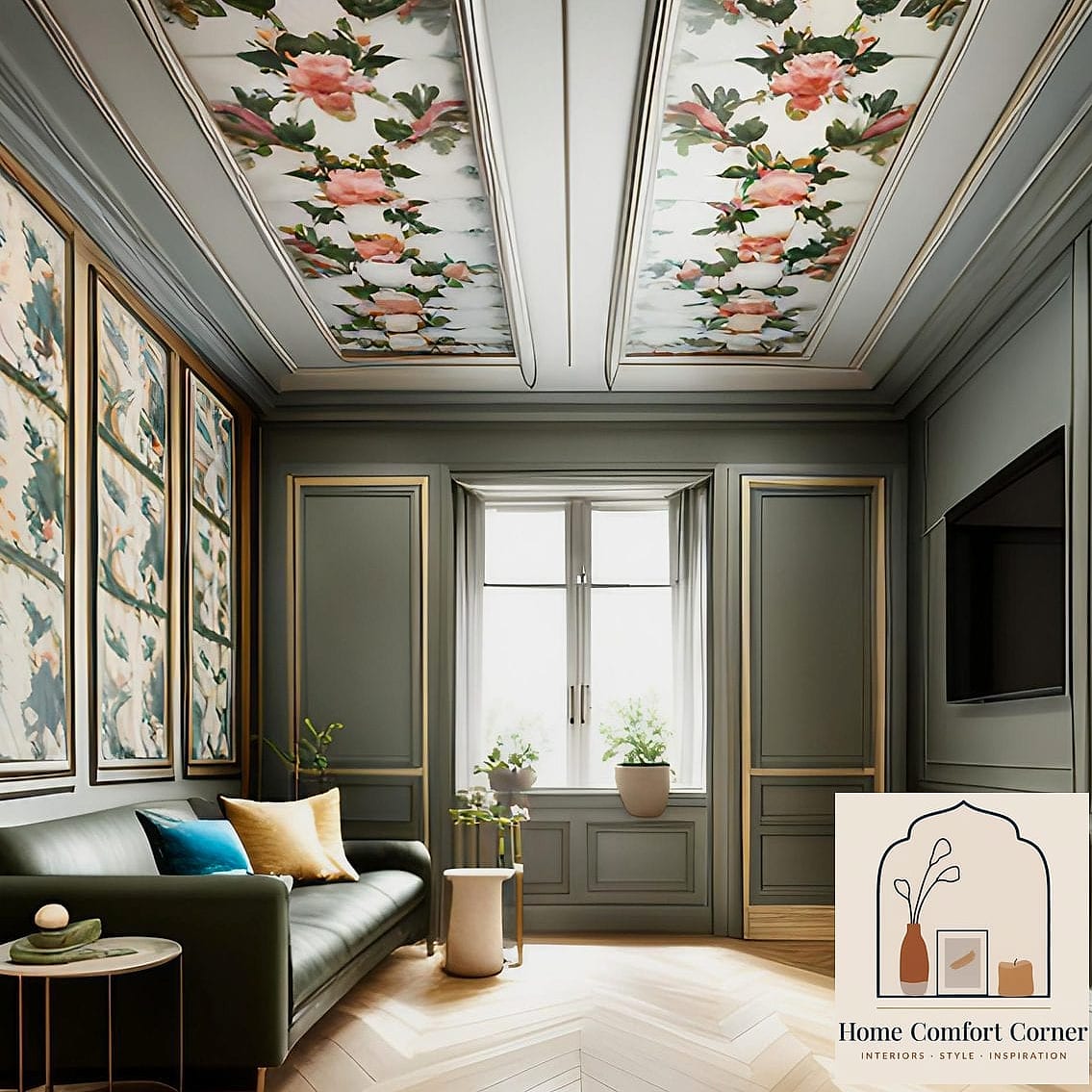
Also called the “fifth wall,” a wallpapered ceiling turns any room into something memorable. Bathrooms and powder rooms are the easiest place to start since the square footage is small and the commitment feels lower. Dining rooms and bedrooms are the next step up once you’re feeling confident. It’s not a weekend DIY for beginners, ceiling wallpaper is trickier than wall wallpaper, but the payoff is a room nobody forgets.
Layered Rugs in the Living Room
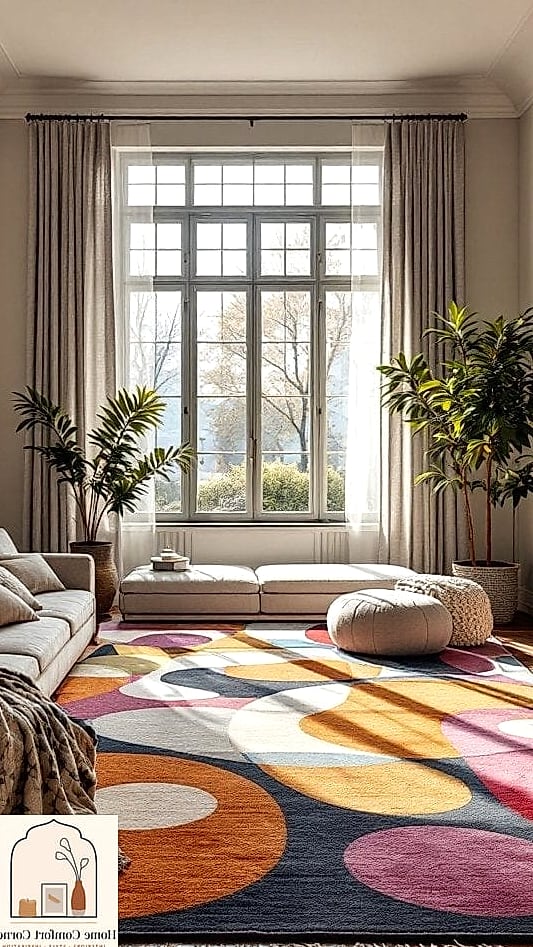
Placing a smaller patterned rug on top of a larger jute or neutral rug adds texture and visual depth without overwhelming the floor. This works especially well in open-concept living rooms where you want to define a seating area. It’s also genuinely practical, since layering protects a nicer rug from heavy foot traffic. Pet owners tend to like this approach too, since a busier pattern hides shedding and stains better than a solid neutral rug ever could.
Statement Ceiling Fixture
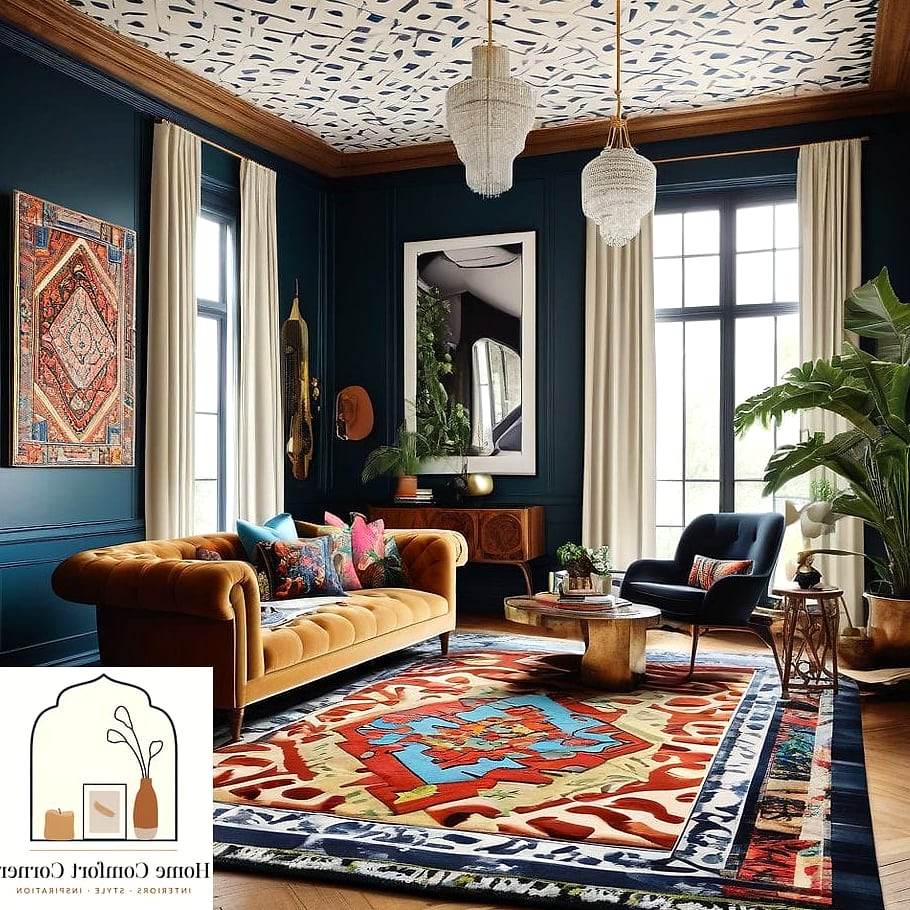
A dramatic chandelier or oversized pendant light does a lot of heavy lifting in a maximalist room. It works in entryways, dining rooms, and even bedrooms where you want a focal point that doesn’t compete with wall decor. Brass and antique brass finishes tend to feel warmer in these spaces than matte black, though both work depending on your existing palette. This is one of those upgrades that instantly makes a room feel more custom without requiring a full renovation.
Botanical Wallpaper with Vintage Furniture
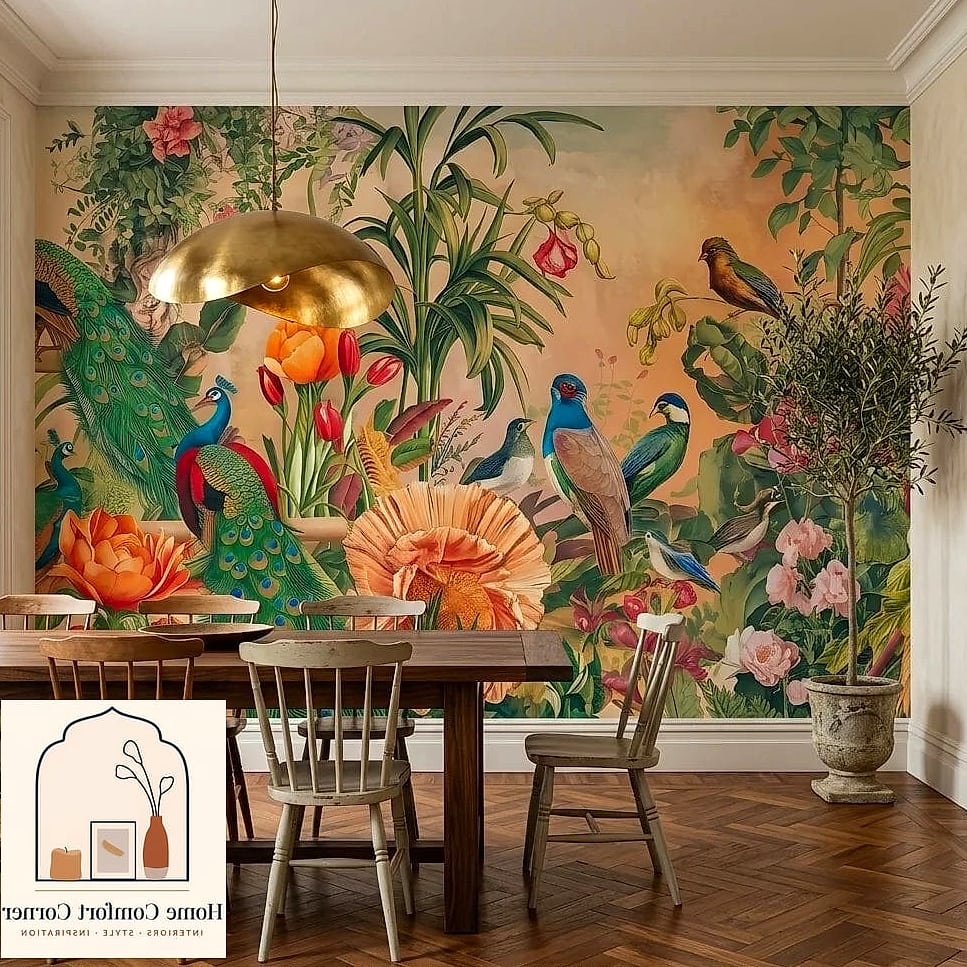
Large-scale leaf or floral wallpaper paired with vintage wood furniture creates a room that feels collected over time rather than bought in one trip. This pairing shows up often in dining rooms and reading nooks. The wallpaper brings the drama while the vintage pieces, think a scratched-up campaign dresser or a curved wood chair, keep things grounded. Secondhand shops and estate sales are genuinely the best source for furniture that already has the right patina.
Color-Drenched Bathroom
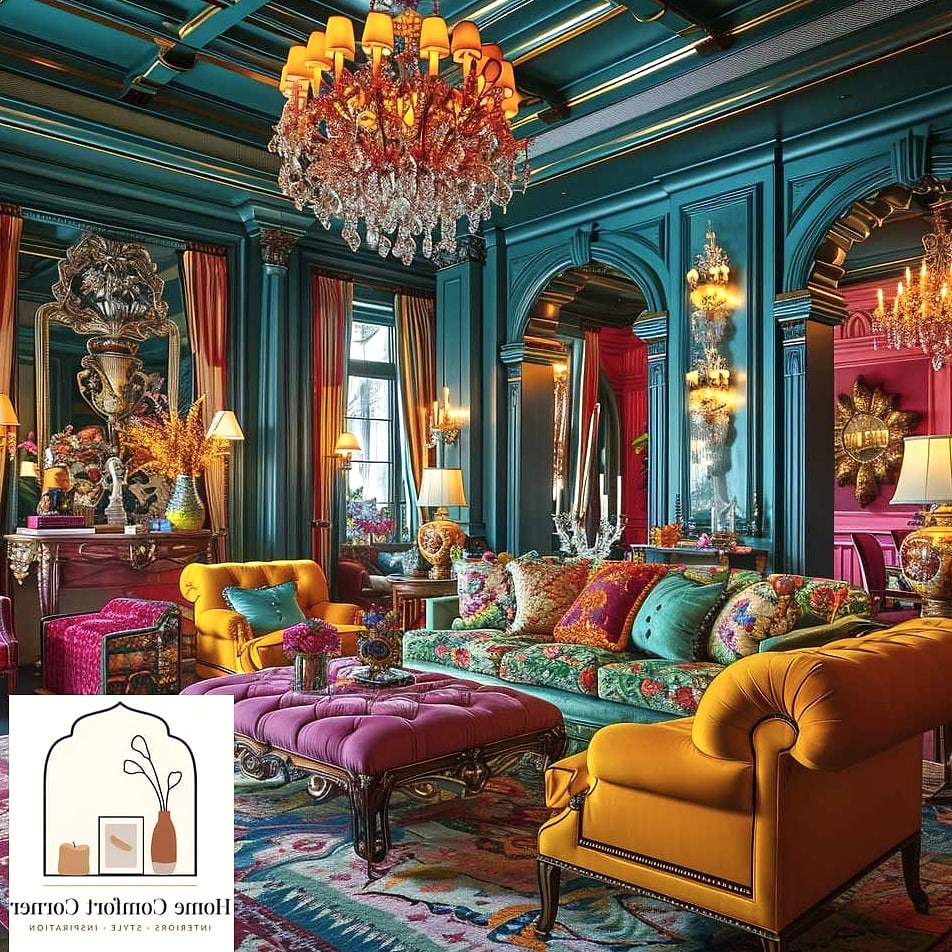
Color drenching means painting the walls, trim, and sometimes even the ceiling in a single saturated color. Bathrooms are the perfect testing ground because they’re small enough that the commitment feels manageable. A deep burgundy or mossy green bathroom feels like a jewel box, especially with brass or unlacquered brass fixtures. Maintenance-wise, stick to a satin or semi-gloss finish since bathrooms deal with humidity and you want something wipeable.
Mixed Metal Hardware Throughout the Home
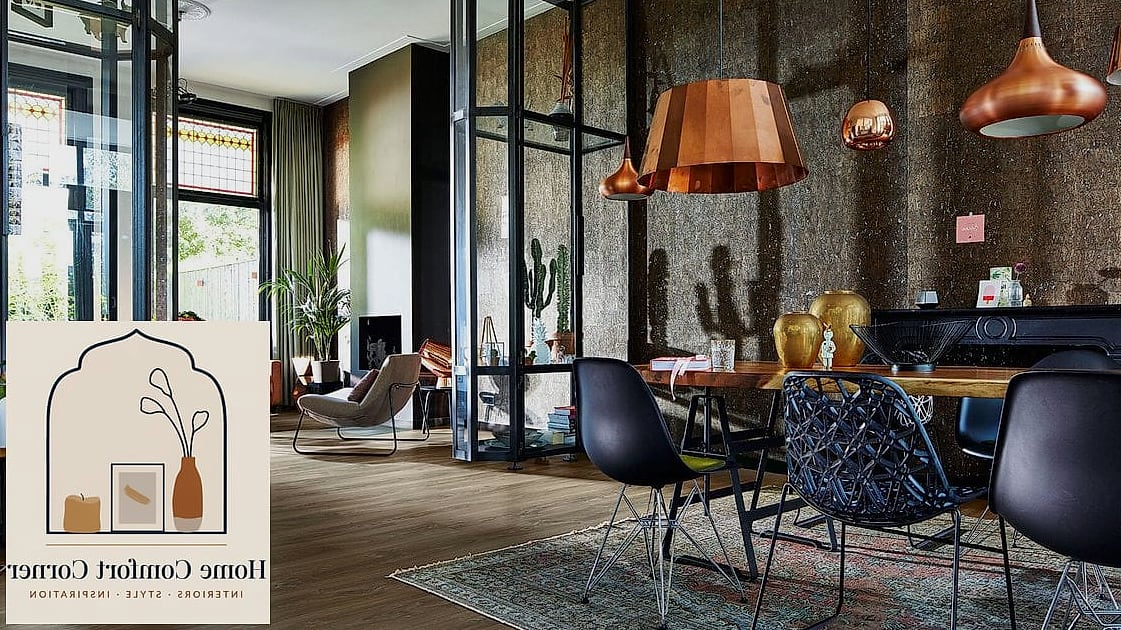
Instead of matching every faucet, doorknob, and light fixture, maximalist homes often mix brass, black, and even chrome across different rooms or even within the same room. It sounds risky, but it actually reads as more collected and less showroom. This works everywhere, from kitchen hardware to bathroom fixtures to lighting. If you’re renting, swap-friendly cabinet knobs are an easy way to try this without touching anything permanent.
Curated Curio and Display Shelving
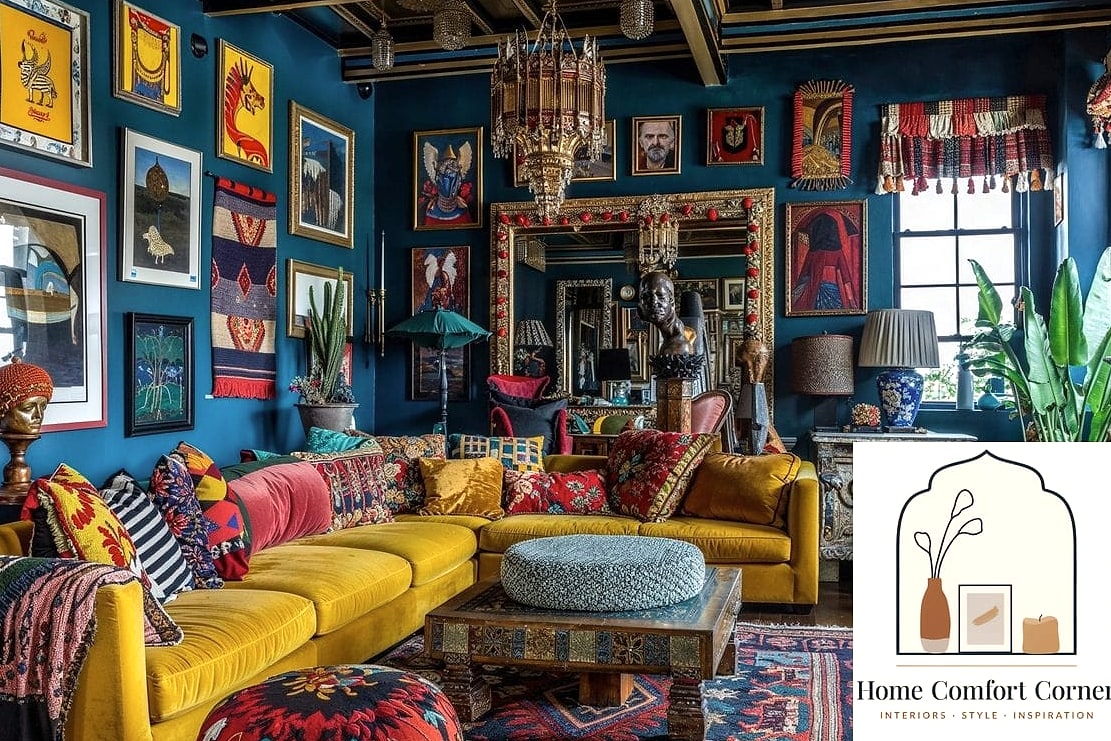
Open shelving stacked with books, ceramics, small art, and travel finds gives a room that lived-in maximalist feel. This works particularly well in living rooms and home offices where you actually want to display collections instead of hiding them. The key to keeping it from looking cluttered is grouping by color or category rather than scattering randomly. Floating shelves are the easiest and most budget-friendly way to start if you don’t already have a built-in.
Maximalist Dining Room with Bold Wallpaper and Art
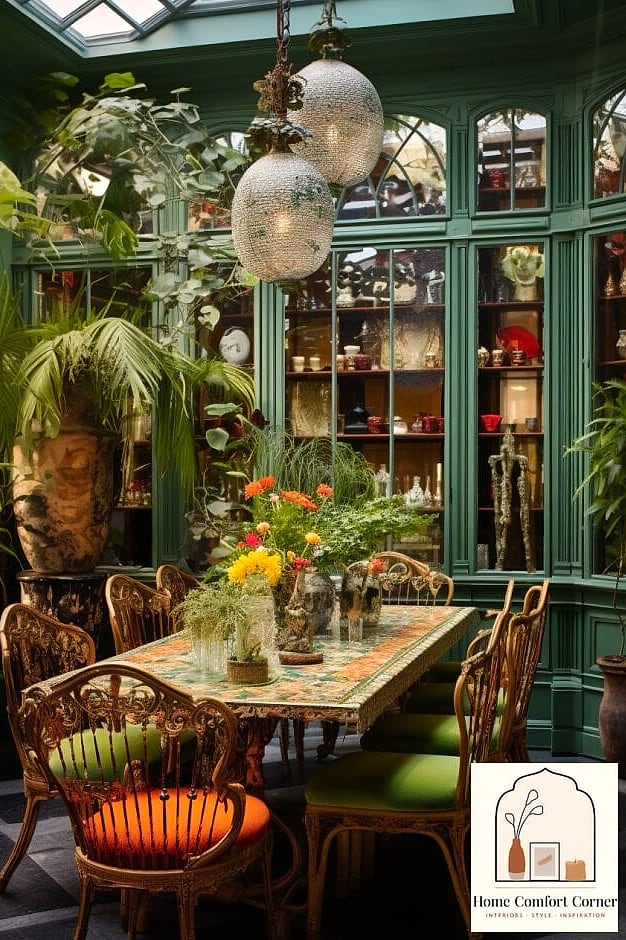
Dining rooms are one of the best places to go bold since you’re not living in them all day. A dramatic wallpaper paired with a gallery of mismatched framed art creates a space that feels genuinely special for dinner parties. This look tends to favor darker, richer wallpaper tones since dining rooms are often used in the evening under warm lighting. If wallpaper feels like too much, a bold paint color with a wallpapered accent wall gets a similar effect for less money.
Velvet and Brass Reading Nook
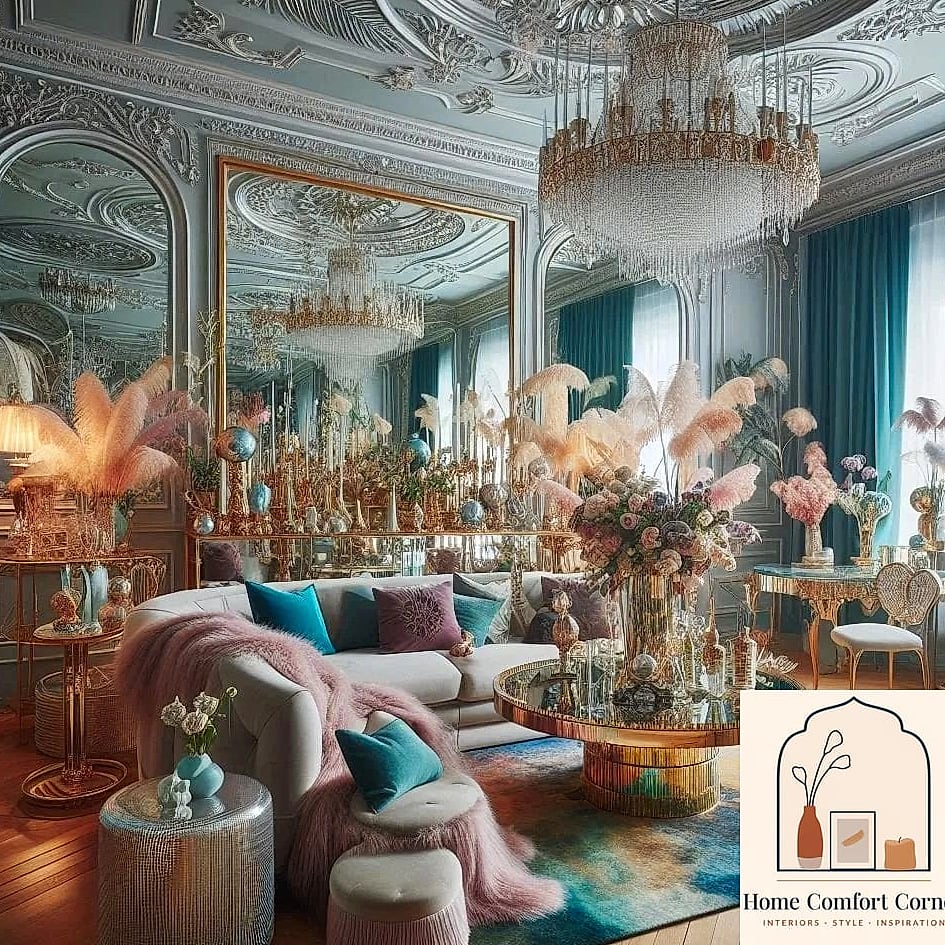
A small corner with a velvet armchair, a brass floor lamp, and a stack of books on a side table is maximalism in miniature. This works in bedrooms, living rooms, or even a converted closet if you’re short on square footage. It’s proof that you don’t need a huge room to embrace this style, sometimes a single well-styled corner does more for a home’s personality than an entire redone living room.
Layered Window Treatments
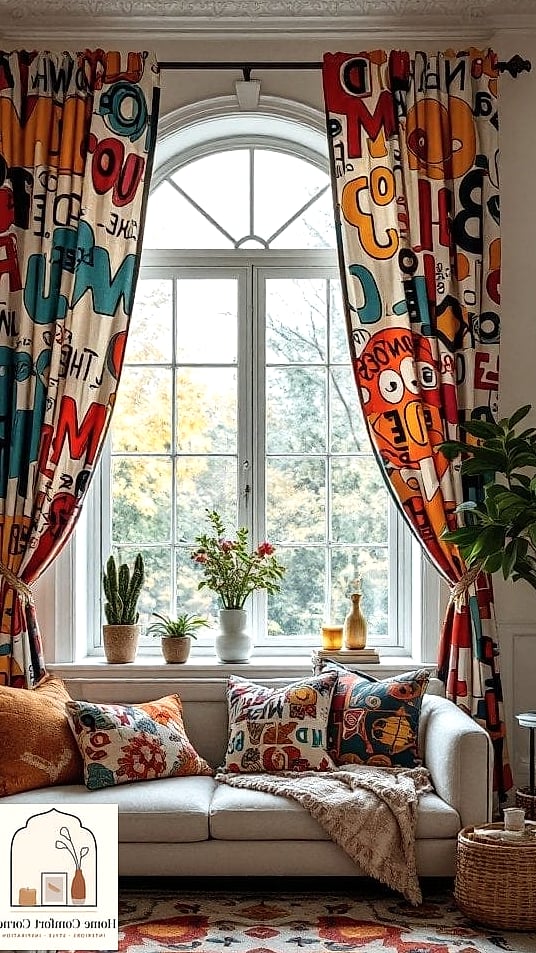
Combining sheer curtains with a heavier patterned drape, then adding a valance or cornice on top, gives windows the same layered richness maximalist rooms are known for. This works in any room but shows up most often in living rooms and primary bedrooms. It’s also practical: the sheer layer keeps light coming in during the day while the heavier drape offers privacy and light-blocking at night. Just make sure your curtain rod can handle the extra weight.
Antique Mirror Wall
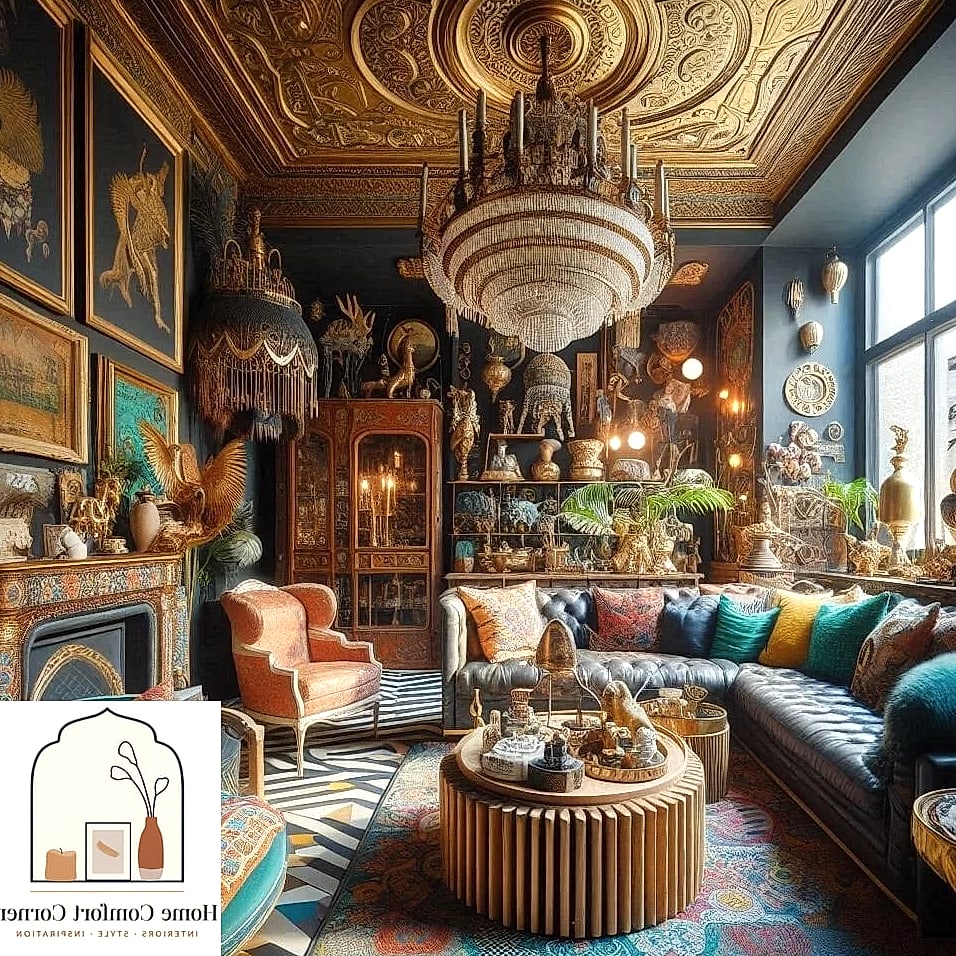
Grouping several antique or vintage-style mirrors of different shapes and sizes on one wall adds pattern, light, and depth all at once. This works especially well in entryways, dining rooms, and small living rooms where you want to bounce light around. Unlike a single large mirror, a cluster feels more like art than function. Secondhand stores are a genuinely great source for these since mismatched frames are actually the point.
Maximalist Home Office with Bold Wall Color and Art
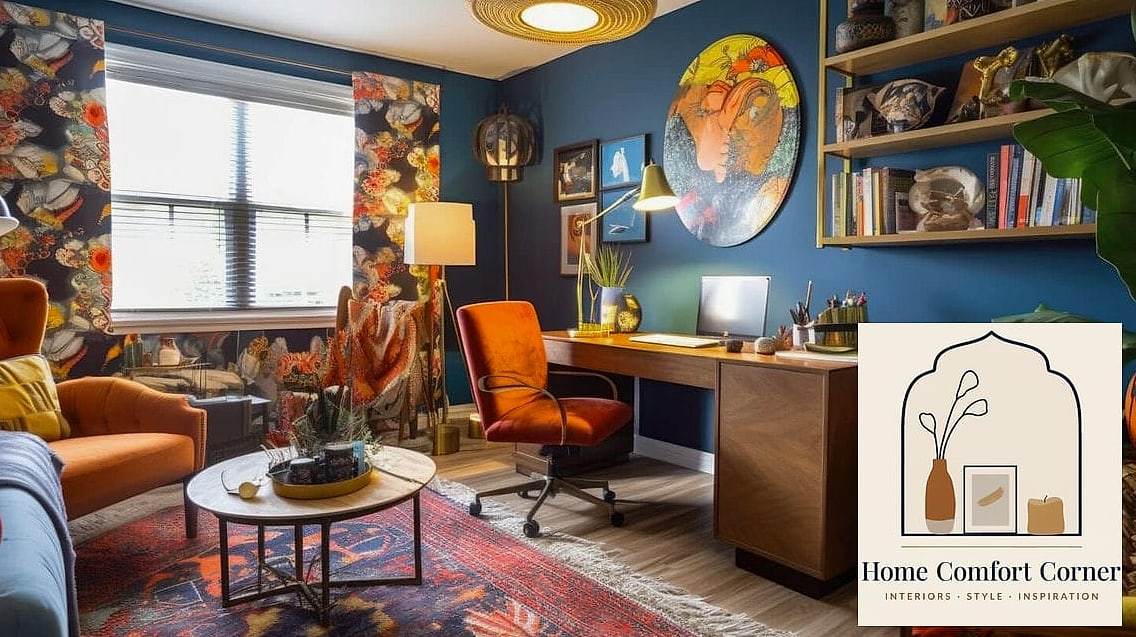
A home office painted in a deep, saturated color with a dense gallery of art and framed prints creates a space that feels energizing rather than sterile. This works well for anyone who spends real hours working from home and wants the space to feel less like an afterthought. Dark walls paired with a warm wood desk and a patterned rug ground the room without making it feel like a cave, especially with a good desk lamp doing the work in the evening.
Layered Greenery Throughout the Home
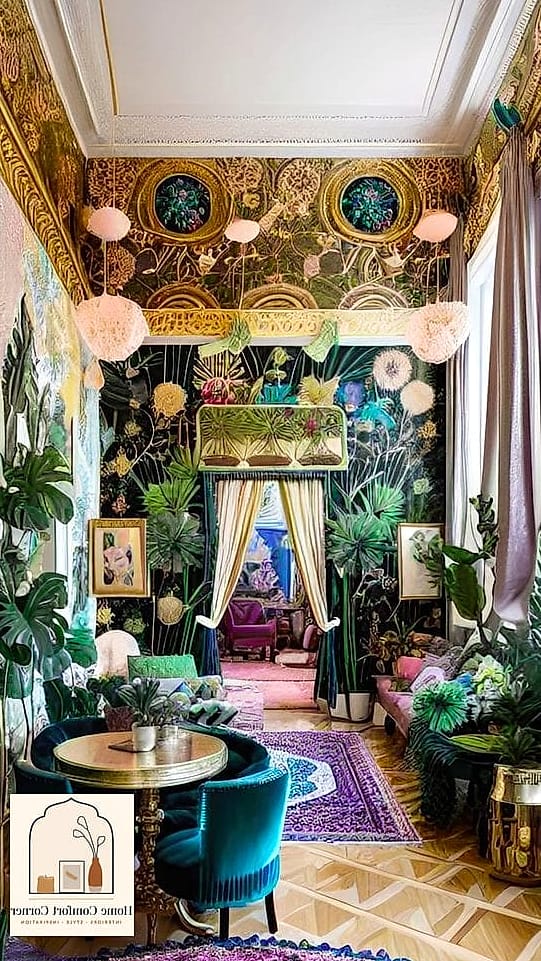
Grouping plants of different heights, pot styles, and leaf shapes across shelves, windowsills, and floor corners adds an organic layer that ties a maximalist room together. This works in nearly every room, though kitchens and living rooms tend to have the best light for it. Mixing a trailing pothos with a tall fiddle leaf fig and a few smaller succulents in varied pots, terracotta, ceramic, woven baskets, gives you texture without spending much. It’s also one of the easiest ways to soften a room that’s heavy on pattern and color, giving your eyes a natural resting point.
Maximalism isn’t about filling every surface just because you can. The best rooms on this list all share the same underlying logic: a consistent color story, a mix of textures, and pieces that actually mean something to the person living there. Start with one room, maybe that reading nook or the gallery wall, and build from there. You’ll know pretty quickly whether this style speaks to you, and if it does, there’s no shortage of ways to keep layering it into the rest of your home.