16 Transitional Interior Design Style Ideas to Steal From Interior Designers
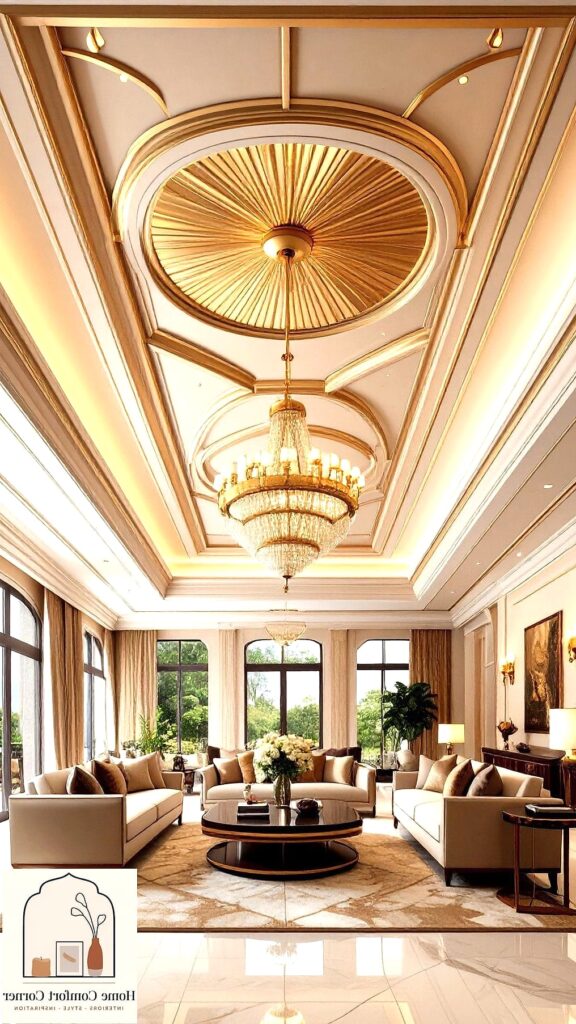
- Mixing Curved and Straight Furniture Lines
- Neutral Color Palettes with Warm Undertones
- Natural Stone and Quartz Countertops
- Wood Tones Paired with Matte Black Fixtures
- Statement Lighting as the Focal Point
- Layered Textiles for Added Warmth
- Open Shelving with Curated Styling
- Traditional Millwork with Modern Trim
- Upholstered Headboards in Neutral Fabrics
- Herringbone and Chevron Flooring Patterns
- Blending Antique Pieces with Contemporary Furniture
- Soft Arches in Doorways and Niches
- Family-Friendly Durable Fabrics
- Brushed Brass and Warm Metal Accents
- Built-In Storage with Simple Cabinet Fronts
- Grounding Rugs in Muted, Organic Patterns
16 Transitional Interior Design Style Ideas to Steal From Interior Designers
Transitional design is having a real moment, and honestly, it’s not hard to see why. It’s the sweet spot between traditional warmth and modern simplicity, and it works for pretty much any home, any budget, any lifestyle. If you’ve ever felt torn between cozy and clean-lined, this style solves that problem for you.
I’ve pulled together 16 transitional interior design style ideas that designers keep coming back to, whether they’re working on a full renovation or just refreshing a single room. Let’s get into it.
Mixing Curved and Straight Furniture Lines
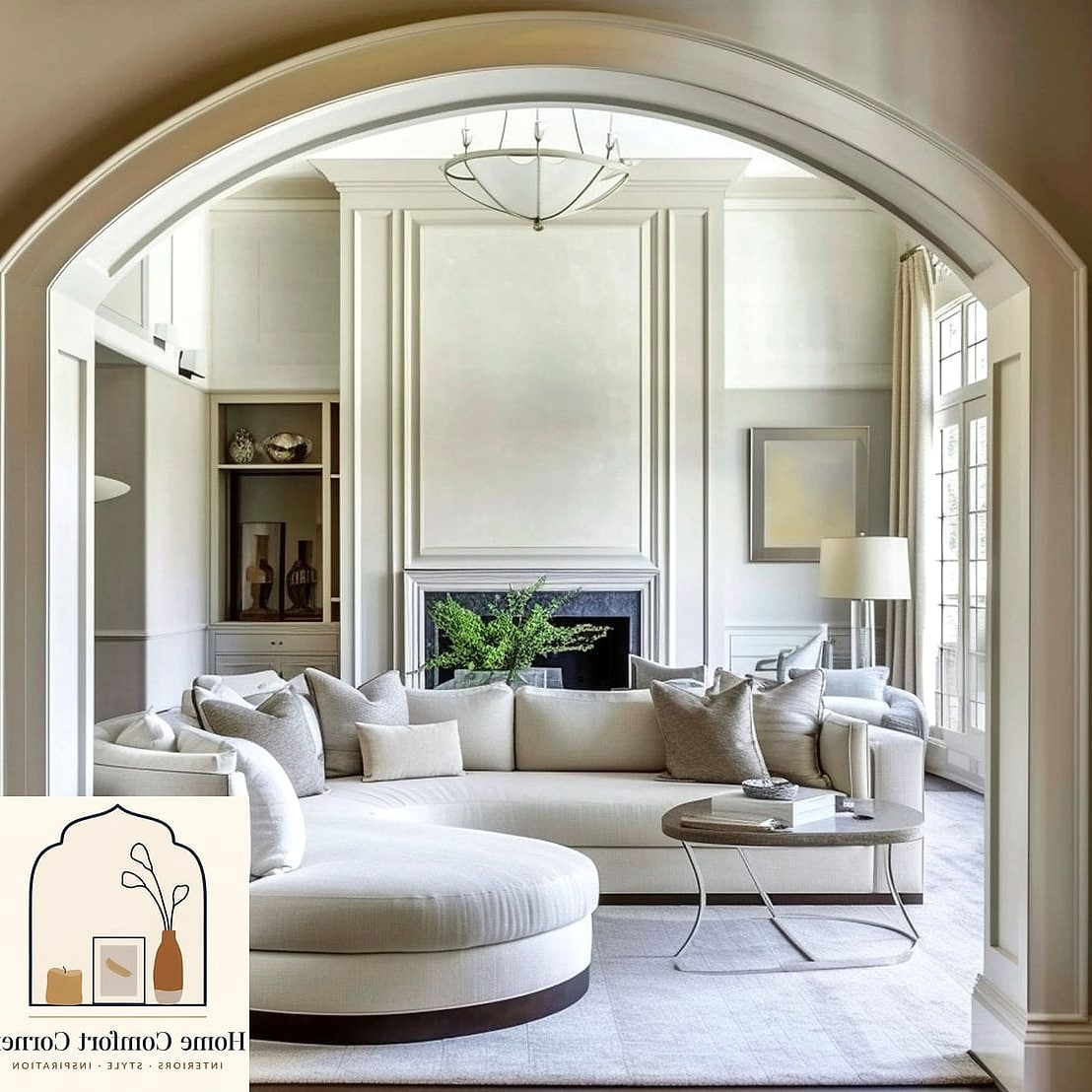
One of the easiest ways to nail transitional style is pairing a rounded piece with something more angular. Think a curved sofa next to a rectangular coffee table, or an arched mirror above a straight-edged console.
This works because it keeps a room from feeling too formal or too casual. Designers love this trick in living rooms and entryways since it adds visual interest without adding clutter. If you’re shopping secondhand, this is a great excuse to mix pieces from totally different eras.
Neutral Color Palettes with Warm Undertones
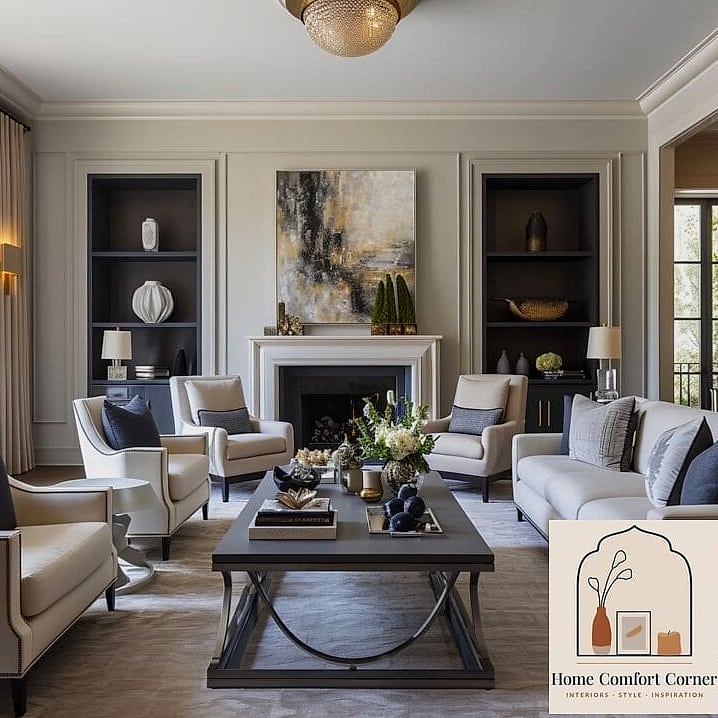
Transitional spaces almost always lean neutral, but the trick is avoiding anything that feels flat or cold. Think warm greige, soft taupe, creamy whites, and muted tans layered together.
This palette works in every room of the house and it’s incredibly forgiving if you’re renting or planning to sell down the road. Add depth with a couple of deeper accent tones in pillows or art so the space doesn’t read as boring beige.
Natural Stone and Quartz Countertops
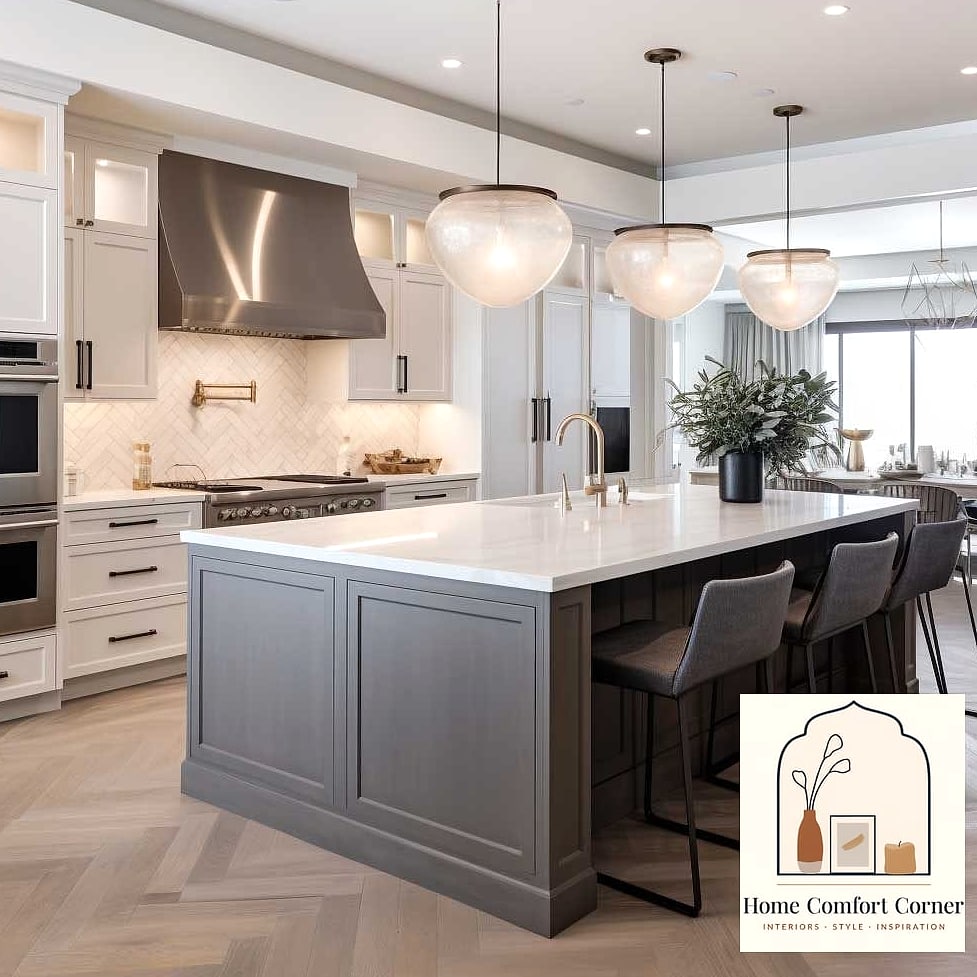
Kitchens and bathrooms lean heavily on natural stone or quartz countertops in transitional homes. Honed marble, soft-veined quartz, and quartzite all fit the bill nicely.
The appeal here is durability paired with a look that doesn’t scream any one decade. Quartz is especially popular because it’s low maintenance and holds up well for families who actually cook and clean in their kitchens daily.
Wood Tones Paired with Matte Black Fixtures
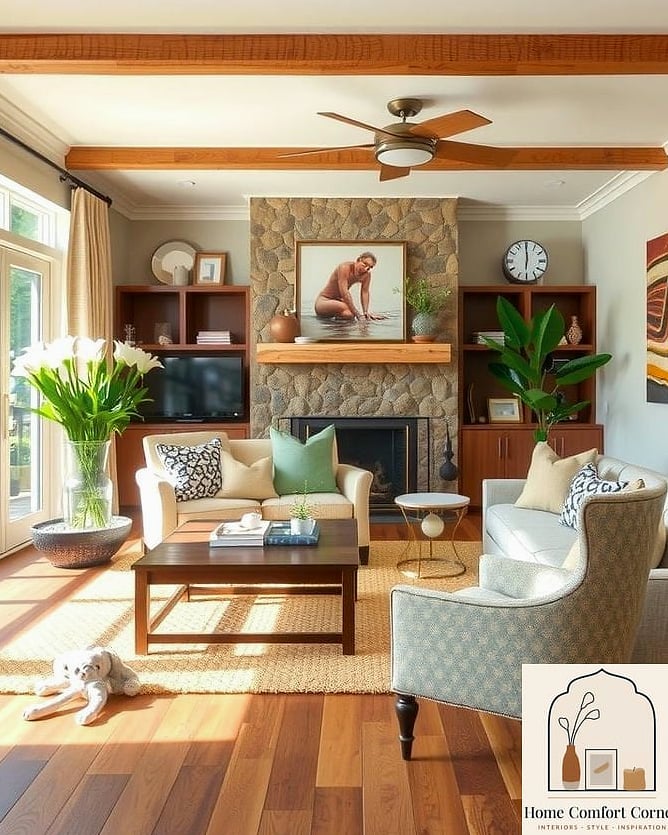
Warm wood tones, whether it’s a dining table, floating shelves, or flooring, look fantastic next to matte black hardware and fixtures. This combo shows up constantly in transitional kitchens and bathrooms.
It’s a pairing that feels grounded and a little masculine without losing warmth. Matte black faucets, cabinet pulls, and light fixtures are widely available now at almost every price point, so this is an easy update even on a tighter budget.
Statement Lighting as the Focal Point
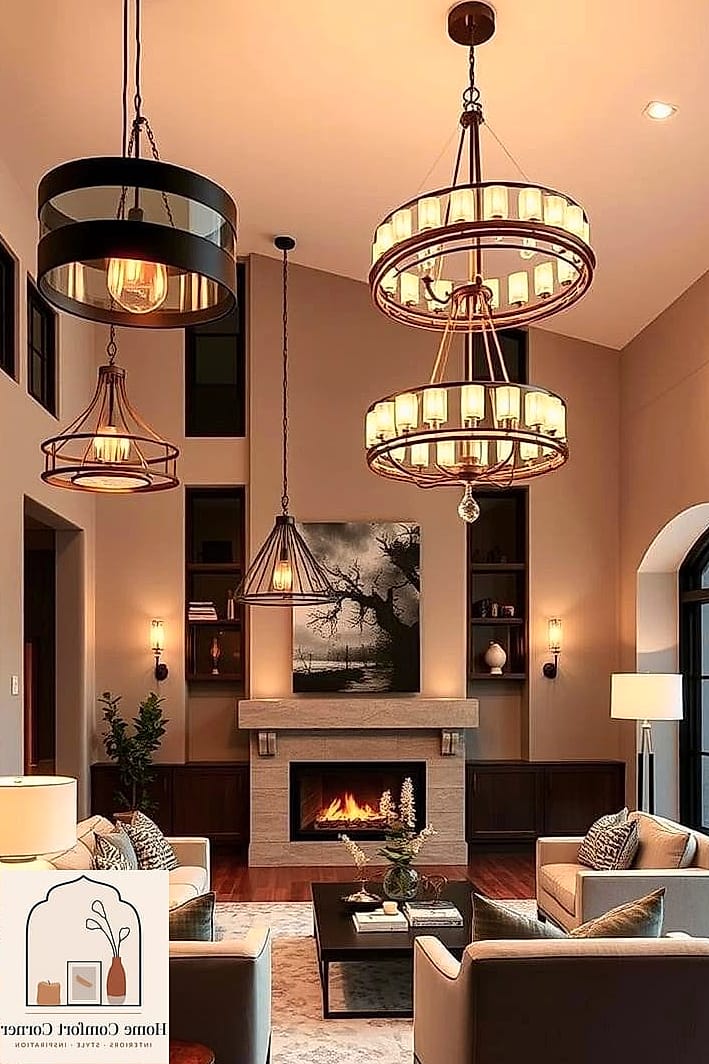
Transitional rooms often use one standout light fixture to anchor the space, whether that’s a woven pendant over a kitchen island or a sculptural chandelier in the dining room.
The rest of the room stays fairly quiet so the lighting can do the talking. This is a smart move for renters too, since swapping a light fixture is one of the more affordable, high-impact changes you can make.
Layered Textiles for Added Warmth
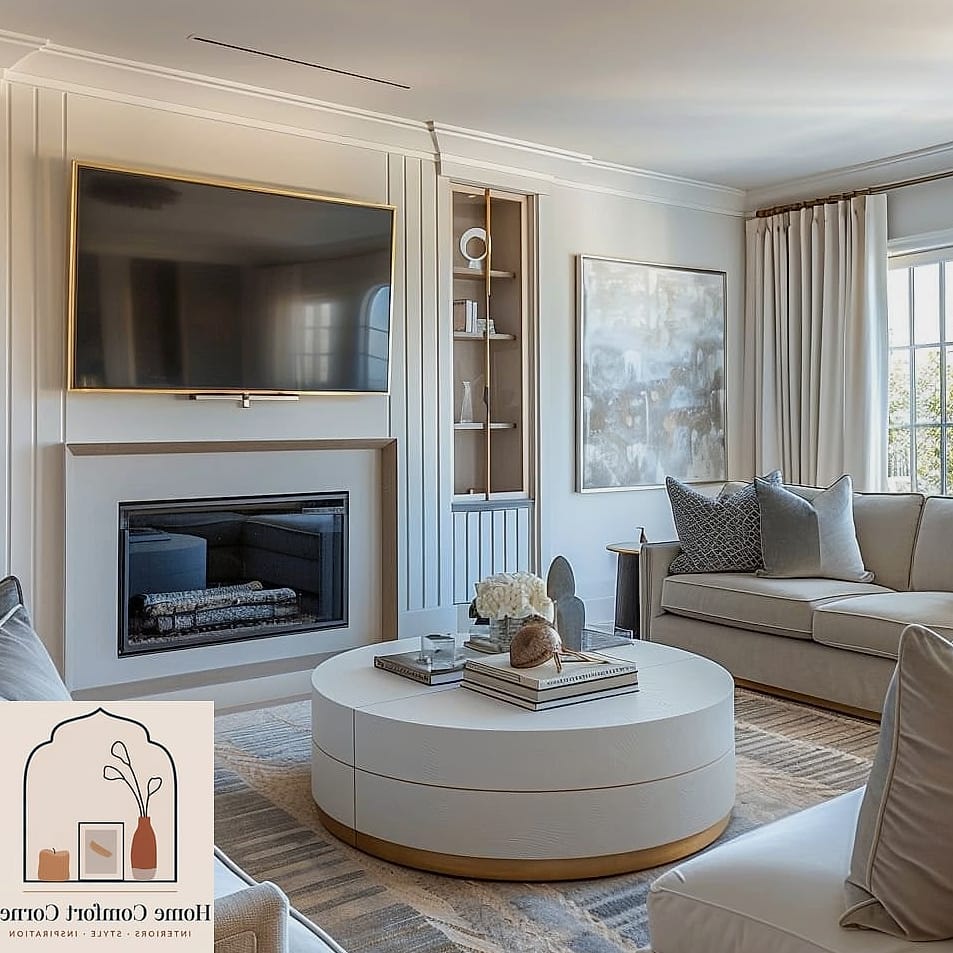
Because transitional design leans neutral, texture becomes the thing that keeps a room from feeling sterile. Chunky knit throws, linen curtains, woven baskets, and boucle upholstery all add depth.
This is where personality sneaks in without color. Bedrooms and living rooms benefit the most here, and it’s a low-cost way to soften a space that might otherwise feel a bit stiff.
Open Shelving with Curated Styling
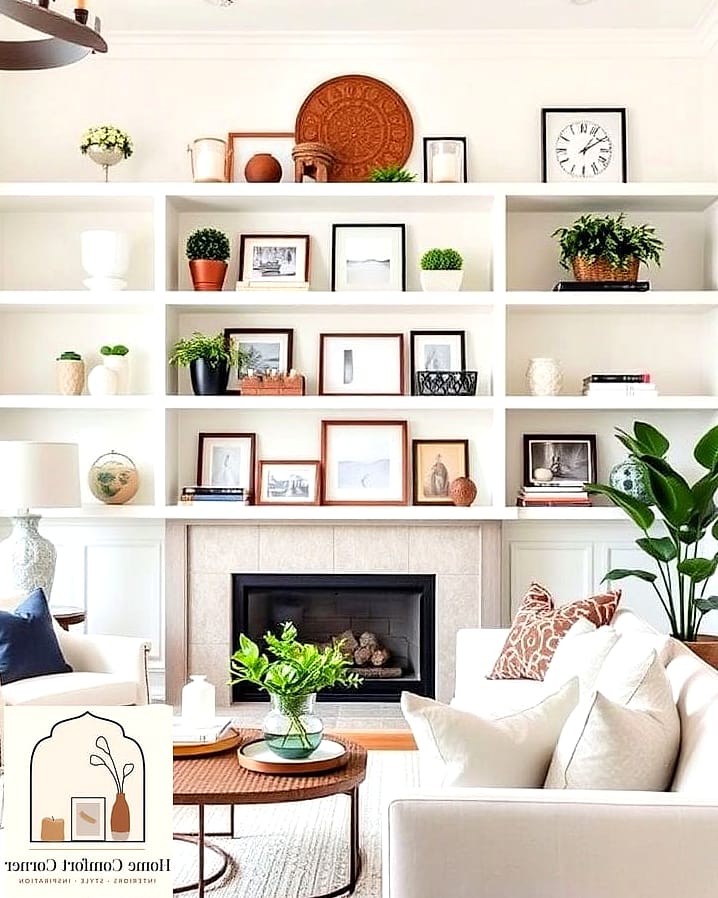
Open shelving shows up a lot in transitional kitchens, and it works best when it’s not overstuffed. A few pieces of stoneware, some woven baskets, a stack of cookbooks.
The key is restraint. This idea is great for smaller kitchens where cabinet space is limited, and it doubles as an easy way to display things you actually use instead of hiding everything behind closed doors.
Traditional Millwork with Modern Trim
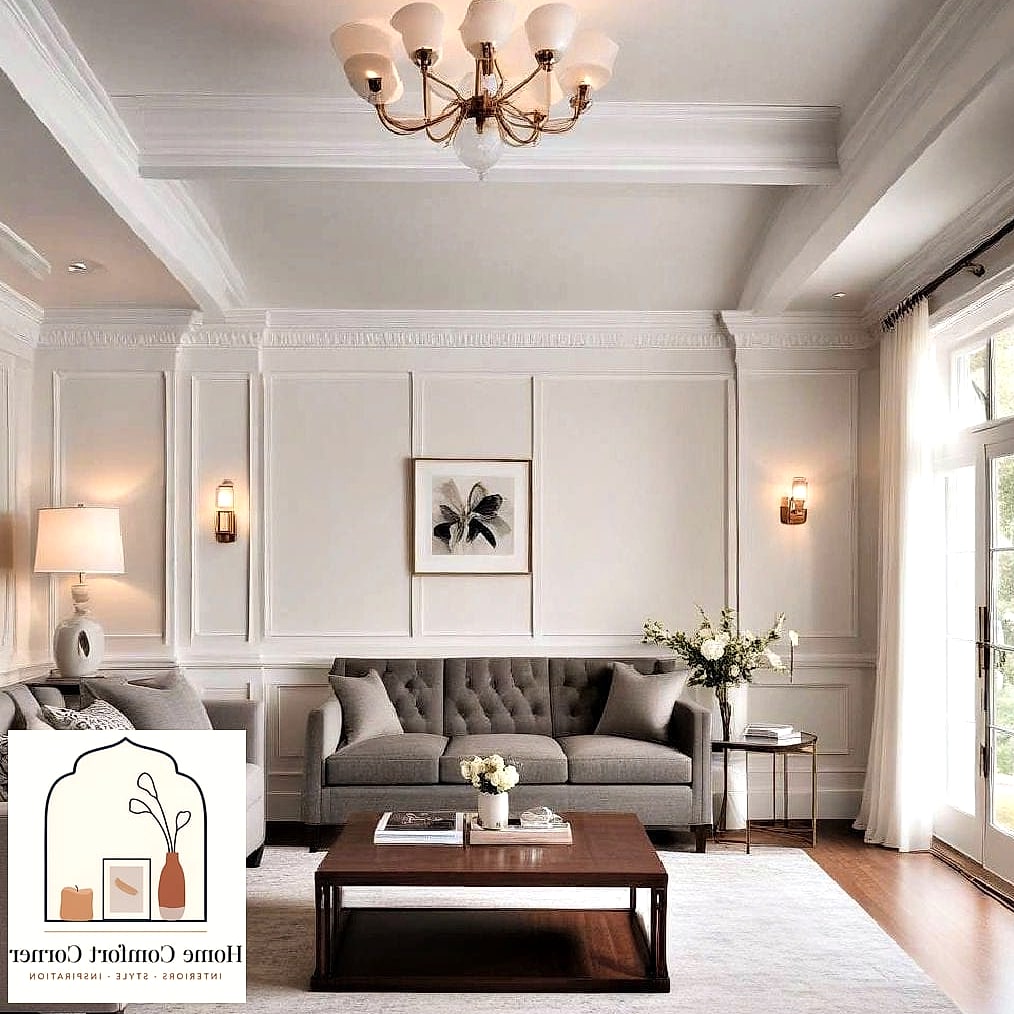
Crown molding, wainscoting, and paneled walls still have a place in transitional homes, but they’re usually painted a single crisp color instead of stained wood tones from decades past.
This gives older homes a fresh, updated feel without stripping away their character. If you’re working with a builder-grade space, adding simple picture-frame molding is a budget-friendly way to borrow this look.
Upholstered Headboards in Neutral Fabrics
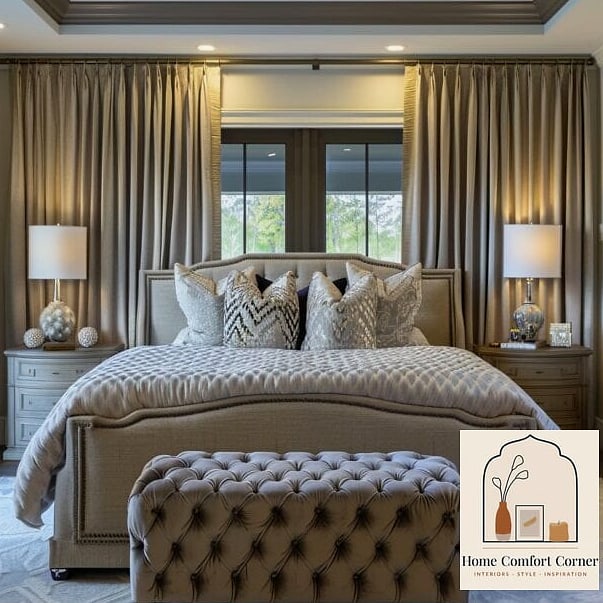
Bedrooms lean heavily on upholstered headboards in linen or performance fabric, usually in oatmeal, soft gray, or warm white. Channel-tufted and simple wingback styles both fit.
This is one of those upgrades that instantly makes a bedroom feel more custom without requiring a full renovation. It’s also a smart pick for families with kids or pets since performance fabrics clean up easily.
Herringbone and Chevron Flooring Patterns
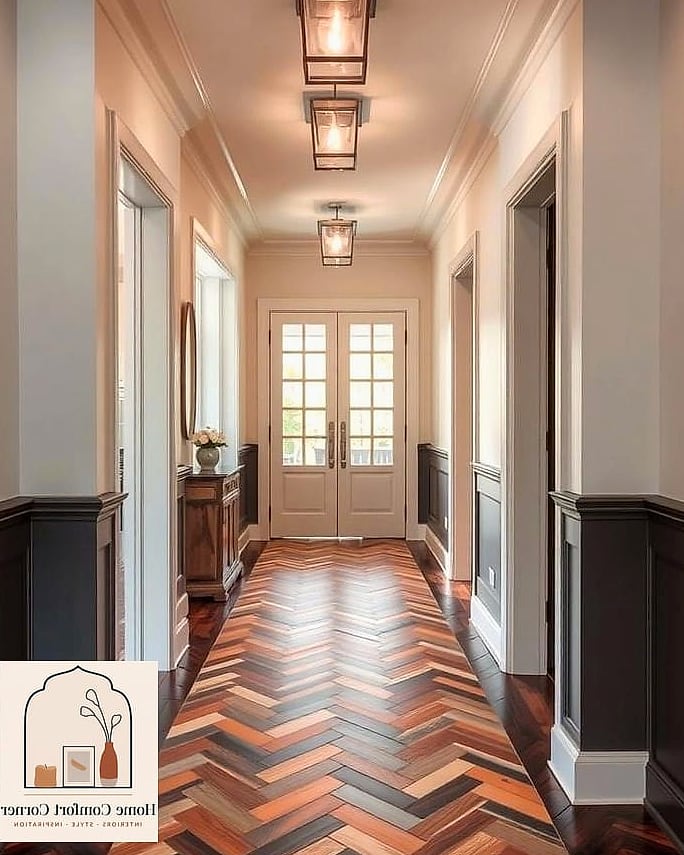
Wood or wood-look flooring laid in a herringbone pattern adds subtle movement to a transitional space without being loud about it. It works with both engineered hardwood and porcelain tile that mimics wood.
Entryways and kitchens are popular spots for this treatment since it can handle foot traffic well. It’s pricier to install than standard plank flooring, so budget accordingly if you’re going this route.
Blending Antique Pieces with Contemporary Furniture
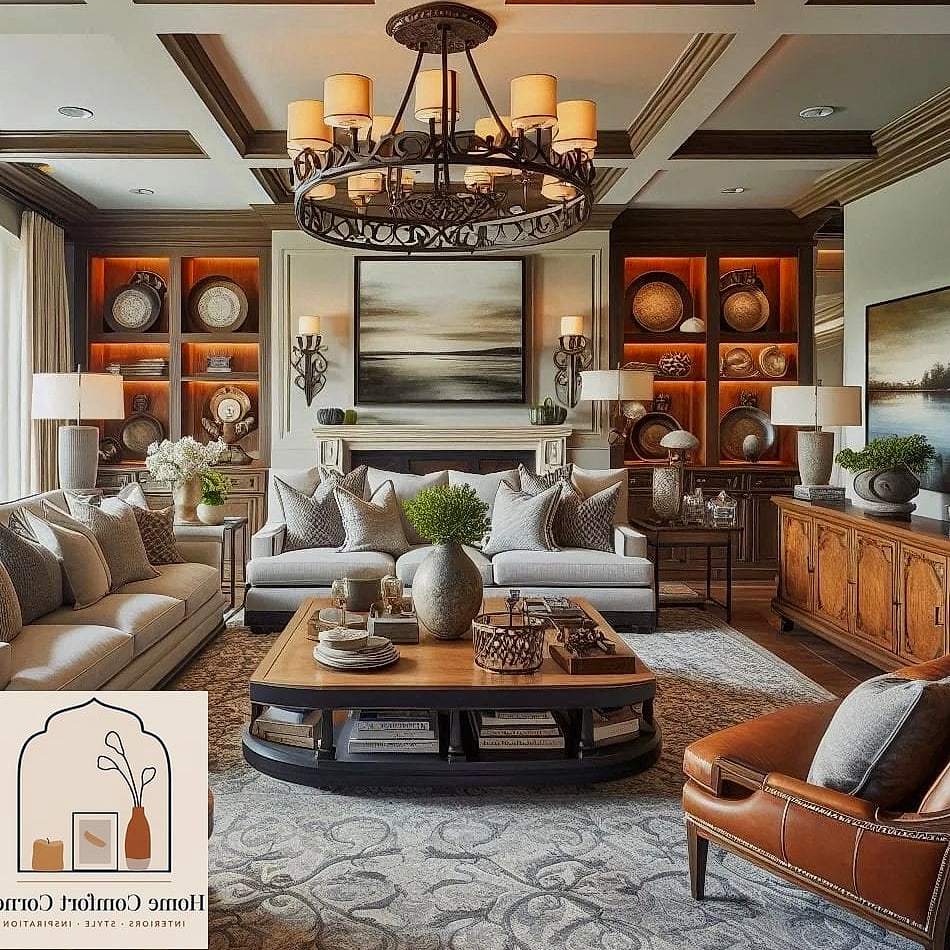
A grandmother’s dresser next to a sleek modern sofa. An antique mirror above a streamlined credenza. This kind of mixing is a signature move in transitional design.
It keeps rooms from feeling like they came straight out of a showroom. If you’ve inherited furniture or love thrifting, this is genuinely one of the more forgiving styles to work with since almost anything can find a home here.
Soft Arches in Doorways and Niches
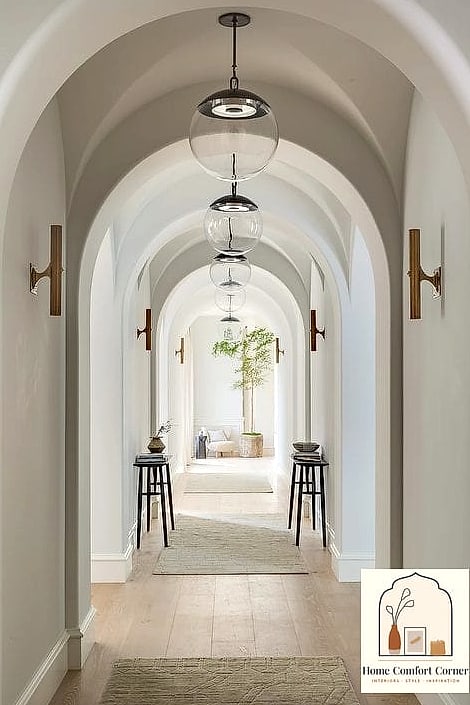
Arched doorways, built-in niches, and curved cabinetry details are popping up more and more in transitional homes. They soften all those straight lines without tipping into a fully traditional look.
This works especially well in hallways and entryways. If a full architectural change isn’t in the cards, even an arched mirror or a curved cabinet front can hint at the same feeling.
Family-Friendly Durable Fabrics
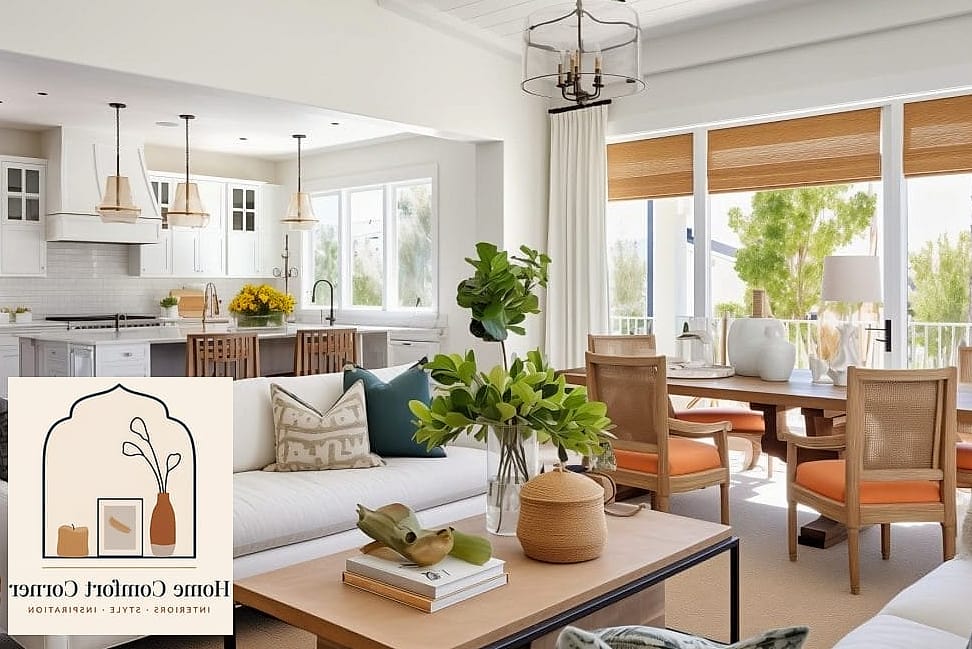
Because transitional homes tend to be lived-in family spaces, performance fabrics like Crypton or Sunbrella show up a lot on sofas and dining chairs. They resist stains and hold up to daily use.
This matters if you’ve got kids, pets, or just a busy household. Designers often recommend these fabrics in neutral tones so they blend seamlessly while still doing the heavy lifting practically.
Brushed Brass and Warm Metal Accents
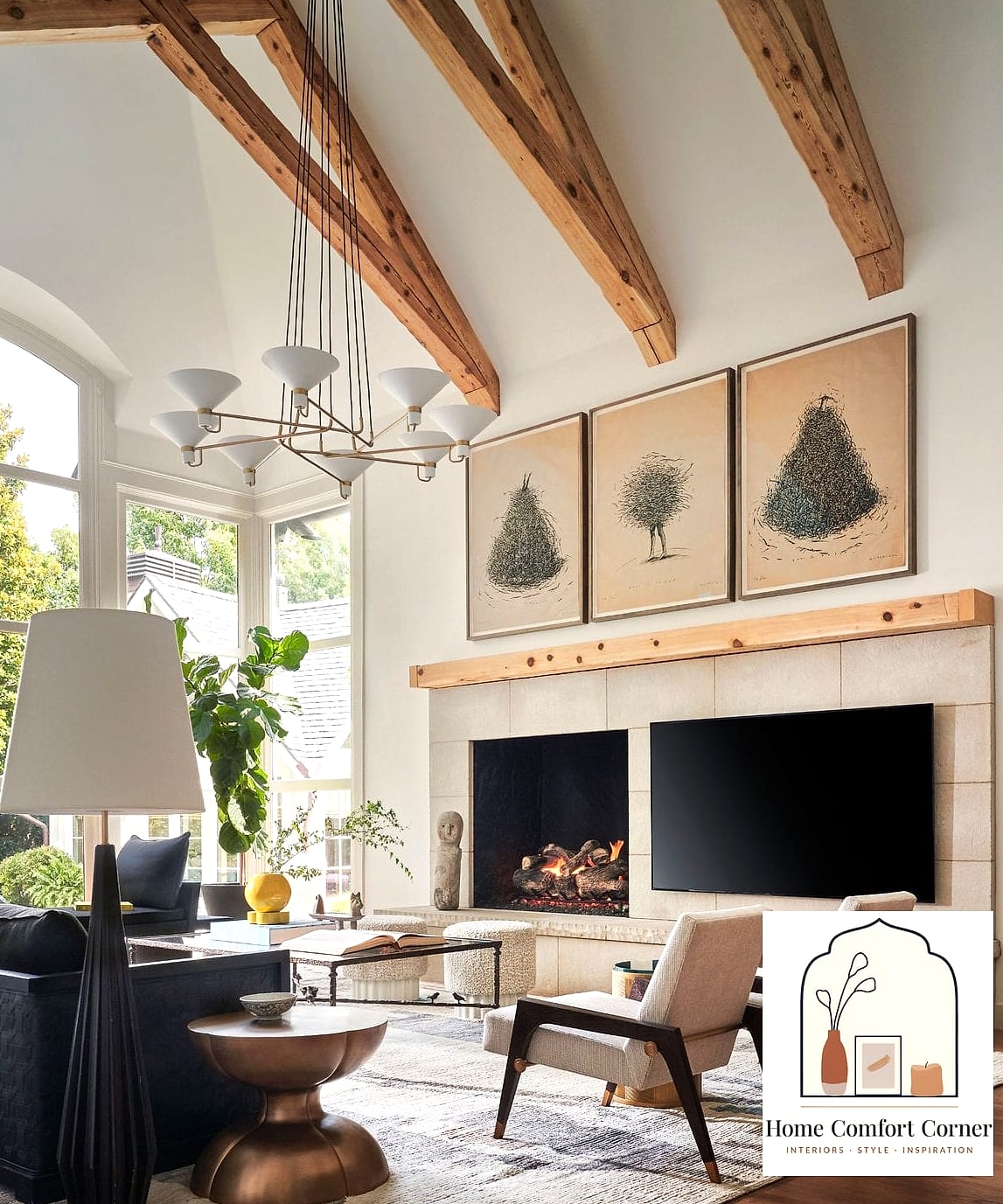
While matte black gets a lot of attention, brushed brass and warm gold accents are just as common in transitional spaces. Cabinet hardware, faucets, and light fixtures in these warmer metals soften a room.
This tone pairs beautifully with the warm neutral palettes transitional design leans on. Mixing metals, like brass hardware with black fixtures, is also totally acceptable here and actually adds interest.
Built-In Storage with Simple Cabinet Fronts
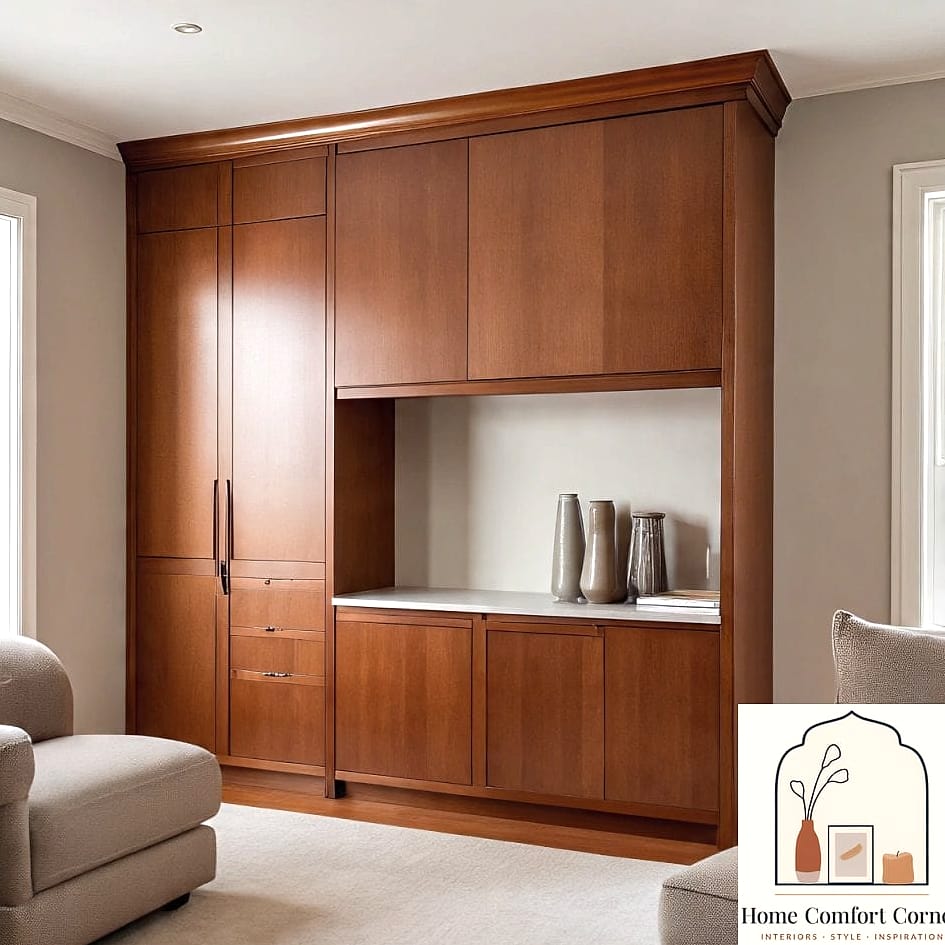
Built-in bookcases, mudroom cabinets, and pantry systems with clean, shaker-style fronts are everywhere in transitional homes. No ornate detailing, just simple, functional lines.
This idea is great for families needing serious storage without a busy look. Adding baskets or bins inside keeps things organized and hides everyday clutter behind those simple doors.
Grounding Rugs in Muted, Organic Patterns
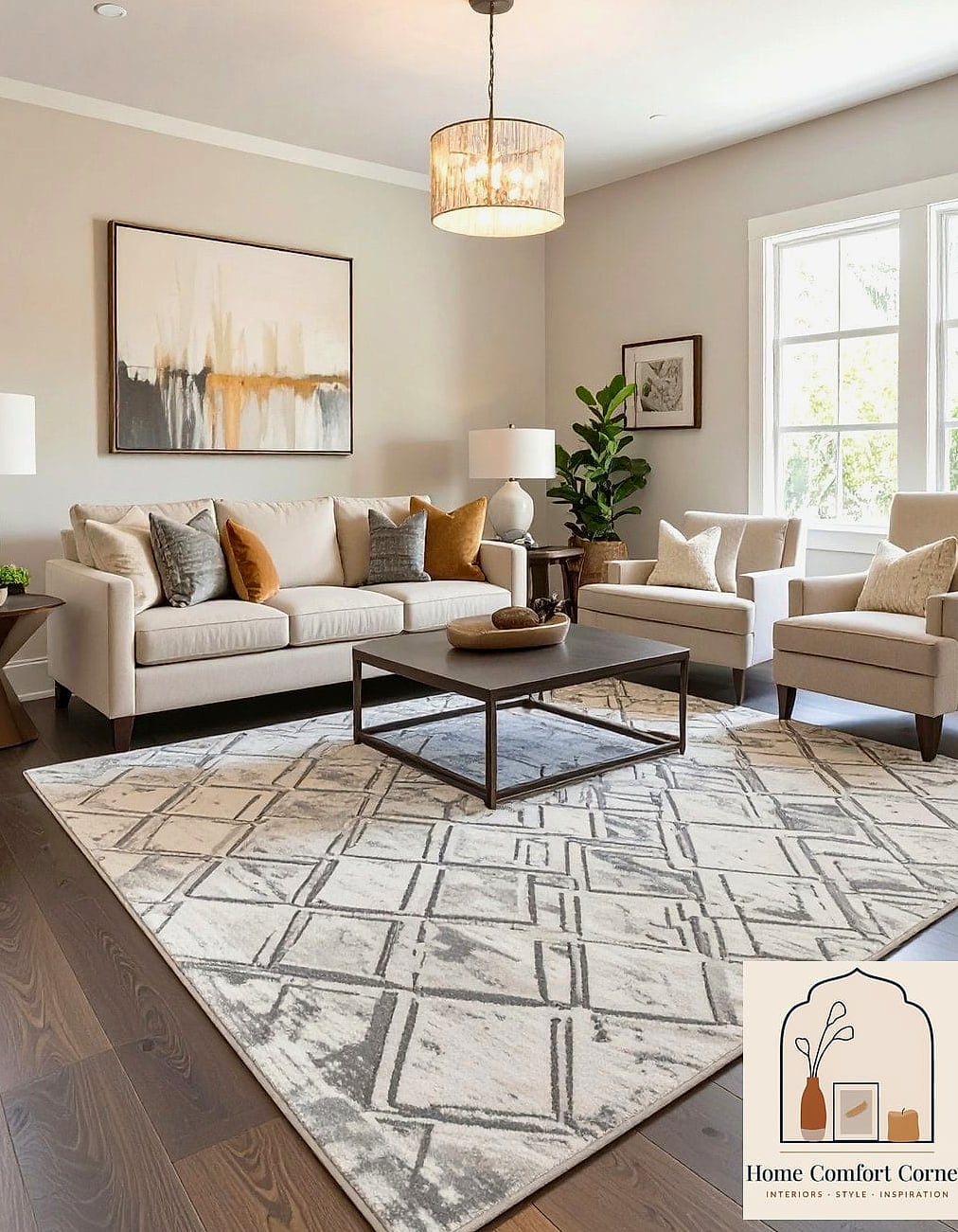
Instead of bold geometric rugs, transitional spaces usually go for something more subdued, like faded vintage-inspired patterns, subtle stripes, or organic abstract designs in muted tones.
Rugs like this anchor a room without competing with furniture or lighting. They’re also fairly forgiving with stains and wear, which makes them a practical choice for high-traffic living rooms and entryways.
Trying even a few of these 16 transitional interior design style ideas can genuinely shift how your home feels, and you don’t need a full remodel to get there. Start with one room, pick two or three ideas that speak to you, and build from there. That’s really how most designers approach it too.