20 Art Deco Interior Design Ideas Perfect for Every Home Style
- Sunburst Mirrors as a Statement Piece
- Geometric Tile Flooring in Entryways
- Brass and Black Metal Light Fixtures
- Velvet Upholstery in Jewel Tones
- Fluted or Reeded Wood Paneling
- Bold Geometric Wallpaper
- Marble Accents in Black, White, or Green
- Stepped or Tiered Furniture Silhouettes
- Mirrored Furniture for Glamour and Light
- Rich Wood Tones with High-Gloss Finishes
- Curved Furniture Edges
- Black and Gold Color Palettes
- Fan-Shaped Design Motifs
- Bar Carts Styled for Entertaining
- Geometric Backsplash Tile in Kitchens
- Statement Ceilings with Molding or Paint
- Etched or Frosted Glass Details
- Layered Lighting for Ambiance
- Bold Area Rugs with Geometric Patterns
- Brass Hardware Throughout the Home
20 Art Deco Interior Design Ideas Perfect for Every Home Style
Art Deco has this incredible way of feeling glamorous and grounded at the same time. It’s bold without being loud, and once you start noticing the geometric lines and rich materials, you start seeing ways to work it into almost any room. You don’t need a full 1920s mansion to pull this off either. A few thoughtful touches can bring that same sense of drama and polish into a modern home, a cozy apartment, or even a rental you’re slowly making your own.
What I love most about this style is how flexible it actually is. You can go all in with a fully committed Deco living room, or you can just borrow little pieces of it, like a mirror or a light fixture, and let it do the heavy lifting. Here are twenty ideas to get you started.
Sunburst Mirrors as a Statement Piece
A sunburst mirror is probably the fastest way to bring Art Deco energy into a space. The radiating lines instantly read as glamorous, and they work above a console table, a fireplace, or even a bathroom vanity.
They come in brass, gold, black, and mixed metal finishes, so there’s an option for pretty much any budget. Cleaning is simple too, just a soft cloth and glass cleaner on the mirror portion, and a dry cloth on the metal to avoid streaking.
Geometric Tile Flooring in Entryways
Black and white checkerboard tile or a more intricate geometric pattern gives an entryway serious presence the moment someone walks in. Porcelain tile holds up well to foot traffic and is fairly low maintenance, which matters a lot in a high-use area like this.
If a full tile installation feels like too much, peel-and-stick geometric floor tiles have gotten surprisingly good and are a nice renter-friendly workaround.
Brass and Black Metal Light Fixtures
Lighting is where Art Deco really shines, pun intended. Fixtures with stepped tiers, fan shapes, or fluted glass paired with brushed brass or black metal hardware feel expensive without necessarily being expensive.
This works especially well in dining rooms and entryways where a fixture becomes the focal point. Swapping out a builder-grade light for something like this is one of those upgrades that instantly makes a room feel more custom without requiring a full renovation.
Velvet Upholstery in Jewel Tones
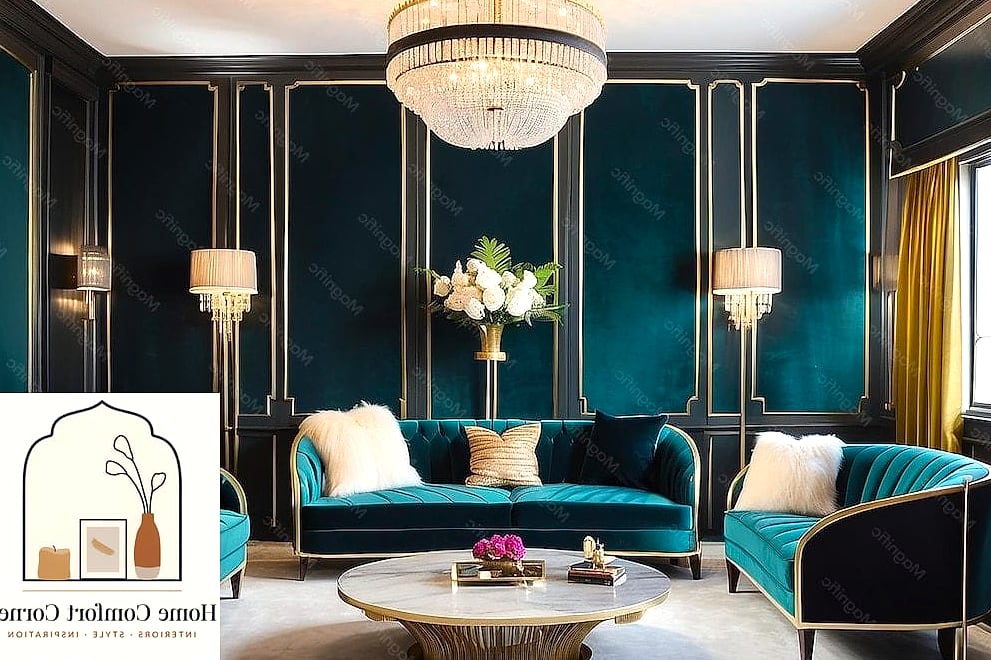
Deep emerald, sapphire, and amethyst velvet on a sofa or accent chair brings that plush, old-Hollywood feeling into a living room. Velvet also happens to be pretty forgiving with pets, since it hides fur reasonably well compared to some other fabrics.
If reupholstering isn’t in the budget right now, a velvet throw pillow or two can hint at the same look for a fraction of the cost.
Fluted or Reeded Wood Paneling
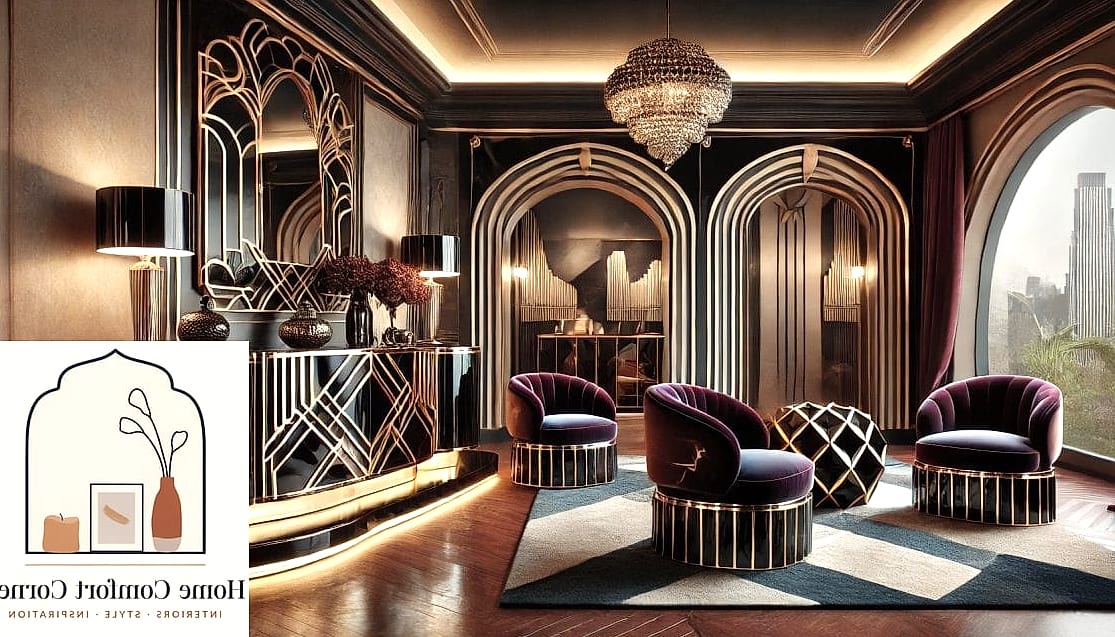
Vertical fluted paneling has made a huge comeback lately, and it’s very much rooted in Art Deco design. It adds texture and dimension to a wall without needing paint or wallpaper, and it looks great behind a bed, on a kitchen island, or wrapping a fireplace surround.
You can find pre-cut panels at most home improvement stores now, which makes this a fairly approachable weekend DIY project for someone comfortable with basic tools.
Bold Geometric Wallpaper
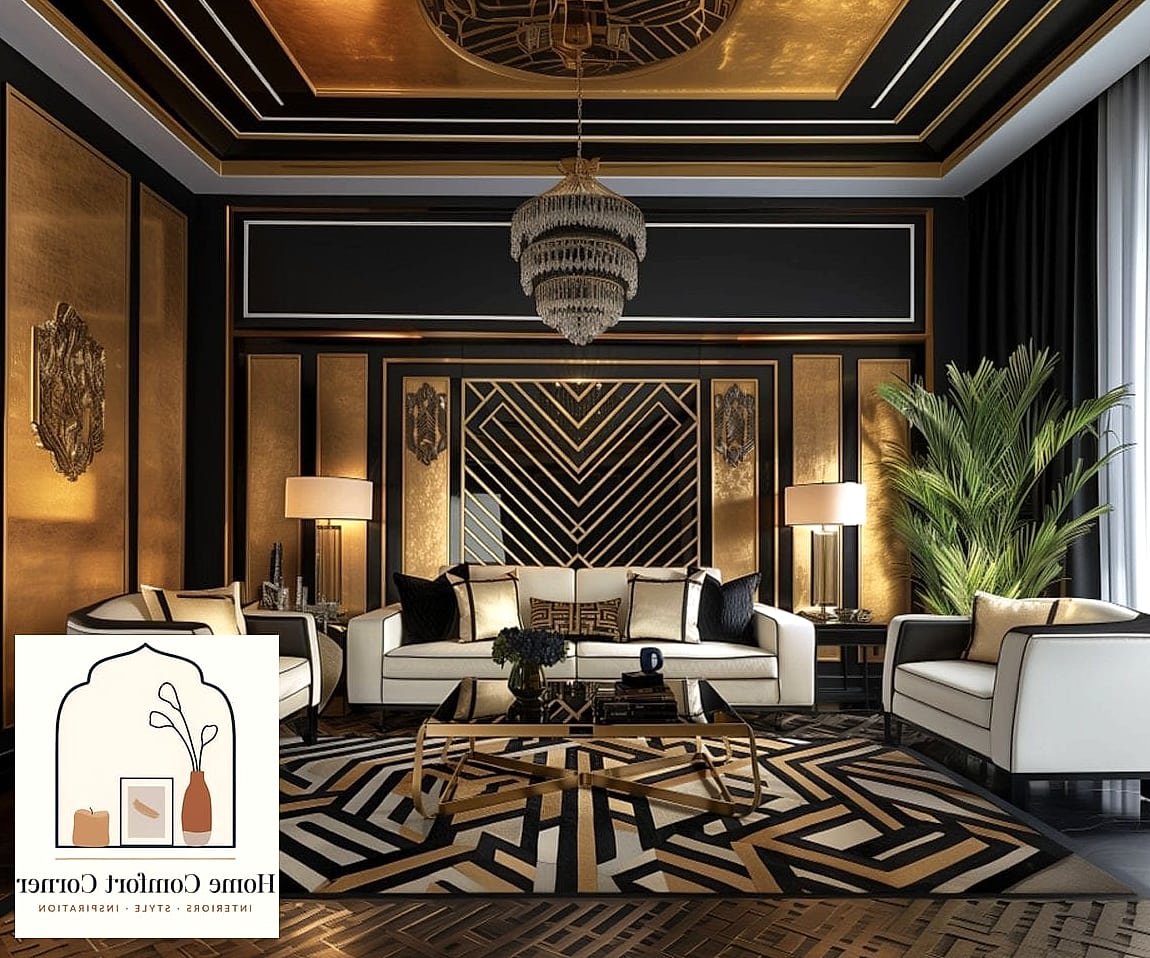
Wallpaper with repeating fan shapes, chevrons, or stepped patterns can turn a plain wall into the room’s whole personality. It’s especially effective in a powder room or as an accent wall in a bedroom, since you get the drama without committing to it everywhere.
Peel-and-stick versions are widely available now and are a solid choice if you’re renting or just don’t want to deal with paste and a steamer down the road.
Marble Accents in Black, White, or Green
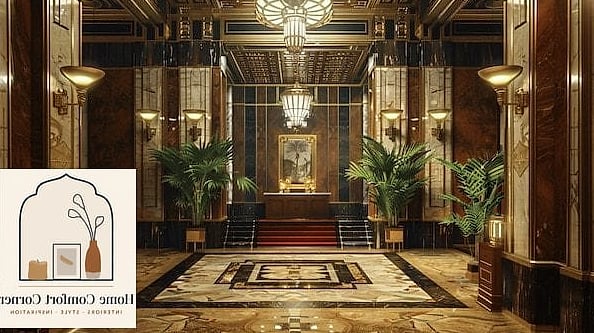
Marble countertops or side tables in bold veining feel right at home in an Art Deco-inspired space. Green marble in particular has a really distinctive vintage feel that a lot of newer materials just can’t replicate.
Natural stone does need periodic sealing to resist staining, so keep that in mind if you’re using it somewhere like a kitchen or bathroom that sees a lot of use.
Stepped or Tiered Furniture Silhouettes
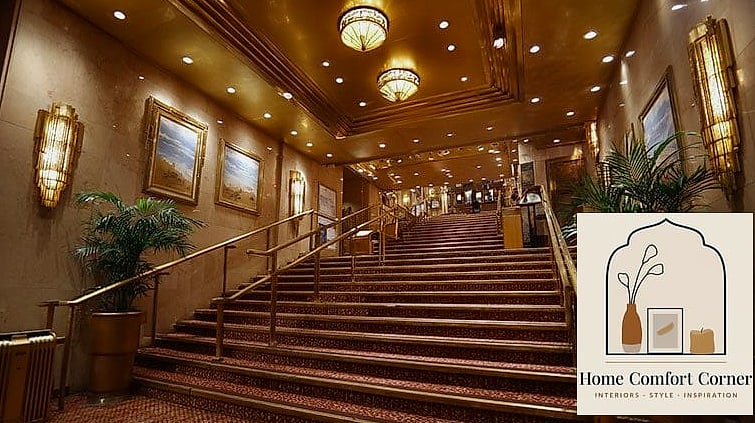
Furniture with a stair-step profile, think tiered bookshelves or a stepped headboard, is a subtle nod to the skyscraper-inspired shapes that defined the original Art Deco movement. It’s a great way to add visual interest to a bedroom or living room without relying on color or pattern.
This silhouette also tends to look intentional and high-end even on more budget furniture pieces, which is a nice bonus.
Mirrored Furniture for Glamour and Light
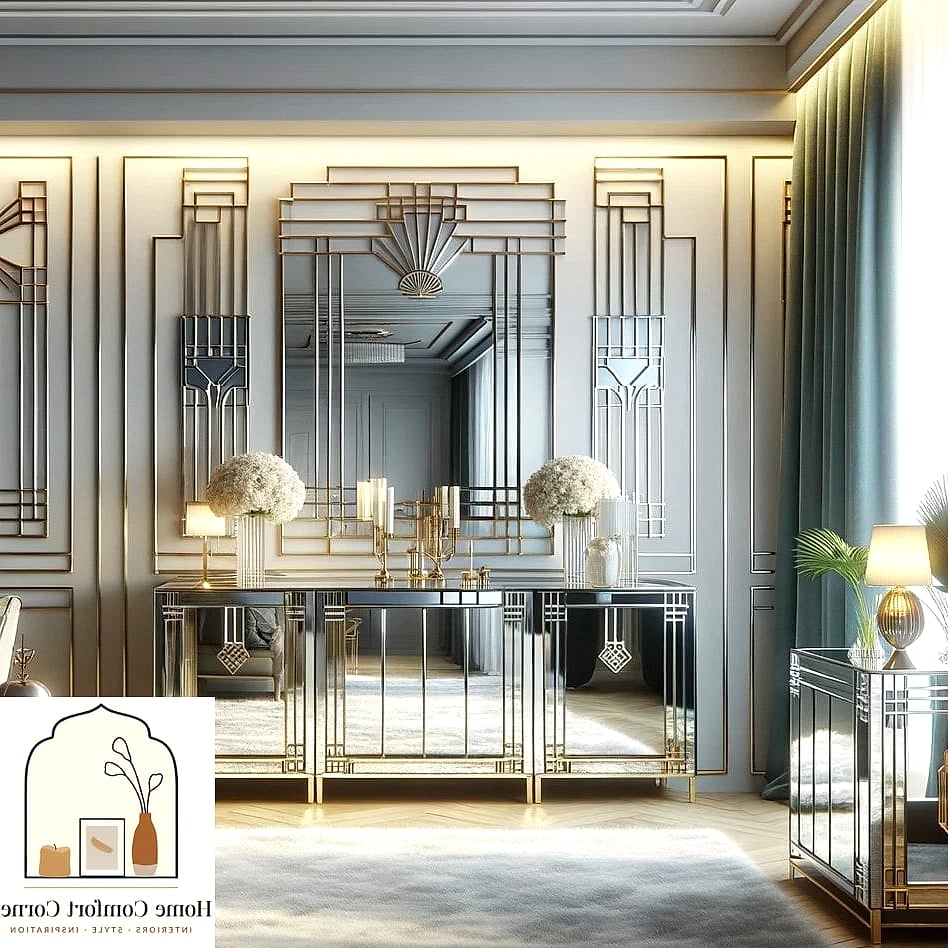
Mirrored nightstands, dressers, or bar carts do double duty. They bring that reflective, glam quality Art Deco is known for, and they also bounce light around a room, which is genuinely useful in smaller or darker spaces.
The main thing to know going in is that mirrored surfaces show fingerprints and dust more than other finishes, so a quick wipe-down every few days keeps them looking their best.
Rich Wood Tones with High-Gloss Finishes
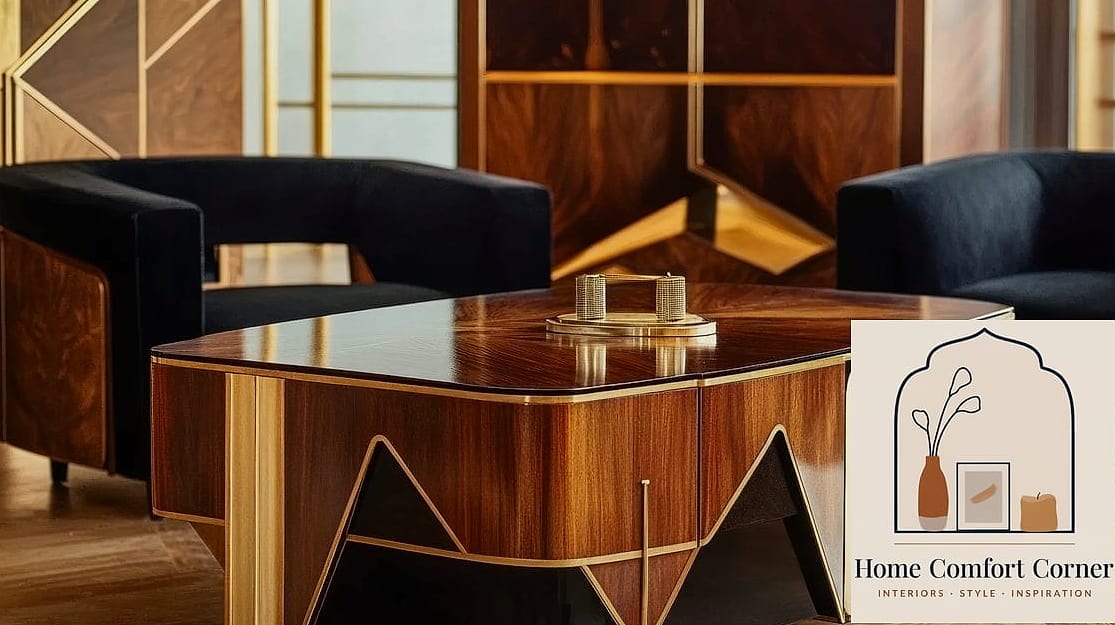
Walnut, mahogany, and other deep wood tones in a glossy lacquer finish were everywhere in original Art Deco furniture. A high-gloss wood dresser or dining table brings that same warmth and formality into a modern room.
Pairing warm wood tones with black or brass hardware keeps the look cohesive rather than dated.
Curved Furniture Edges
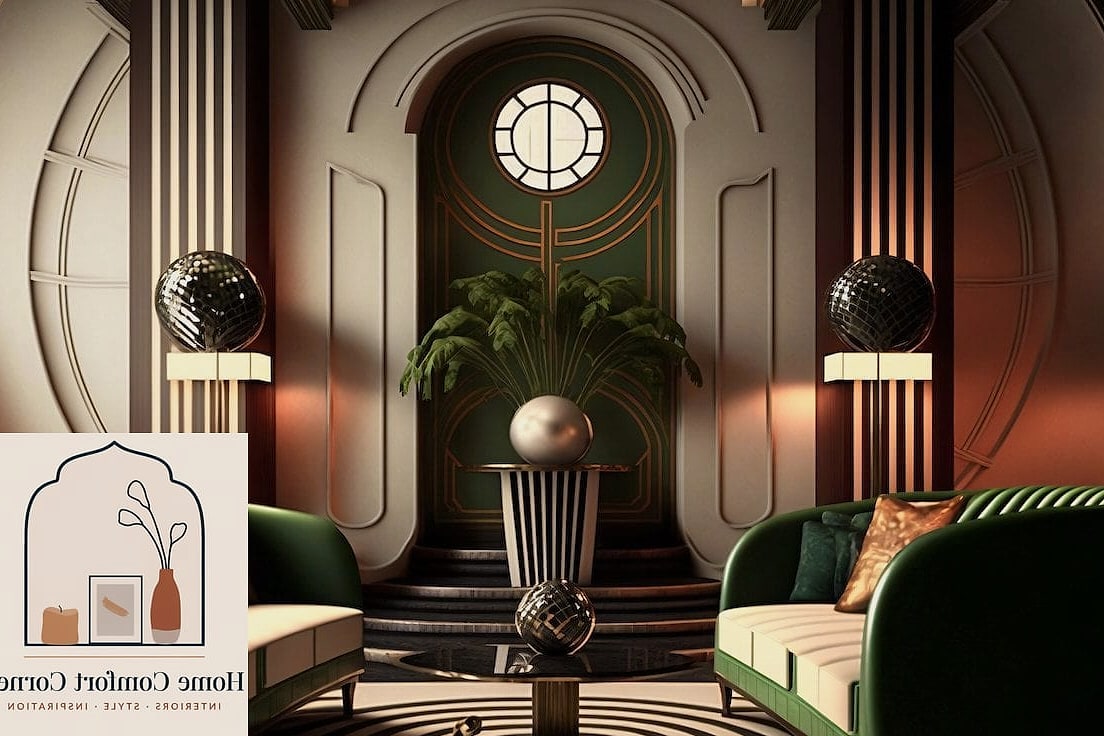
Art Deco isn’t only about sharp geometry, it also embraces soft, rounded curves, especially on sofas, headboards, and cabinetry. A curved sofa arm or a rounded console table softens a room while still feeling deliberate and stylish.
This is a nice option for anyone who wants the Deco aesthetic but finds the sharper geometric version a little too intense for their taste.
Black and Gold Color Palettes
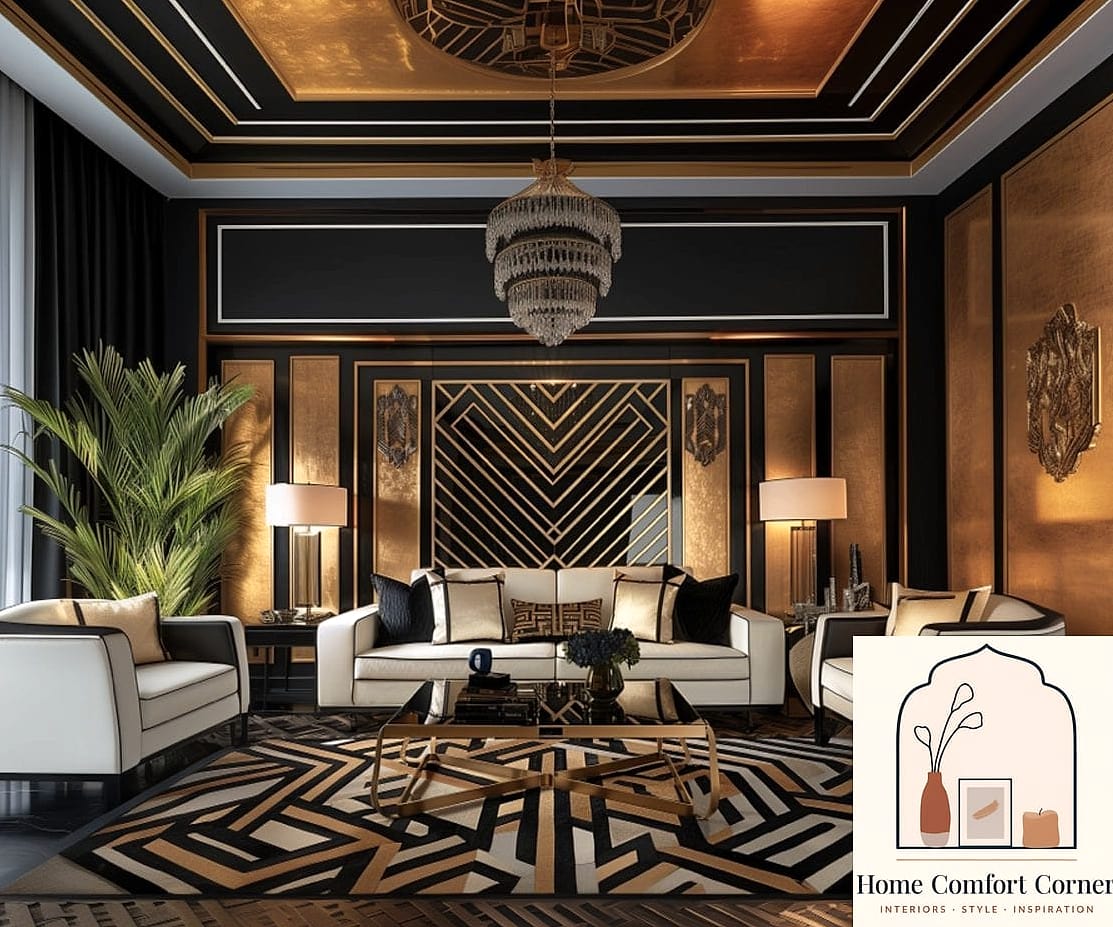
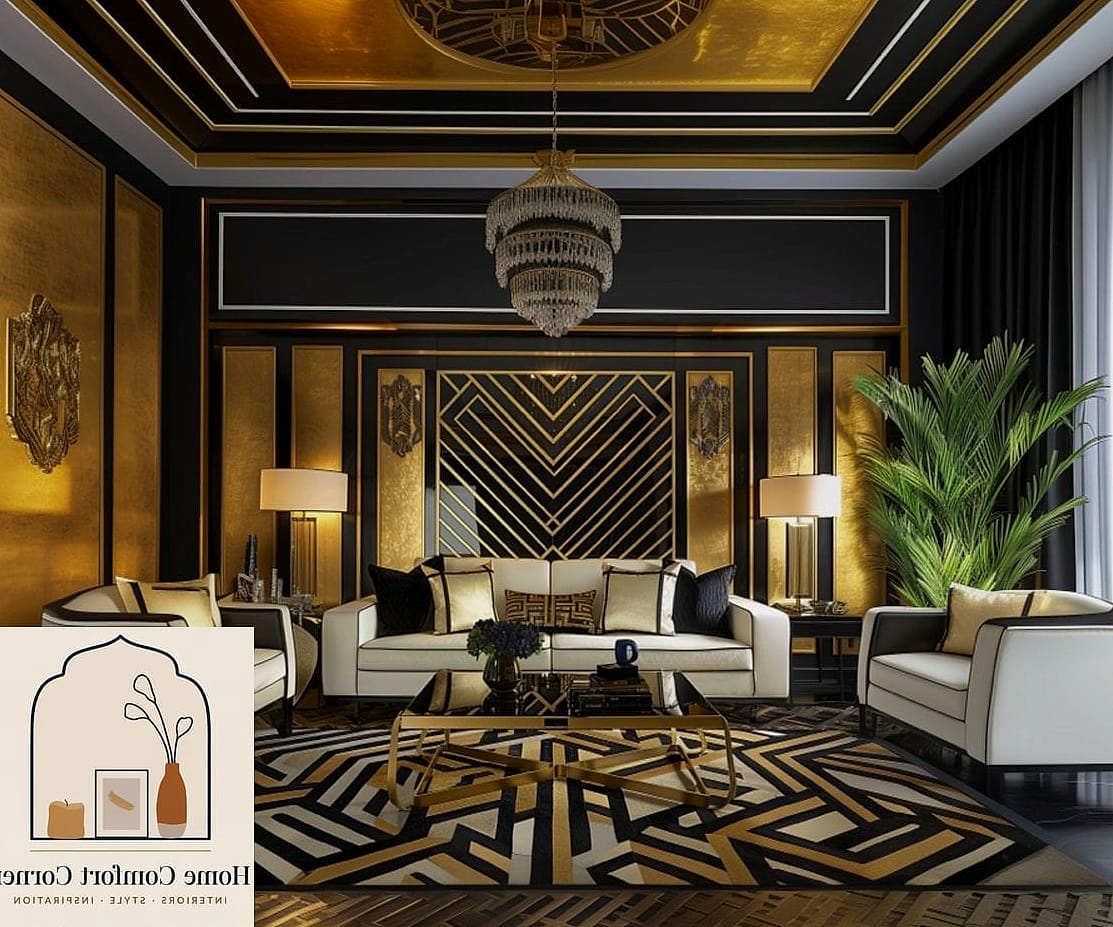
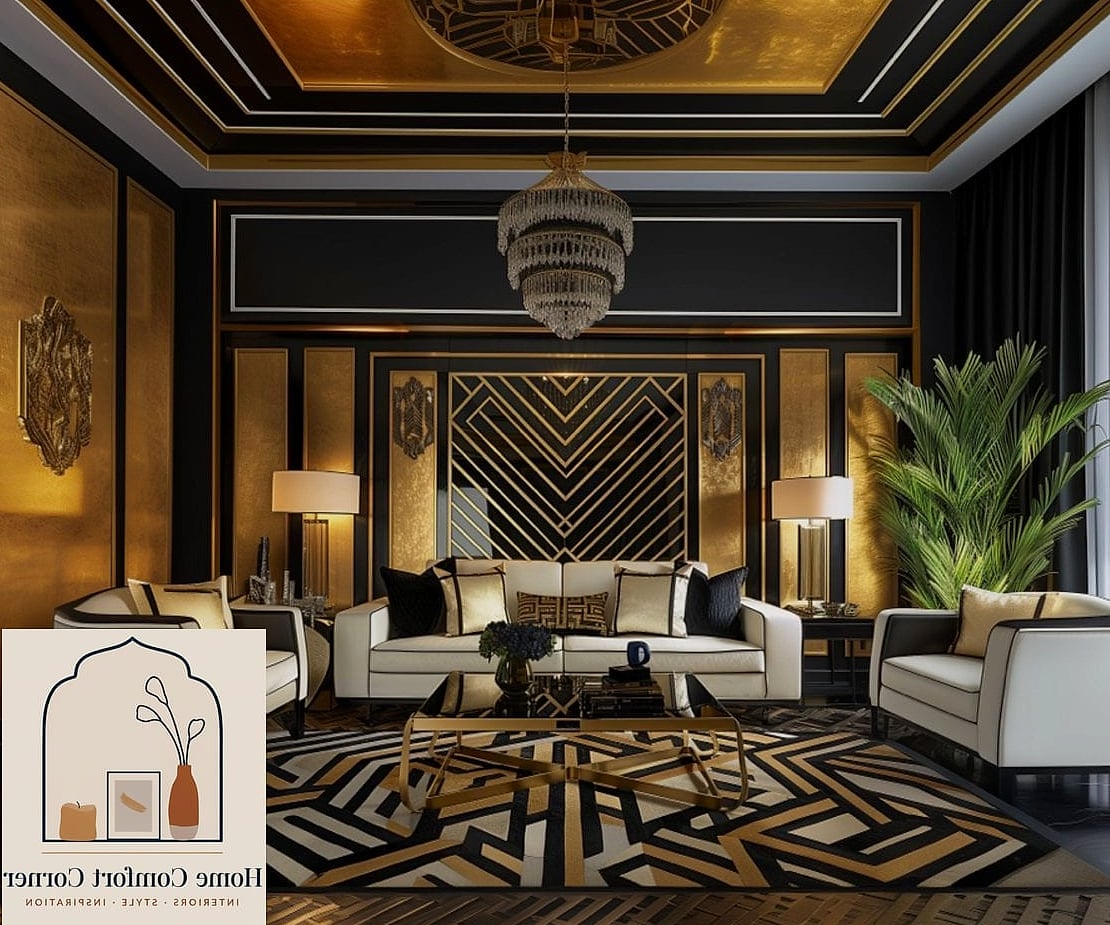
Black paired with gold or brass accents is basically shorthand for Art Deco. You can lean into this with black kitchen cabinets and brass pulls, or keep it smaller with black picture frames and gold-trimmed dishware on open shelving.
It’s a striking neutral color palette that photographs really well too, if that matters to you for a home you’re planning to sell down the road.
Fan-Shaped Design Motifs
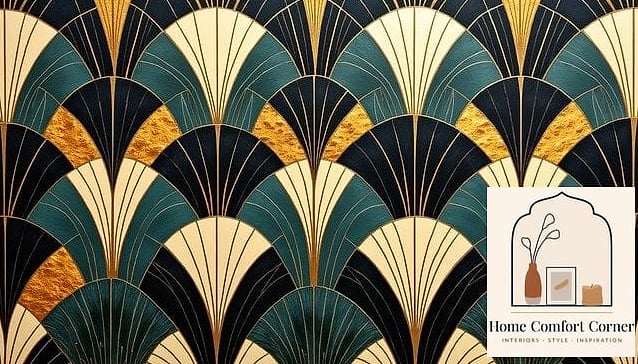
The fan shape shows up constantly in Art Deco design, on rugs, tile, wallpaper, and even cabinet hardware. It’s a subtle way to nod to the style without going full glam everywhere.
A fan-motif area rug under a coffee table is an easy entry point if you’re testing out whether this style is really for you.
Bar Carts Styled for Entertaining
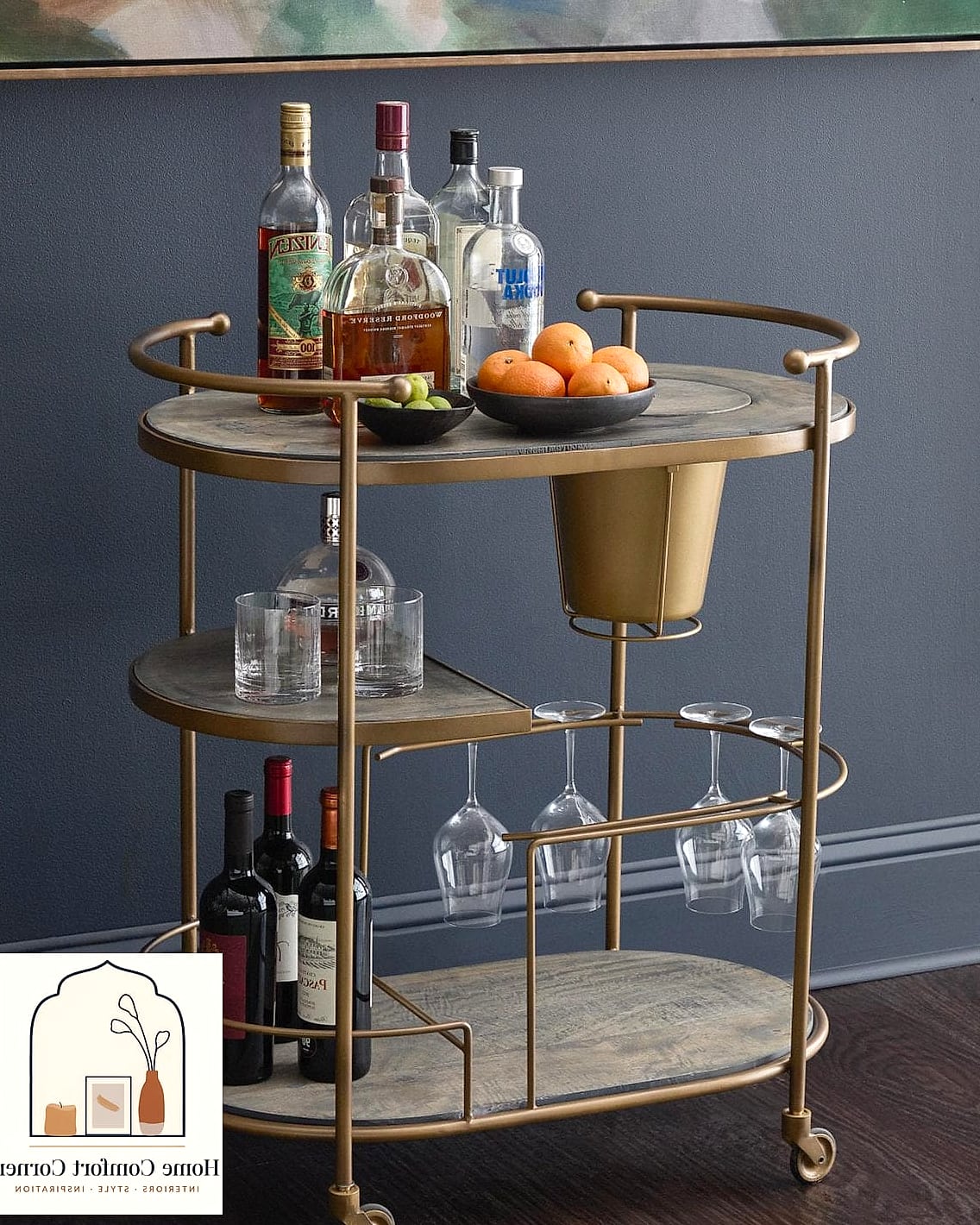
A brass or mirrored bar cart is practically an Art Deco cliché at this point, but it earns that reputation honestly. It’s functional, it’s decorative, and it gives you an excuse to display nice glassware.
Styling it with a mix of heights, think a tall decanter, a low ice bucket, some greenery, keeps it from looking flat or overly staged.
Geometric Backsplash Tile in Kitchens
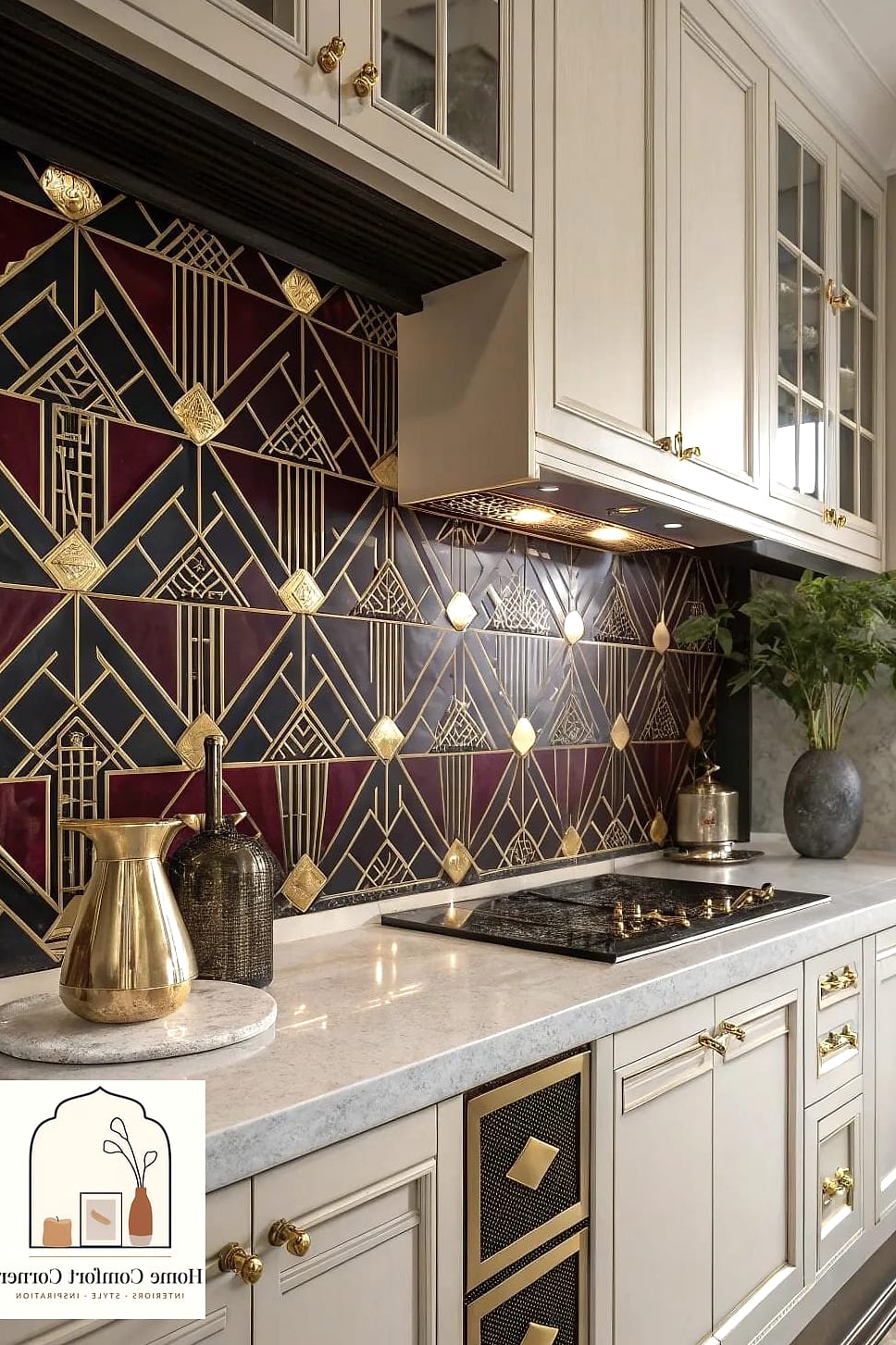
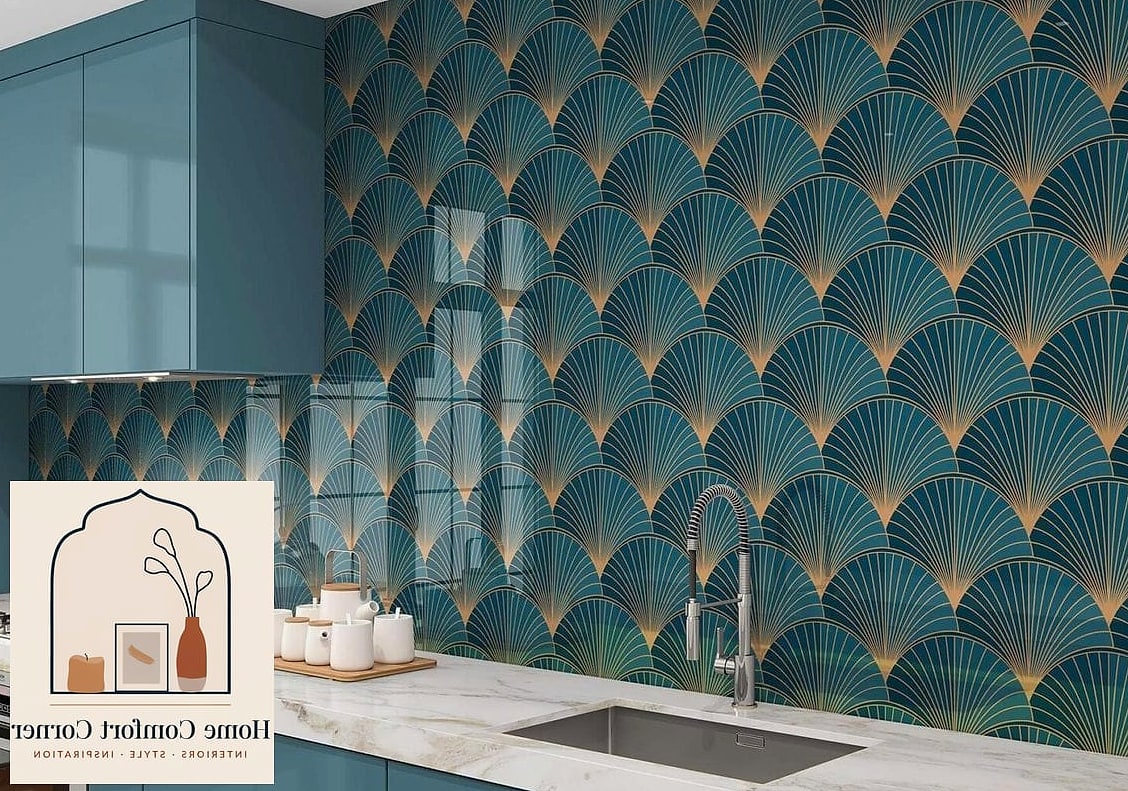
Hexagon, arch, or fan-shaped tile in a kitchen backsplash brings Deco flair into a space that’s normally pretty utilitarian. Ceramic tile in a bold color or a mosaic tile mix both work well here.
Since backsplashes deal with grease and splatter, a glossy finish is actually a practical choice too, since it wipes clean more easily than a matte one.
Statement Ceilings with Molding or Paint
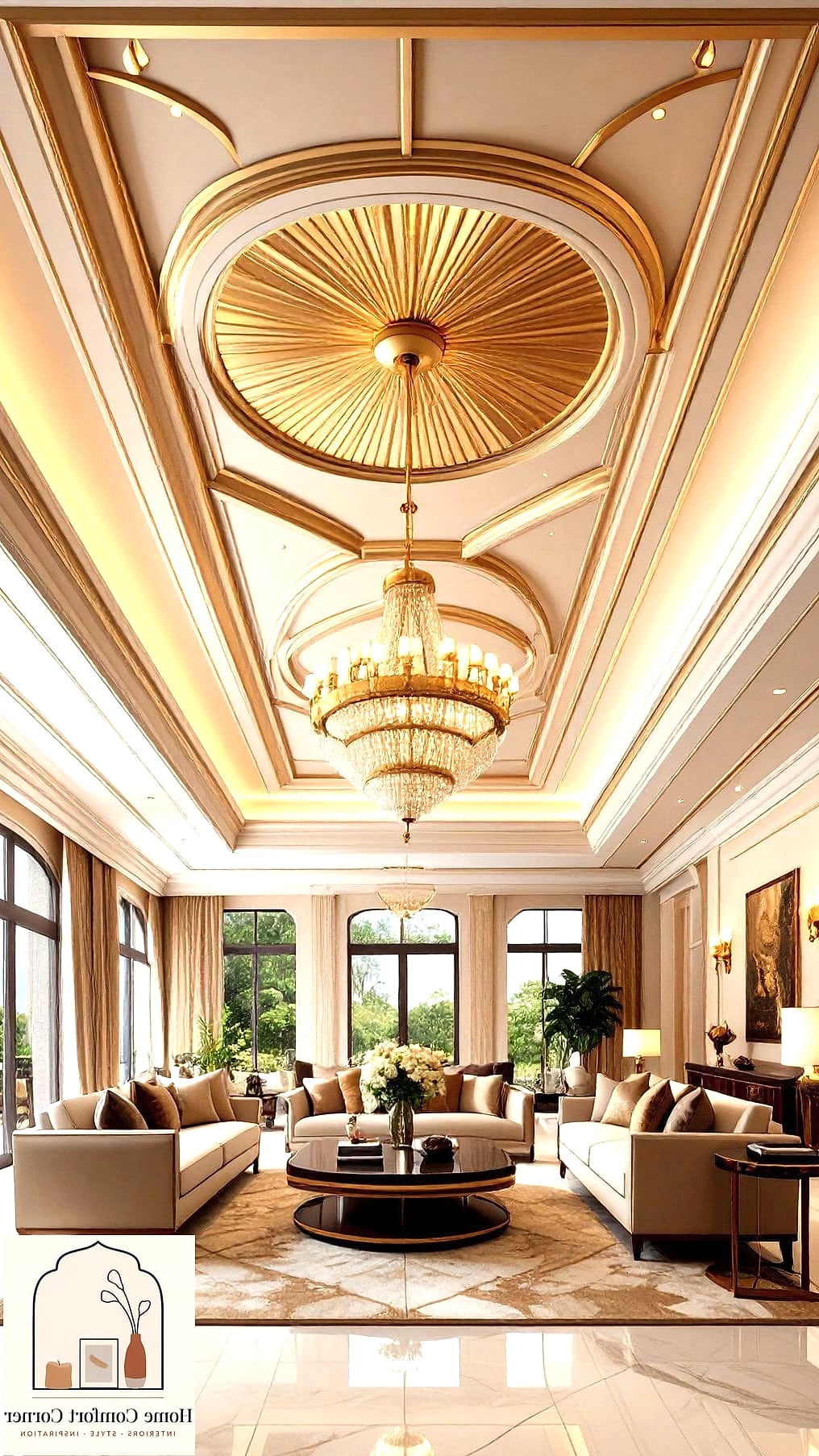
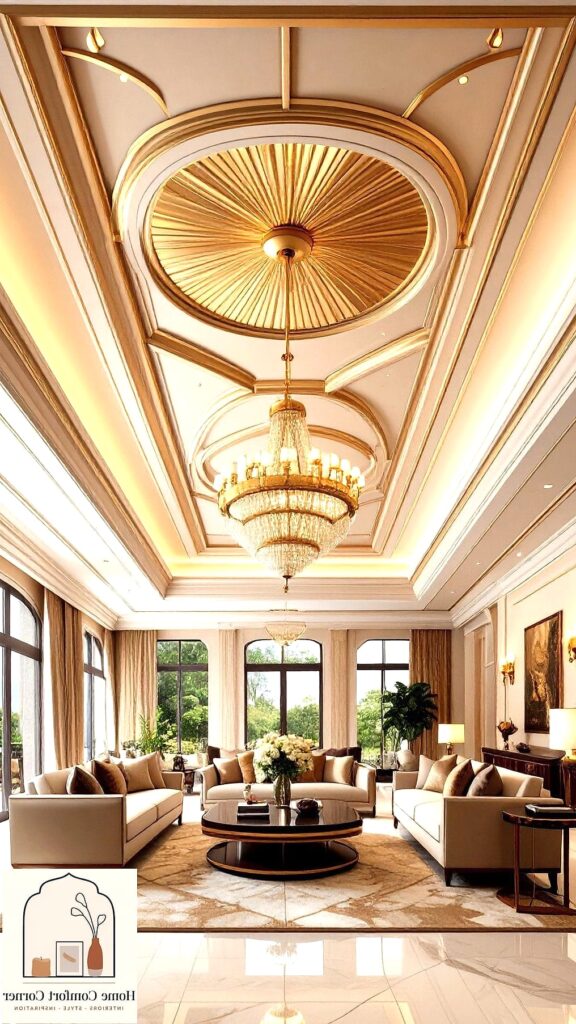
Art Deco loved a dramatic ceiling, whether through stepped molding, a bold paint color, or a metallic finish. Painting a ceiling in a deep color or adding simple geometric molding is a way to add architectural interest that most rooms are missing.
This is a more advanced DIY project if you’re going the molding route, so it might be worth bringing in a contractor if you’re not confident with trim work.
Etched or Frosted Glass Details
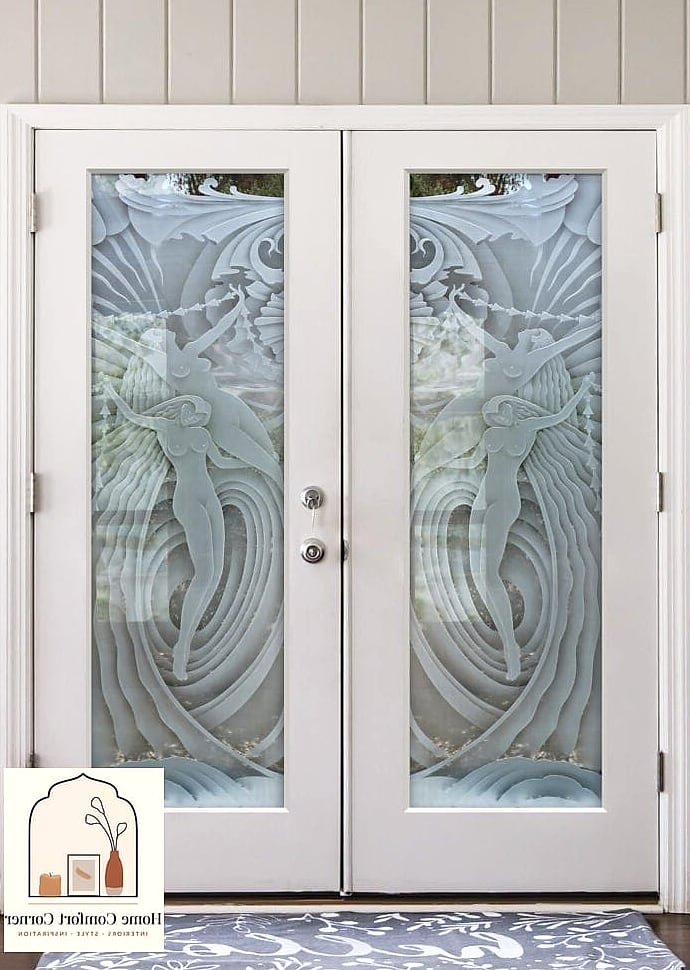
Etched glass with geometric patterns shows up in everything from cabinet doors to room dividers in classic Deco design. It’s a nice way to add privacy in a bathroom or pantry while still letting light through.
Frosted glass film is a budget-friendly alternative if replacing actual glass panels isn’t realistic right now.
Layered Lighting for Ambiance
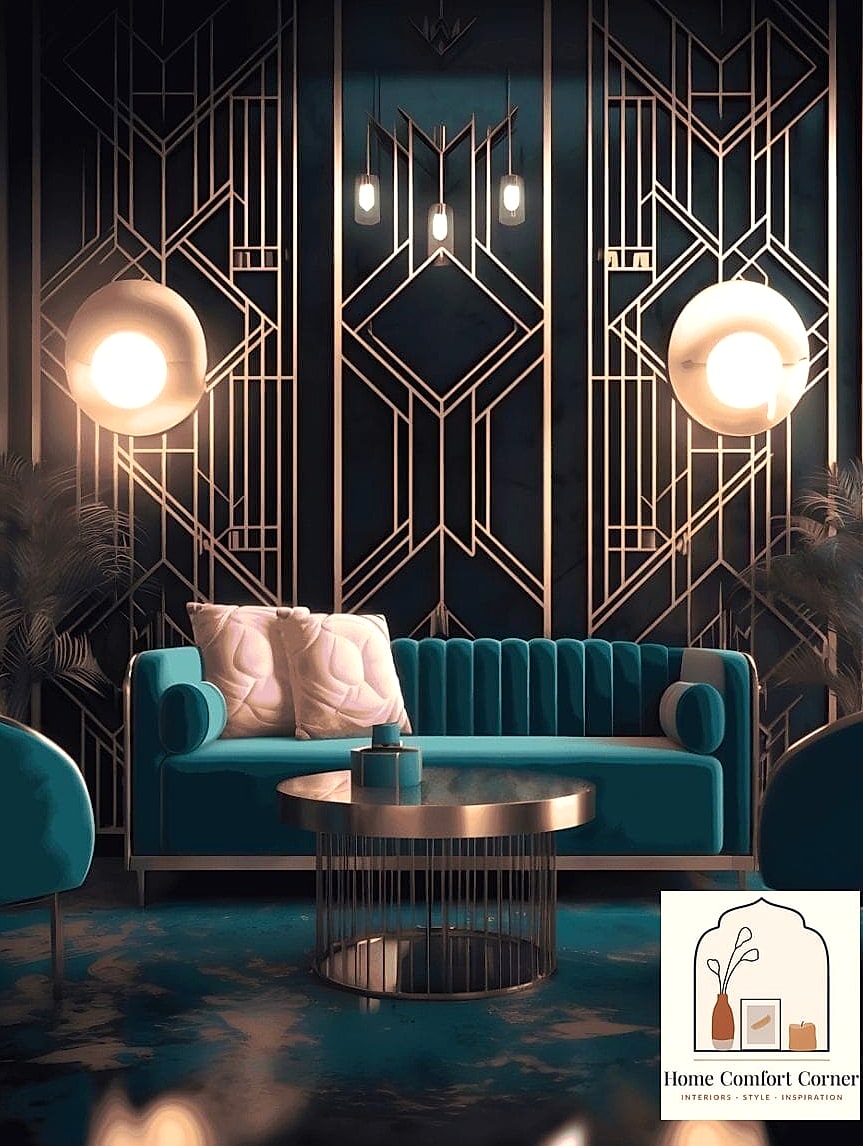
Art Deco rooms rarely rely on a single overhead light. Layering a statement fixture with wall sconces, table lamps, and maybe some hidden LED strip lighting creates the kind of warm, moody glow this style is known for.
This layered approach is also just generally good design practice, so it’s worth doing even if you’re only borrowing a little bit of the Deco aesthetic.
Bold Area Rugs with Geometric Patterns
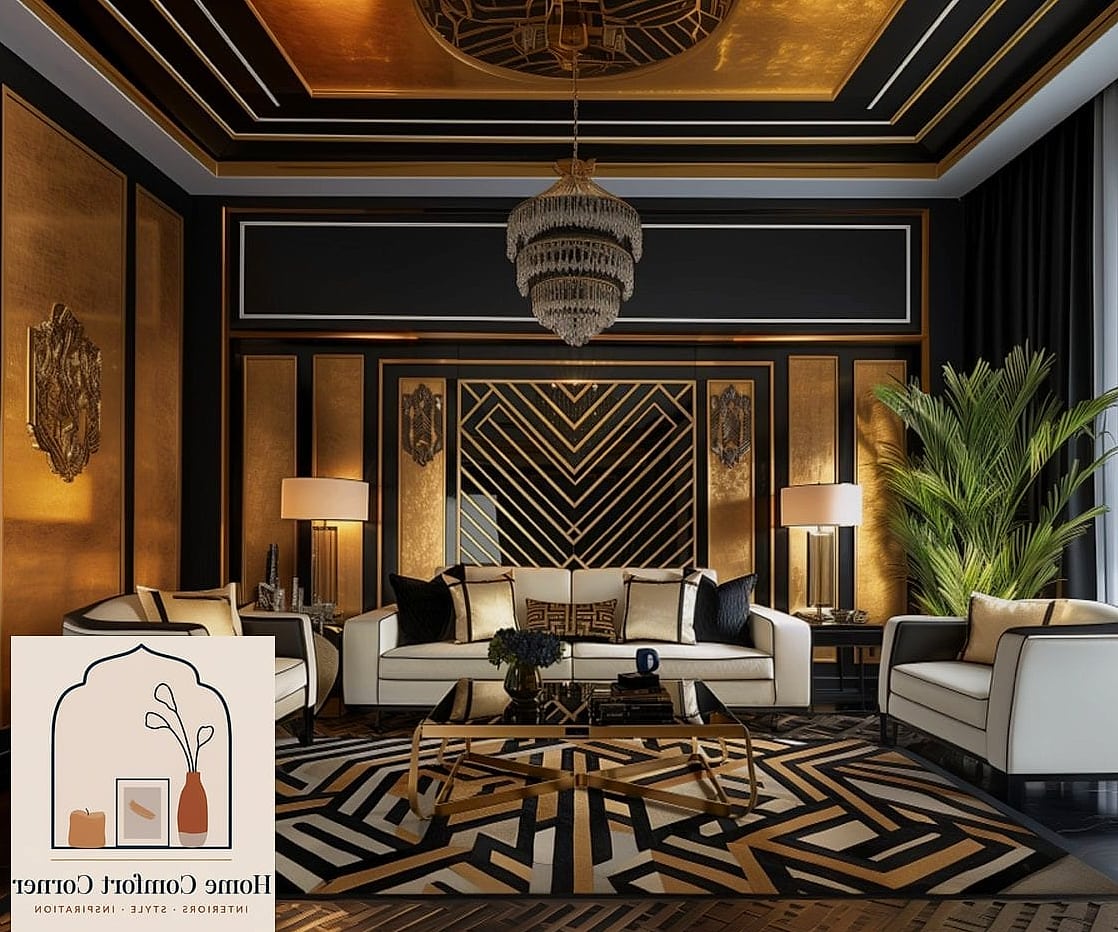
A rug with strong geometric lines, chevrons, or stepped borders can anchor a whole room and tie together your other Deco elements. This works in a living room, bedroom, or even a hallway that could use some personality underfoot.
Wool rugs tend to hold their pattern and color better over time, though there are plenty of durable synthetic options if you’re dealing with kids or pets.
Brass Hardware Throughout the Home
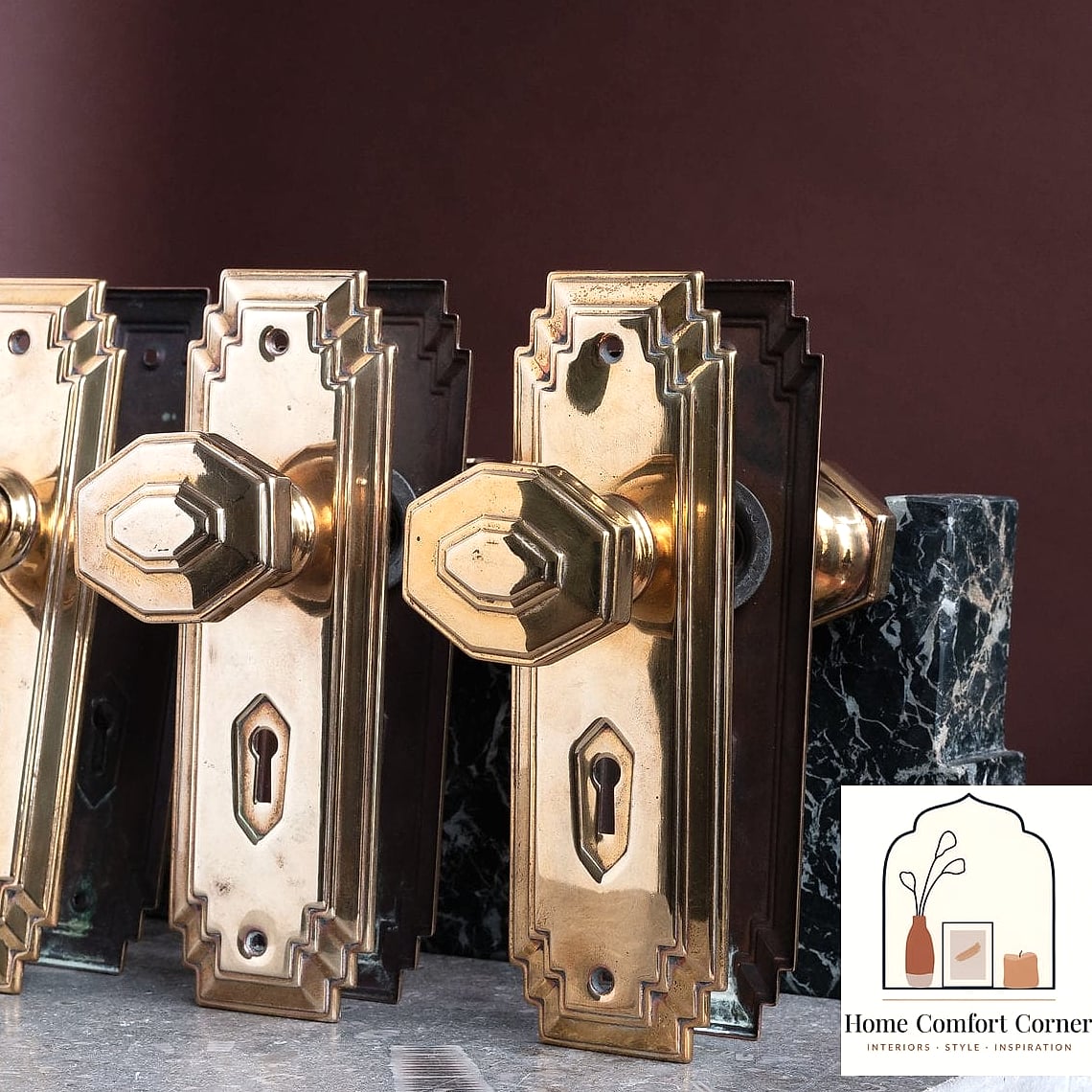
Sometimes the simplest way to bring this whole look together is just swapping out hardware. Cabinet pulls, door handles, and faucet fixtures in brushed brass instantly nod to Art Deco without requiring any major design commitment.
It’s one of the more affordable updates on this list, and it’s genuinely doable in an afternoon if you’ve got a screwdriver and a little patience.
Art Deco has staying power because it manages to feel glamorous without feeling fussy, and bold without feeling chaotic. Whether you pick just two or three ideas from this list or go all in on a full room redesign, the goal is really just to bring in that sense of confident, polished style at whatever pace feels right for your space and your budget.