10 Interior Design Aesthetic Ideas That Work in Any Size Home
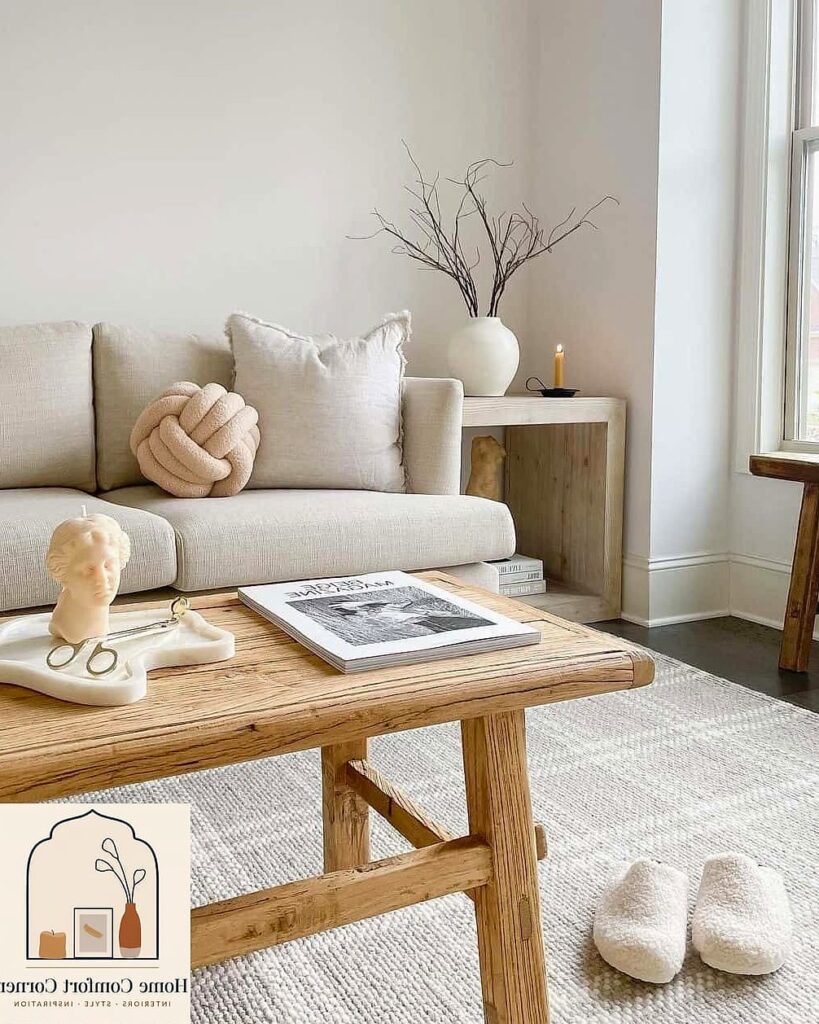
10 Interior Design Aesthetic Ideas That Work in Any Size Home
You don’t need a sprawling floor plan to have a home that actually looks pulled together. Some of the best-looking spaces I’ve seen are in 700-square-foot apartments, not 4,000-square-foot houses. What matters more than square footage is picking an aesthetic that suits how you actually live, then committing to it in small, consistent ways.
Here are ten design directions that flex easily whether you’re working with a studio, a starter home, or a place with room to spare.
Warm Minimalism
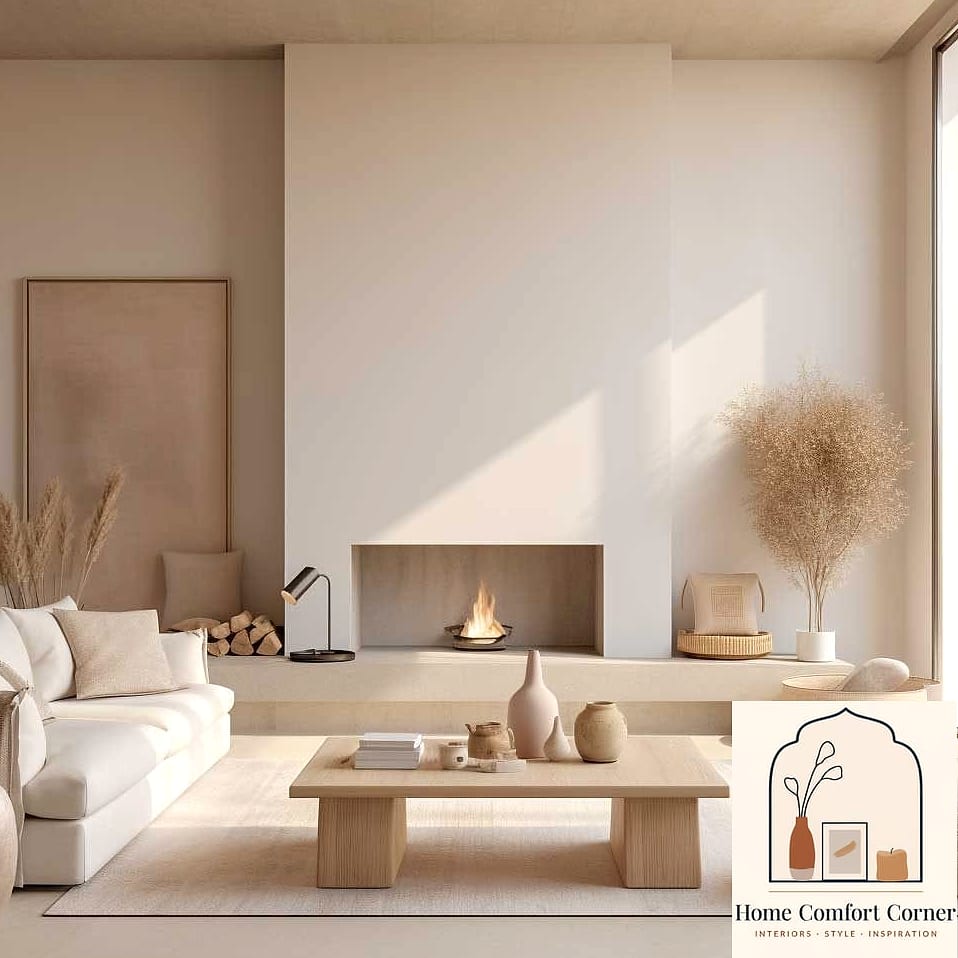
Straight minimalism can feel a little cold and showroom-y, which is why warm minimalism has become such a favorite. Think clean lines and uncluttered surfaces, but softened with wood tones, linen textures, and a muted color palette instead of stark white everything.
This works especially well in small spaces because it keeps visual noise down without feeling empty. A neutral sofa, a wood coffee table, one or two ceramic pieces, and you’re basically done. Less to dust, less to organize, and it never really goes out of style.
If you’re in a bigger home, you can layer in more furniture pieces and still keep the calm feeling by sticking to your color palette and avoiding too many patterns fighting each other.
Japandi Style
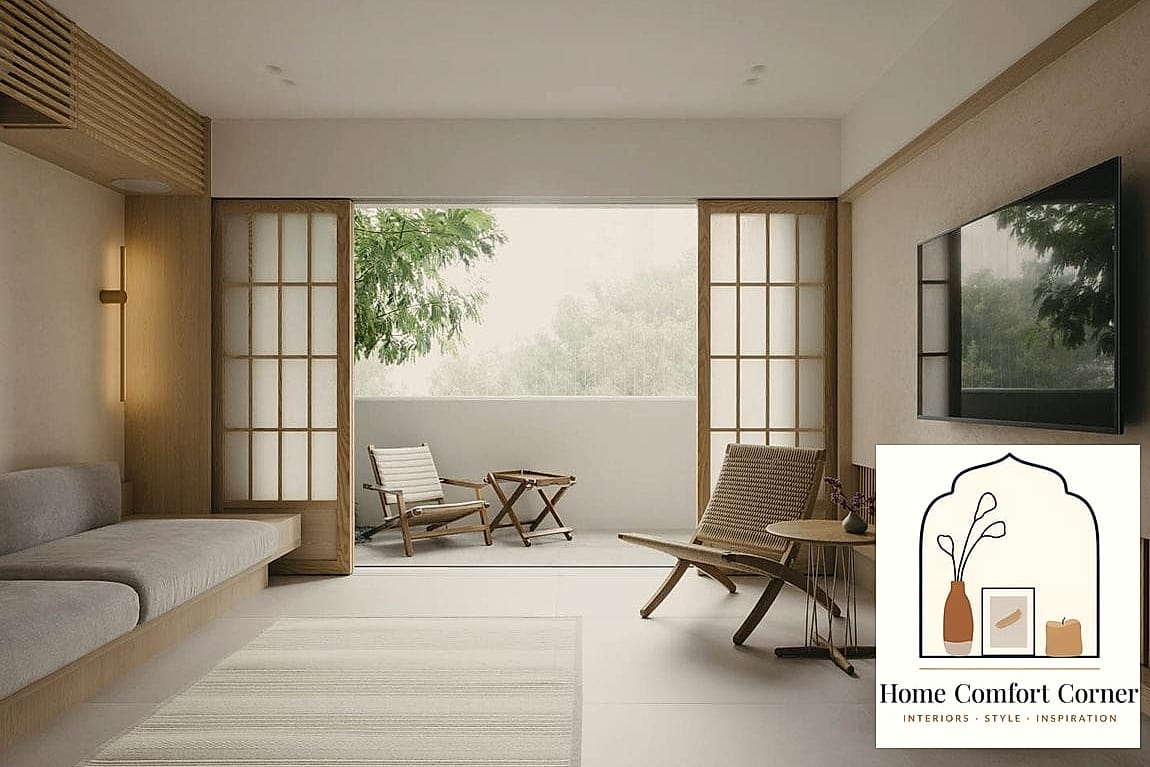
Japandi blends Japanese minimalism with Scandinavian coziness, and honestly, it’s one of the most livable aesthetics out there. Low-profile furniture, natural materials, and a lot of restraint when it comes to decor.
You’ll usually see matte finishes, warm wood tones, and a color story built around beige, soft gray, and black accents. Built-in storage or simple floating shelves keep everything looking tidy since clutter is basically the enemy of this look.
It’s a great fit for small apartments because low furniture makes ceilings feel taller, but it scales up nicely too. In a larger living room, add a few oversized floor cushions or a low bench for extra seating.
Modern Farmhouse
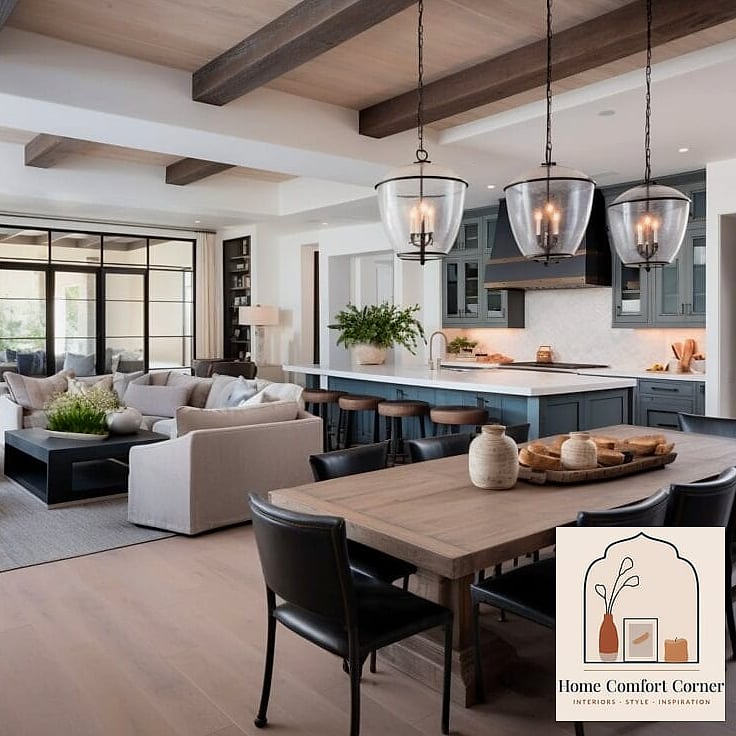
This one gets a bad reputation for being overdone, but a well-edited modern farmhouse space still feels welcoming without tipping into cliché territory. The key is picking one or two farmhouse elements rather than going all in on every shiplap wall and barn door you can find.
Think butcher block counters, open shelving with simple white dishes, and black or brushed brass hardware. Natural wood accents keep things from feeling too crisp, and a neutral color palette ties it all together.
Small kitchens benefit from this style because open shelving visually opens up the space. Bigger kitchens can handle a full pantry wall or a farmhouse sink as the anchor piece.
Coastal Grandmother
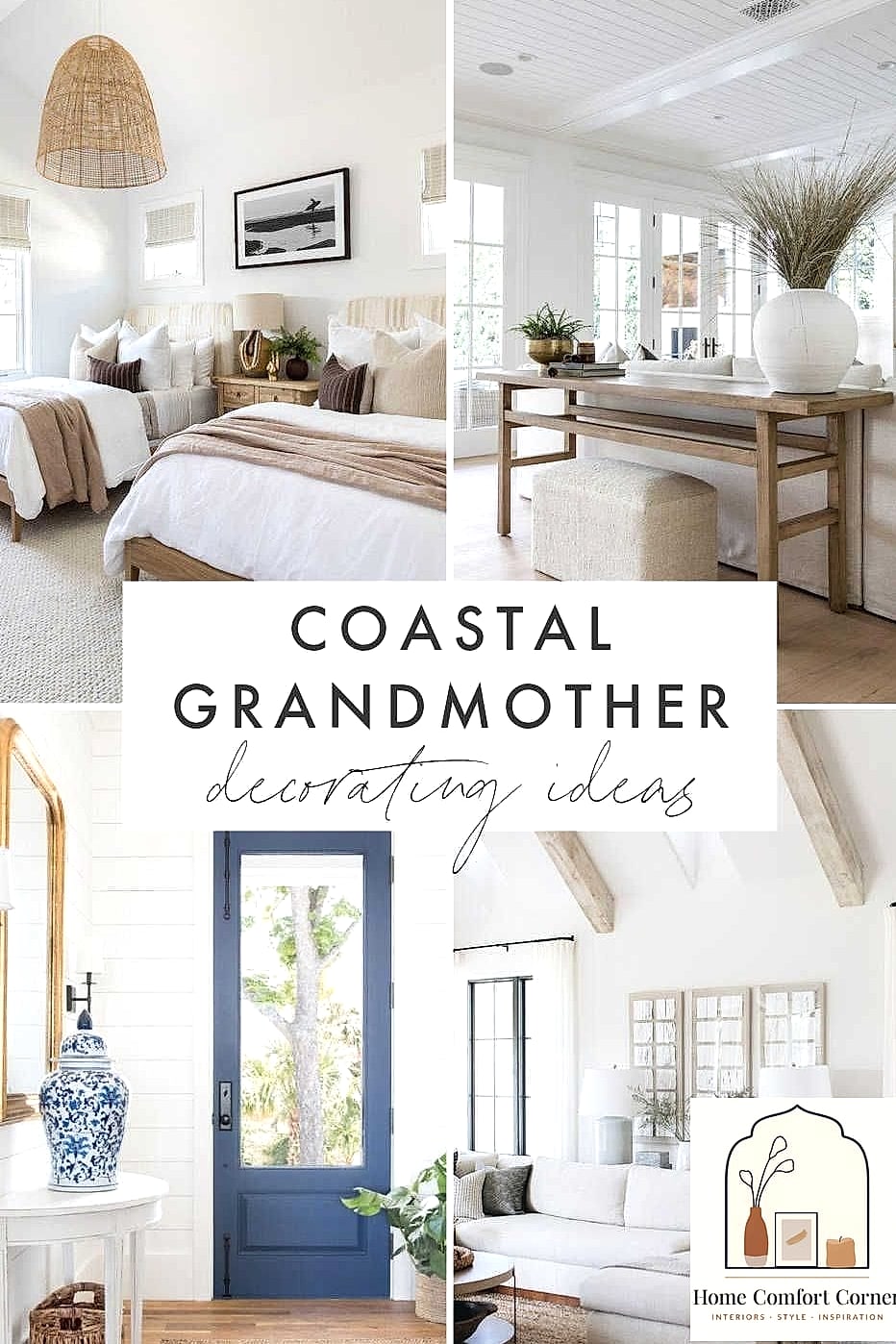
This aesthetic took over social media for a reason. It’s relaxed, layered, and feels like a beach house even if you’re nowhere near the coast. Think slipcovered furniture, rattan and wicker accents, soft blues and creams, and a lot of natural texture.
Greenery plays a big role here, along with woven baskets that double as storage. It’s genuinely one of the more forgiving styles for families and pet owners since slipcovers can be tossed in the wash and the whole look leans casual rather than precious.
In a small space, stick to one or two rattan pieces so it doesn’t feel like a beach shop. In a larger home, a rattan headboard or a woven pendant light can be the statement piece in a bedroom or dining area.
Industrial Loft
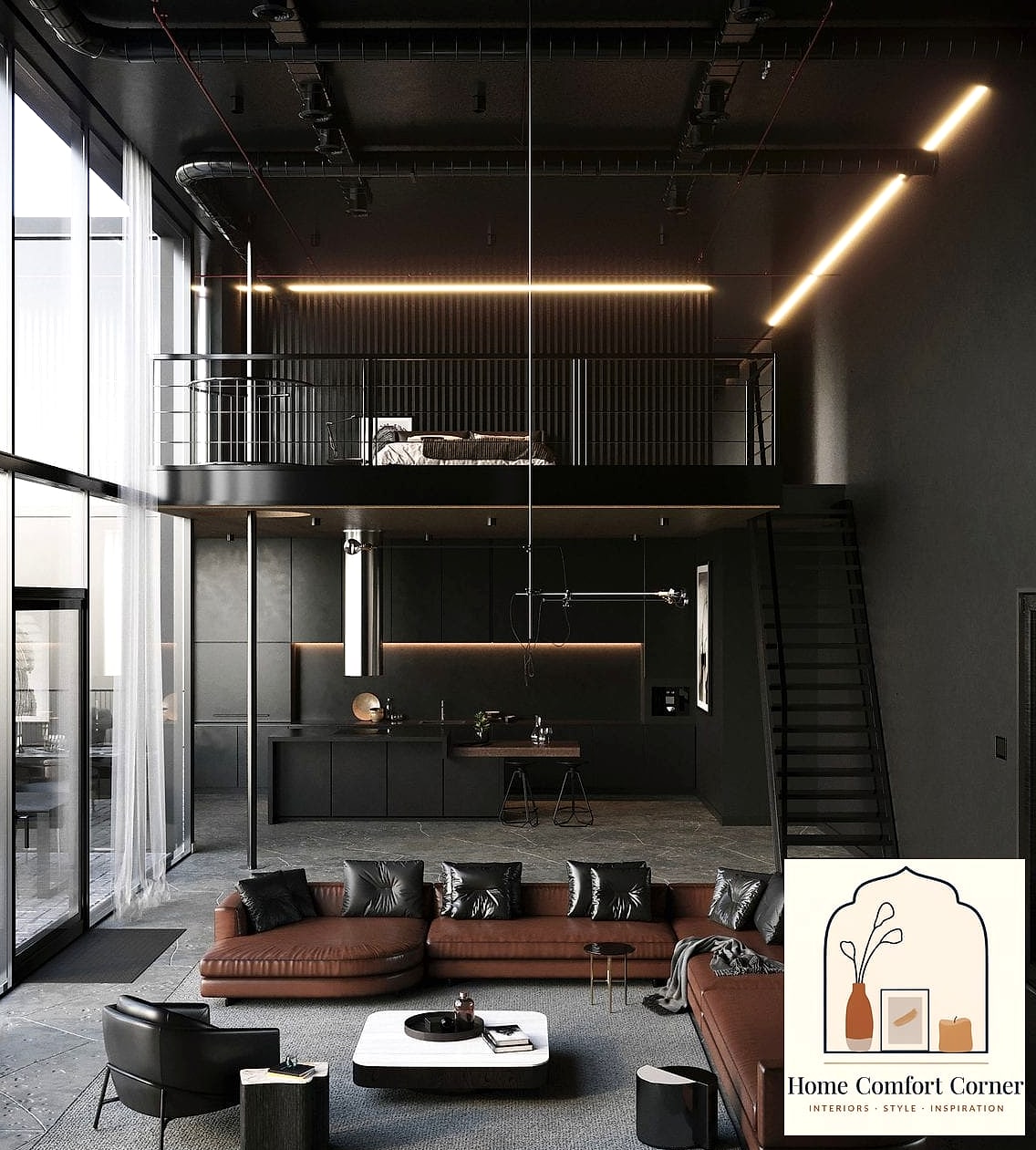
Exposed brick, black metal fixtures, and raw materials give a space an edge that feels intentional rather than unfinished. This aesthetic works surprisingly well in smaller apartments, especially converted lofts or units with exposed ductwork, since it turns architectural quirks into features instead of flaws.
Black fixtures, metal shelving, and leather furniture are the workhorses here. Concrete-look tile or polished concrete floors round it out if you’re doing any renovation work.
The trick in smaller spaces is balancing all that hard material with something soft, like a wool rug or linen curtains, so it doesn’t feel like a warehouse. Bigger homes can lean harder into the raw materials since there’s more room to soften things elsewhere.
Boho Eclectic
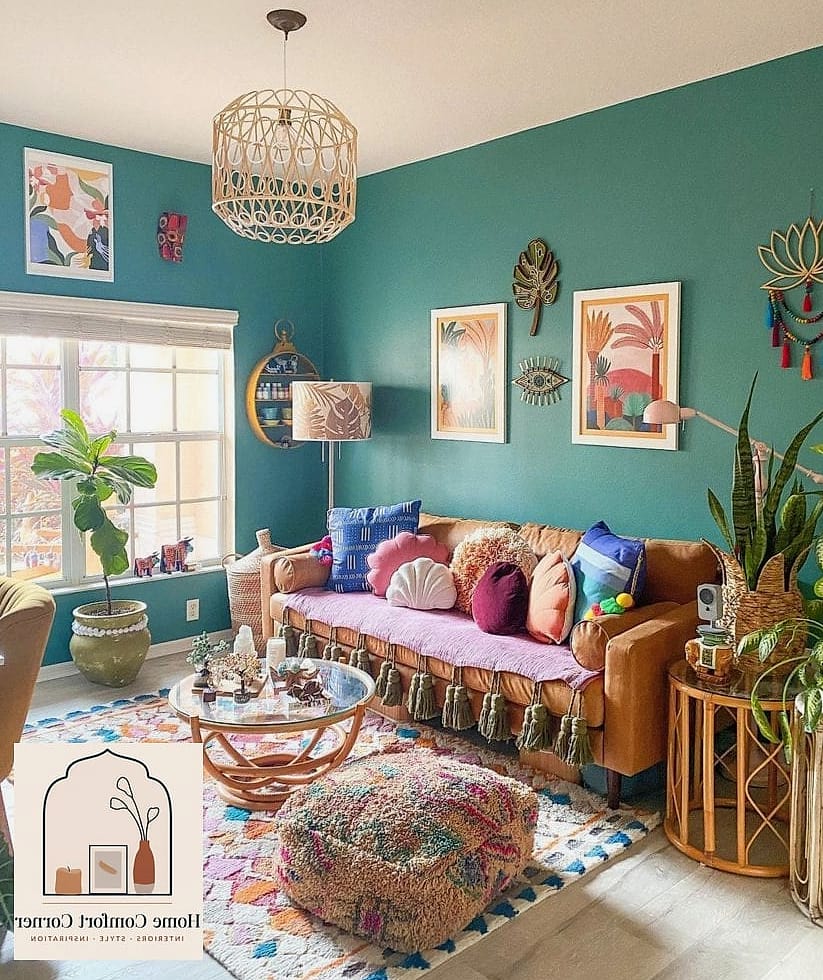
Boho gets a reputation for being chaotic, but the good versions are actually pretty curated. Layered textiles, mixed patterns, plants everywhere, and furniture that looks collected over time rather than bought as a matching set.
Vintage rugs, macrame wall hangings, and warm wood tones are staples. Mixing metals like brass and black is totally fine here, which is nice if you already own a random assortment of lamps and hardware.
Small spaces can do a boho corner rather than a whole boho house, layering a floor cushion, a plant, and a textured throw. Larger homes have more wall space for gallery-style art arrangements and bigger statement rugs.
Contemporary Neutral
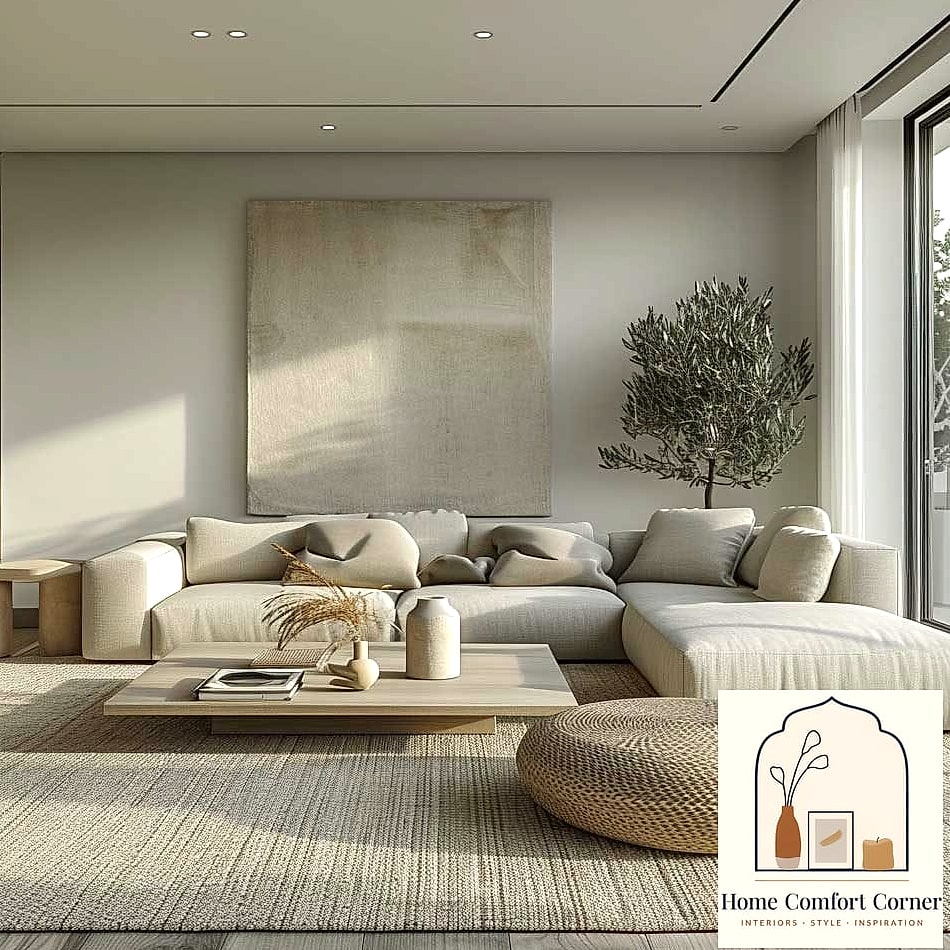
This is the aesthetic for people who want their home to look expensive without a ton of color decisions. Think a tight neutral color palette, mostly beige, greige, and soft white, with texture doing all the visual work instead of pattern or color.
Textured throw pillows, a chunky knit blanket, matte finishes, and quartz or marble-look countertops all fit here. It photographs well, which is probably why it’s all over home design accounts, but it also just holds up over time since you’re not locked into a trendy color that’ll date the space.
Small homes benefit because a tight palette makes rooms flow into each other visually. Larger homes can add depth with varying wood tones so it doesn’t read as flat.
Cottagecore Charm
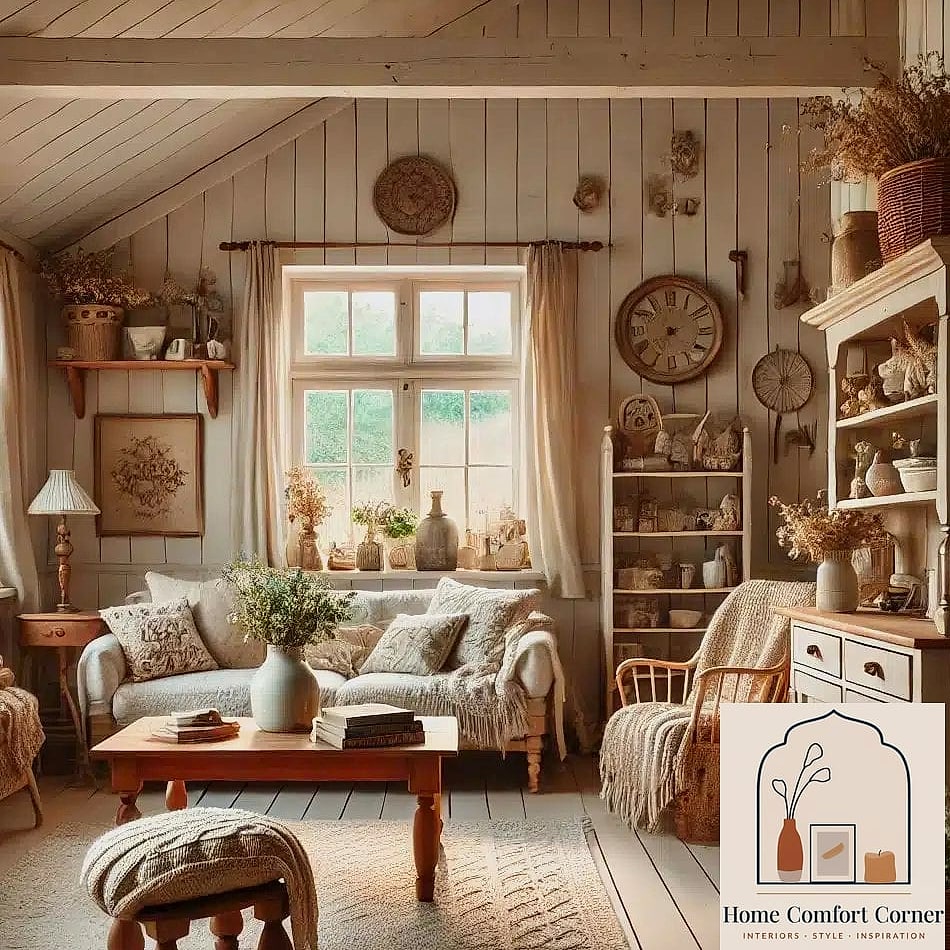
Cottagecore is cozy, a little romantic, and leans into vintage-inspired details like floral prints, ruffled linens, and antique or antique-look furniture. It’s less about matching everything and more about pieces that feel like they have a story.
Open shelving with mismatched but coordinating dishware, dried florals, and warm lighting all work well here. It’s a genuinely renter-friendly aesthetic too, since a lot of the charm comes from textiles and decor rather than permanent changes.
In small spaces, go easy on the pattern mixing so it doesn’t feel busy. In larger homes, a cottagecore kitchen or reading nook can coexist with simpler rooms elsewhere in the house.
Moody Maximalism
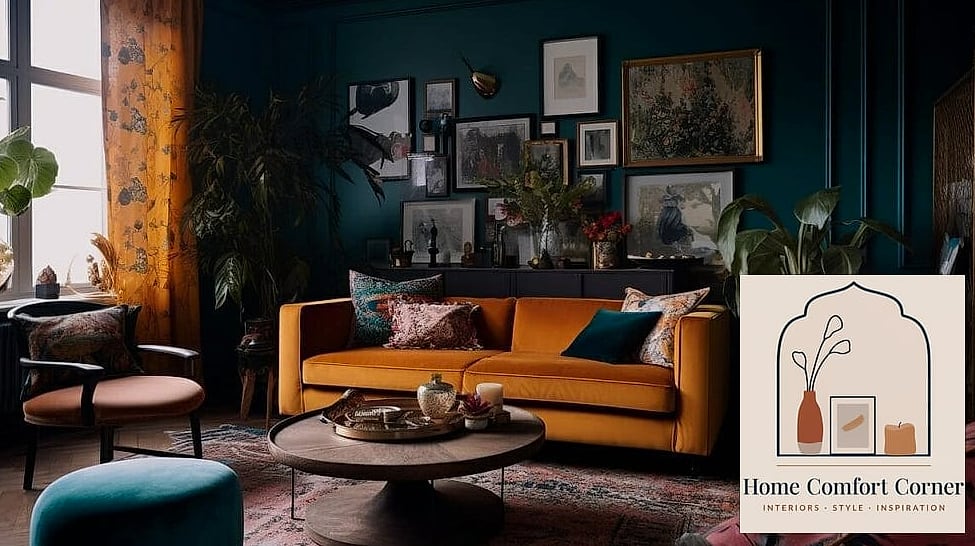
If neutral everything sounds boring to you, moody maximalism might be more your speed. Deep colors like forest green, navy, or charcoal on the walls, layered lighting, and rich textures like velvet upholstery.
This aesthetic actually works better in smaller rooms than people expect. Dark walls in a small space can make it feel enveloping and intentional rather than cramped, especially with good lighting to keep it from feeling like a cave.
Layered lighting is non-negotiable here, since a single overhead light will kill the mood fast. Add table lamps, a floor lamp, maybe some warm-toned string lights, and let the room feel a little dramatic. Bigger rooms can go bolder with pattern on top of the dark color base.
Transitional Classic
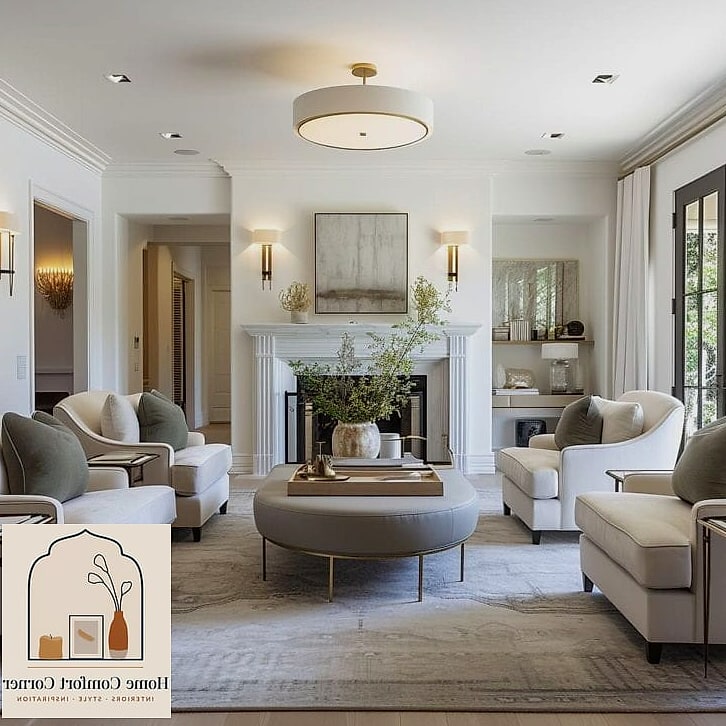
Transitional style splits the difference between traditional and modern, which makes it one of the most flexible aesthetics on this list. Classic furniture silhouettes paired with simpler, more current finishes, like a traditional sofa shape in a neutral linen instead of a busy print.
Neutral color palettes, natural stone or quartz surfaces, and brushed brass or nickel hardware all fit comfortably here. It’s a safe bet if you’re planning to sell eventually, since it appeals to a wide range of tastes without feeling trend-driven.
Smaller homes can lean into transitional style because it doesn’t require bold commitments that might feel overwhelming in a tight floor plan. Larger homes have room to mix in a few more traditional pieces, like a statement mirror or a patterned rug, without it feeling like too much.
Final Thoughts
The truth about most of these interior design aesthetic ideas is that they’re less about square footage and more about consistency. Pick a color palette, choose materials that feel like you, and repeat those choices throughout the space instead of treating every room like its own project.
You really can pull off any of these looks in a studio apartment or a five-bedroom house. The scale changes, but the bones of the aesthetic stay the same, and that’s honestly good news if you’ve ever felt like good design was only for people with more space to work with.