9 Store Design Interior Ideas From Homes We Absolutely Love
- Open Shelving Styled Like a Curated Display
- A Statement Entryway That Feels Like a Boutique Welcome
- Herringbone Tile as a Quiet Showstopper
- Zellige Tile for That Handmade, Imperfect Charm
- A Built-In Banquette That Doubles as Storage
- Layered Lighting Instead of One Overhead Fixture
- Warm Wood Tones Against a Neutral Palette
- Butcher Block Counters for an Unexpected Upgrade
- A Well-Organized Pantry With Matching Storage Bins
9 Store Design Interior Ideas From Homes We Absolutely Love
Some of the best design inspiration doesn’t come from glossy showrooms or perfectly staged model homes. It comes from real spaces where real people live, mess and all. We’ve been pulling ideas from homes that just get it right, and honestly, a lot of these looks borrow that polished, curated feel you’d expect from a boutique store display, but translated into everyday living. If you’ve ever walked into a beautifully merchandised shop and thought “why can’t my house feel like this,” these nine ideas are for you.
Whether you’re planning a full remodel or just want to steal a few tricks for a weekend refresh, these are the details that keep showing up in the homes we can’t stop admiring.
Open Shelving Styled Like a Curated Display
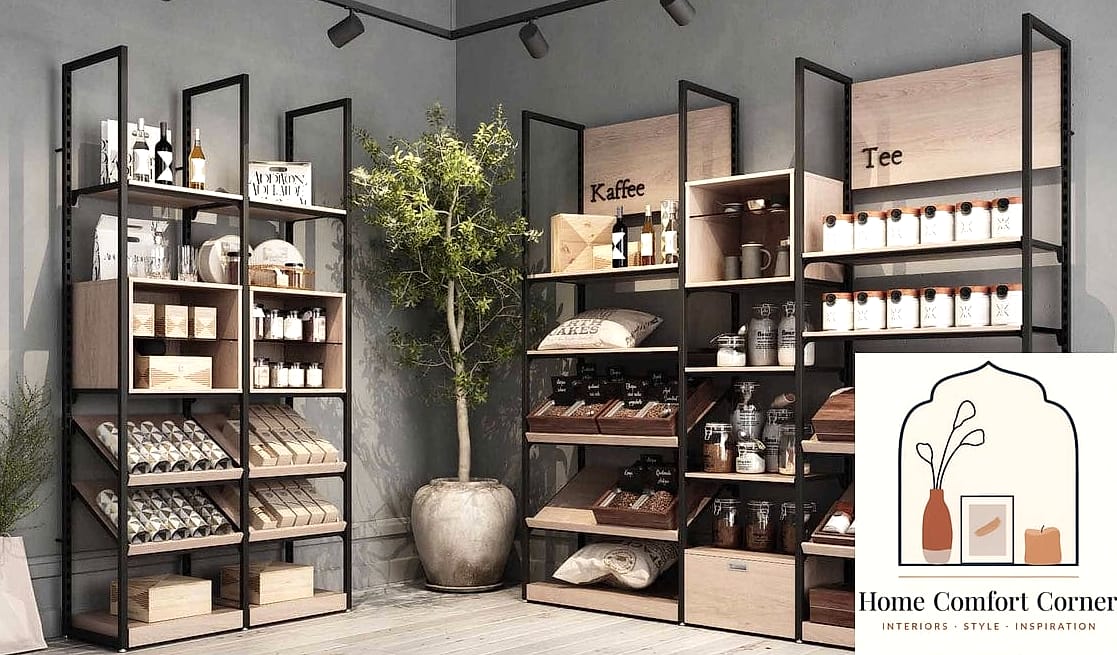
Open shelving gets a bad reputation for being hard to keep tidy, but when it’s done right, it looks like something out of a well-merchandised boutique. The trick is grouping items by color and height instead of just shoving everything up there.
This works especially well in kitchens and living rooms where you want a mix of function and personality. Think ceramic bowls, a few plants, some books stacked flat, and one or two decorative objects with breathing room around them.
Floating shelves in a warm wood tone or matte black finish tend to photograph the best and hold up well over time. If you’re renting, peel-and-stick shelf brackets have come a long way and can handle light to medium loads without damaging walls.
Maintenance-wise, open shelving does need more regular dusting than closed cabinets, so it’s worth keeping that in mind if you’re not big on upkeep. But for the visual payoff, most homeowners say it’s worth the extra five minutes a week.
A Statement Entryway That Feels Like a Boutique Welcome
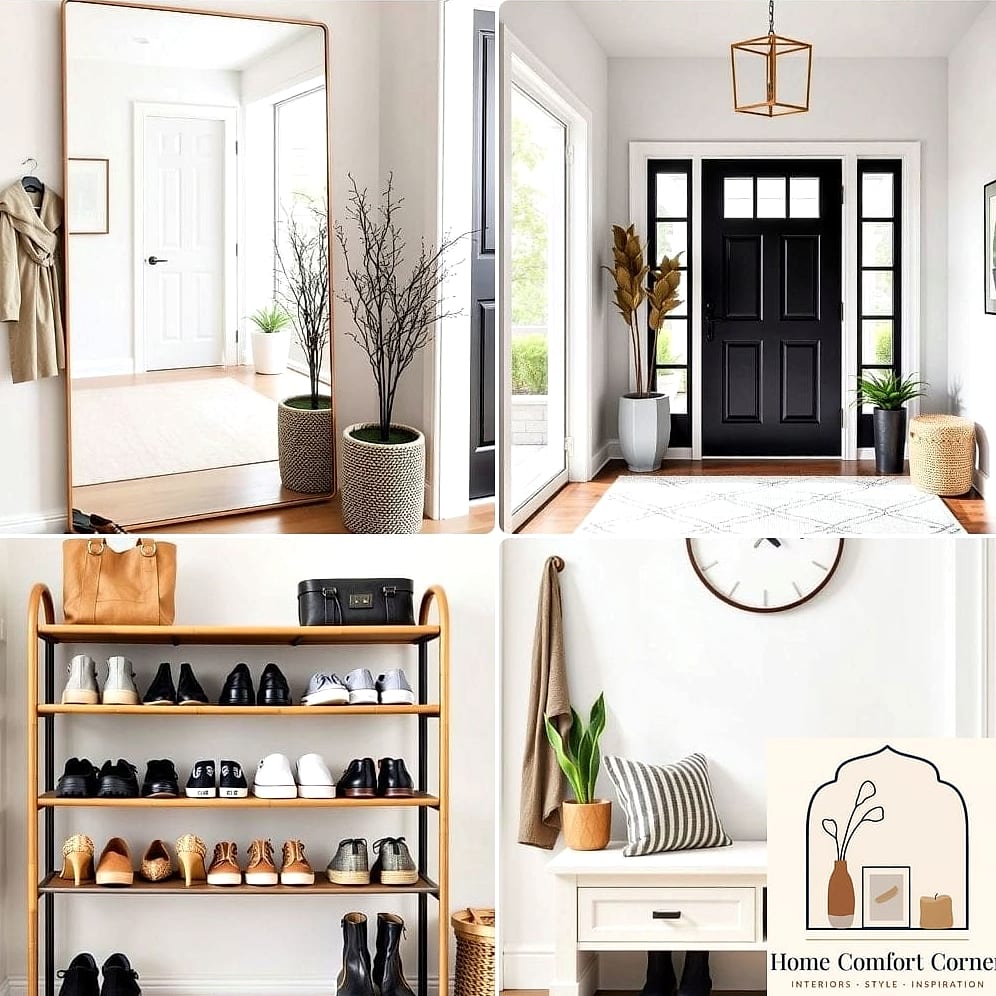
The homes we love most almost always nail the entryway. It’s the first thing you see, and it sets the tone the same way a storefront window does.
A great entry setup usually includes a console table, a large mirror, and some kind of textured element like a woven basket or a stack of vintage crates for shoe storage. Layer in a table lamp instead of relying on overhead lighting, and the whole space feels warmer immediately.
Hooks are non-negotiable if you’ve got kids, pets, or just a lot of coats. Brushed brass or matte black hooks mounted at varying heights look intentional rather than cluttered.
This is a great renter-friendly project too, since most of the pieces are freestanding. No drilling required unless you want to add the hooks or mirror to the wall.
Herringbone Tile as a Quiet Showstopper
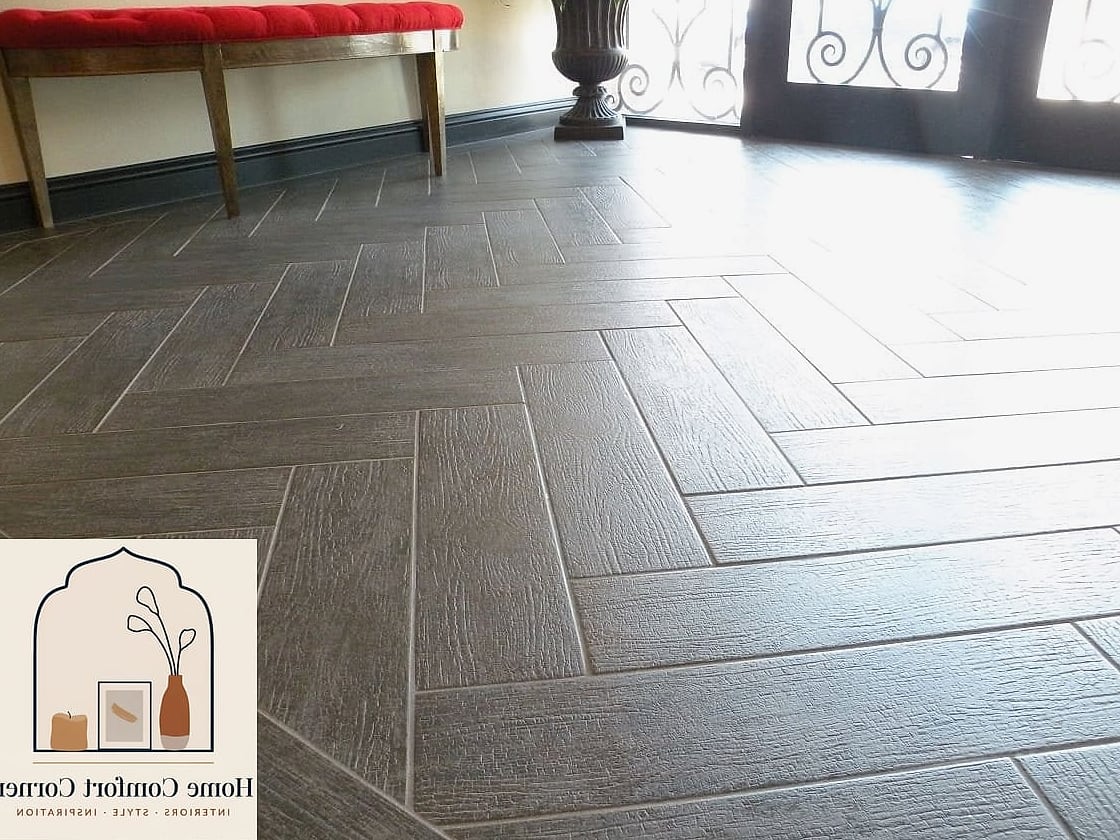
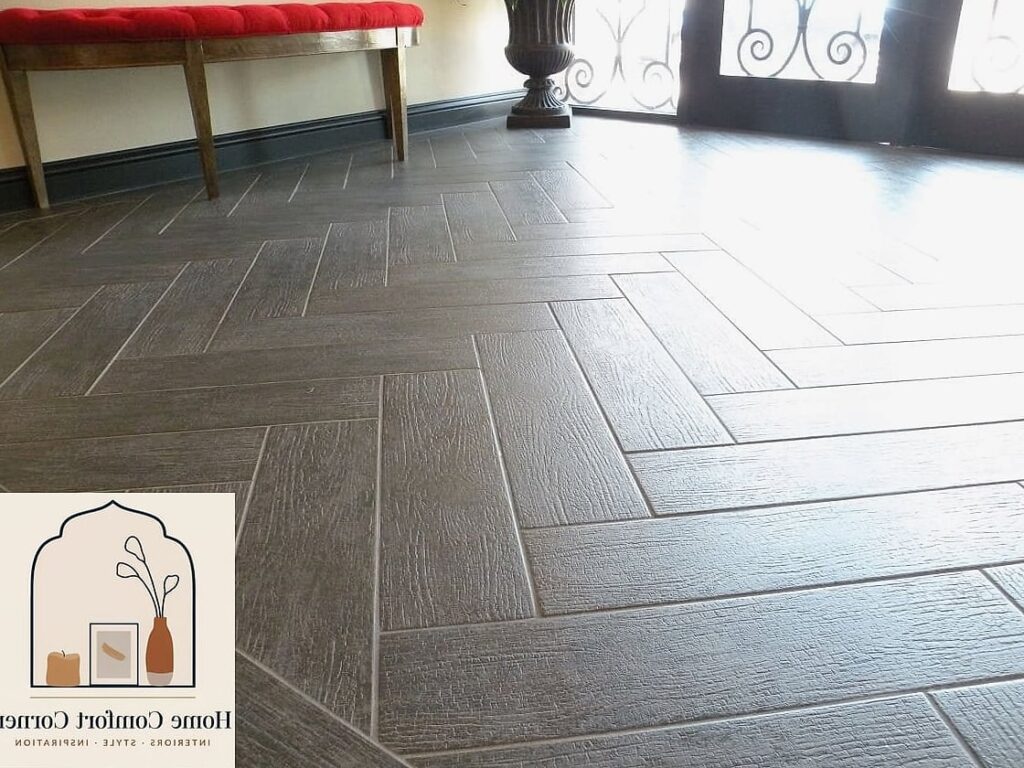
Herringbone patterns show up constantly in the homes we admire, and it’s not hard to see why. The zigzag layout adds movement to a floor or backsplash without being loud about it.
It works beautifully in kitchens as a backsplash behind the stove, in bathrooms as flooring, and even in entryways for a little extra drama underfoot. Porcelain tile in a herringbone layout tends to be the most durable and budget-friendly option, while natural stone versions lean more luxury.
Installation is trickier than a standard grid layout, so this one usually isn’t the best DIY starter project unless you’ve got tiling experience. Hiring a pro for herringbone is a common move, and it’s usually worth the labor cost.
Grout color matters a lot here too. A matching grout keeps the pattern subtle, while a contrasting grout makes the herringbone shape pop.
Zellige Tile for That Handmade, Imperfect Charm
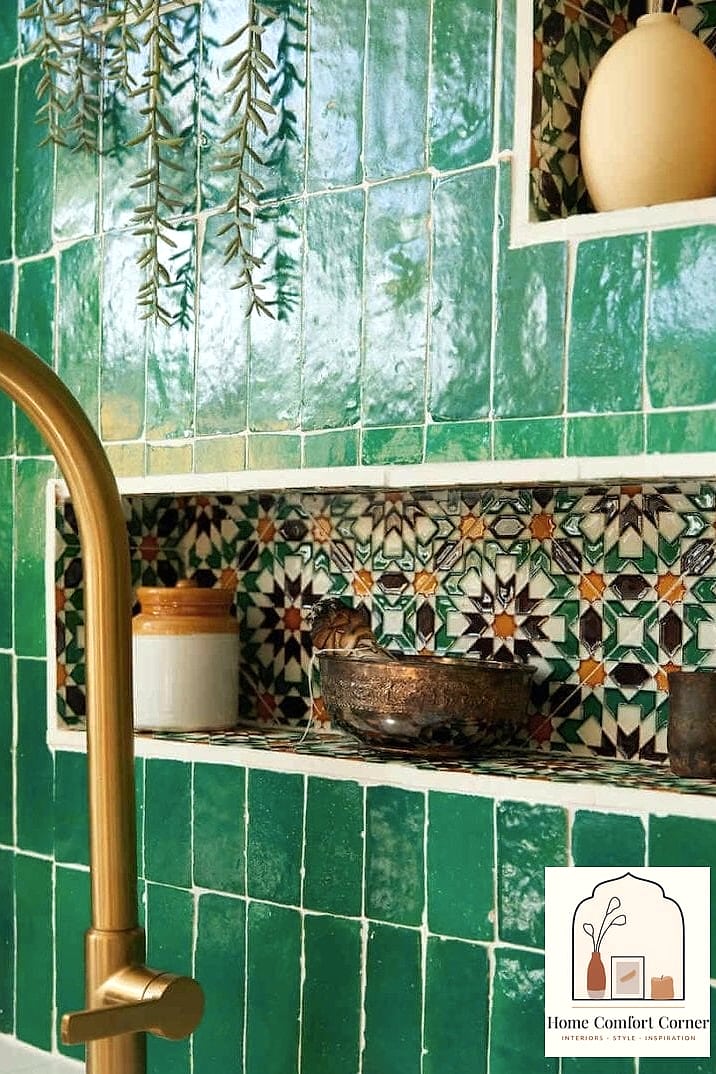
If you’ve scrolled through home inspiration lately, you’ve probably seen zellige tile everywhere, and the homes we love use it in the smartest ways. This handmade Moroccan tile has slight variations in color and texture that give it a one-of-a-kind look no machine-made tile can replicate.
It’s a favorite for kitchen backsplashes and bathroom accent walls where you want something with personality. The light-catching, slightly uneven surface adds depth that flat tile just can’t match.
Zellige runs on the pricier side compared to standard ceramic or porcelain, so a lot of homeowners use it sparingly, like a small backsplash section or a shower niche, rather than covering an entire wall.
Cleaning is straightforward with a mild, non-abrasive cleaner, though the glaze can show water spots more than other tile types, so a quick wipe-down after use helps keep it looking fresh.
A Built-In Banquette That Doubles as Storage
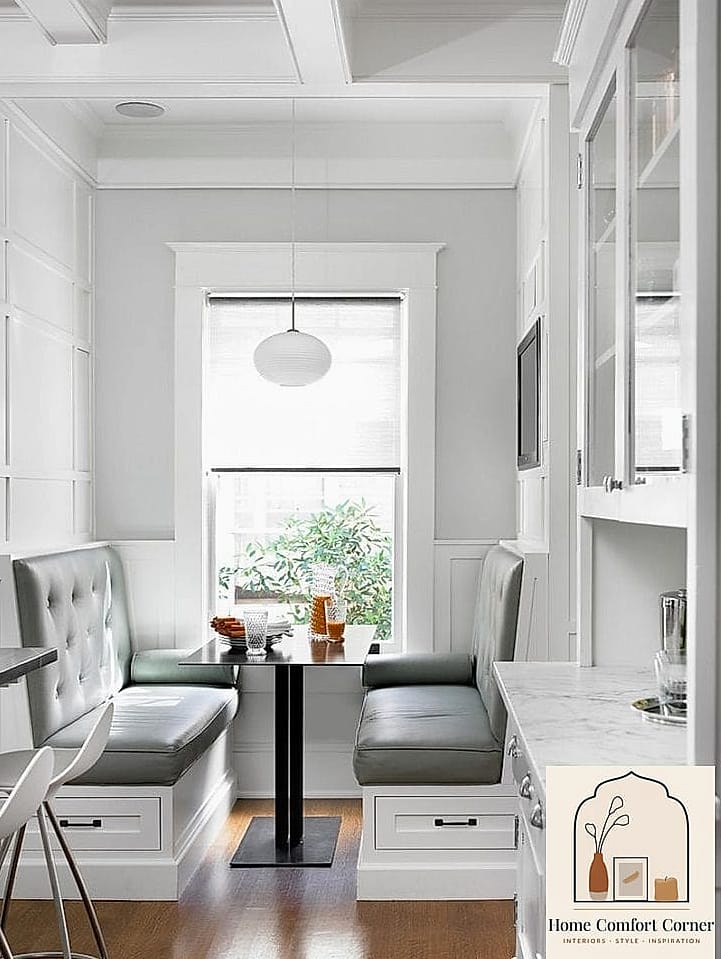
Banquette seating has that cozy, custom-cafe feel that a lot of the homes we love have nailed in their kitchens and breakfast nooks. Beyond looking great, it’s a smart use of space, especially in smaller homes.
The real win is the storage underneath. Lift-top benches or drawer-style bases turn dead space into a spot for extra linens, seasonal items, or kids’ toys.
Upholstery choice makes a big difference here. Performance fabrics that resist stains and spills are worth the investment if you’ve got kids or pets, and they’ve come a long way in terms of looking soft and stylish rather than plasticky.
This one’s more of a carpentry project than a weekend DIY, but if you’re working with a contractor on a kitchen remodel, it’s a detail worth requesting.
Layered Lighting Instead of One Overhead Fixture
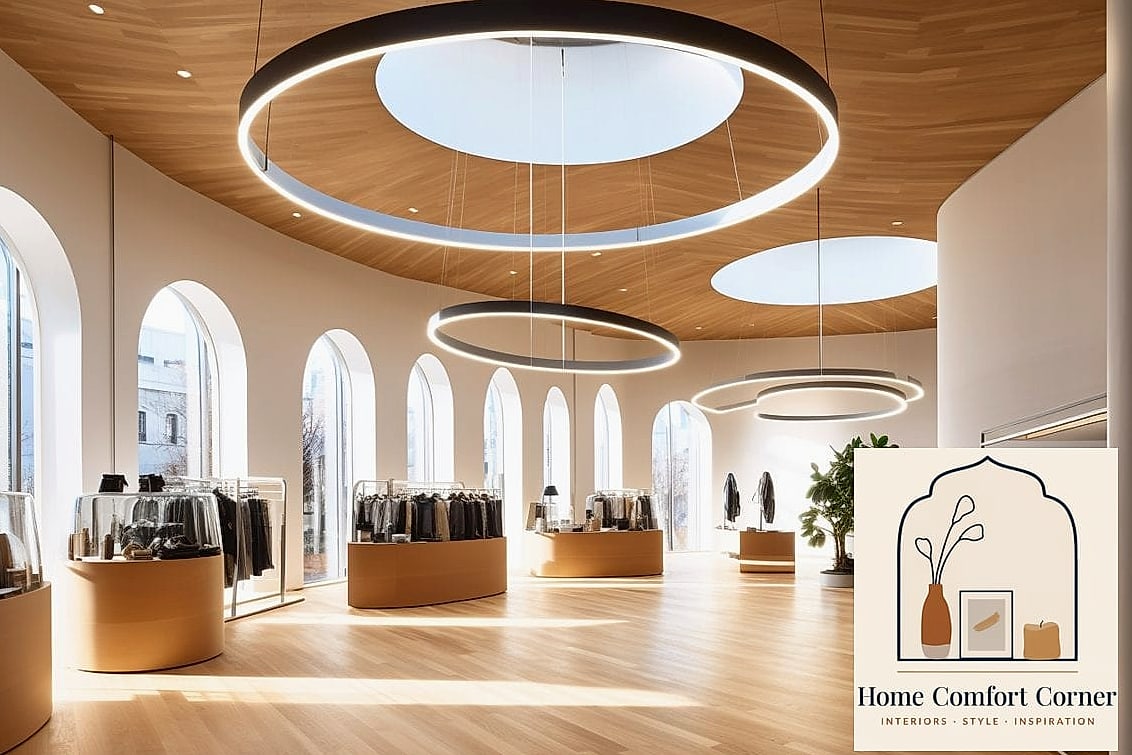
One thing that separates a flat, boring room from one that feels like it belongs in a design magazine is layered lighting. The homes we’re drawn to almost never rely on a single overhead fixture to do all the work.
Instead, they mix ambient light from ceiling fixtures, task lighting like under-cabinet lights in kitchens or reading lamps near seating, and accent lighting such as picture lights or LED strips behind shelving.
This layering creates depth and makes a room feel intentional rather than just functional. It’s also incredibly practical, since you can dim or turn off certain layers depending on the time of day or mood you’re going for.
Budget-wise, you don’t need to rewire your whole house. Plug-in sconces, battery-operated puck lights, and simple floor lamps can get you most of the way there without an electrician.
Warm Wood Tones Against a Neutral Palette
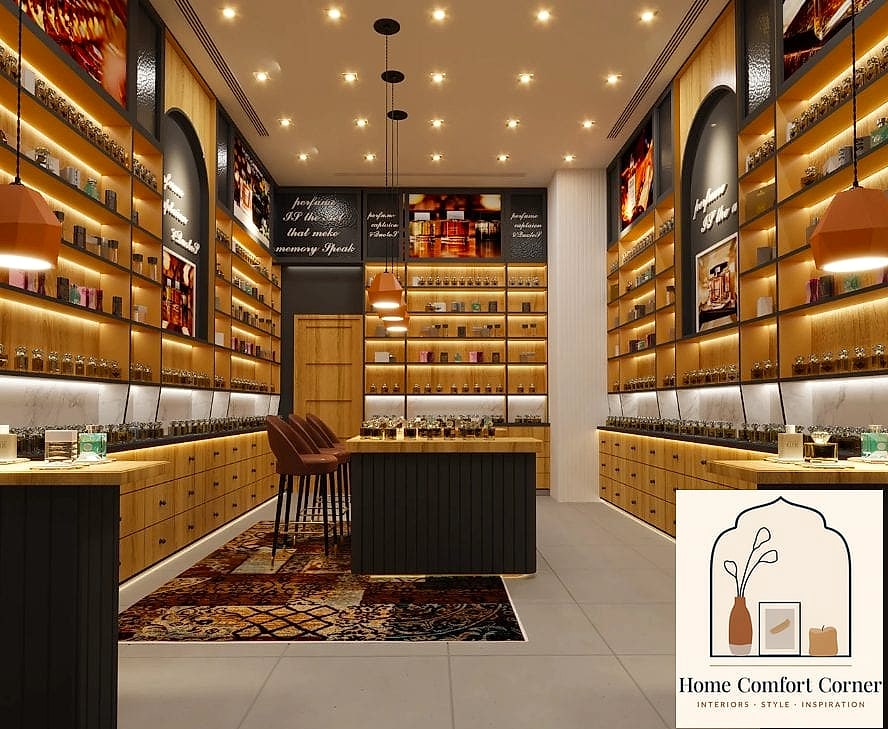
A lot of the homes we love have figured out the balance between warm and neutral, and wood accents are usually the key. Think white oak floors, walnut furniture, or a wood accent wall paired with soft whites, greiges, and muted greens.
This combo keeps a space from feeling sterile or cold, which is a common complaint with all-white or all-gray interiors. The wood grain adds texture and warmth that paint alone can’t provide.
It works in every room, but it’s especially effective in living rooms and bedrooms where you want a calm, grounded feel. A wood coffee table, a set of floating shelves, or even a rattan accent chair can introduce this warmth without a huge investment.
If you’re not ready to commit to real wood, there are some solid wood-look options in laminate and vinyl that hold up well in high-traffic areas and cost significantly less.
Butcher Block Counters for an Unexpected Upgrade
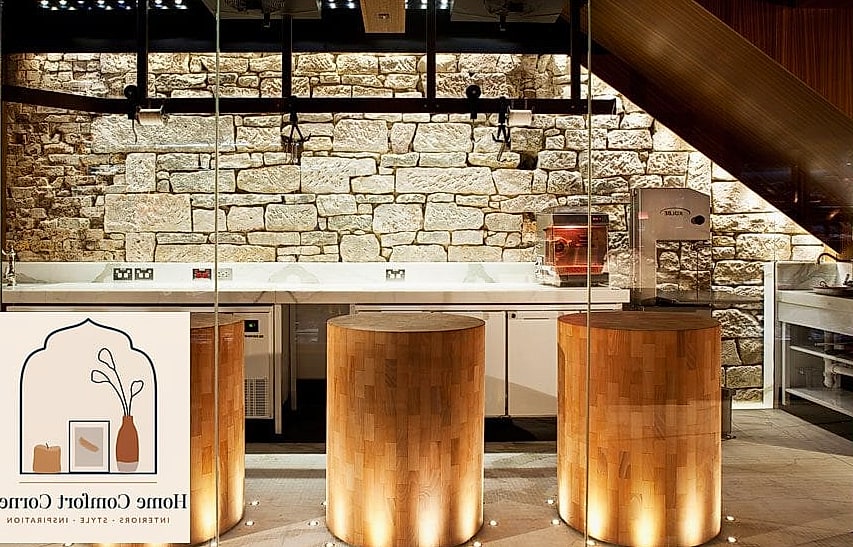
Butcher block countertops keep showing up in the kitchens we can’t stop screenshotting, and it’s a refreshing change from the usual quartz or granite conversation. There’s something about the warmth of wood on a countertop that instantly makes a kitchen feel more custom without requiring a full renovation.
It’s a great fit for kitchen islands, especially if you want to create a visual break from the surrounding counters. Some homeowners go all in and use it throughout the whole kitchen for a cohesive farmhouse or Scandinavian feel.
Maintenance is the main tradeoff here. Butcher block needs regular oiling to prevent water damage and staining, and it’s not as heat or scratch resistant as stone. That said, many homeowners actually like the way it develops character over time.
Budget-wise, butcher block tends to be more affordable than natural stone, making it a nice option if you’re working with a tighter renovation budget but still want that upscale look.
A Well-Organized Pantry With Matching Storage Bins
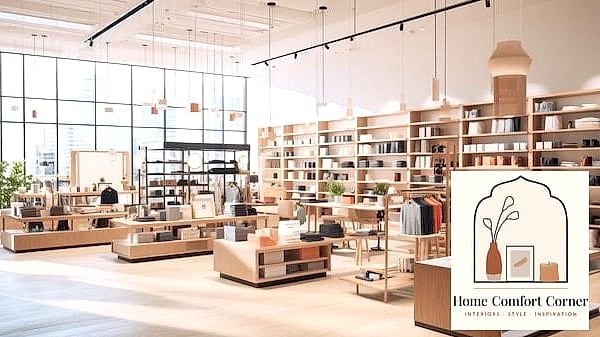
Last but definitely not least, the pantry situation in these homes deserves its own spotlight. A well-organized pantry with matching bins and clear labeling has that satisfying, store-like quality that makes grabbing ingredients feel less chaotic.
Clear acrylic bins for dry goods like flour, sugar, rice, and pasta keep everything visible and fresh, while woven baskets work well for bulkier items like chips or produce. Labeling with a simple label maker or chalkboard tags adds that finished, cohesive look.
This is one of the more budget-friendly ideas on this list. You don’t need a full pantry remodel to make it work. Even a small closet pantry can get this treatment with a few strategically placed bins and some shelf risers to maximize vertical space.
For families juggling a lot of groceries, this system also just makes life easier. Everyone in the house can actually find what they’re looking for, which cuts down on the “we’re out of X” surprises at the worst possible time.
Pulling any one of these ideas into your own space doesn’t require a total gut renovation. Start with whatever feels most doable right now, whether that’s a few new storage bins or a lighting swap, and build from there. The homes we love most weren’t finished overnight, and yours doesn’t need to be either.