20 Aesthetic Home Decor Tips From Top Interior Designers
- Layer Your Lighting Instead of Relying on One Source
- Choose a Neutral Color Palette as Your Base
- Mix Textures So the Room Doesn’t Feel Flat
- Hang Curtains High and Wide
- Bring in Real or Realistic Greenery
- Use the Rule of Odd Numbers for Styling Shelves
- Invest in Statement Lighting Fixtures
- Add Architectural Interest with Trim and Molding
- Swap Hardware for an Instant Refresh
- Create a Gallery Wall with Mixed Frames
- Choose Furniture That Fits the Scale of the Room
- Add a Rug Under Your Furniture, Not Just in Front of It
- Use Warm Wood Tones to Balance Cool Materials
- Style Your Coffee Table Like a Designer Would
- Incorporate Vintage or Antique Pieces
- Choose Window Treatments That Match Your Home’s Style
- Add Personality with a Bold Ceiling or Accent Wall
- Keep Countertops and Surfaces Mostly Clear
- Use Mirrors to Bounce Light Around a Room
- Add Seasonal Touches Without Overdoing It
20 Aesthetic Home Decor Tips From Top Interior Designers
If you’ve ever scrolled through a beautifully designed home online and wondered how it all comes together so effortlessly, you’re not alone. The truth is, most designer-approved spaces follow a handful of principles that anyone can apply, no matter your budget or square footage. I’ve pulled together 20 aesthetic home decor tips from top interior designers that actually make a visible difference, not just theory that sounds nice but never translates to real rooms. Let’s get into it.
Layer Your Lighting Instead of Relying on One Source
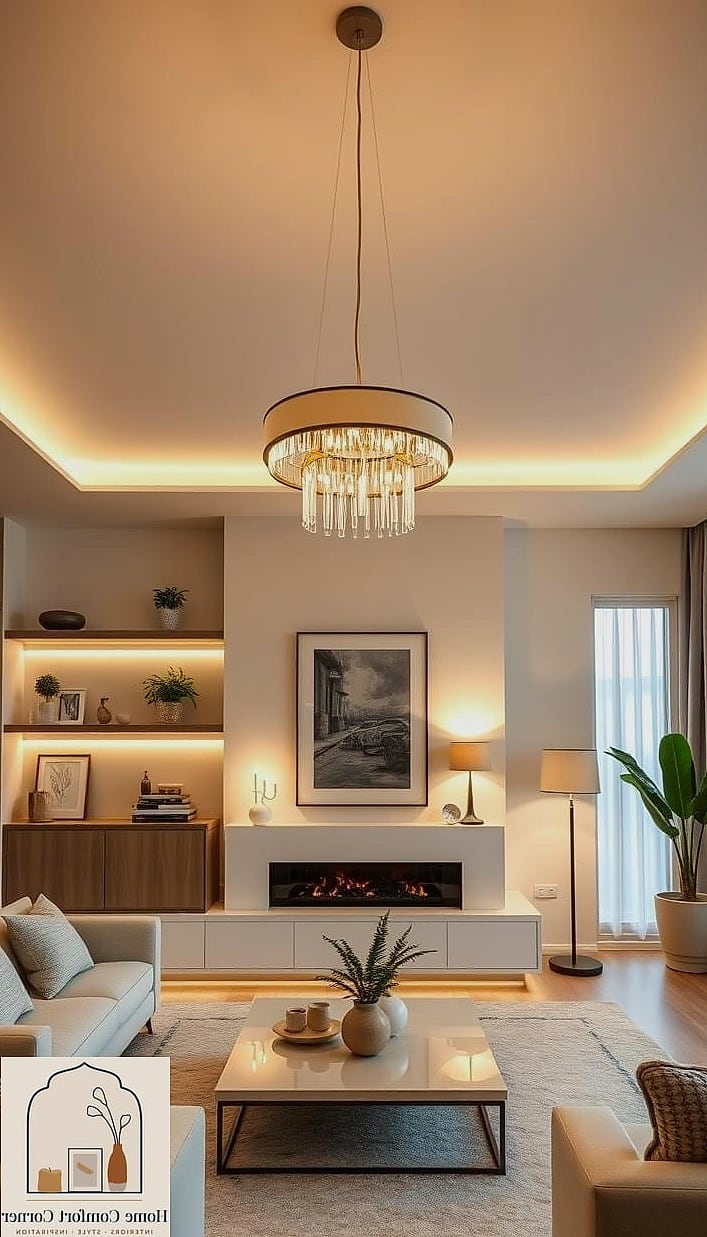
A single overhead light is probably the biggest reason your room feels flat. Designers almost always use at least three light sources in a space: ambient, task, and accent lighting.
Think ceiling fixture, a floor or table lamp, and something smaller like a sconce or picture light. This combination creates depth and lets you adjust the mood depending on the time of day.
Warm bulbs (around 2700K to 3000K) tend to feel cozier than stark white light. It’s a small swap that makes a noticeable difference in how inviting a room feels.
Choose a Neutral Color Palette as Your Base
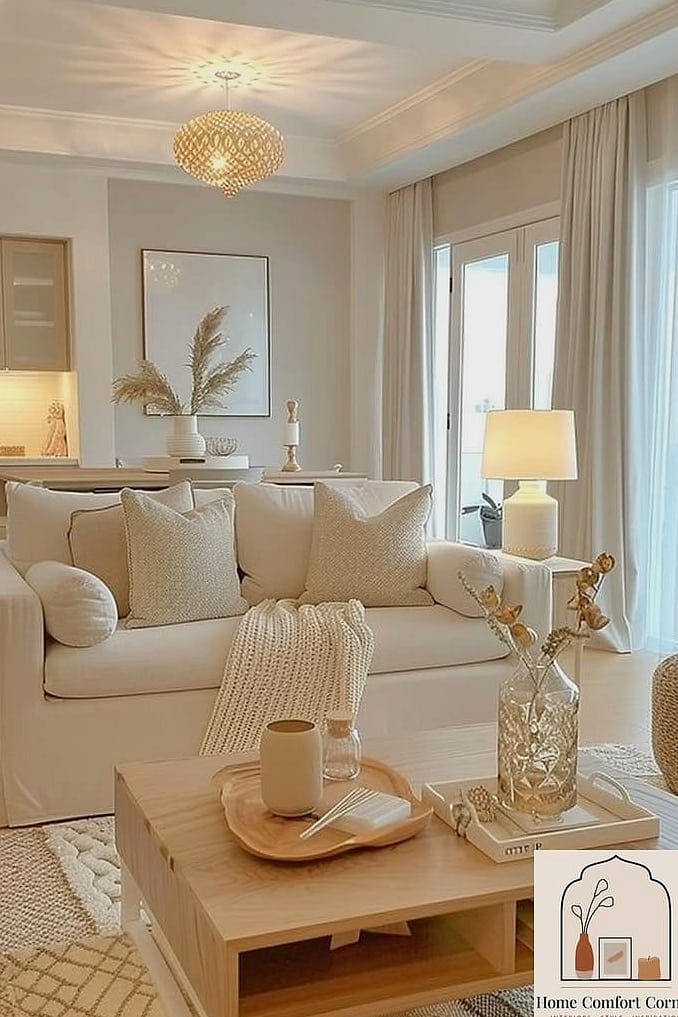
Most professionally designed rooms start with a neutral color palette and build texture and personality from there. Think warm whites, soft greiges, or muted tans on walls and large furniture pieces.
This isn’t about playing it safe. It’s about giving yourself a flexible canvas so you can swap out pillows, art, or accessories without repainting every season.
Save the bold colors for things that are easy to change, like throw blankets or a piece of art. Your walls and sofa should be the foundation, not the statement.
Mix Textures So the Room Doesn’t Feel Flat
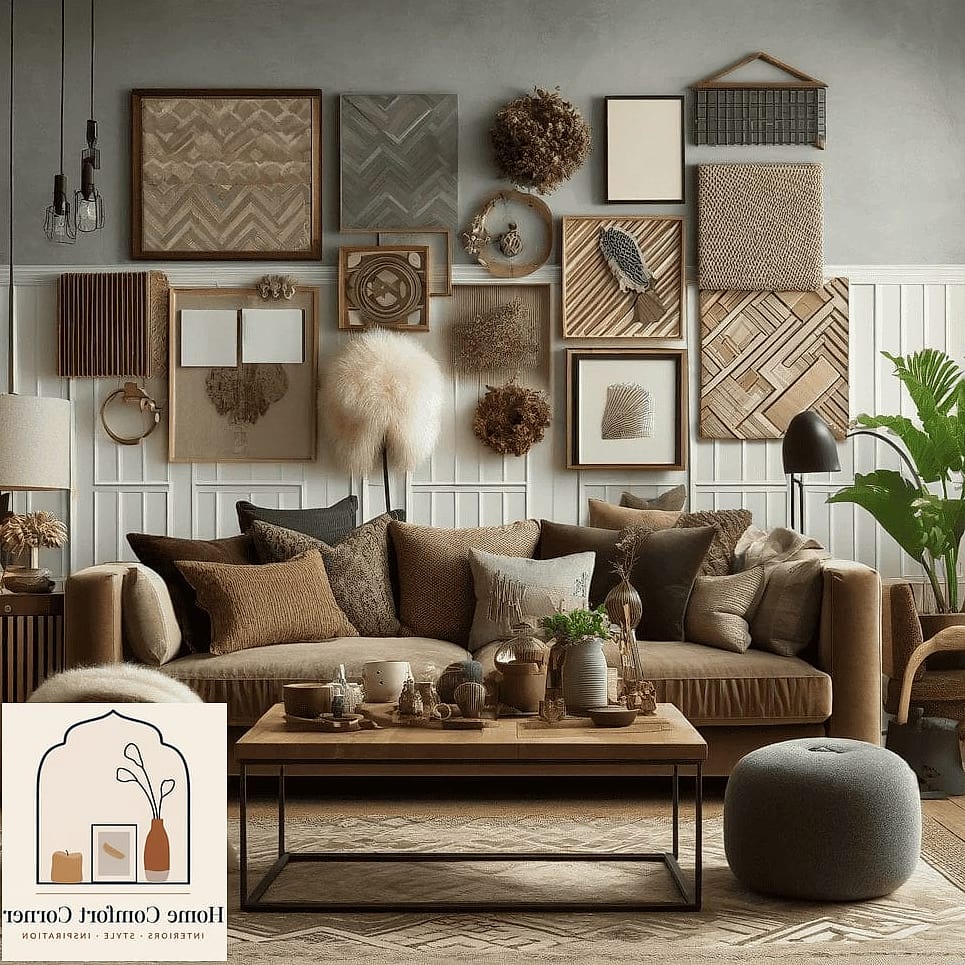
If everything in a room has the same smooth finish, it starts to feel a little sterile. Designers love combining textures, like a nubby wool rug, a smooth leather chair, and a woven basket in the corner.
This works in kitchens and bathrooms too. Pair matte finishes on cabinetry with glossy tile or a brushed brass faucet for contrast.
Even something as simple as a chunky knit throw draped over a smooth sofa adds tactile interest without much effort.
Hang Curtains High and Wide
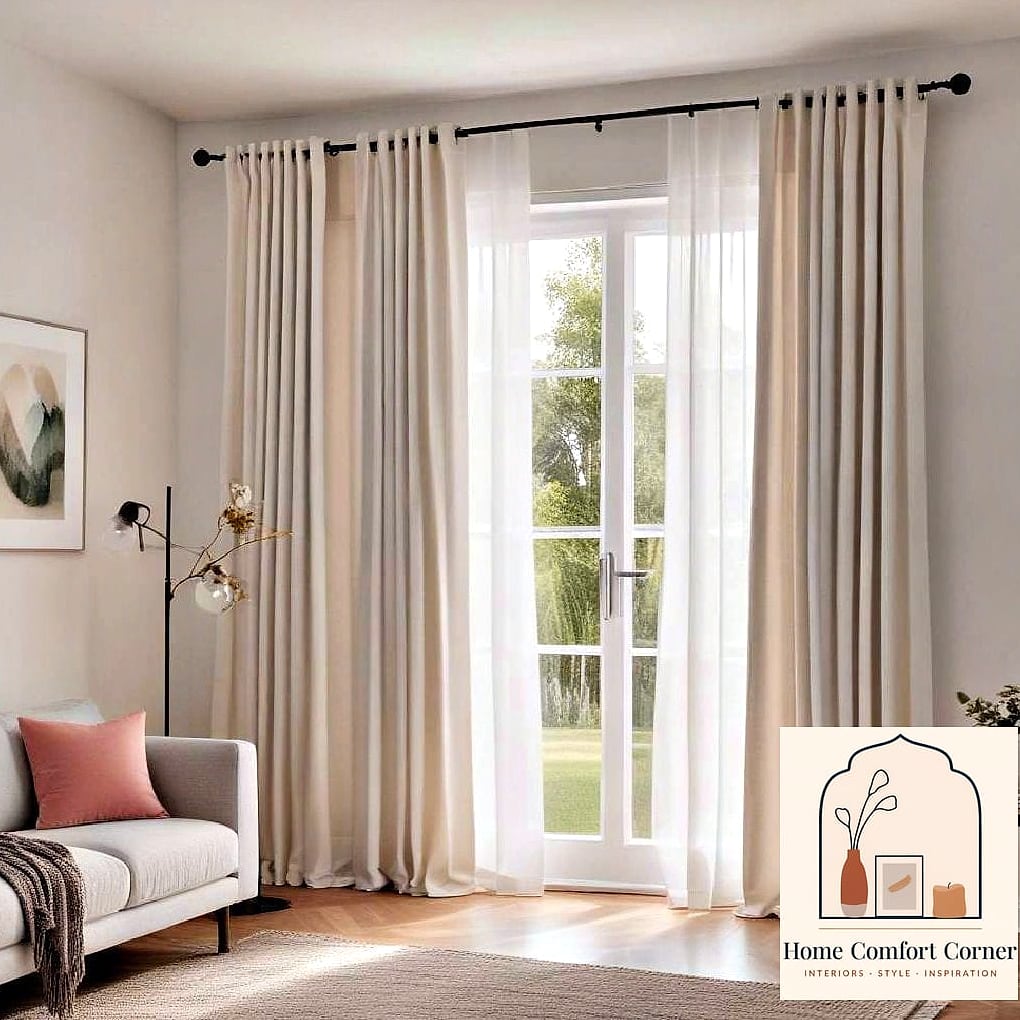
This is one of those upgrades that instantly makes a room feel more custom without requiring a full renovation. Most people hang curtain rods right above the window frame, which actually makes ceilings look shorter.
Mount your rod as close to the ceiling as possible, and extend it several inches past the window on each side. When the curtains are open, they won’t block any glass, and the window will look bigger than it is.
It’s a five-minute fix that photographs beautifully and costs almost nothing if you already own curtains.
Bring in Real or Realistic Greenery
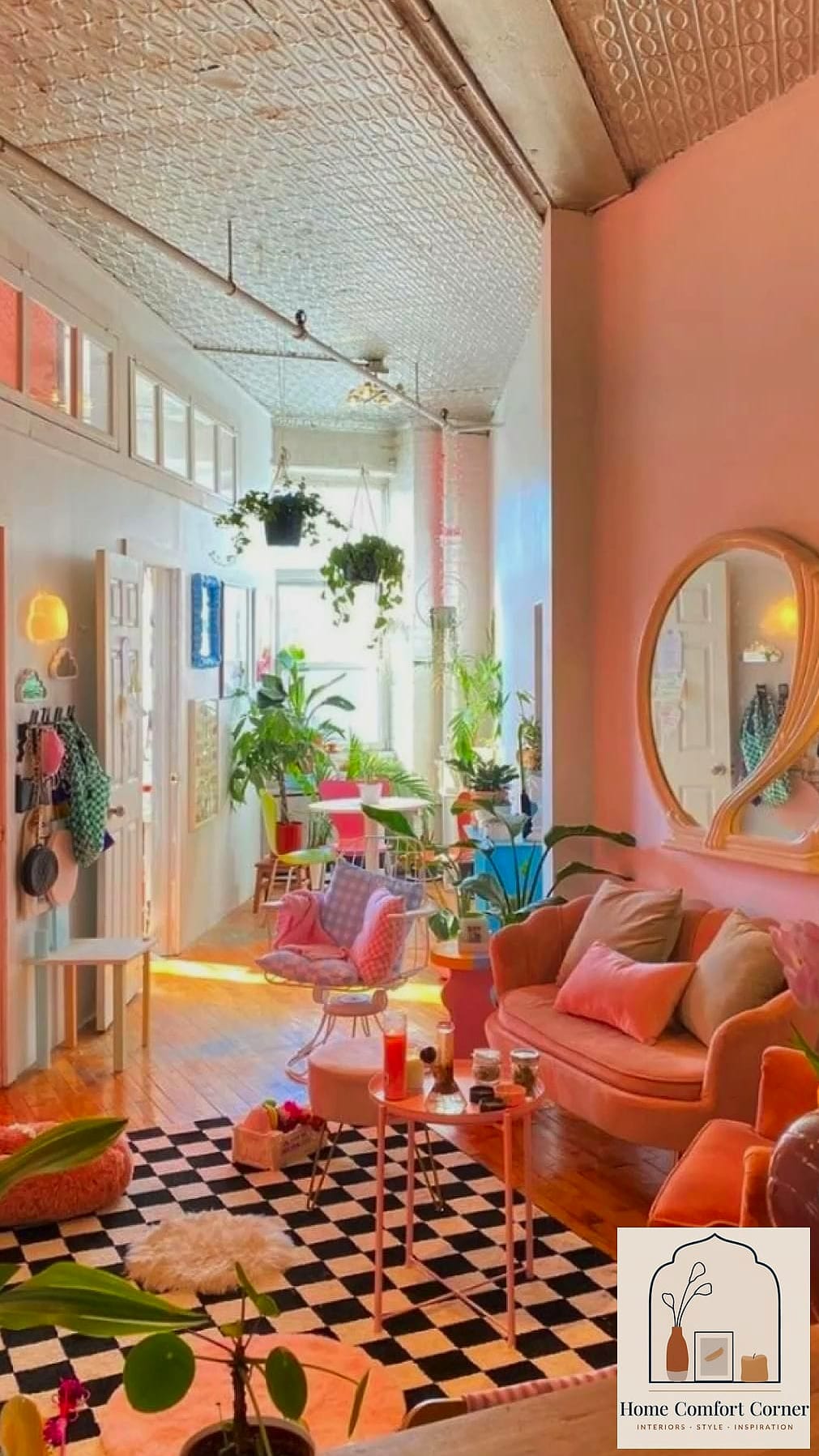
Plants soften hard edges and add life to a space in a way that decor objects just can’t replicate. A large fiddle leaf fig in the corner or a trailing pothos on a bookshelf gives a room an organic, lived-in quality.
If you don’t have a green thumb, high-quality faux plants have come a long way and can genuinely pass for real ones from across the room. Just avoid the shiny plastic-looking ones that scream fake.
Grouping plants in varying heights, rather than scattering single pots randomly, tends to look more intentional and designed.
Use the Rule of Odd Numbers for Styling Shelves
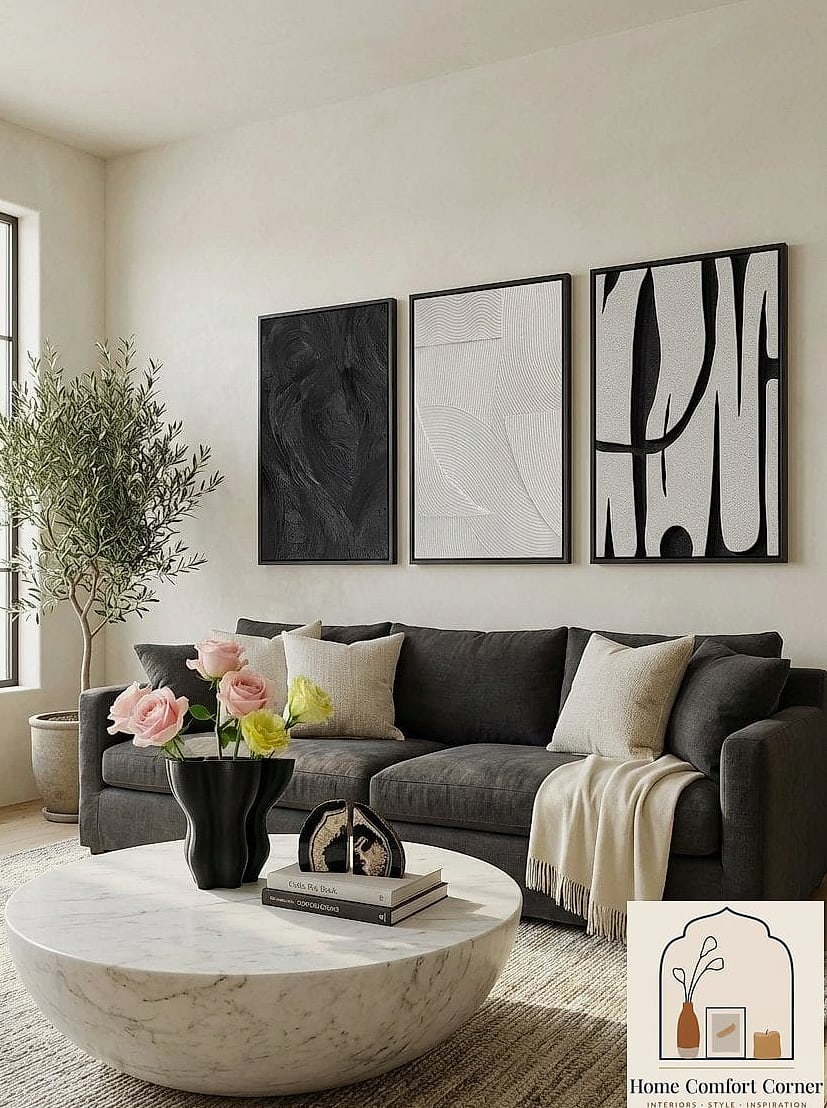
Designers consistently group objects in odd numbers, usually threes or fives, when styling shelves, mantels, or coffee tables. Something about odd numbers feels more visually balanced than even ones.
Try pairing a stack of books, a small vase, and a candle together instead of just one object sitting alone. Vary the heights so your eye naturally moves across the arrangement.
This trick works on open shelving in kitchens too, especially when you mix in a few ceramic bowls or a small plant.
Invest in Statement Lighting Fixtures
A striking pendant light or chandelier can act as a piece of art in itself. Over a dining table, kitchen island, or entryway, a well-chosen fixture draws the eye and sets the tone for the whole room.
You don’t need to spend a fortune here. Plenty of budget-friendly options mimic the look of designer fixtures for a fraction of the price.
Just make sure the scale is right. A too-small fixture over a large table will look awkward, so measure your space before falling in love with something online.
Add Architectural Interest with Trim and Molding
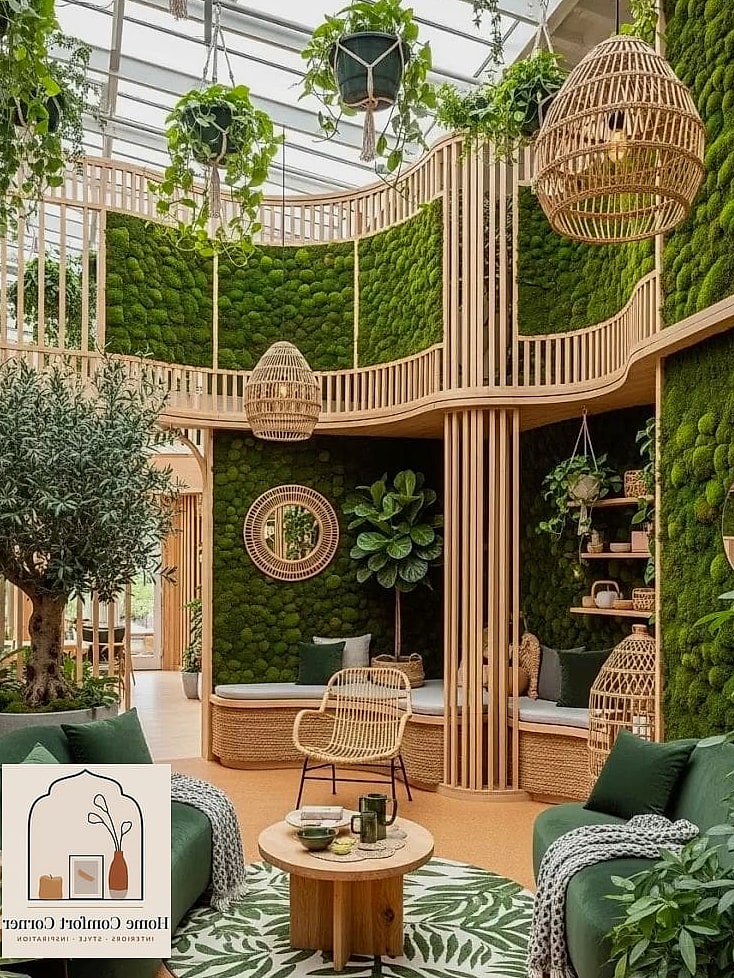
Board and batten walls, picture frame molding, and beefed-up baseboards give rooms a sense of craftsmanship that builders’ basic trim just doesn’t provide. This is a favorite trick among designers working on otherwise plain, builder-grade homes.
You can DIY this with MDF boards and a nail gun over a weekend, or hire it out if you want a more polished result. Either way, painting the molding the same color as the wall creates a subtle, cohesive look rather than a busy one.
It’s particularly effective in dining rooms, entryways, and primary bedrooms where you want a little extra elegance.
Swap Hardware for an Instant Refresh
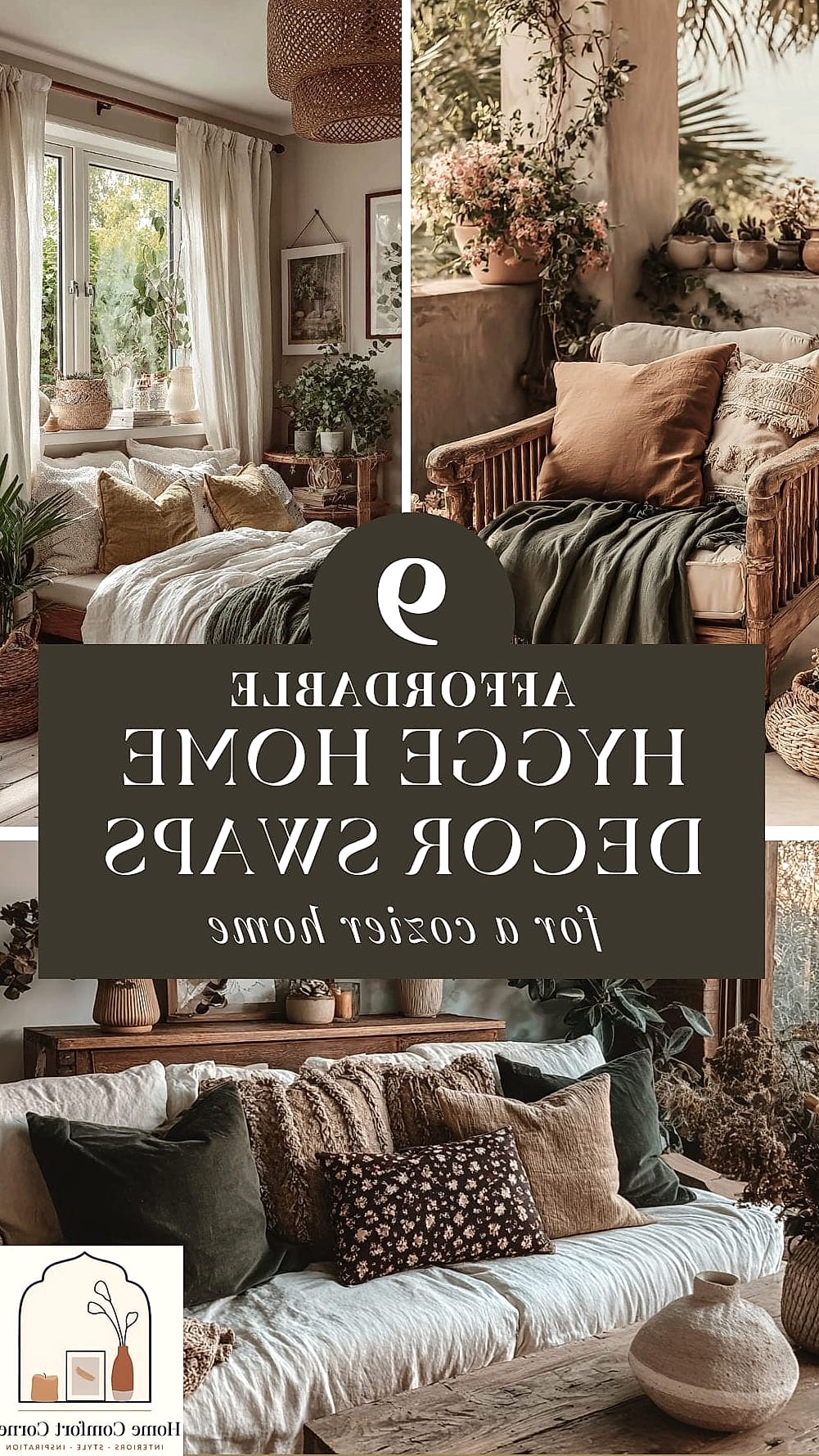
Cabinet knobs and pulls are the jewelry of a kitchen or bathroom, and updating them is one of the cheapest ways to change the whole vibe of a space. Brushed brass hardware feels warm and traditional, while matte black fixtures lean more modern.
This swap typically takes an afternoon with just a screwdriver and a drill. Most cabinets use standard hole spacing, so you can usually find replacements that fit without extra drilling.
It’s a project that costs under $200 in most kitchens but photographs like a much bigger renovation.
Create a Gallery Wall with Mixed Frames
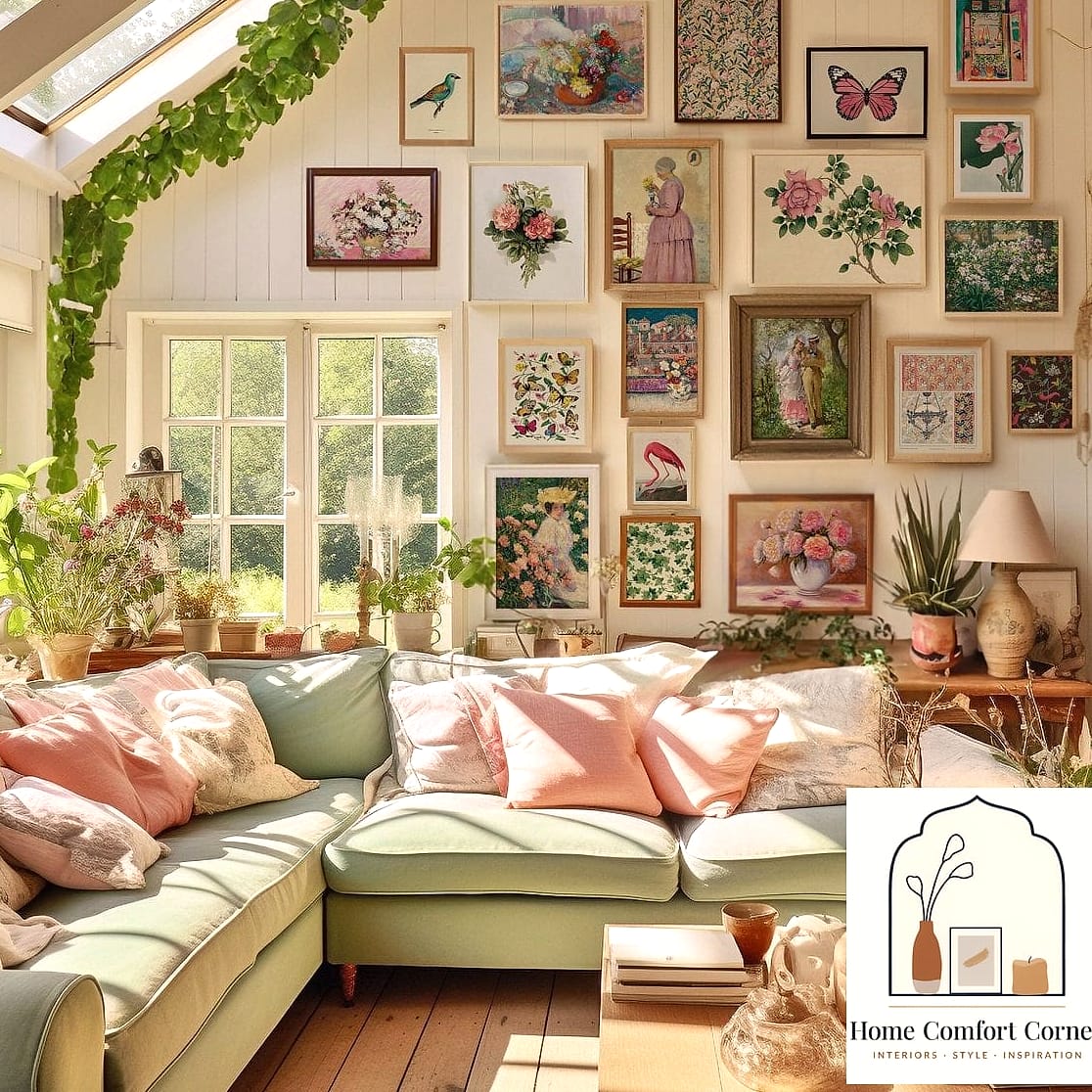
A well-curated gallery wall adds personality and tells a story about who lives in the home. Designers typically mix frame sizes, colors, and even mediums, combining photos, prints, and small mirrors, rather than sticking to one uniform style.
Lay everything out on the floor first to plan your arrangement before committing to nail holes. Leave consistent spacing, usually two to three inches, between each piece for a cohesive look.
Staircases, hallways, and behind sofas are all great spots that often go underused otherwise.
Choose Furniture That Fits the Scale of the Room
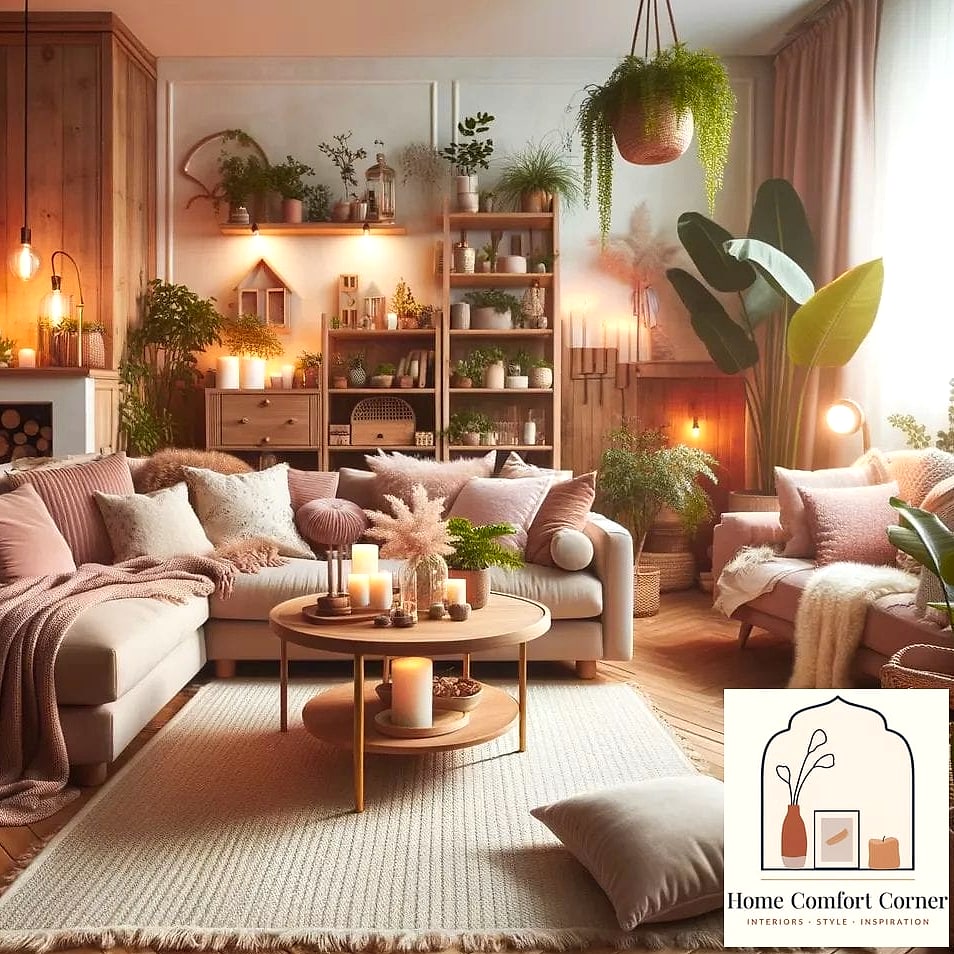
Oversized furniture in a small room, or tiny furniture floating in a huge space, throws off the whole balance of a room. Designers measure carefully before buying, leaving at least 30 to 36 inches of walking space around major pieces.
In smaller living rooms, a loveseat paired with two accent chairs often works better than one giant sectional. In larger rooms, don’t be afraid to go bigger so the furniture doesn’t look lost.
Bringing painter’s tape to outline furniture dimensions on your floor before shopping can save you from an expensive sizing mistake.
Add a Rug Under Your Furniture, Not Just in Front of It
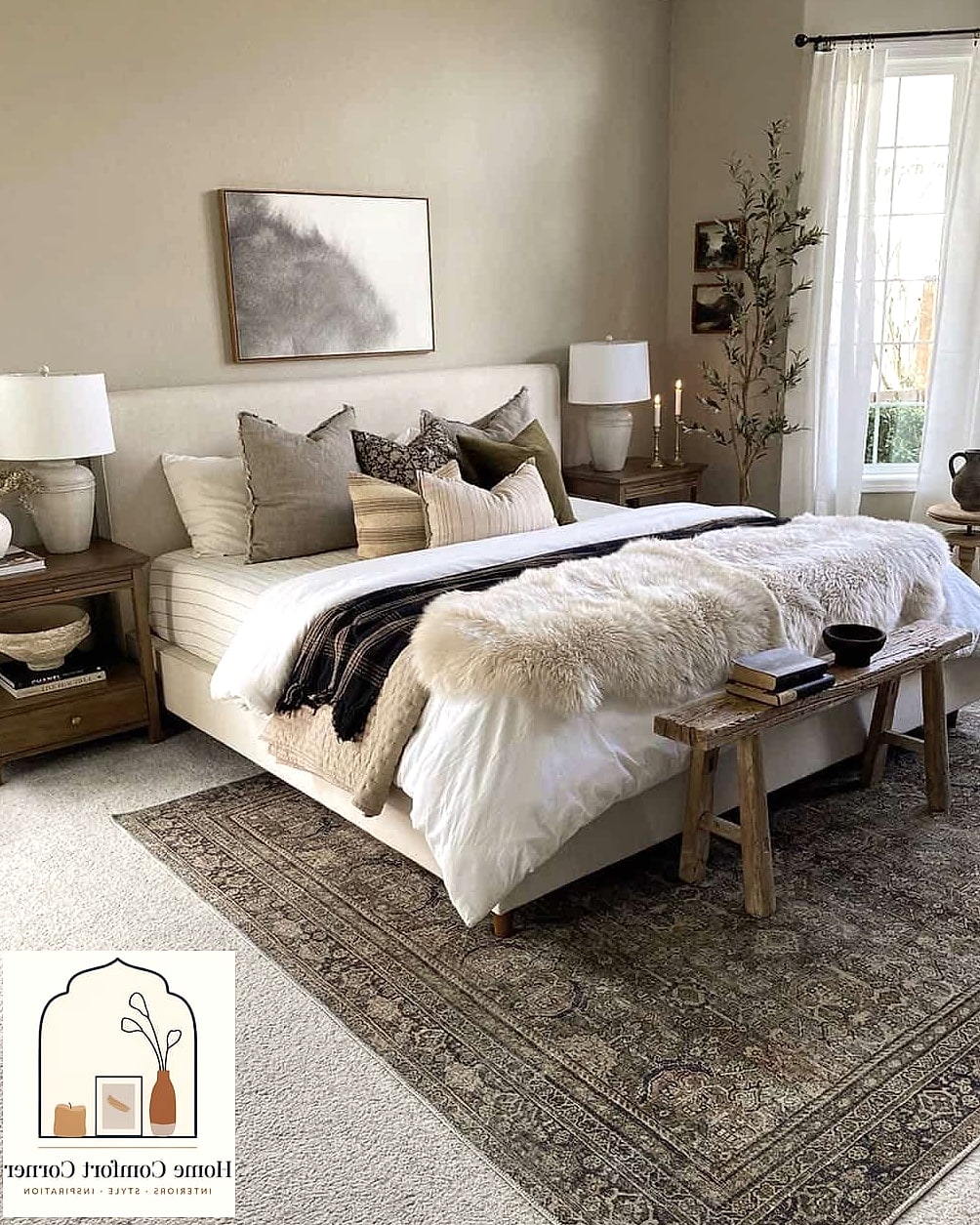
One of the most common decorating mistakes is choosing a rug that’s too small for the room. When a rug floats in the middle with all the furniture legs sitting off of it, the room feels disconnected.
In living rooms, aim for at least the front legs of your sofa and chairs to sit on the rug. In dining rooms, the rug should extend far enough that chairs stay on it even when pulled out.
Natural fiber rugs like jute add texture and warmth, while wool blends tend to be softer underfoot and more forgiving with stains.
Use Warm Wood Tones to Balance Cool Materials
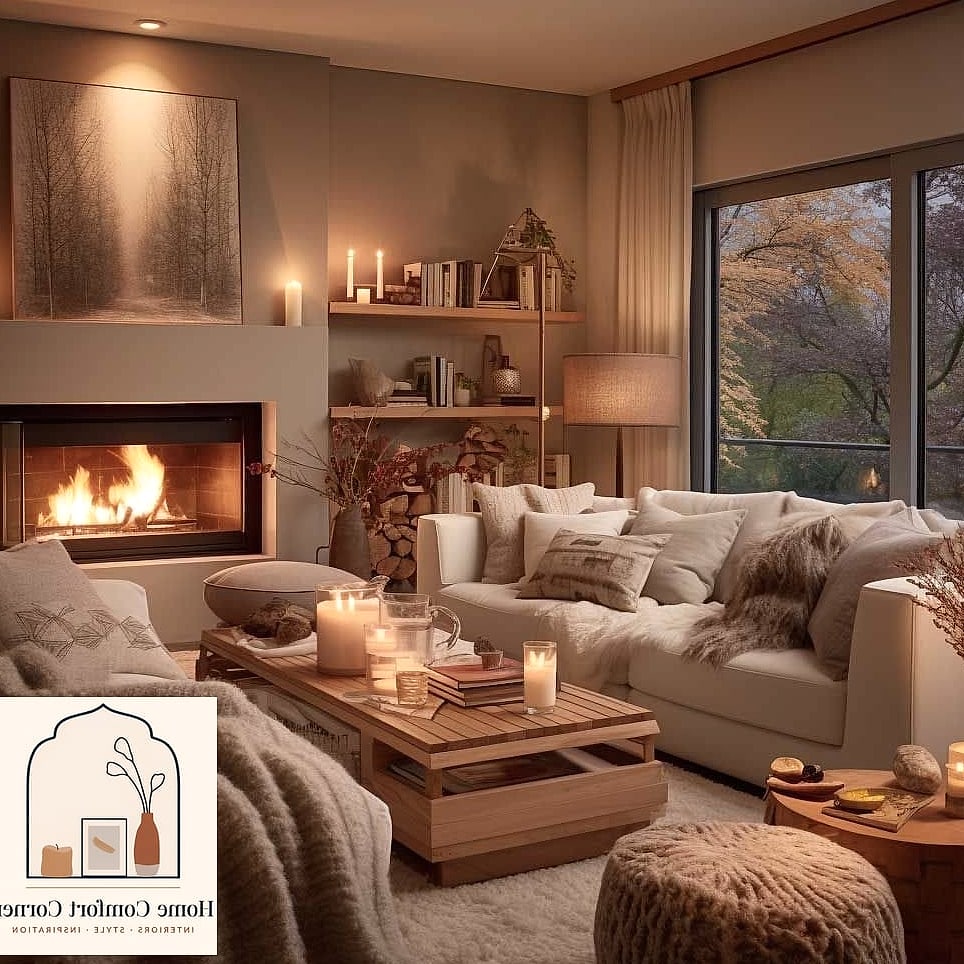
If your kitchen or bathroom leans heavily on white quartz countertops, chrome fixtures, or cool-toned tile, warm wood tones help keep things from feeling clinical. A butcher block island, wood bar stools, or a wood-framed mirror can soften all that coolness.
This mix of warm and cool is a hallmark of a lot of current design trends, and it tends to age better than an all-white, all-cold palette.
Even small touches, like a wood cutting board displayed against a tile backsplash, add warmth without a big commitment.
Style Your Coffee Table Like a Designer Would
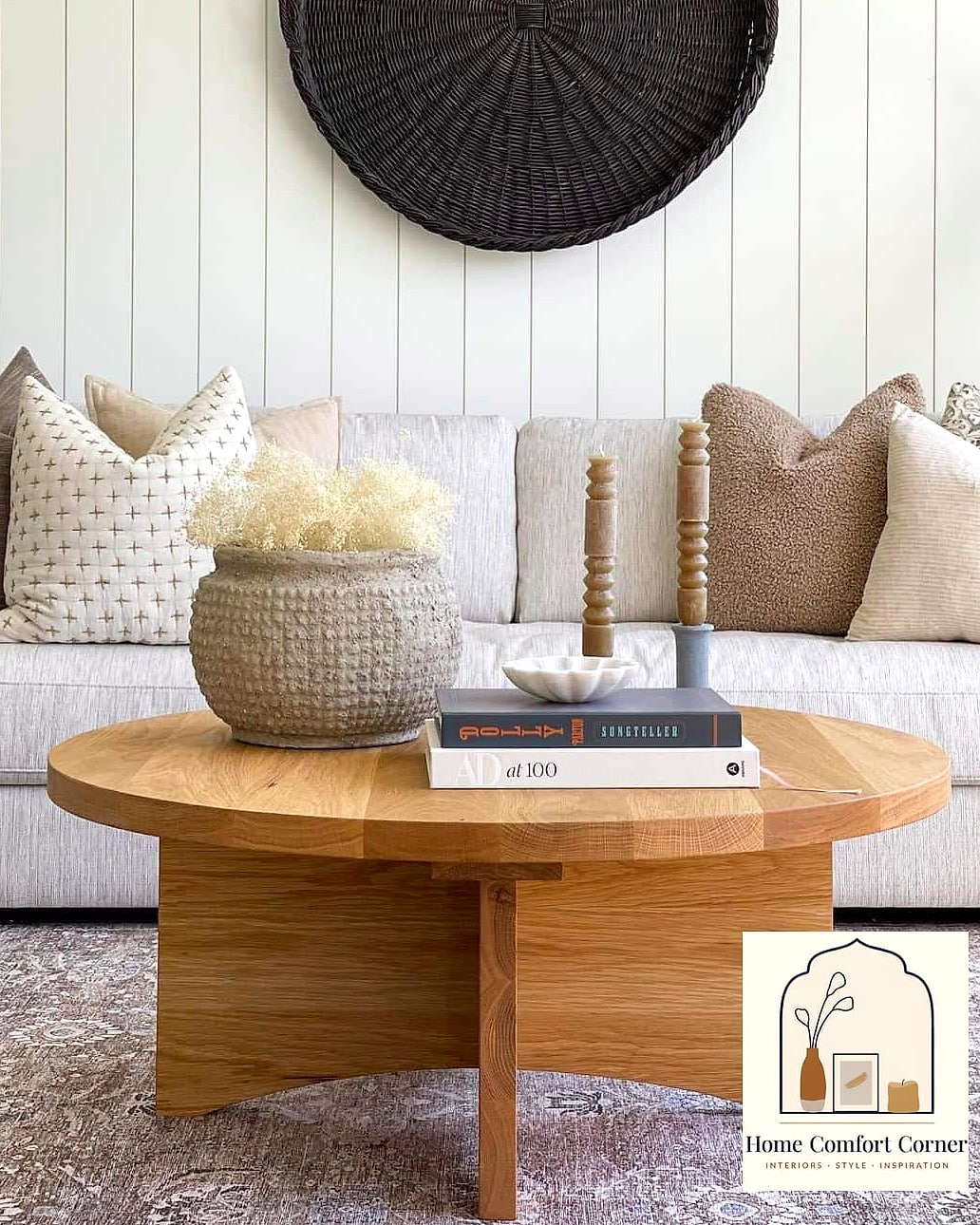
An empty coffee table looks unfinished, but a cluttered one looks chaotic. The sweet spot is usually a stack of coffee table books, a small tray with a candle, and something organic like a bowl or small plant.
Vary the heights of your objects and leave some negative space so the table doesn’t feel overstuffed. A tray helps corral smaller items and makes the whole arrangement look more intentional.
This same layering approach works on console tables and nightstands too.
Incorporate Vintage or Antique Pieces
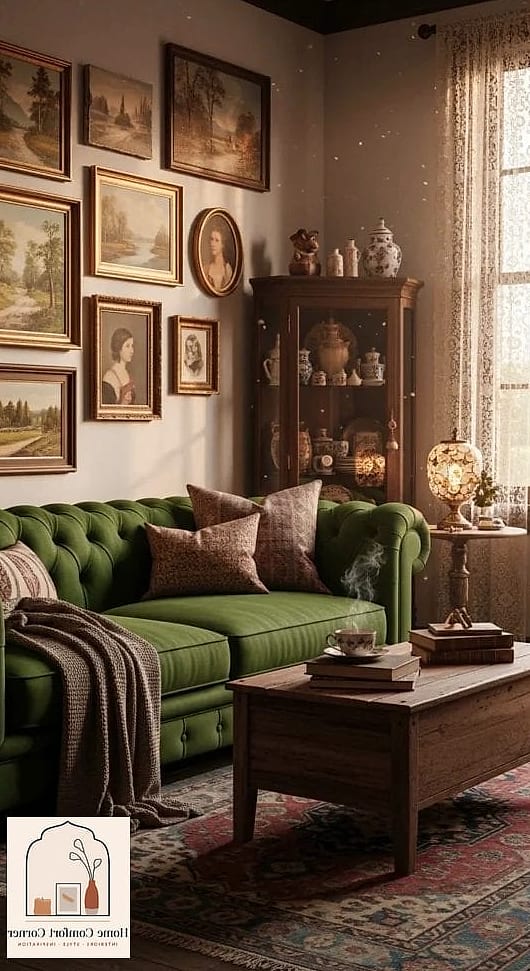
New furniture, no matter how nice, can sometimes feel a little too perfect. Designers often mix in one or two vintage finds, whether it’s a thrifted side table, an antique mirror, or a flea market lamp, to give a room some character and history.
These pieces don’t have to be expensive or rare. Estate sales, secondhand shops, and online marketplaces are full of solid wood furniture that’s often better made than modern mass-produced pieces.
Mixing old and new keeps a space from looking like it was bought all in one trip to a single store.
Choose Window Treatments That Match Your Home’s Style
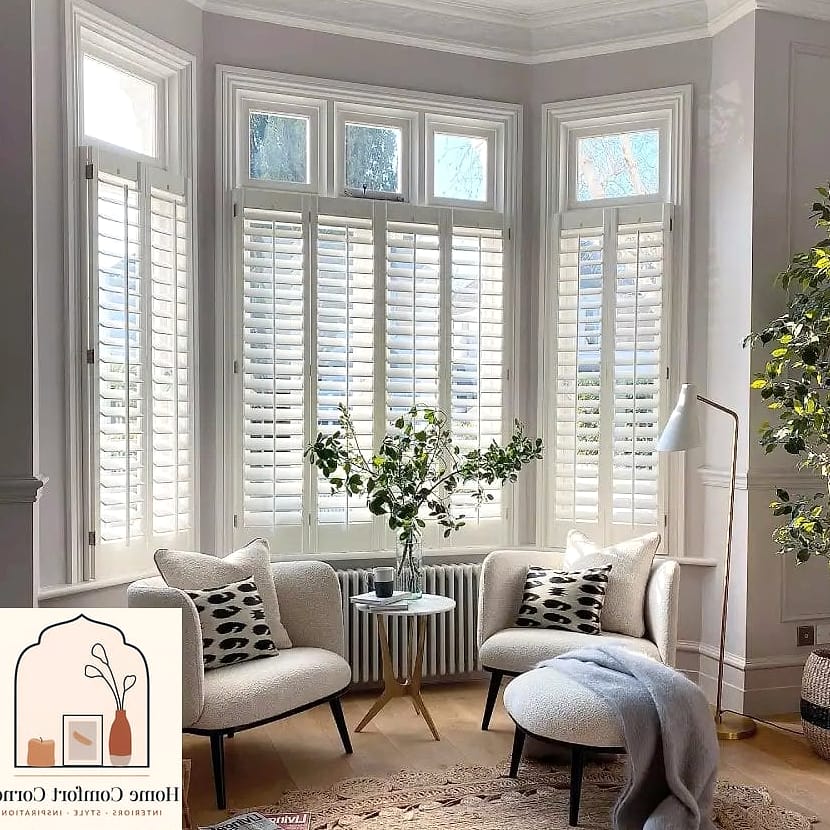
Bare windows can make a room feel unfinished, but the wrong curtains can also clash with your overall aesthetic. Linen curtains suit relaxed, casual spaces, while velvet drapes lean more formal and dramatic.
Roman shades work well in kitchens and bathrooms where fabric curtains might feel impractical near water or heat. Whatever you choose, aim for floor-length curtains when possible since they tend to look more polished than ones that stop short.
Renters can often get a similar effect with tension rods and removable curtain clips, no drilling required.
Add Personality with a Bold Ceiling or Accent Wall
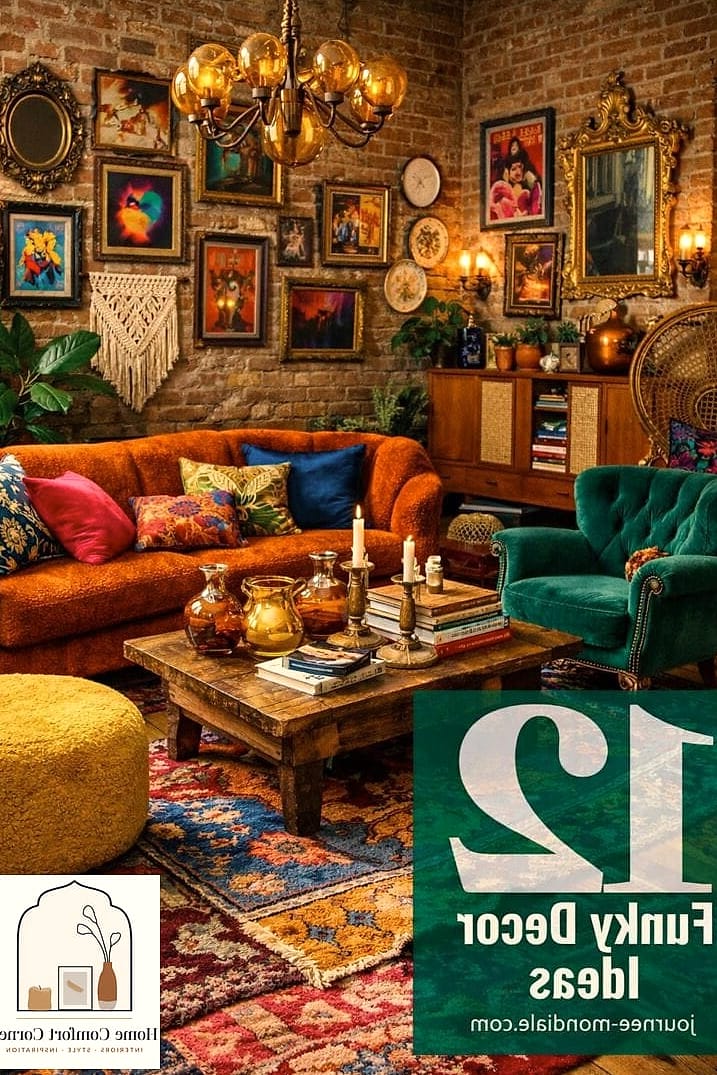
Painting or wallpapering a ceiling, sometimes called a “fifth wall,” is a favorite trick for adding drama without overwhelming an entire room. A deep green or navy ceiling in a small powder room can feel surprisingly cozy rather than cramped.
If a full ceiling feels like too much, a single accent wall with wallpaper or a bold paint color achieves a similar effect. Peel-and-stick wallpaper options make this renter-friendly and reversible if you want to change it later.
This works especially well in entryways, powder rooms, and primary bedrooms where you want a little extra visual punch.
Keep Countertops and Surfaces Mostly Clear
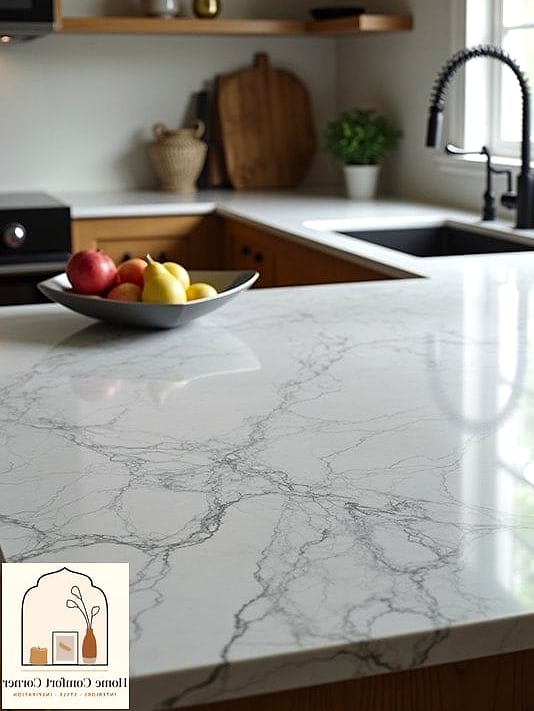
Designers tend to keep kitchen counters, bathroom vanities, and other surfaces fairly clear, styling with just a few intentional objects rather than every appliance and product you own. This isn’t about hiding your life away, it’s about giving your eye somewhere to rest.
Hidden storage, drawer organizers, and cabinet pull-outs make it easier to keep daily-use items accessible but out of sight. A crowded counter, even if everything on it is nice, tends to make a kitchen feel smaller and busier than it actually is.
This is also just more practical day to day, since clear counters are faster to wipe down and keep clean.
Use Mirrors to Bounce Light Around a Room
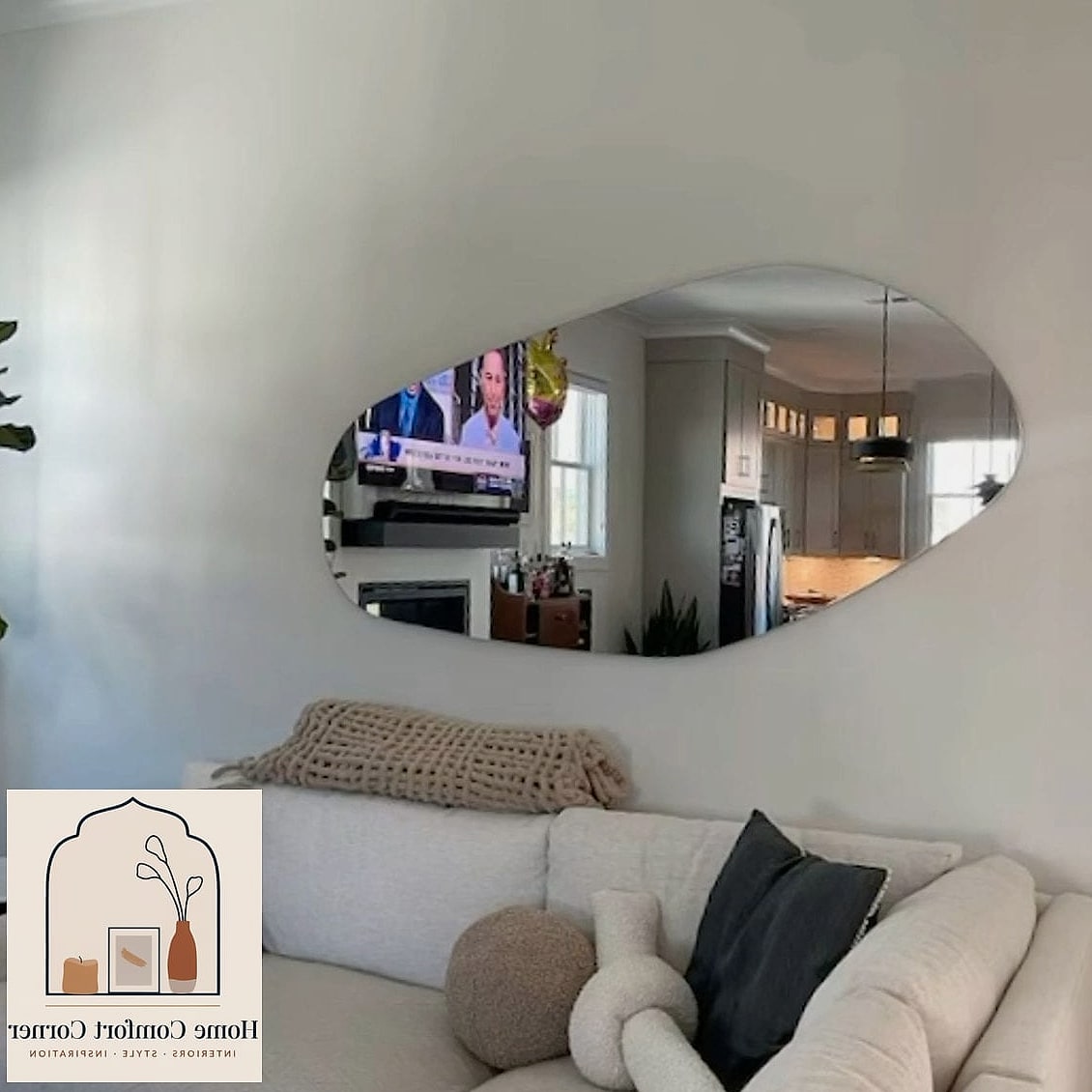
A well-placed mirror can make a small or dark room feel significantly bigger and brighter. Position mirrors across from windows so they reflect natural light back into the space.
Oversized floor mirrors leaned against a wall have become a popular choice in bedrooms and entryways, adding both function and a decorative moment. Round mirrors soften a room full of straight lines, while an arched mirror adds a bit of architectural interest on its own.
This is one of the easiest, most budget-friendly ways to make a room feel more open.
Add Seasonal Touches Without Overdoing It
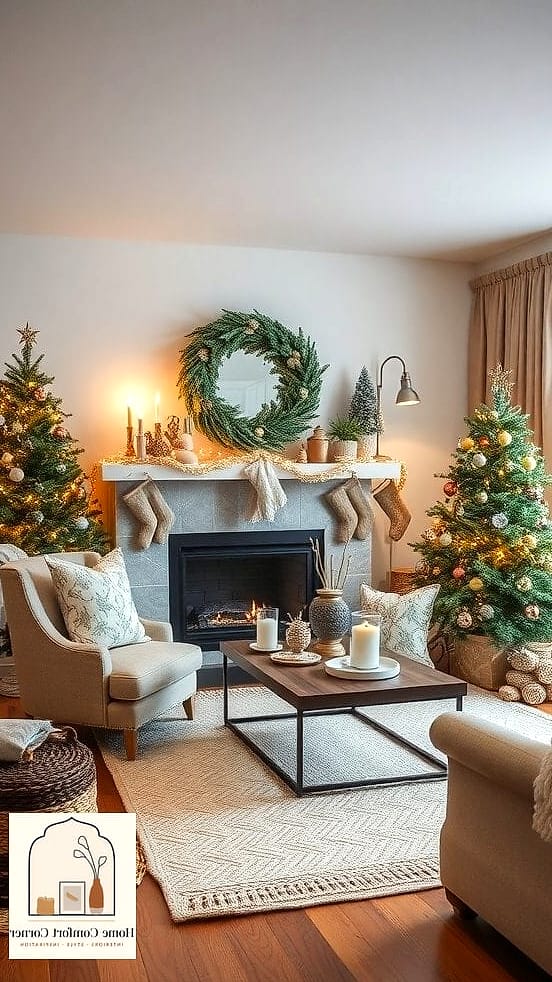
Rotating a few small decor elements throughout the year keeps a home feeling current and cared for. This might mean swapping a lightweight cotton throw for something chunkier in winter, or bringing in fresh flowers during spring.
The key is restraint. A few well-chosen seasonal touches, like a bowl of pinecones or a vase of tulips, read as intentional, while too many can start to feel cluttered or theme-park-ish.
This is also a nice, low-cost way to keep your space feeling fresh without buying new furniture or decor every few months.
Putting even a handful of these 20 aesthetic home decor tips from top interior designers into practice can genuinely shift how your home feels day to day. You don’t need to tackle all of them at once. Pick two or three that fit your space and budget right now, and build from there as you go.