15 Aesthetic Room Lighting Tips From Top Interior Designers
- Layer Your Light Sources Instead of Relying on One
- Choose Warm Bulbs for Living Spaces
- Install Dimmers on Every Fixture You Can
- Hang Pendant Lights at the Right Height
- Use Table Lamps to Soften Hard Corners
- Add Wall Sconces for Architectural Interest
- Highlight Artwork and Shelves With Accent Lighting
- Bring in Natural Light With Sheer Window Treatments
- Use Mirrors to Multiply Light
- Choose Fixtures That Match Your Room’s Personality
- Add Under-Cabinet Lighting in Kitchens
- Use Floor Lamps to Fill Vertical Space
- Incorporate Candles for Low, Flickering Ambiance
- Match Lighting to the Room’s Function
- Don’t Skip Lighting in Rarely-Used Corners
15 Aesthetic Room Lighting Tips From Top Interior Designers
Good lighting is the difference between a room that looks pinned-together and one that actually feels finished. I’ve talked to enough designers over the years to notice they all circle back to the same handful of tricks, even when their styles couldn’t be more different. So if you’ve ever wondered why your living room feels flat under one overhead light, this is your answer key.
Here are 15 aesthetic room lighting tips from top interior designers that you can actually use, whether you’re renting a small apartment or redoing a whole house.
Layer Your Light Sources Instead of Relying on One
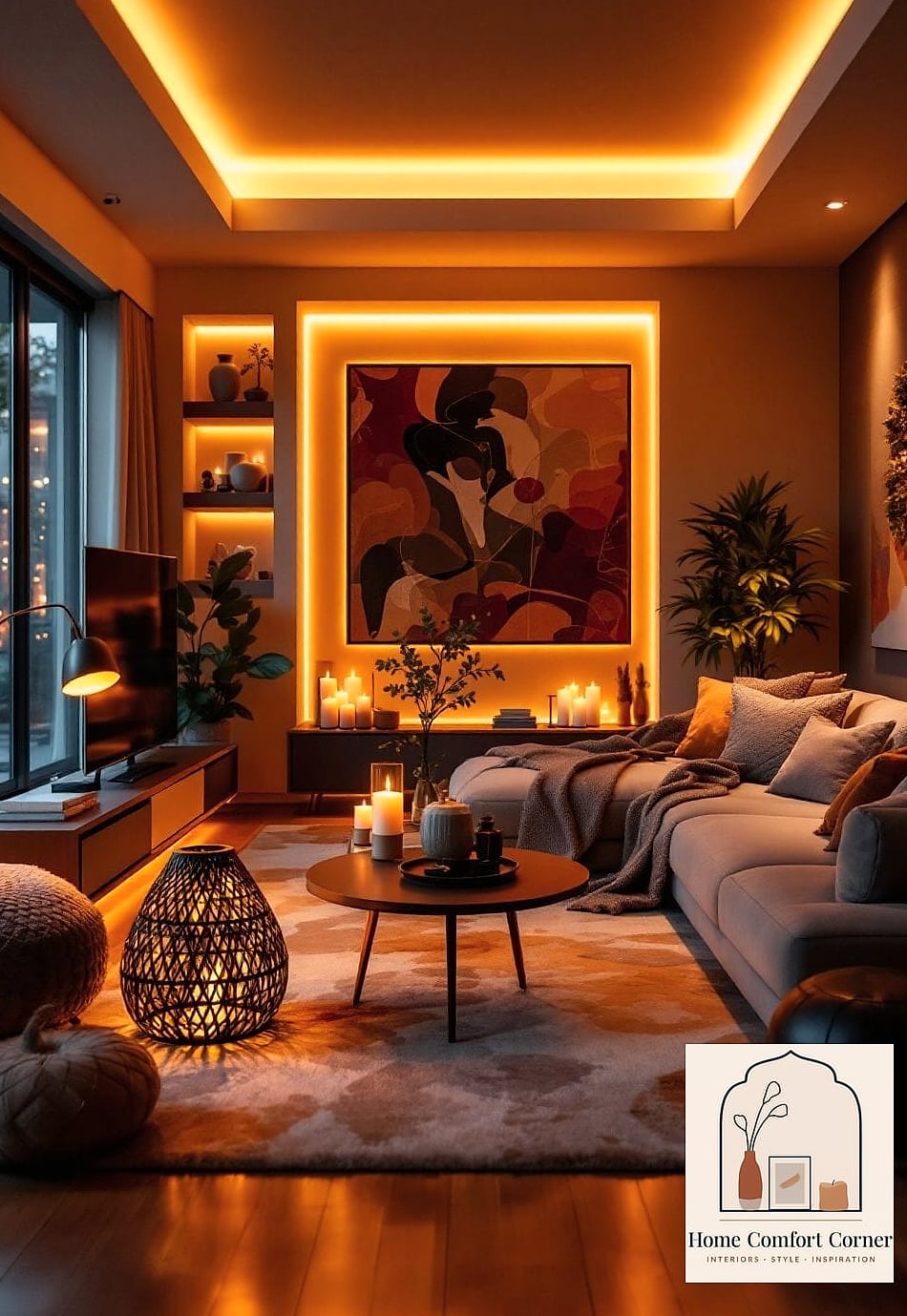
Designers almost never use a single ceiling fixture to light an entire room. Instead they layer ambient, task, and accent lighting so the space has depth at every hour of the day.
Think overhead light for general brightness, a floor lamp for reading, and a small accent lamp or sconce for mood. This combination lets you dim or shut off certain layers depending on the time of night.
It’s a simple shift, but it’s the one tip that comes up in almost every designer interview I’ve read. Once you try it, a single overhead bulb starts to feel painfully one-dimensional.
Choose Warm Bulbs for Living Spaces
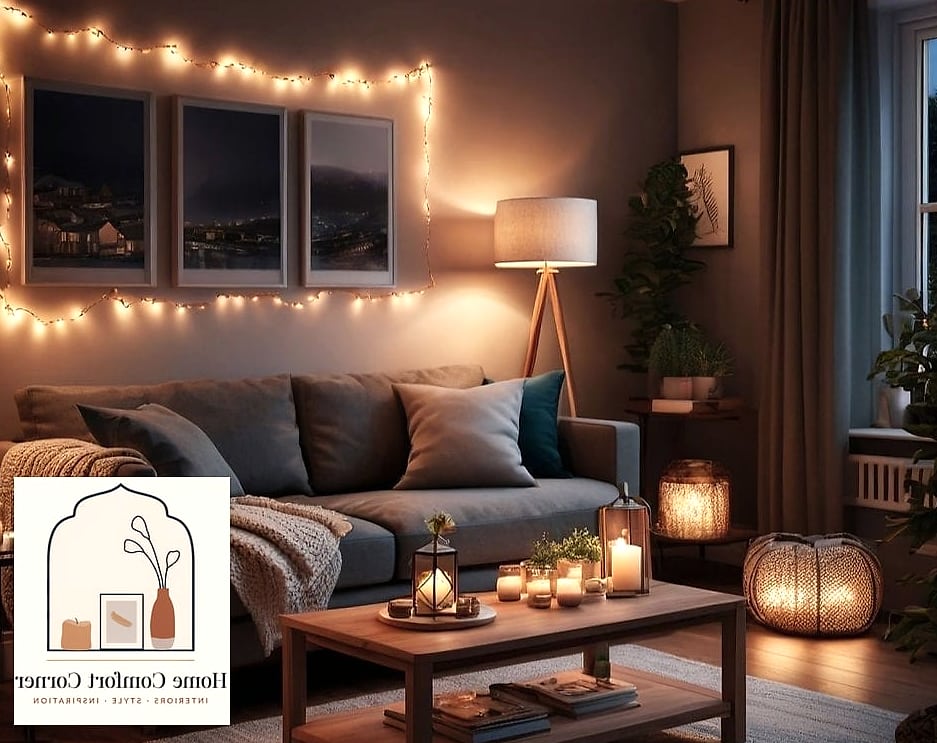
Bulb temperature matters more than people realize. Cool white bulbs (4000K and above) tend to feel clinical, more suited to a garage or office than a bedroom or living room.
Most designers stick to warm white bulbs in the 2700K to 3000K range for living rooms, bedrooms, and dining areas. It gives skin tones a flattering glow and makes a space feel lived-in rather than sterile.
If you’re not sure what temperature your current bulbs are, check the packaging or the base of the bulb itself. Swapping them out is one of the cheapest lighting upgrades you can make this weekend.
Install Dimmers on Every Fixture You Can
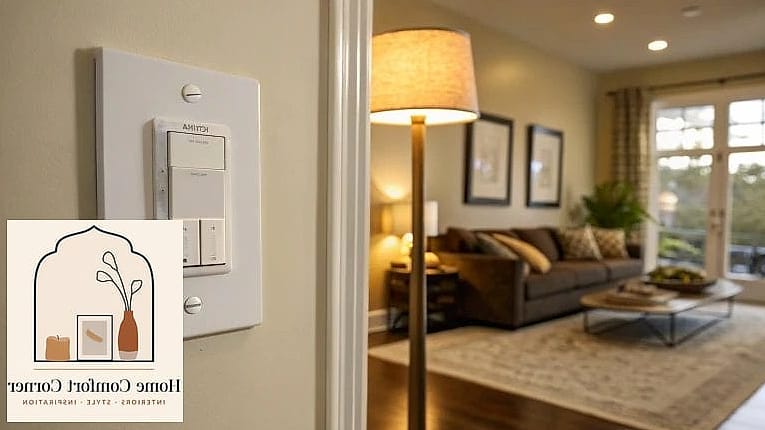
A dimmer switch turns a static light into a mood-setting tool. Designers love them because they let one fixture serve multiple purposes throughout the day.
Bright and clear for morning routines, soft and low for movie nights. Plug-in dimmer switches exist now too, so you don’t need an electrician if your lamp isn’t hardwired.
It’s a small investment that pays off constantly, especially in bedrooms and dining rooms where the mood needs to shift depending on the hour.
Hang Pendant Lights at the Right Height
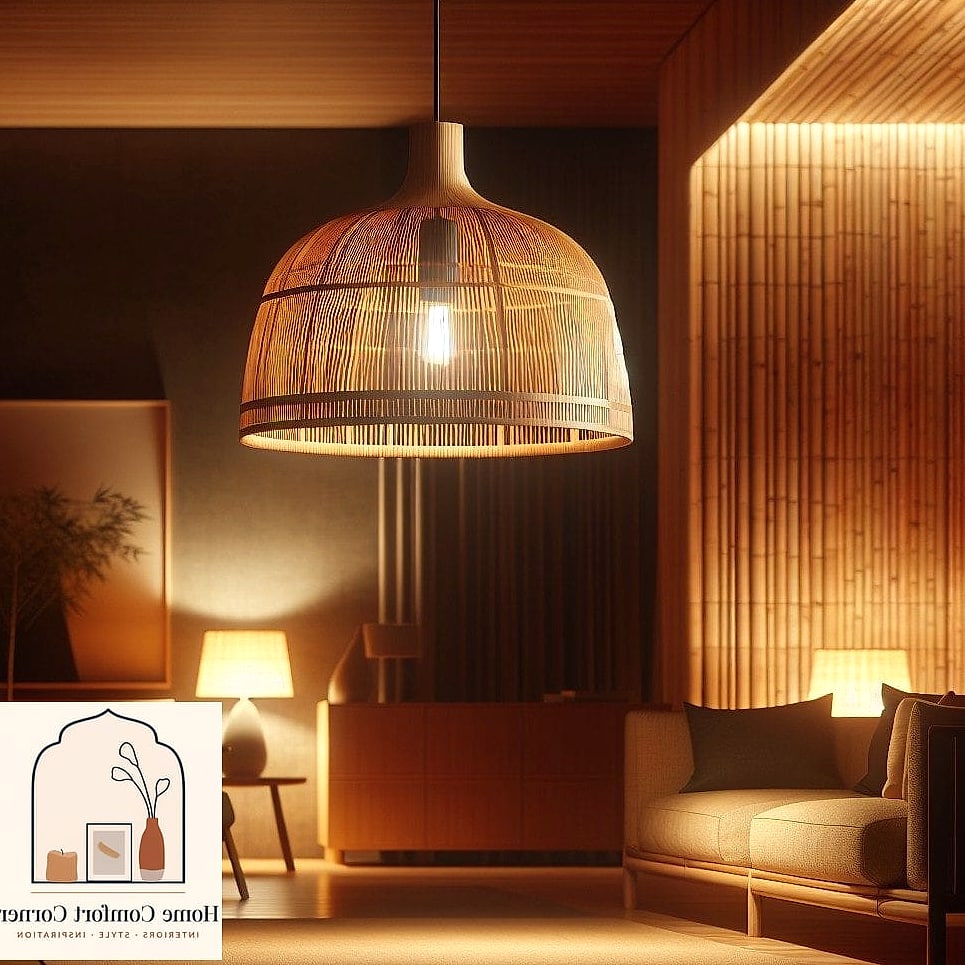
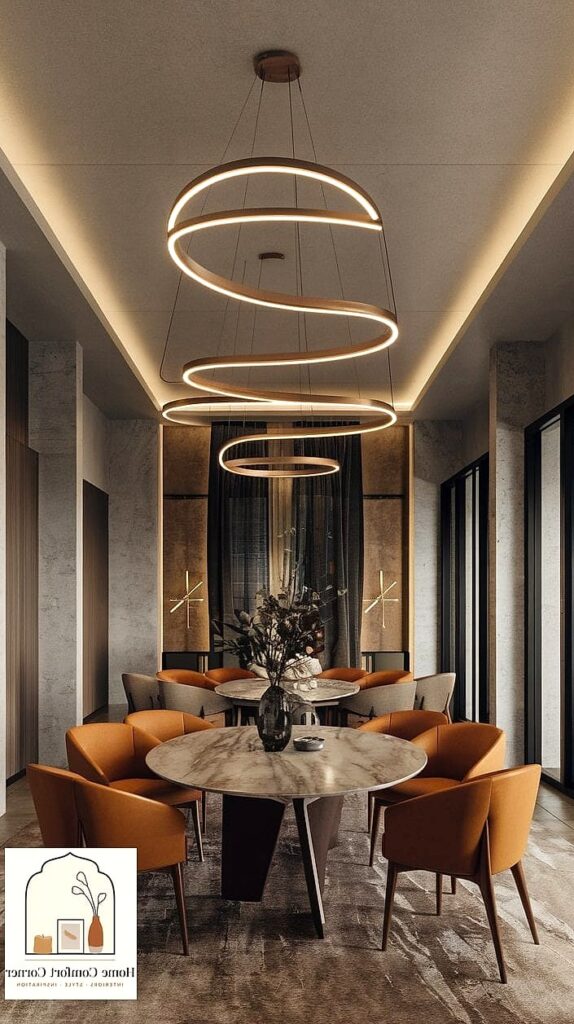
Pendant height is one of those details that quietly ruins a room when it’s off, even if you can’t put your finger on why. Over a dining table, designers generally hang pendants 30 to 36 inches above the surface.
Over a kitchen island, that number often drops slightly to keep the light functional for food prep. Too high and the fixture disappears into the ceiling; too low and it blocks sightlines across the table.
If you’re working with a multi-pendant setup, keep them evenly spaced and at matching heights unless you’re intentionally going for a staggered, asymmetrical look.
Use Table Lamps to Soften Hard Corners
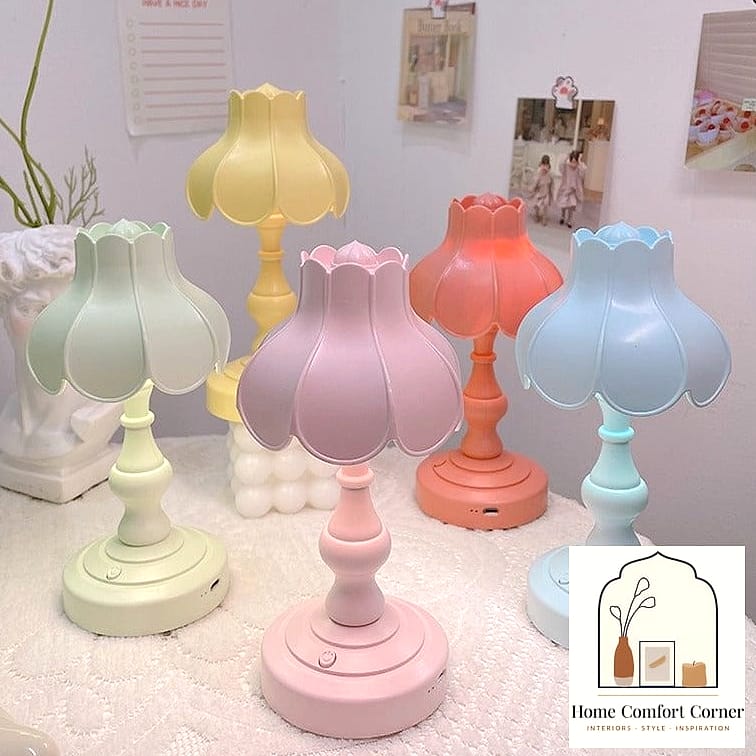
Empty corners tend to swallow light and feel unfinished. A table lamp placed on a console, side table, or bookshelf fills that gap and adds a warm glow exactly where overhead lighting can’t reach.
Designers often pair lamps with textured shades — linen, rattan, or fabric — since these diffuse light more gently than glass or metal. The result is a softer glow instead of a harsh pool of brightness.
This is also one of the easiest renter-friendly upgrades since it requires zero installation, just an outlet.
Add Wall Sconces for Architectural Interest
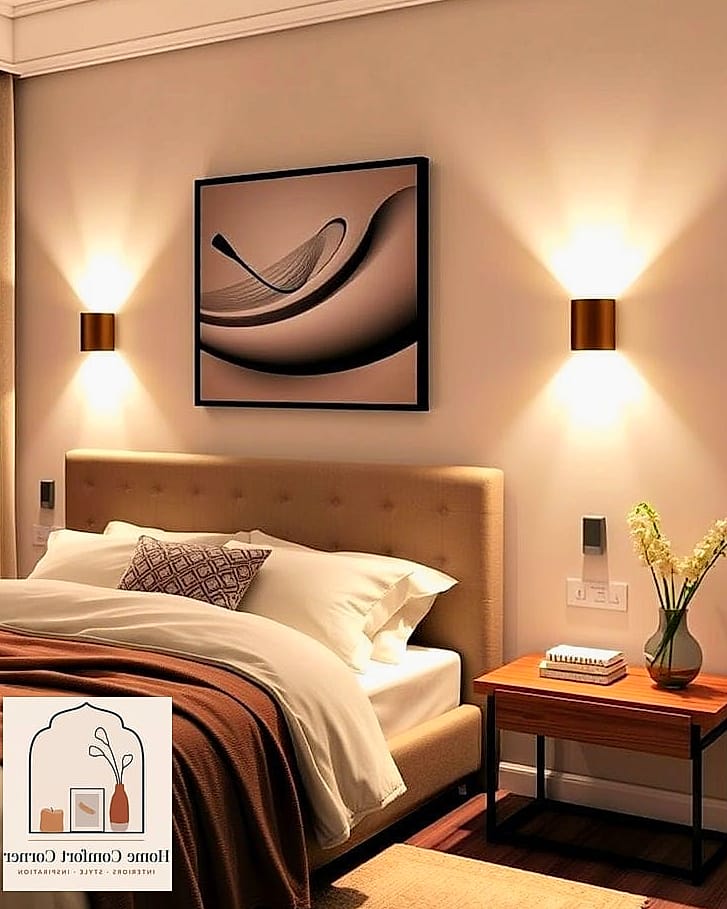
Sconces do double duty: they light the room and act as a design element on their own. Hallways, bathrooms, and bedside walls are classic spots, but designers also love using them flanking a fireplace or piece of art.
Brushed brass and matte black finishes are especially popular right now, and both pair well with a neutral color palette. Battery-operated or plug-in sconces are a great workaround if you’re renting and can’t run new wiring.
Placed at eye level, sconces create a warm wash of light that feels more intentional than a single ceiling fixture ever could.
Highlight Artwork and Shelves With Accent Lighting
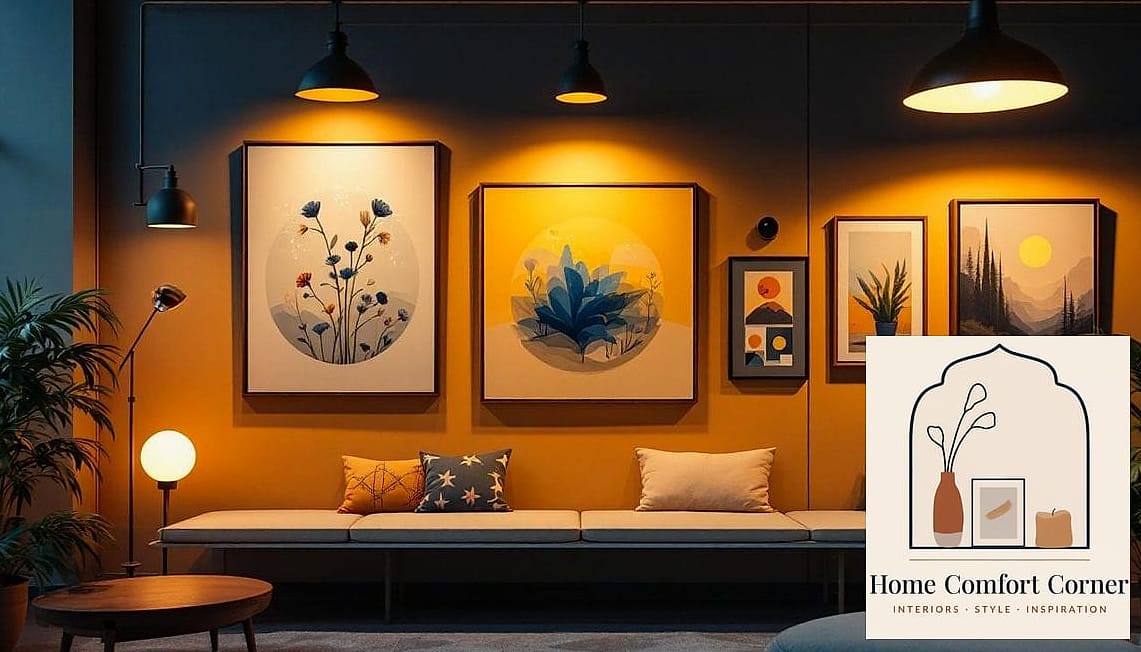
Picture lights, LED strip lighting, and small directional spotlights let you draw attention to the things you actually want people to notice. A gallery wall, a favorite bookshelf, or a piece of art all become focal points once they’re lit properly.
Warm LED strips tucked behind open shelving or under floating shelves add a subtle glow that makes the whole display feel curated rather than cluttered. This trick works especially well in living rooms and home offices.
It’s a detail most people skip, but it’s exactly the kind of thing designers point to when a room feels “styled” instead of just decorated.
Bring in Natural Light With Sheer Window Treatments
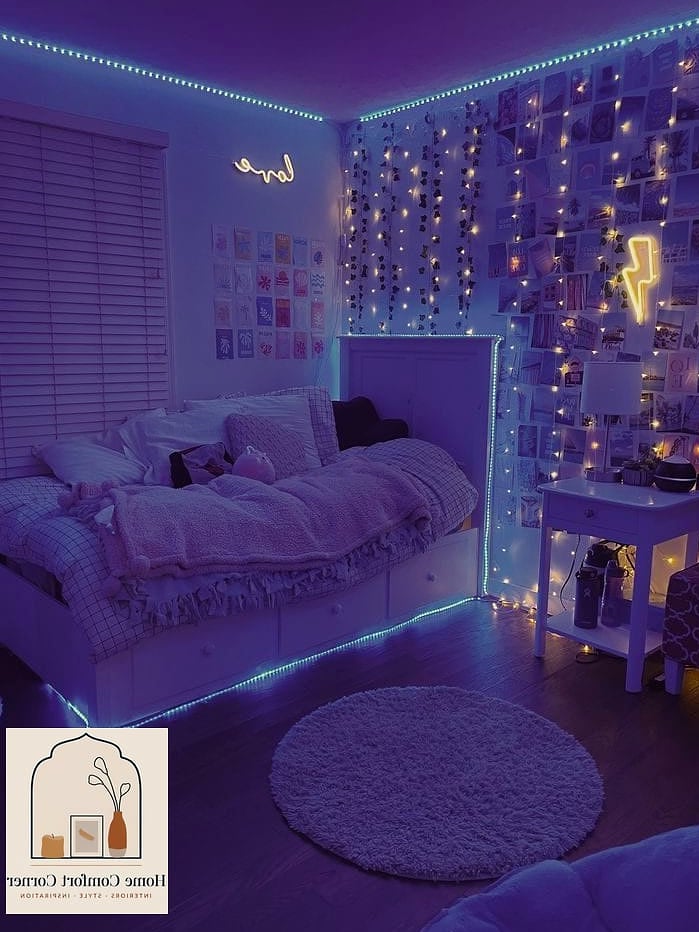
Heavy curtains can block out more daylight than people intend. Designers often recommend sheer or light linen curtains that let natural light filter through while still offering some privacy.
Save the heavier blackout curtains for bedrooms where you actually want to control light for sleep. Everywhere else, softer window treatments keep the room feeling bright and airy during the day.
Mirrors placed across from windows can also bounce that natural light deeper into the room, which is a nice trick for smaller or darker spaces.
Use Mirrors to Multiply Light
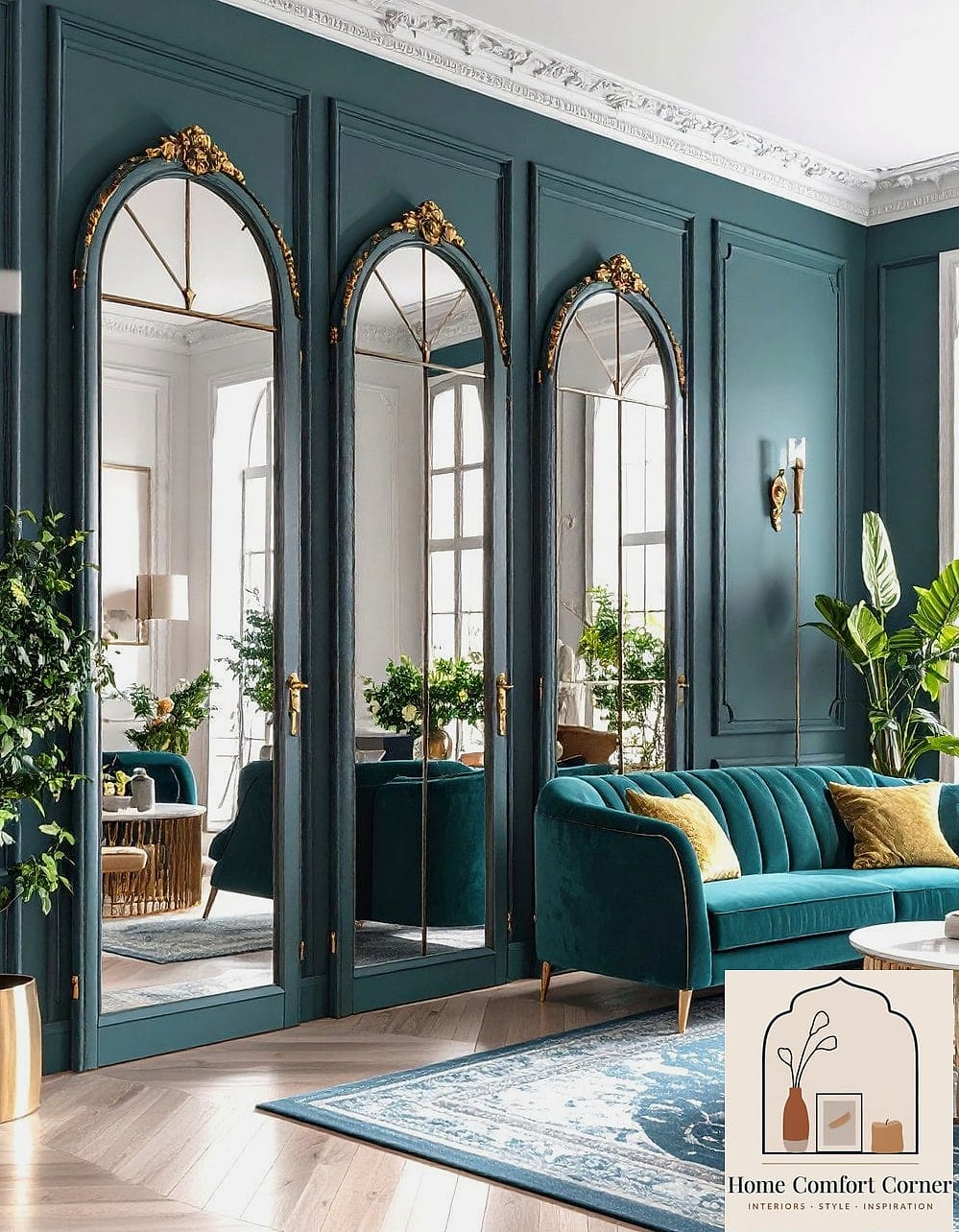
Speaking of mirrors, this one deserves its own mention. A well-placed mirror can genuinely double the amount of light bouncing around a room, especially in spaces with limited windows.
Designers often lean mirrors opposite a window or near a lamp to amplify the glow. Round mirrors soften a space with lots of hard angles, while an oversized leaning mirror adds both light and a sense of scale.
This is a favorite trick in small bathrooms and entryways where natural light is often in short supply.
Choose Fixtures That Match Your Room’s Personality
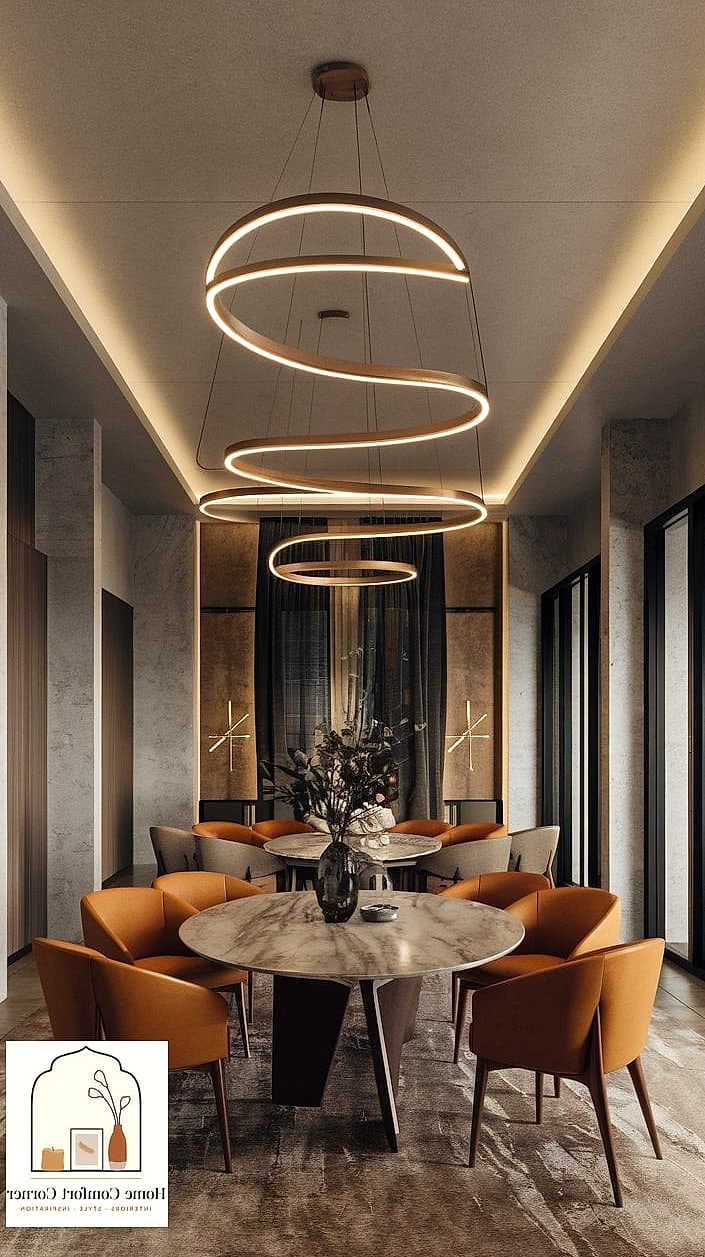
Lighting is functional, but it’s also jewelry for a room. A woven rattan pendant feels completely different from a sleek matte black fixture, even if they’re throwing the exact same amount of light.
Designers treat fixture selection the way they’d treat choosing hardware or a faucet finish — it should feel intentional next to the rest of the room’s materials. Warm wood tones pair naturally with rattan or brass, while a moody, modern space might call for blackened metal or smoked glass.
Don’t be afraid to mix metals slightly here too, since a little contrast between fixtures often reads as more collected than a matchy-matchy set.
Add Under-Cabinet Lighting in Kitchens
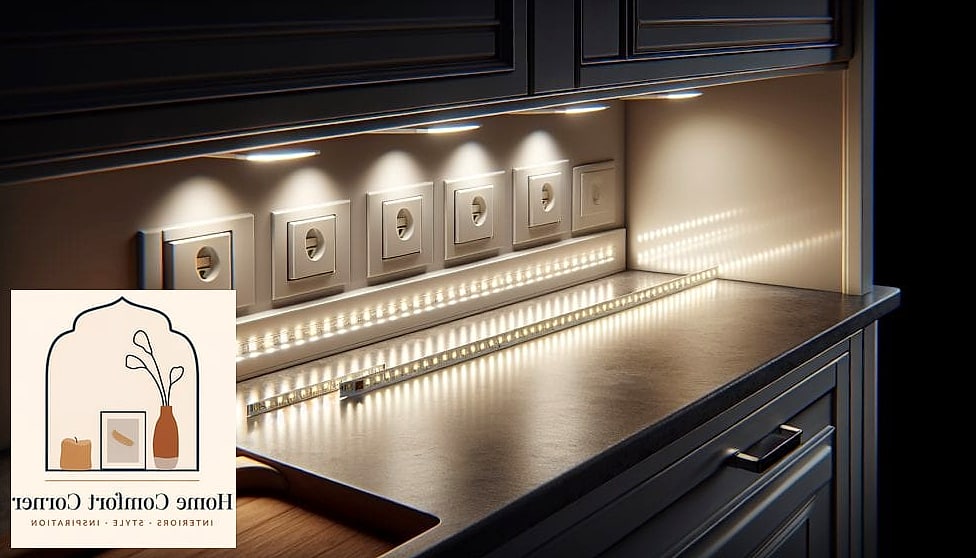
This one’s more functional than aesthetic on the surface, but the visual payoff is real. Under-cabinet LED strips eliminate shadows on countertops and give a kitchen a soft glow even when the overheads are off.
It’s a favorite among designers doing kitchen refreshes because it’s relatively low-cost and doesn’t require a full remodel. Peel-and-stick LED strips are a solid DIY-friendly option if you’re not ready to hire an electrician.
At night, under-cabinet lighting alone can light the kitchen just enough for a midnight snack run without flipping on the harsh overheads.
Use Floor Lamps to Fill Vertical Space
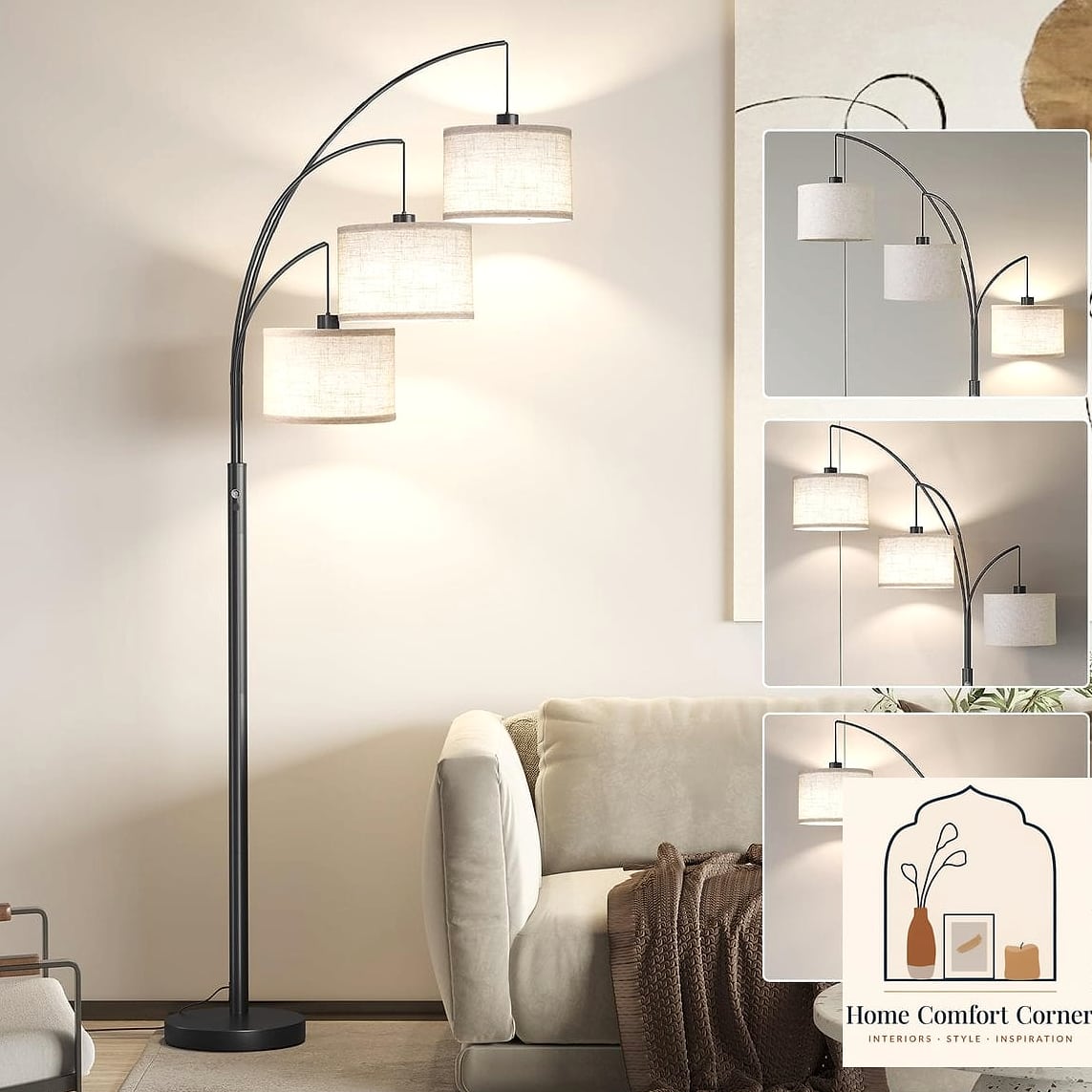
Floor lamps do something table lamps and overhead lights can’t: they fill the vertical space in a room and draw the eye upward. This is especially useful in living rooms with high ceilings or awkward empty corners near a sofa.
An arc floor lamp positioned over a reading chair adds both function and a sculptural element to the space. Tripod-style floor lamps with a fabric shade are another designer favorite for a softer, more relaxed look.
If a room feels short on furniture but you don’t want to overcrowd it, a floor lamp is often the easiest way to add height and warmth without taking up real floor space.
Incorporate Candles for Low, Flickering Ambiance
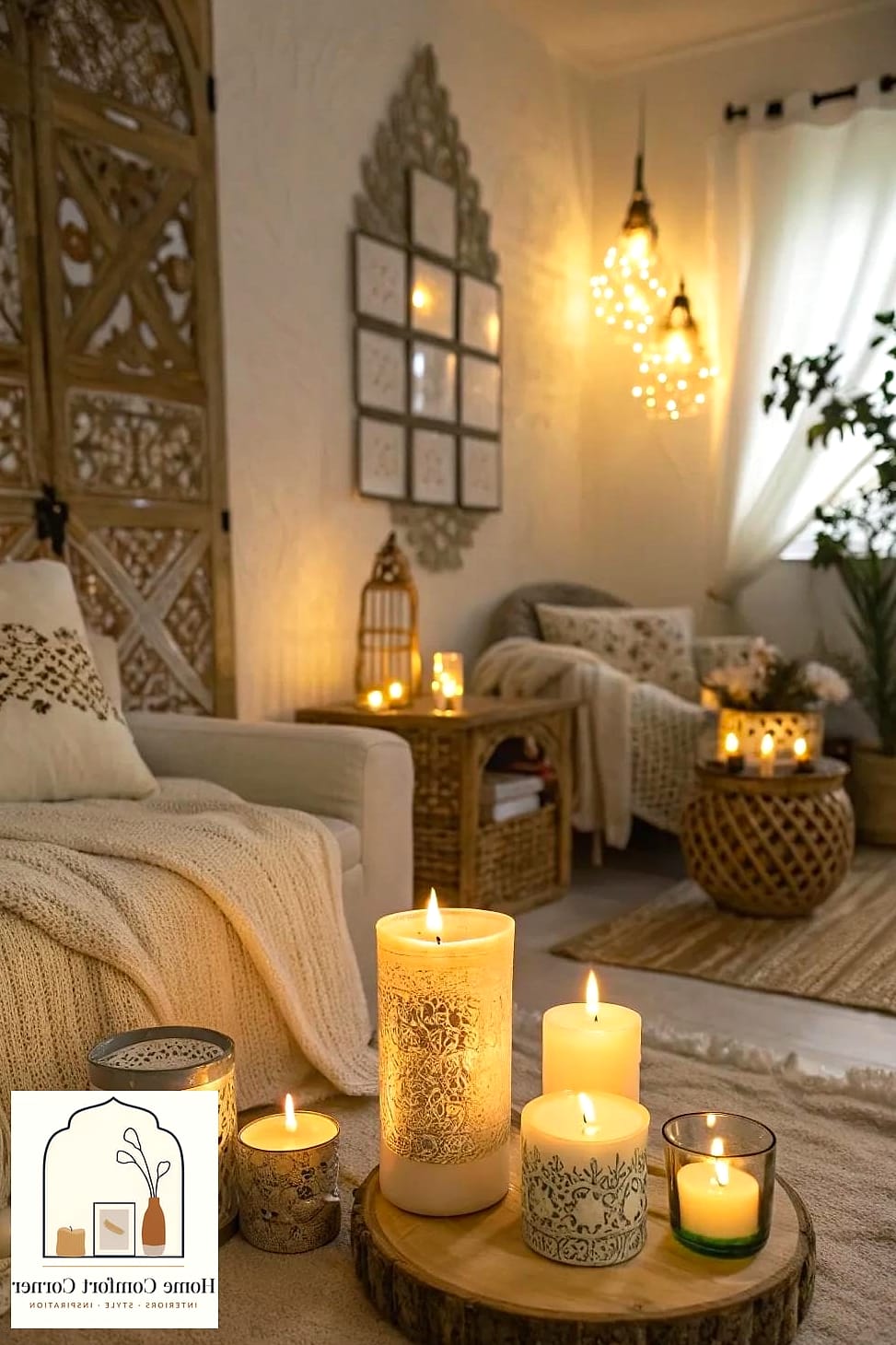
Not every light source needs a plug. Candles add a kind of warmth that no bulb can fully replicate, and designers use them constantly in styled photos for exactly that reason.
Clustered pillar candles on a coffee table or a few tapers on a dining table can soften a room in seconds. If you’re worried about safety or forgetfulness, flameless LED candles have gotten remarkably realistic and offer the same glow without the risk.
This is a low-cost, renter-friendly way to add ambiance to any room, no installation required.
Match Lighting to the Room’s Function
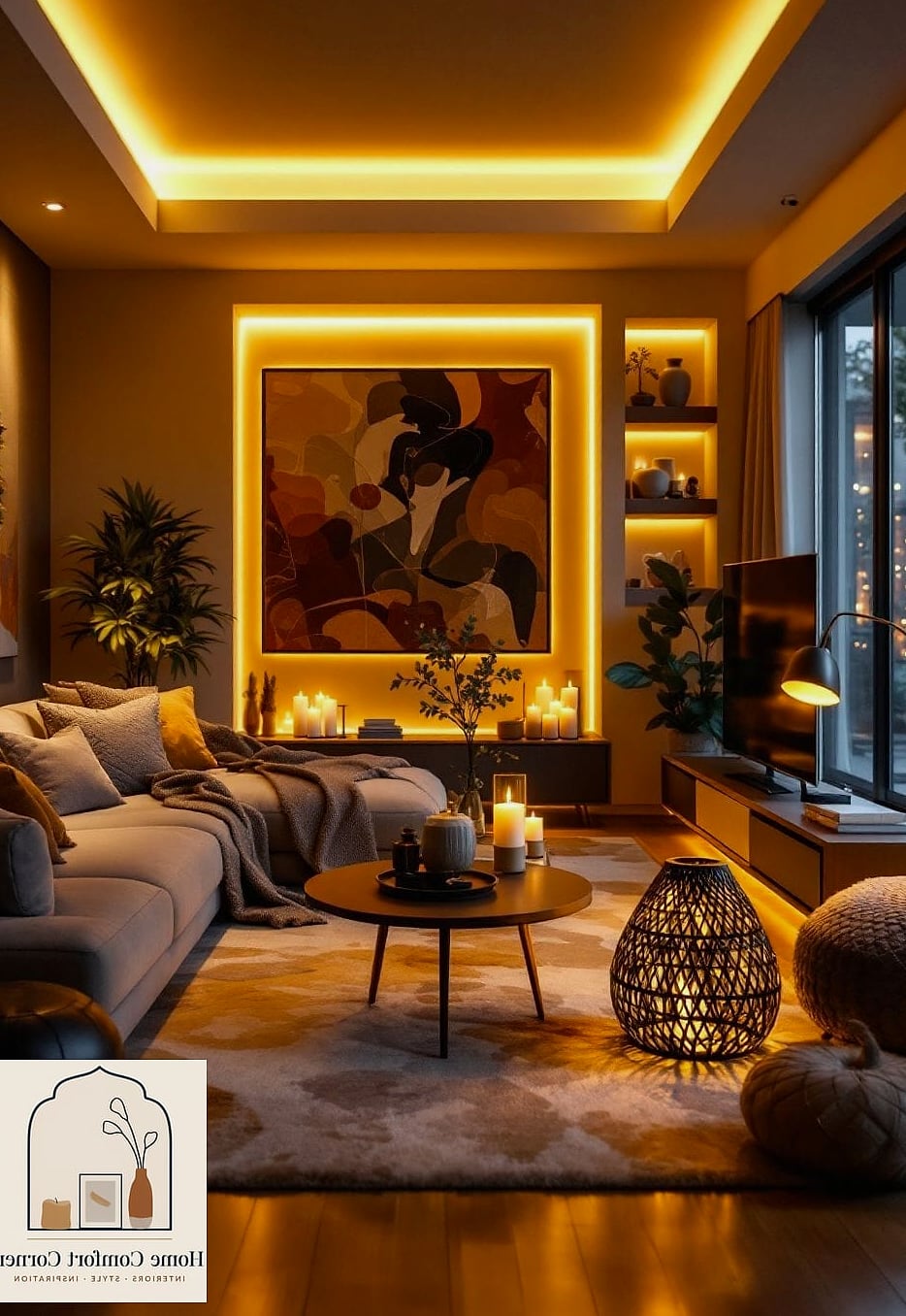
A home office needs different lighting than a bedroom, and a kids’ playroom needs different lighting than a formal dining room. Designers plan lighting around how a room is actually used, not just how it looks in photos.
Task-heavy spaces like kitchens and offices benefit from brighter, cooler light where you’re working. Bedrooms and living rooms lean warmer and dimmer since they’re meant for winding down.
Thinking through function first prevents the common mistake of installing gorgeous lighting that’s completely impractical for daily life.
Don’t Skip Lighting in Rarely-Used Corners
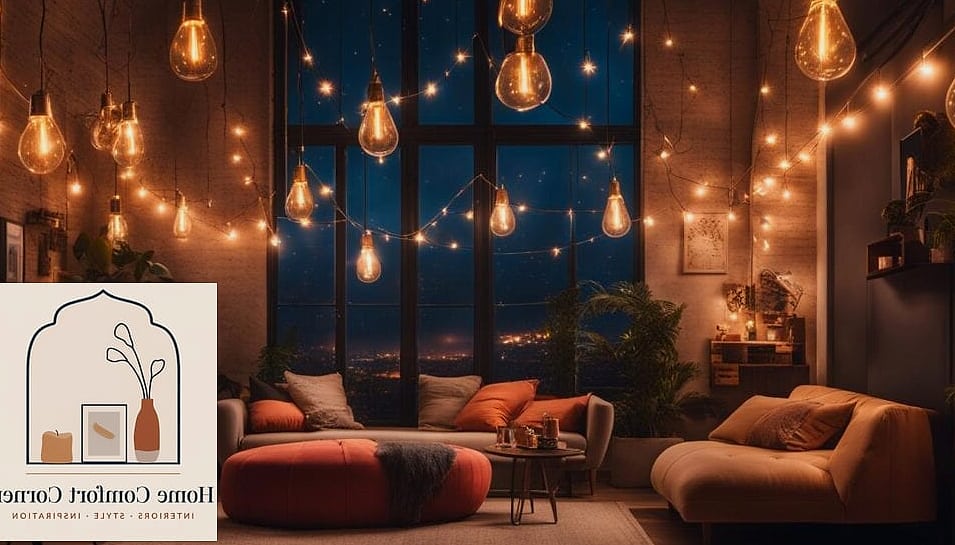
It’s easy to light the areas you use most and forget the quiet corners — a reading nook, a window seat, or the far end of a long hallway. Designers make a point of lighting these spaces too, since a dark corner can make an otherwise beautiful room feel unfinished.
A small plug-in sconce, a battery-operated puck light, or even a slim floor lamp can bring these forgotten spots to life. It doesn’t take much, just enough to keep the whole room feeling evenly lit instead of having one bright zone and a shadowy leftover space.
This is often the last step designers add once the “main” lighting plan is done, and it’s usually what makes a room feel fully considered instead of just functional.