18 Modern Home Decor Tips From Top Interior Designers
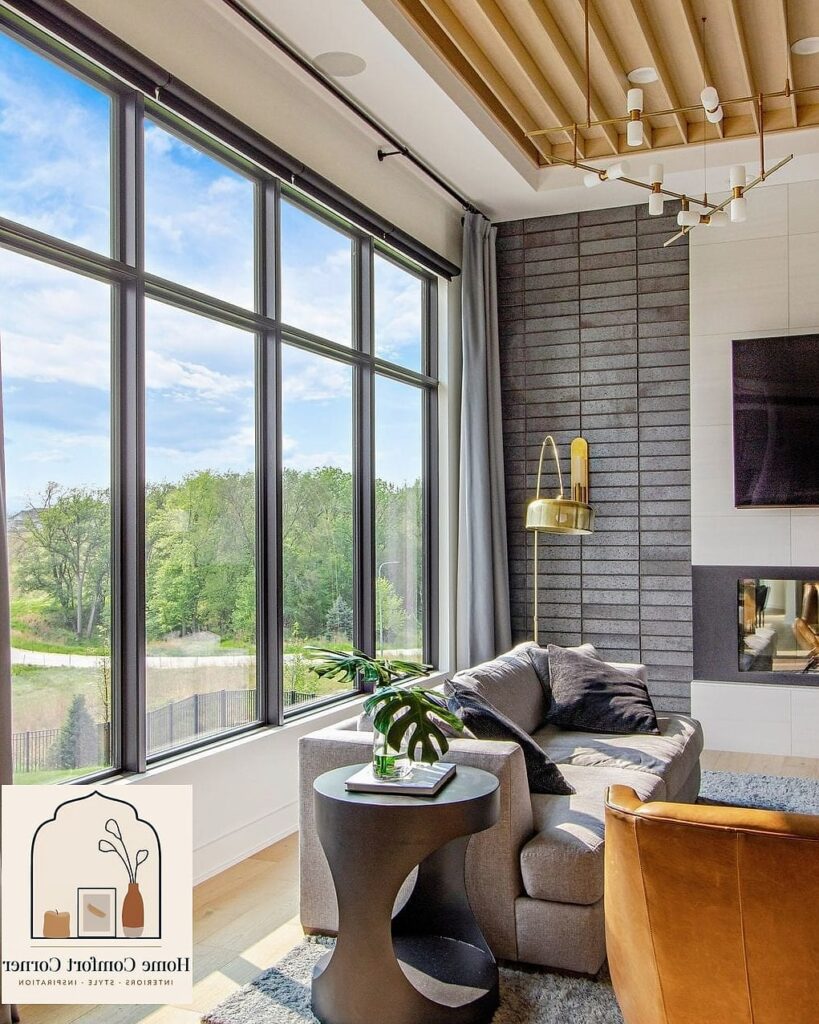
- Layer Your Lighting Instead of Relying on One Fixture
- Choose a Neutral Base, Then Add Personality With Layers
- Bring in Natural Materials Wherever You Can
- Go Bigger With Your Art Than Feels Comfortable
- Swap Builder-Grade Hardware for Brushed Brass or Matte Black
- Use Rugs to Define Zones in Open Floor Plans
- Mix Metals Instead of Matching Everything
- Add Texture Through Textiles, Not Just Color
- Bring Greenery Into Every Room, Even the Low-Light Ones
- Float Your Furniture Away From the Walls
- Choose Matte Finishes for a Softer, More Current Look
- Use Open Shelving Strategically, Not Everywhere
- Invest in Window Treatments That Actually Fit the Window
- Create a Focal Point in Every Room
- Use Baskets and Bins for Stylish, Functional Storage
- Add Architectural Interest With Trim and Molding
- Keep Color Palettes Consistent From Room to Room
- Style Coffee Tables and Shelves With Odd Numbers and Varied Heights
18 Modern Home Decor Tips From Top Interior Designers
I’ve spent years poking around design blogs, bugging designer friends for advice, and redoing my own rooms more times than I’d like to admit. Along the way, I’ve picked up a running list of tips that actually make a difference — not just trendy ideas that look good in a photo but fall apart in real life. These are the ones I keep coming back to, and the ones designers mention over and over when you ask them what actually matters.
Layer Your Lighting Instead of Relying on One Fixture
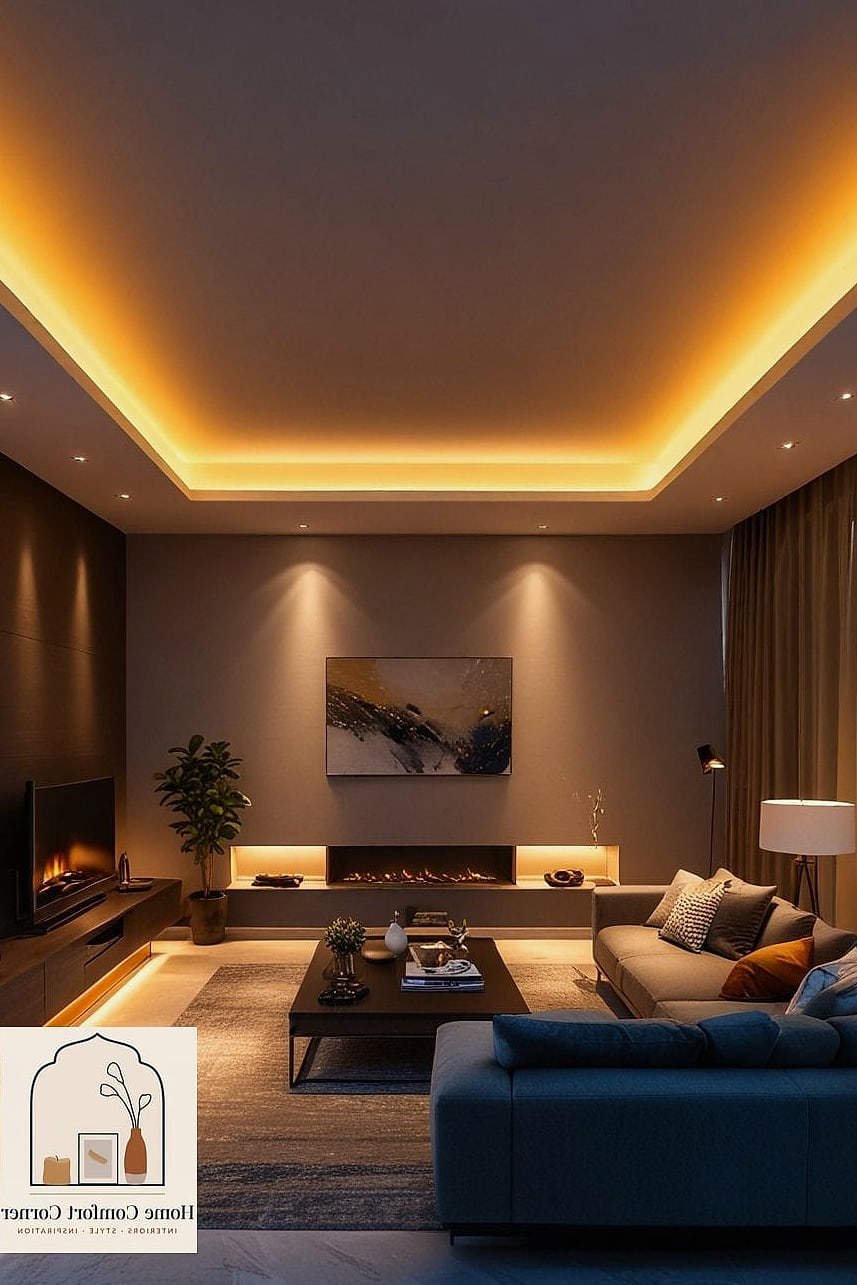
A single overhead light does your room no favors. Designers almost always talk about layering — ambient light from ceiling fixtures, task light from lamps, and accent light from sconces or picture lights. It sounds fussy, but it’s really just about giving yourself options depending on the mood or activity. A living room with a floor lamp, a table lamp, and dimmable overheads feels completely different at 7pm than one lit by a single bright bulb. Warm bulbs (2700K–3000K) make the biggest difference if you’re used to cold white light.
Choose a Neutral Base, Then Add Personality With Layers
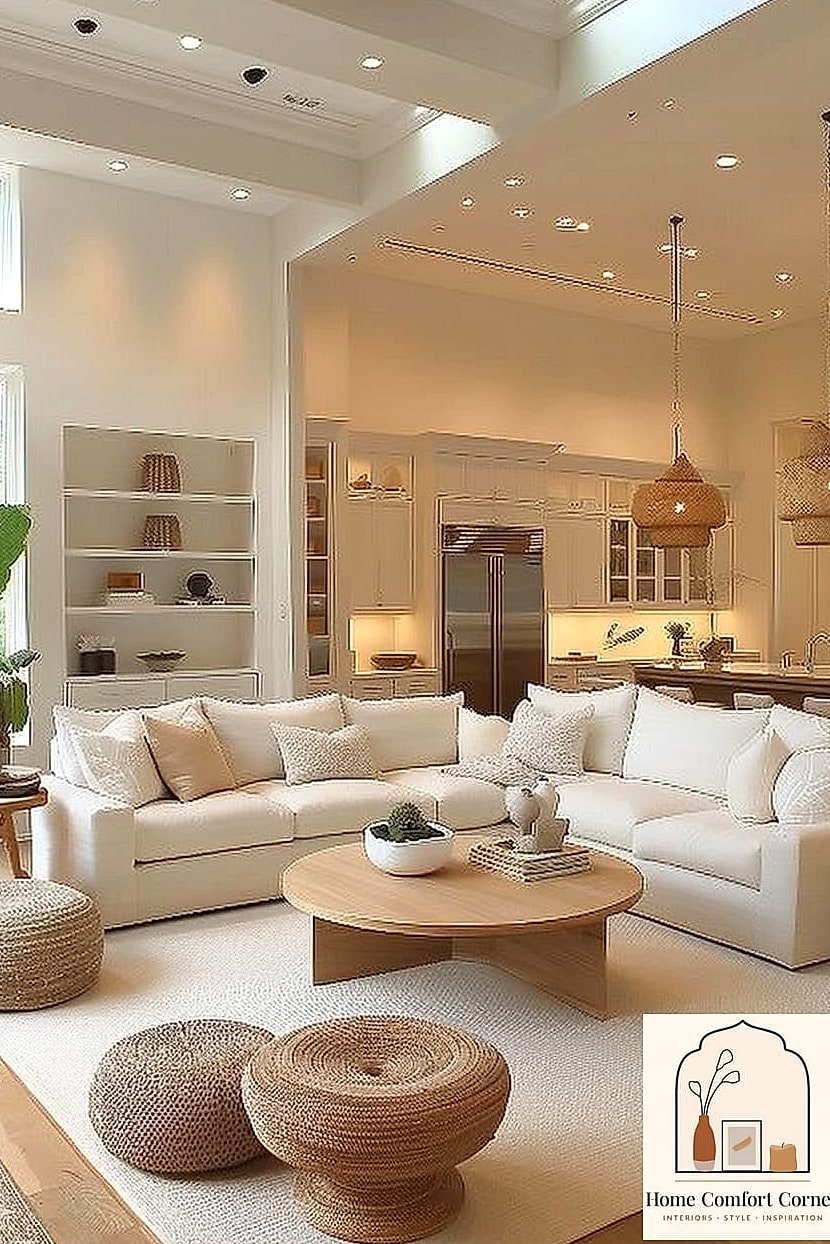
This one gets repeated so often because it works. Paint walls, floors, and big furniture pieces in a neutral color palette — warm whites, greiges, soft taupes — and then bring in personality through pillows, art, and accessories. The upside is huge: neutrals age well and don’t box you into one trend, while the smaller stuff is cheap and easy to swap out when you get bored.
Bring in Natural Materials Wherever You Can
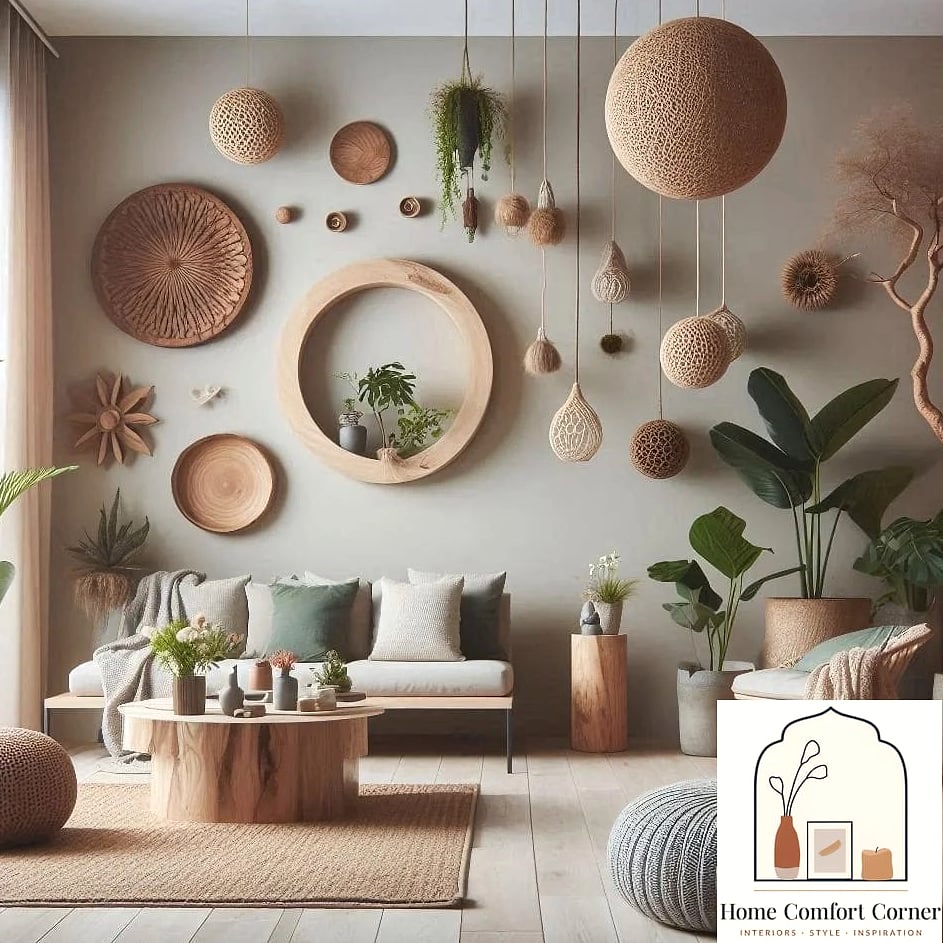
Wood, stone, rattan, linen, jute — these materials add warmth that synthetic finishes just can’t fake. A butcher block cutting board leaning against a tiled backsplash, a jute rug under a glass coffee table, linen curtains instead of polyester ones. It’s a small shift but it makes a space feel grounded instead of showroom-perfect.
Go Bigger With Your Art Than Feels Comfortable
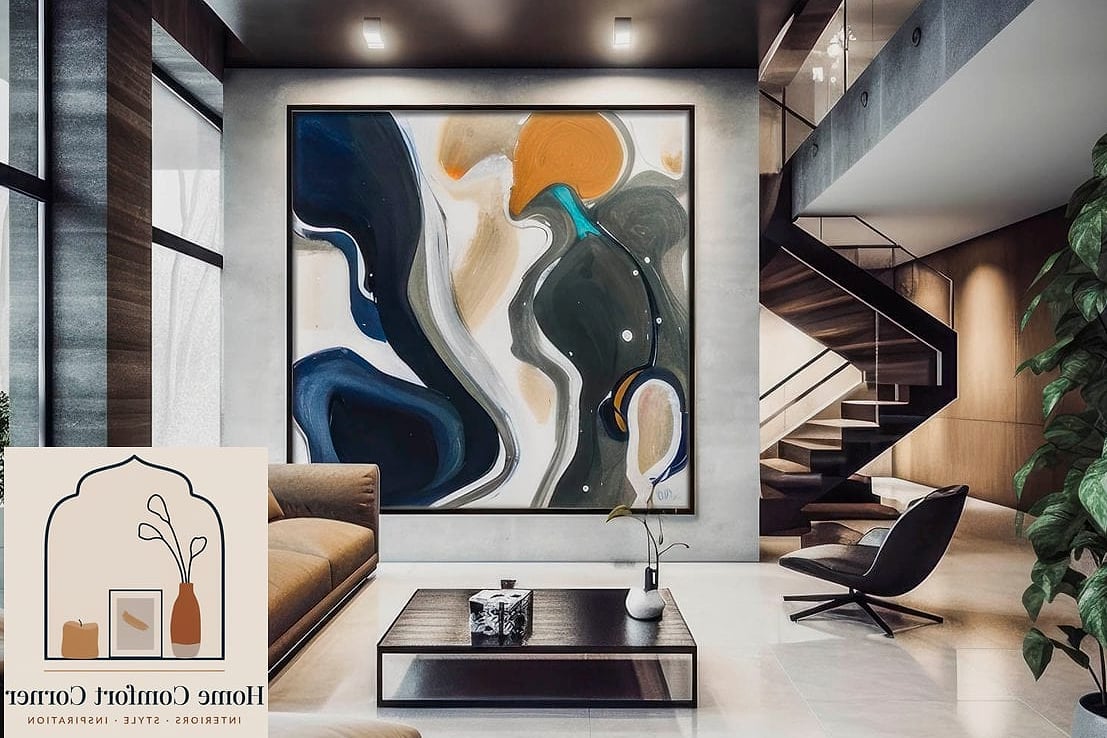
Small art scattered around a big wall almost always looks timid. Designers love oversized statement pieces because they anchor a room instantly. If a single large piece feels like a financial stretch, a well-arranged gallery wall with mixed frame sizes gets you a similar visual weight for less.
Swap Builder-Grade Hardware for Brushed Brass or Matte Black
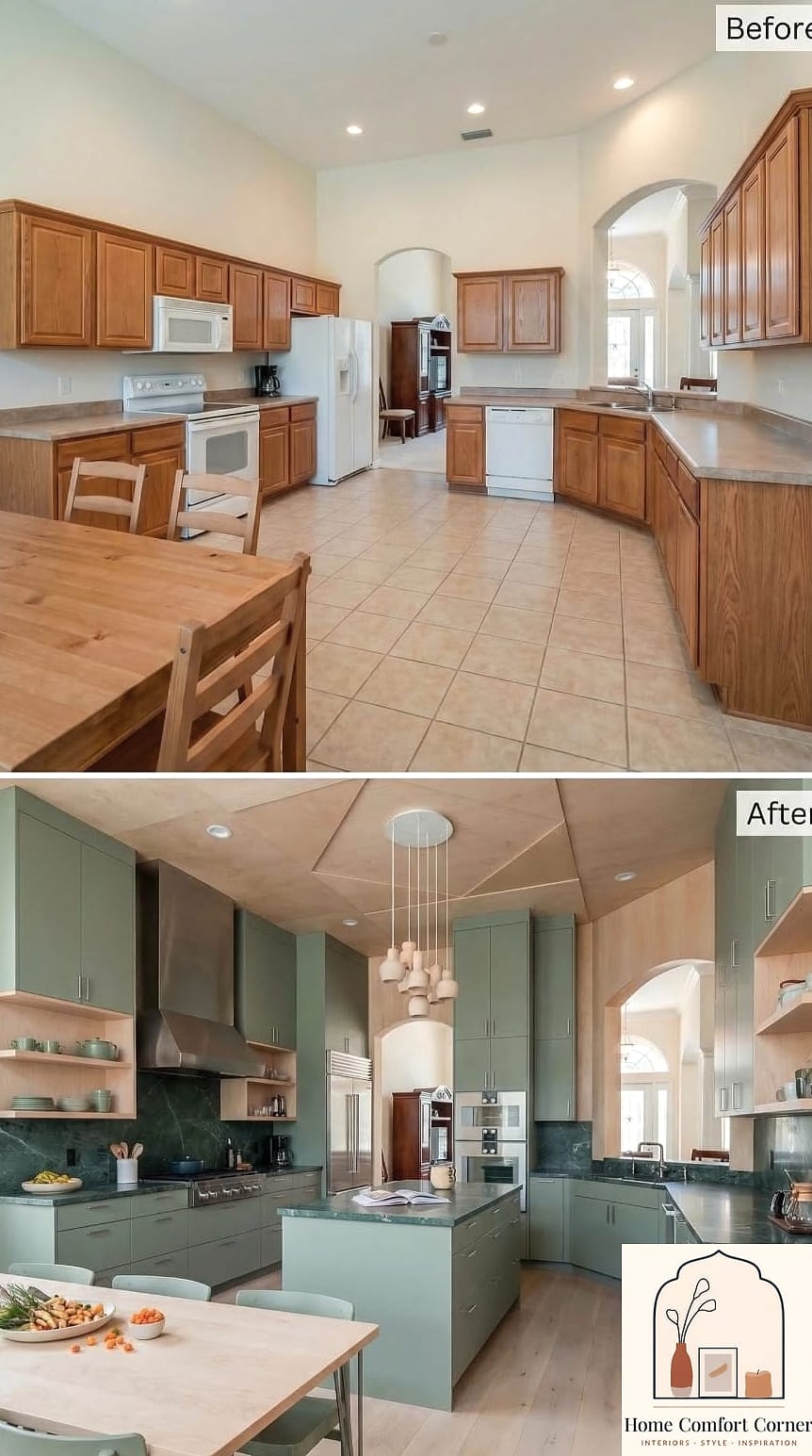
This is one of those upgrades that instantly makes a kitchen or bathroom feel more custom without requiring a full renovation. Cabinet pulls, faucets, and light fixtures in brushed brass or matte black read as more intentional than the shiny chrome most homes come with. It’s a weekend project, not a demolition, and it’s one of the highest-impact-per-dollar changes you can make.
Use Rugs to Define Zones in Open Floor Plans
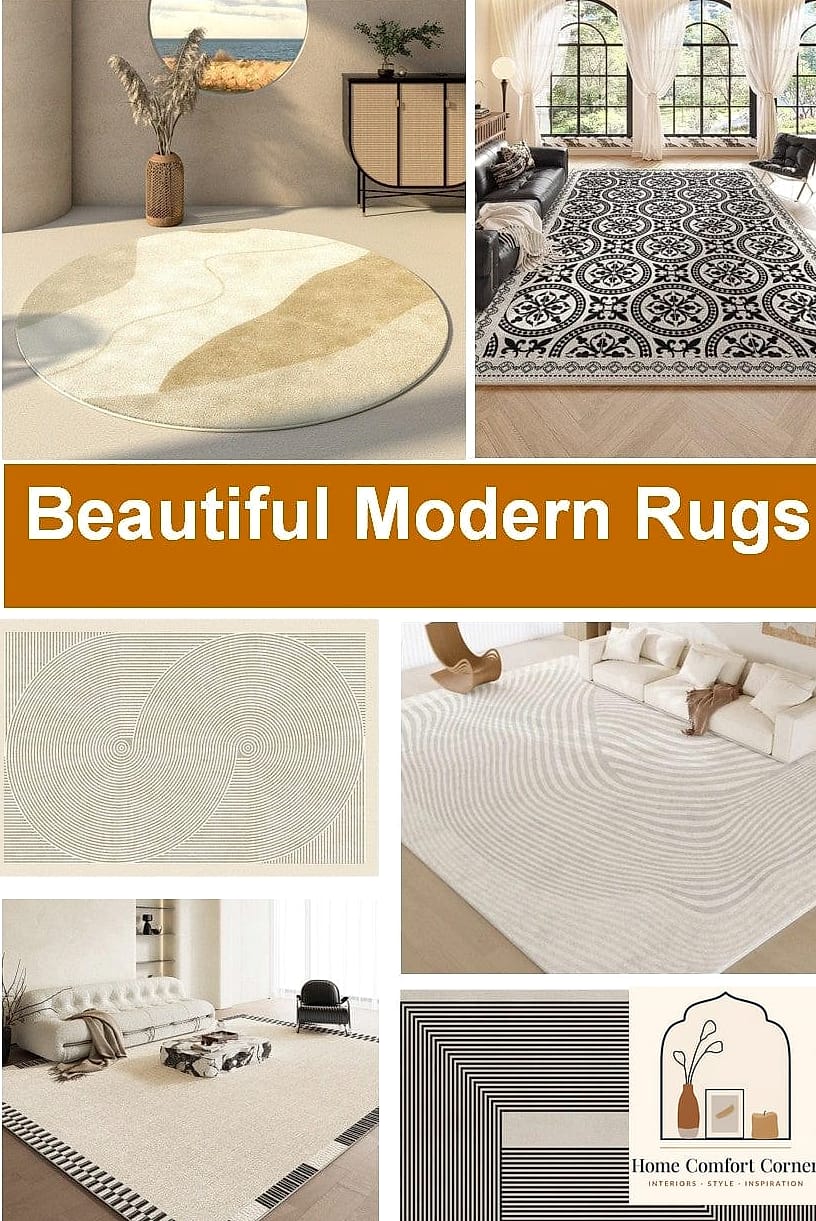
Open-concept living rooms and dining areas can feel like one big blob without something to break them up. A rug under the sofa and coffee table, a different one under the dining table, creates visual boundaries without adding walls. Just make sure your rug is big enough — front legs of furniture (at minimum) should sit on it, or it ends up looking like a bath mat.
Mix Metals Instead of Matching Everything
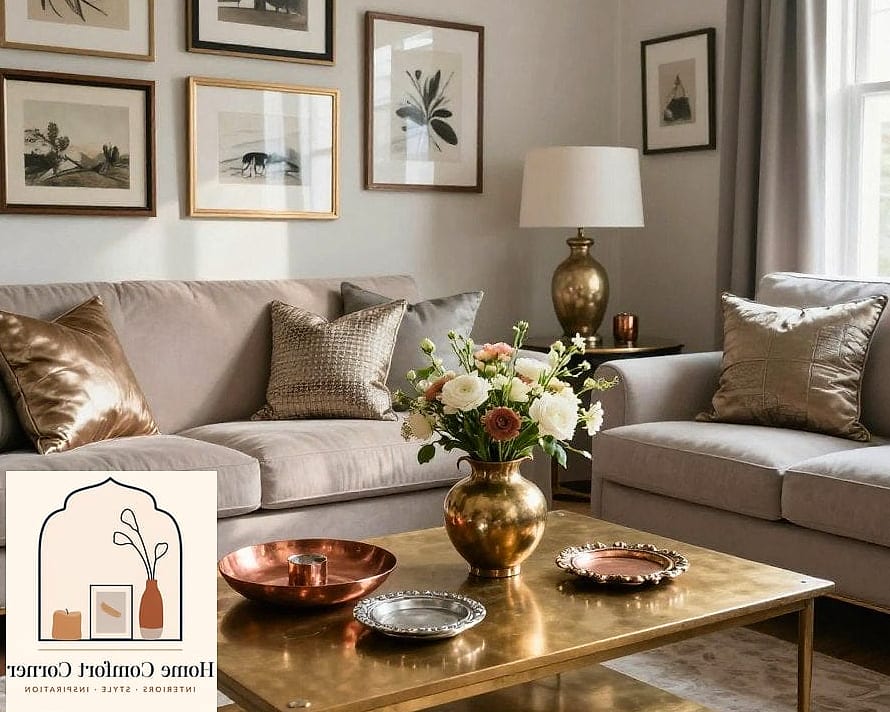
The old rule was to pick one metal finish and stick to it everywhere. That rule is basically dead now. A brass light fixture next to black window frames next to a chrome faucet can look great together as long as there’s some intention behind it — usually one dominant metal with one or two accents.
Add Texture Through Textiles, Not Just Color

A room can be entirely neutral and still feel rich if the textures are doing work — a chunky knit throw, a bouclé chair, a linen duvet, a woven basket. Texture is what keeps a neutral palette from feeling flat or cold, and it’s an easy, renter-friendly way to add depth without touching paint or flooring.
Bring Greenery Into Every Room, Even the Low-Light Ones
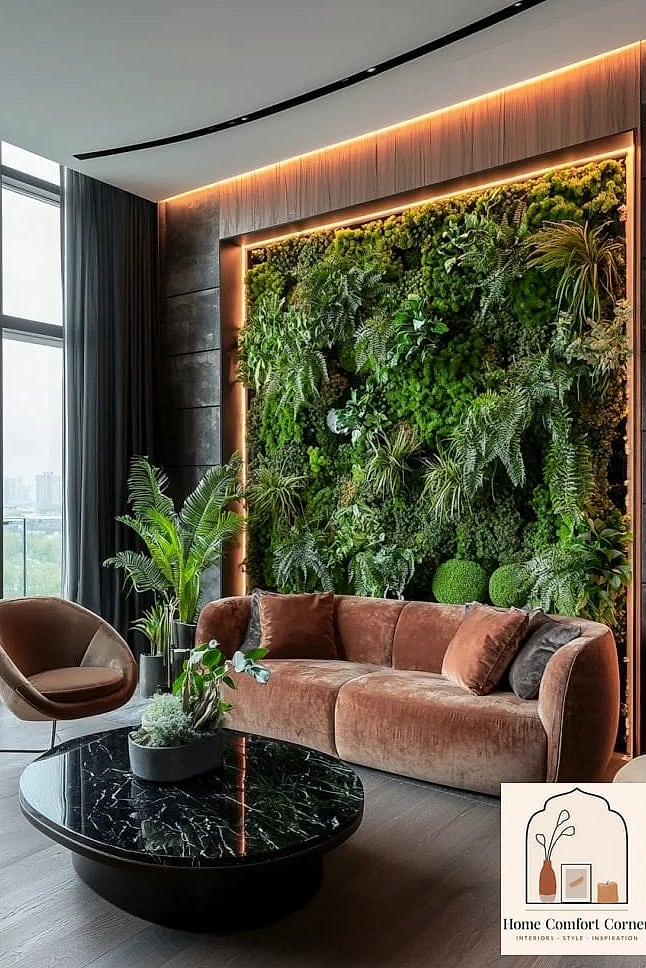
Plants soften hard lines and bring life into a space in a way almost nothing else does. For rooms with less natural light, pothos, snake plants, or ZZ plants are nearly impossible to kill. If you’ve genuinely got a black thumb, high-quality faux greenery has come a long way and nobody’s going to interrogate your ficus.
Float Your Furniture Away From the Walls
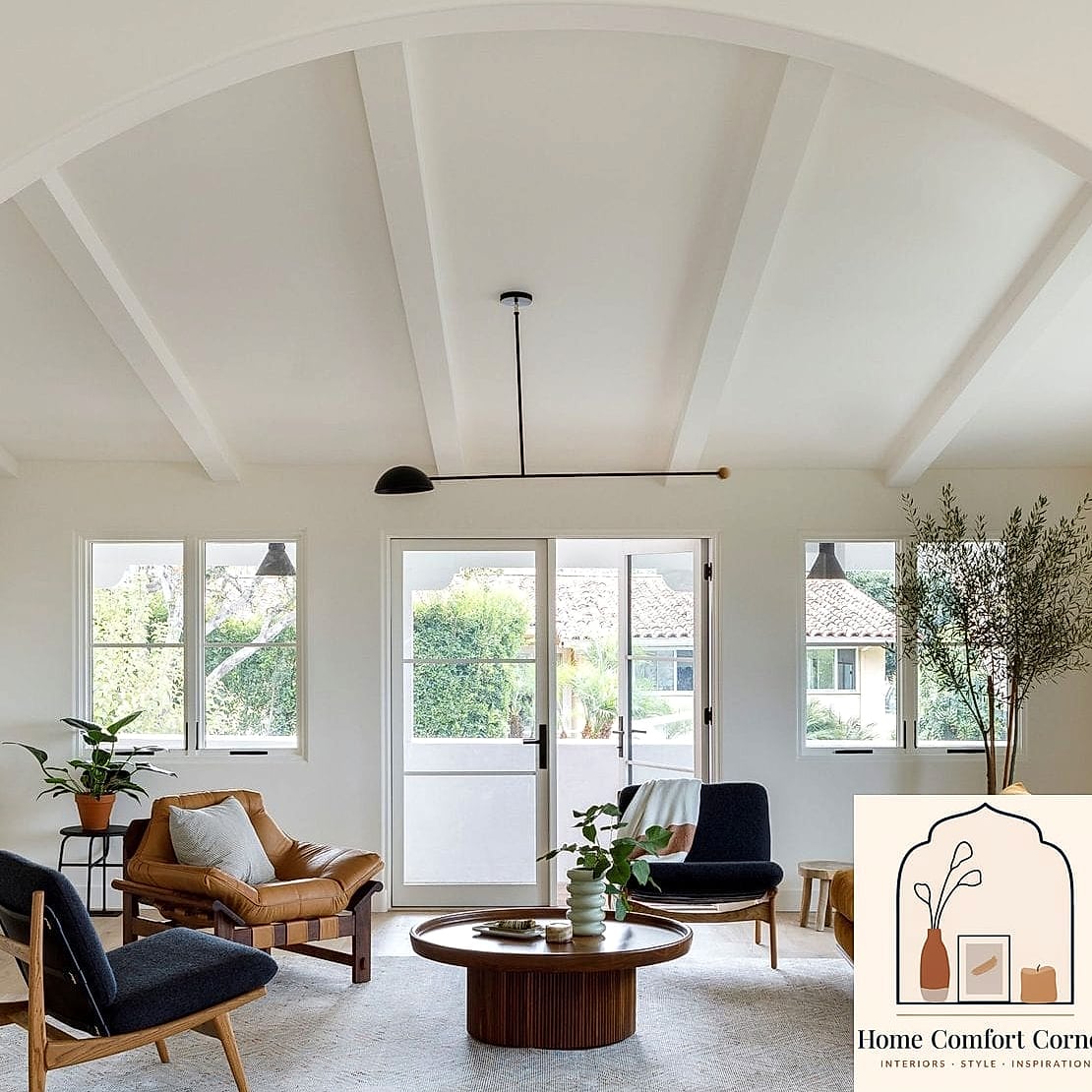
Pushing every piece of furniture against the wall is a habit most of us picked up without thinking about it, but it usually makes a room feel less cozy, not more spacious. Pulling a sofa a few inches off the wall, or angling a chair into the room, creates a more intentional layout and better conversation flow.
Choose Matte Finishes for a Softer, More Current Look
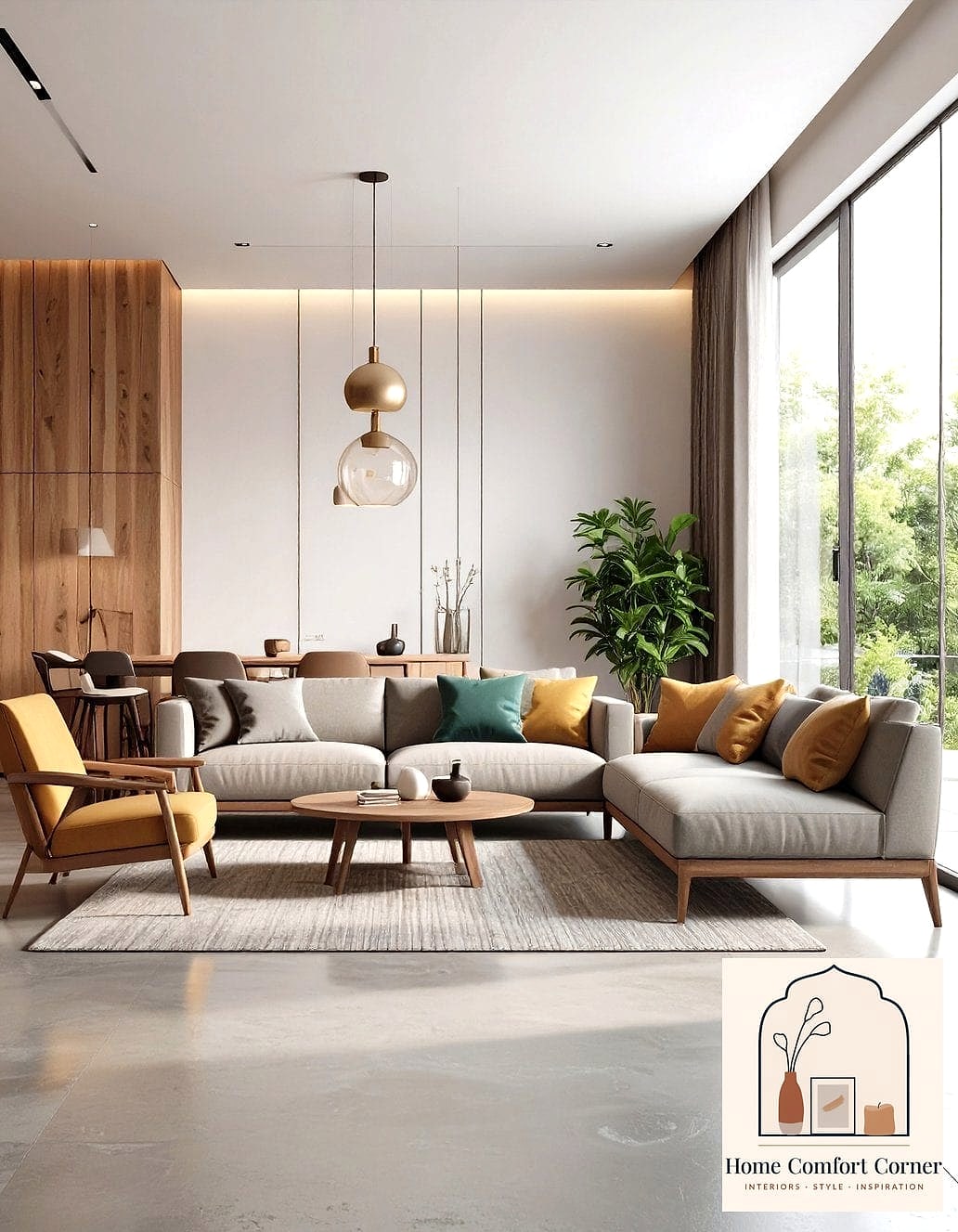
Glossy finishes had their moment, but matte paint, matte cabinets, and matte countertops have taken over for a reason — they hide fingerprints and small imperfections better and give a room a calmer, more grown-up feel. Matte black fixtures and honed stone countertops both fall into this category if you’re shopping for materials.
Use Open Shelving Strategically, Not Everywhere
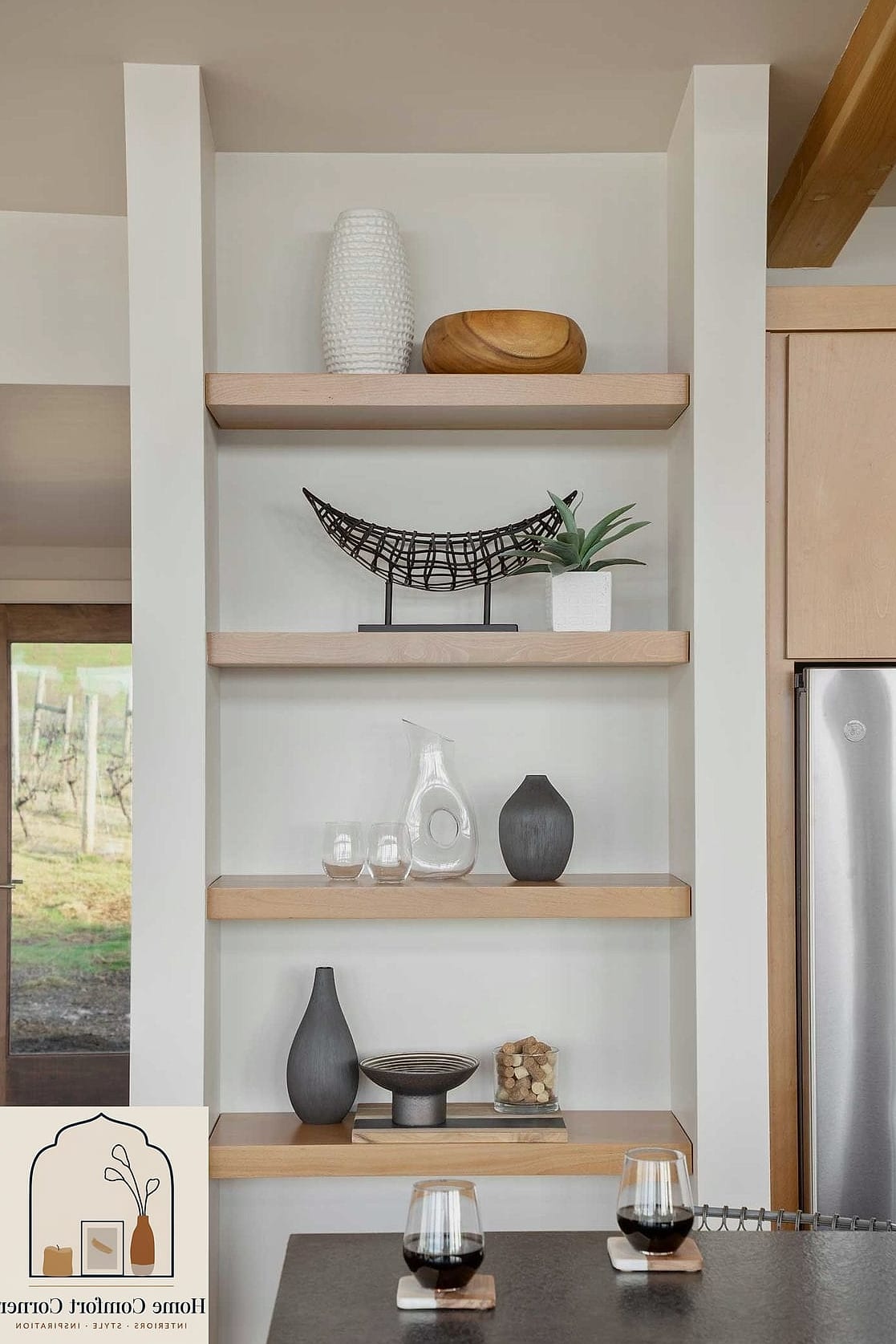
Open shelving looks great in photos and can feel stressful in real life if you’re not naturally tidy. Designers tend to recommend it in small doses — one wall in a kitchen, a single floating shelf in a bathroom — styled with a mix of function and decor. Keep the rest of your storage closed off in cabinets so the open shelves don’t turn into overflow storage.
Invest in Window Treatments That Actually Fit the Window
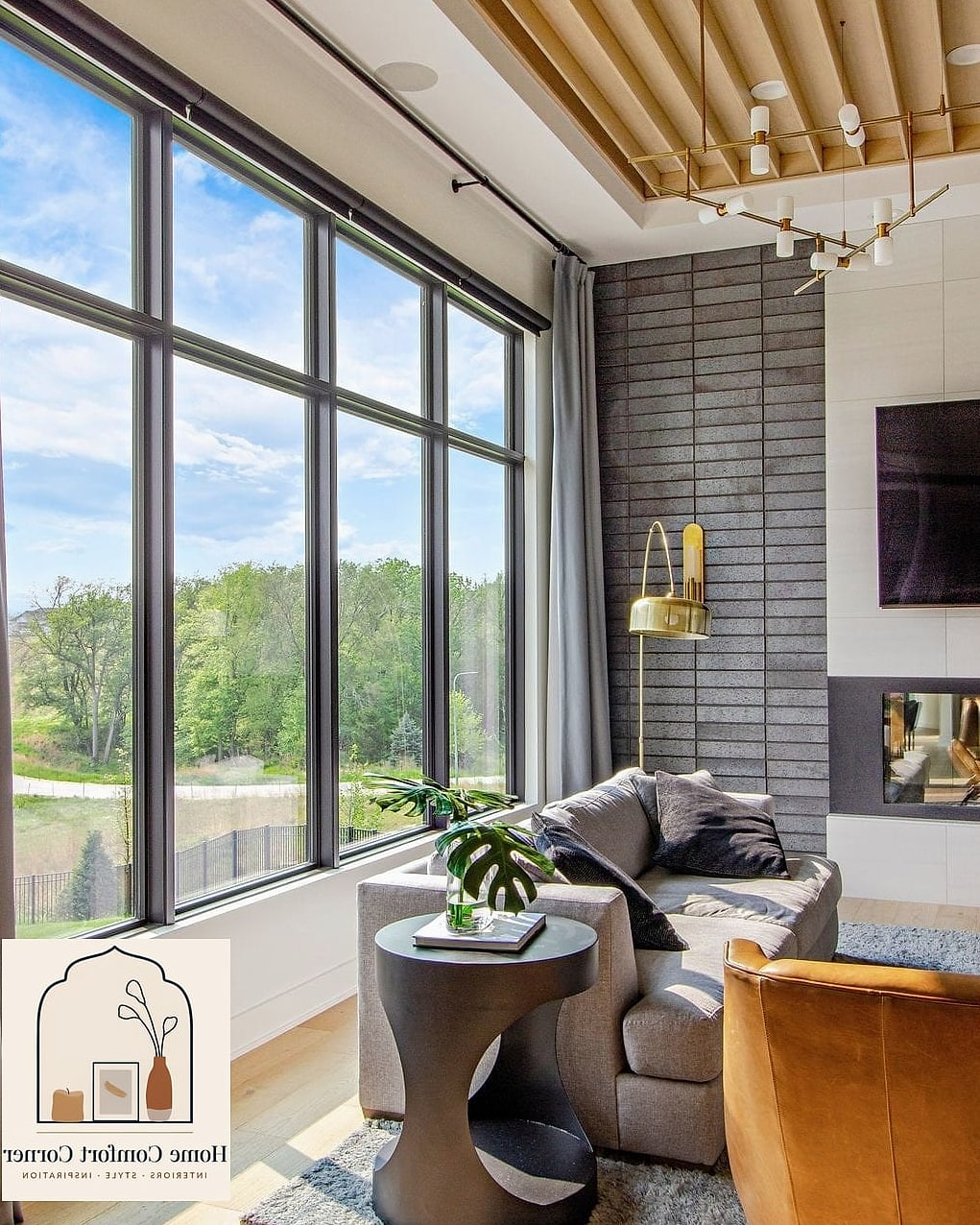
Curtains that are too short or too narrow are one of those things that quietly makes a room look unfinished. The general rule designers use is to hang curtain rods close to the ceiling and wide enough that panels can fully clear the window when open. It makes ceilings feel taller and windows feel bigger, even in a small room.
Create a Focal Point in Every Room
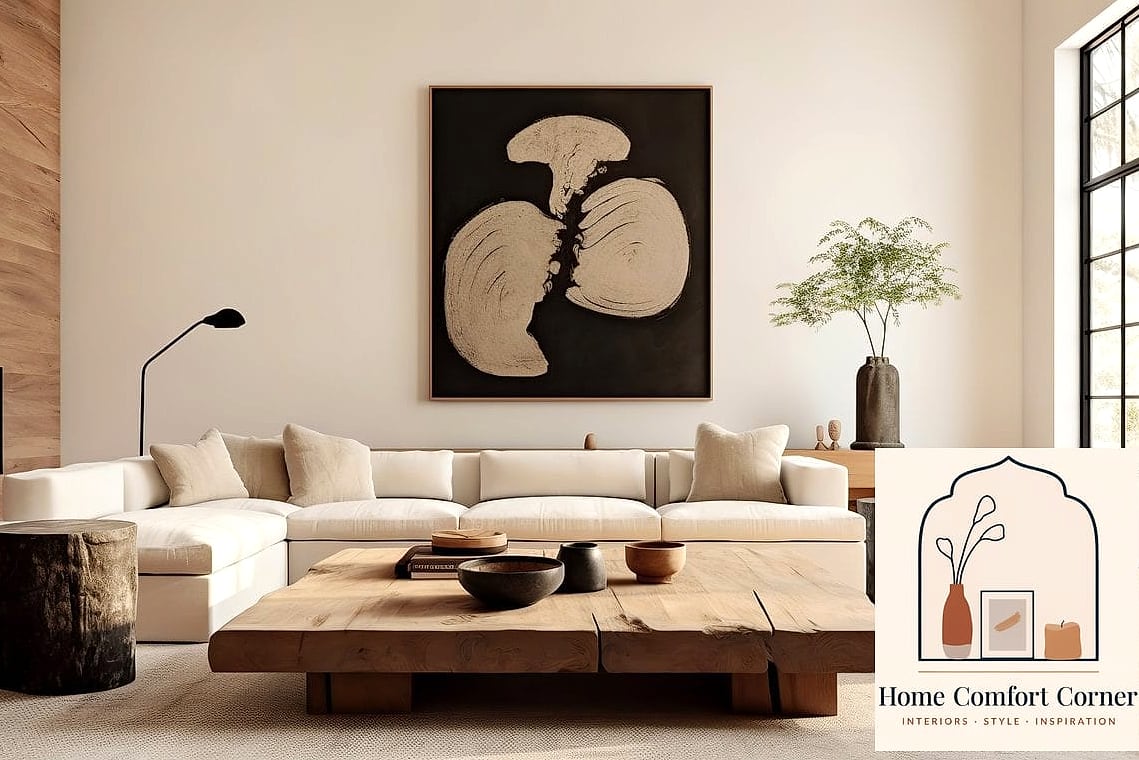
A room without a clear focal point tends to feel like furniture was just dropped in at random. That focal point could be a fireplace, a piece of art, a bed with a bold headboard, or even a beautifully tiled backsplash in herringbone pattern. Once you know what the eye should land on first, arranging everything else around it gets a lot easier.
Use Baskets and Bins for Stylish, Functional Storage
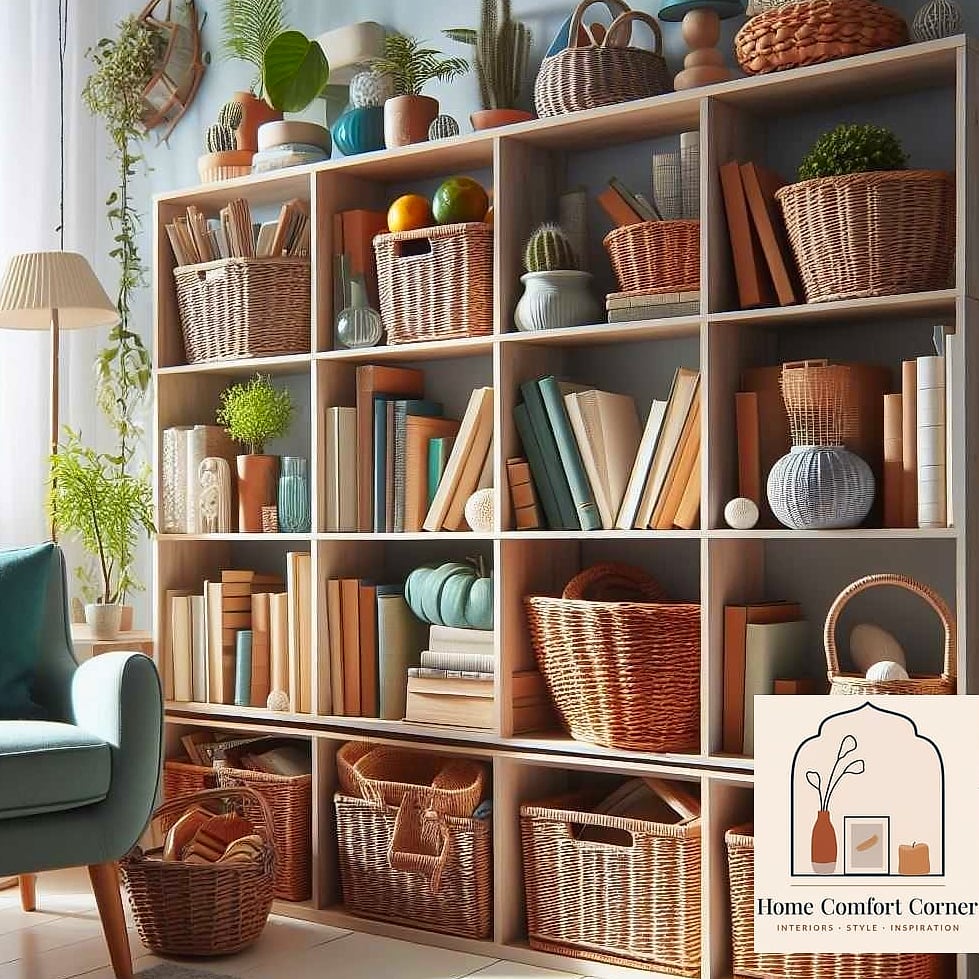
Storage doesn’t have to look like storage. Woven baskets for blankets, lidded bins on closet shelves, and labeled containers in the pantry keep clutter contained while still looking intentional. This is an easy one for renters too, since none of it requires touching the walls or cabinetry.
Add Architectural Interest With Trim and Molding
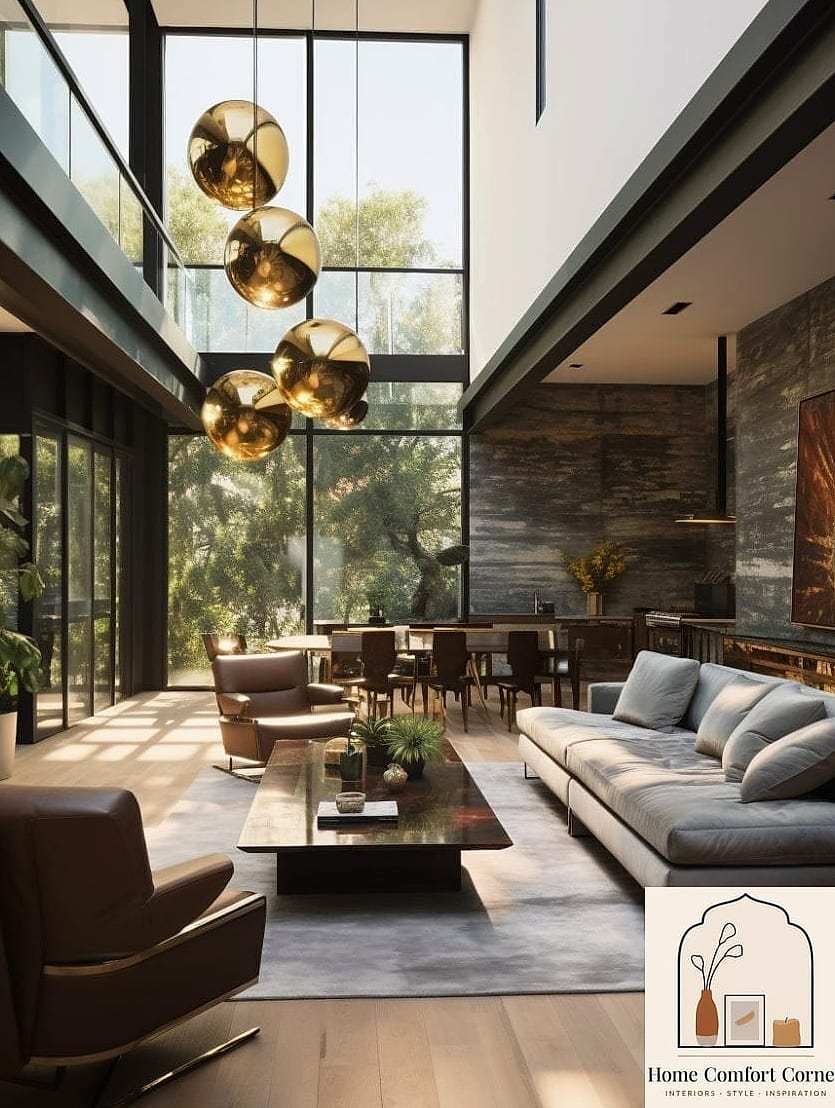
Board and batten, picture frame molding, and simple crown molding can make a plain builder-grade room feel custom-built. It’s a bigger project than most on this list, but it’s also one of the few that genuinely changes the bones of a room rather than just decorating around them. Even a single accent wall with molding can shift how a whole room reads.
Keep Color Palettes Consistent From Room to Room
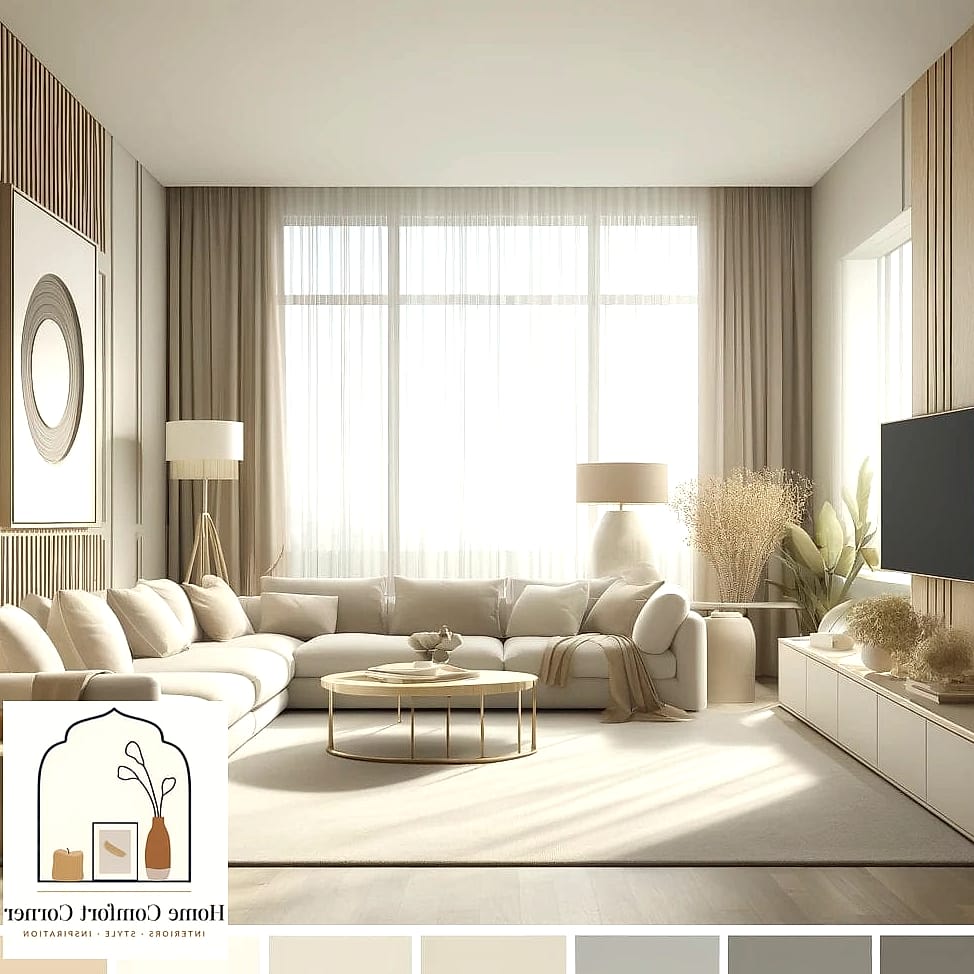
Jumping from a cool gray living room to a warm yellow kitchen to a stark white bathroom can make a home feel disjointed as you move through it. Designers usually recommend picking an overall palette — even if each room has its own accent color — so the house feels cohesive rather than like a series of unrelated spaces.
Style Coffee Tables and Shelves With Odd Numbers and Varied Heights
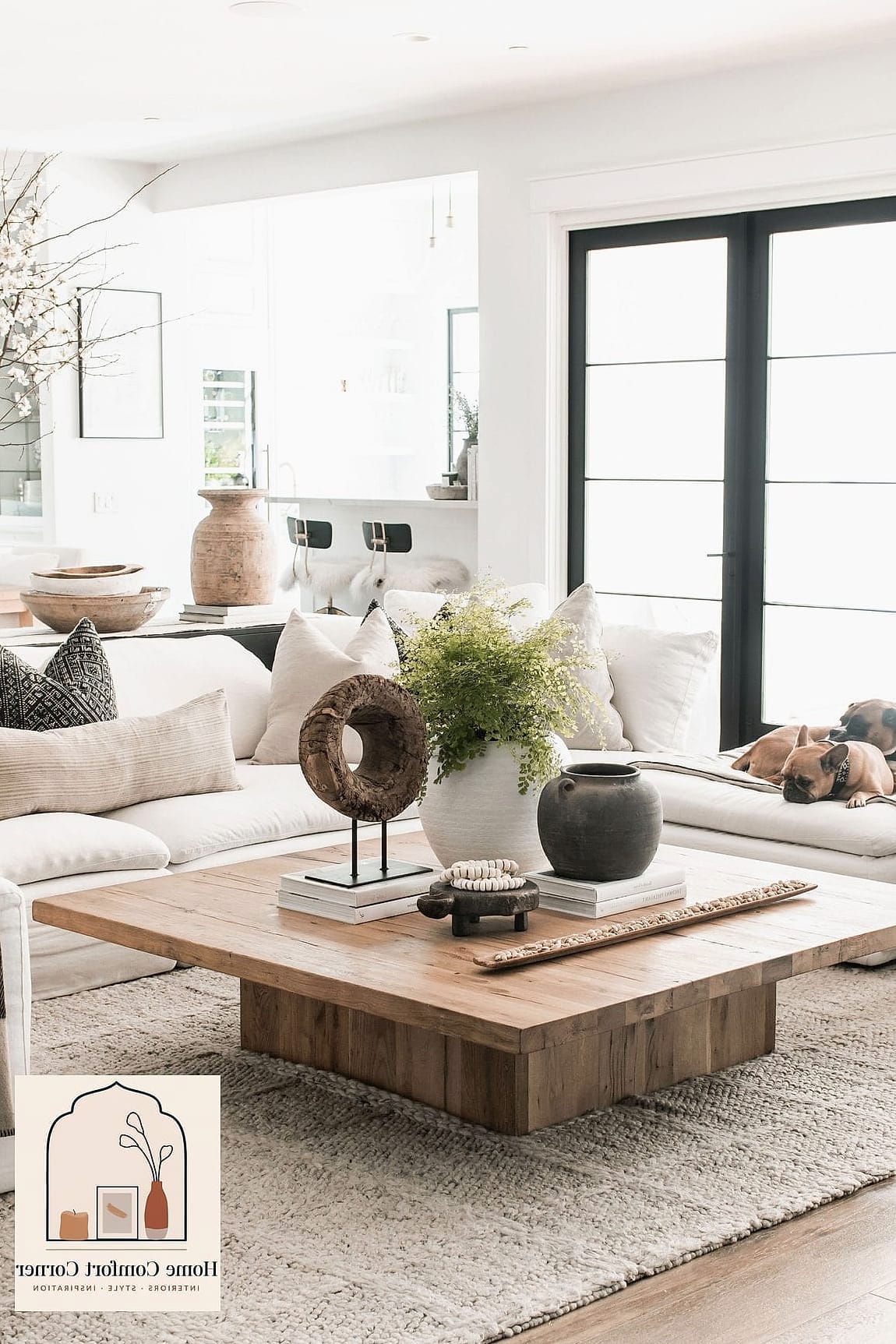
This is a small styling trick that makes a surprisingly big difference. Grouping objects in threes, mixing tall and short items, and layering a stack of books under a small plant or candle creates visual interest instead of a flat, evenly spaced arrangement. It’s the kind of detail that separates a “styled” shelf from one that just has stuff on it.
Putting even a handful of these ideas into practice can shift how a home feels without requiring a full remodel. Some, like hardware swaps or new curtains, are weekend projects. Others, like trim work or a full lighting overhaul, take more planning. Either way, these are the tips that come up again and again when you ask people who do this for a living what actually makes a space feel put-together — and most of them are far more approachable than they sound at first.