19 Creative House Interior Decor Ideas You Haven’t Seen Before
- Plaster-Look Walls Instead of Paint
- A Skirted Sink in the Bathroom or Kitchen
- Ceiling Wallpaper (Yes, Really)
- Curved Furniture as an Anchor Piece
- A Reading Nook Built Into an Awkward Corner
- Two-Tone Kitchen Cabinets, But Unexpected
- Vintage Rugs Layered Over Wall-to-Wall Carpet
- A Dedicated Coffee or Tea Station
- Stained Glass Panels in Interior Doors
- A Statement Ceiling Fixture Instead of Recessed Lighting
- Open Shelving With Curated Object Display, Not Just Dishes
- A Bold Painted Staircase Runner (Painted, Not Fabric)
- Grasscloth or Textured Wallpaper Behind Open Shelves
- A Hidden Pantry Behind a Bookshelf or Panel Door
- Mixed Metal Hardware Throughout the Home
- A Freestanding Tub as a Bedroom Feature
- A Chalkboard or Magnetic Wall in the Mudroom
- A Window Seat With Hidden Storage
- Terracotta and Unglazed Ceramics as Everyday Decor
- A Dedicated Wrapping or Craft Station in a Closet
19 Creative House Interior Decor Ideas You Haven’t Seen Before
If you’ve scrolled through the same round-ups of shiplap walls and gallery walls one too many times, this list is for you. These are the ideas that don’t show up on every single home decor board, the ones that make guests actually stop and ask where you found them. Some are quick weekend projects, others are bigger commitments, but all of them bring something genuinely different to a room.
Let’s get into it.
Plaster-Look Walls Instead of Paint
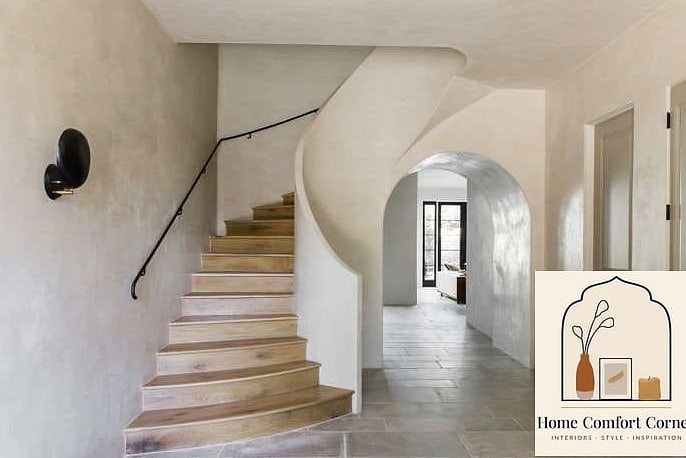
Skip the flat paint finish and go for a limewash or Venetian plaster look instead. It creates this soft, cloudy texture on the wall that catches light differently throughout the day, almost like the wall has its own personality.
This works especially well in bedrooms, entryways, or a powder room where you want a little drama without going overboard. Warm terracotta and soft greige tones are popular right now, though a true white limewash looks incredible against wood accents too.
You don’t have to hire a plasterer for this one. There are limewash paint kits made for DIYers, and honestly, the slightly imperfect brush strokes are part of the charm. Just know that touch-ups can be trickier to blend than regular paint, so buy a little extra product upfront.
A Skirted Sink in the Bathroom or Kitchen
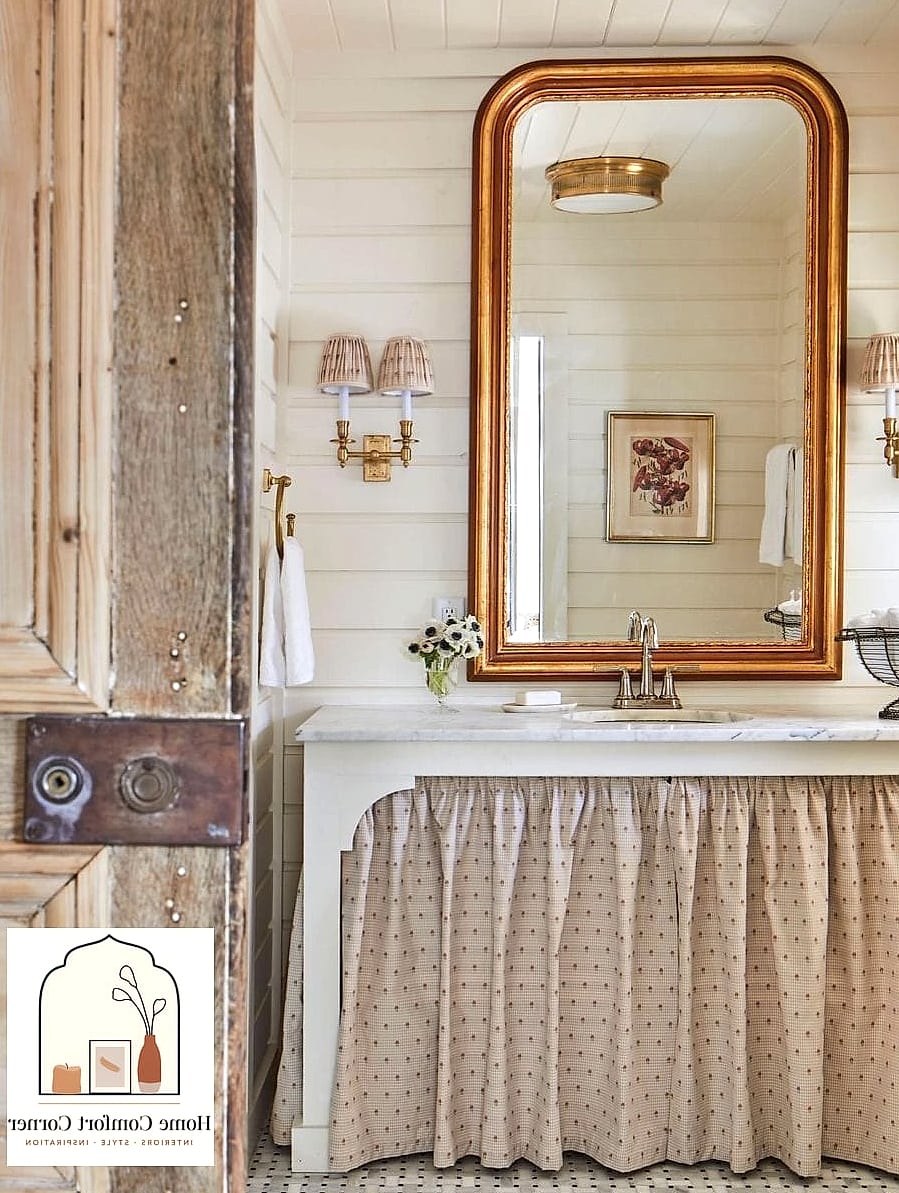
A fabric skirt around a pedestal sink sounds old-fashioned until you see it done in a modern linen or a bold striped cotton. It hides plumbing and adds storage space underneath, which is genuinely useful in small bathrooms.
This idea works best in cottage-style or vintage-inspired spaces, but a clean canvas skirt in a neutral tone can fit almost anywhere. It’s also one of the more renter-friendly ideas on this list since it requires no permanent changes.
Wash the fabric occasionally and hem it so it clears the floor for easy mopping. If sewing isn’t your thing, a simple curtain rod and rings setup makes swapping fabrics for the seasons pretty painless.
Ceiling Wallpaper (Yes, Really)
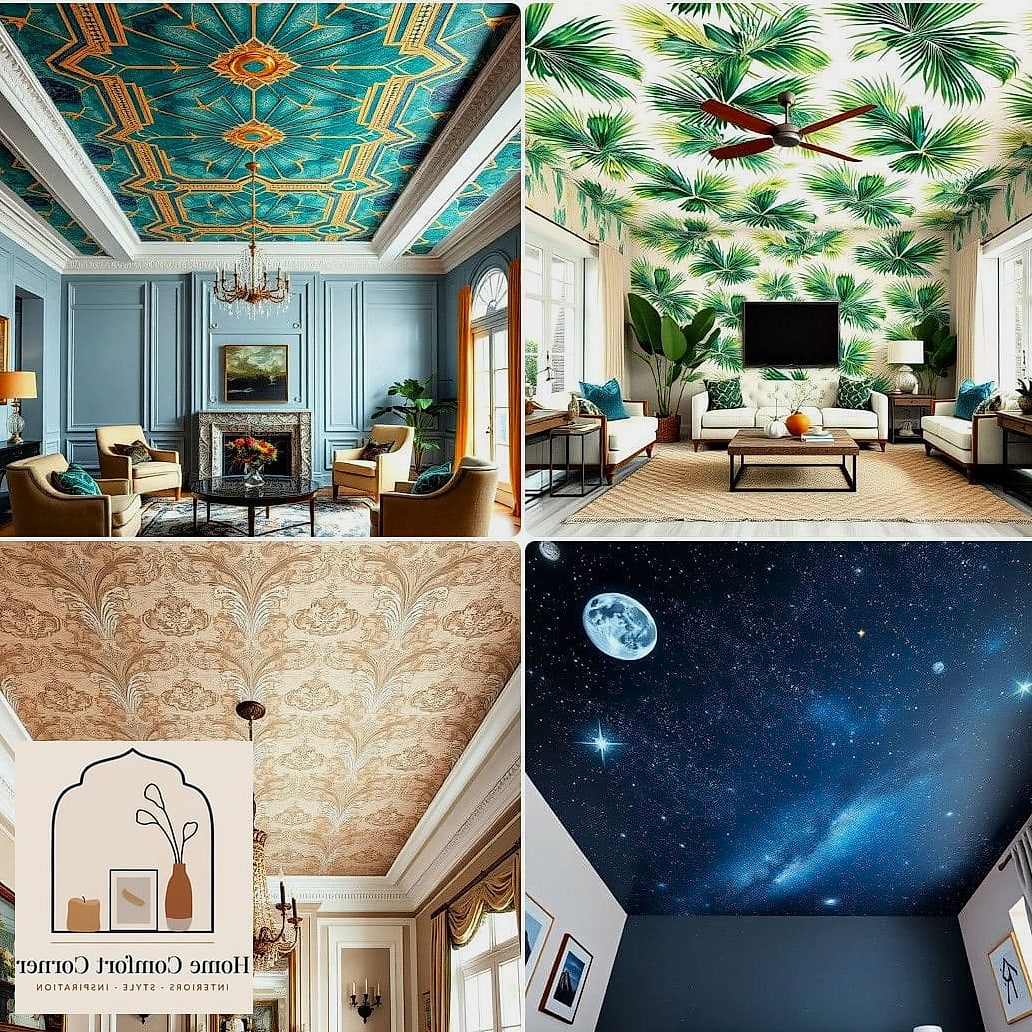
We spend so much energy on walls and floors that the ceiling gets forgotten entiely too often. A patterned or metallic wallpaper up top instantly makes a room feel finished in a way people can’t quite place.
Dining rooms and small powder rooms are ideal spots since the ceiling is closer and more noticeable. A subtle botanical print or a soft geometric pattern tends to age better than anything too trendy.
Peel-and-stick options make this far less intimidating than traditional paste-up paper, and it’s a project you can realistically knock out in an afternoon. Just budget for an extra set of hands since working overhead solo gets old fast.
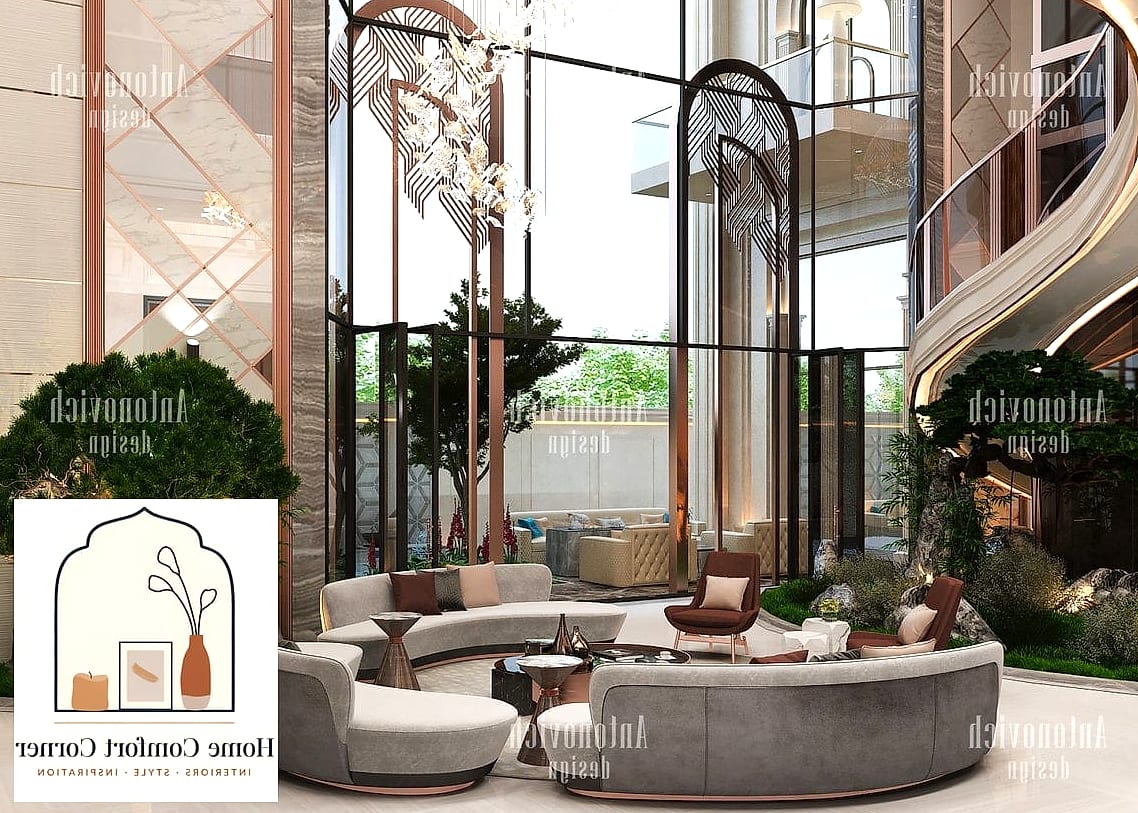
Curved Furniture as an Anchor Piece
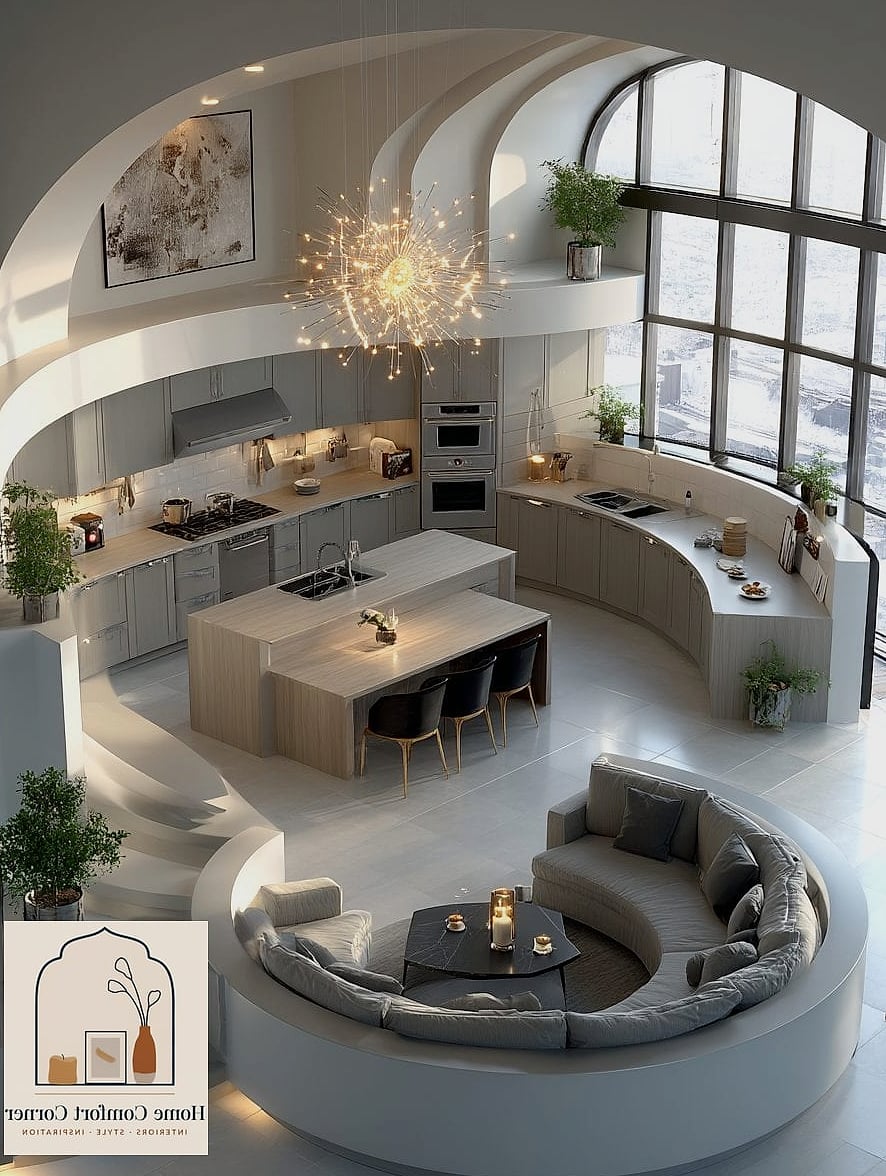
Sharp angles have dominated furniture design for years, so a curved sofa, an arched mirror, or a rounded console table stands out immediately. The soft lines make a room feel calmer and less rigid.
This works particularly well in open-concept living rooms where you need to break up a lot of straight lines from the kitchen cabinetry and windows. A curved sectional can also help define a seating area without walls.
Budget-friendly versions exist at most mid-range furniture retailers now, so you don’t need a designer showroom budget to try this trend. Just measure carefully, since curved pieces often need more floor space than boxy ones to look proportional.
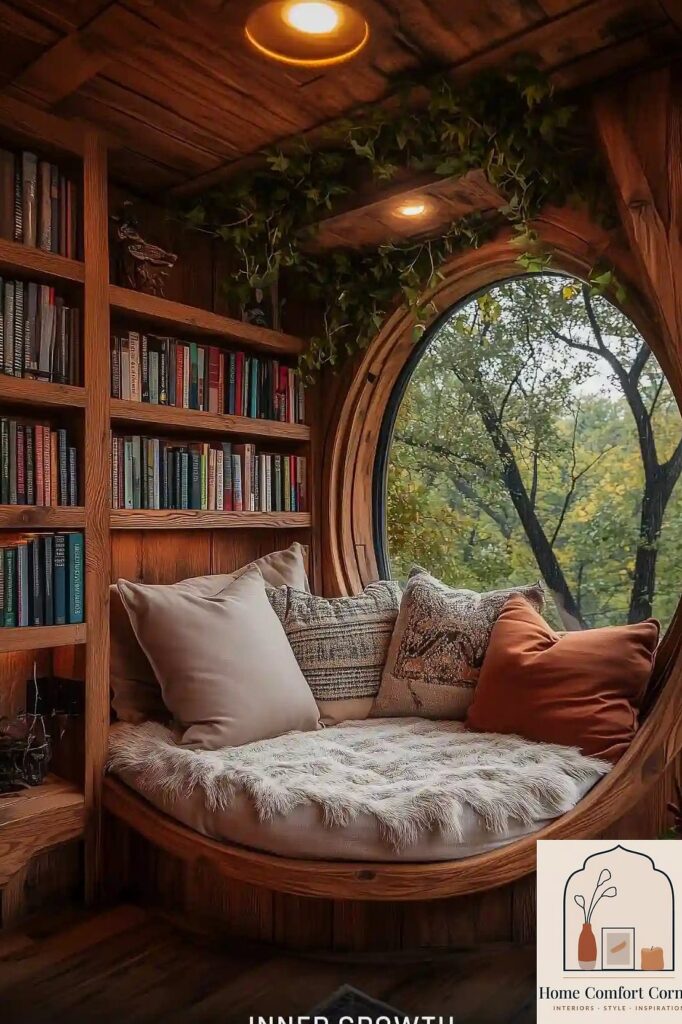
A Reading Nook Built Into an Awkward Corner
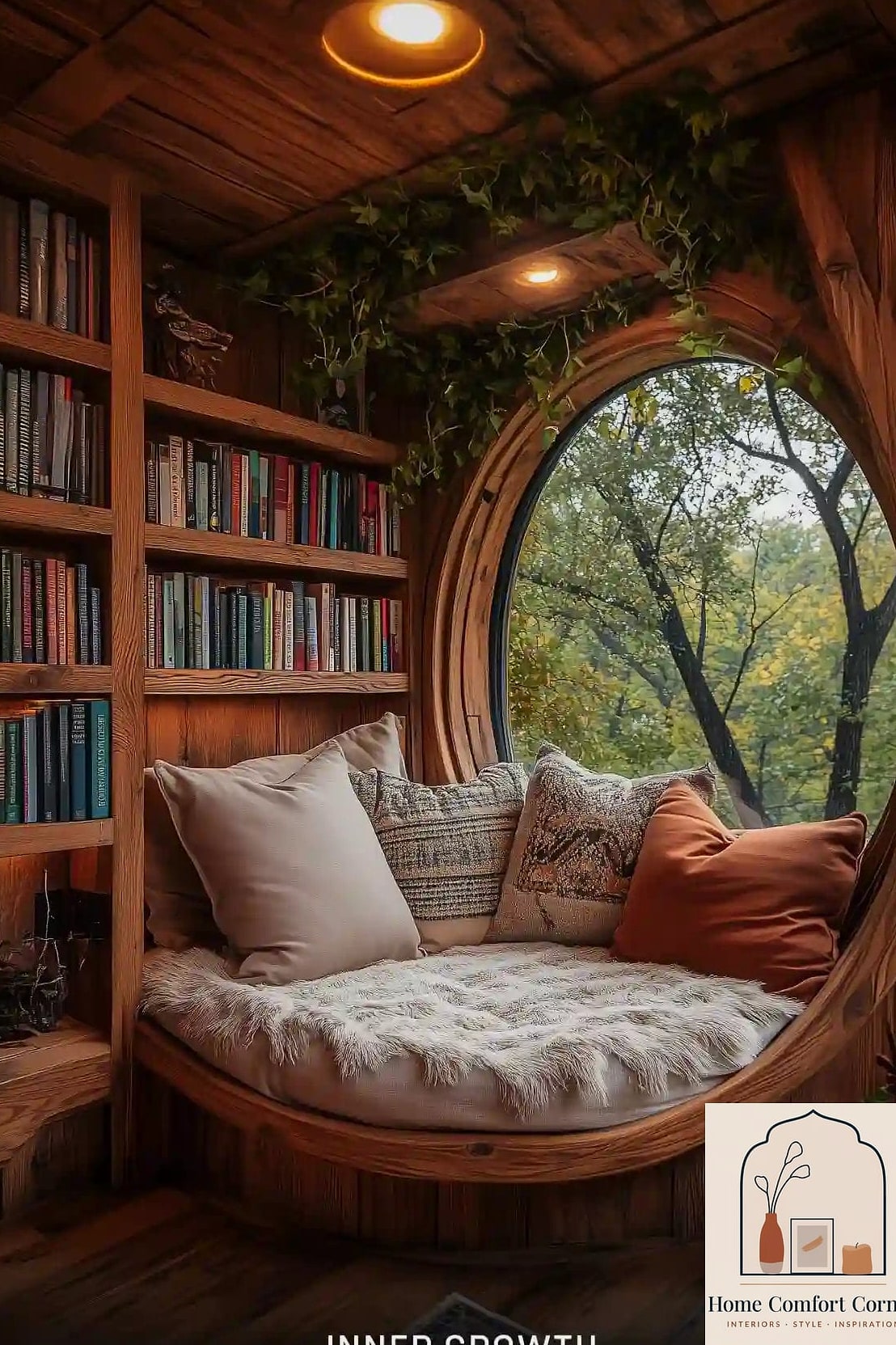
That weird unused corner by the stairs or under a sloped ceiling has more potential than you think. Add a built-in bench, a few floating shelves, and a reading lamp, and suddenly it’s the coziest spot in the house.
This is a favorite for anyone with an odd layout or a small home where every square foot needs to earn its keep. Layered lighting matters a lot here, so combine a wall sconce with a small table lamp for that warm, tucked-away feel.
Cushions and a soft throw make it inviting, and adding a small basket for books keeps clutter contained. If you’re renting, a freestanding daybed can mimic the built-in look without any construction.
Two-Tone Kitchen Cabinets, But Unexpected
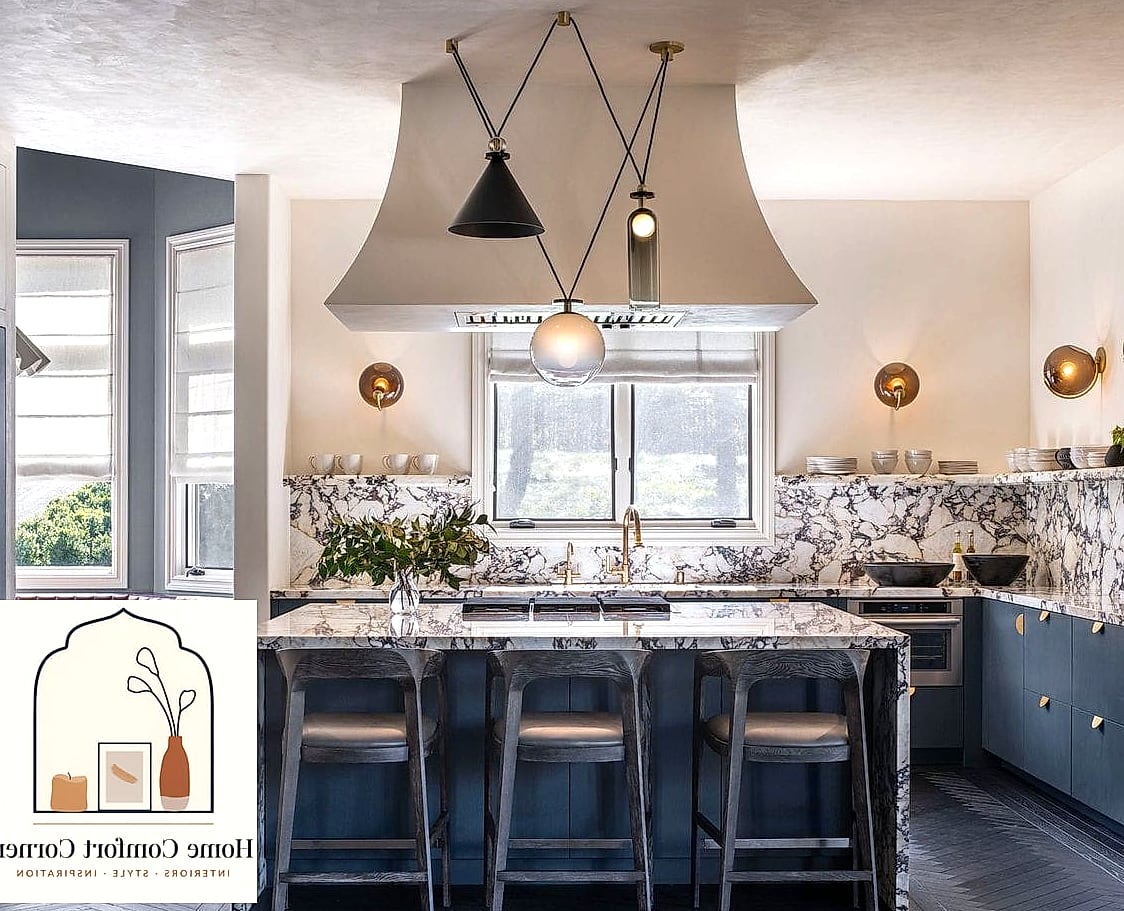
Everyone knows the classic dark-bottom, light-top cabinet combo by now. Instead, try a two-tone approach where the island gets a completely different color from the perimeter cabinets, or where upper cabinets alternate colors by section.
This idea shines in larger kitchens where there’s enough visual space to handle the contrast without feeling busy. Sage green paired with warm wood tones, or a deep navy against brushed brass hardware, both photograph beautifully.
It’s more of a commitment than paint alone since cabinet refinishing takes real prep work. If you’re not ready for that, start with just the island as a lower-risk way to test the look.
Vintage Rugs Layered Over Wall-to-Wall Carpet
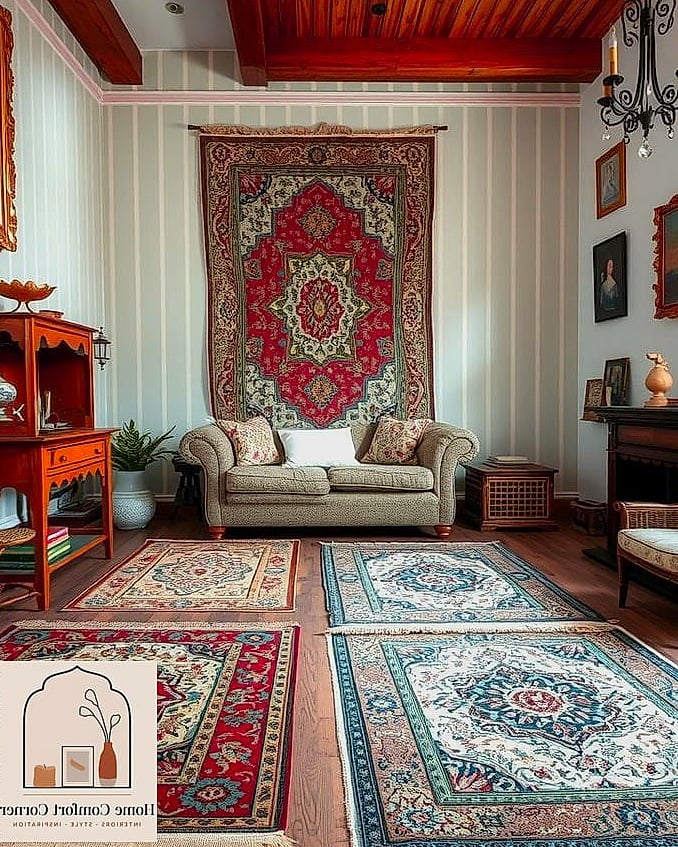
If you’ve got carpet you can’t replace right now, layering a vintage or antique-style rug on top adds texture and visual interest instantly. It’s a trick a lot of designers use in rentals and older homes.
This works in bedrooms and living rooms alike, and it’s genuinely one of the easiest ways to make a boring beige carpet feel intentional. A rug pad underneath keeps things from sliding around, which matters more than people expect.
Thrifted or vintage-style rugs bring in a worn-in warmth that new rugs can’t replicate right away. Pet owners should stick to darker patterns that hide shedding and the occasional muddy paw print.
A Dedicated Coffee or Tea Station
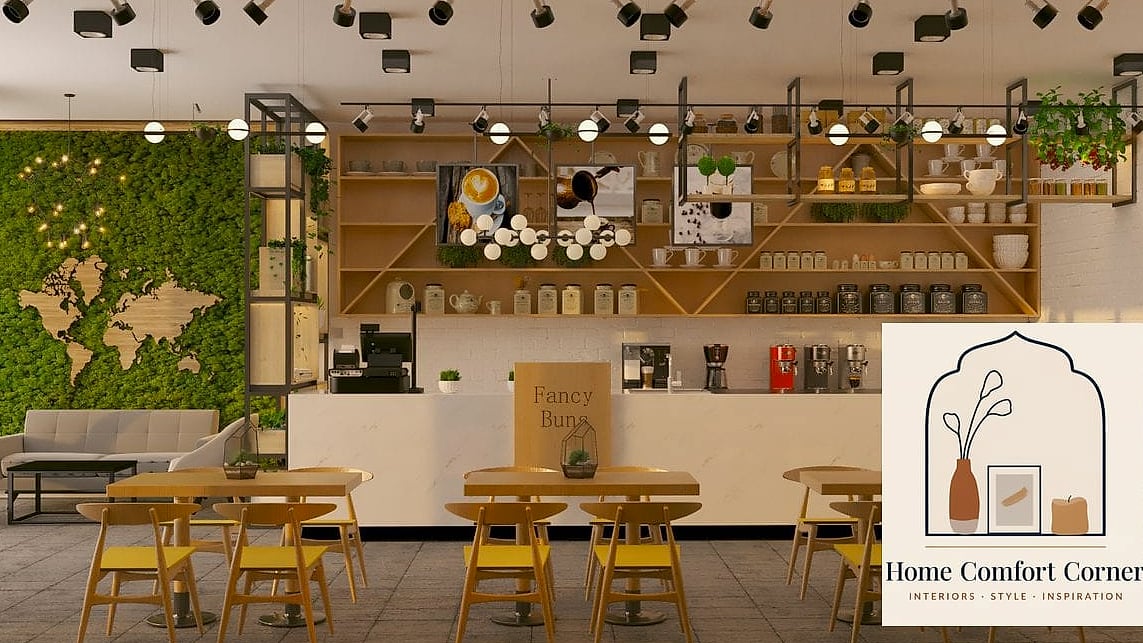
Not quite a full bar cart, this is a small counter section or shelf dedicated entirely to your morning routine. Think an espresso machine, a few mugs on open shelving, and a small tray for syrups or tea tins.
Kitchens with a little extra counter space or an awkward end cabinet are perfect for this. It’s also a nice addition to a primary bedroom nook if you don’t want to trek to the kitchen every morning.
Floating shelves keep it from feeling bulky, and matching canisters or bins for coffee grounds and filters keep the area from looking cluttered. It’s a small project but one that makes daily life noticeably more pleasant.
Stained Glass Panels in Interior Doors
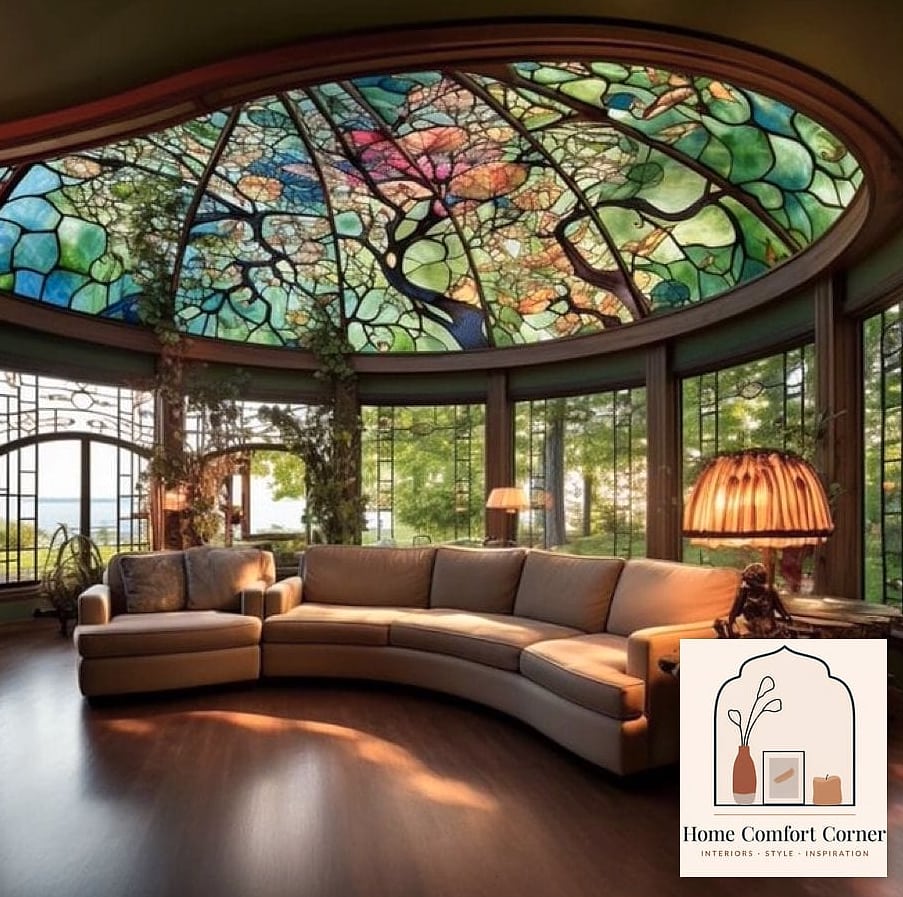
Swapping a plain door panel for a piece of stained or textured glass adds color and privacy at the same time. It’s an old architectural detail that’s making a comeback in a more minimal, modern form.
This idea is especially striking on a pantry door, a home office door, or french doors leading into a sunroom. Even a small geometric insert near the top of the door can transform how light moves through a hallway.
You can commission custom panels or find pre-made inserts sized for standard doors. It’s not the cheapest project on this list, but it adds a level of custom character that’s hard to fake with decor alone.
A Statement Ceiling Fixture Instead of Recessed Lighting
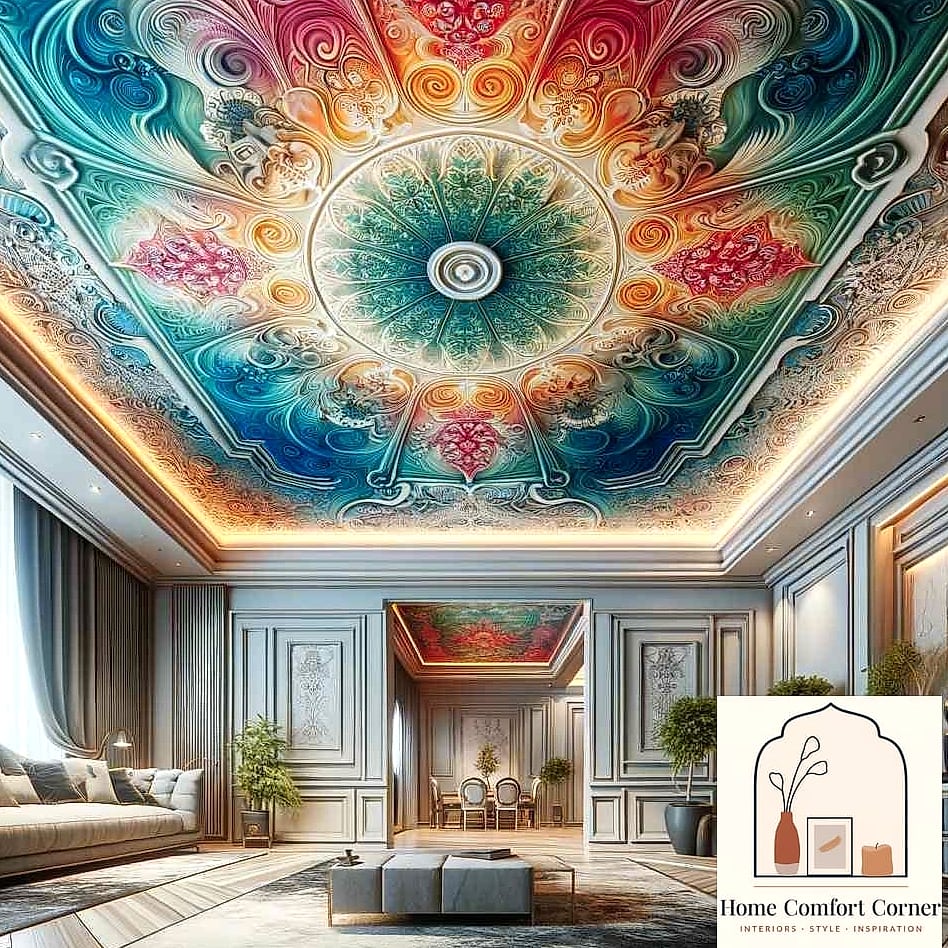
Recessed lighting is practical, but it’s also completely forgettable. Swapping the main fixture for something sculptural, like a woven pendant or a cluster of glass globes, gives a room an actual focal point.
Dining rooms and entryways benefit the most since these are spaces people look up in naturally. Pair it with dimmable bulbs so you can shift from bright and functional to warm and moody depending on the time of day.
This is one of the easier electrical swaps for anyone comfortable with basic DIY, though hiring an electrician for anything beyond a simple fixture swap is worth the peace of mind.
Open Shelving With Curated Object Display, Not Just Dishes
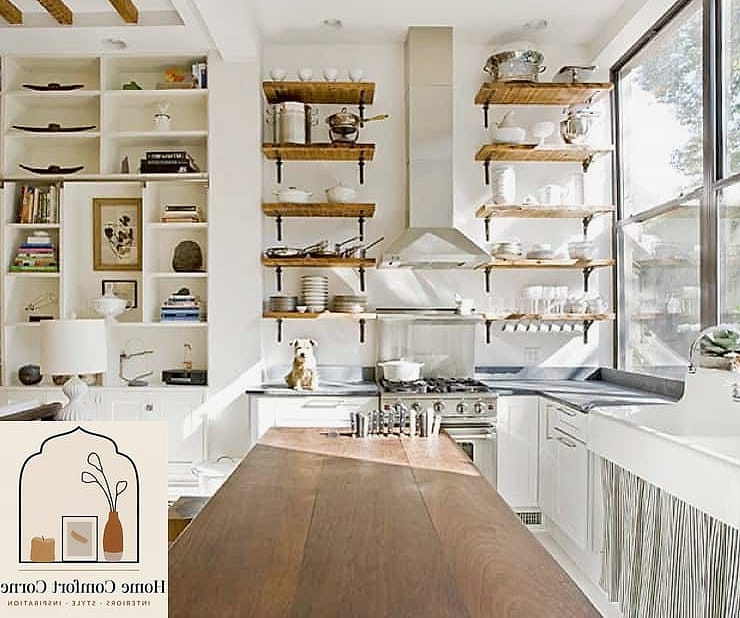
Open shelving in kitchens gets a bad reputation for looking cluttered, but the trick is treating it more like a gallery than storage. Mix a few dishes with a small plant, a stack of cookbooks, and one or two ceramic pieces.
This works best in kitchens with decent natural light, since open shelves show dust more than closed cabinets do. Wood or black metal brackets both work depending on whether your kitchen leans warm or industrial.
Keep the color palette limited to two or three tones so the shelf doesn’t feel chaotic. Rotate a few pieces seasonally to keep things from feeling stagnant.
A Bold Painted Staircase Runner (Painted, Not Fabric)
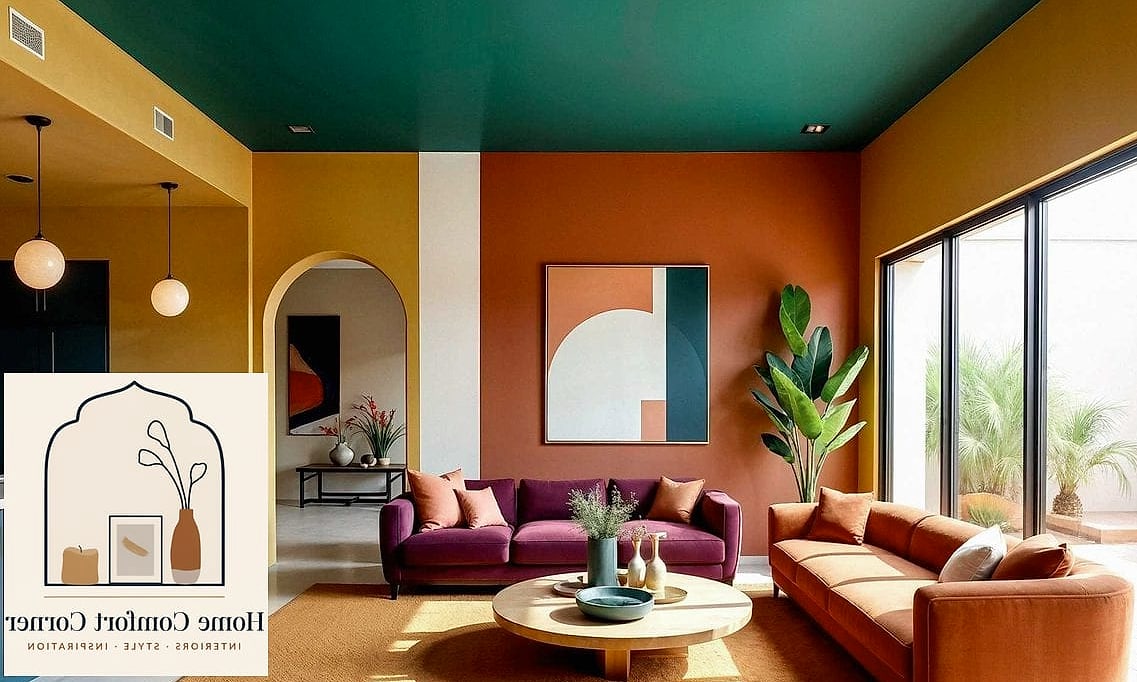
Instead of a traditional carpet runner, paint a pattern directly onto wood stairs, leaving the sides stained or bare. Stripes, checkerboard, or a simple painted border all read as intentional and custom.
This works great in farmhouse or vintage-inspired homes, especially on stairs that already have decent wood underneath. It’s also budget-friendly compared to buying and installing an actual runner.
Use a durable floor-rated paint and seal it with a few coats of polyurethane, since stairs see a lot of foot traffic. Families with young kids or pets should stick to a matte or low-sheen sealer to avoid a slippery surface.
Grasscloth or Textured Wallpaper Behind Open Shelves
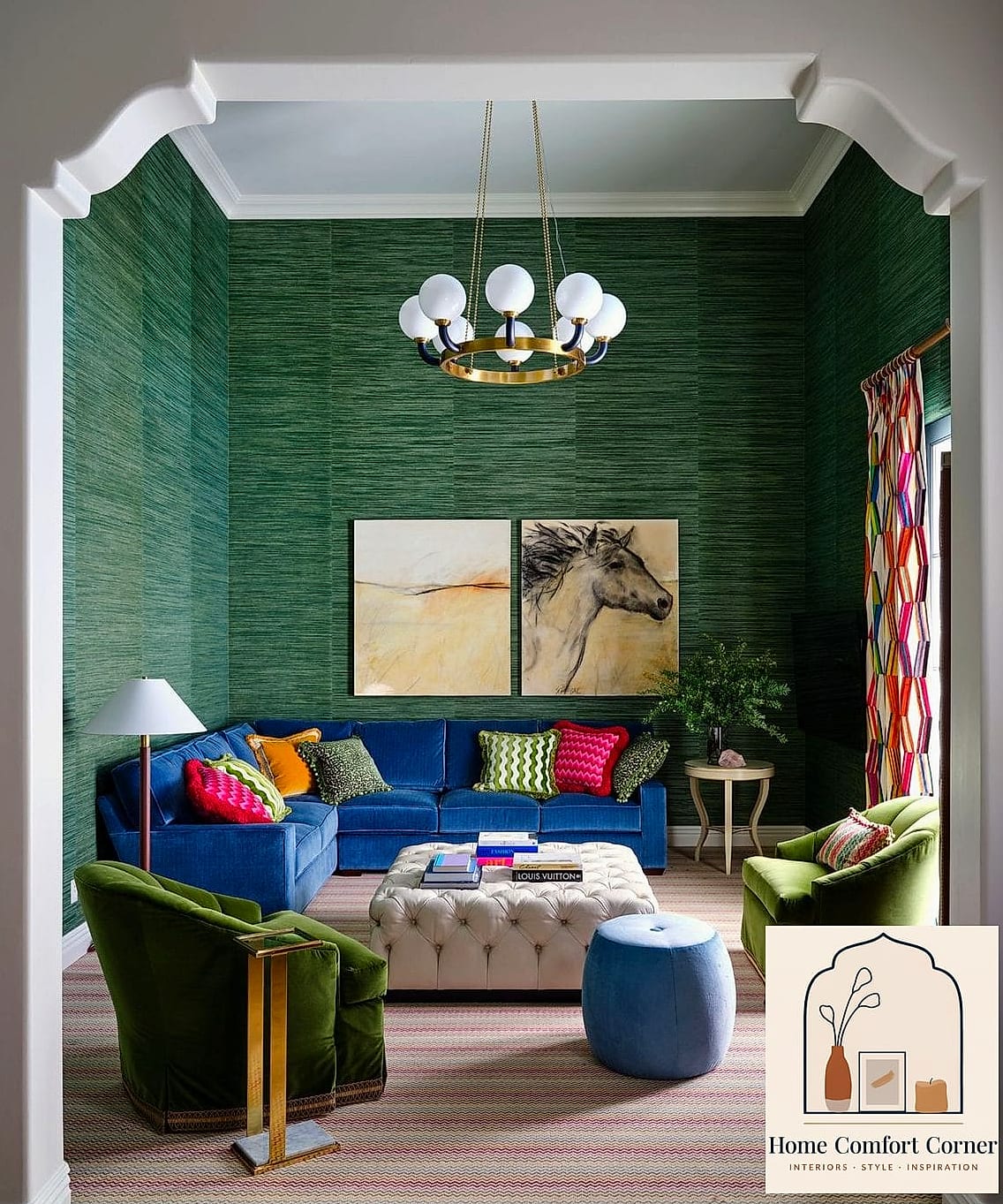
Rather than wallpapering an entire room, add textured grasscloth just behind a run of open shelving or in a small alcove. It gives depth to the display without overwhelming the space.
This is a great fit for kitchens, home offices, or built-in bookcases in a living room. The texture plays especially well against matte black hardware or warm wood tones.
Because it’s a smaller area, it’s more forgiving for a first wallpaper project, and leftover material can patch small repairs later without much waste.
A Hidden Pantry Behind a Bookshelf or Panel Door
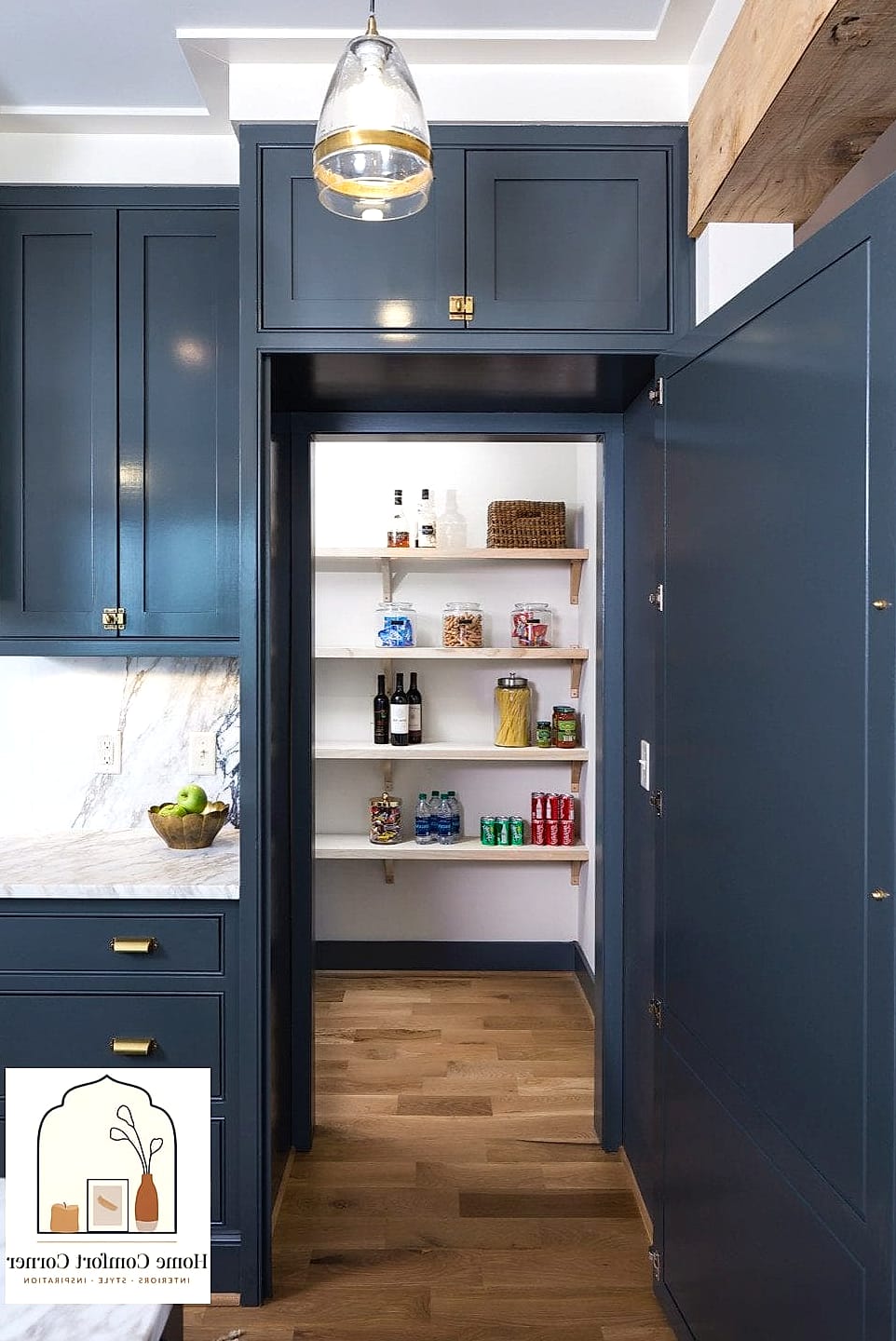
This one takes some planning, but a pantry disguised behind a bookshelf-style door or a flush wall panel is the kind of detail people remember. It keeps the kitchen looking clean while all the mess stays tucked away.
Best suited for kitchens undergoing a bigger renovation, since it usually requires some carpentry work. If a full hidden door isn’t realistic, a simple push-to-open panel achieves a similar surprise effect on a smaller budget.
Inside, built-in shelving, labeled bins, and clear containers keep everything organized so the hidden space stays functional and not just a dumping ground.
Mixed Metal Hardware Throughout the Home
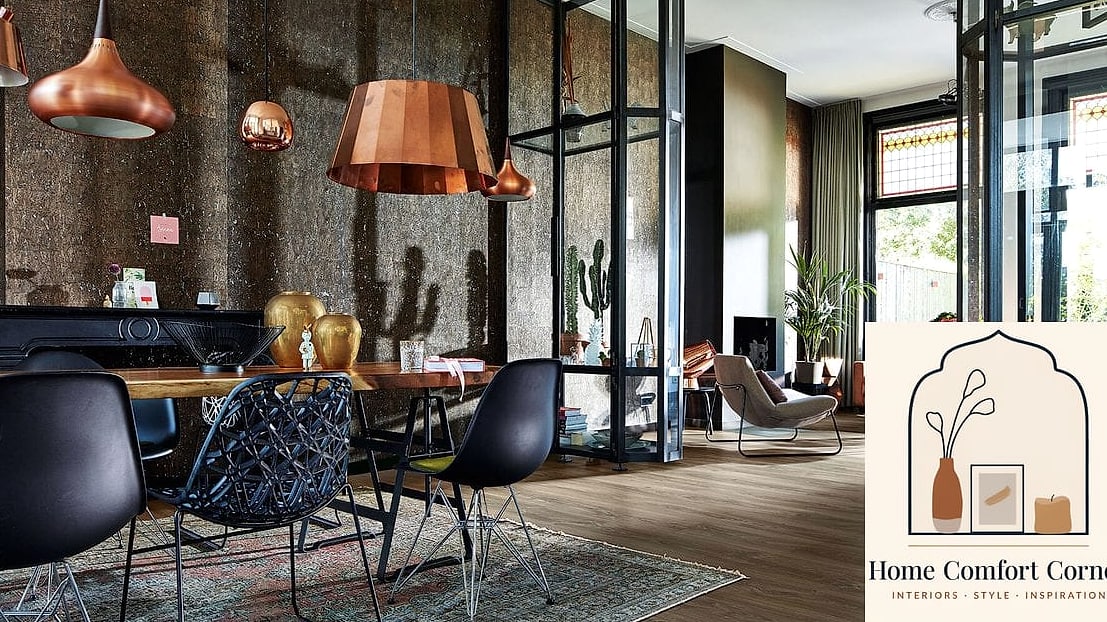
Matching every faucet and doorknob in the house used to be the rule. Now, mixing brushed brass in the kitchen with matte black in the bathroom and aged bronze on interior doors feels more collected and lived-in.
This works in almost any home style, though it looks most intentional when one metal tone repeats as a common thread, like brass accents showing up in light fixtures across multiple rooms.
It’s a low-cost way to update a space too, since swapping cabinet pulls and switch plates doesn’t require any major renovation, just a screwdriver and an afternoon.
A Freestanding Tub as a Bedroom Feature
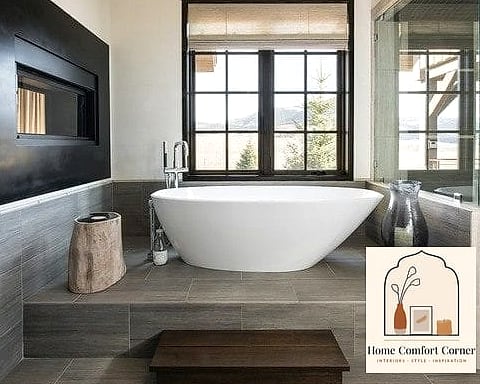
Not every bathroom has room for a soaking tub, so some homeowners are moving a freestanding tub into a primary bedroom instead, positioned near a window or in a quiet corner.
This works best in larger primary suites with good flooring underneath, since water-resistant flooring or a sealed rug matters here. It’s more of a splurge idea, but it turns bath time into an actual retreat.
Add a small side table for candles or a book, and make sure there’s a floor drain or easy access to plumbing before committing to this one structurally.
A Chalkboard or Magnetic Wall in the Mudroom
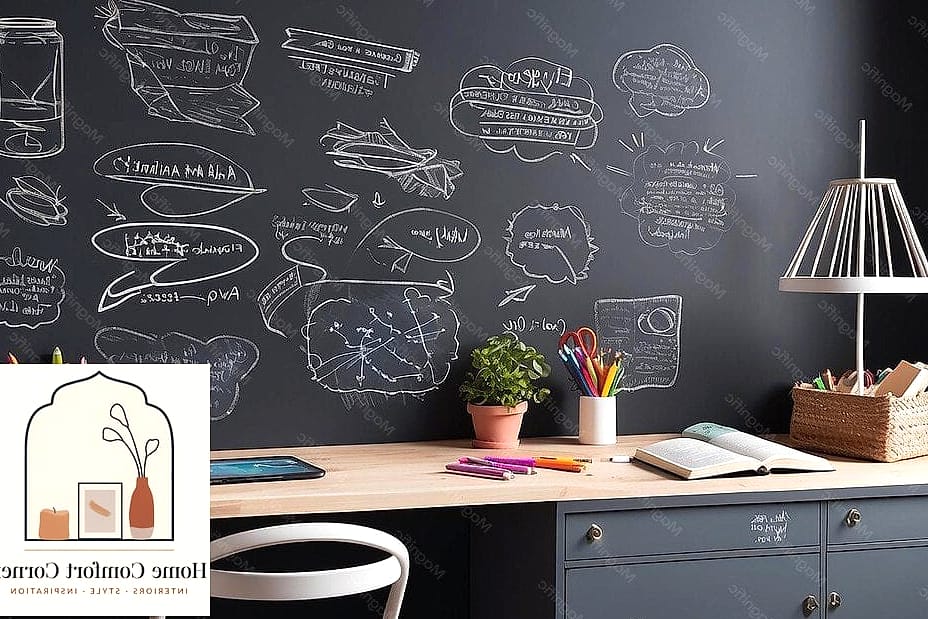
Instead of a small whiteboard by the door, paint an entire wall section with chalkboard or magnetic paint. It becomes a family message center, a spot for kids’ art, or just a place to jot down what’s needed at the store.
Mudrooms and laundry rooms are the natural home for this since they already function as a transition space. It’s also a nice option for a home office wall if you want something more playful than a corkboard.
Multiple coats are needed for magnetic paint to actually hold anything, so don’t skip the extra layers even if it feels tedious.
A Window Seat With Hidden Storage
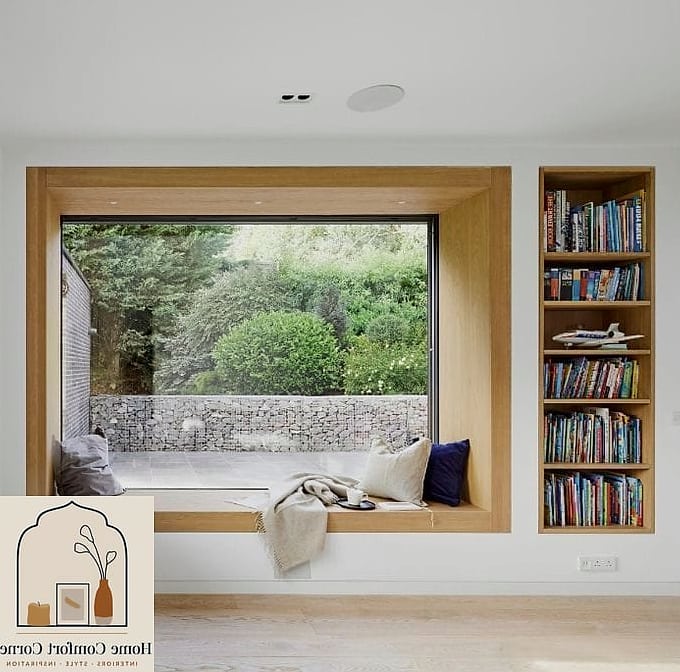
Built-in window seats aren’t new, but adding a lift-top or drawer storage underneath makes them dramatically more useful, especially in smaller homes without a ton of closet space.
Bay windows and dormer nooks are the obvious candidates, but even a standard window with enough wall space works. Add a cushion in a durable, family-friendly fabric since this spot tends to get used constantly.
Store off-season bedding, extra blankets, or kids’ toys inside. It’s a project that pays off in both storage and coziness, which is a pretty rare combination.
Terracotta and Unglazed Ceramics as Everyday Decor
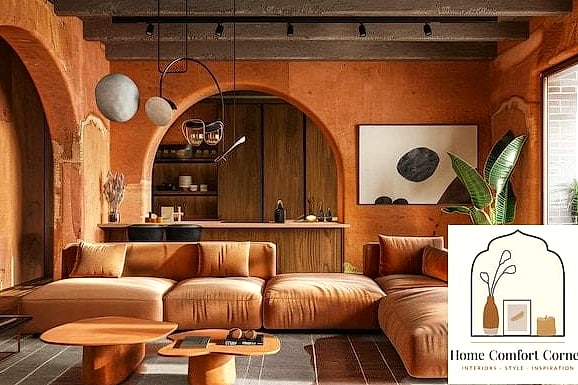
Instead of polished, glossy vases and planters, unglazed terracotta and stoneware bring an earthy, textured feel that pairs beautifully with warm wood tones and neutral color palettes.
This works in almost every room, from a cluster of terracotta pots on a windowsill to a large unglazed vase as a floor accent in a living room corner. It feels more grounded than the shiny ceramics that have been everywhere for years.
These pieces are naturally low maintenance, though unglazed terracotta can absorb moisture, so keep it away from consistently damp spots unless it’s sealed.
A Dedicated Wrapping or Craft Station in a Closet
Converting an underused closet into a small wrapping paper and craft station is one of those ideas that seems small but genuinely changes how a house functions. Think a fold-down table, roll storage for wrapping paper, and bins for ribbon and scissors.
This is perfect for anyone who hosts holidays or has kids with constant school projects. A hallway linen closet or an unused coat closet both work well for this conversion.
Label bins clearly and use vertical roll holders to keep wrapping paper from crushing. It’s a practical upgrade that doesn’t need to look pretty, just functional and easy to grab from in a hurry.
Trying even three or four of these ideas from this list of 19 creative house interior decor ideas you haven’t seen before can genuinely shift how a room feels. You don’t need to overhaul the whole house at once. Pick the one that solves a problem you actually have, whether that’s clutter, a boring ceiling, or a kitchen that needs more personality, and start there.