17 Creative Restaurant Interior Design Ideas You Haven’t Seen Before
- Sculptural Ceiling Installations
- Moody Jewel-Tone Dining Nooks
- Reclaimed Material Feature Walls
- Open Kitchen Theater Seating
- Terrazzo Flooring in Bold Colorways
- Living Herb Walls Near the Dining Area
- Curved Booth Seating in Unexpected Shapes
- Vintage Signage as Wall Art
- Mixed Metal Lighting Fixtures
- Textured Plaster Walls with Organic Curves
- Communal Tables Made from Single Slab Wood
- Retro Diner Booths with a Modern Twist
- Statement Bar Backsplashes
- Nature-Inspired Private Dining Pods
- Ceiling-to-Floor Window Treatments with Warm Layering
- Handmade Ceramic Tableware Displayed as Decor
- Color-Drenched Bathrooms as a Design Statement
17 Creative Restaurant Interior Design Ideas You Haven’t Seen Before
Restaurant design has moved way past white tablecloths and expected color schemes. These days, the spaces that get people posting and coming back are the ones that feel like they have a point of view. If you’re working on a new build-out or refreshing a tired dining room, these ideas will get your wheels turning.
Sculptural Ceiling Installations
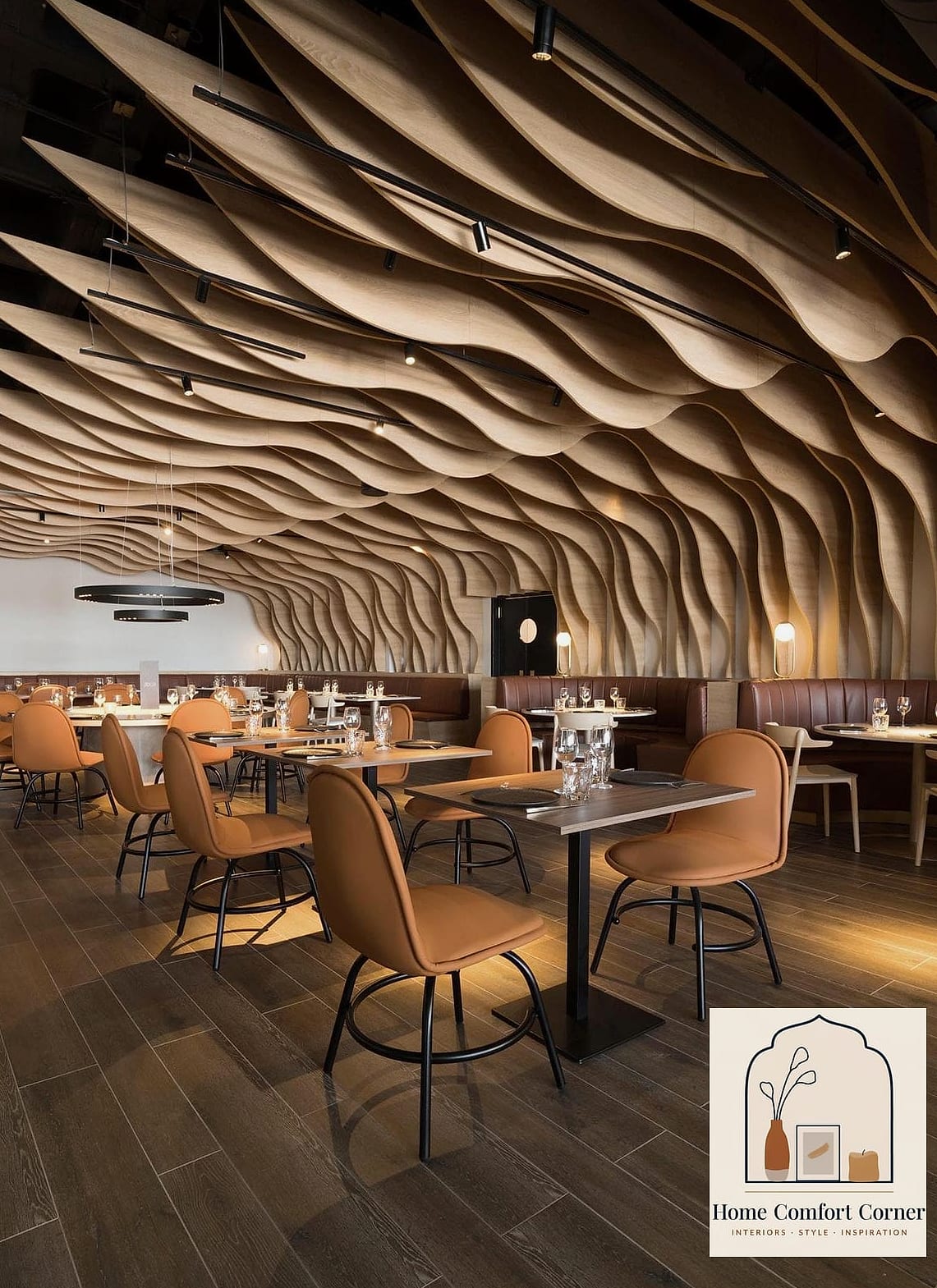
Forget recessed lighting and drop ceilings. A sculptural installation overhead—think woven rattan clouds, suspended fabric waves, or clustered paper lanterns at varying heights—gives guests something to look up at literally and figuratively.
This works especially well in spaces with high ceilings that would otherwise feel cold or cavernous. It also softens the acoustics, which your servers will thank you for after a busy Friday night. Budget-wise, you can go the DIY route with affordable materials like paper or fabric, or commission a custom piece from a local artist for something truly one-of-a-kind.
Moody Jewel-Tone Dining Nooks
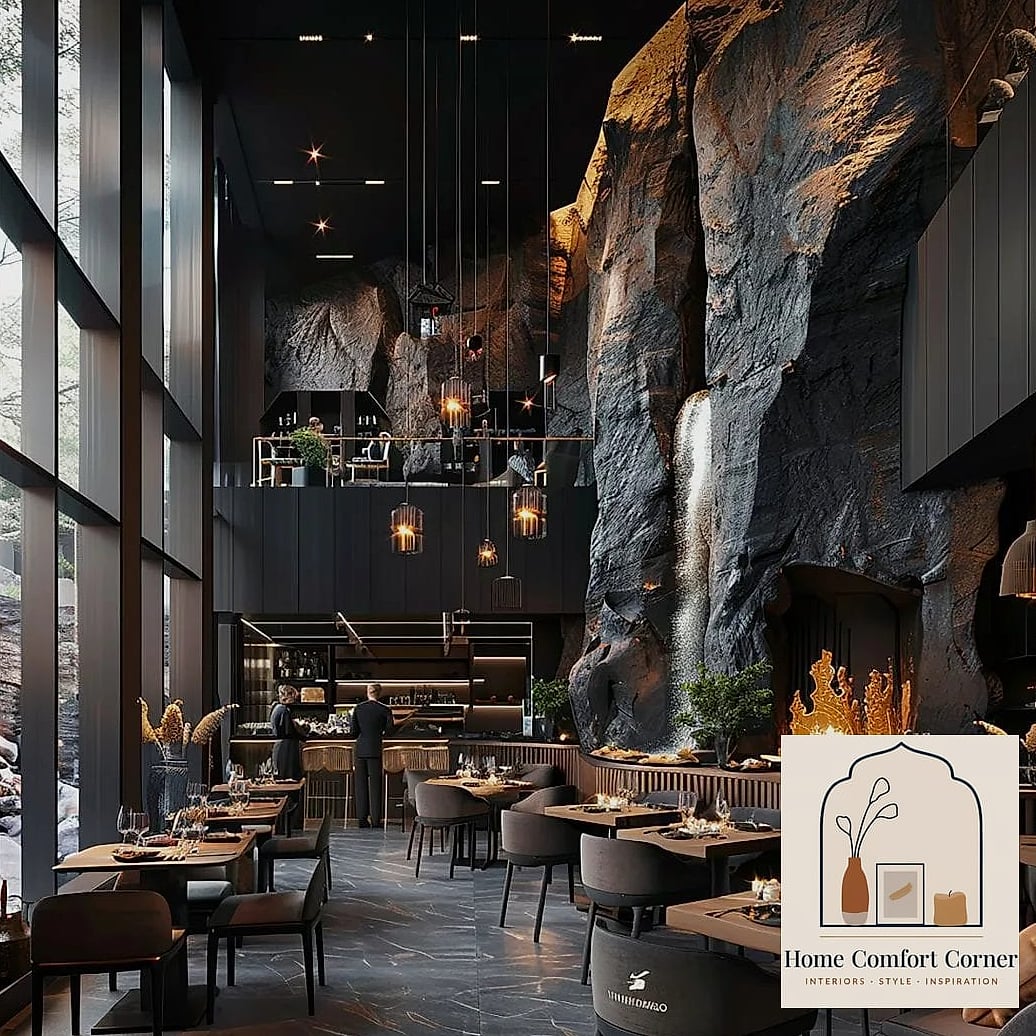
Emerald green banquettes, deep burgundy walls, and brass accents create an intimate, almost speakeasy feel without leaning into cliché. This palette works beautifully in smaller nooks or private dining corners where you want guests to slow down and linger over dessert.
Pair the jewel tones with warm wood tables and low, layered lighting for maximum coziness. It’s a look that photographs incredibly well too, which never hurts in the age of Instagram.
Reclaimed Material Feature Walls
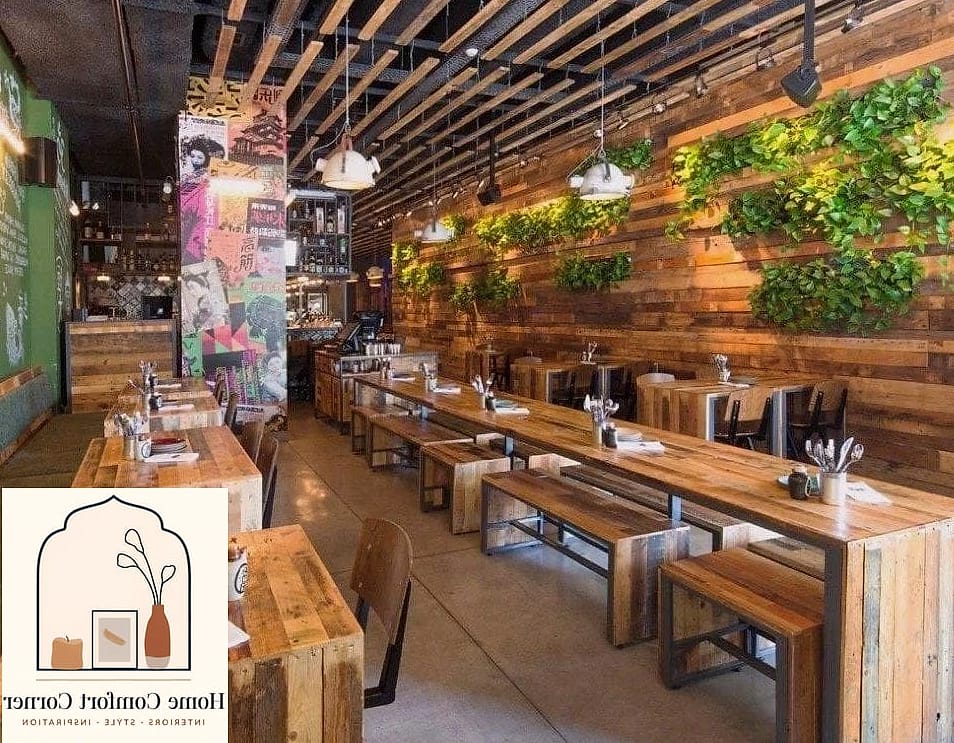
Old barn wood, salvaged brick, or repurposed metal roofing panels turned into a feature wall instantly gives a space history, even if the restaurant just opened last month. Guests love the story behind it, and it’s genuinely more sustainable than buying new materials.
This idea works in pretty much any restaurant style, from rustic farmhouse to industrial loft. Just make sure whatever you’re using is properly treated and sealed so it holds up to the humidity and temperature swings of a working kitchen environment.
Open Kitchen Theater Seating
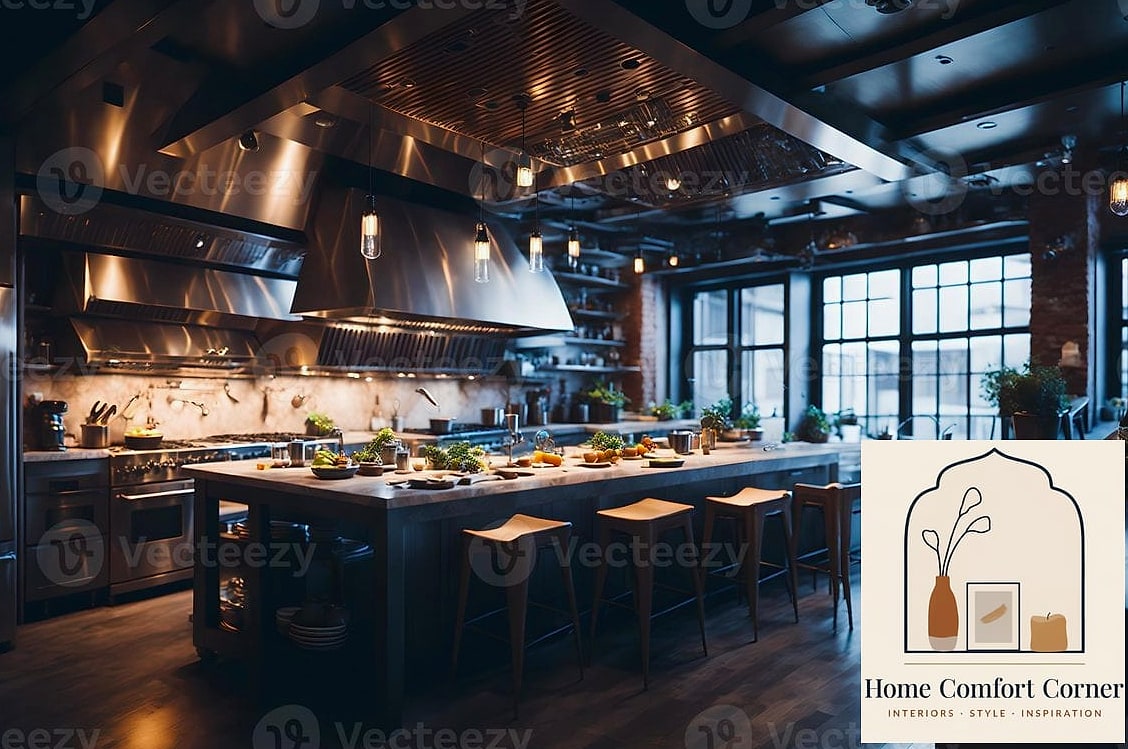
Rather than tucking the kitchen away, some of the most memorable restaurants now build counter seating that faces the action directly, almost like a chef’s table for everyone. Guests get to watch the plating, the flames, the choreography of a busy line.
This setup works best for restaurants with an open-concept kitchen and a chef who doesn’t mind a little performance pressure. It also cuts down on the need for extensive dining room decor since the kitchen itself becomes the visual centerpiece.
Terrazzo Flooring in Bold Colorways
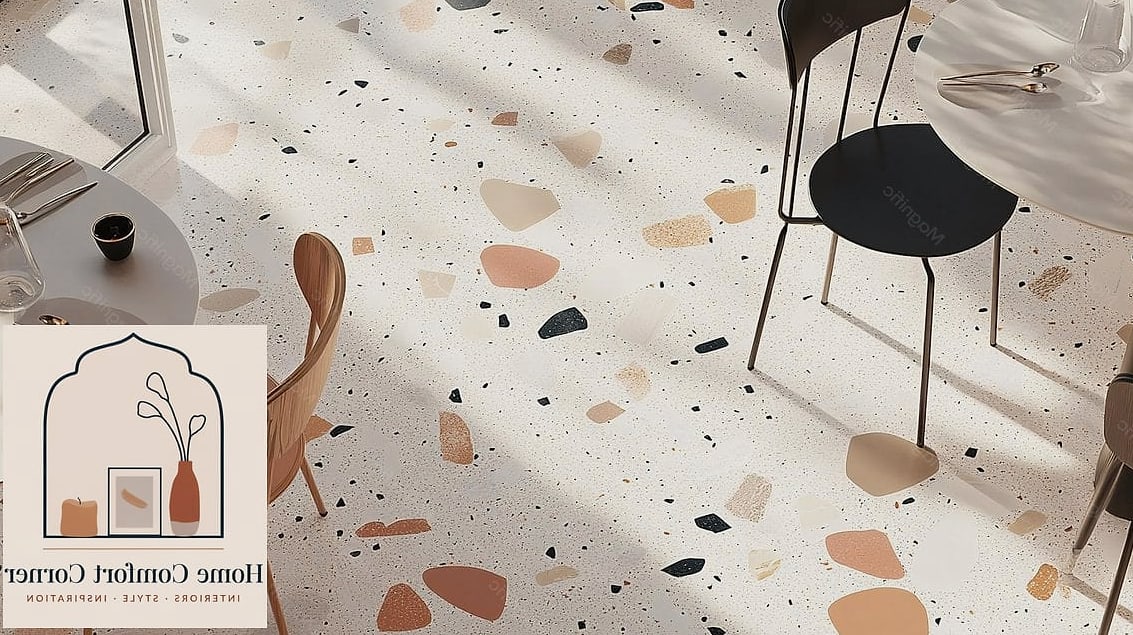
Terrazzo has quietly become one of the most requested finishes in commercial design, and for good reason. It’s durable, easy to clean, and available in color combinations that feel playful rather than sterile.
Instead of the classic neutral speckled look, try terrazzo with flecks of coral, mustard, or teal for a floor that doubles as art. It’s a bigger upfront investment than standard porcelain tile, but the longevity and low maintenance make it worth considering for high-traffic areas.
Living Herb Walls Near the Dining Area
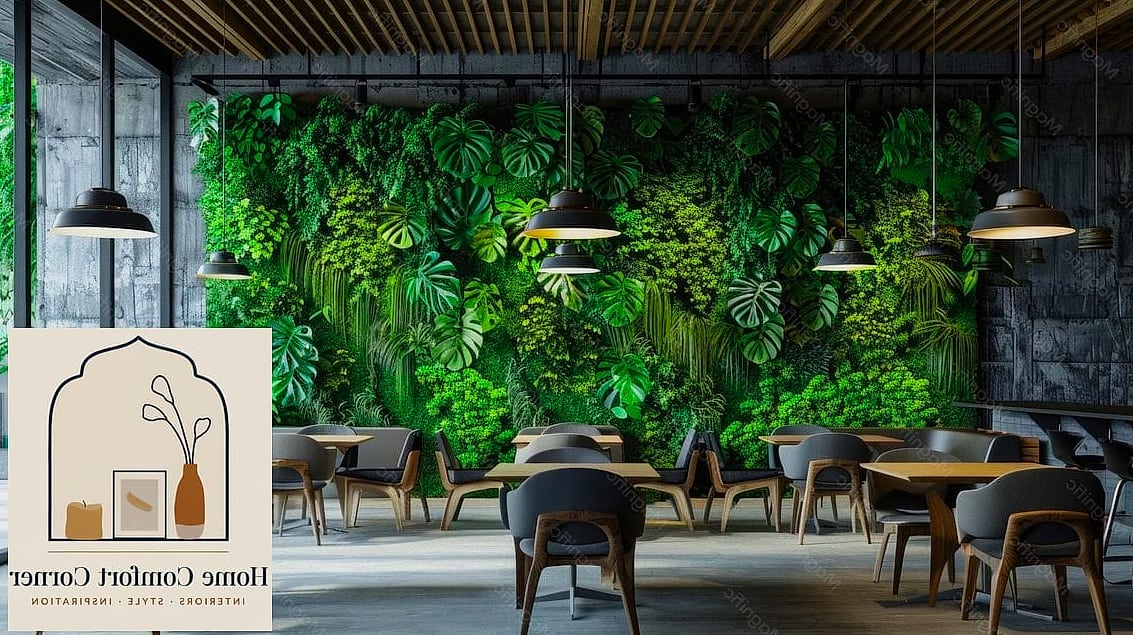
A vertical garden filled with fresh herbs isn’t just decorative—it can actually tie into the menu if your kitchen uses fresh basil, mint, or rosemary in its dishes. Guests get a sensory experience just walking past it.
These living walls do require some upkeep, so you’ll want a staff member or maintenance service who can handle watering and trimming. For restaurants without the bandwidth for real plants, a high-quality faux version can still deliver the greenery and texture without the extra work.
Curved Booth Seating in Unexpected Shapes
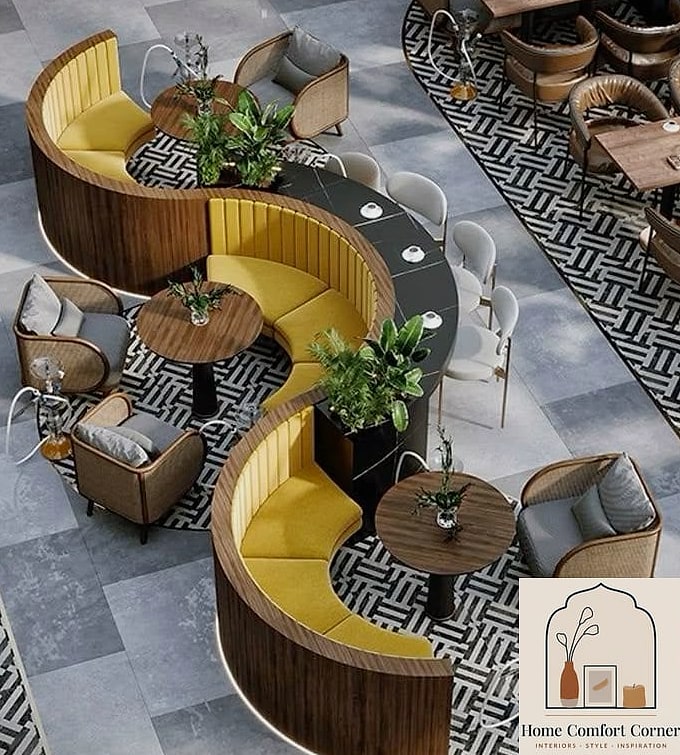
Straight-edged booths are fine, but curved seating arranged in circular or wave-like formations creates a completely different flow through a dining room. It also naturally encourages larger groups to sit together and chat, which is great for restaurants that want a social, communal vibe.
Upholster the booths in a durable, easy-to-wipe fabric since curves see more wear at the seams than straight lines. This is a solid mid-range investment that pays off in both comfort and visual interest.
Vintage Signage as Wall Art
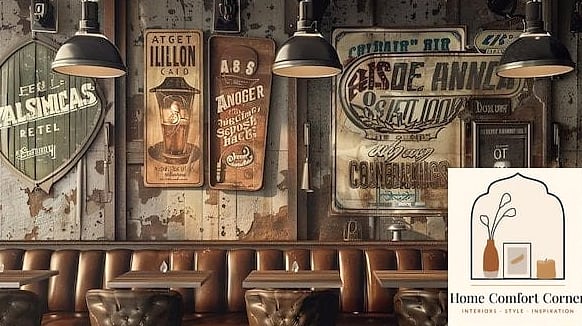
Old neon signs, salvaged storefront letters, or repurposed advertising signage give a restaurant instant character and a bit of nostalgia. It’s a low-cost way to fill wall space with something that actually has personality instead of generic framed prints.
This idea is especially fun for restaurants leaning into a retro diner, dive bar, or nostalgic Americana theme. Thrift stores, architectural salvage yards, and online marketplaces are great places to hunt for authentic pieces.
Mixed Metal Lighting Fixtures
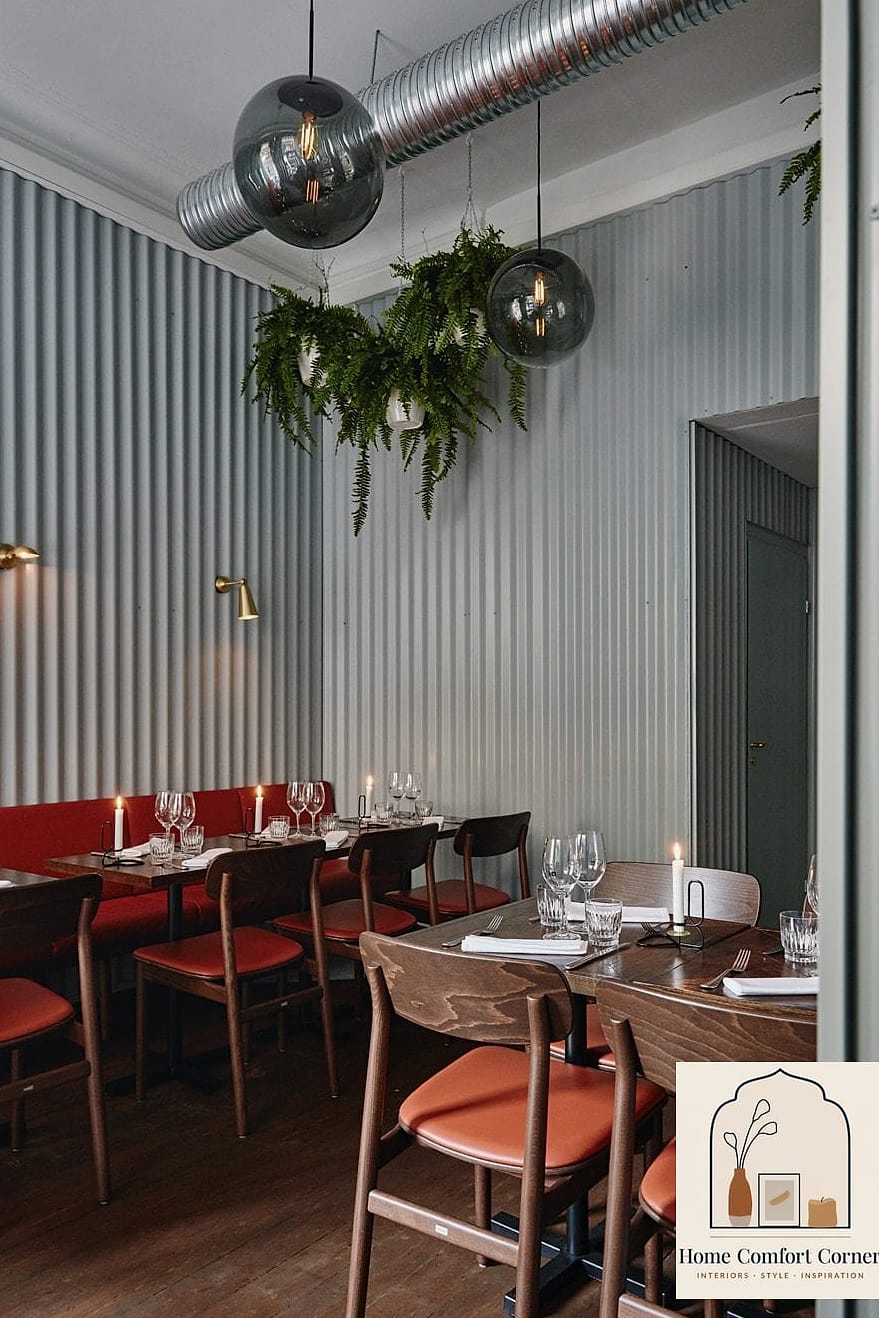
Instead of committing to one metal finish throughout, some designers are now mixing brushed brass, matte black, and aged copper fixtures within the same space. Done thoughtfully, it reads as curated rather than mismatched.
This works particularly well in eclectic or bistro-style restaurants where the goal is a collected-over-time feel. Layer in pendant lights, wall sconces, and table lamps at different heights for a warm, dimensional glow throughout the room.
Textured Plaster Walls with Organic Curves
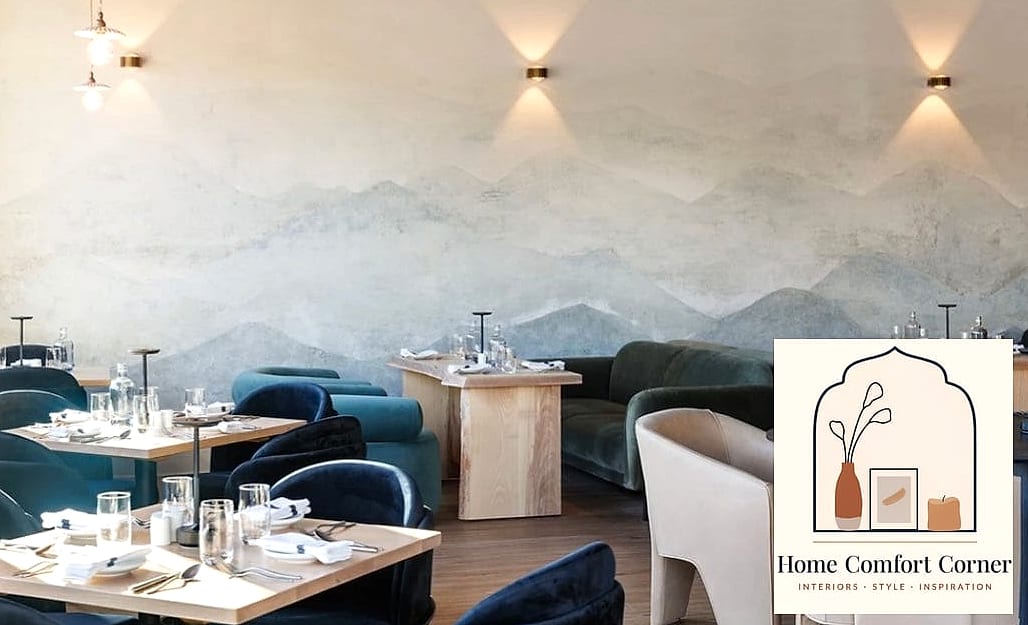
Smooth, hand-applied plaster in soft, rounded archways or wave-like wall details brings a tactile, almost sculptural quality to a dining room. It’s a departure from flat drywall and sharp corners, and it photographs beautifully in natural light.
This finish tends to work best in Mediterranean, Japandi, or minimalist restaurant concepts. It’s a bit more labor-intensive to install than standard paint, so budget for a skilled plasterer, but the finished look has a handmade quality that’s hard to replicate any other way.
Communal Tables Made from Single Slab Wood
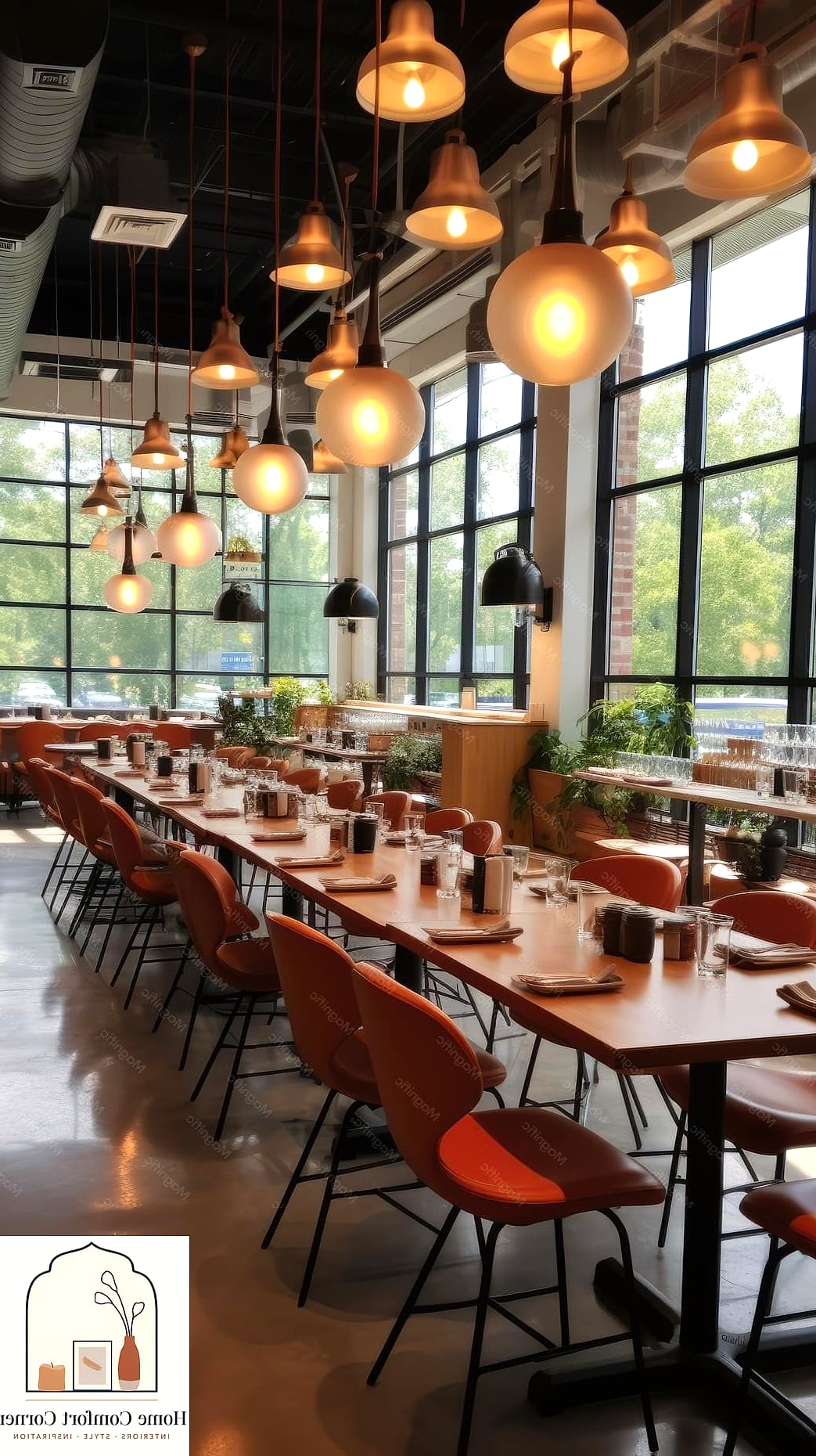
A long table cut from a single slab of live-edge wood becomes the anchor of a room without needing much else around it. The natural grain and edge variations mean no two tables look alike, which adds a one-of-a-kind quality to the space.
These tables work great for casual, farm-to-table, or brewery-style restaurants that want to encourage a communal dining experience. Seal the wood properly to protect against spills, and expect to refinish it every few years depending on traffic.
Retro Diner Booths with a Modern Twist
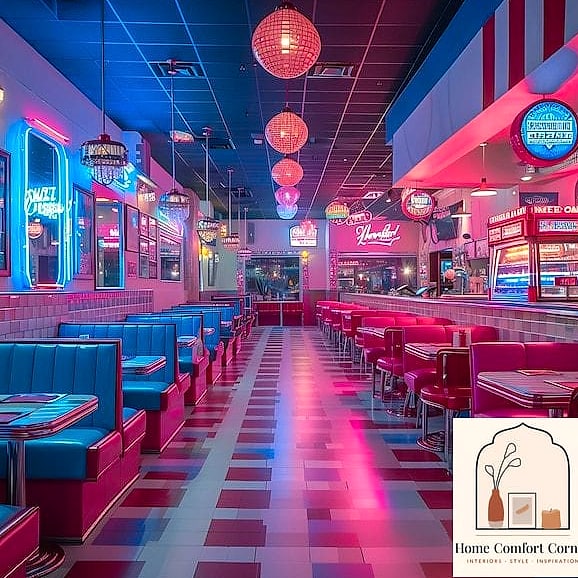
Classic vinyl booth seating gets a refresh when paired with unexpected colors like dusty rose or sage green instead of the usual red or black. Add brass hardware and a marble-topped table, and suddenly it feels current instead of costume-y.
This hybrid look appeals to restaurants that want nostalgic comfort without feeling stuck in the past. It’s also a practical choice since vinyl is easy to wipe down between seatings, making it a family-friendly option too.
Statement Bar Backsplashes
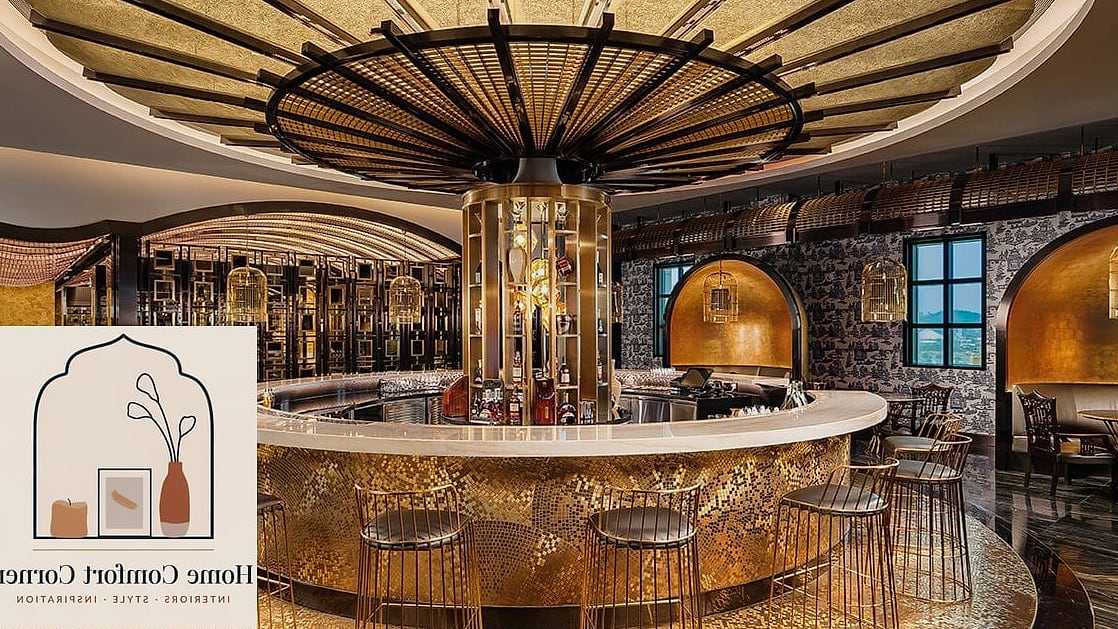
The bar area gets a lot of eye contact from waiting guests, so why not make it memorable? Hand-painted tile, mirrored panels, or a bold zellige tile pattern behind the bottles turns a functional space into a focal point.
Zellige tile in particular has that slightly irregular, handmade look that catches light beautifully under bar lighting. It does require more maintenance in terms of grout upkeep, but the visual payoff is significant.
Nature-Inspired Private Dining Pods
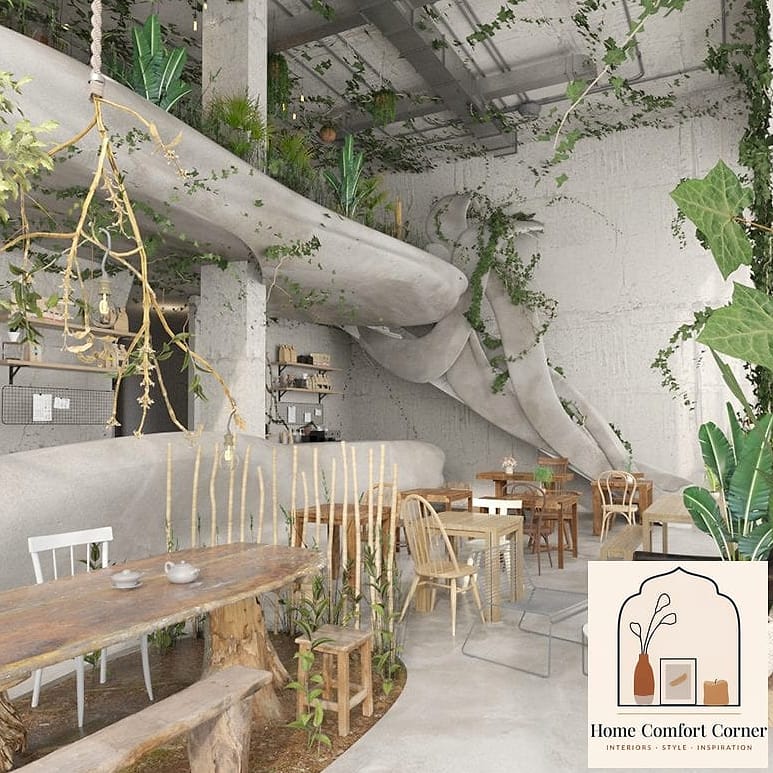
Semi-enclosed dining pods wrapped in greenery, wood slats, or woven screens give guests a sense of privacy without fully closing off the space. It’s a nice middle ground between an open dining room and a private room booking.
These pods work well for restaurants that host date nights, small celebrations, or business dinners where guests want a bit of separation from the main room noise. They’re also a smart way to maximize seating in an oddly shaped space.
Ceiling-to-Floor Window Treatments with Warm Layering
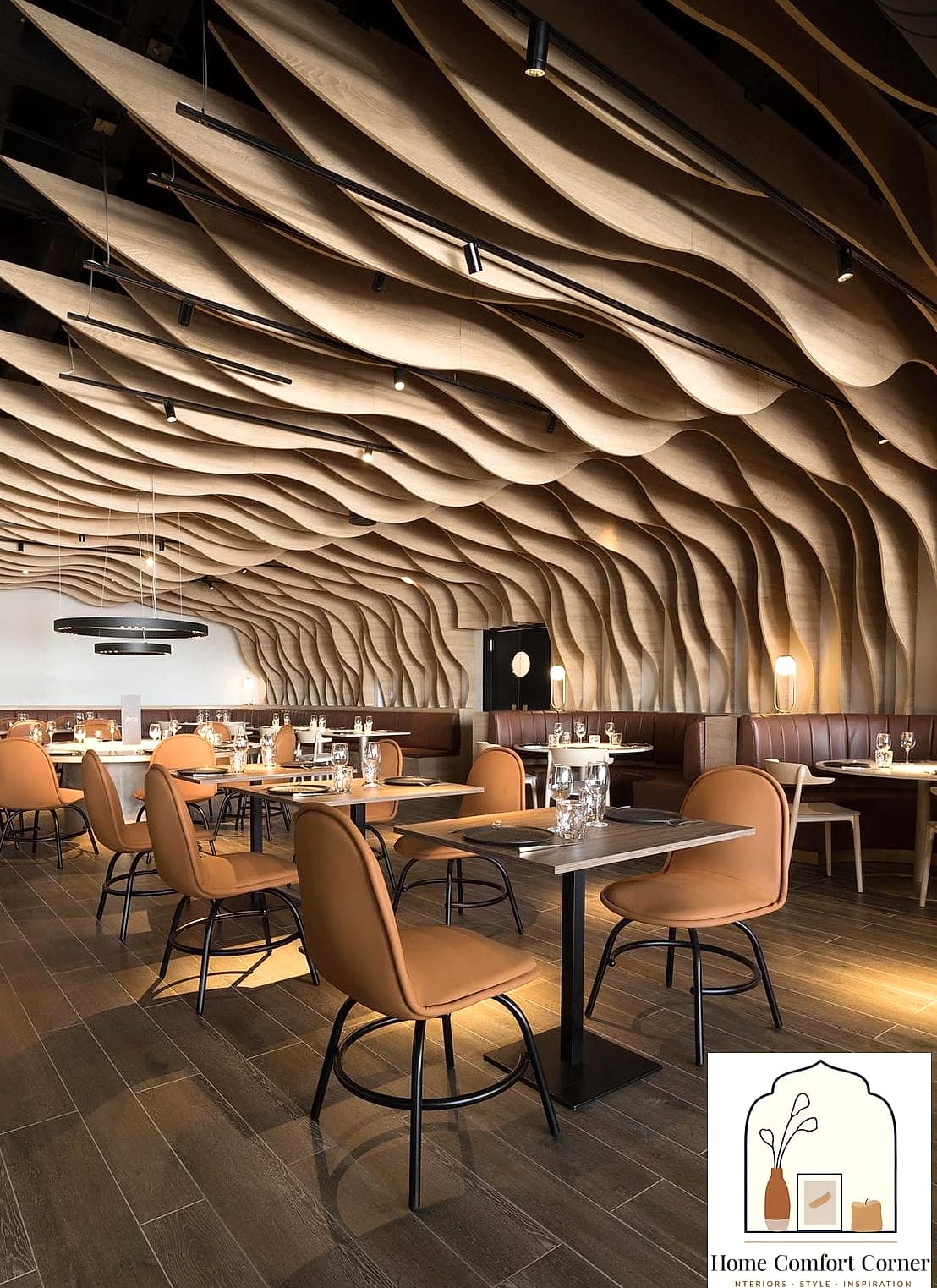
Instead of basic blinds, some restaurants are layering sheer curtains with heavier drapery in warm tones to soften large windows and control both light and privacy throughout the day. It changes the entire mood of a room depending on the time of service.
This is especially useful for restaurants with a lot of natural light during lunch that need a cozier feel come dinner. Choose fabrics that are fire-rated and easy to maintain, since window treatments in a restaurant see more wear than in a home.
Handmade Ceramic Tableware Displayed as Decor
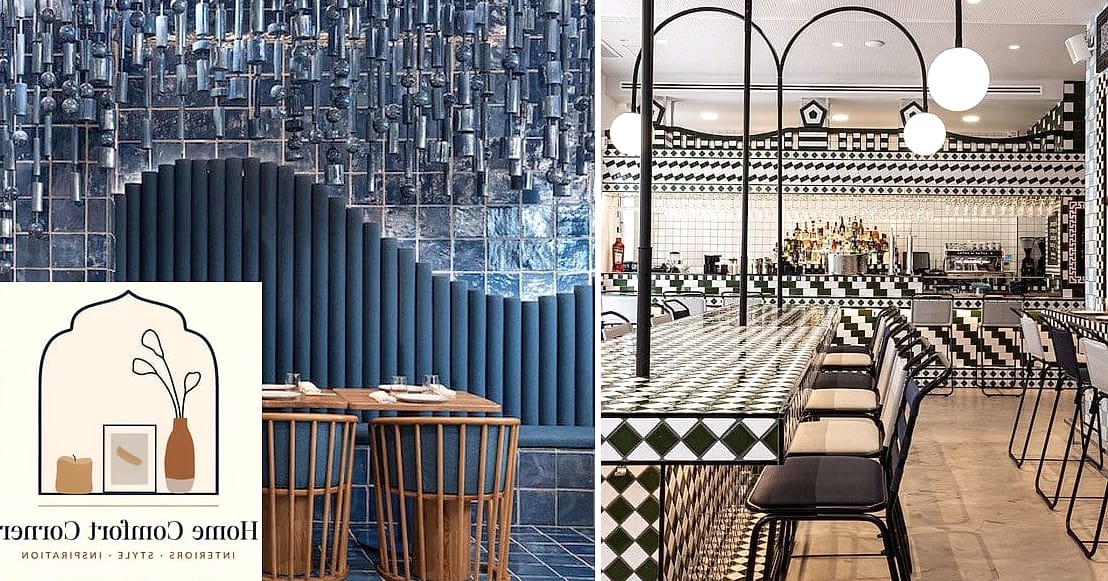
Open shelving stocked with the restaurant’s own handmade or locally sourced ceramic dishware doubles as both storage and decoration. It gives guests a preview of what their food will be served on and supports local artisans at the same time.
This idea works nicely near a host stand or open kitchen area where there’s already some visual activity happening. It’s a budget-friendly styling trick since you’re essentially displaying items you already need for service.
Color-Drenched Bathrooms as a Design Statement
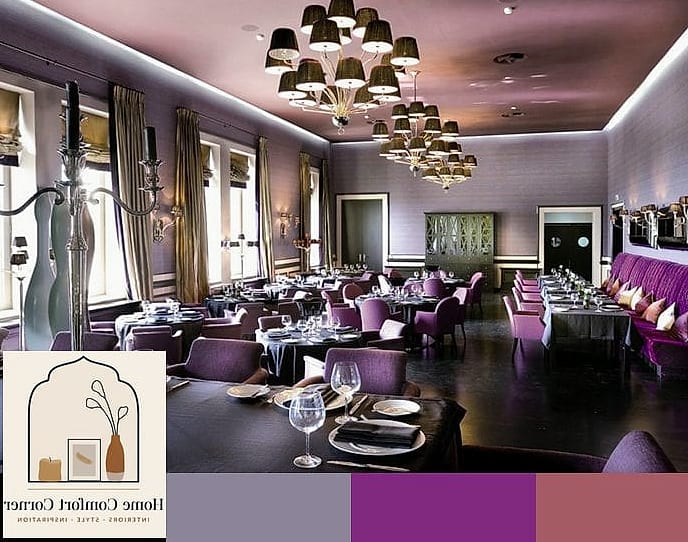
The restaurant bathroom has become an unexpected design opportunity, with some spaces going all-in on a single saturated color across walls, ceiling, and even fixtures. It’s a small square footage investment that creates a genuinely surprising moment for guests.
This works in nearly any restaurant style since it’s a contained space that won’t clash with the main dining room’s aesthetic. Glossy paint finishes make cleaning easier, which matters given how much traffic a restaurant bathroom sees on a busy night.
Final thoughts: the restaurants people remember are rarely the ones that played it safe. Whether you pick one bold idea or mix a few together, the goal is a space that feels intentional and gives guests something to talk about after they leave. Start with whichever idea fits your budget and layout best, and build from there.