14 Home Design Makeovers That Look Incredibly Expensive

- Swap Builder-Grade Hardware for Brushed Brass or Matte Black
- Add Floating Shelves Instead of Bulky Upper Cabinets
- Install a Herringbone Tile Backsplash
- Paint Kitchen Cabinets a Deep, Moody Color
- Layer Your Lighting Instead of Relying on One Overhead Fixture
- Replace a Boring Mirror With an Oversized Statement Mirror
- Add a Wood Accent Wall
- Upgrade to Quartz or Butcher Block Countertops
- Create a Built-In Look With Stock Cabinets
- Add Molding or Trim Detail to Plain Walls
- Replace a Standard Shower Curtain With Frameless Glass
- Add Textured or Grasscloth Wallpaper to an Accent Wall
- Install a Statement Light Fixture Over the Dining Table or Island
- Refresh Grout and Caulk in Kitchens and Bathrooms
14 Home Design Makeovers That Look Incredibly Expensive
You don’t need a contractor on speed dial or a second mortgage to make your home look like it belongs in a design magazine. Most of the time, the difference between a “fine” room and a “wow” room comes down to a handful of smart, intentional choices. I’ve pulled together fourteen home design makeovers that consistently read as high-end, even when the budget behind them was surprisingly modest. Let’s get into it.
Swap Builder-Grade Hardware for Brushed Brass or Matte Black
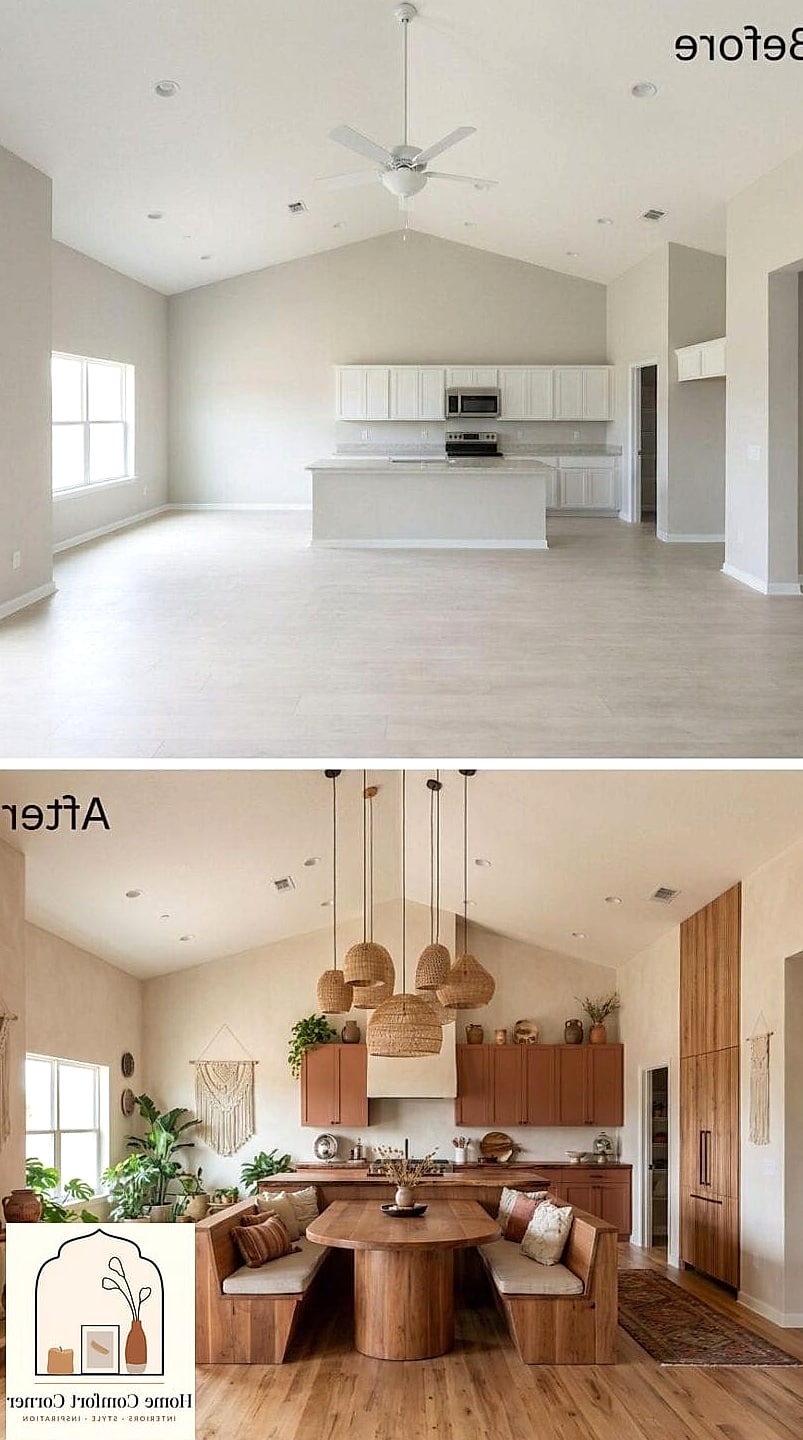
This is genuinely one of the fastest, cheapest ways to make a kitchen or bathroom feel custom. Those shiny gold or plain silver knobs that came with your house? They’re doing you no favors.
Brushed brass hardware reads as warm and expensive, while matte black feels sleek and modern. Either way, swapping out knobs and pulls on cabinets is a weekend project, not a renovation.
It works everywhere—kitchens, bathrooms, laundry rooms, even closets. Just measure your existing hole spacing before ordering so you’re not left patching extra holes.
Add Floating Shelves Instead of Bulky Upper Cabinets
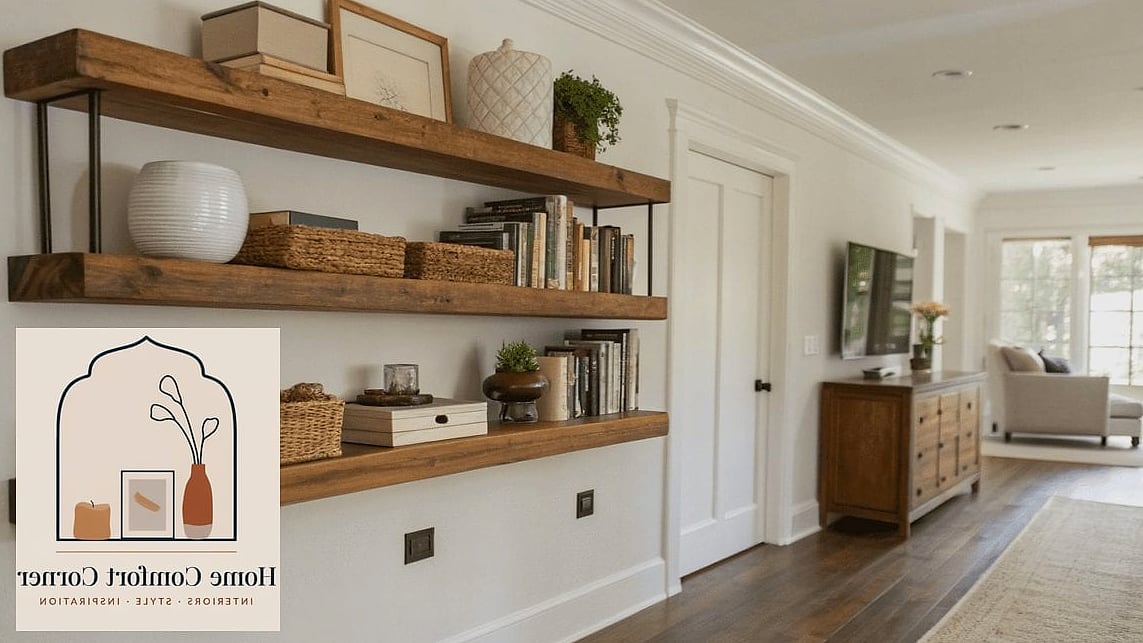
Open shelving has stuck around for a reason. Pulling a few upper cabinets and replacing them with floating wood shelves instantly opens up a kitchen and gives it a lighter, more curated feel.
This works best in kitchens with good natural light and a little bit of an already-collected aesthetic, since everything on the shelf is on display. Style them with a mix of everyday dishes, a plant, and a stack of wood cutting boards for texture.
It’s not the most practical option for messy cooks or households with young kids, but for anyone who likes a tidy counter, it’s a stunning upgrade.
Install a Herringbone Tile Backsplash
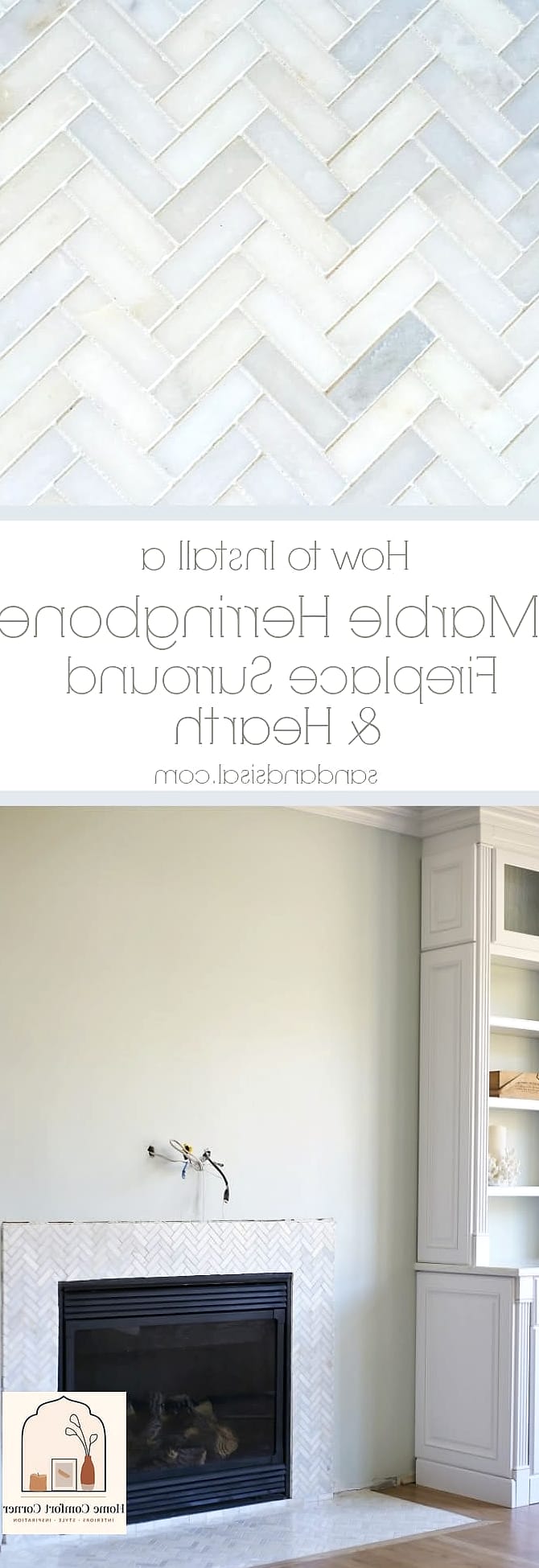
A herringbone pattern takes an ordinary tile—subway, ceramic, even basic porcelain—and makes it look intentional and high-end. The zigzag layout catches light differently than a straight stack, which adds depth to an otherwise flat wall.
This works beautifully behind a stove as a focal point, or across an entire backsplash wall for more drama. Neutral tones keep it timeless, while a bold grout color makes the pattern pop even harder.
Installation takes more patience than a standard layout since you’re cutting more angled pieces, so budget extra time if you’re doing it yourself.
Paint Kitchen Cabinets a Deep, Moody Color
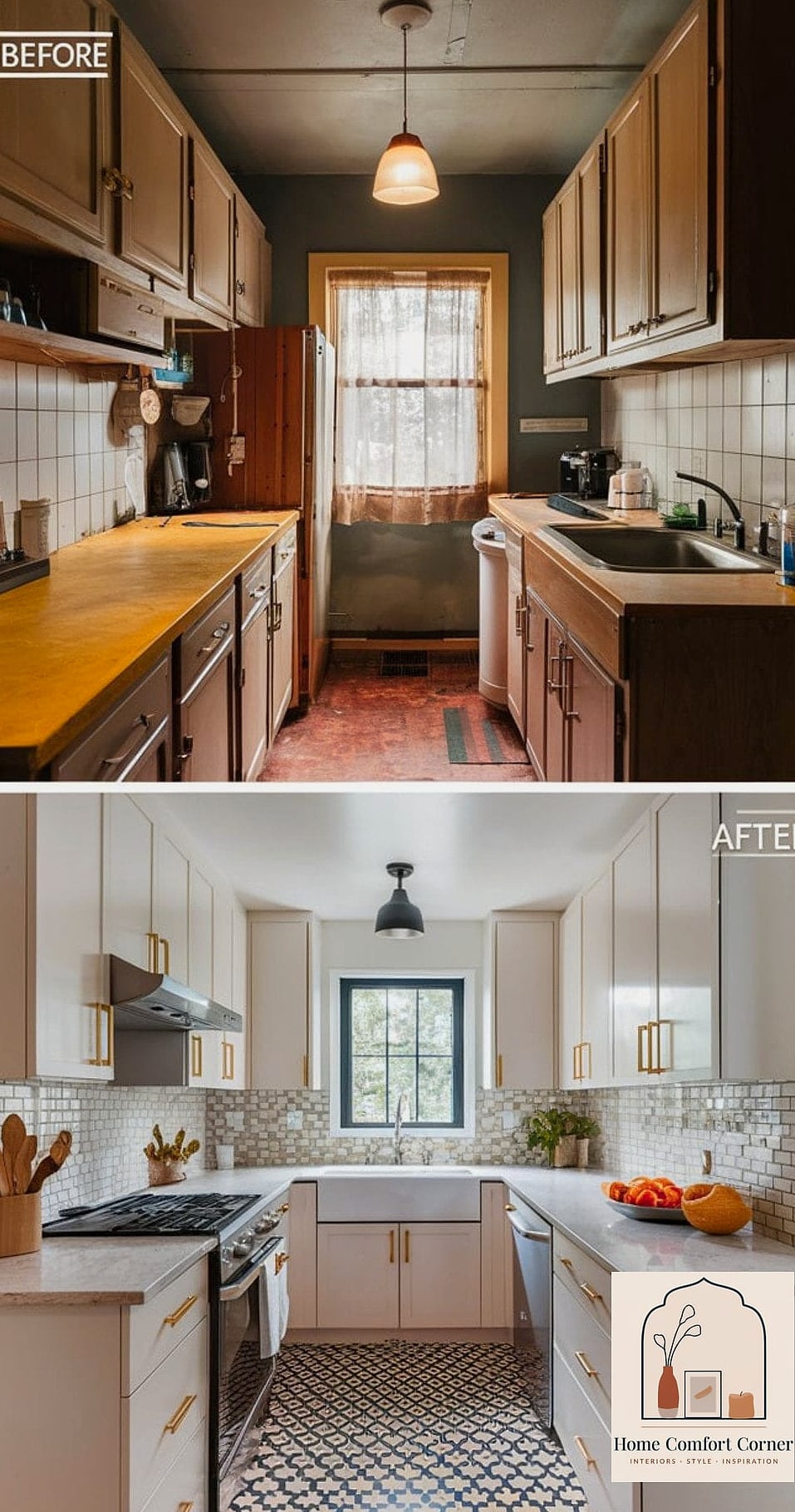
White kitchens aren’t going anywhere, but a deep green, navy, or charcoal cabinet color instantly makes a space feel more designer-driven and less like a rental unit.
Dark cabinets pair especially well with brass or black hardware, warm wood open shelving, and a lighter countertop to keep the room from feeling heavy. This is a great option for kitchens that get plenty of natural light, since darker tones can shrink a dim room visually.
Use a cabinet-specific paint or primer system so the finish actually holds up to daily wear.
Layer Your Lighting Instead of Relying on One Overhead Fixture
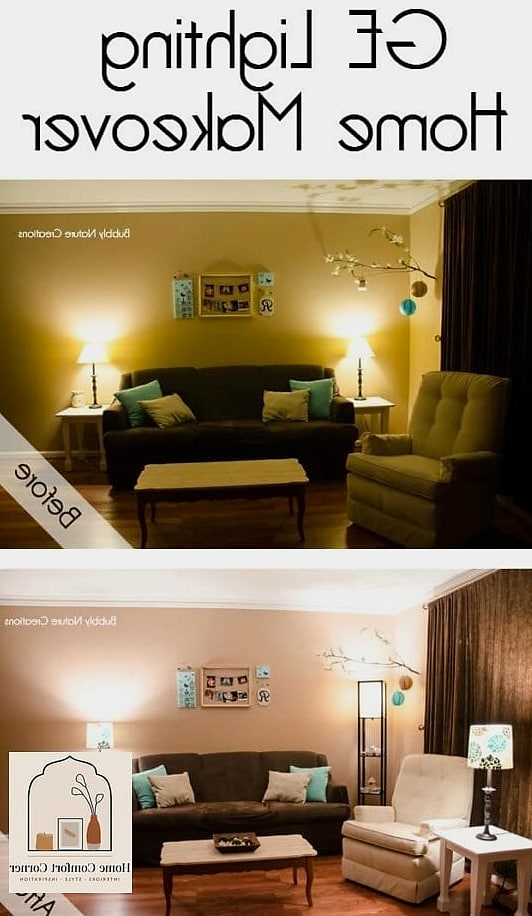
A single overhead light is the fastest way to make a room feel flat and unfinished. Layered lighting—a mix of overhead, task, and ambient lighting—is what most professionally designed spaces have in common.
Think under-cabinet lighting in the kitchen, a floor lamp in the living room corner, and a few well-placed table lamps. This adds warmth, dimension, and makes evenings in the space feel genuinely cozy rather than clinical.
It’s a project you can do in phases, which makes it easy on the wallet even if you’re working with a tight budget.
Replace a Boring Mirror With an Oversized Statement Mirror
An oversized round or arched mirror above a bathroom vanity or entryway console does more visual heavy lifting than almost any other single item you could buy.
It reflects light, makes the space feel larger, and instantly reads as a designer choice rather than a builder default. Brass or black frames tend to feel the most current right now, though an unframed beveled mirror has its own quiet luxury.
Just double check weight limits and wall anchors before hanging anything oversized, especially over a vanity.
Add a Wood Accent Wall
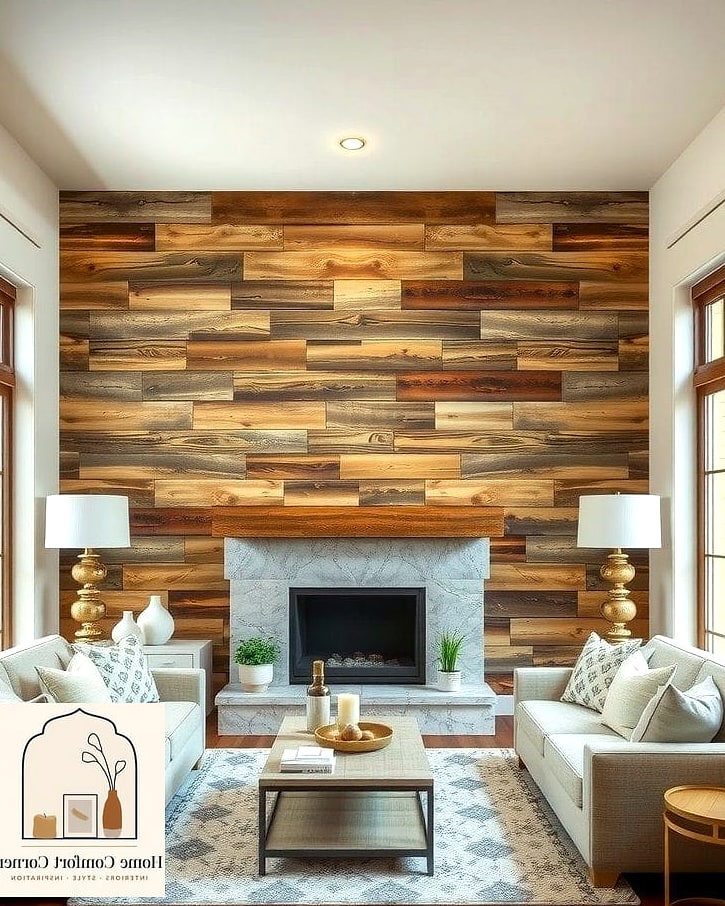
A wood slat or shiplap accent wall brings warmth and texture into a room without the commitment of a full renovation. It works in bedrooms behind a headboard, in a living room behind the TV, or even in an entryway.
Vertical wood slats tend to feel more modern, while horizontal shiplap leans more farmhouse. Either way, the natural texture breaks up flat drywall and adds a layer of coziness that paint alone can’t achieve.
Prefinished slat panels make this fairly DIY-friendly, and you can find budget-friendly versions at most home improvement stores.
Upgrade to Quartz or Butcher Block Countertops
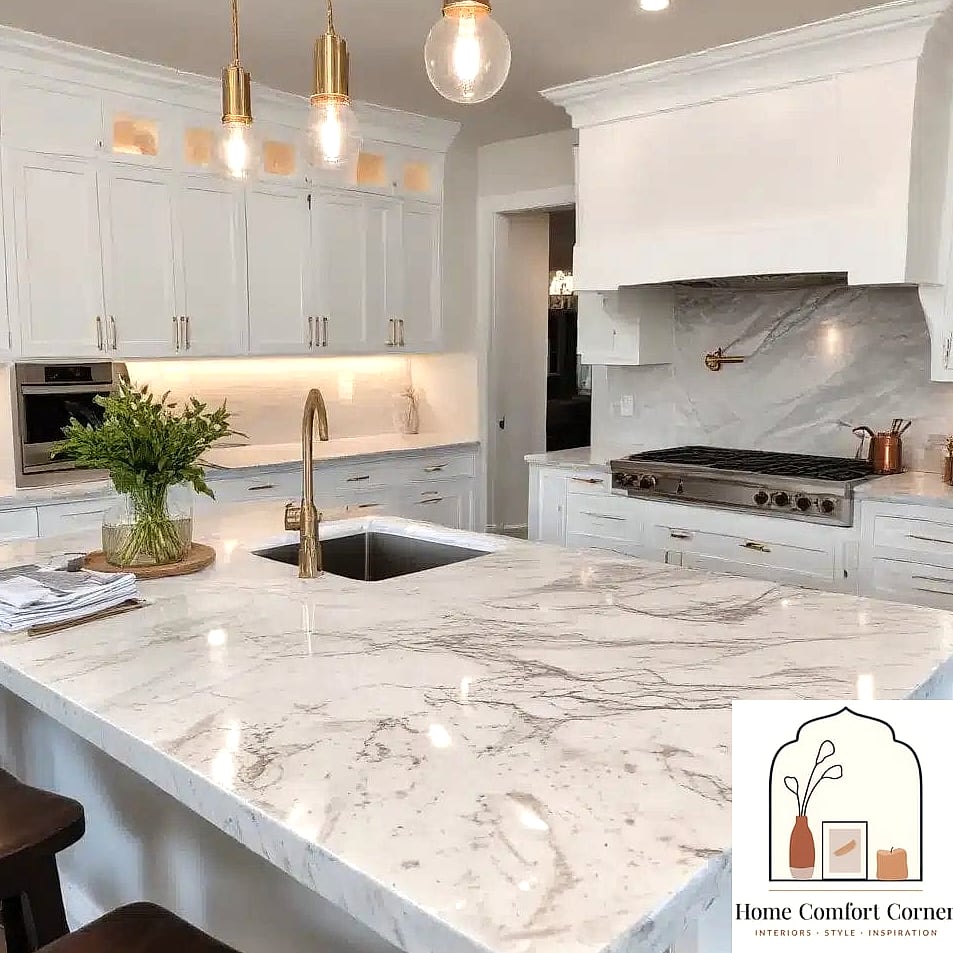
Laminate countertops are one of the biggest giveaways of a dated kitchen, and replacing them is one of the makeovers that pays off the most in perceived value.
Quartz countertops give you the look of marble without the maintenance worries, since they resist staining and don’t need sealing. Butcher block, on the other hand, brings warmth and a more organic feel, and it’s often a bit more budget-friendly.
Either option instantly elevates the whole kitchen, especially when paired with a simple, neutral cabinet color that lets the counters stand out.
Create a Built-In Look With Stock Cabinets
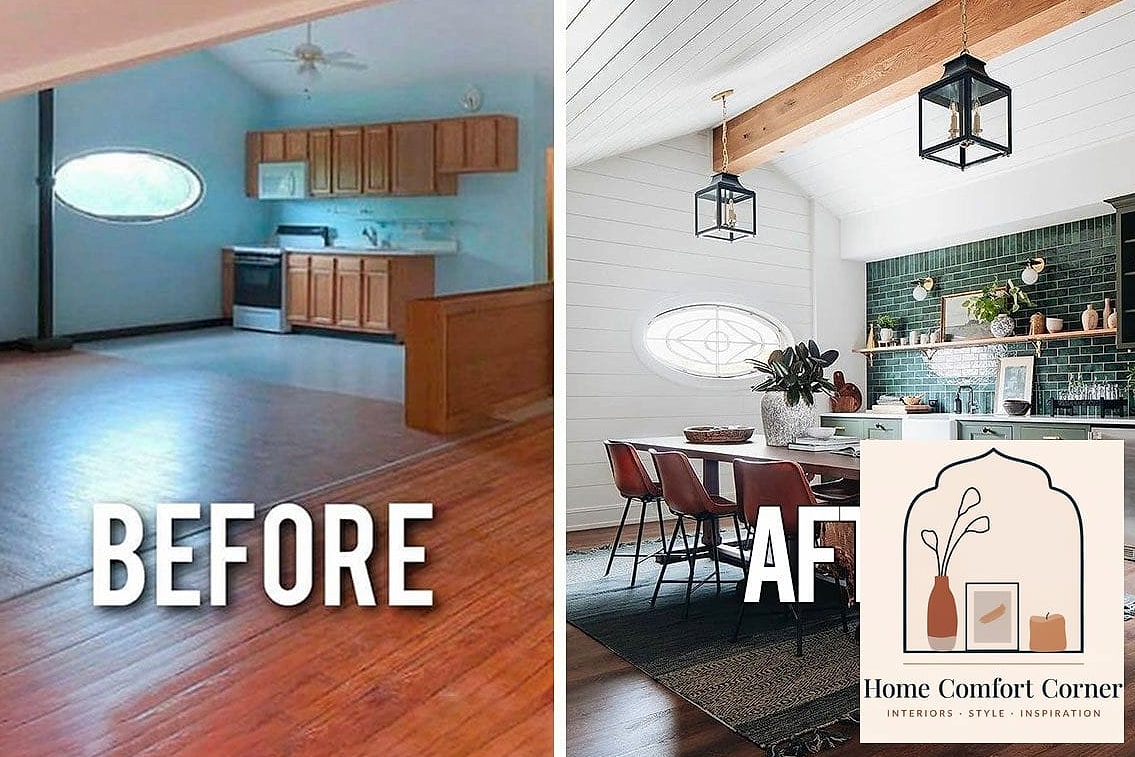
Custom built-ins around a fireplace or in a home office look incredible, but full custom carpentry gets expensive fast. A popular workaround is using stock cabinets from a home improvement store and adding trim to make them look built-in.
This works especially well flanking a fireplace, in a mudroom, or in a home office for hidden storage. Add crown molding at the top and matching baseboard at the bottom to blur the line between the cabinet and the wall.
It takes more effort than a pure furniture piece, but the payoff in perceived value is significant.
Add Molding or Trim Detail to Plain Walls
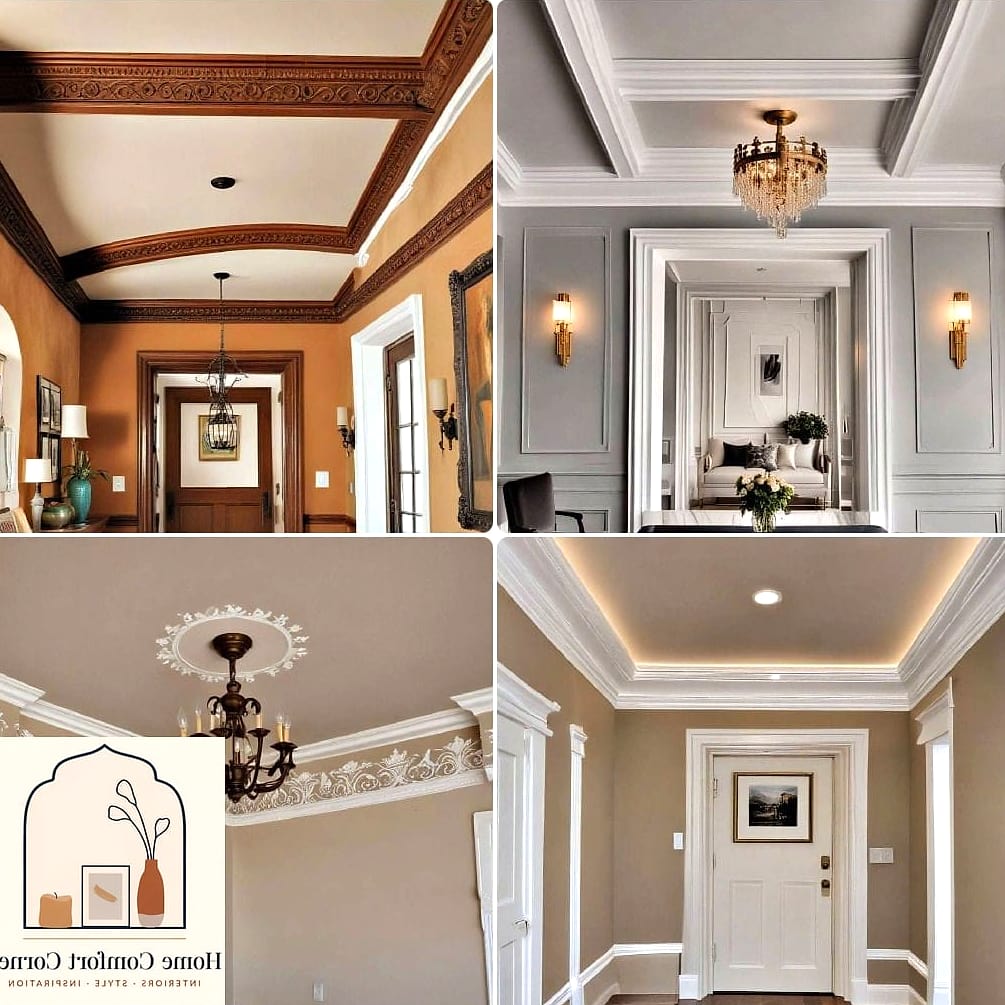
Board and batten, picture frame molding, or simple wainscoting can take a plain, flat wall and give it the kind of architectural detail usually found in older, more expensive homes.
This works especially well in dining rooms, entryways, and primary bedrooms. Paint the molding and wall the same color for a subtle, tone-on-tone look, or contrast the trim in white against a deeper wall color for more definition.
It’s a project that requires some patience with measuring and cutting, but pre-primed MDF boards make it manageable for most confident DIYers.
Replace a Standard Shower Curtain With Frameless Glass
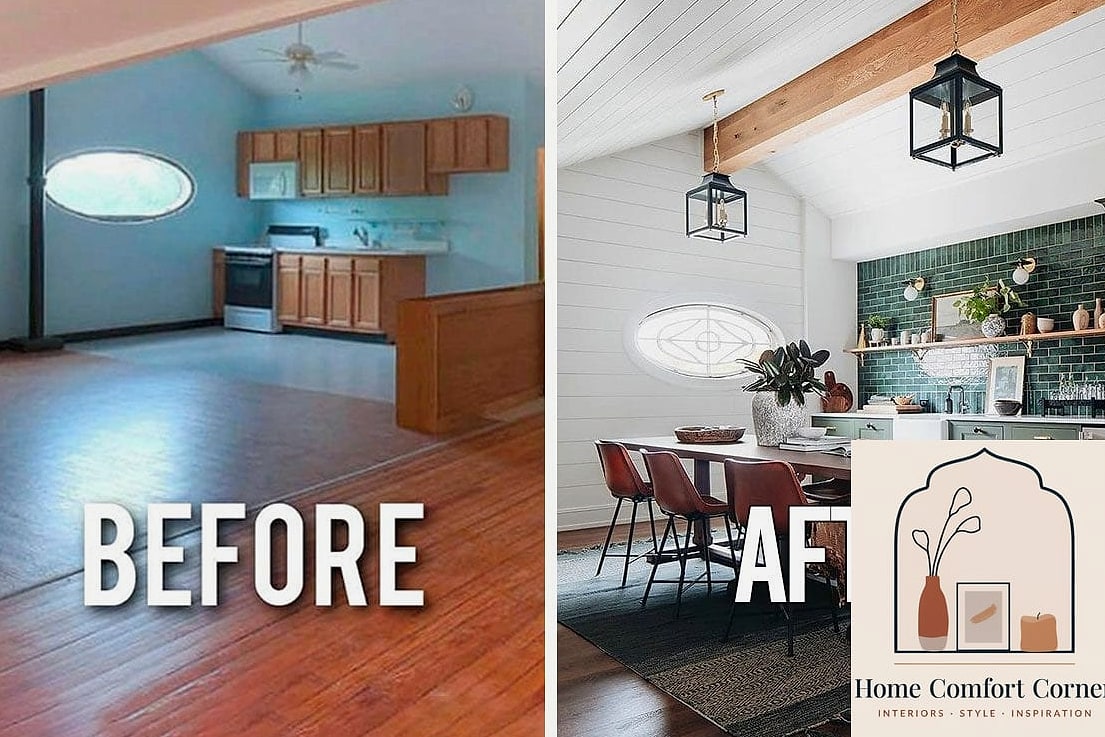
Few upgrades change the feel of a bathroom as much as swapping a shower curtain for a frameless glass panel or enclosure. It immediately makes the space feel more like a hotel bathroom than a standard rental setup.
This works best in bathrooms where you can keep the shower area clean and streamlined, since glass shows water spots more than a curtain does. A squeegee kept nearby makes daily upkeep quick and painless.
It’s a bigger investment than most items on this list, but it’s often the single change that makes guests ask if you renovated.
Add Textured or Grasscloth Wallpaper to an Accent Wall
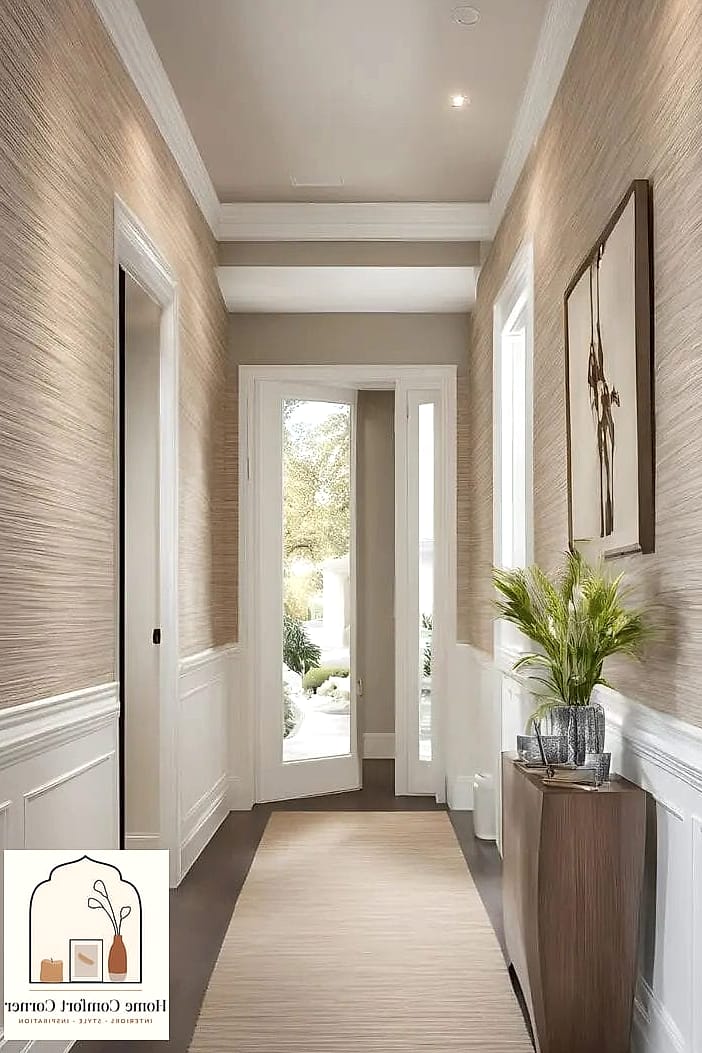
Wallpaper has made a serious comeback, and a textured or grasscloth style adds richness that paint simply can’t replicate. It’s especially striking in a powder room, behind a bed, or in a small entryway.
Because these spaces are usually smaller, you can go bolder with pattern or texture without overwhelming the whole house. Peel-and-stick versions have improved a lot, making this renter-friendly and much less intimidating for first-timers.
Just make sure your walls are clean and smooth before applying, since texture and imperfections will show through.
Install a Statement Light Fixture Over the Dining Table or Island
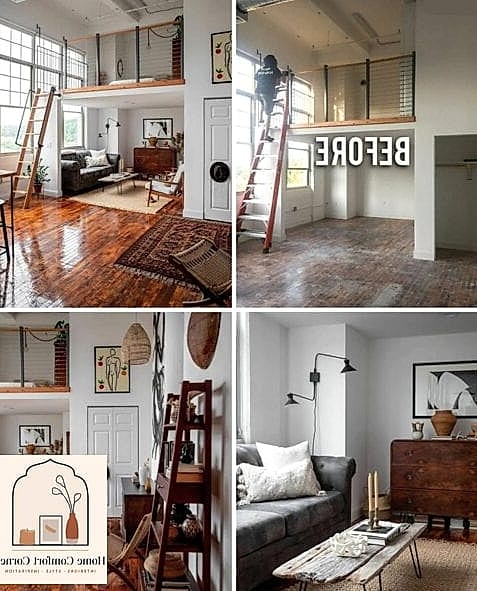
A large pendant light or chandelier over a dining table or kitchen island acts almost like jewelry for the room. It draws the eye up and gives an otherwise simple space a clear focal point.
Oversized fixtures in warm metals or natural materials like rattan and wood tend to feel the most current. As a general rule, the fixture should be sized to the table beneath it rather than the room as a whole, so it doesn’t look lost or undersized.
This is an easy swap for anyone comfortable with basic electrical work, or a quick job for an electrician if you’d rather not risk it.
Refresh Grout and Caulk in Kitchens and Bathrooms
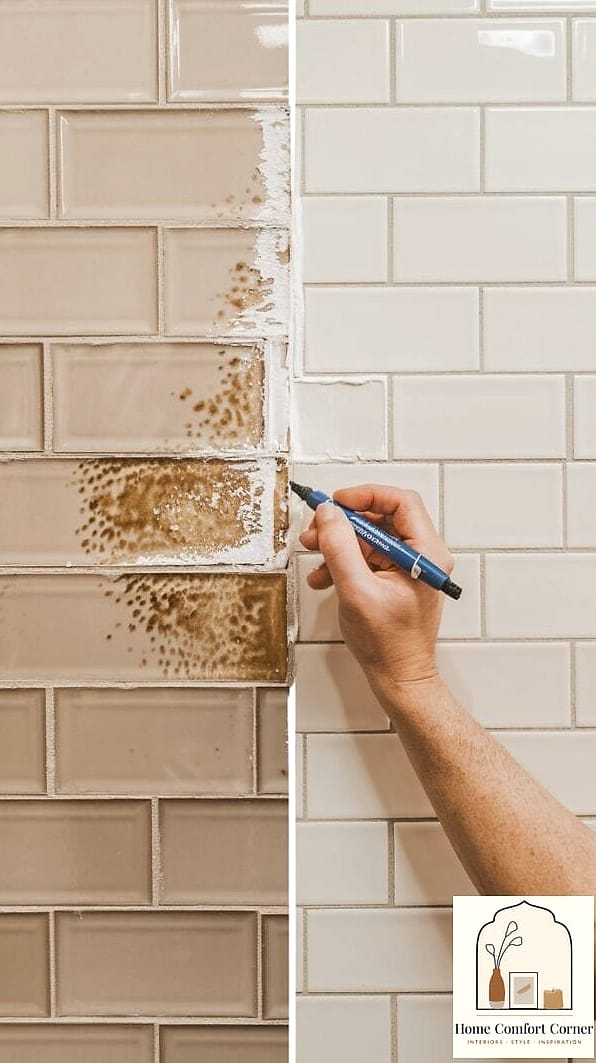
This one isn’t glamorous, but it might have the best return on effort of anything on this list. Discolored grout and cracked, yellowing caulk make even a beautifully tiled shower or backsplash look neglected.
Re-grouting or simply deep cleaning grout lines, then replacing old caulk around tubs, sinks, and backsplashes, makes everything look freshly installed again. Pair it with a fresh coat of paint on the walls and the whole room feels new.
It’s inexpensive, doesn’t require special skills, and it’s the kind of maintenance task that pays off every single time someone walks into the room.
Put even three or four of these home design makeovers together, and the room starts to feel like it went through a real renovation—not because of how much money was spent, but because of how intentional the choices feel. That’s really the secret behind spaces that look incredibly expensive: it’s less about the budget and more about paying attention to the details that most people overlook.