19 Interior Room Design Ideas to Upgrade Your Home This Weekend
- Swap Your Hardware for an Instant Refresh
- Create a Gallery Wall That Actually Feels Curated
- Add a Statement Rug to Ground the Room
- Layer Your Lighting Instead of Relying on One Overhead Fixture
- Paint an Accent Wall in a Bold, Saturated Color
- Install Floating Shelves for Display and Storage
- Bring in Greenery, Real or Faux
- Reupholster or Slipcover a Tired Piece of Furniture
- Try a Herringbone or Chevron Pattern Somewhere Unexpected
- Update Your Window Treatments
- Create a Cozy Reading Nook in an Underused Corner
- Organize and Style Open Shelving in the Kitchen
- Add Molding or Trim for an Upscale Look
- Refresh Your Entryway So First Impressions Land
- Change Out Ceiling Fixtures for Something More Current
- Build a Gallery of Textures Instead of Just Colors
- Convert a Closet Into a Functional Mini Office or Pantry
- Add a Peel-and-Stick Backsplash for a Kitchen Refresh
- Style Your Coffee Table Like You Mean It
- Rearrange Your Furniture Before You Buy Anything New
19 Interior Room Design Ideas to Upgrade Your Home This Weekend
You don’t need a full renovation budget or a three-week timeline to make your home feel new again. Most of the time, the upgrades that make the biggest difference are the ones you can knock out in a single Saturday. A fresh coat of paint, a rearranged shelf, a swapped-out light fixture — small moves like these add up fast.
I’ve pulled together nineteen ideas that hit that sweet spot: doable in a weekend, budget-friendly (mostly), and genuinely impactful. Some are quick styling tweaks, others involve a little elbow grease, but none require you to call a contractor. Let’s get into it.
Swap Your Hardware for an Instant Refresh
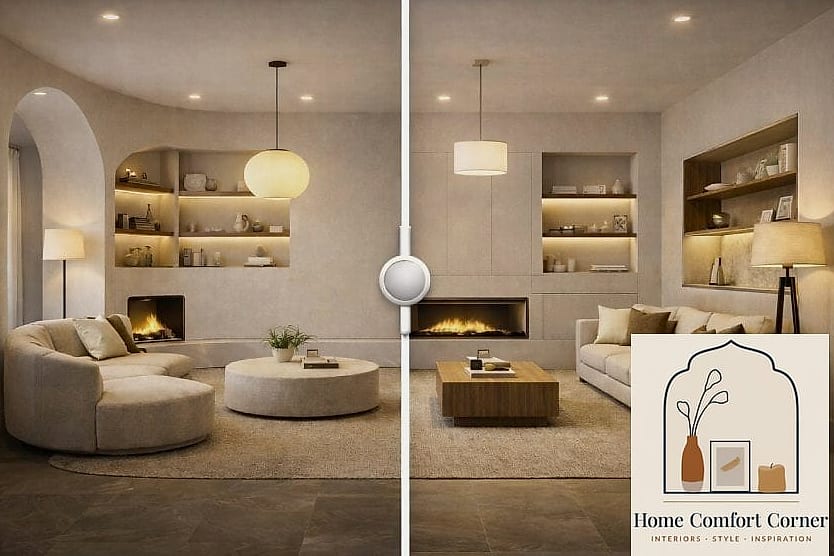
Cabinet knobs and drawer pulls are one of the cheapest ways to change the entire feel of a kitchen or bathroom. Brushed brass hardware feels warm and current, while matte black fixtures lean more modern and moody.
This works especially well if your cabinets are already in good shape but feel a little dated. You’re basically getting a new-kitchen look for the cost of a few dozen screws and an afternoon with a screwdriver. Renters can even bring the old hardware back when they move out, so it’s a low-risk swap either way.
Create a Gallery Wall That Actually Feels Curated
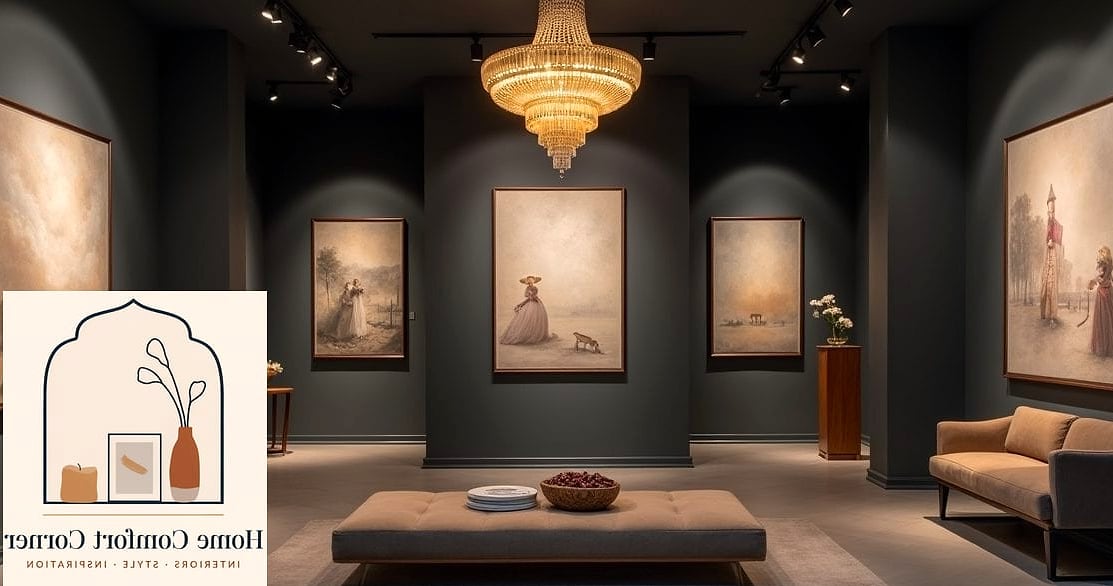
Gallery walls get a bad reputation because they often end up looking cluttered instead of intentional. The trick is picking one unifying element — matching frame colors, black-and-white photography, or a consistent mat width — and letting the rest vary.
Lay everything out on the floor before you touch a hammer. This saves you from a wall full of unnecessary nail holes and lets you play with spacing until it feels balanced. A mix of frame sizes with even spacing usually reads as more polished than a perfect grid.
Add a Statement Rug to Ground the Room
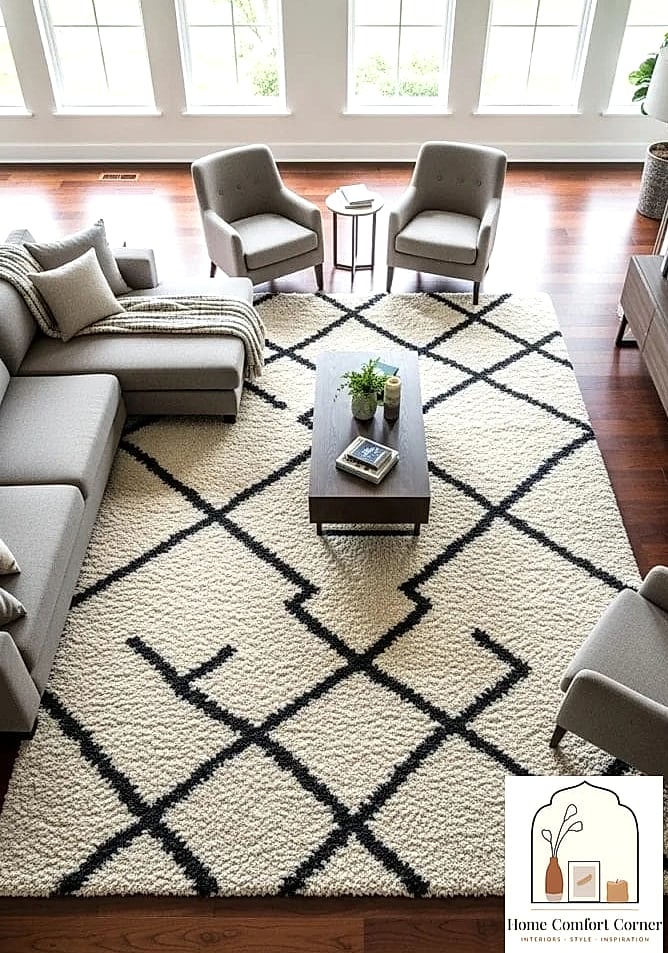
An area rug does more than add softness underfoot — it defines a space, especially in open-concept layouts where rooms tend to blur together. A rug under your seating area signals “this is the living room zone” even without walls to mark it.
Go bigger than you think you need. A too-small rug is one of the most common layout mistakes, and it makes furniture look like it’s floating. For a living room, aim for a size where at least the front legs of your sofa and chairs sit on the rug.
Layer Your Lighting Instead of Relying on One Overhead Fixture
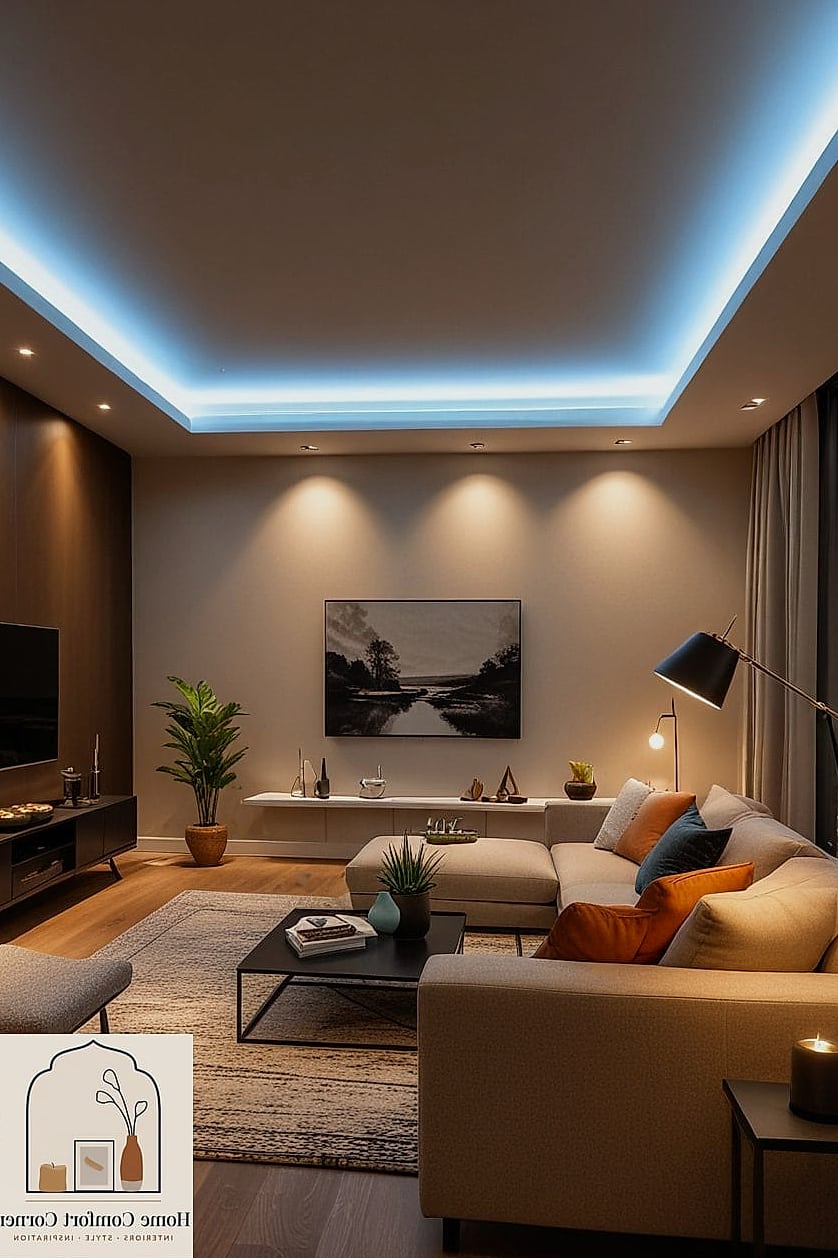
Overhead lighting alone tends to make rooms feel flat and a little clinical. Layered lighting — a mix of overhead, table lamps, and maybe a floor lamp — creates depth and lets you adjust the mood depending on the time of day.
This is one of those upgrades that instantly makes a room feel more custom without requiring any construction. Warm bulbs (look for 2700K on the packaging) tend to feel cozier than the cooler, bluish tones some fixtures default to.
Paint an Accent Wall in a Bold, Saturated Color
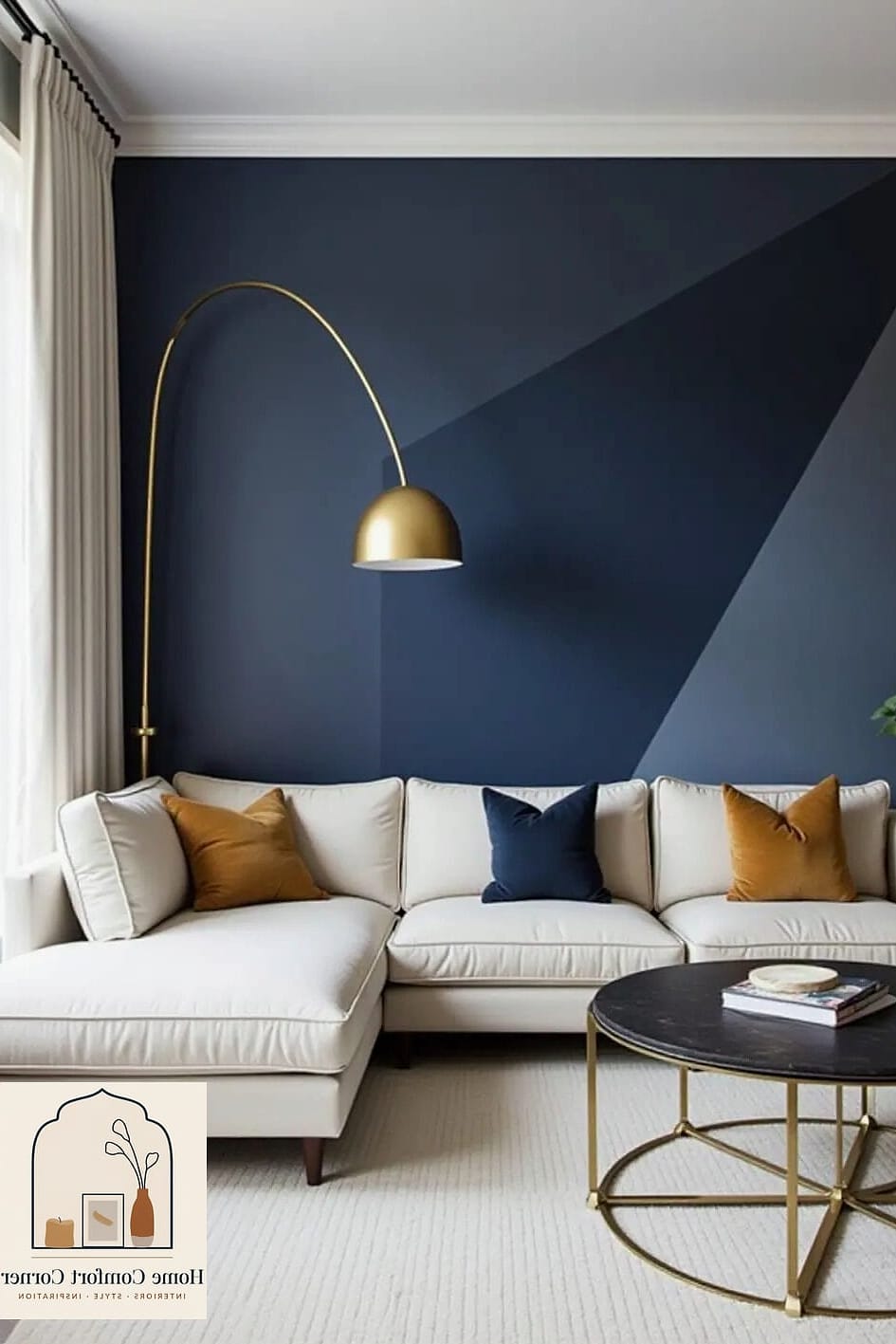
Deep greens, warm terracottas, and moody blues have been showing up everywhere in interior design lately, and an accent wall is a low-commitment way to try one out. You’re only painting one wall, so if you change your mind, it’s a manageable fix.
Pick the wall that naturally draws your eye first when you walk in — usually the one behind the bed or the one you see from the entryway. Behind a headboard or a media console tends to work particularly well since furniture anchors the color visually.
Install Floating Shelves for Display and Storage
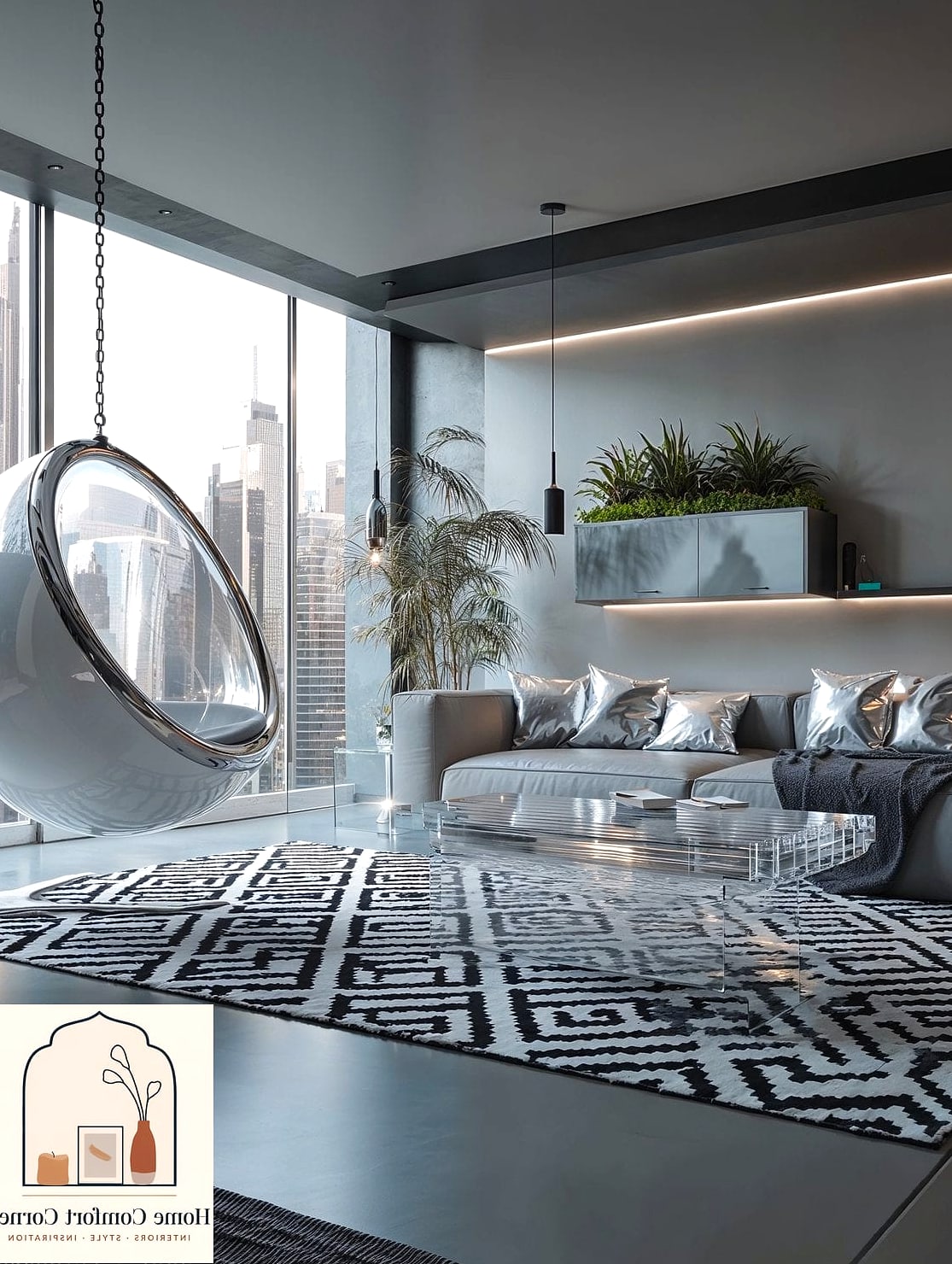
Floating shelves give you a place to show off books, plants, and decor without the bulk of a full bookcase. In a kitchen, a couple of open shelves near the stove can hold everyday dishes or a small herb garden.
Group items in odd numbers and vary the heights slightly for a more natural look. If you’re renting, look for shelving that mounts with strong adhesive strips rather than drilling, though drilled shelves will always hold more weight if you’re staying put for a while.
Bring in Greenery, Real or Faux
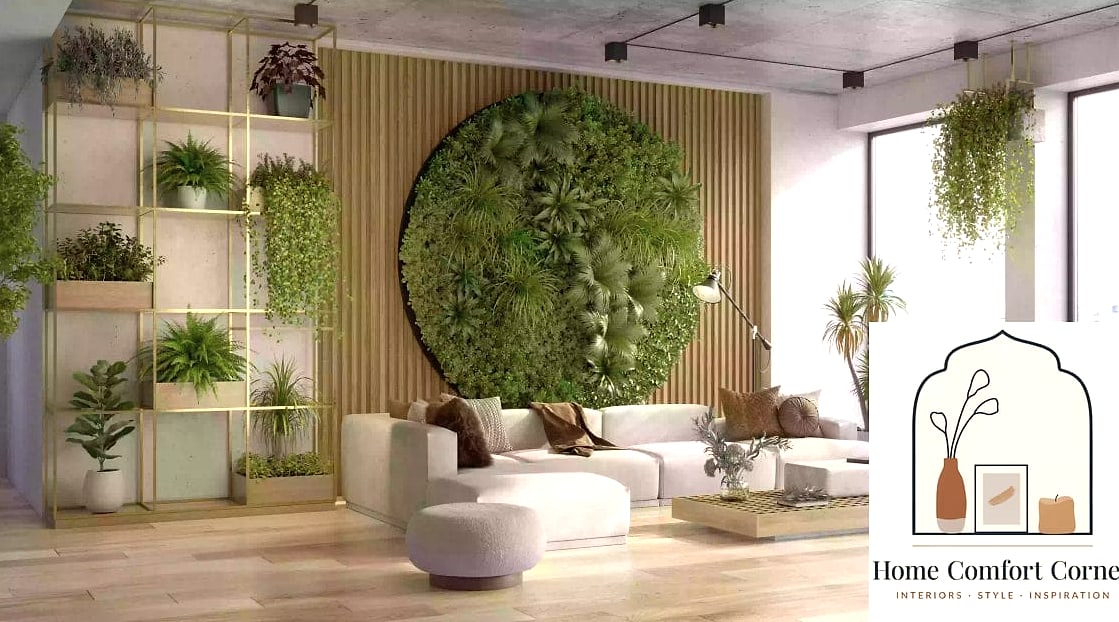
Plants soften hard edges and bring life into a room in a way that’s hard to replicate with anything else. A large leafy plant in an empty corner can make a room feel finished in a way that’s tough to explain until you see it.
If you don’t have a great track record with real plants, high-quality faux options have come a long way and can look surprisingly convincing from a few feet away. Pothos, snake plants, and ZZ plants are good low-maintenance choices if you want to try the real thing.
Reupholster or Slipcover a Tired Piece of Furniture
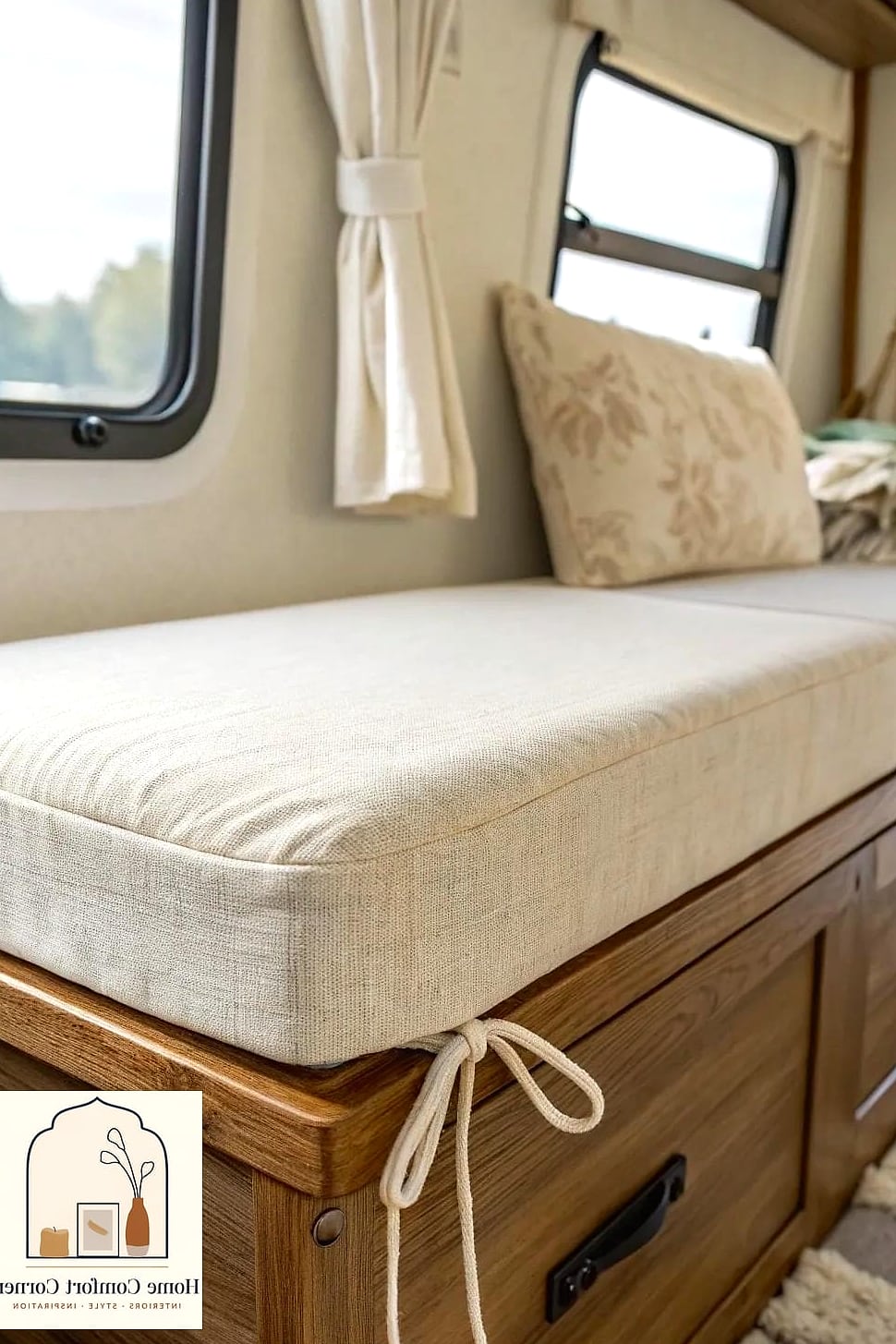
An outdated sofa or accent chair doesn’t always need to be replaced. A slipcover can change the entire look for a fraction of the cost, and reupholstering with new fabric is a great option if the bones of the piece are still solid.
This is a good weekend project if you’re comfortable with a staple gun, though a dining chair or ottoman is a friendlier starting point than a full sofa. Linen and performance fabrics are popular right now for being both stylish and easy to wipe clean, which matters if you’ve got kids or pets around.
Try a Herringbone or Chevron Pattern Somewhere Unexpected
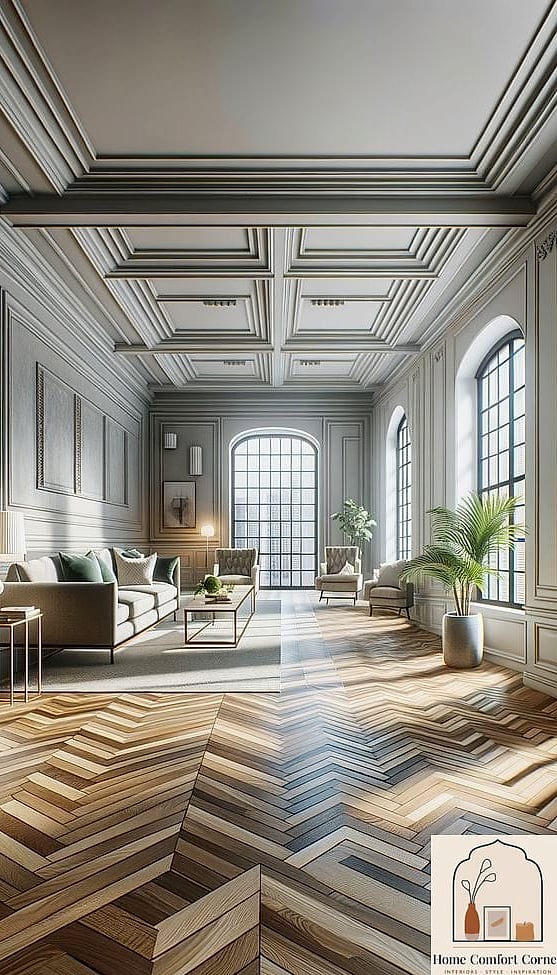
Herringbone isn’t just for hardwood floors anymore. Peel-and-stick tile in a herringbone layout on a kitchen backsplash, or even herringbone-patterned wallpaper, adds visual interest without overwhelming a space.
The pattern tends to work best in smaller doses — a backsplash, an accent wall, or a hallway floor rather than an entire open-concept living area. It reads as more custom and higher-end than a straight installation, even when the materials are budget-friendly.
Update Your Window Treatments
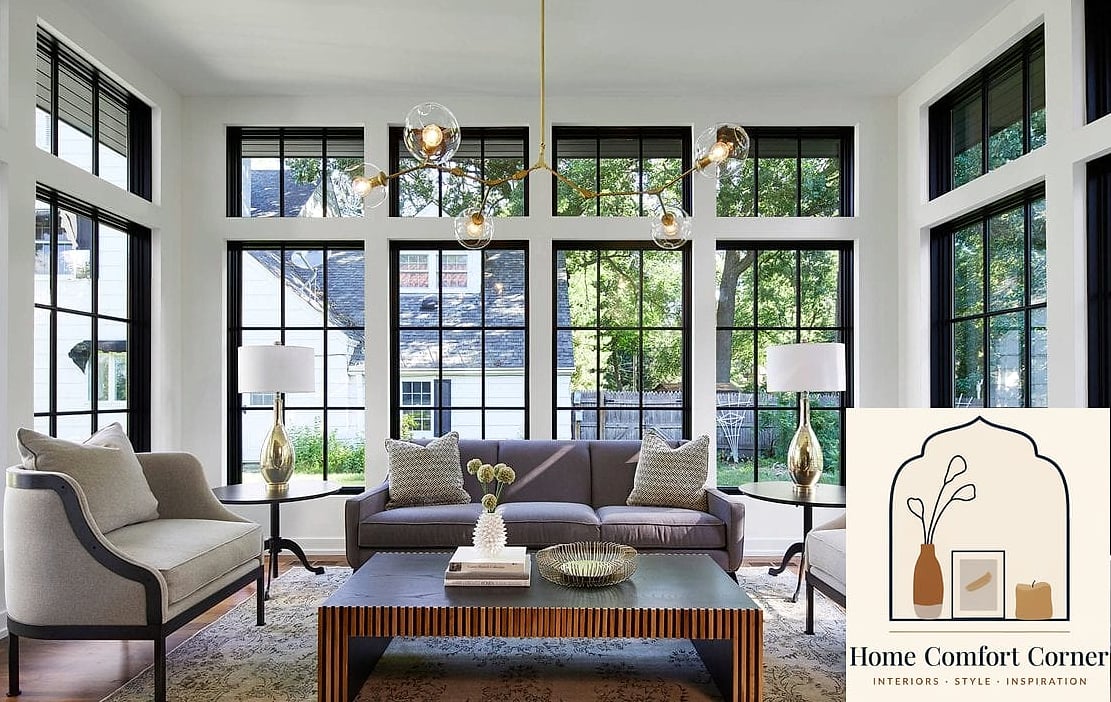
Heavy, dated curtains can make a room feel smaller and darker than it needs to be. Swapping them for lighter linen panels or simple woven shades can noticeably brighten a space and make windows feel bigger.
Hang curtain rods higher and wider than the window frame itself — this trick alone makes ceilings feel taller and windows feel more generous. It’s a small detail, but it changes the proportions of a room more than people expect.
Create a Cozy Reading Nook in an Underused Corner
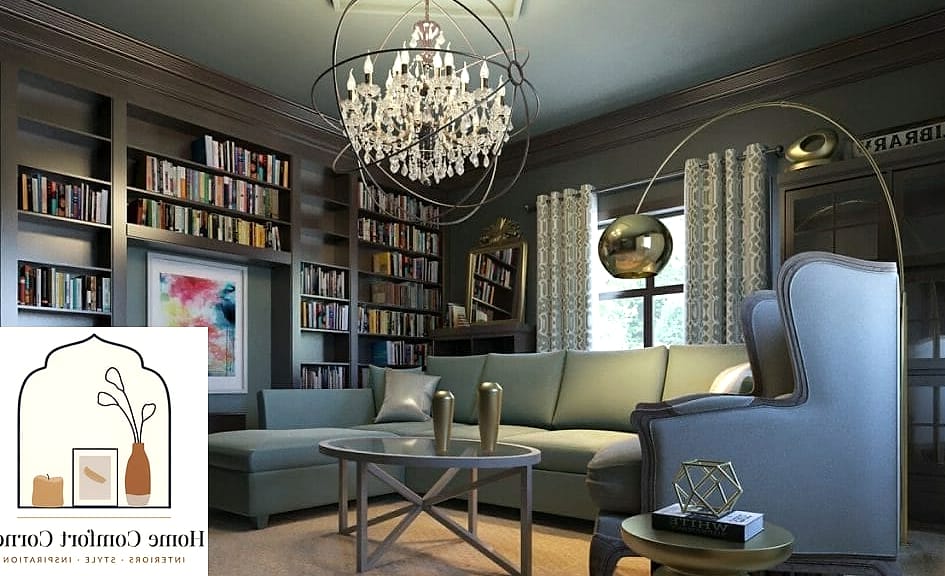
Almost every home has a corner that’s not doing much — maybe it’s an awkward spot near a window or the end of a hallway. A comfortable chair, a small side table, and a floor lamp can turn that dead space into somewhere you actually want to sit.
Add a soft throw blanket and a basket for books nearby, and you’ve got a spot that feels intentional rather than like leftover space. This works particularly well in bedrooms or home offices where a little quiet corner is genuinely useful.
Organize and Style Open Shelving in the Kitchen
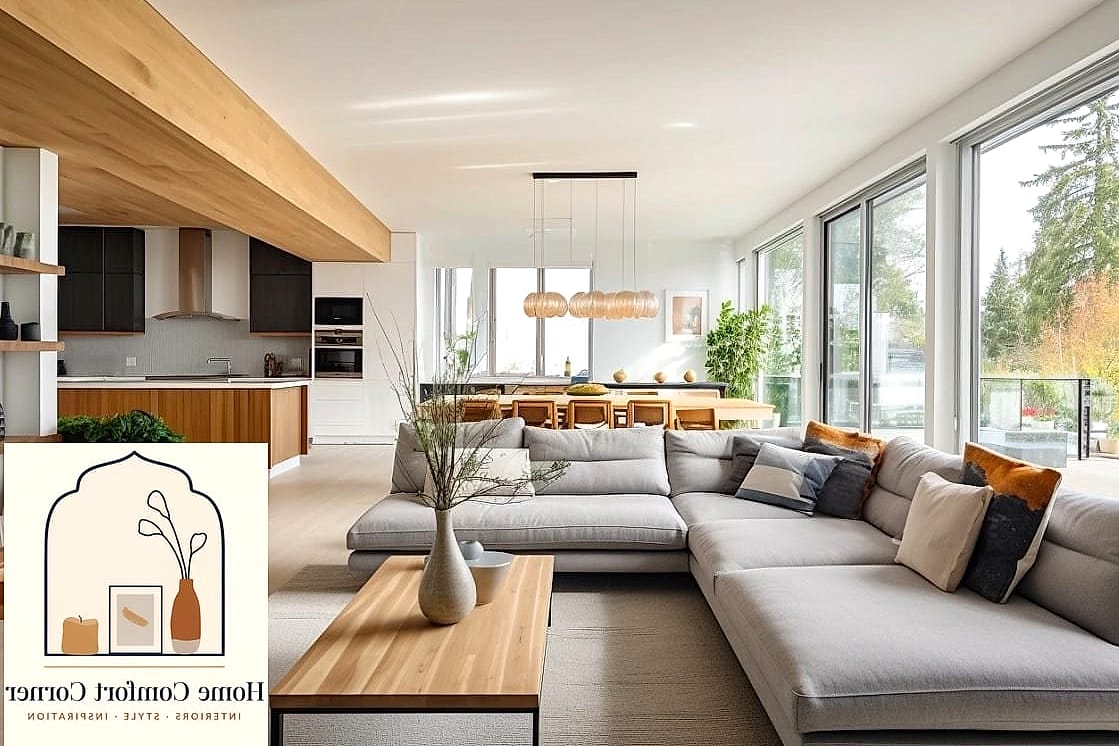
Open shelving looks great in photos and can feel chaotic in real life if it’s not styled with some restraint. Group similar items together — all your white dishware on one shelf, glassware on another — and leave a little breathing room instead of packing shelves edge to edge.
Baskets or bins can hide less photogenic items like snacks or mismatched mugs while keeping the overall look clean. This is a great weekend project because it costs nothing beyond your time, assuming the shelves are already installed.
Add Molding or Trim for an Upscale Look
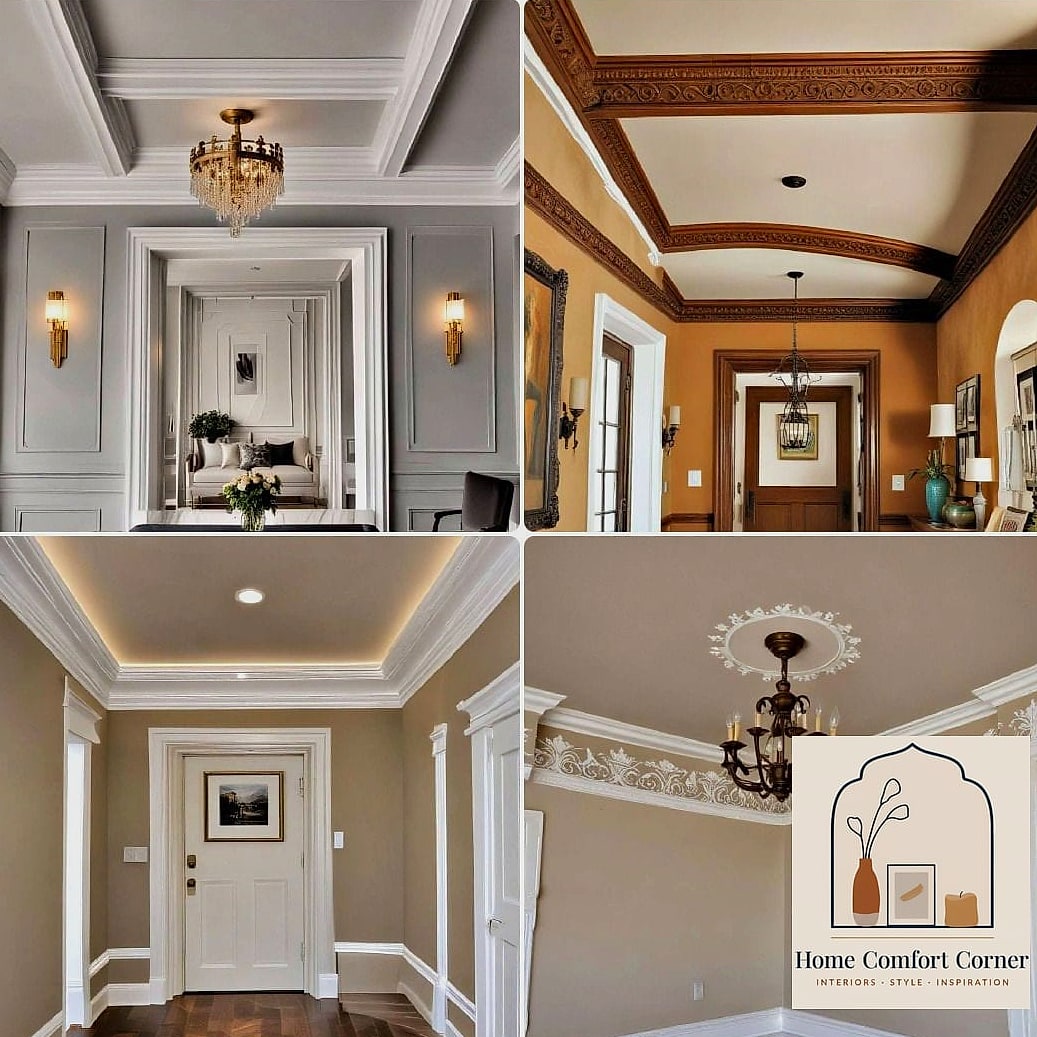
Board and batten, picture frame molding, or simple crown molding can make a builder-grade room feel significantly more custom. It’s a project that requires some patience with a miter saw, but it’s very achievable as a DIY weekend project.
Paint the molding and the wall the same color for a subtle, tone-on-tone effect, or contrast it with a lighter or darker wall for more definition. Bedrooms and dining rooms tend to be popular spots for this upgrade since the effect really shows in rooms where you spend focused time.
Refresh Your Entryway So First Impressions Land
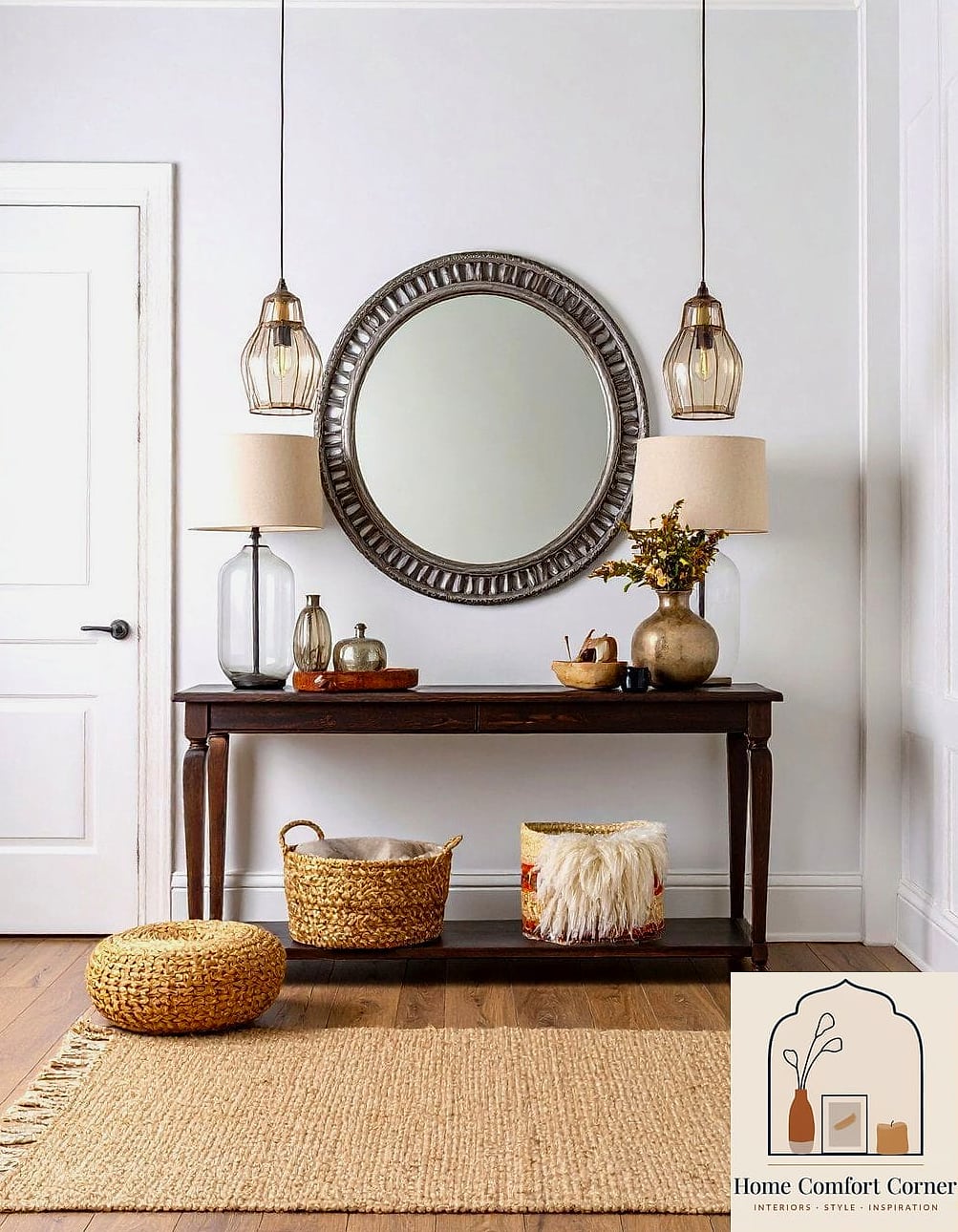
Your entryway sets the tone for the whole house, but it’s often the most neglected room. A console table, a mirror, and a spot for shoes and bags can turn a chaotic drop zone into something that actually welcomes you home.
A row of hooks and a small bench go a long way in a family household, especially if kids are involved. Even a narrow hallway can fit a slim console table that’s just deep enough to hold keys and mail.
Change Out Ceiling Fixtures for Something More Current
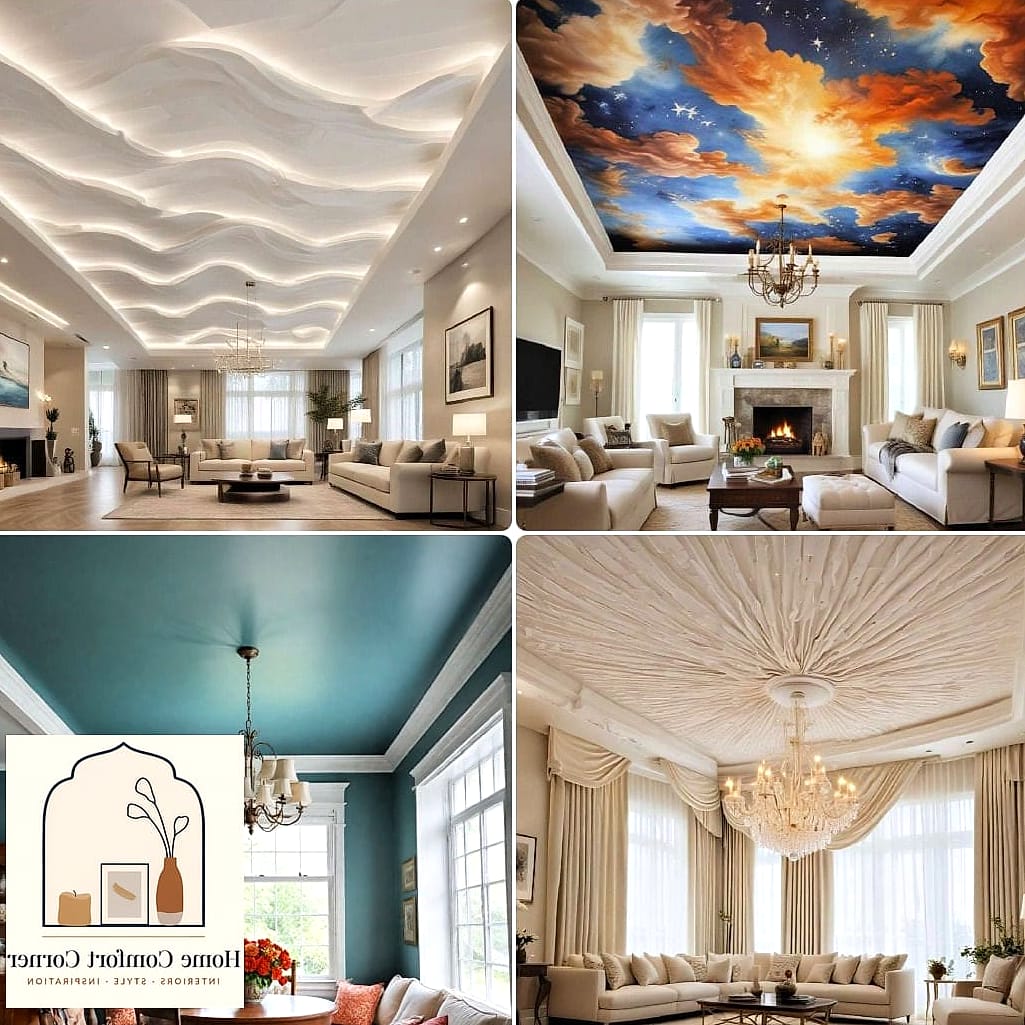
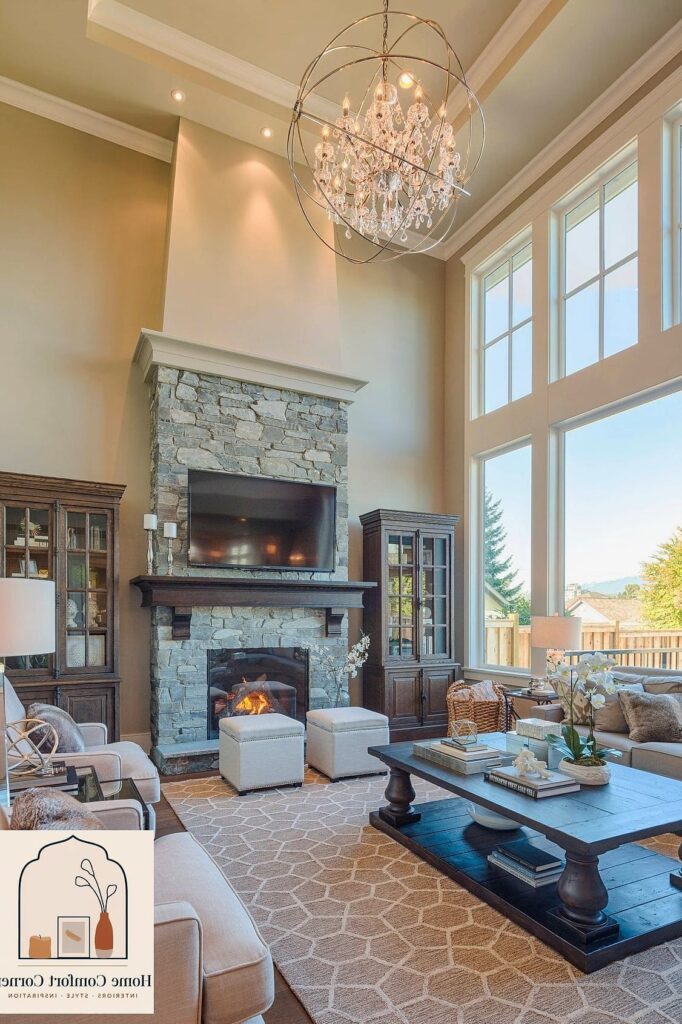
Builder-grade flush mount lights are one of the biggest giveaways of an untouched room. Swapping one out for a pendant light, a flush mount with more character, or even a small chandelier is a project many DIYers can handle in an afternoon if they’re comfortable with basic electrical work.
If you’re not confident with wiring, it’s worth having an electrician handle the swap — but the fixture itself is often the more affordable part of the upgrade. Dining rooms and entryways are great places to start since one fixture makes a noticeable difference.
Build a Gallery of Textures Instead of Just Colors
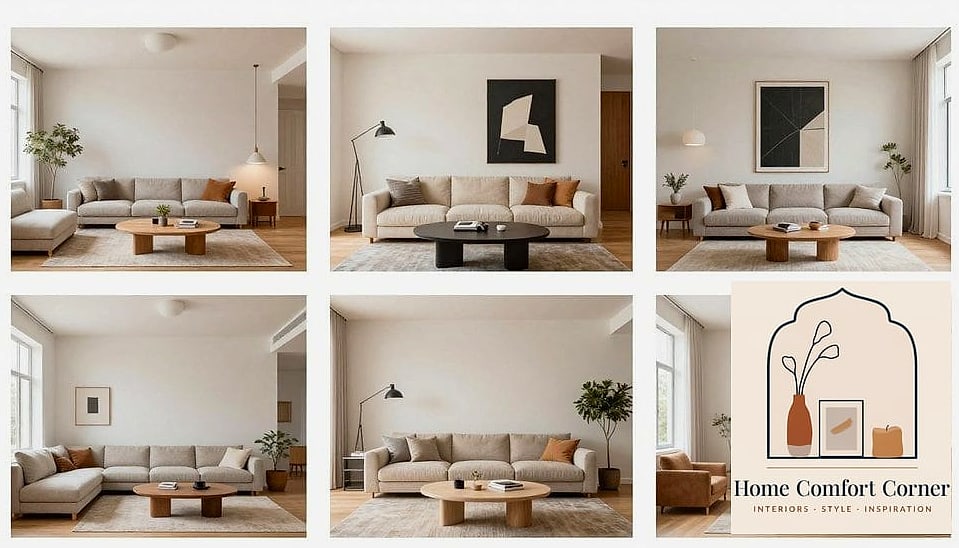
Texture is often the missing ingredient in rooms that feel flat despite having a nice color palette. Mixing a woven basket, a chunky knit throw, a smooth ceramic vase, and a wood side table gives a room depth even if everything is neutral in color.
This is a good approach for renters who can’t paint but want a room to feel more layered. A neutral color palette with varied textures often looks more sophisticated than a room relying on bold color alone.
Convert a Closet Into a Functional Mini Office or Pantry
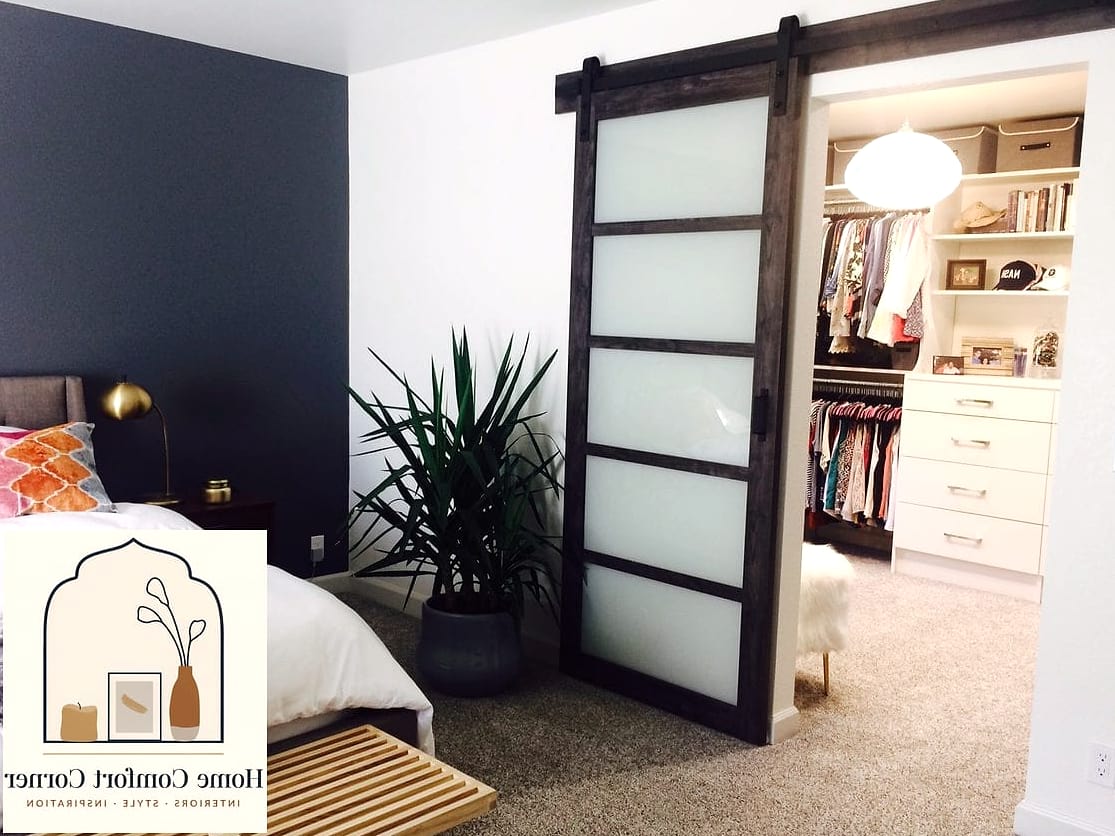
A closet that’s currently a junk catch-all might have more potential than you’re giving it credit for. Pull everything out, add some shelving or a small desk, and you’ve got a compact home office or a walk-in-style pantry depending on your household’s needs.
Drawer organizers and labeled bins keep the space functional instead of turning back into a mess within a month. This is especially handy in smaller homes and apartments where dedicated rooms for these purposes just aren’t an option.
Add a Peel-and-Stick Backsplash for a Kitchen Refresh
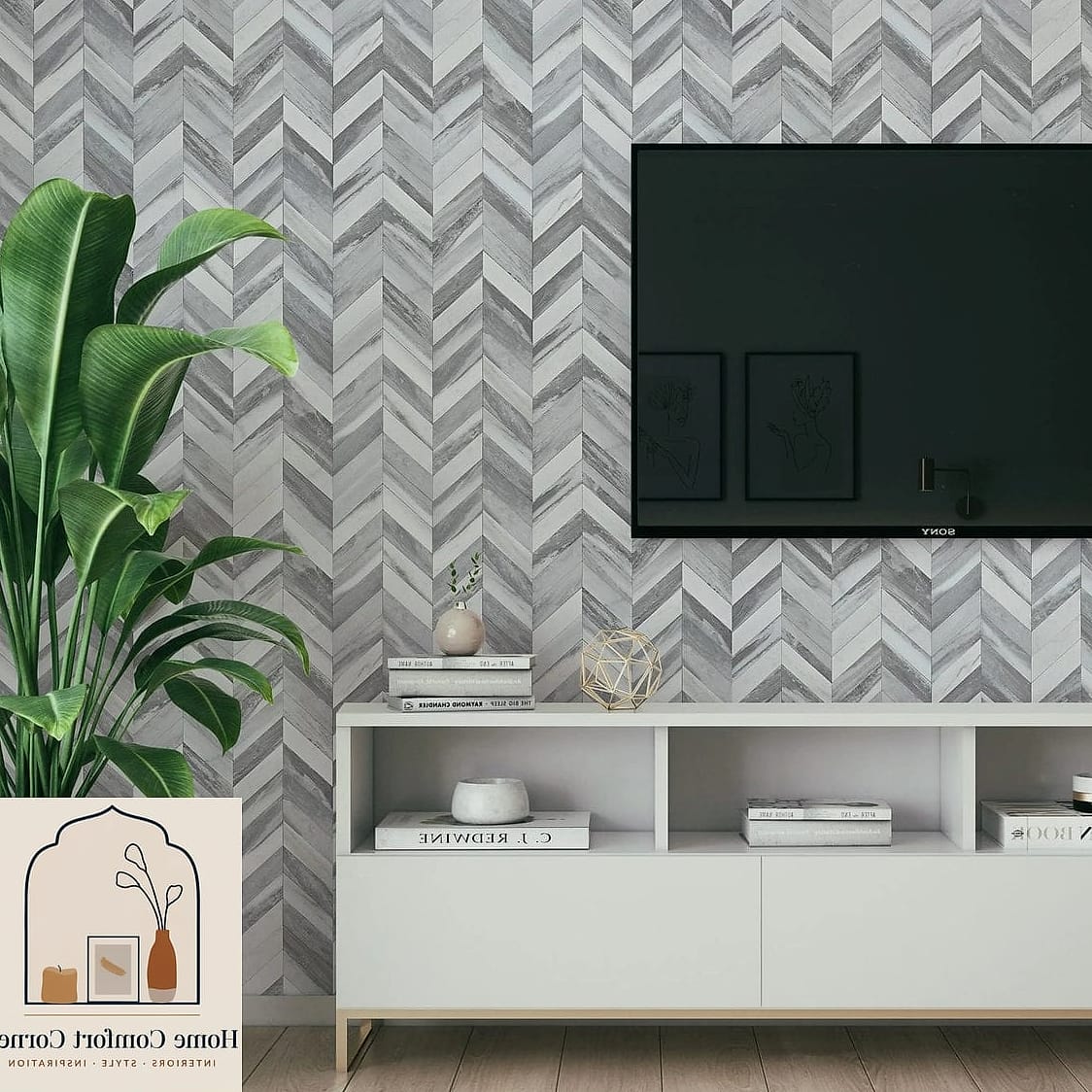
If tiling a backsplash sounds like more commitment than you want, peel-and-stick tile has gotten remarkably realistic looking, from subway tile patterns to zellige-style textures. It’s one of the most renter-friendly upgrades on this list since most options remove cleanly.
Clean and dry the wall thoroughly before applying, and take your time around outlets for a professional-looking result. It’s a project you can realistically finish in an afternoon, and the visual impact on a kitchen is disproportionate to the effort involved.
Style Your Coffee Table Like You Mean It
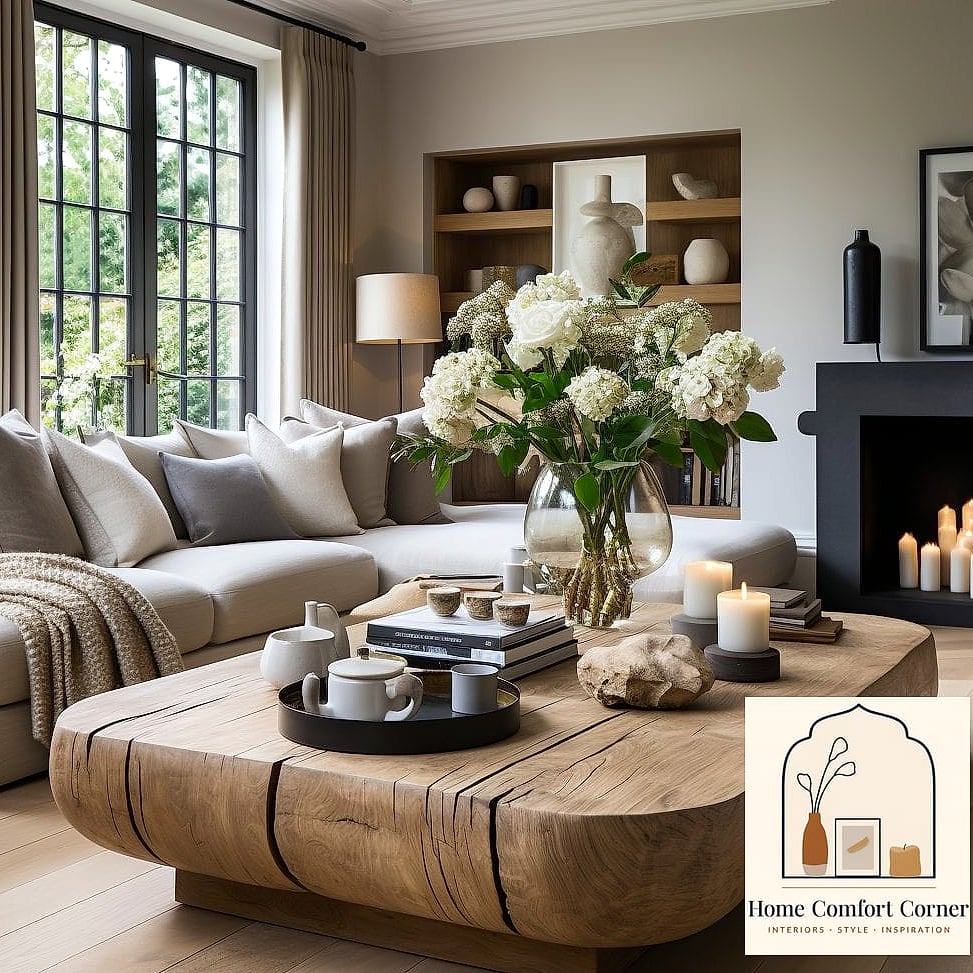
An empty or cluttered coffee table is an easy fix that a lot of people overlook. A stack of books, a tray with a candle, and something organic like a small plant creates a styled-but-lived-in look without much effort.
Keep it to three or four items so it doesn’t start collecting clutter again within a week. This tiny styling habit makes a living room photograph-ready any time guests drop by unannounced.
Rearrange Your Furniture Before You Buy Anything New
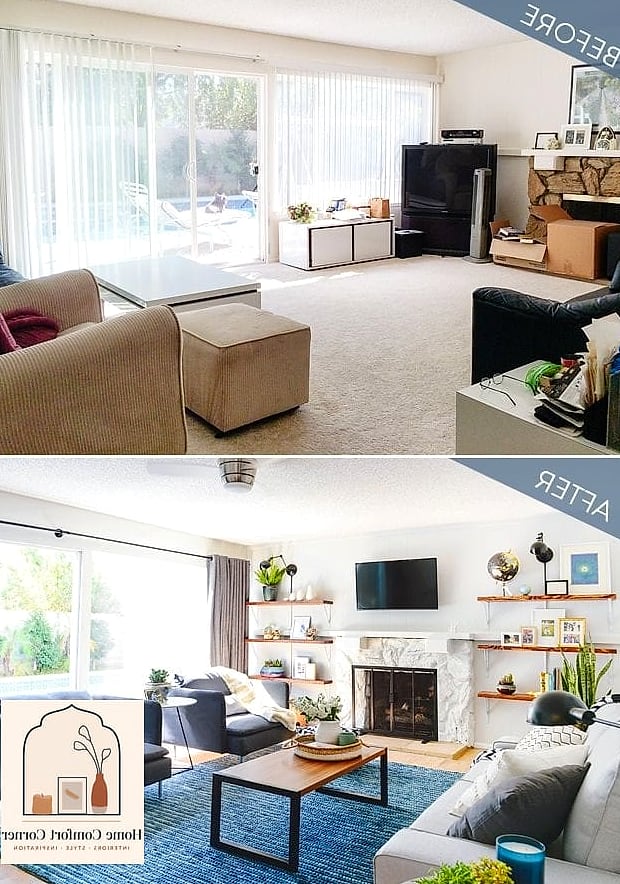
Before spending money on any of the ideas above, it’s worth trying this one first: just move your existing furniture around. Floating a sofa away from the wall, angling a chair, or switching which wall holds the TV can make a room feel completely different at zero cost.
Pay attention to natural traffic flow and try to create a few distinct zones if the room serves multiple purposes. Sometimes the best upgrade to a room is realizing the furniture you already own just needed a new arrangement.
Any one of these nineteen interior room design ideas can make your home feel more upgraded by Sunday night. Pick two or three that match your budget and skill level this weekend, and let the rest wait for another round — home improvement doesn’t have to happen all at once to feel worth it.