18 Japanese Room Decor Ideas to Upgrade Your Home This Weekend
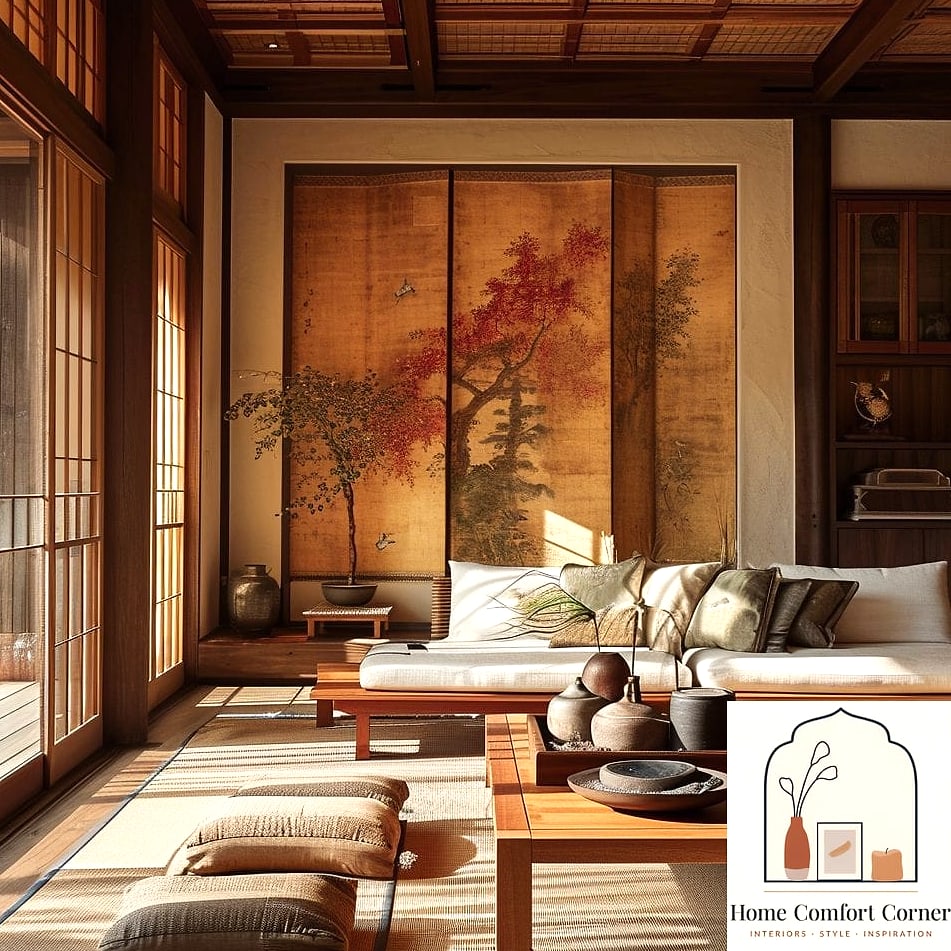
- Swap Your Curtains for Shoji-Inspired Panels
- Bring In a Low Platform Bed
- Add a Tatami-Style Area Rug
- Create a Dedicated Tea Corner
- Install Floating Wood Shelves
- Choose a Neutral, Earth-Toned Palette
- Add a Freestanding Room Divider
- Bring the Outdoors In With a Single Statement Plant
- Use Paper Lanterns for Layered Lighting
- Incorporate Low Seating
- Display Pottery With Visible Imperfections
- Use Sliding Doors Instead of Swinging Ones
- Bring In Natural Wood Furniture
- Declutter With Hidden Storage Solutions
- Add a Small Rock Garden Element
- Choose Matte Over Glossy Finishes
- Use Bamboo Accents Throughout
- Keep Walls Mostly Bare
18 Japanese Room Decor Ideas to Upgrade Your Home This Weekend
If you’ve been craving a home that feels calmer the second you walk through the door, Japanese-inspired decor might be exactly what you’re missing. It’s not about filling a room with bonsai trees and paper lanterns (though those have their place). It’s about intentional simplicity, natural materials, and a little breathing room for your brain. The best part? Most of these ideas can happen in a single weekend, with zero contractors involved. Let’s get into it.
Swap Your Curtains for Shoji-Inspired Panels
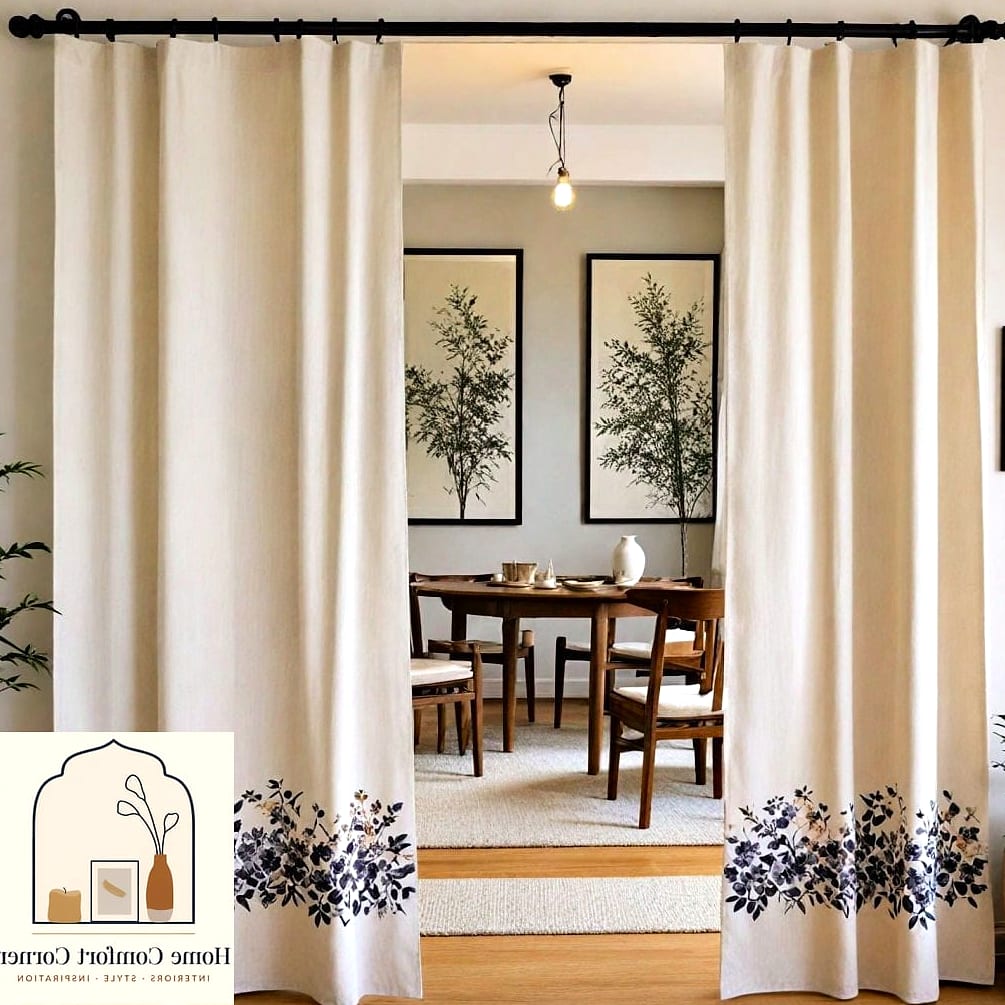
Traditional shoji screens use wood lattice frames covered in translucent paper, and they filter light in a way that regular curtains just can’t match. You don’t need the real deal to get the effect. Look for sliding panel curtains or bamboo-frame blinds that diffuse light softly instead of blocking it completely. This works especially well in bedrooms and home offices where you want brightness without the glare. Budget shoppers can find peel-and-stick window film versions, while purists might invest in an actual wood-framed screen as a room divider.
Bring In a Low Platform Bed
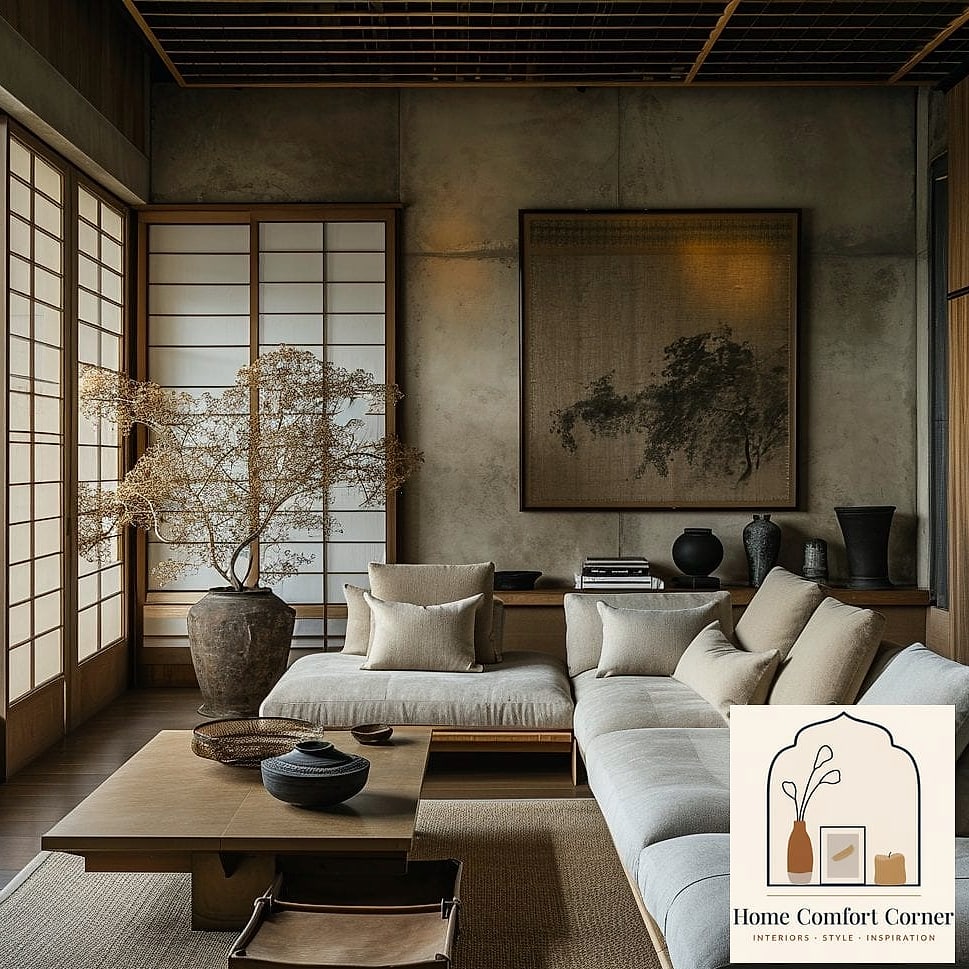
Japanese bedrooms tend to sit low to the ground, and there’s something genuinely grounding about it, literally and figuratively. A platform bed frame in natural wood tones instantly changes the proportions of a room and makes ceilings feel taller. It also pairs beautifully with a simple cotton or linen duvet in muted tones like sage, oatmeal, or charcoal. If you rent and can’t commit to new furniture, just removing your bed frame’s legs or box spring can mimic the look for free.
Add a Tatami-Style Area Rug
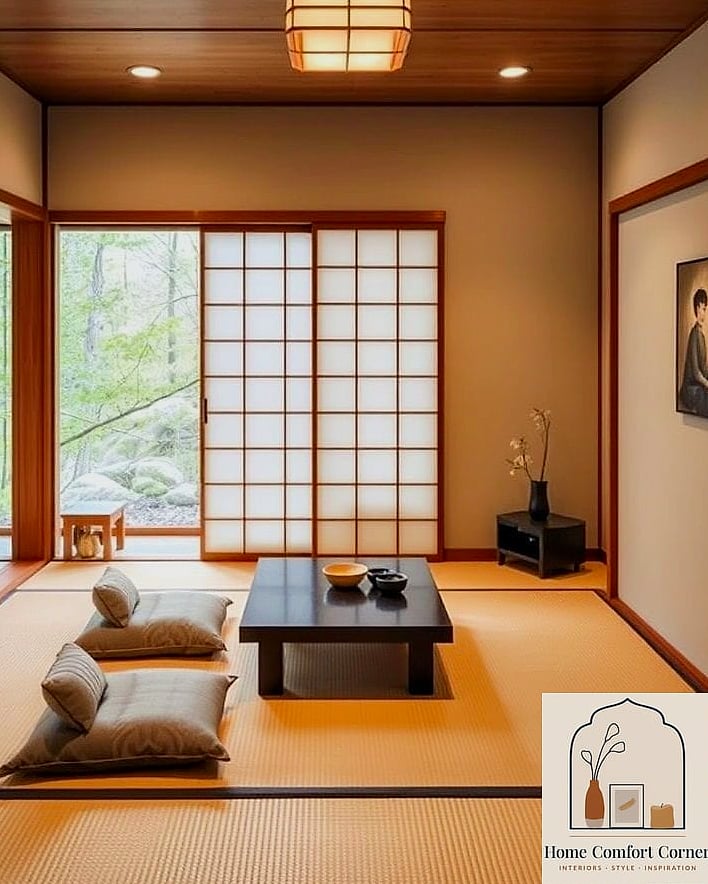
Real tatami mats are made from woven rush grass and have a distinct texture underfoot. Full tatami flooring is a big commitment, but a tatami-style area rug gives you that same organic, woven look without ripping up your existing floors. These rugs work great in living rooms or reading nooks and tend to be surprisingly durable for high-traffic areas. Just know that natural fiber rugs aren’t the most forgiving with spills, so they’re better suited to lower-mess zones of the house.
Create a Dedicated Tea Corner
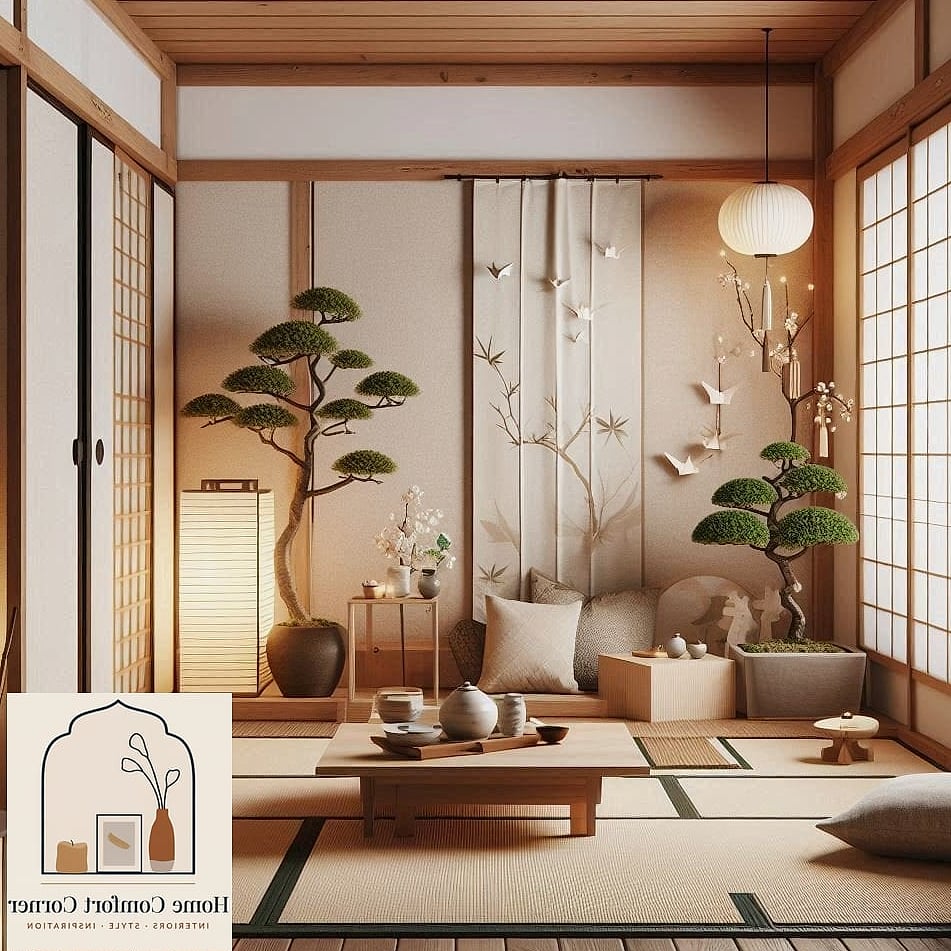
You don’t need a full tea ceremony setup to enjoy this one. A small side table, a floor cushion, and a simple ceramic tea set tucked into a corner can become your favorite five minutes of the day. Keep the palette earthy: unglazed stoneware, bamboo trays, maybe a small cast iron kettle if you want to go all in. This idea works especially well in an underused corner of a bedroom or living room that’s currently just collecting clutter.
Install Floating Wood Shelves
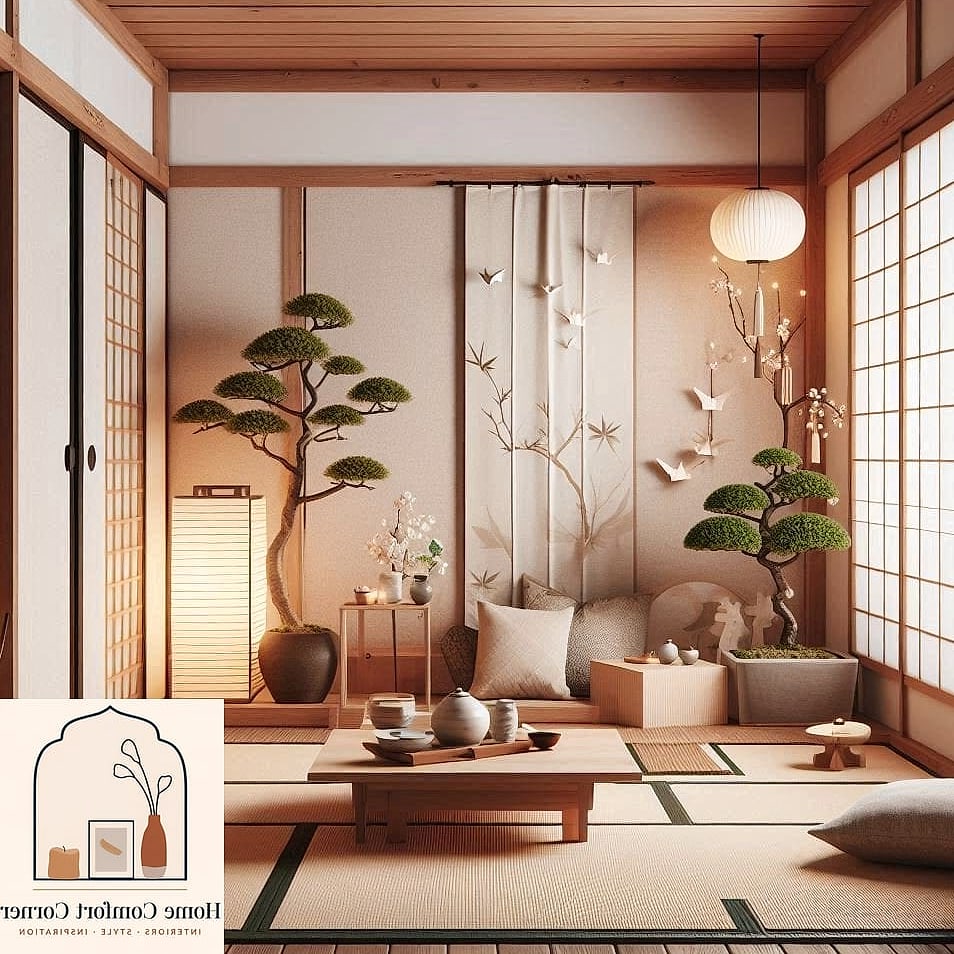
Open shelving in warm wood tones is a staple of Japanese-influenced interiors, and it’s genuinely one of the easiest upgrades on this list. Skip the ornate brackets and go for clean, floating shelves that appear to hang with no visible support. Style them sparingly with just a few ceramic pieces, a small plant, or a single piece of pottery. The trick here is restraint. Three well-placed items look intentional; twelve knickknacks look cluttered.
Choose a Neutral, Earth-Toned Palette
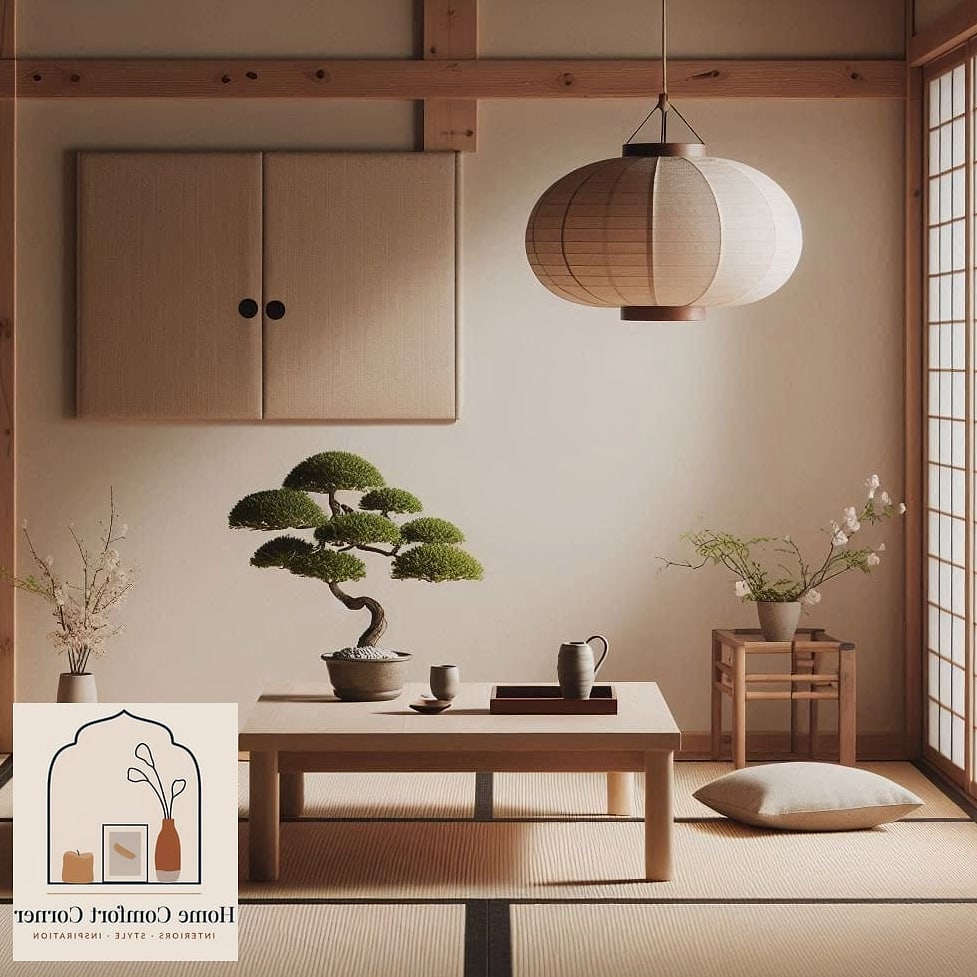
If your walls are currently a bold accent color, this might be the weekend to reconsider. Japanese interiors lean on muted, nature-inspired colors: warm beige, soft charcoal, moss green, and deep indigo. You don’t have to repaint everything. Start with one accent wall or swap out throw pillows and bedding to test the palette before committing to paint. This shift alone can make a room feel noticeably more peaceful.
Add a Freestanding Room Divider
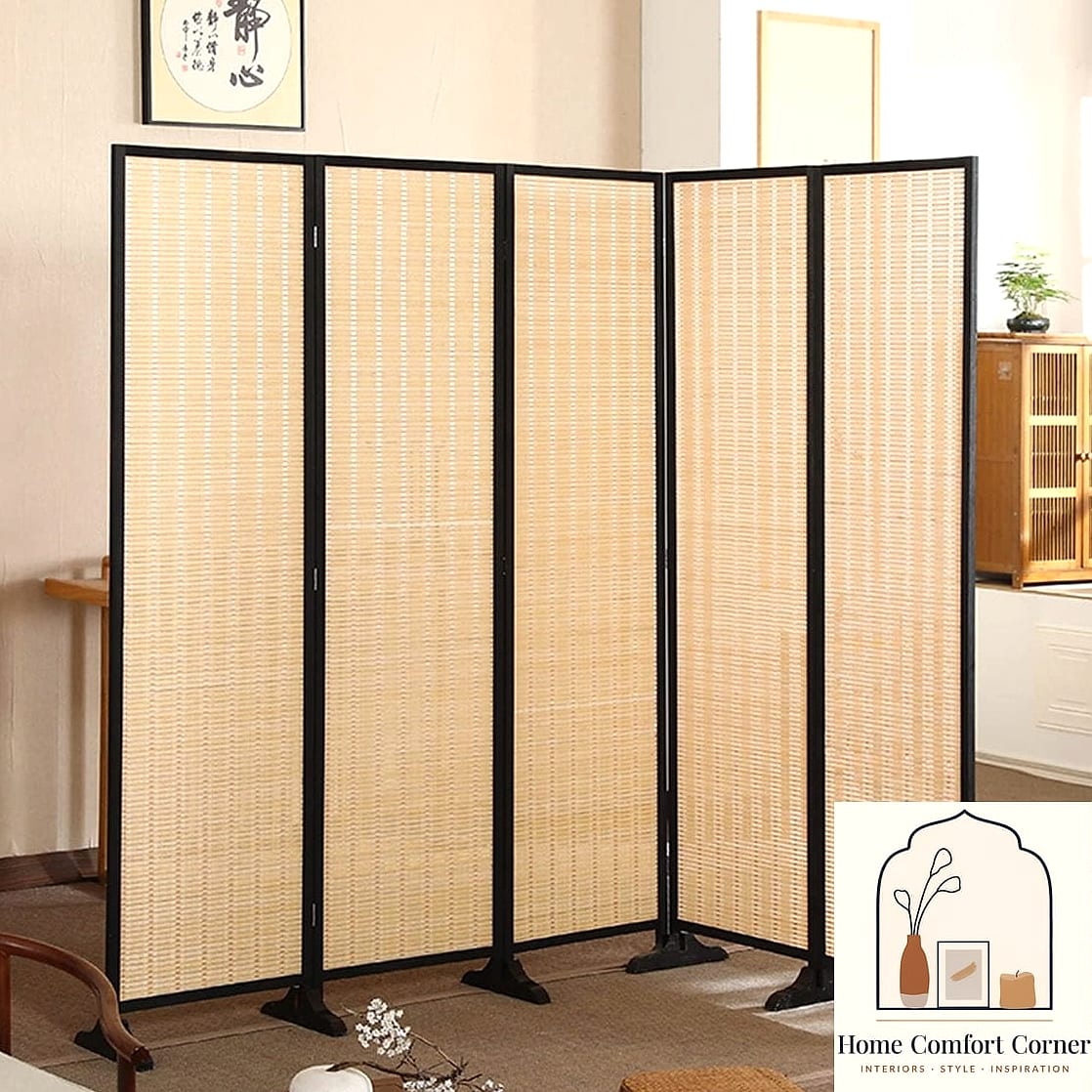
Shoji-style room dividers aren’t just decorative, they’re functional if you’re working with an open floor plan or a studio apartment. A wood-framed panel divider can section off a sleeping area from a living space without making the room feel boxed in, since light still passes through. They’re also fully renter-friendly since there’s no installation required, just move it where you need it.
Bring the Outdoors In With a Single Statement Plant
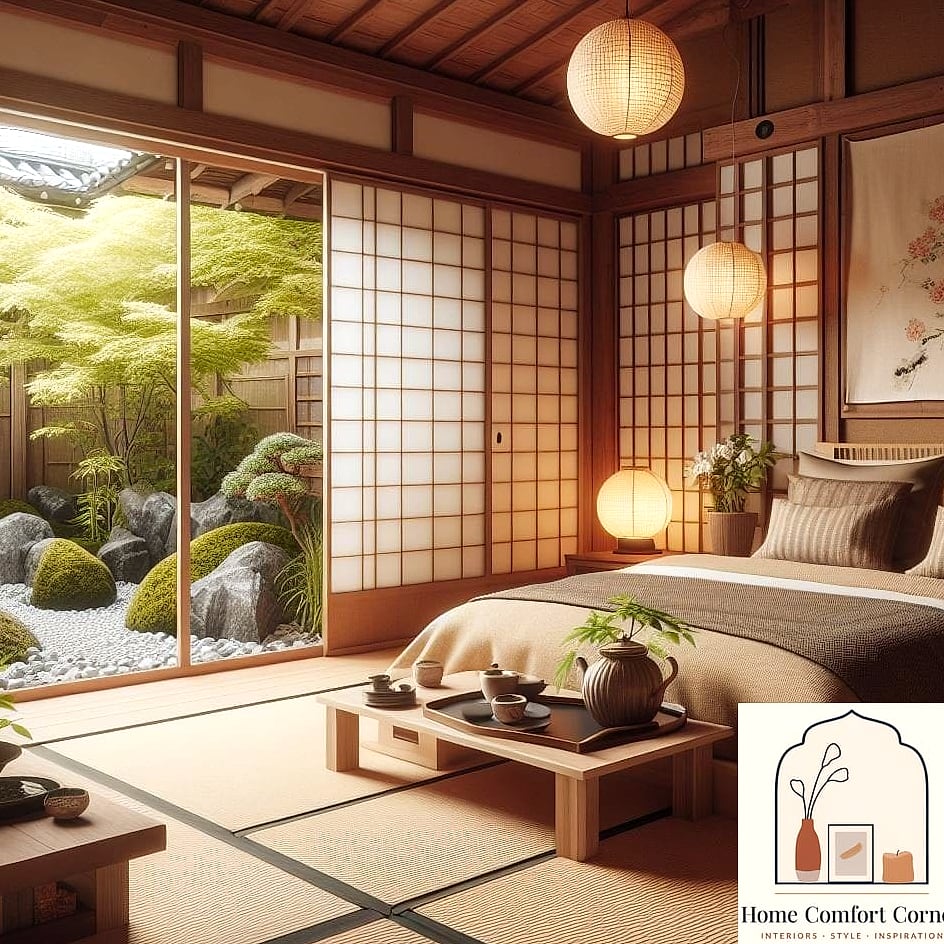
Forget the jungle look. Japanese decor tends to favor one striking plant over a dozen small ones. A bonsai tree is the obvious choice, but a single fiddle leaf fig, a potted Japanese maple, or even a simple bamboo stalk in a ceramic vase can do the trick. Place it somewhere it’ll actually get noticed, like near a window or beside your platform bed, rather than crowding it into a corner.
Use Paper Lanterns for Layered Lighting
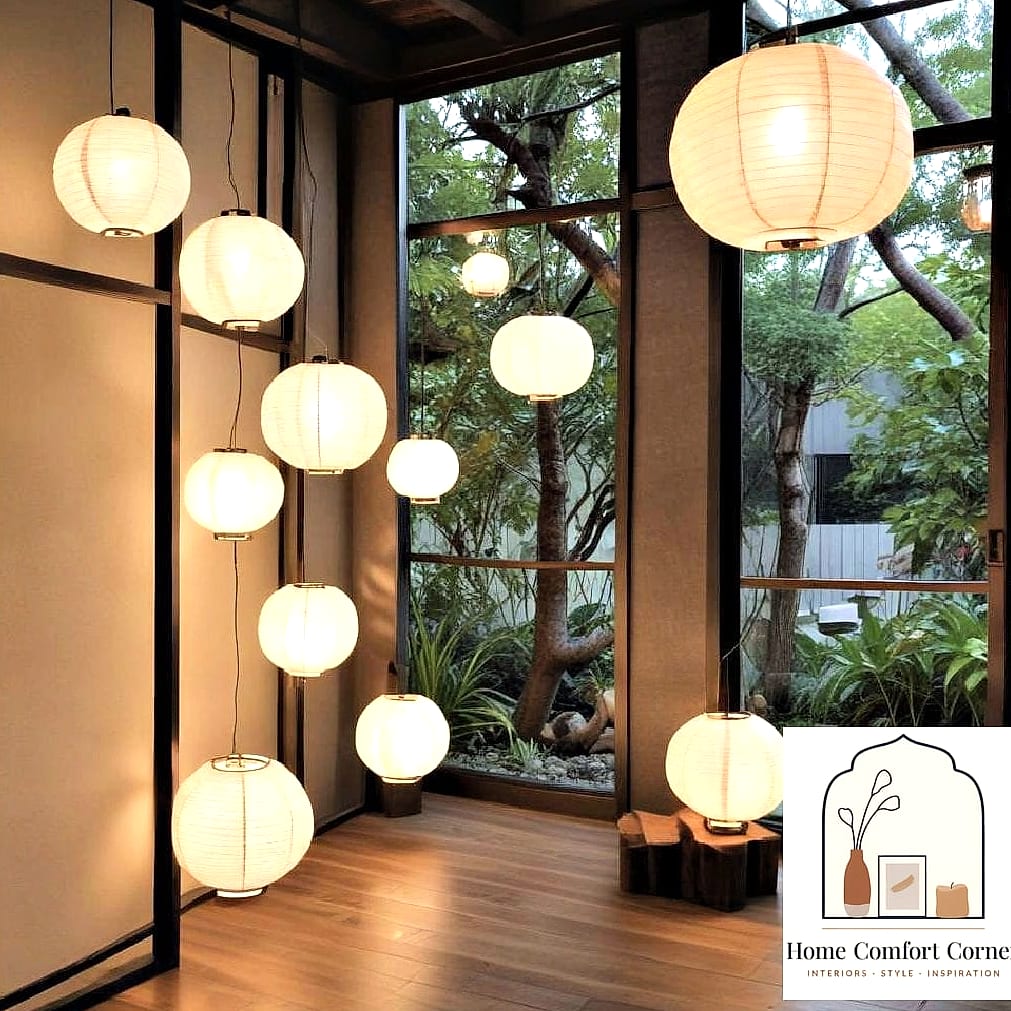
Harsh overhead lighting is basically the enemy of a calm room. Paper lantern pendants or floor lamps give off a soft, diffused glow that’s much easier on the eyes in the evening. They’re inexpensive, lightweight, and come in everything from classic round shapes to more angular modern silhouettes. Pair one with a dimmer switch if you can, or just use warm-toned bulbs to keep the mood right.
Incorporate Low Seating
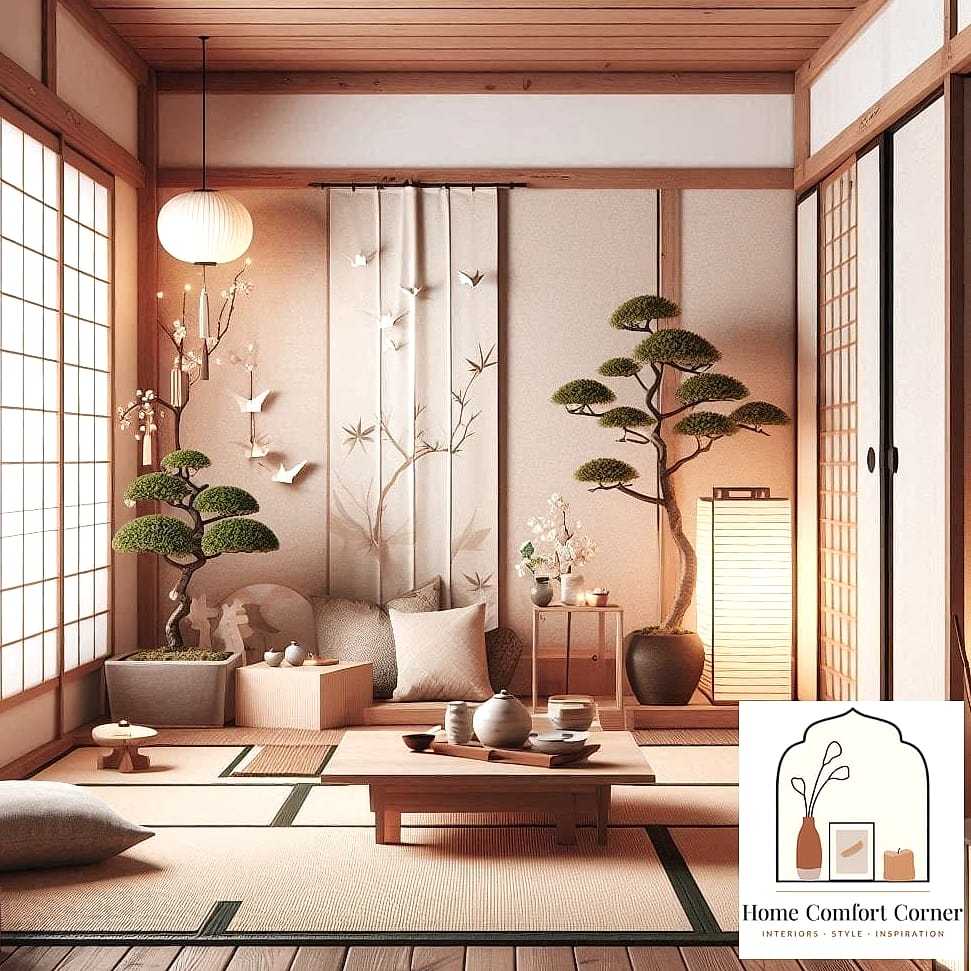
A pair of floor cushions or a low-slung chair changes how a whole room functions. Low seating naturally encourages a slower pace, think tea drinking, reading, quiet conversation, rather than sprawling in front of a TV. This works particularly well in a living room corner or a meditation nook. Look for cushions filled with buckwheat hulls for an authentic feel, or go with a more budget-friendly foam-filled version.
Display Pottery With Visible Imperfections
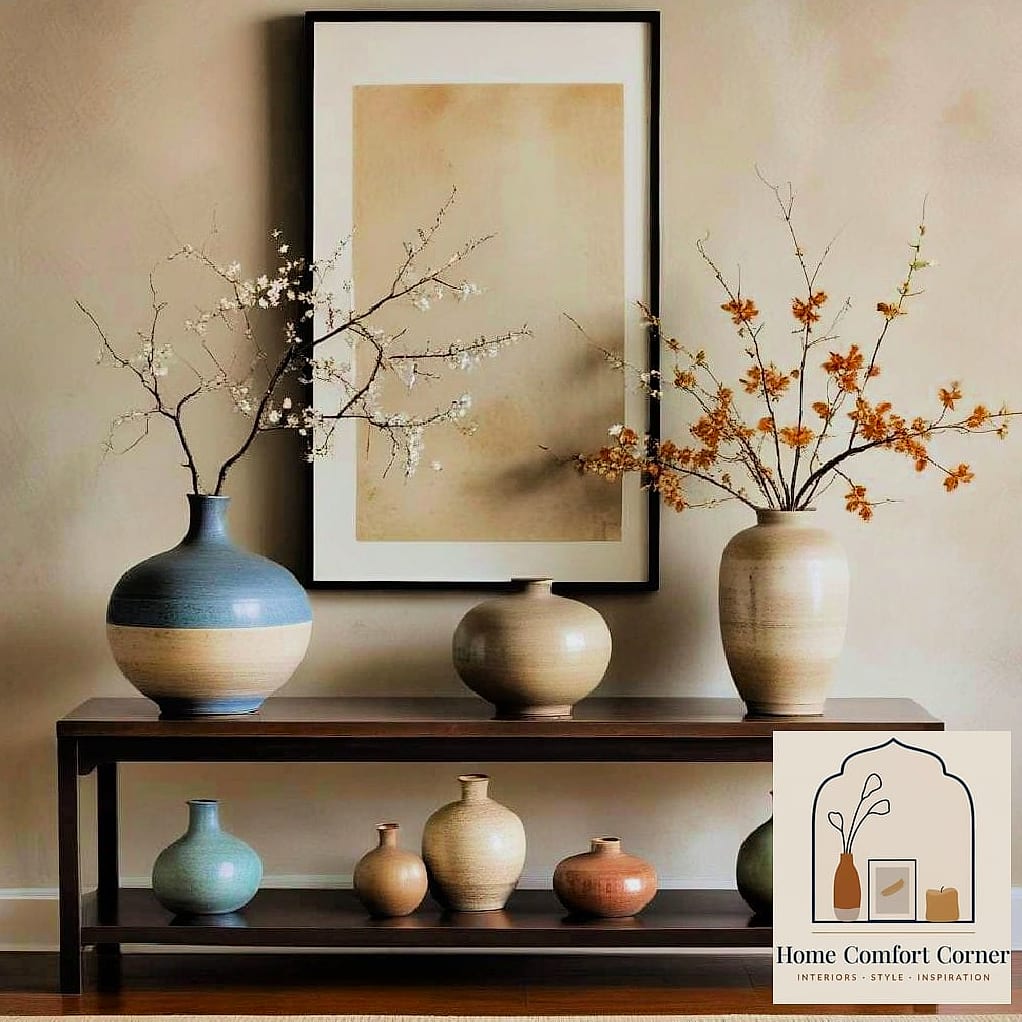
This is where the concept of wabi-sabi comes in, the idea that imperfection and aging are beautiful rather than something to hide. A slightly uneven ceramic bowl or a mug with a visible seam has more character than anything mass-produced and flawless. Thrift stores and local pottery studios are great places to find pieces like this. Display them on open shelving or a windowsill where the texture actually catches the light.
Use Sliding Doors Instead of Swinging Ones
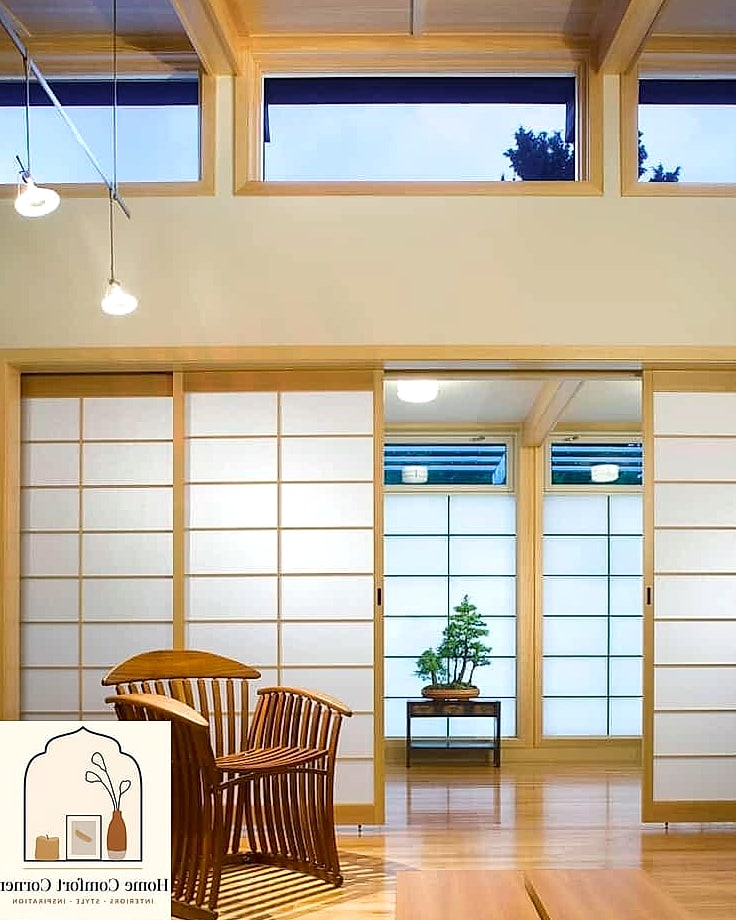
If you’re doing any kind of closet or room renovation, sliding doors are worth considering. Barn-style sliders or track-mounted panel doors save floor space and give off that clean, minimal look associated with Japanese interiors. This is a bigger project than most on this list, so it’s better suited to a dedicated weekend rather than a quick afternoon fix, but the payoff in both function and style is real.
Bring In Natural Wood Furniture
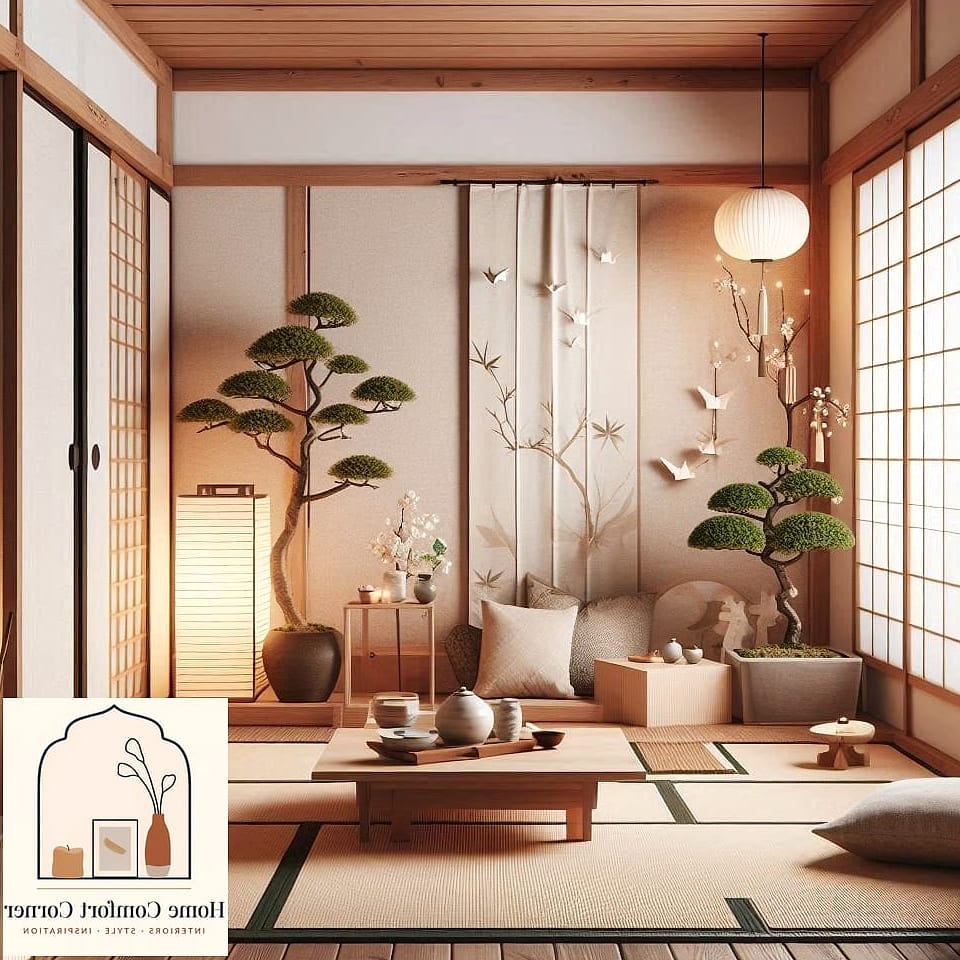
Skip the painted or laminate furniture for a bit and look for pieces in raw or lightly stained wood, think oak, cedar, or walnut. A simple wood coffee table, a low console, or even a wood-framed mirror adds warmth without trying too hard. Secondhand shops are goldmines for solid wood furniture that just needs a light sand and oil to look brand new again.
Declutter With Hidden Storage Solutions
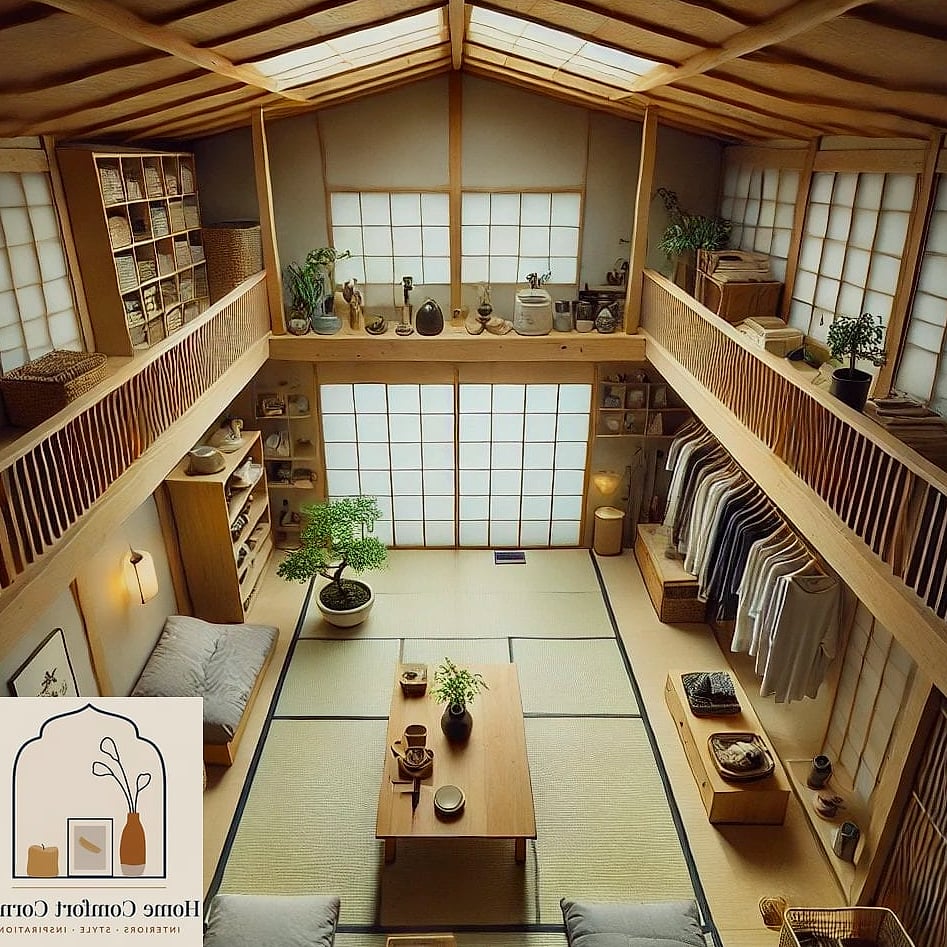
Japanese design philosophy leans hard into the idea that everything has a place, and ideally, you can’t see it. Look for storage ottomans, under-bed drawers, or cabinets with clean, handle-free fronts. This isn’t just aesthetic, it genuinely reduces visual noise in a room. Baskets woven from natural materials like seagrass work well too if you want storage that still feels textural rather than purely functional.
Add a Small Rock Garden Element
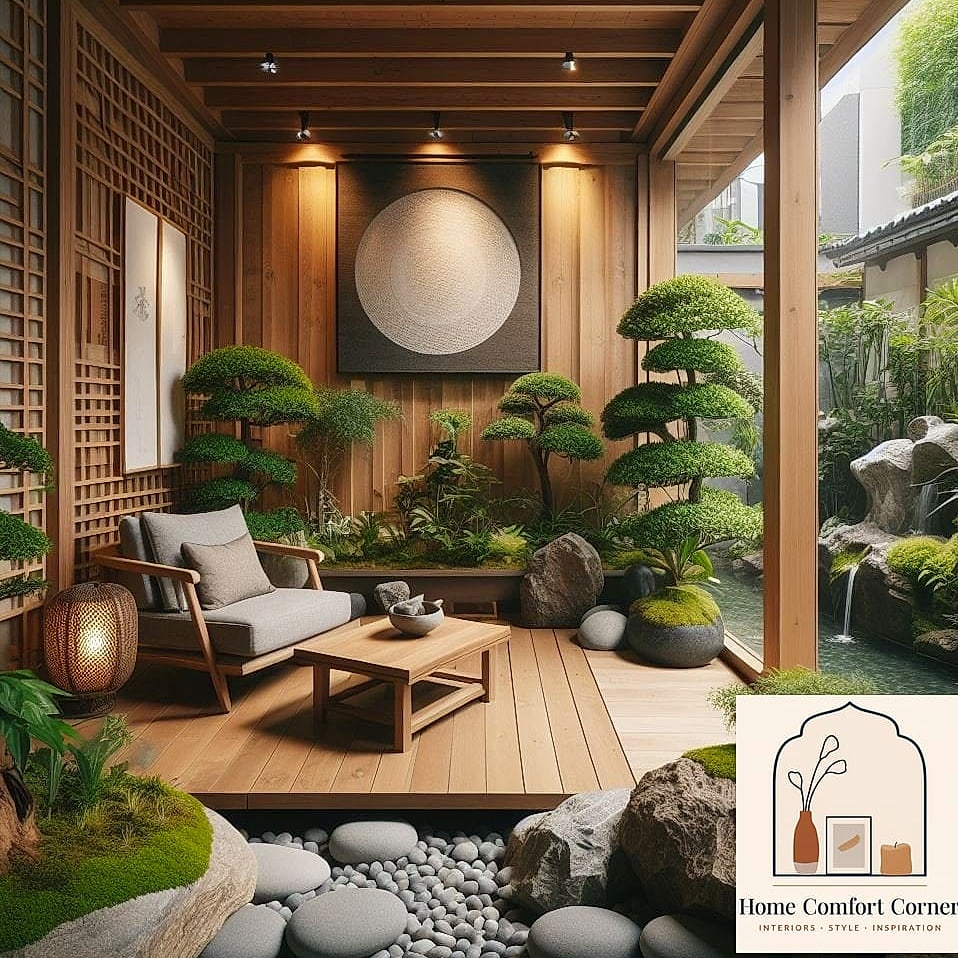
You don’t need an actual zen garden in your living room (though if you have the space, go for it). A small tabletop rock garden with sand, a mini rake, and a few smooth stones can sit on a desk or shelf as a tiny meditative object. It’s a fun, low-cost project that doubles as a genuine stress reliever during a busy week.
Choose Matte Over Glossy Finishes
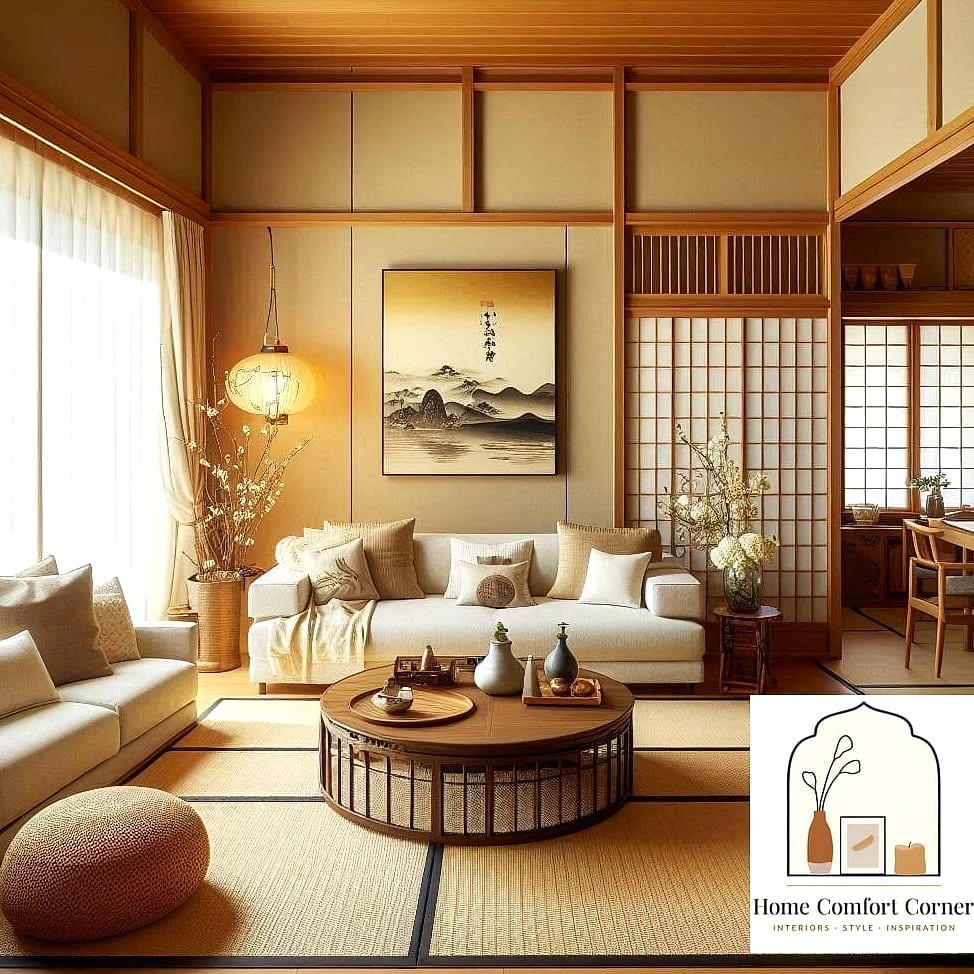
Glossy, reflective surfaces tend to feel more modern-industrial, while matte finishes feel quieter and more grounded. This applies to everything from ceramic vases to cabinet hardware to wall paint. If you’re repainting a room, ask for a matte or eggshell finish instead of satin or gloss. It’s a small detail, but it changes how light bounces around a space in a noticeable way.
Use Bamboo Accents Throughout
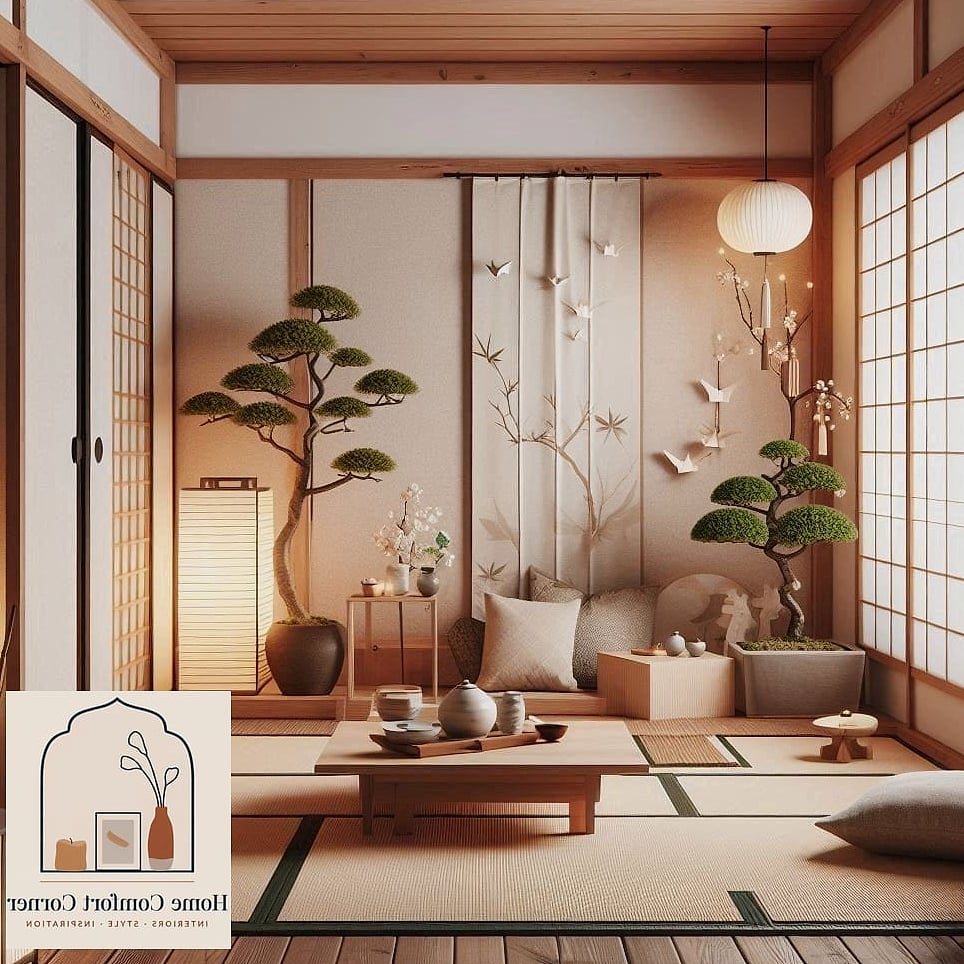
Bamboo is lightweight, renewable, and shows up everywhere in Japanese-inspired spaces, from blinds to trays to small storage baskets. A bamboo ladder shelf, a woven bamboo lampshade, or even simple bamboo placemats can tie a room together without costing much. It’s also a solid pet-friendly and family-friendly material since it holds up well to everyday wear.
Keep Walls Mostly Bare
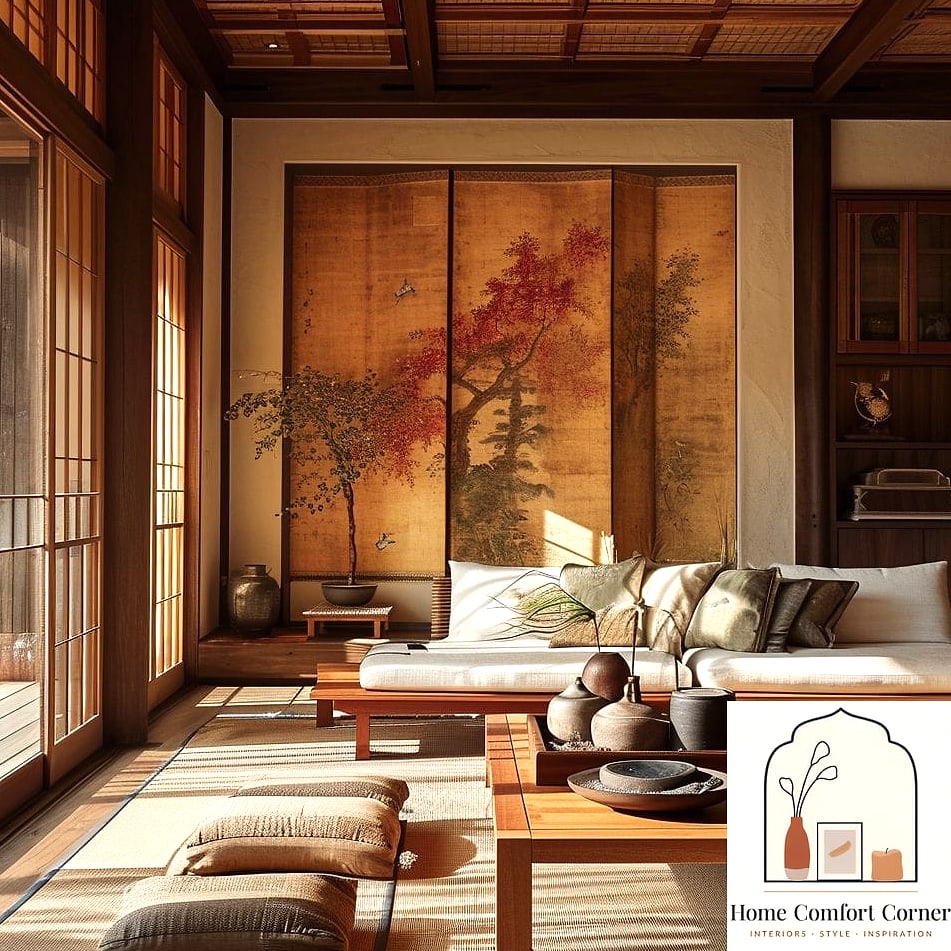
This one might be the hardest for people who love gallery walls, but hear me out. Japanese interiors typically leave walls mostly empty, maybe with a single piece of art or a hanging scroll, rather than covering every inch. That negative space is doing a lot of work. It gives your eyes somewhere to rest and makes the pieces you do display feel more meaningful. If you’re used to maximalist walls, try removing half of what’s currently up and see how the room feels after a few days.
Final Thoughts
You really don’t need a full renovation budget to bring some of this calm, considered style into your home. Pick two or three ideas from this list that fit your space and your weekend timeline, and build from there. The goal isn’t to recreate a showroom, it’s to create a room that actually feels good to be in. Start small, stay intentional, and let the rest come together over time.