12 70S Room Aesthetic Makeovers That Look Incredibly Expensive
- Sunken Conversation Pit with Boucle Seating
- Terracotta and Clay Wall Tones
- Curved Velvet Sofa as the Anchor Piece
- Rattan and Wicker Accent Furniture
- Grasscloth Wallpaper for Textural Depth
- Statement Fireplace with Stacked Stone
- Warm Wood Paneling Done Right
- Mustard and Olive Color Palette
- Brass Hardware and Fixtures Throughout
- Terrazzo Flooring or Countertops
- Macrame and Woven Wall Hangings
- Layered Lighting with Sculptural Fixtures
12 70S Room Aesthetic Makeovers That Look Incredibly Expensive
The 70s get a bad reputation in design circles, and honestly, it’s not fair. Yes, there was some questionable shag carpet and a lot of orange happening. But underneath all that, the decade had serious style: warm materials, curvy furniture, and color palettes that actually made a room feel like somewhere you wanted to sit down and stay a while. The trick to pulling off a 70s room aesthetic without it looking like a costume party is knowing which elements to borrow and which to leave behind. Done right, these makeovers read as rich, layered, and intentional instead of dated. Here are twelve ways to bring that groovy warmth into your home in a way that looks like you hired a designer.
Sunken Conversation Pit with Boucle Seating
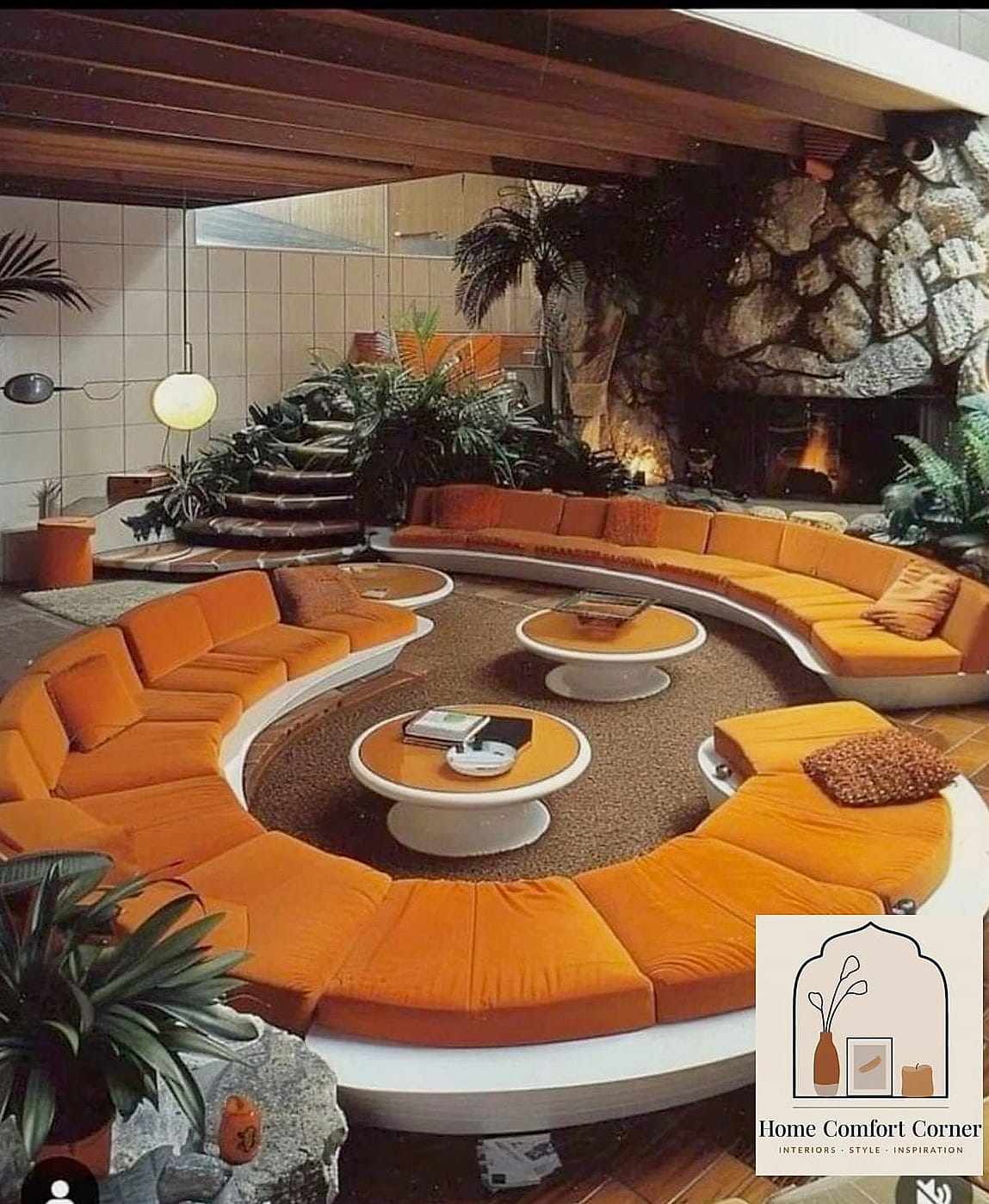
There’s something about a sunken living room that immediately signals money was spent here. You don’t need a full architectural excavation to get the effect either — some homeowners are recreating the look with a lowered platform or simply arranging boucle sectional seating in a tight, cozy cluster around a central coffee table. The nubby texture of boucle fabric brings that soft, tactile 70s feel, and in cream or warm taupe tones it looks current rather than costume-y. This works best in larger living rooms or converted basements where you have the square footage to spare. Add a low brass floor lamp and a shag area rug underneath, and the whole setup feels like an intentional design statement instead of a fad.
Terracotta and Clay Wall Tones
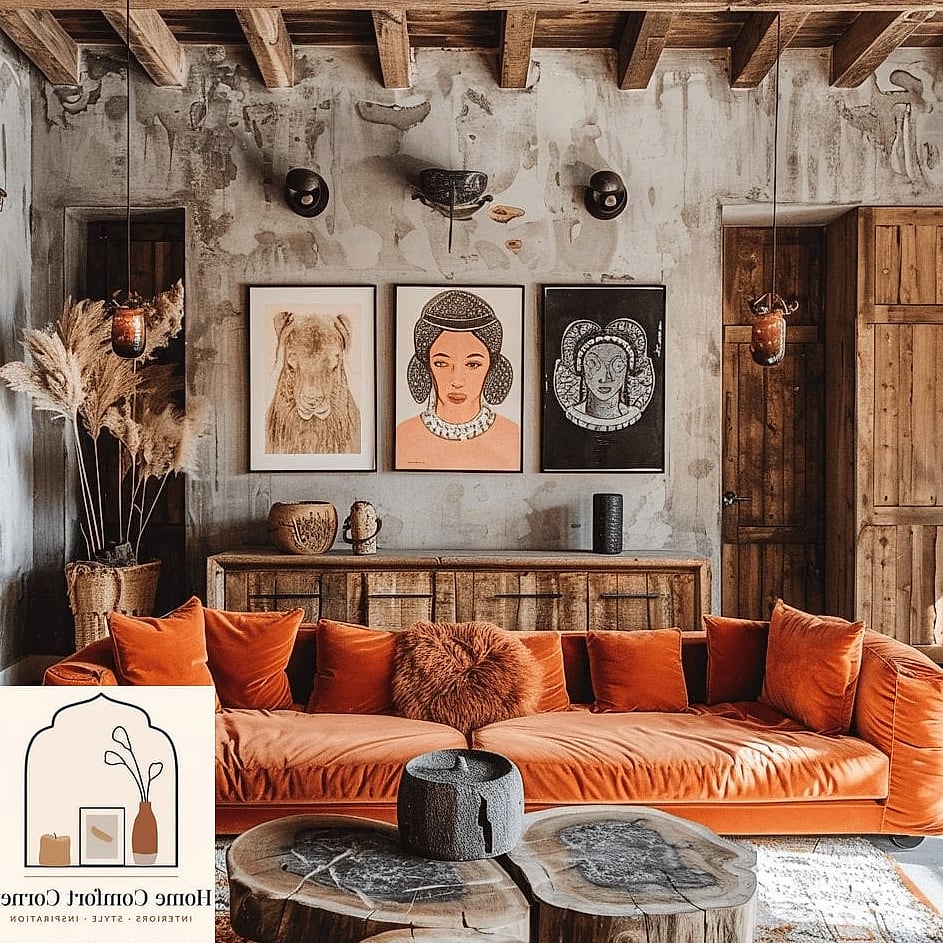
Paint is one of the cheapest ways to completely shift a room’s mood, and warm terracotta walls do a lot of heavy lifting here. This earthy, sun-baked color reads as sophisticated rather than gimmicky, especially in a matte finish. It pairs beautifully with natural wood furniture and brass accents. Bedrooms and dining rooms both take well to this treatment, since the warmth makes spaces feel enveloping at night under lamp light. If full walls feel like too much commitment, try it on just one accent wall or even the ceiling for a surprising, editorial touch.
Curved Velvet Sofa as the Anchor Piece
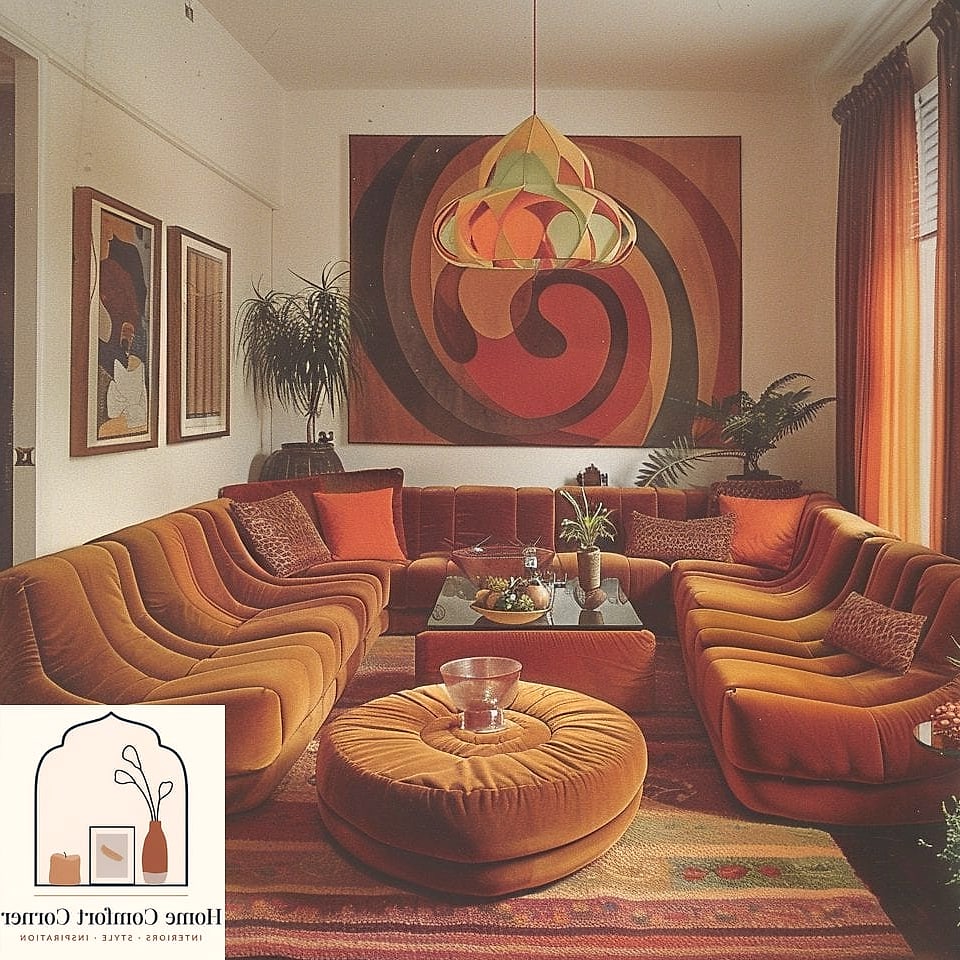
Nothing says 70s glamour quite like a curved sofa. The soft, rounded silhouette breaks up all those hard right angles most living rooms default to, and in a rich jewel tone like emerald or rust velvet, it instantly becomes the star of the room. This piece works particularly well in open-concept spaces where a curved shape can help define a seating zone without walls. Yes, velvet shows some wear over time, so if you’ve got kids or pets, look for a performance velvet blend that’s more forgiving to clean. The investment is worth it because this one piece can carry an entire room’s aesthetic on its own.
Rattan and Wicker Accent Furniture
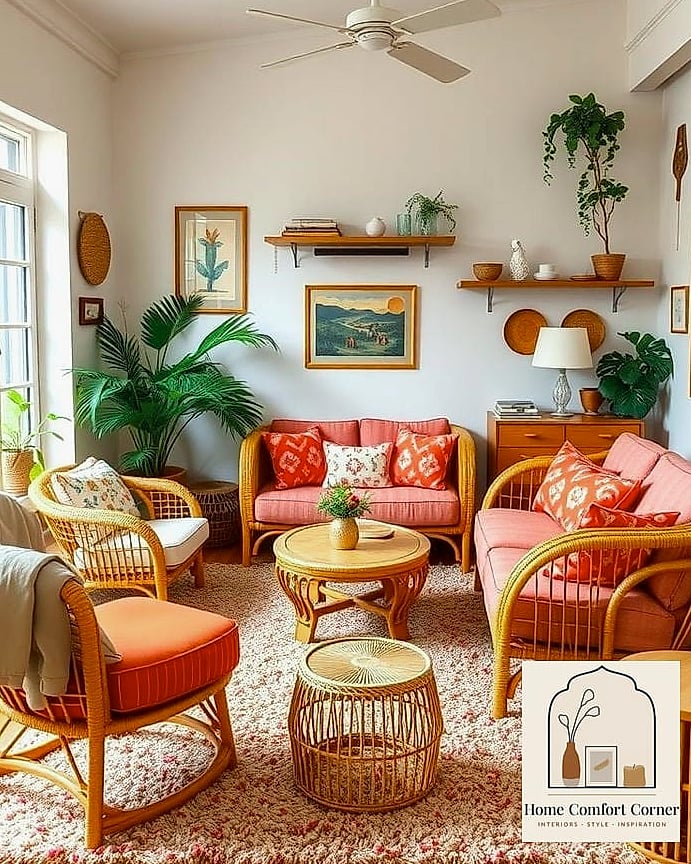
Woven textures were everywhere in the 70s, and rattan furniture has made a genuine comeback for good reason. A rattan headboard, accent chair, or pendant light fixture adds organic texture without overwhelming a space. It’s especially good in bedrooms and sunrooms where natural light can play off the woven patterns and cast interesting shadows. Rattan is fairly budget-friendly compared to solid wood furniture, and it’s lightweight enough to move around as you rearrange. Pair it with linen bedding and a few trailing plants for a look that feels collected rather than themed.
Grasscloth Wallpaper for Textural Depth
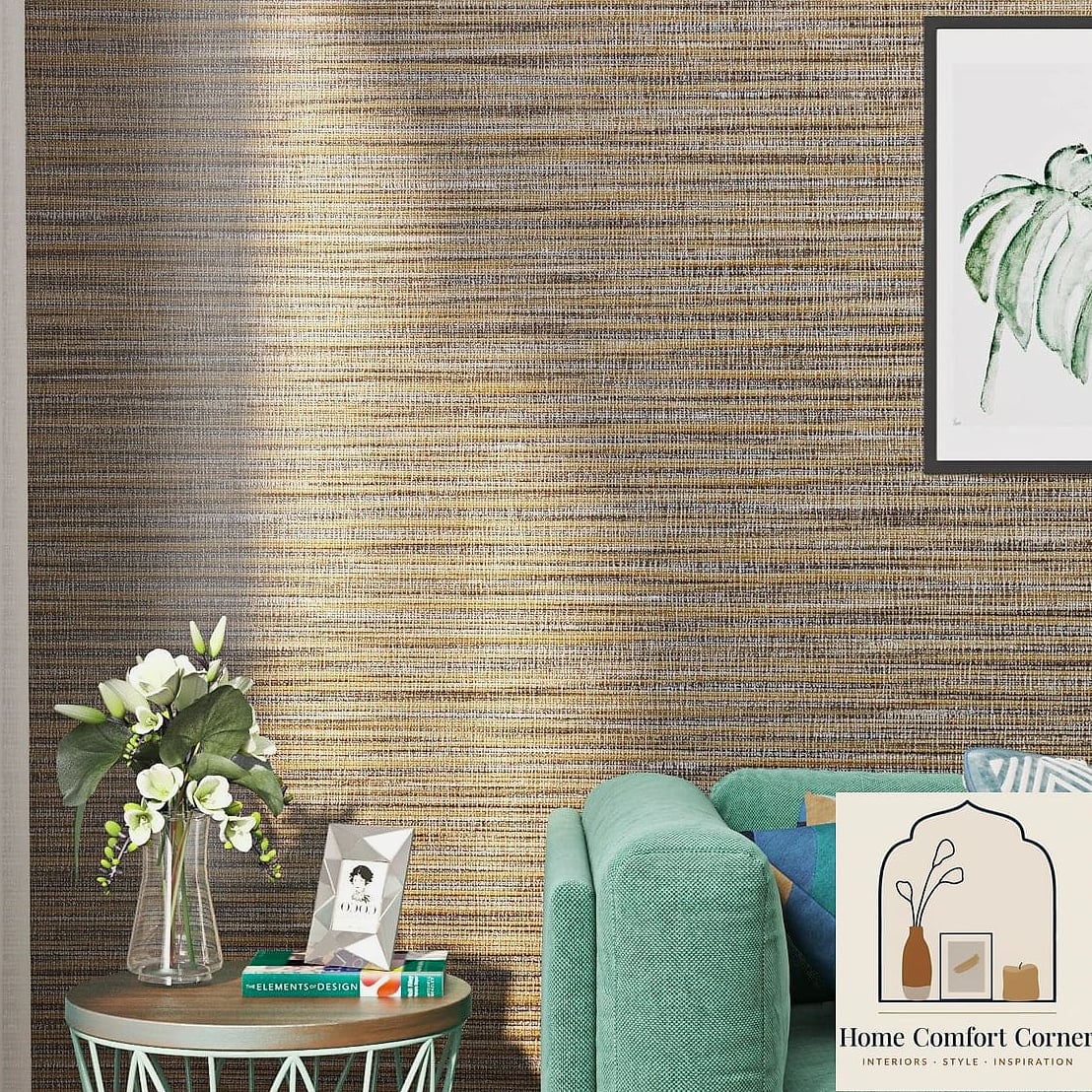
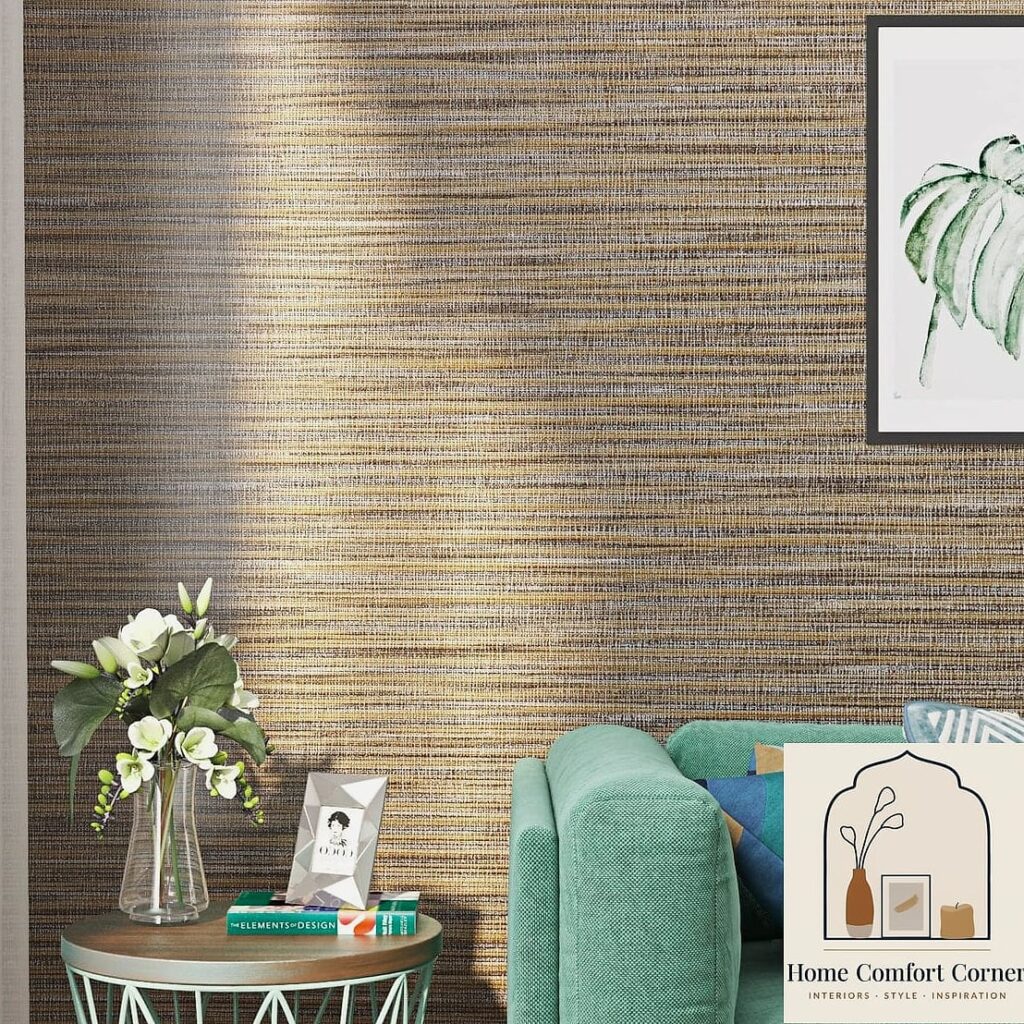
Grasscloth wallpaper brings an organic, woven texture to walls that flat paint simply can’t replicate. It was a staple in 70s dens and dining rooms, and today it reads as an upscale, almost hotel-like finish. The subtle texture catches light beautifully and hides minor wall imperfections better than a glossy paint would. This is a great option for a home office or powder room where you want a bit of drama in a smaller footprint. It’s not the easiest DIY install since it requires careful matching at the seams, so many homeowners bring in a professional for a clean result.
Statement Fireplace with Stacked Stone
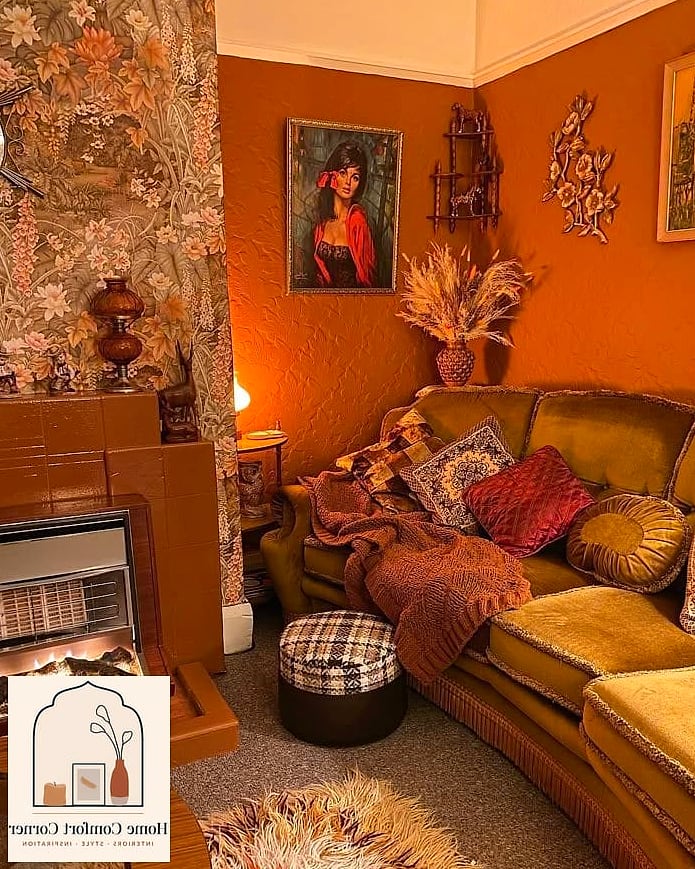
A stacked stone fireplace surround, especially in a warm, varied palette of tans and rust tones, is one of those features that makes a whole room feel custom-built. It’s a callback to the sculptural stone fireplaces that anchored so many 70s family rooms. If you’re not doing new construction, look into stone veneer panels, which can be installed over an existing fireplace surround for a fraction of the cost of full stone masonry. Add a built-in wood mantel and some brass fireplace tools, and you’ve got a focal point that looks like it’s always been there.
Warm Wood Paneling Done Right
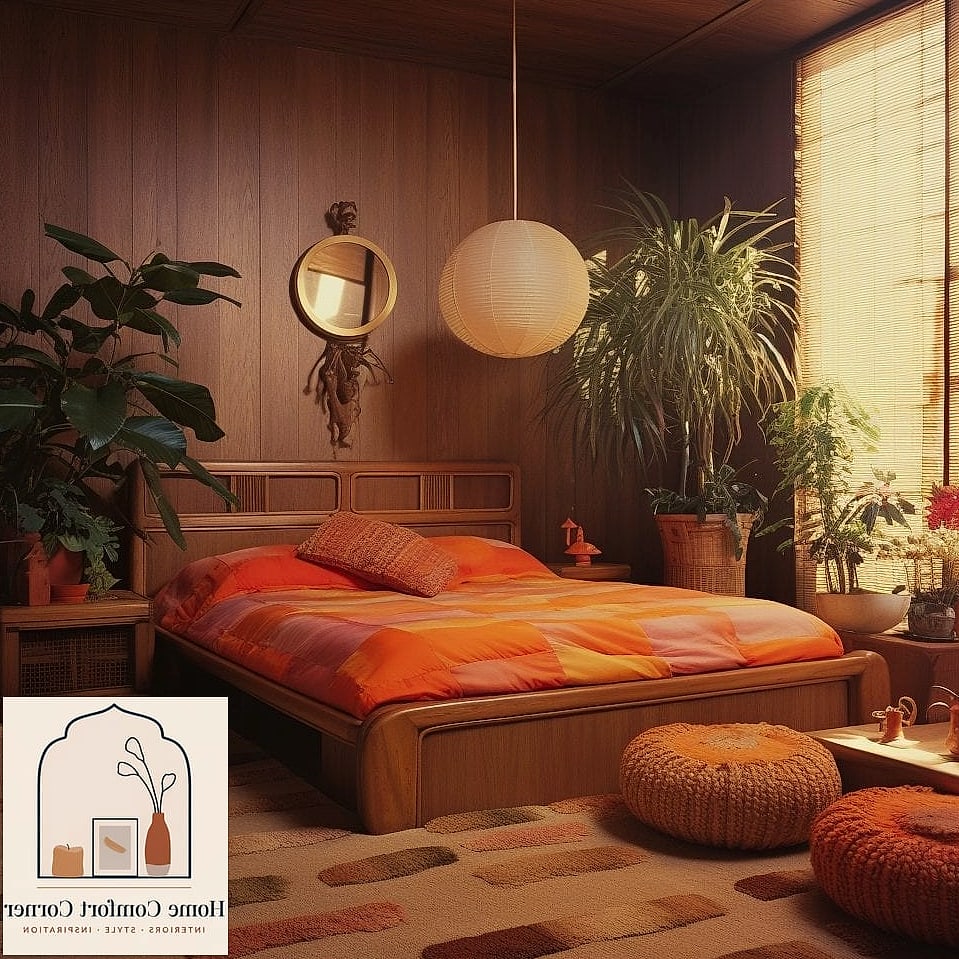
Wood paneling gets an unfair rap because of some genuinely rough 90s renovations, but the original 70s version — rich, warm-toned wood applied with intention — looks incredible when done well. The key is choosing a paneling style with some visual interest, like vertical shiplap or a herringbone wood pattern, rather than the flat, orange-tinted panels everyone associates with old rec rooms. A home office, library nook, or dining room takes beautifully to this treatment. Seal it with a matte finish to keep the wood grain visible without looking glossy or cheap.
Mustard and Olive Color Palette
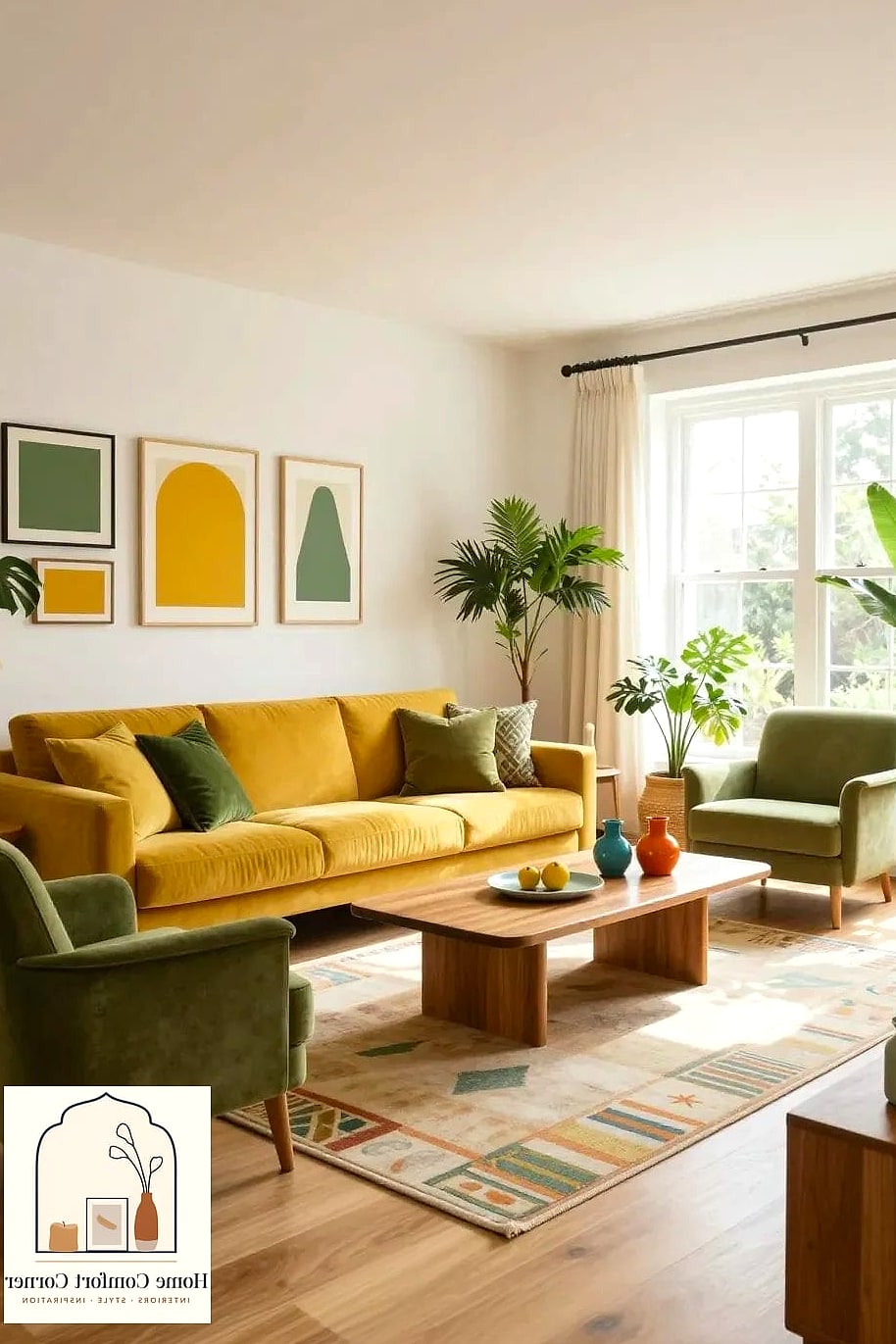
Color palette alone can transport a room straight into 70s territory, and mustard yellow paired with deep olive green is one of the most flattering combinations from that era. Use these tones in throw pillows, an accent chair, or even kitchen cabinetry for a bolder commitment. These colors work surprisingly well with black fixtures and warm wood tones, keeping the overall look grounded instead of costume-like. A living room or kitchen with good natural light handles these saturated colors best, since they can feel a bit heavy in a dim, north-facing space.
Brass Hardware and Fixtures Throughout
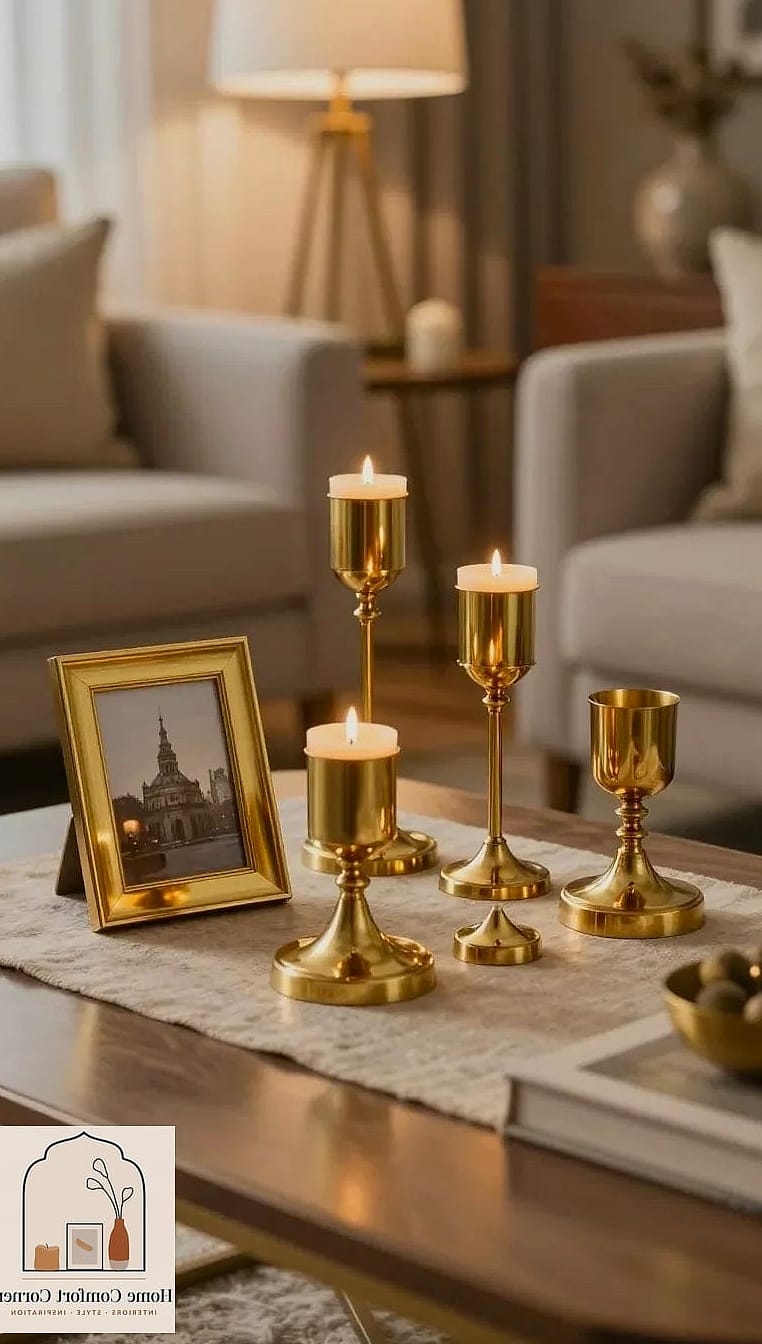
Chrome had its moment, but brass is the metal that defines 70s glamour, and swapping out hardware is one of the most budget-friendly makeovers on this list. Cabinet pulls, light fixtures, faucet heads, and even door handles in a warm, slightly aged brass finish instantly elevate a space. Unlike bright polished brass, which can look a little flashy, an antiqued or satin brass finish feels more intentional and expensive. This is a genuinely renter-friendly update too, since most hardware swaps don’t require permanent changes and can be reversed when you move out.
Terrazzo Flooring or Countertops
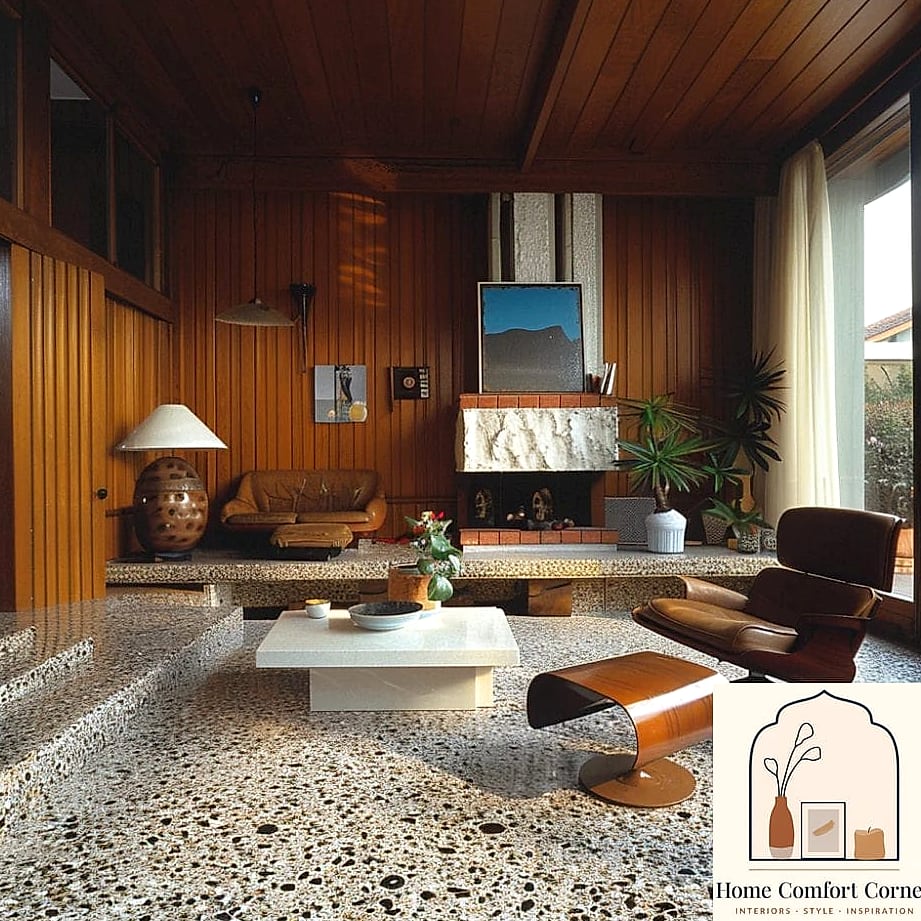
Terrazzo — that speckled composite of stone chips set in concrete or resin — was a 70s staple that’s having a real design moment again. Whether it’s a full terrazzo floor, a kitchen backsplash, or even just a terrazzo-topped side table, this material brings texture and visual interest without competing with other design elements in the room. It’s incredibly durable and easy to clean, which makes it practical for kitchens and bathrooms. If full terrazzo flooring feels like too big a project, terrazzo-look porcelain tile gives you a similar effect at a much lower cost and easier installation.
Macrame and Woven Wall Hangings
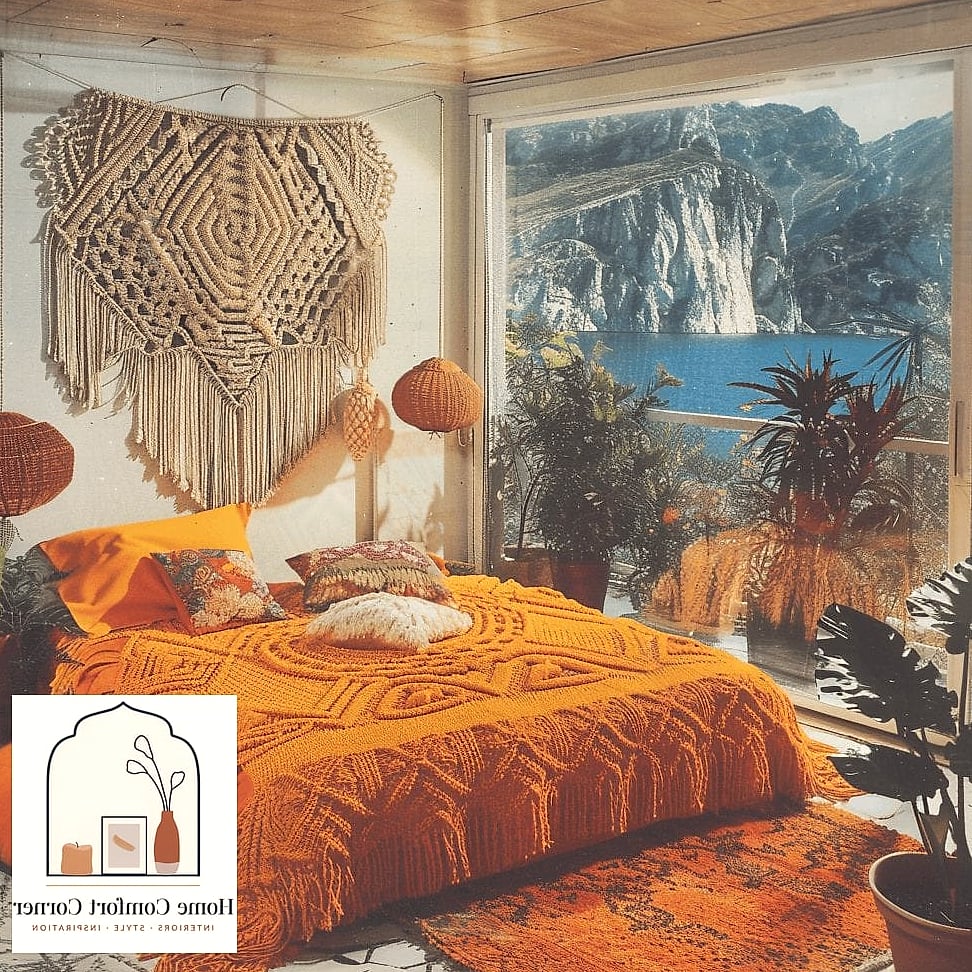
Large-scale macrame wall art adds instant texture and warmth to a blank wall, and it’s one of the most recognizable callbacks to 70s bohemian style. The natural cotton or jute fibers pair beautifully with the wood tones and earthy palettes already showing up elsewhere in this list. A large piece above a bed or sofa acts almost like sculptural art, casting soft shadows as the light shifts through the day. This is also one of the more DIY-friendly ideas here if you’re willing to learn a few basic knots, or you can find genuinely well-made pieces from independent makers if you’d rather skip the project.
Layered Lighting with Sculptural Fixtures
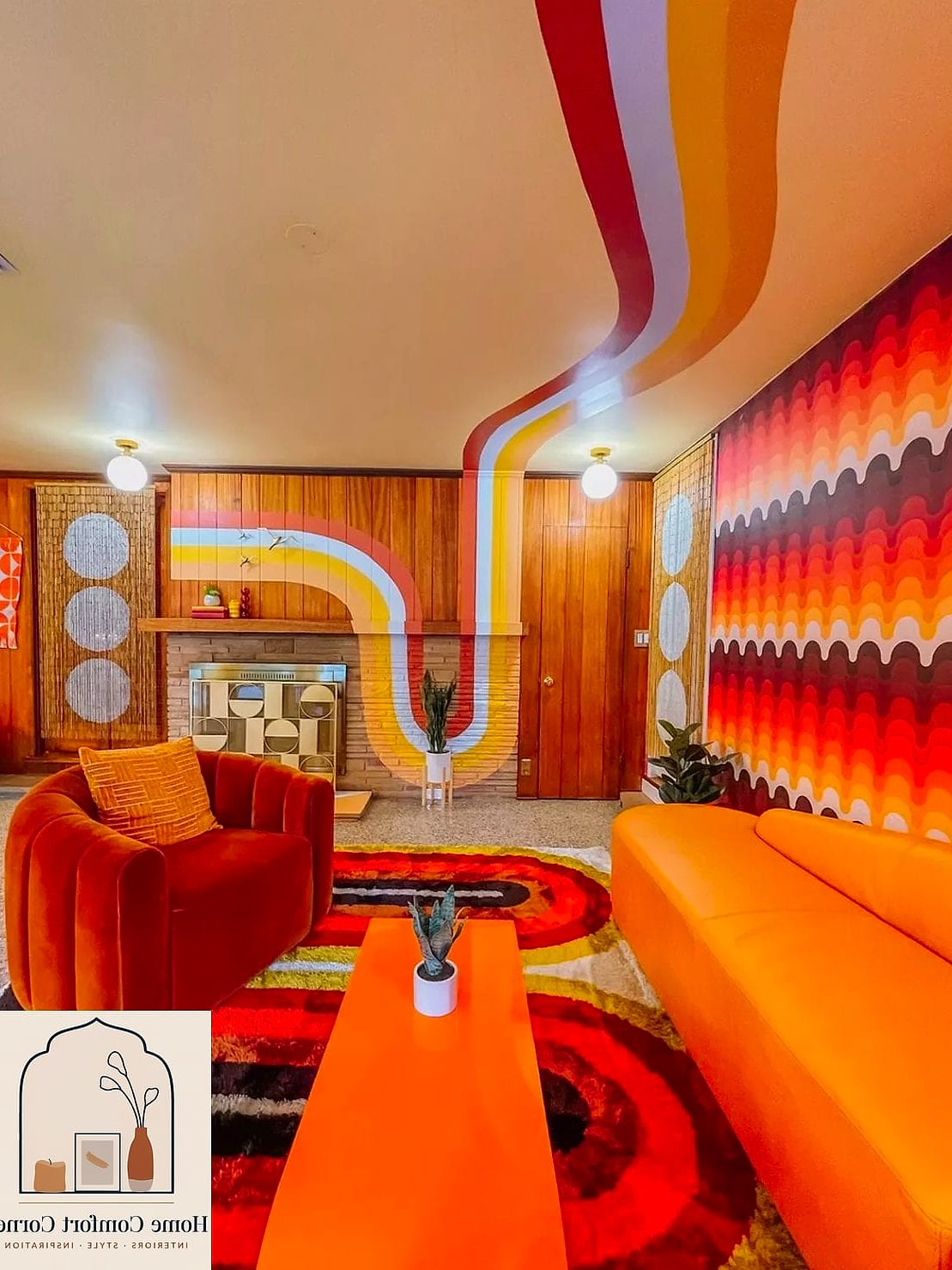
The 70s were big on lighting as art, not just function, and a sculptural pendant or arc floor lamp can do more for a room’s atmosphere than almost anything else on this list. Look for fixtures with warm brass or smoked glass details, and layer them with table lamps and dimmable overhead lighting rather than relying on one harsh overhead source. This layered approach makes a room feel considered and cozy at night, which is a big part of why 70s-inspired spaces feel so inviting. It’s a relatively small investment for how much mood it adds, especially in a living room or bedroom where evening ambiance really matters.
Pulling together a 70s-inspired room isn’t about recreating a time capsule — it’s about borrowing the era’s best instincts around warmth, texture, and color, then filtering them through a more current, editorial eye. Mix in just two or three of these ideas at a time rather than going all in at once, and you’ll end up with a space that feels rich and layered instead of overdone. The best part is that most of these updates, from a hardware swap to a bold wall color, don’t require a full renovation budget to make a real impact.