9 Playroom Decor Makeovers That Look Incredibly Expensive
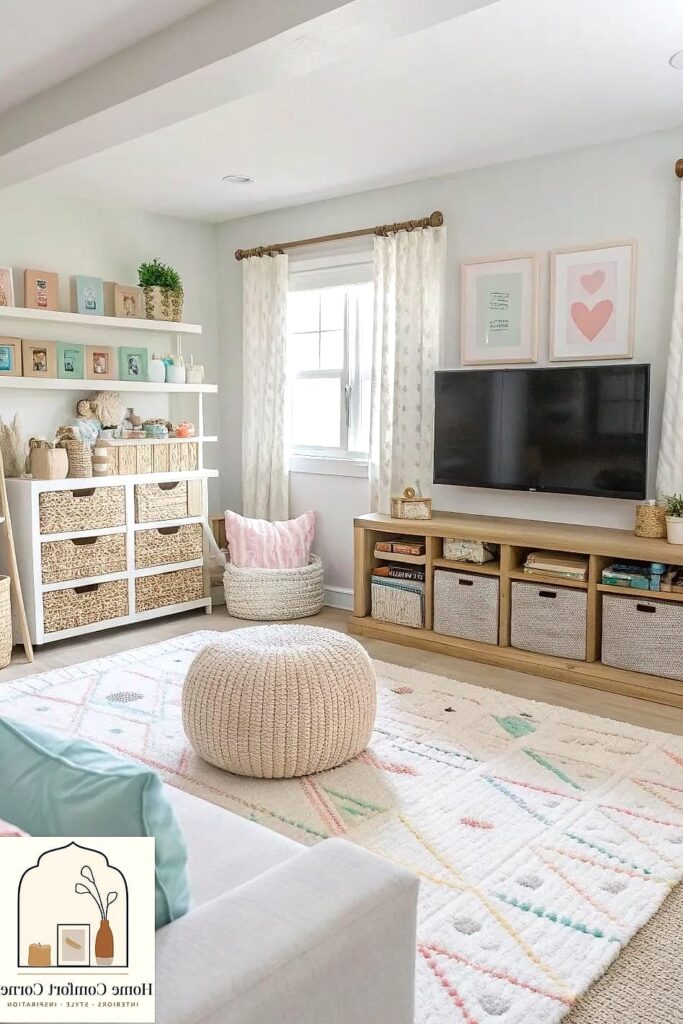
- A Neutral Base with One Bold Color Pop
- Wood Tones Instead of Primary-Colored Plastic Furniture
- Gallery Wall of Kids’ Art in Matching Frames
- Built-In Look Shelving Without an Actual Built-In
- A Statement Rug That Anchors the Whole Room
- Hidden Storage That Looks Like Real Furniture
- Layered Lighting Instead of One Overhead Fixture
- A Cohesive Color Palette for Bins and Labels
- A Designated Reading Nook with Real Furniture
9 Playroom Decor Makeovers That Look Incredibly Expensive
A playroom doesn’t have to look like a toy store exploded to feel fun. Some of the most expensive-looking playrooms I’ve seen weren’t expensive at all — they just borrowed a few tricks from real interior design instead of leaning on primary colors and cartoon decals. Below are nine playroom decor makeovers that read as high-end, put together, and grown-up-approved, without sacrificing the fun a kid actually wants.
A Neutral Base with One Bold Color Pop
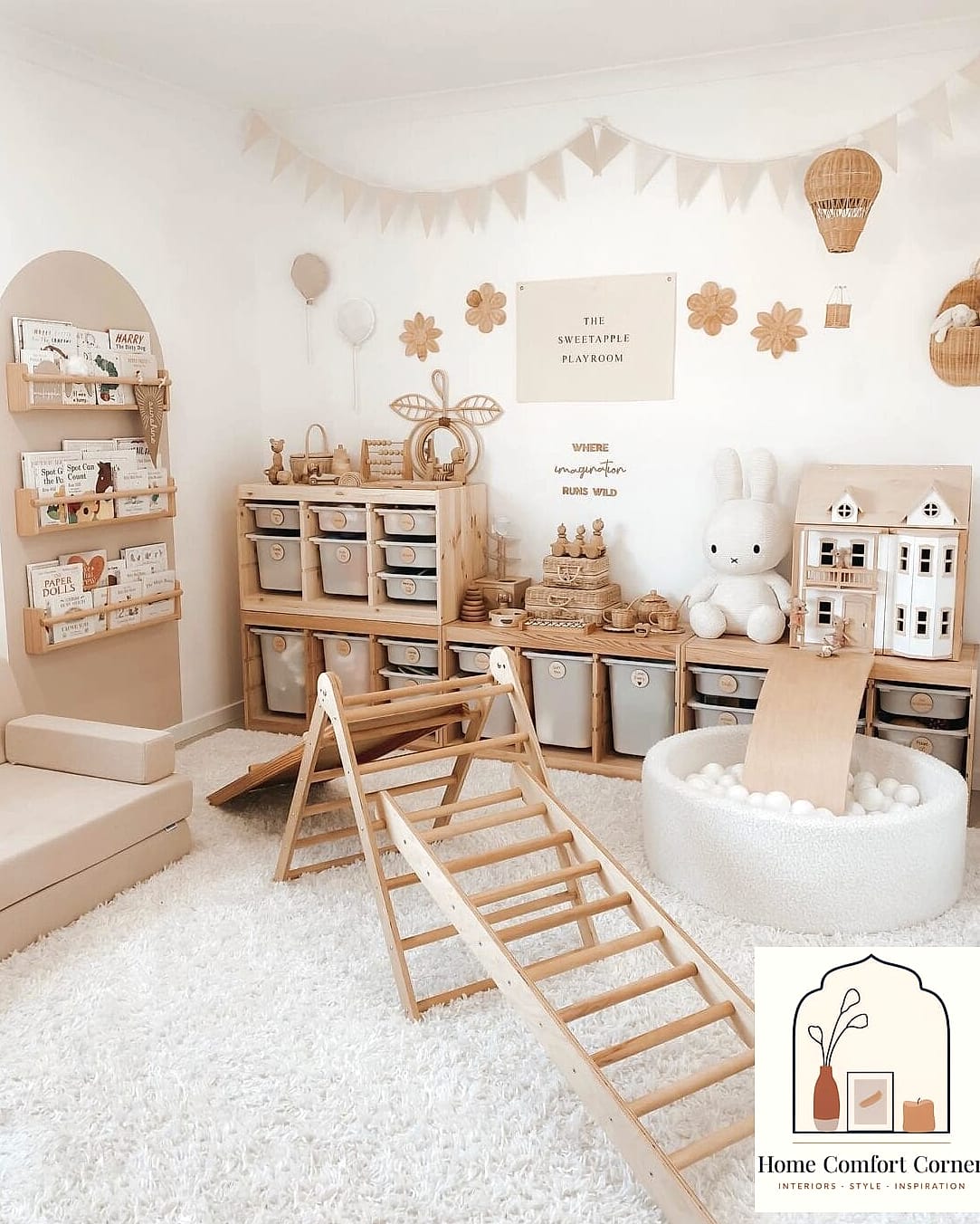
The fastest way to make a playroom look pricier is to stop treating it like a rainbow needs to live inside it. Start with a neutral wall color — soft greige, warm white, or a pale oatmeal tone — and let one saturated color do all the talking through toys, bins, and a single accent piece like a reading chair.
This works especially well in open-concept homes where the playroom is visible from the kitchen or living room. It also makes photos of the space look intentional rather than chaotic, since your eye isn’t bouncing between six competing colors.
Budget-wise, this is basically free if you’re repainting anyway, and it makes toy rotation way easier because almost everything already matches.
Wood Tones Instead of Primary-Colored Plastic Furniture
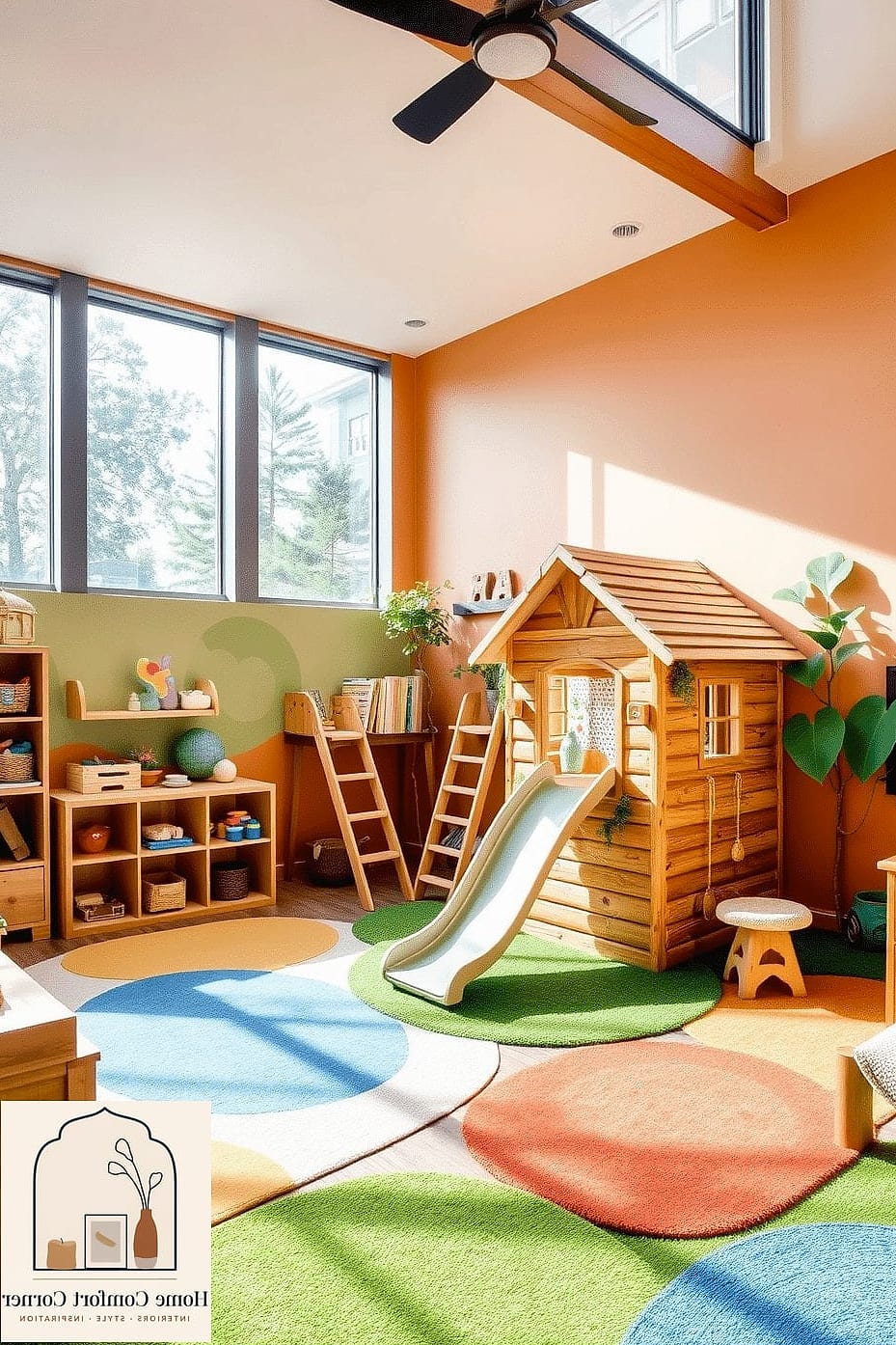
Swapping plastic tables, chairs, and shelving for wood or wood-look pieces instantly ages up a playroom. Think butcher block-topped activity tables, light oak shelving units, or a simple wood bench for shoe and backpack storage by the door.
Warm wood tones pair beautifully with almost any wall color and tend to hide scuffs better than glossy plastic finishes. If you’re on a budget, look for unfinished wood furniture you can seal yourself, or check secondhand marketplaces — solid wood kids’ furniture holds up shockingly well and often needs just a light sanding.
For families who move things around a lot, wood pieces on furniture sliders make rearranging painless.
Gallery Wall of Kids’ Art in Matching Frames
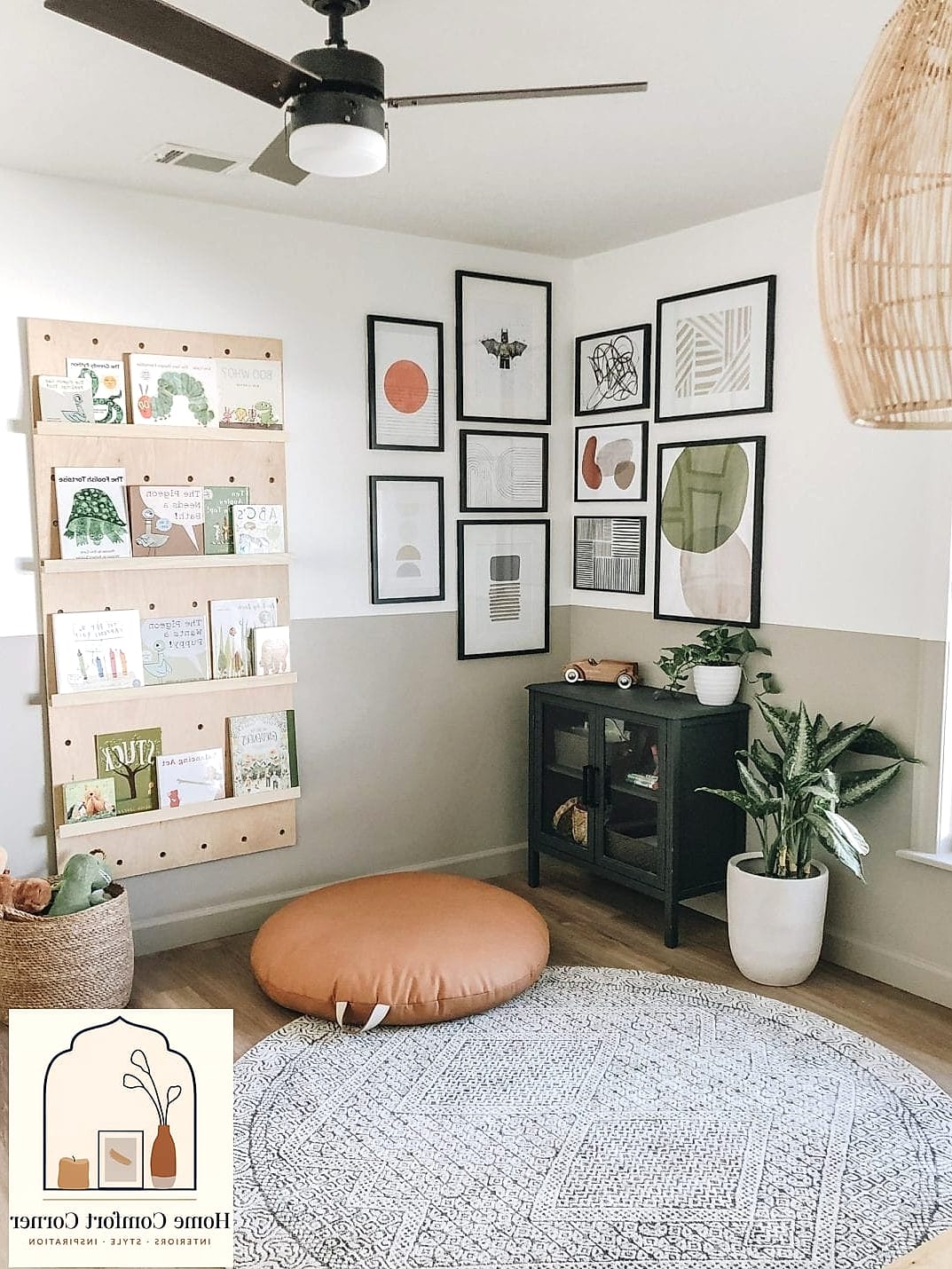
Random taped-up drawings read as clutter. The same drawings in a uniform set of frames — same color, similar sizes, arranged in a grid — suddenly look like a curated gallery wall you’d find in a design magazine.
This is a great renter-friendly idea too, since you can hang everything with removable adhesive strips instead of nails. Rotate the artwork seasonally or whenever your kid brings home a new favorite, and keep the frames as the permanent structure.
Black or natural wood frames both work, but pick one finish and stick with it — mixing metals and wood frames in the same grid tends to undercut the polished look you’re going for.
Built-In Look Shelving Without an Actual Built-In
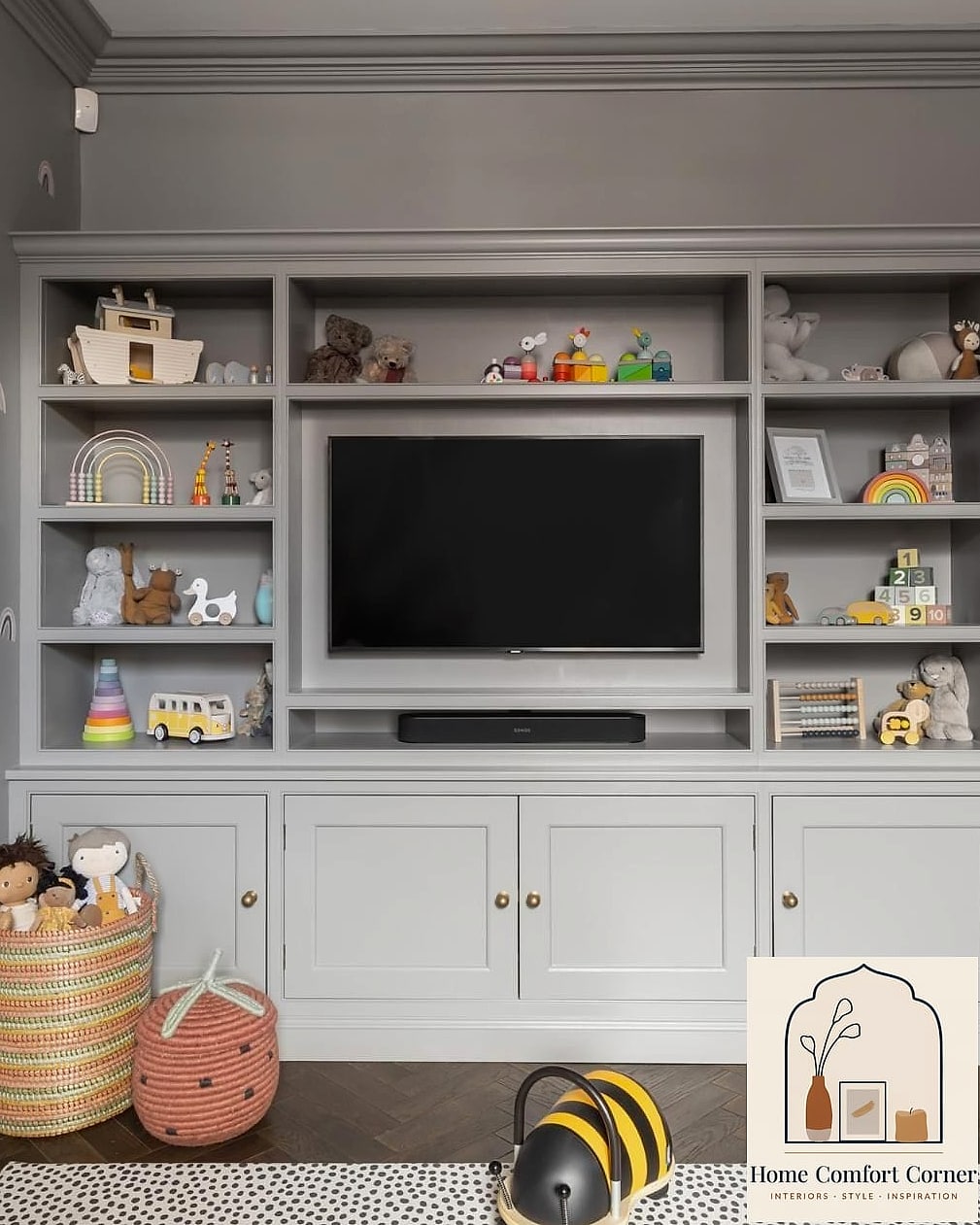
You don’t need a contractor to get that custom, built-in shelving look. Floating shelves installed floor-to-ceiling on either side of a window, painted the same color as the wall, create an architectural moment that looks like it was part of the original home design.
This is one of those upgrades that instantly makes a playroom feel more custom without requiring a full renovation. Style the shelves with a mix of books spine-out and spine-in, a few baskets for smaller toys, and the occasional plant or decorative object at kid’s eye level.
Open shelving does require a bit more tidying discipline than closed cabinets, so if your family isn’t big on daily pickup, mix in a couple of closed bins on the lower shelves for the stuff that doesn’t need to look pretty.
A Statement Rug That Anchors the Whole Room
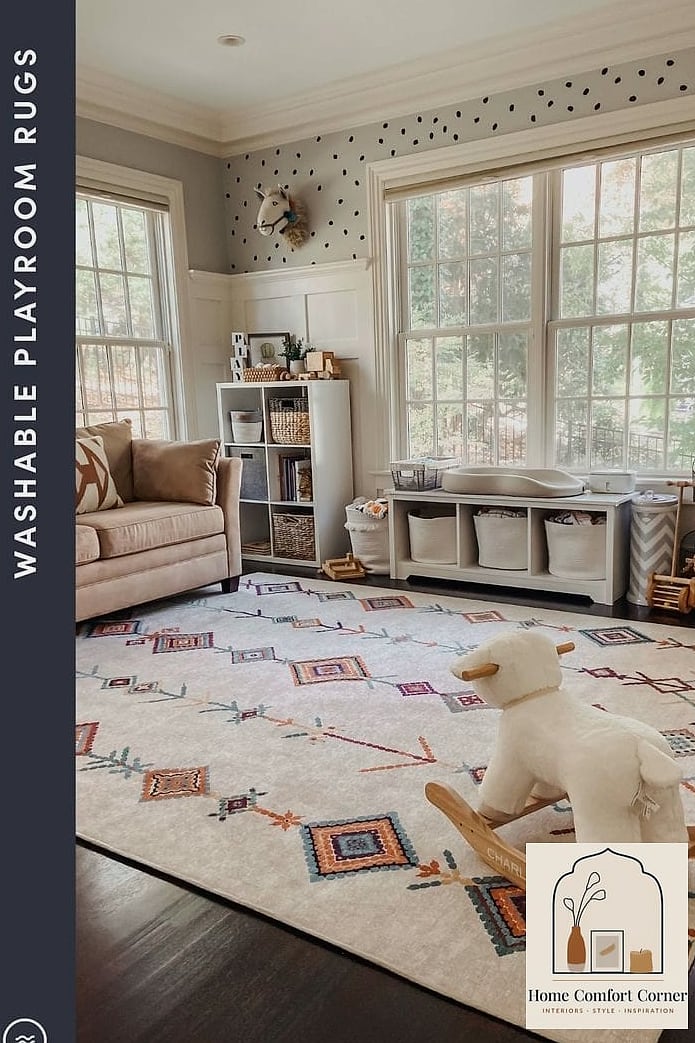
Cheap playrooms often skip the rug entirely or go with something thin, foam-tiled, and very obviously “kid zone.” A thick, well-made area rug — even a budget-friendly one from a big box store — grounds the whole space and makes it read as a real room instead of a converted storage area.
Look for a pattern that hides stains, like a subtle geometric or a mid-tone with texture, rather than solid white or black. Wool-blend or stain-resistant synthetic rugs are both solid options depending on your budget and whether you’ve got a dog in the mix too.
Layering a smaller playful rug on top of a larger neutral one is a nice variation if you want a hint of pattern without committing the whole floor to it.
Hidden Storage That Looks Like Real Furniture
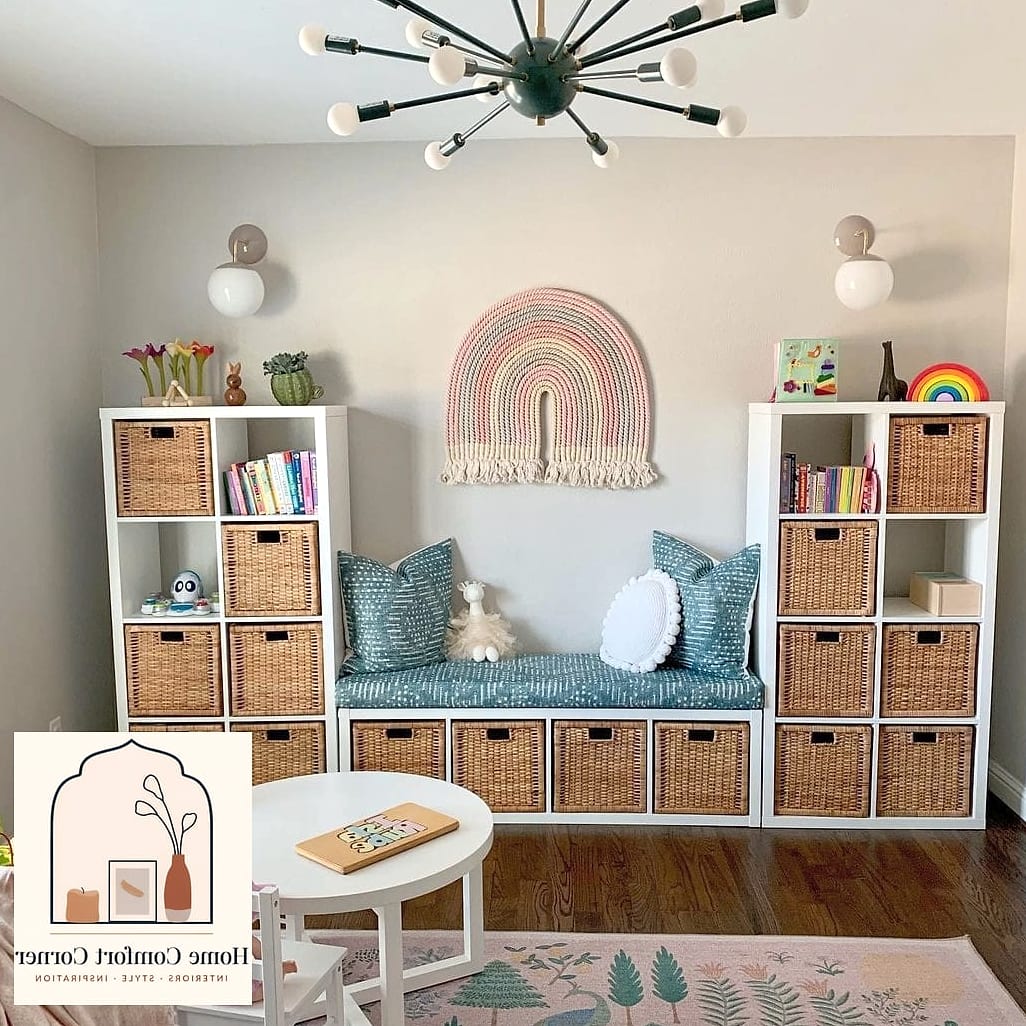
Nothing says budget playroom like open bins of toys stacked to the ceiling. Swapping those out for closed storage — cabinets, ottomans with lift tops, or a media console repurposed as a toy hub — makes the whole room feel more like an actual living space.
Baskets with lids or fabric bins tucked into cube shelving units are a middle-ground option if full cabinetry isn’t in the budget. The goal is simply less visual noise: toys can still be everywhere, they just don’t all need to be seen.
This is especially worth it in shared spaces, like a playroom that doubles as a guest room or home office, where you want the option to make toys disappear in under five minutes.
Layered Lighting Instead of One Overhead Fixture
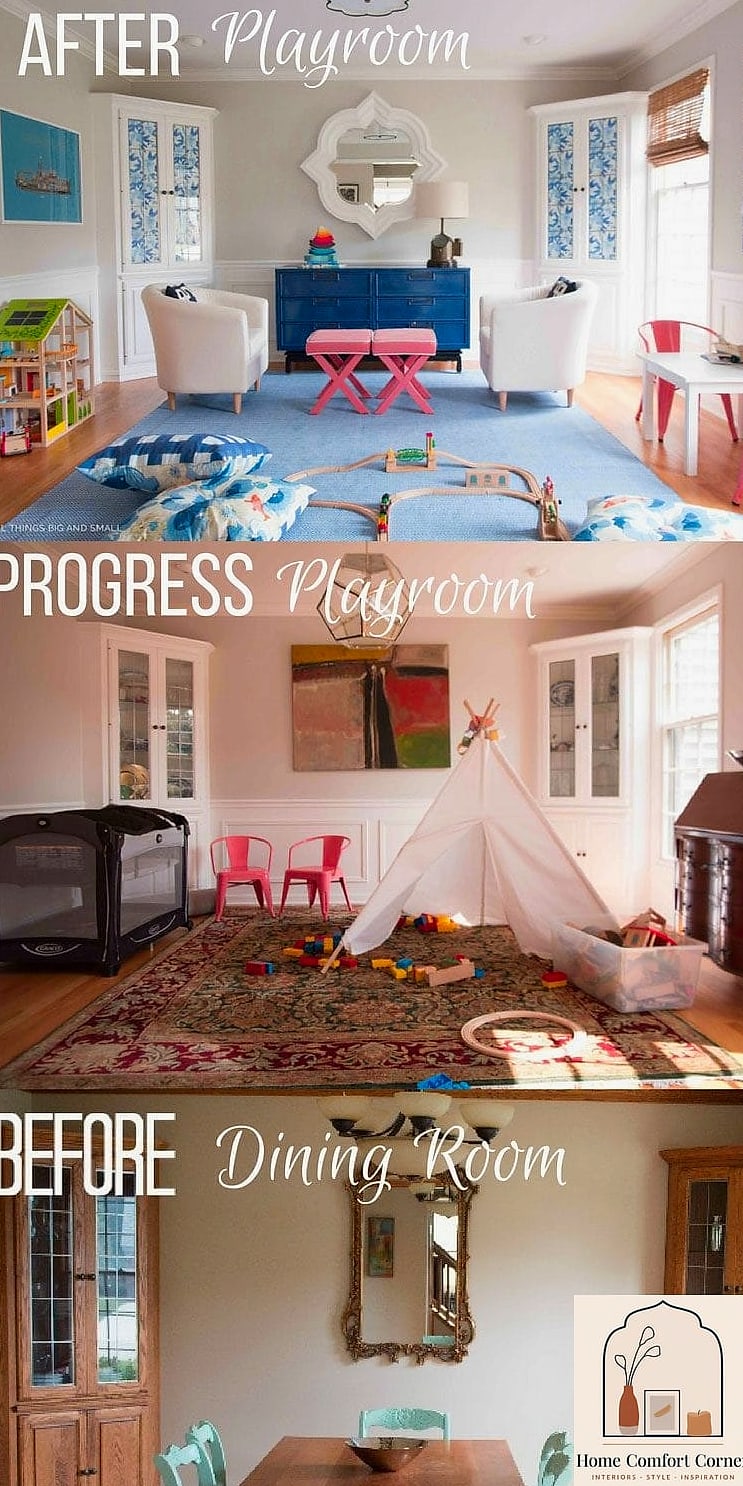
A single harsh overhead light is one of the biggest reasons playrooms feel like afterthoughts. Adding a floor lamp, a plug-in wall sconce, or a small table lamp creates warmth and depth the way lighting does in every other room of the house.
Layered lighting also gives the space more flexibility — bright and functional for cleanup time, softer and cozier for reading time. Look for lamps with cord covers or cordless rechargeable options if little hands are a concern.
Swapping a builder-grade flush mount for a slightly more interesting fixture, even an inexpensive one, is another easy upgrade that pays off visually more than it costs.
A Cohesive Color Palette for Bins and Labels
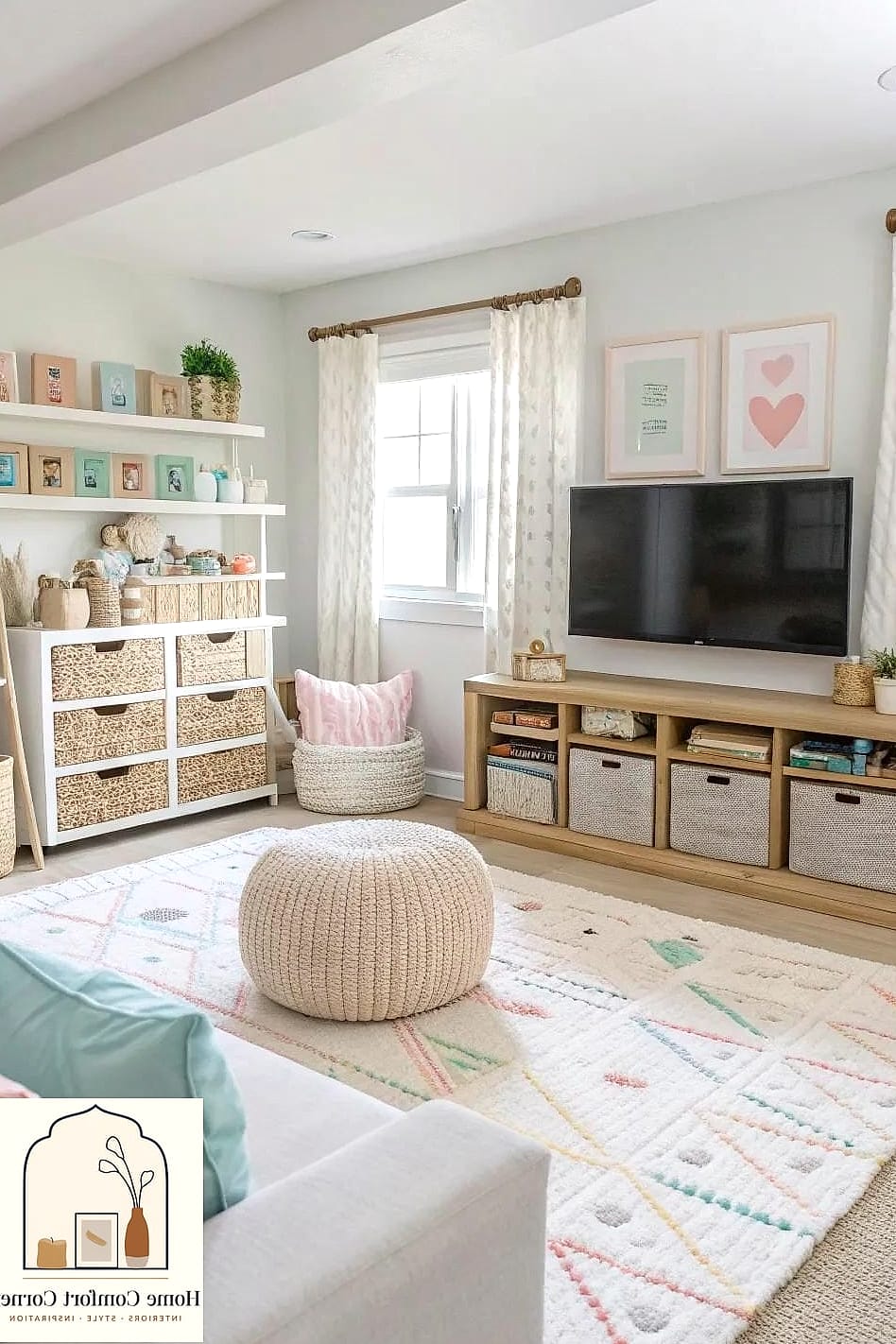
Mismatched plastic bins in five different colors are probably the single biggest giveaway of a budget playroom. Switching to matching bins — same brand, same color family, same material — creates instant visual calm, even if nothing else in the room changes.
Woven baskets, canvas bins, or matte-finish plastic totes all work, and adding simple labels (word or picture-based, depending on your kid’s age) makes the whole system look more like professional organizing than a garage sale.
This is one of the more affordable makeovers on this list since you’re likely just replacing containers, not furniture, and it pairs well with almost any of the other ideas here.
A Designated Reading Nook with Real Furniture
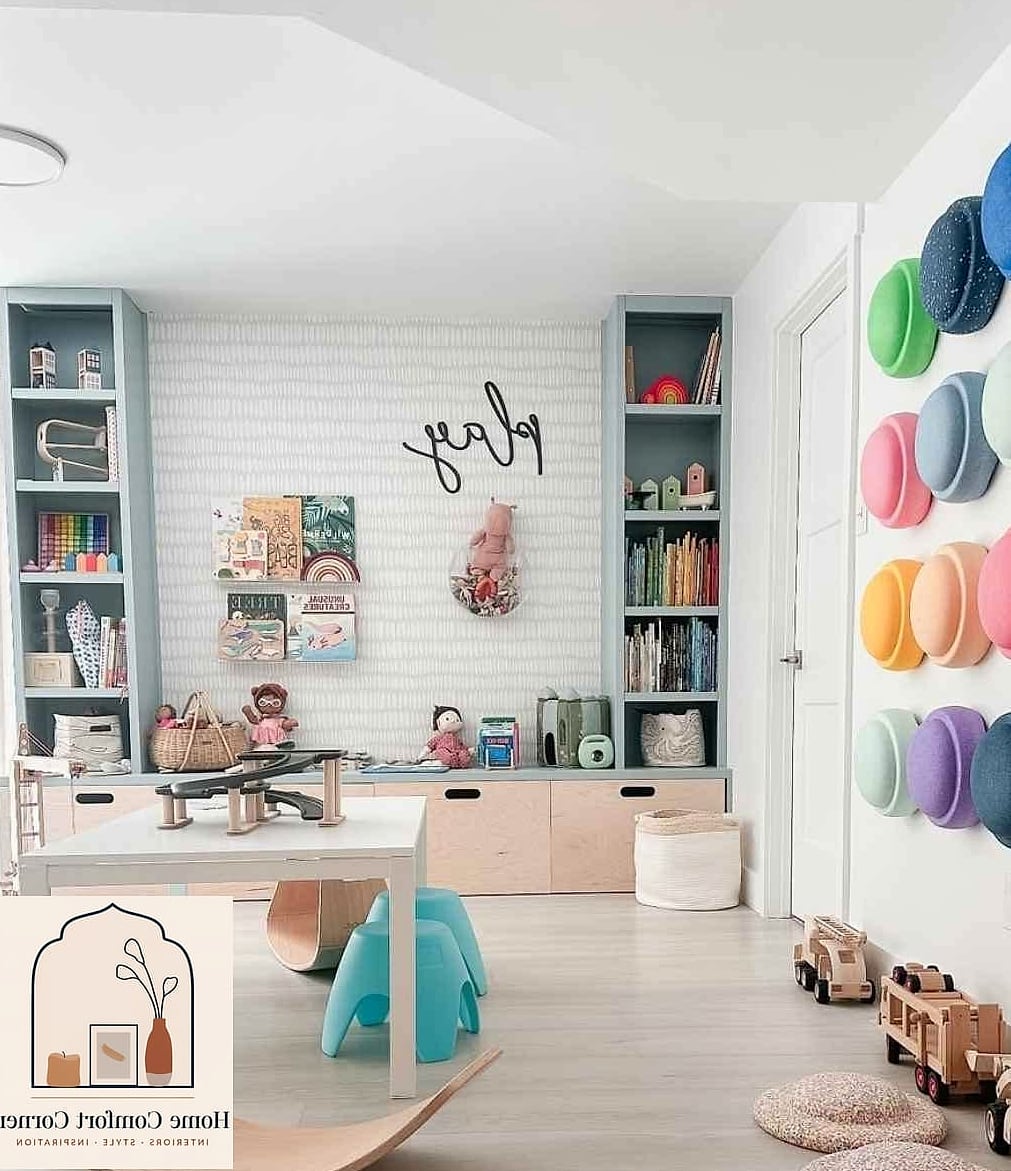
Instead of a beanbag shoved in a corner, carve out an actual reading nook with a small kid-sized armchair or a cushioned window seat, a floor lamp, and a low shelf of books facing out. Facing books cover-out, rather than spine-out, also happens to be a trick bookstores use to make displays look intentional.
A soft textured throw blanket and a round or organically shaped side table finish the look without adding much cost. This nook doesn’t need to be big — even a 4×4 foot corner works if it’s styled with a bit of care.
Kids tend to actually use these spaces more than a pile of pillows on the floor, so it’s practical too, not just pretty.
Final Thoughts
None of these playroom decor makeovers require a full renovation or a designer-sized budget — they’re mostly about editing, coordinating, and choosing materials that feel a little more grown-up. Pick two or three that fit your space and your family’s habits, and the room will start looking pulled-together fast. The best part is that a playroom like this actually gets easier to keep tidy, since everything has a place and a reason to be there.