12 Decor Room Ideas Tips From Top Interior Designers
- Layer Your Lighting Instead of Relying on One Fixture
- Bring in a Statement Rug to Anchor the Space
- Mix Metals Instead of Matching Everything
- Add Architectural Interest With Molding or Trim
- Use Greenery to Soften Hard Edges
- Create a Gallery Wall With Intention, Not Randomness
- Choose a Neutral Color Palette With One Bold Moment
- Swap Closed Cabinets for Open Shelving in Key Spots
- Bring in Texture Through Natural Materials
- Define Zones in Open-Concept Spaces With Furniture Placement
- Update Hardware and Fixtures Before Anything Else
- Use Baskets and Bins to Make Storage Look Intentional
12 Decor Room Ideas Tips From Top Interior Designers
I’ve spent years poking around design showrooms, bugging contractor friends with questions, and rearranging my own living room way more than necessary. Along the way I’ve picked up a lot of tricks from actual interior designers who do this for a living. So here are 12 decor room ideas tips from top interior designers that you can actually use, whether you’re planning a full remodel or just want to freshen things up this weekend.
Layer Your Lighting Instead of Relying on One Fixture
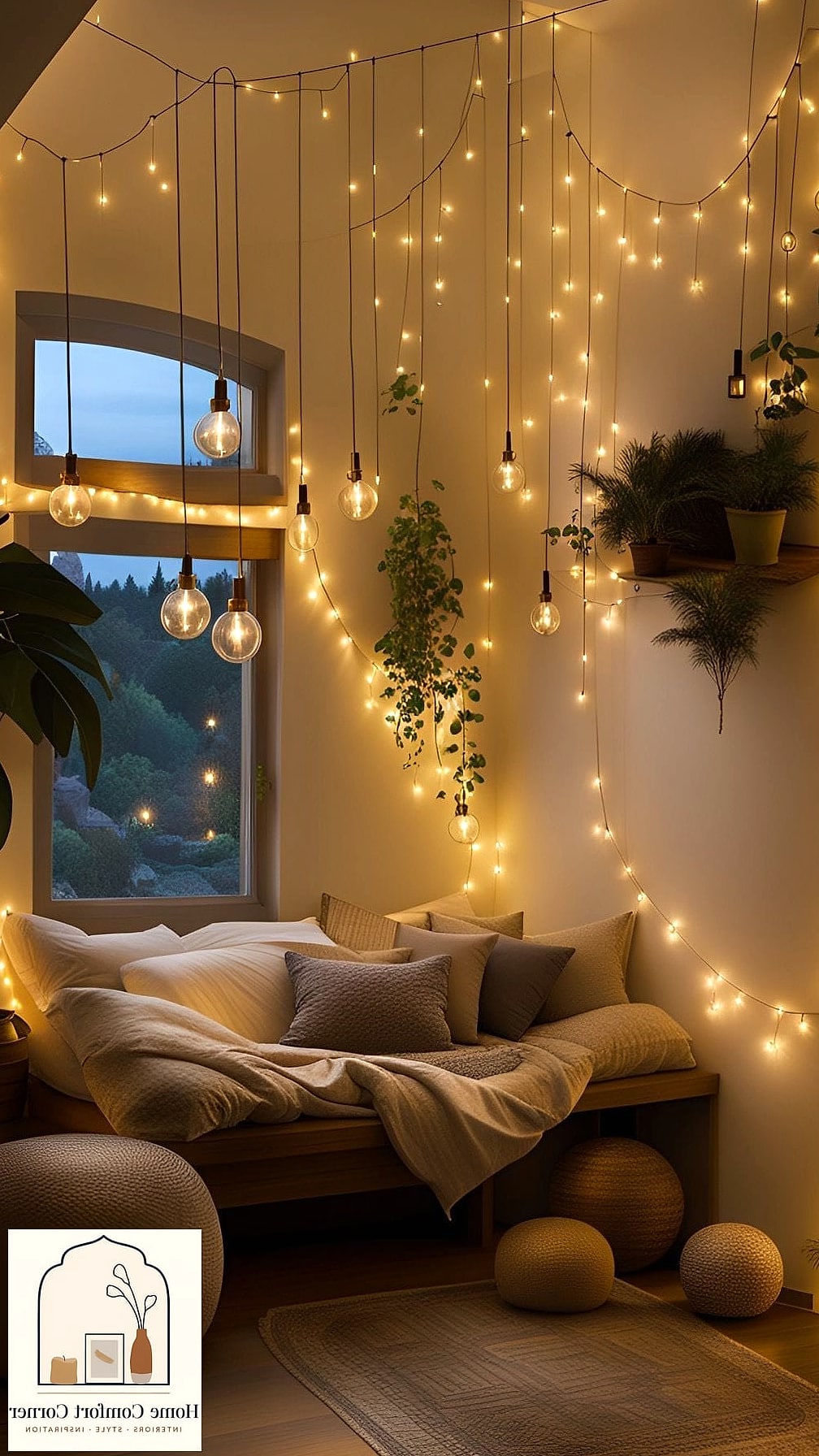
Most rooms lean on a single overhead light, and designers will tell you that’s the fastest way to make a space feel flat. The fix is layering: ambient light from a ceiling fixture, task lighting near reading spots or counters, and accent lighting like a floor lamp or picture light to add depth.
This works especially well in living rooms and bedrooms where mood matters more than pure function. A dimmer switch is a cheap upgrade that makes a huge difference here.
Budget-wise, you can start with a couple of table lamps from a thrift store or discount retailer. On the higher end, designers love brass or matte black sconces as a warm-wood-tones complement.
Bring in a Statement Rug to Anchor the Space
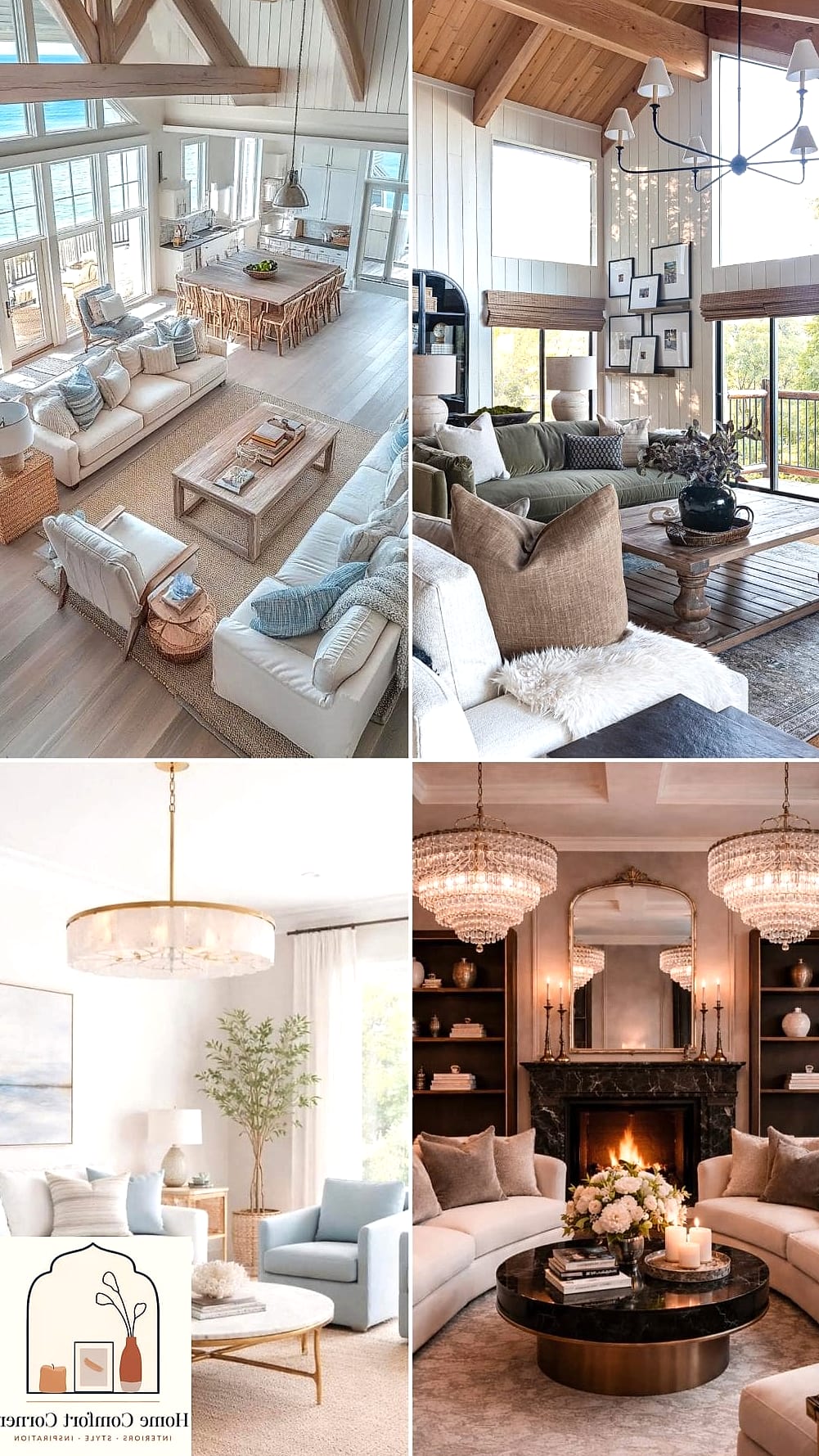
A good rug does more heavy lifting than people expect. It defines a seating area, adds texture underfoot, and can pull a whole color palette together.
This is a favorite trick for open-concept living rooms where furniture can otherwise feel like it’s floating in space. Designers usually recommend sizing up rather than down — your front furniture legs should sit on the rug, not hover just off the edge.
Wool and jute are popular for durability, though if you’ve got kids or pets, a low-pile synthetic blend is more forgiving and easier to clean. Vintage-style or Persian-inspired patterns are having a real moment right now.
Mix Metals Instead of Matching Everything
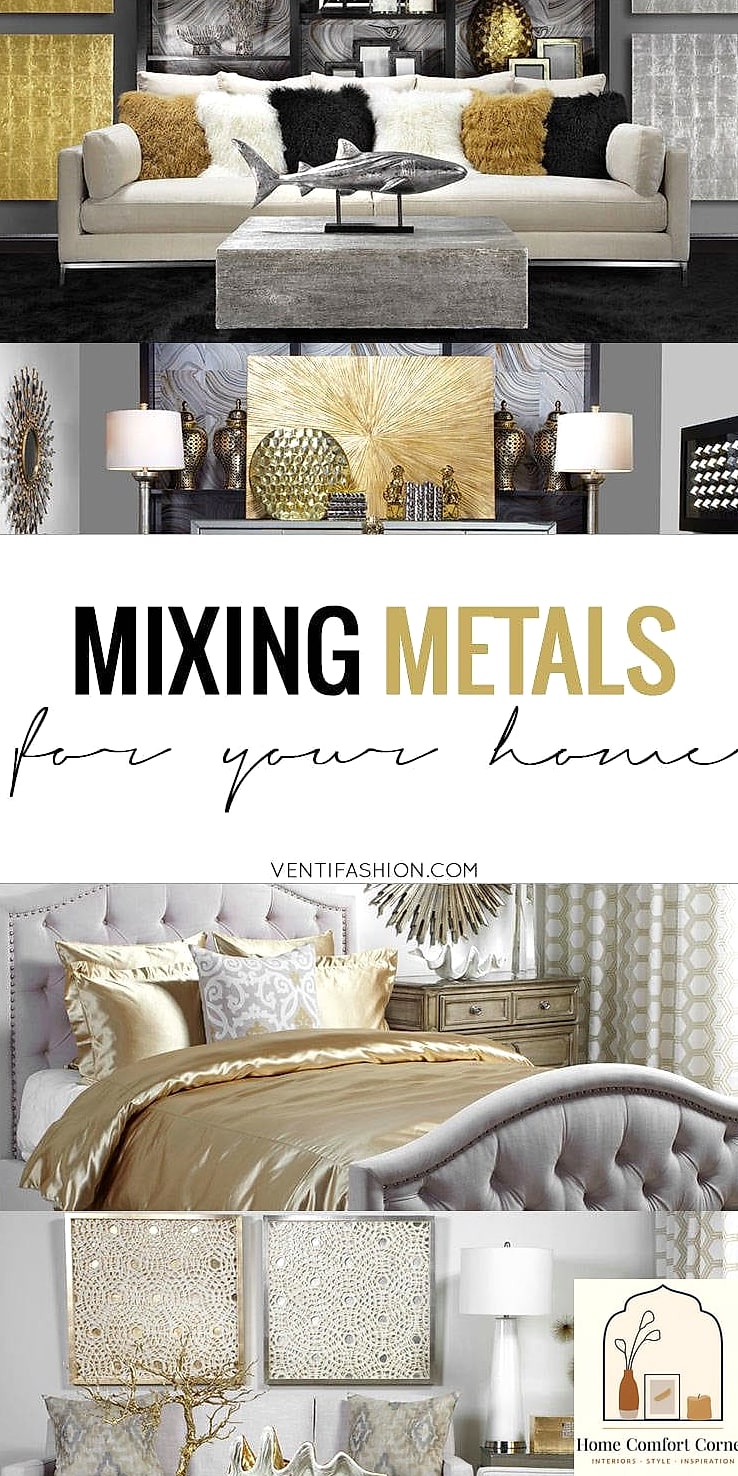
There was a time when every faucet, doorknob, and light fixture in a house had to match. Not anymore. Designers now intentionally mix brushed brass hardware with black fixtures or brushed nickel for a more collected, less showroom-y look.
This works great in kitchens and bathrooms especially, where hardware, faucets, and lighting all compete for attention. The trick is picking one metal as the dominant tone and using the second as an accent.
It’s a renter-friendly move too, since you can swap cabinet pulls without touching plumbing. Just keep receipts handy if you want to switch back before moving out.
Add Architectural Interest With Molding or Trim
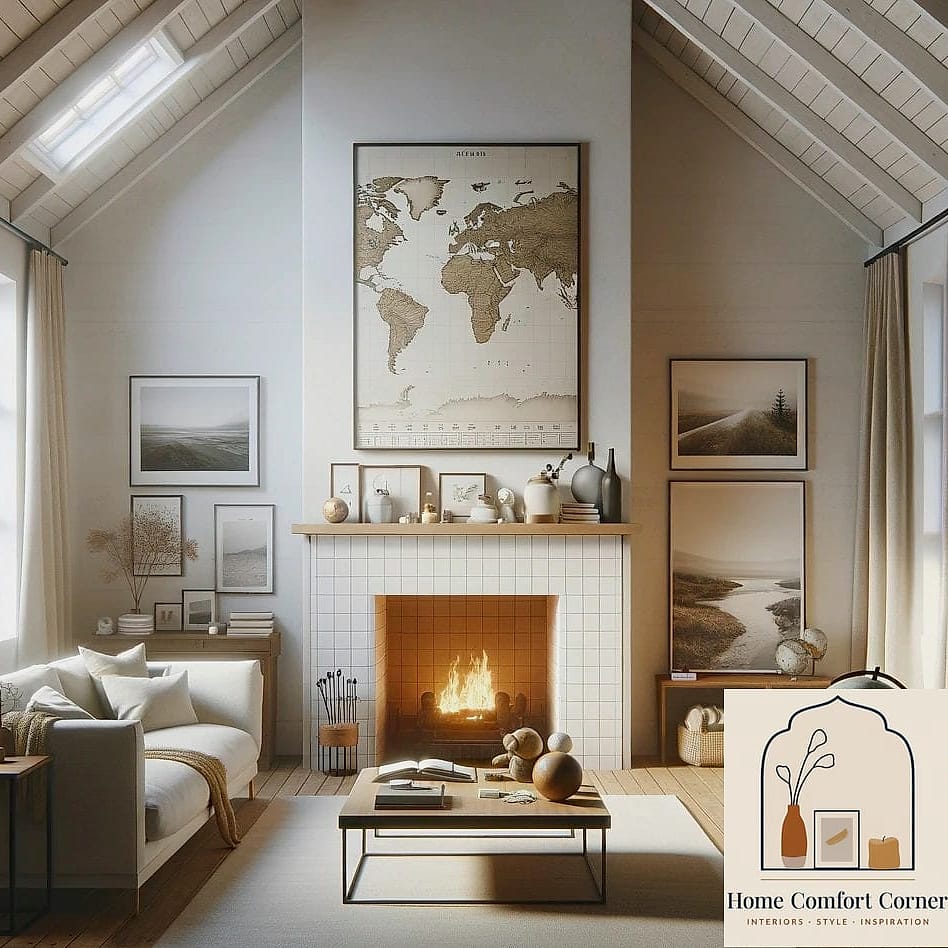
Board and batten, picture frame molding, wainscoting — these details give a room a custom feel without a full renovation. Designers love this because it adds texture and shadow play to otherwise plain walls.
Dining rooms, entryways, and primary bedrooms are popular spots for this treatment. It photographs beautifully and tends to increase perceived home value too.
If you’re not ready to commit to real millwork, there are peel-and-stick trim options and lightweight foam moldings that are surprisingly convincing from a few feet away, and they’re very DIY-friendly for a weekend project.
Use Greenery to Soften Hard Edges
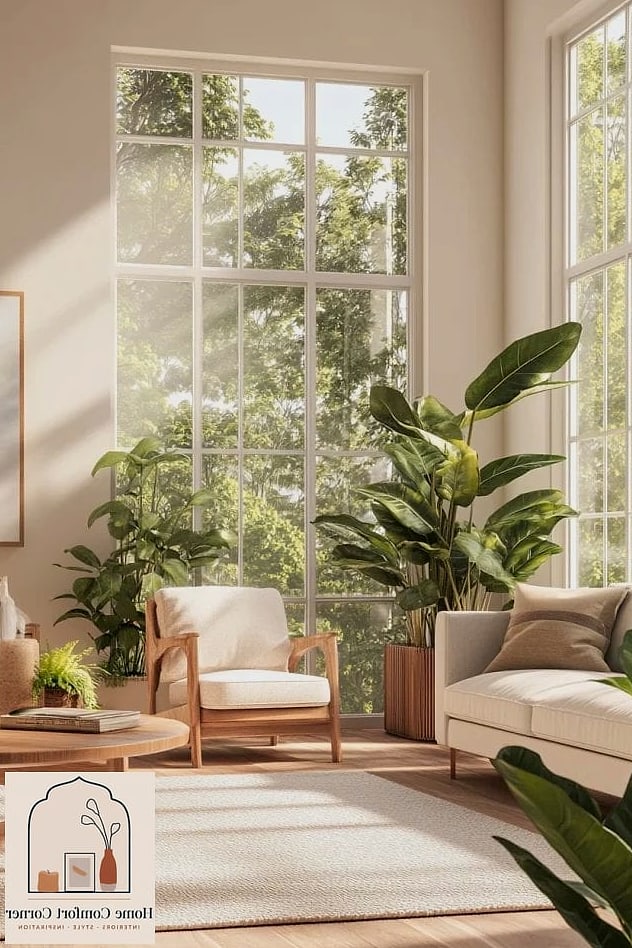
A room full of clean lines, quartz countertops, and glossy finishes can start to feel a little cold. Plants — real or high-quality faux — soften that instantly and bring life into a space.
This is one of those upgrades that instantly makes a kitchen or living room feel more custom without requiring a full renovation. Designers often mix plant heights: a tall fiddle leaf fig in a corner, trailing pothos on open shelving, a small herb pot on the counter.
Low-maintenance options like snake plants or ZZ plants are great if you don’t have a natural green thumb. Faux versions have gotten good enough that nobody’s going to interrogate your watering schedule.
Create a Gallery Wall With Intention, Not Randomness
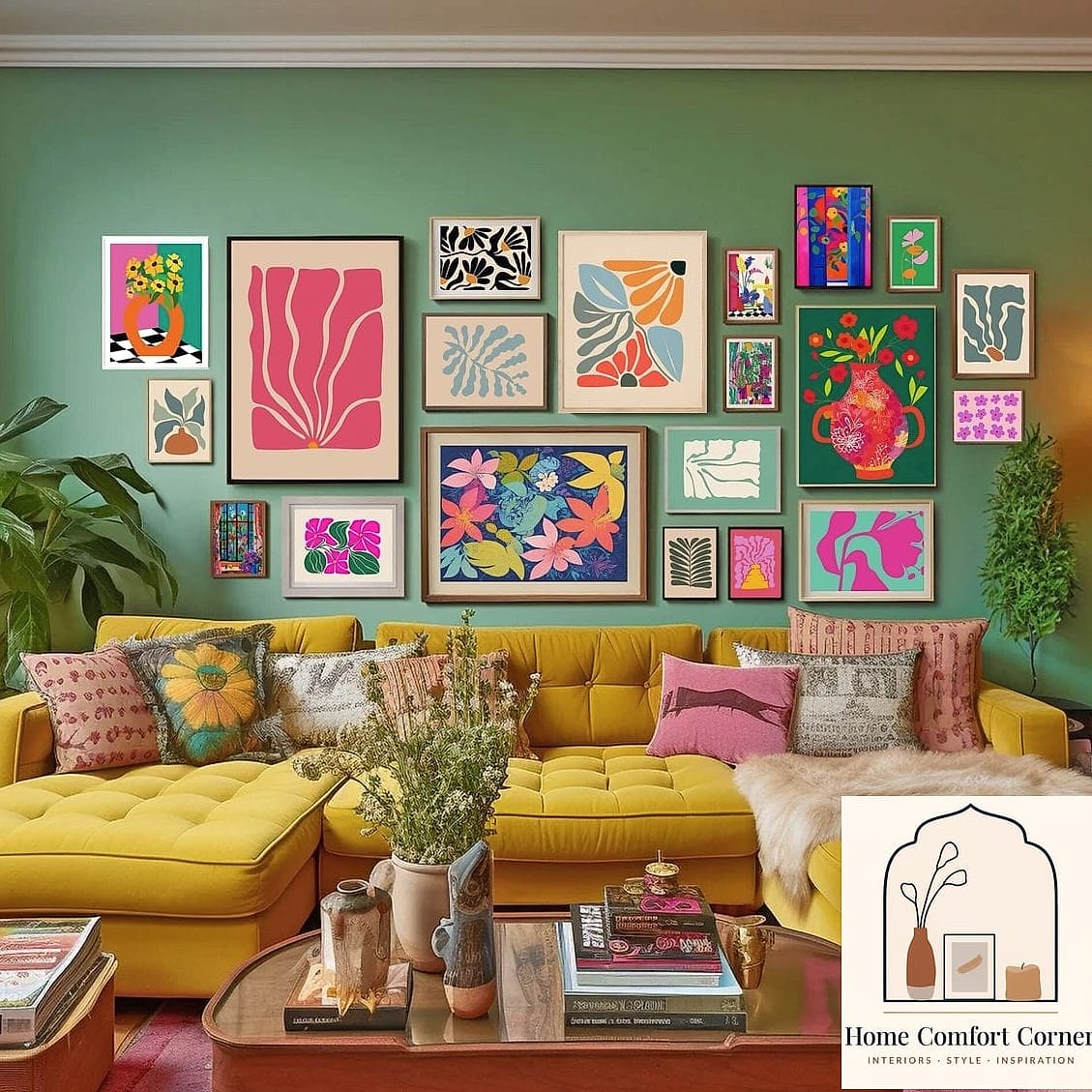
Gallery walls get a bad reputation for looking cluttered, but designers approach them with a plan. They’ll lay frames out on the floor first, mix sizes and orientations, and leave consistent spacing (usually two to three inches) between pieces.
Stairwells, hallways, and above-sofa walls are classic spots for this. Mixing in mirrors, small shelves, or a piece of textile art among framed photos keeps it from feeling like a straight photo grid.
Budget tip: buy matching frames in bulk rather than collecting mismatched ones. It creates visual cohesion even if the artwork itself is eclectic.
Choose a Neutral Color Palette With One Bold Moment
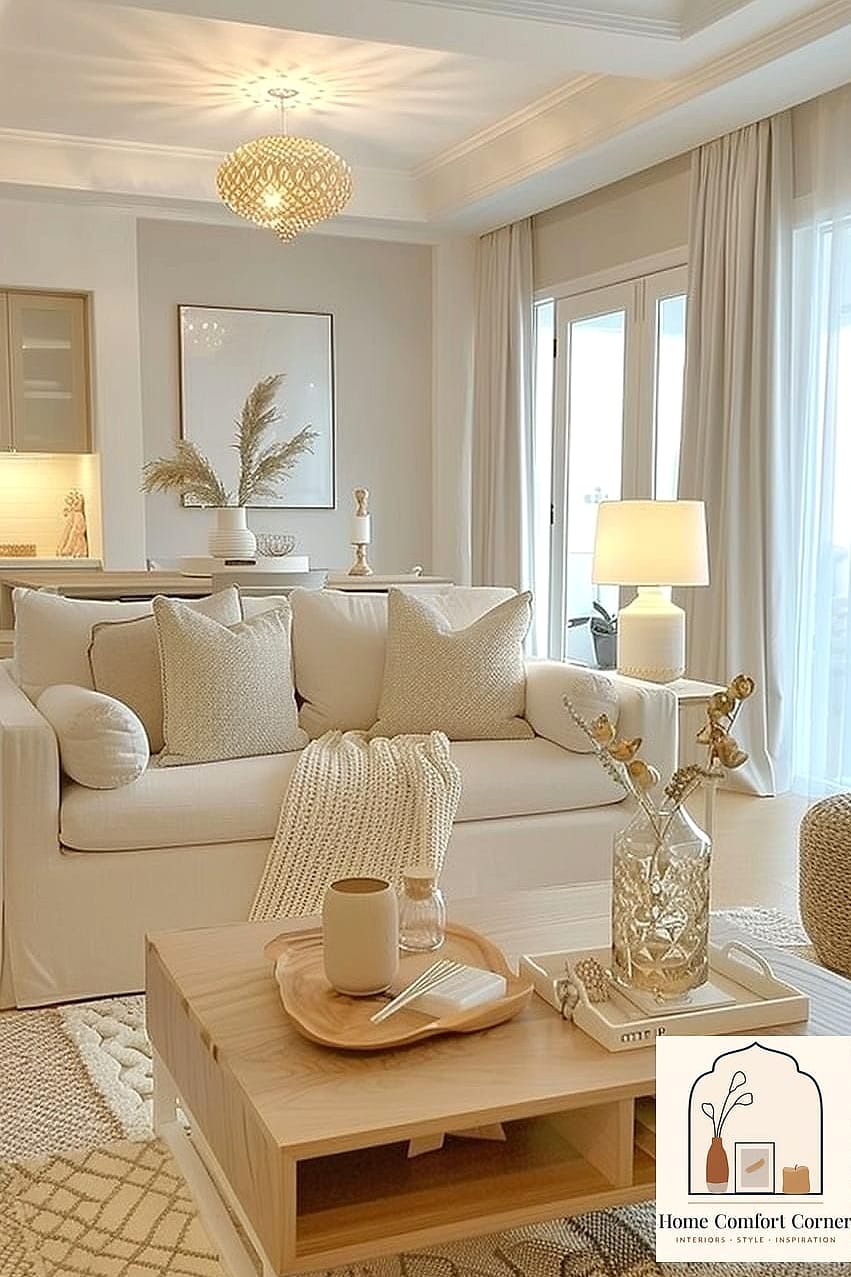
A lot of designers build rooms around a neutral color palette — warm whites, greiges, soft taupes — and then let one element do the talking. That could be a jewel-toned accent chair, a bold wallpapered accent wall, or a dramatic light fixture.
This approach works in almost any room size, but it’s particularly useful in smaller spaces where too much pattern or color can feel overwhelming. Neutral palettes also age well, so you’re not repainting every time a trend shifts.
If you want the bold moment to be low-commitment, try it in pillows, art, or a rug first before painting an entire wall.
Swap Closed Cabinets for Open Shelving in Key Spots
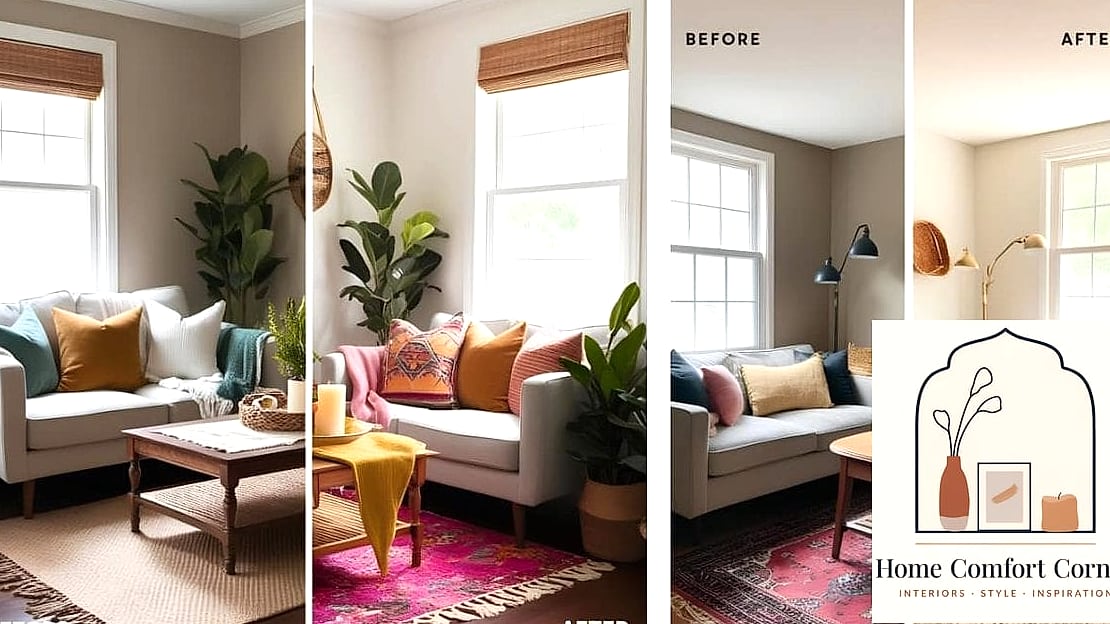
Open shelving isn’t for every kitchen, but used selectively it adds warmth and a sense of curated style. Designers often suggest it near a stove or sink where you’ll actually use the items displayed, rather than the whole kitchen.
It works well paired with wood accents or floating shelves against a tiled backsplash. Stack plates, lean in a cutting board, add a small plant, and you’ve got a styled vignette instead of bare walls.
The tradeoff is upkeep. Open shelves show dust and grease faster than cabinets, so this is more practical for people who don’t mind a quick weekly wipe-down.
Bring in Texture Through Natural Materials
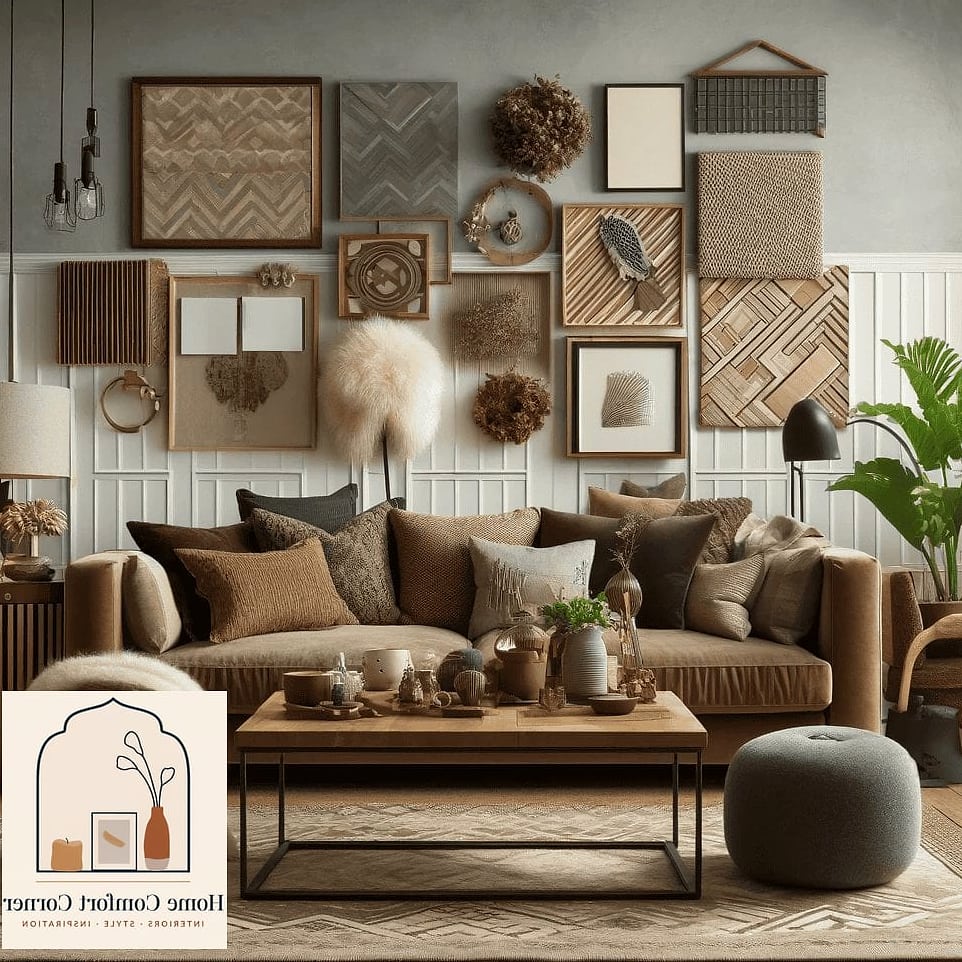
Smooth and glossy finishes are everywhere, so texture is what makes a room feel grounded and lived-in. Think woven baskets, linen curtains, chunky knit throws, rattan furniture, and natural stone accents.
Bedrooms and living rooms benefit most from this layering since they’re spaces meant for comfort. A textured throw blanket or woven pouf can do more for coziness than another decorative pillow ever will.
Natural materials also tend to be pet-friendly and forgiving of everyday wear, since imperfections read as character rather than damage.
Define Zones in Open-Concept Spaces With Furniture Placement
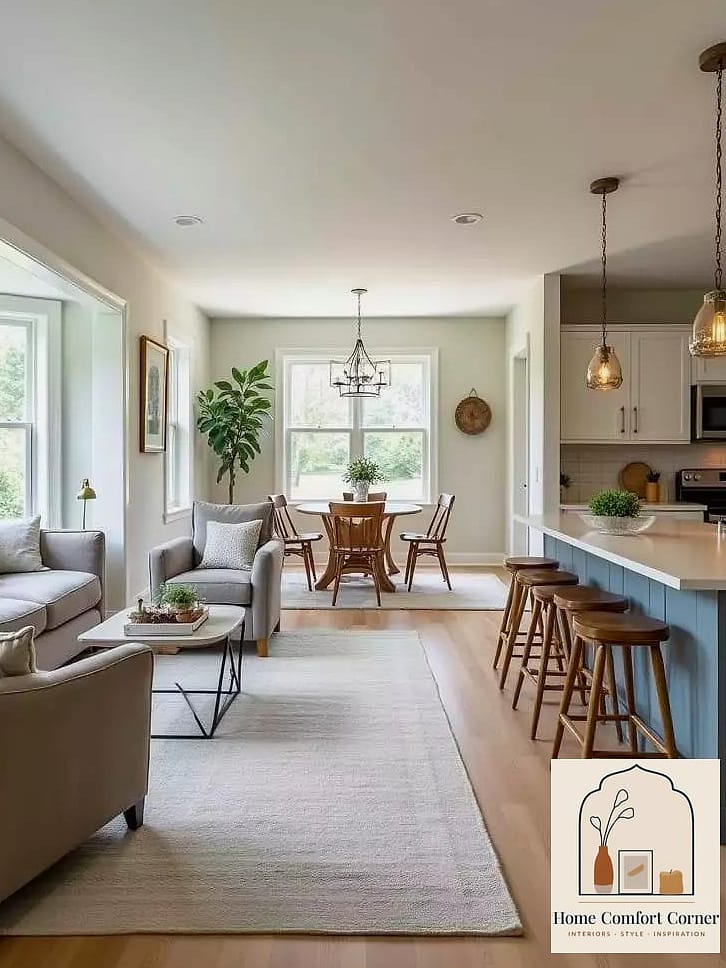
If you’ve got one big open room trying to be a living room, dining room, and office all at once, designers use furniture — not walls — to create separation. A rug under the sofa, a console table behind it, or a bookshelf acting as a partial divider all signal “this is a different zone.”
This is especially useful in apartments and open-plan new builds where structural walls aren’t an option. It’s also fully renter-friendly since nothing here requires construction.
Keep sightlines in mind. You want zones that feel distinct but still flow visually from one to the next, so avoid anything too tall or bulky right in the middle of the room.
Update Hardware and Fixtures Before Anything Else
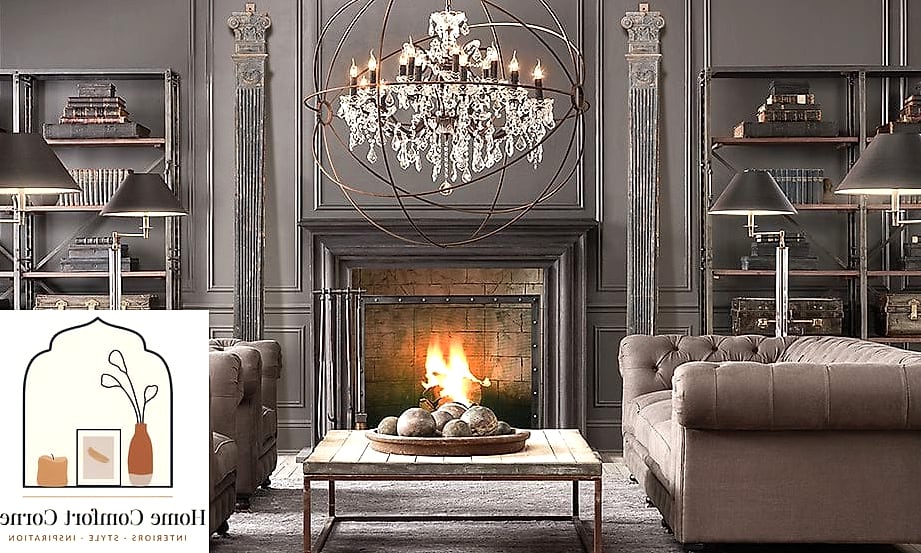
If you’re on a tight budget, designers consistently point to hardware as the highest-impact, lowest-cost upgrade. Cabinet pulls, drawer knobs, light switch plates, and faucet finishes are small details that add up to a completely different feel.
This works in kitchens, bathrooms, and even bedrooms with dresser hardware. It’s also one of the easiest DIY projects out there — most swaps take a screwdriver and twenty minutes.
Matte black and brushed brass remain popular choices, but unlacquered brass that develops a natural patina over time has become a favorite among designers who like things to feel a little less brand new.
Use Baskets and Bins to Make Storage Look Intentional
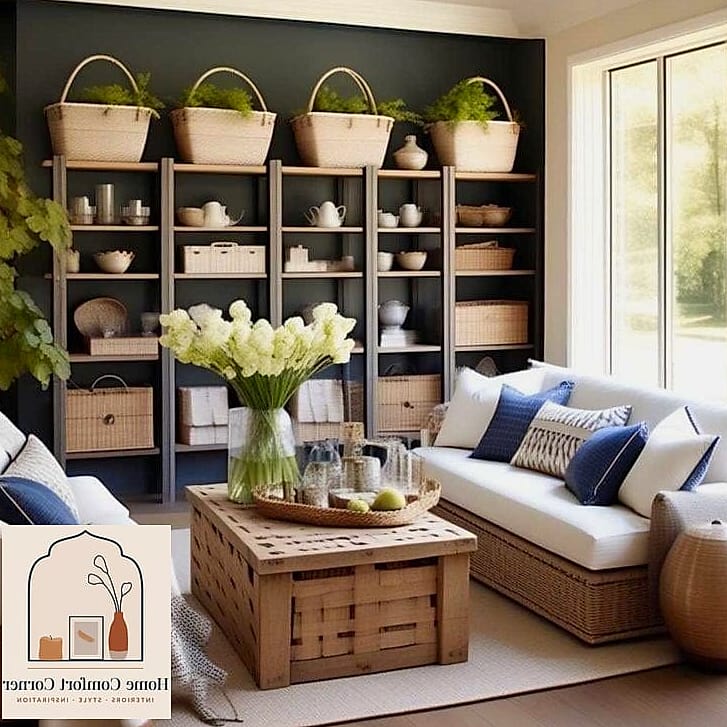
Storage doesn’t have to be hidden to look good. Designers often use woven baskets, labeled bins, and matching containers as part of the decor itself rather than something tucked away.
This is great for living rooms holding kids’ toys, entryways collecting shoes, or laundry rooms managing a rotation of supplies. A row of matching baskets on open shelving looks styled even when what’s inside is decidedly not glamorous.
For families or anyone dealing with pet supplies, drawer organizers and labeled bins also make daily routines faster, since everyone in the house knows exactly where things belong.
Putting even a few of these ideas to work can shift how a room feels without requiring a full gut renovation. The best part about these 12 decor room ideas tips from top interior designers is that most of them scale to whatever budget or timeline you’re working with — start with one small change, like swapping hardware or adding a plant, and build from there. Rooms rarely come together all at once anyway, and honestly, the slow layering process is part of what makes a space feel like it’s actually yours.