10 Unique Room Decor Tips From Top Interior Designers
- Anchor the Room With One Bold Piece
- Layer Your Lighting Instead of Relying on One Overhead Fixture
- Bring in Curves to Soften Boxy Rooms
- Mix Metals Instead of Matching Everything
- Use Scale Intentionally, Especially With Art
- Add Texture Through Natural Materials
- Treat Ceilings as the Fifth Wall
- Style Open Shelving Like a Designer, Not a Storage Unit
- Bring the Outside In With Greenery and Natural Light
- Personalize With Layered, Seasonal Decor Instead of One-Time Purchases
10 Unique Room Decor Tips From Top Interior Designers
Ever walk into a house that just feels put-together, but you can’t quite figure out why? It’s rarely one big splurge. It’s usually a handful of smart choices that add up. I spent years picking the brains of designers, organizers, and stagers, and the same ideas kept coming up over and over. So here are ten of them, explained in plain language, with actual how-to details instead of vague inspiration.
Anchor the Room With One Bold Piece
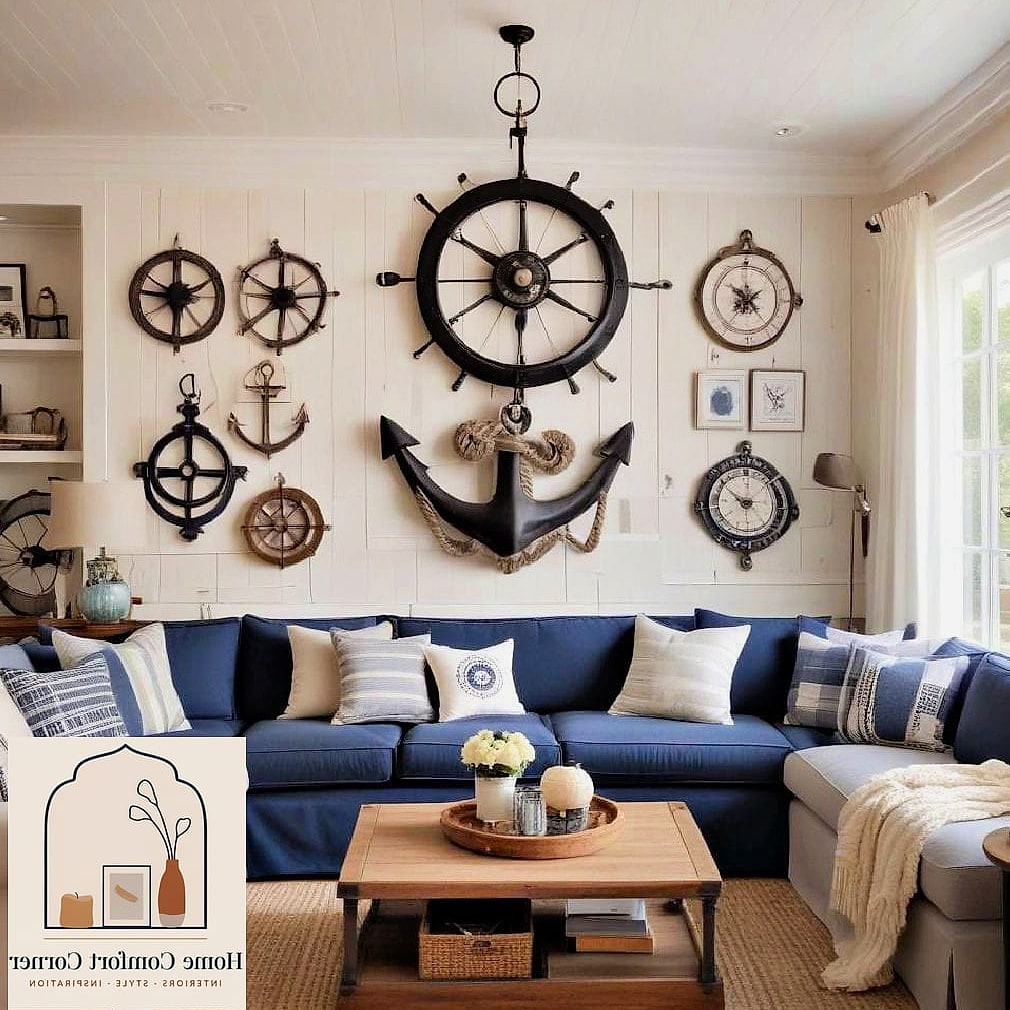
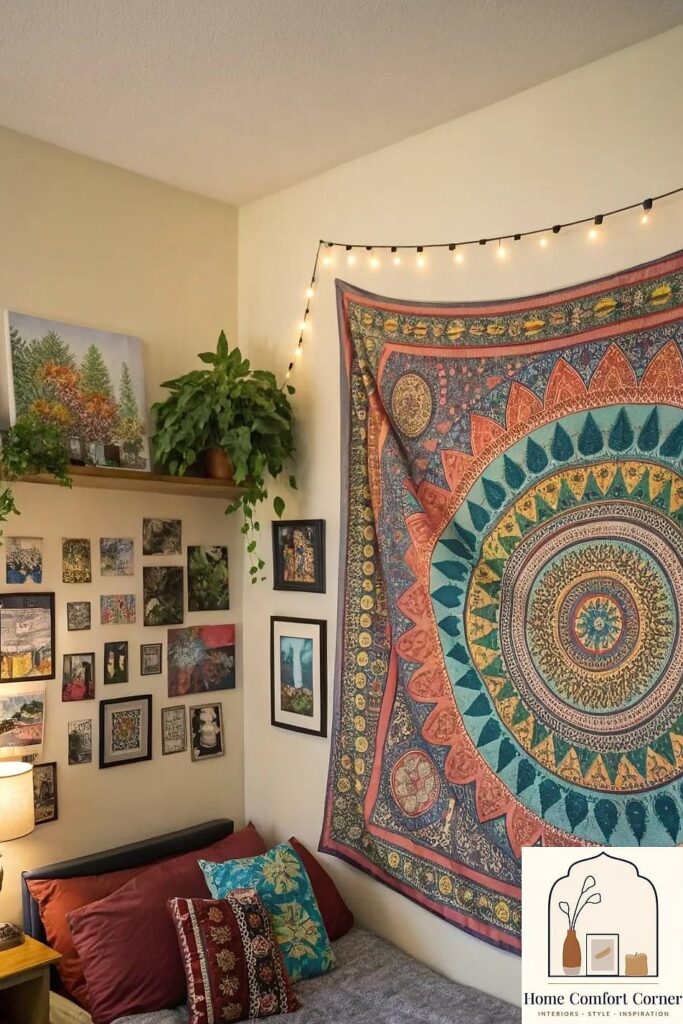
Every designer I’ve talked to says the same thing: pick one statement item and build around it. This could be a vintage rug, an oversized piece of art, or a saturated accent wall in a color like clay or deep olive.
The trick is restraint everywhere else. If your statement piece is loud, keep the walls, furniture, and textiles quieter so the eye has somewhere to land. This works in small apartments just as well as big houses since a bold rug can make a tiny living room feel intentional instead of empty.
Budget-wise, thrifted or vintage finds work great here. A worn Persian-style rug from a flea market often has more character than something brand new, and the imperfections actually help the room feel lived-in rather than staged.
Layer Your Lighting Instead of Relying on One Overhead Fixture
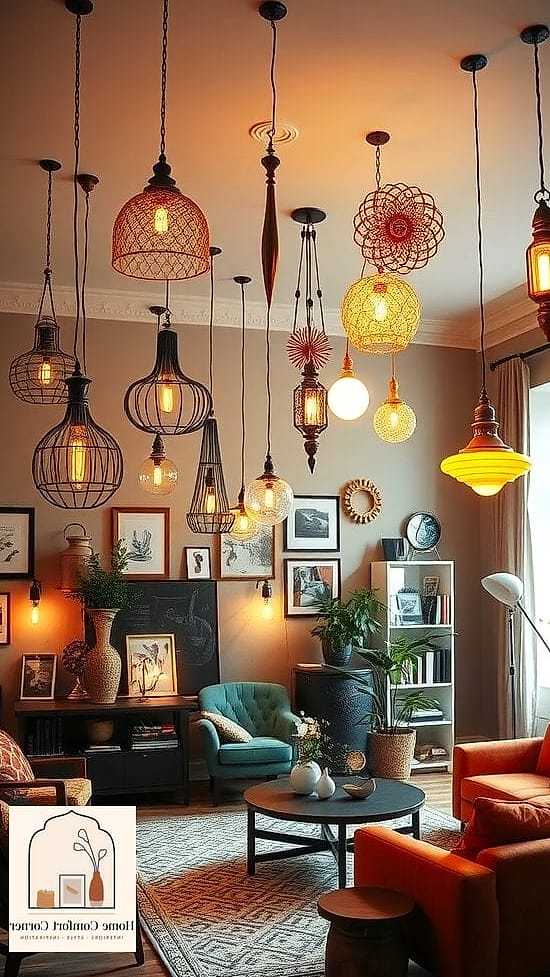
This is probably the single most repeated tip from lighting designers, and it’s the one most homeowners skip. A single ceiling fixture creates flat, harsh light that makes rooms feel like waiting rooms.
Instead, aim for three light sources: ambient (overhead), task (a reading lamp or under-cabinet lights), and accent (a small lamp, sconces, or even string lights). Warm bulbs in the 2700K to 3000K range read cozier than the cool white ones you’ll find in office buildings.
This is also one of the more renter-friendly upgrades on this list. Plug-in sconces and floor lamps require zero rewiring, and you can take them with you when you move.
Bring in Curves to Soften Boxy Rooms
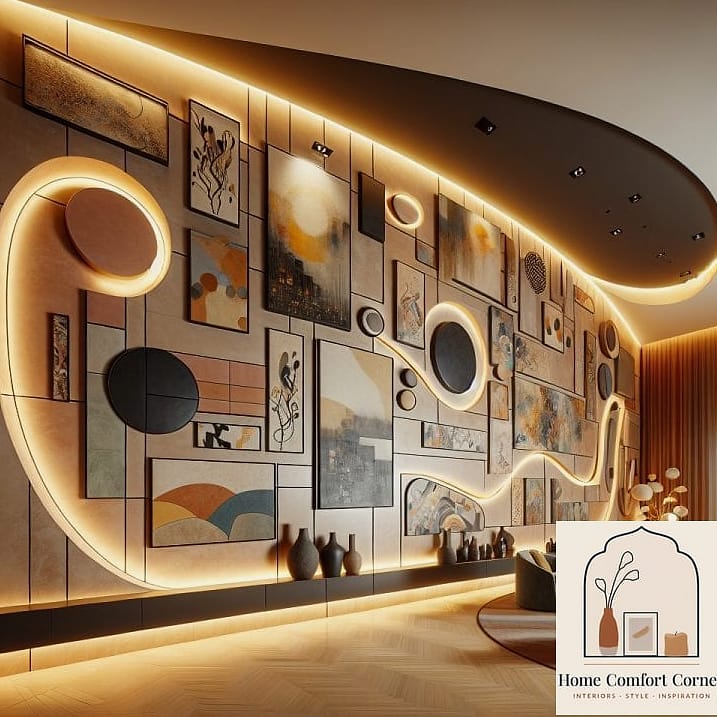
Most furniture is rectangular. Most rooms are rectangular. So a curved chair, an arched mirror, or a round coffee table breaks up that predictability in a way that feels surprisingly fresh.
Designers love pairing a curved accent chair with straight-lined sofas for exactly this reason. It doesn’t need to be dramatic. Even a scalloped-edge side table or a rounded pendant light can do the job.
If you’re renovating, arched doorways or niches carved into a wall add architectural interest without much extra cost. For renters, curved mirrors and lamp bases are an easy swap that doesn’t involve construction at all.
Mix Metals Instead of Matching Everything
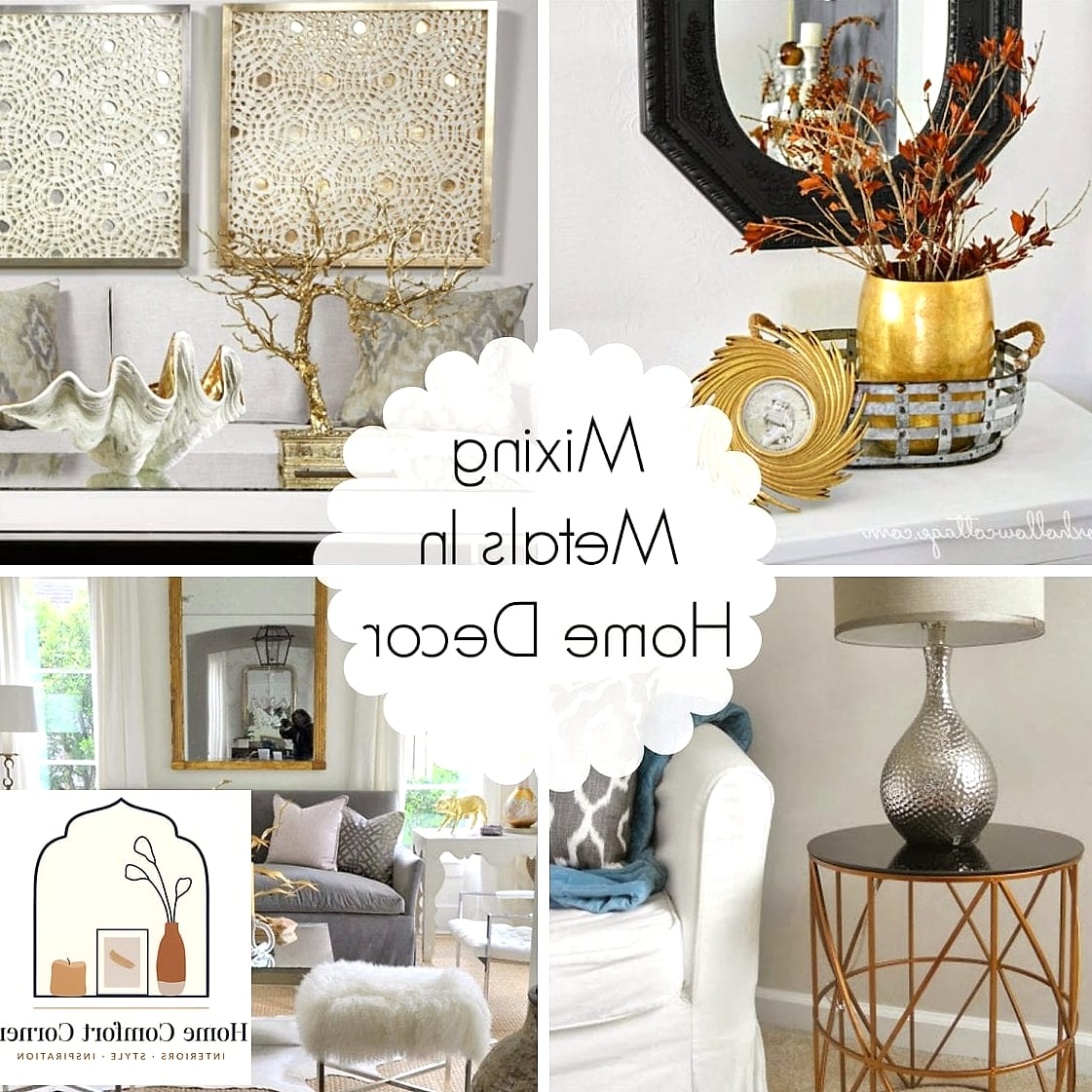
For a long time, the rule was to pick one metal finish and stick with it throughout the house. That rule is basically dead now. Designers regularly mix brushed brass hardware with black fixtures and a little brushed nickel thrown in.
The key is consistency in warmth, not exact matching. Warm metals like brass, gold, and copper play well together. Cool metals like chrome, black, and nickel pair naturally too. Mixing across those two groups is where it can start to look chaotic.
A simple entry point: swap your cabinet pulls to brushed brass while keeping black faucets, then tie it together with a brass-framed mirror somewhere else in the room.
Use Scale Intentionally, Especially With Art
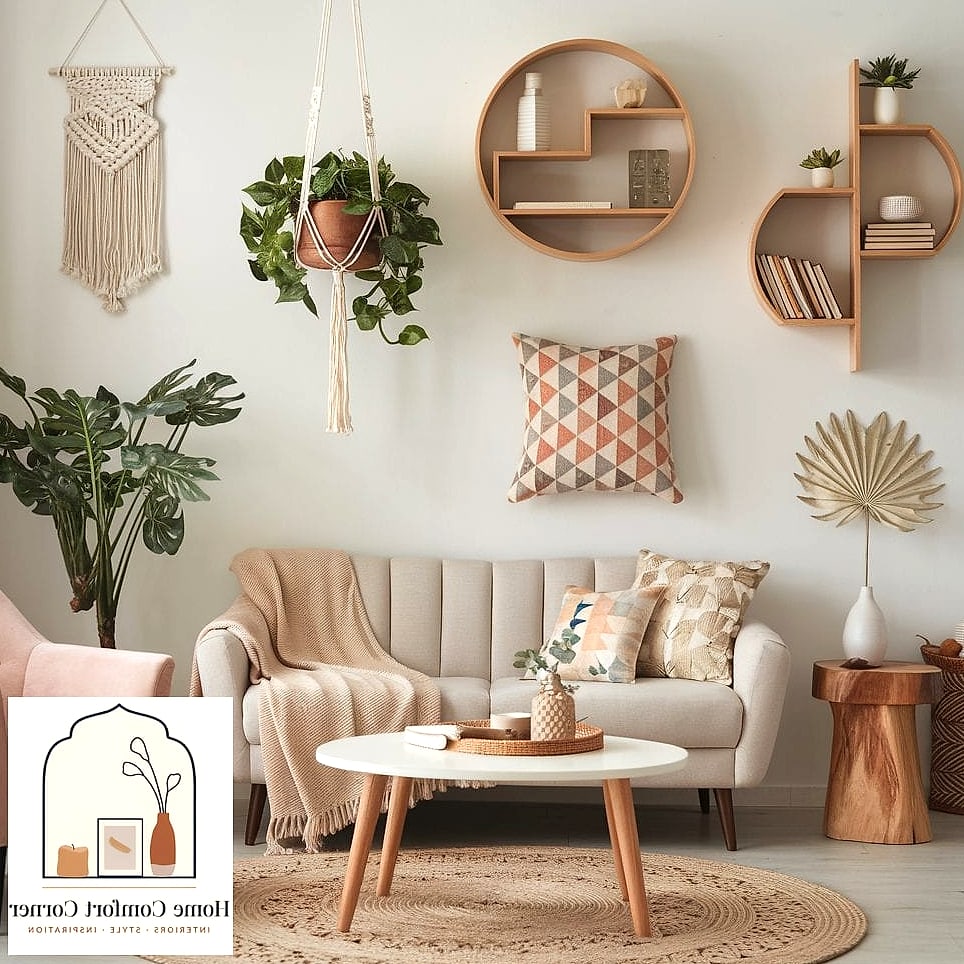
A lot of rooms feel “off” simply because the art is too small for the wall. Designers tend to go bigger than feels comfortable, then step back and adjust from there.
A general guideline is to fill about two-thirds of the wall space above a sofa or console table. That said, gallery walls with varied sizes work just as well if you’d rather not commit to one oversized piece.
Don’t overlook furniture scale either. A too-small rug or an undersized coffee table can make an otherwise nice living room read as unfinished. If your rug doesn’t fit at least the front legs of your sofa, it’s probably too small for the space.
Add Texture Through Natural Materials
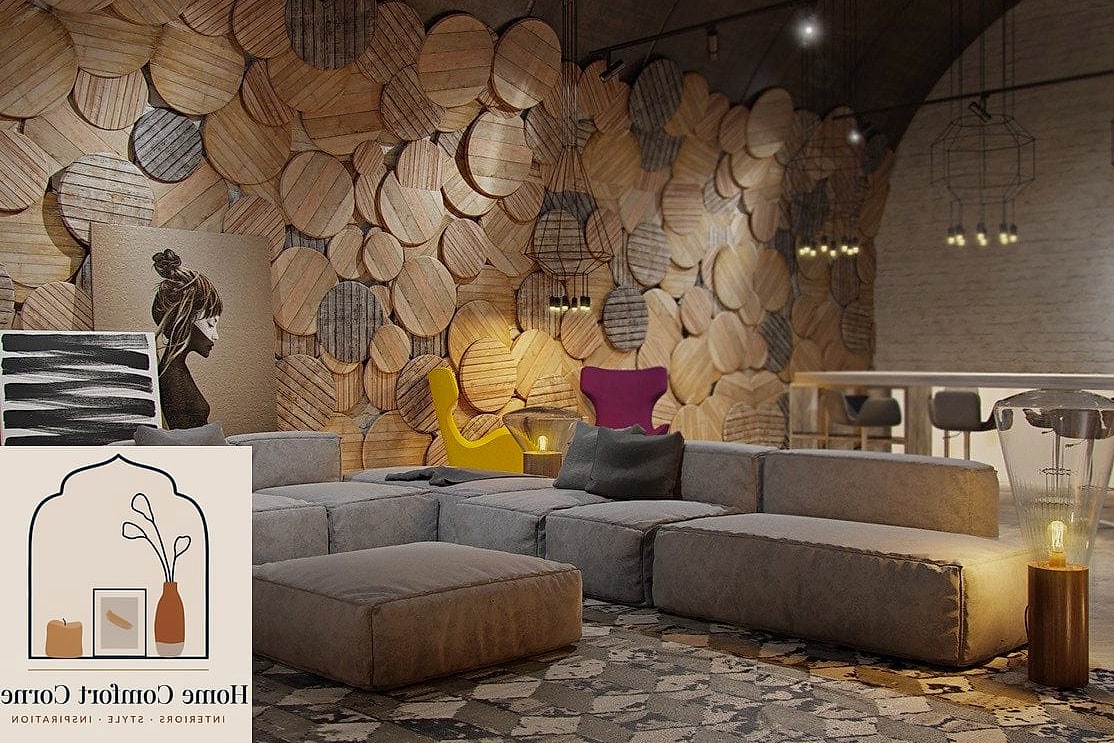
Smooth, glossy surfaces everywhere can start to feel a little sterile after a while. Designers often counter this by layering in natural stone, warm wood tones, woven baskets, linen textiles, and other textured finishes.
Think butcher block on an island, a jute rug underfoot, a chunky knit throw on the sofa, and maybe some rattan pendant lighting overhead. None of these are expensive individually, but stacked together they create real depth.
This tip also plays nicely with matte finishes, which have become a favorite in kitchens and bathrooms because they hide fingerprints better than glossy surfaces and photograph beautifully in natural light.
Treat Ceilings as the Fifth Wall
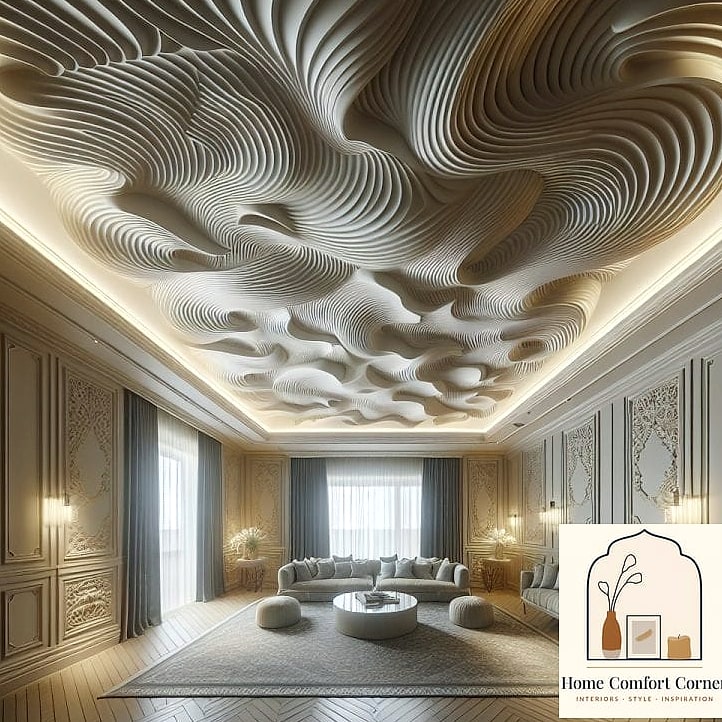
This one gets skipped constantly, and it’s honestly a shame because it’s such an easy way to make a room memorable. A painted ceiling, wallpapered ceiling, or even just exposed wood beams changes the entire feel of a space.
Powder rooms and dining rooms are the easiest place to experiment since they’re smaller and lower-commitment. A deep navy or forest green ceiling in a dining room, paired with a warm wood table, tends to read as intentional rather than accidental.
If painting feels like too much, peel-and-stick wallpaper on the ceiling is a solid DIY-friendly alternative, and it’s fully renter-approved since it comes off without damaging the surface underneath.
Style Open Shelving Like a Designer, Not a Storage Unit
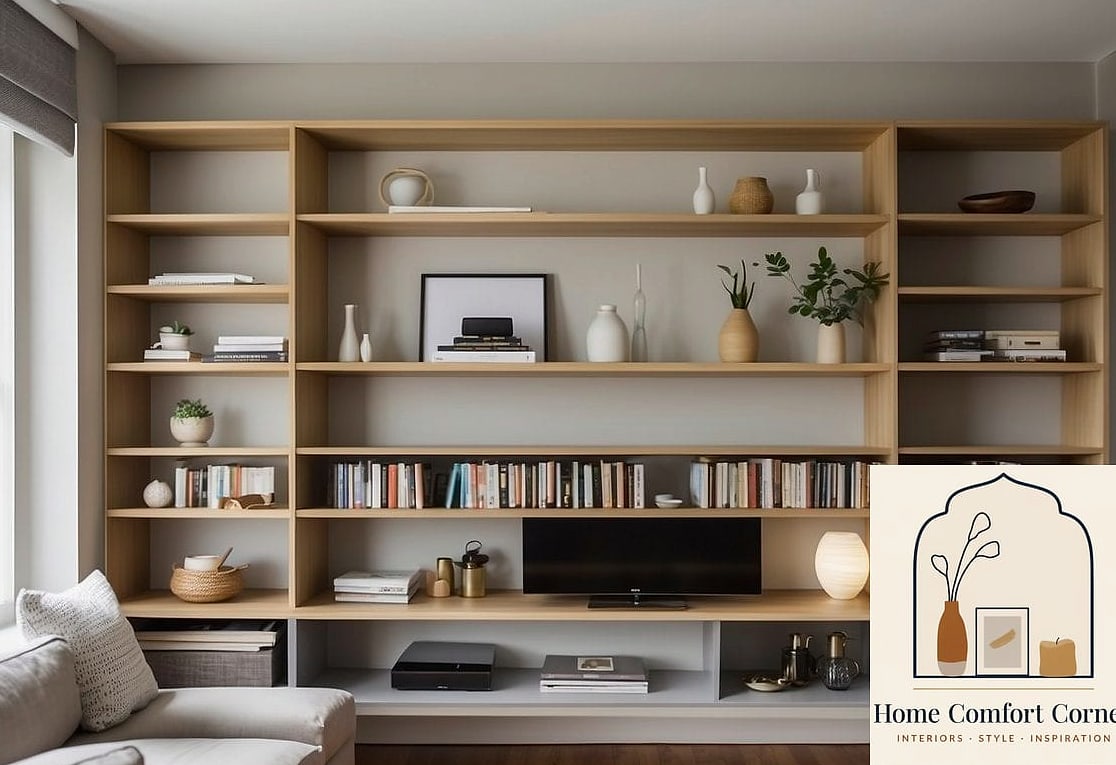
Open shelving looks incredible in photos and can look genuinely messy in real life if you just pile things on. Designers use a rule of odd numbers, grouping items in threes or fives, and varying height, texture, and color.
Leave visual breathing room. Not every inch needs to be filled. A stack of books with a small plant on top, then some negative space, then a single ceramic vase, reads as curated rather than cluttered.
For kitchens specifically, this pairs well with floating shelves near a stove or sink, mixing everyday dishware with a few decorative pieces so the shelf still feels functional, not just for show.
Bring the Outside In With Greenery and Natural Light
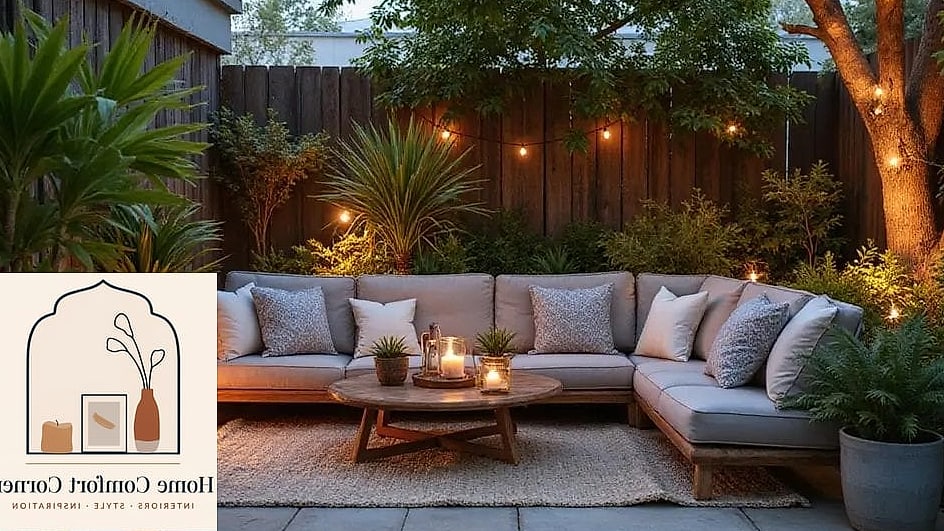
Nearly every designer mentions plants, and it’s not just aesthetic. Greenery softens hard lines, adds color without needing to repaint anything, and genuinely seems to make rooms feel more alive.
If you don’t have a green thumb, that’s fine. Snake plants, pothos, and ZZ plants tolerate low light and inconsistent watering pretty well. For those who want zero maintenance, quality faux plants have gotten good enough that most guests won’t notice the difference.
Pair this with maximizing natural light wherever possible. Swap out heavy blackout curtains for sheer linen ones in living spaces, and consider a mirror positioned to bounce daylight deeper into the room.
Personalize With Layered, Seasonal Decor Instead of One-Time Purchases
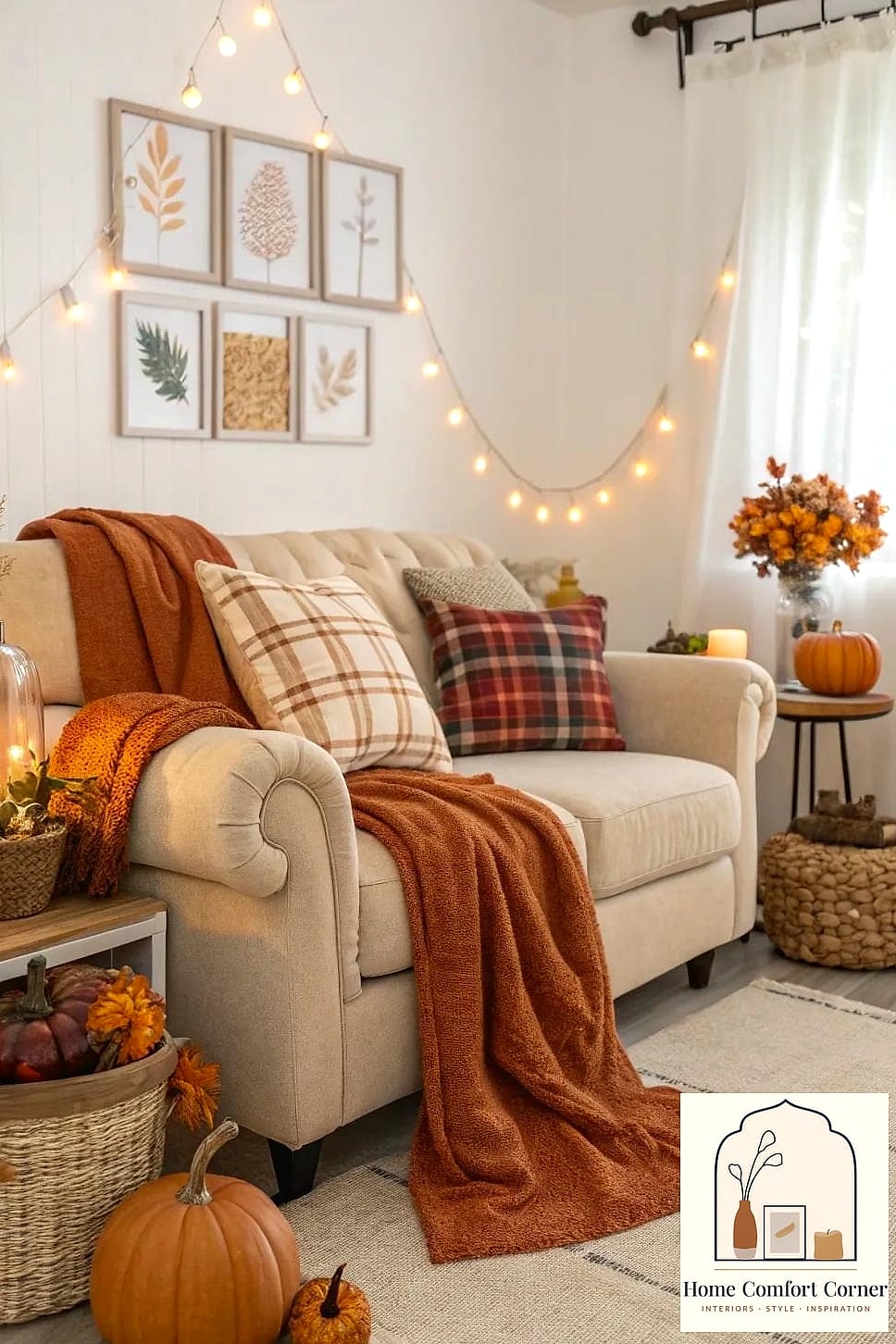
The last tip is less about a single product and more about mindset. Designers tend to treat decor as an evolving layer rather than a one-time shopping trip. They’ll swap out throw pillows, rotate artwork, and bring in seasonal decor like dried florals in fall or fresh greenery in winter.
This keeps a space feeling current without a full redo every year. It also tends to be more budget-friendly since you’re making smaller, incremental changes instead of one large purchase.
A practical way to start is keeping a small bin of seasonal items, candles, pillow covers, a few decorative objects, so you can refresh a room in twenty minutes without buying anything new.
Putting It All Together
None of these ten unique room decor tips from top interior designers require a full renovation or a massive budget. A lot of them are swaps you can make over a weekend: new hardware, a bigger piece of art, a lamp instead of relying on overhead lighting.
The common thread across all of them is intention. Designers aren’t filling rooms randomly, they’re making deliberate choices about scale, texture, and light, then letting personality show up in the smaller details. Pick two or three of these that feel most doable for your space, and build from there.