7 Baby Room Decor Tips From Top Interior Designers
- Choose a Color Palette That Grows With Your Baby
- Invest in Furniture That Converts
- Layer Lighting Instead of Relying on One Overhead Fixture
- Prioritize Soft Textures and Layered Textiles
- Build in Storage Before You Need It
- Add Personality Through Art and Accessories, Not Permanent Fixtures
- Keep Safety and Function Part of the Design, Not an Afterthought
7 Baby Room Decor Tips From Top Interior Designers
Decorating a nursery is one of those projects that feels equal parts exciting and overwhelming. You want it to look beautiful, but you also need it to actually function for a tiny human who will spit up on things, outgrow furniture in about six months, and eventually turn every soft surface into a climbing structure. I’ve talked to a handful of designers over the years about what actually works in a baby’s room, and their advice tends to skip the trendy stuff you see all over social media in favor of choices that hold up long-term. Here are seven tips worth stealing.
Choose a Color Palette That Grows With Your Baby
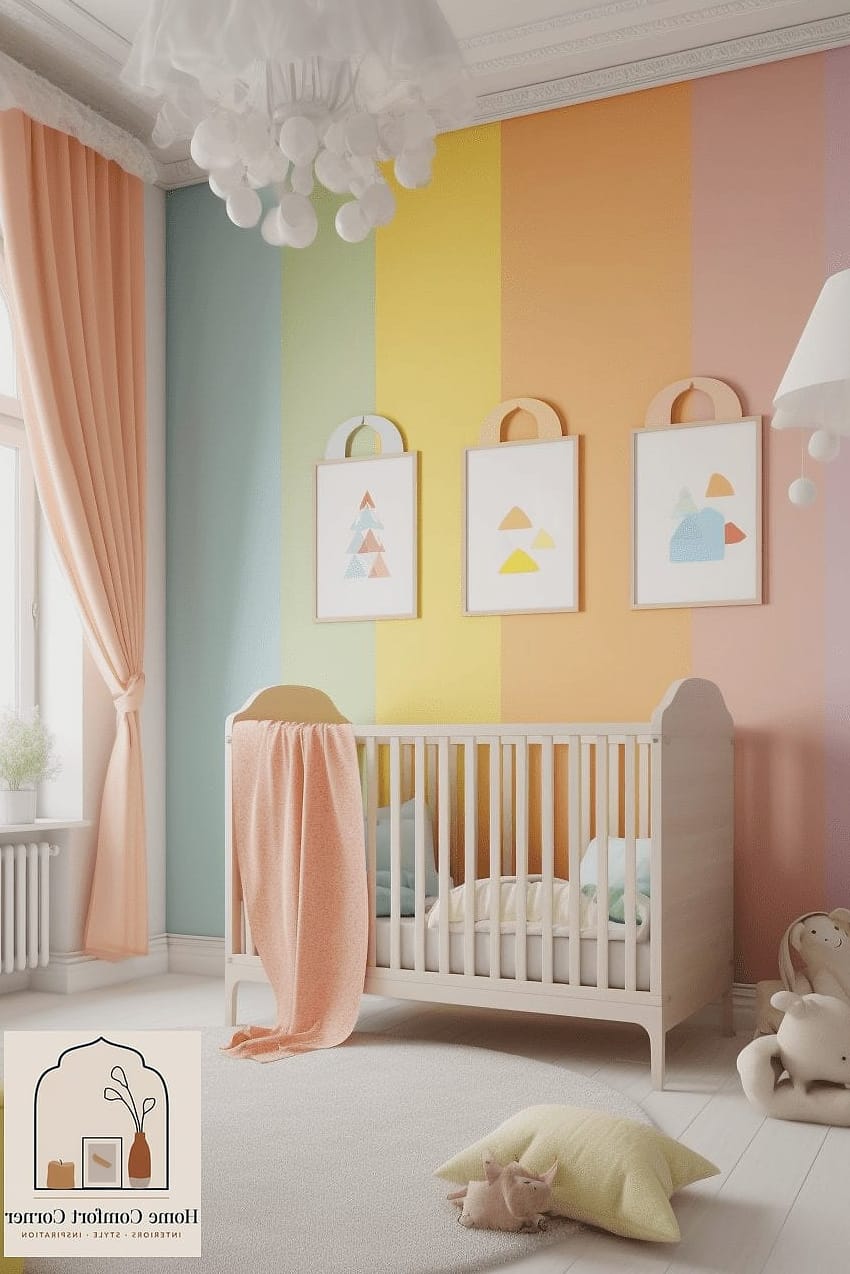
Designers almost universally steer clients away from ultra-themed nurseries these days, and for good reason. A room full of cartoon characters or a very specific color scheme looks adorable for about a year, then suddenly feels babyish when your kid is three and has opinions about their space.
Instead, most pros recommend starting with a neutral color palette as your base — warm whites, soft greiges, muted sage, or clay tones — and layering in personality through textiles and accessories you can swap out easily. Think of the wall color and big furniture pieces as the foundation, and the crib sheets, artwork, and throw pillows as the seasonal wardrobe.
This approach is also genuinely budget-friendly. You’re not repainting or replacing big-ticket items every time your child’s taste changes. A can of paint and a few new accent pieces can completely refresh the vibe without touching the bones of the room.
Invest in Furniture That Converts
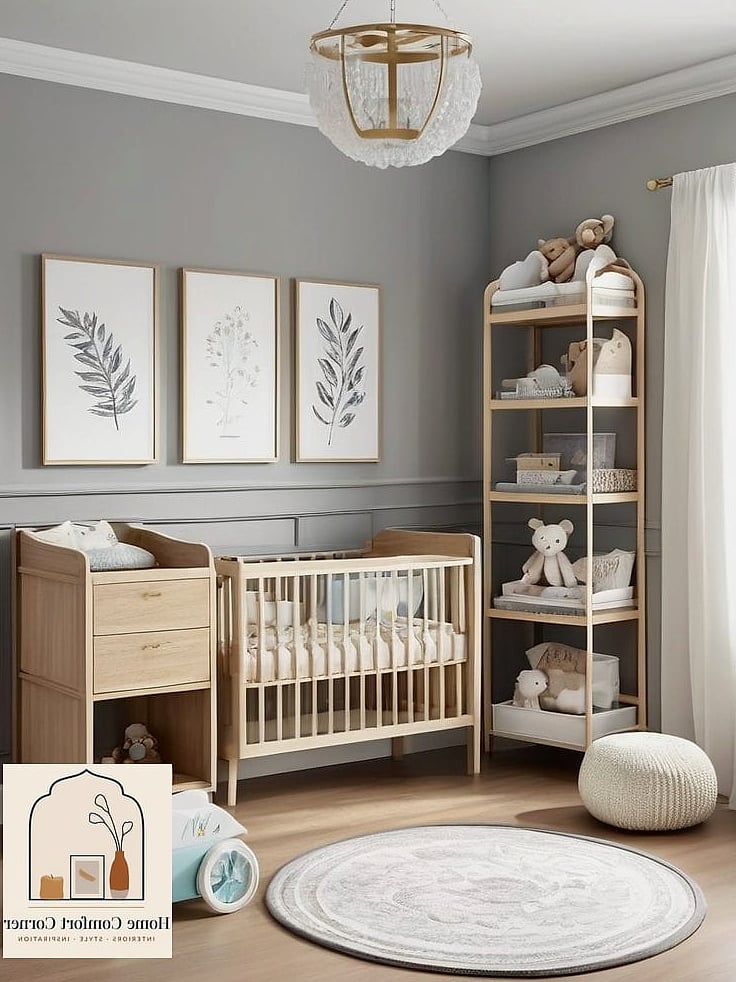
This one comes up in almost every conversation I’ve had with nursery designers: buy furniture that transitions with your kid instead of furniture that’s only useful for a year or two. A convertible crib that turns into a toddler bed, and eventually a full-size bed frame, saves money and spares you from another furniture hunt down the road.
The same logic applies to dressers. A simple, well-made dresser can double as a changing table now and just a regular dresser later, once you remove the changing pad topper. Look for solid wood construction over particleboard if your budget allows — it’ll survive years of drawer-slamming and eventual toddler abuse.
Matte finishes and warm wood tones are having a real moment in nursery design right now, replacing the glossy white furniture that dominated for so long. It reads as more collected and less “matching furniture set from a catalog.”
Layer Lighting Instead of Relying on One Overhead Fixture
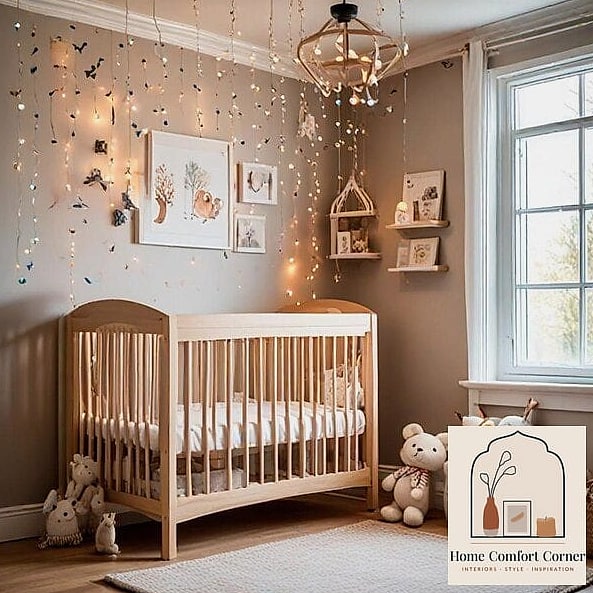
A single overhead light is rarely enough in a nursery, and designers are quick to point this out. You need soft, dimmable lighting for middle-of-the-night feedings and diaper changes that won’t fully wake anyone up, plus brighter task lighting for daytime activities.
A good setup usually includes a dimmable overhead fixture or flush mount, a small lamp on the dresser or side table, and sometimes a plug-in nightlight near the crib. Warm-toned bulbs make a noticeable difference here too — cool white light can feel almost clinical in a space that’s supposed to feel calm and cozy.
If you’re renting, look for plug-in wall sconces or lamps instead of anything requiring electrical work. You get the layered effect without touching the wiring, and everything comes with you when you move.
Prioritize Soft Textures and Layered Textiles
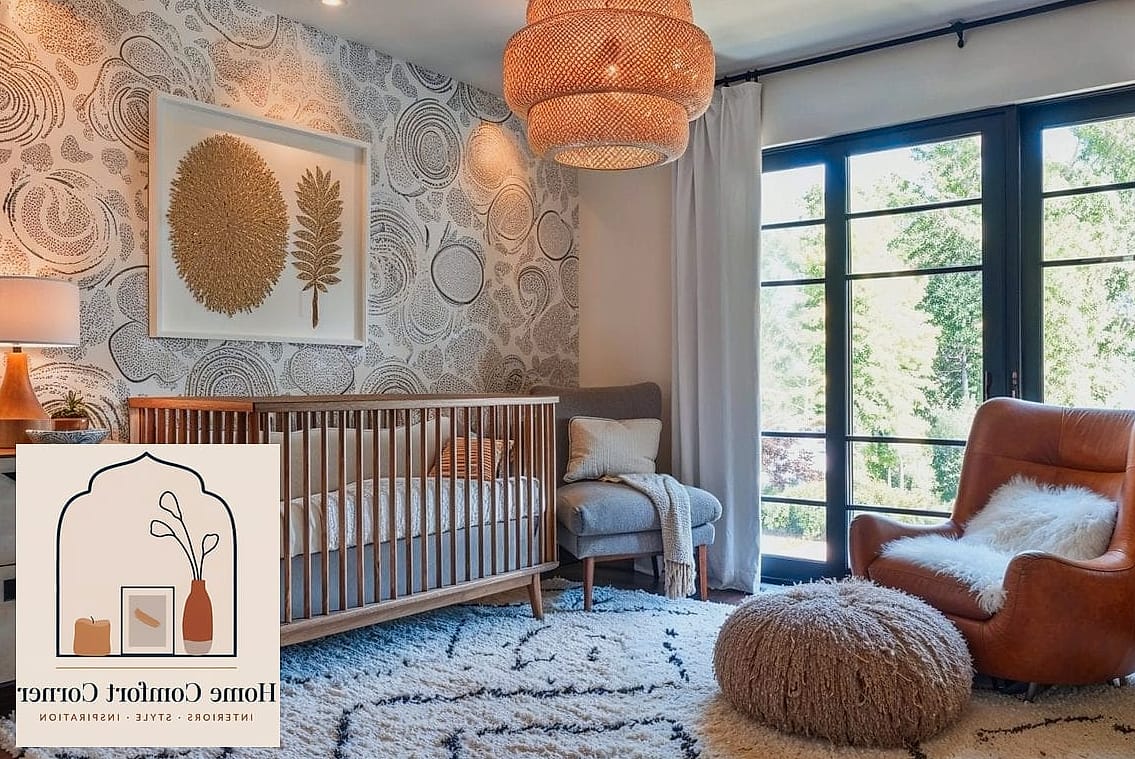
Nurseries benefit enormously from texture, and this is where designers say a lot of people miss an easy opportunity. A room can have great furniture and still feel a little flat and sterile without soft layers built in.
A textured area rug under the glider, a knit throw blanket draped over the arm of a chair, woven baskets for extra storage, and a mix of patterns on crib sheets and curtains all add depth without requiring much effort. Natural fiber rugs like jute are popular for their durability, though a plush rug near the changing area feels nicer underfoot during late-night changes.
Curtains deserve more attention than they usually get too. Blackout curtains are practically non-negotiable for nap time, but that doesn’t mean they have to be plain. Look for one with a subtle pattern or texture so it’s doing double duty as both function and decor.
Build in Storage Before You Need It
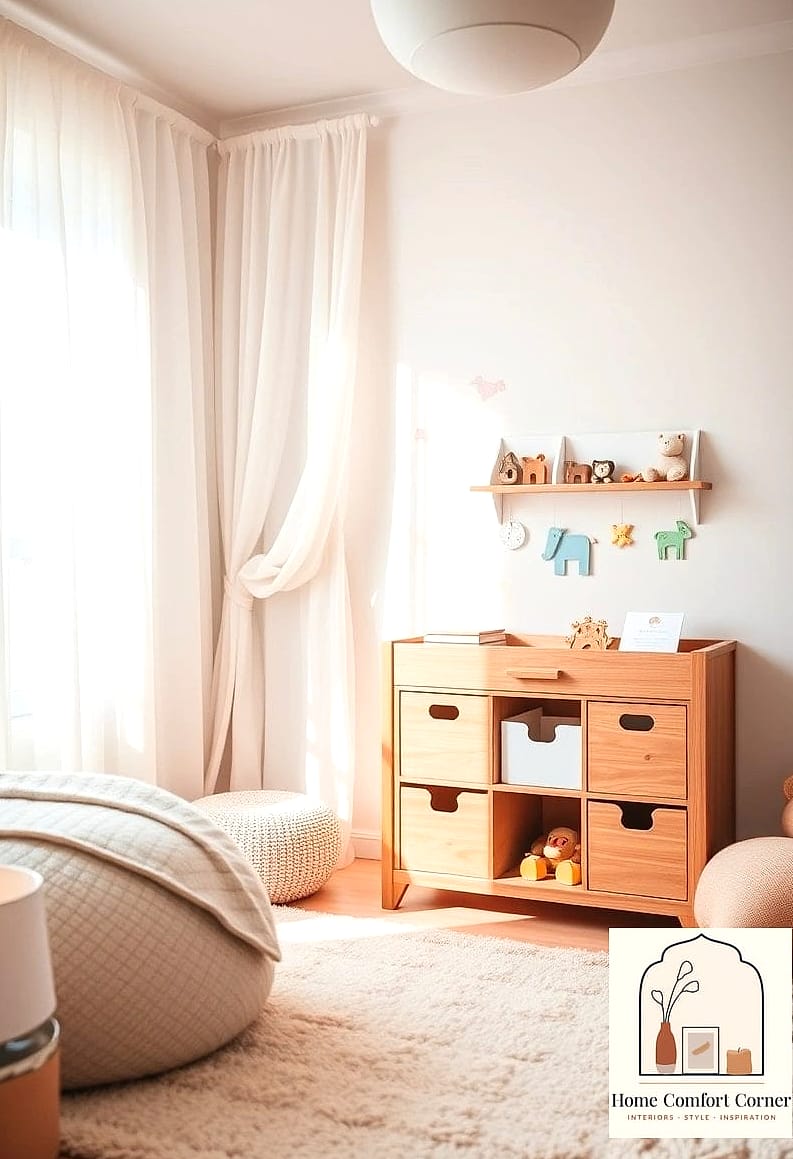
Ask any organizer or designer what they wish new parents understood sooner, and storage comes up almost immediately. Baby gear multiplies fast, and a nursery without a real storage plan turns into a cluttered mess within weeks.
Built-in storage is ideal if you’re renovating or have the budget for custom shelving, but open shelving, floating shelves, and a closet organization system will get you most of the way there without the investment. Baskets and bins are your best friend for corralling small items like diapers, wipes, and burp cloths — labeled bins make late-night diaper changes a lot less frantic when you’re not searching for anything.
Under-crib storage bins and a dresser with deep drawers also help maximize a small room. If space is tight, a hanging organizer on the closet door or wall can hold diapering supplies right where you need them, keeping counters and dresser tops clear.
Add Personality Through Art and Accessories, Not Permanent Fixtures
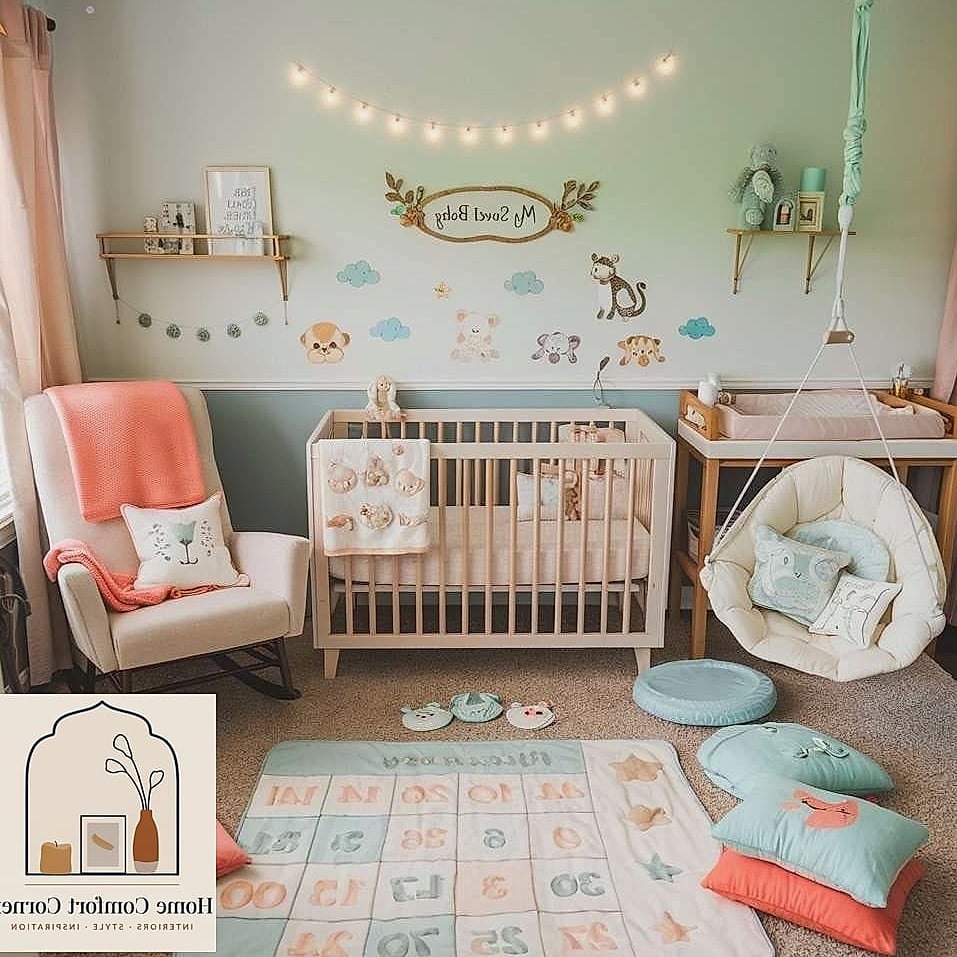
Designers tend to encourage clients to get their “fun” out through easily changeable elements rather than anything permanent, and this ties back to the whole growing-with-your-kid idea. A gallery wall of framed prints, a mobile over the crib, or a statement rug can inject personality and whimsy without locking you into a look you’ll want to change in a year.
Peel-and-stick wallpaper has become a favorite trick for exactly this reason. You get a bold accent wall — florals, stripes, a fun mural — without the commitment or damage of traditional wallpaper, which makes it especially great for renters. If your baby’s taste (or yours) changes down the line, it comes off far more easily than anything pasted on.
Greenery, even the faux kind, softens a room instantly too. A few trailing plants on a shelf or a small potted tree in the corner brings warmth without adding anything a curious toddler can really damage.
Keep Safety and Function Part of the Design, Not an Afterthought
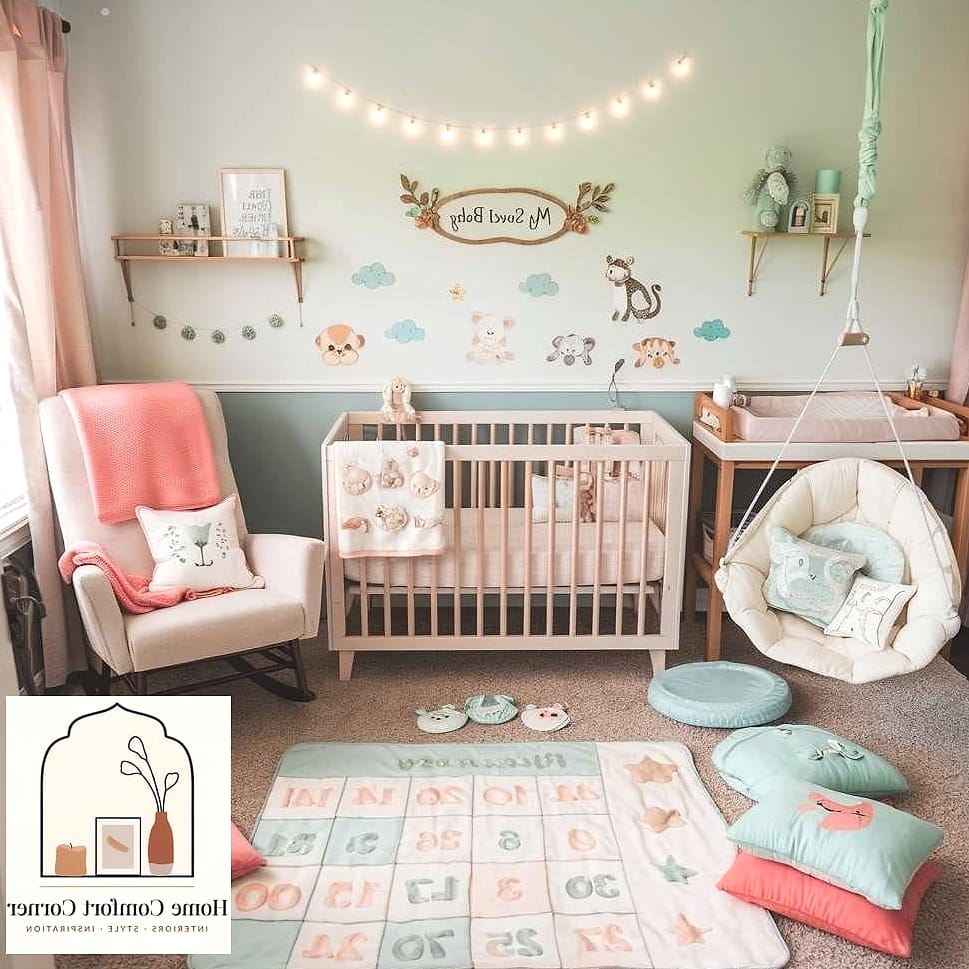
The best-looking nurseries I’ve seen from designers never sacrifice safety for style, and honestly, the safe choices often end up looking better anyway. Anchoring furniture to the wall, avoiding cords near the crib, and choosing furniture without sharp edges are all non-negotiable, but none of that has to compromise the aesthetic.
Rounded-edge furniture has become a popular design choice for exactly this reason — it looks softer and more modern while also being genuinely safer once your baby starts pulling up on things. Cordless blinds or curtains with tie-backs kept well out of reach solve a safety issue while still giving you the layered window treatment look.
Durability matters just as much as safety here. Fabrics that can handle a wipe-down, rugs that hide stains well, and furniture finishes that won’t scratch easily will save you a lot of frustration. A room that looks pretty but can’t survive actual baby life isn’t really doing its job.
Final Thoughts
The through-line in pretty much all of this advice is that a great nursery isn’t just a pretty room — it’s a space that adapts as your baby grows and holds up to real daily use. Start with a neutral foundation, invest in furniture that converts, layer in lighting and texture, plan your storage early, and let personality show up in the details you can change later without much effort. Follow these baby room decor tips from top interior designers, and you’ll end up with a space that still feels right two or three years from now, not just on the day you finish decorating it.