22 Room Decor Ideas Diy Ideas to Steal From Interior Designers
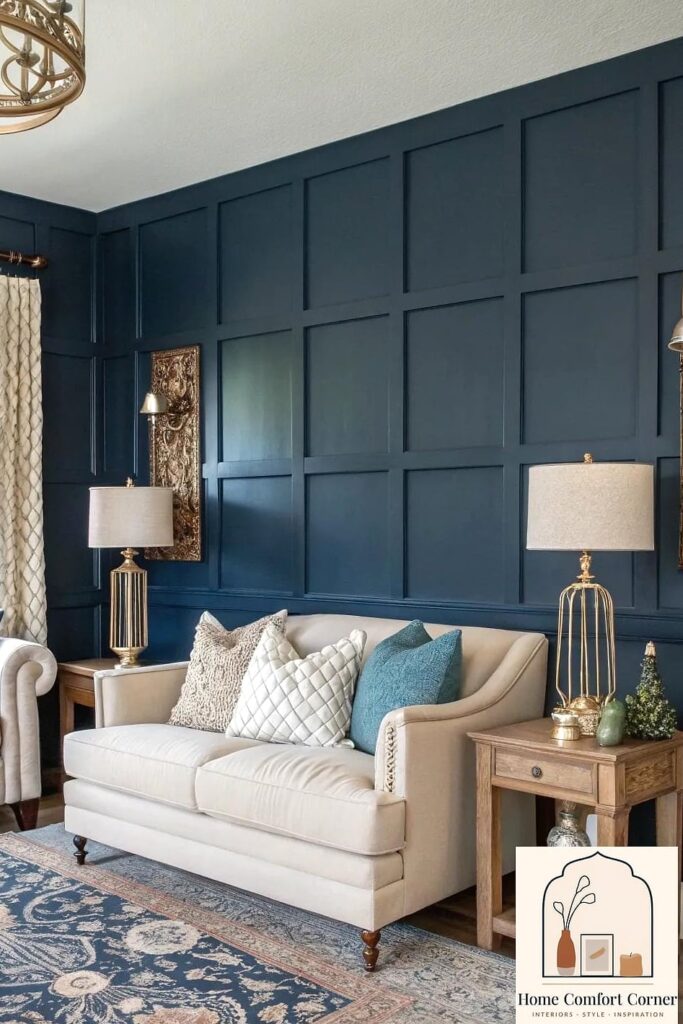
- Layer Your Lighting Instead of Relying on One Overhead Fixture
- Swap Boring Hardware for Brushed Brass or Matte Black
- Create a Gallery Wall With Mismatched Frames
- Add a Statement Rug to Anchor the Room
- Bring In Open Shelving for Everyday Items
- Paint Just the Ceiling for an Unexpected Pop
- Use Baskets and Bins to Hide the Clutter
- Hang Curtains Higher and Wider Than the Window
- Mix Textures Instead of Just Colors
- Add Molding or Trim to Plain Walls
- Style Your Bookshelves Like a Designer Would
- Bring the Outdoors In With Greenery
- Use a Large Mirror to Bounce Light Around
- Choose a Neutral Color Palette With One Bold Accent
- Add Wallpaper to Just One Wall
- Create a Cozy Reading Nook in an Unused Corner
- Swap Out Light Switch and Outlet Covers
- Use Vertical Stripes or Paneling to Add Height
- Add a Console Table to Awkward Entryways
- Incorporate Vintage or Secondhand Pieces
- Use Trays to Corral Coffee Table Items
- Add Seasonal Decor in Small, Swappable Doses
22 Room Decor Ideas Diy Ideas to Steal From Interior Designers
If you’ve ever scrolled through a designer’s portfolio and thought “I could never afford that,” I’ve got good news. A lot of the tricks that make a room look professionally styled don’t actually cost much at all. They’re about placement, texture, and a few smart choices rather than a full renovation budget.
I’ve pulled together 22 ideas that designers use again and again because they simply work. Grab a coffee and let’s get into it.
Layer Your Lighting Instead of Relying on One Overhead Fixture
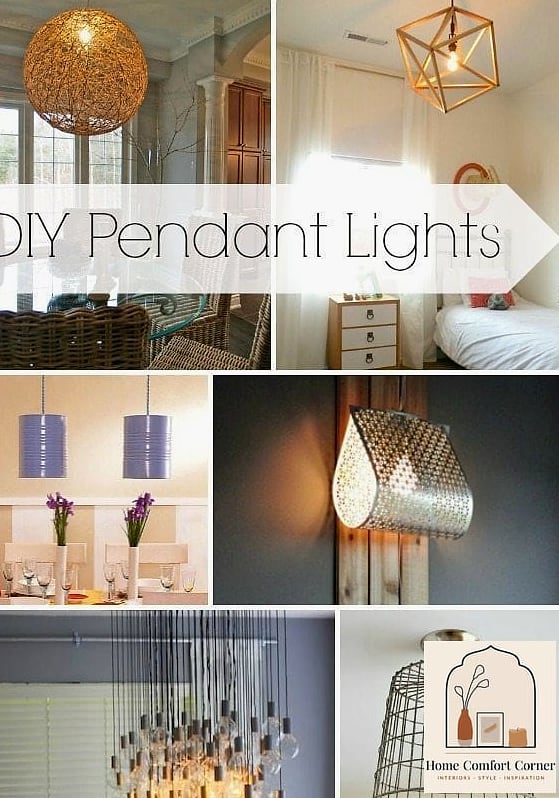
Nothing flattens a room faster than a single ceiling light doing all the work. Designers almost always mix table lamps, floor lamps, and sometimes wall sconces to create pockets of warm light around a space.
This works especially well in living rooms and bedrooms where you want a cozy, lived-in feel come evening. Try a mix of warm-toned bulbs and keep at least two light sources at different heights. It’s a cheap swap that makes a huge visual difference.
Swap Boring Hardware for Brushed Brass or Matte Black
Cabinet knobs and drawer pulls are one of the most overlooked details in a room, but they’re also one of the easiest to change yourself. Brushed brass hardware adds warmth, while matte black feels more modern and moody.
This trick works on dressers, kitchen cabinets, and bathroom vanities alike. A basic screwdriver and an afternoon are really all you need, and it’s fully renter-friendly since you can always swap the original hardware back before moving out.
Create a Gallery Wall With Mismatched Frames
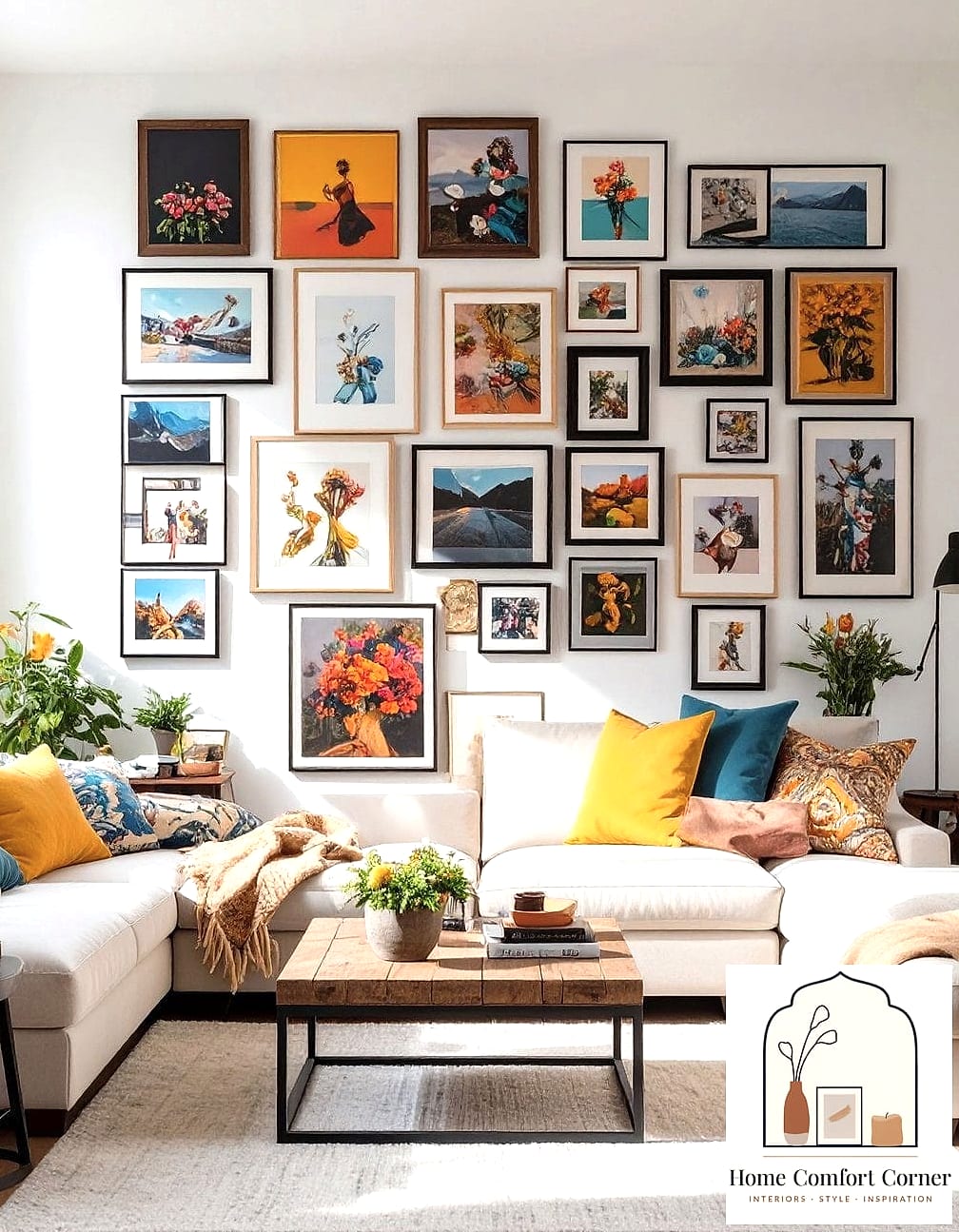
A gallery wall sounds intimidating, but designers actually love it because it’s forgiving. Mixing frame sizes, finishes, and even a few mirrors keeps things interesting instead of looking like a matched set from a box store.
Start by laying your pieces out on the floor first so you’re not guessing on the wall. This idea shines in stairwells, hallways, and above a sofa where you’ve got a big blank space that needs personality.
Add a Statement Rug to Anchor the Room
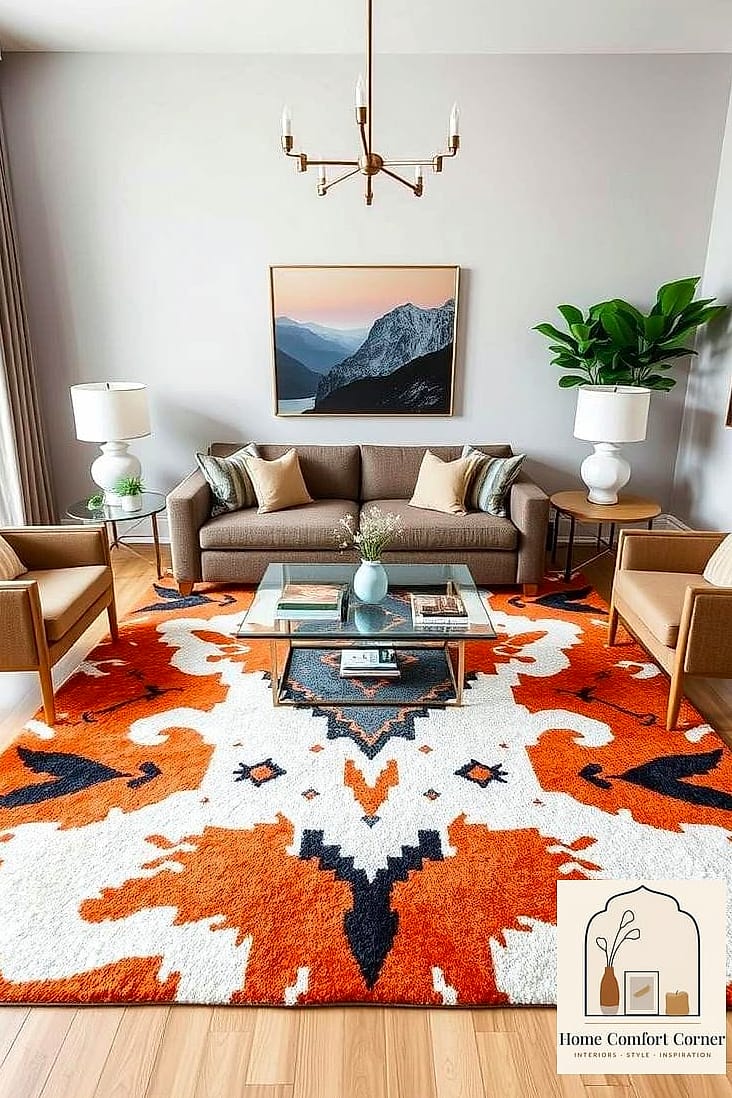
A lot of rooms feel unfinished simply because the rug is too small. Designers size rugs so furniture legs actually sit on them, which instantly makes a space feel pulled together.
In a living room, aim for at least the front legs of your sofa and chairs to rest on the rug. This works in any style, from a jute natural fiber option for a casual look to a bold patterned rug if you want more drama underfoot.
Bring In Open Shelving for Everyday Items
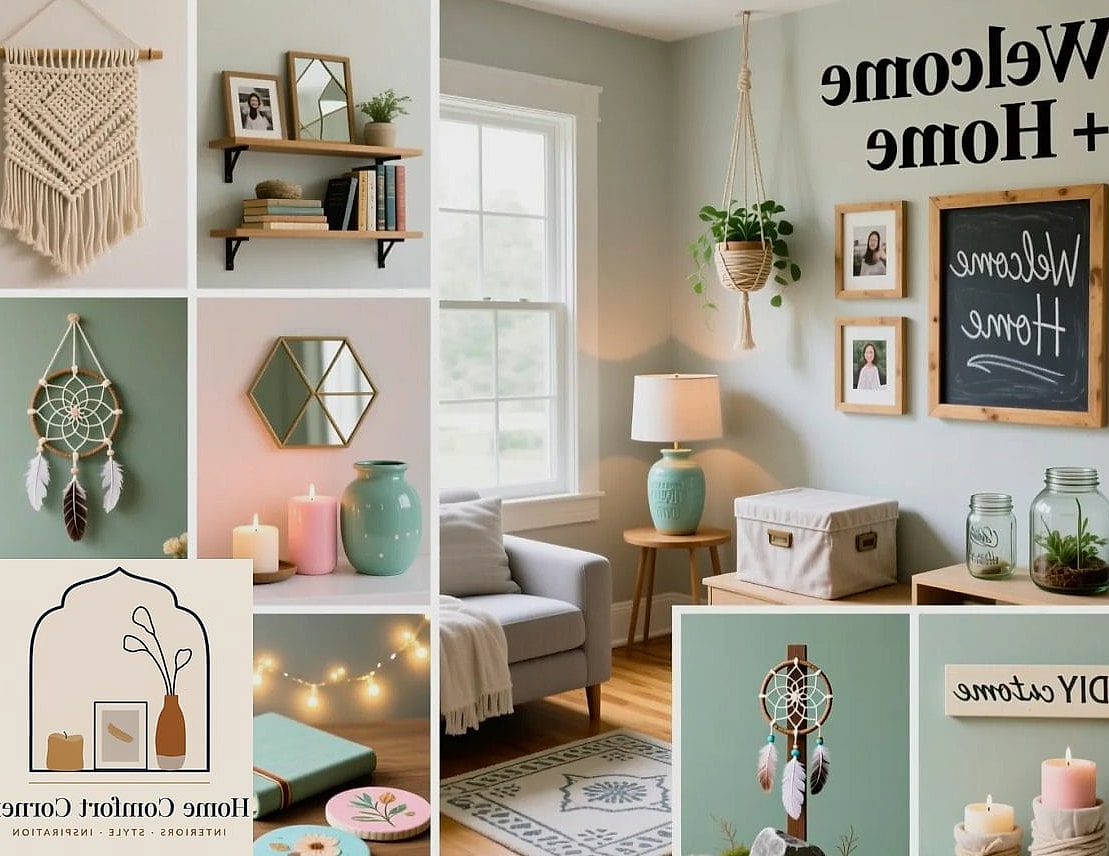
Open shelving isn’t just a kitchen thing. Designers use it in bathrooms, entryways, and even bedrooms to display things you actually use, mixed in with a few decorative pieces.
Floating shelves are simple to install and give you a chance to show off books, plants, or a favorite vase without cluttering a countertop. Just keep in mind open shelving needs a little more regular dusting than closed cabinets.
Paint Just the Ceiling for an Unexpected Pop
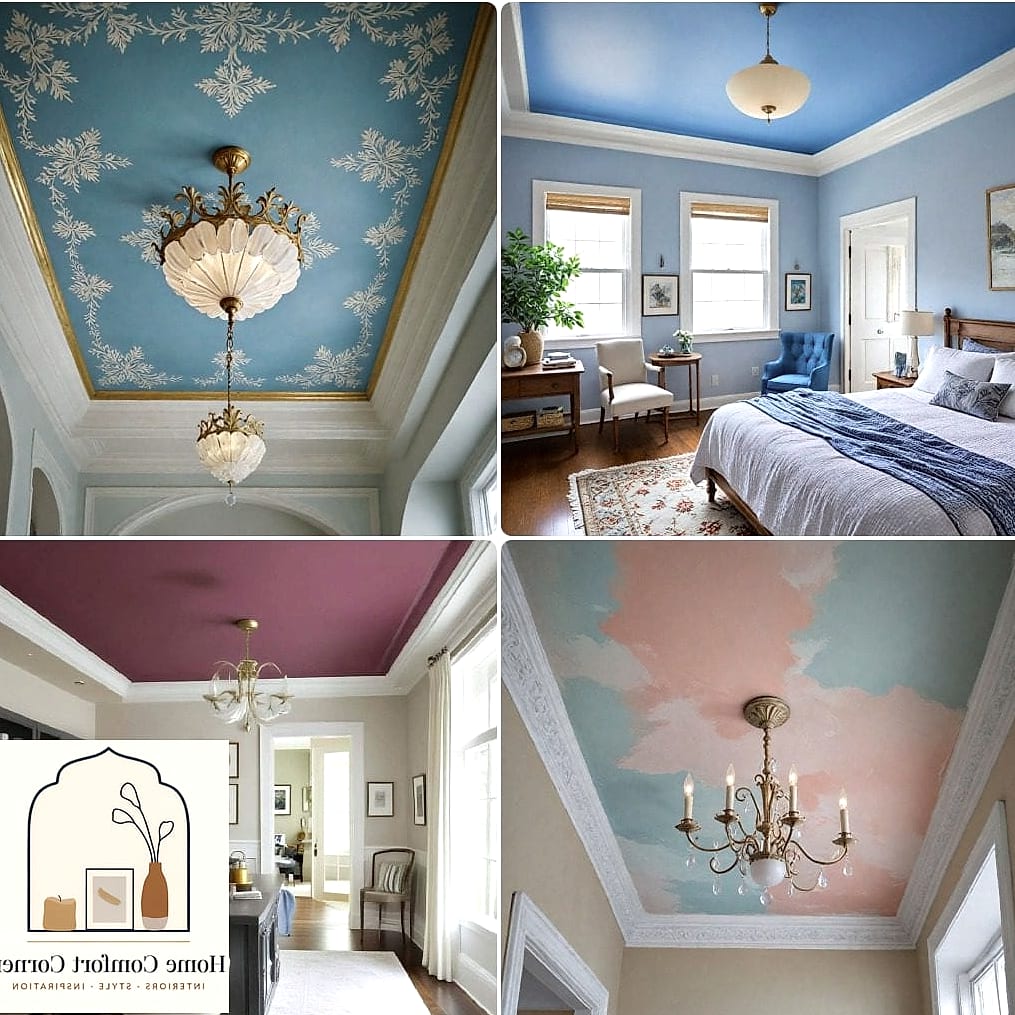
This one surprises people every time. Painting a ceiling in a soft color, or even the same color as your walls, makes a room feel intentional and cozier rather than like an afterthought.
It works particularly well in smaller rooms like a powder bathroom or a reading nook where you want a slightly enveloping feeling. A gallon of paint and a weekend is genuinely all this project takes.
Use Baskets and Bins to Hide the Clutter
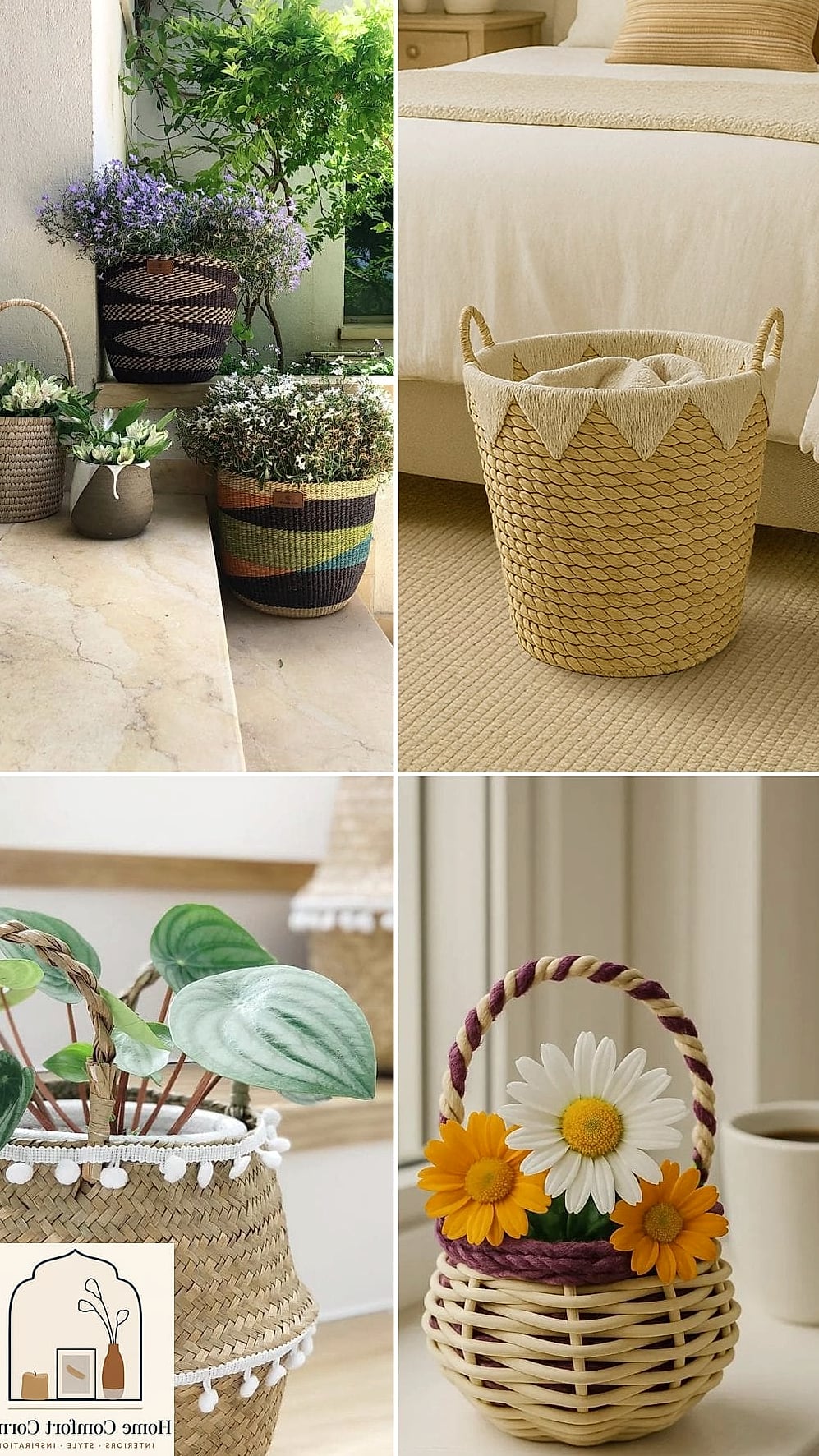
Every designer’s secret weapon is smart storage that also looks good. Woven baskets, canvas bins, and lidded boxes keep blankets, toys, and mail out of sight while adding texture to a room.
This is a favorite for living rooms and entryways where things tend to pile up fast. Look for baskets in varying heights so they can slide under console tables or stack neatly in a closet.
Hang Curtains Higher and Wider Than the Window
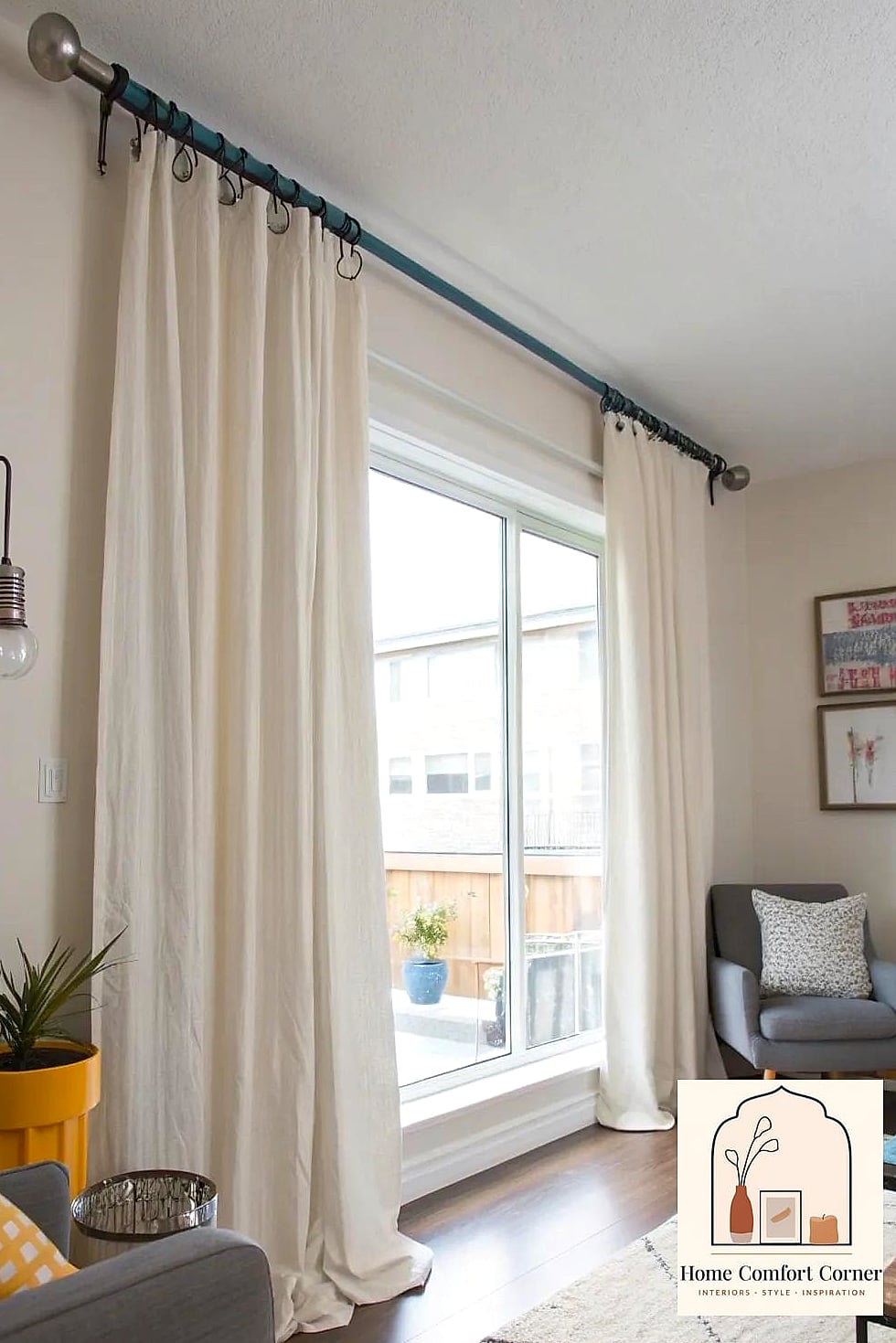
This is one of those upgrades that instantly makes a room feel more custom without requiring a full renovation. Mounting curtain rods closer to the ceiling and extending them past the window frame makes ceilings feel taller and windows feel larger.
It’s a purely visual trick, but it works in almost any room with windows. Just make sure your curtain length grazes the floor rather than stopping short, which can make the whole setup look accidental.
Mix Textures Instead of Just Colors
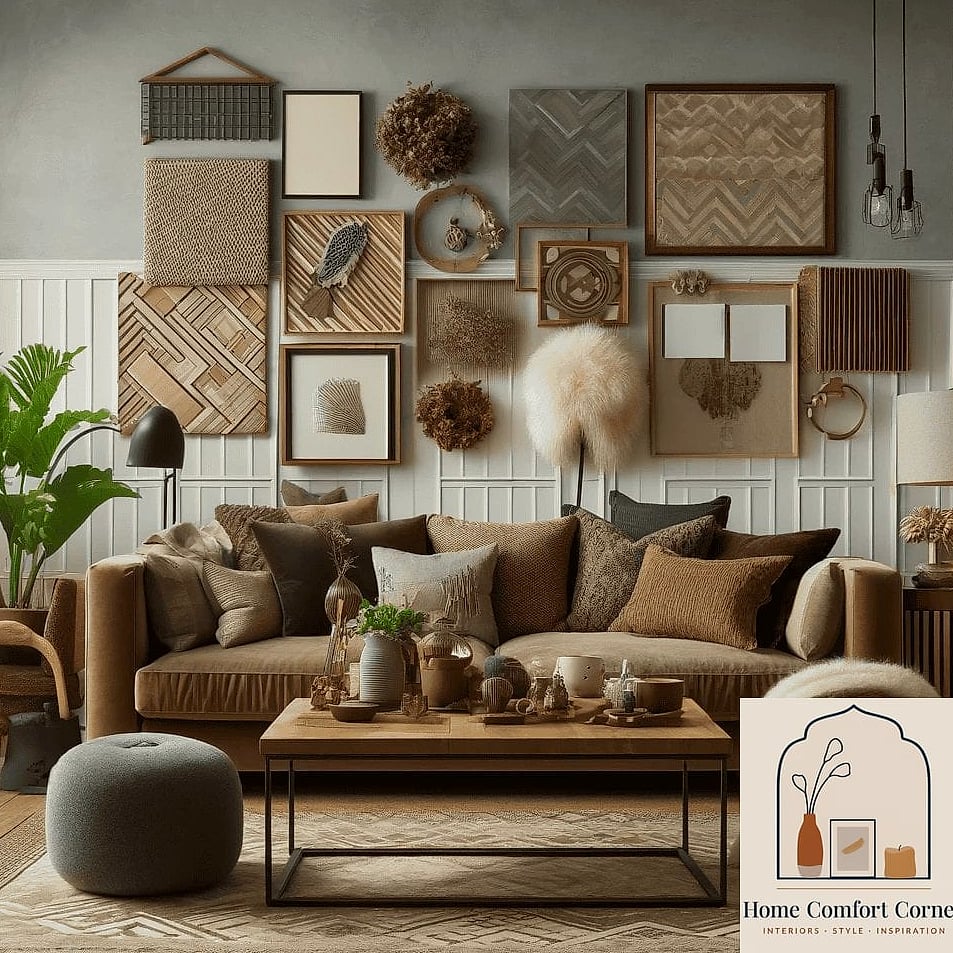
A room can be entirely neutral and still feel rich if you’re layering textures. Think a chunky knit throw, a smooth leather chair, a woven pouf, and a linen pillow all in the same space.
This idea works especially well in Japandi or minimalist rooms where color isn’t doing the heavy lifting. Designers rely on texture to keep a neutral palette from feeling flat or cold.
Add Molding or Trim to Plain Walls
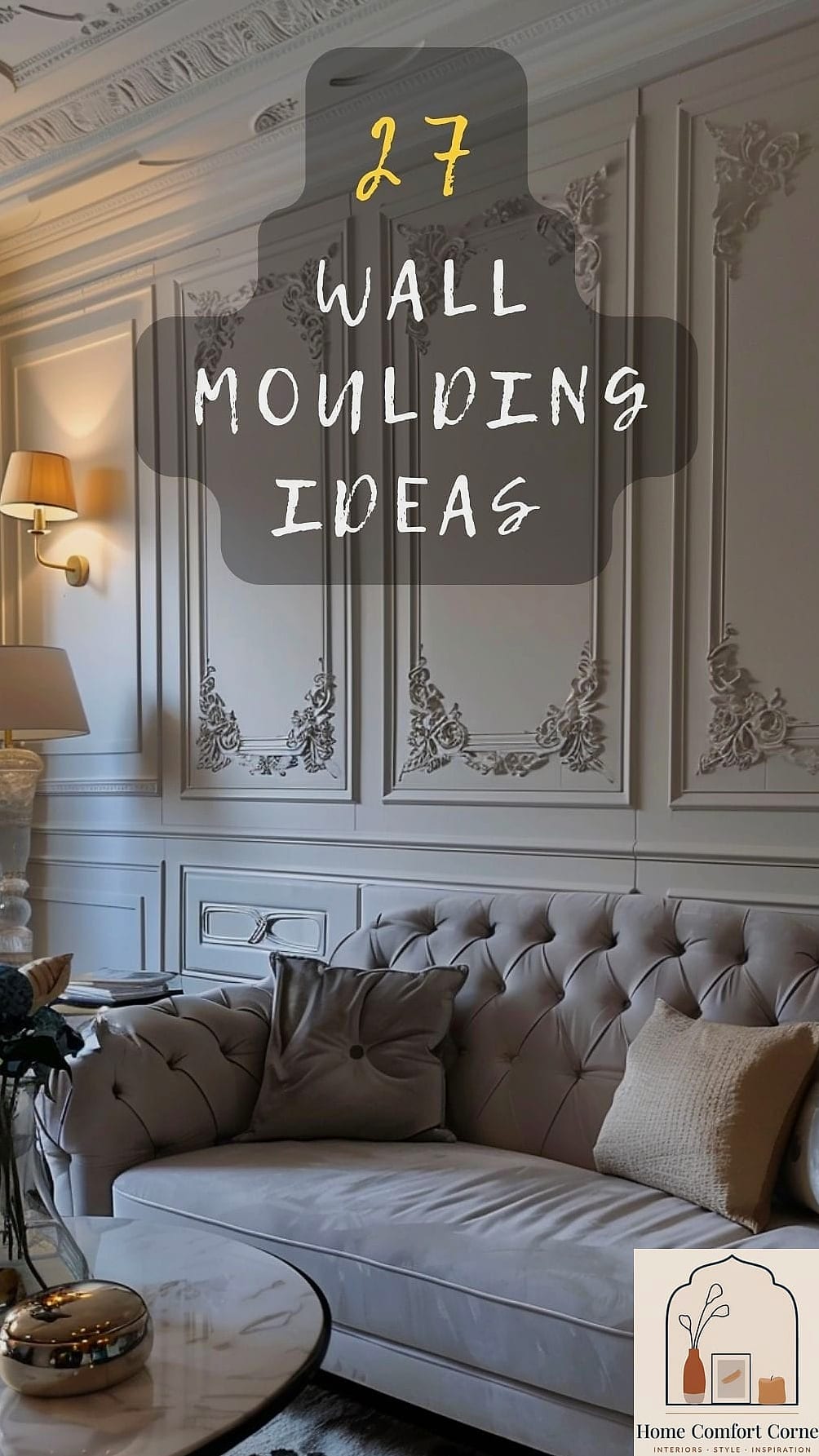
Board and batten, picture frame molding, or simple trim work can take a boring wall and give it real architectural interest. It’s a more involved DIY project, but it’s genuinely achievable over a weekend with basic tools.
This works beautifully in dining rooms, entryways, and behind a bed as a headboard alternative. Paint it the same color as your wall for a subtle look, or a contrasting shade if you want it to stand out.
Style Your Bookshelves Like a Designer Would
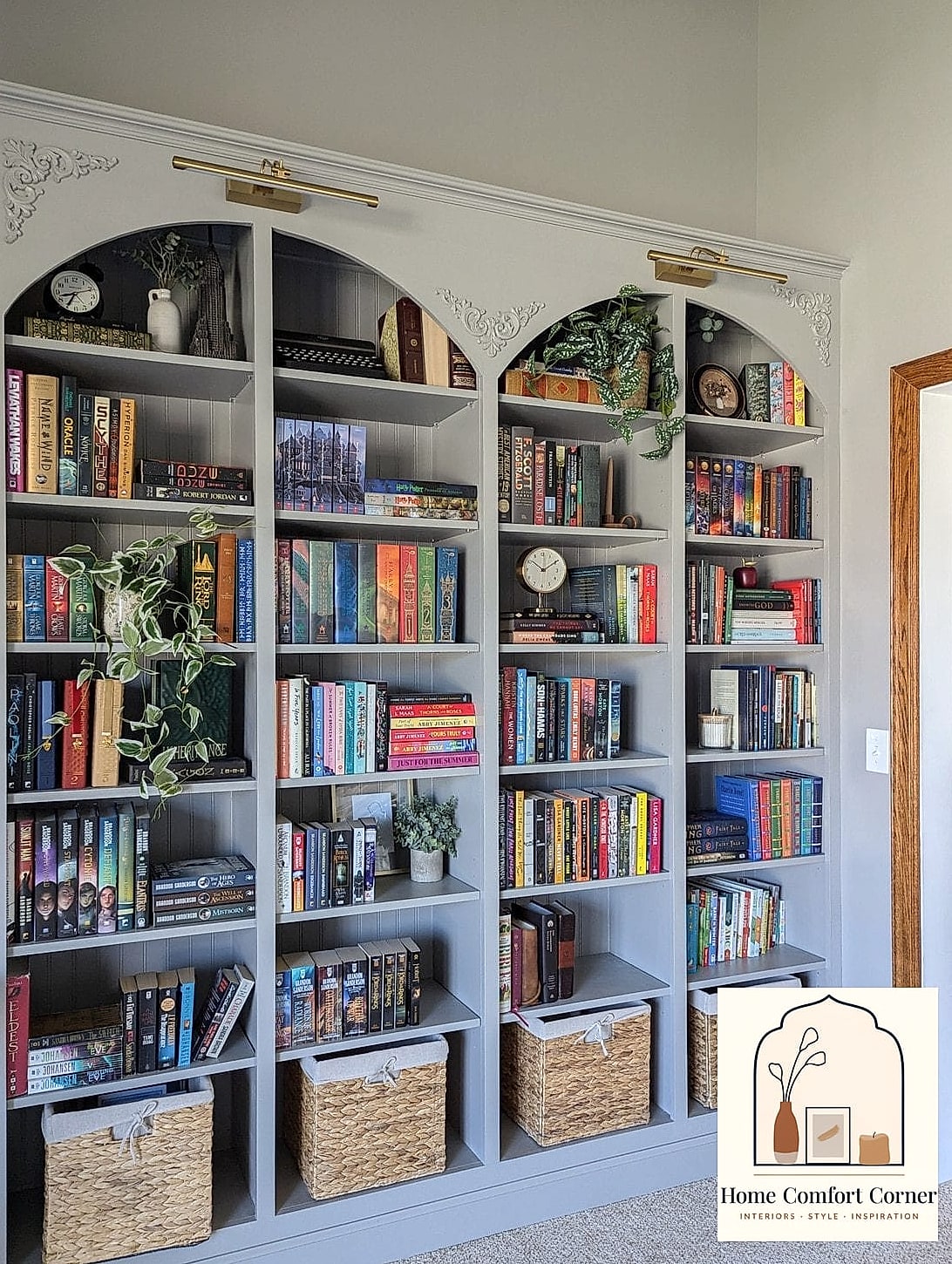
Randomly shoving books onto a shelf rarely looks good. Designers stack some books horizontally, stand others vertically, and mix in a few decorative objects or plants to break up the lines.
Leave some breathing room too. A shelf packed edge to edge feels cluttered, while one with a little negative space feels curated. This works in living rooms, home offices, and even bedrooms with a small bookcase.
Bring the Outdoors In With Greenery
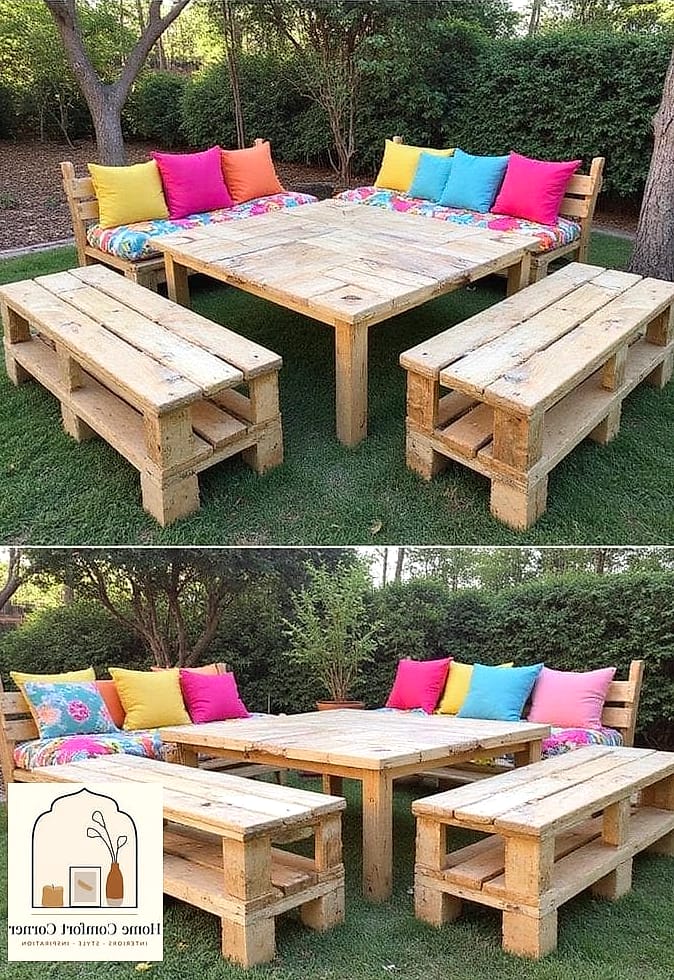
Plants are one of the fastest, cheapest ways to make a room feel alive. Designers use everything from a large fiddle leaf fig in a corner to small trailing pothos on a shelf.
If you don’t have a green thumb, faux plants have come a long way and can look surprisingly realistic these days. Either way, greenery softens hard edges and adds a natural pop of color to any room.
Use a Large Mirror to Bounce Light Around
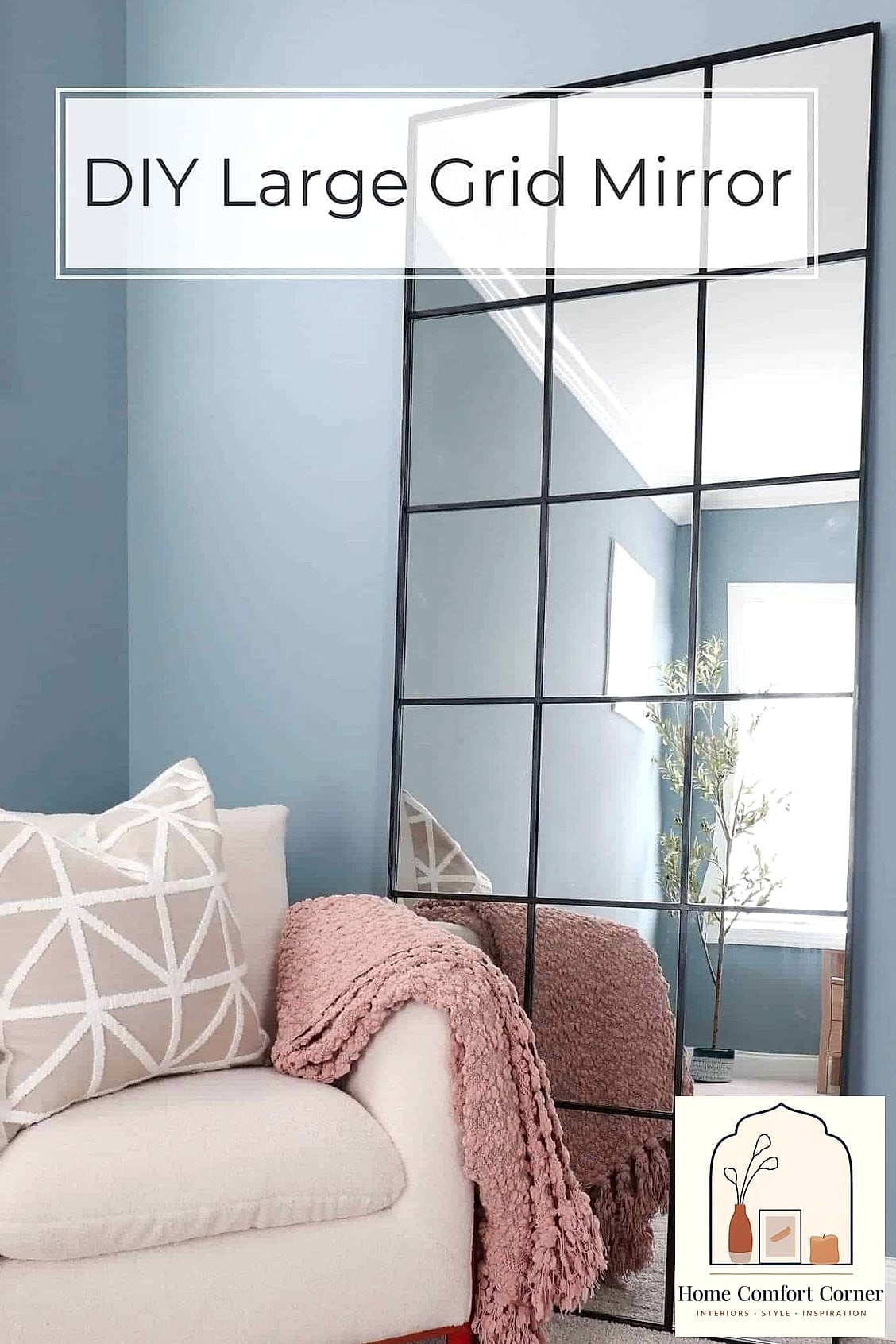
A big mirror does double duty. It makes a room feel more spacious and reflects whatever light you do have, whether that’s natural daylight or your lamps in the evening.
Lean an oversized mirror against a wall for an effortless, designer-approved look, or hang one directly across from a window to really maximize the light. This is especially handy in smaller rooms or those without much natural light.
Choose a Neutral Color Palette With One Bold Accent
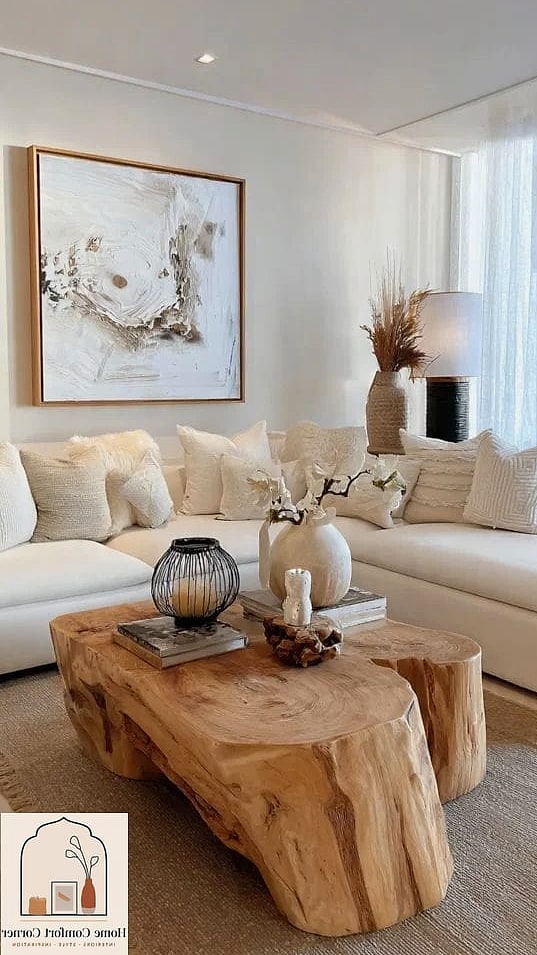
A lot of designer rooms look so cohesive because they stick mostly to a neutral color palette of warm whites, greiges, or soft tans, then let one bold element do the talking. That could be a deep green velvet chair or a rust-colored throw pillow.
This approach is forgiving because neutrals are easy to live with long term, but that one accent keeps the room from feeling boring. You can even rotate the accent color seasonally without repainting anything.
Add Wallpaper to Just One Wall
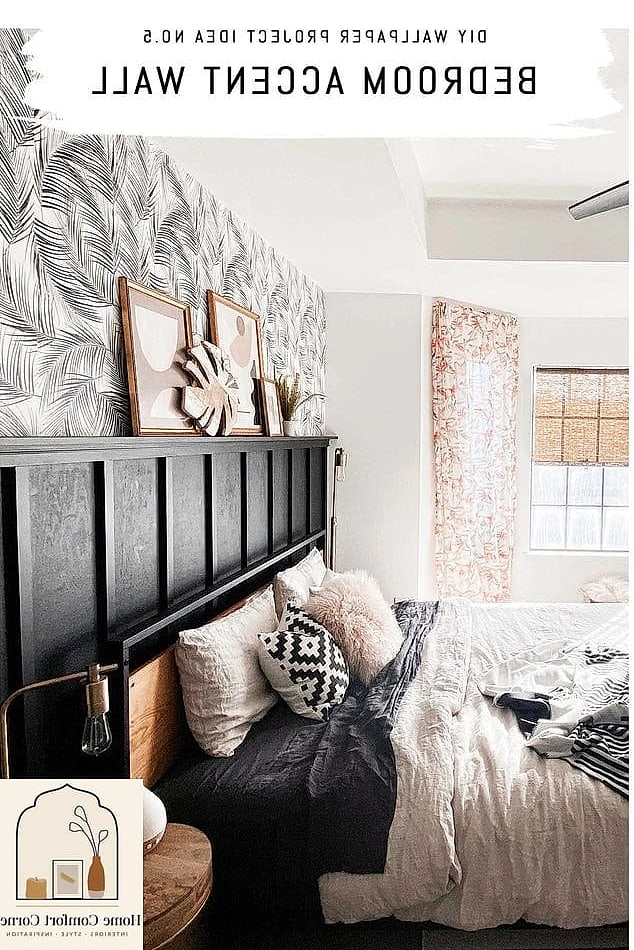
A full room of wallpaper can feel like a big commitment, both financially and visually. Designers often use it on a single accent wall instead, which gives you the pattern payoff without overwhelming the space.
Peel-and-stick options have made this idea incredibly renter-friendly since you can remove it later without damaging the wall underneath. It’s a great pick for a bedroom headboard wall or a small powder room.
Create a Cozy Reading Nook in an Unused Corner
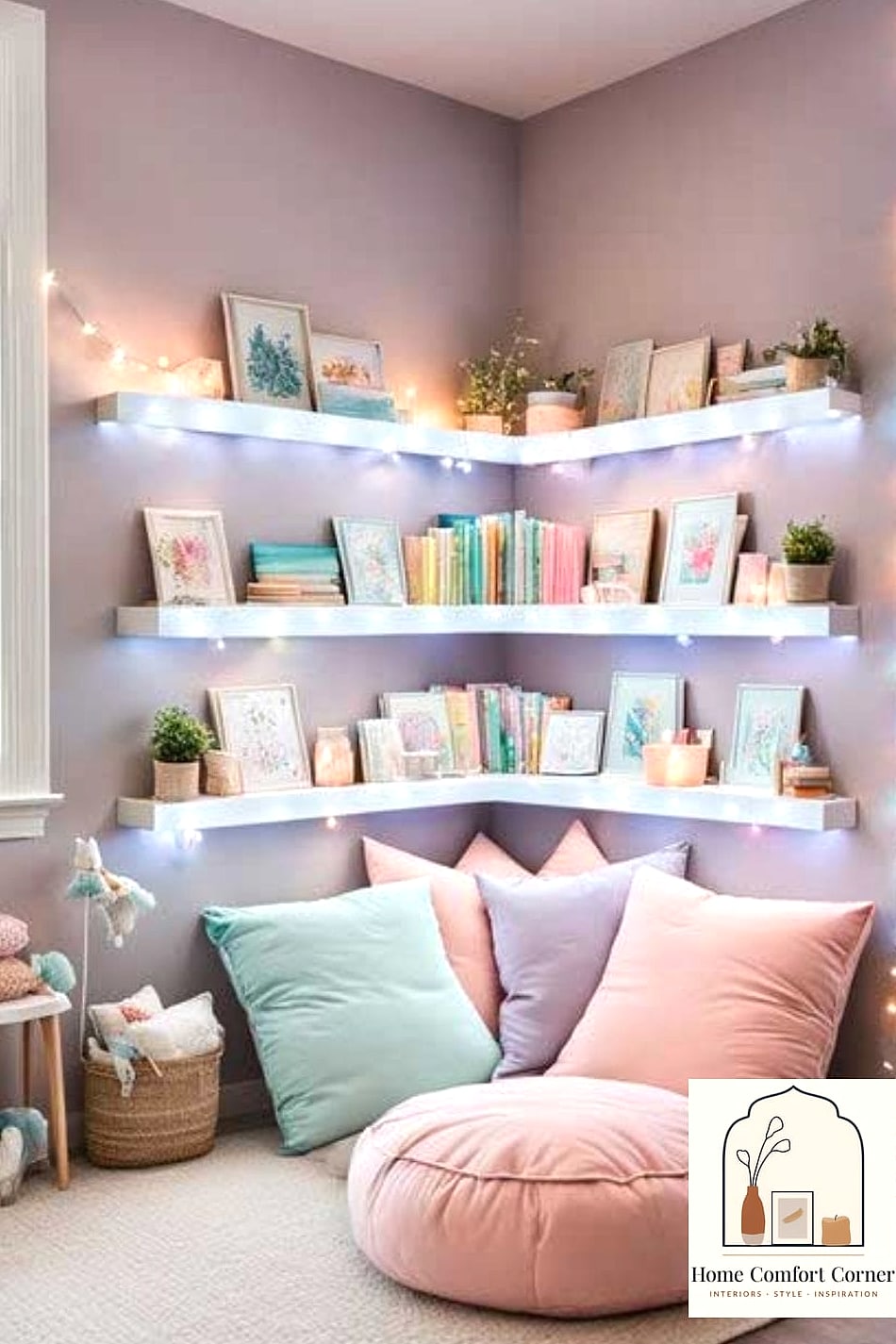
Every home has that one awkward corner that isn’t quite big enough for much. Designers turn it into a reading nook with a comfortable chair, a small side table, and a floor lamp.
Toss in a soft throw blanket and a few pillows and suddenly that dead space has a purpose. This is a favorite trick for bedrooms, home offices, or even a landing at the top of the stairs.
Swap Out Light Switch and Outlet Covers
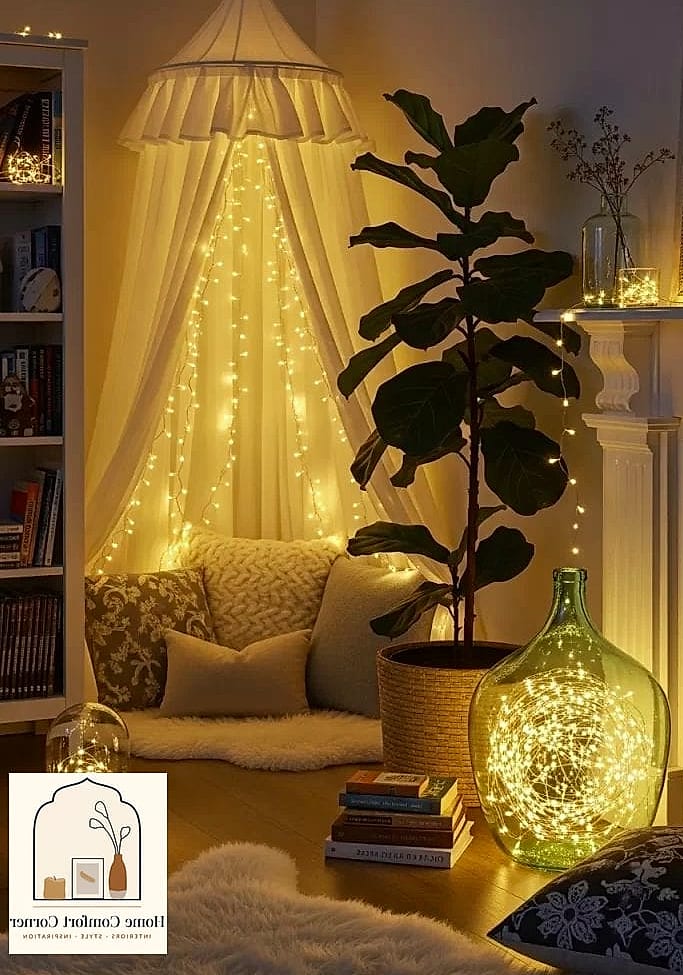
This is such a small detail, but mismatched or yellowed plastic covers can quietly date a room. Swapping them for a clean white, black, or brass option is inexpensive and takes maybe ten minutes per room.
It sounds too simple to matter, but once you notice old switch plates you can’t unsee them. This is an easy Sunday afternoon project that pulls a whole room together.
Use Vertical Stripes or Paneling to Add Height
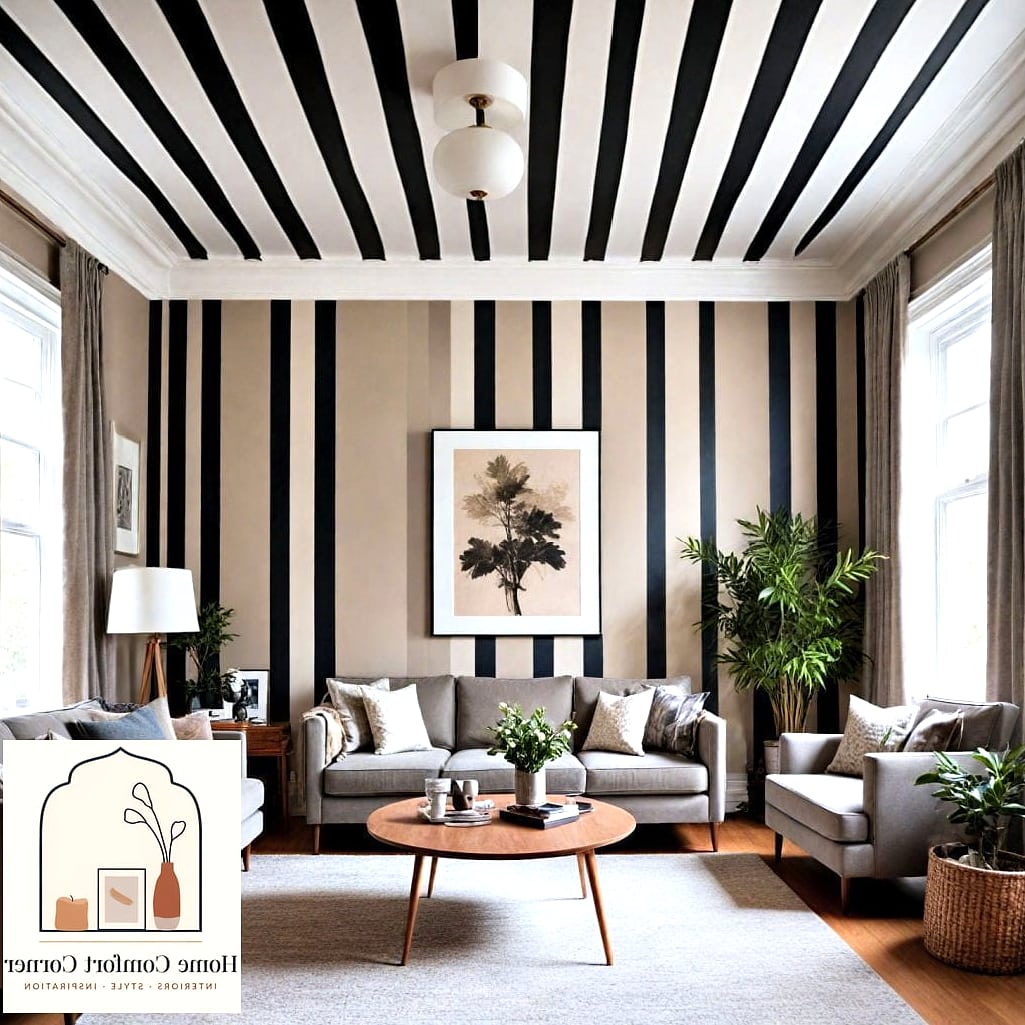
If you’re working with a room that has lower ceilings, vertical elements trick the eye into seeing more height. This could be vertical wood paneling, striped wallpaper, or even tall, narrow artwork.
Designers lean on this in dining rooms and bedrooms especially, where a little extra visual height makes the whole space feel more elevated. It pairs nicely with a warm wood tone or a soft painted finish.
Add a Console Table to Awkward Entryways
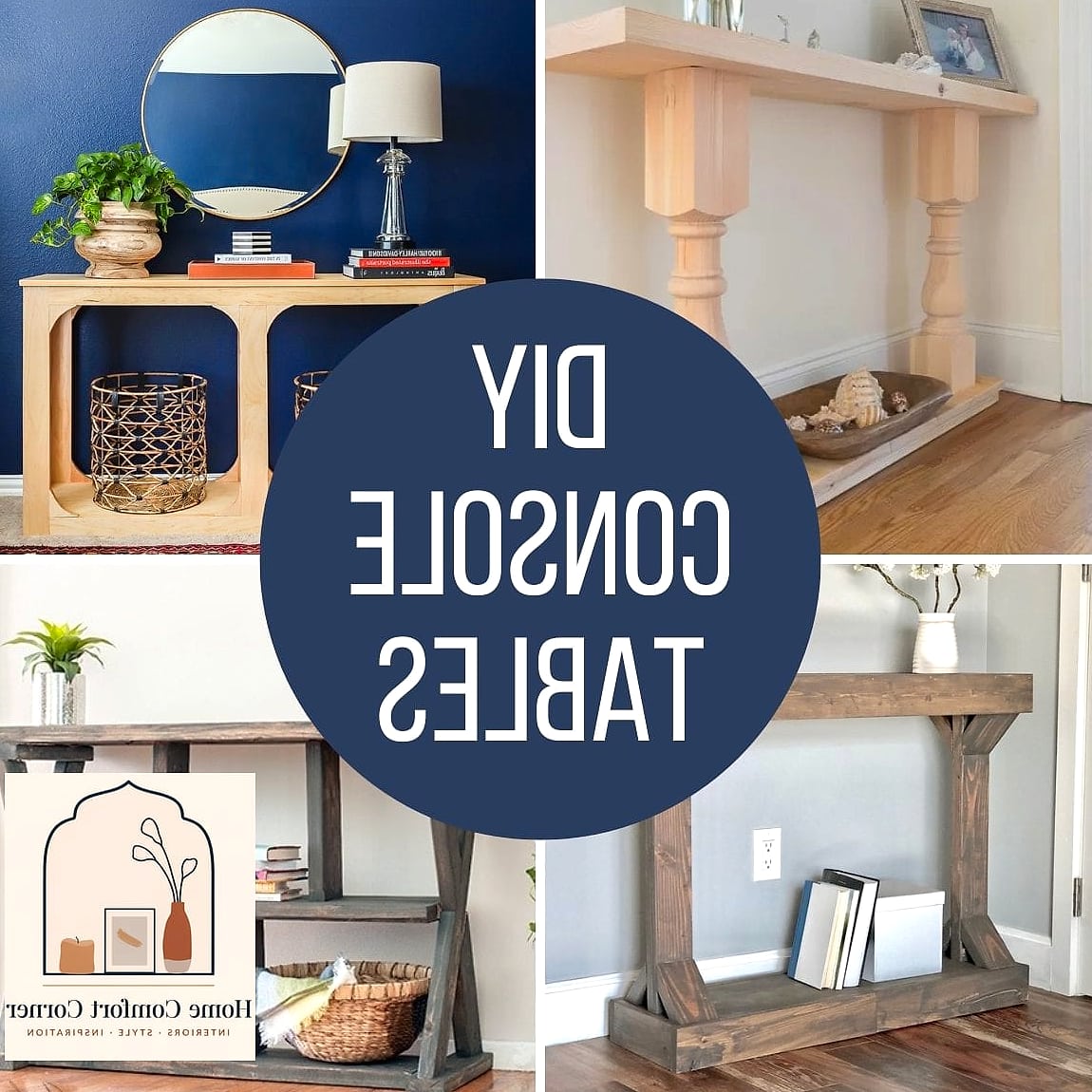
An entryway without a landing spot for keys and mail tends to become a dumping ground fast. A slim console table solves that problem while giving you a spot to style with a lamp, a small tray, and maybe a piece of art above it.
Even a narrow hallway can usually fit a slim 10 to 12 inch deep table. It’s functional and gives guests a proper first impression when they walk in.
Incorporate Vintage or Secondhand Pieces
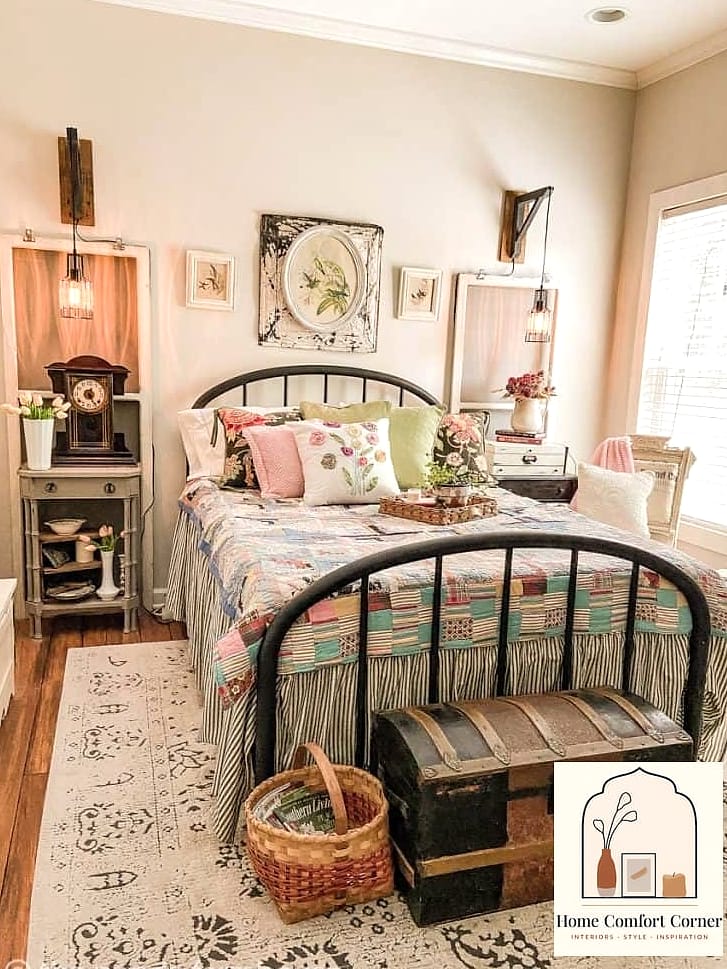
Designers rarely furnish a room entirely from one store, and that’s intentional. Mixing in a vintage lamp, an antique mirror, or a secondhand wood side table gives a room depth and a sense of history that brand-new furniture alone can’t replicate.
Thrift stores, estate sales, and online marketplaces are goldmines for this. Even one or two vintage pieces mixed into a mostly modern room can make the whole space feel more collected and less showroom-like.
Use Trays to Corral Coffee Table Items
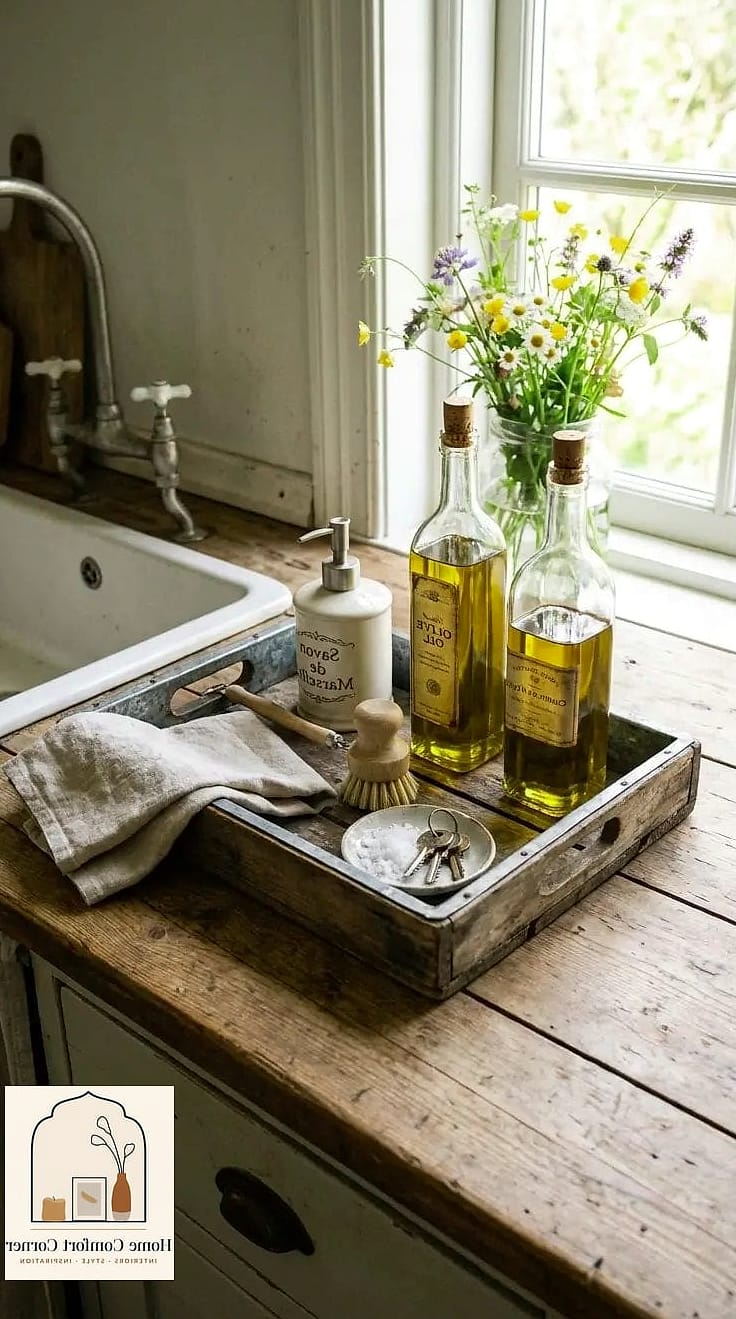
A coffee table with candles, remotes, and coasters scattered everywhere looks messy no matter how nice the individual pieces are. A simple tray groups everything together and instantly makes the surface feel more styled.
This works on nightstands and dressers too, not just coffee tables. It’s a two-minute styling trick that makes a real visual difference for basically no cost if you already own a tray.
Add Seasonal Decor in Small, Swappable Doses
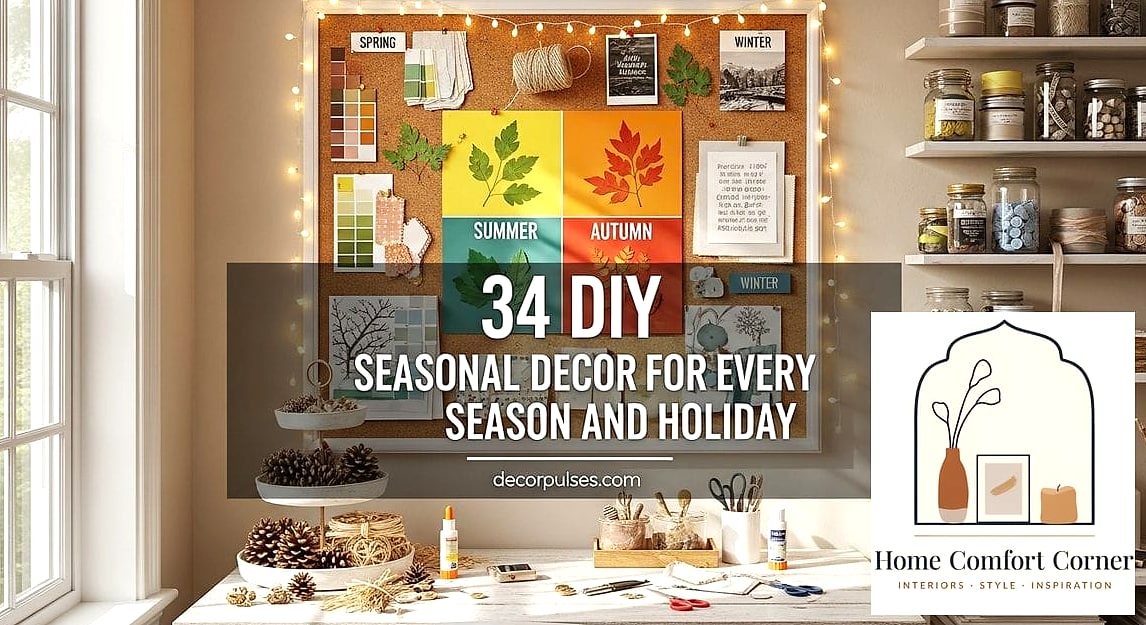
Rather than redecorating an entire room every season, designers often keep the big furniture pieces neutral and swap out small details instead. Think a different throw pillow cover, a seasonal candle scent, or a small vase of whatever’s blooming.
This keeps a space feeling fresh throughout the year without a big investment. It’s also one of the easiest habits to build once you’ve got your base decor sorted, and it makes trying new color palettes low risk since nothing is permanent.