30 Dressing Room Ideas Tips From Top Interior Designers
- Turn a Spare Bedroom Into a Full Dressing Room
- Install a Statement Chandelier
- Add a Center Island With Drawers
- Use Glass-Front Cabinets for Shoes
- Build in a Window Seat
- Go With a Monochrome Color Palette
- Add a Dedicated Jewelry Wall
- Install Full-Length Mirrors on Multiple Walls
- Use Open Shelving for Folded Items
- Add a Vanity Area With Seating
- Try a Herringbone Wood Floor
- Use Brass or Black Hardware Throughout
- Build a Bag Storage Wall
- Add a Steamer Station
- Use Velvet or Cedar-Lined Drawers
- Create a Color-Coded Closet System
- Add a Skylight or Larger Window
- Use a Freestanding Wardrobe for a Renter-Friendly Option
- Add Woven Baskets for Accessories
- Install a Rolling Ladder for Tall Storage
- Use Layered Lighting for Function and Mood
- Add a Small Coffee or Wine Station
- Use a Neutral Palette With One Bold Wallpaper Wall
- Build Custom Drawer Dividers for Folded Clothes
- Add a Full Outerwear Closet
- Use a Soft, Textured Rug
- Add a Hidden Laundry Hamper
- Use Adjustable Closet Systems Instead of Fixed Shelving
- Add Personal Touches Like Art or Photos
- Create a Seasonal Rotation System
30 Dressing Room Ideas Tips From Top Interior Designers
A dressing room is one of those spaces that sounds like a luxury until you actually have one, and then you wonder how you ever lived without it. It doesn’t need to be huge or fancy. It just needs to work for how you actually get dressed every morning. I pulled together thirty ideas that designers keep coming back to, from small closet conversions to full walk-in showstoppers, so you can find something that fits your space and your budget.
Turn a Spare Bedroom Into a Full Dressing Room
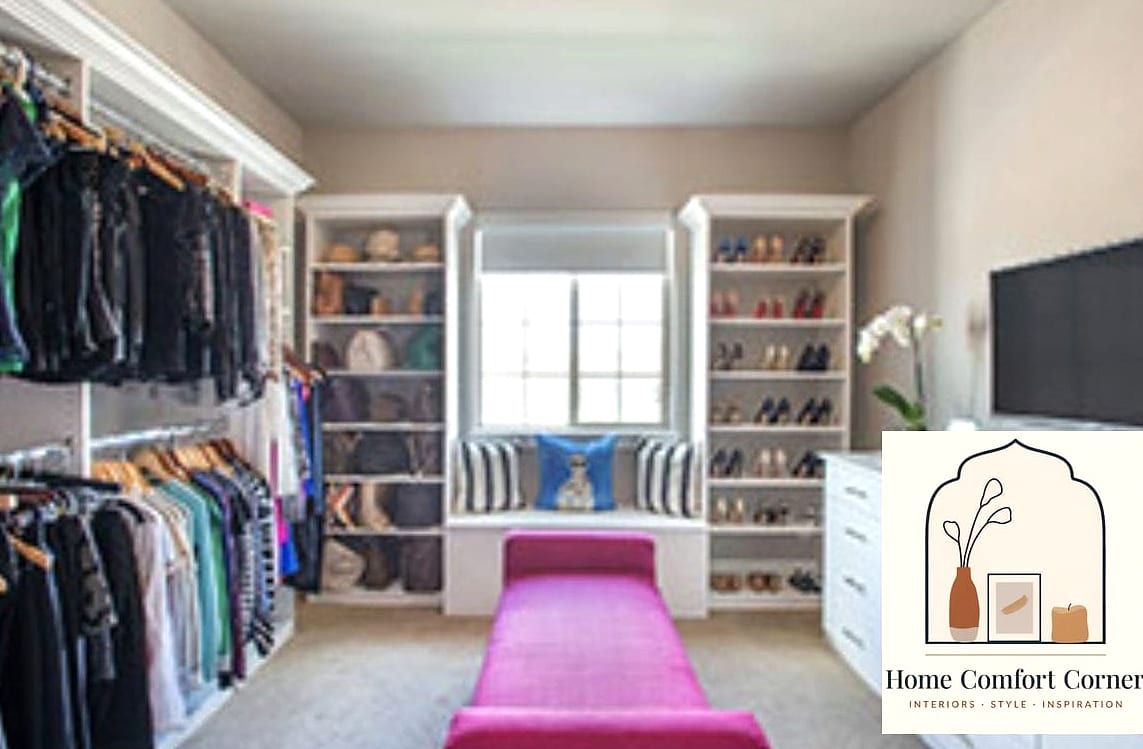
If you’ve got an extra bedroom that’s become a catch-all for junk, this is your sign to reclaim it. A full room dedicated to dressing gives you space for a proper island, a seating area, and enough hanging storage to actually organize by category. Designers love this option because it lets you treat the room like a boutique, with zones for shoes, accessories, and outerwear instead of cramming everything into one closet. It’s a bigger investment than a closet reno, but for anyone with the extra square footage, it’s hard to beat.
Install a Statement Chandelier
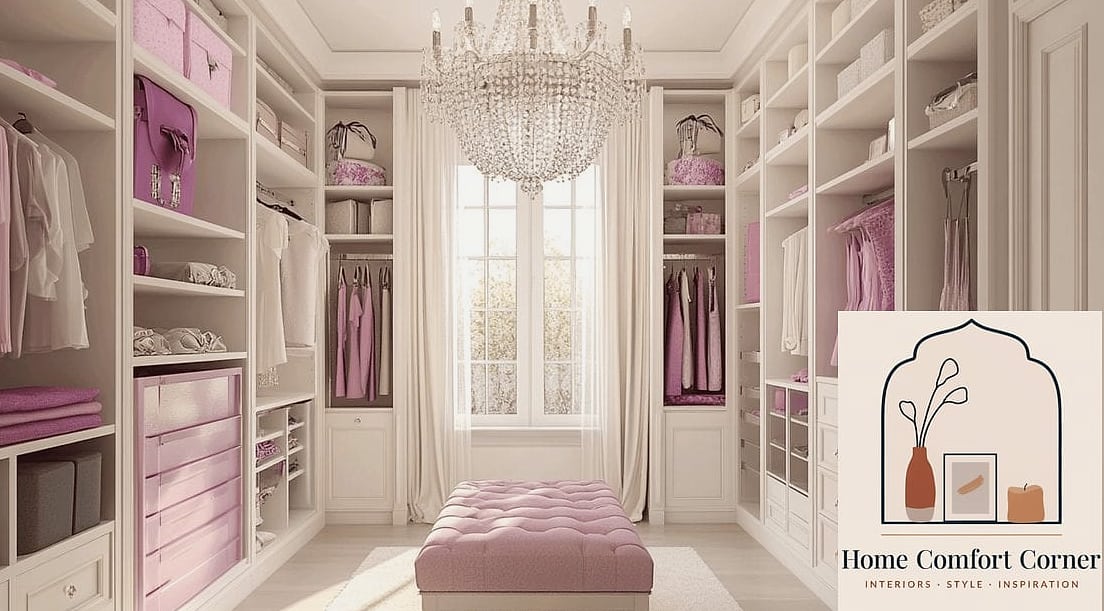
Lighting sets the mood in a dressing room more than almost anything else, and a chandelier turns a functional space into something that feels special. Go with a crystal or brass fixture for glamour, or a linear drum shade for something more understated. Pair it with recessed lighting so you still get even coverage for getting ready. This is a splurge item, but it’s also one of those details that makes people stop in the doorway.
Add a Center Island With Drawers
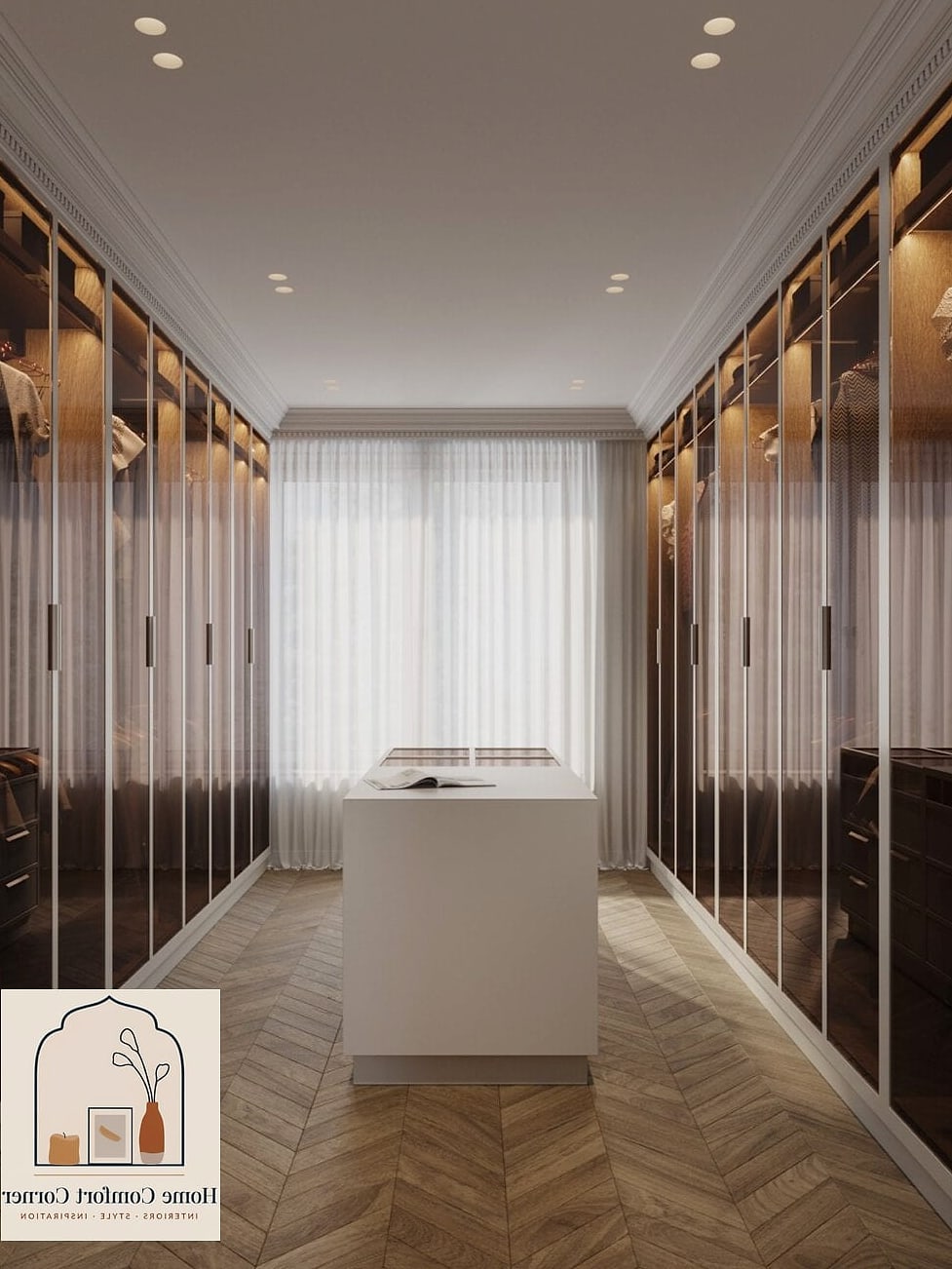
An island isn’t just for kitchens anymore. In a dressing room, it gives you a spot to fold sweaters, store jewelry in the top drawers, and even sit on a stool while you pick out shoes. Quartz or butcher block tops both work well here, and the drawer space underneath is genuinely useful for things you don’t want on open display. If your room is small, a narrow console table can do the same job on a smaller scale.
Use Glass-Front Cabinets for Shoes
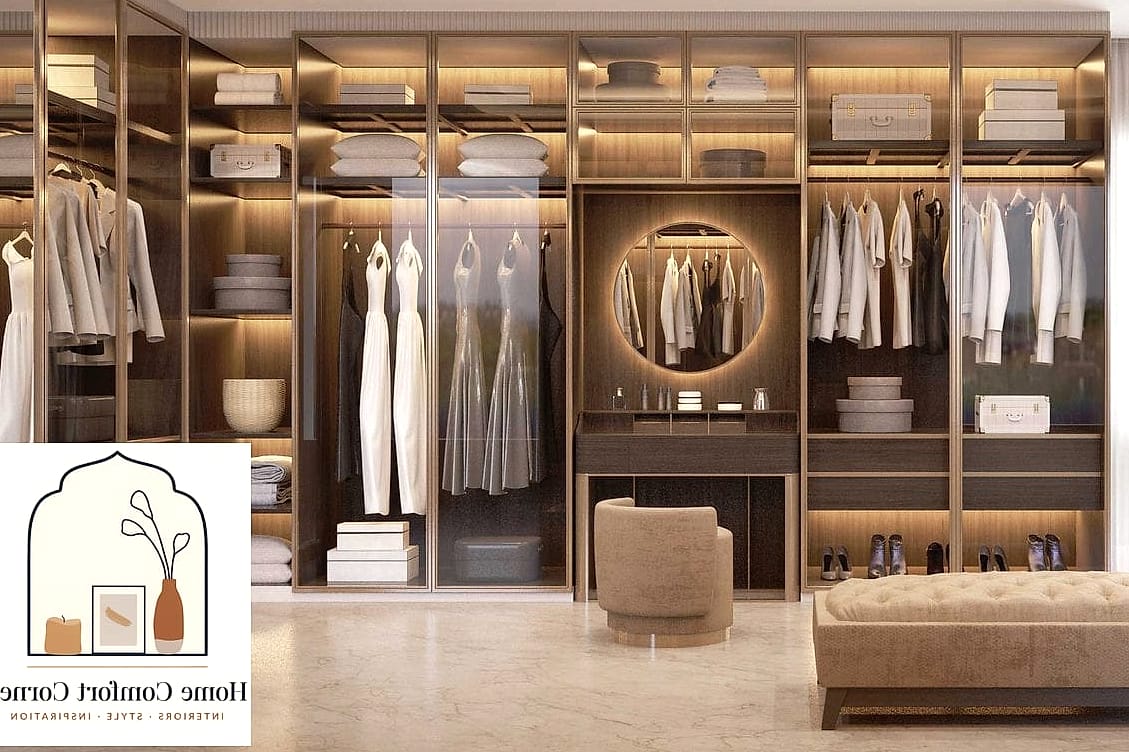
Glass-front cabinetry keeps your shoe collection visible and dust-free at the same time. It looks polished without requiring you to keep everything in pristine open rows, and it’s a lot easier to keep clean than open shoe shelving. Designers often pair this with LED strip lighting inside the cabinets so each pair gets its own little spotlight. It’s a nice upgrade if you already have a serious shoe habit and want to show it off.
Build in a Window Seat
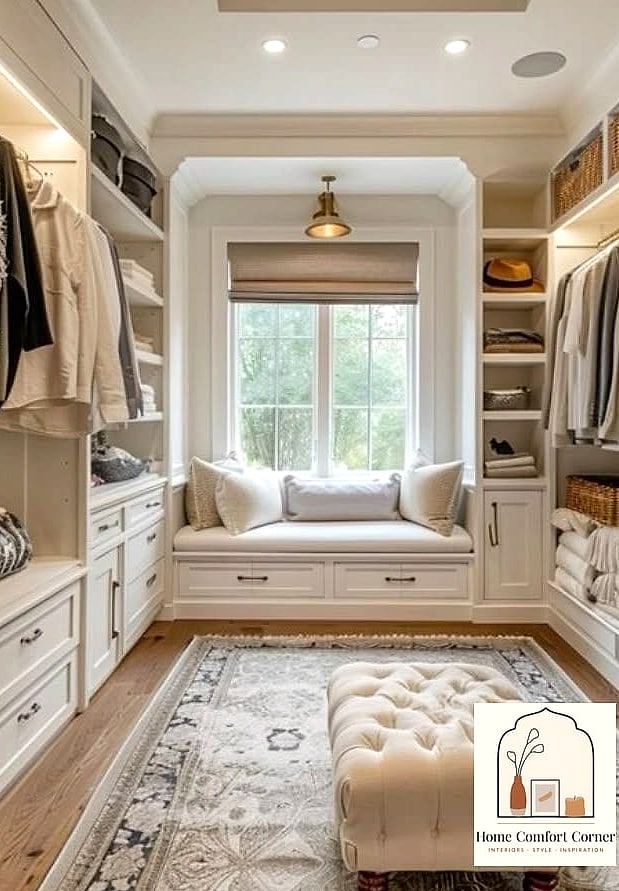
If your dressing room has a window, don’t waste that wall on more cabinetry. A built-in bench with storage underneath gives you a place to sit while putting on shoes, plus hidden space for out-of-season items. Add a cushion in a durable fabric and a few throw pillows, and it becomes the coziest corner of the room. It’s also a nice spot for natural light when you’re deciding what to wear.
Go With a Monochrome Color Palette
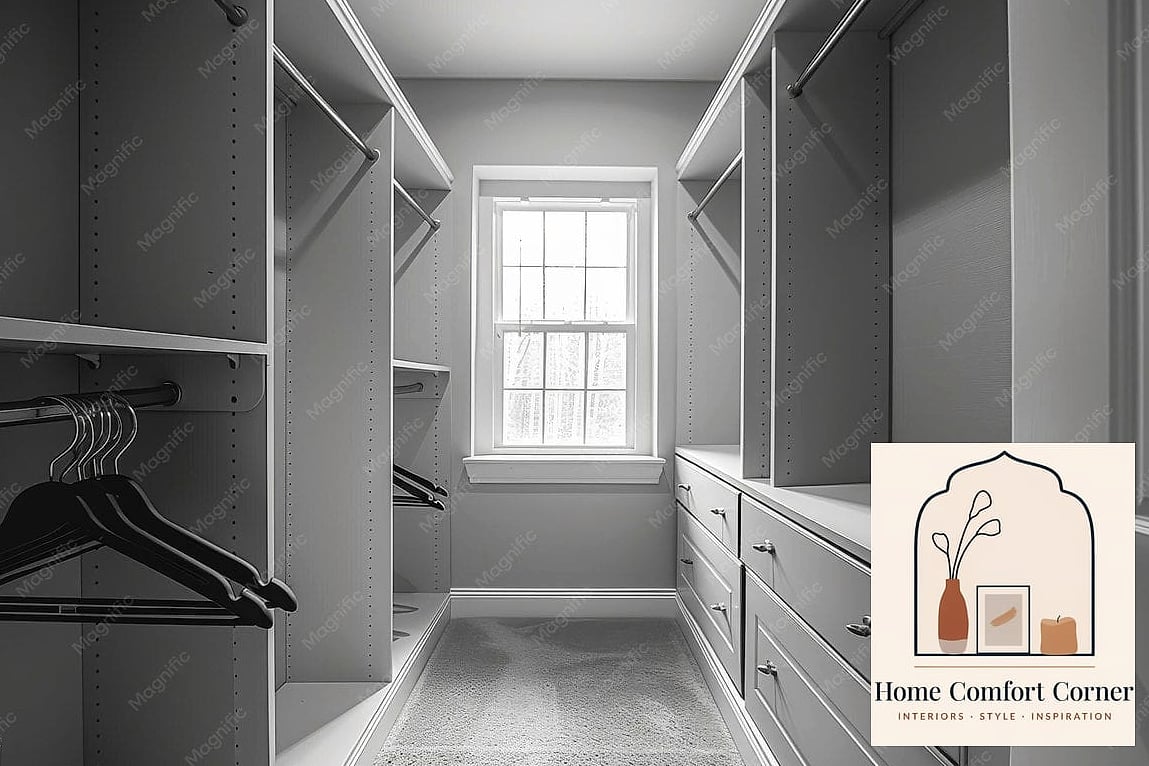
A lot of the most photographed dressing rooms lean into one tight color story, usually whites, creams, and warm wood tones. It keeps the space feeling calm and lets your clothes be the pop of color instead of the walls. If you want more drama, a monochrome in deep green or navy works just as well. Either way, sticking to one palette makes a small room feel more pulled together.
Add a Dedicated Jewelry Wall
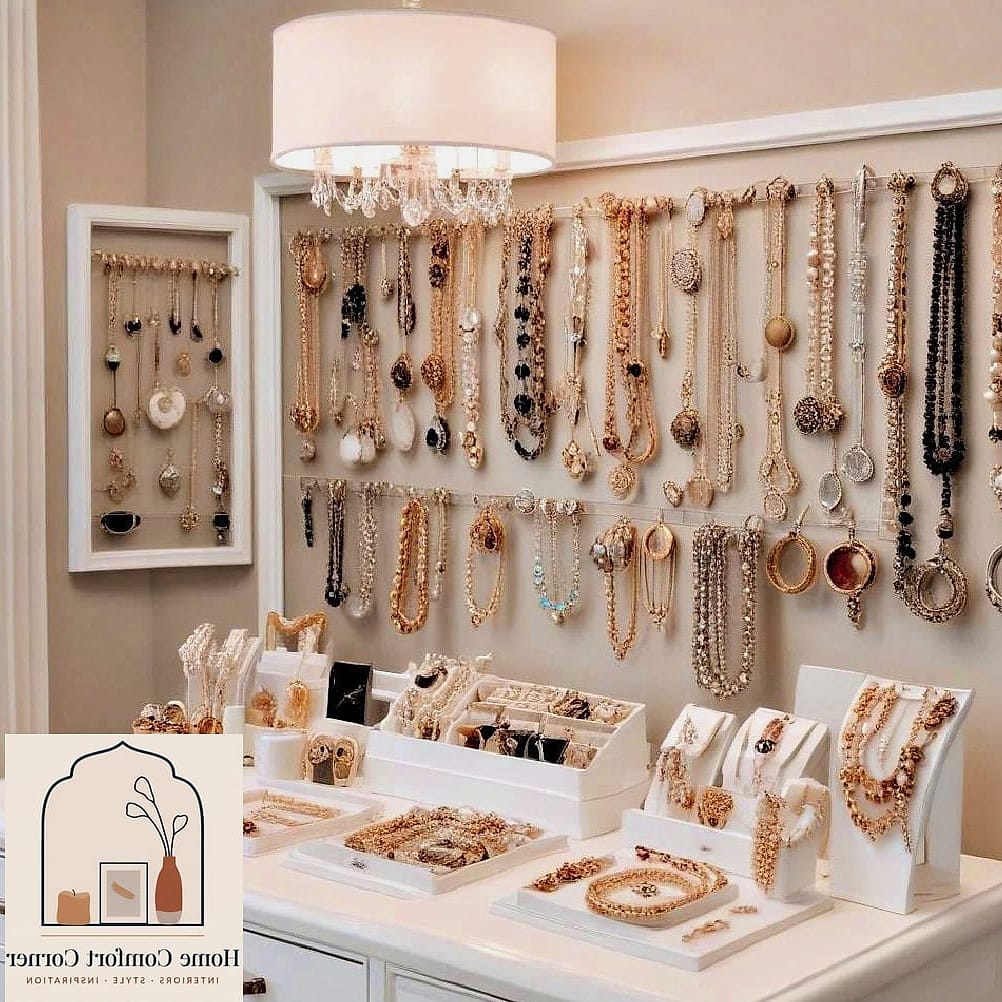
Tangled necklaces in a drawer are nobody’s idea of fun. A wall-mounted jewelry organizer with hooks and small shelves keeps everything visible and untangled, and it turns your accessories into a bit of a display. Velvet-lined trays work well for rings and earrings if you want a mix of open and closed storage. This is also one of the more affordable additions on this list, since you can find ready-made organizers instead of building custom.
Install Full-Length Mirrors on Multiple Walls
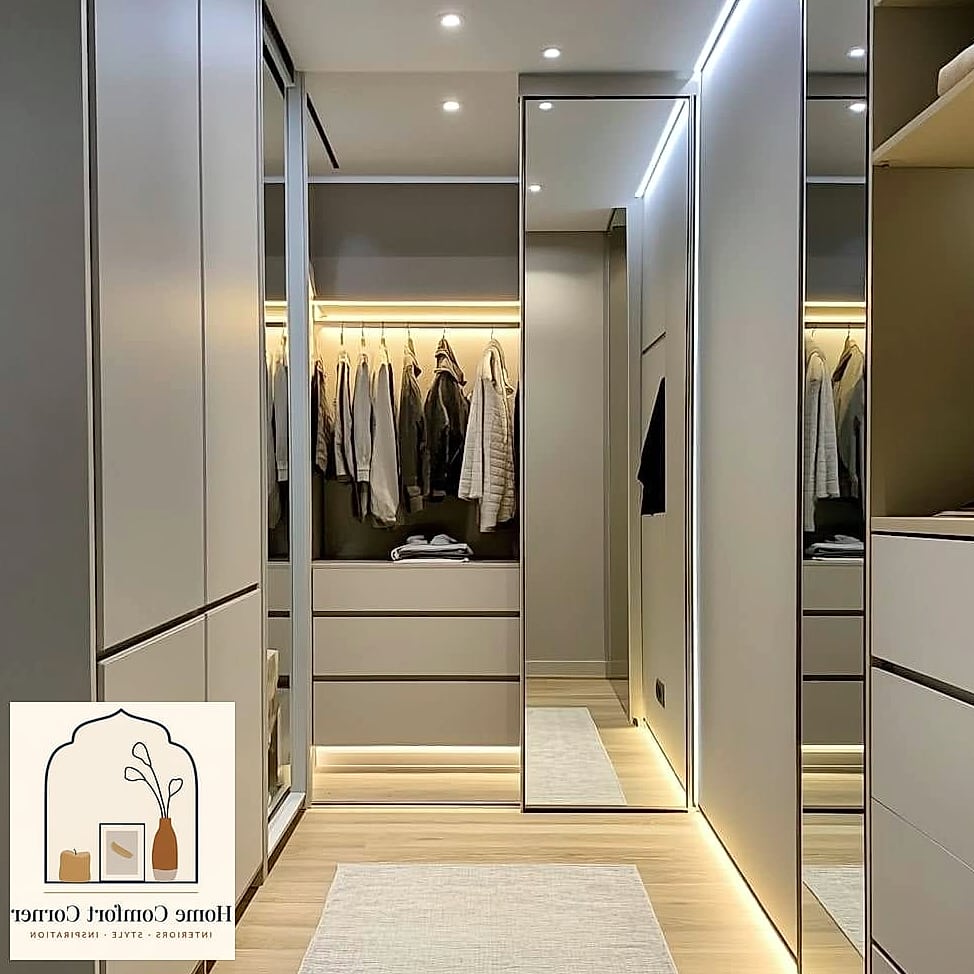
One mirror is fine, but two facing mirrors let you actually see the back of an outfit, which matters more than people expect. Framed mirrors in brass or matte black add a bit of style instead of just function. If floor space is tight, a door-mounted mirror is a good workaround. Either way, good mirror placement is one of those things that makes a dressing room feel finished.
Use Open Shelving for Folded Items
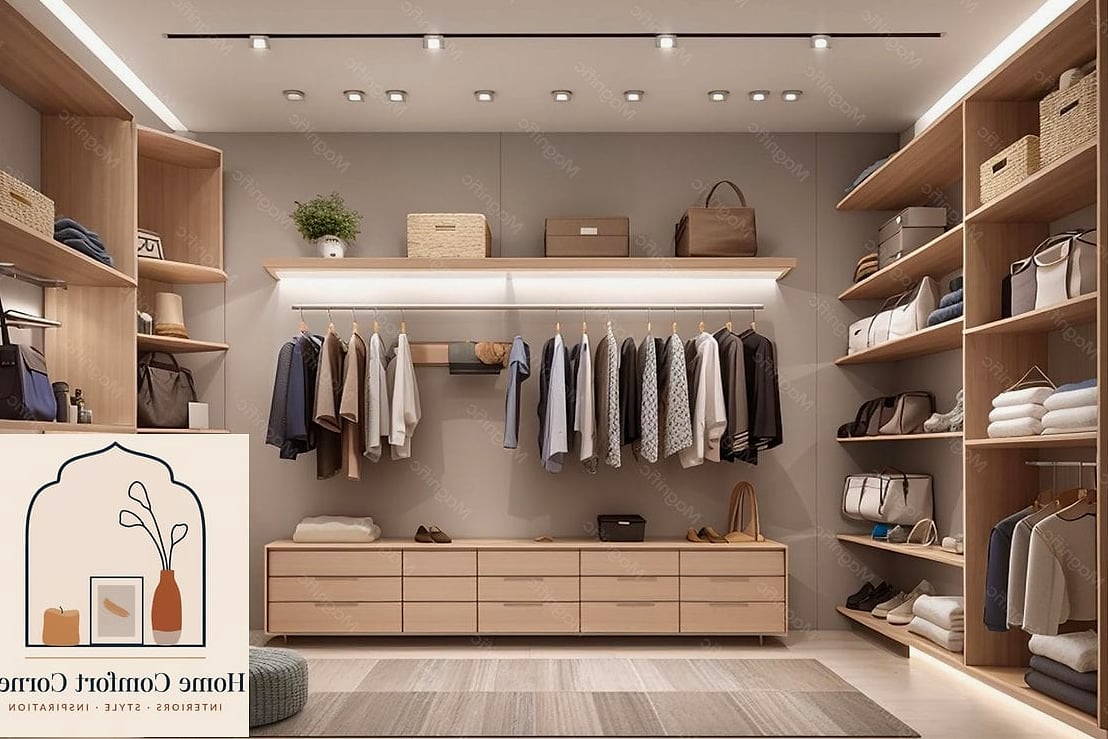
Open shelves keep sweaters, jeans, and folded tees easy to grab without digging through drawers. They also force a little more discipline about folding neatly, since everything is on display. Wood shelves with a matte finish tend to look the most intentional, and they pair nicely with wire or canvas bins for smaller items that don’t fold well. This is a great DIY-friendly option if you’re working with an existing closet system.
Add a Vanity Area With Seating
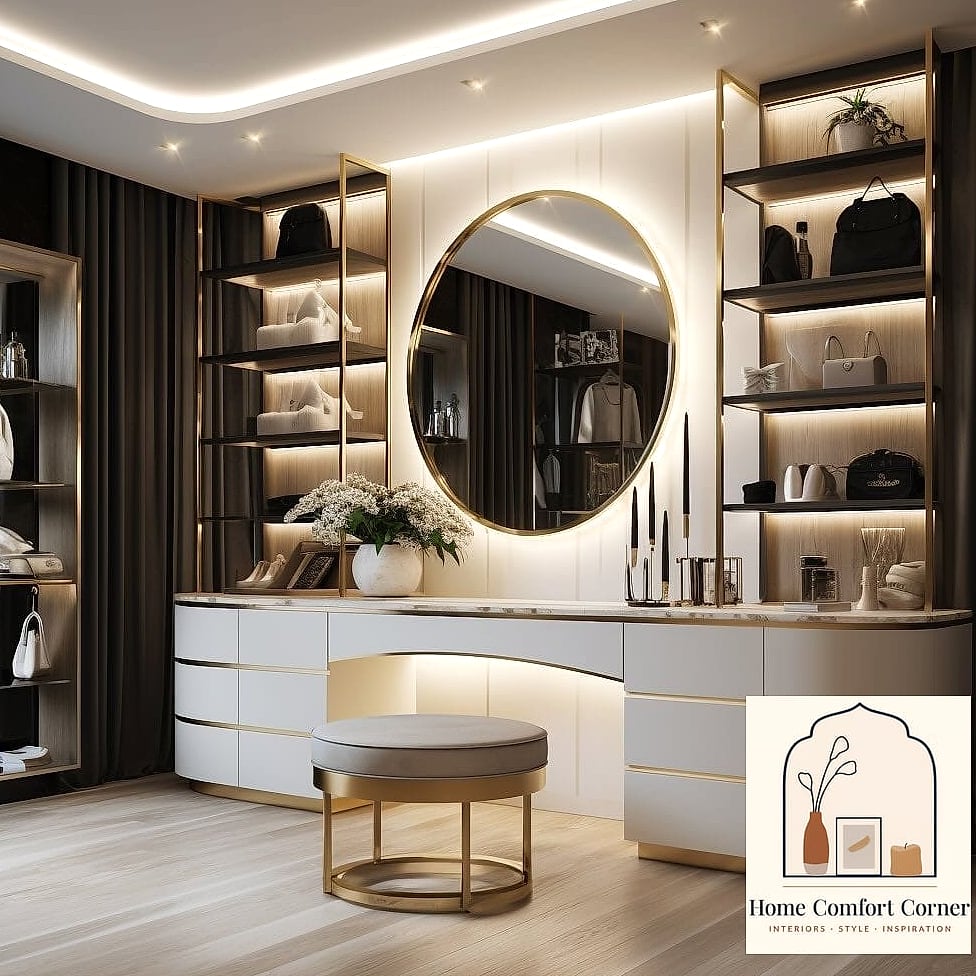
A dedicated spot for makeup and hair styling keeps that whole routine out of the bathroom and into your dressing room instead. A simple desk, a comfortable chair, and good lighting are really all you need. Designers often tuck this into a corner so it doesn’t compete with the main dressing area. Add a small tray for daily products and you’ve got a real morning routine setup.
Try a Herringbone Wood Floor
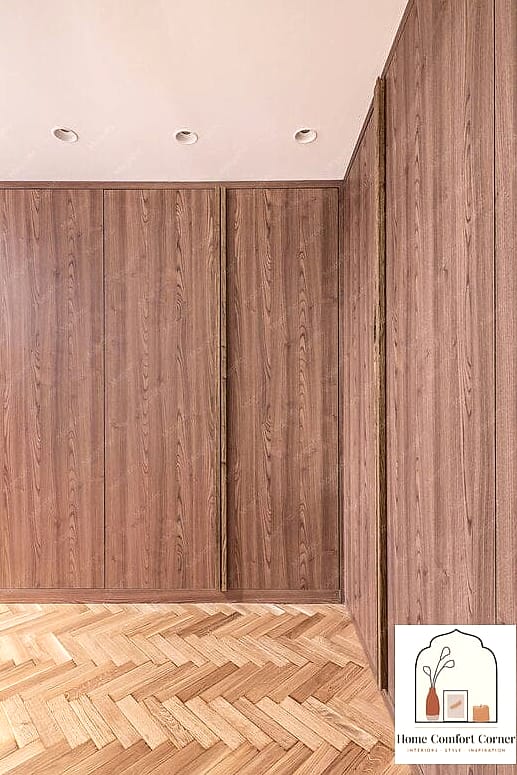
Flooring gets overlooked in dressing rooms, but a herringbone pattern in warm oak adds a ton of character underfoot. It photographs beautifully and gives the room a boutique feel without needing much else. If hardwood isn’t in the budget, herringbone-pattern vinyl plank is a solid and much more affordable stand-in. Either way, it’s a detail that elevates the whole room.
Use Brass or Black Hardware Throughout
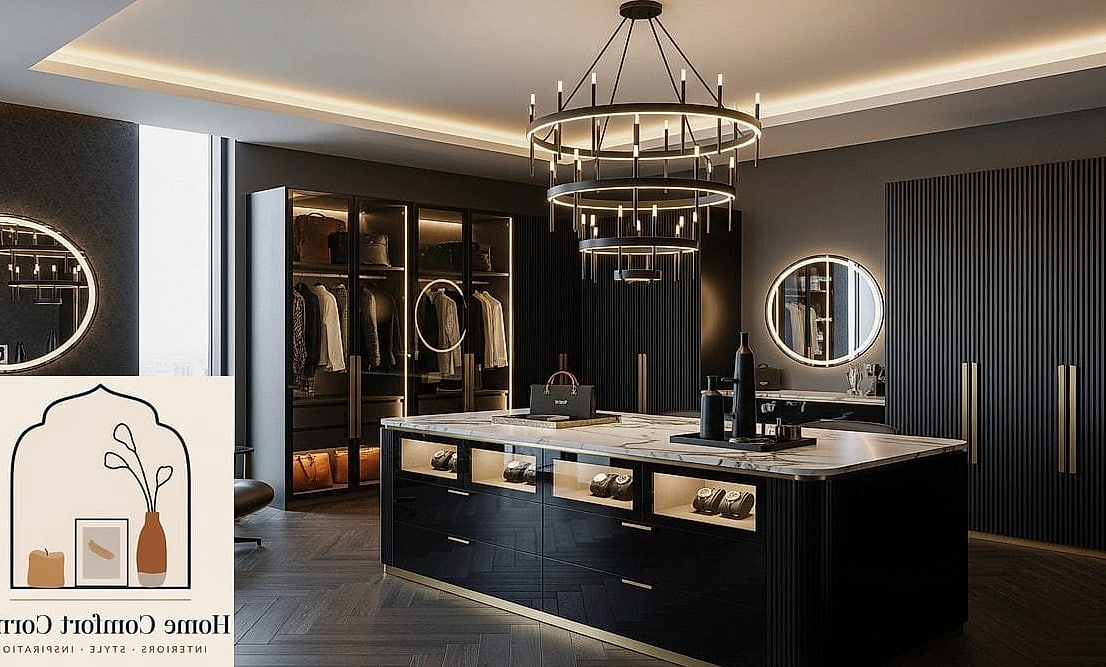
Small details like drawer pulls and hooks make a bigger difference than people expect. Brushed brass hardware feels warm and a little vintage, while matte black leans more modern. Picking one finish and using it consistently on drawers, rods, and light fixtures ties the whole room together. It’s a low-cost way to make builder-grade cabinetry look custom.
Build a Bag Storage Wall
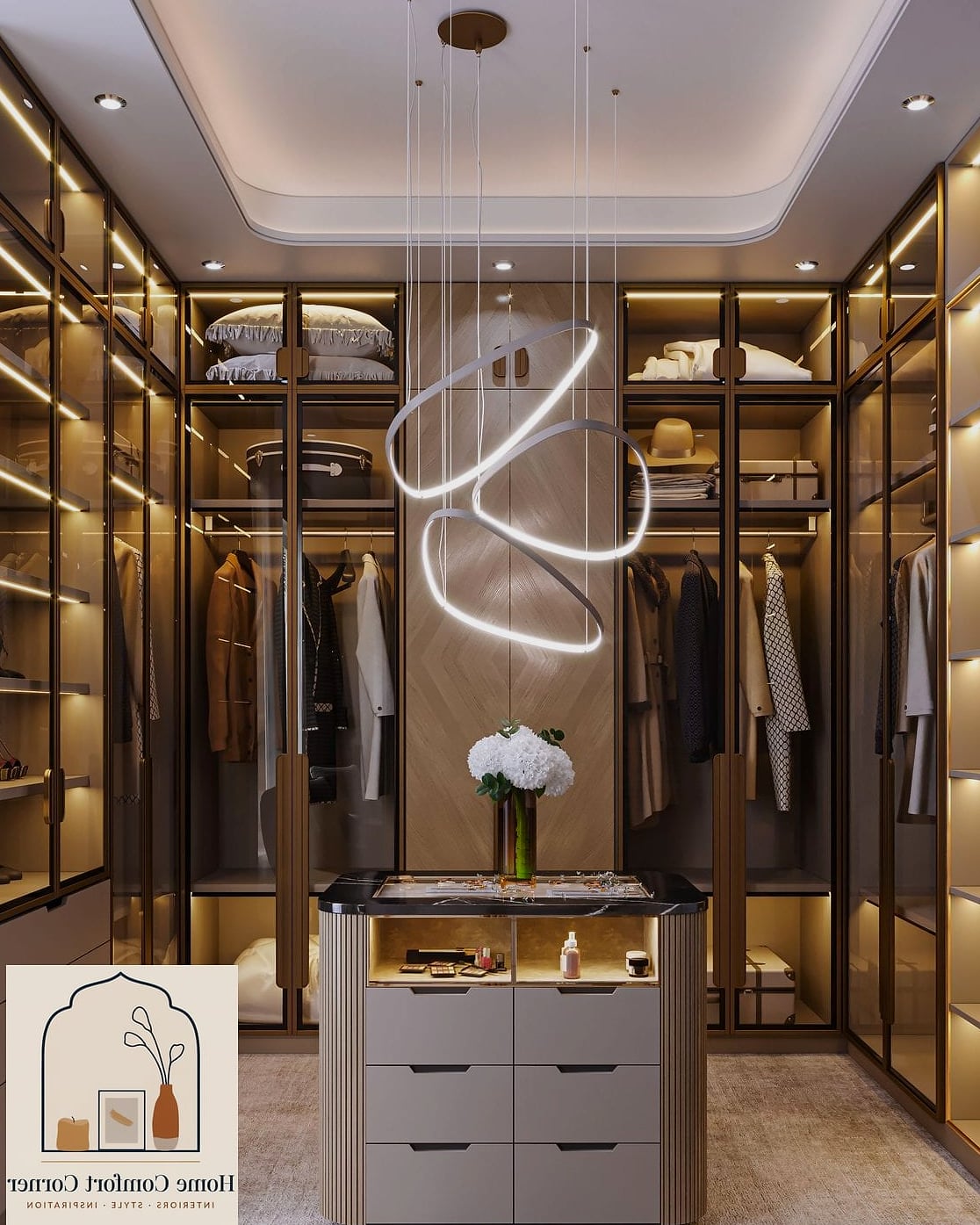
If handbags are your weakness, give them their own real estate instead of stacking them in a pile. Cubby shelving sized for bags, with a few adjustable shelves, keeps everything visible and in shape. Stuffing bags with tissue paper before storing them helps hold their form over time. This setup works whether you have five bags or fifty.
Add a Steamer Station
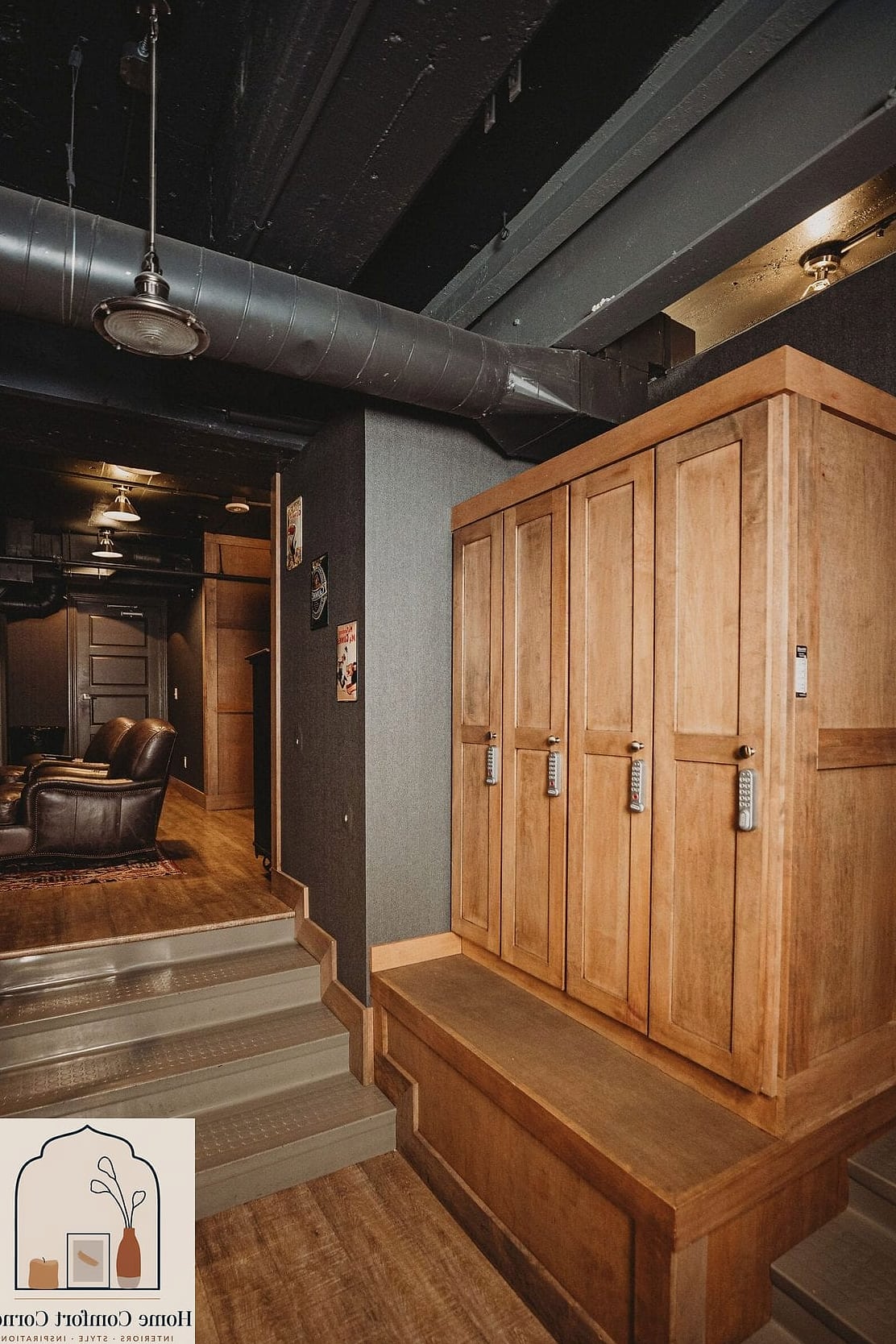
A lot of dressing rooms now include a small station just for steaming or ironing, tucked into a cabinet or closet. It keeps the equipment out of sight but within reach when you need to freshen up an outfit fast. A fold-down ironing board built into a cabinet door is a smart space-saver here. It’s a practical addition that a lot of people don’t think about until they have it.
Use Velvet or Cedar-Lined Drawers
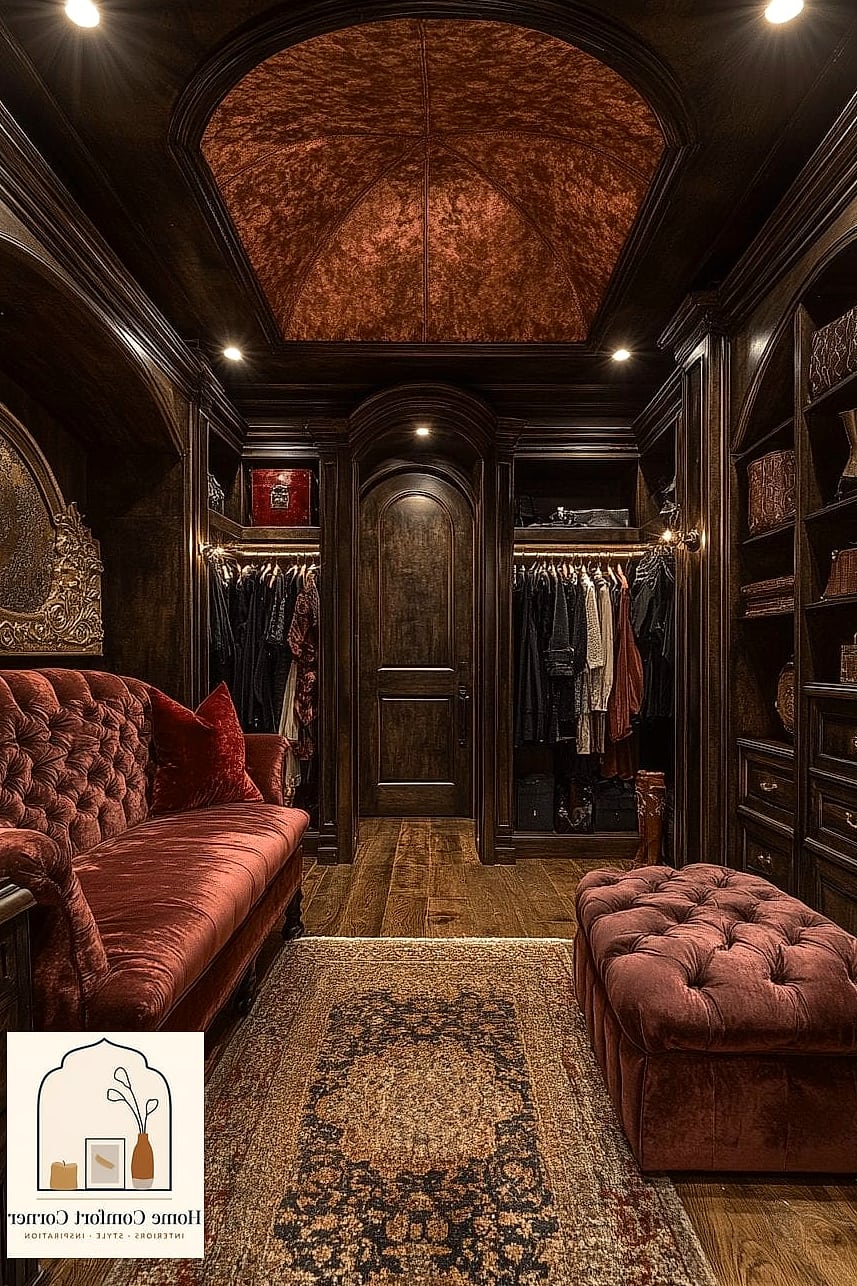
Lining jewelry and delicate drawers in velvet keeps items from sliding and scratching, while cedar lining in clothing drawers helps naturally deter moths. Both are small upgrades but they add a level of care that feels genuinely luxurious. Cedar blocks are also an easy, affordable swap if you don’t want to line entire drawers. Either option protects the things you’re actually investing in storing well.
Create a Color-Coded Closet System
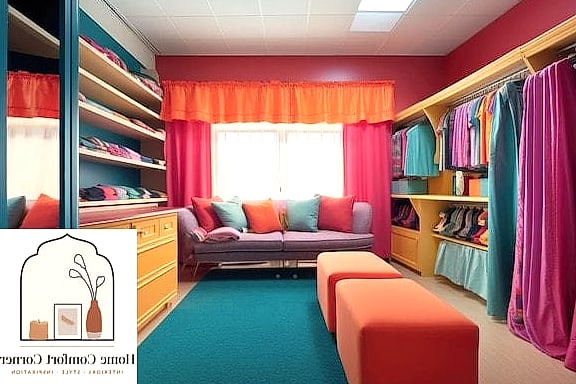
Organizing clothes by color instead of just by type makes getting dressed faster and honestly just looks better. Designers use this trick constantly for closet reveals because it photographs so well. Start with categories like dresses, tops, and bottoms, then sort each by color within that group. It sounds fussy at first, but most people find it actually saves time once it’s set up.
Add a Skylight or Larger Window
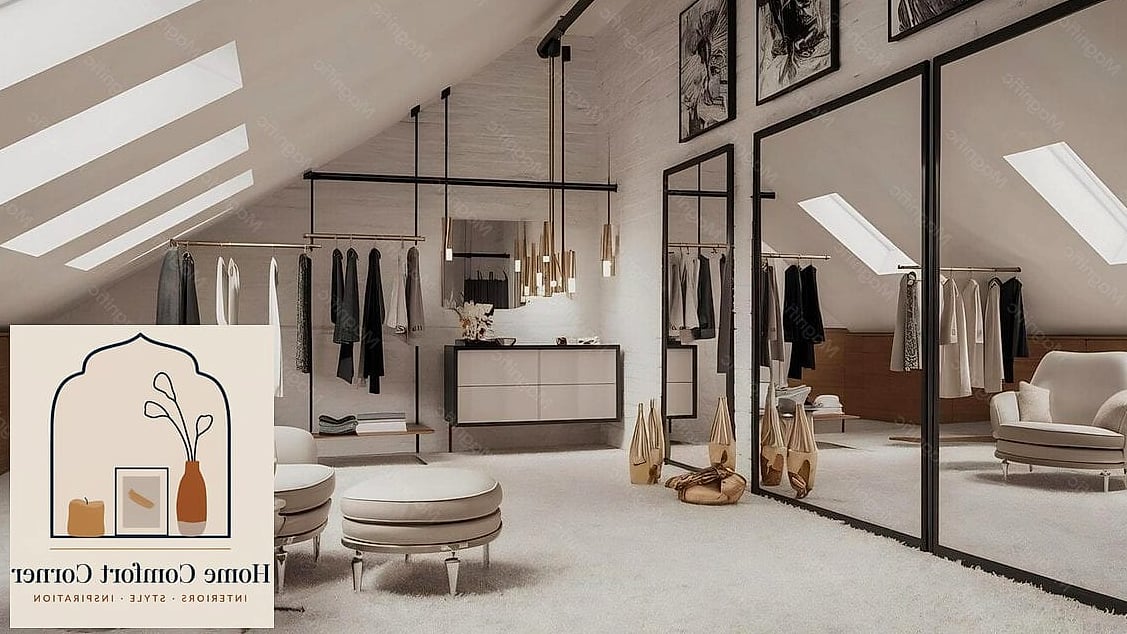
Natural light is one of the most requested features in dressing room renovations, since it makes it so much easier to judge how colors actually look. If a full window isn’t possible, even a small skylight can brighten the space significantly. Pair natural light with warm-toned bulbs for evening use so you’re not stuck under harsh overheads. This is more of a renovation-level project, but it makes a real difference.
Use a Freestanding Wardrobe for a Renter-Friendly Option
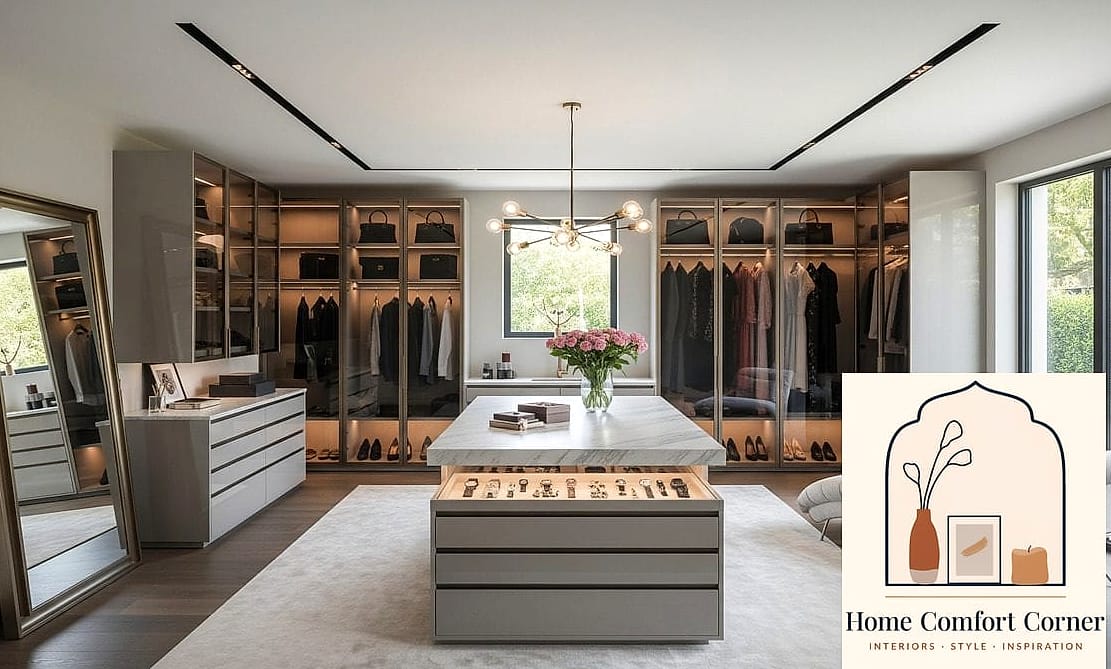
Not everyone can knock down walls or install built-ins, and that’s fine. A beautiful freestanding wardrobe or armoire gives you the same organized feel without any permanent changes. Look for one with a mix of hanging space, shelves, and drawers so it functions like a mini closet system. This is one of the most practical picks on the list for anyone renting or not ready for a full renovation.
Add Woven Baskets for Accessories
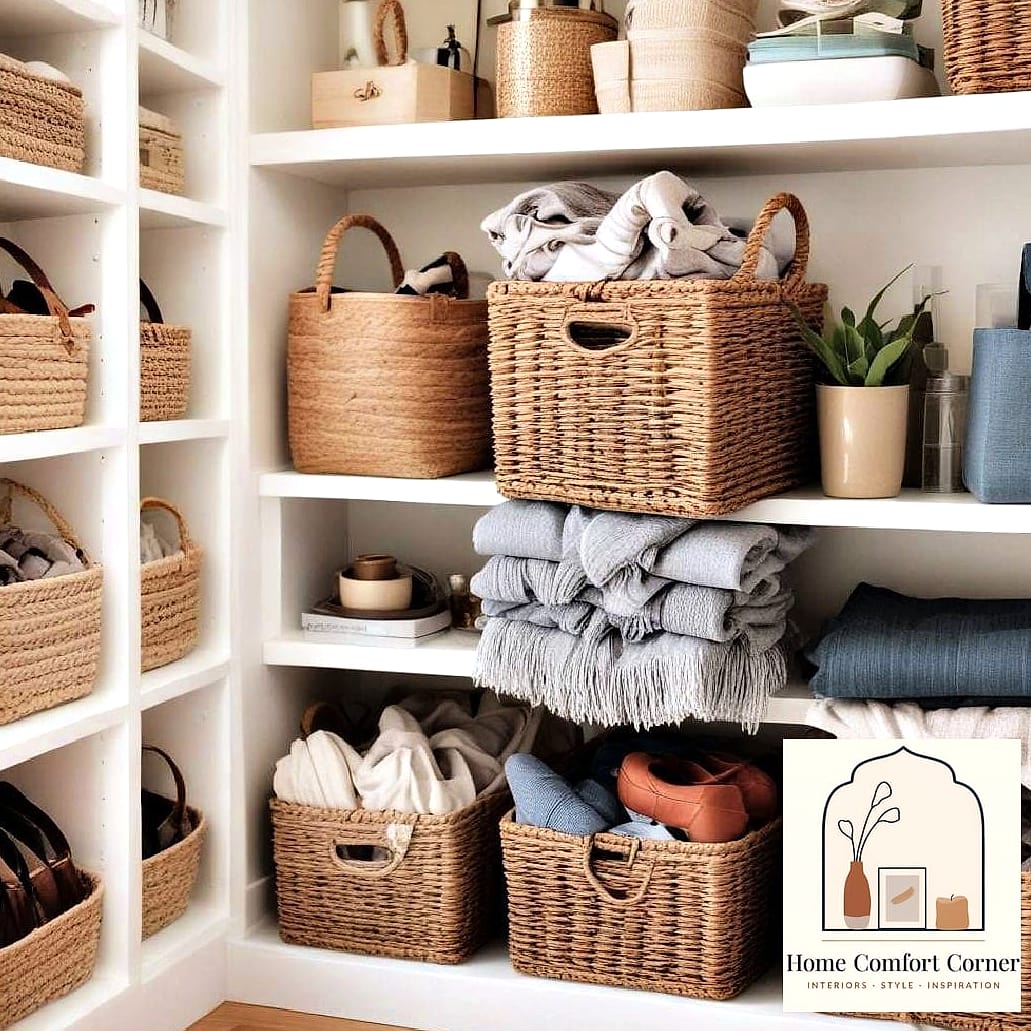
Baskets are an easy, budget-friendly way to corral scarves, belts, and other accessories that don’t fold or hang neatly. Woven rattan or seagrass baskets add texture and warmth, especially against white or wood cabinetry. Label them if you want an extra layer of organization, or leave them open if you like grabbing things quickly. They’re also easy to switch out seasonally if you want a style refresh.
Install a Rolling Ladder for Tall Storage
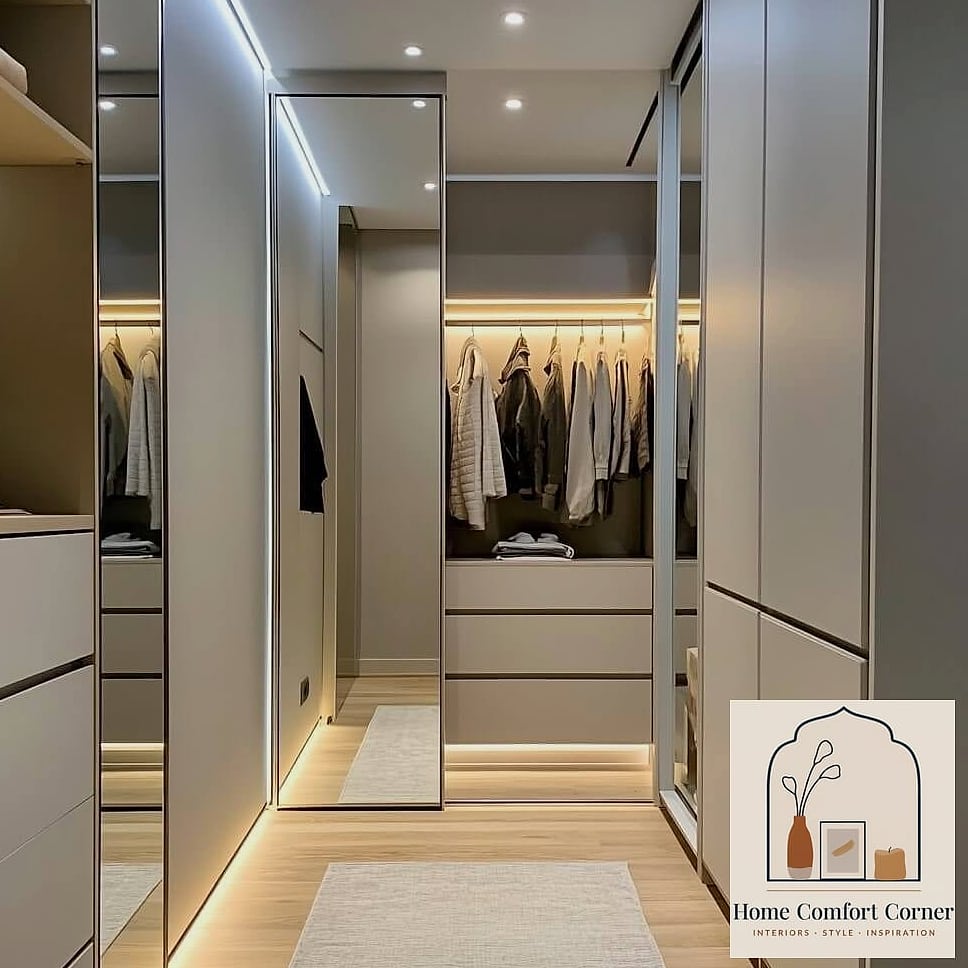
If your dressing room has floor-to-ceiling storage, a rolling ladder isn’t just practical, it’s a design statement. It gives the room a bit of that boutique or library feel while making the top shelves actually usable. This works especially well in rooms with higher ceilings where you’d otherwise waste that vertical space. It’s a bigger investment, but it solves a real storage problem in style.
Use Layered Lighting for Function and Mood
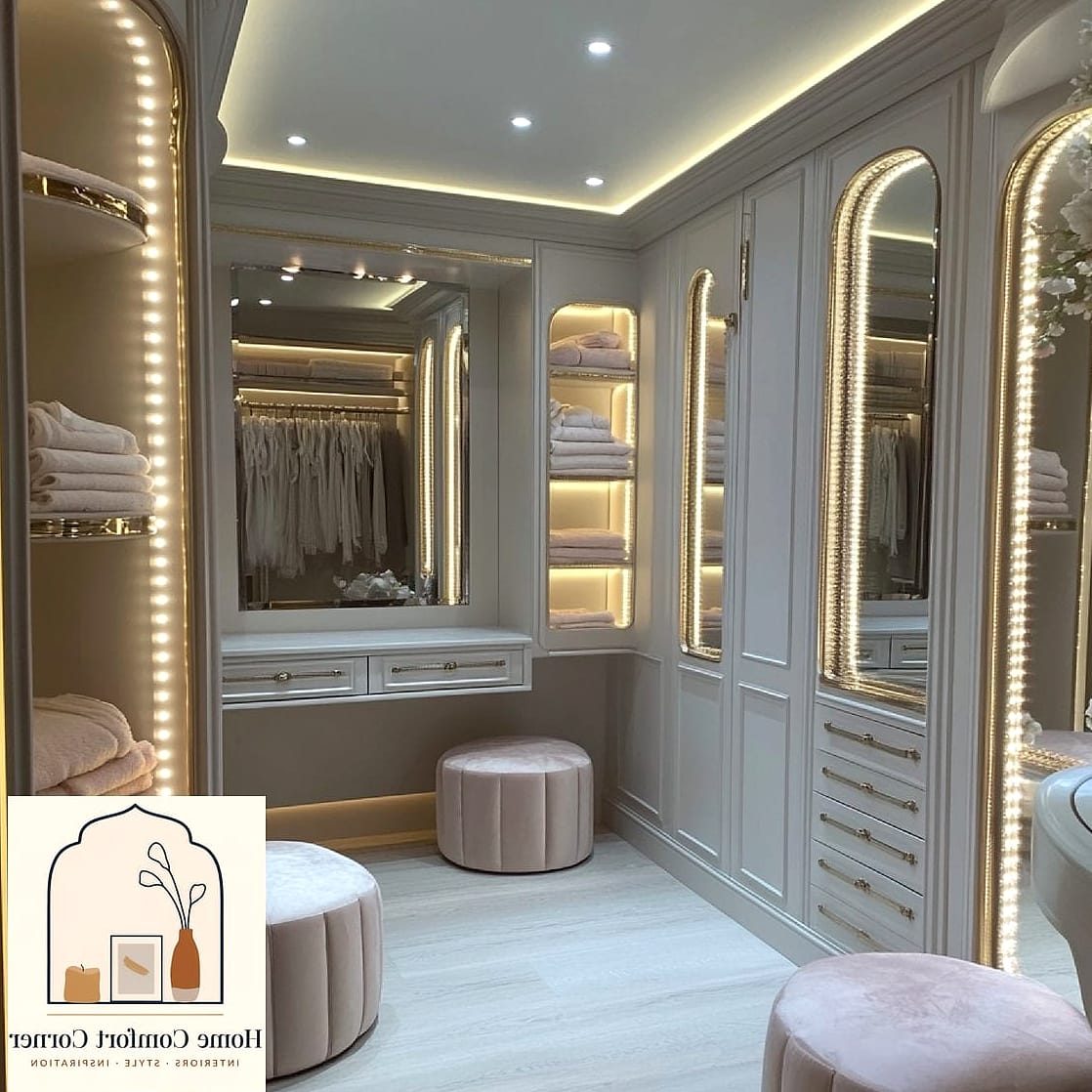
Relying on one overhead light rarely works well in a dressing room, since you need brightness for getting dressed and softer light for lounging. Combining recessed ceiling lights, closet lighting, and a lamp or sconce gives you options depending on the time of day. Dimmer switches make this even more flexible. It’s a detail that costs relatively little but changes how the whole room feels.
Add a Small Coffee or Wine Station
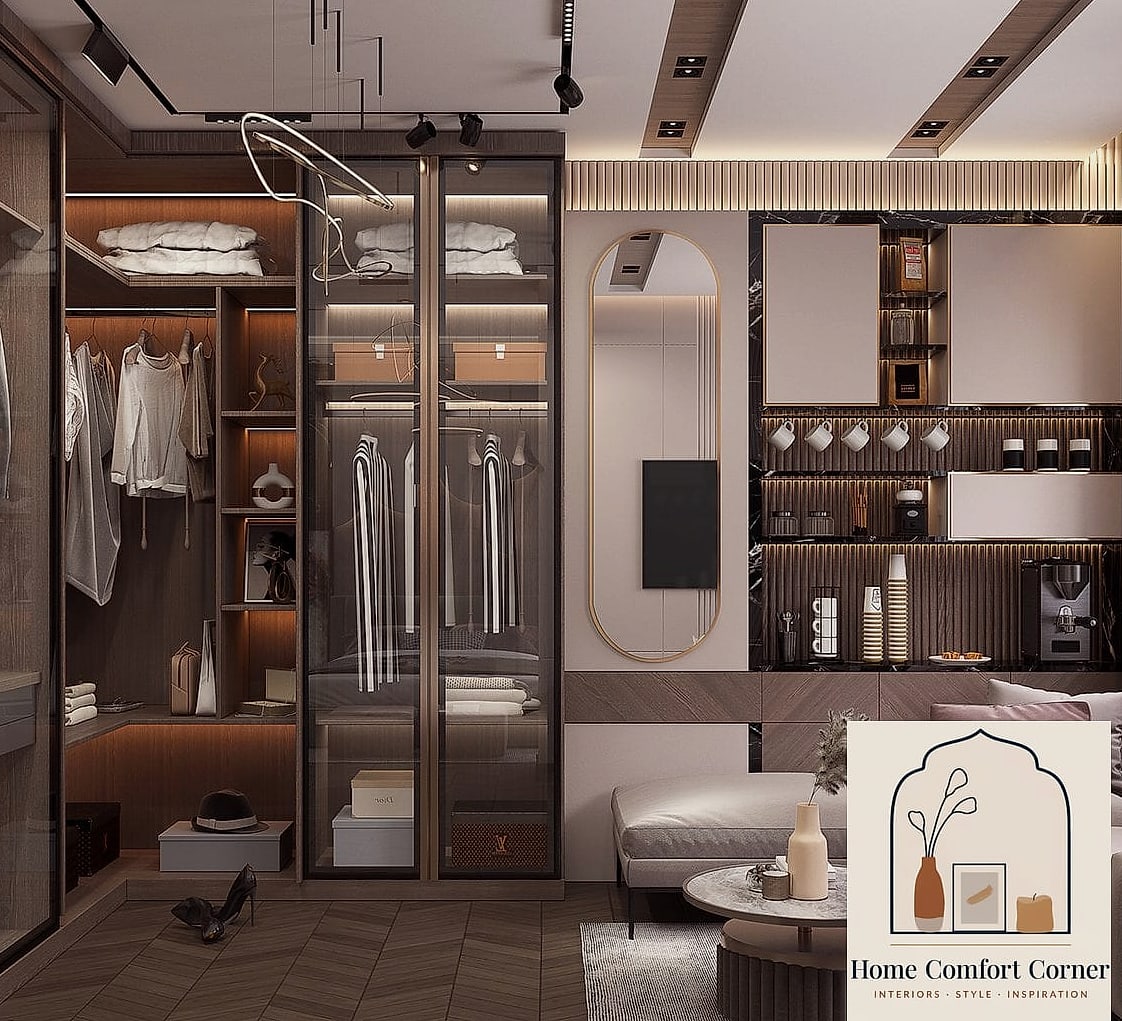
A tiny bar cart or built-in nook with a coffee maker or wine fridge turns the dressing room into more of a retreat than just a functional space. It’s not necessary by any means, but it’s a detail a lot of homeowners add once they realize how much time they spend in there getting ready. Keep it simple with just a few glasses and a small fridge if space is tight. It’s more about the feeling than the function.
Use a Neutral Palette With One Bold Wallpaper Wall
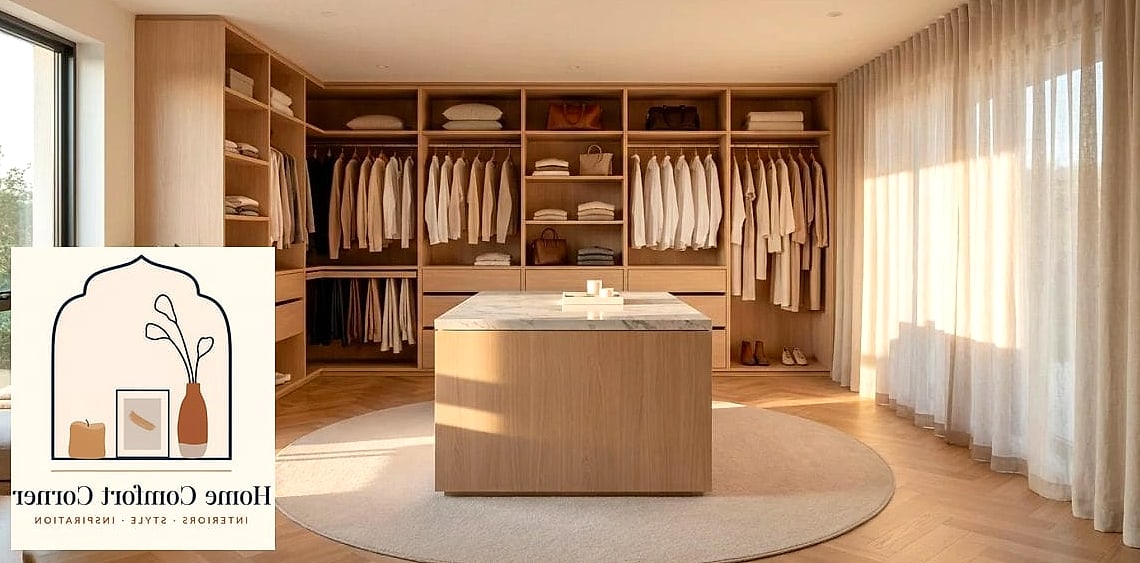
If an all-neutral room feels a little flat, adding one wallpapered accent wall brings in personality without overwhelming the space. Floral, botanical, or geometric patterns all work well here since the room is more private than a living space. It’s an easy weekend DIY project if you’re comfortable hanging wallpaper yourself. This is a great way to make a smaller dressing room feel more like a personal retreat.
Build Custom Drawer Dividers for Folded Clothes
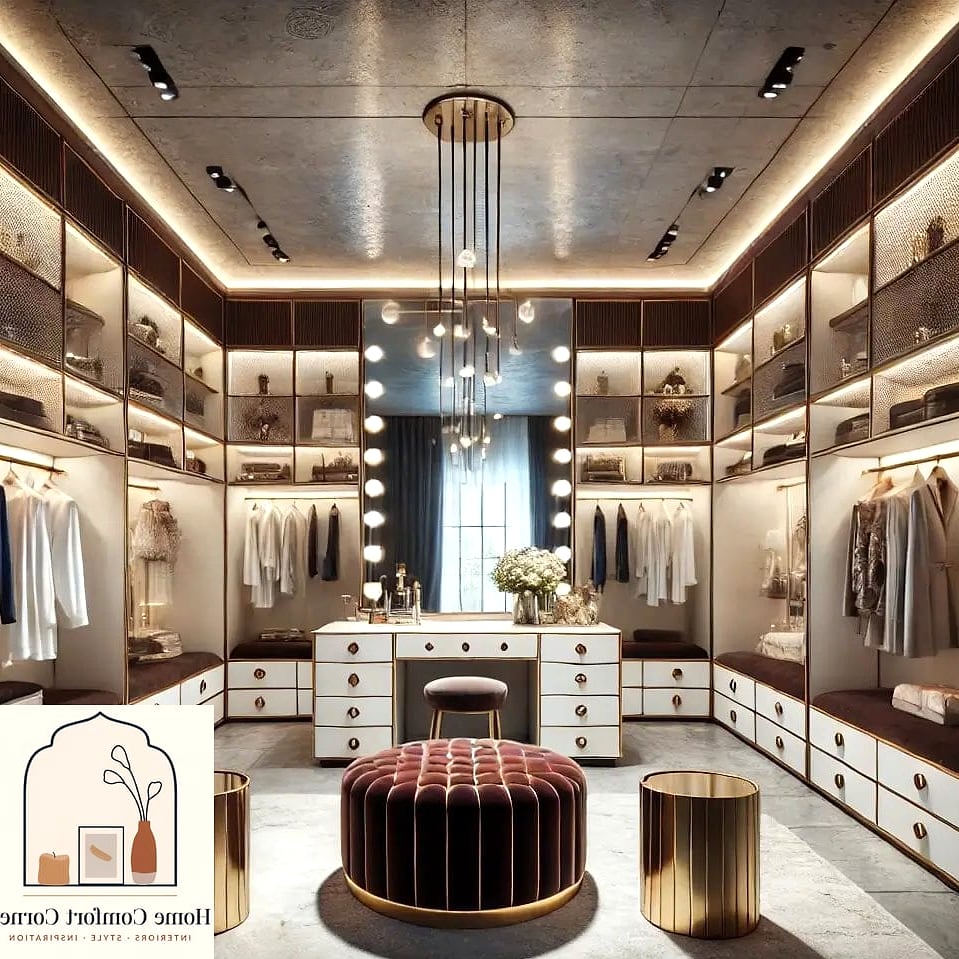
Drawer dividers keep folded shirts, leggings, and workout clothes from turning into a jumbled pile every time you grab something. Adjustable dividers let you customize the sections based on what you’re storing, which is more flexible than fixed shelving. This is a small, budget-friendly upgrade that makes a noticeable difference in daily use. It pairs well with any of the folding methods you’ll find from professional organizers.
Add a Full Outerwear Closet
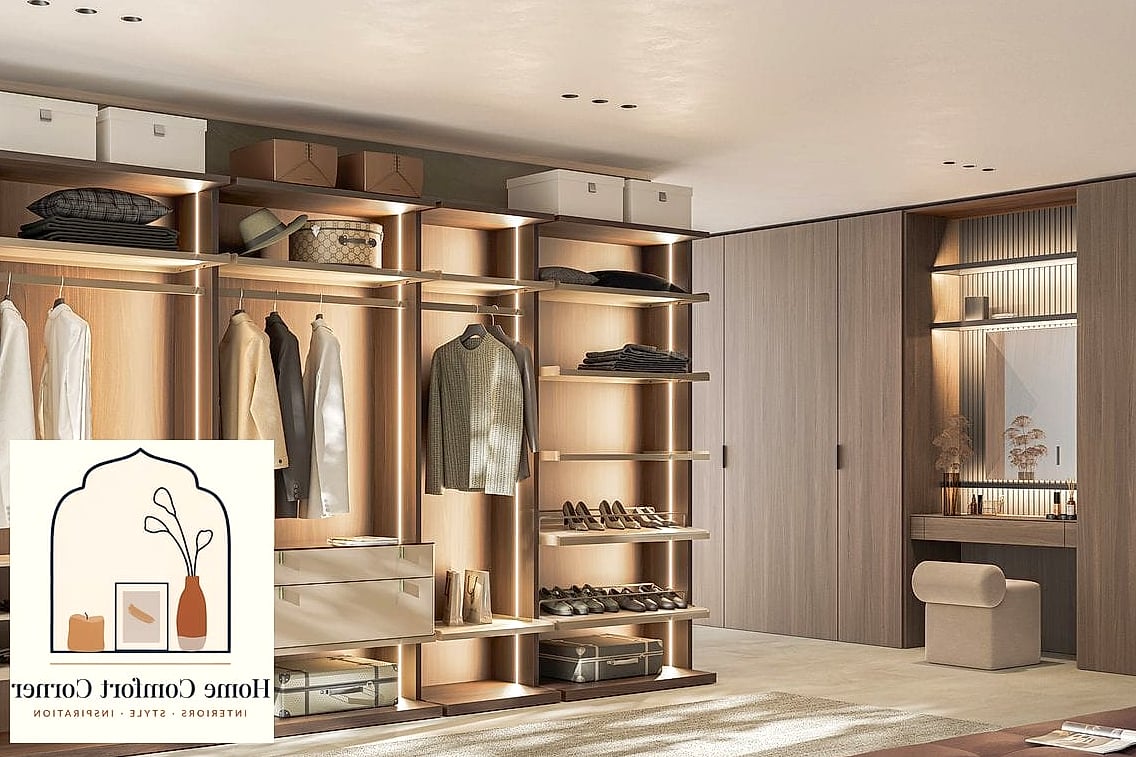
Coats, jackets, and bulky outerwear often get shoved wherever there’s room, but a dedicated section with sturdy rods and hooks keeps them organized and easy to grab. This is especially useful in colder climates where outerwear takes up a lot of closet real estate. Adding a shoe rack below for boots keeps everything for leaving the house in one spot. It’s a practical zone that a lot of dressing room designs overlook.
Use a Soft, Textured Rug
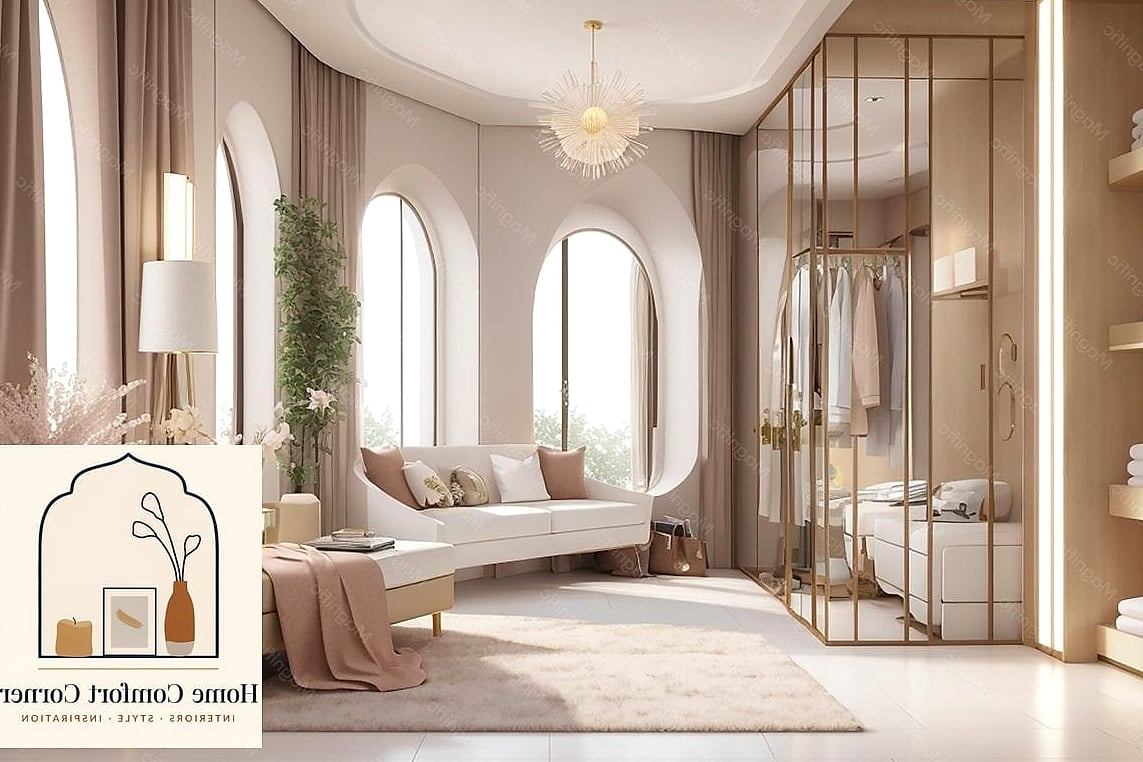
A plush rug underfoot makes a dressing room feel finished and a lot more comfortable to stand on while getting dressed. Wool or a wool blend holds up well to daily foot traffic and adds warmth against wood or tile flooring. Lighter colors keep the room feeling airy, while a patterned rug adds a bit more personality. It’s an easy, affordable addition that makes a noticeable difference underfoot.
Add a Hidden Laundry Hamper
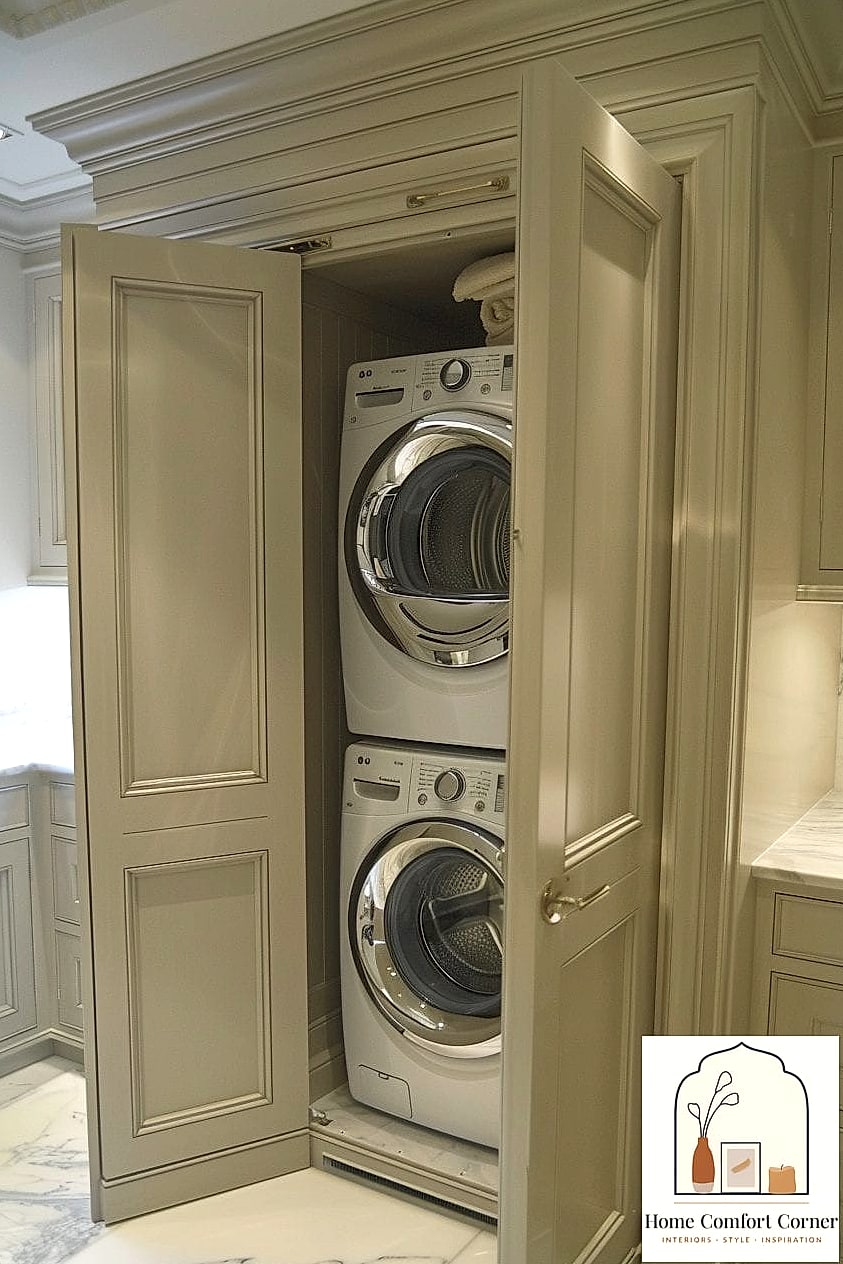
Building a pull-out hamper into your cabinetry keeps dirty clothes out of sight instead of piling up in a corner. It’s a small detail, but it keeps the whole room looking pulled together even on busy weeks. Some designers add two bins, one for regular laundry and one for delicates or dry cleaning. It’s a practical touch that makes daily life a little easier.
Use Adjustable Closet Systems Instead of Fixed Shelving
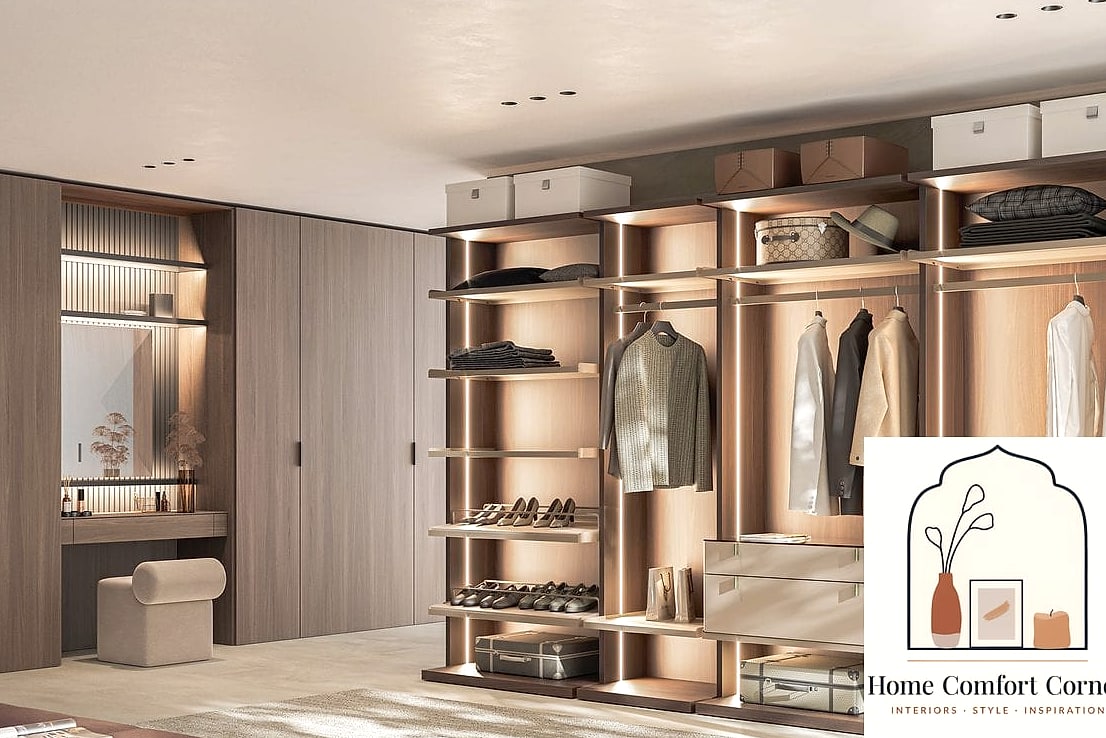
Fixed shelving looks nice on day one, but your storage needs change over time, and adjustable systems let you reconfigure as they do. Track-based systems let you move shelves, rods, and drawers as your wardrobe changes. This is a smart long-term choice if you’re not sure exactly how you’ll want to organize everything yet. It’s also more forgiving if you move or your storage needs shift down the road.
Add Personal Touches Like Art or Photos
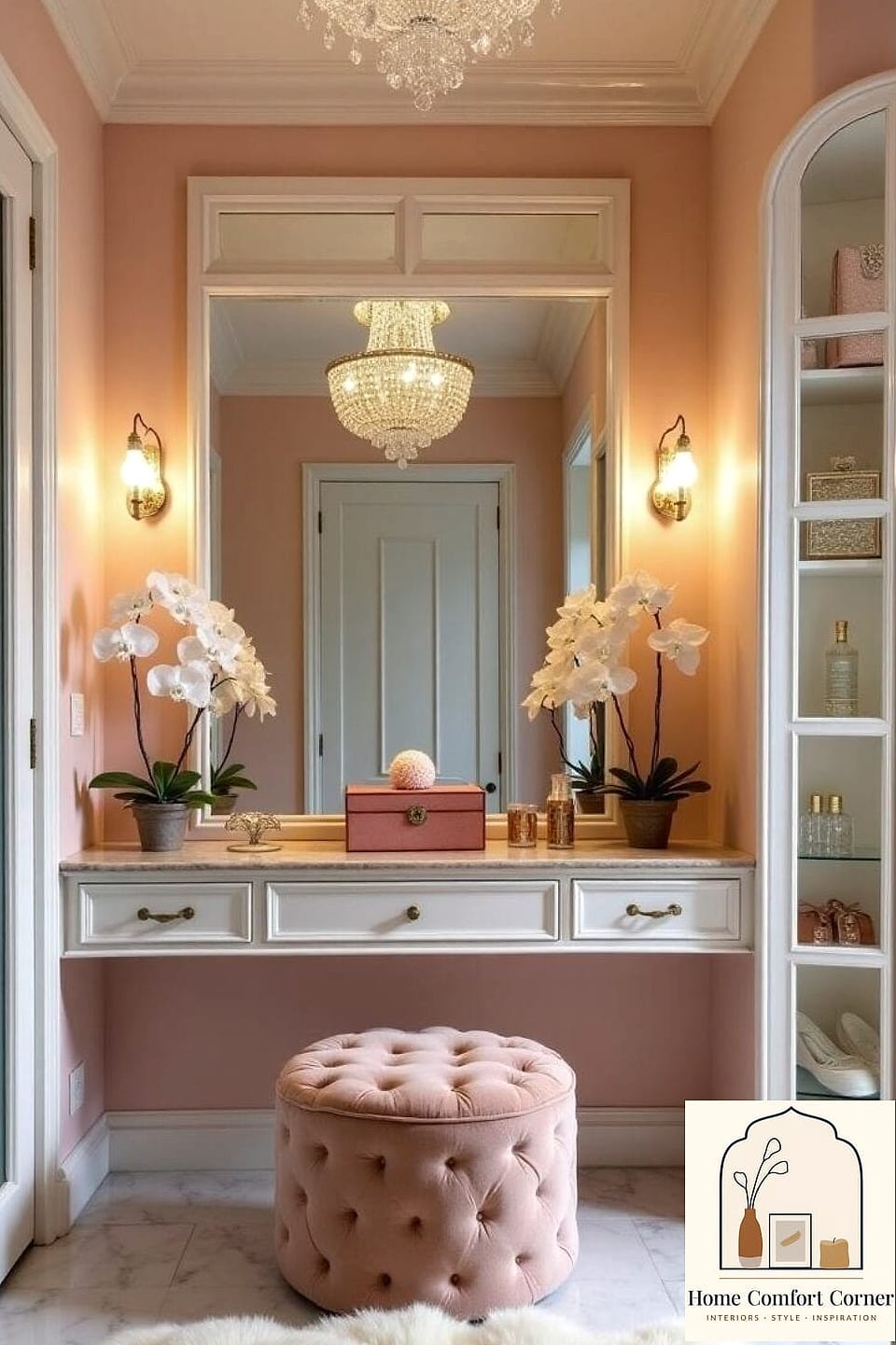
A dressing room doesn’t have to be purely functional. Adding a small piece of art, a favorite photo, or even a fun mirror frame makes the space feel like yours instead of a showroom. This is an easy, low-cost way to add personality once the bigger design decisions are made. It’s often the last step, but it’s the one that makes the room feel finished.
Create a Seasonal Rotation System
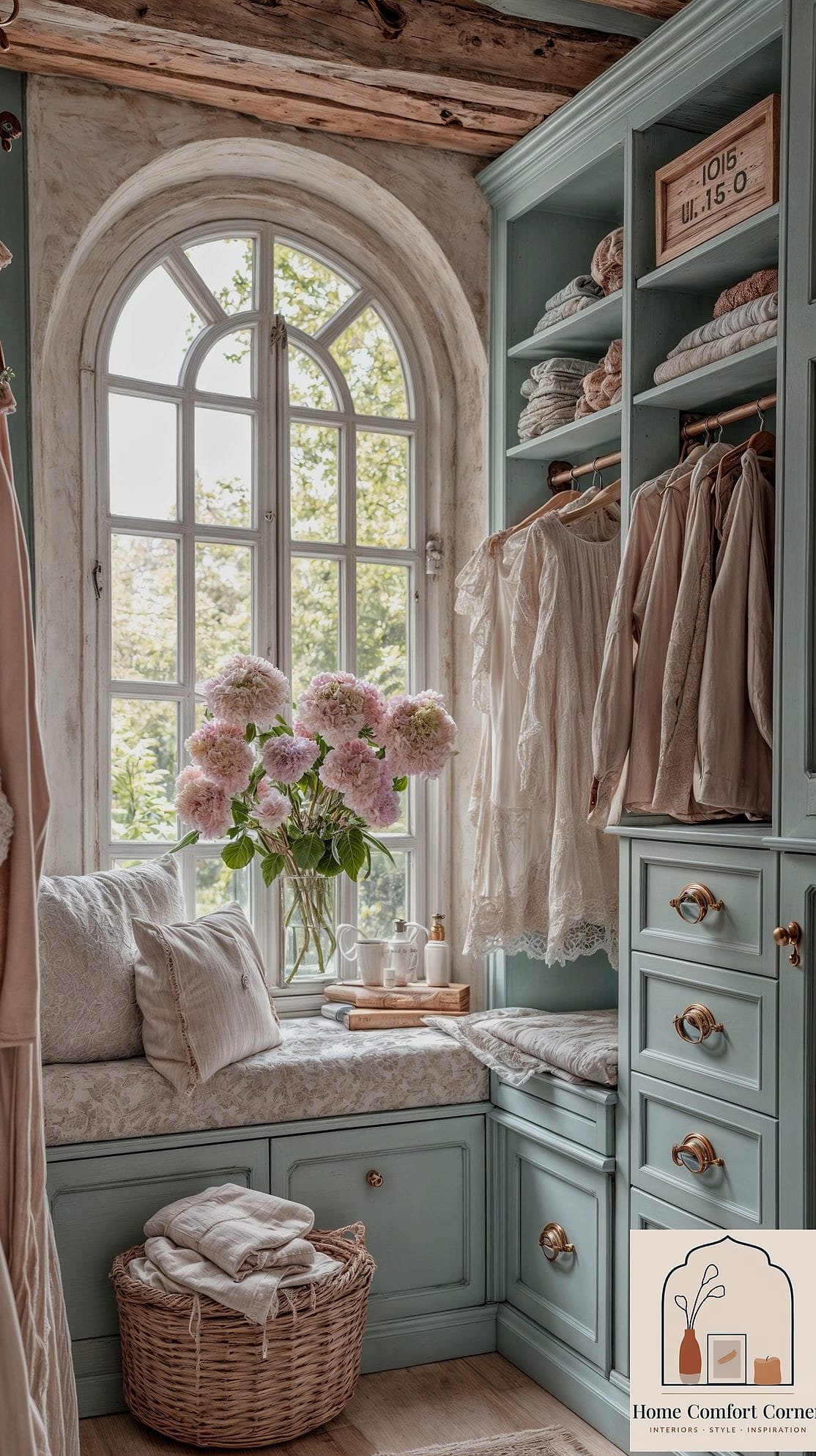
Instead of trying to fit every piece of clothing you own into view at once, some designers recommend a rotation system where off-season items move to less accessible storage. This keeps your main dressing area focused on what you’re actually wearing right now. Under-bed bins or a small storage closet nearby work well for the rotated items. It’s less about a specific design feature and more about a habit that keeps any dressing room, big or small, feeling organized.