15 80S Interior Design Ideas to Steal From Interior Designers
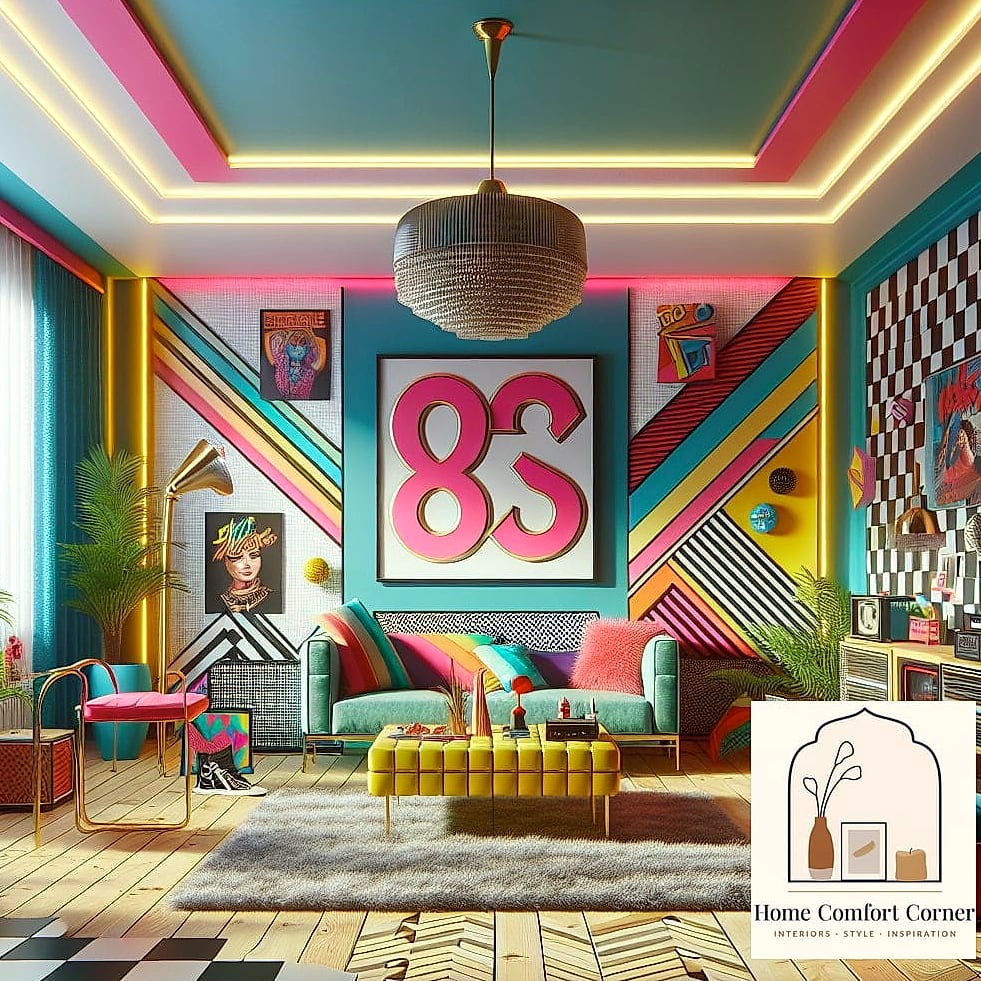
- Curved Furniture Silhouettes
- Bold Geometric Wallpaper
- Brass and Chrome Mixed Metals
- Statement Arches
- Sunken Living Rooms
- Rich Jewel Tone Color Palettes
- Rattan and Wicker Accents
- Lacquered Furniture Finishes
- Postmodern Furniture Shapes
- Mirrored Accent Walls
- Floral and Botanical Prints
- Built-In Bar Nooks
- Statement Ceiling Details
- Chunky Wood Furniture
- Terrazzo Flooring and Surfaces
15 80S Interior Design Ideas to Steal From Interior Designers
The 80s get a bad rap in design circles, and honestly, some of that reputation is earned. But strip away the neon and the overdone glam, and there’s a surprising amount of good stuff hiding in that decade. Designers have been quietly borrowing from it for a few years now, and once you start noticing it, you’ll see it everywhere from boutique hotels to your friend’s newly renovated living room.
This list pulls together 15 80s interior design ideas to steal from interior designers who know how to make retro feel current instead of costume-y. Some of these are big commitments, others you can try this weekend with paint or a few new pieces. Either way, there’s something here for almost any budget and skill level.
Curved Furniture Silhouettes
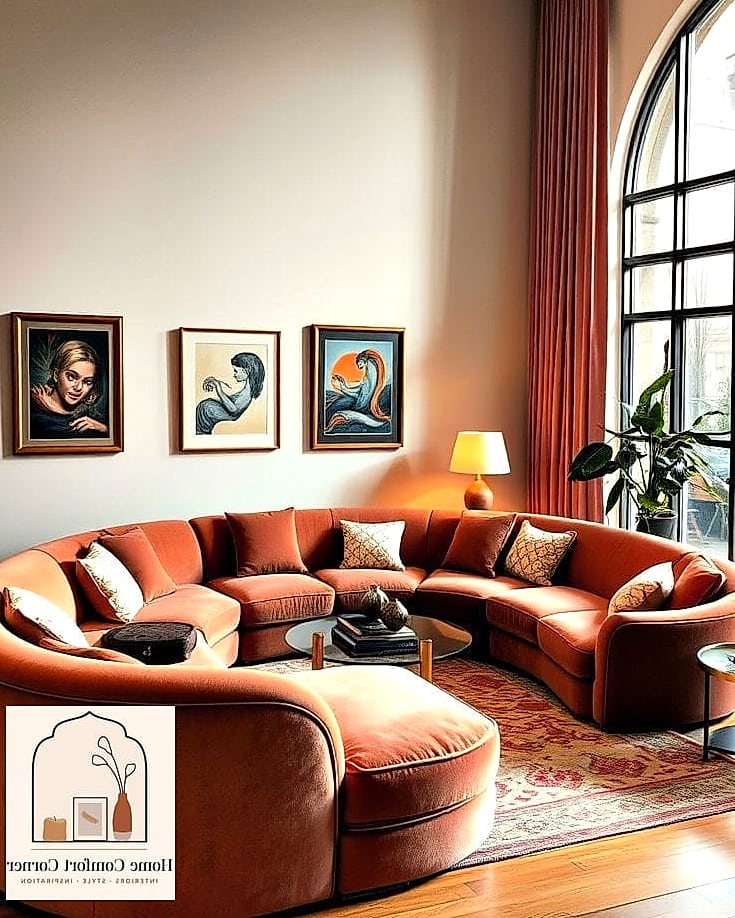
Sharp corners were not really an 80s thing, and that softness is one of the easiest elements to bring into a modern space. Think rounded sofas, arched headboards, and chairs with gentle, sculptural curves instead of straight lines.
This works especially well in living rooms and bedrooms where you want the furniture to feel more like art than function. A curved sofa becomes a conversation starter instead of just something to sit on.
Budget-wise, you don’t need to replace everything. One curved accent chair or an arched mirror can introduce the shape without the full commitment. If you’re feeling bold, a rounded sectional is having a real moment right now anyway.
Bold Geometric Wallpaper
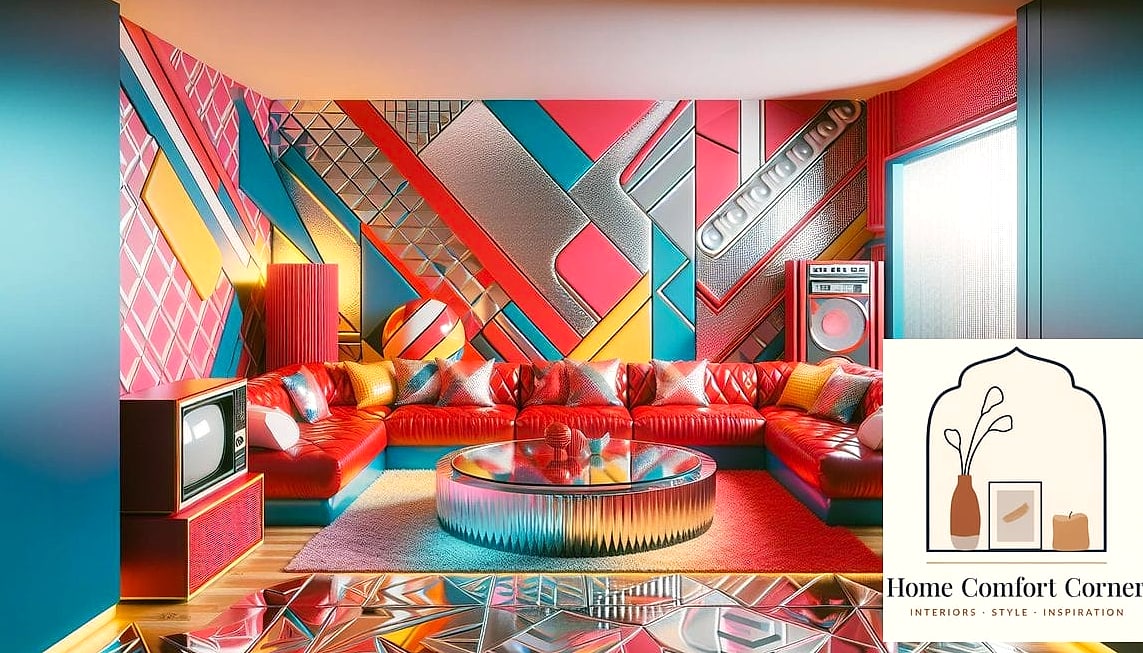
Memphis-style patterns, squiggles, and oversized geometric shapes were everywhere in 80s homes, and wallpaper brands have brought a lot of it back with a more refined color palette. The trick is choosing prints that feel intentional rather than chaotic.
Powder rooms and entryways are ideal spots since they’re smaller spaces where a bold pattern won’t overwhelm your whole house. Peel-and-stick options make this incredibly renter-friendly if you’re not ready to commit to traditional paste.
I’d lean toward patterns in muted terracotta, sage, or navy rather than the original primary-color versions. It keeps the vibe playful without looking like you raided a set from a sitcom.
Brass and Chrome Mixed Metals
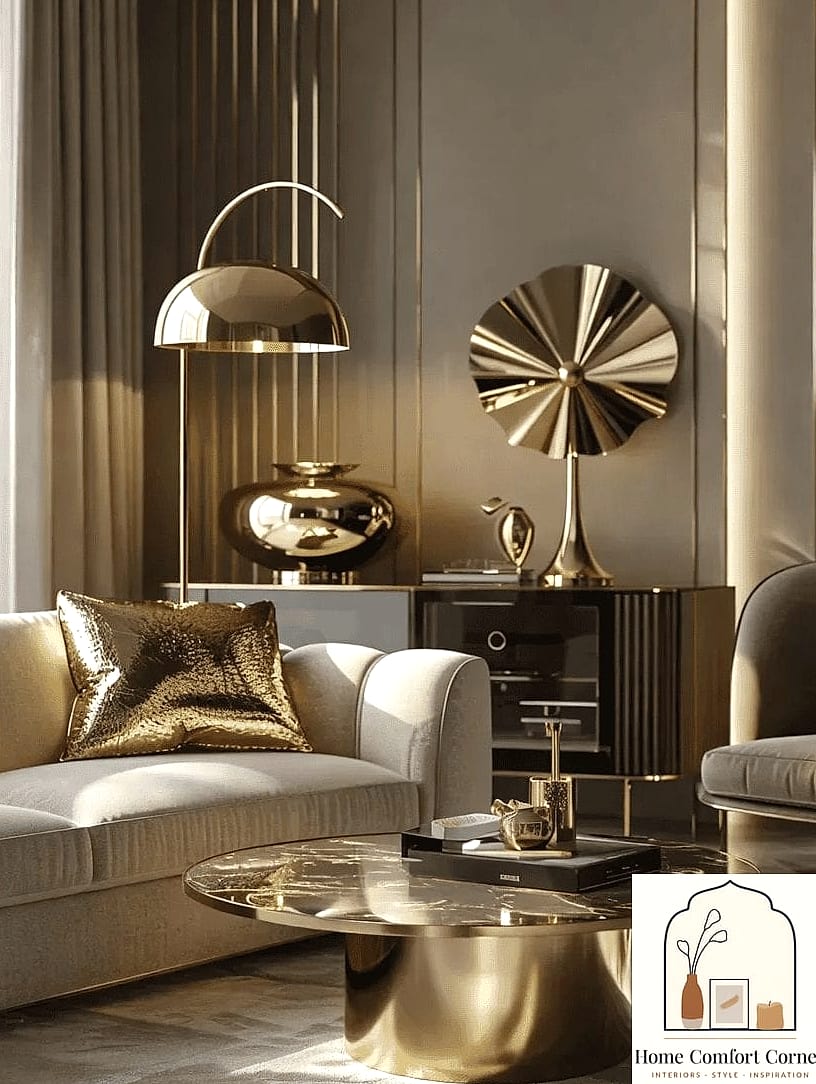
Mixing metals used to feel like a design mistake, but 80s interiors did it constantly and it’s back in a big way. Brass hardware next to chrome light fixtures, or a brass mirror frame paired with chrome bathroom faucets, actually reads as intentional layering now.
This idea works in kitchens and bathrooms especially well, where hardware and fixtures naturally get a lot of visual attention. Brushed brass cabinet pulls against a chrome faucet is a combo I keep seeing in newer renovations.
If you’re not ready to replace fixtures, start with cabinet hardware. It’s one of the cheapest upgrades that makes a real visual difference, and most of it is a simple screwdriver job.
Statement Arches
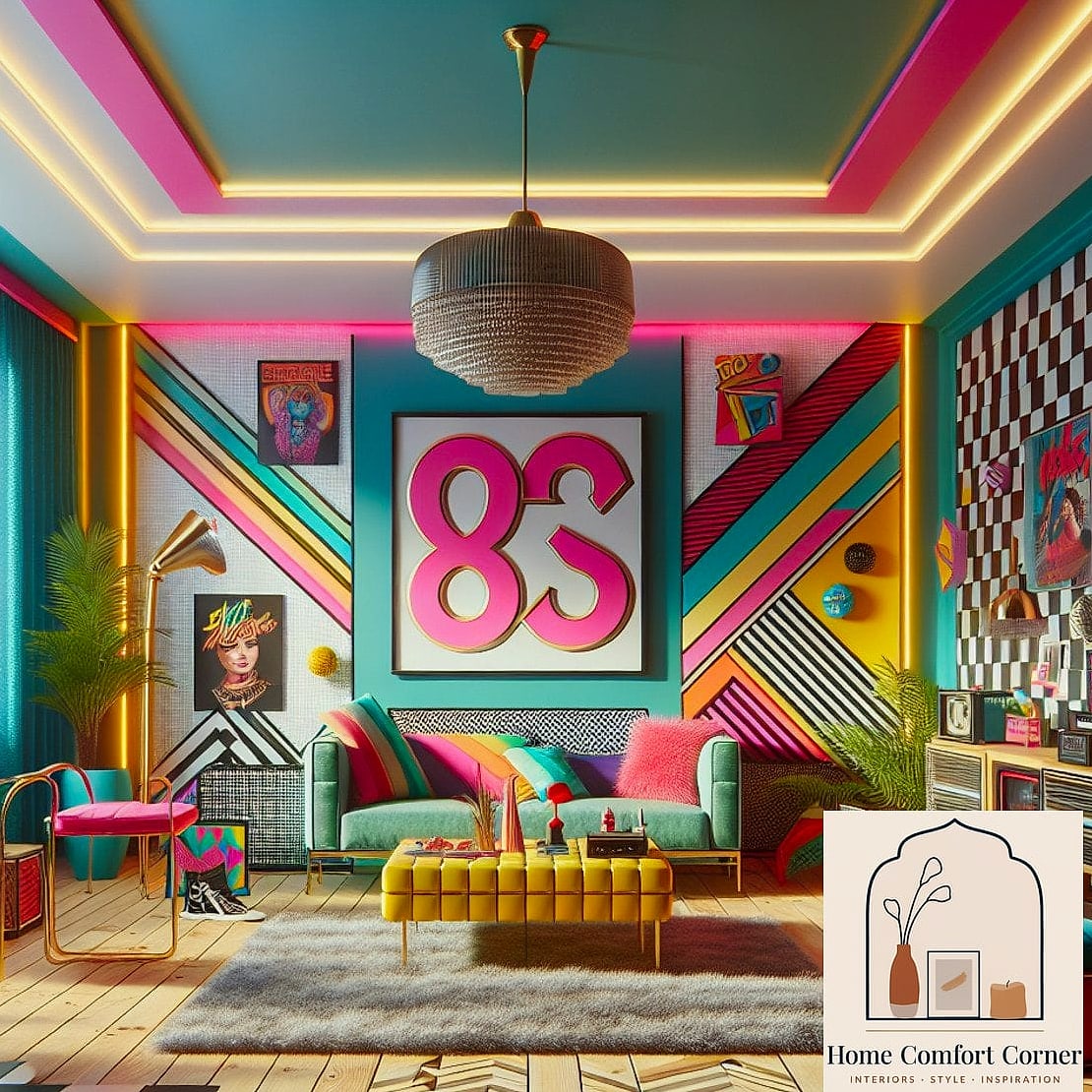
Arched doorways, arched mirrors, arched cabinet fronts, this shape shows up constantly in 80s-inspired spaces because it softens a room instantly. It’s become one of the most requested details in newer builds and renovations.
Entryways and hallways are great candidates for an arched doorway if you’re doing structural work, but you can get the same feeling with an arched mirror or an arched shelving nook without touching a wall.
For a DIY version, some homeowners are adding faux arch moldings around existing rectangular doorways using MDF trim. It’s not a huge project, but it changes the whole feel of a hallway.
Sunken Living Rooms
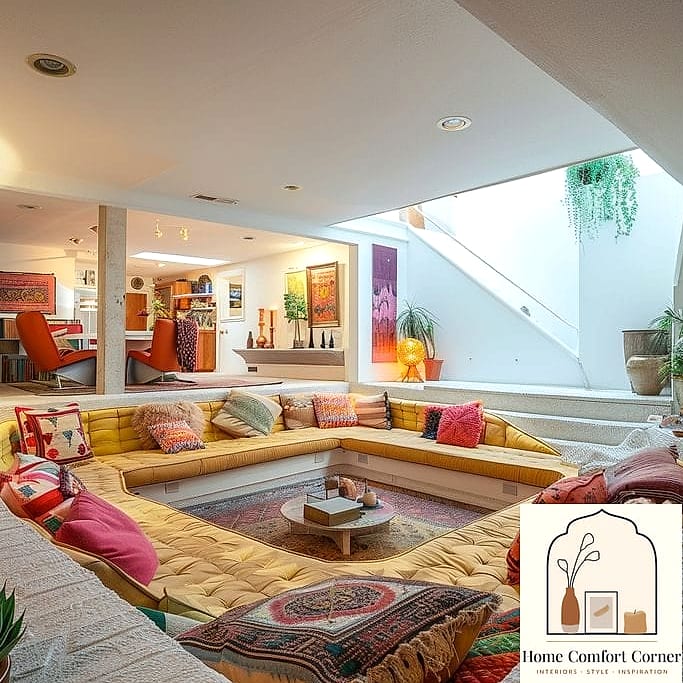
The conversation pit was a very specific 80s flex, and while most of us aren’t excavating our foundations, the idea has trickled down into smaller versions. Think a slightly lowered lounge area defined by a step down or a change in flooring.
This works best in open-concept homes where you want to visually separate a cozy seating zone from the rest of the space without adding walls. It naturally draws people together for conversation.
Realistically, this one is more of a splurge and requires actual construction, so it’s not for everyone. But if you’re already doing a major renovation, it’s worth asking your contractor if it’s feasible.
Rich Jewel Tone Color Palettes
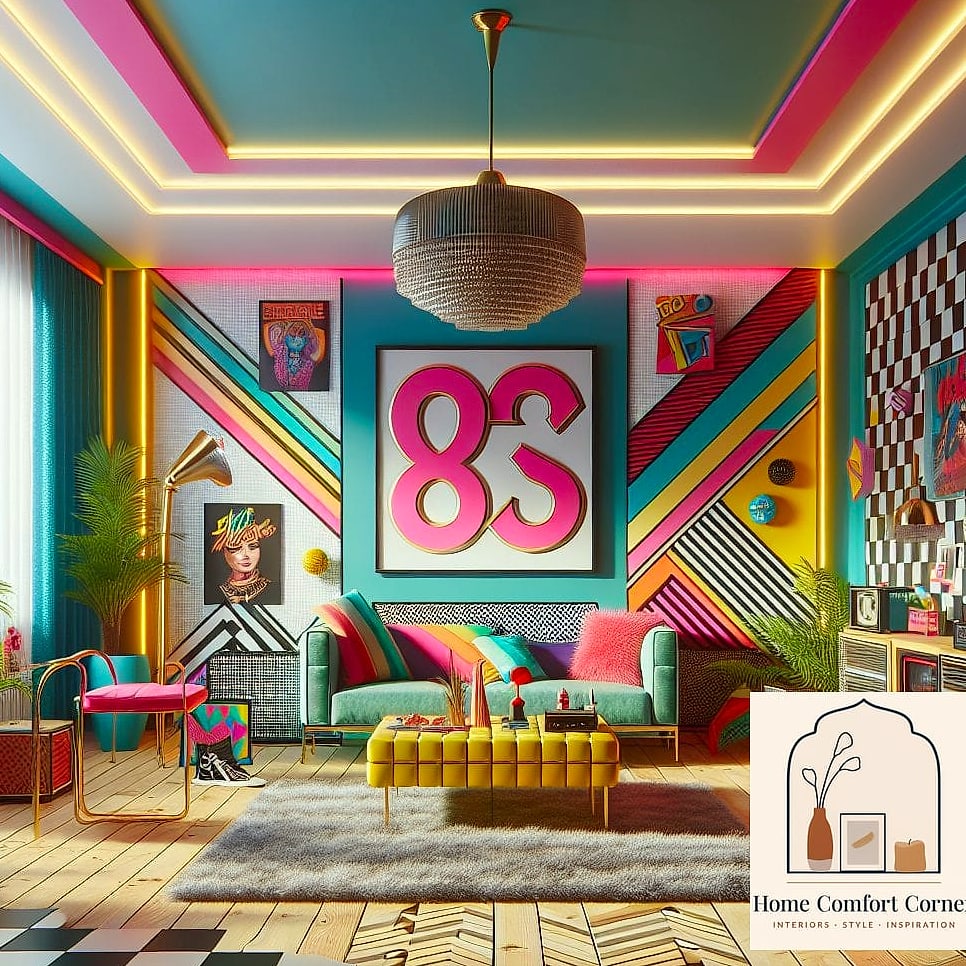
Deep emerald, sapphire blue, and burgundy were all over 80s interiors, and these colors have aged remarkably well compared to some of the decade’s pastels. They read as sophisticated now rather than dated.
Living rooms and dining rooms handle jewel tones beautifully, especially on an accent wall or a statement piece of furniture like a velvet sofa. Paired with warm wood tones, the whole look feels grounded instead of loud.
If painting a full wall feels intimidating, start with textiles. A jewel-toned throw pillow set or curtains can test the waters before you commit to a can of emerald paint.
Rattan and Wicker Accents
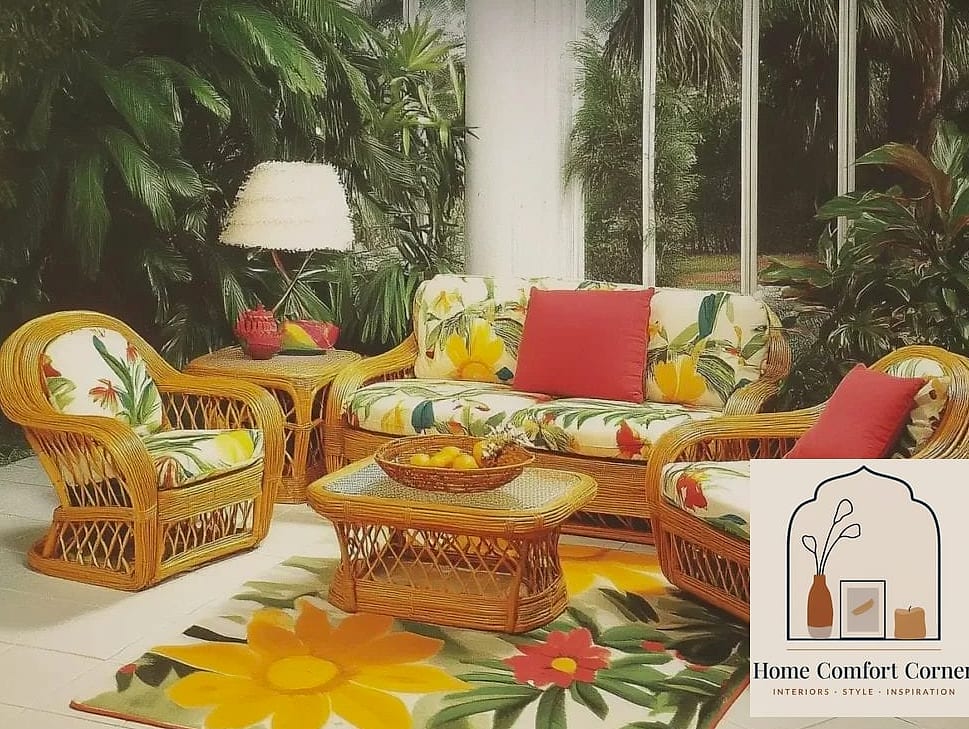
Rattan furniture had a huge moment in the 80s, especially in sunrooms and casual living spaces, and it’s fully back thanks to the current appetite for natural, textured materials. It brings warmth without feeling heavy.
Bedrooms and reading nooks are great spots for a rattan headboard or an accent chair. The texture adds visual interest even in an otherwise neutral, minimal room.
Maintenance is pretty low as long as you keep it out of direct, harsh sunlight and humidity, which can cause it to dry out or warp over time. A little furniture oil once or twice a year keeps it looking good.
Lacquered Furniture Finishes
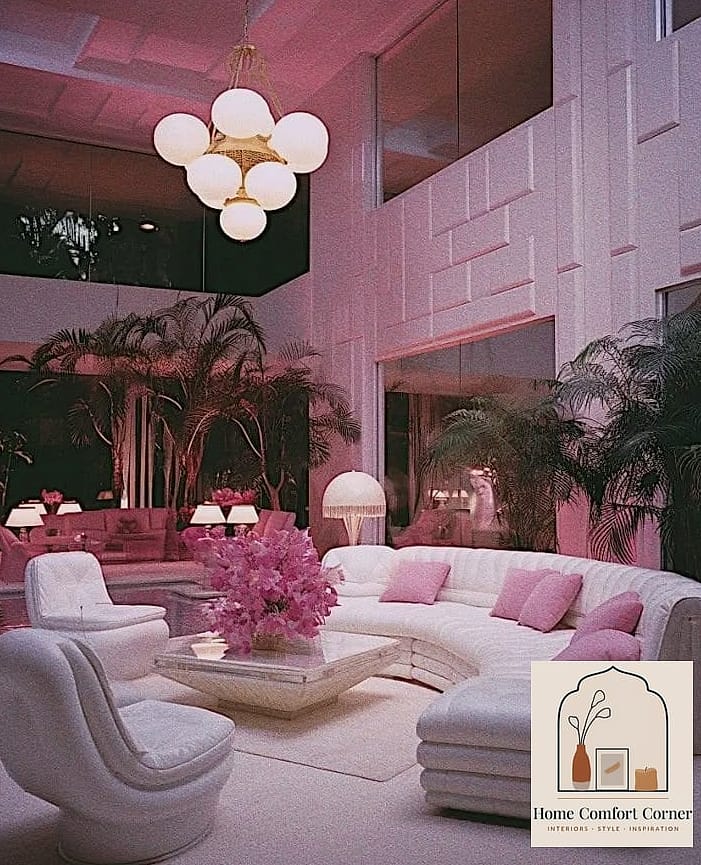
High-gloss lacquer on cabinets, tables, and dressers was a defining 80s look, and it’s resurfacing in more restrained colors like deep navy, black, and cream instead of the original neons.
This finish works well on statement pieces like a dining table or a media console where you want something reflective and a little glamorous. It photographs beautifully too, which is part of why it’s popping up on design blogs again.
One practical note: lacquer shows fingerprints and dust more than a matte finish, so it’s not the most forgiving choice for a busy family room. A microfiber cloth and quick wipe-downs go a long way here.
Postmodern Furniture Shapes
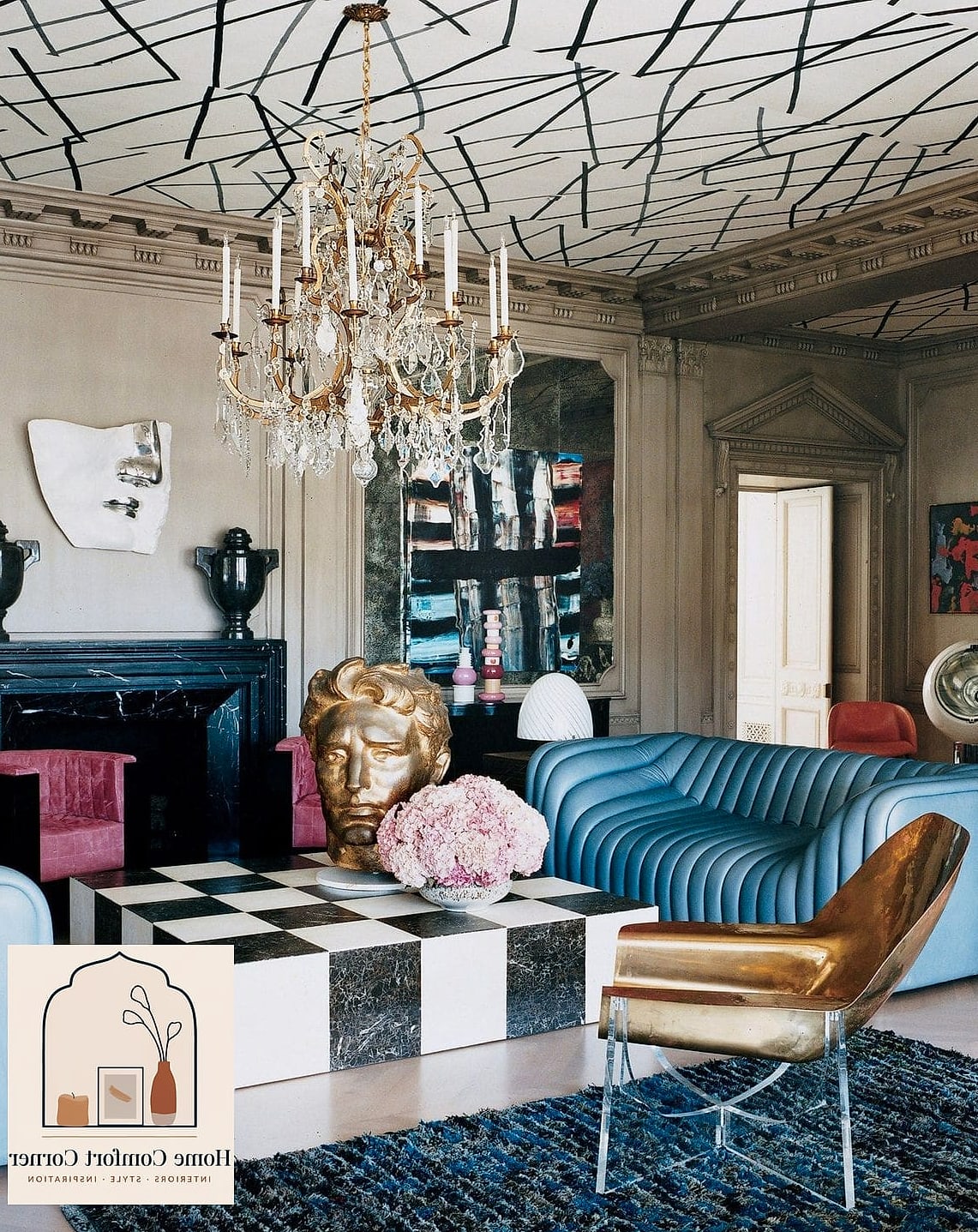
Postmodern design, with its playful, slightly irregular shapes and unexpected proportions, was a major undercurrent of 80s interiors. Think asymmetrical shelving units or chairs with exaggerated, sculptural backs.
This idea suits living rooms or home offices where you want one piece to function almost like a sculpture. It’s not a look you’d want in every room, but one postmodern piece can anchor an entire space.
Vintage shops and estate sales are honestly the best place to find authentic pieces at a reasonable price. Reproduction furniture exists too, but originals often have a quality and character that’s hard to replicate.
Mirrored Accent Walls
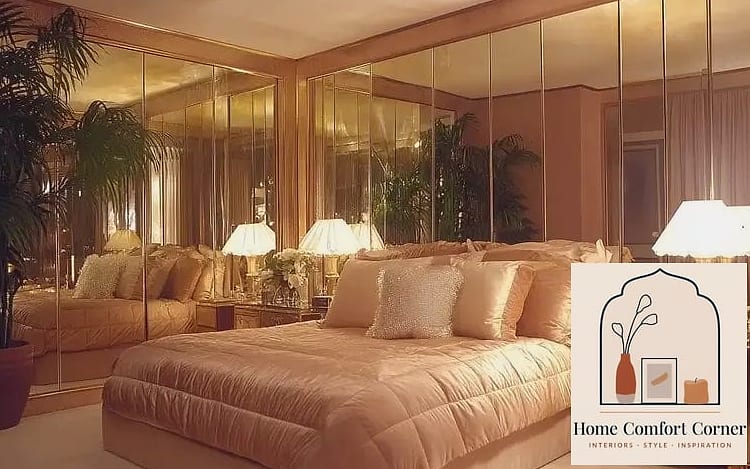
Full mirrored walls were an 80s staple, especially in dining rooms and entryways, and while the wall-to-wall version feels like a lot now, smaller mirrored panels achieve the same glamorous effect in moderation.
Dining rooms and small entryways benefit most since mirrors bounce light around and make a compact space feel larger. It’s a particularly good trick for apartments without much natural light.
A budget-friendly approach is mirrored tile panels, which install similarly to peel-and-stick tile and don’t require professional installation. Just measure carefully since crooked mirror tiles are very noticeable.
Floral and Botanical Prints
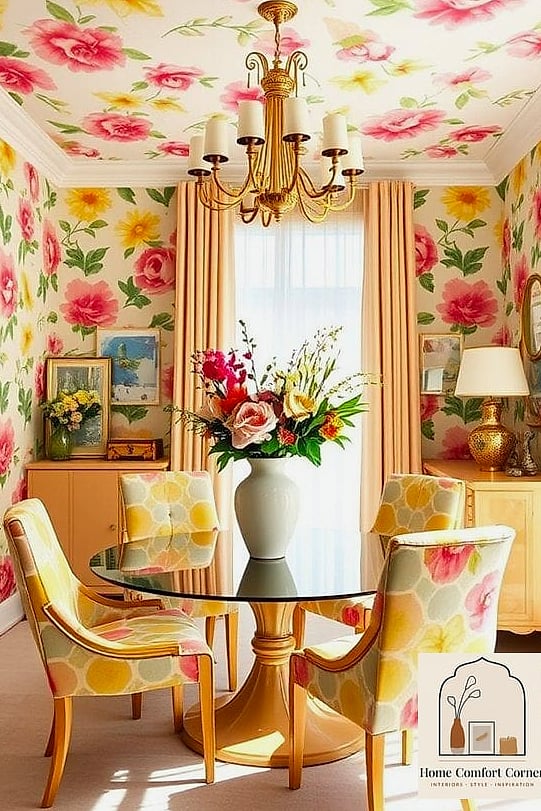
Chintz gets a lot of side-eye, but botanical prints in general were a huge part of 80s decorating, and updated versions with looser, more modern florals are showing up on everything from upholstery to wallpaper again.
Bedrooms and sunrooms are natural fits, especially on curtains or an accent chair where the pattern can shine without covering every surface. Pairing it with solid neutral walls keeps it from feeling too busy.
If full floral upholstery feels like too much commitment, a floral throw pillow or a single patterned lampshade is an easy, low-risk way to test whether you actually like the look before going bigger.
Built-In Bar Nooks
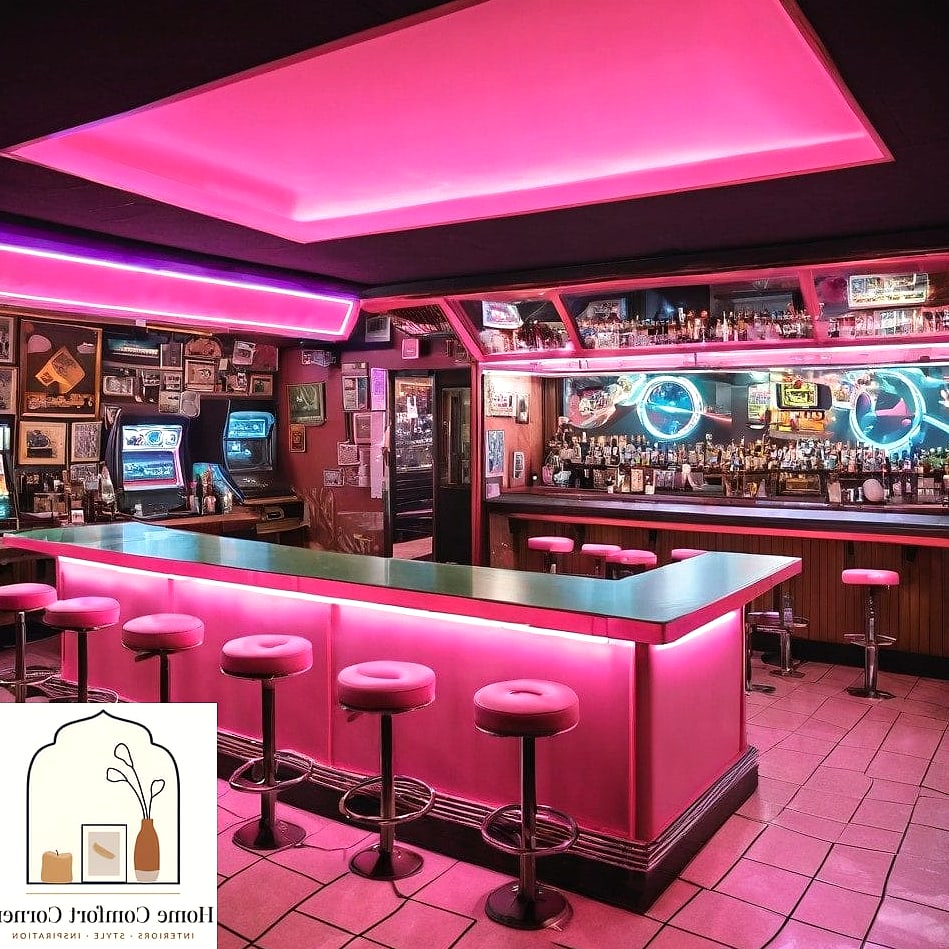
Home bars and built-in bar carts were a genuine status symbol in 80s homes, and the idea has come back around as more people entertain at home. A dedicated nook with open shelving and a small counter feels both nostalgic and genuinely useful.
Dining rooms, basements, and unused corners of a living room all work well for this. Even a converted closet can become a surprisingly functional bar area with the right shelving.
For a DIY-friendly version, floating shelves above a slim console table gets you most of the look without any real construction. Add some brass hardware and glassware, and it reads intentional immediately.
Statement Ceiling Details
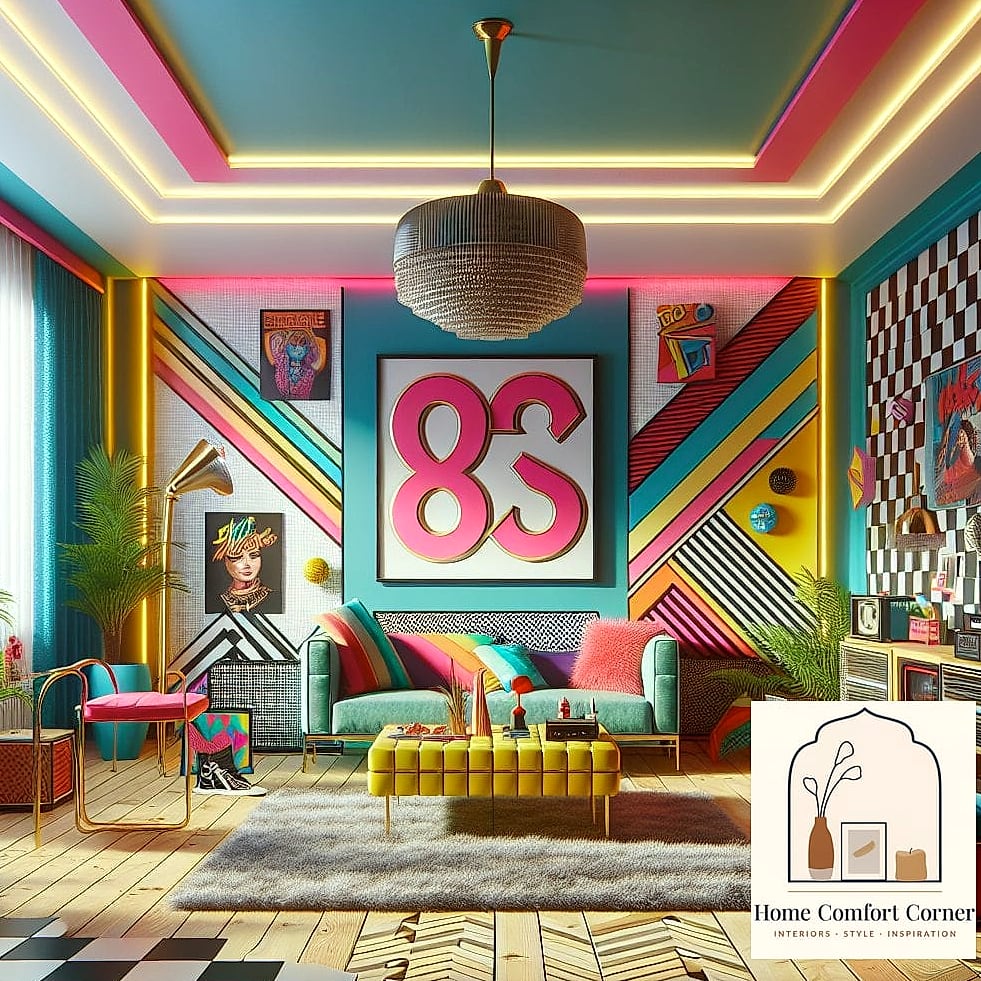
Ceilings were not an afterthought in the 80s. Coffered details, soft color washes, and even wallpapered ceilings showed up in higher-end homes, and designers are once again treating the “fifth wall” as an opportunity.
Dining rooms and primary bedrooms are good candidates since people spend enough time looking up in these spaces to actually notice the detail. A painted ceiling in a soft, unexpected color is a low-cost way to start.
This is one of those upgrades that instantly makes a room feel more custom without requiring a full renovation. Even swapping a boring flush-mount light for something more sculptural does a lot of the work.
Chunky Wood Furniture
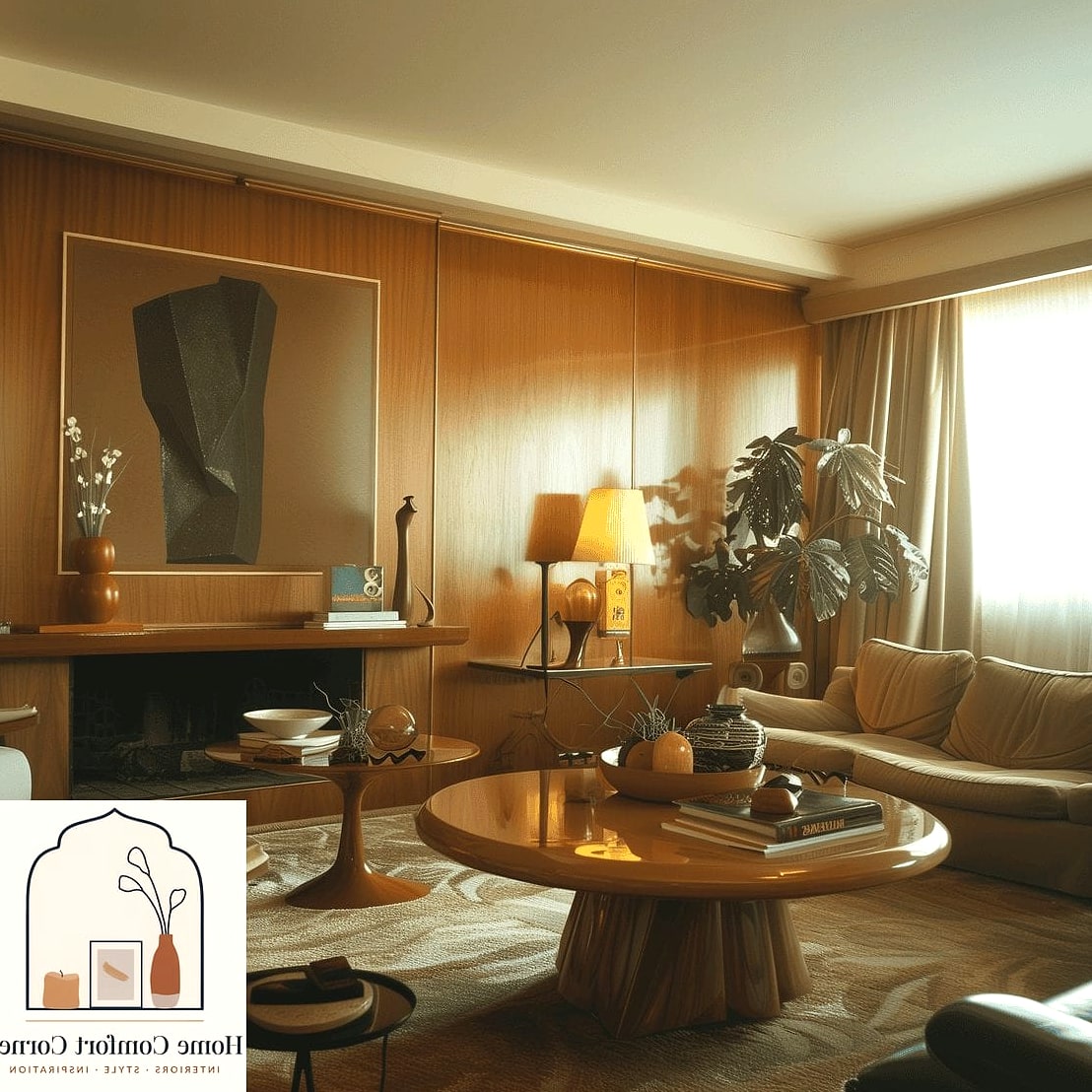
Substantial, solid wood furniture with visible grain and simple, blocky shapes was everywhere in 80s homes, especially in dining rooms and bedrooms. It’s a nice contrast to the ultra-sleek, minimal furniture that’s been popular for the last decade.
Dining tables and bed frames are great places to bring this in since they’re large enough pieces to actually show off the wood’s character. Oak and pine were common choices back then and still hold up well now.
Secondhand furniture marketplaces are full of solid wood pieces from this era at a fraction of what new furniture costs, and most just need a light refinishing to look great again.
Terrazzo Flooring and Surfaces
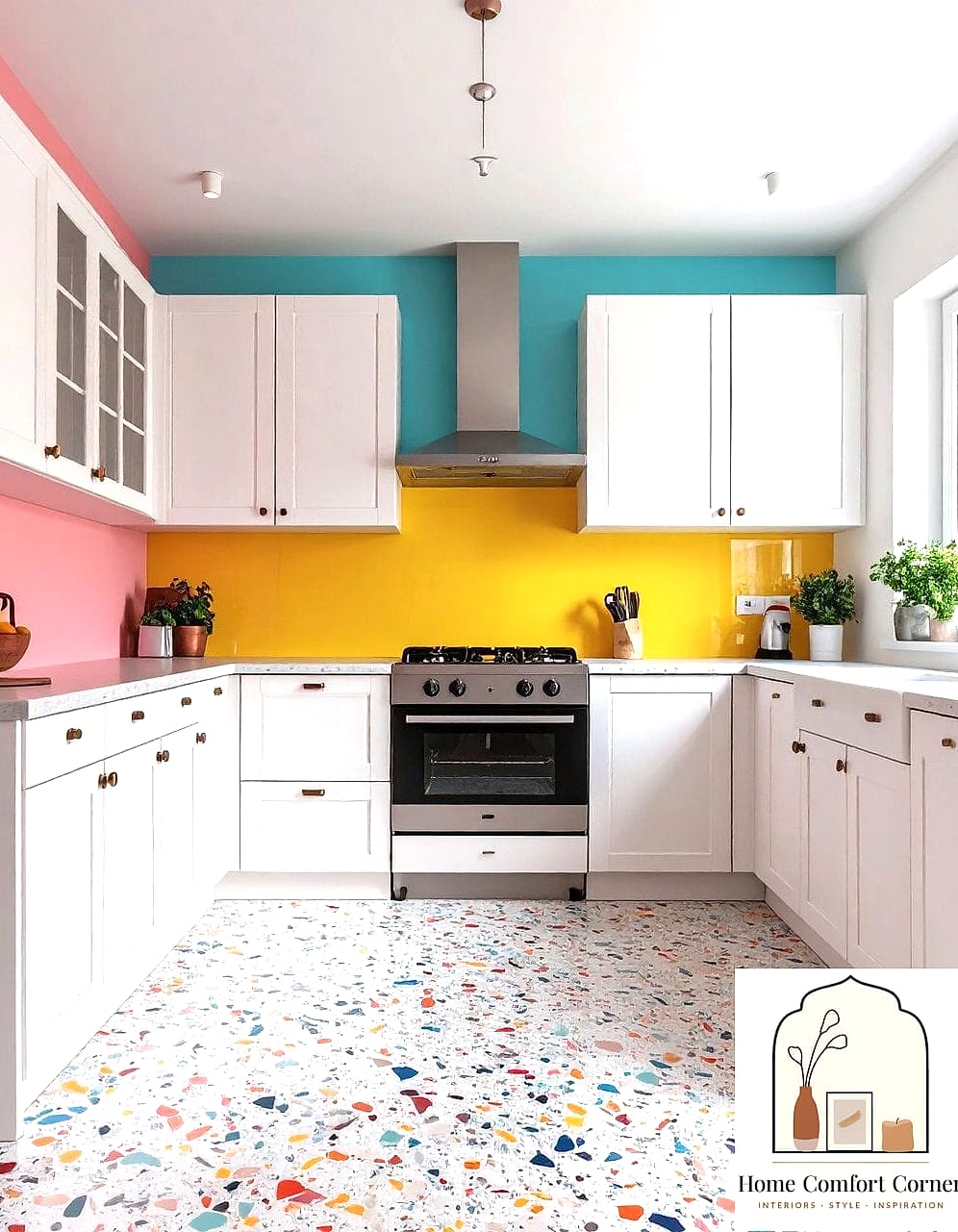
Terrazzo was a defining 80s material, showing up in everything from flooring to countertops, and it’s had a genuine comeback in newer homes and renovations, especially in speckled, colorful versions rather than plain white.
Bathrooms and kitchen backsplashes are popular spots for terrazzo today, since it holds up well to moisture and adds texture without being a full-room commitment. Terrazzo tile is also more accessible than poured terrazzo if you’re working with a smaller budget.
Maintenance is fairly straightforward since it’s a durable, sealed surface, though you’ll want to reseal it periodically depending on the specific material to keep it looking its best and prevent staining.