23 Minimalist Interior Design Ideas to Upgrade Your Home This Weekend
- Clear Off Your Kitchen Counters Completely
- Swap Cluttered Cabinet Fronts for Simple Flat-Panel Doors
- Create a Neutral Color Palette Throughout Your Home
- Install Floating Shelves Instead of Bulky Cabinets
- Hide Cords and Cables Behind Furniture
- Choose One Statement Piece Per Room Instead of Many
- Replace Overhead Lighting With Layered Lighting
- Declutter Your Entryway With a Single Drop Zone
- Use Matte Black or Brushed Brass Hardware for a Quiet Upgrade
- Simplify Your Bedding to a Few Solid Colors
- Add Warm Wood Accents to Balance Cool Tones
- Install a Herringbone or Vertical Tile Backsplash
- Reduce Furniture to Only What You Use
- Use Baskets and Bins to Hide Everyday Clutter
- Paint Your Trim and Walls the Same Color
- Choose Open Shelving in Just One Kitchen Zone
- Add One Large Plant Instead of Several Small Ones
- Keep Bathroom Counters Clear With Drawer Organizers
- Use Textured Neutral Fabrics Instead of Bold Patterns
- Swap a Heavy Rug for a Low-Pile Neutral Option
- Create a Dedicated Spot for Mail and Paper Clutter
- Simplify Your Wall Art to Fewer, Larger Pieces
- End With a Weekly 10-Minute Reset Habit
23 Minimalist Interior Design Ideas to Upgrade Your Home This Weekend
Minimalism gets a bad reputation for being cold or bare, but the best minimalist homes actually feel warm, calm, and lived-in. It’s less about owning nothing and more about being intentional with what stays out in the open. If your space feels chaotic or cluttered lately, these 23 minimalist interior design ideas can help you reset things without a big renovation or a big budget. Most of these can be tackled in a weekend, and some in an afternoon.
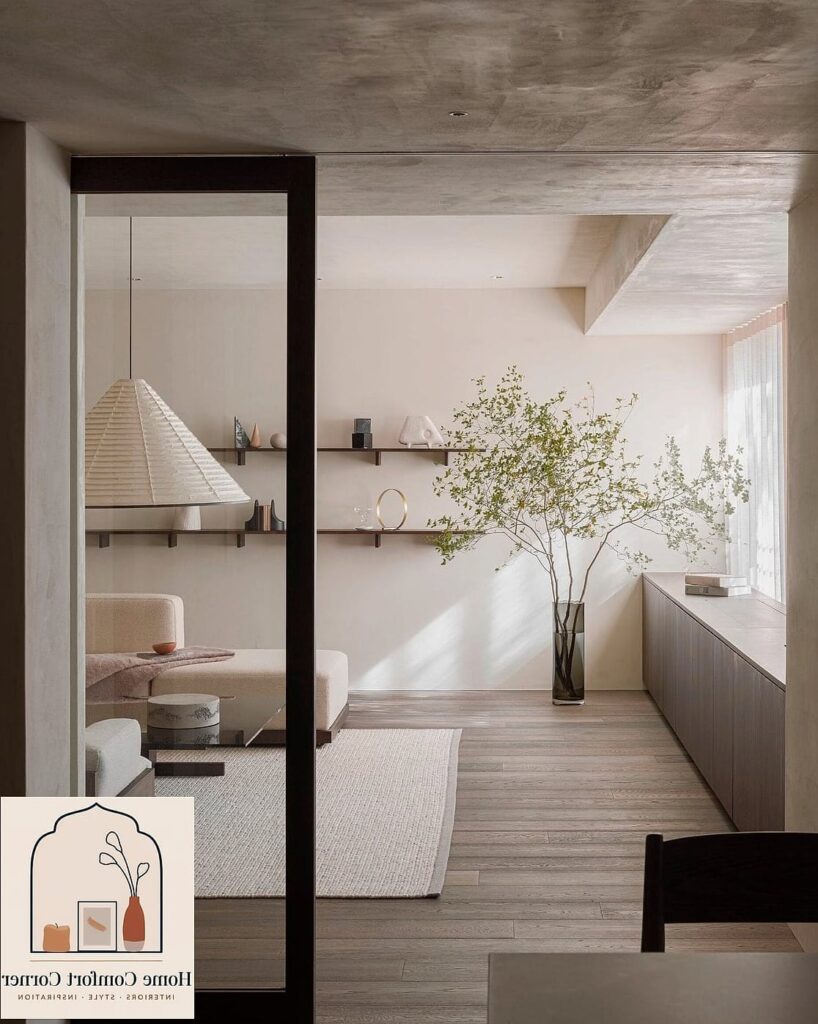
Clear Off Your Kitchen Counters Completely
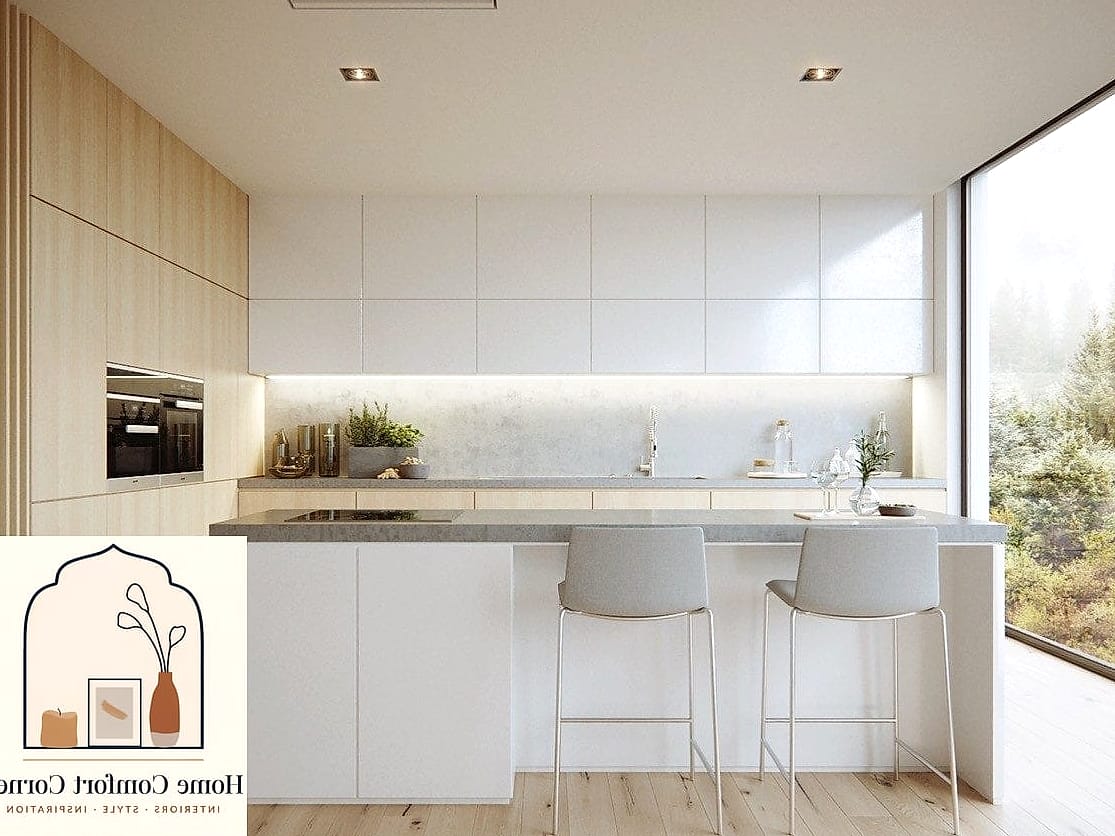
Start with the surface that gets cluttered fastest. Store small appliances you don’t use daily in a cabinet, and only leave out what you actually reach for every morning. An empty counter instantly makes a kitchen look bigger and more updated, even if nothing else changes. This is one of those upgrades that instantly makes a kitchen feel more custom without requiring a full renovation. Pair it with a simple wood cutting board or a single plant for warmth.
Swap Cluttered Cabinet Fronts for Simple Flat-Panel Doors
If your cabinets have ornate trim or dated raised panels, consider swapping the doors for flat, shaker-style or slab fronts. This one change can modernize an entire kitchen or bathroom without touching the layout. Go with matte white, soft black, or warm wood tones depending on your palette. It’s a project that’s DIY-friendly if you’re comfortable with a drill and a little patience.
Create a Neutral Color Palette Throughout Your Home
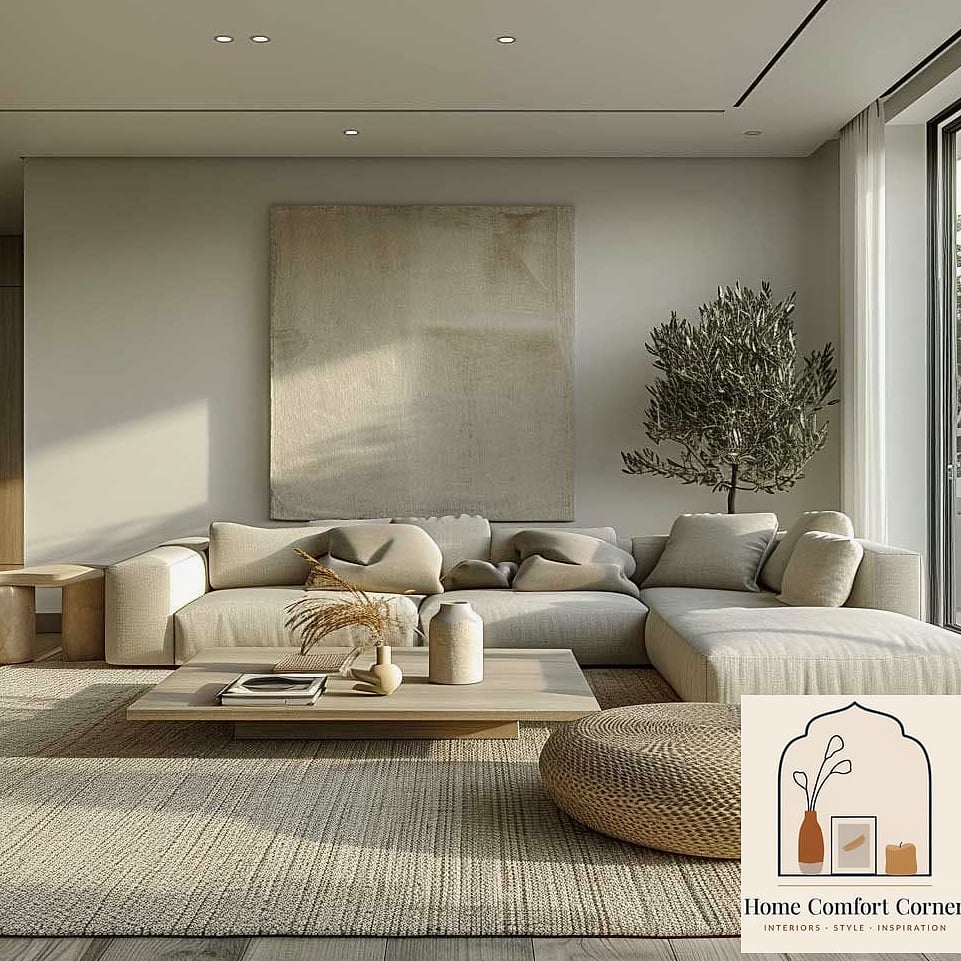
Minimalist spaces tend to lean on whites, warm beiges, soft greiges, and the occasional deep charcoal or black accent. Sticking to two or three main tones across connected rooms creates flow and makes everything feel more pulled together. You don’t need to repaint everything at once — start with your main living areas and let the rest follow naturally over time.
Install Floating Shelves Instead of Bulky Cabinets
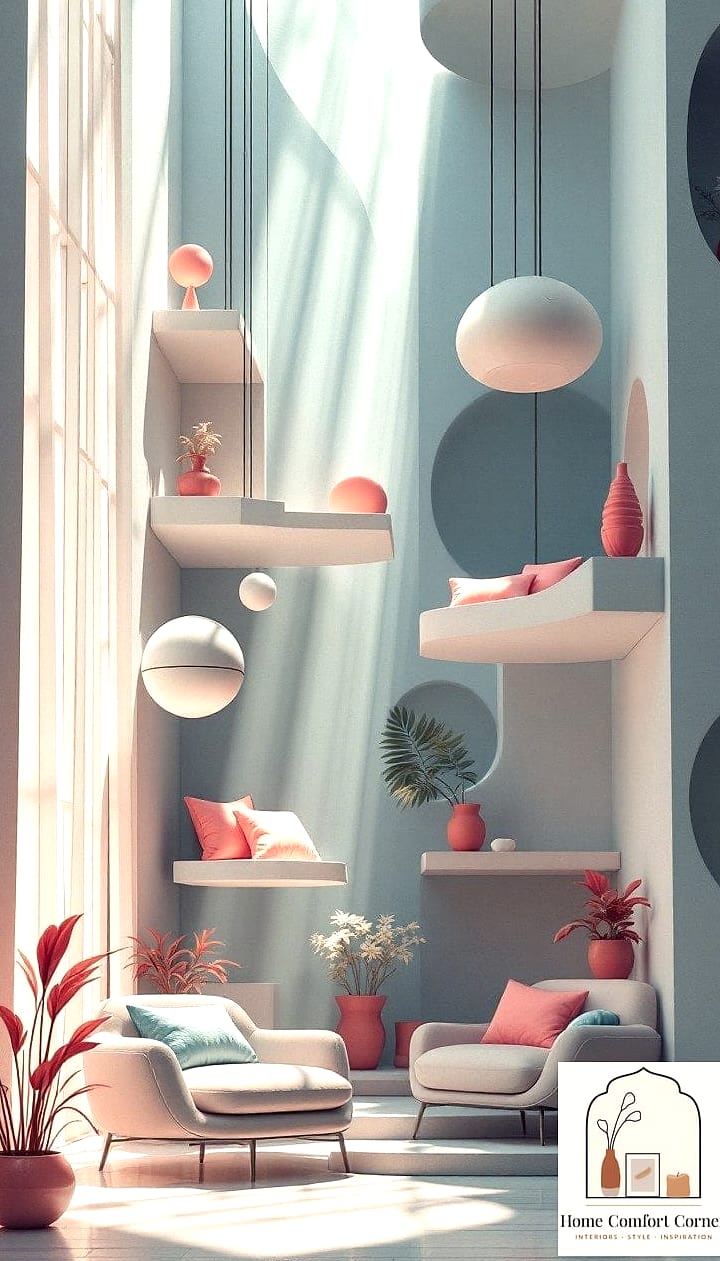
Floating shelves give you storage and display space without visually weighing down a wall. They work especially well in kitchens, bathrooms, and home offices where you want a few curated items visible instead of a closed cabinet. Keep styling simple: a few books, one plant, a ceramic bowl. Overloading them defeats the purpose, so edit ruthlessly.
Hide Cords and Cables Behind Furniture
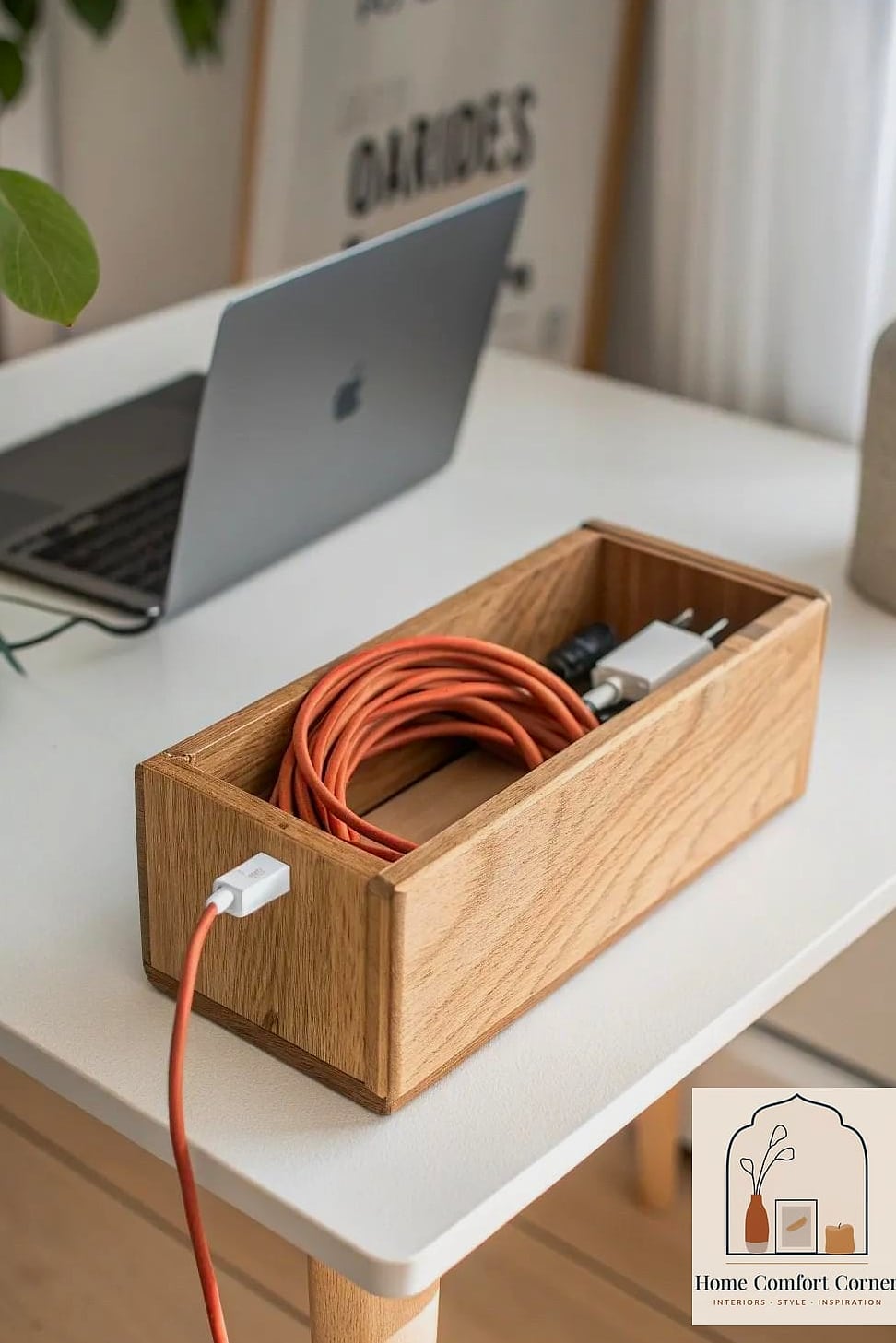
Nothing ruins a clean room faster than a tangle of visible cords near your TV or desk. Cord clips, cable sleeves, or a simple cord box can hide the mess in under an hour. It’s a small fix, but it makes a huge visual difference in how “finished” a room feels. This works especially well in bedrooms and living rooms where electronics tend to pile up.
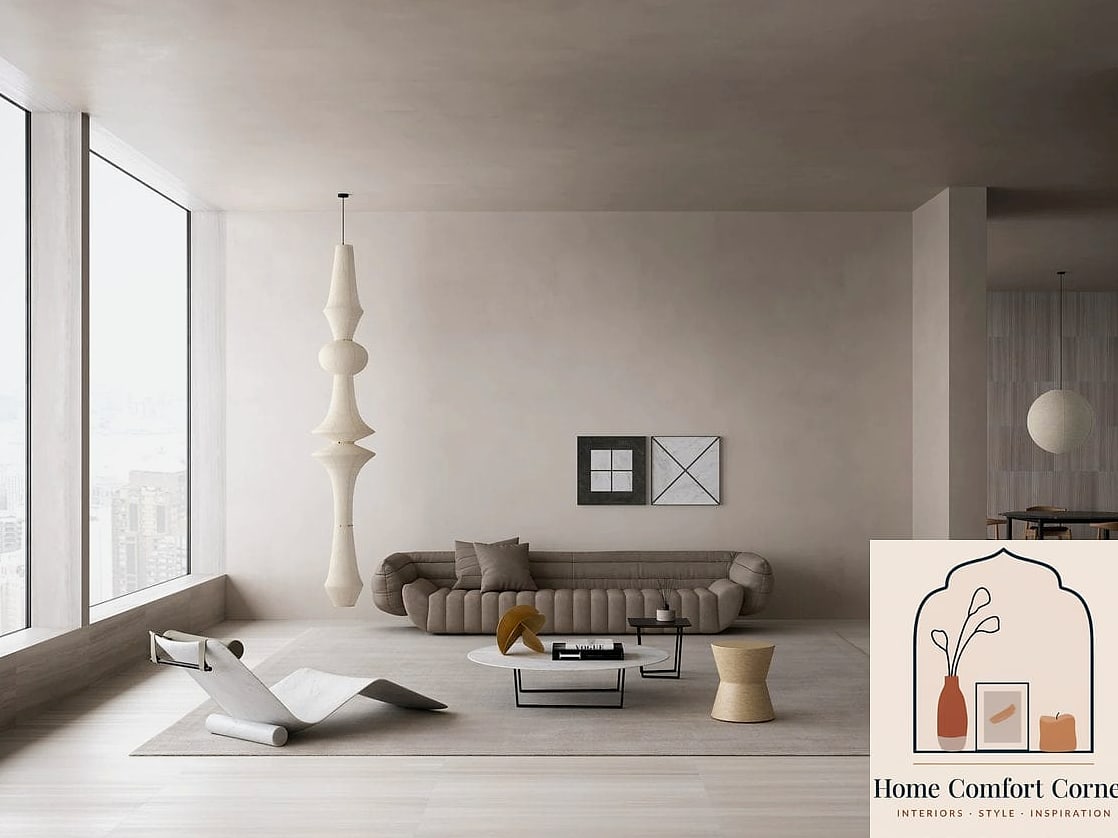
Choose One Statement Piece Per Room Instead of Many
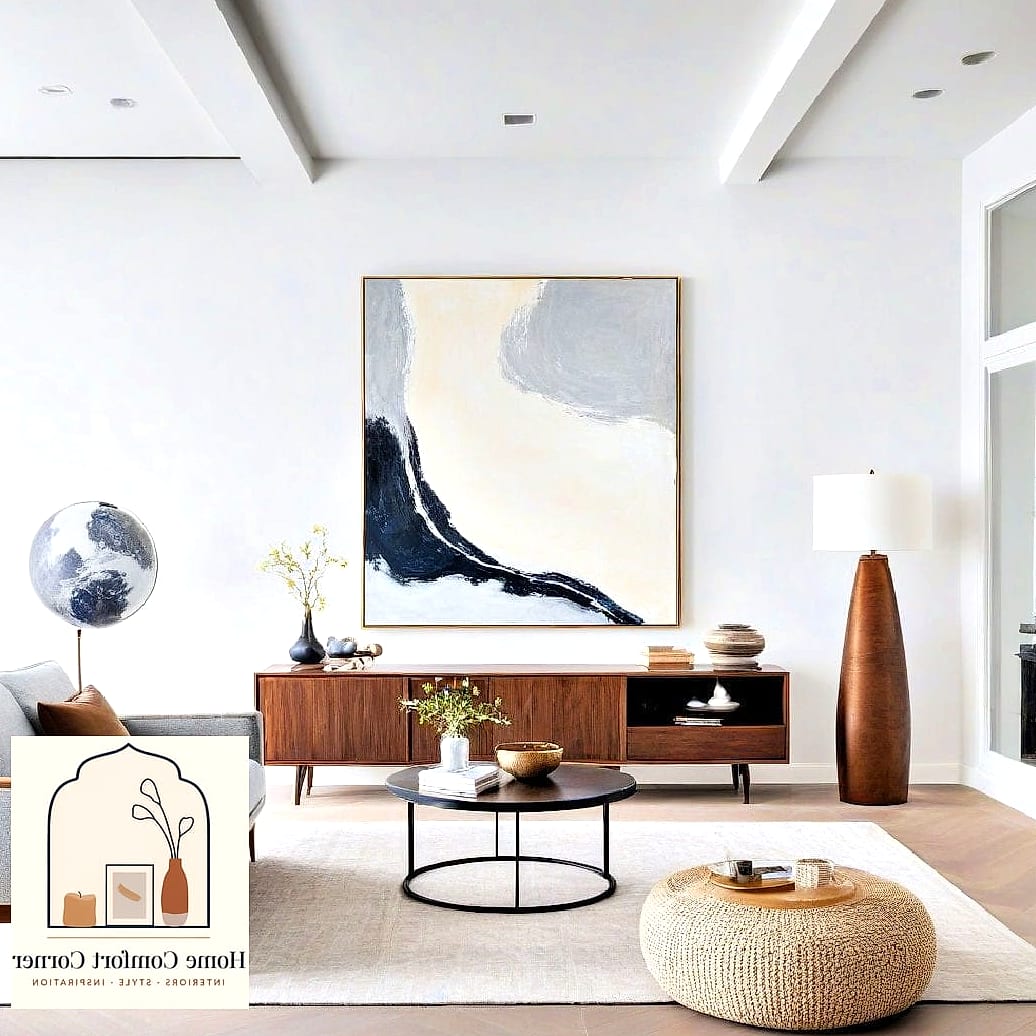
Minimalist rooms often have a single focal point rather than a dozen competing decor items. That could be a bold piece of art, a sculptural light fixture, or a unique accent chair. Everything else in the room should feel supportive, not competitive. This approach also makes shopping easier because you’re not trying to fill every corner.
Replace Overhead Lighting With Layered Lighting
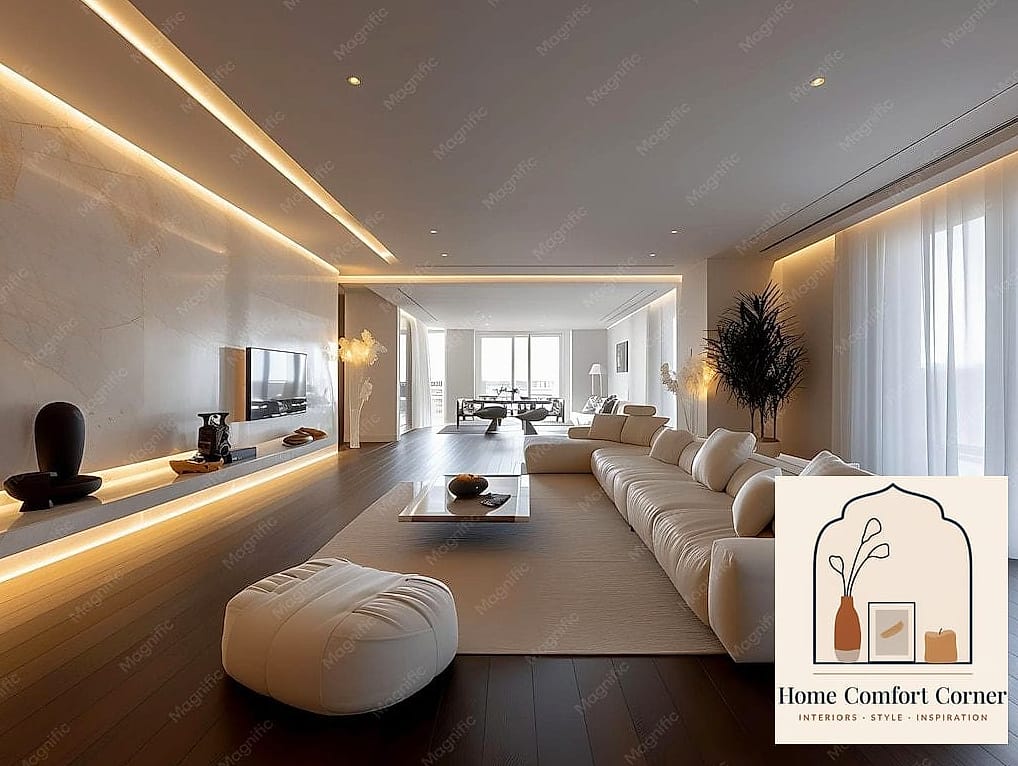
Harsh overhead lighting can make even a well-designed room feel flat and uninviting. Layered lighting — a mix of floor lamps, table lamps, and maybe under-cabinet lighting in the kitchen — creates depth and warmth. It’s an easy weekend project since most of it just requires plugging in new fixtures rather than rewiring anything.
Declutter Your Entryway With a Single Drop Zone
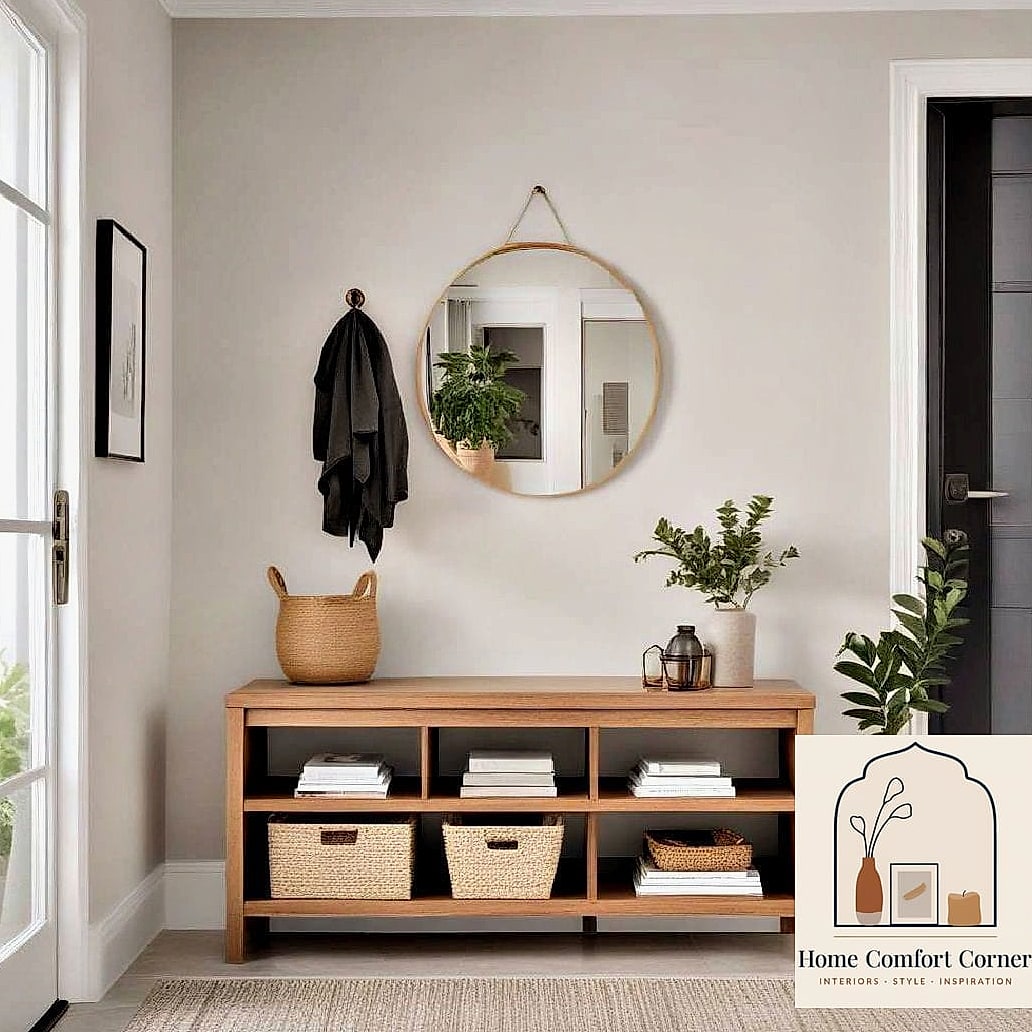
Entryways tend to become a catch-all for shoes, mail, and bags. A small bench with baskets underneath, or a slim console table with one tray for keys and mail, keeps things contained. Renters can use a freestanding piece instead of anything built-in. The goal is one designated spot, not five random piles.
Use Matte Black or Brushed Brass Hardware for a Quiet Upgrade
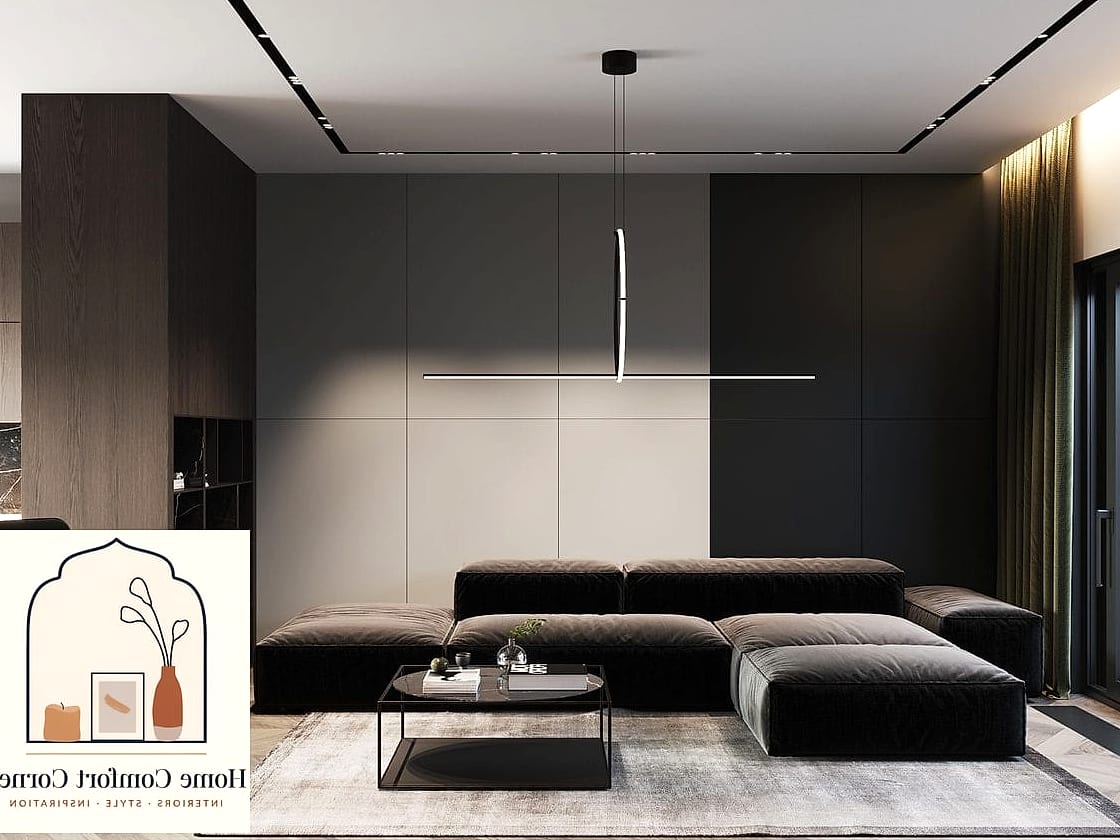
Swapping outdated hardware on cabinets and doors is one of the most budget-friendly minimalist upgrades out there. Matte black feels modern and moody, while brushed brass adds warmth without looking flashy. Stick to one finish throughout a room so it reads as intentional rather than mismatched.
Simplify Your Bedding to a Few Solid Colors
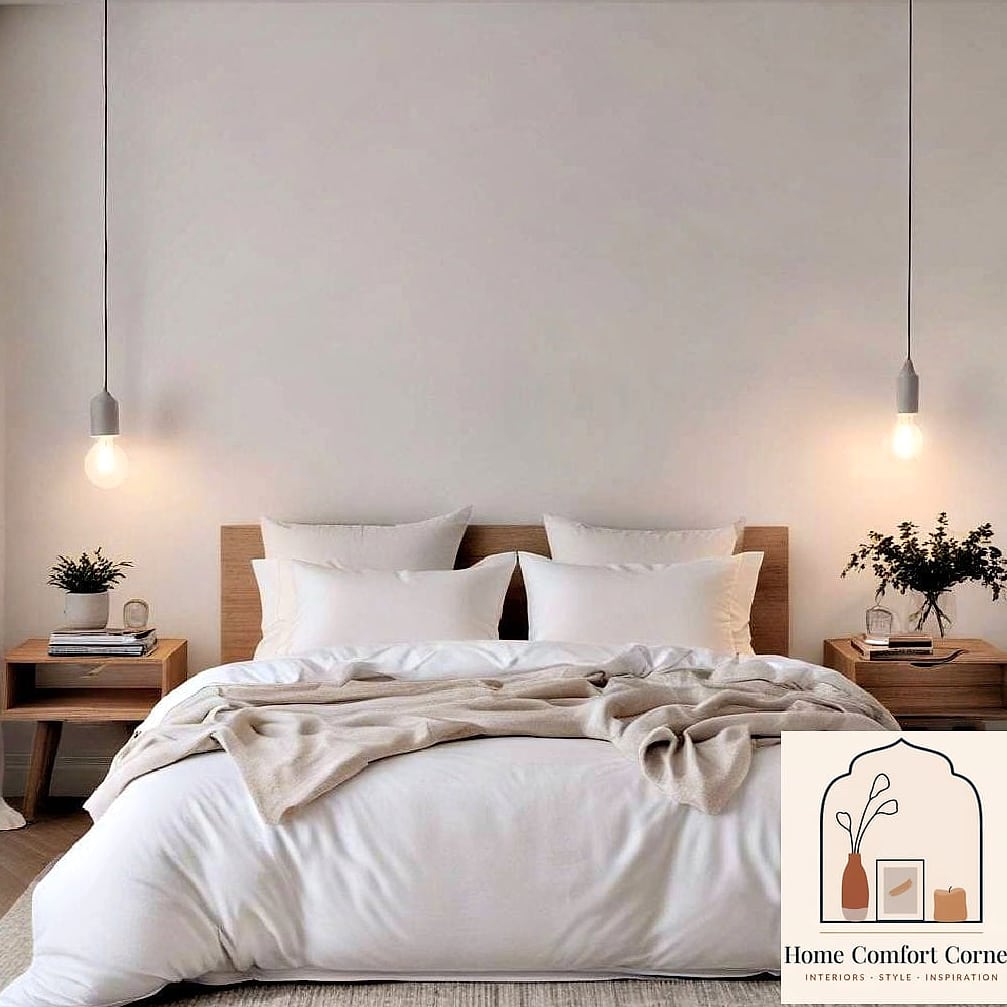
A minimalist bedroom often comes down to bedding more than anything else. Skip busy patterns and layer instead — a white or neutral duvet, one textured throw, and two simple pillows. It photographs well and, more importantly, it makes the room feel calmer to actually sleep in.
Add Warm Wood Accents to Balance Cool Tones
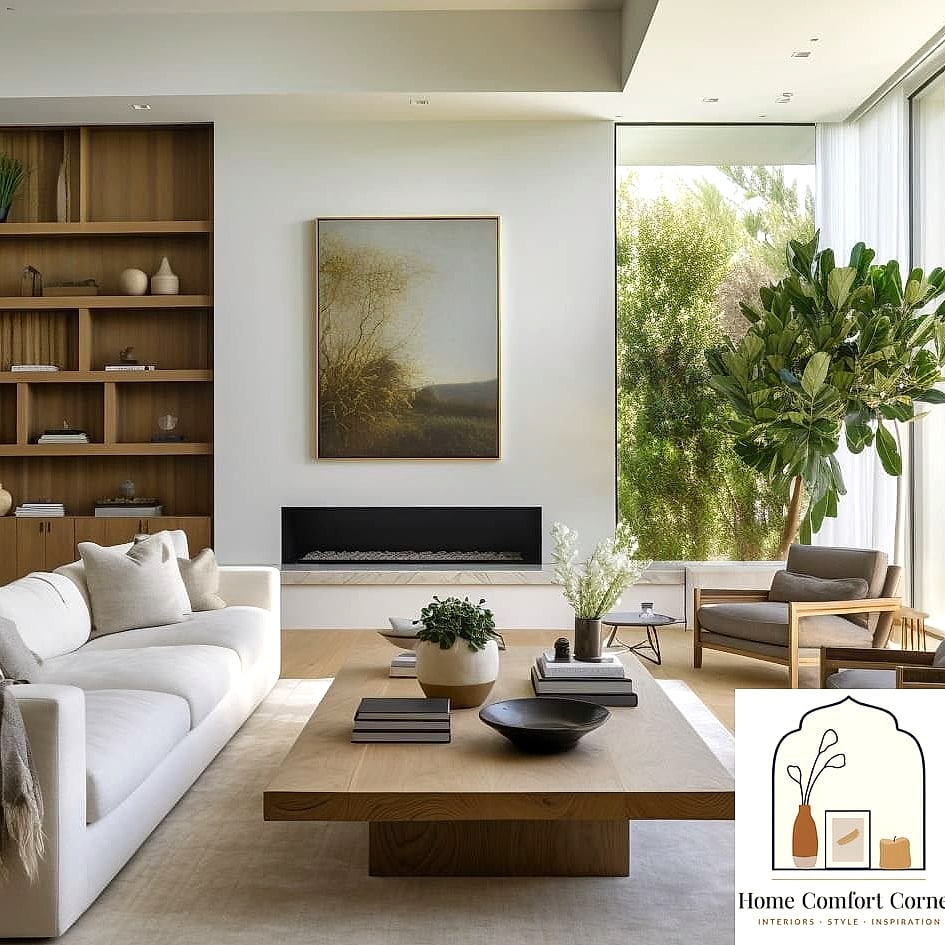
Pure white minimalism can feel sterile if you don’t add some warmth back in. Wood accents — a shelf, a stool, a bed frame, even a cutting board on display — soften the look. This is especially helpful in kitchens and bathrooms where quartz countertops or porcelain tile can otherwise feel a little cold.
Install a Herringbone or Vertical Tile Backsplash
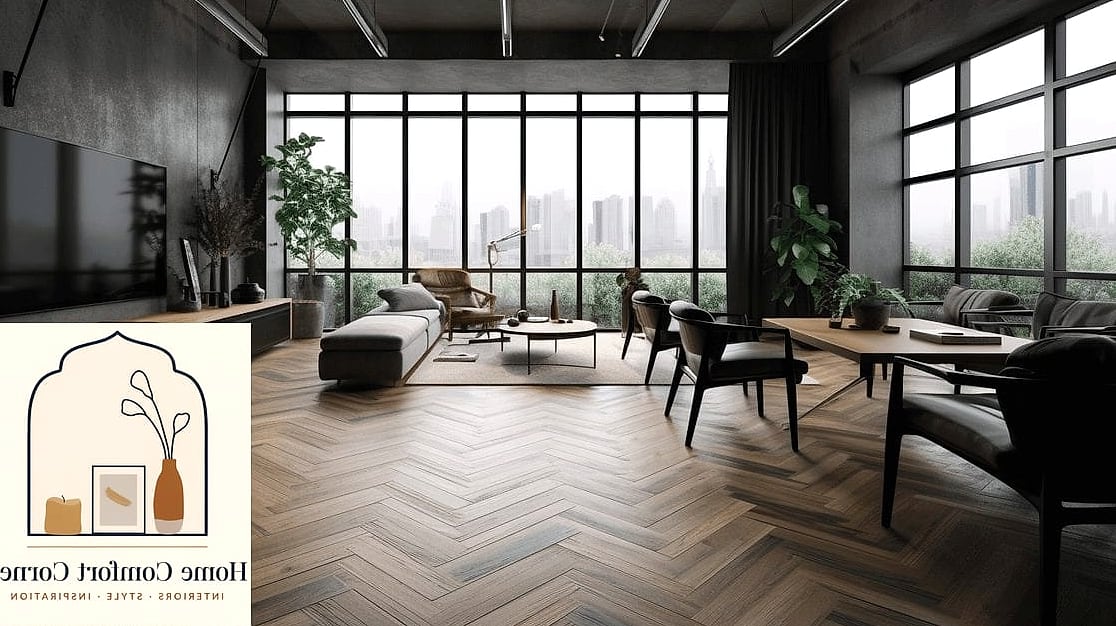
If you’re already updating your kitchen, a herringbone pattern in a soft neutral tile adds texture without adding visual noise. Vertical stacked tile is another option that draws the eye upward and makes a small kitchen feel taller. Both options work in classic subway tile or a more textured zellige-style tile if you want something with a little more character.
Reduce Furniture to Only What You Use
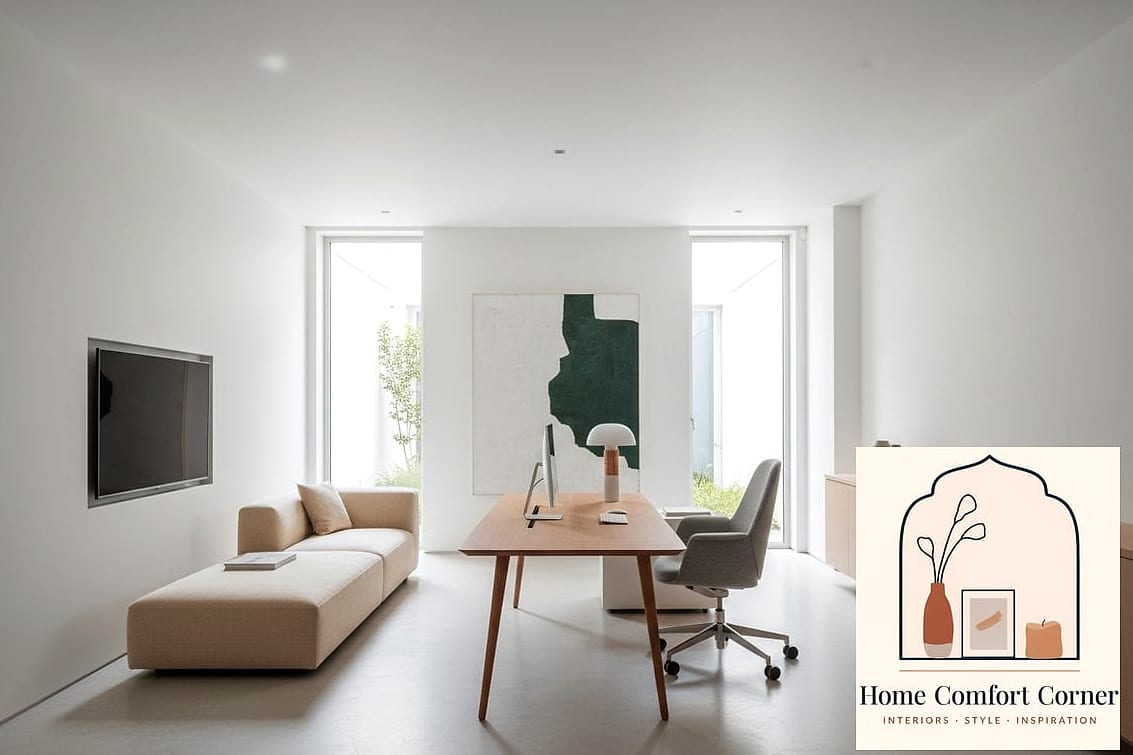
Walk through your living room and ask honestly whether every piece earns its spot. Extra side tables, unused ottomans, or a second bookshelf you don’t need can go into storage or get donated. Fewer, better pieces make a room feel more spacious and easier to keep clean.
Use Baskets and Bins to Hide Everyday Clutter
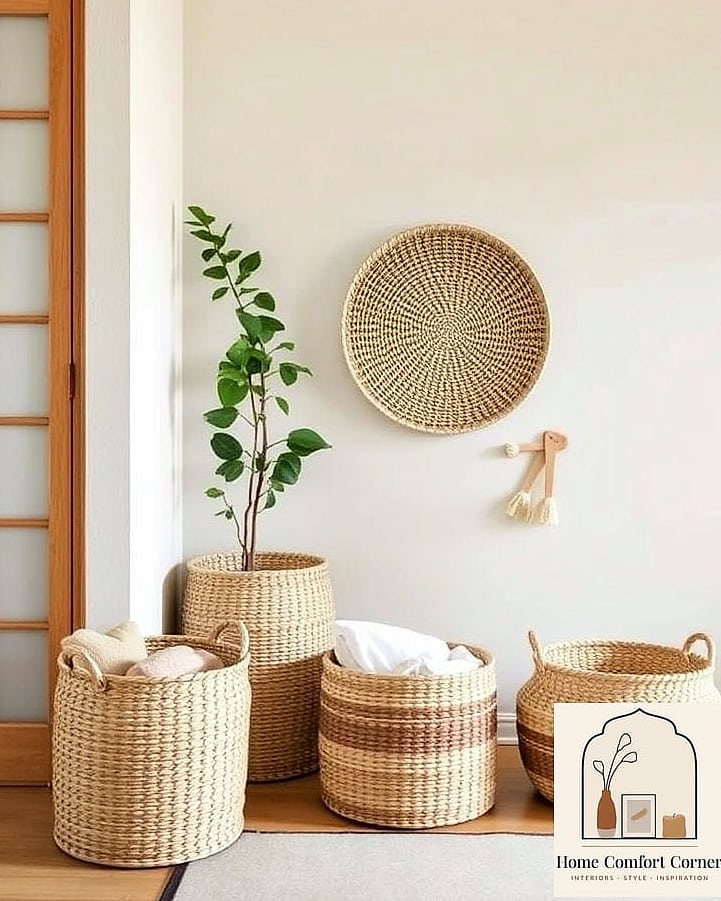
Minimalism doesn’t mean everything has to be visible — it means what’s visible is intentional. Woven baskets or simple bins can hold blankets, toys, or mail out of sight while still looking styled. This is a particularly good fix for family-friendly homes where clutter builds up fast during the week.
Paint Your Trim and Walls the Same Color
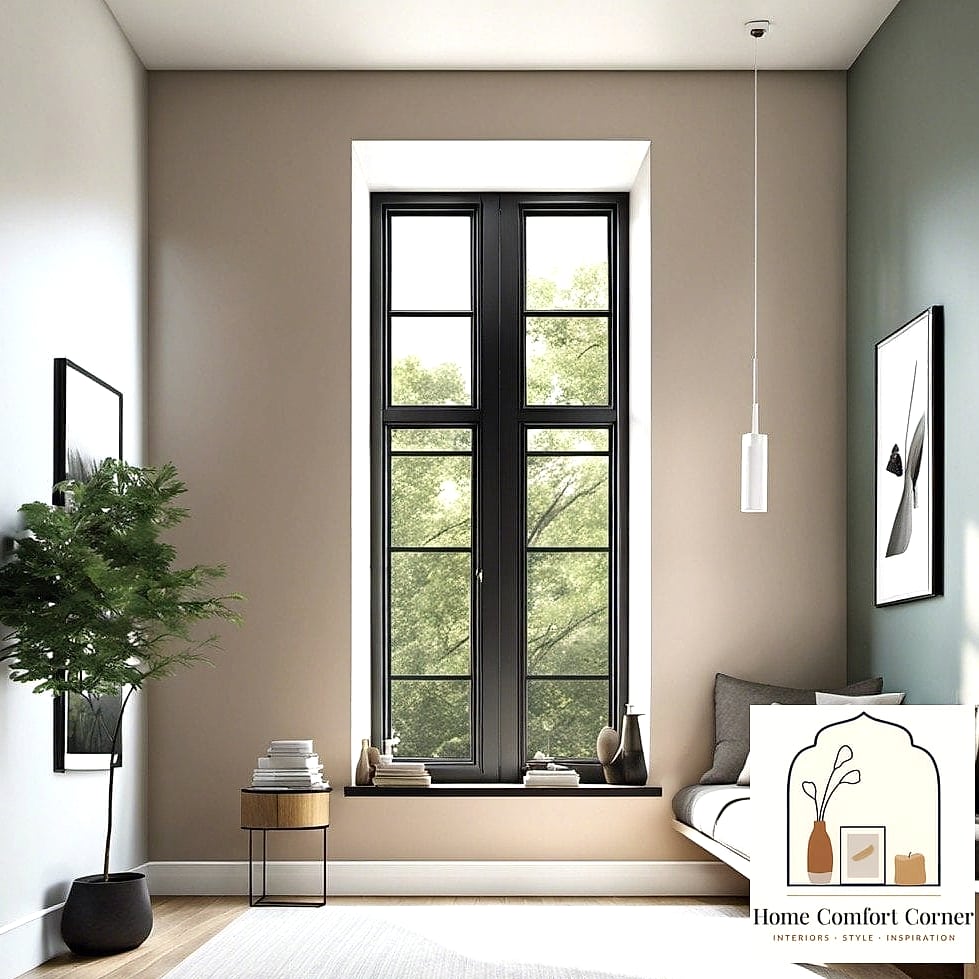
Painting trim, doors, and walls in one continuous color removes visual breaks and makes a room feel larger and more modern. Soft whites and warm off-whites work well for this. It’s a weekend project with a roller and some painter’s tape, and the payoff is bigger than the effort involved.
Choose Open Shelving in Just One Kitchen Zone
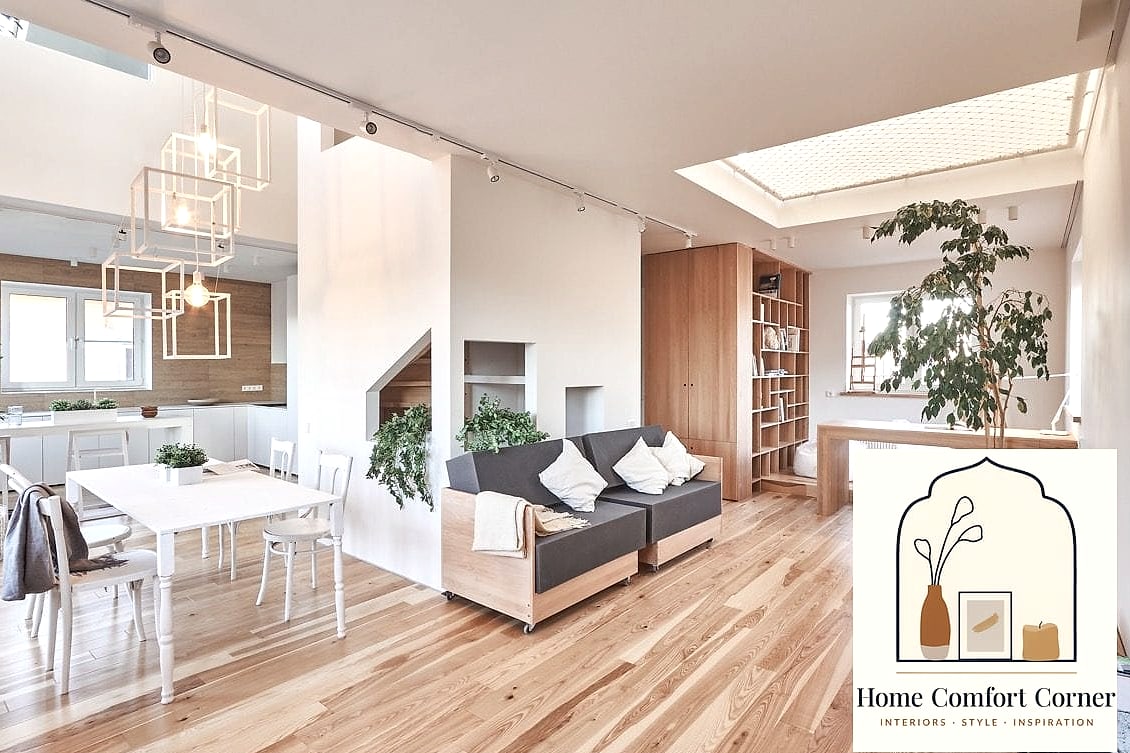
You don’t need to remove every upper cabinet to get the open shelving look. Pick one section, like above a coffee station or next to the stove, and swap it for two floating shelves. Style with everyday dishware in neutral tones so it still looks curated even with daily use.
Add One Large Plant Instead of Several Small Ones
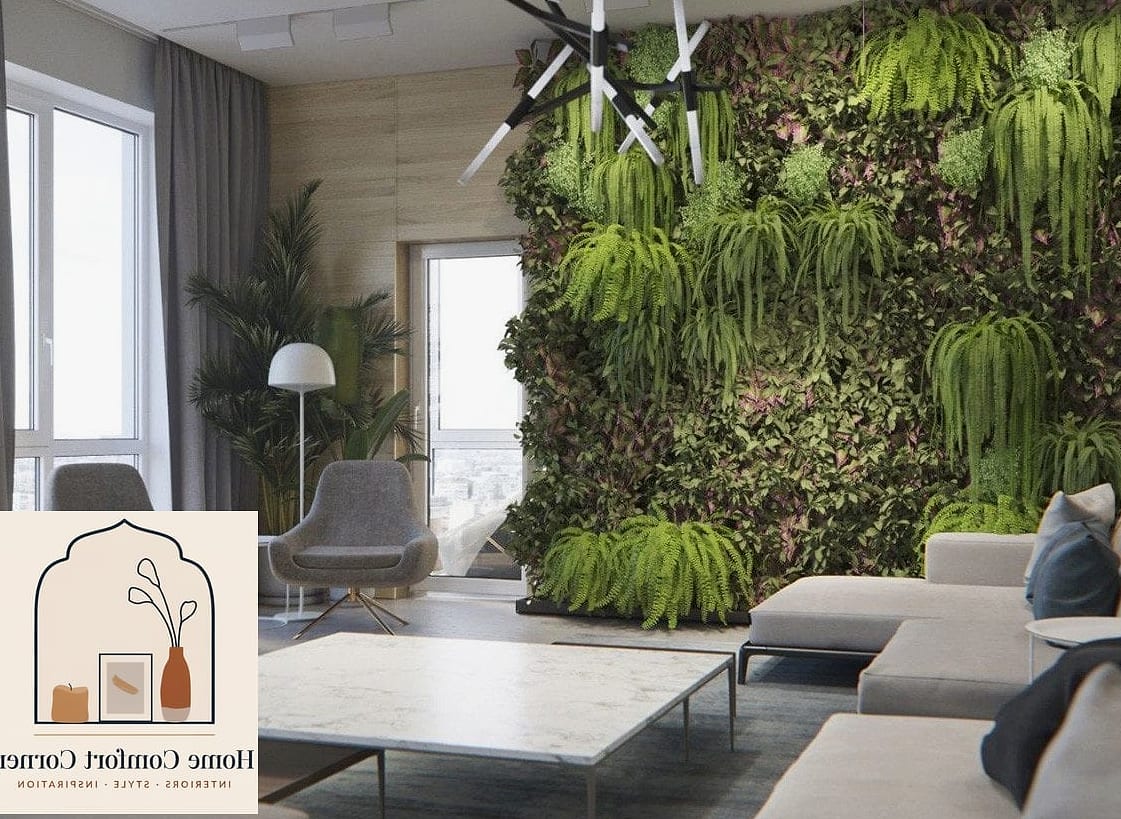
A single large plant, like a fiddle leaf fig or an olive tree, makes more of a statement than five scattered succulents. It also cuts down on the “collected clutter” look that can creep into minimalist spaces. If you don’t have a green thumb, a high-quality faux version works just as well.
Keep Bathroom Counters Clear With Drawer Organizers
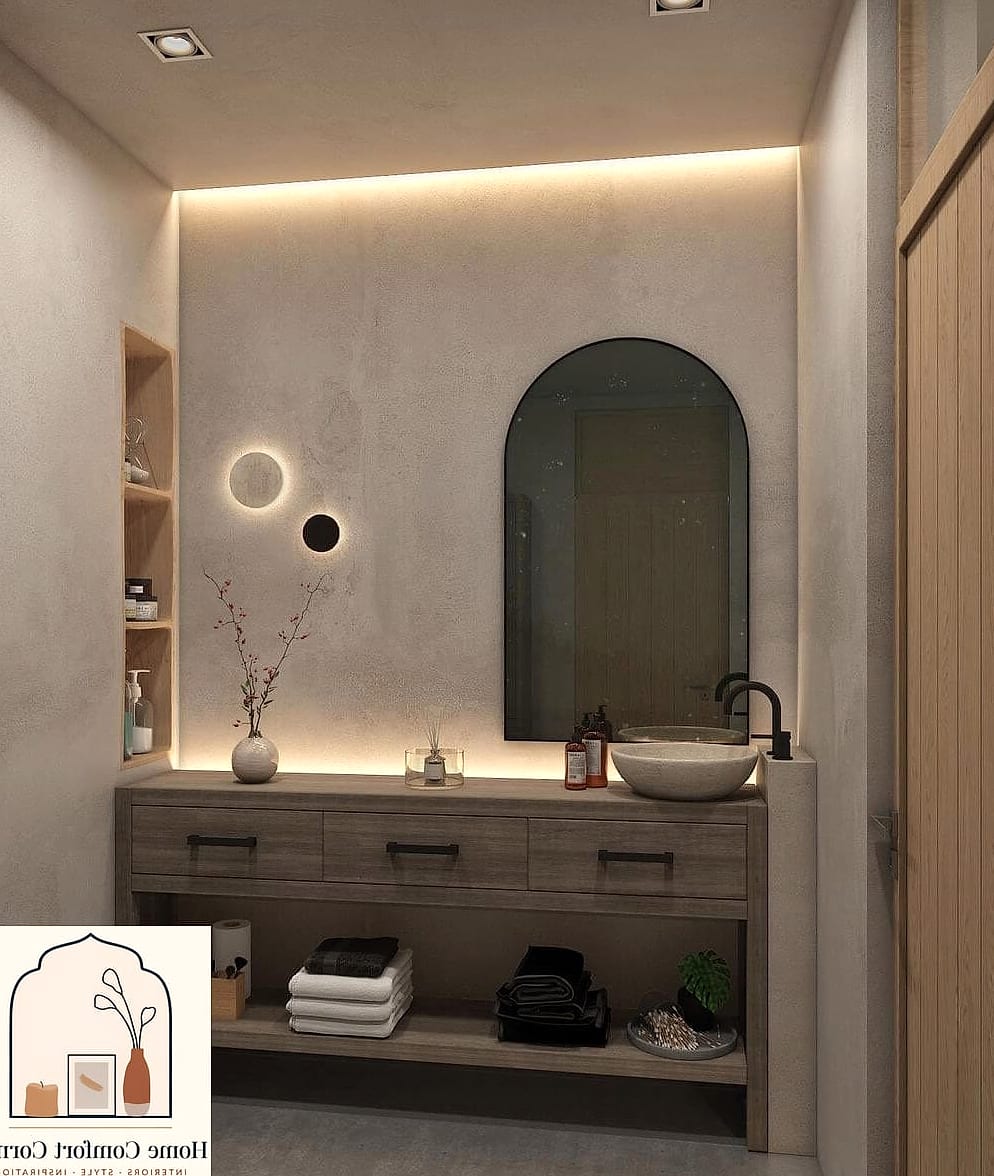
Store daily products in drawer organizers instead of lining them up on the counter. A tray for the one or two things you use every single day is fine — the goal is reducing visual clutter, not hiding everything. This works particularly well in small bathrooms where counter space is already limited.
Use Textured Neutral Fabrics Instead of Bold Patterns
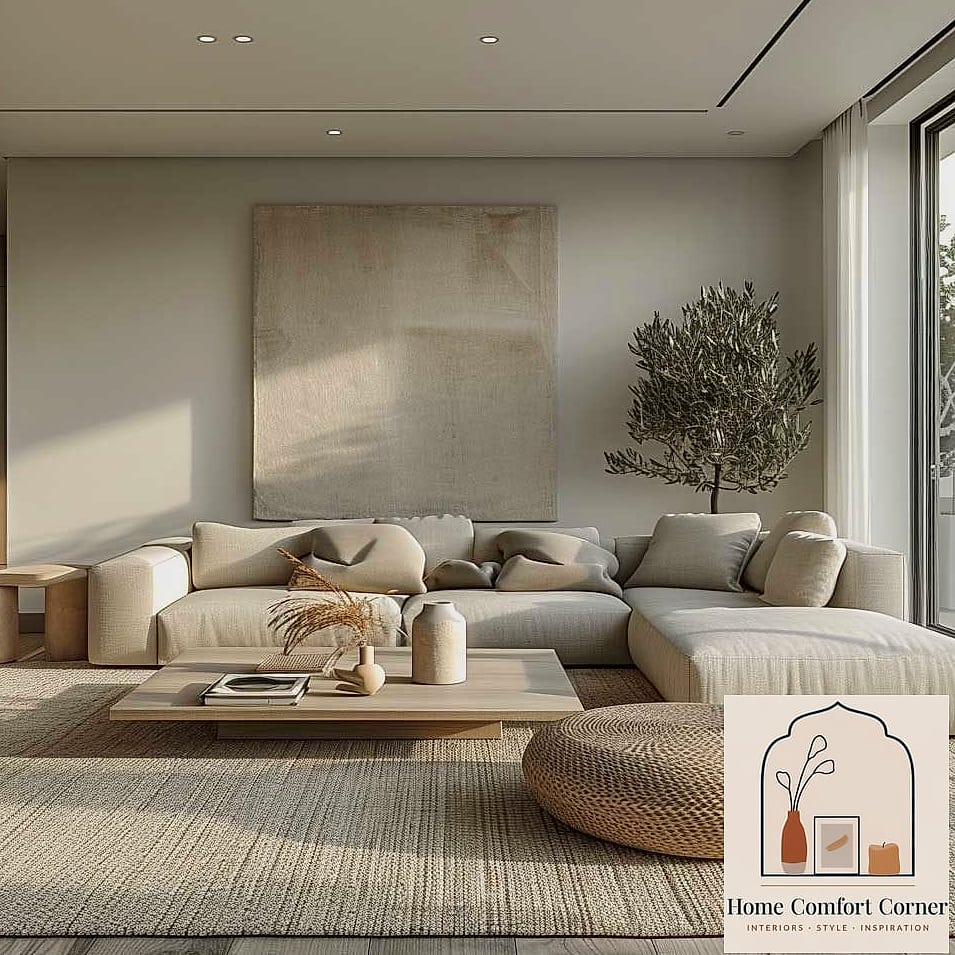
Minimalist doesn’t have to mean flat or boring. Textured linen, bouclé, or nubby wool in neutral tones adds interest to sofas, pillows, and curtains without introducing pattern or color that competes with the room. Run your hand over fabric samples in person if you can — texture is hard to judge from photos alone.
Swap a Heavy Rug for a Low-Pile Neutral Option
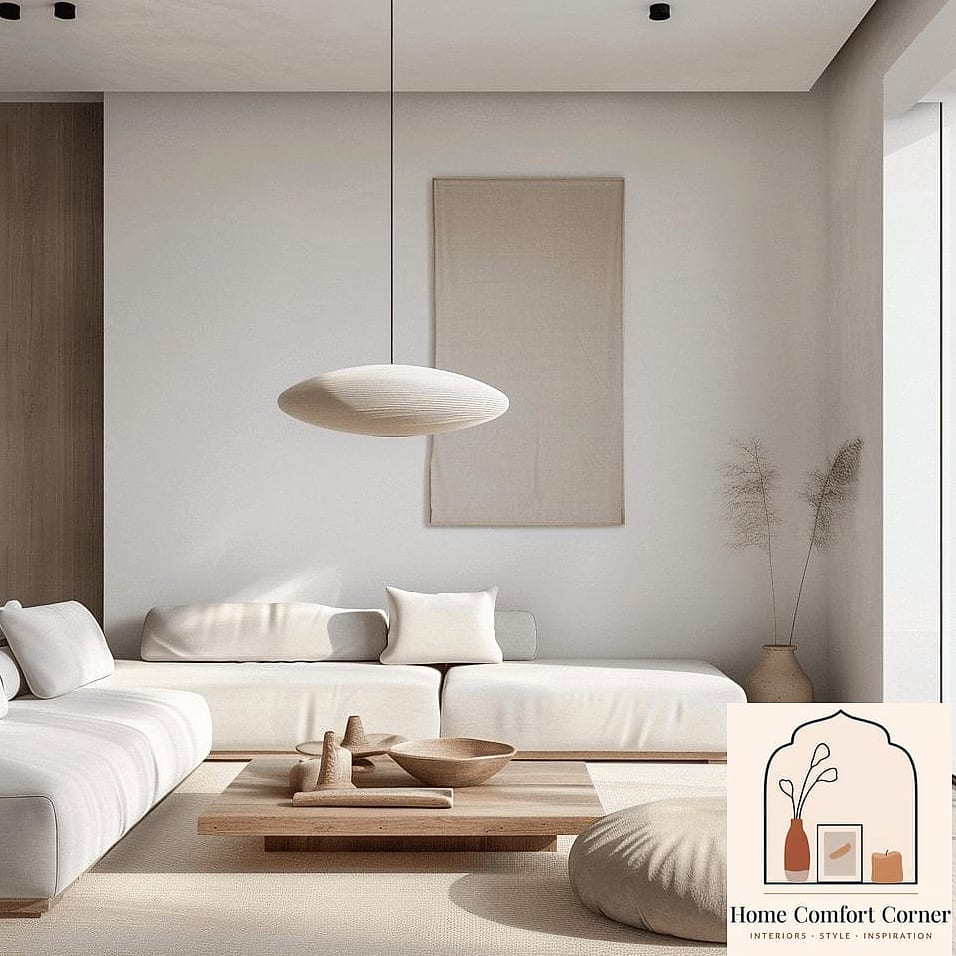
Thick, patterned rugs can visually shrink a room and clash with a minimalist palette. A low-pile rug in a soft neutral tone grounds the space without overwhelming it. It’s also easier to clean, which matters if you’ve got kids or pets tracking things through the house.
Create a Dedicated Spot for Mail and Paper Clutter
Paper is one of the fastest ways a clean home starts looking messy again. A single tray, folder, or small file box near your entry or kitchen desk gives every piece of mail a home. Sort weekly so it doesn’t pile up into something overwhelming by month’s end.
Simplify Your Wall Art to Fewer, Larger Pieces
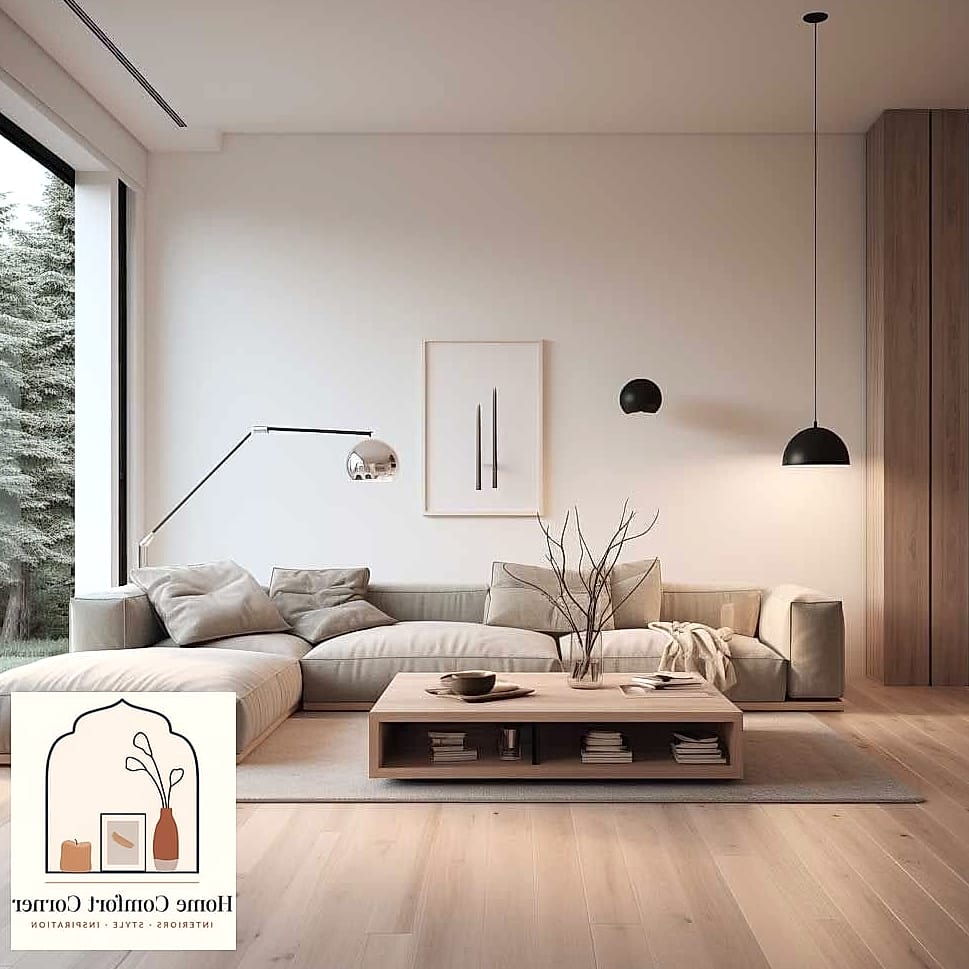
Instead of a gallery wall packed with a dozen small frames, try one or two larger pieces per wall. It’s a shift that makes a room feel more gallery-like and less cluttered, and it’s usually cheaper than buying several small frames anyway. Black or natural wood frames both work well against neutral walls.
End With a Weekly 10-Minute Reset Habit
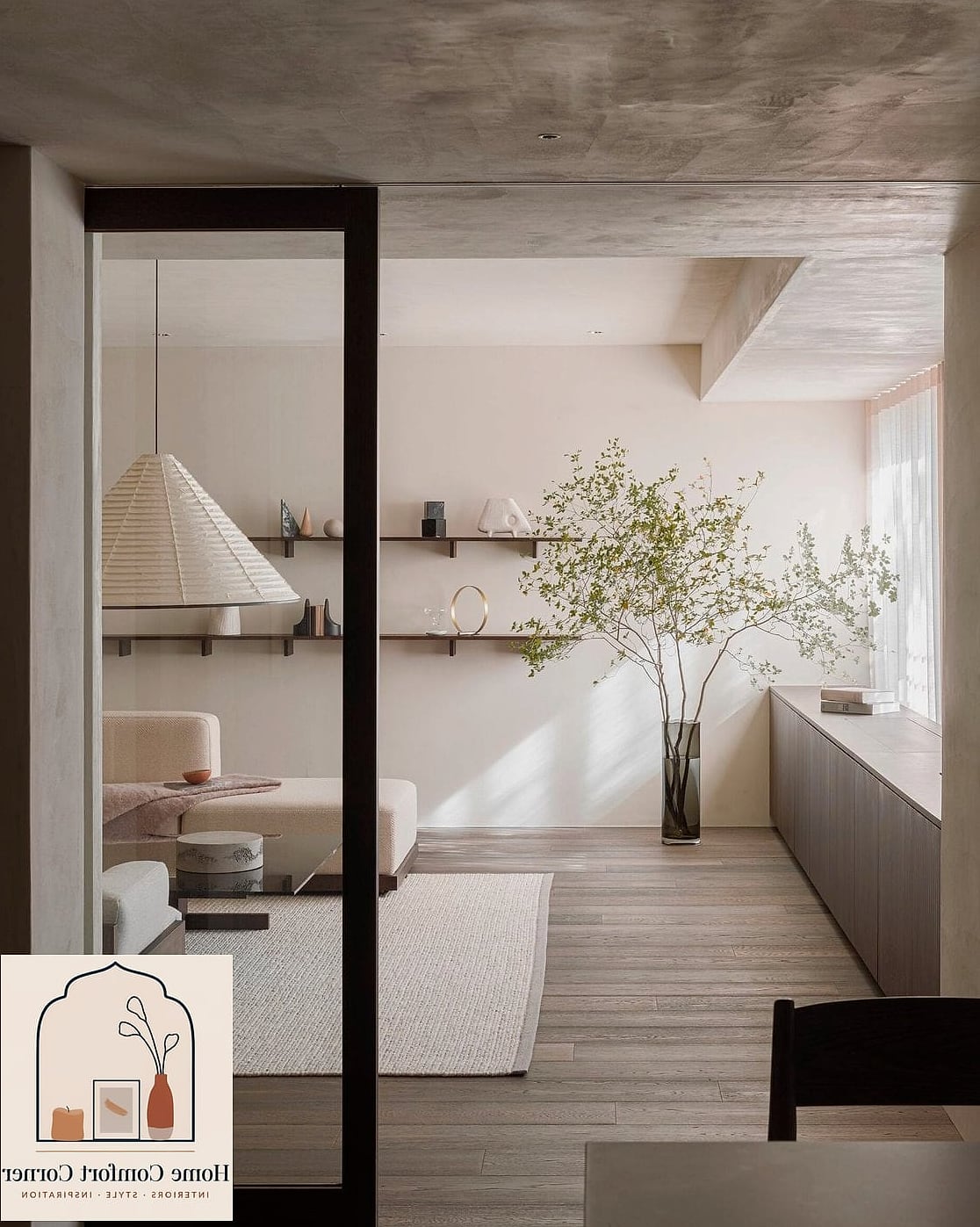
The real secret to keeping a minimalist home minimalist isn’t a one-time overhaul — it’s a quick weekly reset. Spend ten minutes putting stray items back in their designated spots before the week starts. This one habit does more for maintaining the look than any single design change on this list.
Working through even five or six of these 23 minimalist interior design ideas to upgrade your home this weekend can noticeably shift how a space feels. Pick the projects that match your budget and time, start with the rooms that bother you most, and let the rest follow naturally as you go.