11 Diy Home Decor Ideas to Steal From Interior Designers
- Layered Lighting Instead of One Overhead Fixture
- Gallery Walls With Mismatched Frames
- Open Shelving in the Kitchen
- A Bold Painted Front Door
- Textured Throw Pillows in a Neutral Palette
- Statement Mirrors to Bounce Light
- Wood Accents to Warm Up Cool Spaces
- Baskets and Bins for Stylish Hidden Storage
- A Herringbone or Patterned Accent Wall
- Greenery That Actually Looks Intentional
- Swapping Hardware for an Instant Refresh
11 Diy Home Decor Ideas to Steal From Interior Designers
You don’t need a full renovation budget to make your home look like it was styled by a professional. Most designers rely on a handful of clever, repeatable tricks that homeowners can absolutely pull off themselves over a weekend. I’ve pulled together 11 DIY home decor ideas to steal from interior designers that focus on impact over expense — the kind of details that make guests ask “wait, did you do this yourself?”
Some of these are quick afternoon projects, others take a bit more patience, but none of them require a contractor. Let’s get into it.
Layered Lighting Instead of One Overhead Fixture
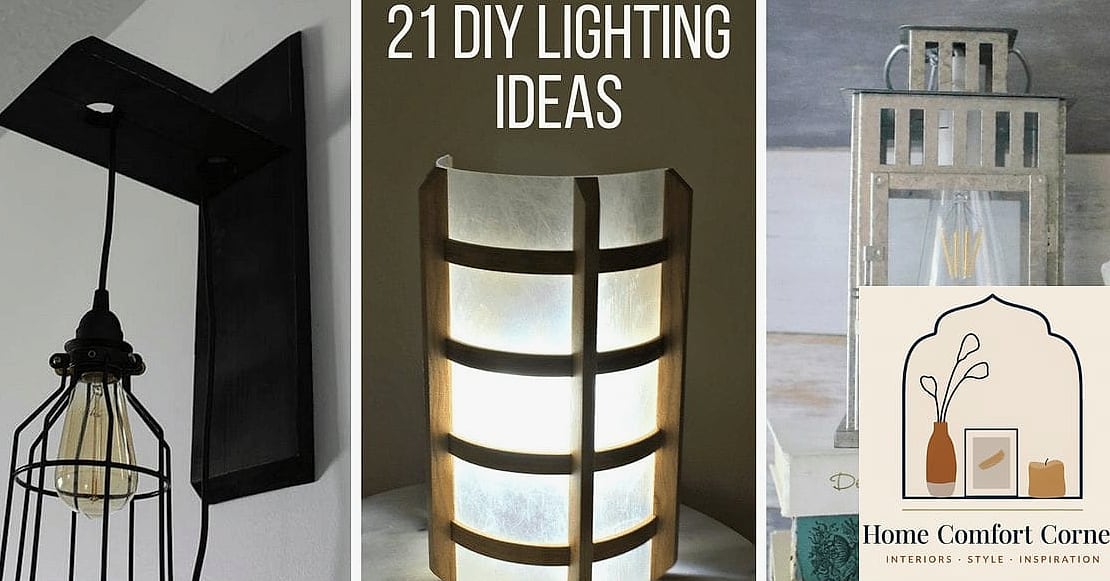
Designers almost never rely on a single ceiling light to do all the work in a room. Instead, they layer table lamps, floor lamps, and small accent lights at different heights to create depth and warmth.
This works especially well in living rooms and bedrooms where harsh overhead lighting can feel flat and a little clinical. A simple swap — turning off the overhead light and turning on two or three lamps in the evening — instantly changes the mood of a space.
Budget-friendly versions of this trick are everywhere at thrift stores and discount retailers, so you don’t need designer lamps to get the effect. Just aim for a mix of warm bulbs (soft white, not daylight) and varied lamp heights so the light doesn’t sit in one flat plane.
Gallery Walls With Mismatched Frames
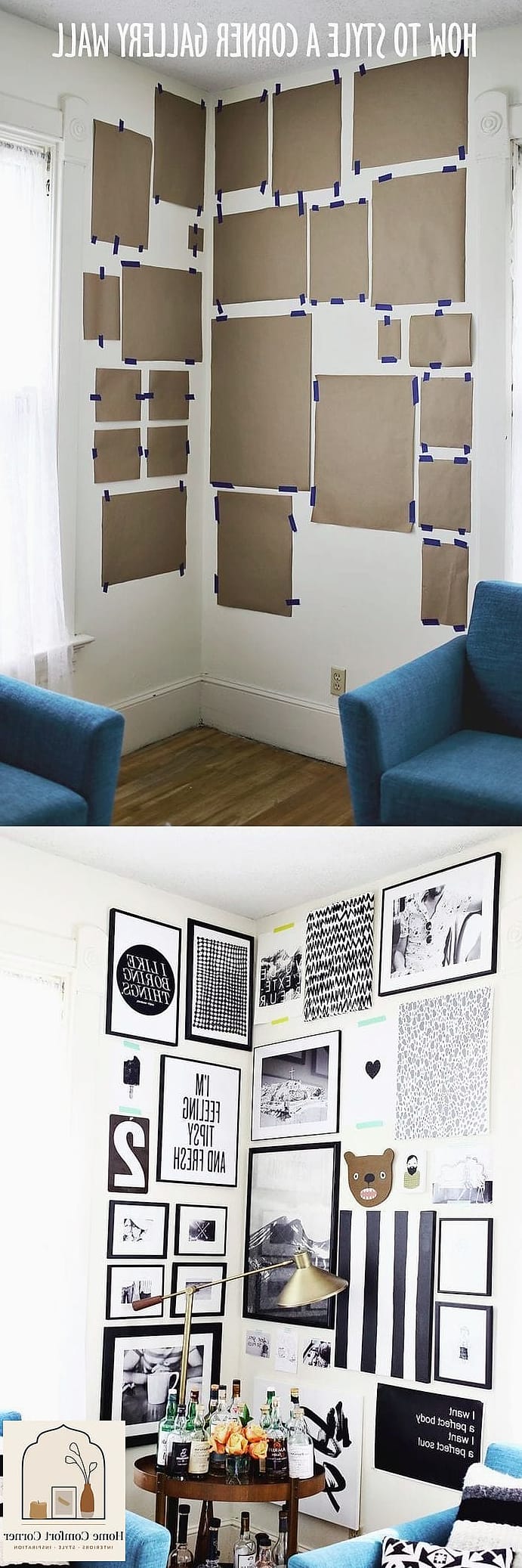
A gallery wall sounds intimidating, but the secret designers use is intentional mismatching. Instead of buying a matching frame set, they mix textures, sizes, and even colors — think a black frame next to a natural wood one next to a slim brass frame.
This works beautifully in entryways, staircases, and above sofas where you have a large blank wall begging for personality. It’s also incredibly renter-friendly since you can use removable adhesive hooks instead of drilling into the wall.
Lay everything out on the floor first before committing to nails or hooks. It sounds obvious, but skipping this step is the number one reason gallery walls end up looking cluttered instead of curated.
Open Shelving in the Kitchen
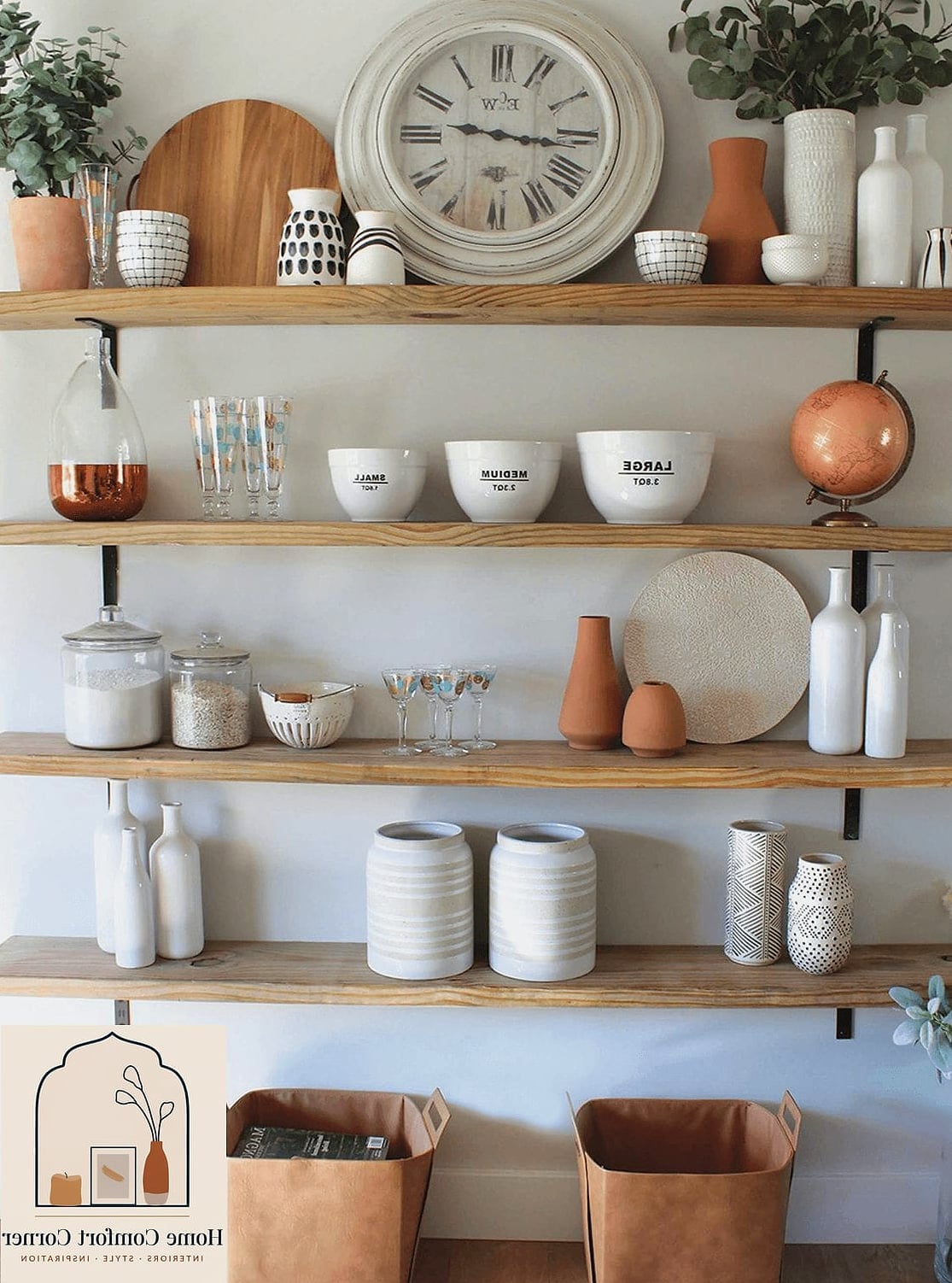
Swapping a few upper cabinets for open shelving is a favorite designer move because it makes a kitchen feel lighter and more custom without touching the layout. Floating shelves in wood or matte black look especially good against a subway tile or zellige tile backsplash.
This idea works best in kitchens that already have decent counter space, since open shelves mean everything on them is visible — including any mess. If you’re not naturally tidy, stick to displaying just a few nice pieces: some stacked bowls, a plant, maybe a small stack of cookbooks.
For renters or anyone hesitant to remove cabinets permanently, you can add a single floating shelf without touching existing storage. It’s a much smaller commitment with almost the same visual payoff.
A Bold Painted Front Door
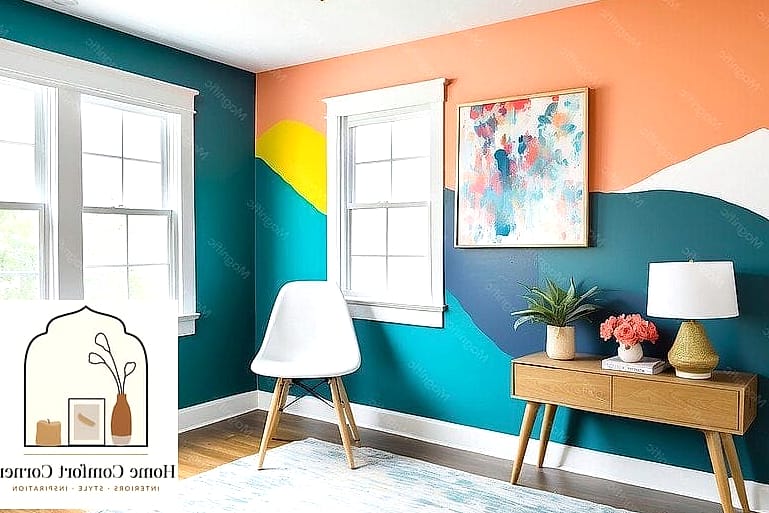
Interior designers love a saturated front door color because it’s low-cost, low-commitment, and delivers serious curb appeal. Deep greens, navy blues, and warm terracottas are especially popular right now and tend to age better than trendy pastels.
This is a great weekend project for exterior doors, but it also works indoors — a painted interior door in a moody color can make a hallway or powder room feel intentional rather than like an afterthought.
Use a paint formulated for doors (usually a semi-gloss or satin enamel) since it holds up better to fingerprints and daily wear. Two coats, a good angled brush, and you’re basically done by dinner.
Textured Throw Pillows in a Neutral Palette
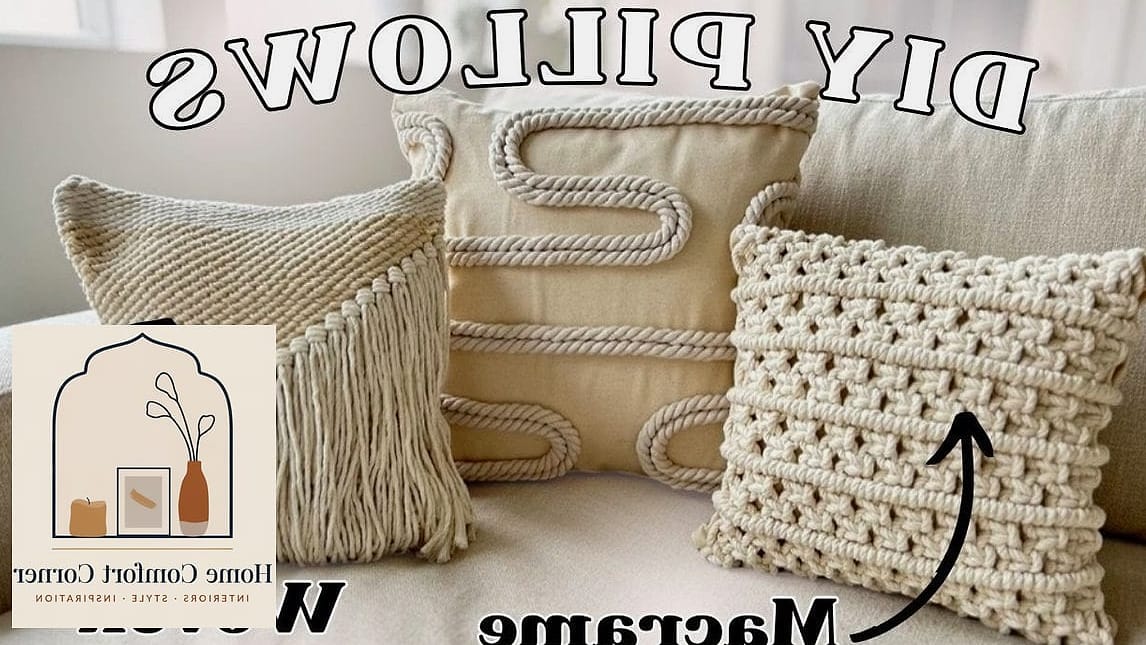
Rather than chasing bold patterns, a lot of designers build a room around texture instead of color — think bouclé, chunky knit, linen, and velvet pillows all in a similar neutral palette. It creates visual interest without looking busy or overly trendy.
This trick is especially useful in living rooms and bedrooms where you want the space to feel cozy but not chaotic. It also ages really well, since neutral textures don’t go out of style the way bold patterns sometimes do.
If you sew even a little, this is one of the most budget-friendly projects on this list — buy fabric remnants and pillow inserts separately rather than paying full price for finished pillows.
Statement Mirrors to Bounce Light
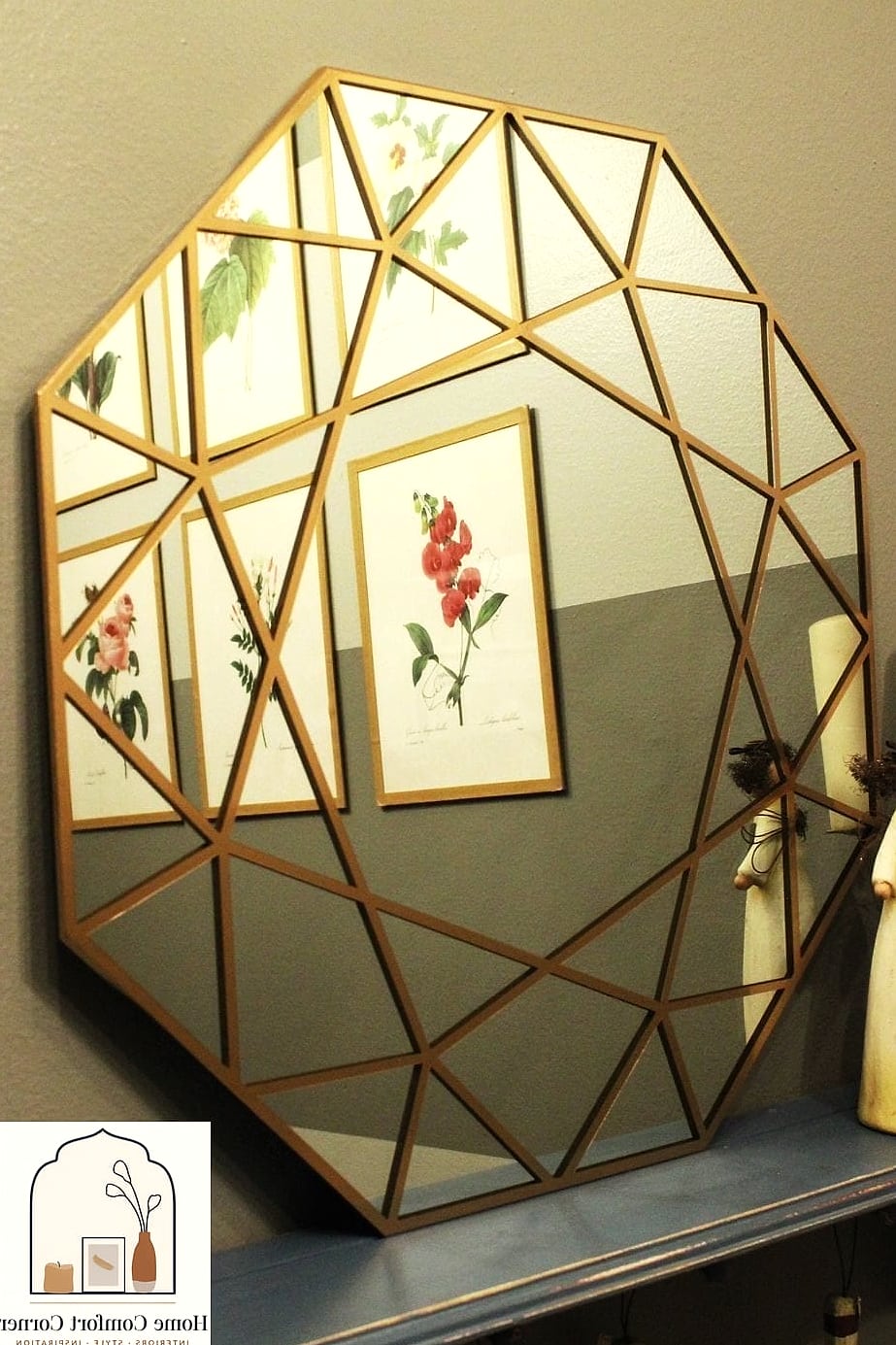
A large, well-placed mirror is one of the cheapest ways to make a room feel bigger and brighter, and it’s a trick designers use constantly in smaller spaces like entryways, dining rooms, and bathrooms.
Position the mirror across from a window if possible so it reflects natural light back into the room. An oversized arched or round mirror leaning against the wall (rather than hung) has become a particularly popular, low-effort styling choice.
This is also one of the easier upgrades for renters since leaning a mirror requires no wall damage at all, and it’s easy to take with you if you move.
Wood Accents to Warm Up Cool Spaces
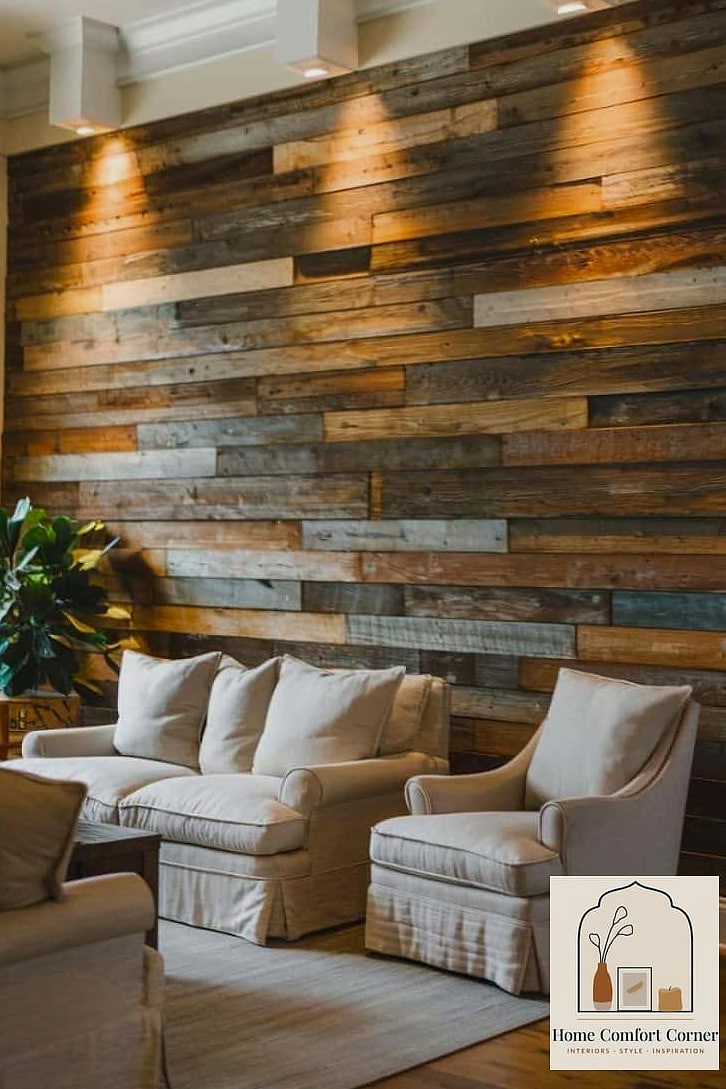
If a room feels a little sterile or cold, designers often reach for warm wood tones to balance things out — a wood coffee table, a butcher block counter insert, or even just a few wooden bowls and cutting boards left out as decor.
This works especially well in kitchens and bathrooms that lean heavily on white, gray, or matte black finishes, since wood softens all those cooler tones. It’s also a nice contrast against brushed brass hardware or black fixtures if you have those already.
You don’t need to overhaul furniture to get this effect. Small additions like a wood tray, a rattan basket, or a wooden ladder shelf can do a lot of the visual work.
Baskets and Bins for Stylish Hidden Storage
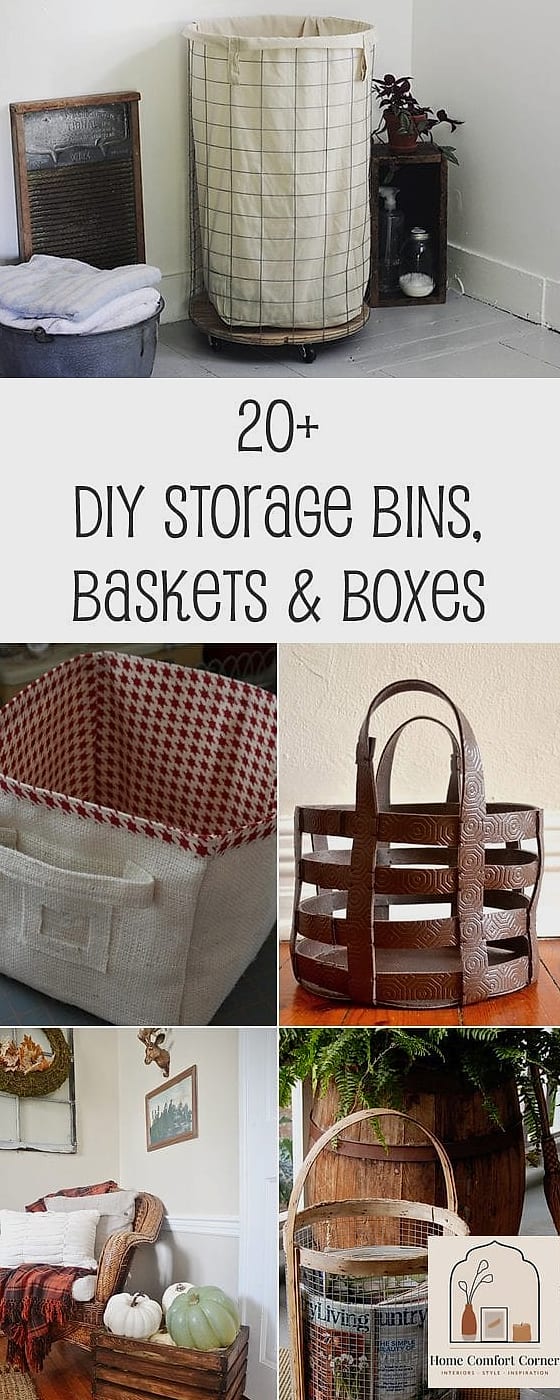
Designers rarely leave clutter in plain sight, but they also don’t rely purely on closed cabinets — woven baskets and fabric bins are the go-to solution for storage that still looks intentional.
This is a favorite in living rooms for blankets and toys, in bathrooms for towels, and in entryways for shoes and mail. It’s also genuinely practical for families and pet owners who need a fast way to corral stuff before guests arrive.
Look for baskets in a consistent material or color family so they read as decor rather than storage bins that happen to be sitting around. Seagrass and jute options tend to fit almost any style, from farmhouse to more modern spaces.
A Herringbone or Patterned Accent Wall
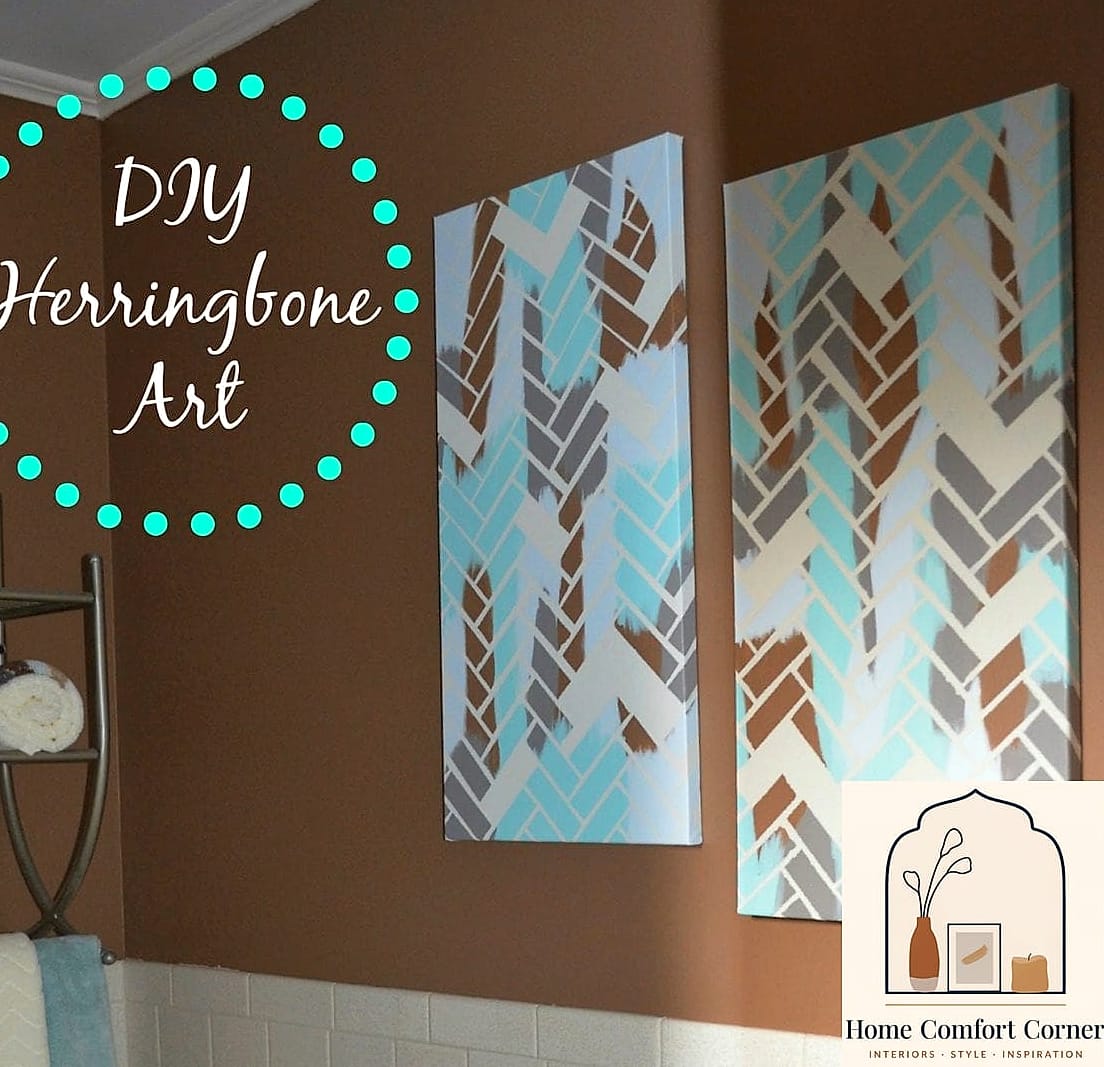
Instead of a single flat paint color, designers sometimes add dimension with a herringbone wood accent wall, peel-and-stick tile, or even textured wallpaper on one focal wall. It’s a smaller commitment than doing a whole room, but it makes a much bigger visual statement.
This idea works particularly well behind a bed as a headboard wall or in a dining room to anchor the table. Peel-and-stick versions have gotten remarkably realistic looking, making this a renter-friendly option that wasn’t really available a few years ago.
If you’re using real wood or tile, budget extra time for the herringbone pattern specifically — the angled cuts take longer than a straight installation, but the payoff is worth it.
Greenery That Actually Looks Intentional
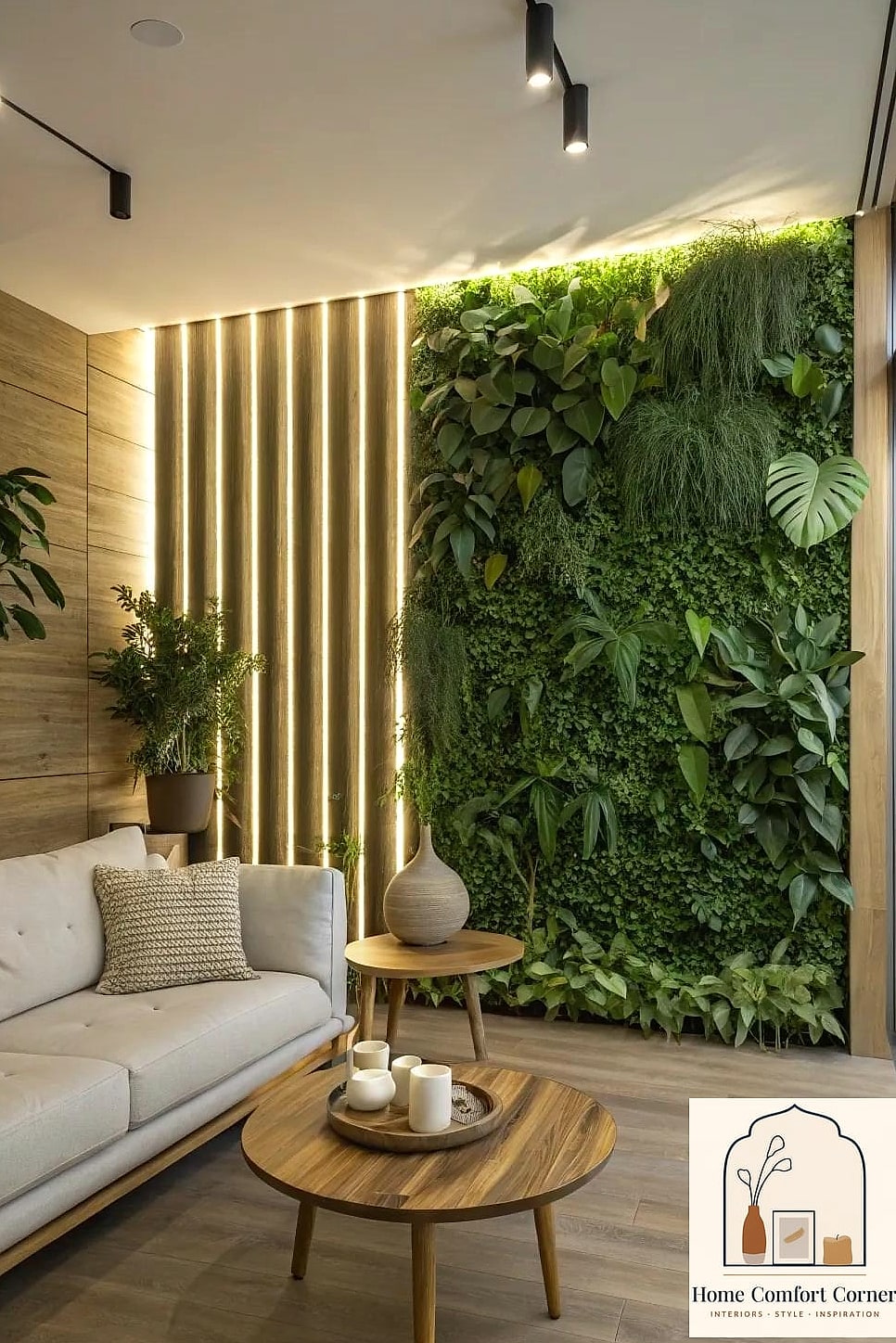
Plants are an easy way to soften a room, but designers tend to group them rather than scatter single small plants around randomly. A cluster of three plants at varying heights on a console table or shelf reads as styled; one lonely plant in the corner often just reads as an afterthought.
This works in almost any room with decent light, and it’s an easy way to bring life into a space without spending much. If you don’t trust yourself with real plants, high-quality faux greenery has come a long way and can be just as convincing from a few feet away.
Mixing in a woven or ceramic planter instead of a plastic nursery pot is a small detail that makes a surprisingly big difference in how “finished” the plant looks.
Swapping Hardware for an Instant Refresh
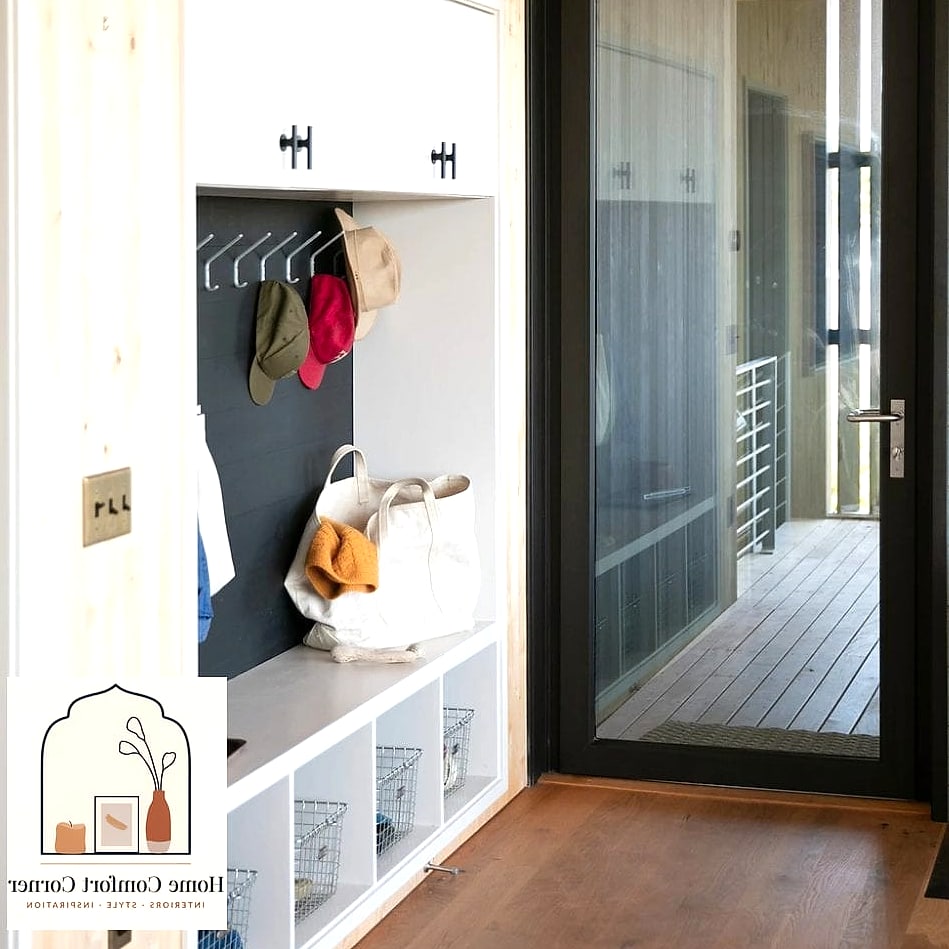
This is probably the single best value-per-dollar project on this list. Swapping out dated cabinet knobs and pulls for updated brushed brass hardware or matte black fixtures can change the entire feel of a kitchen or bathroom without touching the cabinets themselves.
Designers use this trick constantly in kitchen refreshes because it’s fast, affordable, and doesn’t require any construction knowledge — just a screwdriver and maybe a drill if your new hardware has different spacing.
Before buying anything, measure the distance between existing screw holes so you know whether you need single-hole knobs or multi-hole pulls. It’s a small step that saves you an annoying return trip to the store.
Final Thoughts
The through-line with all 11 of these DIY home decor ideas to steal from interior designers is that none of them depend on a huge budget — they depend on intention. Layering lighting, grouping objects thoughtfully, and choosing a few quality materials over a lot of cheap ones will do more for your home than most expensive renovations.
Pick one or two ideas that fit your space and your weekend, and build from there. Designer-looking homes are rarely finished all at once anyway — they’re built one small, well-considered decision at a time.