11 Minimalist Home Decor Designs You Need to See Right Now
- Floating Shelves With Breathing Room
- A Neutral Color Palette That Actually Has Depth
- Matte Black Fixtures as the Only Accent
- A Single Statement Piece Instead of Many Small Ones
- Open Shelving in the Kitchen
- Textured Neutral Textiles
- Hidden Storage That Keeps Surfaces Clear
- A Muted, Monochromatic Bedroom
- Sculptural Ceramics Instead of Clutter
- Wood Accents Against Cool Tones
- An Entryway With Just the Essentials
11 Minimalist Home Decor Designs You Need to See Right Now
Minimalism gets a bad reputation sometimes. People hear “minimalist” and picture a cold, empty room with one lonely chair and nothing else. That’s not what this is about at all.
Good minimalist design is warm. It’s intentional. It’s about choosing pieces that actually earn their spot in your home instead of filling every surface just because you can. I’ve pulled together eleven minimalist decor ideas that homeowners are gravitating toward right now, and honestly, a few of these might change how you think about your own space.
Let’s get into it.
Floating Shelves With Breathing Room
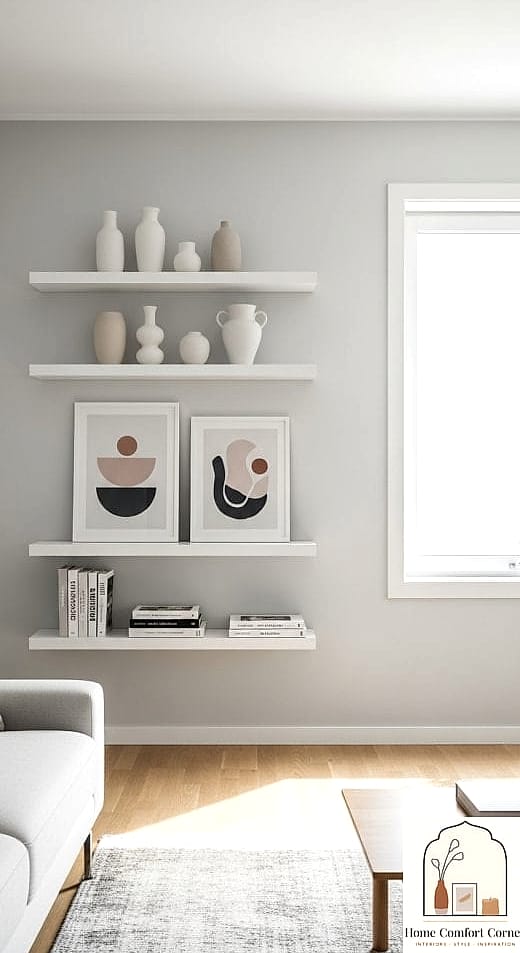
Floating shelves aren’t new, but the way people are styling them has shifted. Instead of packing them wall to wall with knickknacks, the trend now is leaving actual negative space between objects.
Think three or four items per shelf, max. A single vase, a small stack of books, maybe one framed print leaning against the wall. This works especially well in living rooms and hallways where you want visual interest without clutter.
Wood-toned shelves in oak or walnut add warmth against white walls, while black metal brackets give it a slightly more industrial edge. It’s budget-friendly too, since you can find solid floating shelf kits for under fifty dollars, and installation is a weekend DIY project for most people.
A Neutral Color Palette That Actually Has Depth
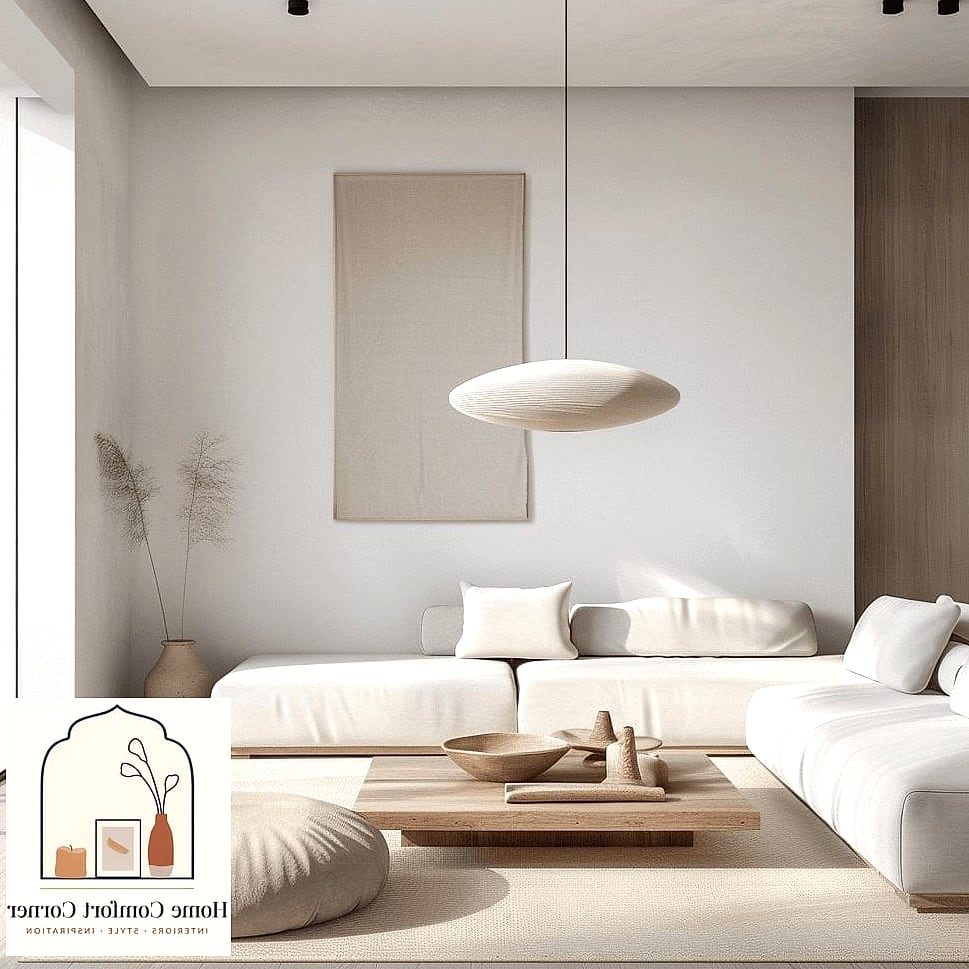
A lot of people think minimalist means white walls and white furniture and calling it a day. That’s a mistake that makes rooms feel flat instead of calm.
The better approach layers different shades of the same neutral family. Think warm beige walls, a slightly deeper taupe sofa, and cream throw pillows. You’re building depth through texture and tone rather than through color contrast.
This palette works in basically every room and photographs beautifully, which is part of why it’s everywhere on design feeds right now. It’s also forgiving if you’re renting, since most of these tones can be achieved with textiles and furniture rather than paint.
Matte Black Fixtures as the Only Accent
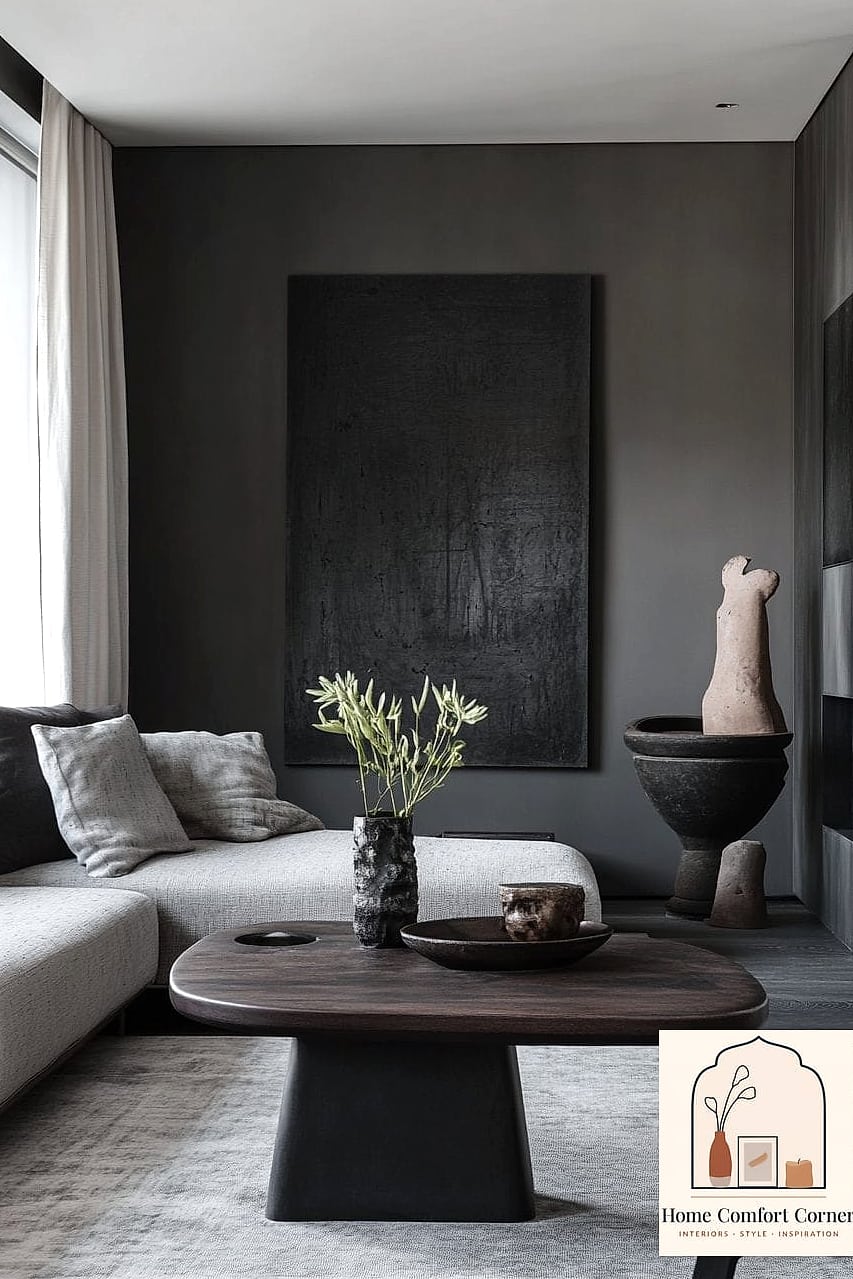
One thing minimalist spaces do really well is use a single accent color sparingly instead of scattering it around. Matte black fixtures have become the go-to choice for this.
Picture a mostly white kitchen with matte black cabinet pulls, a black faucet, and black pendant lights hanging over the island. That’s it. No other accent color competing for attention.
Matte finishes also hide fingerprints and water spots better than chrome or polished brass, which makes them a practical pick for busy households. They pair nicely with both warm wood tones and cooler stone countertops, so they’re flexible depending on your existing materials.
A Single Statement Piece Instead of Many Small Ones
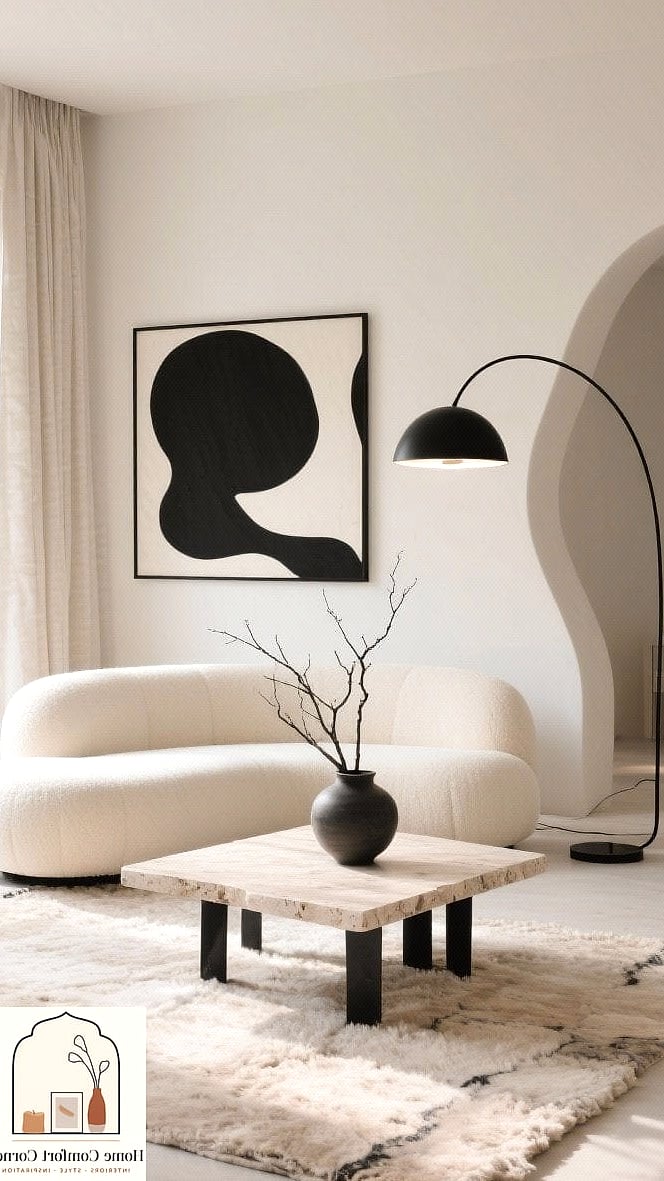
This is one of those upgrades that instantly makes a room feel more curated without requiring you to buy a dozen decorative objects.
Instead of scattering five or six decor pieces around a room, minimalist design leans on one larger, well-chosen item. A sculptural floor lamp. An oversized abstract print. A single large plant in a simple ceramic pot.
The trick is picking something with enough visual weight that it doesn’t need company. Living rooms and bedrooms both benefit from this approach, and it’s actually a money-saver since you’re investing in one nice piece rather than a bunch of smaller ones that add up.
Open Shelving in the Kitchen
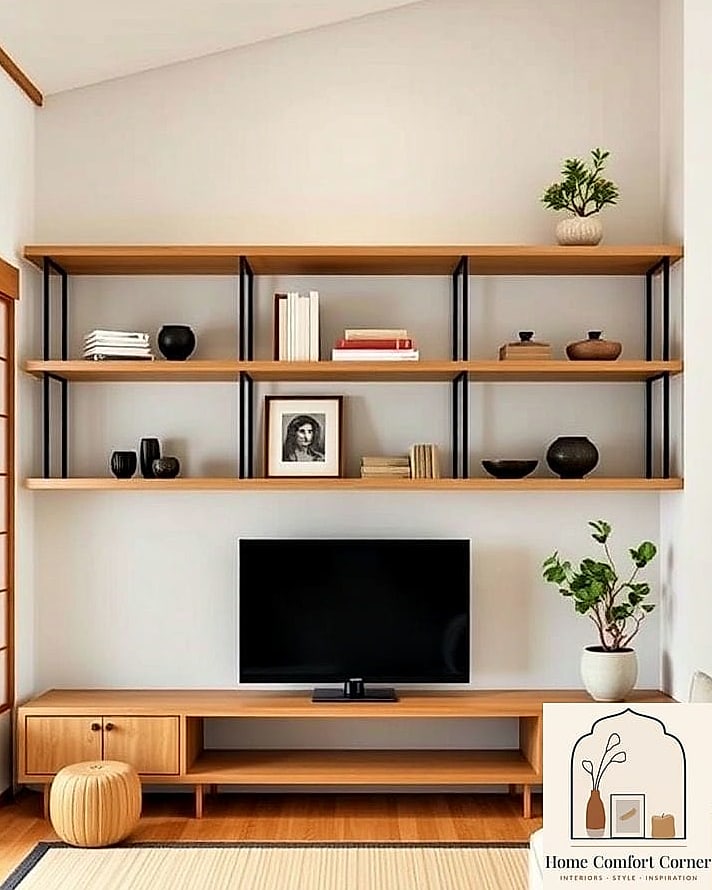
Open shelving divides people, I know. But when it’s done with a minimalist eye, it can make a kitchen feel bigger and more intentional rather than exposed and messy.
The key is editing what goes on display. Matching white or stoneware dishes, a small collection of glassware, maybe two or three plants. Anything mismatched or overly colorful gets tucked into closed cabinets instead.
This works best in kitchens with decent natural light, since open shelves in a dim space can start to feel more cluttered than airy. If you’re not ready to commit, removing just one upper cabinet door is a low-risk way to try the look before going all in.
Textured Neutral Textiles
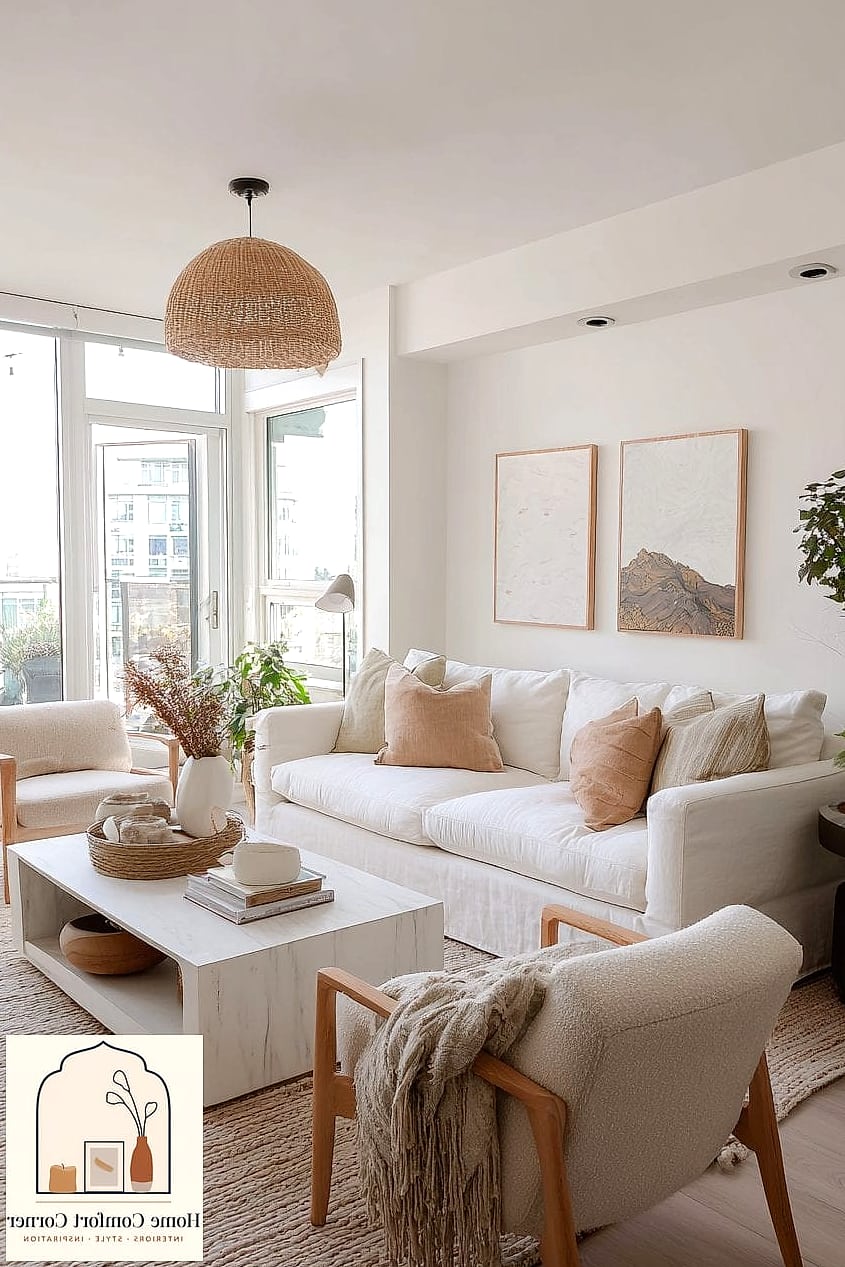
Minimalist rooms can feel sterile if every surface is smooth and flat. The fix is texture, and right now that means chunky knit throws, boucle upholstery, linen curtains, and nubby wool rugs, all kept in neutral tones.
You get visual interest and coziness without introducing a bunch of pattern or color. A boucle accent chair next to a smooth leather sofa creates contrast through texture instead of through busy prints.
This is a great option for renters too, since throws, rugs, and curtains are easy to bring with you when you move, and they don’t require any commitment to a specific wall color or built-in feature.
Hidden Storage That Keeps Surfaces Clear
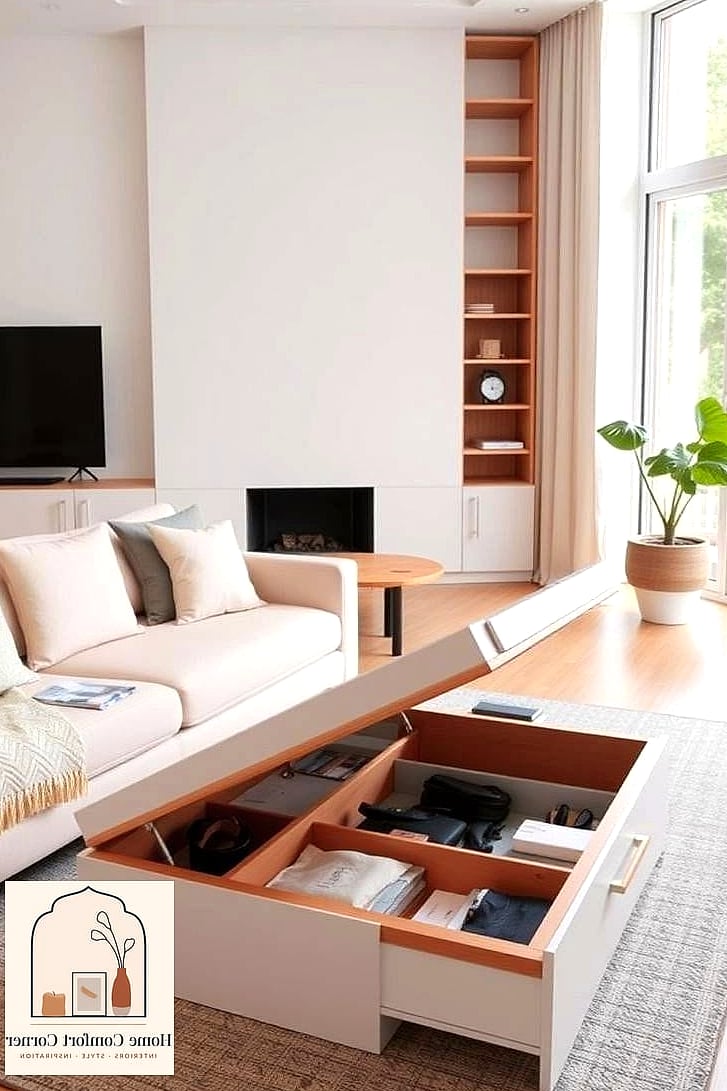
Minimalist homes only look effortless because a lot of stuff is hiding somewhere. Built-in storage, closed cabinetry, and furniture that doubles as storage are doing the heavy lifting.
A storage ottoman instead of a coffee table. A bed frame with drawers underneath. Kitchen drawers with dividers so everything has an assigned spot instead of floating loose.
This is honestly one of the most practical ideas on this list for families or anyone who just doesn’t want visible clutter. Drawer organizers and labeled bins make it easy to maintain once you’ve set the system up, and it means your visible surfaces stay clear without constant tidying.
A Muted, Monochromatic Bedroom
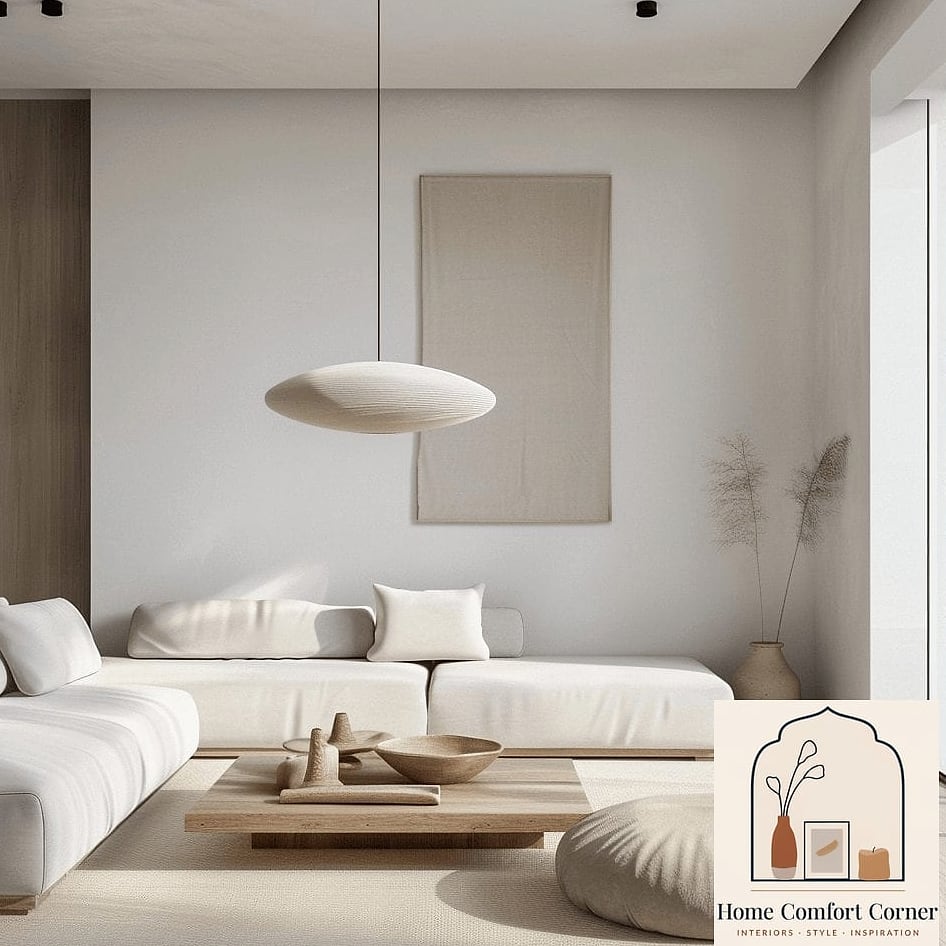
Bedrooms are probably the easiest room to go minimalist in, since you don’t need much more than a bed, some soft lighting, and maybe a small dresser.
The look right now leans monochromatic: think a taupe or greige bedspread against slightly darker taupe walls, with linen curtains in a similar tone. Nothing jarring, nothing bright, just a calm, cohesive space that feels made for actually resting.
Layered lighting matters a lot here. A dimmable bedside lamp paired with soft overhead lighting gives you flexibility depending on the time of day, and it beats one harsh overhead fixture every time.
Sculptural Ceramics Instead of Clutter
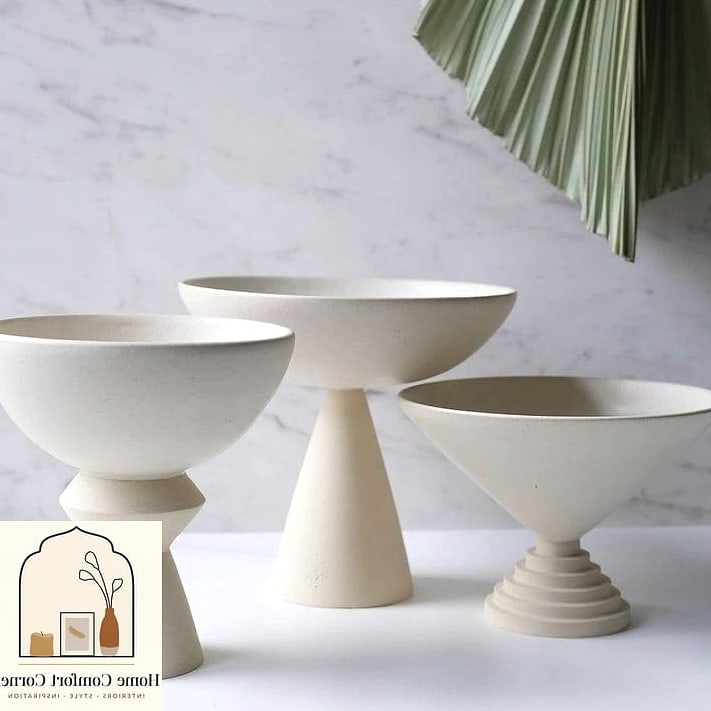
Rather than a shelf full of small decorative objects, minimalist spaces are favoring one or two sculptural ceramic pieces with an interesting shape or glaze.
An organically shaped vase, an abstract bowl, a single handmade mug displayed on a shelf like art. These pieces carry more visual weight than a group of smaller trinkets, and they photograph well too, which is part of why they show up so often in home decor inspiration.
Budget-wise, you can find beautiful ceramic pieces from independent makers on sites like Etsy for under forty dollars, though hand-thrown statement pieces from specialty shops can run considerably higher if you want something truly one of a kind.
Wood Accents Against Cool Tones
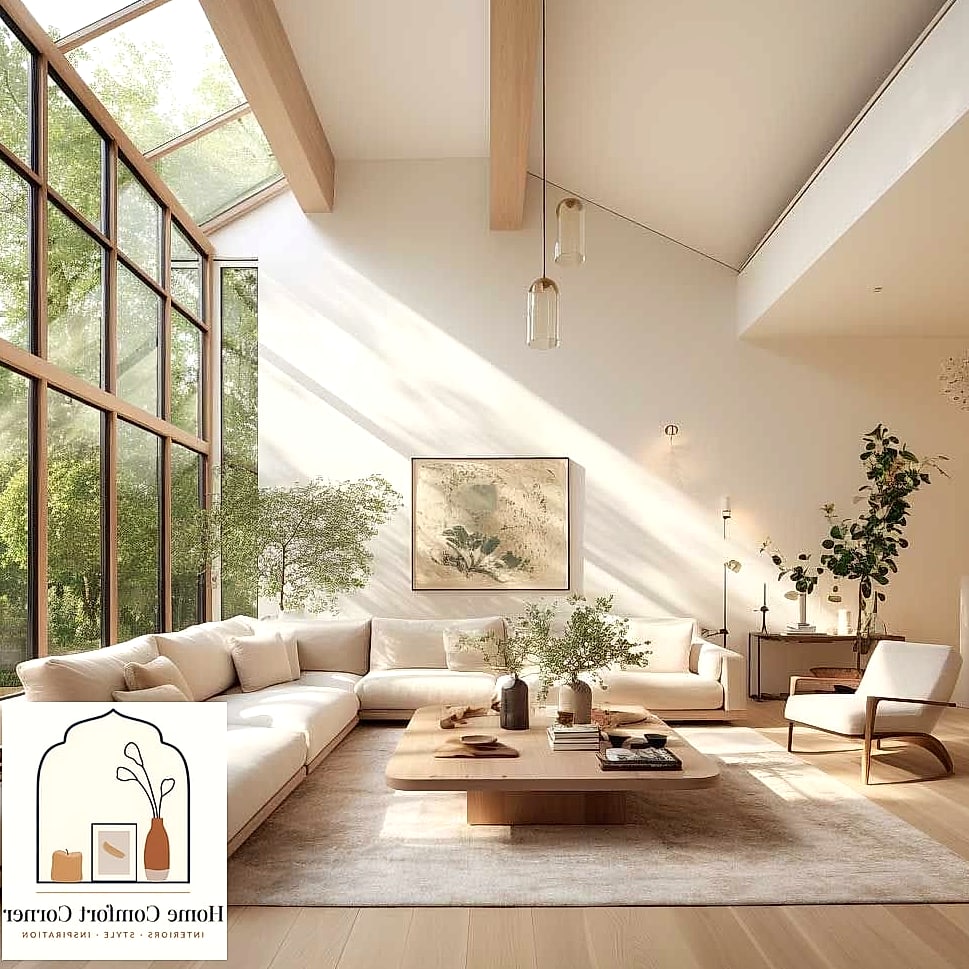
Pure minimalism can sometimes tip into feeling a little cold, especially in spaces with a lot of white, gray, or black. Warm wood tones fix that instantly.
A walnut side table next to a gray sofa. Oak flooring under white walls. A butcher block countertop paired with matte black hardware. The wood breaks up the coolness without introducing any extra color or pattern.
This pairing works in almost any room and at almost any budget, since even small wood accents like a cutting board displayed on a counter or a wooden tray on an ottoman can bring in that warmth.
An Entryway With Just the Essentials
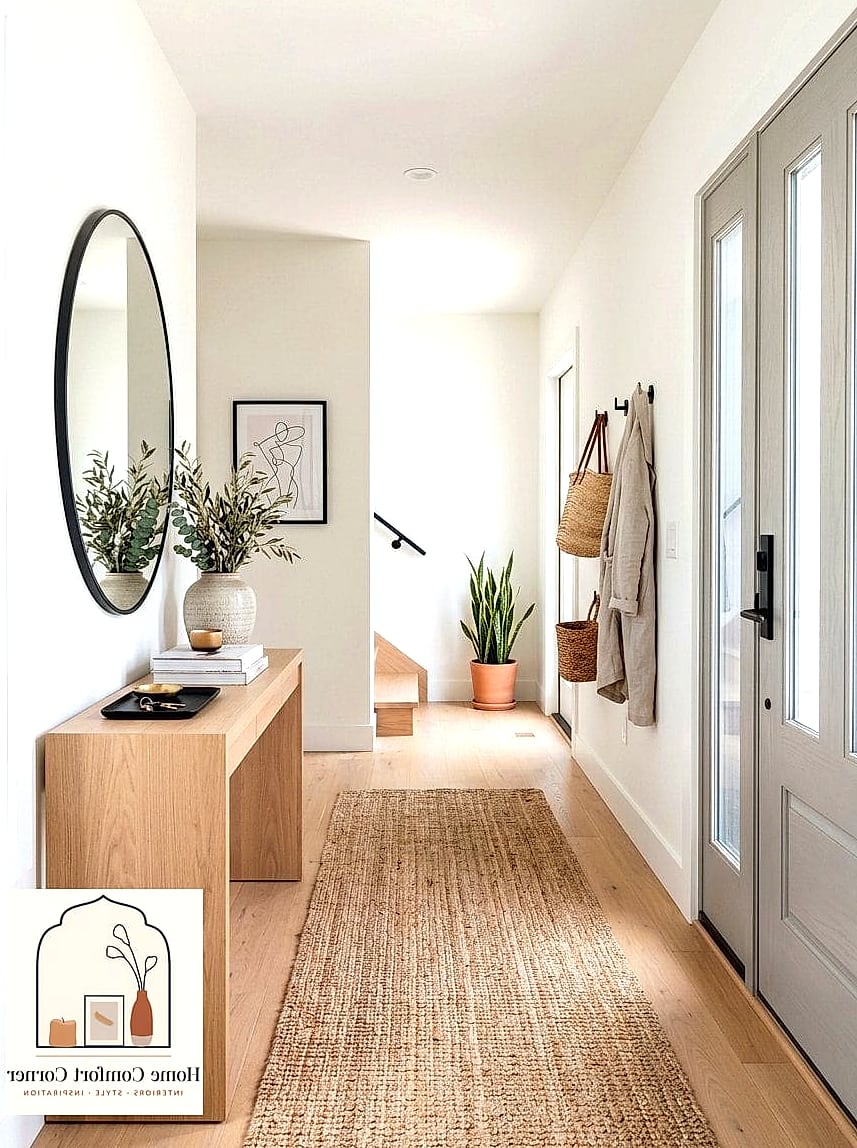
Entryways tend to become dumping grounds fast, which is exactly why a minimalist approach here makes such a noticeable difference.
Picture a single console table, one piece of wall art above it, a small tray for keys, and a closed basket for shoes or mail. Nothing else competing for space. It sets the tone for the rest of the house the moment you walk in.
This idea is especially useful for smaller entryways, where too much furniture or decor can make the space feel cramped rather than welcoming. A slim bench with hidden storage underneath is a nice addition if you have room, since it hides clutter while still giving you somewhere to sit and take your shoes off.
Final Thoughts
What I like about minimalist design is that it’s less about following strict rules and more about being a little more selective. You don’t need to get rid of everything you own or repaint your whole house white to pull it off.
Start with one room, maybe your entryway or your bedroom, and just pay attention to what’s actually adding value versus what’s just sitting there. From that list of 11 minimalist home decor designs, pick one or two that fit your space and your budget, and build from there. The rest tends to fall into place once you get a feel for it.