27 Art Room Decor Designs You Need to See Right Now
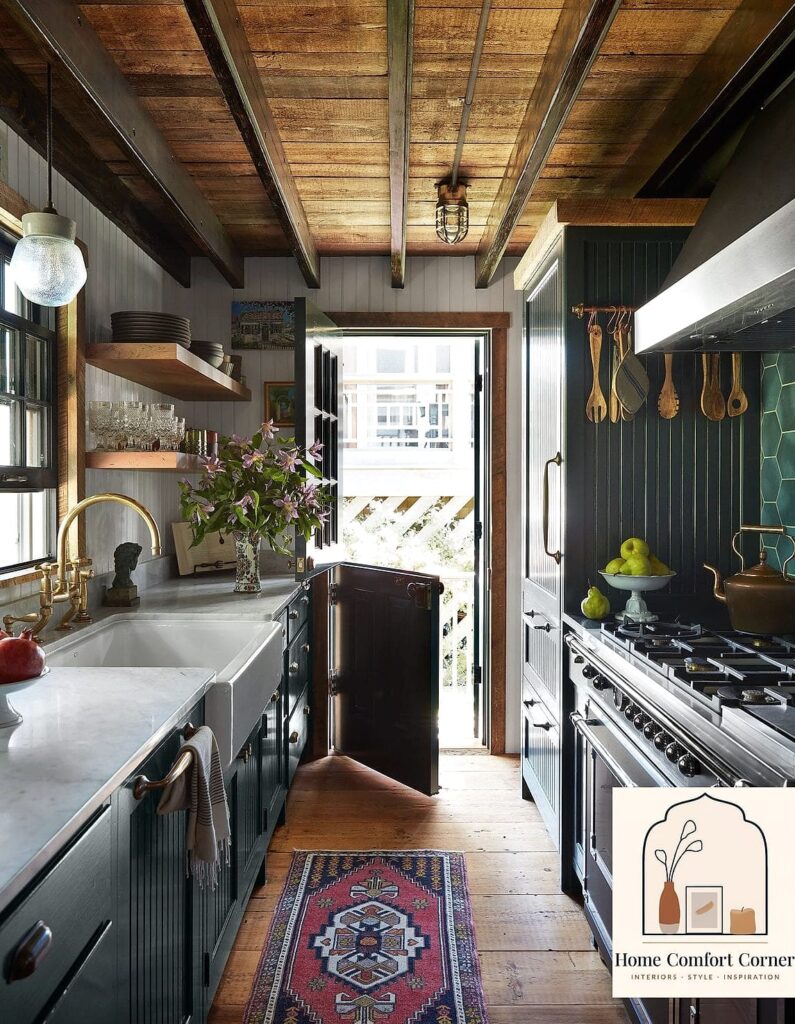
- Gallery Wall Above the Work Table
- Pegboard Wall for Everything
- Open Shelving for Paint and Supplies
- Rolling Cart Storage Station
- Light-Filled Window Nook
- Moody Dark Wall Backdrop
- Pegged Drying Rack for Paintings
- Cozy Reading and Sketching Corner
- Built-In Storage Bench
- Color-Coded Bin System
- Exposed Brick Accent Wall
- Vertical Canvas Storage Slots
- Layered Lighting Setup
- Chalkboard or Whiteboard Wall
- Floating Desk for Small Spaces
- Botanical and Greenery Accents
- Warm Wood Tone Furniture
- Easel-Centered Layout
- Drawer Organizers for Small Supplies
- Neutral Color Palette Base
- Repurposed Closet Studio
- Mixed Media Display Ledges
- Industrial Metal Shelving Unit
- Task Rug for Comfort and Sound
- Inspiration Board Wall
- Multi-Purpose Craft Table
- Seasonal Decor Rotation
27 Art Room Decor Designs You Need to See Right Now
If you’ve got a spare room, a converted garage, or even just a corner near a window, turning it into a real art space changes everything about how you create. A dedicated art room gives your supplies a home, gives your brain a place to switch into creative mode, and honestly just makes the whole hobby feel more legit. I’ve pulled together 27 different looks and layouts that range from tiny apartment nooks to full-blown studio setups, so there’s something here whether you’re painting on weekends or running a full creative business out of your house.
Gallery Wall Above the Work Table
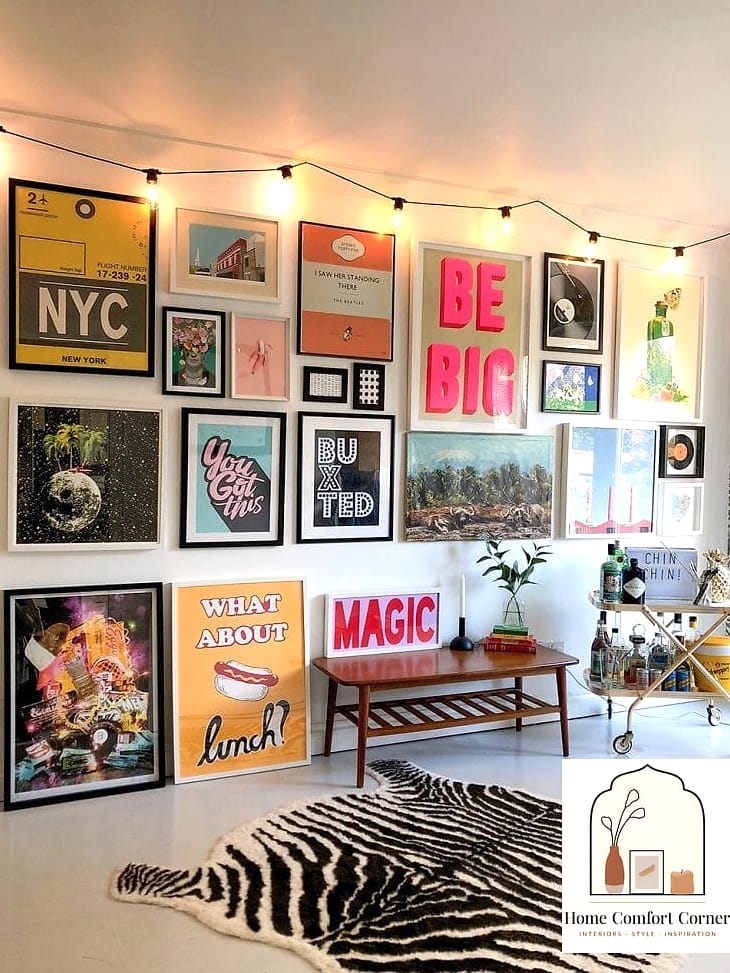
Nothing motivates you to keep painting quite like seeing your finished pieces staring back at you. Mount a cluster of your own framed work directly above your main work surface using simple black or wood frames for a cohesive look. This works especially well in small rooms because it uses vertical space you’d otherwise waste. Rotate the pieces every few months to keep things fresh and to actually see your progress over time.
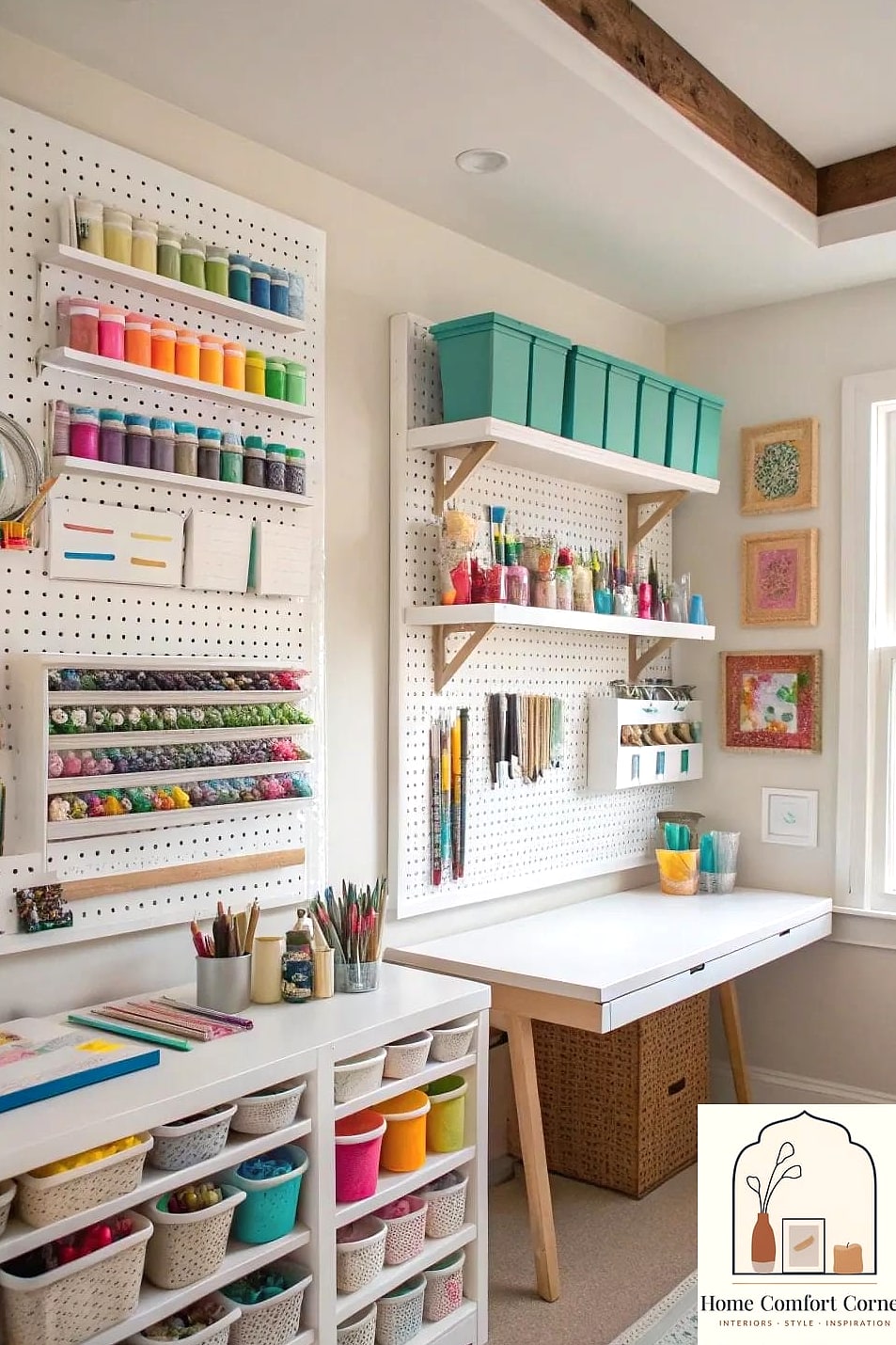
Pegboard Wall for Everything
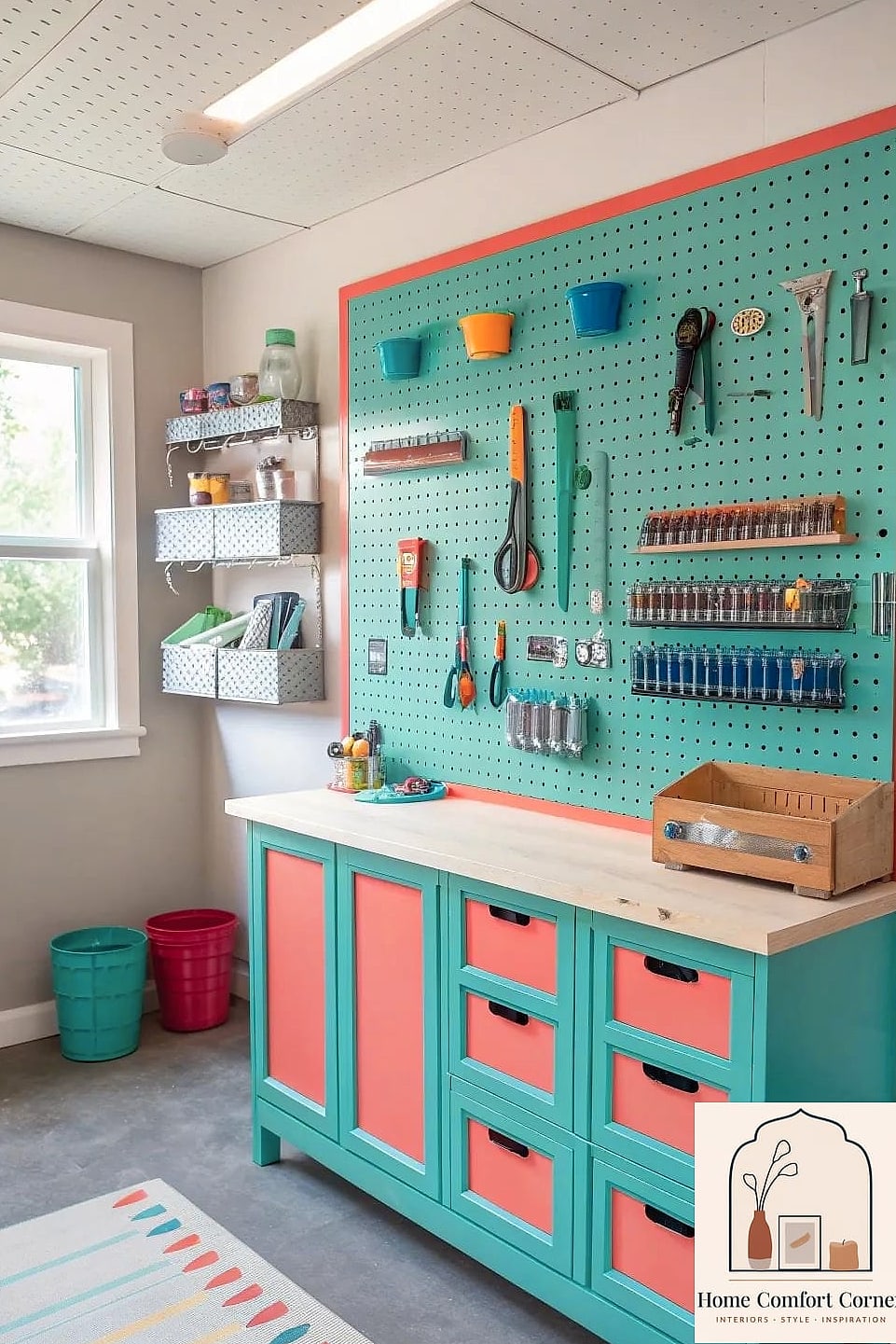
A large pegboard mounted on one wall might be the single most useful thing you add to an art room. Hang scissors, brushes, tape, and small baskets right on the hooks so nothing gets buried in a drawer. Paint the board a color that matches your palette instead of leaving it plain white for a more designed feel. It’s renter-friendly too, since most pegboards can be screwed into a mounting frame rather than the wall itself.
Open Shelving for Paint and Supplies
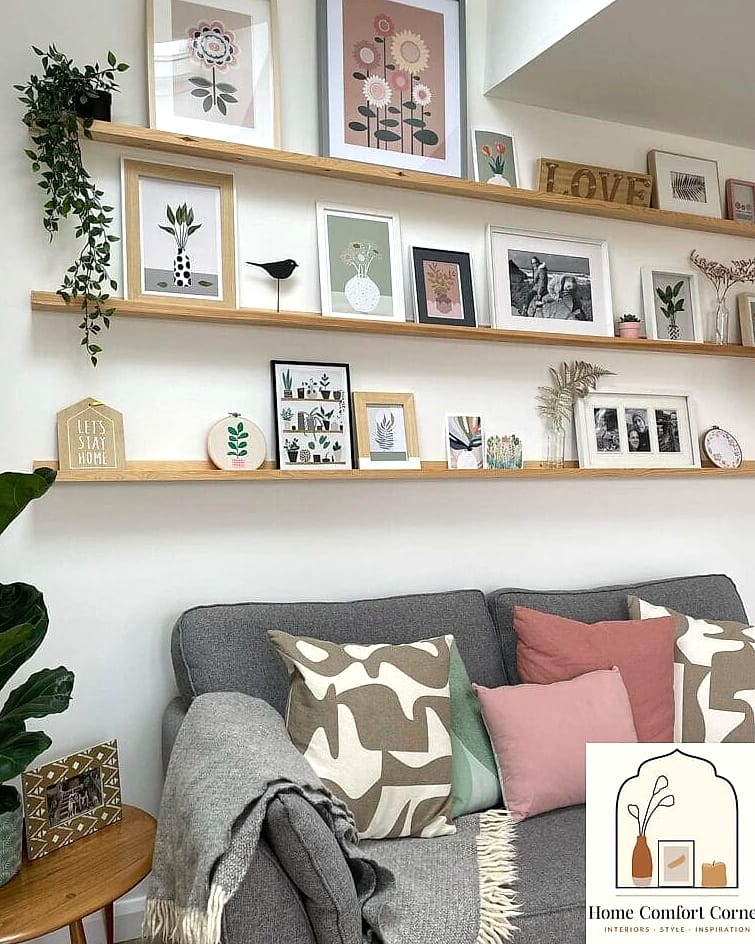
Open shelves make it so much easier to grab what you need without digging through cabinets. Stack paint tubes, jars, and sketchbooks by color or category so the shelves double as a visual reference. Wood shelves with black metal brackets give an industrial-meets-cozy vibe that fits almost any art room style. Just know that open shelving does mean more dusting, so factor that into your cleaning routine.
Rolling Cart Storage Station
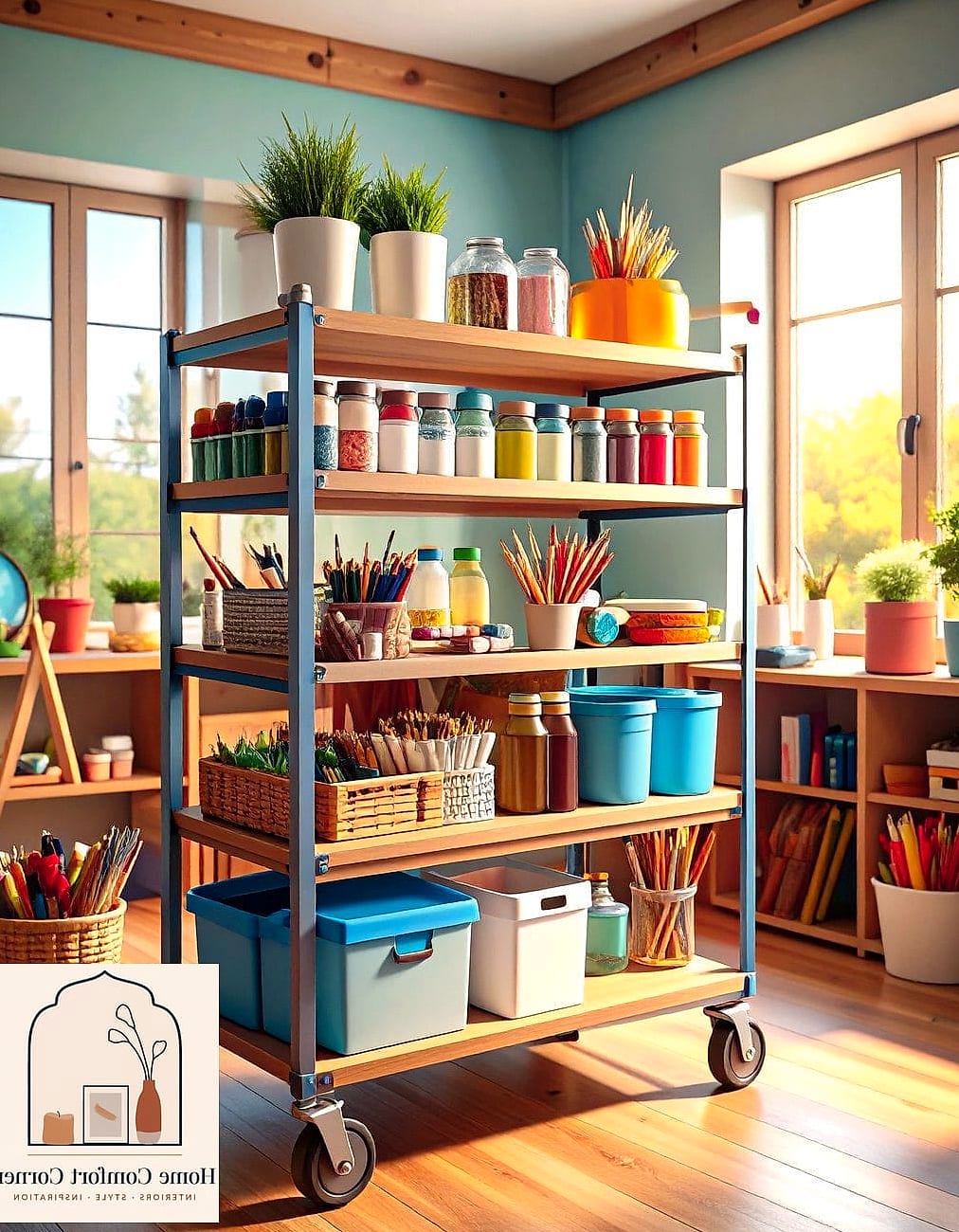
A three-tier rolling cart is one of those budget-friendly finds that solves a lot of storage headaches at once. Keep one cart for paints, one for paper goods, and roll them wherever you’re working that day. This setup is great for renters or anyone who shares a room between hobbies. The wheels also make it simple to tuck everything away when guests come over.
Light-Filled Window Nook
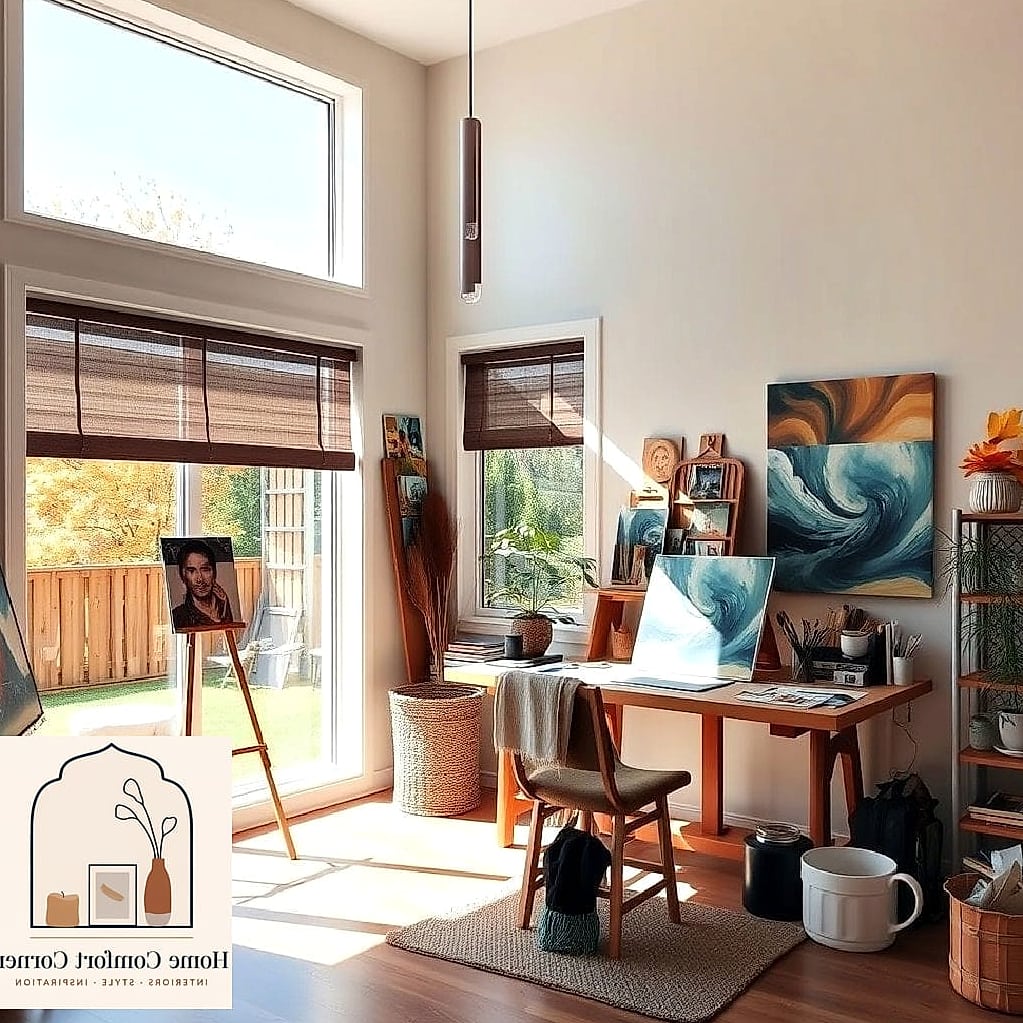
If you’re lucky enough to have a room with a big window, build your setup right around it. Natural light is honestly the best lighting you can paint or draw under, no bulb replicates it perfectly. Add a simple desk facing the window with a stool or chair that lets you look up and out when you need a break. Sheer curtains soften harsh afternoon sun without blocking the light completely.
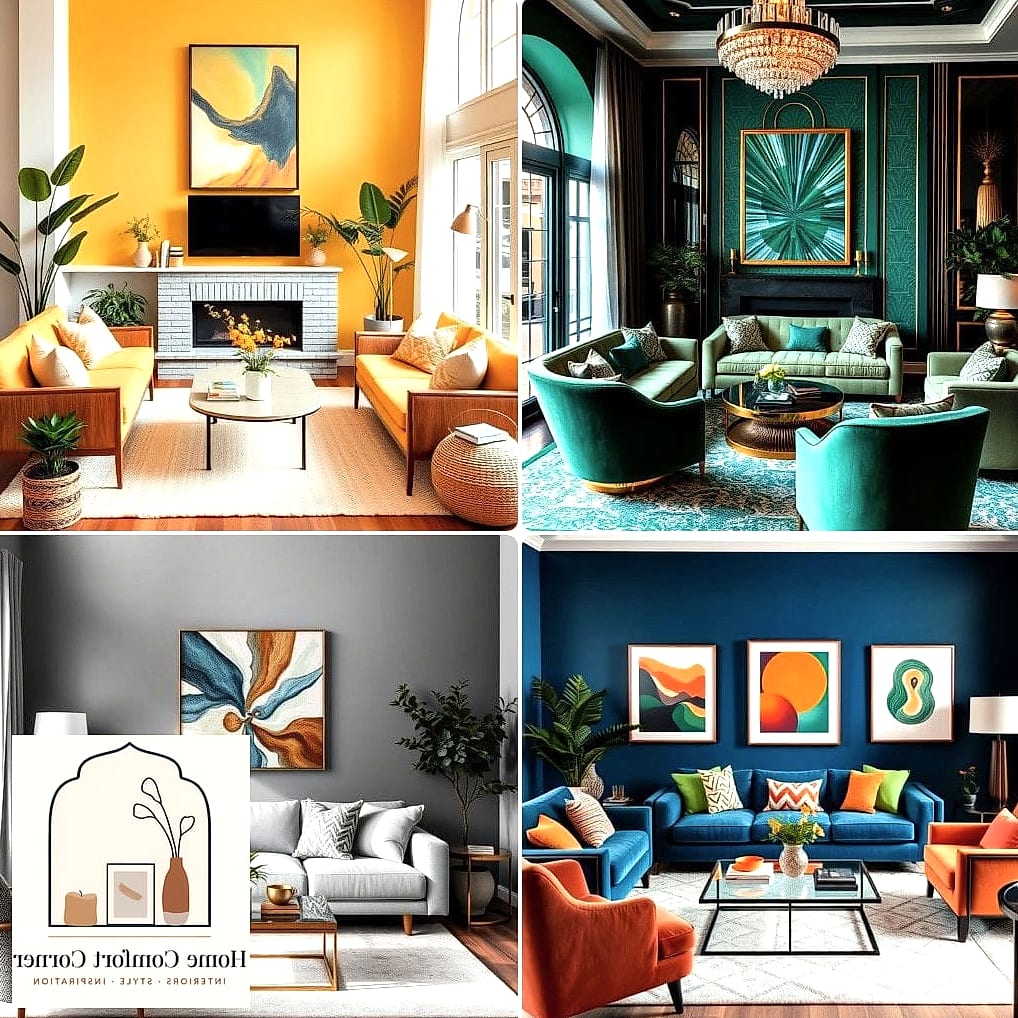
Moody Dark Wall Backdrop
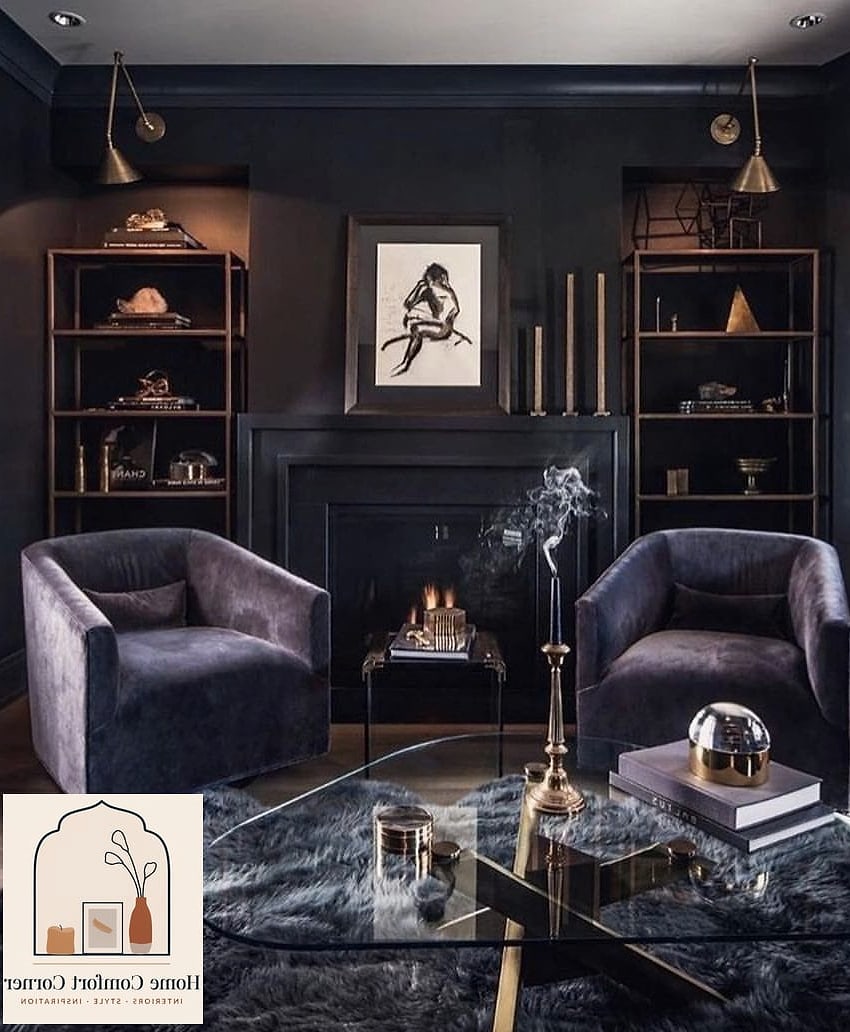
A deep charcoal, navy, or even black accent wall makes artwork and supplies pop in a way white walls just can’t. This look feels more like a professional studio and photographs beautifully if you share your work online. Pair the dark wall with warm wood tones and brass hardware so the room doesn’t feel cold. It’s a bold choice, but one that a lot of serious hobbyists end up loving.
Pegged Drying Rack for Paintings
Instead of leaning wet canvases against the wall, install a wire or wood drying rack with clips. This keeps works in progress organized and off the floor where they can get bumped or stepped on. A rack like this is especially handy if you work in watercolor or acrylic and need multiple pieces drying at once. It also just looks intentional, like a real studio setup.
Cozy Reading and Sketching Corner
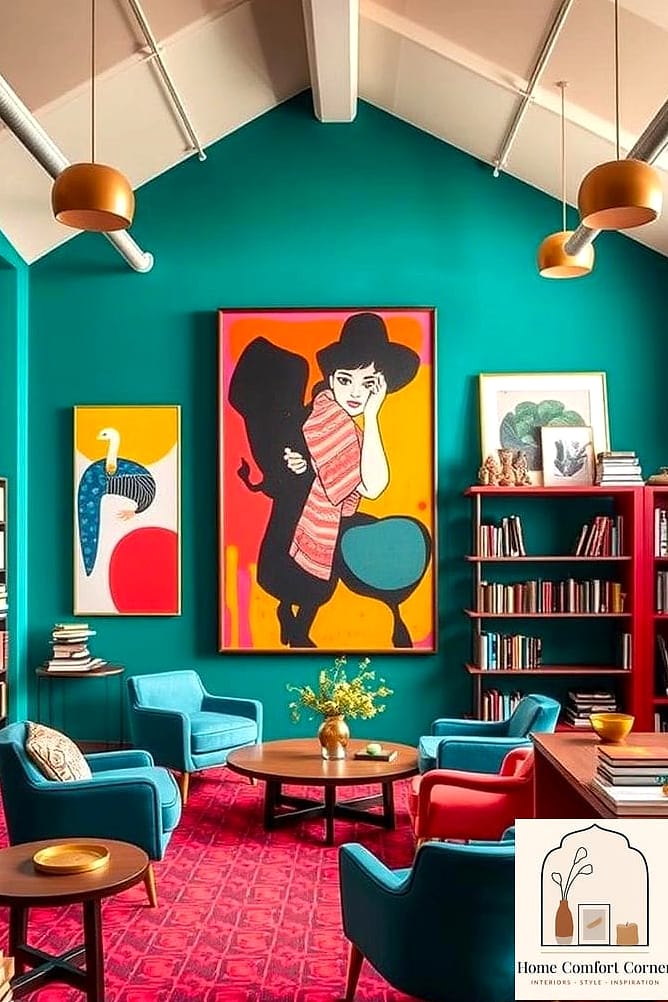
Not every art room needs to be all business. Add a small armchair or floor cushion with a side table for sketchbooks and pencils. This corner becomes the spot for looser, more relaxed creative sessions instead of formal projects. A warm throw blanket and a small lamp make it inviting even on gray days.
Built-In Storage Bench
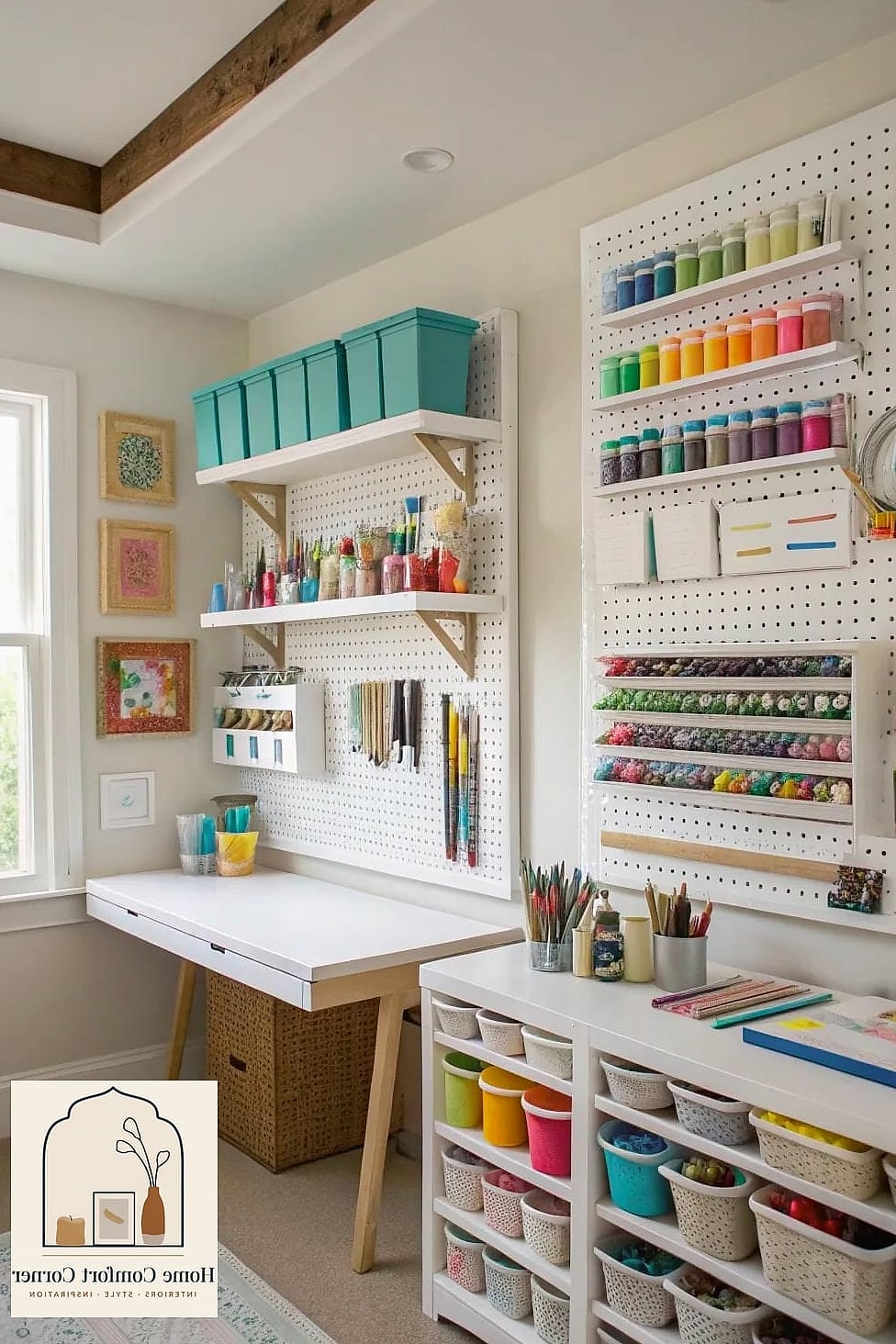
A built-in bench along one wall with lift-top storage underneath is a smart way to hide bulkier supplies like canvases or paper rolls. Top it with cushions and it doubles as extra seating when friends come over to craft. This is a great option if you’re working with a smaller room and need furniture that pulls double duty. Custom builds cost more, but ready-made storage benches get you most of the way there for less.
Color-Coded Bin System
Clear bins labeled by supply type keep chaos from taking over fast. Sort by medium, paint versus pastels versus markers, or by project so you can grab a whole kit at once. Stack them on shelving or slide them under a table for hidden storage. This system is especially good for families where more than one person uses the space.
Exposed Brick Accent Wall
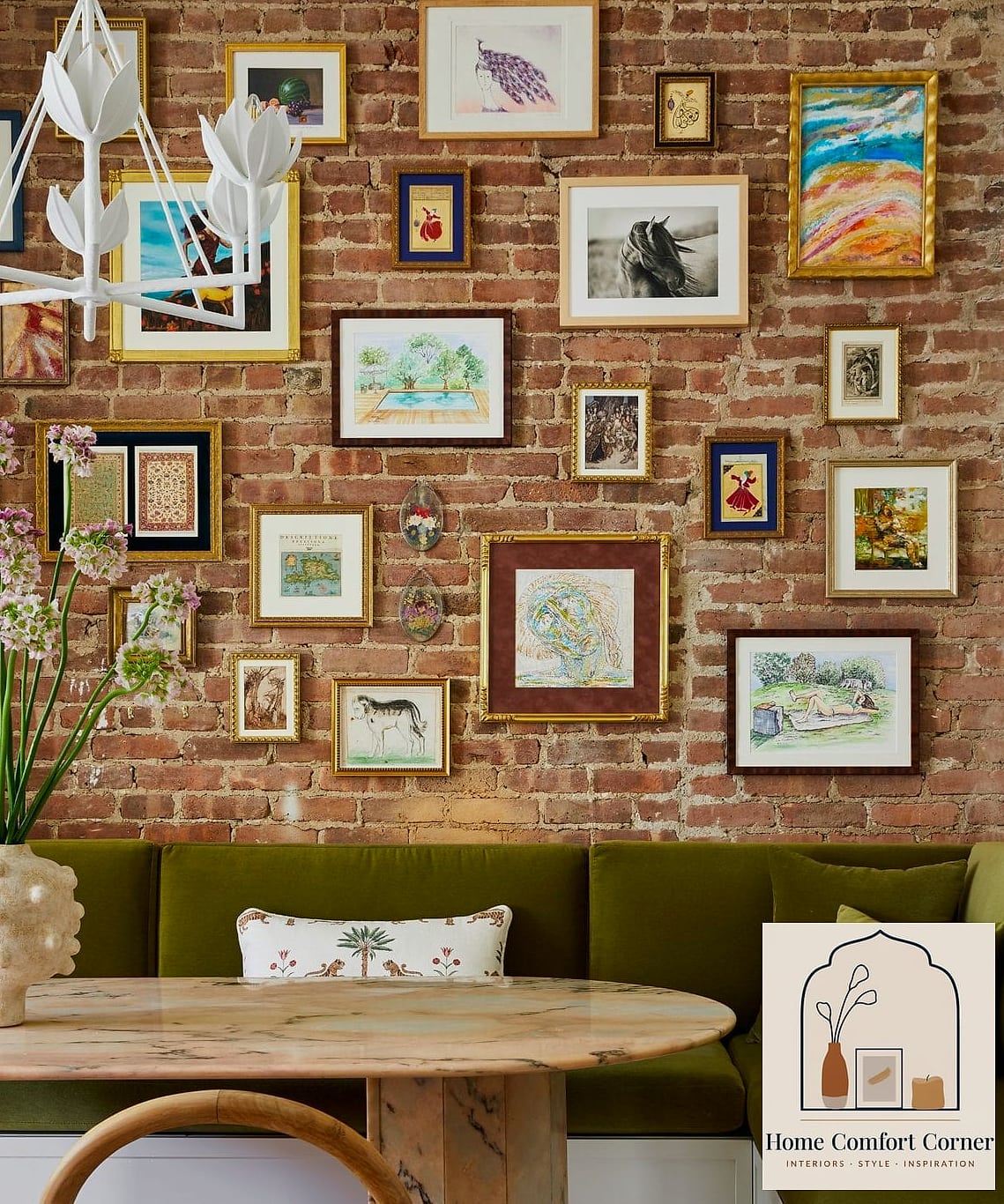
If your space has exposed brick, don’t cover it up, work with it. Brick adds instant texture and warmth without you having to do much decorating at all. It pairs beautifully with metal shelving and industrial pendant lighting for a real loft-studio feel. Just keep in mind brick walls aren’t great for hanging heavy shelving without proper anchors.
Vertical Canvas Storage Slots
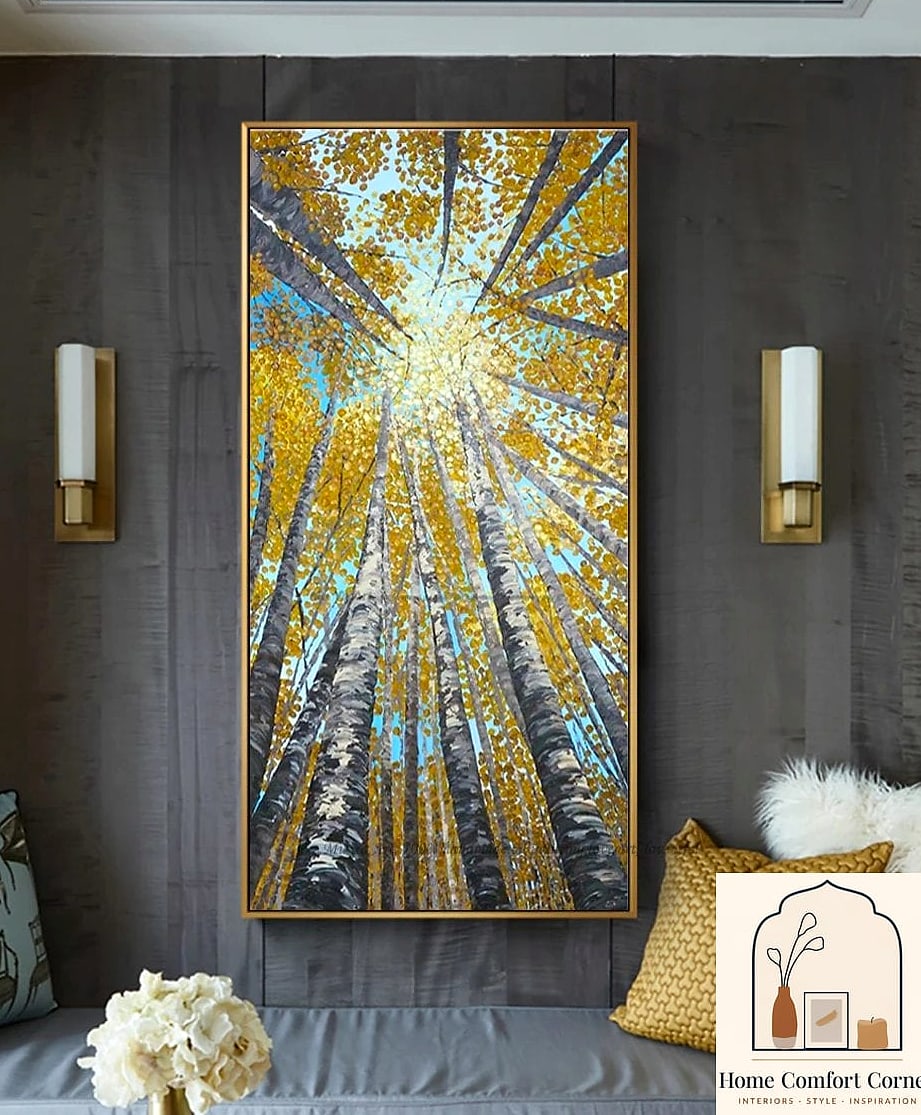
Built-in vertical slots, similar to what you’d see in an art supply store, keep finished and blank canvases upright and organized. This setup can be built into a closet or along an unused wall and saves a ton of floor space. It’s particularly useful for anyone who paints in batches or keeps a stock of canvases on hand. A simple version can be made with plywood dividers for a weekend DIY project.
Layered Lighting Setup
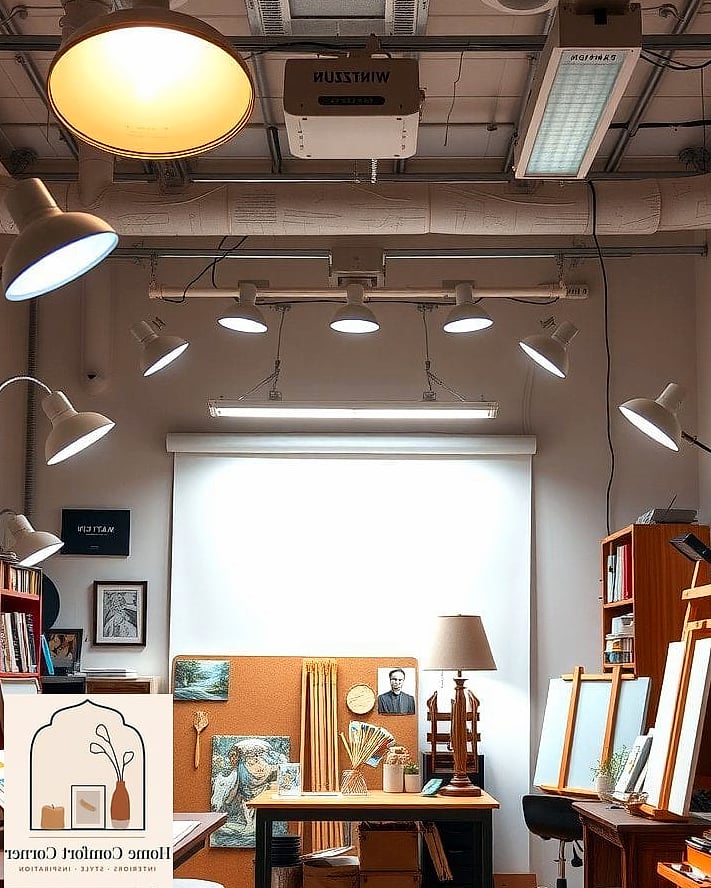
Relying on one overhead light is one of the more common mistakes people make in a creative space. Layer in a floor lamp, a desk lamp, and daylight-balanced bulbs so you can see true colors no matter the time of day. Adjustable lamps with swing arms are especially useful when you need direct light on a specific project. Good lighting genuinely changes how accurate your color choices turn out.
Chalkboard or Whiteboard Wall
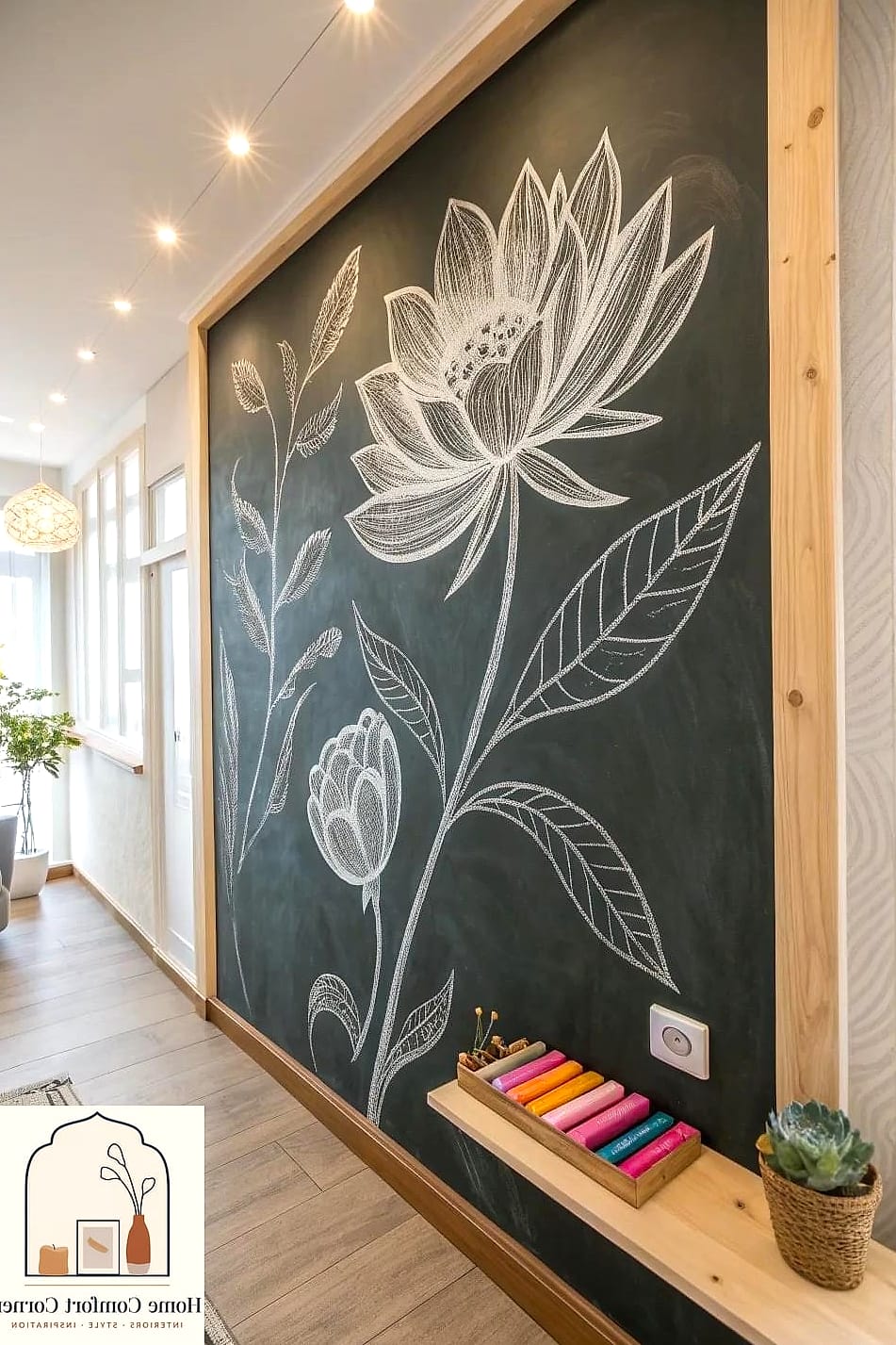
Paint one wall with chalkboard or whiteboard paint and use it to sketch ideas, jot down supply lists, or map out a project before committing to canvas. This is a fun, low-pressure way to use wall space that doesn’t require framing or hanging anything. Kids’ art rooms especially benefit from this since it invites experimentation. It wipes clean in seconds, which makes it pretty practical too.
Floating Desk for Small Spaces
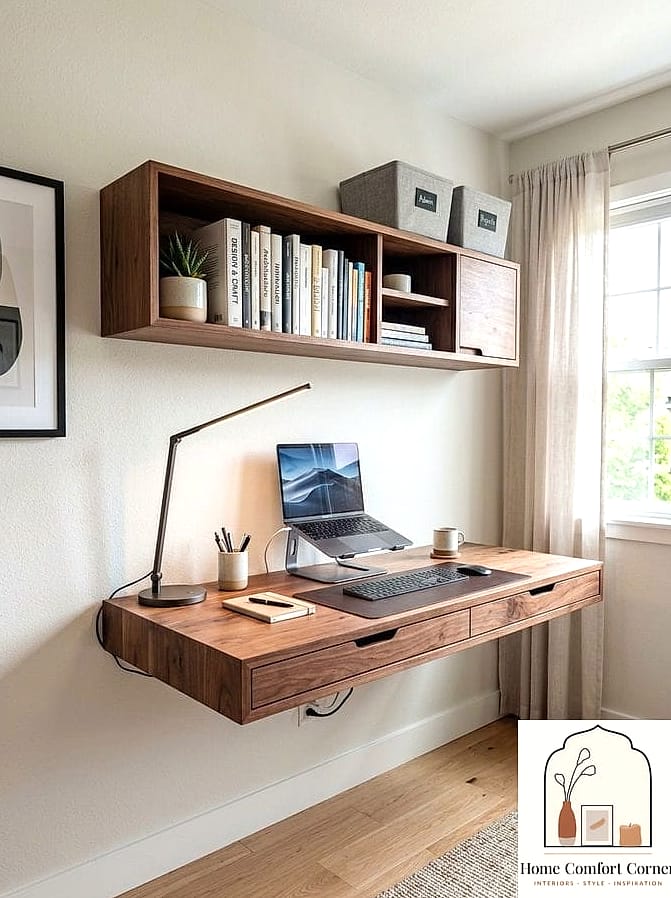
A floating desk mounted to the wall frees up floor space in rooms that can’t fit a full table. This works great in narrow rooms or converted closets where every inch counts. Choose one with a drawer or shelf underneath to keep essentials close without cluttering the surface. It’s a simple, renter-friendly upgrade since most floating desks mount with minimal wall damage.
Botanical and Greenery Accents
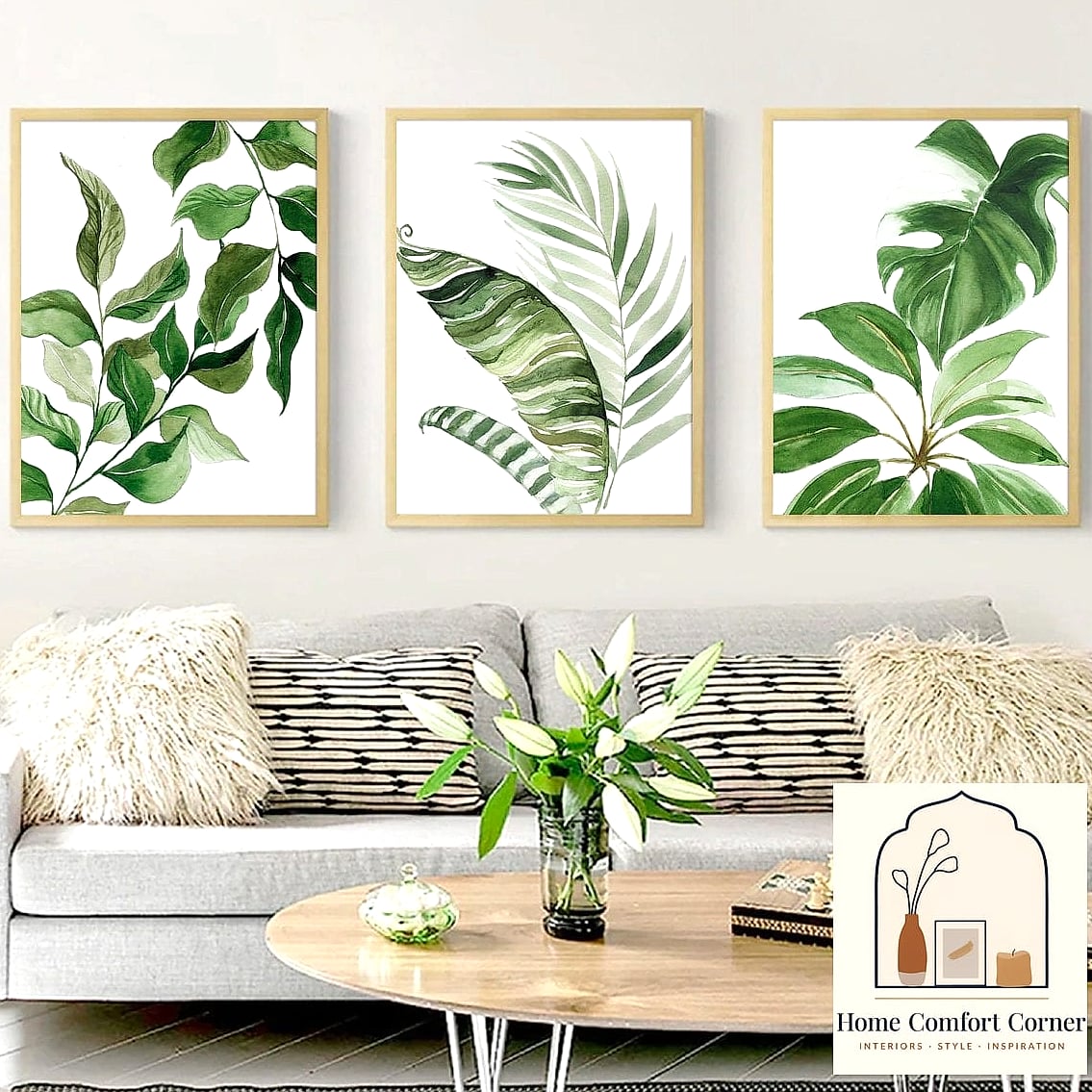
Adding a few plants to an art room does more than decorate, it makes the space feel alive and less clinical. Low-maintenance options like pothos or snake plants tolerate inconsistent watering, which is realistic for a busy creative person. Greenery also softens all the hard edges of shelving, easels, and storage bins. Hanging planters are a smart choice if your table space is already maxed out.
Warm Wood Tone Furniture
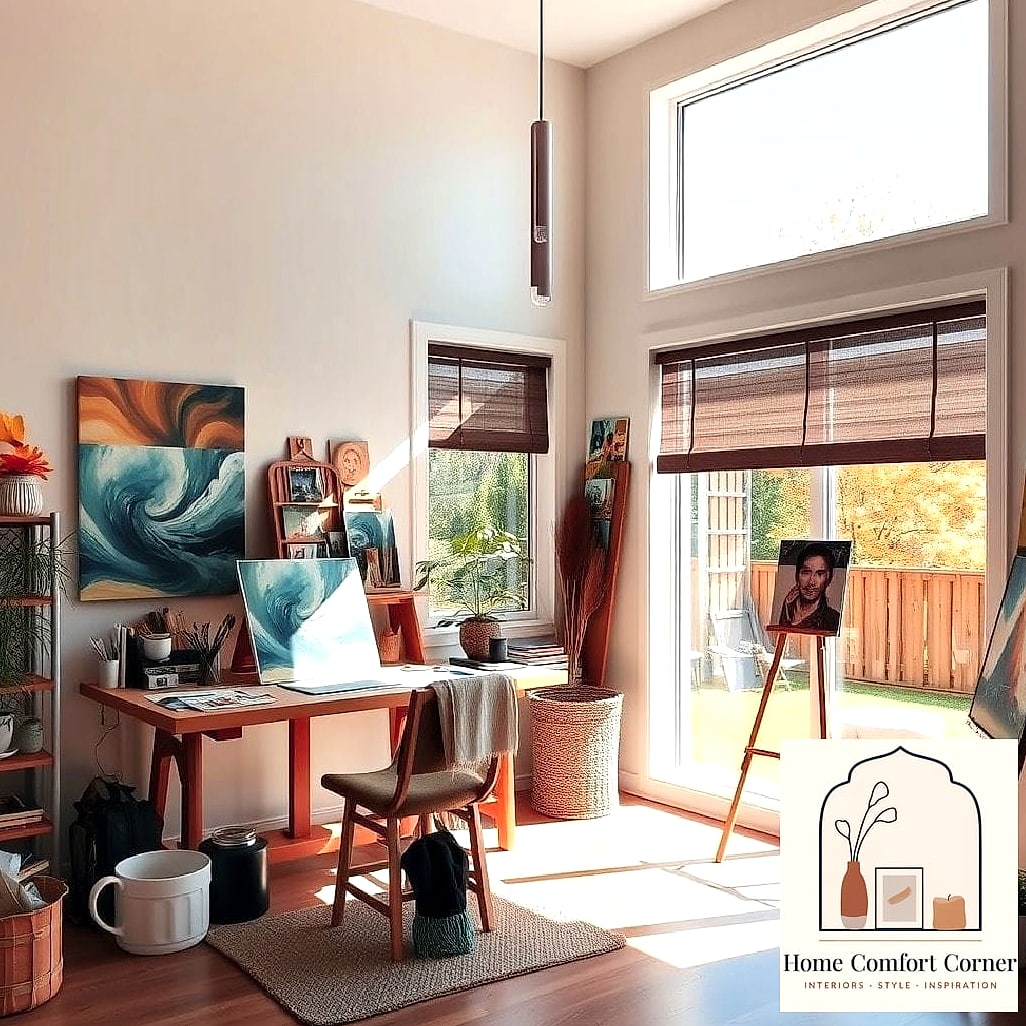
Pairing warm wood furniture with white or neutral walls keeps an art room feeling grounded instead of sterile. Butcher block tabletops are especially practical since they can handle some wear and tear from paint or glue. This look tends to age well and doesn’t feel tied to a specific trend that’ll look dated in a few years. It’s a good middle ground if you want something that feels designed but not overly styled.
Easel-Centered Layout
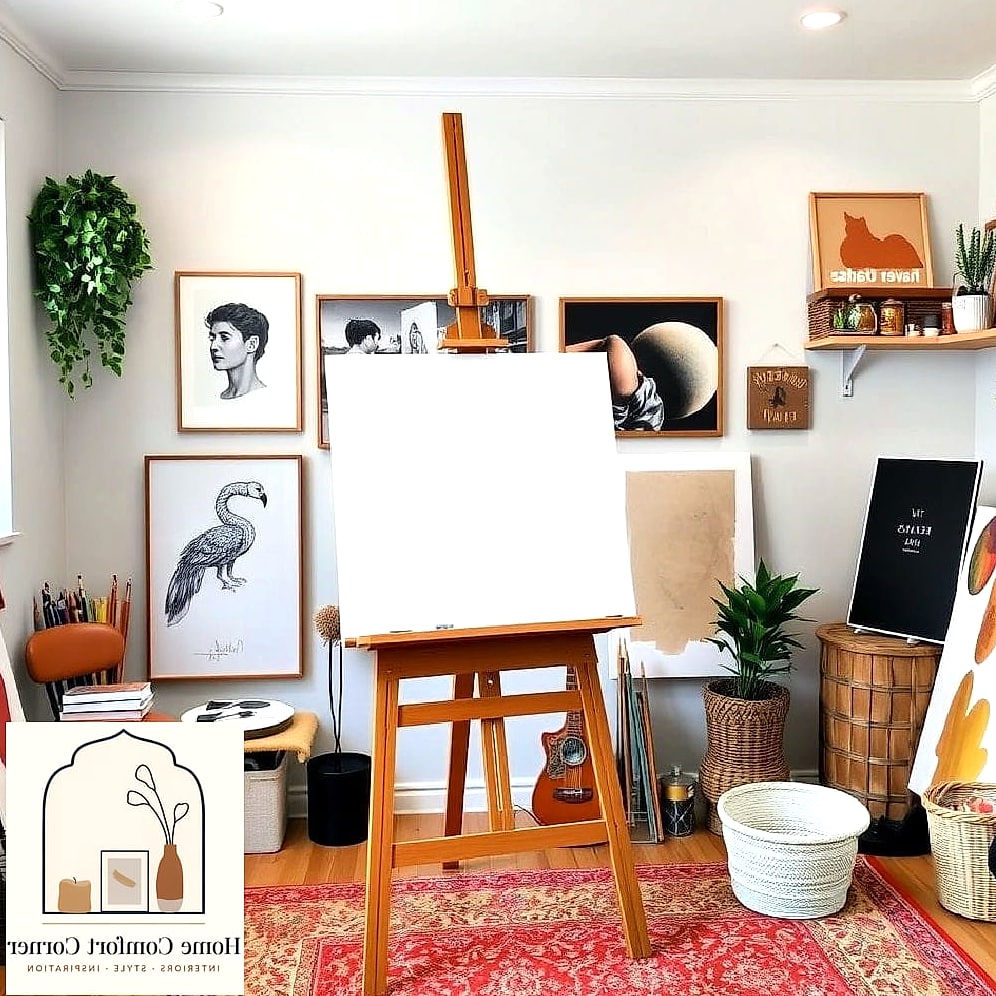
If painting is your main focus, build the whole room layout around your easel rather than tucking it into a corner. Position it near your best light source with supplies within arm’s reach on a side table or cart. This setup mimics how professional studios are arranged and genuinely improves workflow. A second, smaller easel nearby is handy if you like working on multiple pieces at once.
Drawer Organizers for Small Supplies
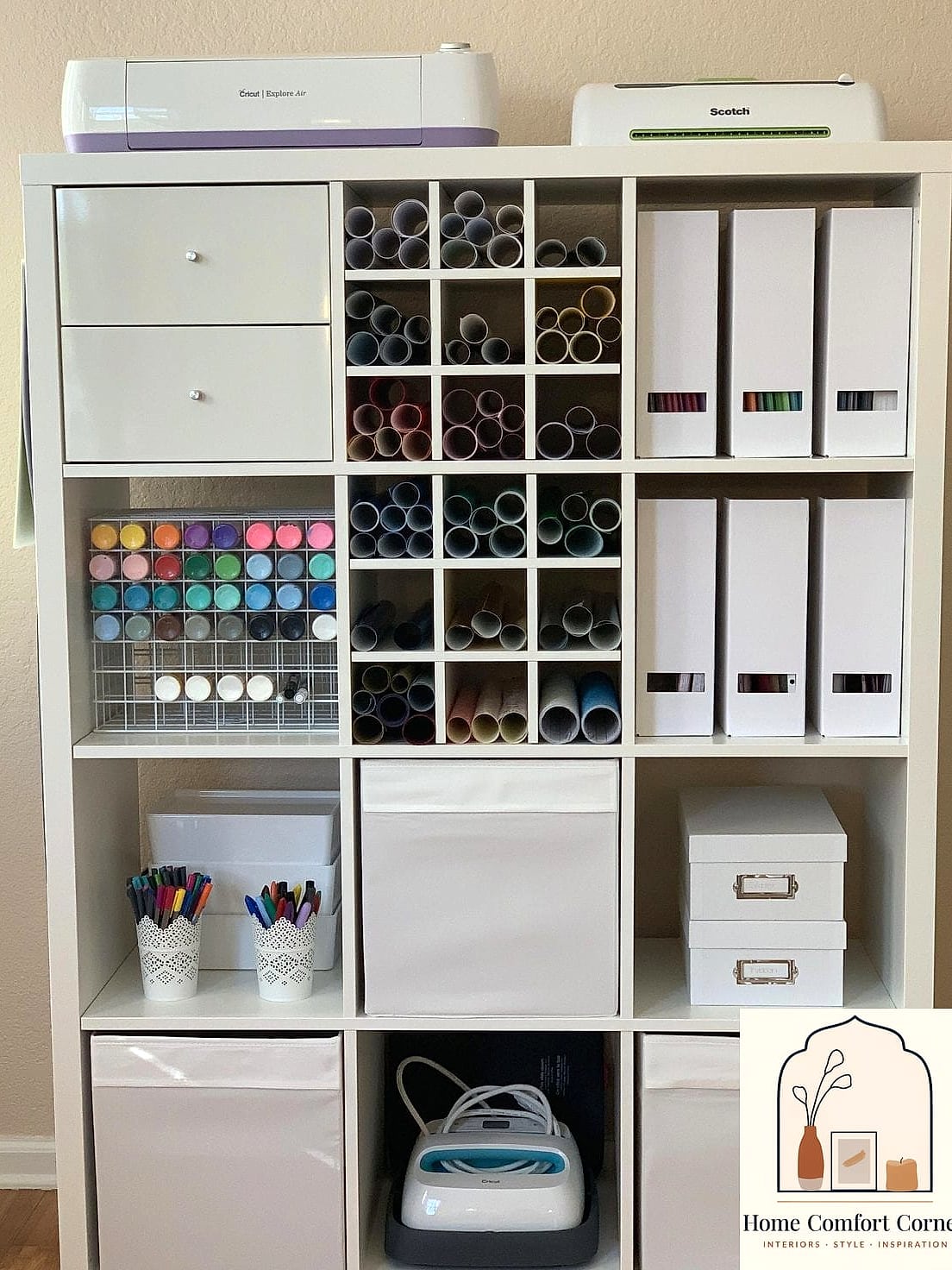
Small tools like brushes, pencils, and erasers disappear into messy drawers fast without some kind of system. Add drawer dividers or small organizer trays so everything has an assigned spot. This is a cheap fix that makes a noticeable difference in daily frustration levels. It also just makes cleanup faster at the end of a session.
Neutral Color Palette Base
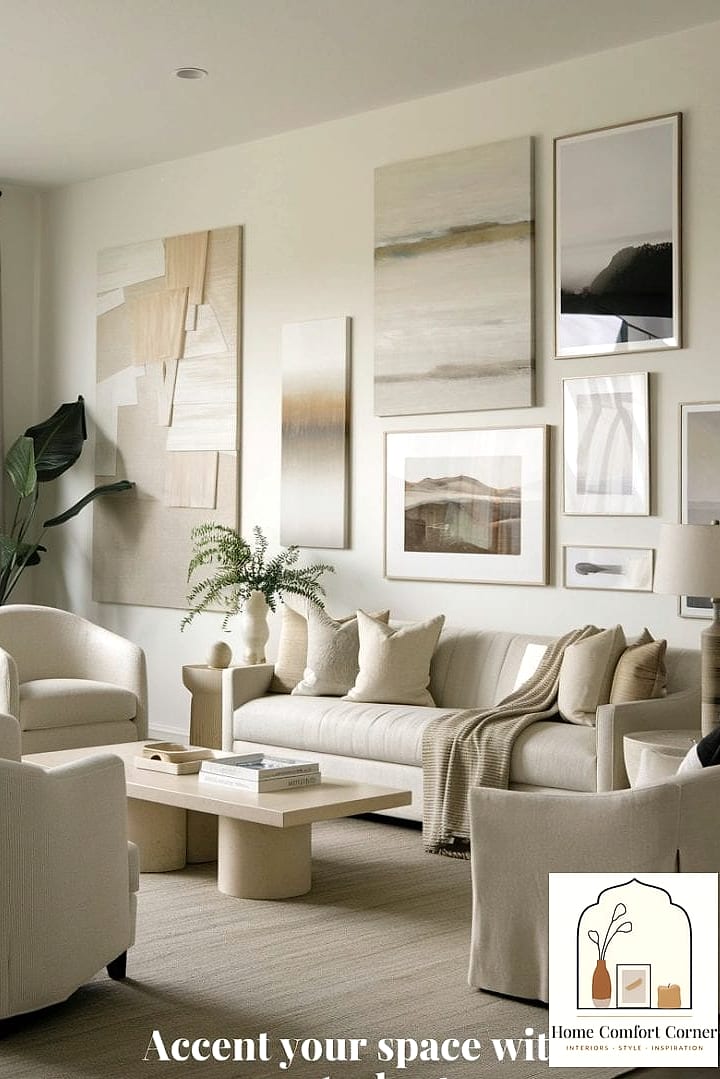
Keeping walls, flooring, and larger furniture pieces neutral, think warm whites, soft grays, or beige, lets your artwork and supplies be the real color in the room. This approach works well if you like to switch up decor seasonally without repainting anything. It also photographs more neutrally if you share your workspace online. Bright accents can still come in through bins, chair cushions, or a single accent wall.
Repurposed Closet Studio
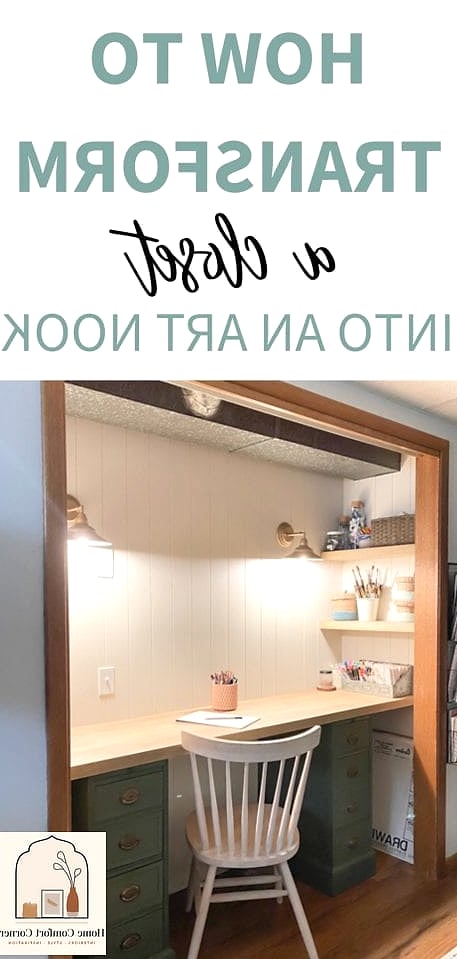
Don’t have a spare room? A deep closet can be converted into a compact but fully functional art nook. Remove the doors, add shelving and a small fold-down desk, and you’ve got a legitimate creative corner. This is one of the more budget-friendly options on this list since it uses space you already have. Add a battery-operated puck light if the closet doesn’t have great built-in lighting.
Mixed Media Display Ledges
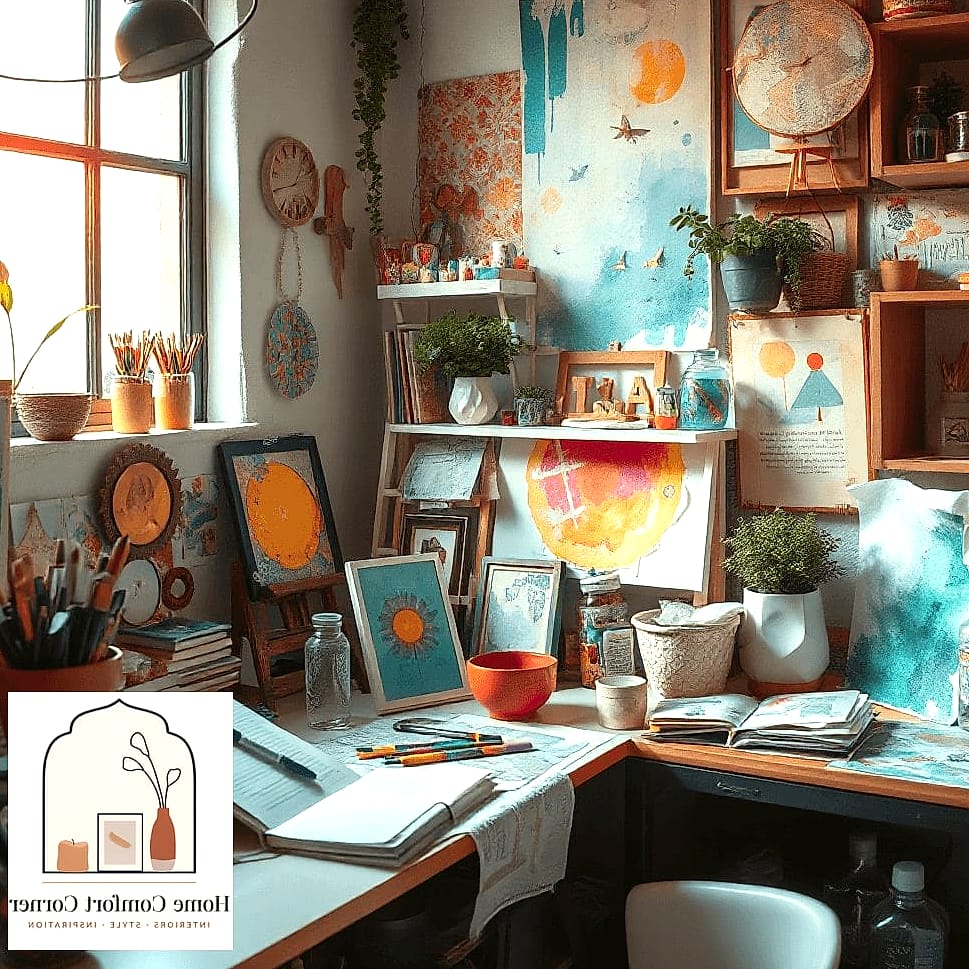
Thin floating ledges let you display finished pieces without committing to permanent frames and hanging hardware. Swap pieces in and out easily as you finish new work, similar to how a gallery rotates its collection. This is a great renter-friendly option since ledges need far fewer wall anchors than large frames. Group three or four ledges at slightly staggered heights for visual interest.
Industrial Metal Shelving Unit
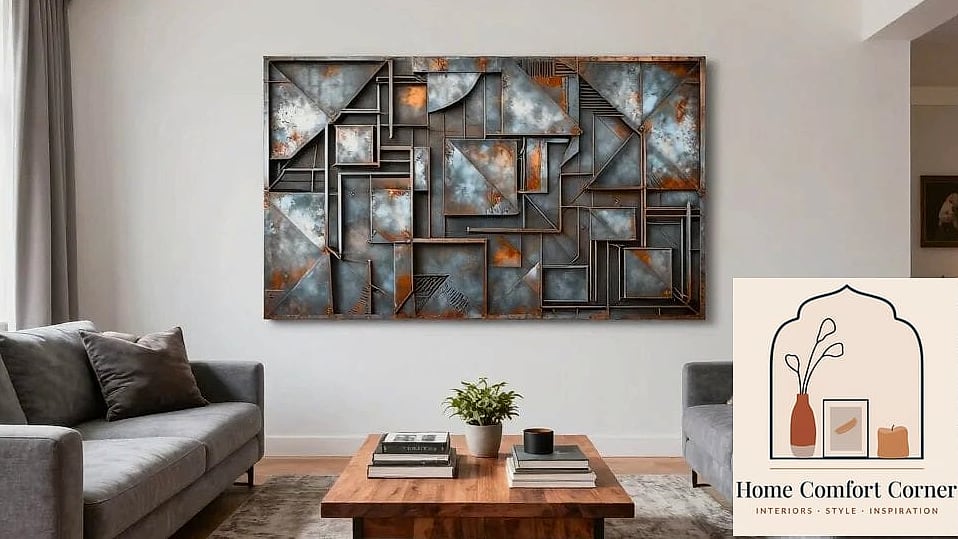
Heavy-duty metal shelving units hold a serious amount of weight, which matters if you’re storing large paint cans, boxes of clay, or stacks of canvases. This style leans into an industrial aesthetic that pairs naturally with exposed brick or concrete flooring. It’s also one of the more affordable storage solutions since basic units are widely available. Add wood crates or baskets on the shelves to soften the look if all-metal feels too cold.
Task Rug for Comfort and Sound
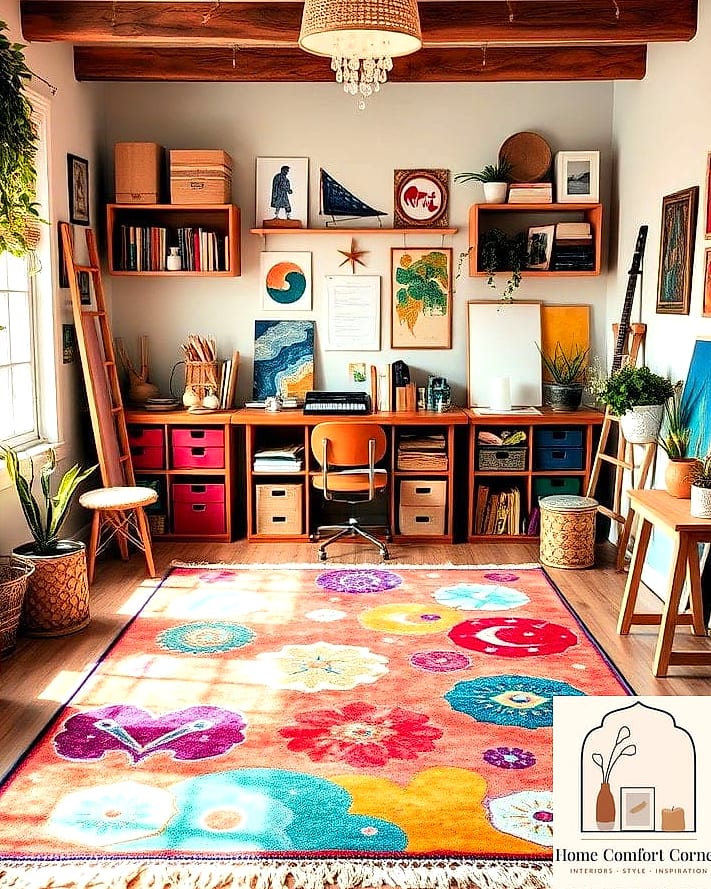
A durable, easy-to-clean rug under your main work area adds comfort for long standing or sitting sessions. Look for flat-weave or indoor-outdoor styles since these handle paint drips and spills far better than plush options. A rug also helps absorb some sound if your art room shares a wall with a bedroom or office. Darker colors or busy patterns are more forgiving when it comes to inevitable stains.
Inspiration Board Wall
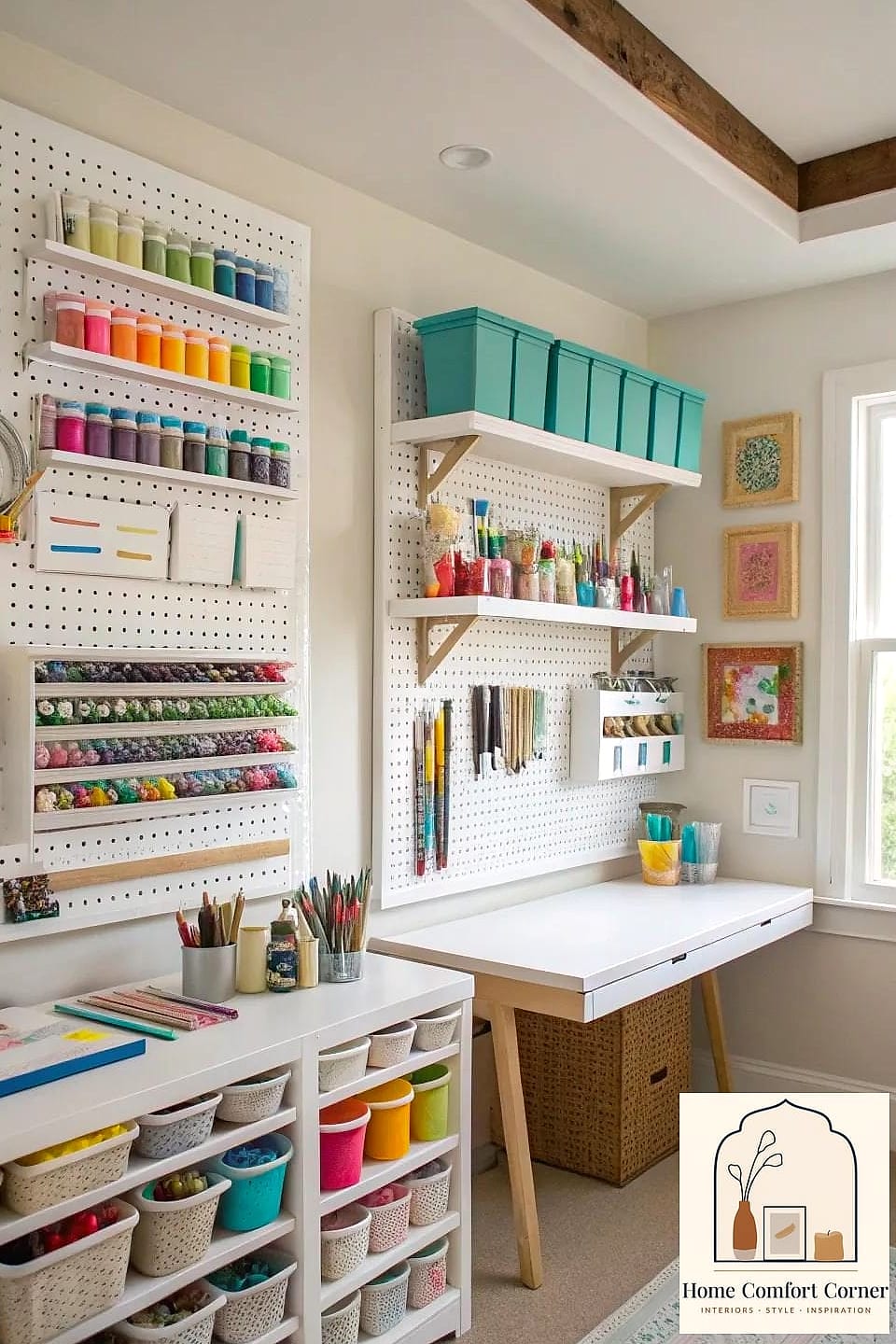
Dedicate one wall or a large corkboard to pinning up color swatches, magazine clippings, and reference photos. This keeps inspiration visible instead of buried in a phone folder you never open. Swap items out regularly so the board stays relevant to whatever you’re currently working on. It’s a low-cost addition that makes the room feel more like a working studio than just storage.
Multi-Purpose Craft Table
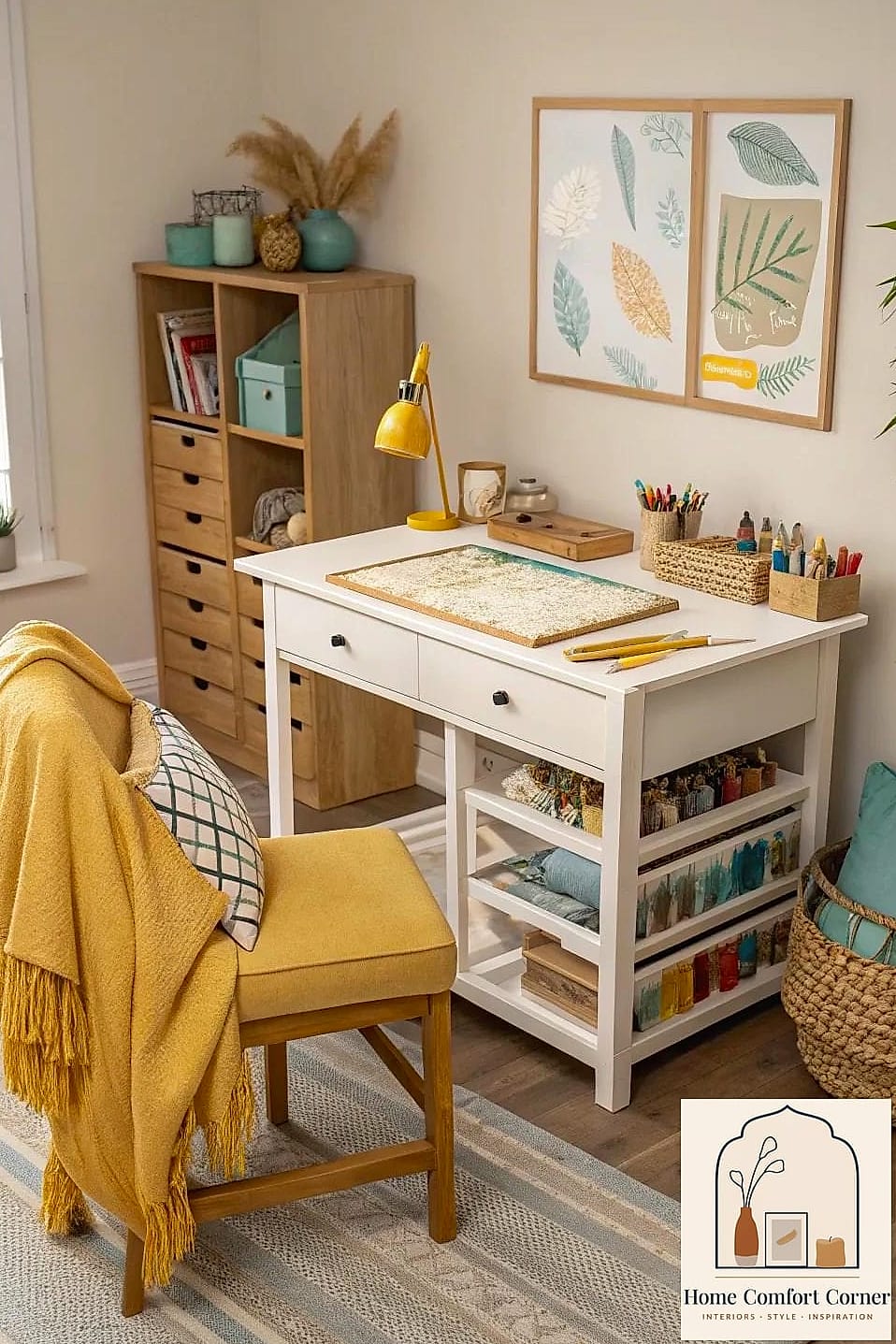
A large, sturdy table that can handle painting, cutting, and gluing gives you flexibility if you work across different mediums. Look for tabletops with a durable, easy-to-wipe finish so cleanup doesn’t turn into a chore. Some tables come with built-in storage drawers, which is worth considering if floor space is tight. This is often the single biggest investment in an art room, so it’s worth taking time to pick the right size and height.
Seasonal Decor Rotation
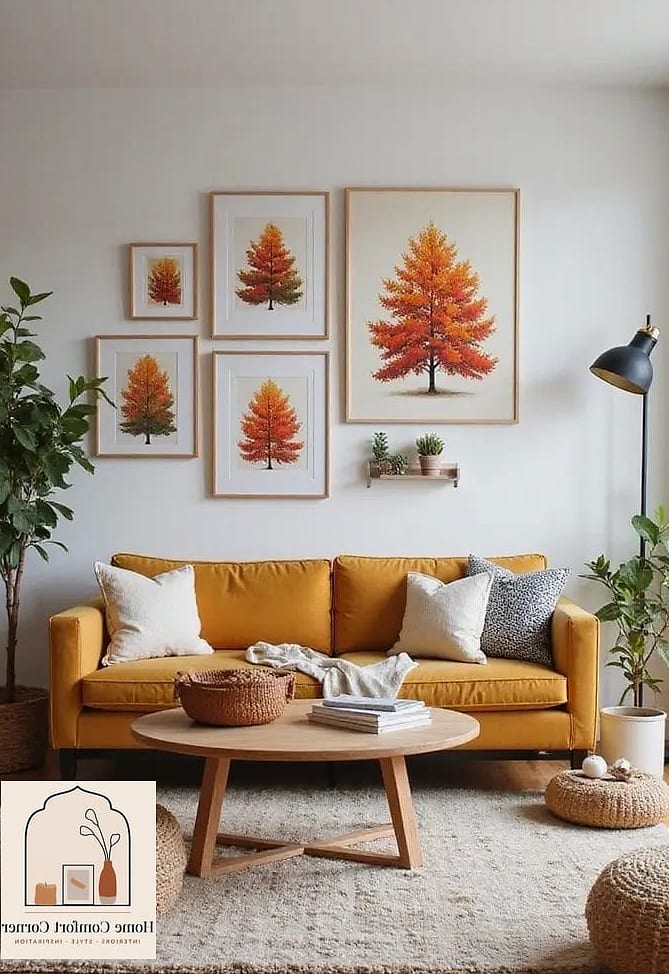
Small seasonal touches, a bowl of pinecones in fall, fresh flowers in spring, keep an art room from feeling static year-round. This doesn’t require any structural changes, just a shelf or small table dedicated to whatever’s in season. It’s a nice way to keep the space feeling personal without a full redecorating project. Rotating decor also naturally gets you back into the room even during slower creative stretches, which can help spark motivation again.
Putting together an art room really comes down to matching the layout to how you actually work, not just how a space looks in photos. Start with the storage and lighting basics, then layer in the decor pieces that feel like you. Whether you’re working with a full spare room or a repurposed closet, there’s a version of these 27 art room decor designs that’ll fit your space and your budget.