9 Pisos Interiores Designs You Need to See Right Now
- Wide-Plank Wood Flooring
- Large-Format Porcelain Tile
- Herringbone Pattern Flooring
- Terrazzo-Inspired Flooring
- Matte Black and White Checkerboard Tile
- Natural Stone Flooring with Textured Finishes
- Vertical Wood-Look Tile for Accent Walls and Transitions
- Polished Concrete Flooring
- Mixed-Material Flooring Transitions
9 Pisos Interiores Designs You Need to See Right Now
If you’ve been scrolling through home renovation photos lately, you’ve probably noticed that flooring is finally getting the attention it deserves. Pisos interiores, or interior flooring, sets the tone for an entire home before you even look at the walls or furniture. The right floor can make a small room feel bigger, a boring hallway feel intentional, and an outdated kitchen feel brand new.
I’ve spent years walking through client homes and scrolling design boards for inspiration, and certain flooring styles keep popping up again and again. These aren’t fleeting trends that will look dated in two years. They’re practical, good-looking options that work for real families, renters, and anyone who just wants their home to feel a little more put together.
Here are nine pisos interiores designs worth considering for your next project.
Wide-Plank Wood Flooring
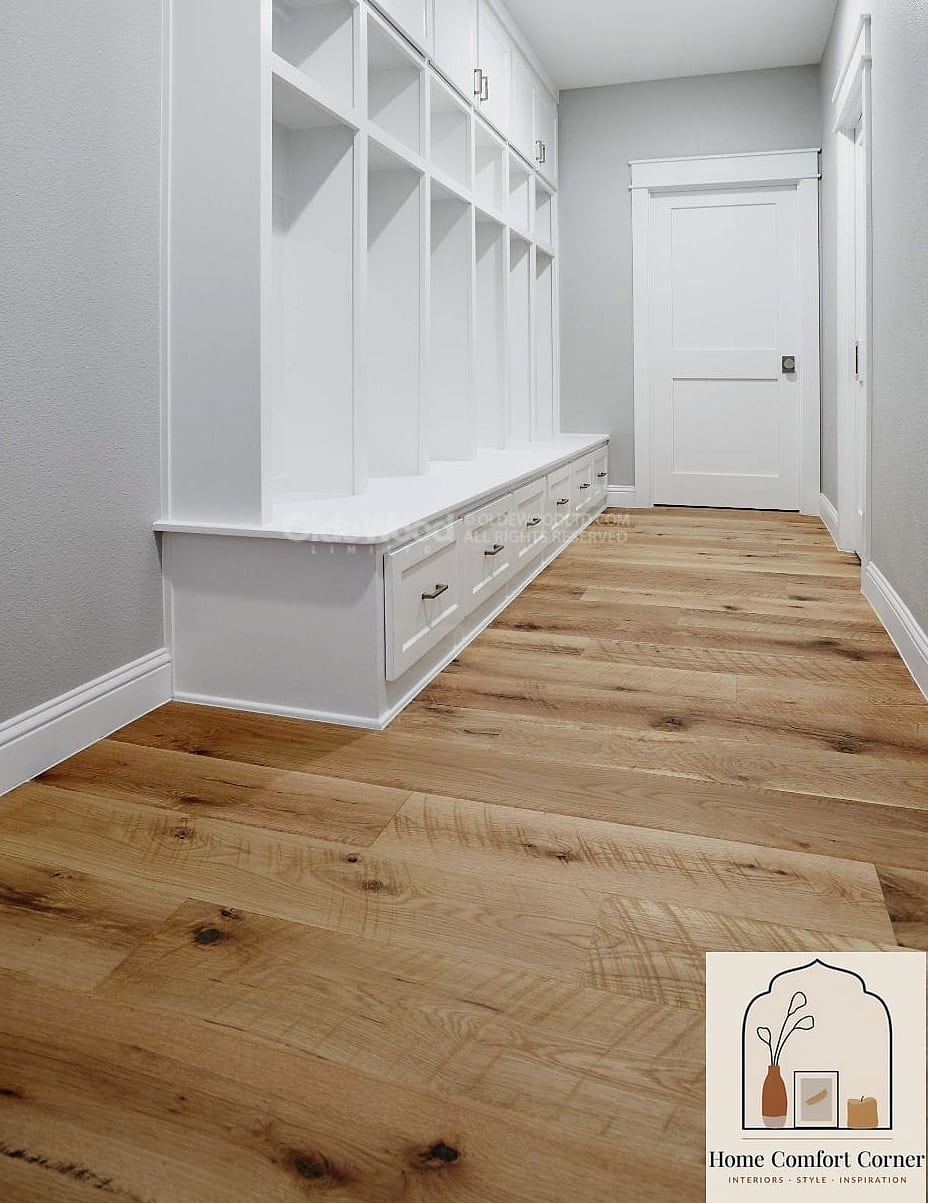
Wide-plank wood flooring has quietly become the go-to choice for anyone wanting a warm, grounded feel underfoot. Instead of the narrow strips you’d see in older homes, these boards run six inches or wider, which means fewer seams and a cleaner overall look.
This style works especially well in open-concept living rooms and dining areas where you want the eye to travel without interruption. Warm wood tones like honey oak or walnut bring instant coziness, while gray-washed finishes lean more modern and match cooler color palettes.
Maintenance is fairly straightforward with a quality sealant, though you’ll want to sweep regularly since wider boards show dust more obviously than smaller strips. Budget-friendly engineered wood versions give you the same look without the solid hardwood price tag, and they hold up better against humidity swings.
Large-Format Porcelain Tile
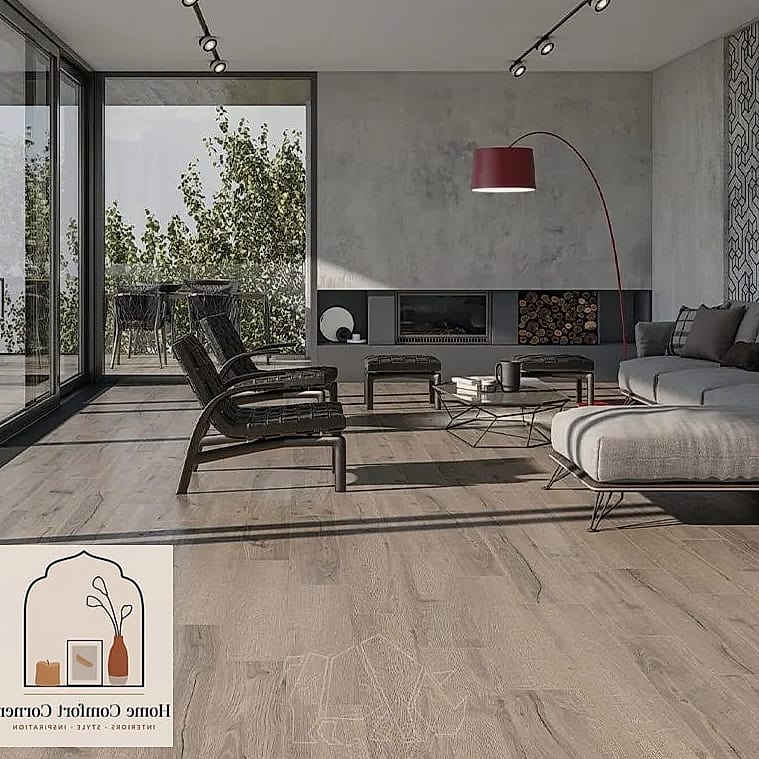
Large-format porcelain tile has become a favorite for anyone who wants the look of natural stone without the upkeep. We’re talking tiles in the 24×24 inch range or bigger, which drastically cuts down on grout lines throughout a space.
This flooring shines in kitchens, bathrooms, and entryways where moisture and heavy foot traffic are daily realities. Fewer grout lines mean less scrubbing, which is honestly reason enough for a lot of busy households to make the switch.
You’ll find porcelain tile in marble-look finishes, concrete-inspired matte textures, and even wood-look planks that fool almost everyone at first glance. It’s durable, pet-friendly, and holds up beautifully in homes with kids tracking things in from outside.
Herringbone Pattern Flooring
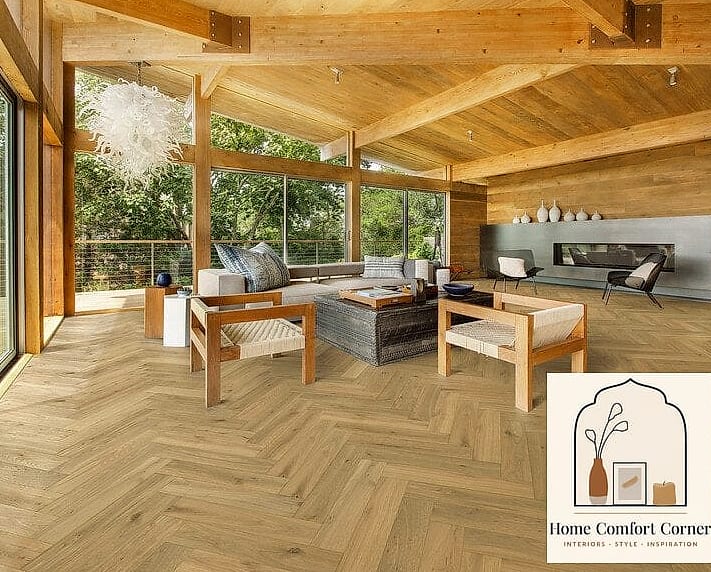
There’s something about a herringbone pattern that instantly signals a room was designed with care. The zigzag layout adds movement and visual interest to a floor that might otherwise feel flat, and it works with both wood and tile materials.
Entryways and home offices are ideal spots for this pattern since the smaller footprint lets the detail really shine without overwhelming a large space. That said, plenty of homeowners are now installing herringbone throughout entire main living areas for a more custom, boutique-hotel feel.
Installation takes more time and skill than standard straight-lay flooring, so this is one project where hiring a pro usually pays off. Peel-and-stick herringbone tiles do exist for renters or DIYers on a budget, and honestly, some of them look surprisingly convincing.
Terrazzo-Inspired Flooring
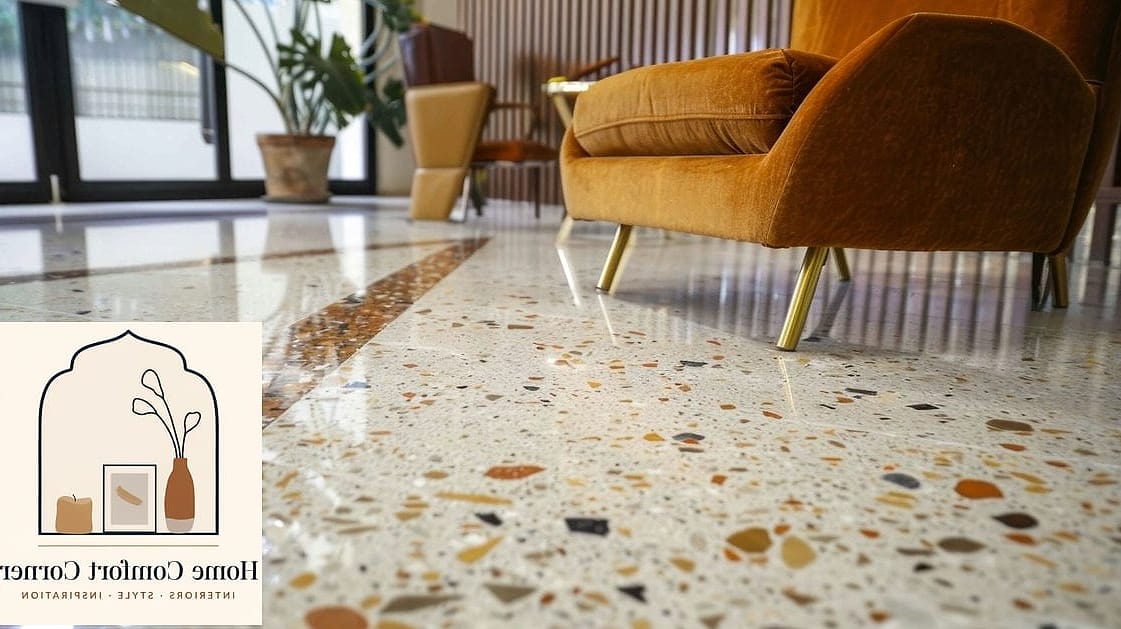
Terrazzo is having a real moment, and it’s easy to see why. Those flecks of stone, glass, or quartz set into a smooth base create a playful, artistic look that photographs beautifully and works in nearly any color scheme.
Bathrooms and kitchens tend to be the sweet spot for terrazzo, especially in smaller doses like a powder room floor or a kitchen backsplash that echoes the pattern. Full-room terrazzo installations make a bold statement in more contemporary or eclectic homes.
Modern terrazzo tile is far more affordable and easier to install than the poured version popular decades ago. It’s low-maintenance, wipes clean easily, and hides small scuffs better than a solid color floor would.
Matte Black and White Checkerboard Tile
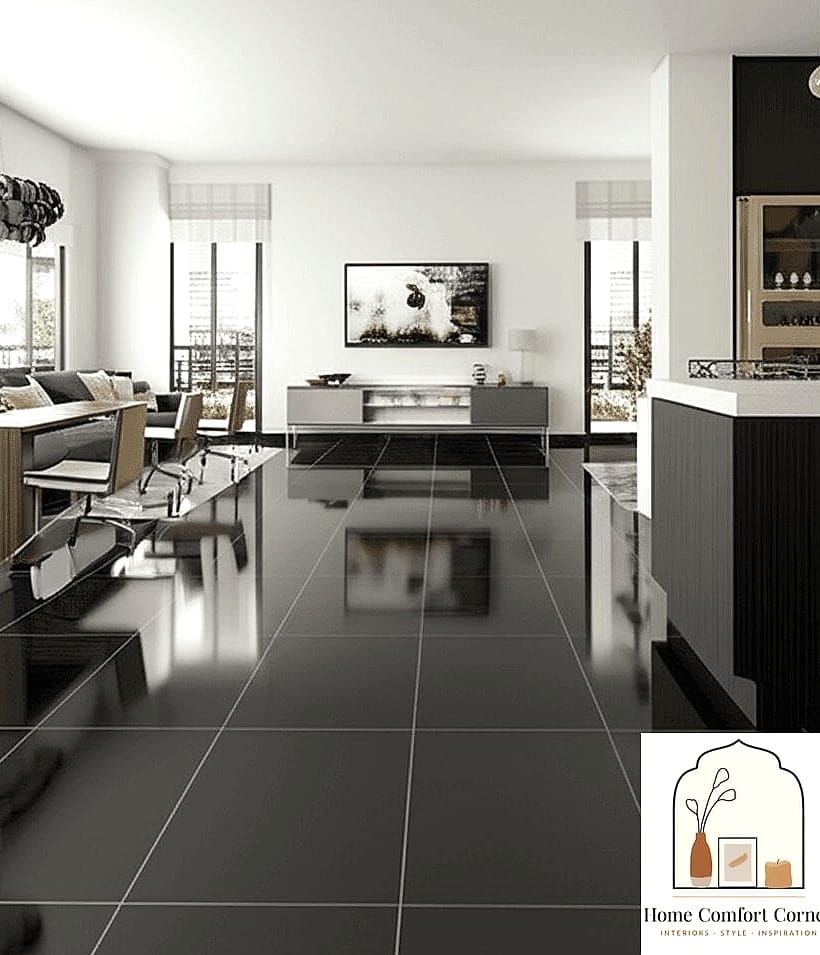
Checkerboard flooring keeps cycling back into style, and the current matte black and white version feels fresher than the glossy retro look from years past. The high contrast pattern gives a room instant personality without needing much else.
Kitchens and bathrooms are the classic spots for this design, particularly in vintage-inspired or modern farmhouse spaces. A checkerboard floor paired with brushed brass hardware and simple white cabinetry creates a look that feels both classic and current.
Matte finishes hide water spots and footprints better than glossy tile, which matters a lot in high-traffic bathrooms. For renters, peel-and-stick checkerboard vinyl has improved dramatically and can achieve a similar effect without any permanent installation.
Natural Stone Flooring with Textured Finishes
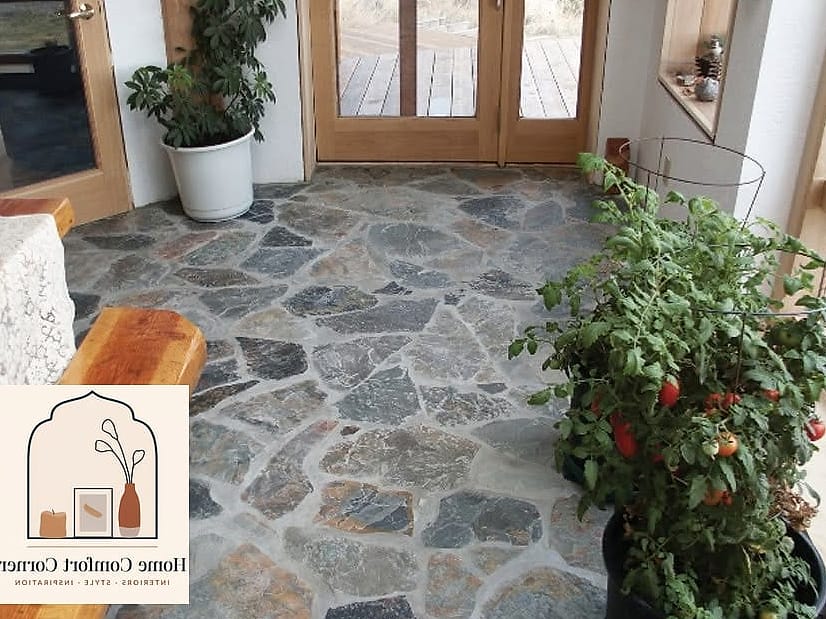
Natural stone flooring, especially in textured or honed finishes, brings an organic, earthy quality that manufactured materials just can’t fully replicate. Travertine, limestone, and slate each bring their own subtle variations in color and pattern, so no two floors ever look quite identical.
This flooring type does especially well in entryways, sunrooms, and bathrooms where you want a connection to the outdoors. The texture also provides a bit of slip resistance, which is a practical bonus in wet areas.
Sealing is essential to protect natural stone from staining, and it’s worth reapplying every year or two depending on the traffic level. It’s a bigger investment upfront, but the durability and timeless character make it worth it for homeowners planning to stay put for a while.
Vertical Wood-Look Tile for Accent Walls and Transitions
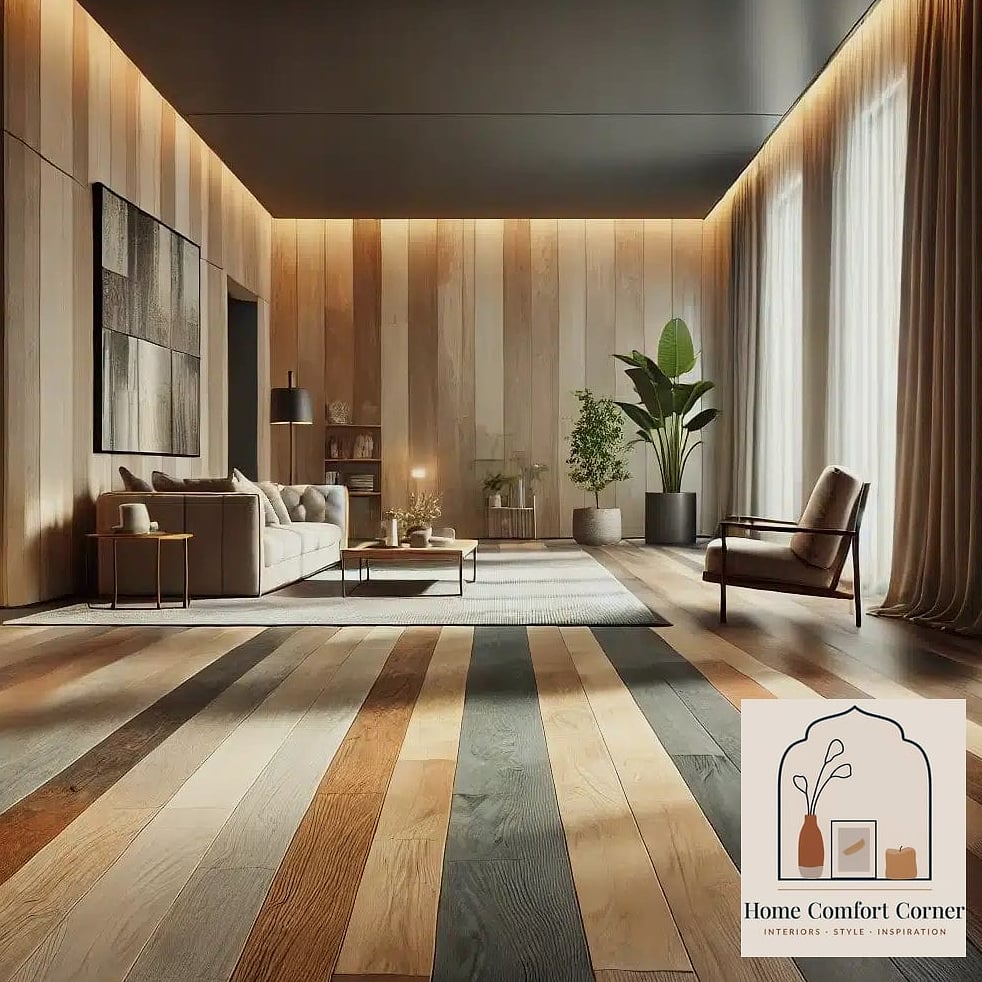
While most flooring conversations focus on what’s underfoot, vertical wood-look tile has started showing up as a design bridge between floors and walls, particularly around fireplaces, shower surrounds, and accent walls near flooring transitions.
This isn’t traditional pisos interiores in the strictest sense, but it’s become such a popular companion to wood-look flooring that it deserves a spot on this list. The vertical installation draws the eye upward, making ceilings feel taller and rooms feel more expansive.
Homeowners love pairing this with matching horizontal wood-look flooring for a cohesive, intentional look throughout a room. It’s especially popular in modern farmhouse and Japandi-style homes where clean lines and natural textures do a lot of the visual work.
Polished Concrete Flooring
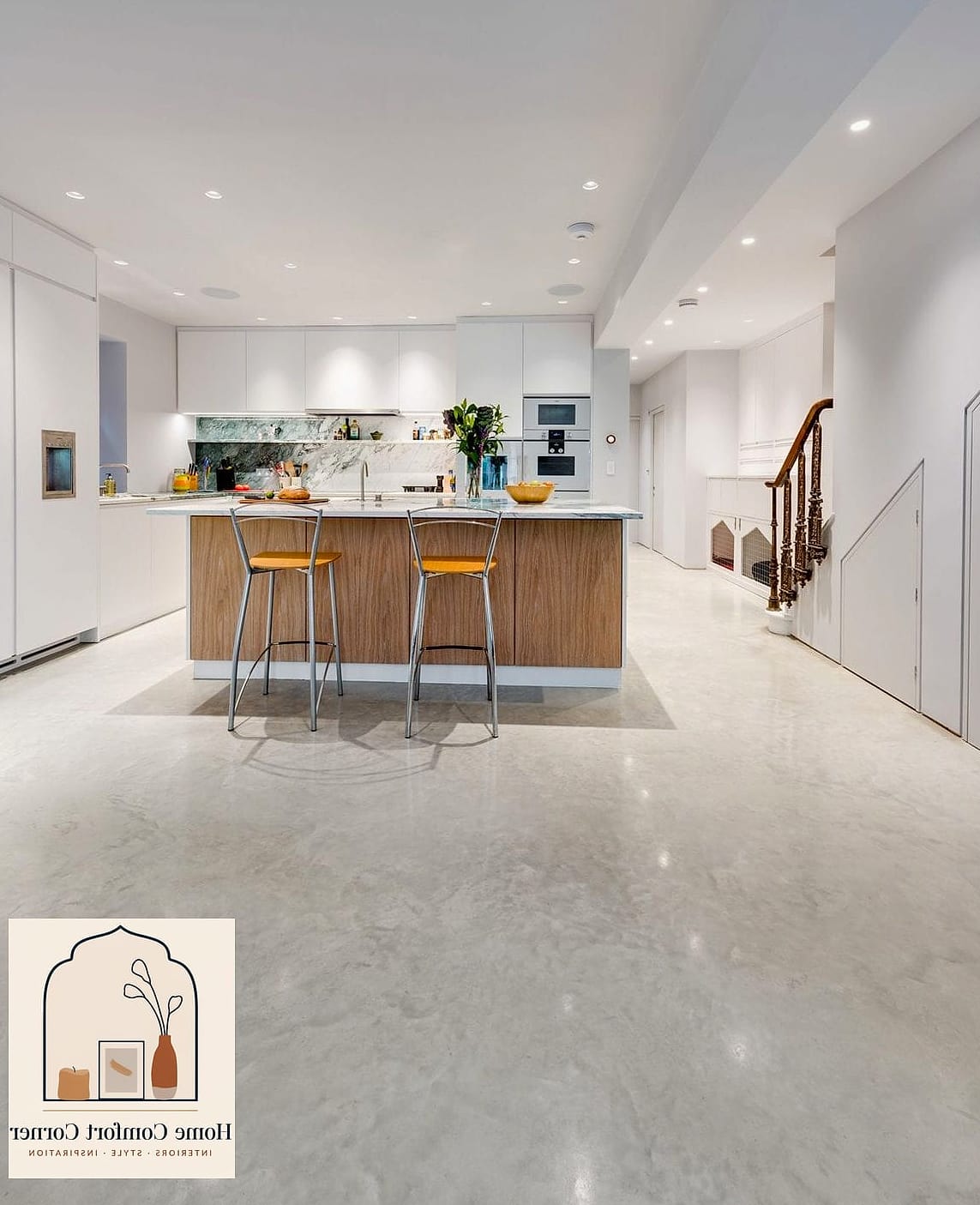
Polished concrete has moved well beyond industrial lofts and warehouses. Homeowners are now choosing it for basements, kitchens, and even main living spaces because it’s durable, low-maintenance, and surprisingly versatile in how it can be styled.
This flooring works particularly well in homes with radiant heating since concrete conducts and retains warmth efficiently. It’s also a solid pick for pet owners and anyone with allergies, since there’s no grout, no seams, and nowhere for dust or dander to collect.
You can customize the finish with different sheens, from a subtle matte look to a high-gloss shine, and even add pigment for warmer or cooler tones. It’s not the coziest material underfoot without a rug, but paired with layered lighting and warm furniture, it feels far less stark than people expect.
Mixed-Material Flooring Transitions
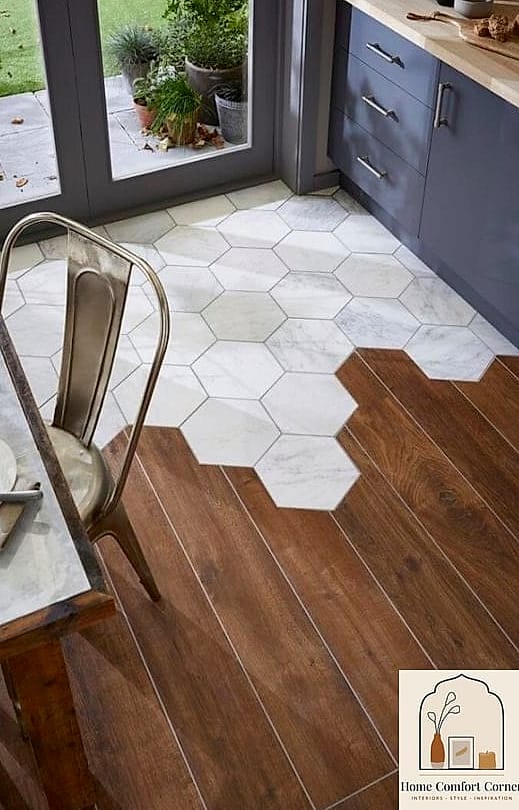
The last design on this list isn’t a single material but a technique that’s showing up in more and more homes: intentionally mixing flooring materials to define different zones within an open floor plan.
Think wood flooring in the living room that transitions into large-format tile in the kitchen, separated by a clean strip of metal trim or a subtle pattern shift. This approach helps define spaces without adding walls, which is especially useful in open-concept homes where every area tends to blend together.
Getting this right takes some planning, since you want the transition point to feel deliberate rather than accidental. A good flooring contractor can help map out where materials should meet, often lining up with a doorway, an island edge, or a natural pinch point in the layout.
Bringing these pisos interiores designs into your own home doesn’t mean picking just one and calling it done. Plenty of homeowners mix a few of these ideas, pairing wide-plank wood in the living areas with large-format tile in the bathroom, or adding a herringbone accent in the entryway while keeping the rest of the home simple.
Flooring is one of those investments that touches every part of daily life in a house, so it’s worth taking your time, ordering samples, and living with a few options before committing. Whatever direction you choose, these nine styles prove that interior flooring has come a long way from the beige carpet and plain tile of decades past.