15 Old Money Interior Design Looks We’re Obsessed With This Year
- Deep Hunter Green Walls
- Brass Hardware Everywhere
- Herringbone Wood Flooring
- Layered Oriental Rugs
- Built-In Bookshelves
- Chinoiserie Wallpaper
- Antique Brass or Bronze Lighting
- Marble Countertops with Veining
- Plaid and Tartan Textiles
- Grandmillennial Dining Rooms
- Wood Paneled Walls
- Equestrian-Inspired Decor
- Silver Trays and Serveware
- Neutral Linen Upholstery
- Gallery Walls of Portraits and Landscapes
15 Old Money Interior Design Looks We’re Obsessed With This Year
There’s a reason old money style just won’t quit. It’s not about flashy logos or trend-chasing purchases — it’s about rooms that look like they’ve always been beautiful and always will be. Quiet luxury, quality materials, and furniture that earns its keep over decades instead of seasons.
If you’ve been scrolling through 15 Old Money Interior Design Looks We’re Obsessed With This Year hoping for ideas that actually hold up (literally and stylistically), you’re in the right place. These looks lean into heritage color palettes, natural materials, and a kind of understated confidence that never screams for attention. Let’s get into it.
Deep Hunter Green Walls
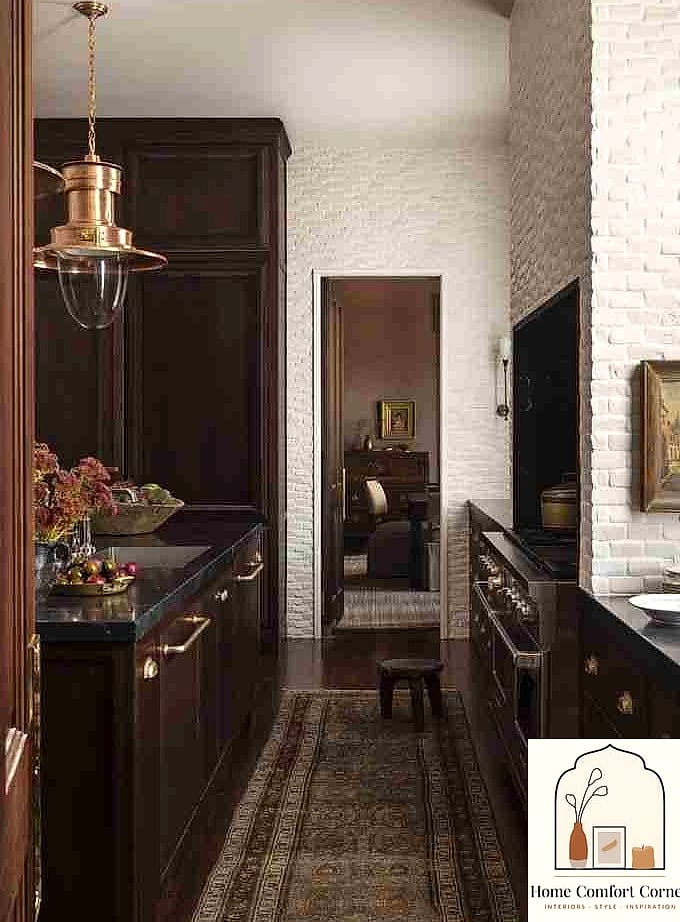
Hunter green has become the unofficial color of old money interiors, and honestly, it deserves the hype. It reads as moody, grounded, and a little bit British countryside without trying too hard.
This works beautifully in libraries, dining rooms, or a home office where you want a cocoon-like feel. Pair it with brass hardware and warm wood trim for that clubby, lived-in vibe.
If painting an entire room feels like a commitment, start with a powder room or built-in bookshelf. It’s a low-risk way to test the look before going all in.
Brass Hardware Everywhere
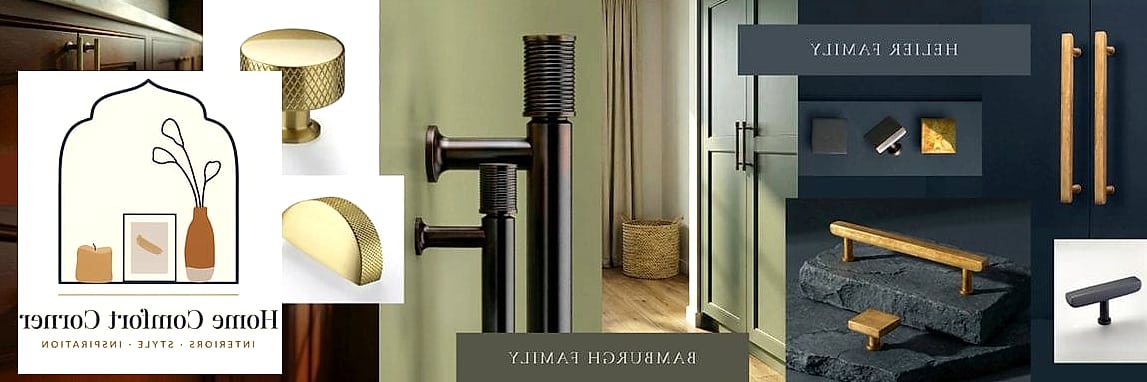
Brushed brass hardware has quietly replaced chrome and matte black as the go-to finish for old money interiors. It warms up cabinets, doors, and lighting fixtures in a way that feels collected rather than purchased in bulk.
Swap out kitchen cabinet pulls, door knobs, or even light switch plates for an easy upgrade that doesn’t require a renovation crew. It’s one of those small changes that makes a whole room feel more expensive.
Unlacquered brass is worth considering if you don’t mind a natural patina developing over time. Some people love that aged look; if you don’t, stick with a sealed finish that stays shiny.
Herringbone Wood Flooring
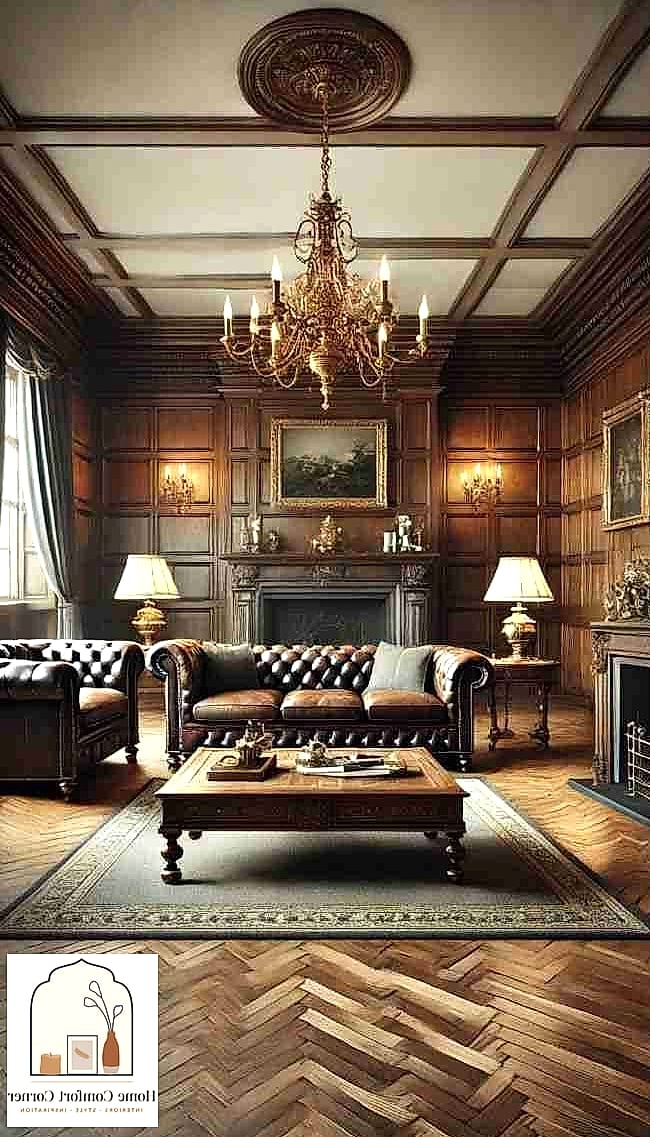
There’s something about a herringbone floor pattern that instantly signals craftsmanship. It’s more labor-intensive to install than standard plank flooring, which is exactly why it reads as luxurious.
This pattern works especially well in entryways, dining rooms, and living spaces where you want the floor itself to feel like a design statement. Oak in a medium or warm tone tends to hit that old money sweet spot best.
Peel-and-stick herringbone vinyl options exist now for renters or anyone on a tighter budget, and honestly some of them look surprisingly convincing from a few feet away.
Layered Oriental Rugs
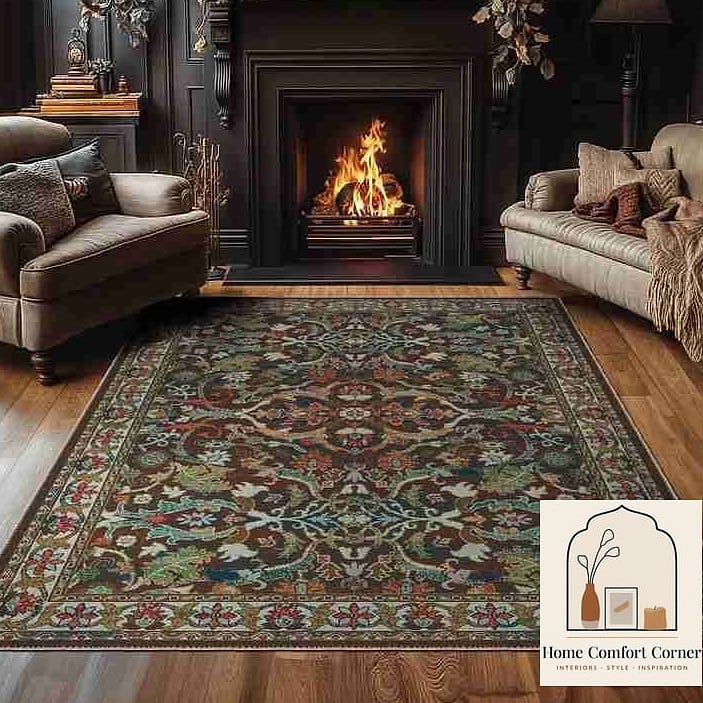
Old money homes rarely have one rug doing all the work. Instead, you’ll often see a smaller patterned rug layered over a larger neutral one, or vintage-style rugs placed in unexpected spots like hallways and bathrooms.
This layered approach adds warmth and visual depth without needing a full room redesign. It also happens to be a great way to hide flooring you’re not thrilled with.
Look for wool rugs with faded, traditional patterns rather than anything too crisp or new-looking. A little imperfection actually helps sell the aesthetic.
Built-In Bookshelves
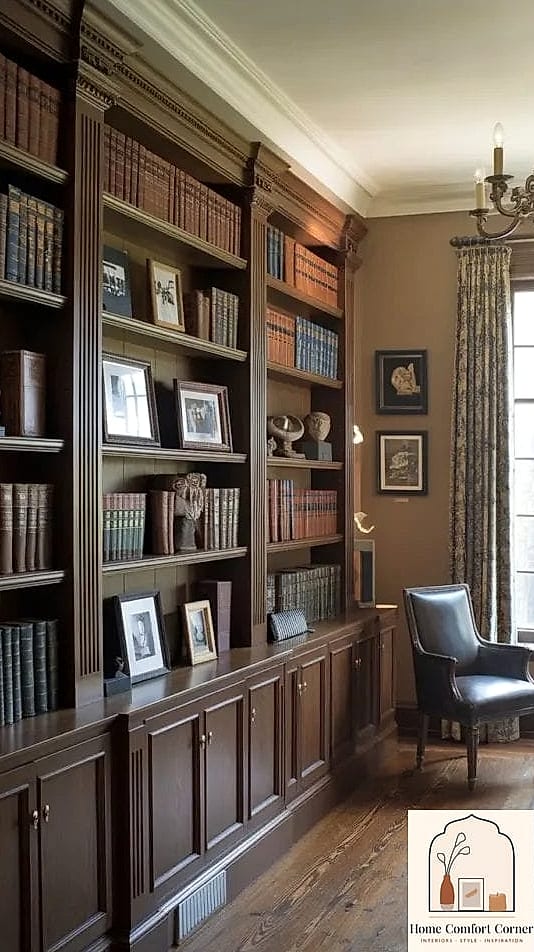
Nothing says established quite like floor-to-ceiling built-in bookshelves. They immediately make a room feel intentional and collected, especially when styled with a real mix of books, art, and small objects rather than perfectly matched decor.
Living rooms, home offices, and even bedrooms benefit from this treatment. If a full built-in isn’t in the budget, framing out an existing bookshelf with trim can fake the look convincingly.
Resist the urge to organize books by color. Old money shelves look like they were filled over years, not staged in an afternoon.
Chinoiserie Wallpaper
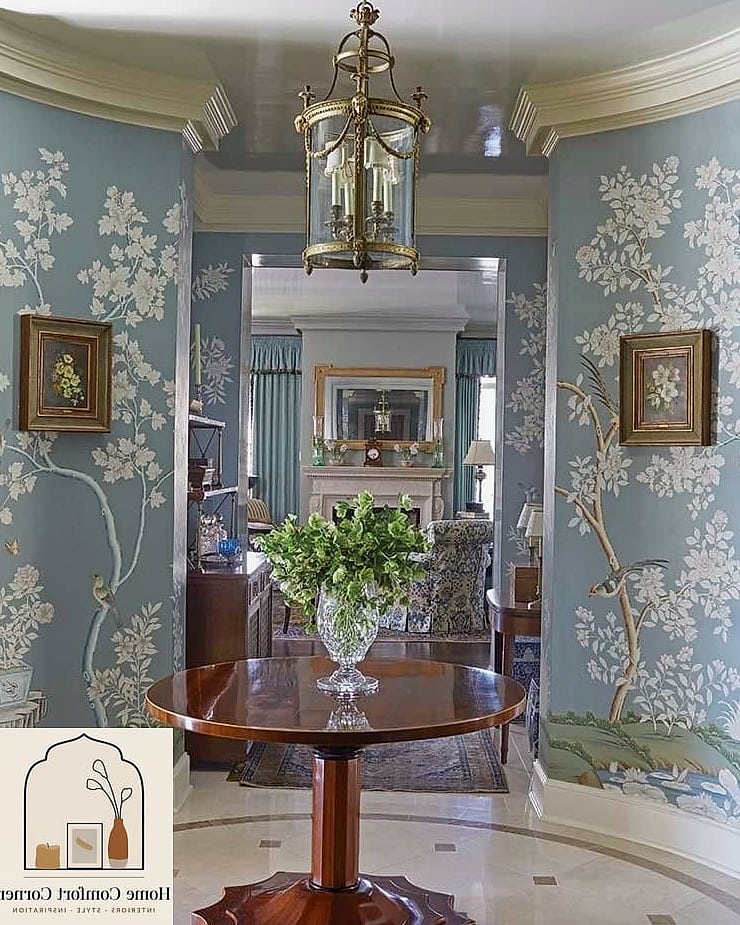
Chinoiserie wallpaper, with its hand-painted look of birds, branches, and florals, has been a hallmark of traditional wealthy interiors for generations. It brings pattern and story into a space without feeling loud.
Powder rooms and dining rooms are ideal spots to try this since the smaller footprint makes a bold wallpaper feel manageable rather than overwhelming. It’s also a great renter-friendly option now that removable versions exist.
Stick to muted backgrounds like cream, soft blue, or sage rather than bright white for a more aged, heritage feel.
Antique Brass or Bronze Lighting
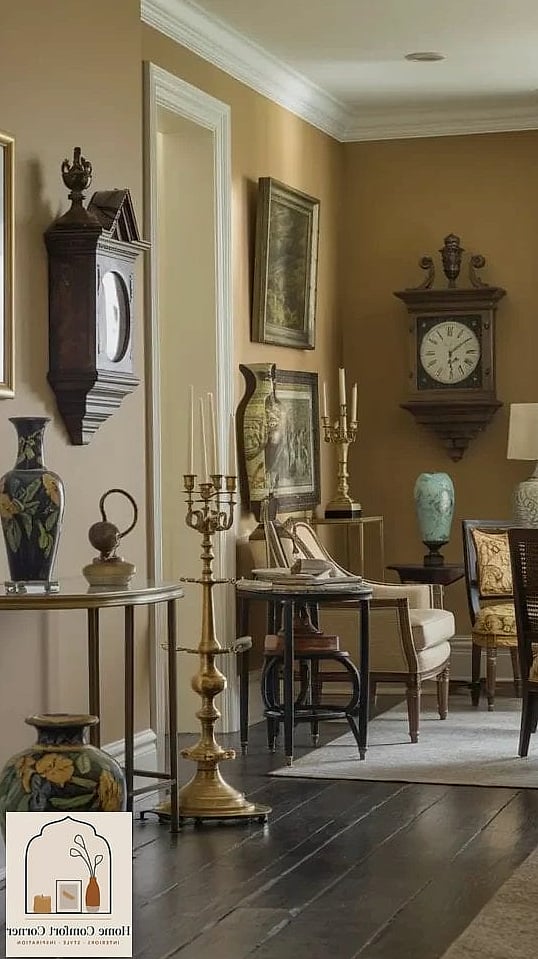
Layered lighting matters a lot in old money interiors, and the fixtures themselves tend to lean vintage. Think fluted glass sconces, brass picture lights over artwork, or a bronze chandelier with a slightly aged patina.
These fixtures work in nearly every room, but dining rooms and entryways are where they really shine. Vintage lighting adds instant character that new, mass-produced fixtures often can’t replicate.
Estate sales and antique shops are worth a look if you want something with real history. Just have an electrician check the wiring before installing anything vintage.
Marble Countertops with Veining
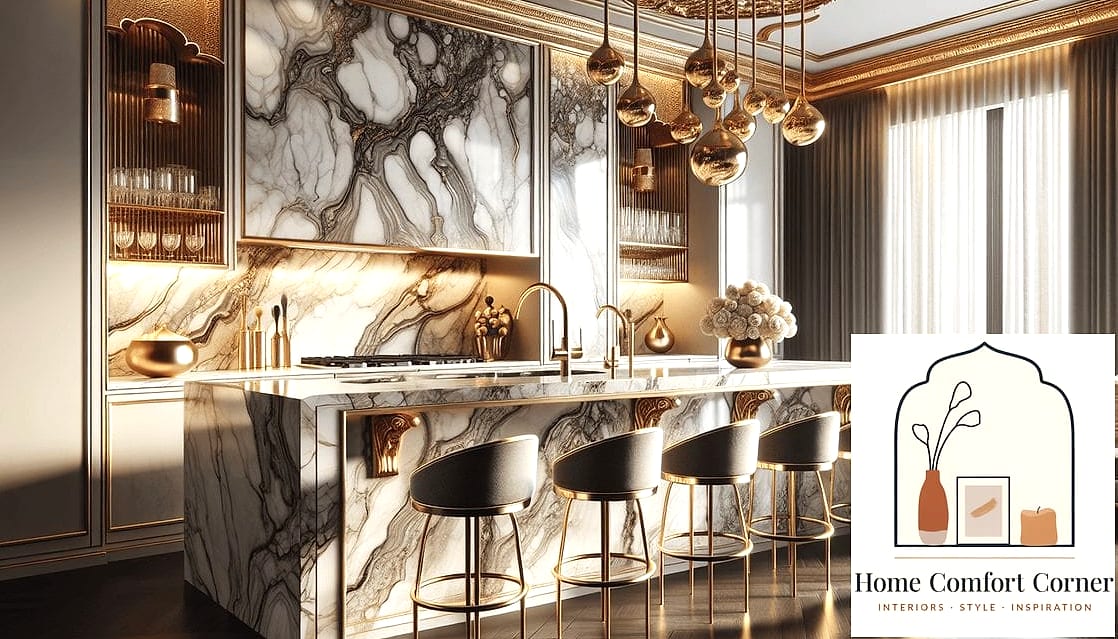
Quartz has its place, but nothing reads old money quite like natural marble with dramatic, organic veining. Carrara and Calacatta remain the classics for a reason.
Kitchens and bathrooms both benefit from this material, especially when paired with simple, unfussy cabinetry that lets the stone be the star. It photographs beautifully and ages with a soft patina that a lot of people actually prefer over pristine-looking counters.
Marble does require more maintenance than engineered stone, since it can stain and etch. Sealing it regularly and wiping up spills quickly keeps it looking its best.
Plaid and Tartan Textiles
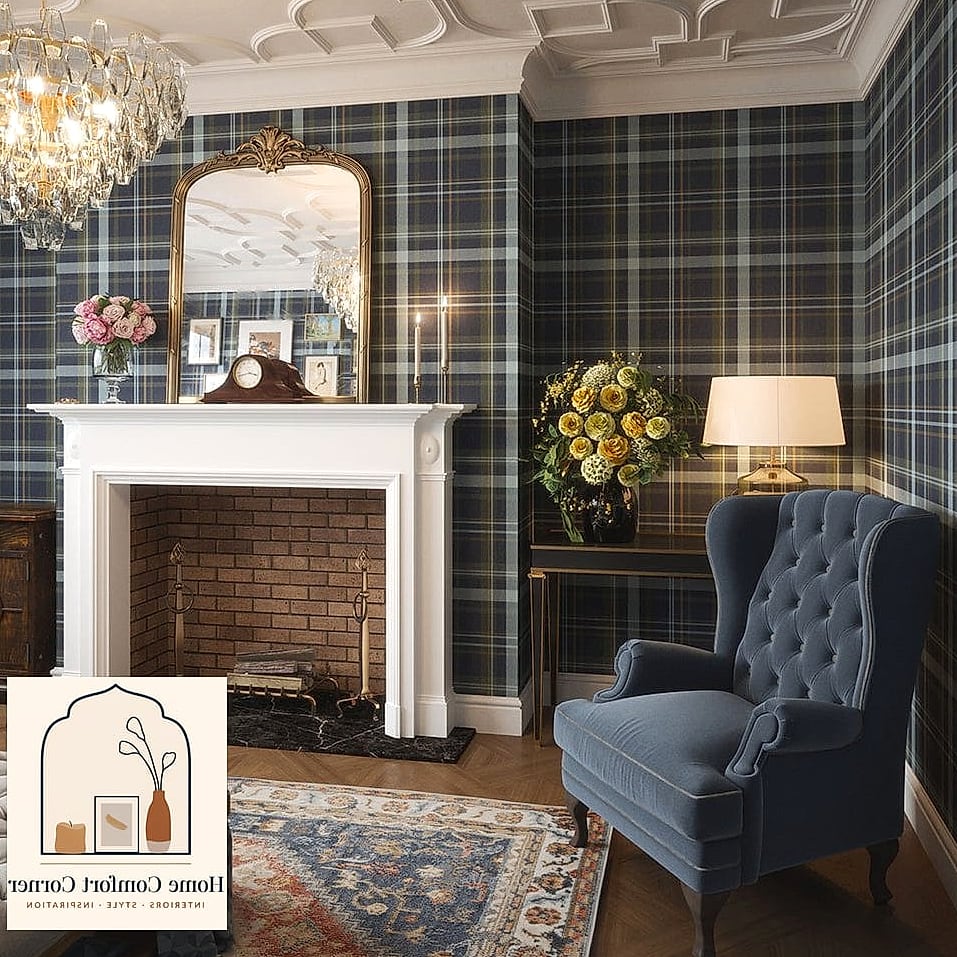
Plaid throws, tartan upholstery, and gingham accents have found their way back into old money interiors, especially in cozier spaces like family rooms or bedrooms. It’s a pattern that feels equestrian and a little bit heritage-brand without being costume-y.
Try it on accent pillows, a window seat cushion, or a wingback chair for a manageable dose. It pairs surprisingly well with the deep green and warm wood tones already common in this style.
Wool blends tend to look more authentic than synthetic fabrics here, though they’ll need more careful cleaning.
Grandmillennial Dining Rooms
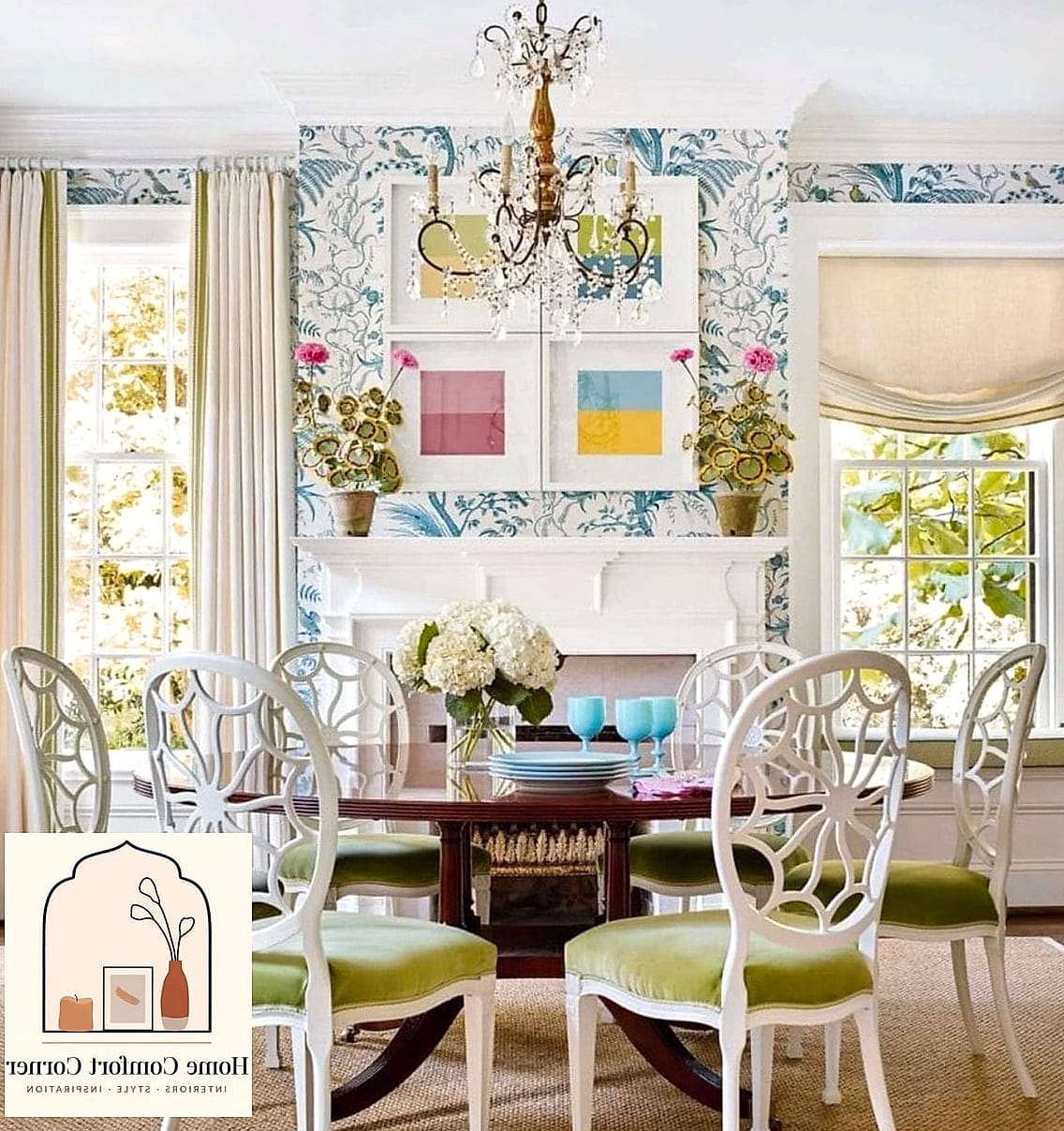
Grandmillennial style, basically traditional decor filtered through a younger, slightly playful lens, has become a major driver of the old money look. Think scalloped edges, pleated lampshades, and floral china displayed rather than tucked away.
Dining rooms are the natural home for this aesthetic, especially with a china cabinet or hutch showing off collected pieces. It’s a great excuse to actually use grandma’s old dishes instead of storing them.
Mixing in a few modern elements, like a contemporary light fixture, keeps the room from feeling like a period piece.
Wood Paneled Walls
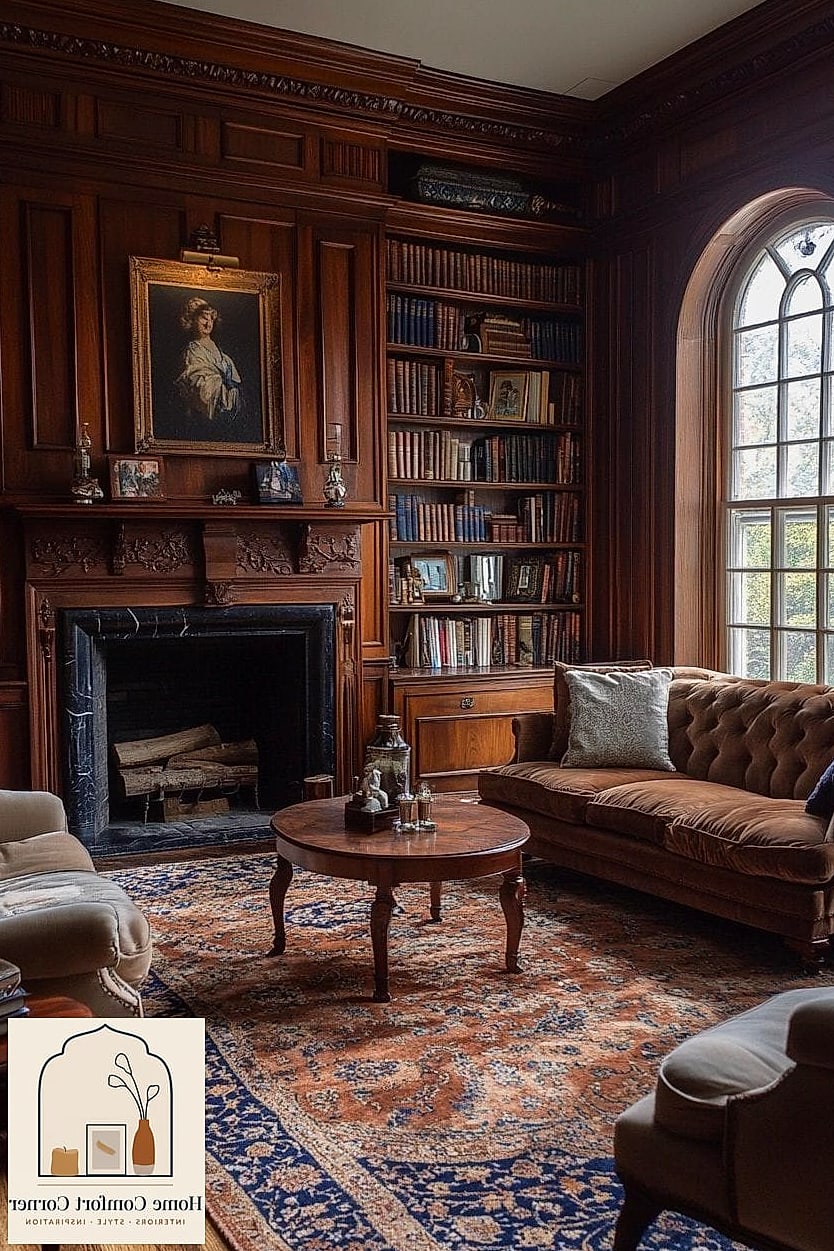
Wood paneling has shed its dated reputation and come back as a genuinely elevated design choice. Shiplap gets a lot of attention, but for old money style, you want something closer to raised panel wainscoting or full wood-clad walls.
Home offices, dining rooms, and libraries are ideal candidates. Painted panels in a warm white or deep green both work depending on how moody you want the room to feel.
DIY wainscoting kits are available for a weekend project, though a professional installation will give you the cleanest lines if your budget allows it.
Equestrian-Inspired Decor
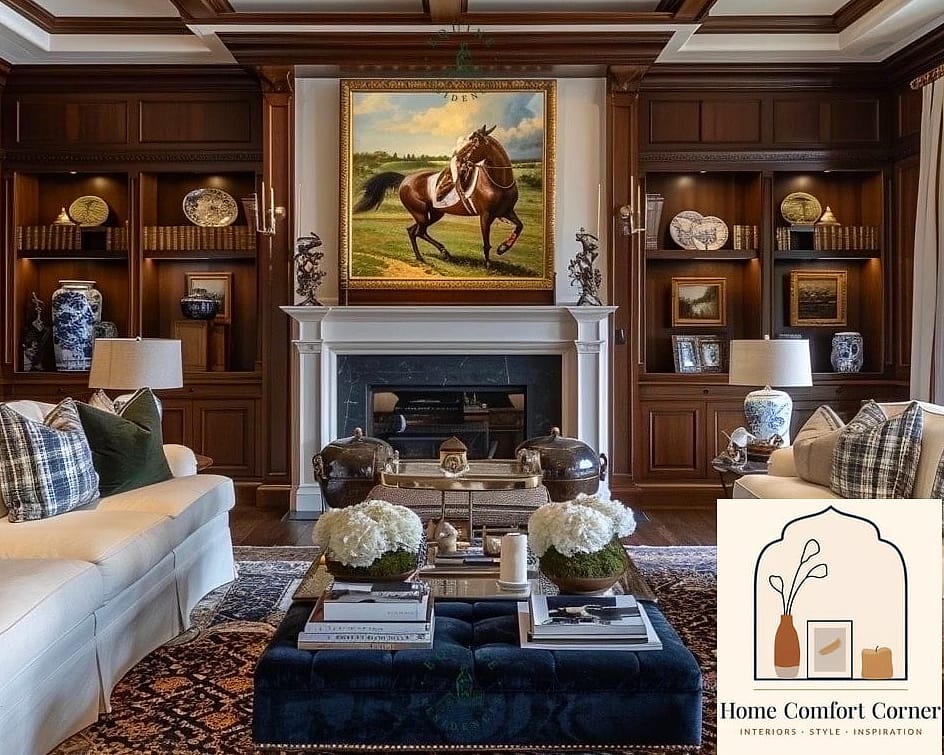
You don’t need an actual horse farm to bring in equestrian touches. Horse-print artwork, riding boot bootjacks used as decor, or leather accents all nod to this classic old money signifier.
This works best in entryways, mudrooms, or home offices where a slightly masculine, collected feel makes sense. It’s a subtle way to add personality without redecorating an entire room.
A little goes a long way here. One or two well-placed pieces feel intentional; more than that can start to feel like a theme park.
Silver Trays and Serveware
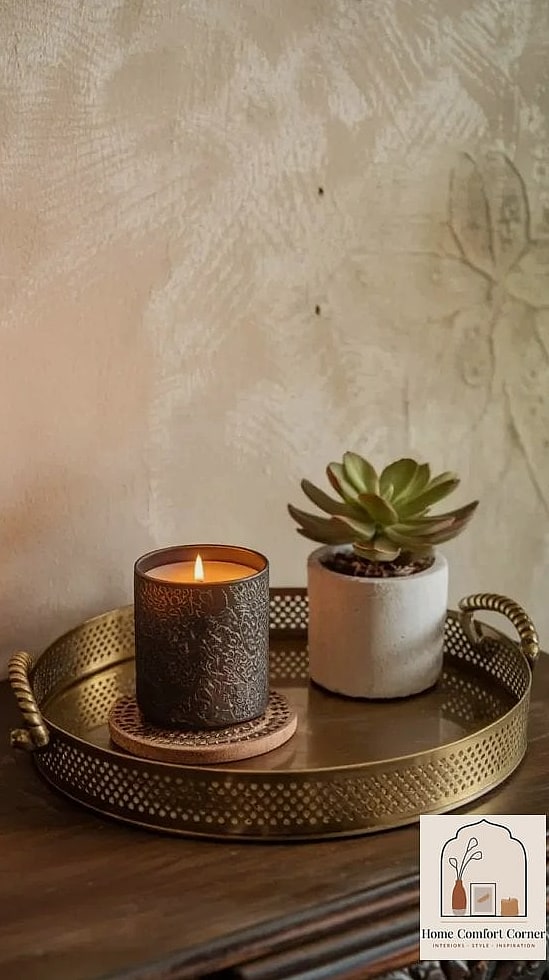
Displayed silver, whether it’s a tray on the console table or a tea set in a cabinet, is one of those small details that instantly reads as old money. It doesn’t need to be used daily to earn its place.
Entryways, dining rooms, and bar carts are natural spots for this. Grouping a few pieces together on a tray looks far more intentional than scattering them around a room.
Real silver will need occasional polishing to stay tarnish-free, but silver plate options offer a similar look with a bit less upkeep.
Neutral Linen Upholstery
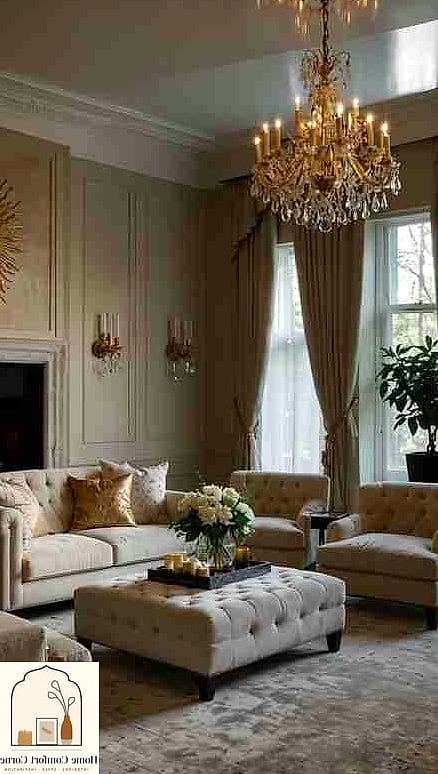
While patterns and color show up in the accents, a lot of old money furniture actually leans on quiet, textural neutrals. Linen slipcovered sofas and chairs in oatmeal, cream, or soft gray create a calm base for everything else to sit against.
Living rooms and bedrooms both benefit from this softer approach, especially in homes with kids or pets where a slipcover can be removed and washed. It also ages gracefully, developing a slightly relaxed, worn-in look over time.
Look for a tightly woven linen blend rather than pure linen if you want something a bit more durable and wrinkle-resistant.
Gallery Walls of Portraits and Landscapes
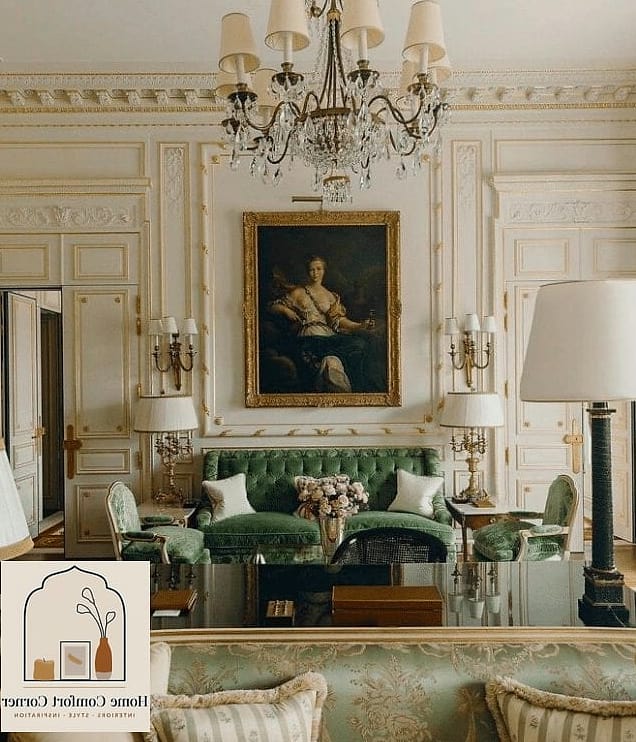
Old money gallery walls tend to favor oil paintings, landscapes, and portraits over the eclectic mix of prints and photos more common in modern homes. Ornate gold frames tie the collection together even when the art itself varies in style and size.
Stairwells, hallways, and living rooms all work well for this treatment. The key is layering frames of different sizes rather than lining everything up in a perfectly even grid.
Thrift stores, estate sales, and even reproduction prints can help you build this look without needing an actual art collection budget.
Final Thoughts
What ties all fifteen of these looks together isn’t a specific color chart or shopping list, it’s restraint. Old money design trusts good materials and a few well-chosen pieces to do the talking, rather than filling every surface with something new.
You don’t need to overhaul your entire house to bring this feel into your home. Pick two or three ideas from this list, whether that’s swapping in brass hardware, layering a vintage rug, or finally hanging that gallery wall you’ve been planning, and let the rest of the room catch up over time. That slow, layered approach is honestly the most old money thing about it.