9 Dining Room Ideas Ideas That Are Both Stylish and Practical
- A Round Table for Better Flow
- Built-In Banquette Seating
- Layered Lighting Over the Table
- A Statement Rug That Can Take a Beating
- Open Shelving for Everyday Dishware
- Mixed Seating Instead of a Matching Set
- A Buffet or Sideboard for Hidden Storage
- Wallpaper or a Bold Accent Wall
- Durable, Easy-Clean Table Materials
9 Dining Room Ideas Ideas That Are Both Stylish and Practical
Your dining room works harder than you probably give it credit for. It’s homework central on Tuesday nights, a wrapping station during the holidays, and somehow still needs to look pulled together when guests show up unannounced. Finding that balance between “looks nice in photos” and “actually holds up to real life” is the whole game here. Below are nine dining room ideas that manage to do both, whether you’re working with a cozy breakfast nook or a full formal space.
A Round Table for Better Flow
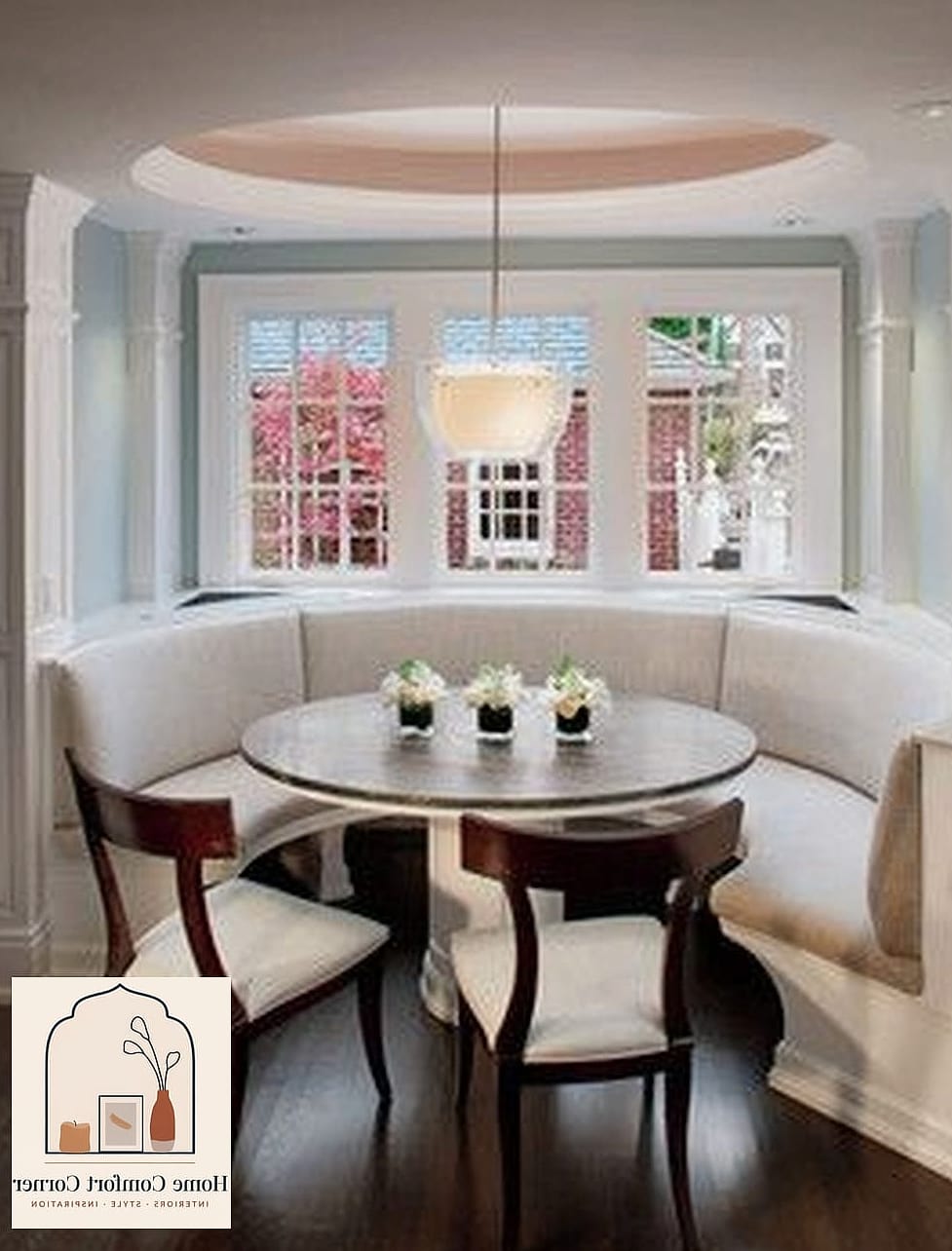
Round tables get overlooked a lot in favor of long rectangular ones, but they solve a surprising number of problems. There are no corners to bump into, which matters more than you’d think in a smaller room or a house with little kids running around.
They also make conversation easier since everyone can actually see each other, instead of shouting down a ten-foot table. A pedestal base gives you extra legroom too, since there’s no center leg to dodge.
Wood tones like walnut or oak feel warm and classic, while a marble or quartz top leans more modern. If you’re tight on square footage, a round table genuinely lets you fit more chairs into less visual space than a rectangle would.
Built-In Banquette Seating
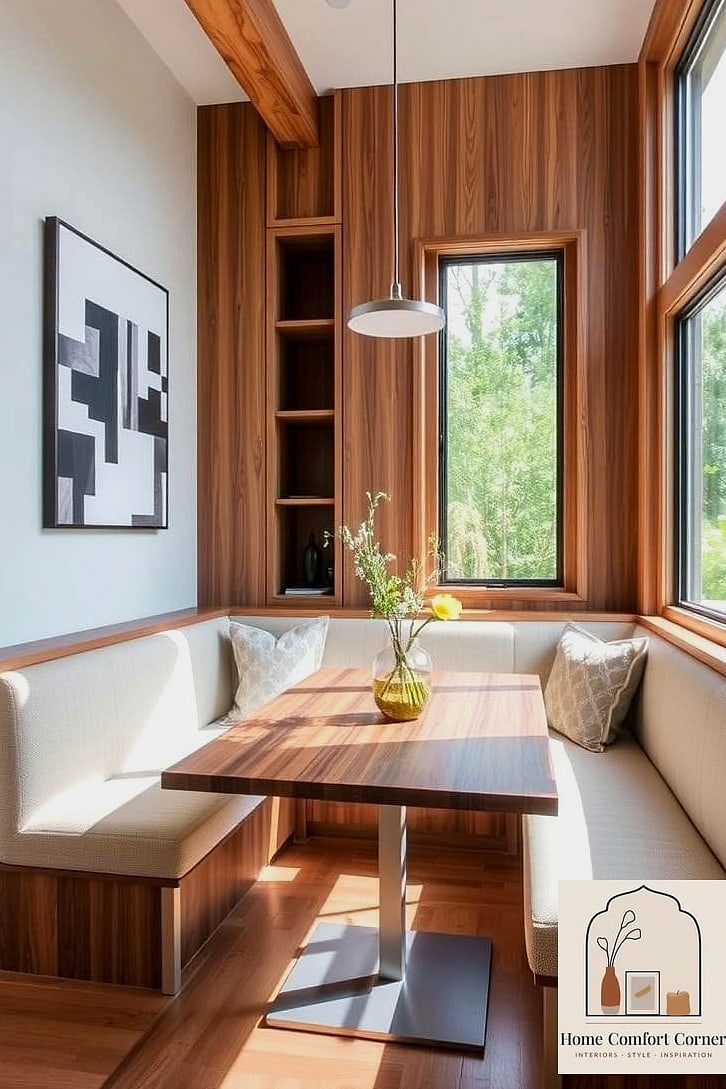
Banquette seating has quietly become one of the most requested dining features, and it’s easy to see why. That cushioned bench along the wall saves space, adds storage underneath if you build it right, and gives the room a cozy, café-like feel.
It’s especially great for smaller dining nooks or awkward corners that a full table and chairs never quite fit into. Pair it with a couple of regular chairs on the open side for flexibility.
Go with a performance fabric or vinyl if you’ve got kids or pets, since spills wipe right off instead of soaking in. Add some throw pillows in a pattern that ties into your color palette, and it instantly feels more like a spot people want to linger in.
Layered Lighting Over the Table
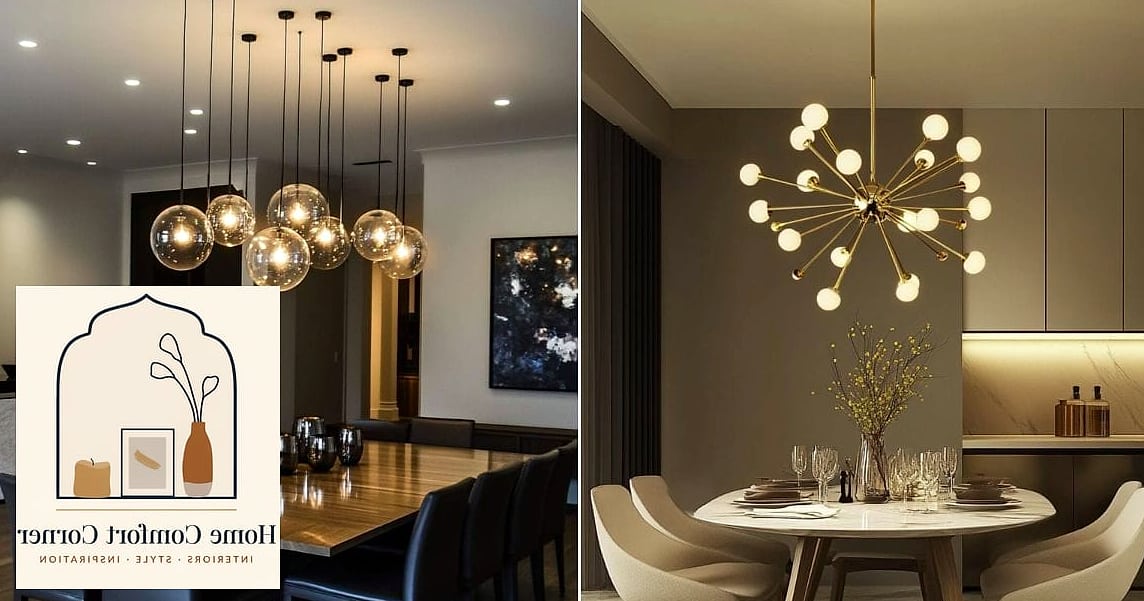
One overhead fixture is fine, but layered lighting is what actually makes a dining room feel finished. Think a statement pendant or chandelier as your main light, plus a dimmer so you can shift from bright weeknight dinners to a moodier vibe for entertaining.
Wall sconces on either side of a buffet or built-in cabinet add another layer without eating up table space. This matters more than people expect, since dining rooms often double as workspaces during the day and need brighter, more functional light for that.
Brushed brass and matte black finishes are both having a moment right now, and either one can work depending on whether your room leans warm or more contemporary. A dimmer switch is genuinely one of the cheapest upgrades that makes the biggest difference here.
A Statement Rug That Can Take a Beating
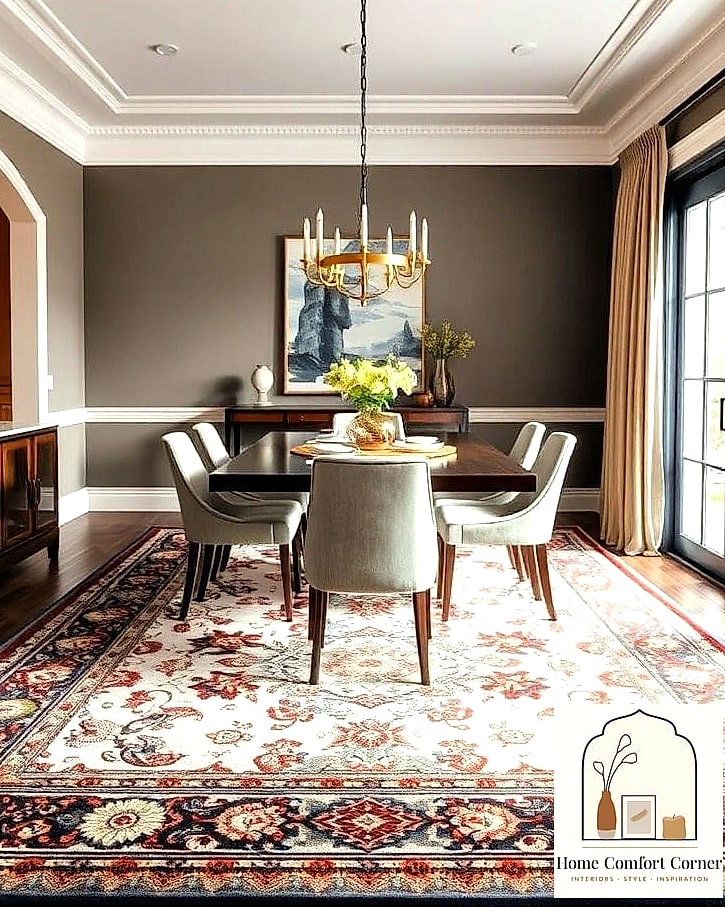
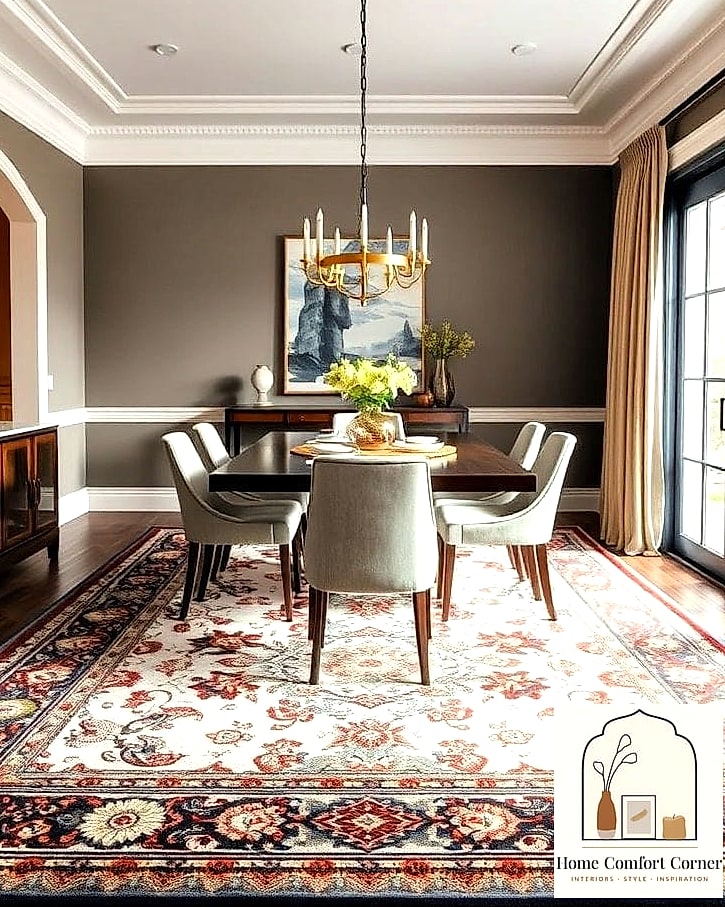
A rug under the dining table grounds the whole space and adds warmth, but it needs to survive crumbs, spills, and dragged-out chairs. Low-pile options or flatweave styles are your best bet, since they don’t trap food the way a plush shag rug would.
Size matters too. You want enough rug that chairs stay on it even when pulled out, which usually means going bigger than feels intuitive at first.
Patterned rugs are actually more forgiving day to day since they hide minor stains better than a solid color. Wool and synthetic blends both clean up reasonably well, and a lot of newer synthetic options are surprisingly stain-resistant if you’ve got young kids at the table.
Open Shelving for Everyday Dishware
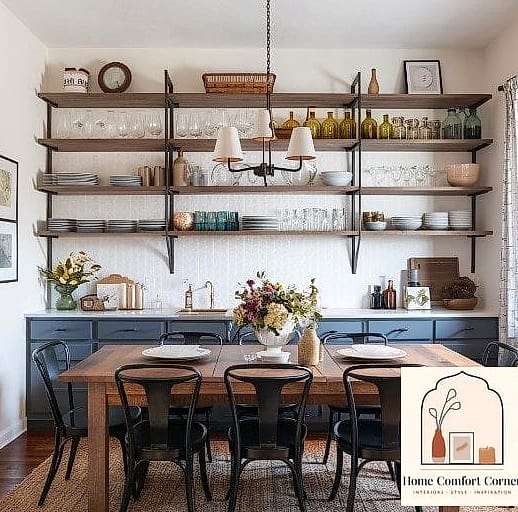
Open shelving isn’t just for kitchens anymore. In a dining room, a few floating shelves let you display nice dishware, glassware, or a rotating mix of seasonal decor without needing a full hutch.
It works especially well in smaller rooms where a bulky cabinet would feel like too much. Group items by color or height so it doesn’t look cluttered, and leave a little breathing room between pieces.
The tradeoff is that everything’s visible, so it does require a bit more upkeep dusting-wise. If that’s not your thing, mixing in a couple of closed cabinets alongside the open shelves gives you the look without fully committing to it.
Mixed Seating Instead of a Matching Set
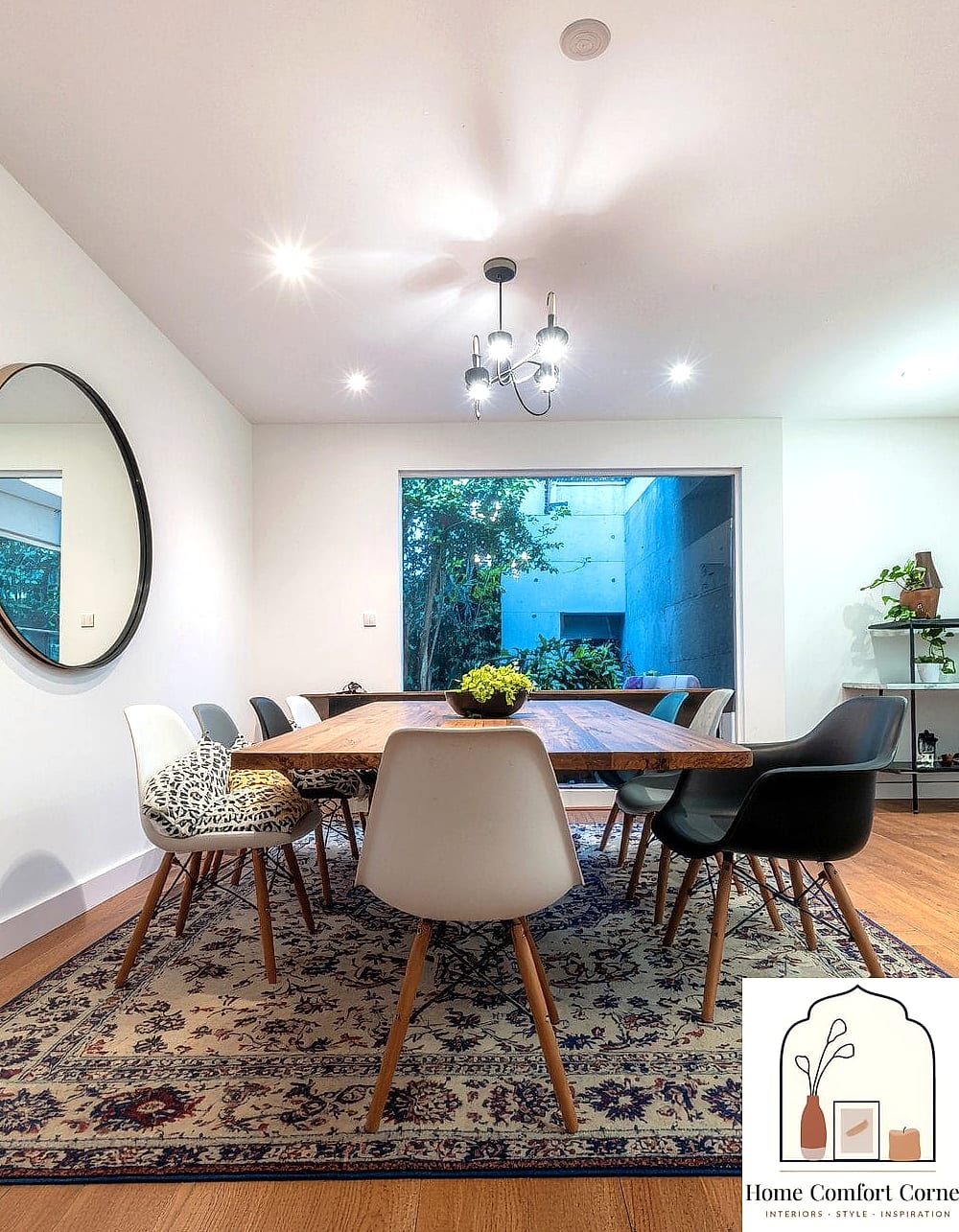
A full matching dining set isn’t a rule you have to follow, and honestly, mixed seating often looks more collected and intentional. Pair upholstered chairs at the ends of the table with simpler wood or rattan chairs along the sides.
This is also a smart practical move if you inherited chairs, found a few at a thrift store, or just want to spread out your budget. It gives you room to add texture too, since rattan or cane-back chairs bring in a natural element that a fully upholstered set doesn’t.
Just keep some kind of common thread running through the mix, whether that’s a shared wood tone, a consistent color family, or similar leg shapes, so it reads as a choice and not a mismatch.
A Buffet or Sideboard for Hidden Storage
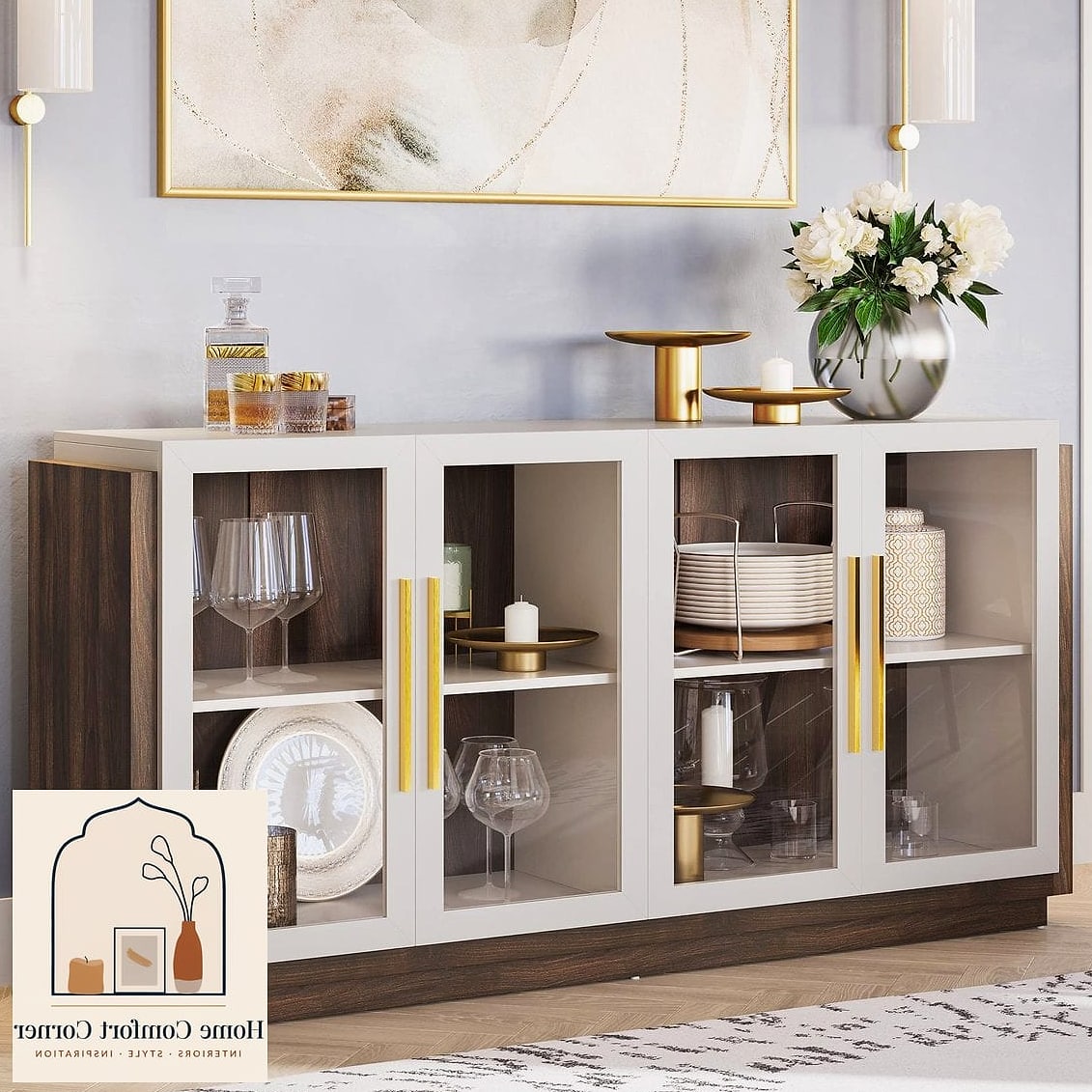
A buffet does a lot of quiet work in a dining room. It’s extra serving space during dinner parties, storage for table linens and serveware the rest of the time, and a surface for styling with a lamp, some greenery, or rotating decor.
Look for one with a mix of drawers and cabinets so you can separate things like napkins from bulkier serving platters. Drawer organizers or dividers inside keep silverware and linens from turning into a jumbled mess.
Placement matters here too. Against the longest wall, it doesn’t interfere with chair clearance, and it gives you a spot to set food out buffet-style when the table itself is full.
Wallpaper or a Bold Accent Wall
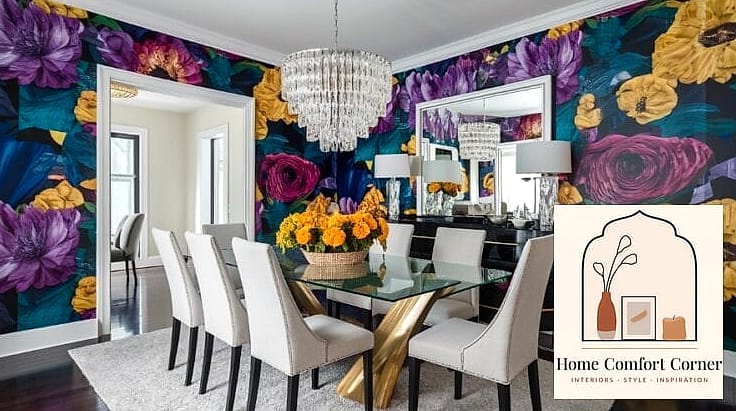
Dining rooms are one of the best places in the house to take a wallpaper risk, since you’re not living in the space all day the way you would a bedroom or living room. A botanical print, a subtle grasscloth texture, or a rich moody color can make the room feel like its own distinct space rather than just an extension of the kitchen.
Peel-and-stick wallpaper has gotten a lot better in recent years too, which makes this renter-friendly if you’re not ready to commit to something permanent. It’s also fairly DIY-friendly for a weekend project.
If wallpaper feels like too much commitment, a single accent wall in a deep green, navy, or terracotta paint gives you a similar effect for a fraction of the effort.
Durable, Easy-Clean Table Materials
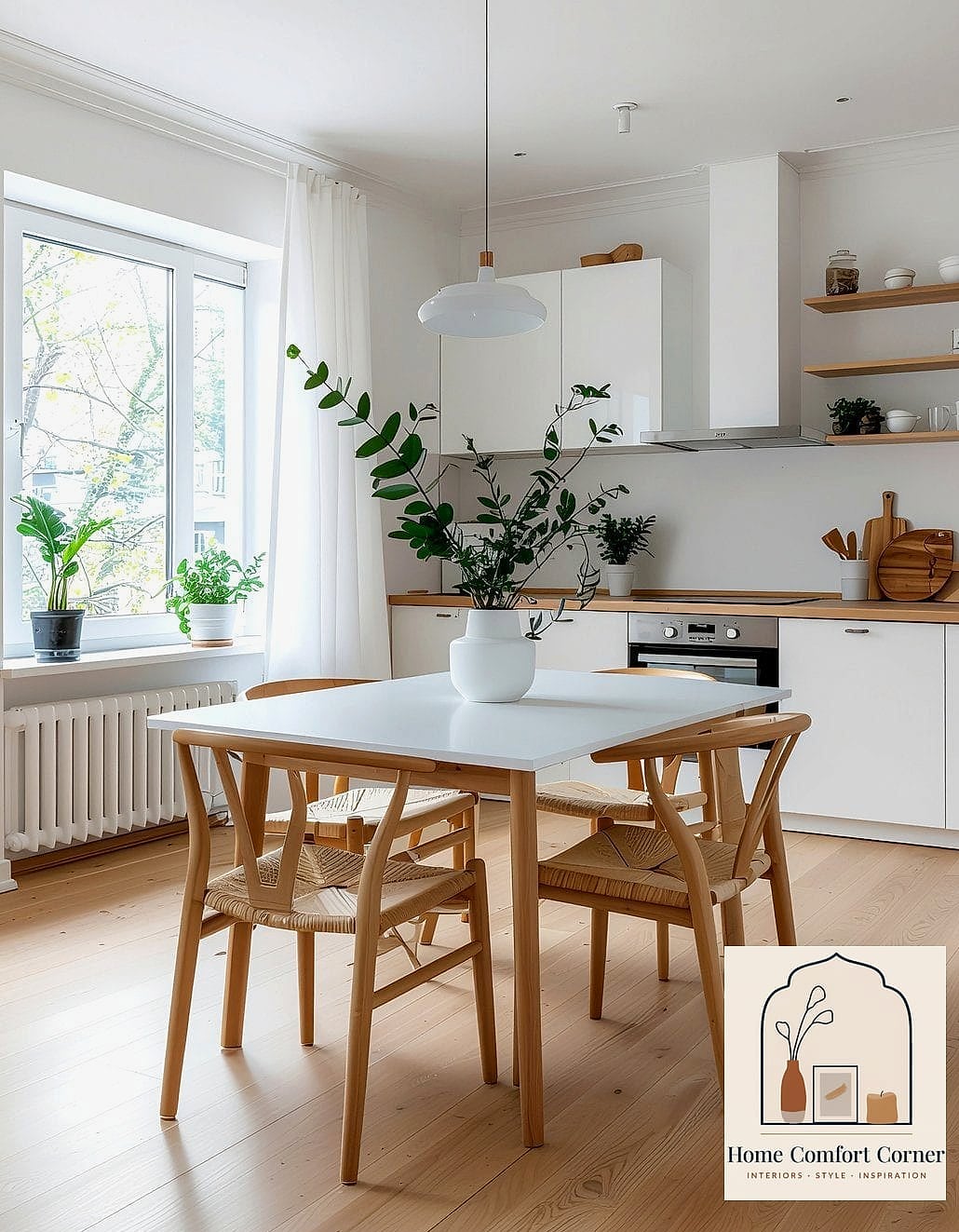
At the end of the day, your dining table needs to survive actual meals, not just look good empty. Materials like quartz, solid wood with a good sealant, or laminate hold up better to daily wear than materials that scratch or stain easily.
Butcher block has a warm, natural look that a lot of people love, but it does need occasional oiling to stay protected, so it’s worth knowing that going in. Quartz or engineered stone tops are close to maintenance-free by comparison and resist heat and stains well.
If you’ve got young kids, a matte finish tends to hide fingerprints and light scratches better than a glossy one. And a table with a slight overhang past the base makes it easier to fit chairs underneath cleanly when it’s not in use, which keeps the whole room feeling less cramped.
Pulling together a dining room that’s both stylish and practical really comes down to picking pieces that can multitask. A rug that hides crumbs, a buffet that hides clutter, seating that’s comfortable enough for a two-hour holiday dinner but sturdy enough for daily use. None of these nine ideas require a full gut renovation either, so you can pick one or two that solve your biggest pain points and build from there. Start with whatever’s bugging you most right now, whether that’s bad lighting or chairs nobody wants to sit in, and the rest tends to fall into place over time.