23 Neoclassical Interior Design Photos That Will Inspire Your Next Project
- Symmetrical Living Room Layouts
- Fluted Column Details
- Soft Neutral Color Palettes
- Ornate Ceiling Medallions
- Marble Fireplace Surrounds
- Statement Chandeliers
- Curved Furniture Silhouettes
- Formal Dining Room Setups
- Grand Entryway Staircases
- Wainscoting and Wall Paneling
- Statuary and Sculptural Accents
- Arched Doorways and Windows
- Upholstered Bench Seating
- Brass and Gold Hardware Accents
- Formal Bedroom Retreats
- Decorative Mirrors with Ornate Frames
- Herringbone and Parquet Flooring
- Classical Column Bookshelves
- Draped Curtain Panels
- Pastel Accent Walls
- Elegant Powder Room Details
- Coffered Ceiling Details
- Layered Area Rugs
23 Neoclassical Interior Design Photos That Will Inspire Your Next Project
Neoclassical design has a way of making a room feel instantly grounded, like it’s always belonged there. It borrows from classical Greek and Roman architecture but softens everything with modern comfort, so you get columns and curves without feeling like you’re standing in a museum. If you’ve been drawn to symmetry, soft neutral palettes, and furniture with real presence, this style might be exactly what your space is missing. Here are 23 neoclassical interior design photos and ideas to get your gears turning.
Symmetrical Living Room Layouts
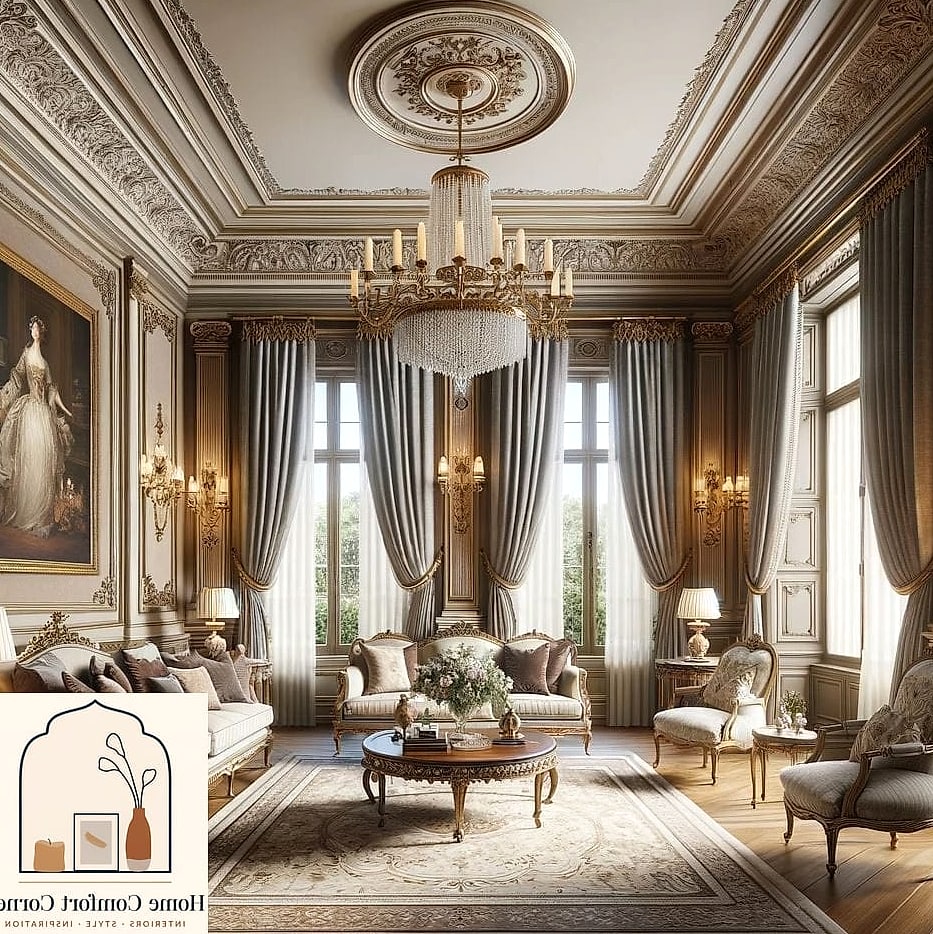
Neoclassical rooms almost always start with symmetry. Think matching armchairs on either side of a fireplace, or identical lamps flanking a sofa. It creates a sense of order that feels calming the moment you walk in. This works especially well in living rooms and formal sitting areas where you want the space to feel intentional rather than thrown together. Budget-wise, you can achieve this with basic furniture pairs from almost any retailer, so it’s not an expensive look to chase.
Fluted Column Details
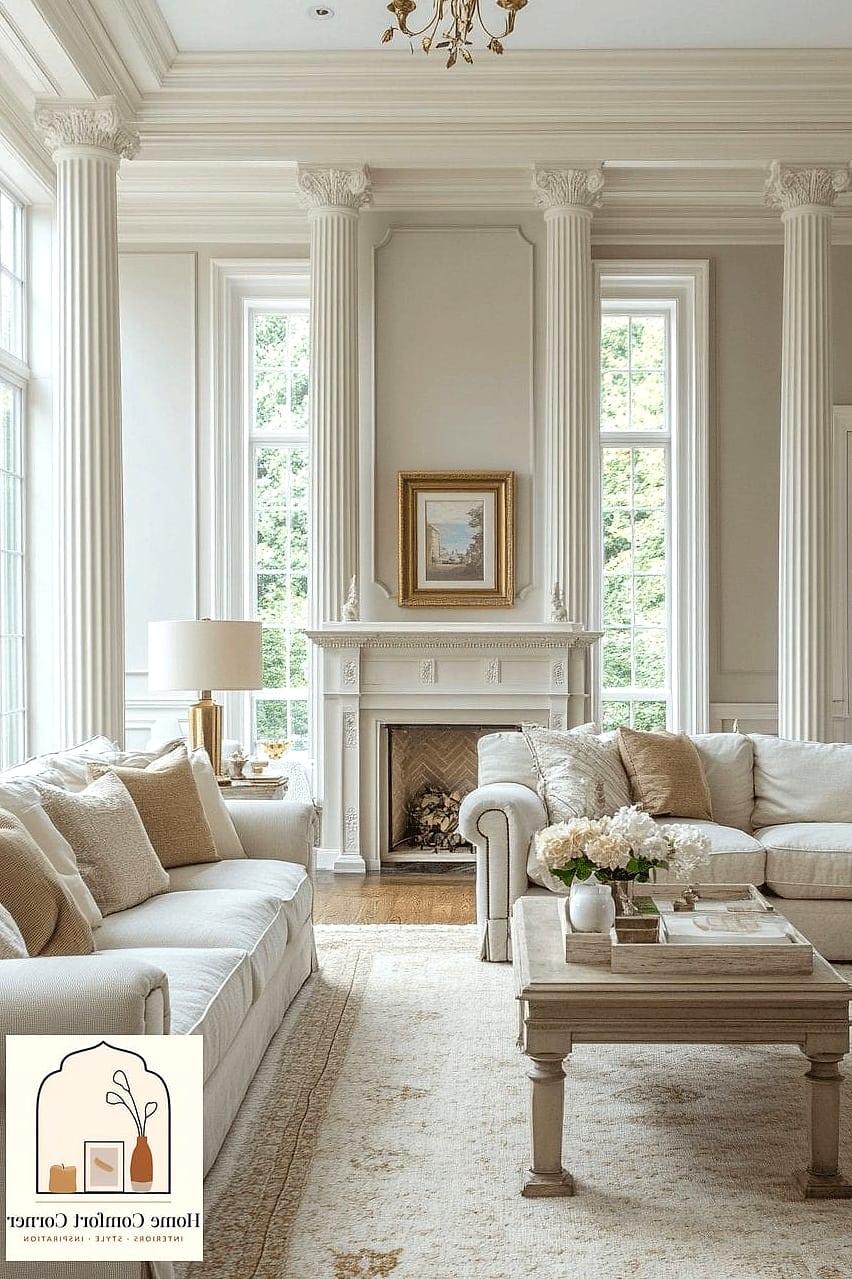
Fluted columns, whether structural or purely decorative, are a signature neoclassical move. You’ll see them framing doorways, holding up a mantel, or standing as freestanding accents near a staircase. They add height and a bit of drama without cluttering the room. If a full architectural column feels like too much, smaller fluted pilasters or even furniture legs with the same grooved texture give you a taste of the look. Painted white or a soft cream, they blend right into a neutral color palette.
Soft Neutral Color Palettes
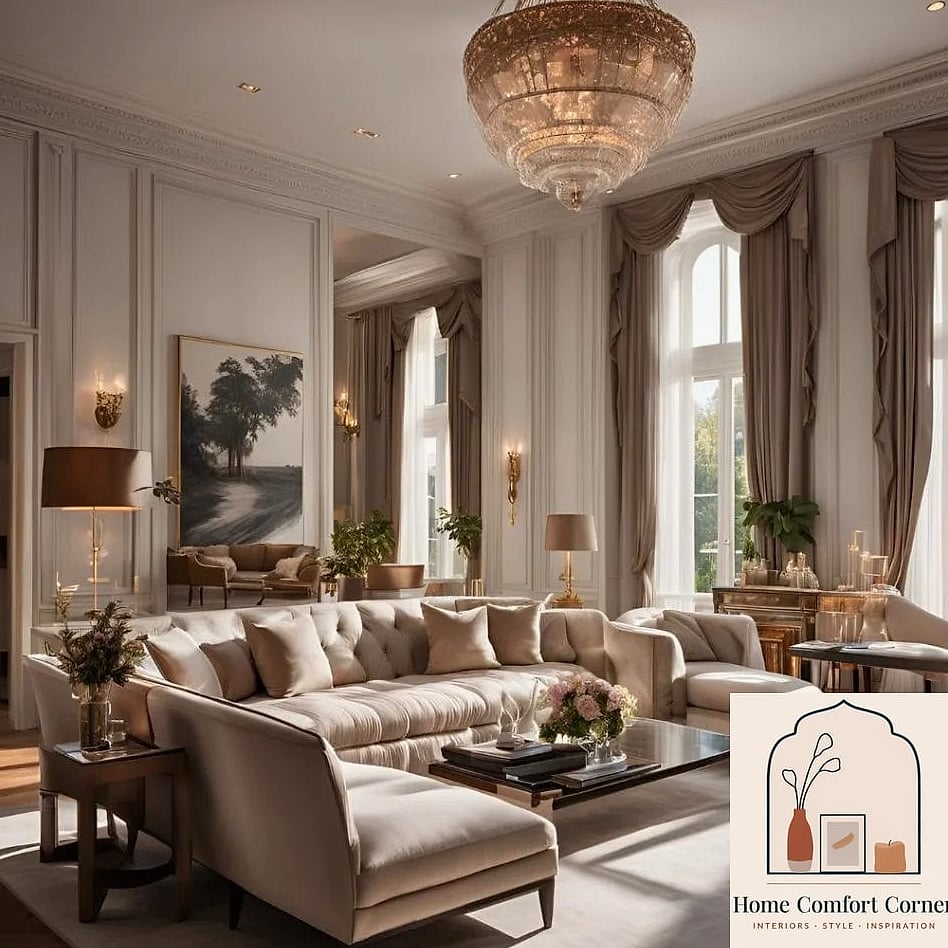
This style leans heavily on ivory, soft gray, warm beige, and the occasional muted sage or blue. The palette stays quiet so the architectural details and furniture shapes can do the talking. I always tell clients this is one of the more forgiving color schemes because it’s hard to get wrong. It also makes a room feel larger and brighter, which is a nice bonus if you’re working with a smaller footprint.
Ornate Ceiling Medallions
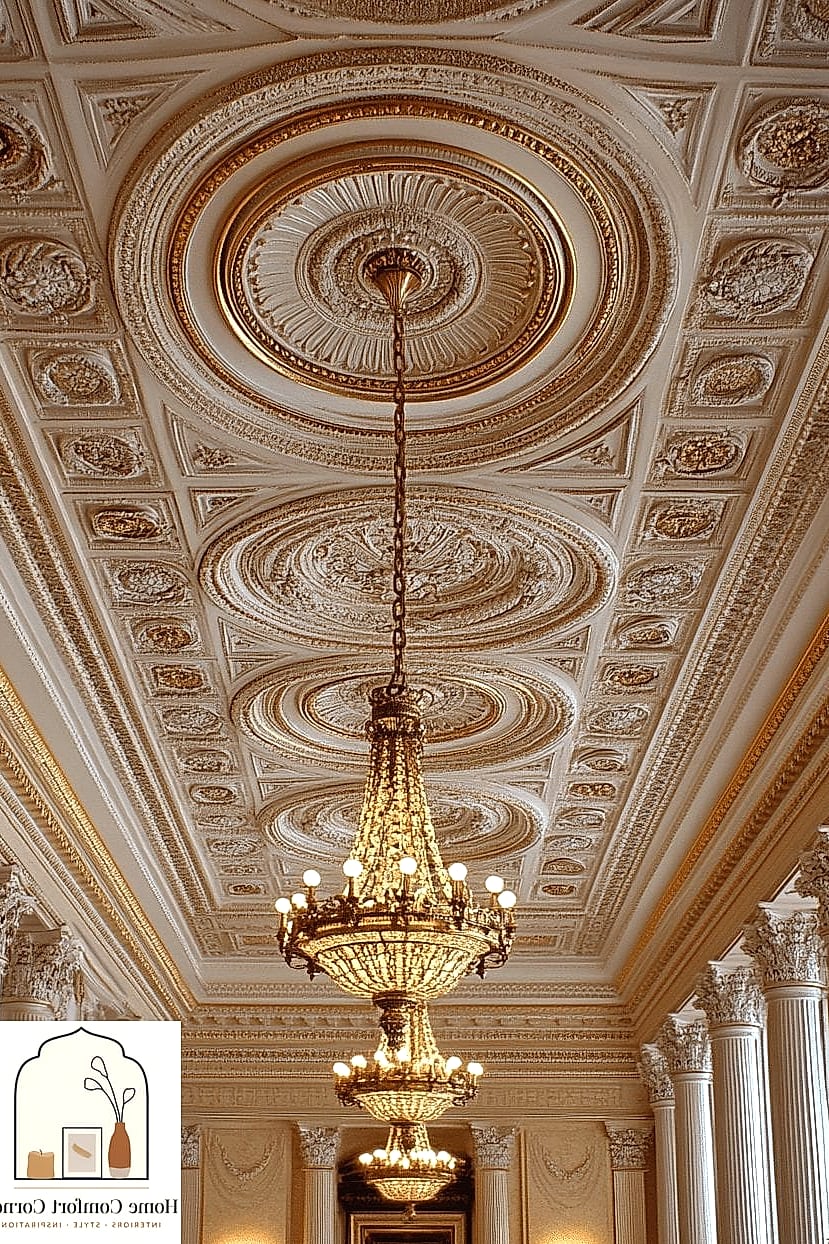
A ceiling medallion around a chandelier or pendant light instantly reads as neoclassical. These plaster or resin details used to be reserved for grand estates, but you can now find lightweight versions that install with adhesive and a little patience. They work best in dining rooms and entryways where people naturally look up. It’s a small detail that makes a big visual impact for a relatively modest cost.
Marble Fireplace Surrounds
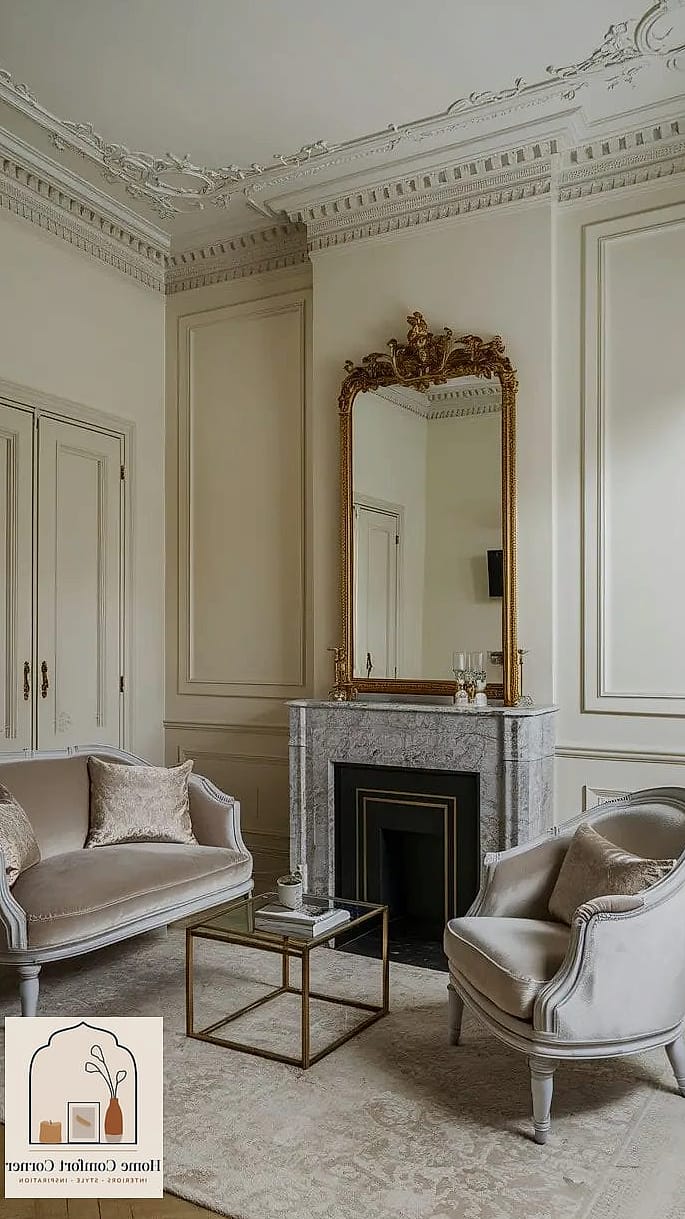
Marble has always felt a little aristocratic, and a marble surround around a fireplace is one of the fastest ways to bring neoclassical charm into a room. White or gray veined marble keeps things classic, while a warmer cream marble softens the formality a touch. If real marble is out of budget, there are convincing faux marble panels that mimic the veining without the cost or weight.
Statement Chandeliers
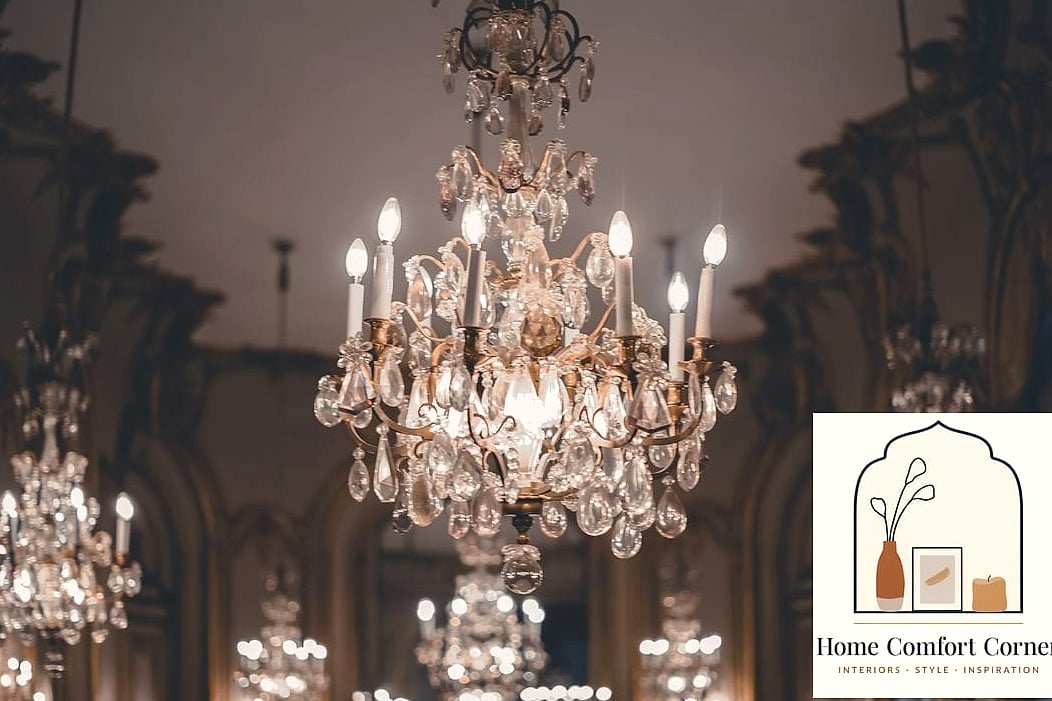
Lighting carries a lot of weight in this style. A crystal or brass chandelier hung at the center of a room adds sparkle and instantly elevates the space. Dining rooms and entry halls are the classic spots for this, but I’ve seen them look stunning over a soaking tub too. Layer this with wall sconces or table lamps so the room doesn’t rely on one harsh overhead source.
Curved Furniture Silhouettes
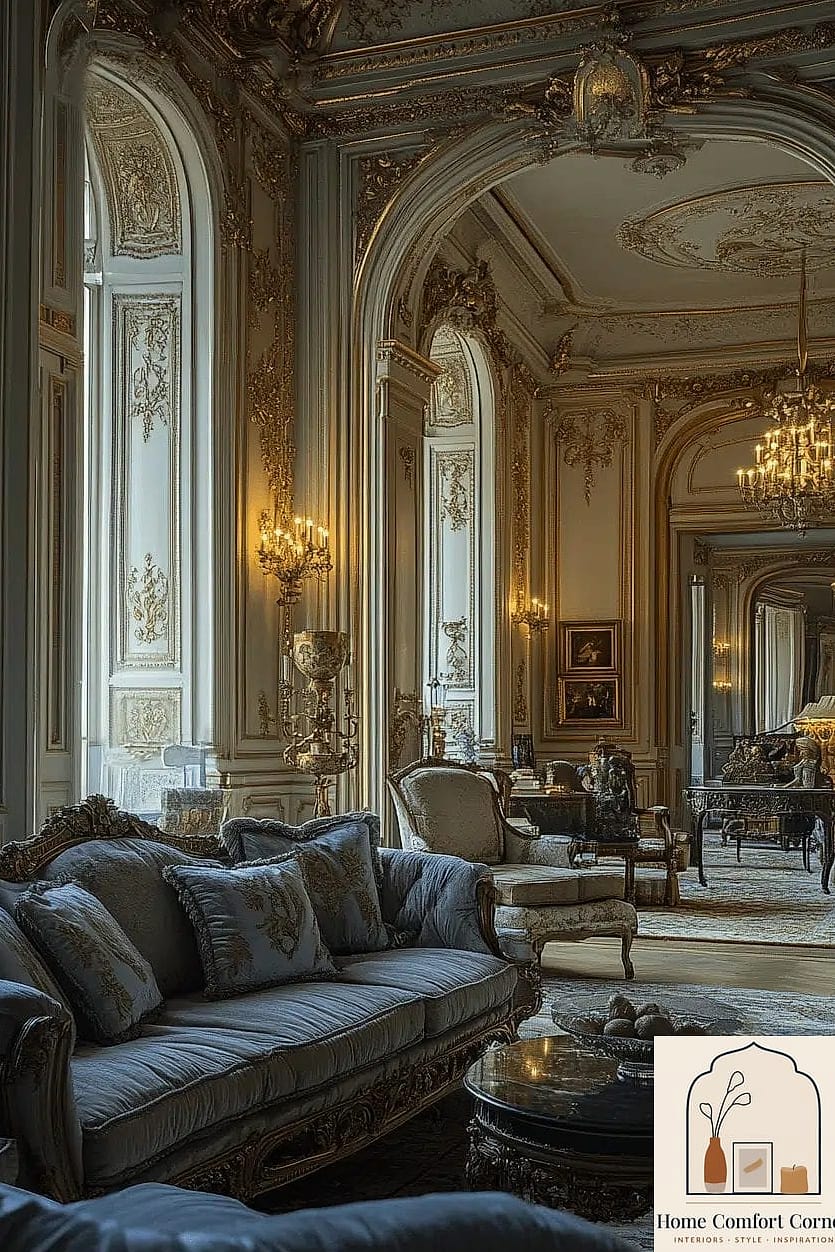
Neoclassical furniture often has gentle curves, think scrolled arms on a sofa or a cabriole leg on a side table. These soft shapes balance out all the straight architectural lines in the room. They’re comfortable to actually sit on too, which matters if you’re not just decorating for looks. Upholstered pieces in a soft velvet or linen keep the curves feeling current rather than stiff.
Formal Dining Room Setups
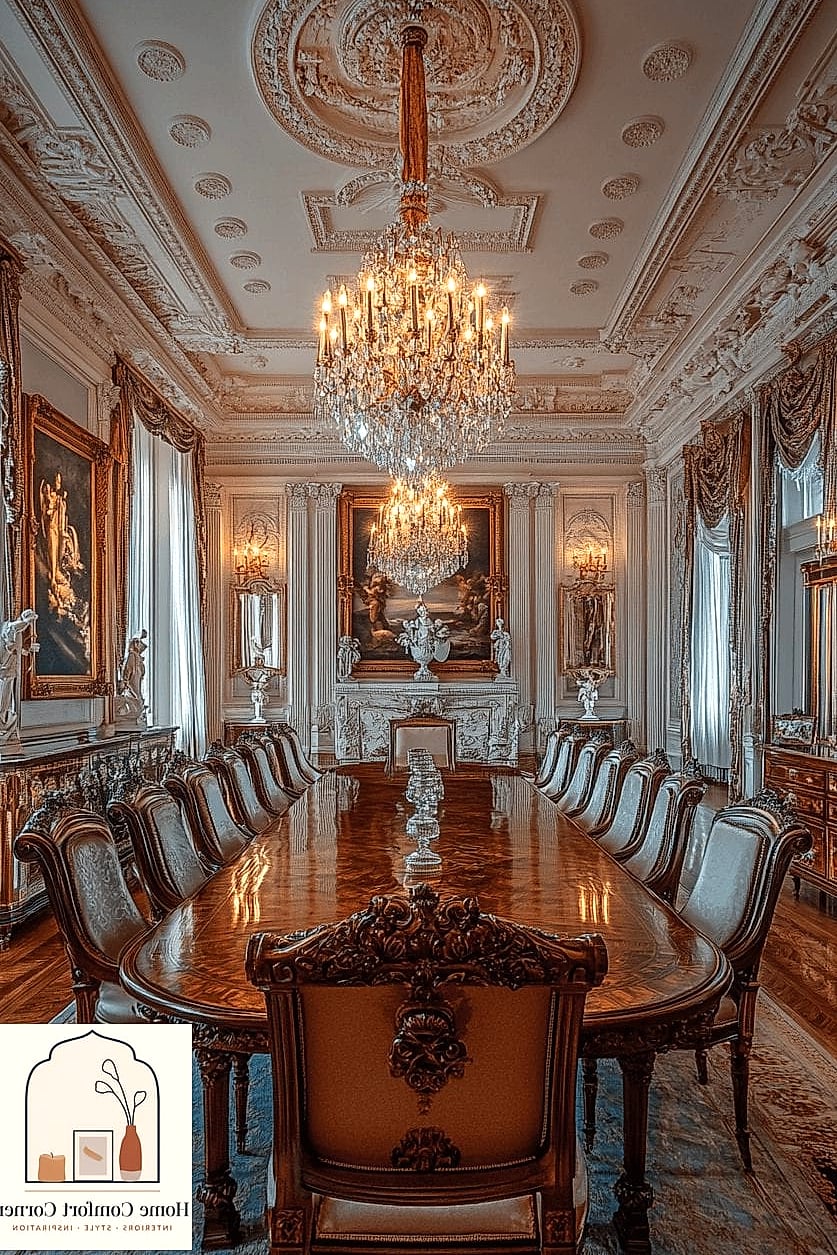
A neoclassical dining room usually centers on a long wood table, upholstered chairs with subtle nailhead trim, and a rug that anchors the whole arrangement. Adding a sideboard with fluted detailing or brass hardware ties the room together. This setup works whether you host often or just want a dining space that feels a little more special than everyday.
Grand Entryway Staircases
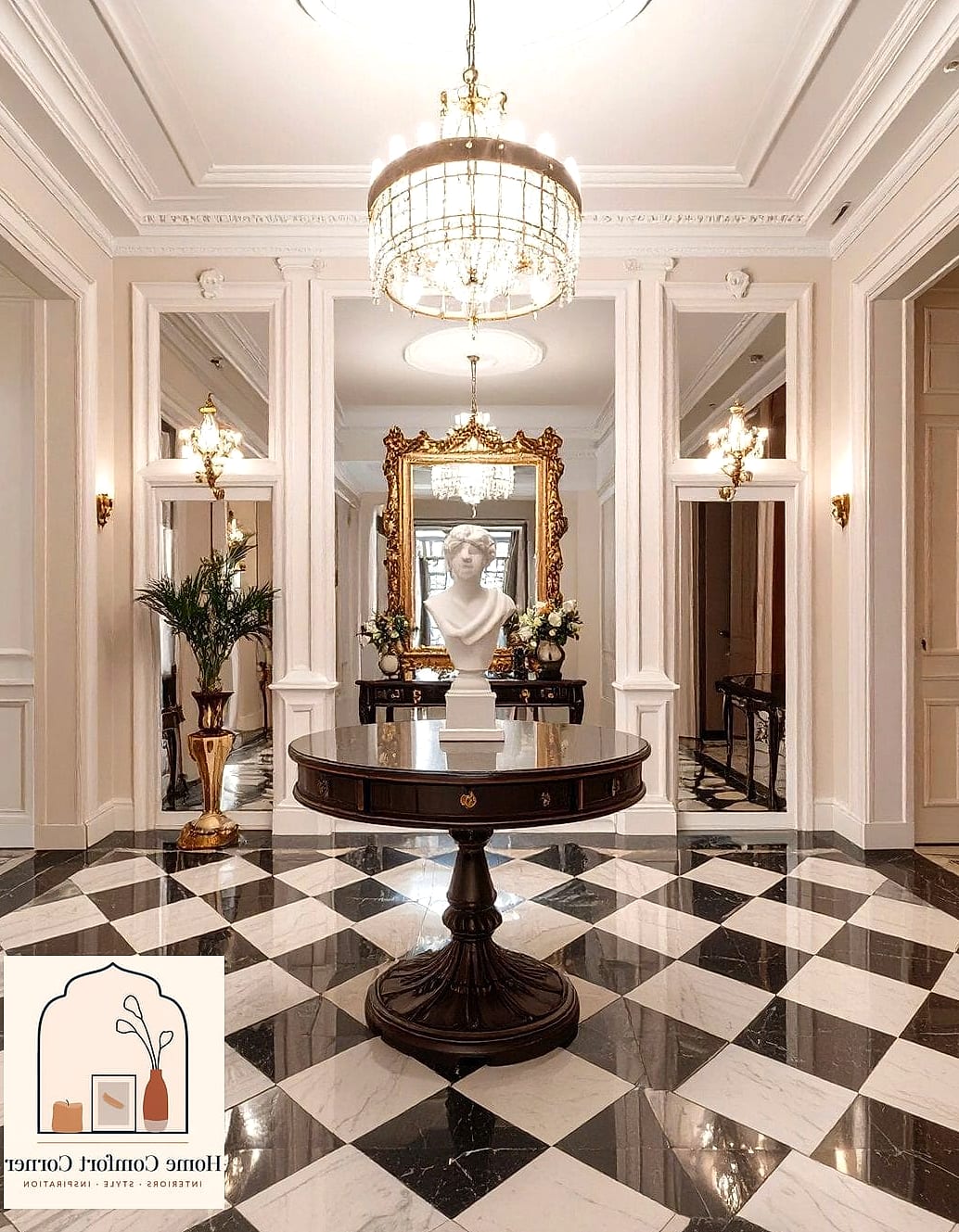
If your home has a staircase near the front door, this is prime real estate for neoclassical flair. Wrought iron railings, a runner in a muted stripe, and a pendant light overhead can turn a plain staircase into a focal point. Even in smaller entryways, painting the trim a crisp white and adding a console table with curved legs brings the same energy on a smaller scale.
Wainscoting and Wall Paneling
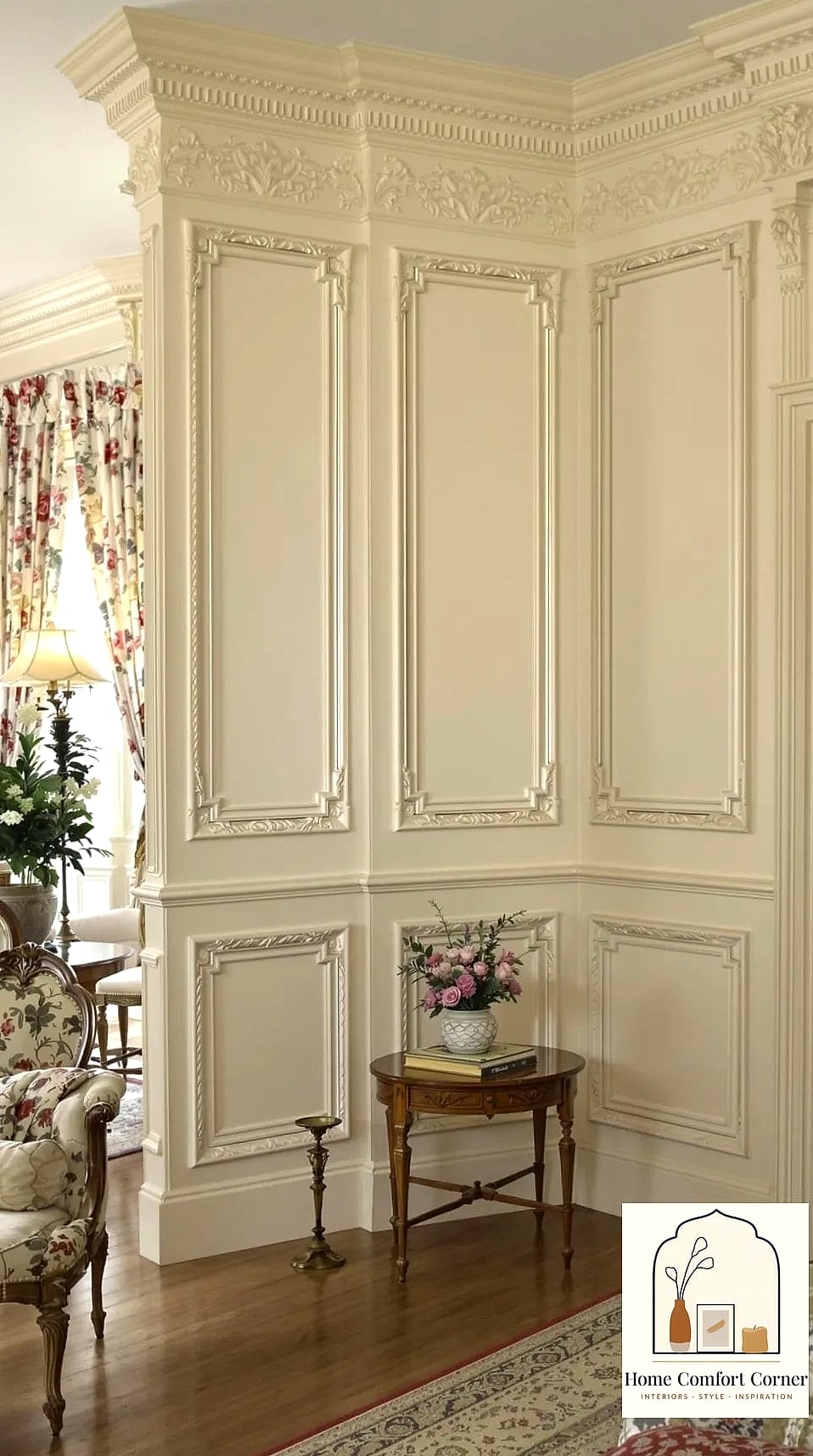
Raised panel wainscoting or picture-frame molding gives walls texture and depth without adding color or pattern. It’s a favorite in dining rooms, hallways, and primary bedrooms. This is a project a lot of DIYers tackle themselves with MDF boards and a miter saw, though hiring it out isn’t unreasonable if you want crisp, professional lines. Either way, painting it the same color as the wall keeps things cohesive.
Statuary and Sculptural Accents
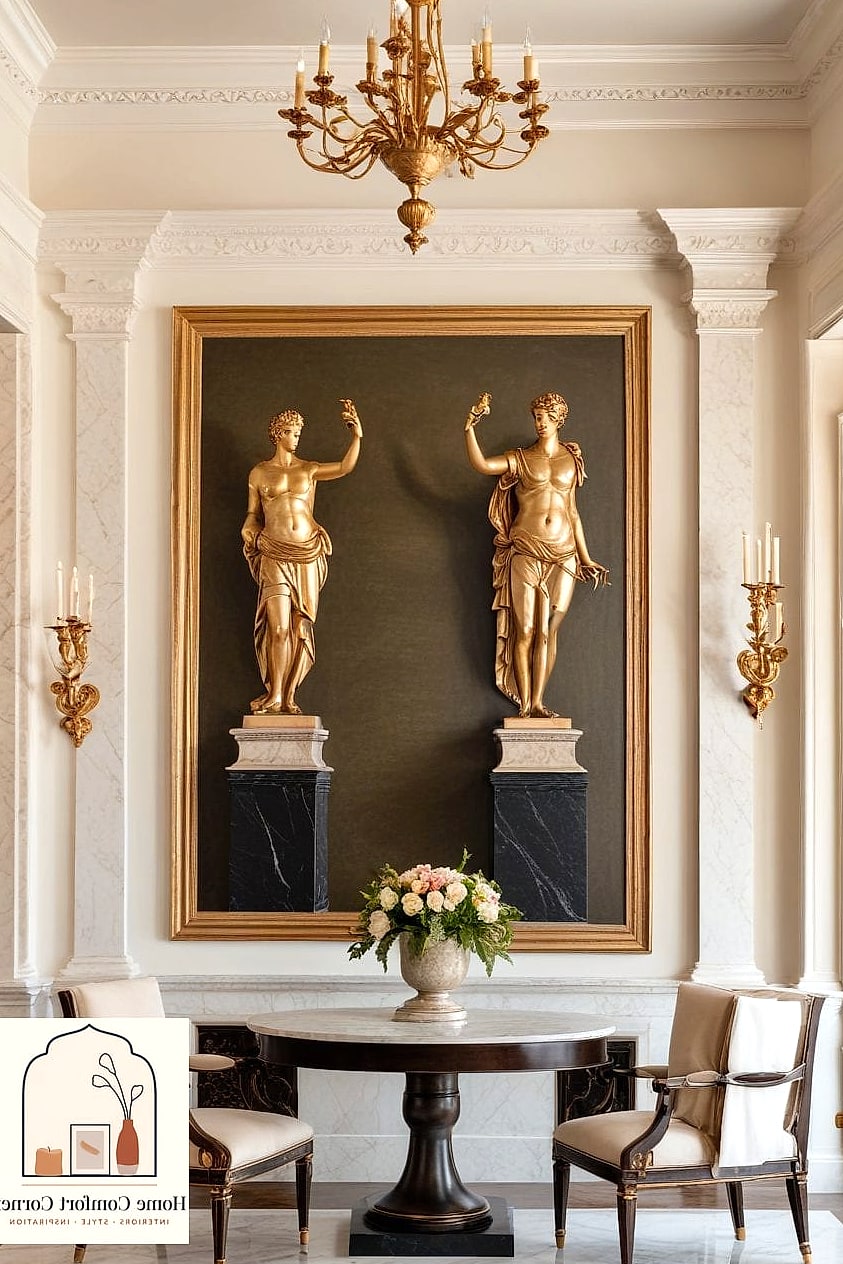
Small busts, urns, or sculptural vases scattered on shelves or mantels are a subtle nod to classical influence. You don’t need anything valuable or ancient, reproduction pieces from home decor stores capture the same feeling for a fraction of the price. Group them with books and greenery so they don’t feel like they’re trying too hard.
Arched Doorways and Windows
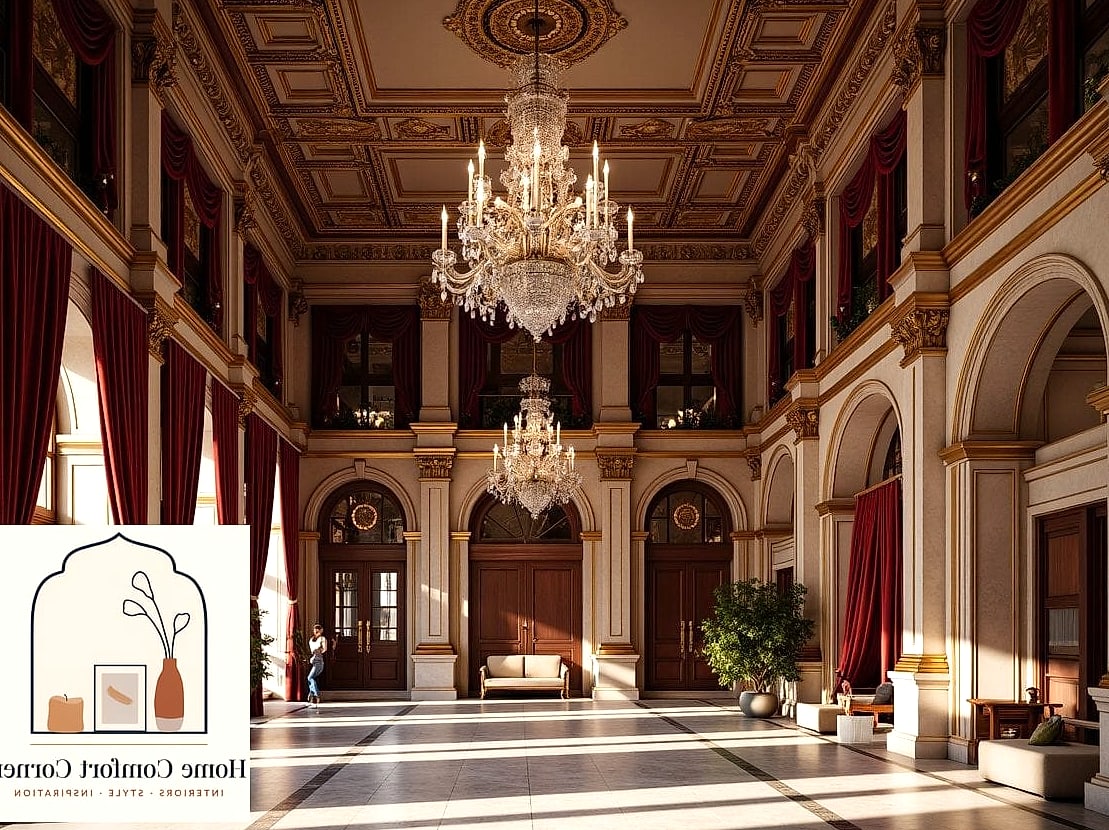
Arches soften a room’s architecture and are a hallmark of this style. If you’re renovating, adding an arched opening between rooms creates a graceful transition point. For those not ready for structural changes, arched mirrors or artwork can hint at the same shape without touching a wall. Arched cabinet doors in a kitchen or built-in bookshelf are another clever way to sneak this detail in.
Upholstered Bench Seating
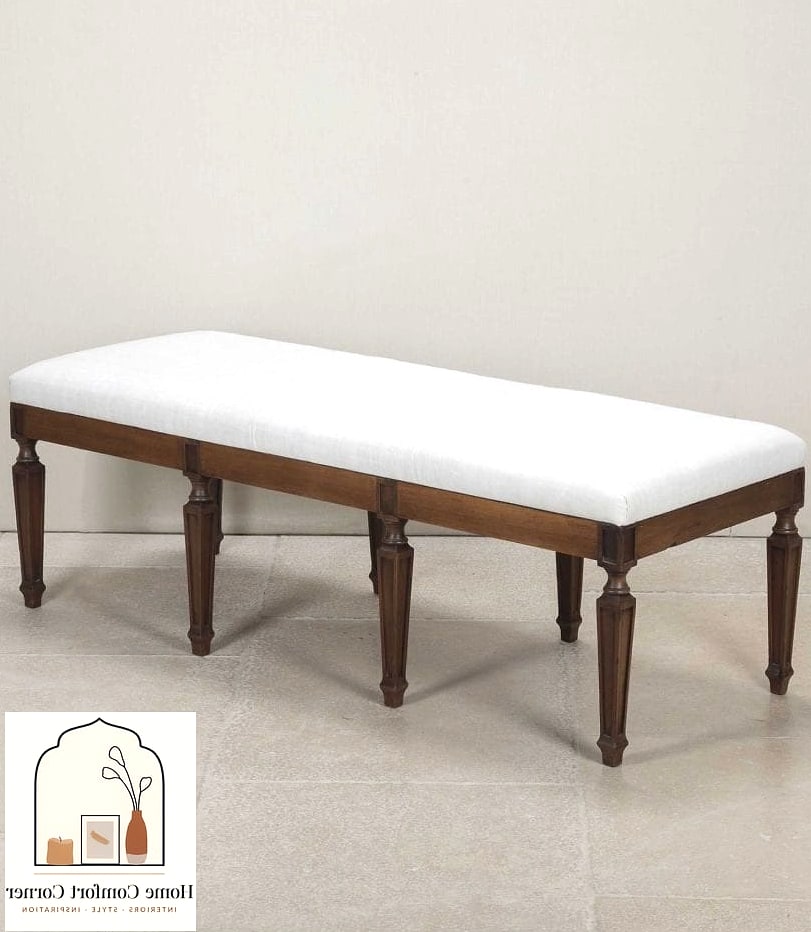
A tufted or channel-stitched bench at the foot of a bed or along a hallway wall adds both function and elegance. These pieces are practical for pulling on shoes or setting down bags, but they also soften a room visually. Choose a neutral boucle or velvet fabric so it stays flexible if your color scheme evolves down the road.
Brass and Gold Hardware Accents
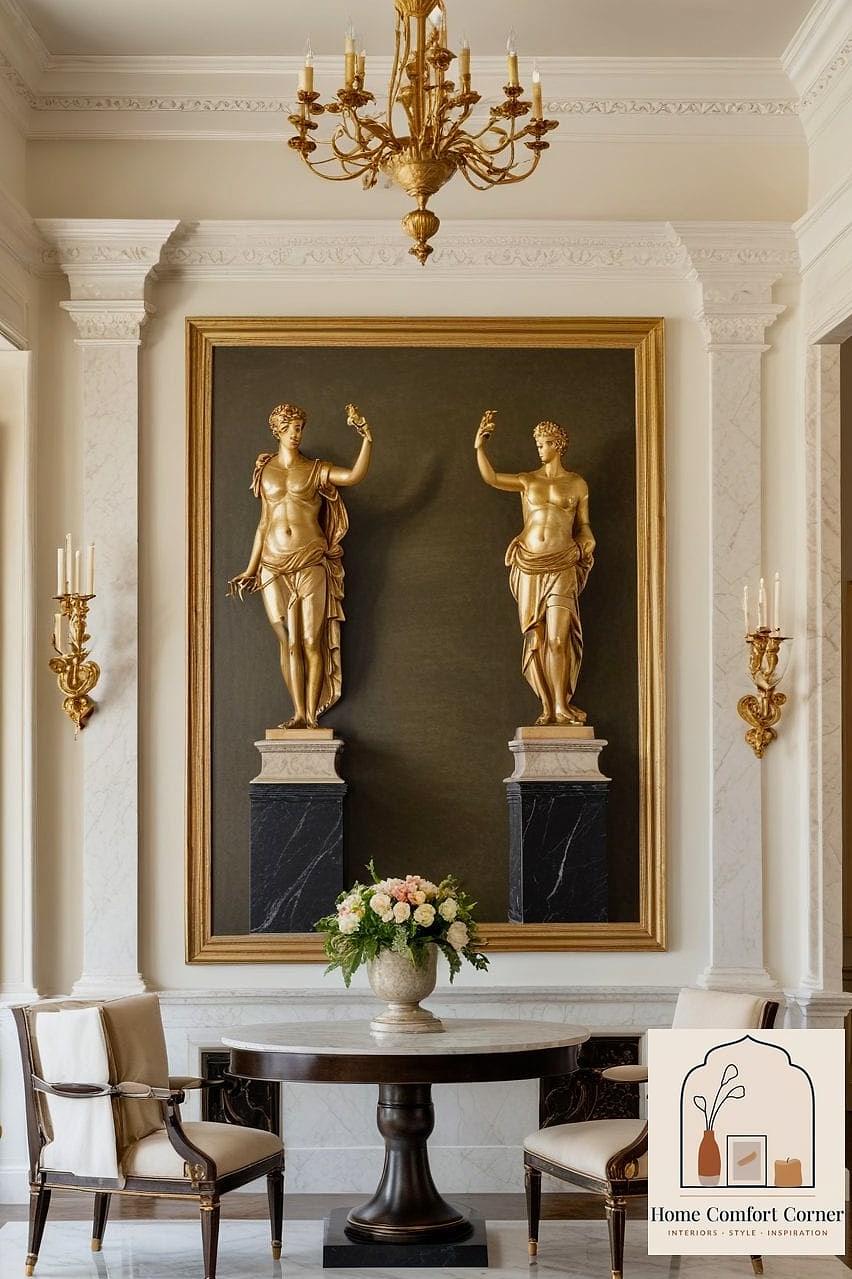
Warm metals show up constantly in neoclassical spaces, on drawer pulls, mirror frames, light fixtures, and faucet finishes. Brushed brass has become the go-to because it’s warmer than chrome but not as shiny as polished gold. Swapping out hardware is one of the most budget-friendly updates on this whole list and can shift a room’s whole feel in an afternoon.
Formal Bedroom Retreats
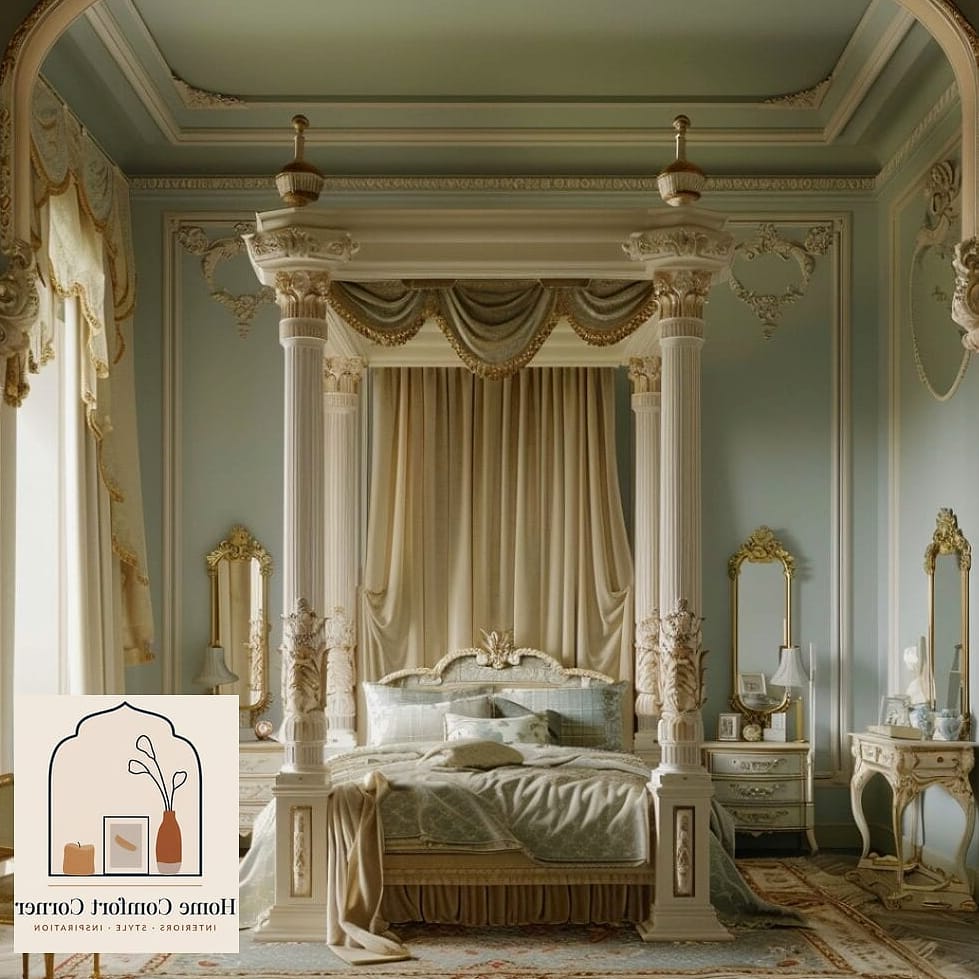
A neoclassical primary bedroom often features an upholstered headboard with subtle button tufting, matching nightstands, and layered bedding in soft whites and creams. Adding a bench at the foot of the bed and a pair of table lamps keeps the symmetry going. This is a style that photographs beautifully but also just feels genuinely restful to sleep in.
Decorative Mirrors with Ornate Frames
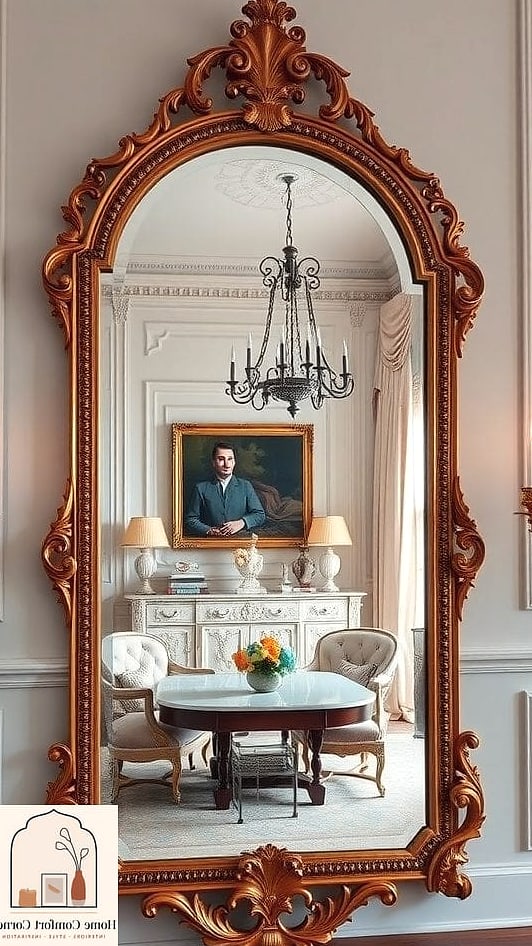
An oversized mirror with a carved or gilded frame does double duty, bouncing light around the room while adding that classical detail. Over a mantel or console table, it becomes an instant focal point. If you find a frame you love but the finish is wrong, a bit of gold leaf paint pen can update it without buying new.
Herringbone and Parquet Flooring
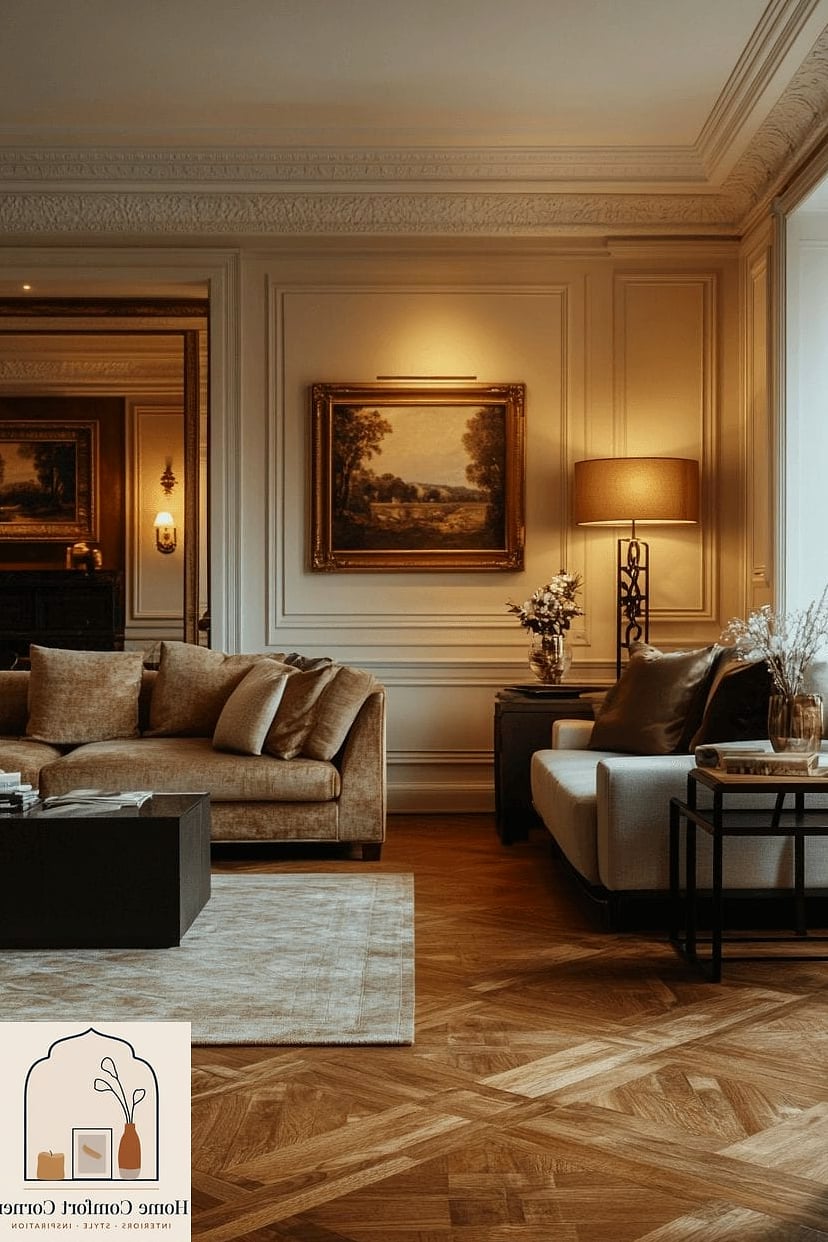
Wood flooring laid in a herringbone or parquet pattern brings texture underfoot and pairs beautifully with this style’s clean lines. It’s a bigger investment than standard plank flooring, but peel-and-stick herringbone tiles have made the look more accessible for renters or anyone testing the waters before committing.
Classical Column Bookshelves
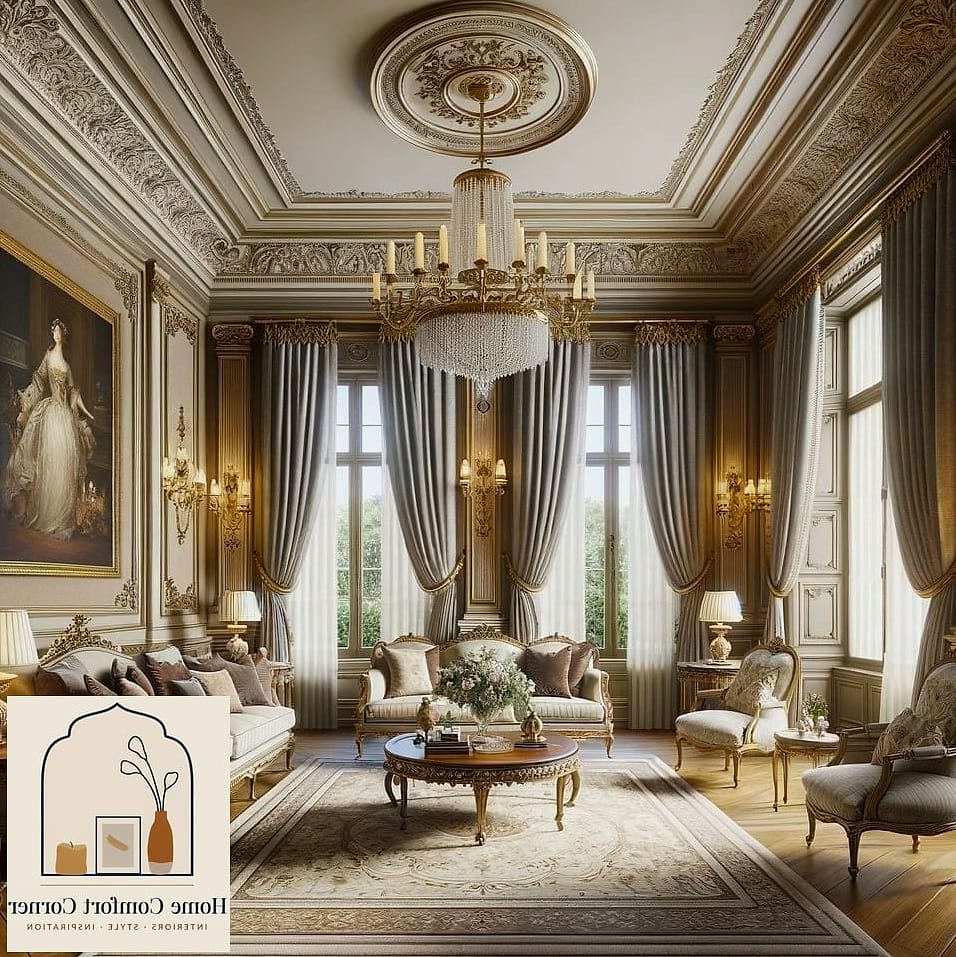
Built-in bookshelves flanked by column detailing turn a home office or library nook into something that feels custom-built. Painted a crisp white with brass reading lamps clipped to the shelves, this setup is both functional and a genuine style statement. It’s a great option for anyone who wants storage and personality in the same breath.
Draped Curtain Panels
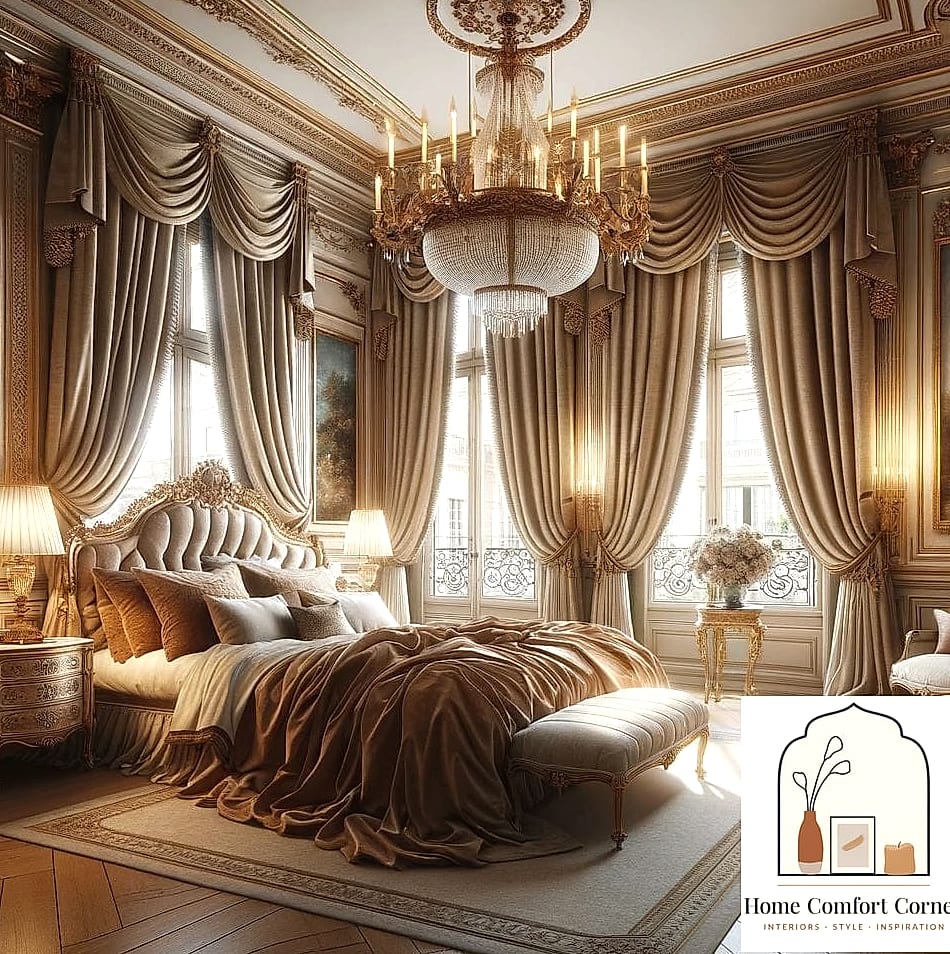
Floor-length curtains in a soft linen or silk-look fabric, often with a subtle valance or swag, complete a neoclassical window treatment. These panels should pool slightly at the floor for that formal, tailored look. Pair them with simple wood or brass rods rather than anything too ornate so the curtains stay the star of the window.
Pastel Accent Walls
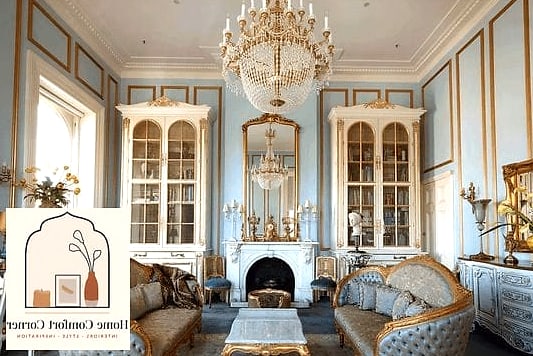
While the base palette leans neutral, a soft pastel accent wall in dusty blue or sage green can bring in just enough color without overwhelming the space. Pair it with white trim and molding for contrast. This is an easy weekend project that photographs well and gives a room a gentle personality boost.
Elegant Powder Room Details
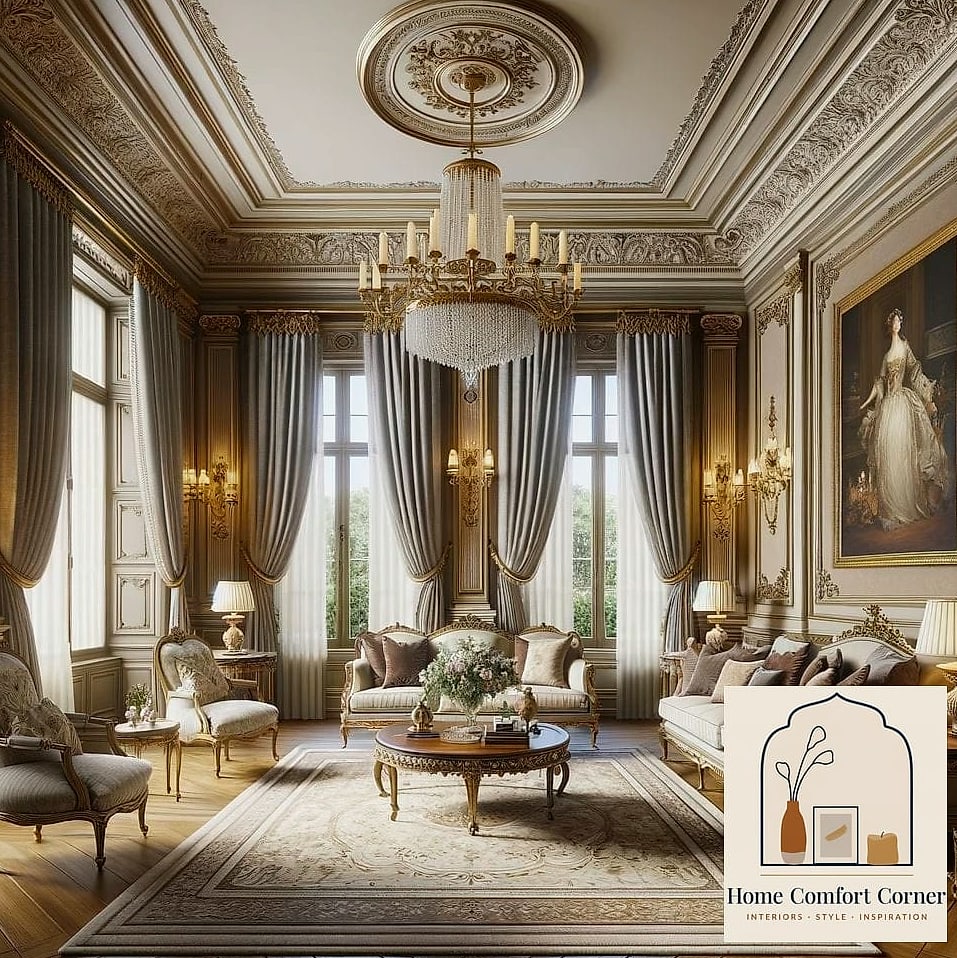
Small spaces like powder rooms are perfect for going a little bolder with neoclassical details since there’s less square footage to commit to. A pedestal sink, an ornate mirror, and wallpaper with a subtle damask or stripe pattern make a big impression in a tight footprint. It’s one of the more fun rooms to experiment in without much financial risk.
Coffered Ceiling Details
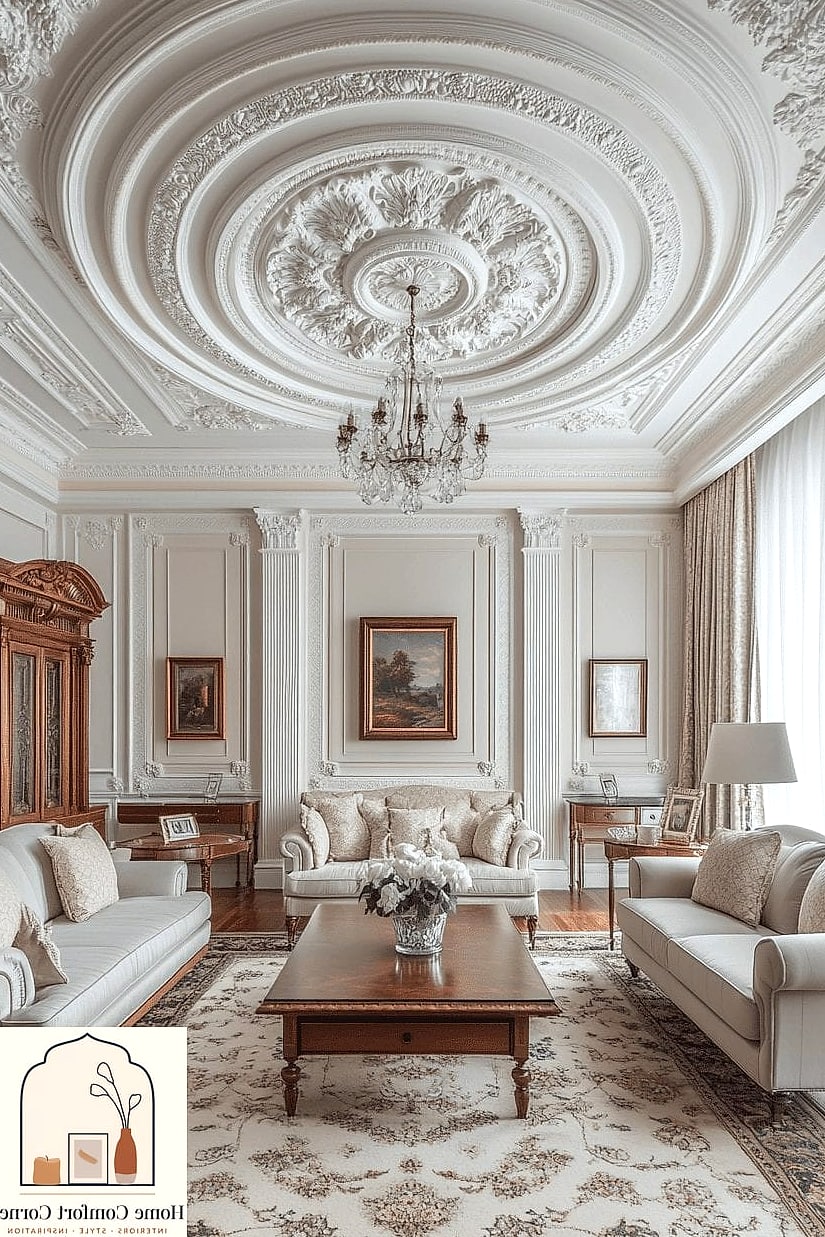
Coffered ceilings, with their grid of recessed panels, add architectural interest overhead in living rooms and dining spaces. This is a more involved project best left to a contractor in most cases, but the payoff is a room that instantly feels more custom and high-end. Keeping the coffers painted white maintains that airy, classical feel.
Layered Area Rugs
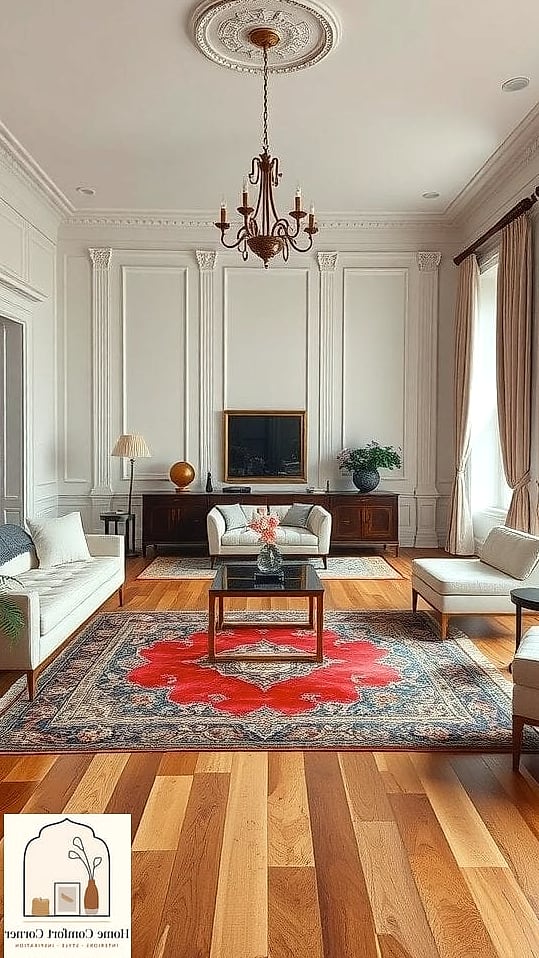
A neutral wool or jute rug anchors most neoclassical rooms, often layered under furniture to define the seating or dining area. Look for subtle patterns like a Greek key border or a soft medallion design rather than anything too busy. This grounds the room and adds warmth underfoot, especially in spaces with hardwood or marble-look flooring.
Neoclassical design proves that a room can feel formal and lived-in at the same time. Whether you go all in with columns and coffered ceilings or just borrow a few details like brass hardware and a great chandelier, there’s a version of this style that fits almost any budget. Save the photos that spoke to you most and start there. The rest tends to fall into place once you’ve got that first piece of inspiration locked in.