7 House Interior Designs You Need to See Right Now
7 House Interior Designs You Need to See Right Now
If you’ve spent any time scrolling through home design pages lately, you already know the look has shifted. It’s less about matching everything perfectly and more about spaces that actually feel like someone lives there. I’ve pulled together seven interior styles that keep popping up in client requests and design conversations, and honestly, a few of them surprised me with how well they’ve held up as trends fade in and out. Let’s get into it.
Warm Minimalism with Textured Layers
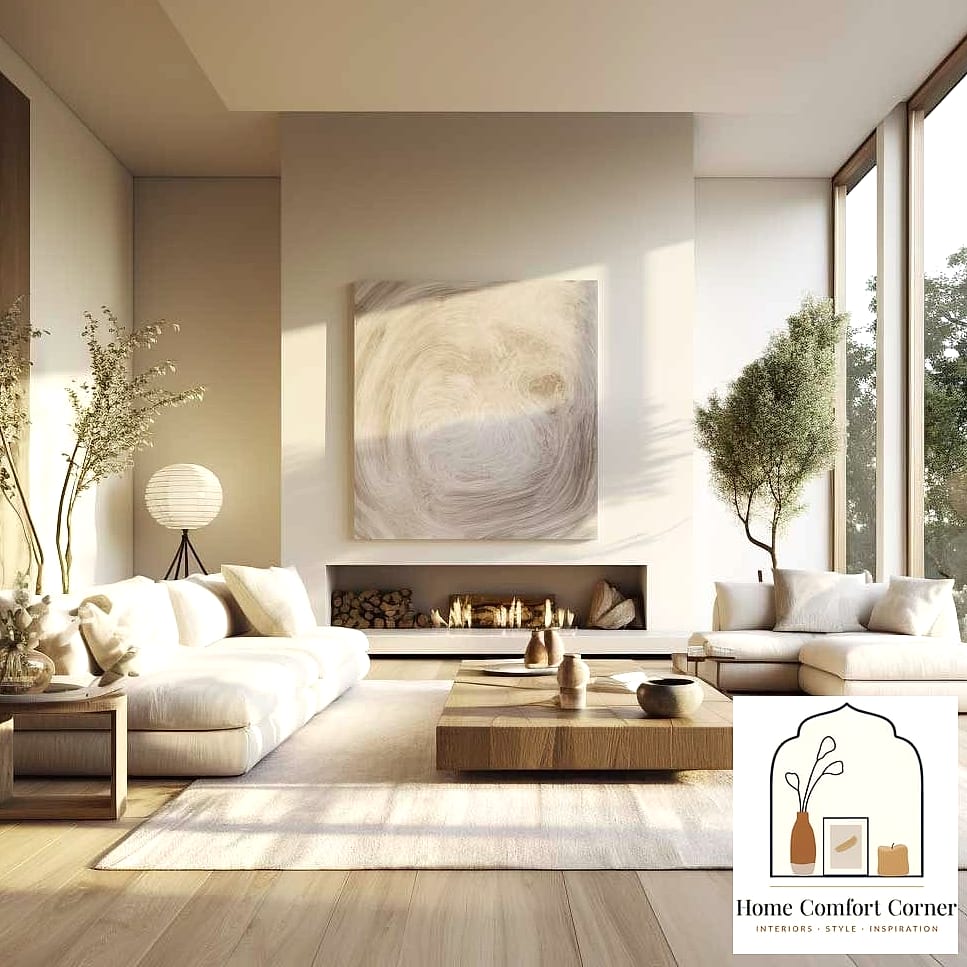
This one’s taken over from the stark, all-white minimalism we saw a few years back. Warm minimalism keeps things simple but swaps cold whites for creams, tans, and soft greige tones that actually feel inviting.
The trick is texture. A linen sofa, a chunky knit throw, some raw wood accents — these details keep a pared-down room from feeling empty or clinical. It works especially well in living rooms and bedrooms where you want a calm retreat at the end of the day.
Budget-wise, this style is forgiving. You don’t need expensive pieces, just a consistent palette and a willingness to edit down what’s on display. If you’re renting, swap out hardware and add textiles rather than committing to paint, and you’ll get most of the effect without touching a wall.
Zellige Tile Accent Walls
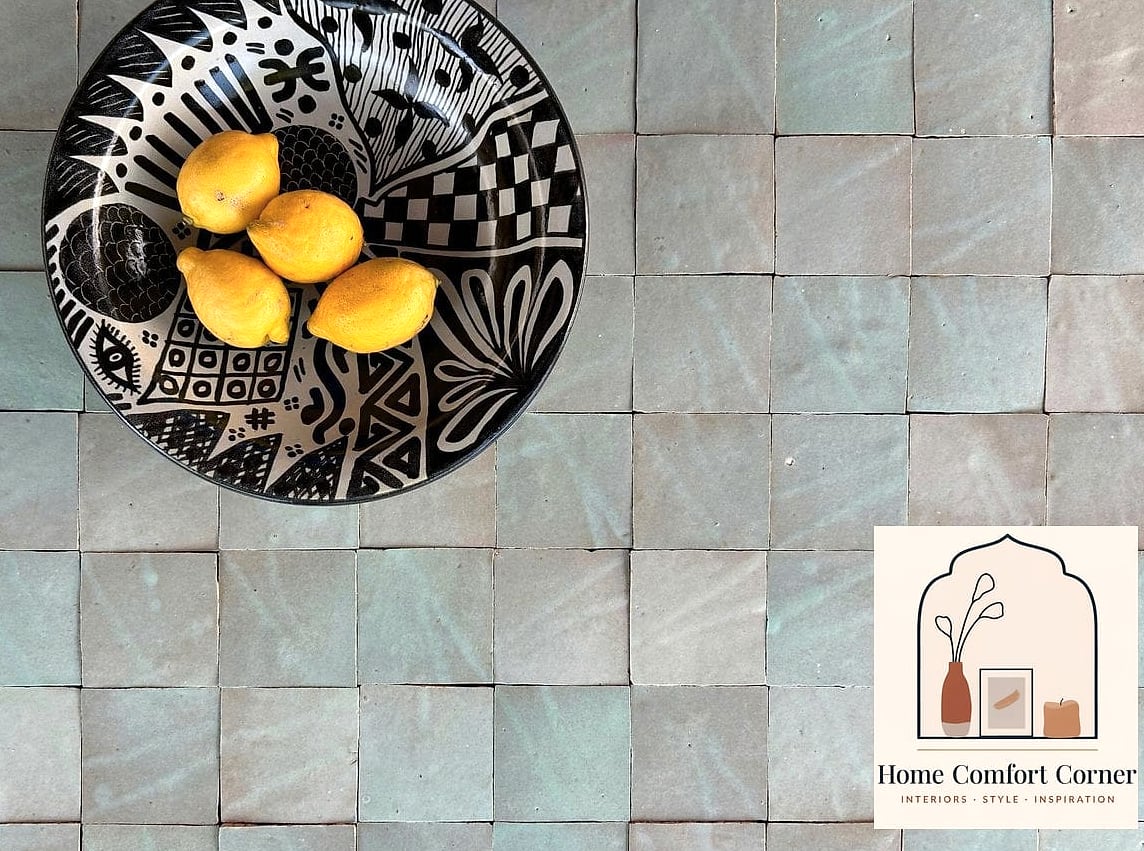
Zellige tile has been having a moment, and I don’t think it’s going anywhere soon. These handmade Moroccan tiles have slight imperfections and a glossy, uneven surface that catches light in a way factory tile just can’t replicate.
Homeowners love it as a kitchen backsplash or a bathroom accent wall because it adds so much depth without needing a busy pattern. A single color in zellige still feels layered because no two tiles look exactly alike.
It’s not the cheapest option out there, and installation takes a skilled hand since the tiles vary slightly in size. If the real thing is out of budget, there are decent ceramic look-alikes now that mimic the texture for a fraction of the cost. Either way, stick to a simple grout color close to the tile itself so the texture stays the star.
Japandi Living Spaces
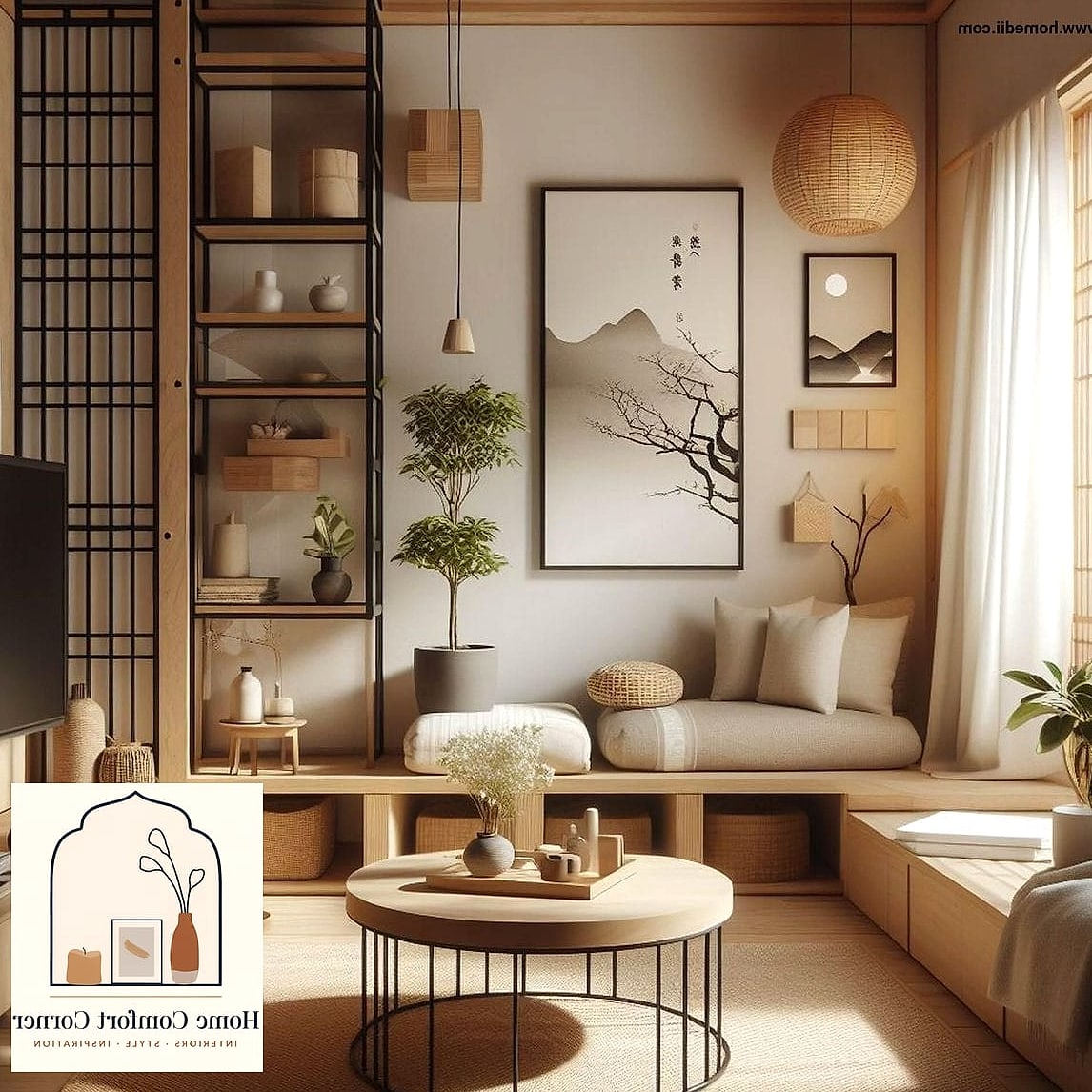
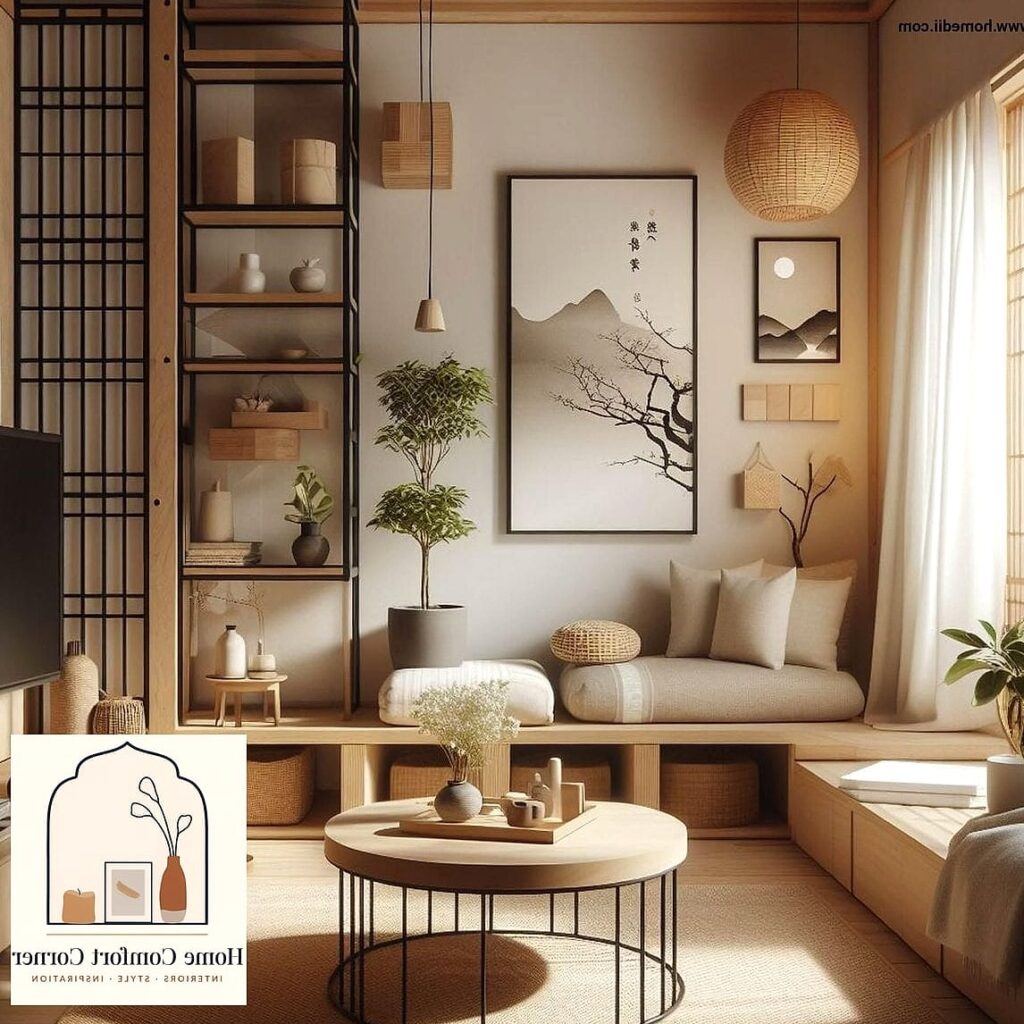
Japandi blends Japanese minimalism with Scandinavian coziness, and it’s become one of the most requested looks I get asked about. Think low-profile furniture, natural materials, and a color palette that leans heavily on wood tones, black accents, and muted neutrals.
This style shines in living rooms and bedrooms where clutter tends to build up. The whole philosophy is built around function and calm, so built-in storage and hidden organization matter more here than in most other styles.
What I appreciate about Japandi is how well it ages. It’s not chasing a trend cycle, so a room designed this way today will likely still feel relevant in five or ten years. It also happens to be pretty family-friendly since durable natural materials like solid wood hold up better than trendier finishes.
Curved Furniture and Soft Architectural Lines
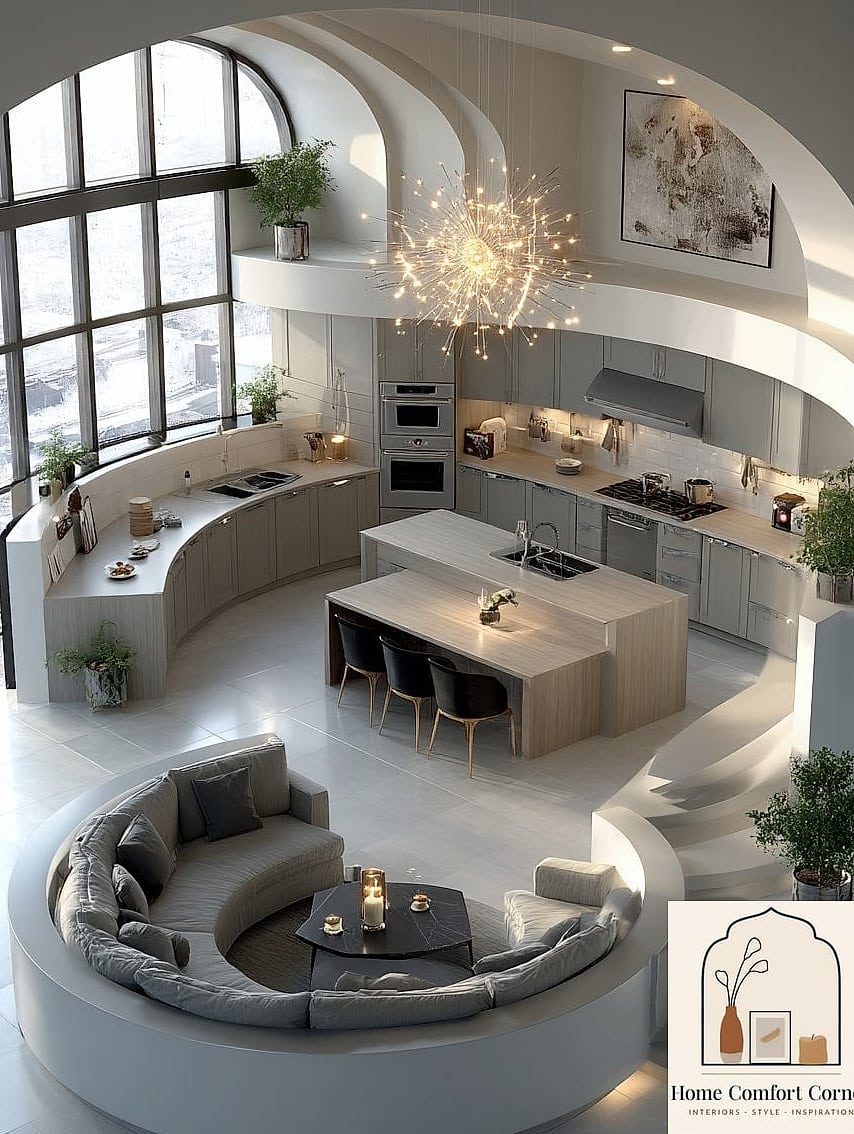
Sharp angles are taking a back seat to rounded edges. Curved sofas, arched doorways, and circular mirrors have shown up everywhere from small apartments to full home renovations, and it’s easy to see why once you live with one.
Curves soften a room in a way that’s hard to put into words until you experience it. A curved sofa in a living room creates natural conversation zones, and arched built-in shelving in a hallway or reading nook adds a bit of architectural interest without any heavy lifting.
This is a style where you don’t need to go all in. One curved piece — a mirror, a side table, a light fixture — can shift the whole feel of a room. It’s a low-commitment way to test the trend before investing in bigger furniture.
Moody Color-Drenched Rooms
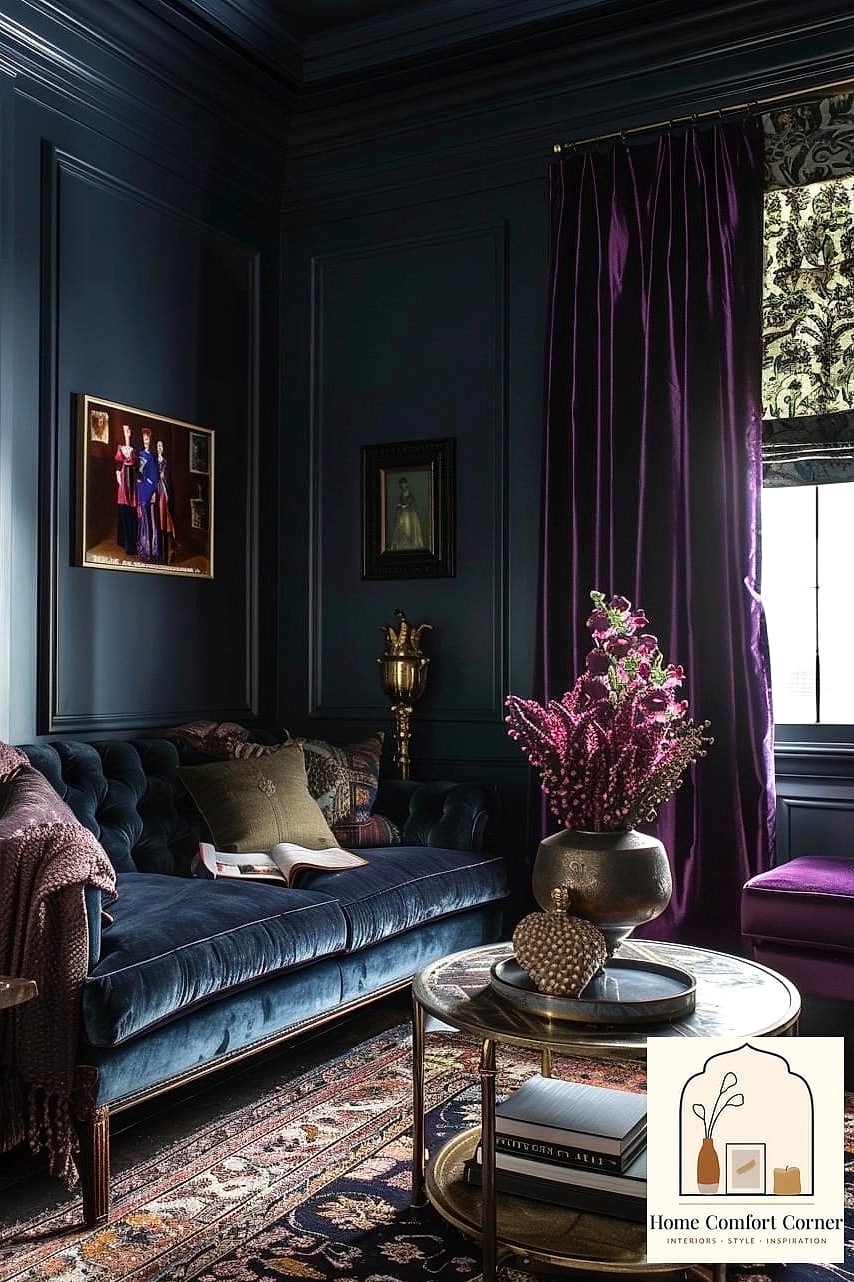
Color drenching means painting the walls, trim, and sometimes even the ceiling all in the same shade. Deep greens, navy blues, and rich terracottas are the most popular choices right now, and the effect is more dramatic than most people expect from paint alone.
It works best in smaller rooms like powder baths, home offices, or reading nooks where you want the space to feel enveloping rather than expansive. Trying this in a large open-concept living area can feel heavy unless you balance it with plenty of natural light and lighter furniture.
This is one of the more budget-friendly ideas on this list since it’s really just paint and some planning. The main practicality note: dark, saturated colors show dust and fingerprints more than you’d think, so it helps to have a matte or eggshell finish that’s still washable, especially in high-traffic spots.
Open Shelving with Curated Display
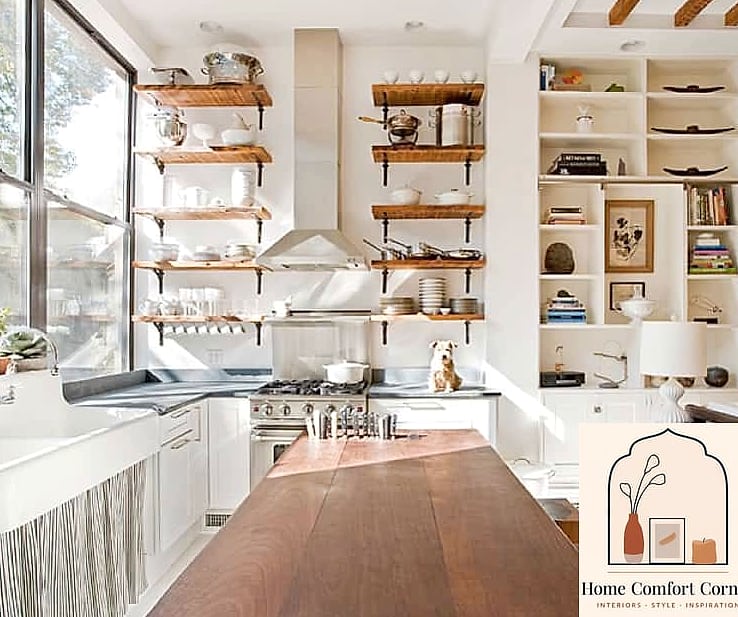
Open shelving in kitchens has gone from a trendy risk to a genuinely practical storage solution people are sticking with. Swapping upper cabinets for floating shelves opens up a kitchen visually and gives you a spot to mix everyday dishware with a few decorative pieces.
The key to making this work long-term is discipline. Nobody wants to see your mismatched Tupperware collection on display, so this style pairs well with a bit of decluttering first. Group items by color or material, and leave a little negative space so it doesn’t look crammed.
It’s not the most practical choice for households with young kids or a lot of daily kitchen chaos, since everything is exposed and needs regular dusting. But for anyone who already keeps a tidy kitchen, it’s an easy, renter-friendly upgrade that usually just requires a few brackets and some wood or metal shelving.
Grandmillennial Style with a Modern Twist
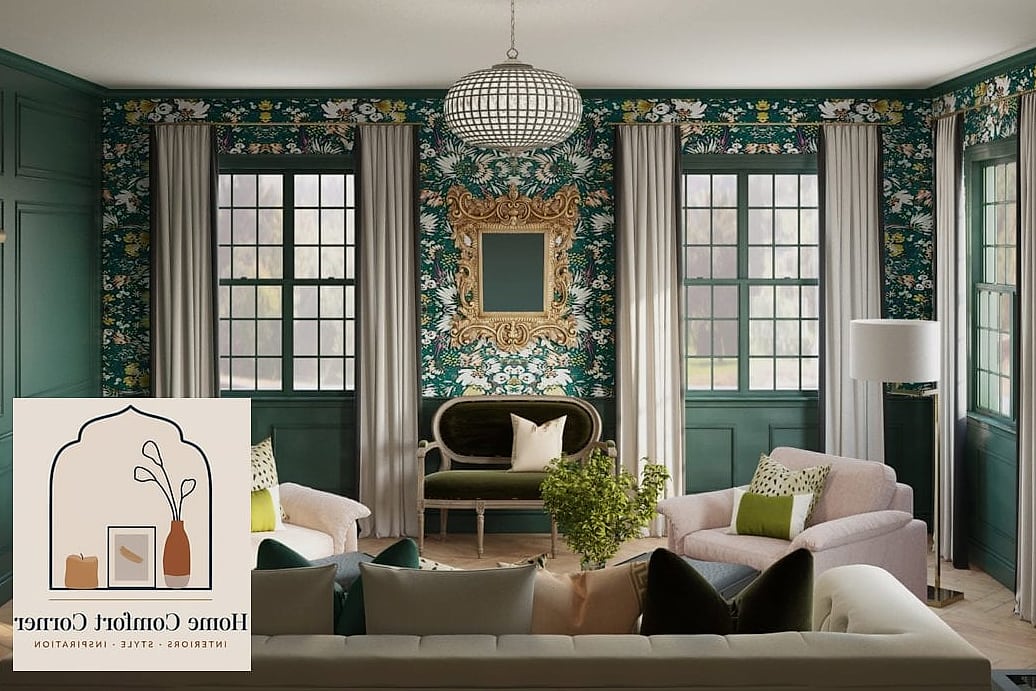
Grandmillennial design takes classic, slightly old-fashioned pieces — think scalloped edges, floral prints, and brass details — and mixes them with more current, streamlined furniture. It’s basically your grandmother’s good taste filtered through a modern lens.
This style tends to show up in dining rooms, primary bedrooms, and cozy sitting areas where a bit of personality and pattern feels appropriate. Brushed brass hardware, vintage-inspired lighting, and a mix of new and secondhand furniture all fit naturally here.
One thing I like about this look is how accessible it is if you enjoy thrifting or shopping estate sales. You don’t need everything to match or even be new — a single vintage lamp or an inherited armchair can anchor an entire room. It’s also a nice way to bring in family heirlooms without the space feeling dated or stuck in the past.
Putting any one of these ideas into your own home doesn’t mean a full renovation or a blank check. Most of these styles are really about a shift in mindset — texture over stark simplicity, curated pieces over clutter, a willingness to commit to color or pattern in smaller doses. If you’re searching for house interior designs you need to see right now, my honest advice is to pick the one that matches how you actually live, not just how a room photographs. The best-looking spaces are the ones that still feel good to be in after the trend cycle moves on to something else.