30 Home Decor Ideas Ideas That Will Transform Your Space
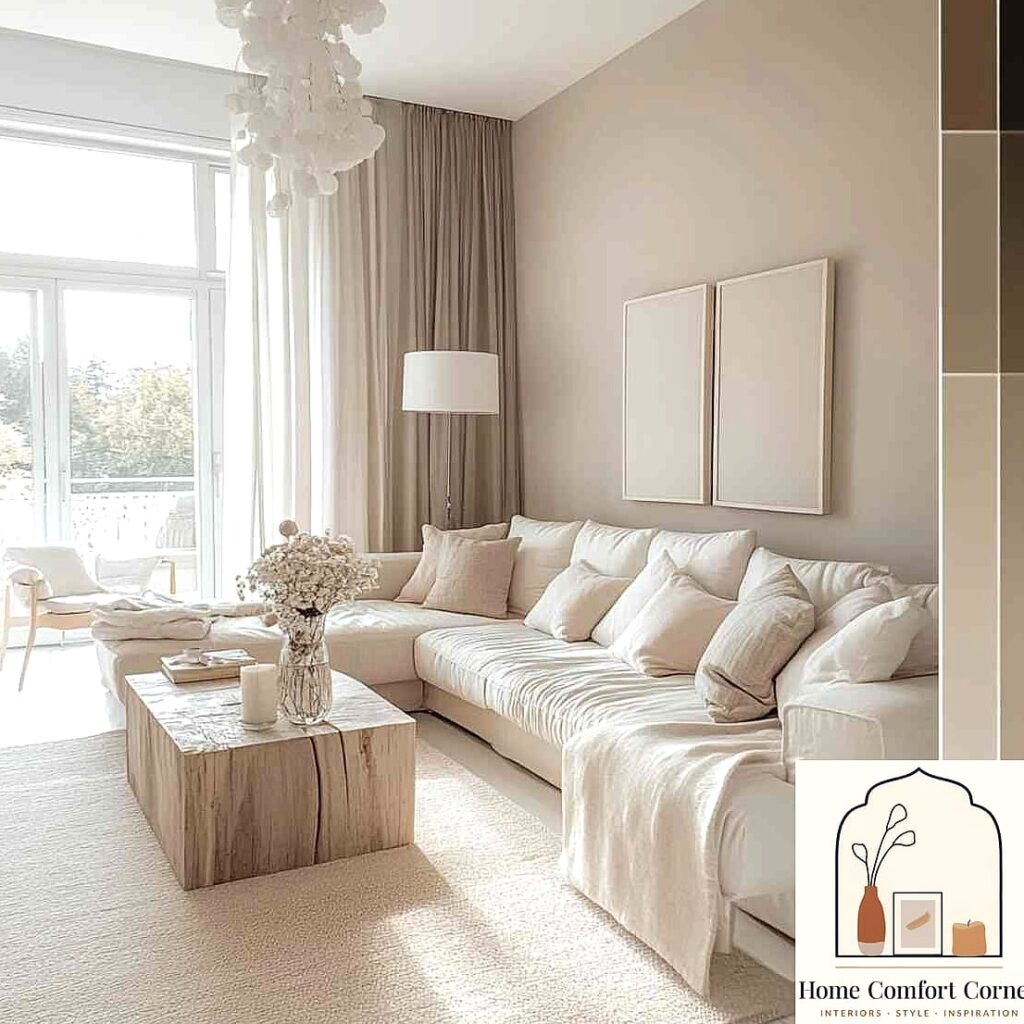
- Swap in Warm Wood Tones
- Layered Lighting Instead of One Overhead Fixture
- Open Shelving in the Kitchen
- Textured Throw Pillows and Layered Textiles
- A Statement Mirror in the Entryway
- Herringbone Pattern Flooring or Backsplash
- Built-In Storage Around a Fireplace
- Matte Black Fixtures in the Bathroom
- A Gallery Wall With Mixed Frame Sizes
- Greenery That Doesn’t Require a Green Thumb
- Quartz Countertops for Busy Kitchens
- A Cozy Reading Nook by a Window
- Peel-and-Stick Wallpaper for Renters
- Brushed Brass Hardware on Cabinets
- A Bold Ceiling Color or Wallpaper
- Baskets and Bins for Everyday Storage
- Marble Accents in Small Doses
- A Statement Rug to Anchor the Room
- Floating Shelves for Display and Function
- Two-Tone Kitchen Cabinets
- A Dedicated Drop Zone Near the Entry
- Natural Stone in Bathroom Showers
- A Statement Light Fixture Over the Dining Table
- Mudroom Storage With Labeled Bins
- A Neutral Color Palette With One Bold Accent
- Under-Cabinet Lighting in the Kitchen
- Vintage or Secondhand Furniture Mixed With New Pieces
- Wallpapered or Painted Ceilings in Powder Rooms
- Seasonal Decor Rotation Instead of Permanent Clutter
- A Home Office Nook With Real Boundaries
30 Home Decor Ideas Ideas That Will Transform Your Space
If you’ve been staring at your living room feeling like something’s off but can’t quite name it, you’re not alone. Most homes don’t need a full renovation to feel fresh again — they need thoughtful, intentional touches. I’ve pulled together thirty ideas that actually work in real homes, not just in magazine spreads. Some are weekend projects, some are simple swaps, and a few might inspire a bigger change down the road.
Swap in Warm Wood Tones
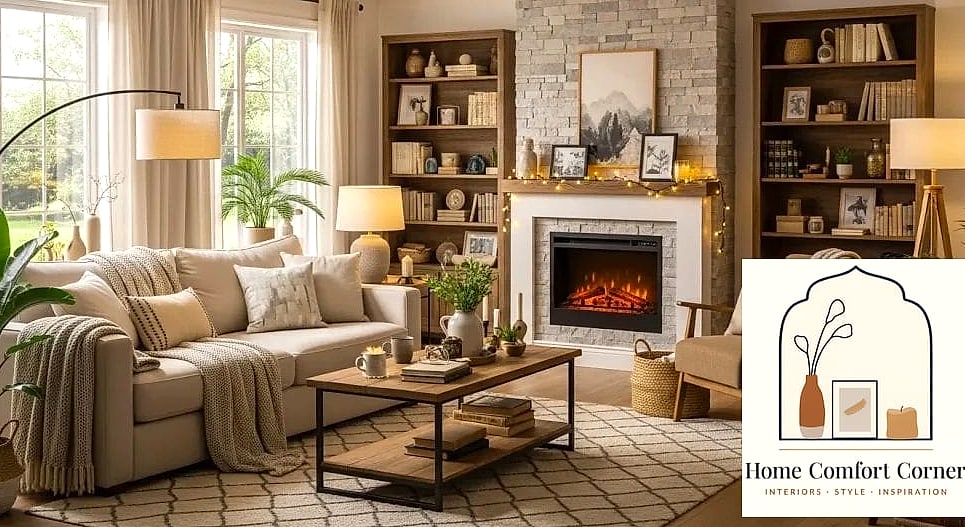
Cold, gray-dominated interiors have had their moment, and now warm wood is making a strong comeback. Think honey oak side tables, walnut shelving, or a reclaimed wood accent wall. It works especially well in living rooms and bedrooms where you want a cozy, grounded feel. Warm wood pairs beautifully with soft neutrals and brass accents, and it hides everyday wear better than painted surfaces. You can go big with a statement piece or small with a few wooden trays and bowls.
Layered Lighting Instead of One Overhead Fixture
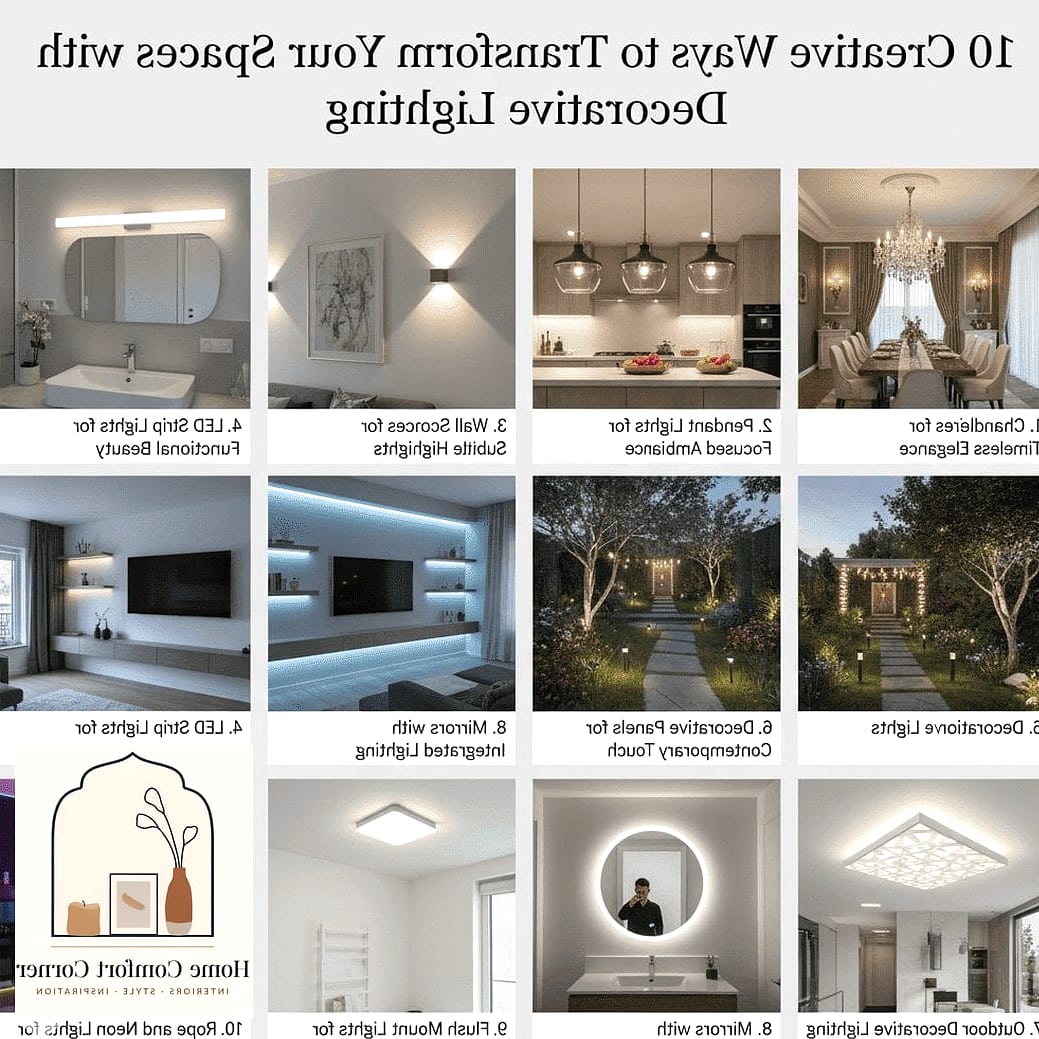
Relying on a single ceiling light is one of the most common reasons rooms feel flat. Add a floor lamp, a table lamp, and maybe some under-cabinet or shelf lighting to create depth. This trick works in literally every room, but it’s especially noticeable in living rooms and bedrooms at night. Dimmable bulbs give you flexibility for movie nights versus reading time, and it’s a completely renter-friendly upgrade since nothing needs to be hardwired.
Open Shelving in the Kitchen
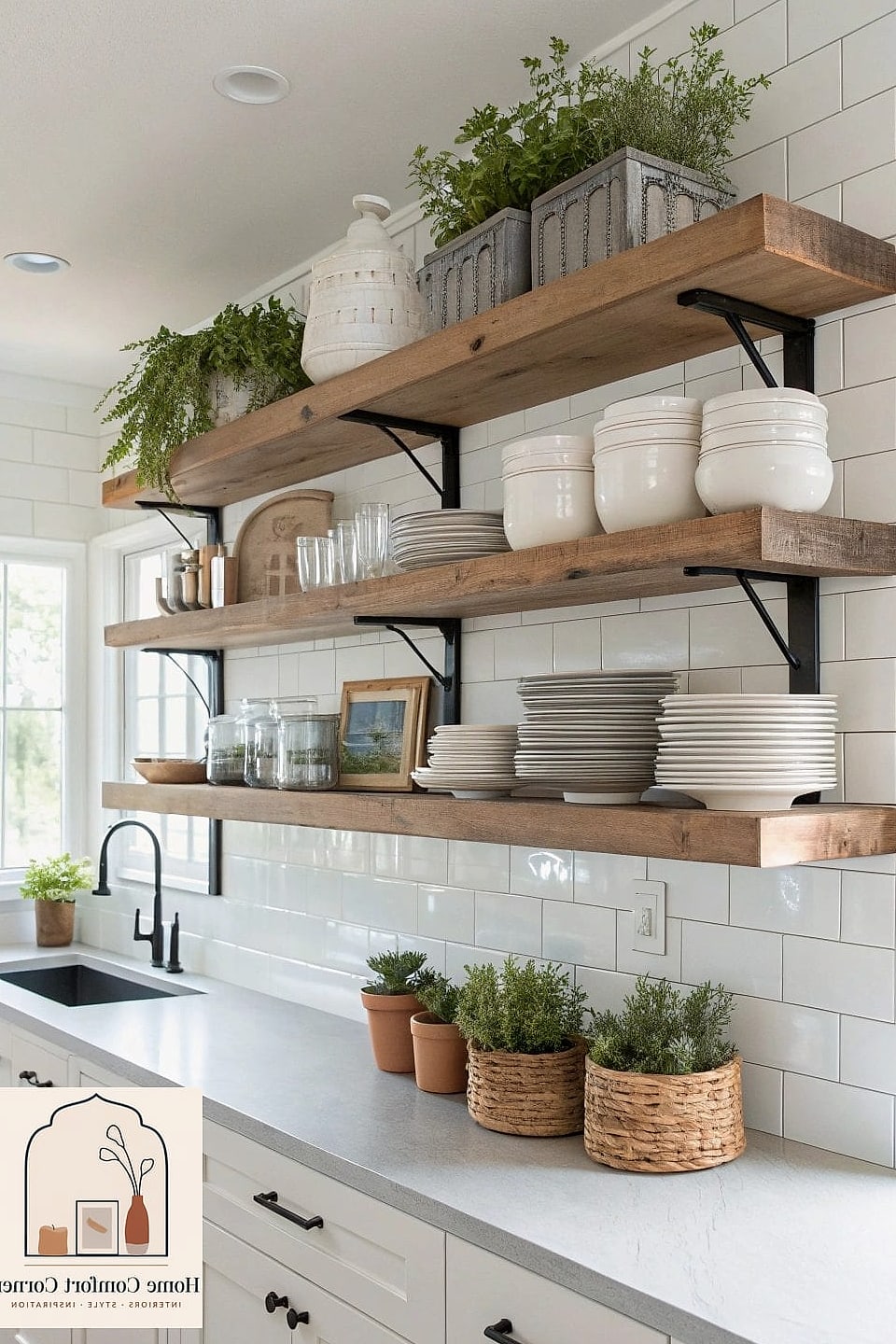
Open shelving gives kitchens a lighter, more curated look compared to wall-to-wall cabinets. It works best in kitchens with decent ceiling height and a bit of personality to show off — think stacked ceramic plates, small potted herbs, or a few cookbooks. The tradeoff is that it requires more regular dusting, so it’s not ideal for households that dread upkeep. A budget-friendly version is simply removing one or two upper cabinet doors instead of a full install.
Textured Throw Pillows and Layered Textiles
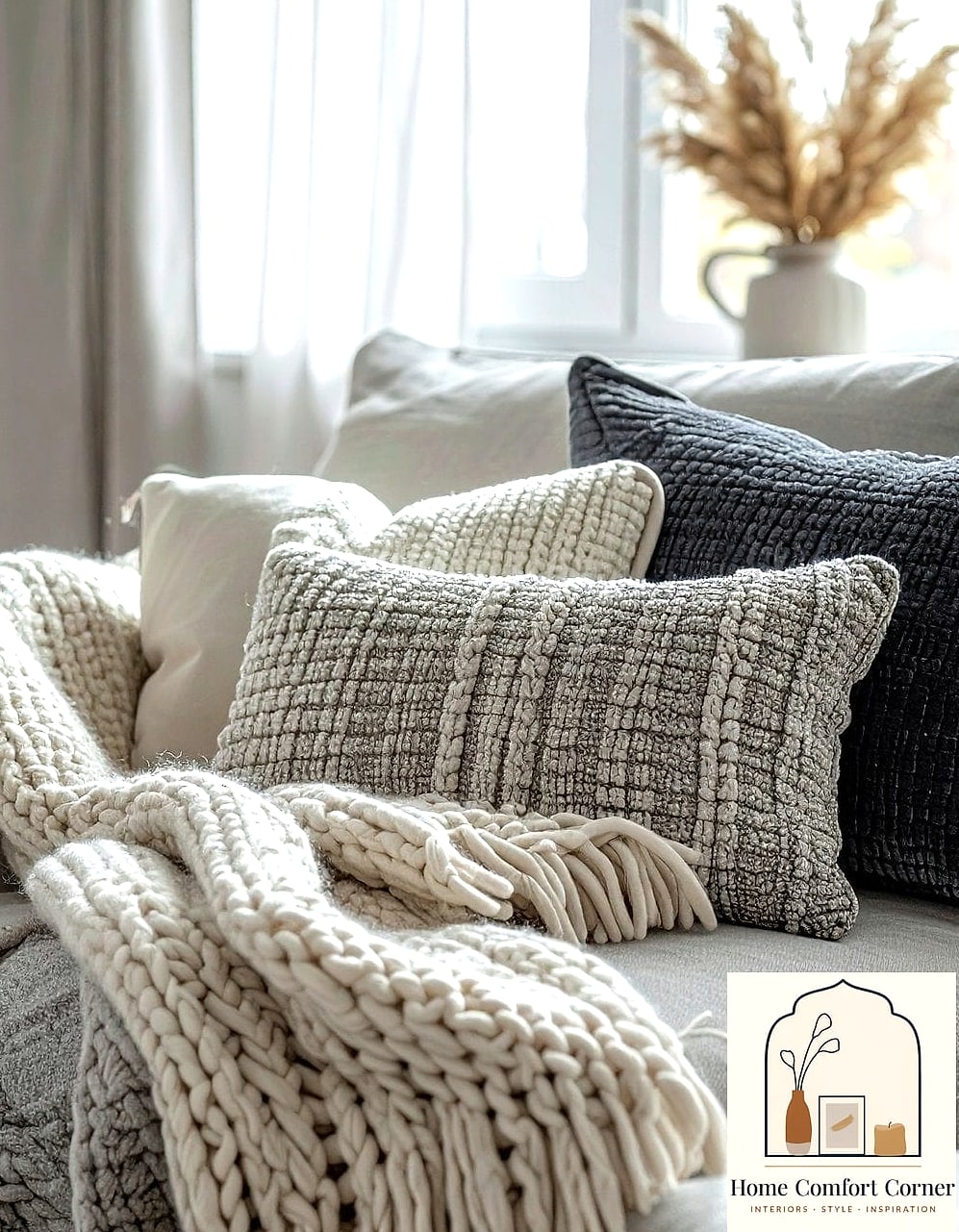
Mixing boucle, linen, and chunky knit pillows adds instant coziness without touching a single wall. This is one of those upgrades that instantly makes a living room feel more custom without requiring a full renovation. Stick to a neutral palette with one accent color so it doesn’t feel cluttered. Rotate covers seasonally if you want variety without buying entirely new pillows every time.
A Statement Mirror in the Entryway
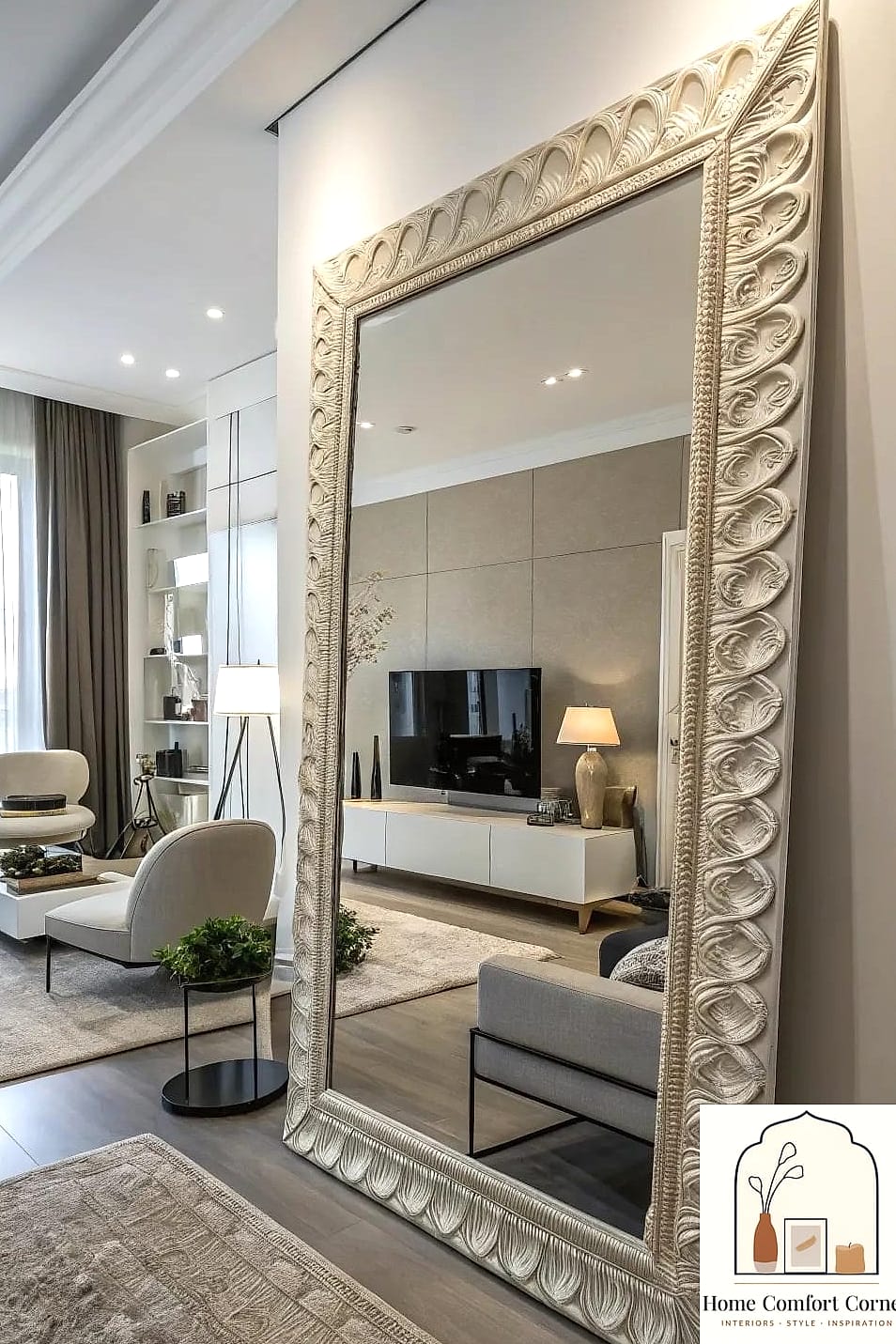
An oversized mirror near your front door does double duty — it makes small entryways feel larger and gives you a spot to check yourself before heading out. Arched and organic-shaped mirrors are especially popular right now compared to strict rectangles. Lean it against the wall for a relaxed look, or mount it for something more permanent. Either way, it bounces natural light around, which entryways desperately need.
Herringbone Pattern Flooring or Backsplash
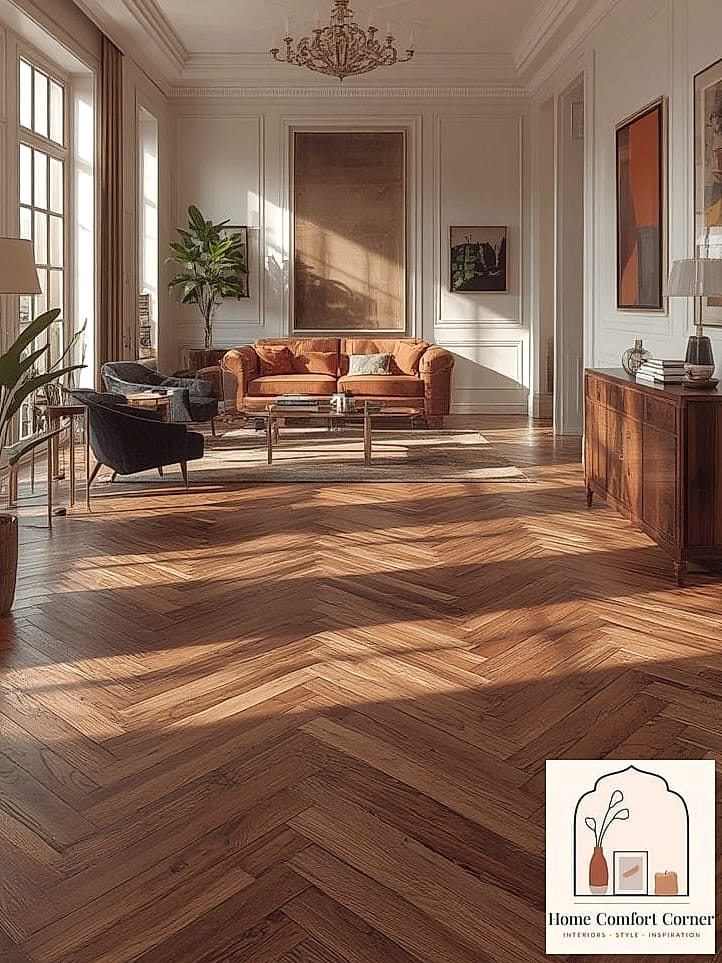
Herringbone adds visual movement to otherwise plain surfaces, whether it’s wood flooring in a living room or tile in a kitchen backsplash. It’s a bit more labor-intensive to install than straight-lay patterns, so budget extra time or hire it out if you’re not confident with tile work. Peel-and-stick herringbone options exist now too, which makes this achievable even for renters. The pattern works in both traditional and modern spaces, which is rare for something so distinctive.
Built-In Storage Around a Fireplace

Custom shelving flanking a fireplace turns dead space into something genuinely useful. It’s a great spot for books, framed photos, and a few decorative objects without overcrowding the mantel itself. This project leans more toward a weekend carpentry job or a call to a local contractor, but the payoff is a living room that looks intentionally designed rather than furnished piece by piece. Painting the built-ins the same color as the wall keeps things looking seamless.
Matte Black Fixtures in the Bathroom
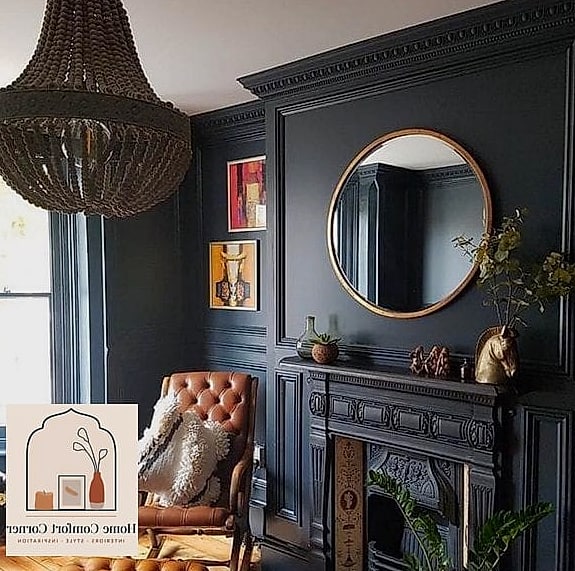
Swapping chrome faucets and hardware for matte black is one of the fastest bathroom refreshes there is. It reads as more modern and pairs well with both white subway tile and warmer stone finishes. Matte finishes do show water spots more than polished chrome, so a quick wipe-down after showers keeps them looking sharp. This is a project most homeowners can tackle themselves in an afternoon with basic tools.
A Gallery Wall With Mixed Frame Sizes
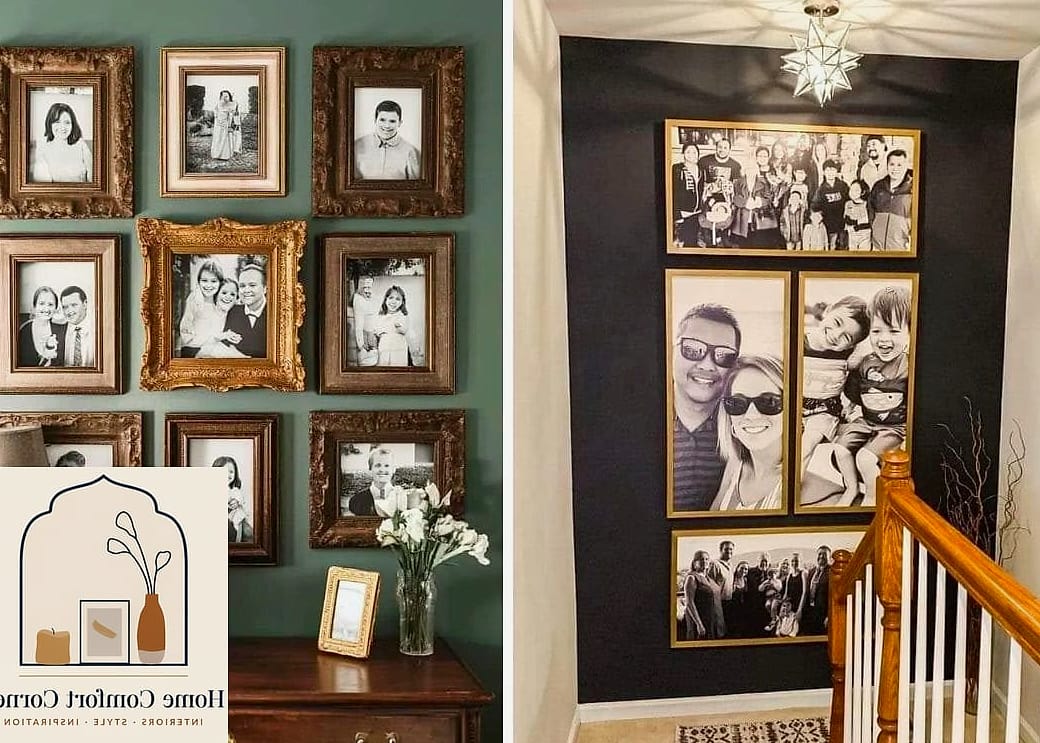
Gallery walls get a bad reputation for looking chaotic, but the trick is sticking to two or three frame colors and leaving consistent spacing. Mix in a mirror or two among the photos and artwork for visual variety. This works especially well going up a staircase or along a hallway that otherwise feels forgotten. Lay everything out on the floor first before hammering a single nail — trust me on this one.
Greenery That Doesn’t Require a Green Thumb
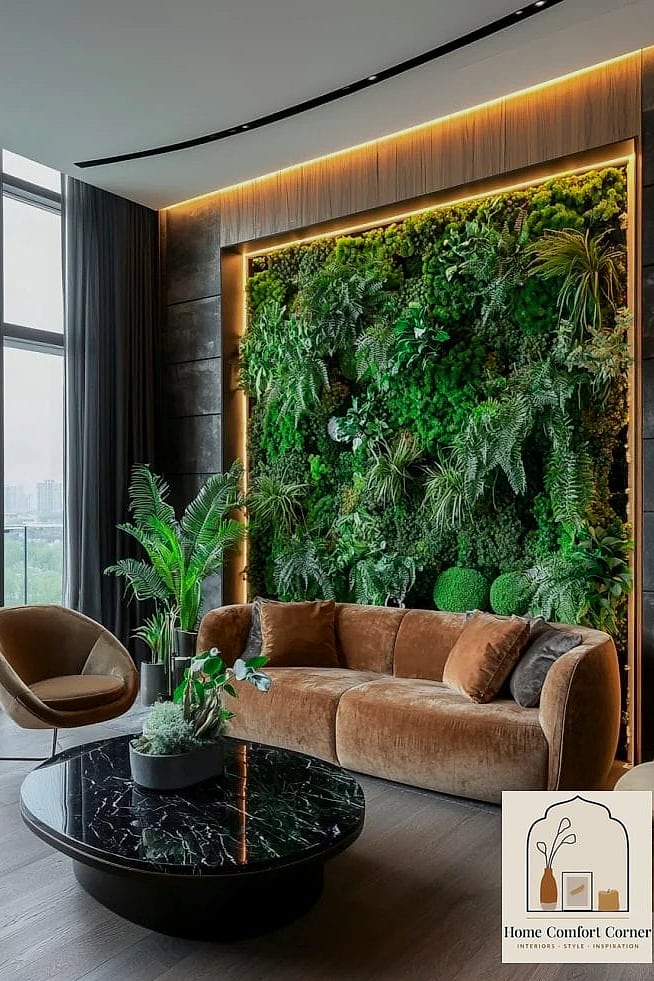
Plants bring life into a space, but not everyone has the patience or the light for finicky varieties. Pothos, snake plants, and ZZ plants tolerate low light and irregular watering better than most. Group a few different pot sizes together on a plant stand for a fuller look without buying a dozen plants. If live plants genuinely aren’t your thing, quality faux greenery has come a long way and still adds warmth.
Quartz Countertops for Busy Kitchens
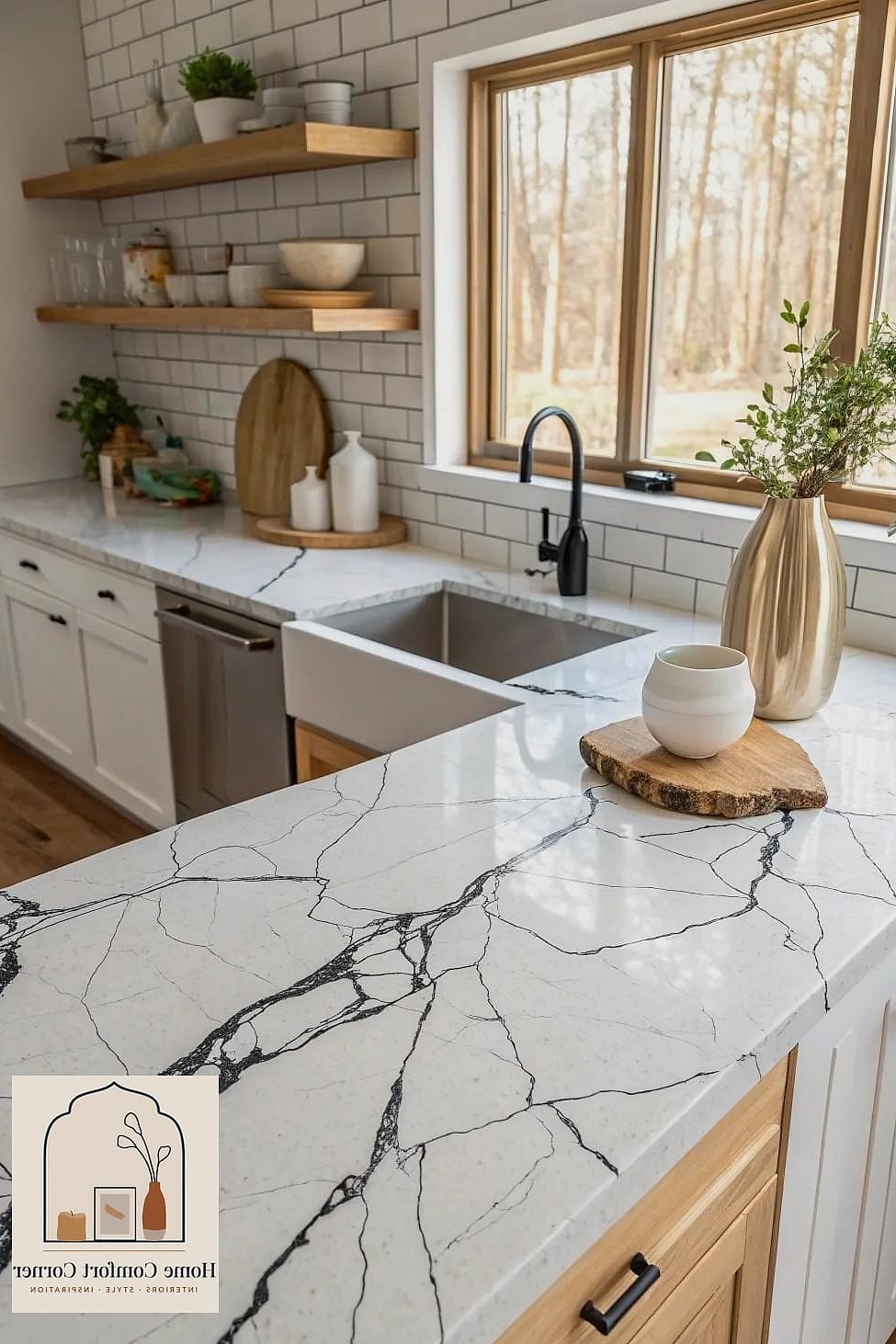
Quartz gives you the look of natural stone with far less maintenance than marble, since it’s non-porous and doesn’t need sealing. It resists staining from wine, coffee, and cooking oils, which makes it a solid pick for families who actually use their kitchen. It runs on the pricier side compared to laminate, but many homeowners consider it worth the investment given how long it lasts. Lighter quartz colors also help small kitchens feel brighter.
A Cozy Reading Nook by a Window
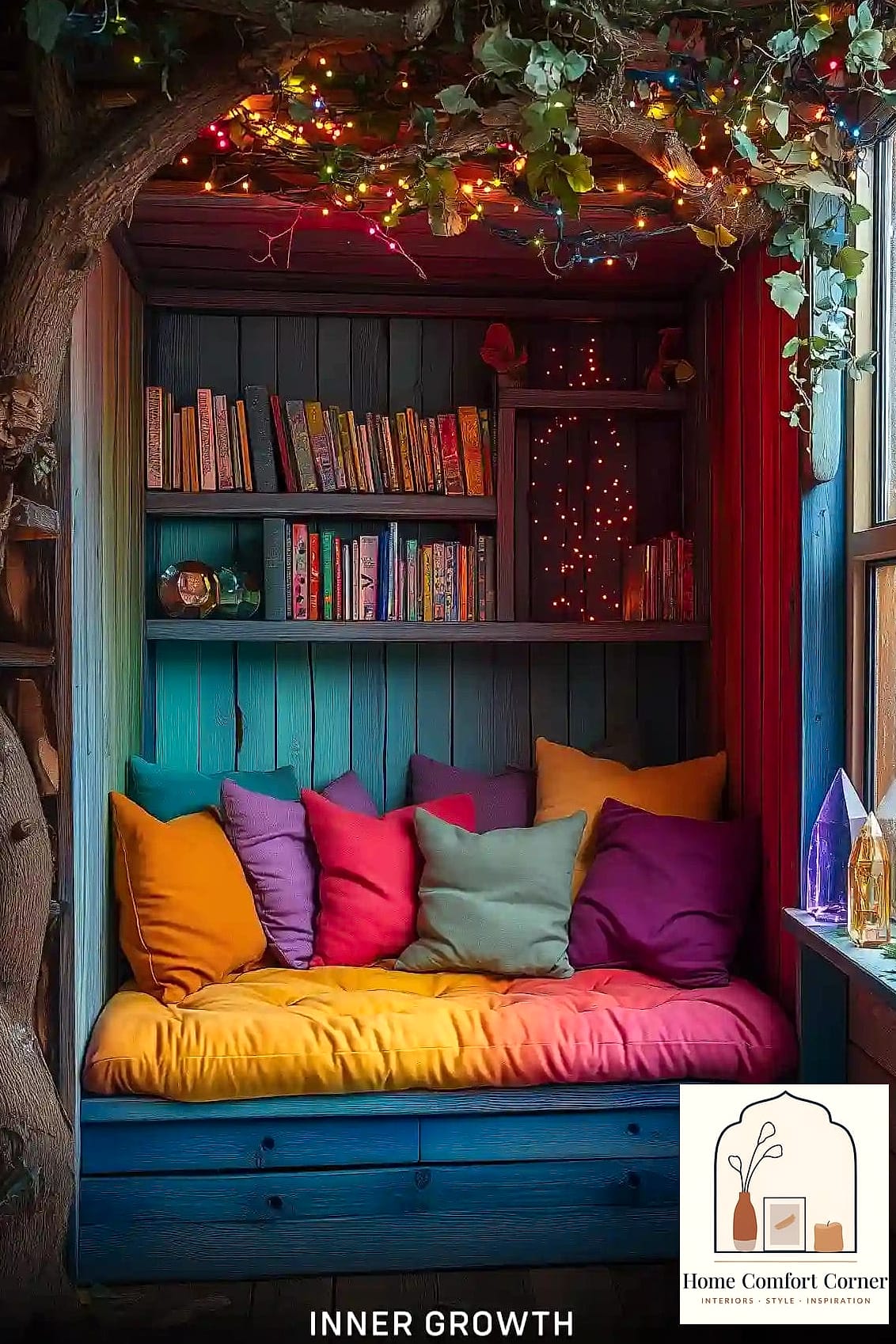
Carving out a small reading nook doesn’t require a spare room — just a comfortable chair, decent lighting, and proximity to natural light. Add a small side table for your coffee and a soft throw blanket for cooler months. This works particularly well in awkward corners that don’t fit regular furniture arrangements. It’s a small addition that makes a home feel more personal and less like a showroom.
Peel-and-Stick Wallpaper for Renters
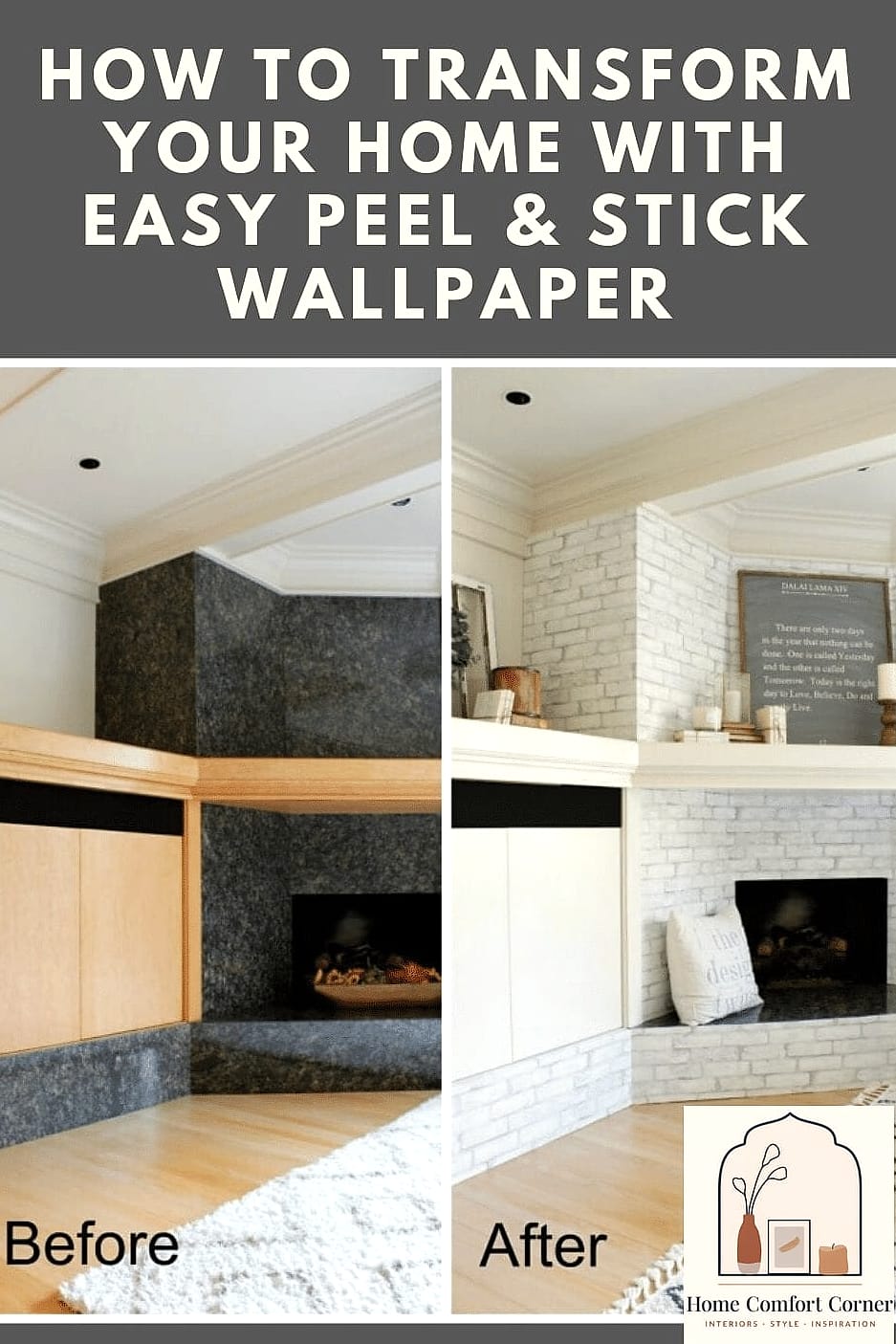
Removable wallpaper has gotten so much better in recent years, both in quality and design variety. It’s an easy way to add pattern to an accent wall, a closet interior, or even the back of a bookshelf without upsetting a landlord. Application takes patience more than skill, so give yourself extra time on your first attempt. Just make sure your walls are clean and smooth before applying, or bubbles will show through.
Brushed Brass Hardware on Cabinets
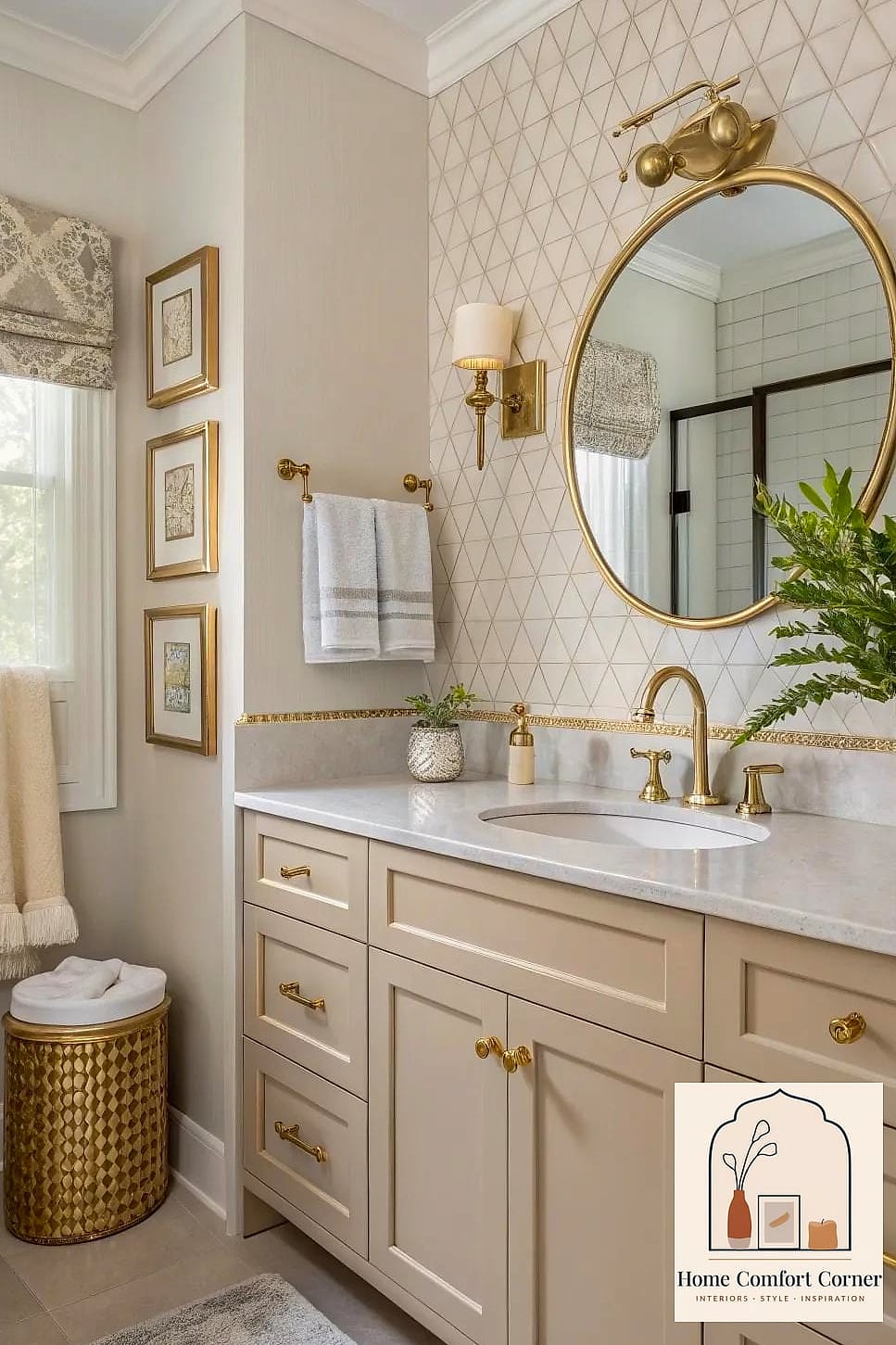
Swapping out dated cabinet knobs and pulls for brushed brass is a small change that makes a noticeable difference. It warms up kitchens and bathrooms that lean heavily on white or gray finishes. Brushed finishes hide fingerprints better than polished brass, which matters in high-traffic kitchens. This is a genuinely easy DIY swap that usually takes an afternoon and a screwdriver.
A Bold Ceiling Color or Wallpaper
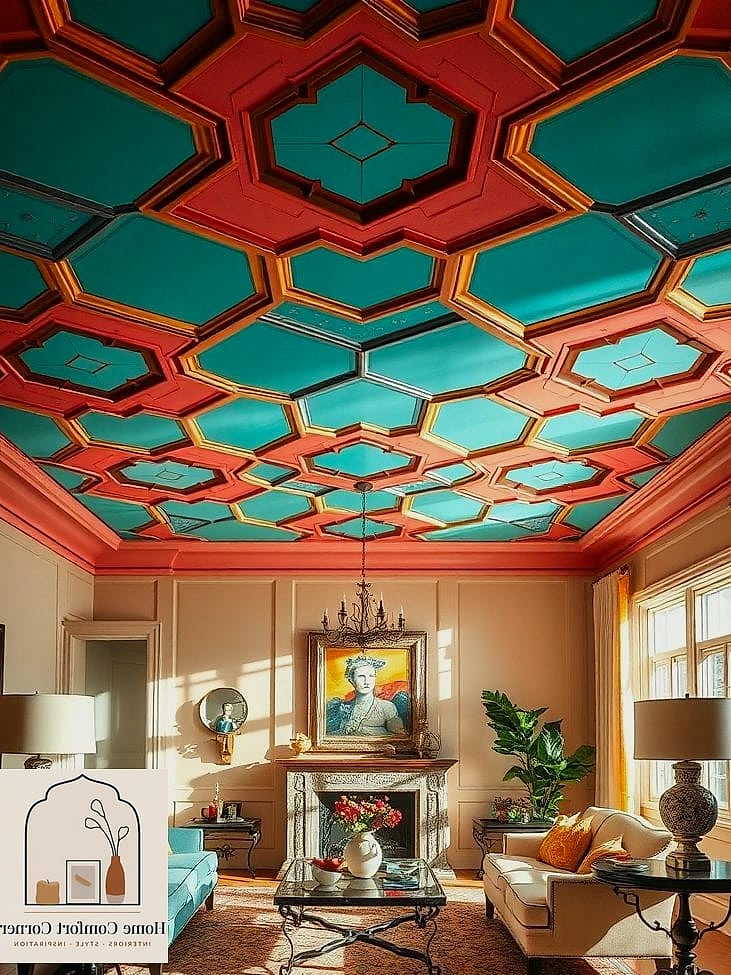
Painting or papering the “fifth wall” is a design move that instantly makes a room feel more finished. Deep greens, navy, or even a soft terracotta on the ceiling adds unexpected drama to a bedroom or dining room. It works best in rooms with decent natural light so the space doesn’t feel closed in. This is a bolder choice, so test a sample before committing to the whole ceiling.
Baskets and Bins for Everyday Storage
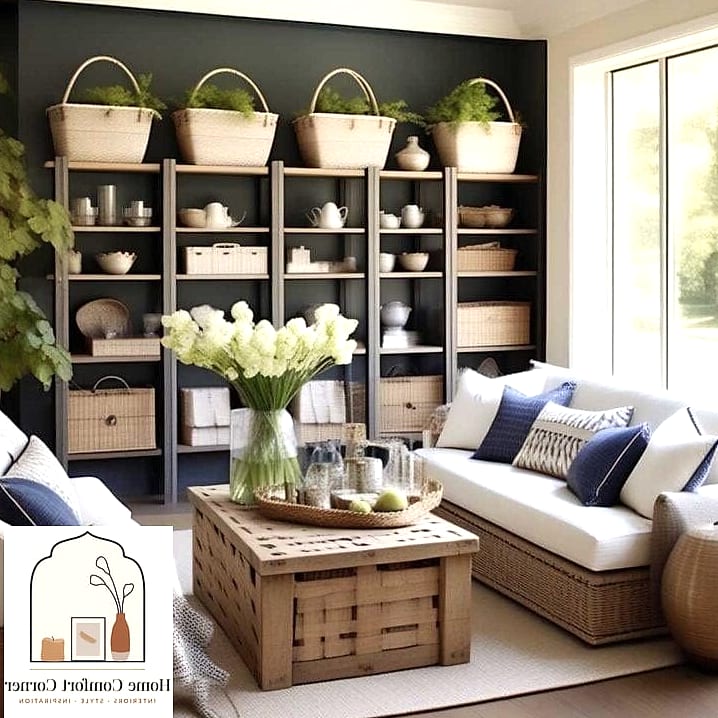
Woven baskets and fabric bins hide clutter while still looking intentional on open shelves. They work well for kids’ toys, extra blankets, or mail that tends to pile up on counters. Label bins if you’re organizing a pantry or closet system, since unlabeled storage tends to become a junk drawer in disguise. Mixing textures — wicker with canvas, for example — keeps things from looking too uniform.
Marble Accents in Small Doses
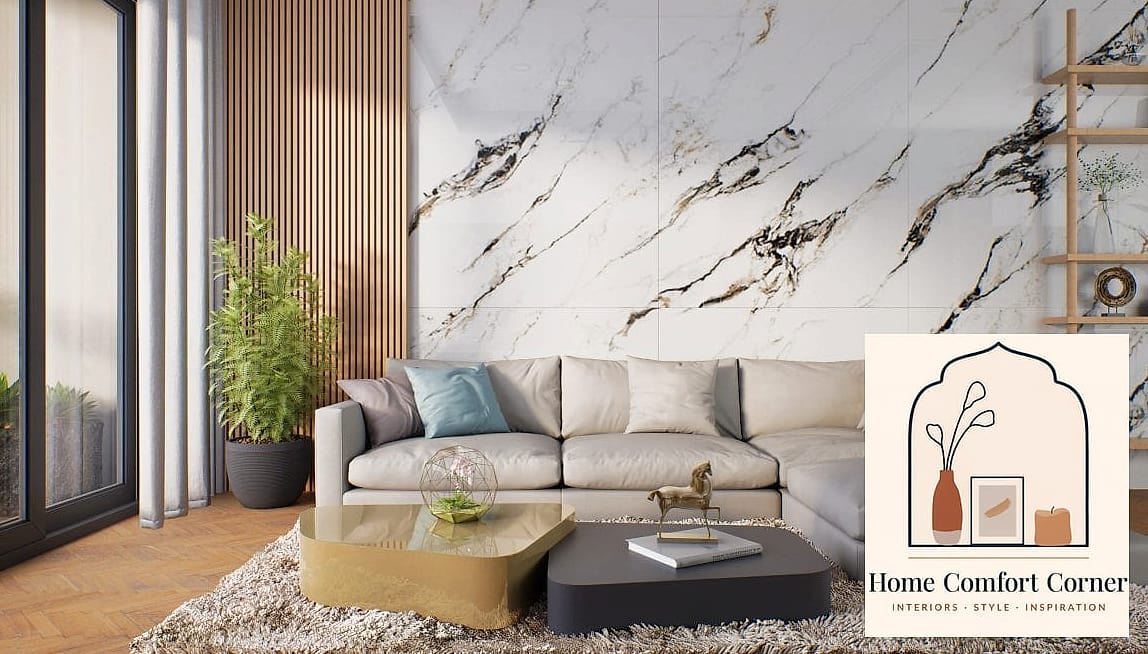
If a full marble kitchen isn’t in the budget, small marble accents deliver a similar luxury feel. A marble tray on a coffee table, a marble cutting board displayed on the counter, or marble coasters all work. Marble is porous and can stain, so it’s best kept away from areas with constant liquid exposure unless sealed properly. This is a budget-friendly way to bring in a material that otherwise reads as high-end.
A Statement Rug to Anchor the Room
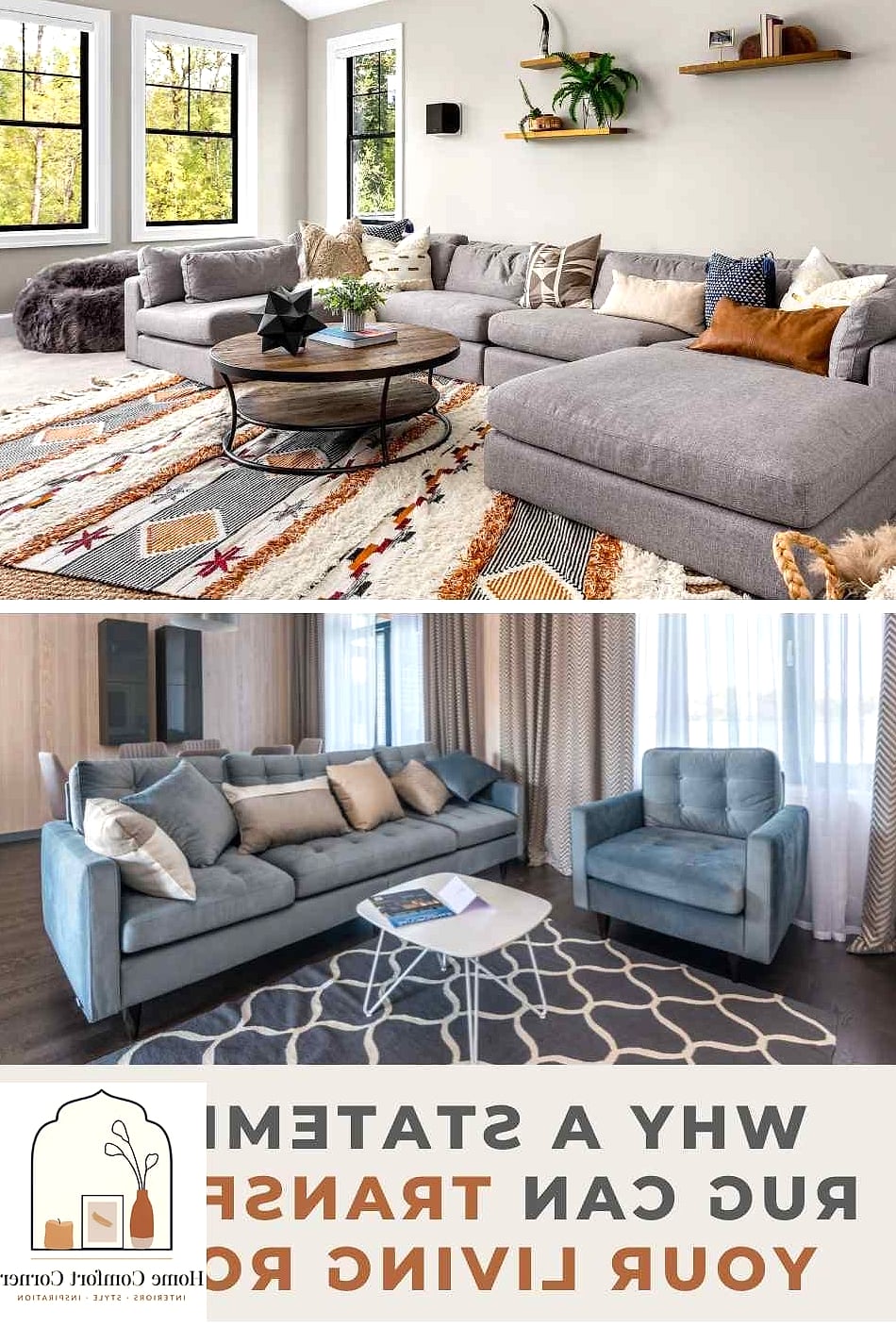
An area rug does more than add softness underfoot — it defines a space and pulls furniture arrangements together. In open floor plans, a rug helps signal where the living room ends and the dining area begins. Size matters here: a rug that’s too small makes furniture look like it’s floating awkwardly. Wool and jute blends tend to hold up well in high-traffic areas while still feeling substantial.
Floating Shelves for Display and Function
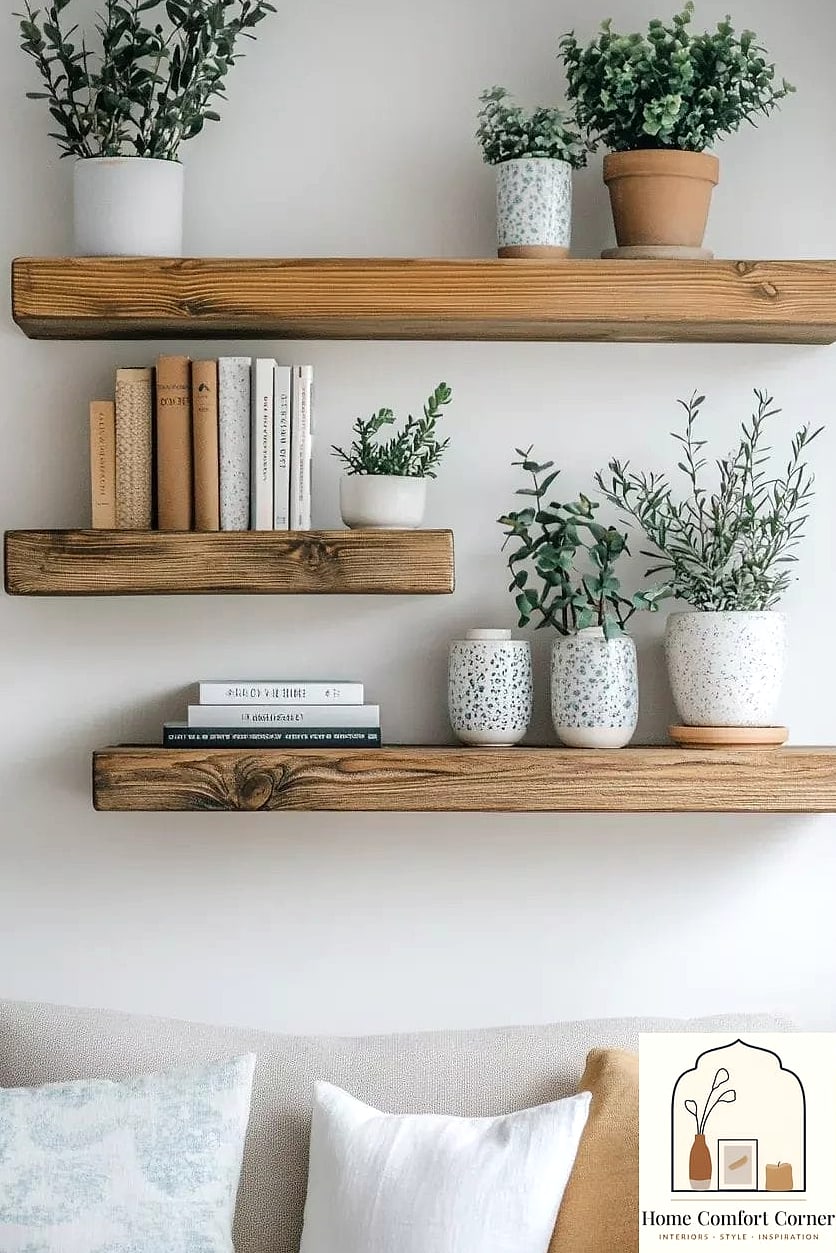
Floating shelves give you display space without the bulk of a full bookcase, which matters in smaller rooms. Use them in a bathroom for rolled towels and toiletries, or in a living room for books and small art pieces. Keep spacing intentional and avoid overcrowding each shelf, since the whole appeal is the clean, minimal look. Weight limits vary by bracket type, so check ratings before loading them up with anything heavy.
Two-Tone Kitchen Cabinets
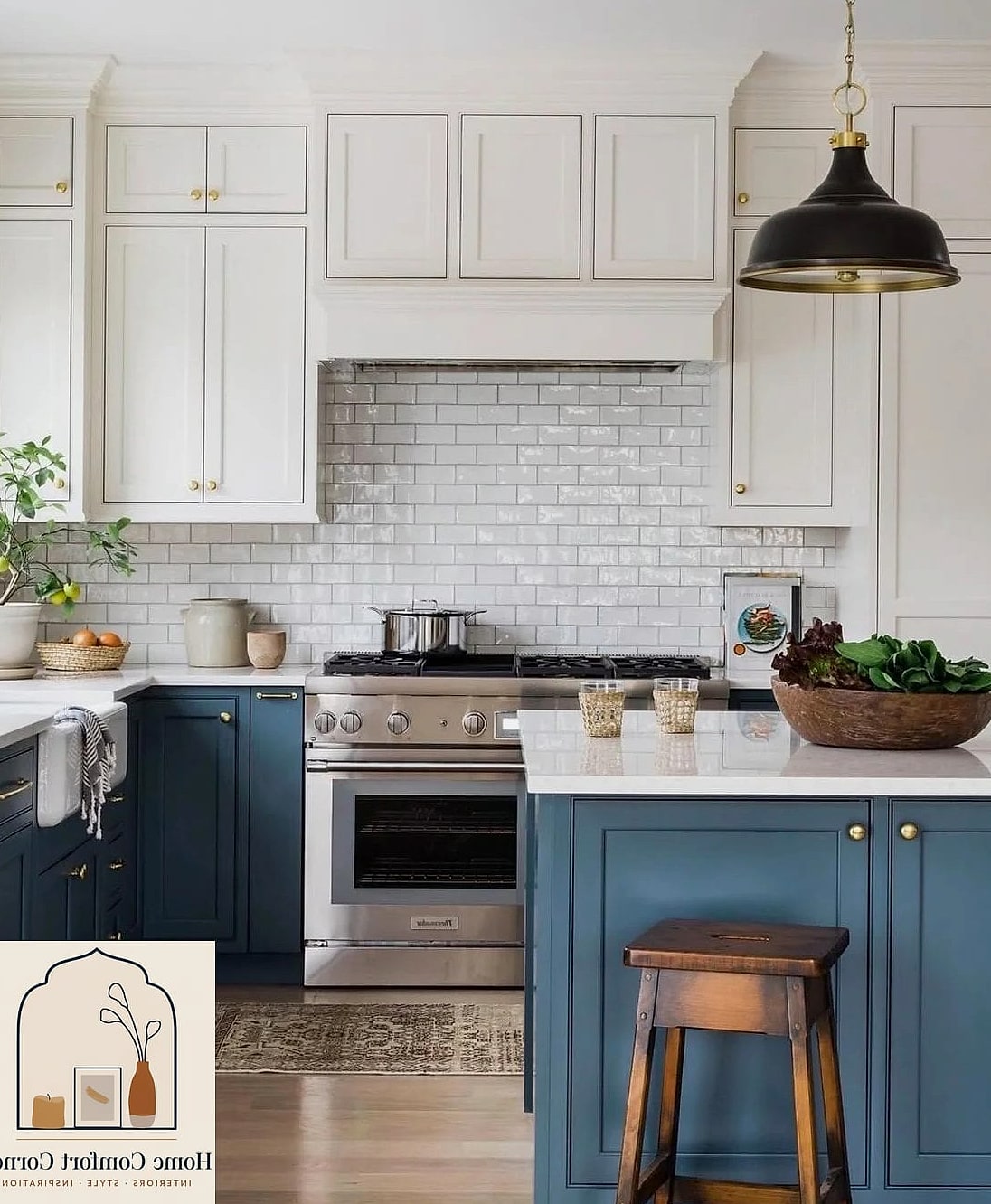
Painting upper and lower cabinets different colors adds dimension without going overboard. A common approach is lighter uppers with a darker, moodier lower cabinet color, which keeps the kitchen from feeling top-heavy. This works in both small and large kitchens, though the contrast tends to read more dramatically in bigger spaces. It’s a project that can be DIY’d with cabinet-grade paint and a lot of patience with drying time.
A Dedicated Drop Zone Near the Entry
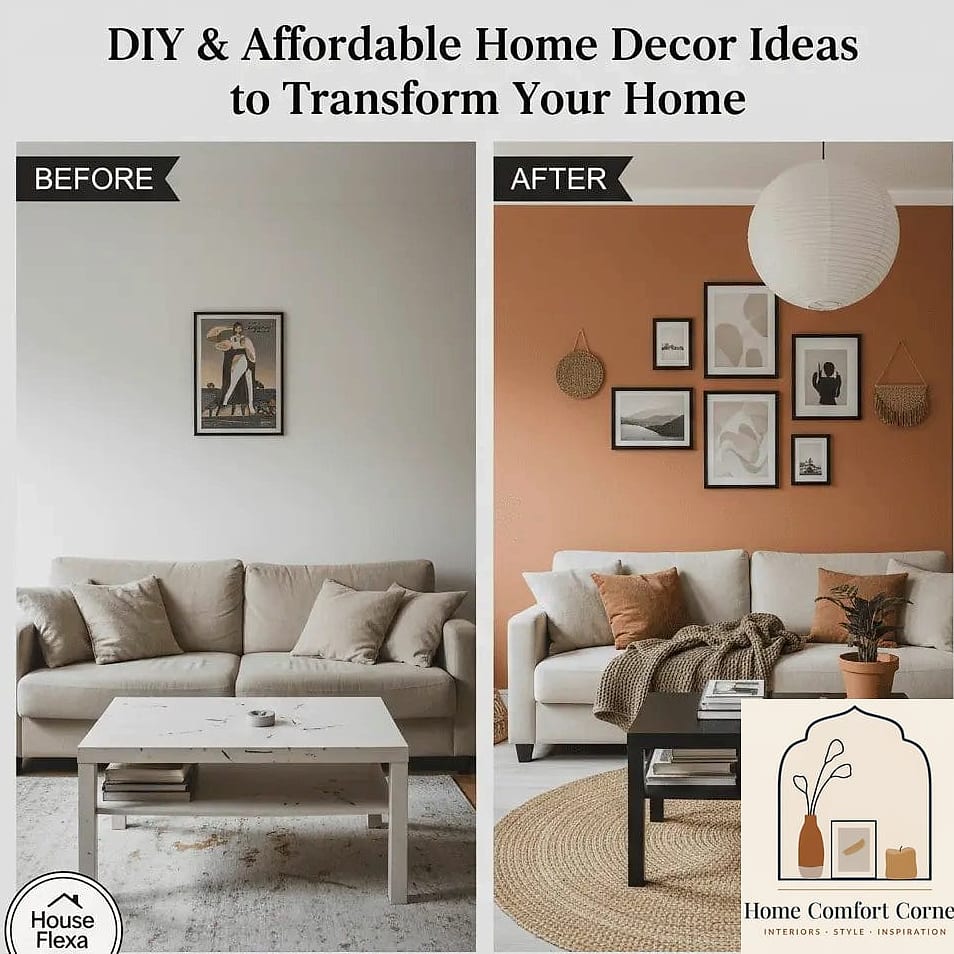
A small bench, hooks, and a shoe tray near your entry door keeps daily chaos from spreading into the rest of the house. This is especially helpful for families with kids or multiple pets tracking things in. Even a narrow hallway can fit a slim console table with a basket underneath for shoes. It’s less about decor and more about function, but a well-organized entry genuinely changes how a home feels to come back to.
Natural Stone in Bathroom Showers
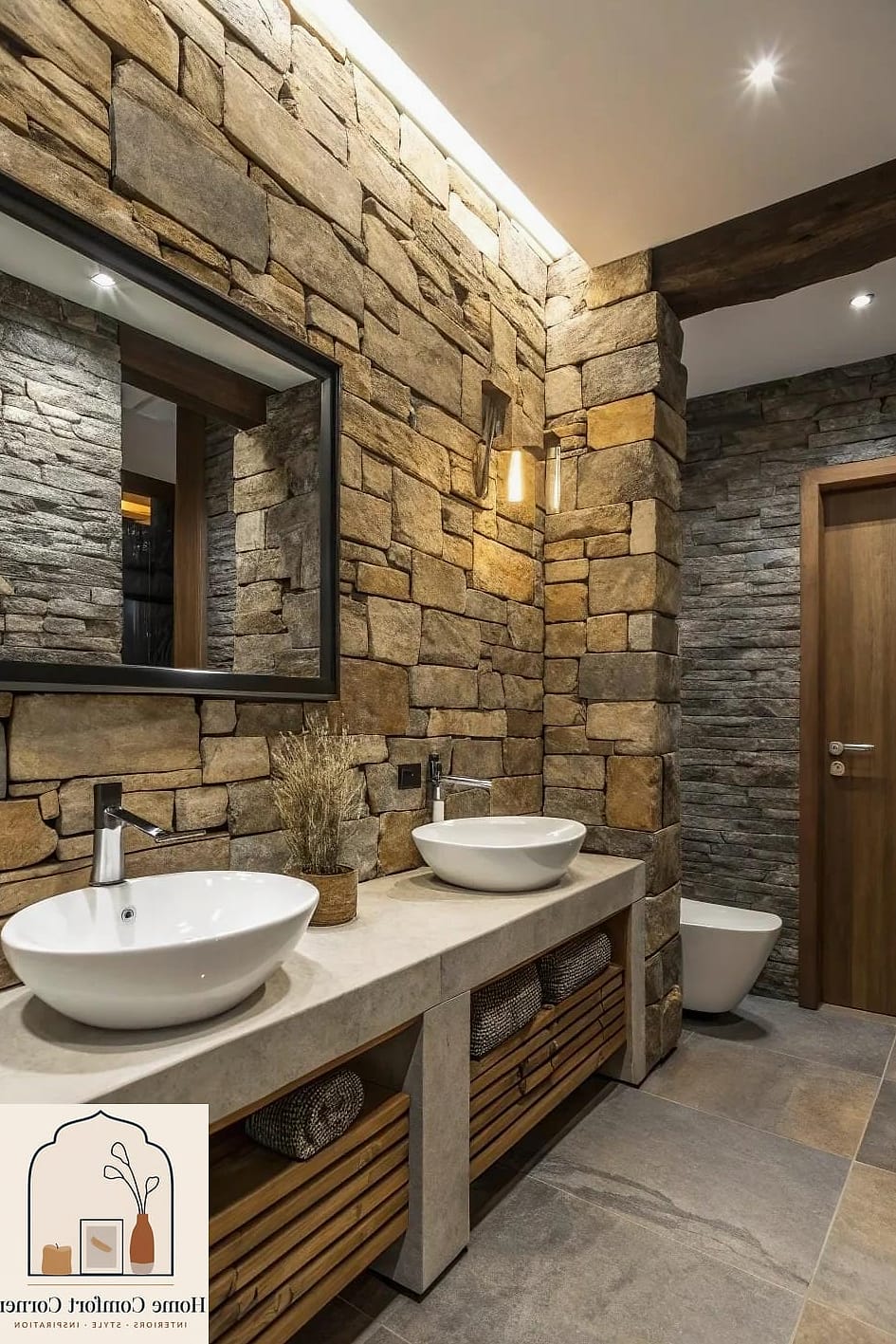
Natural stone tile, like travertine or slate, brings texture and an organic feel into bathroom showers. It reads as more spa-like compared to standard ceramic tile, though it does require periodic sealing to prevent staining and water damage. Larger format stone tiles mean fewer grout lines to clean, which some homeowners find worth the higher upfront cost. Pair it with matte black or brushed nickel fixtures for a grounded, natural palette.
A Statement Light Fixture Over the Dining Table
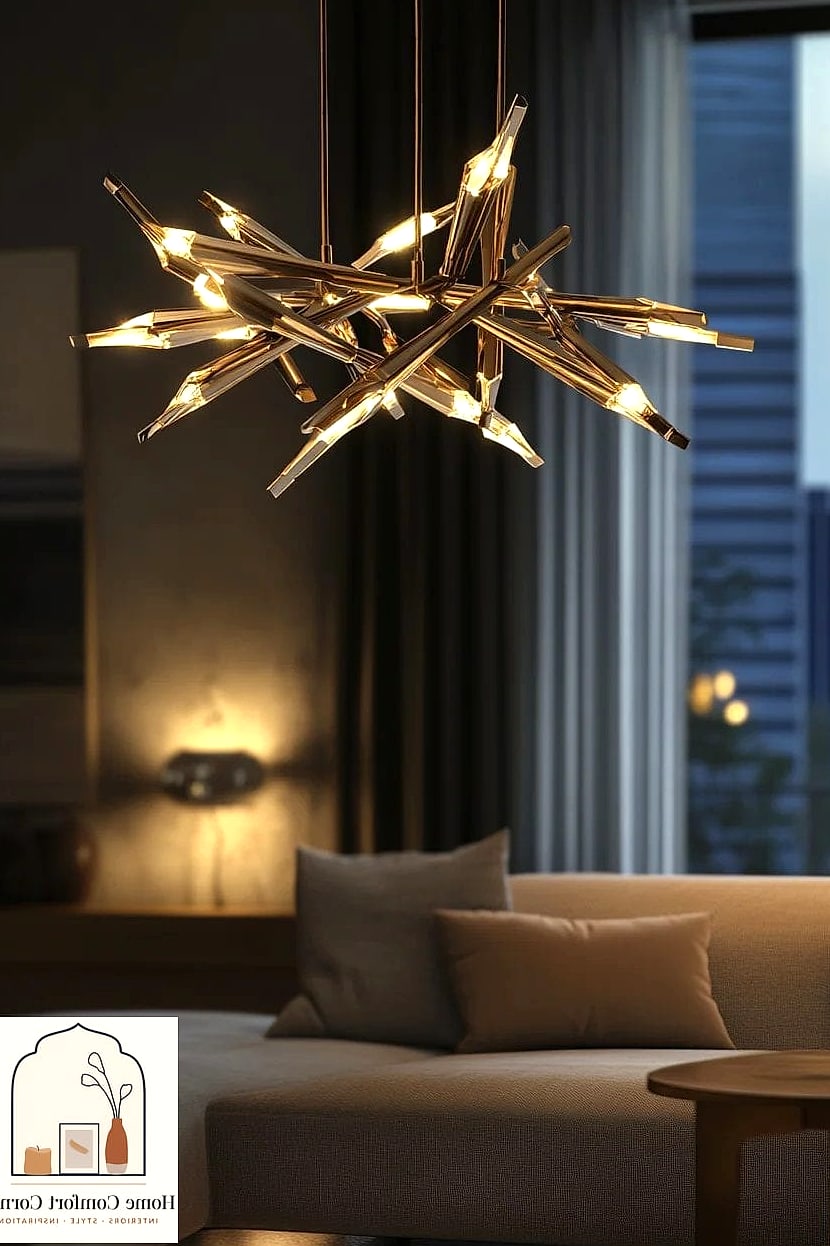
Swapping a builder-grade light fixture for something with more personality is one of the highest-impact, lowest-effort updates you can make. A sculptural pendant or a cluster of glass globes over a dining table becomes a natural focal point. Make sure the scale matches your table — too small and it looks lost, too large and it overwhelms the room. This is a project that usually just requires basic electrical comfort or a quick call to an electrician.
Mudroom Storage With Labeled Bins
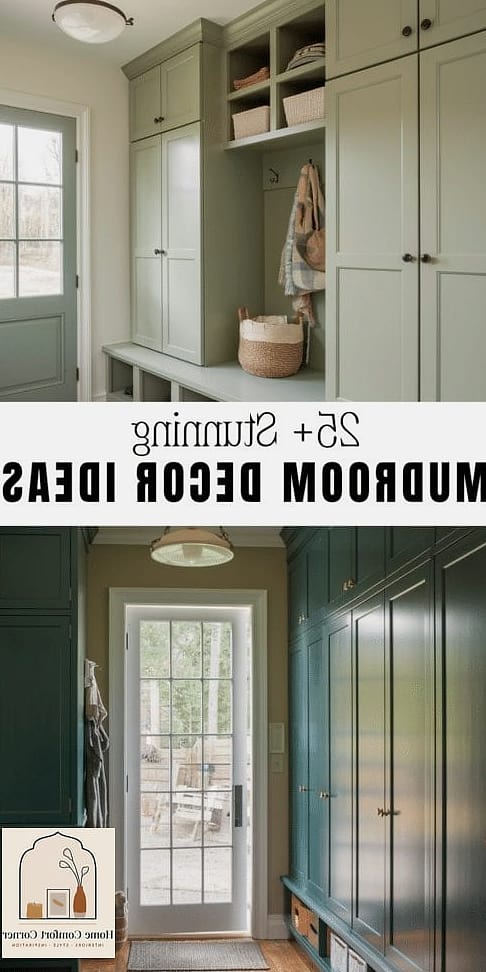
If you’re lucky enough to have a mudroom, or even a converted closet near a side door, dedicated cubbies and labeled bins keep everyone’s stuff sorted. Assign a bin per family member for hats, gloves, and sports gear so items aren’t scattered everywhere. Hooks at kid height encourage younger family members to actually hang up their own coats. This is one of those spaces where function should come before aesthetics, though the two aren’t mutually exclusive.
A Neutral Color Palette With One Bold Accent
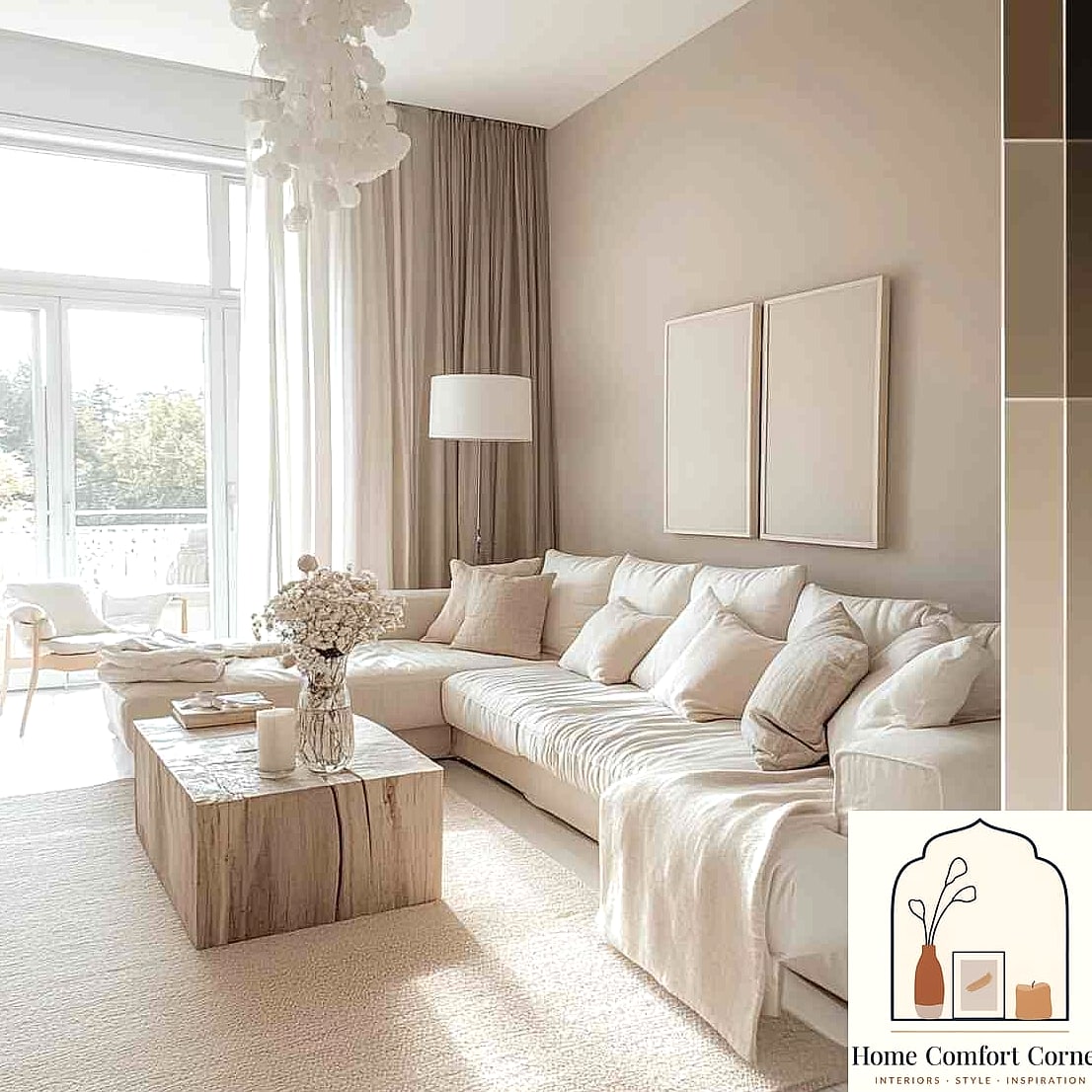
Rooms built around a neutral base — whites, warm grays, soft beiges — feel calm and cohesive, but they need one bold element to avoid feeling boring. That could be a single piece of colorful art, a patterned rug, or one accent chair in an unexpected color. This approach also makes it easier to update your look seasonally, since you’re only swapping small accents rather than repainting entire rooms. It’s a forgiving strategy for anyone unsure about committing to bold color choices.
Under-Cabinet Lighting in the Kitchen
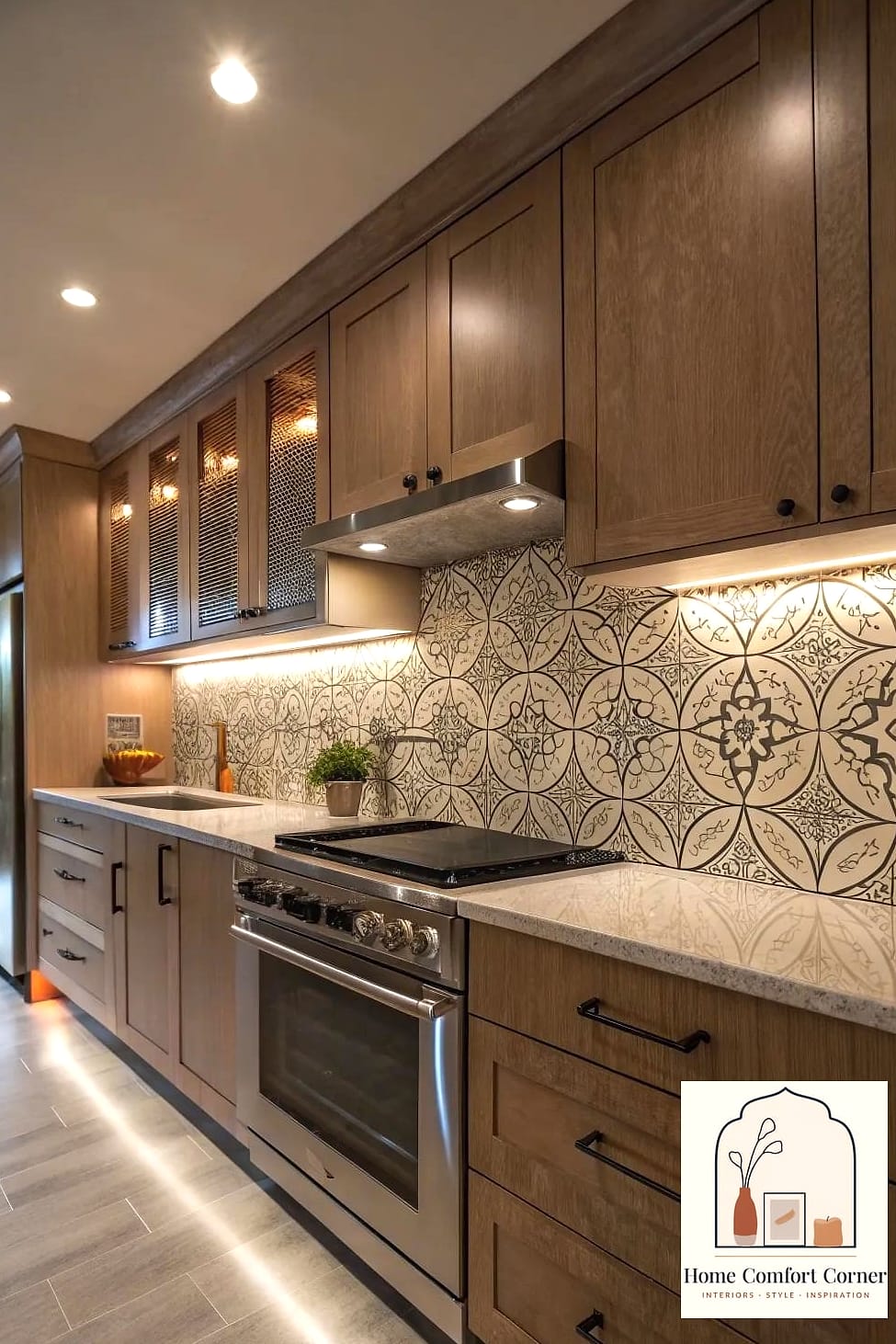
Under-cabinet lighting makes countertops more functional for food prep while also adding a nice ambient glow in the evening. LED strip lights are inexpensive, easy to install, and don’t require an electrician in most cases. This small addition makes a kitchen feel more finished and modern, especially paired with a tile backsplash it can highlight. It’s also genuinely useful for reading recipes or measuring ingredients without harsh overhead lighting.
Vintage or Secondhand Furniture Mixed With New Pieces
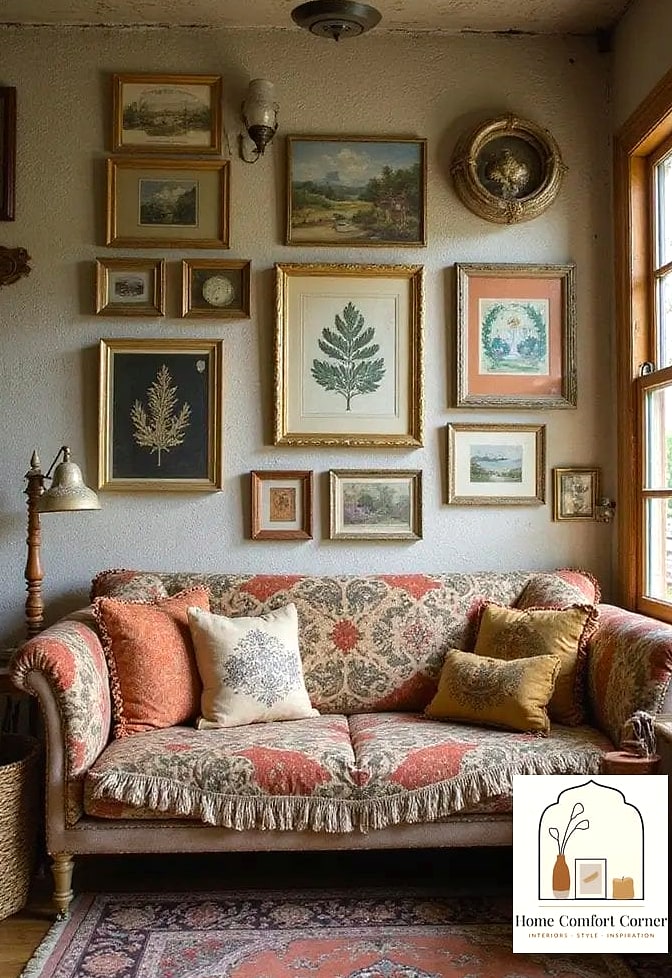
A home furnished entirely with new pieces can feel a little sterile, while an all-vintage space can feel dated if you’re not careful. Mixing the two — a modern sofa with a vintage coffee table, say — gives a room more depth and story. Thrift stores, estate sales, and online marketplaces are great sources if you’re patient and willing to search. This approach is also friendlier on the budget compared to buying every piece brand new.
Wallpapered or Painted Ceilings in Powder Rooms
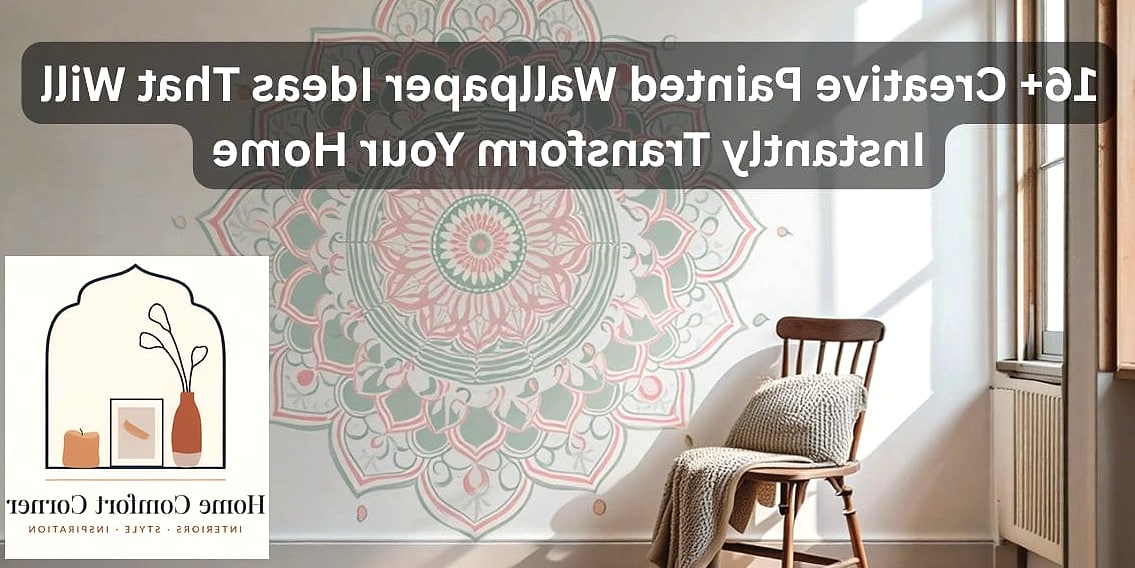
Small powder rooms are the perfect testing ground for bold wallpaper or paint choices you might hesitate to use elsewhere. Because the room is small, the cost of wallpapering is lower, and the drama-to-square-footage ratio is high. Dark, moody colors work particularly well here since powder rooms are often used briefly and don’t need to feel bright and airy. It’s a low-risk way to experiment with a style you’re not ready to commit to in a bigger room.
Seasonal Decor Rotation Instead of Permanent Clutter
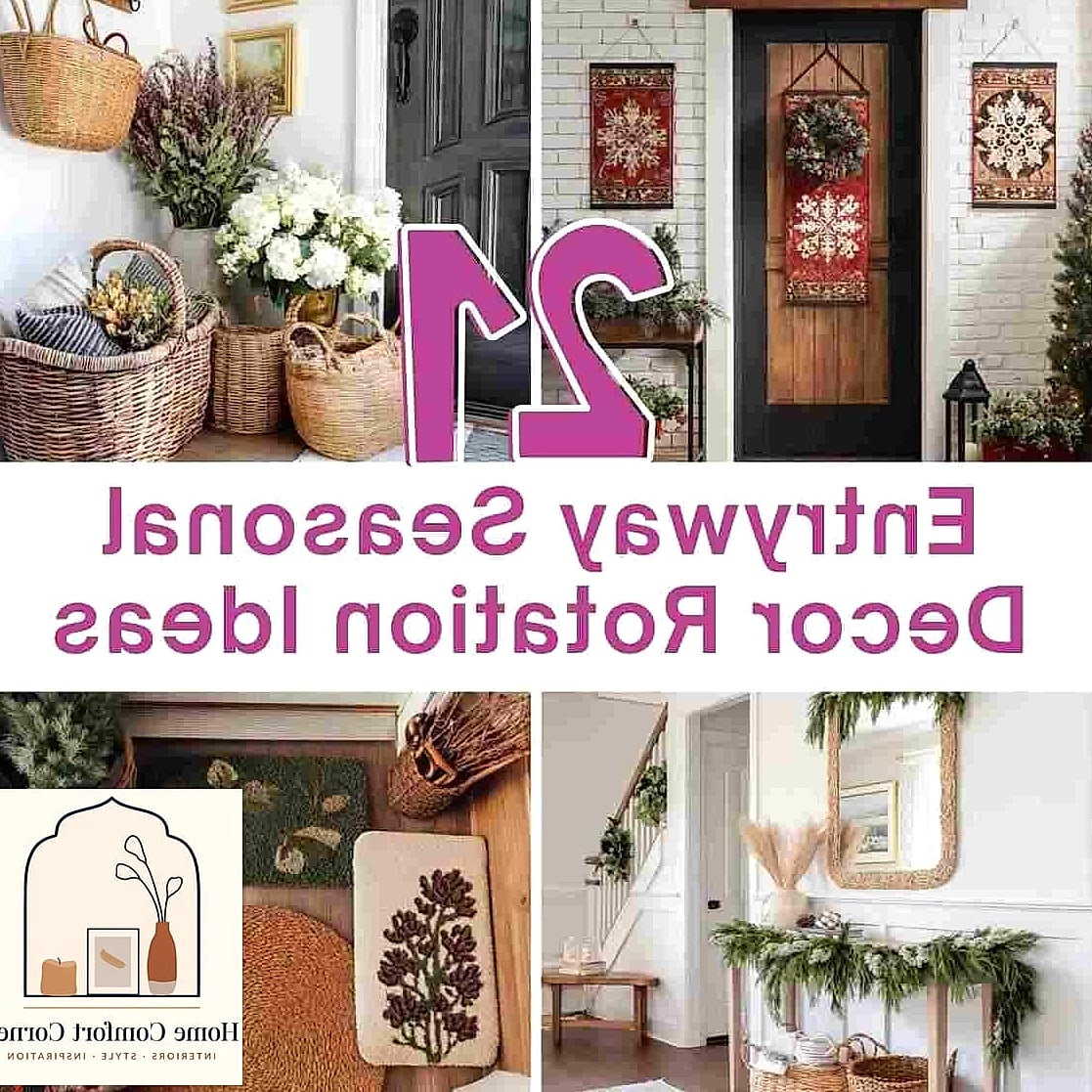
Rather than keeping every decorative item out year-round, rotating a few pieces seasonally keeps your home feeling current without constant shopping. Swap heavier textiles and warm tones in for fall and winter, then lighten things up with breezier fabrics and fresh greenery for spring and summer. Storage bins in a closet or under a bed make this easy to manage without permanent clutter. It also means you appreciate your decor more, since it’s not just background noise you’ve stopped noticing.
A Home Office Nook With Real Boundaries
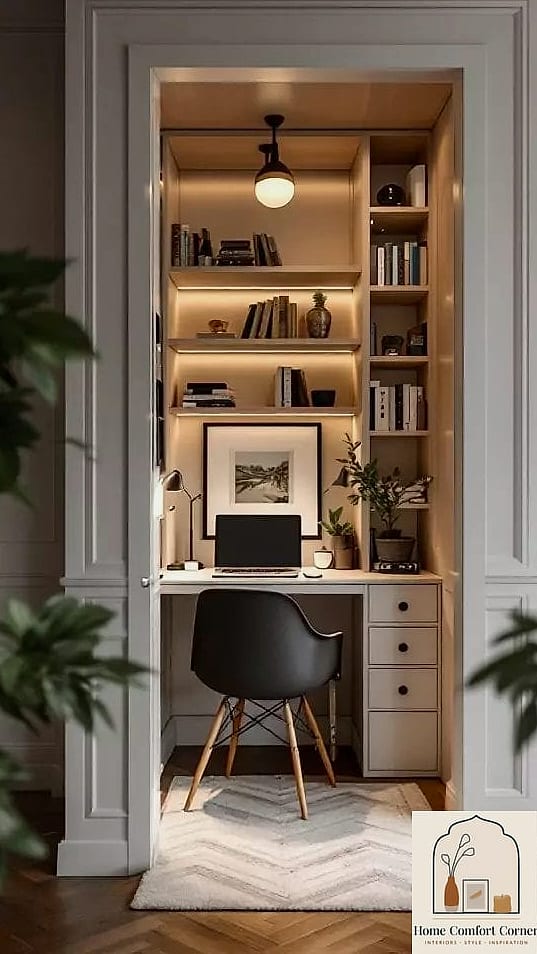
Even in a shared space, a defined home office area — a proper desk, decent chair, and some visual separation like a bookshelf or curtain — makes remote work feel more sustainable. Good task lighting matters here more than most people realize, especially for video calls and long work sessions. Cable management boxes and drawer organizers keep the area from feeling like a tangle of cords and loose papers. This kind of setup respects both your productivity and the rest of your living space.
Whether you tackle one of these ideas this weekend or slowly work through the list over a year, the goal is the same: a home that feels like it was put together with intention. You don’t need to do all thirty at once, and honestly, you probably shouldn’t. Pick the ones that solve an actual problem in your space, and build from there.