23 Front Room Decor Ideas That Will Transform Your Space
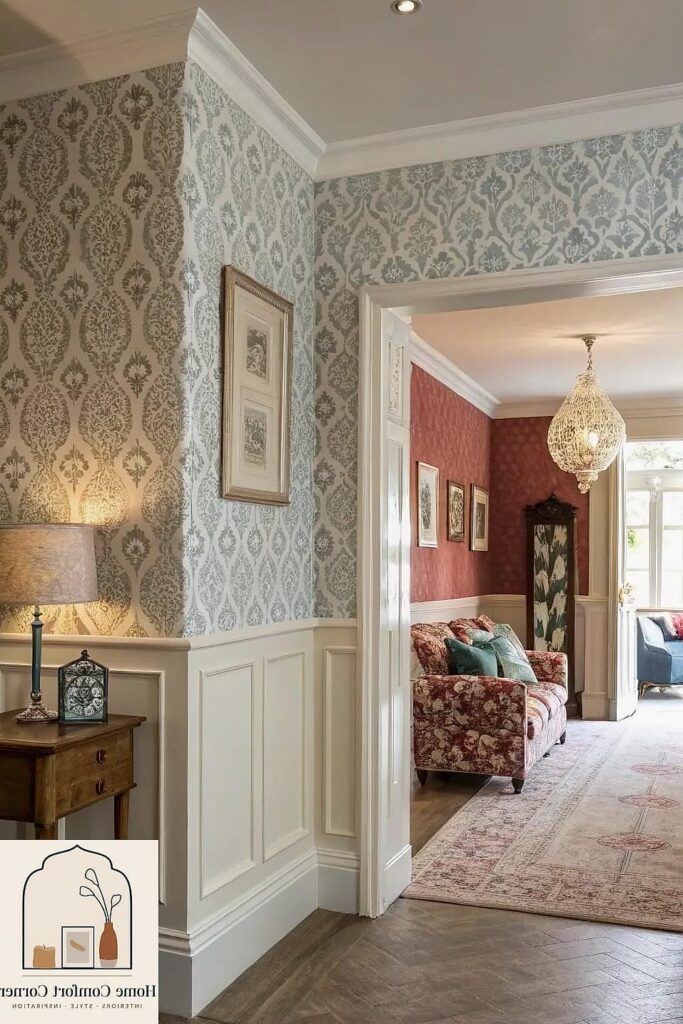
- Layer in a Neutral Color Palette with Warm Accents
- Install Floating Shelves for Display and Storage
- Bring In a Statement Area Rug
- Add Vertical Interest with Wall Paneling
- Swap in Brushed Brass or Matte Black Hardware
- Create a Cozy Reading Nook
- Hang Curtains Higher Than the Window Frame
- Use Greenery to Soften Hard Edges
- Layer Your Lighting Instead of Relying on One Fixture
- Add a Gallery Wall with Mixed Frame Styles
- Incorporate Textured Throw Pillows and Blankets
- Choose a Bold Accent Wall Color
- Repurpose a Vintage Piece as a Statement Item
- Add Built-In or Semi-Built-In Storage
- Introduce Natural Stone or Wood Accents
- Style an Entryway Console Table
- Add Window Seating for Extra Function
- Mix Vintage and Modern Furniture Pieces
- Add a Statement Mirror
- Incorporate Seasonal Decor That’s Easy to Swap
- Define the Space with a Furniture Layout That Encourages Conversation
- Add Personality with Books and Curated Objects
- Finish with a Statement Light Fixture
23 Front Room Decor Ideas That Will Transform Your Space
Your front room is basically the handshake of your house. It’s the first space guests see, and honestly, it’s probably where you spend a lot of your own downtime too. If yours feels a little flat or outdated, you’re in the right place. Here are 23 front room decor ideas that actually work, whether you’re renting, renovating, or just bored of staring at the same beige walls.
Layer in a Neutral Color Palette with Warm Accents
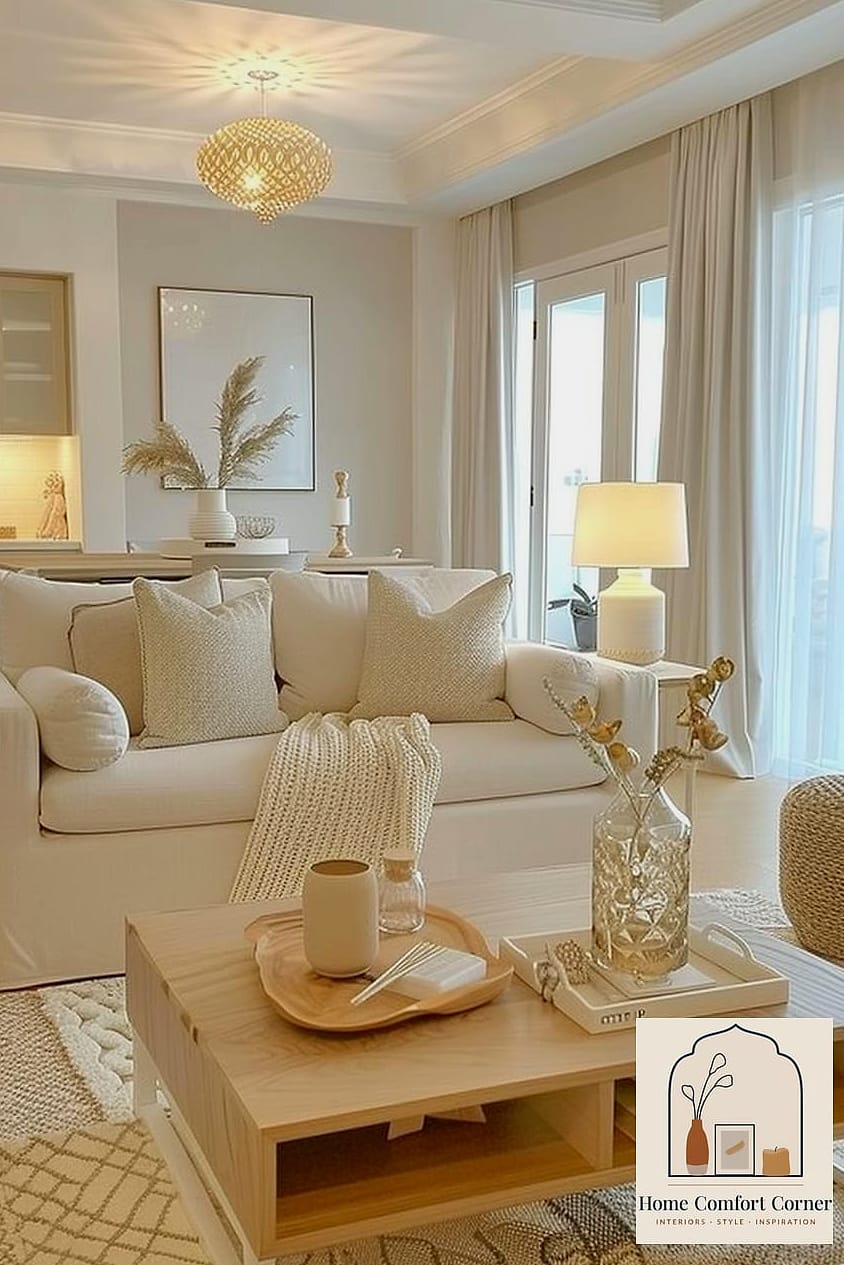
A neutral base gives you room to breathe, and it makes every other design choice easier. Think warm whites, soft greige, and taupe on the walls, paired with camel, rust, or olive accents in pillows and throws.
This works especially well in front rooms that get a lot of natural light since the neutrals bounce it around beautifully. Add a couple of warm wood tones in your furniture or trim, and the whole space starts to feel intentional instead of just safe.
Install Floating Shelves for Display and Storage
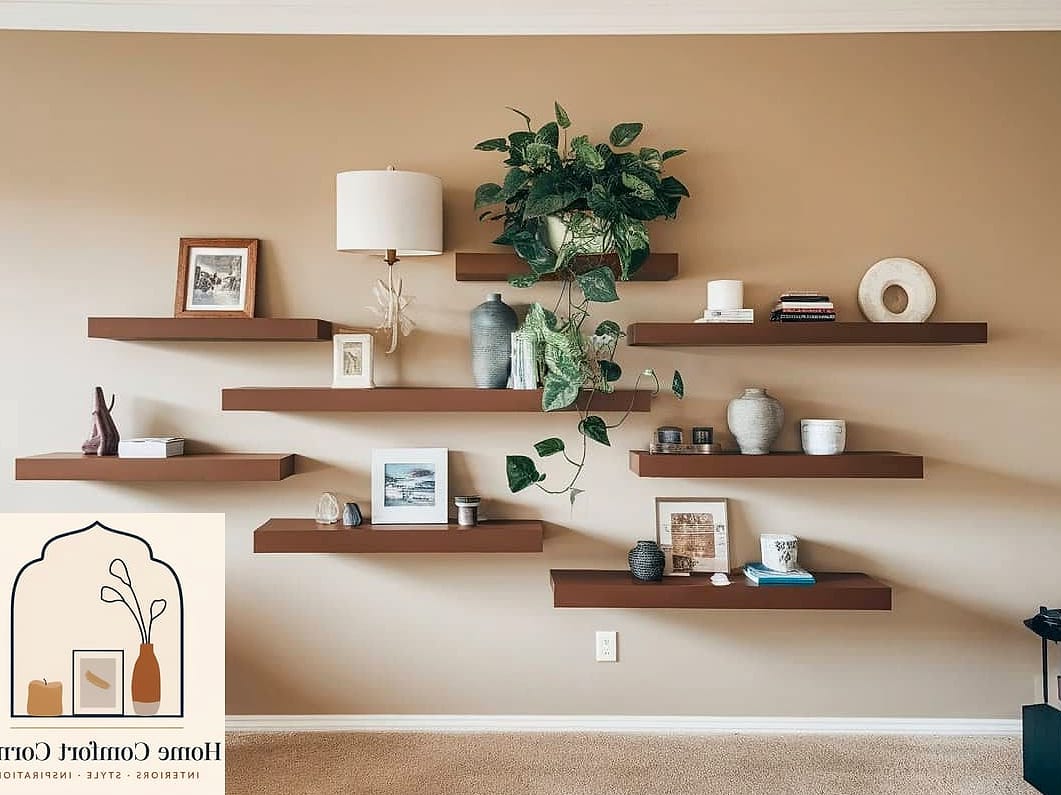
Floating shelves are one of those upgrades that instantly makes a room feel more custom without requiring a full renovation. Mount a couple above a console table or flanking a window and style them with books, small plants, and a few personal pieces.
They’re great for small front rooms where floor space is tight, and most versions are renter-friendly since they only need a few small anchors. Keep the styling loose and asymmetrical rather than perfectly matched for a more collected-over-time look.
Bring In a Statement Area Rug
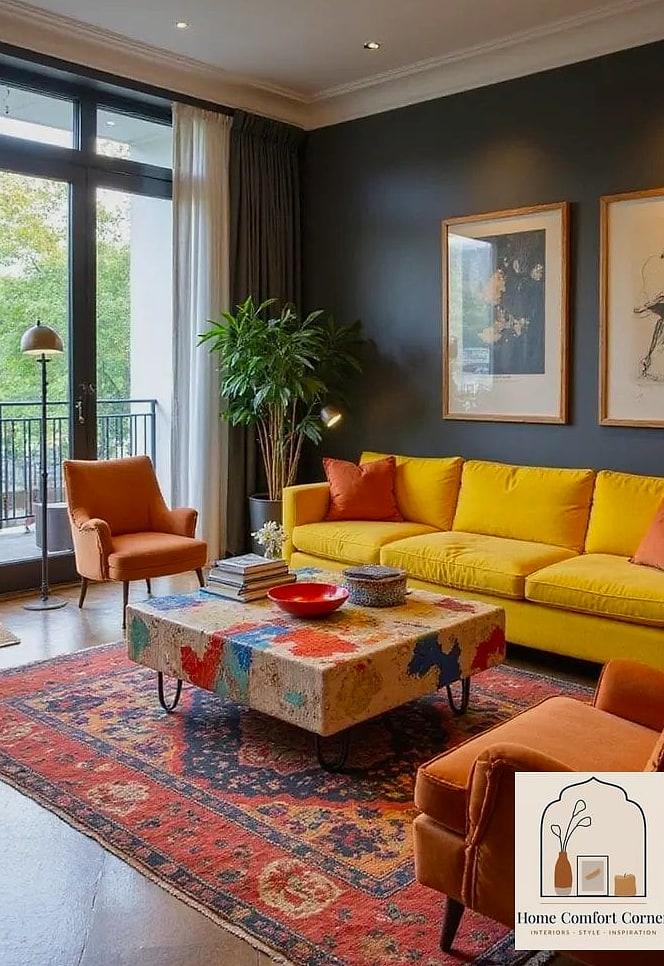
A rug does more heavy lifting in a front room than almost anything else. It anchors the furniture, adds color or pattern, and makes hardwood or tile floors feel warmer underfoot.
Go bold with a Persian-inspired print if your furniture is simple, or keep it textured and neutral if your walls already have personality. Wool rugs hold up well in high-traffic entry areas, while a jute or sisal option brings texture without breaking the budget.
Add Vertical Interest with Wall Paneling
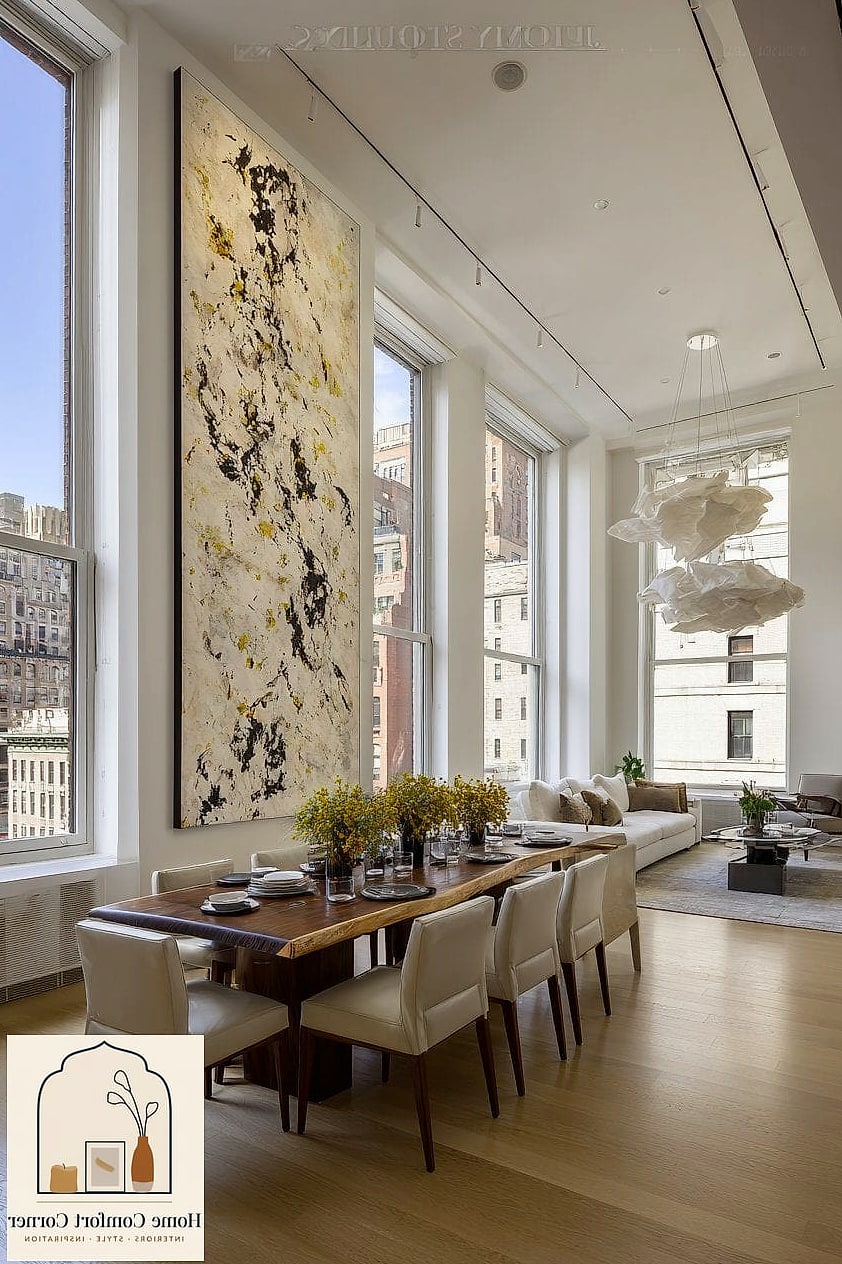
Wall paneling, whether it’s board and batten, shiplap, or simple picture-frame molding, adds architectural detail that a lot of front rooms are missing. It’s especially effective on one accent wall behind a sofa or fireplace.
Paint it the same color as the rest of the wall for a subtle textured look, or contrast it for something more dramatic. This is a weekend DIY project for most people, and peel-and-stick paneling options exist now if you want the look without the tools.
Swap in Brushed Brass or Matte Black Hardware
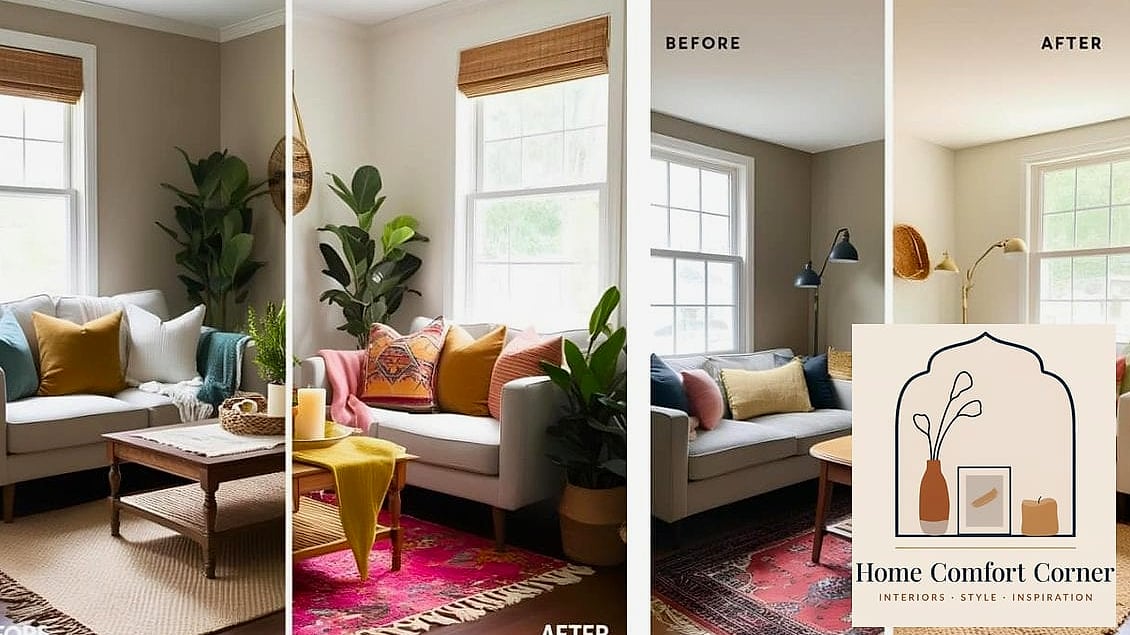
Small details like door handles, light switch covers, and curtain rods get overlooked, but updating them to brushed brass or matte black instantly modernizes a front room. It’s a low-cost swap that photographs well and makes everything feel more cohesive.
Mixing metals is fine as long as you’re intentional about it. Pick one dominant finish and let a second one show up sparingly in a lamp or picture frame.
Create a Cozy Reading Nook
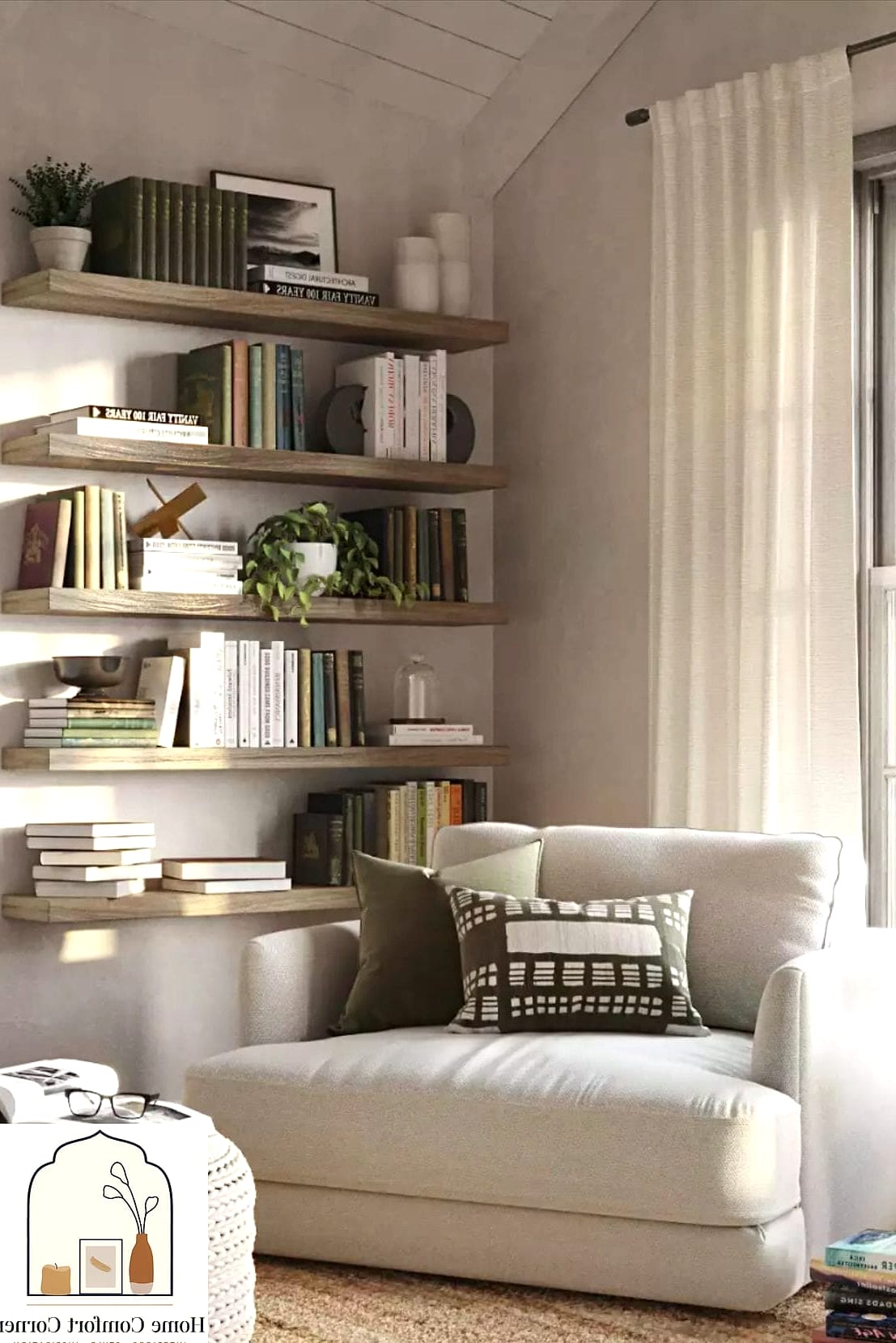
If you’ve got an awkward corner that never quite gets used, turn it into a reading nook. A comfortable accent chair, a small side table, and a floor lamp with warm lighting are really all you need.
This idea works particularly well in front rooms that double as a transitional space rather than a full living room. Add a basket for blankets nearby, and you’ve got a spot that feels purposeful instead of wasted.
Hang Curtains Higher Than the Window Frame
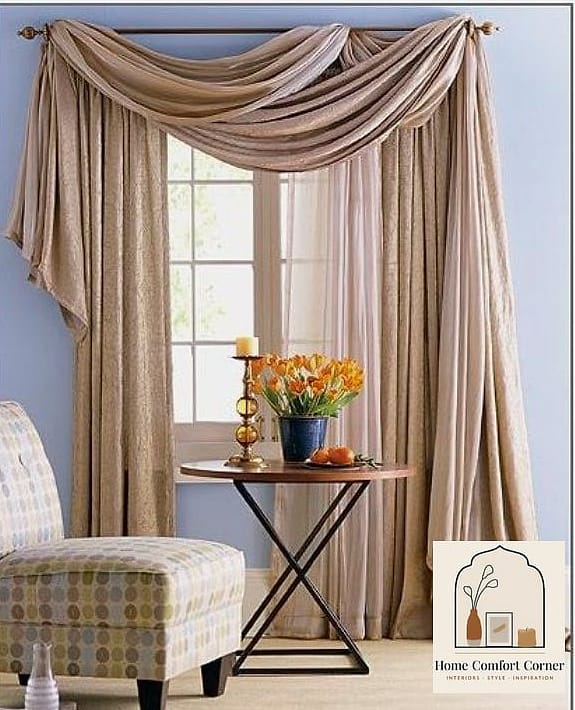
This is a classic designer trick that costs nothing extra but makes a huge visual difference. Mounting curtain rods closer to the ceiling, rather than right above the window, makes your ceilings look taller and the whole room feel more spacious.
Choose linen or a light cotton blend so the fabric drapes naturally instead of looking stiff. Floor-length panels pooling slightly at the bottom read as more luxurious than curtains that stop short.
Use Greenery to Soften Hard Edges
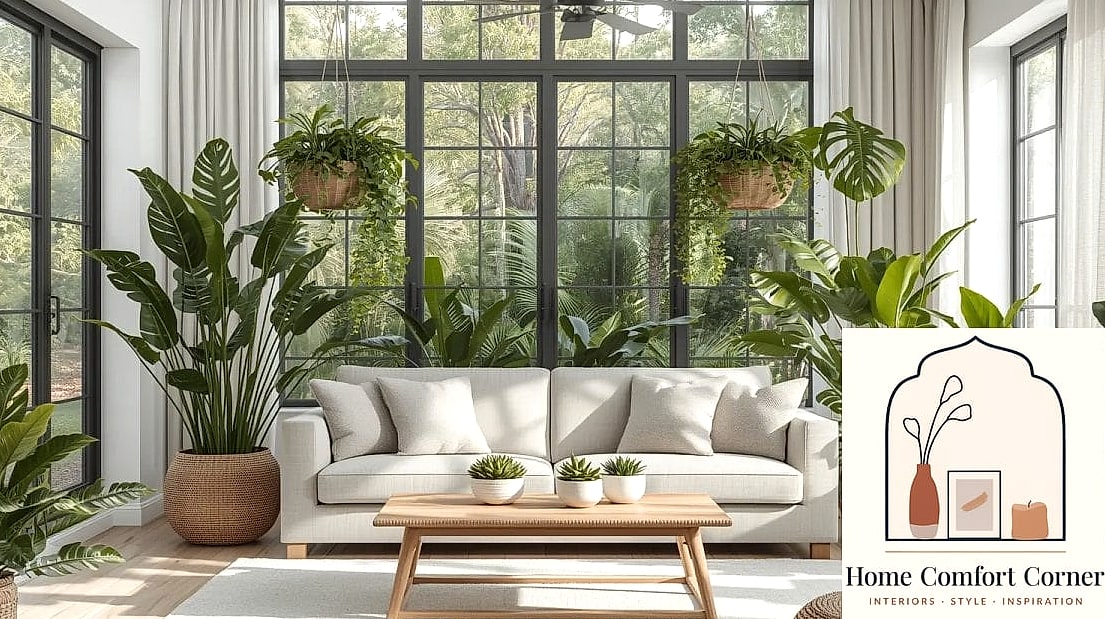
Plants bring life into a front room in a way that no amount of decor really can. A large fiddle leaf fig or olive tree in a corner softens sharp furniture lines, while smaller pots on shelves add pops of green throughout.
If you don’t have a great track record keeping plants alive, high-quality faux greenery has come a long way and looks convincing from a normal viewing distance. Either way, it’s one of the easiest ways to make a space feel more alive.
Layer Your Lighting Instead of Relying on One Fixture
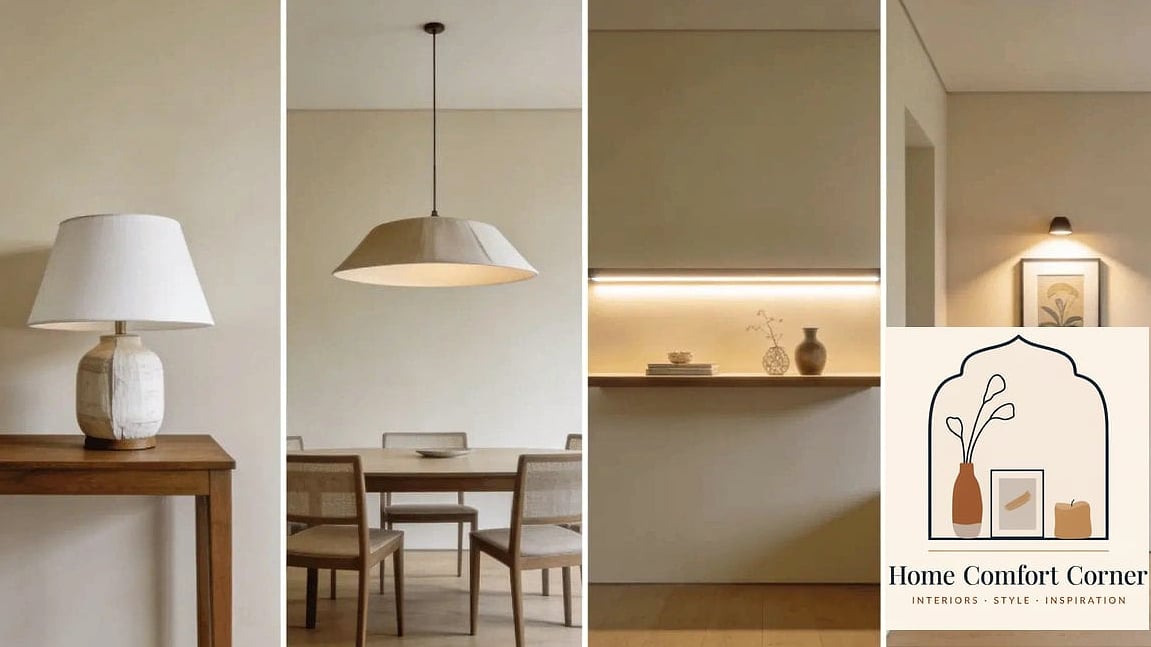
A single overhead light leaves front rooms feeling flat and a little clinical. Layered lighting, meaning a mix of overhead, table, and floor lamps, creates depth and lets you adjust the mood depending on the time of day.
Warm bulbs in the 2700K to 3000K range feel cozier than bright white ones. This is a small change, but it might be the single most impactful thing on this list for evening ambiance.
Add a Gallery Wall with Mixed Frame Styles
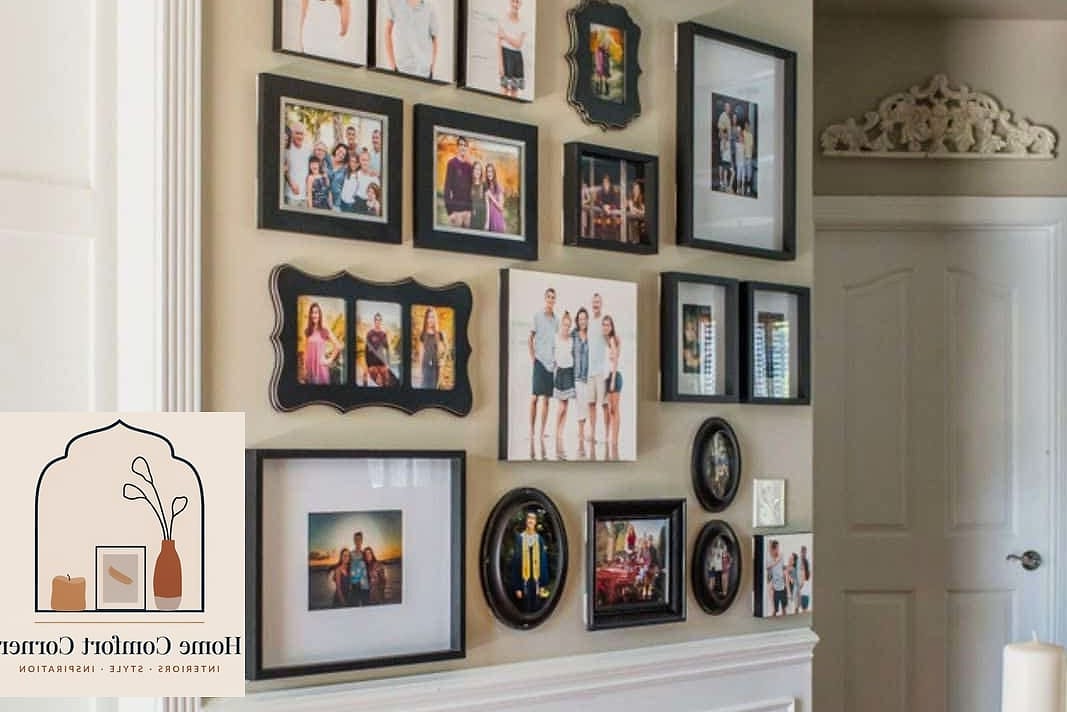
Gallery walls get a bad reputation for being tricky, but they’re actually pretty forgiving once you lay everything out on the floor first. Mix frame finishes, like a few black, a few wood, and one brass, along with a variety of print and photo sizes.
This works great above a sofa or console table in the front room, giving you a focal point that feels personal rather than store-bought. Leave a little breathing room between frames instead of packing them edge to edge.
Incorporate Textured Throw Pillows and Blankets
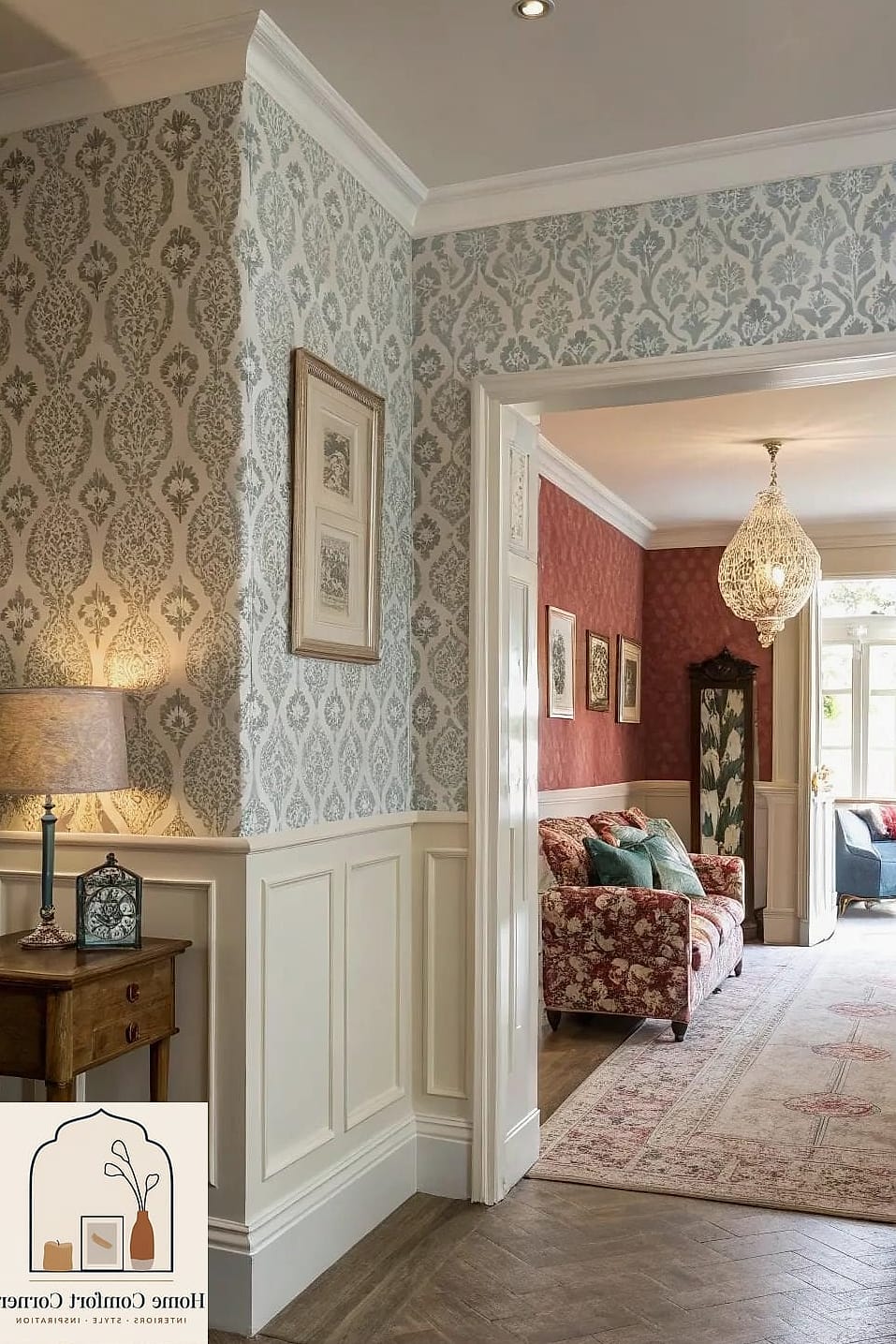
Texture is what separates a room that looks nice from one that feels inviting. Boucle, chunky knit, linen, and velvet pillows layered together on a sofa add visual interest even in an otherwise neutral space.
Stick to two or three colors max so it doesn’t look chaotic. A chunky knit throw draped over the arm of a chair is a small detail that makes the whole seating area look more finished.
Choose a Bold Accent Wall Color
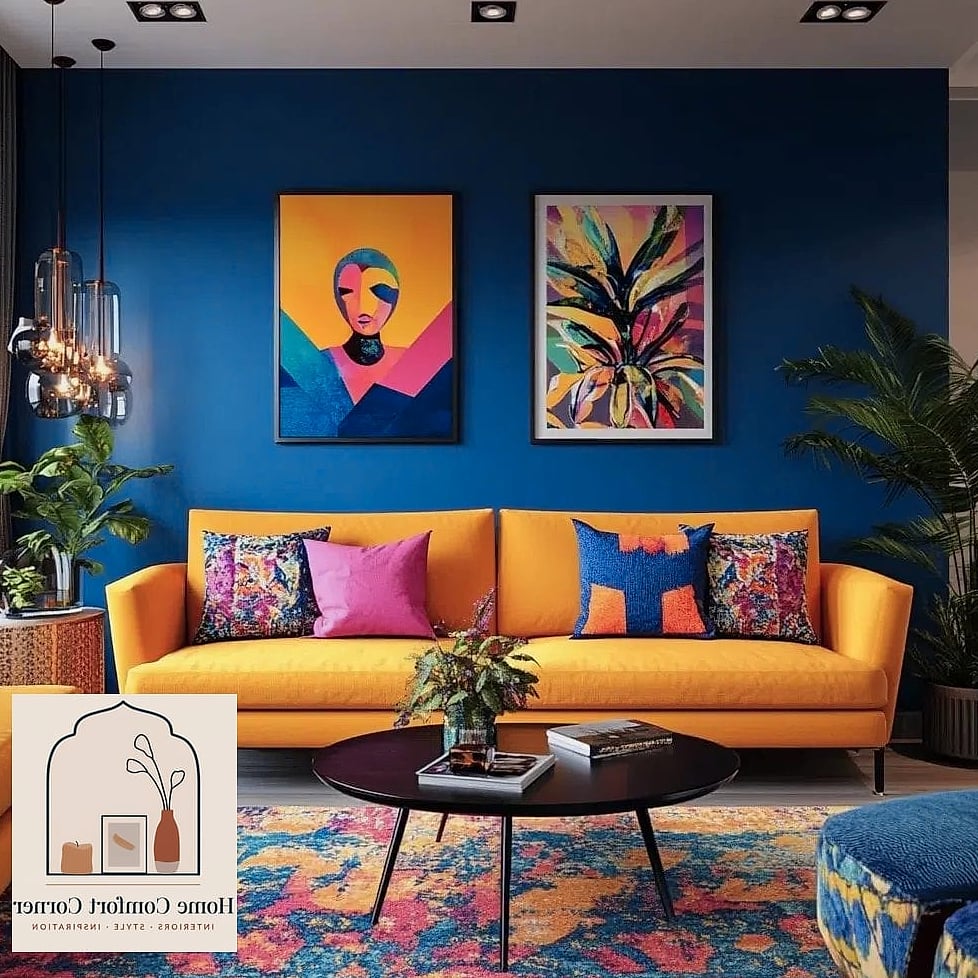
If neutral feels too safe for your taste, a bold accent wall might be exactly what your front room needs. Deep green, navy, or a warm terracotta all work well and create instant drama without overwhelming the whole room.
Pick the wall your eye naturally lands on when you walk in, usually the one behind the main seating or the fireplace. Balance the boldness with lighter furniture and accessories so the room doesn’t feel heavy.
Repurpose a Vintage Piece as a Statement Item
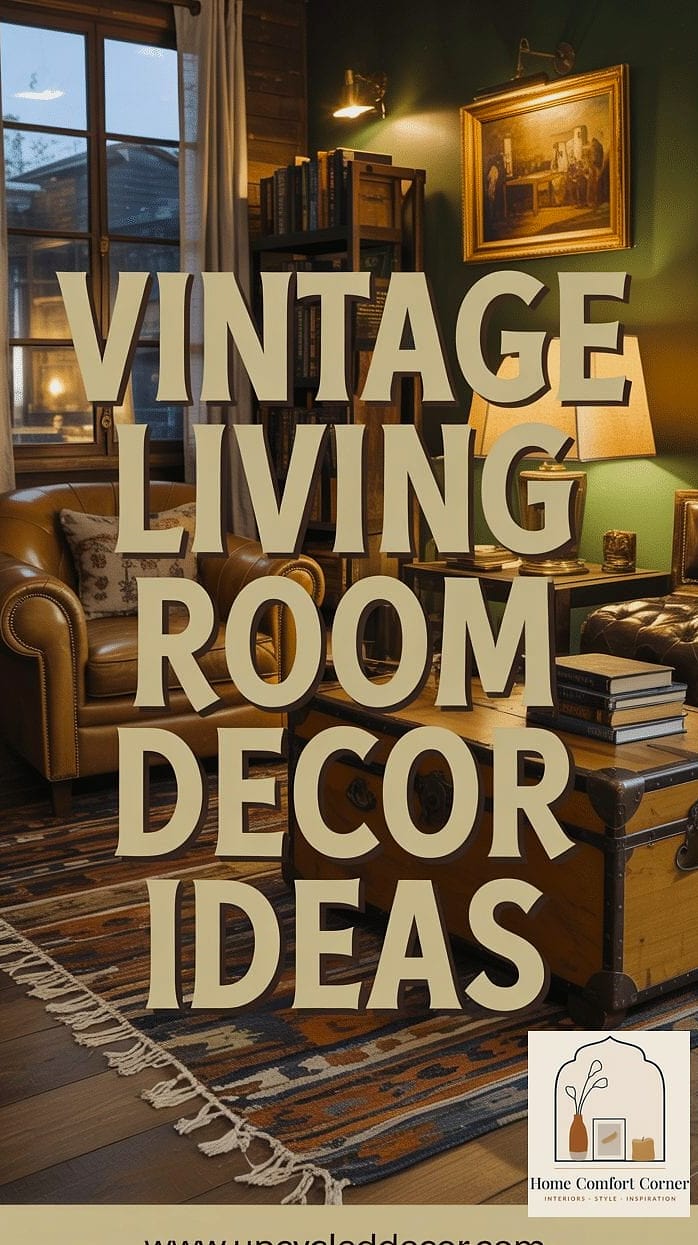
An old trunk as a coffee table, a vintage cabinet as a media console, or a reclaimed door as wall art gives your front room a story that new furniture just can’t replicate. These pieces also tend to have better craftsmanship than a lot of mass-produced furniture.
Thrift stores, estate sales, and marketplace listings are goldmines for this kind of find. A little sanding and fresh hardware can turn a dated piece into something that looks intentionally curated.
Add Built-In or Semi-Built-In Storage
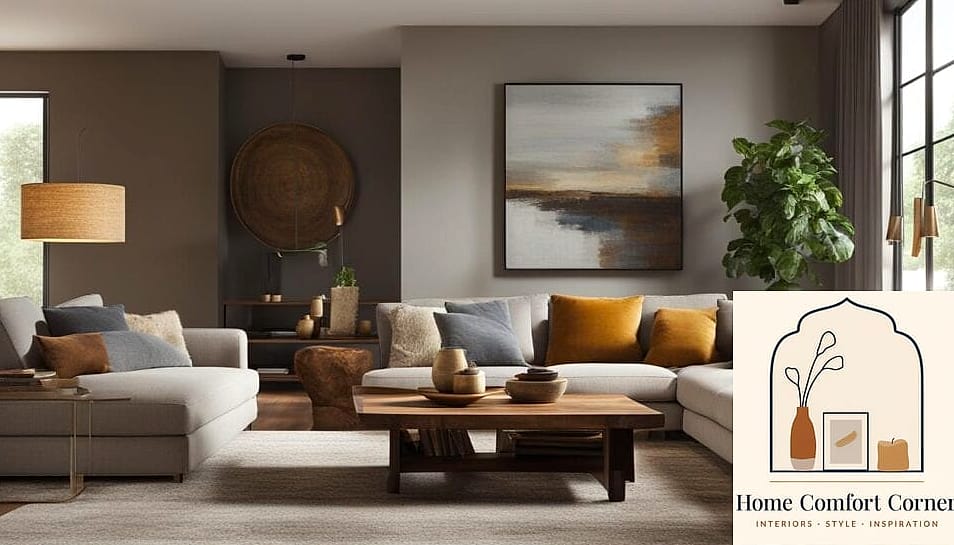
Built-in shelving around a fireplace or window adds both function and architectural interest. If a full built-in isn’t in the budget, stock bookcases pushed against the wall and trimmed out with molding can mimic the look for a fraction of the cost.
This is especially useful in front rooms that need to double as storage for books, games, or media equipment. Baskets and bins on lower shelves keep things organized while hiding the less photogenic items.
Introduce Natural Stone or Wood Accents
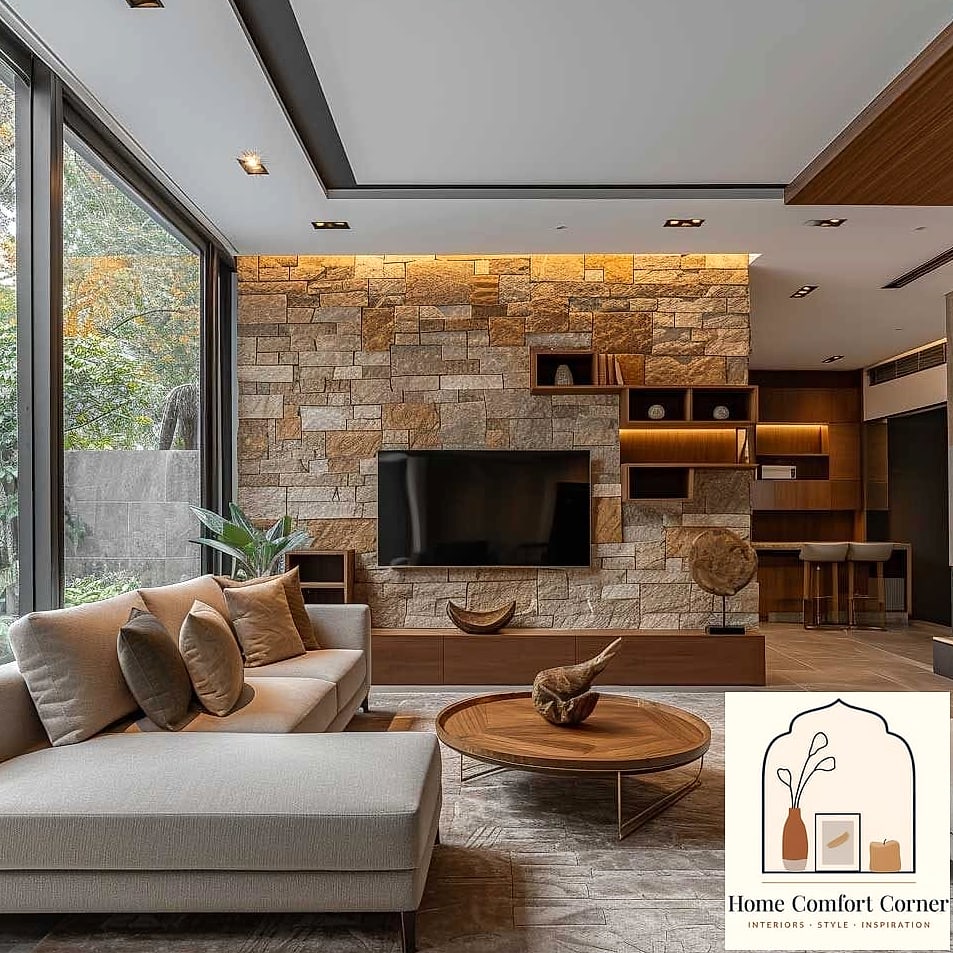
Bringing in natural materials like a wood coffee table, stone bookends, or a live-edge shelf grounds a front room and keeps it from feeling too polished or showroom-like. These materials also age well, which matters if you’re investing in furniture you want to keep long-term.
Pair warm wood tones with your existing color palette rather than trying to match everything perfectly. Slight variation in grain and texture is part of the appeal.
Style an Entryway Console Table
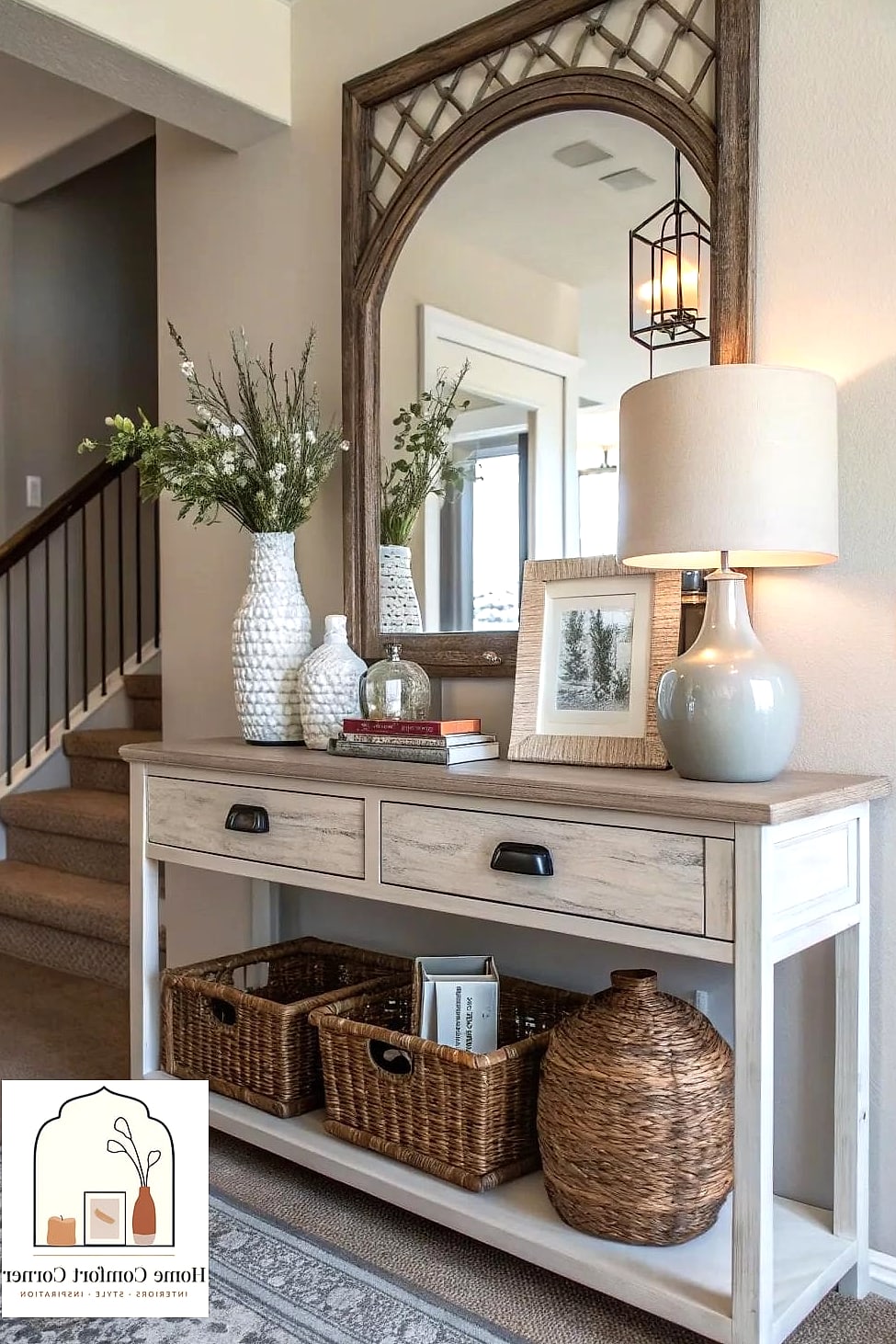
If your front room doubles as an entry space, a console table right by the door gives you a spot to drop keys, mail, and bags while also serving as a decor moment. Style it with a lamp, a small tray, and one or two personal objects.
Choose a console with a bit of storage, like a drawer or lower shelf, to keep clutter contained. This is one of those front room ideas that’s both practical and visually rewarding.
Add Window Seating for Extra Function
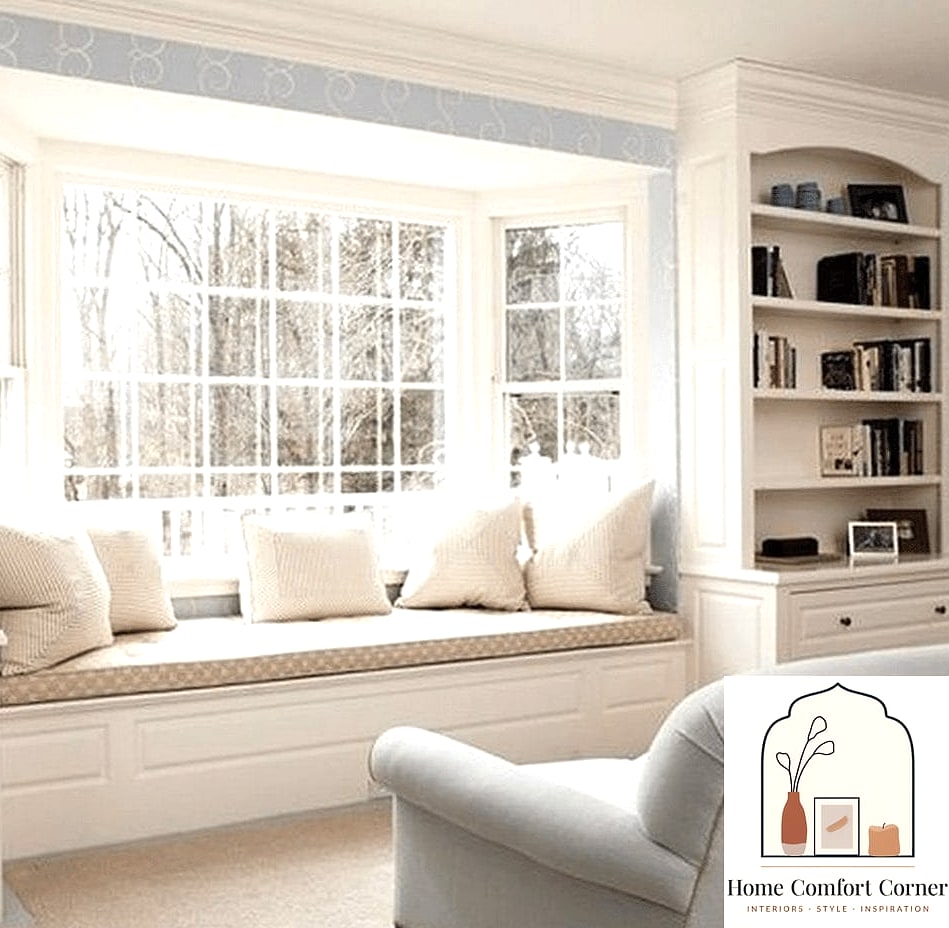
If your front room has a bay window or a wide window ledge, building or buying a window seat adds both charm and functional seating. Add a cushion and a couple of throw pillows, and you’ve got a spot people will actually fight over.
Under-seat storage is a nice bonus if you go the built-in route, giving you a place to stash blankets or seasonal items. Even a simple window bench from a furniture store can achieve a similar effect.
Mix Vintage and Modern Furniture Pieces
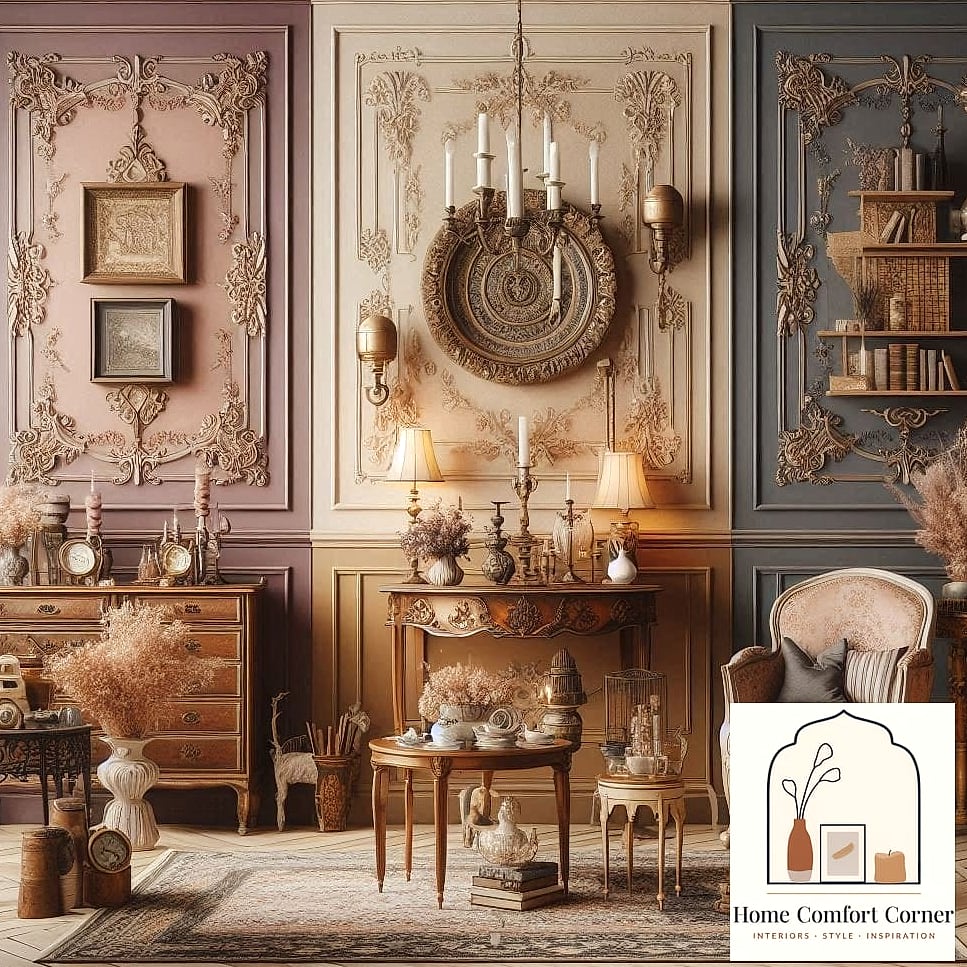
A front room filled entirely with new furniture can feel a little sterile, while one filled entirely with vintage pieces can feel dated. Mixing the two creates a room that feels layered and collected rather than staged.
Try pairing a sleek modern sofa with an antique side table, or a vintage rug with contemporary lighting. The contrast is what makes the room interesting.
Add a Statement Mirror
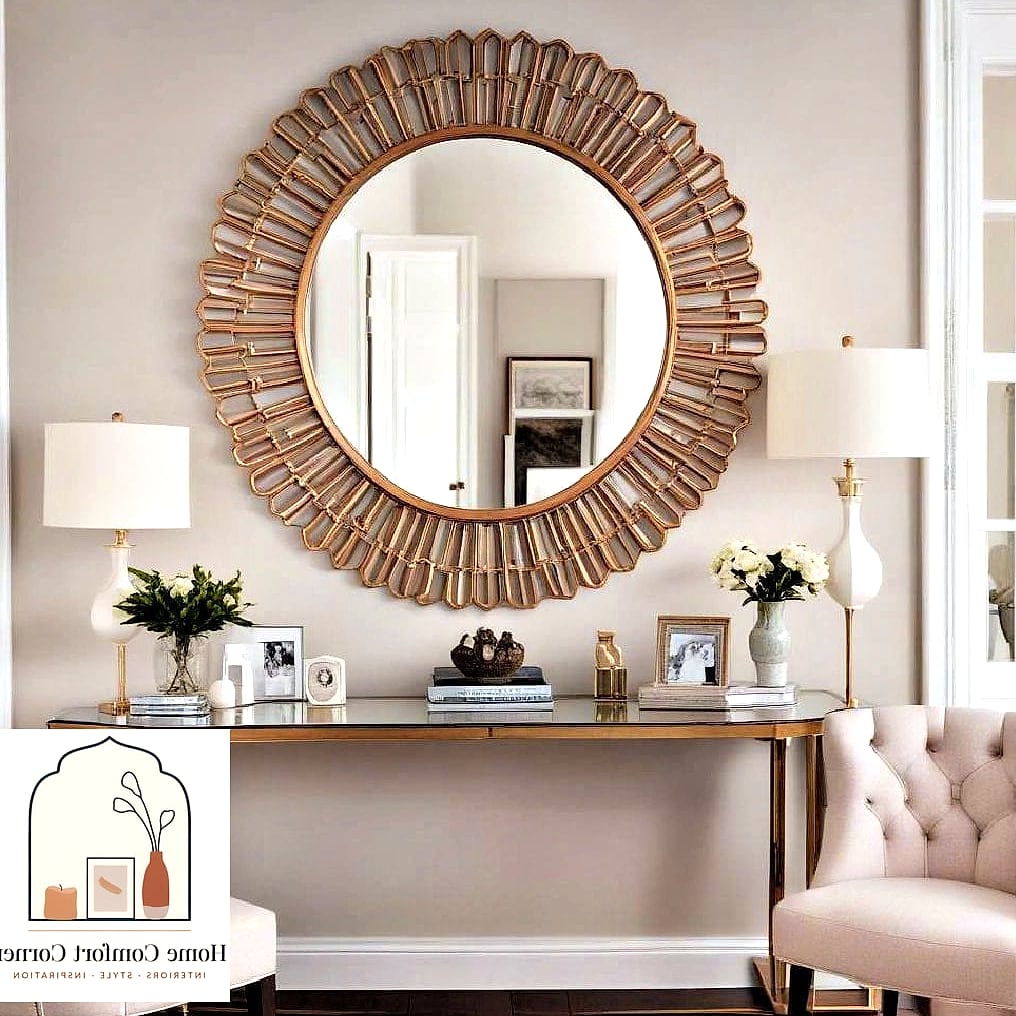
A large mirror does double duty in a front room: it bounces light around and makes the space feel bigger, while also acting as a piece of art. Lean an oversized mirror against the wall for a relaxed, editorial look, or hang a uniquely shaped one as a focal point.
This is particularly useful in front rooms with limited natural light, since the mirror helps reflect whatever light you do have. Gold and black frames both tend to photograph well against most wall colors.
Incorporate Seasonal Decor That’s Easy to Swap
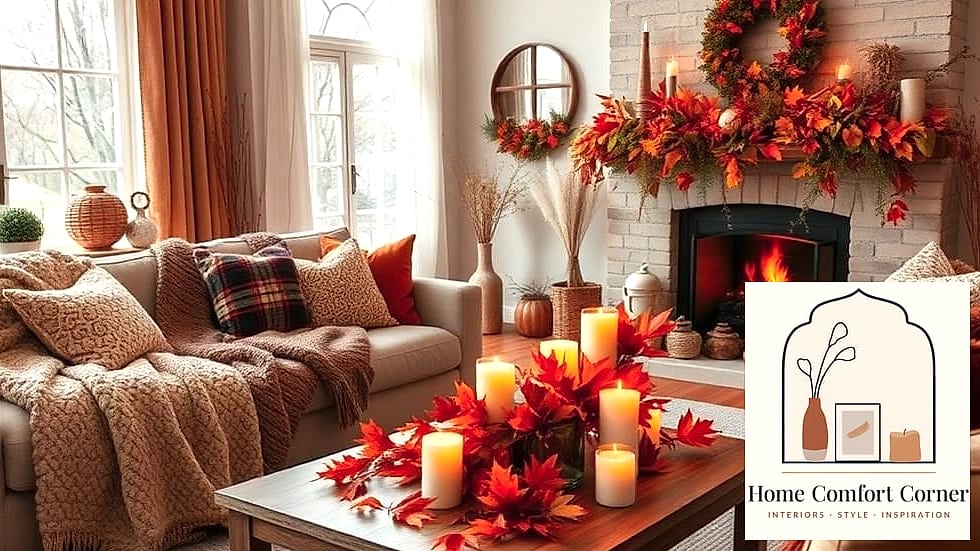
Front rooms benefit from a little seasonal refresh, whether that’s swapping throw pillow covers, changing out a wreath, or adding seasonal greenery to a mantel. Keeping a small bin of rotating decor items makes this easy to do without much effort or cost.
This keeps the room feeling current throughout the year rather than static. It’s also a nice way to get creative without committing to anything permanent.
Define the Space with a Furniture Layout That Encourages Conversation
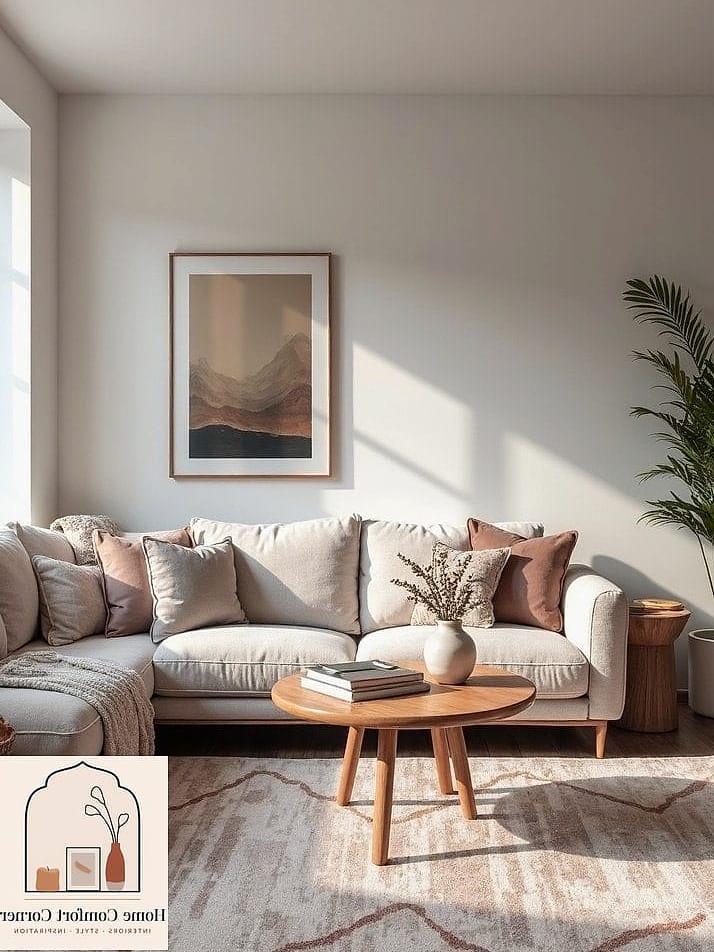
Sometimes the biggest transformation has nothing to do with decor and everything to do with layout. Angling chairs toward each other, or floating a sofa away from the wall, creates a more social, intentional feel than lining everything up against the perimeter.
This works especially well in front rooms used for entertaining. Leave enough space to walk comfortably, but don’t be afraid to pull furniture in toward the center of the room.
Add Personality with Books and Curated Objects
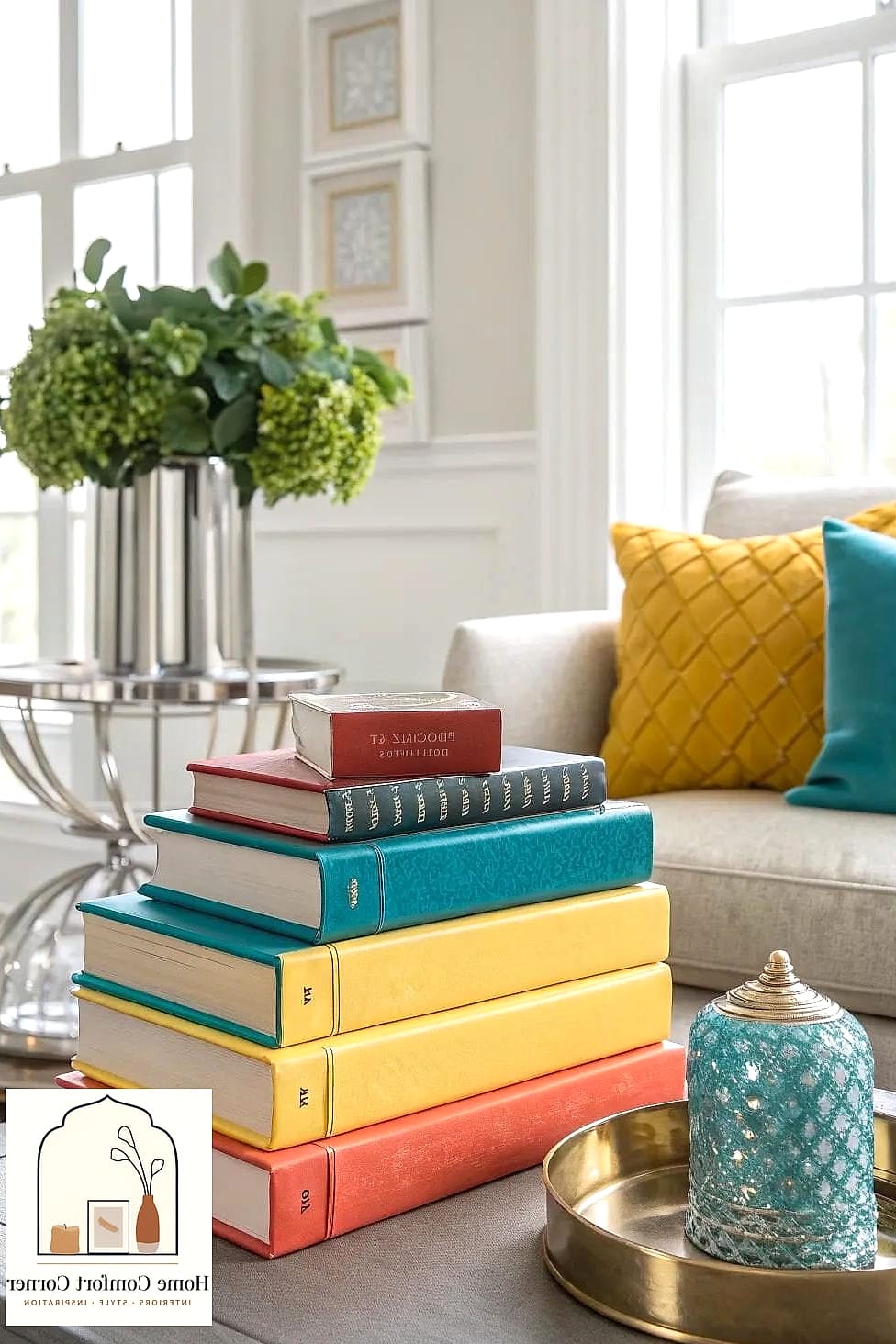
Open shelves, coffee tables, and console tops are all opportunities to show a little personality. Stack a few well-loved books, add a ceramic bowl or a small sculpture, and resist the urge to fill every inch.
This is where your front room stops looking like a catalog page and starts looking like yours. Rotate objects in and out as you find new pieces you love.
Finish with a Statement Light Fixture
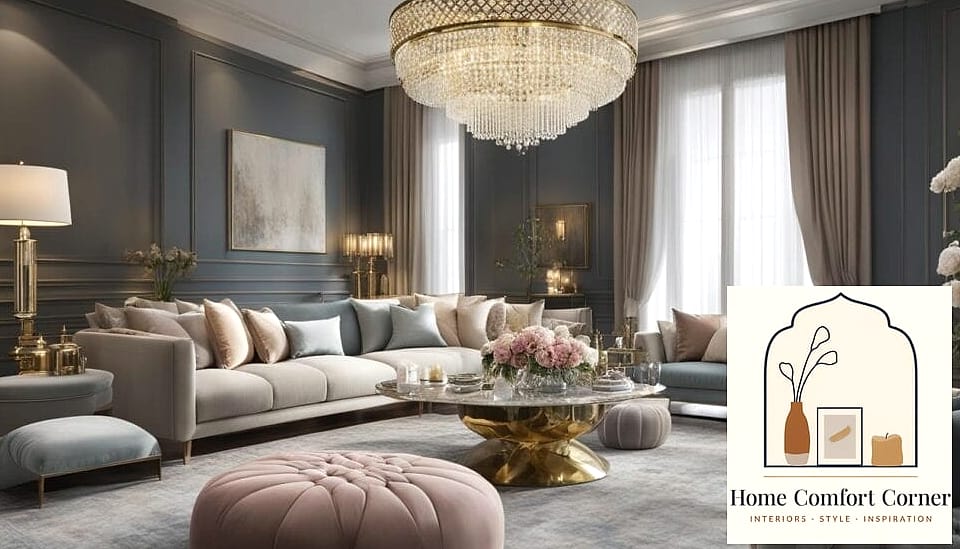
A front room with builder-grade lighting can look finished the moment you swap in something with more character, like a woven pendant, a sculptural chandelier, or a set of unique sconces. This is often the last five percent that ties an entire room together.
Choose a fixture that matches the scale of your room so it doesn’t look lost or overwhelming. Even a mid-range fixture upgrade tends to make a noticeable difference in how put-together the space feels.
Not every front room needs all 23 of these ideas at once. Pick a handful that fit your style and budget, start with the easy wins like lighting and textiles, and build from there. Small changes really do add up, and before long, your front room will feel like a space you actually want to spend time in.