20 Hall Interior Design Photos That Will Inspire Your Next Project
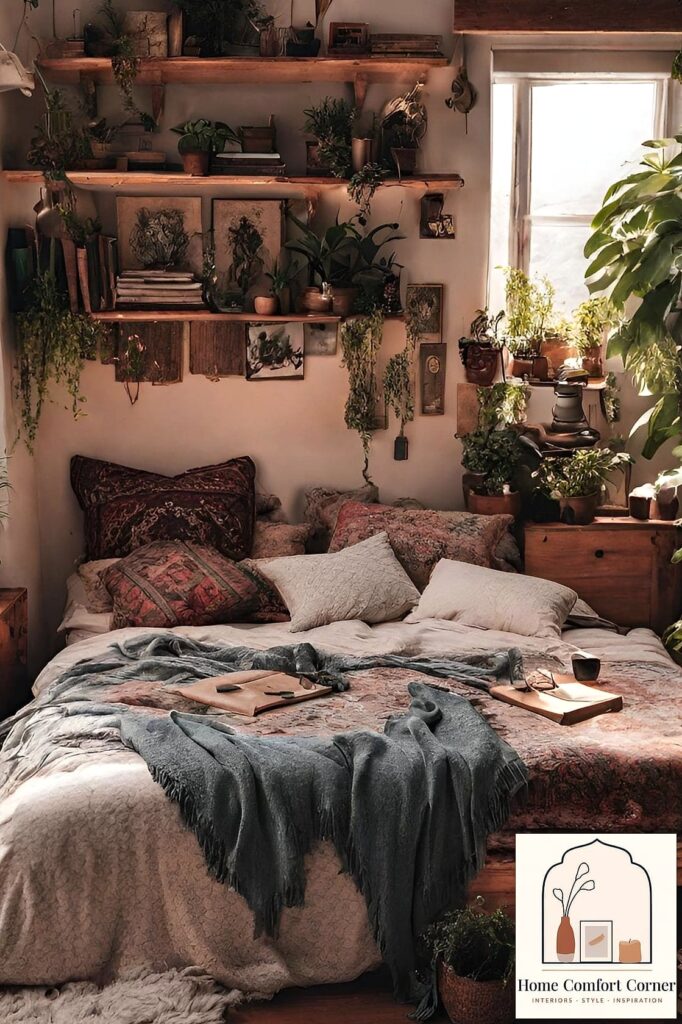
- Gallery Wall with Mixed Frame Styles
- Runner Rug in a Bold Pattern
- Wainscoting for Added Texture
- Warm Wood Flooring Throughout
- Statement Lighting Fixture
- Built-In Bench with Storage
- Moody Dark Paint Color
- Arched Doorway Detail
- Vertical Shiplap Paneling
- Console Table with Curated Decor
- Herringbone Tile Flooring
- Open Shelving for Display
- Mudroom-Style Hooks and Cubbies
- Neutral Color Palette with Warm Accents
- Mirror Placement to Add Depth
- Textured Wallpaper Accent
- Skylight or Transom Window Addition
- Board and Batten Lower Half
- Layered Rugs for a Collected Look
- Seasonal Decor Rotation
20 Hall Interior Design Photos That Will Inspire Your Next Project
Your hallway probably gets more foot traffic than almost any other spot in your house, yet it’s usually the last place anyone thinks to decorate. I get it—it’s a transitional space, not a room you sit in for hours. But that’s exactly why it deserves some attention. A well-designed hall sets the tone for everything else, and it’s one of those areas where small changes make a noticeably big impact.
I’ve pulled together twenty hall design ideas that range from quick weekend updates to slightly bigger projects, depending on how much time and budget you’re working with. Some of these lean modern, others feel more traditional, and a few are just plain practical for busy households. Pick what speaks to you and go from there.
Gallery Wall with Mixed Frame Styles
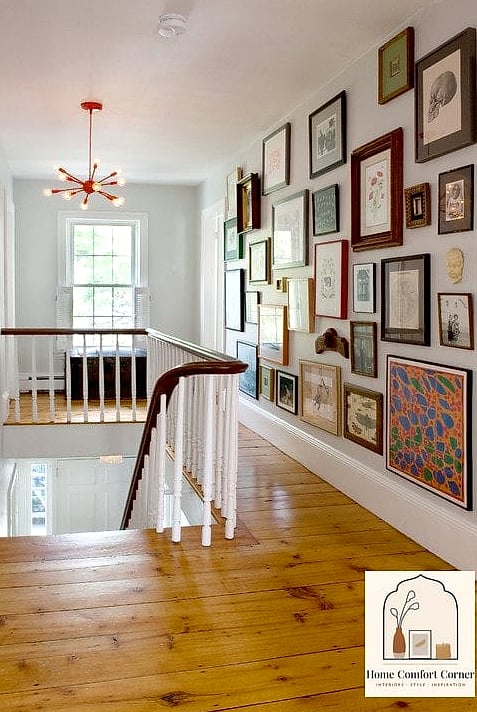
A gallery wall turns a boring stretch of hallway into something people actually stop and look at. Mix black frames with wood ones, throw in a few different sizes, and don’t stress about perfect symmetry—slightly imperfect spacing actually looks more natural.
This works best in hallways with at least eight feet of uninterrupted wall space. Family photos, art prints, or even kids’ drawings in matching frames all work here. If you’re renting, adhesive hooks make this totally doable without damaging walls, and you can rearrange things whenever you get bored.
Runner Rug in a Bold Pattern
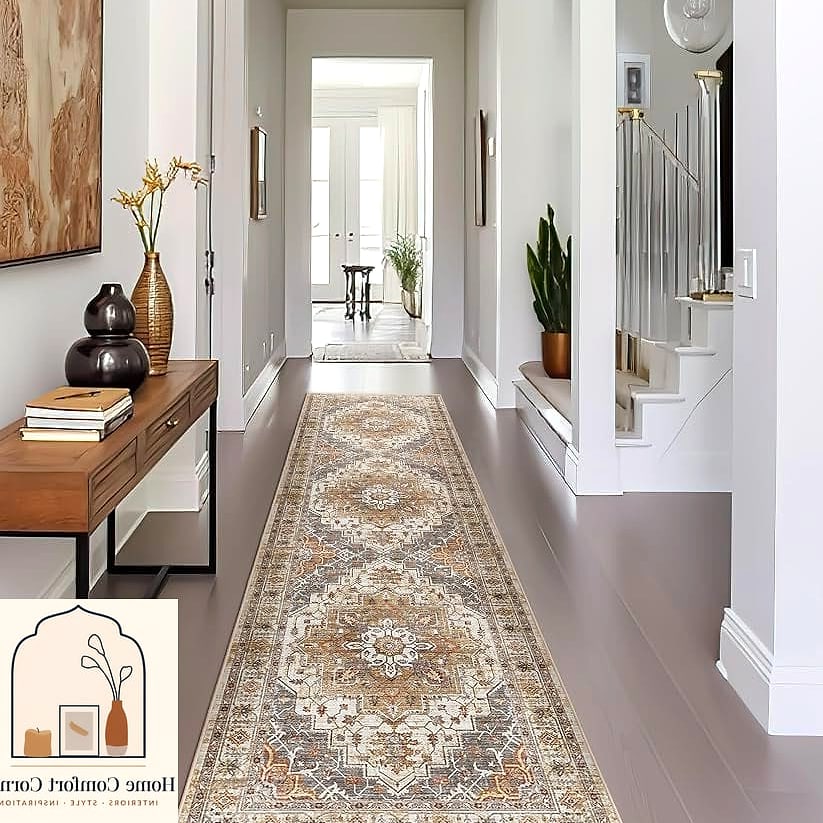
A patterned runner does double duty: it protects your flooring from scuffs and adds personality in one shot. Moroccan-style prints, stripes, or geometric patterns all hide dirt better than solid colors, which matters a lot in a high-traffic zone.
Wool runners feel nicer underfoot but cost more, while synthetic blends are budget-friendly and easier to clean if you’ve got kids or pets tracking things in. Either way, grab a rug pad so it doesn’t slide around on hard flooring.
Wainscoting for Added Texture
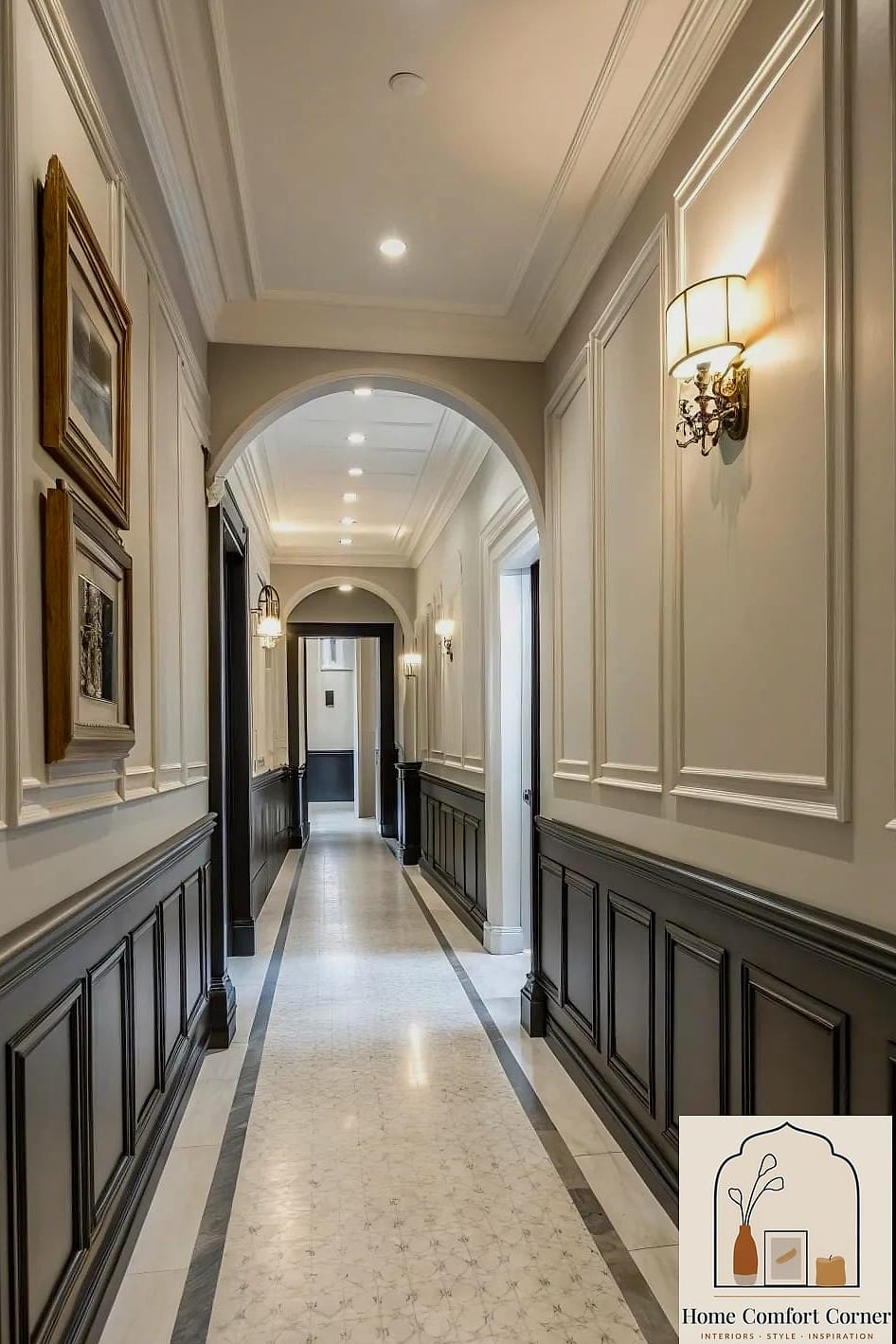
Wainscoting brings a level of architectural interest that flat drywall just can’t match. Painted white, it reads classic and clean. In a deeper color like navy or forest green, it feels more dramatic and current.
Installation ranges from moderately DIY-friendly (MDF panel kits) to more involved (custom millwork). Either route adds a sense of craftsmanship to a space that often gets overlooked, and it holds up well against scuffs from bags, coats, and everyday bumps.
Warm Wood Flooring Throughout
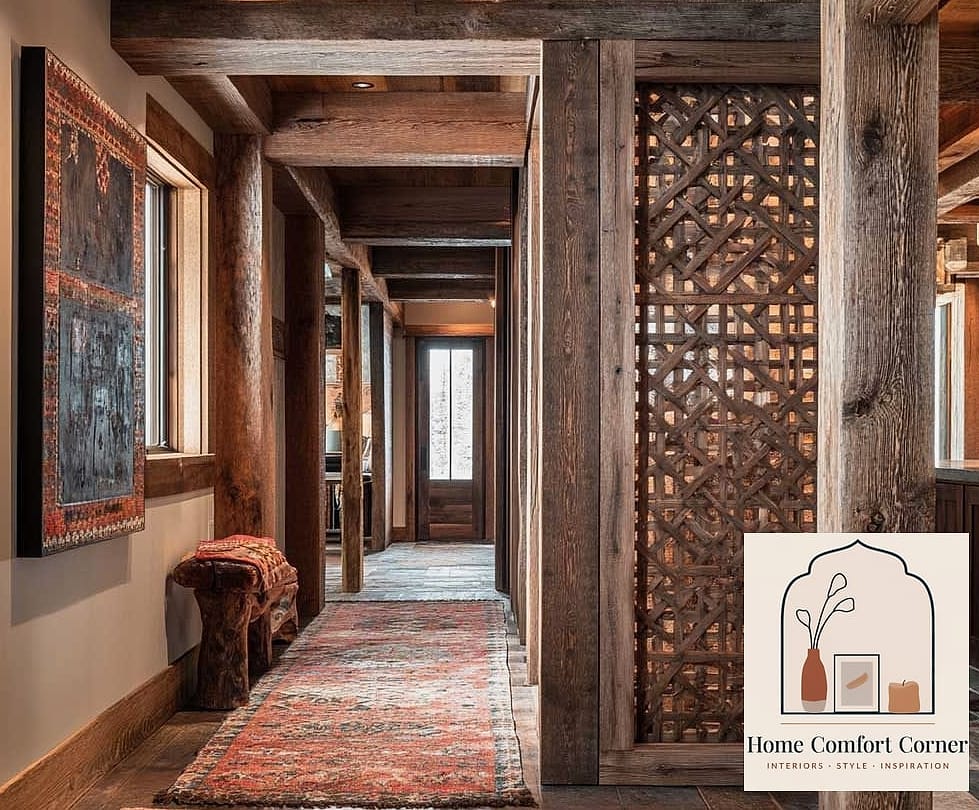
Nothing unifies a hallway quite like continuous wood flooring that flows from adjacent rooms. Warm wood tones—think honey oak or walnut—make narrow halls feel less sterile and more welcoming.
If real hardwood is out of budget, luxury vinyl plank mimics the look convincingly and stands up better to moisture and heavy use. Either option is a solid long-term investment since flooring tends to outlast most other design choices you’ll make.
Statement Lighting Fixture
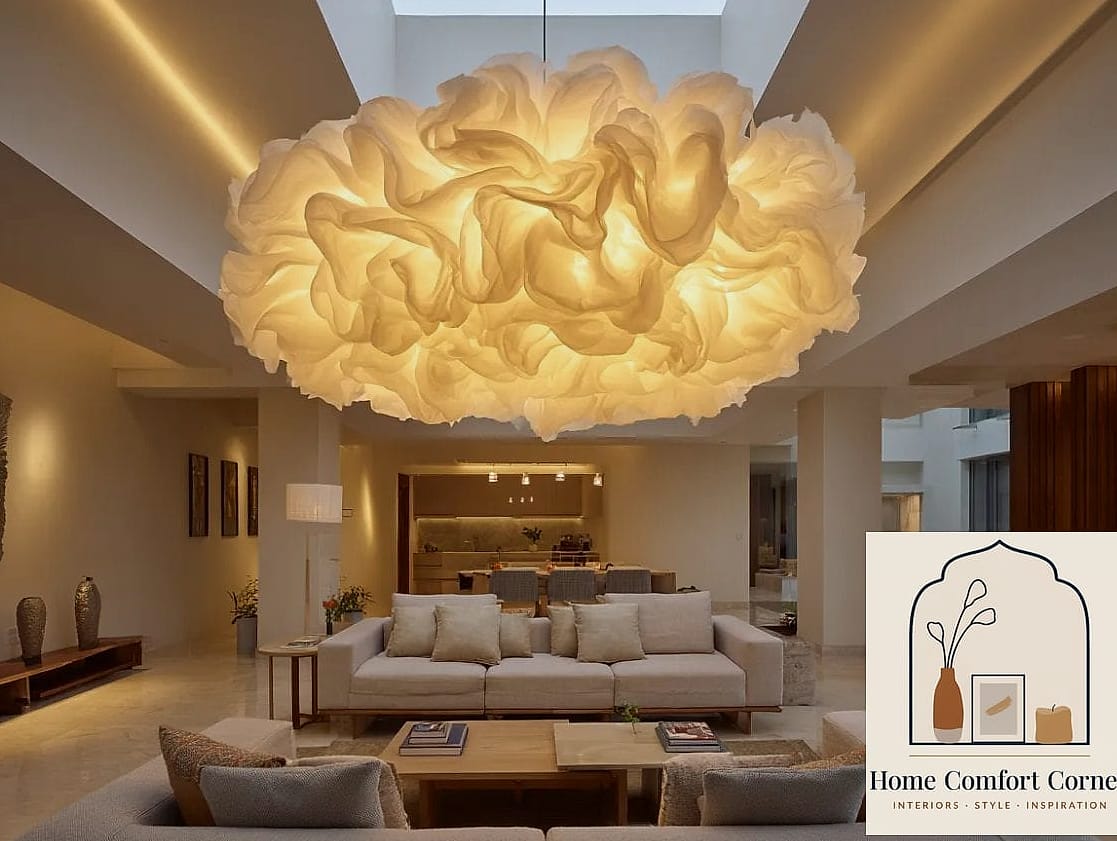
Most hallways get stuck with a single boring flush-mount fixture, but swapping it out for something with more character changes the whole feel of the space. A brass pendant, a sculptural flush mount, or even a small chandelier in a narrow hall adds instant polish.
Layered lighting matters here too—if your hallway is long, consider spacing out multiple fixtures rather than relying on one centered light. It keeps things evenly lit instead of dark at the ends.
Built-In Bench with Storage
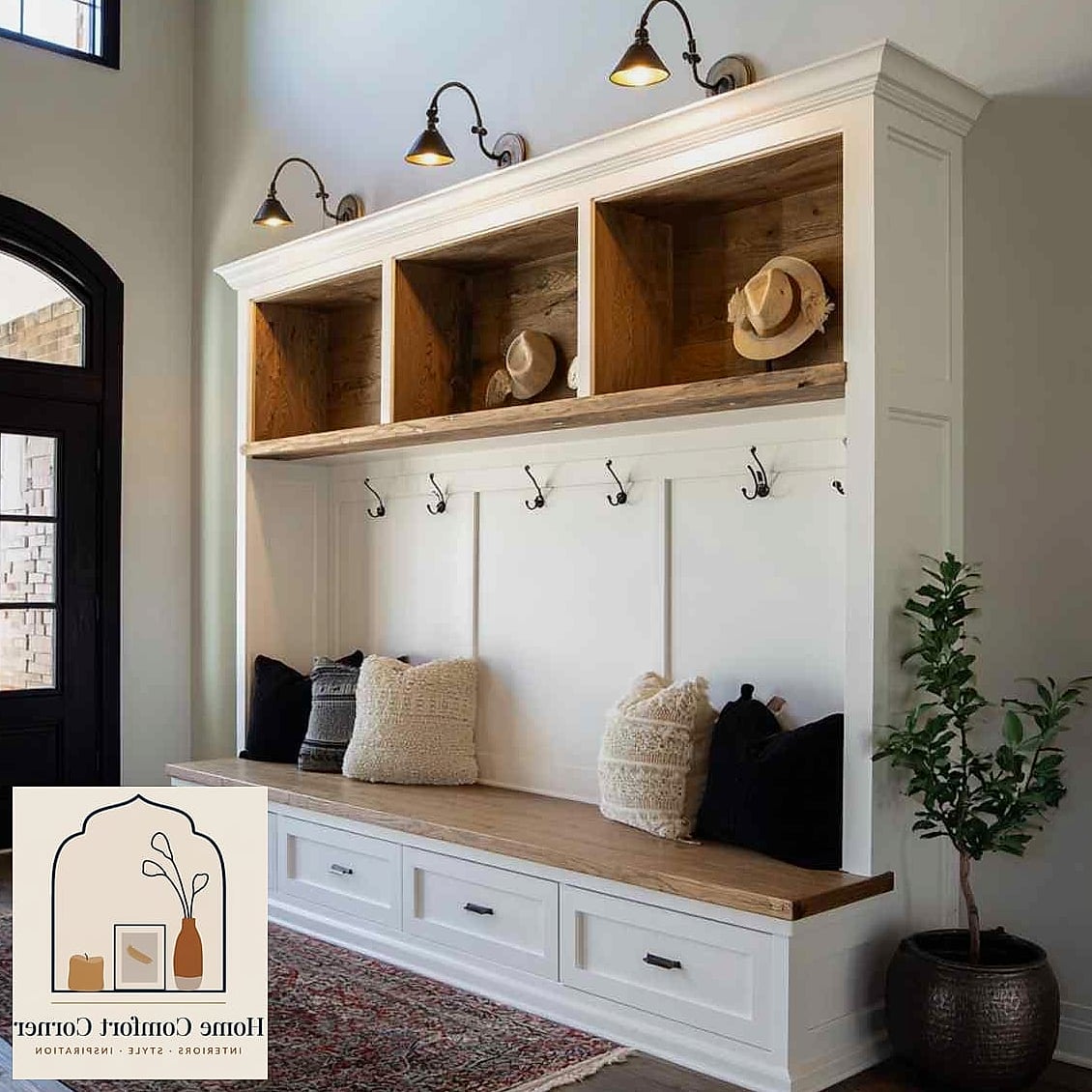
If your hallway connects to an entry point, a built-in bench with storage underneath is one of the most functional upgrades you can make. Lift-top seating or drawer storage keeps shoes and bags corralled instead of scattered across the floor.
This is a bigger project if you’re building from scratch, but even a freestanding bench with baskets underneath gets you most of the benefit without the carpentry. Families with kids especially appreciate having a dedicated spot to sit and put shoes on.
Moody Dark Paint Color
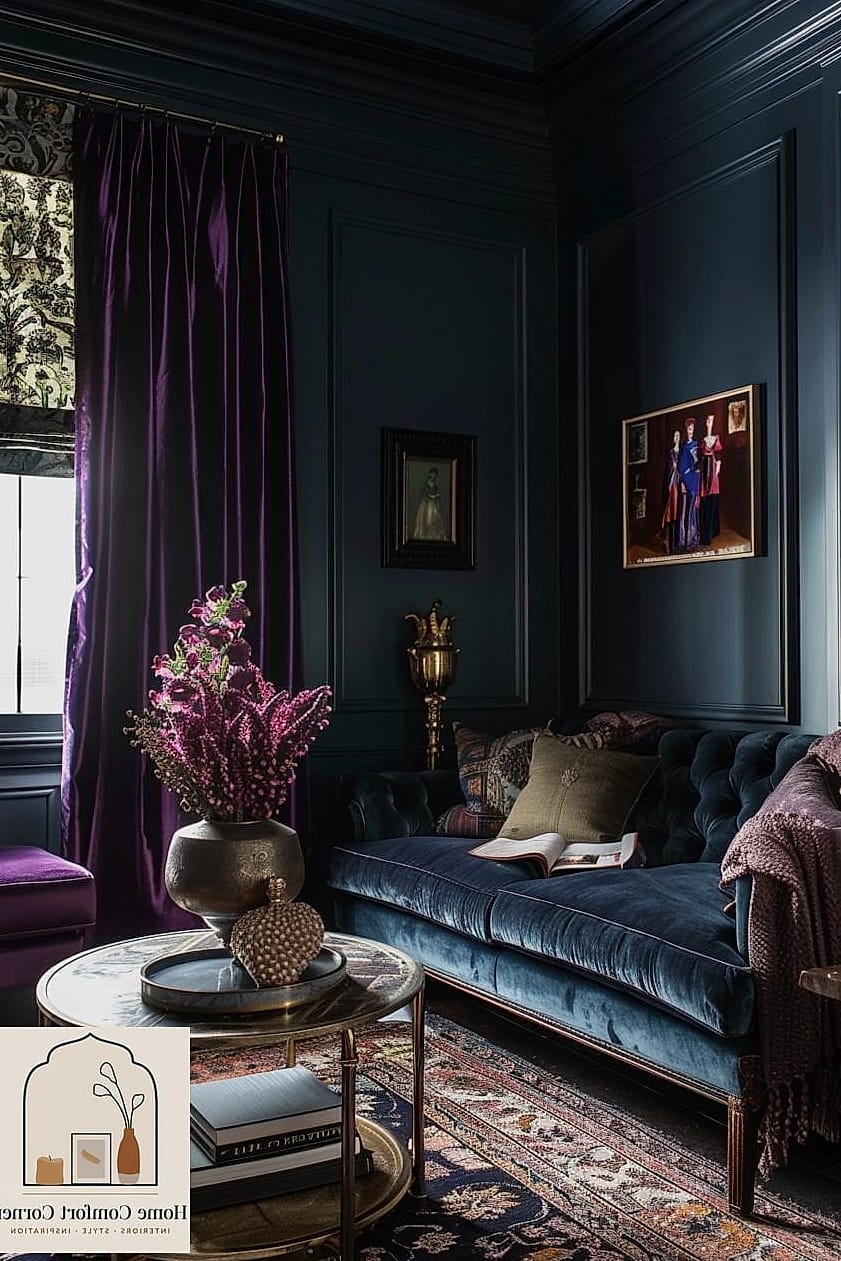
I know dark hallways sound counterintuitive, but a deep charcoal, navy, or even black paint job can make a narrow hall feel intentional rather than cramped. The trick is pairing it with brighter lighting so it doesn’t swallow the space.
This look tends to work best in hallways with natural light spilling in from adjacent rooms. It’s also a great low-cost way to experiment with bold color since a hallway is usually a smaller square footage commitment than a full room.
Arched Doorway Detail
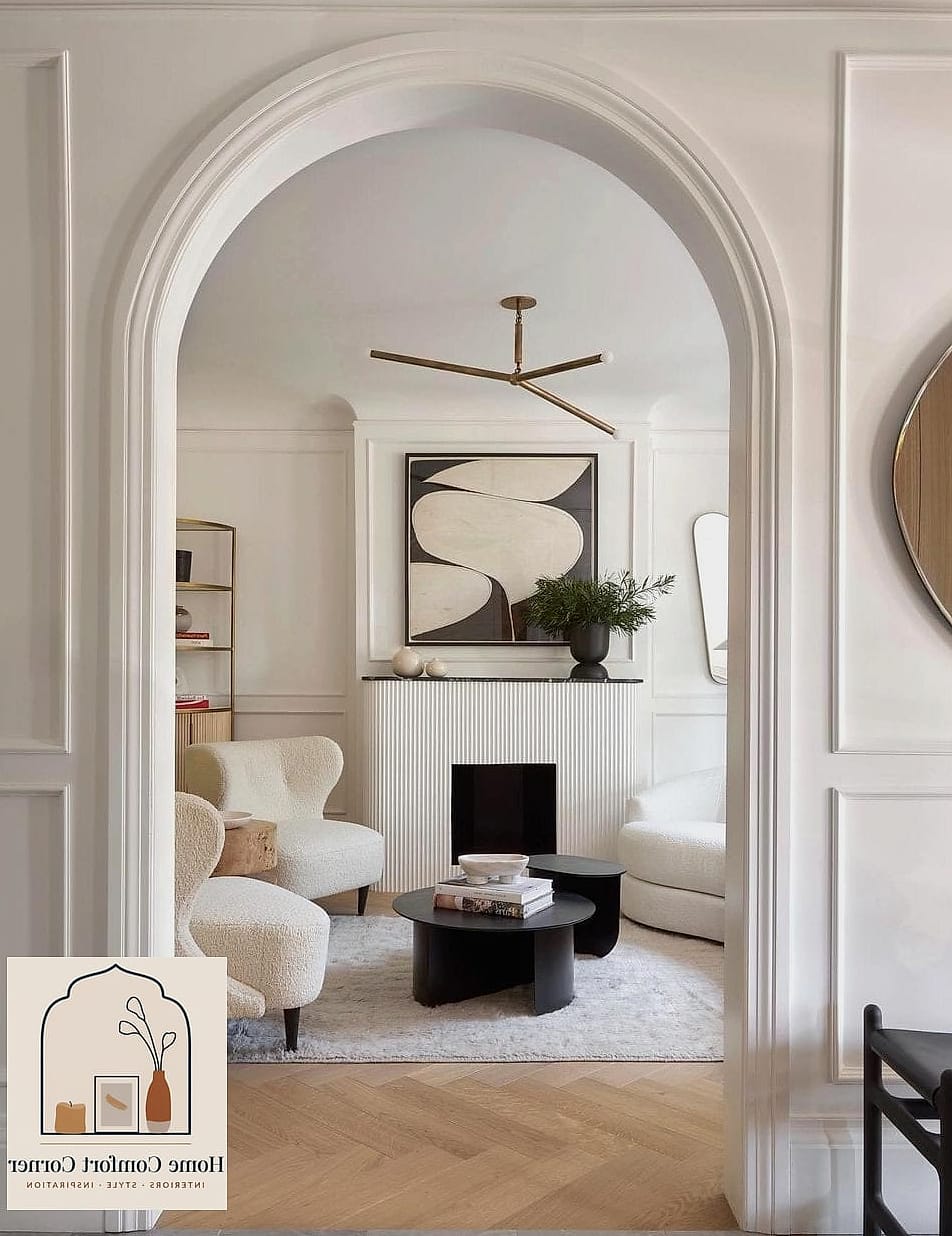
Arched doorways add a soft, curved element that breaks up all the straight lines typical hallways are full of. If you’re renovating and have the option, converting a standard rectangular doorway to an arch instantly gives the space a more custom, almost Mediterranean feel.
It’s not a small project—this usually requires opening up drywall and reframing—but for anyone doing a bigger renovation, it’s worth considering while the walls are already open.
Vertical Shiplap Paneling
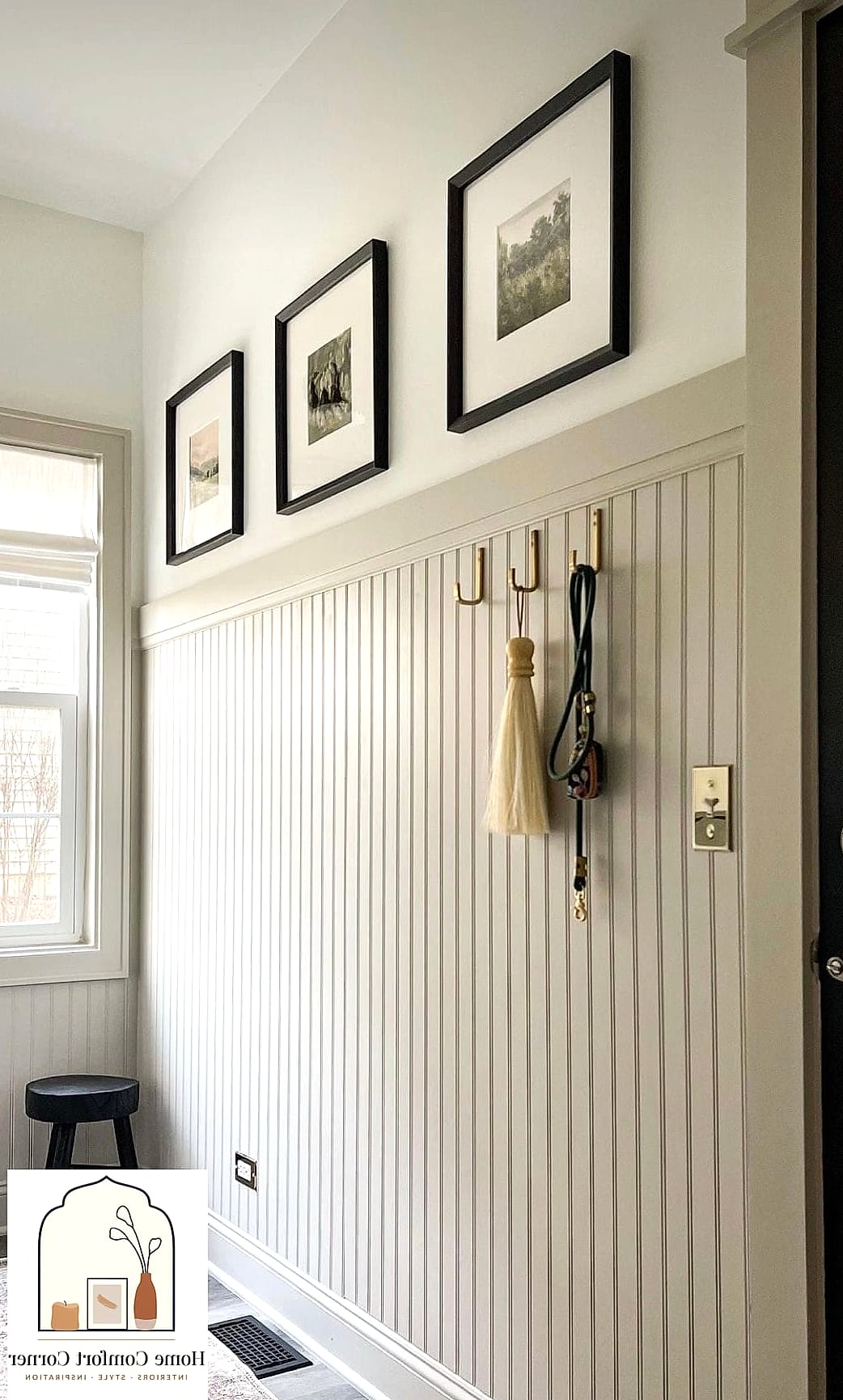
Vertical shiplap draws the eye upward, which makes low-ceiling hallways feel taller than they are. Paint it a crisp white for a farmhouse feel, or go with a muted sage or greige for something more current.
This is a genuinely DIY-friendly project. Pre-primed shiplap boards from most hardware stores install with a nail gun and construction adhesive, and you can knock out a standard hallway in a weekend.
Console Table with Curated Decor
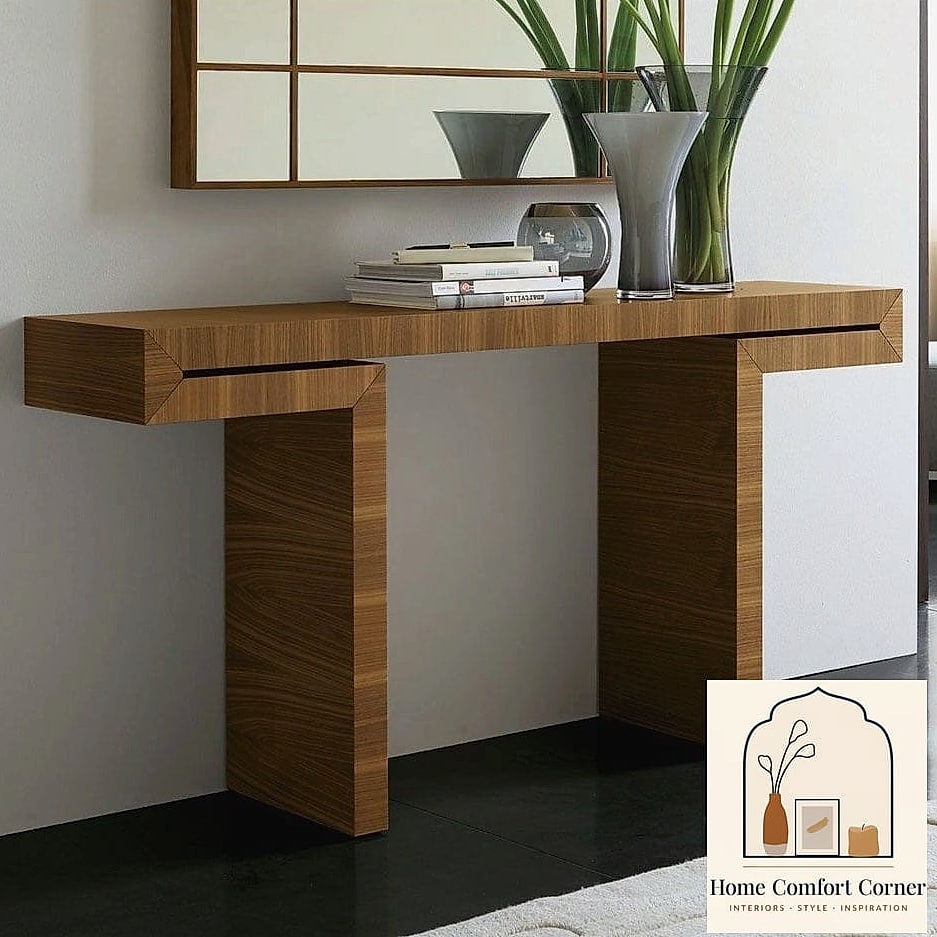
An entry hallway with a bit of width can easily fit a slim console table, and it becomes an instant landing zone for keys, mail, and sunglasses. Style it with a lamp, a small tray for catch-all items, and maybe a plant or two for some greenery.
Go for a console with drawers if you want hidden storage, or an open shelf design if you’d rather display baskets underneath. Either way, keep the surface relatively uncluttered—it’s easy for these tables to become a dumping ground.
Herringbone Tile Flooring
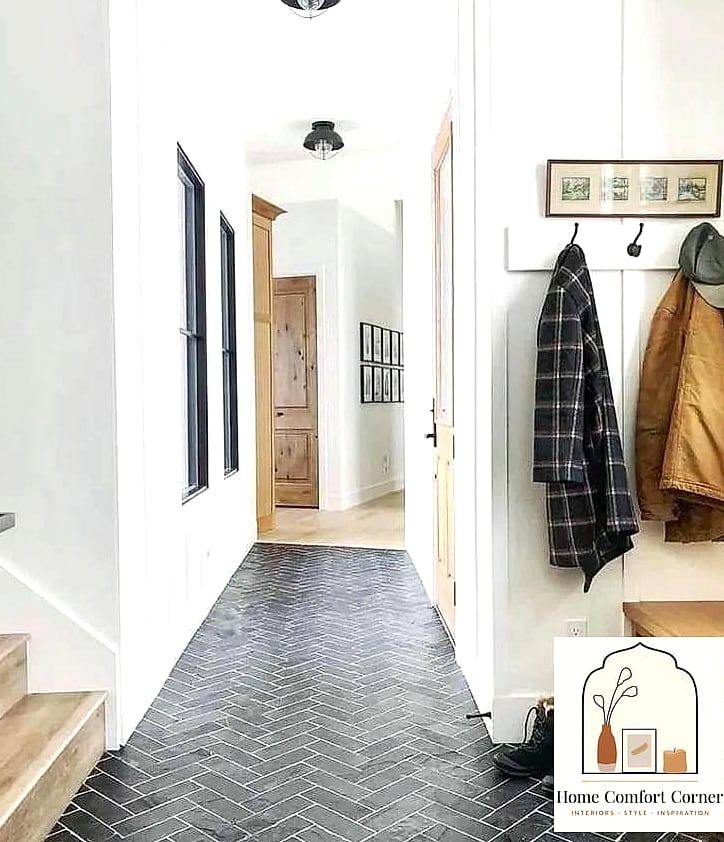
Herringbone patterns add movement and visual interest to what’s otherwise a pretty utilitarian floor. Porcelain tile in a herringbone layout feels elevated without the maintenance headaches of natural stone.
This look works particularly well in entry hallways since tile handles moisture and dirt from outside far better than carpet or hardwood. It’s a bigger installation project, so budget for professional labor unless you’re experienced with tile work yourself.
Open Shelving for Display
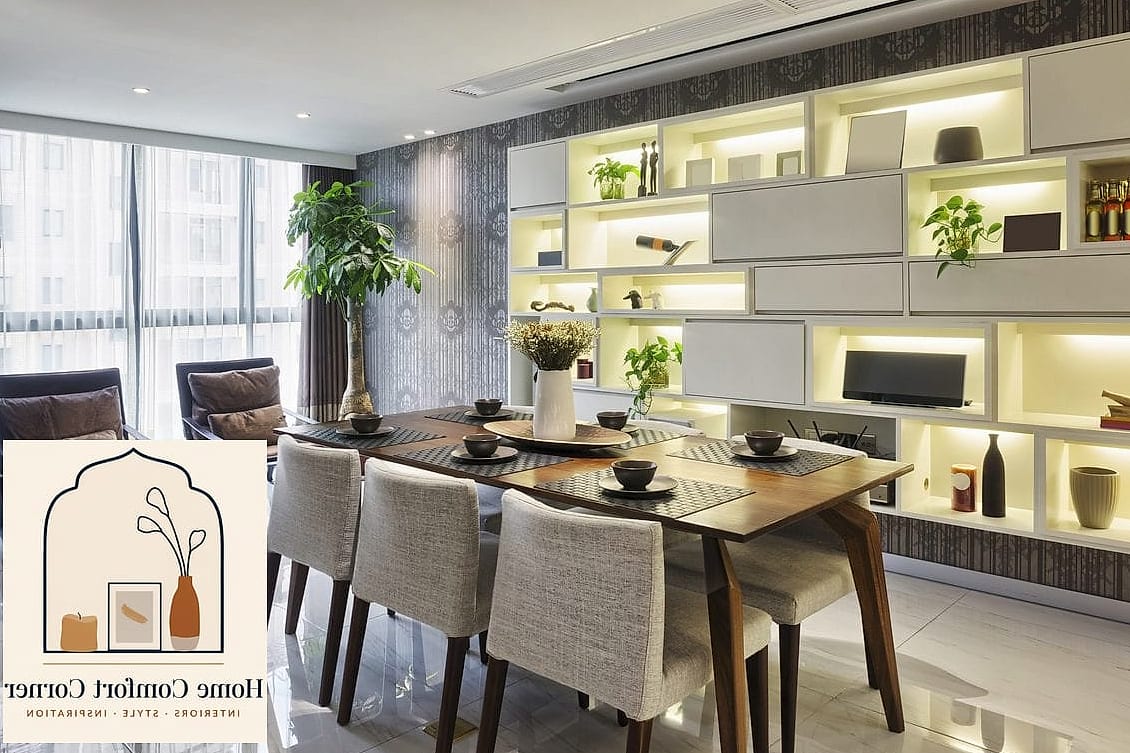
Open shelves mounted along a hallway wall give you a spot to display books, framed photos, or small plants without eating into floor space. This works especially well in narrow halls where furniture just isn’t practical.
Floating shelves in a warm wood tone soften an otherwise plain wall, and you can easily switch out what’s displayed based on the season. Just keep weight limits in mind if you’re mounting into drywall alone.
Mudroom-Style Hooks and Cubbies
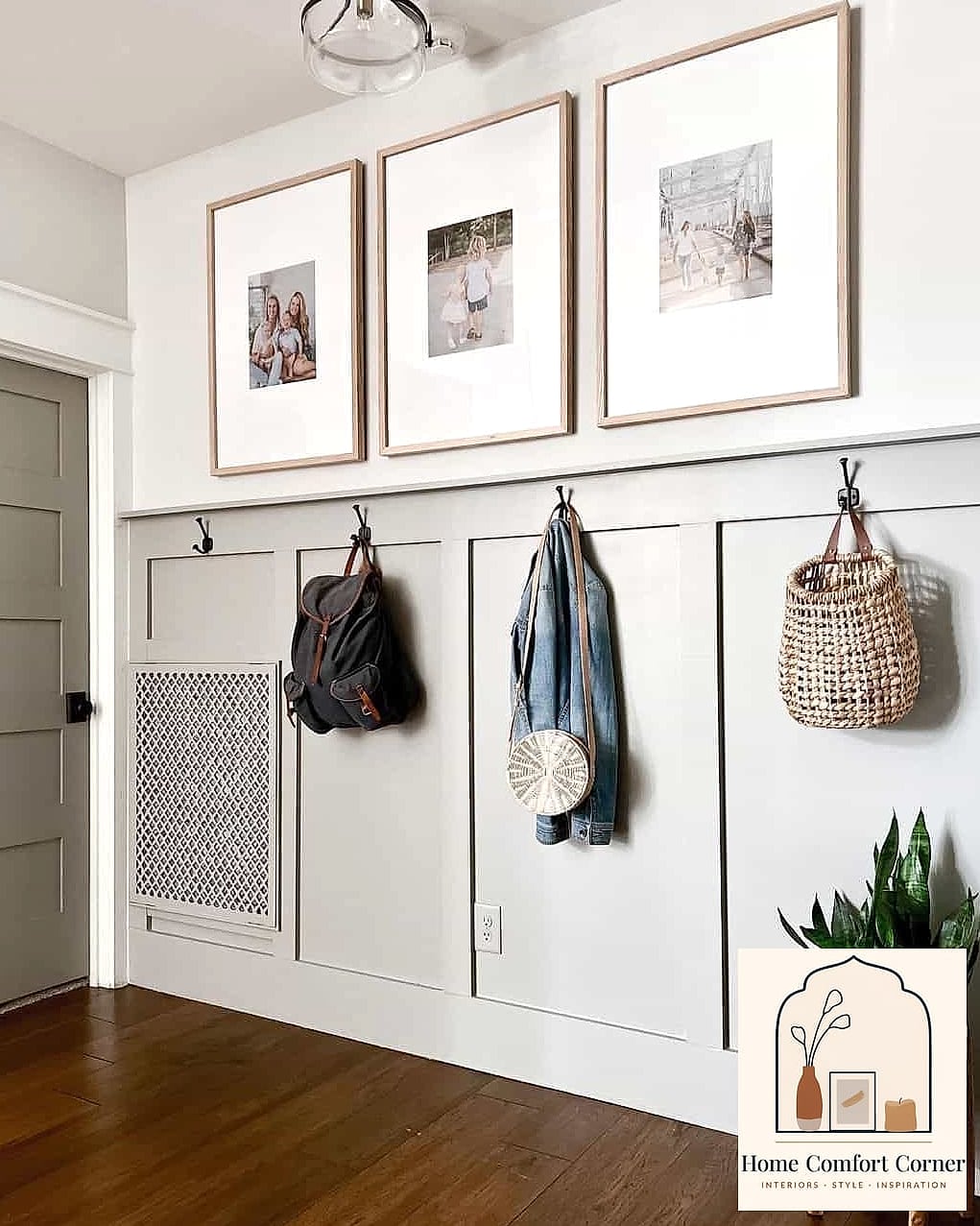
If your hallway doubles as an entryway, a wall of hooks and cubbies keeps outerwear organized instead of piled on the floor. Label each cubby for family members if you want an added layer of organization that actually gets used.
Brushed brass or matte black hooks add a nice finishing touch, and this setup is genuinely practical for families juggling backpacks, coats, and dog leashes every single day.
Neutral Color Palette with Warm Accents
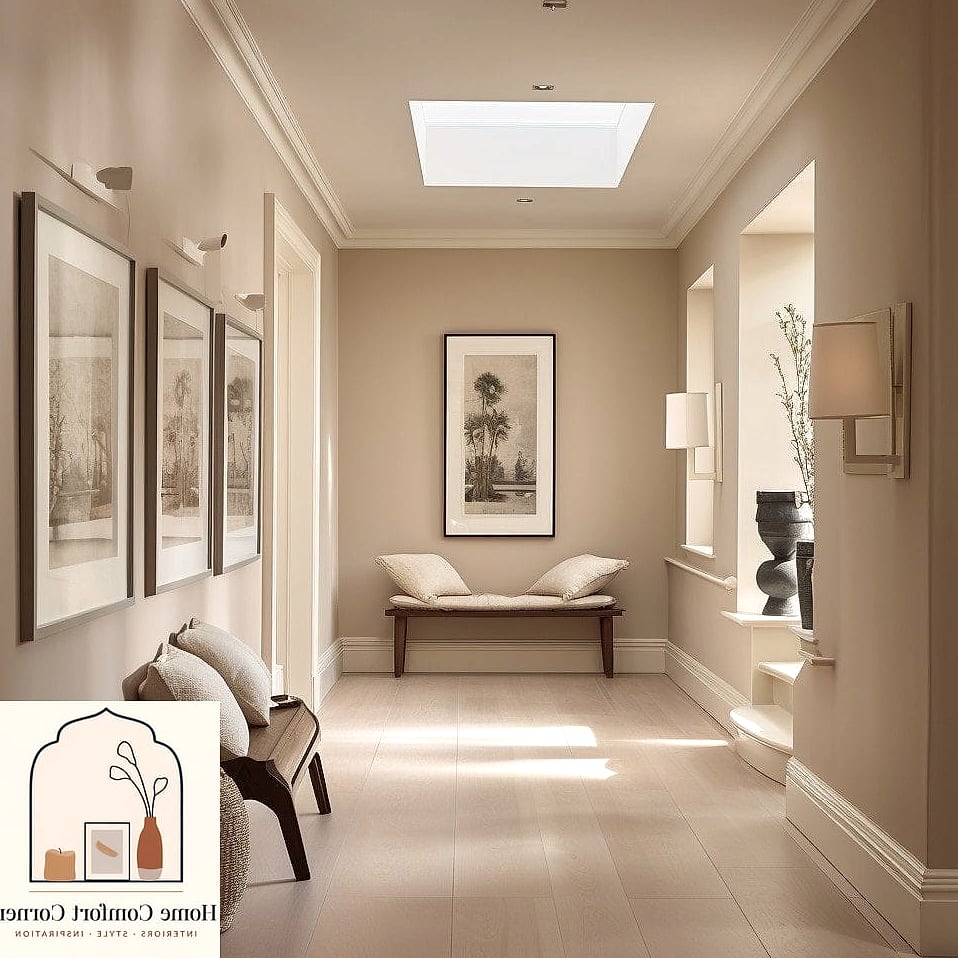
Not every hallway needs a bold statement. A neutral palette of soft whites, warm greiges, and taupe creates a calm, cohesive feel that flows easily into surrounding rooms. Add warmth through wood tones, woven baskets, or a jute runner.
This approach is especially smart if you’re planning to sell your home eventually, since neutral spaces tend to appeal to a broader range of buyers and feel move-in ready.
Mirror Placement to Add Depth
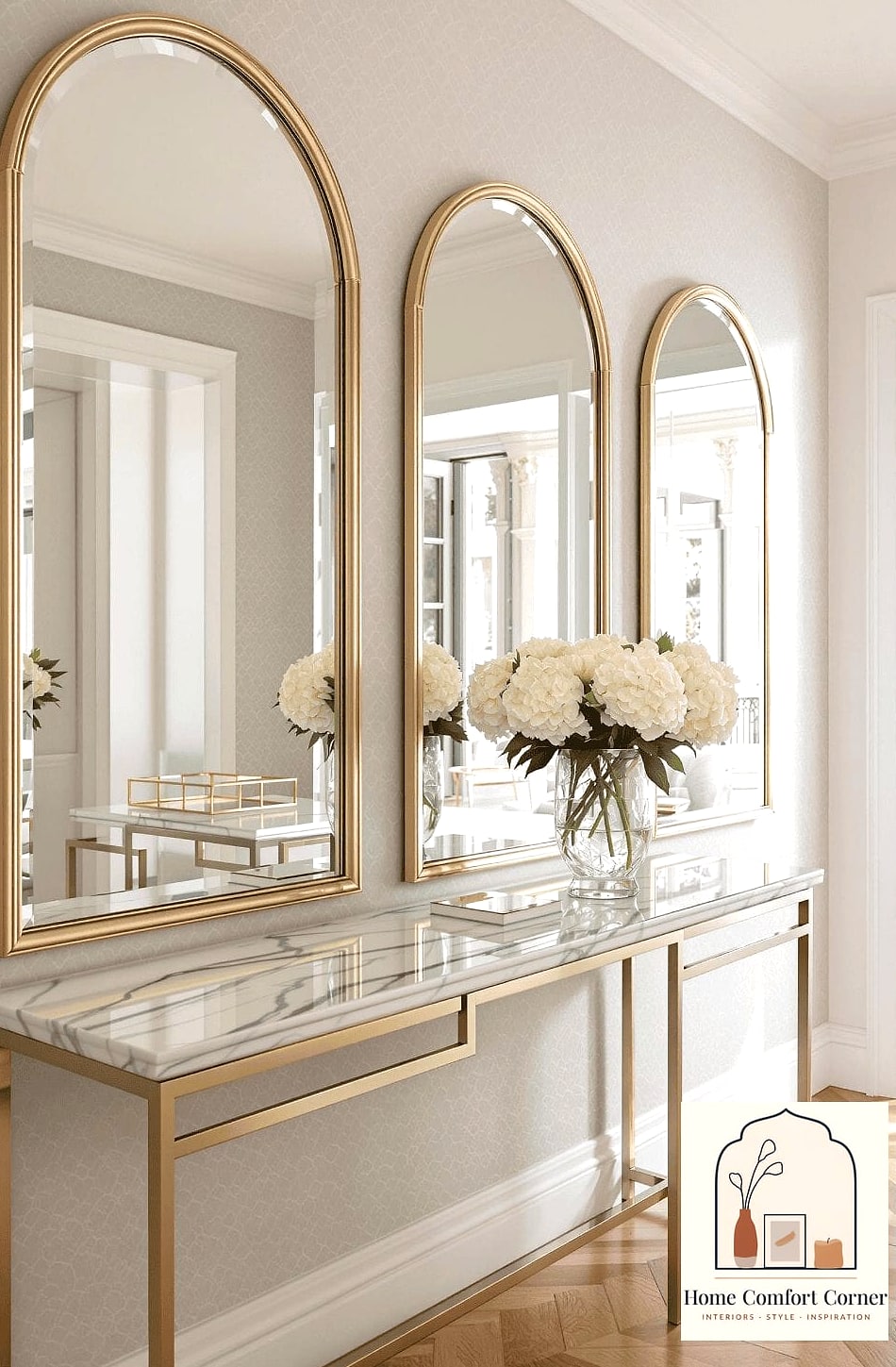
A well-placed mirror does more for a narrow hallway than almost any other single item. It bounces light around and creates the illusion of a wider space. Go with one oversized mirror for drama, or a cluster of smaller ones for a gallery-style effect.
Position it across from a window or light source if possible—that’s when mirrors work their best magic, visually doubling whatever natural light you’ve got.
Textured Wallpaper Accent
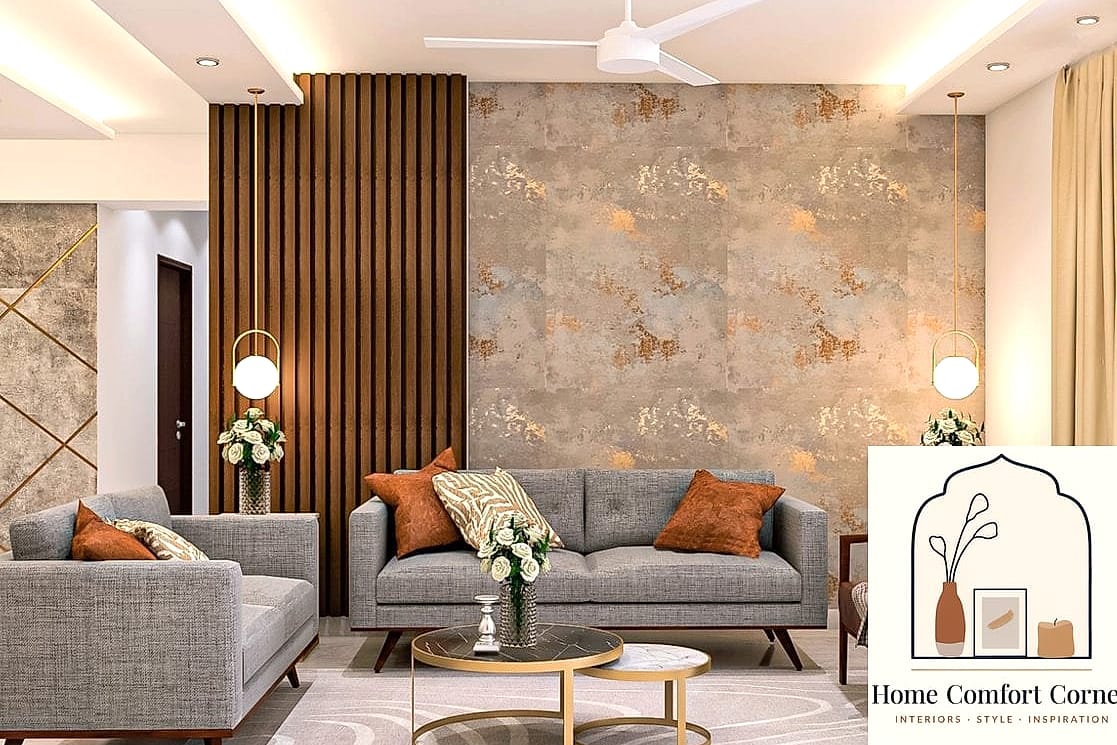
Wallpaper has made a serious comeback, and hallways are a great low-commitment place to try it since the square footage is usually small. Grasscloth, subtle geometric prints, or botanical patterns all add texture without overwhelming the space.
Peel-and-stick options are ideal here if you’re renting or just not ready to commit to traditional paste-the-wall paper. It’s genuinely one of the easiest ways to add personality fast.
Skylight or Transom Window Addition
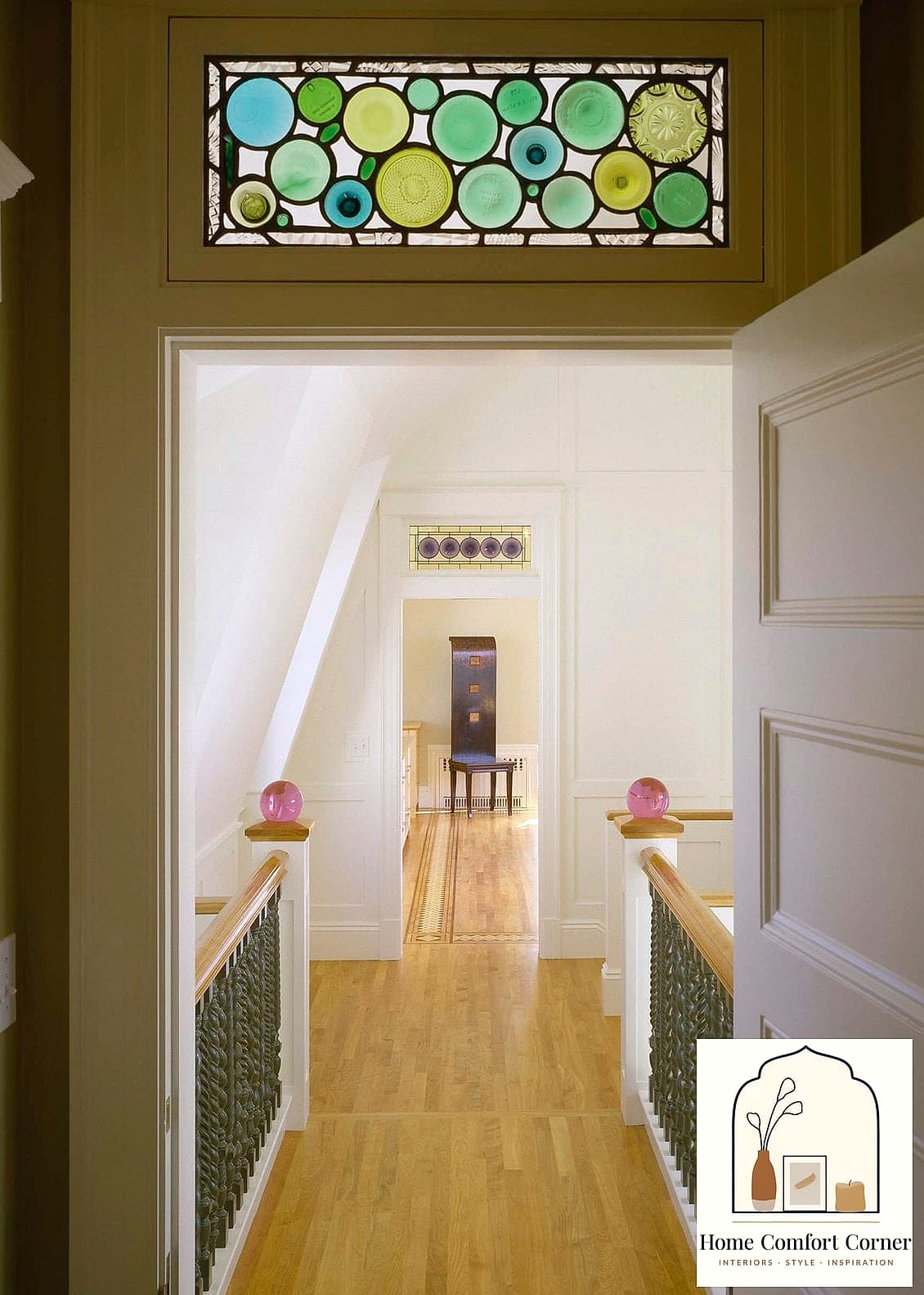
Hallways often end up dark since they rarely have their own windows. Adding a transom window above a door, or a skylight if there’s roof access, brings in natural light that changes the entire feel of the space.
This is a more involved project requiring a contractor, but for anyone doing a larger renovation, it’s worth exploring—especially in interior hallways that otherwise rely entirely on artificial lighting.
Board and Batten Lower Half
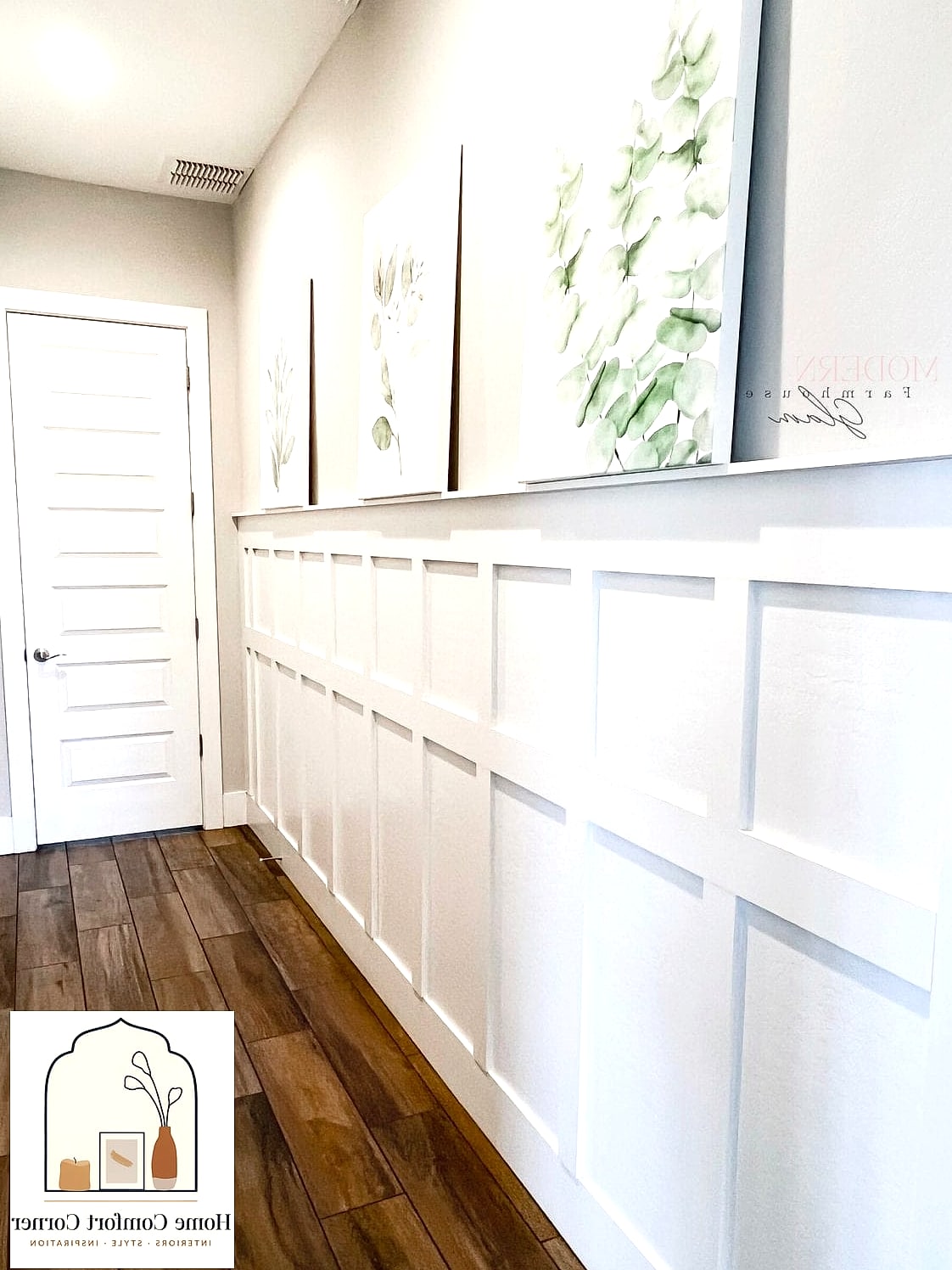
Board and batten paneling on the lower half of a hallway wall, paired with a contrasting paint color above, creates a layered, custom look. It’s slightly less intensive than full wainscoting but delivers a similar visual payoff.
This is a solid weekend DIY project for anyone comfortable with a miter saw. It also adds a practical layer of protection against scuffs from bags and furniture at that lower wall height.
Layered Rugs for a Collected Look
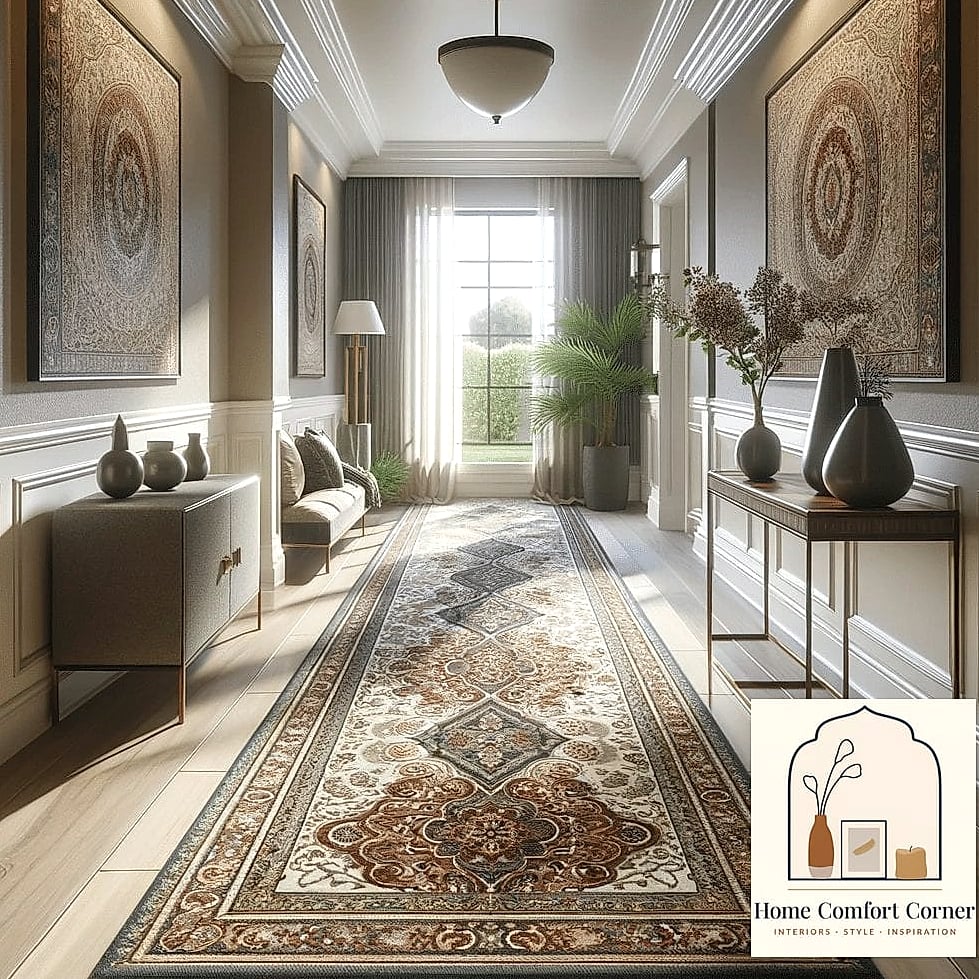
If a single runner feels too plain, try layering a smaller patterned rug over a larger jute or sisal base. It’s a trick borrowed from living room styling that translates surprisingly well to hallways.
This works best in wider entry halls where there’s room for the layered effect to actually read as intentional rather than cluttered. It’s also an easy way to incorporate two different textures and patterns without overcommitting to either one.
Seasonal Decor Rotation
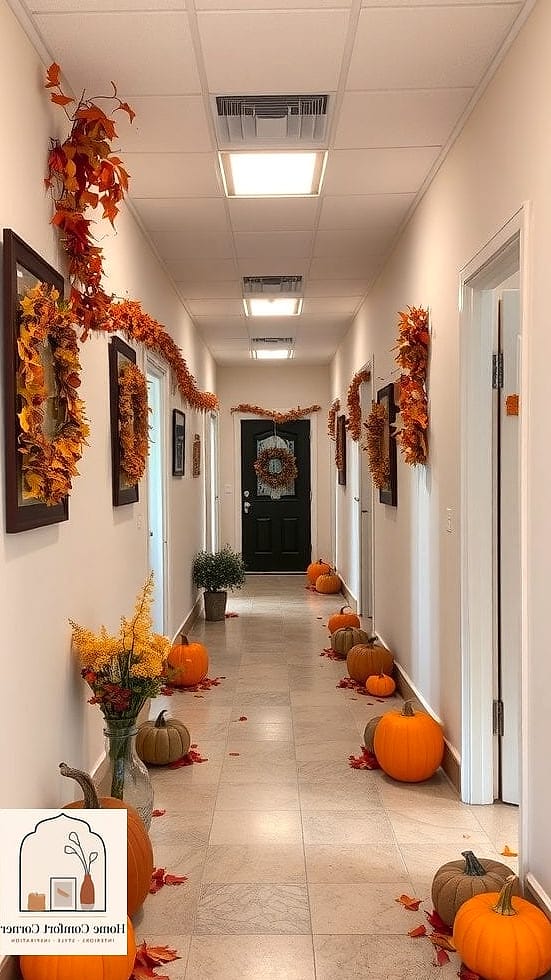
Sometimes the simplest hallway update is just committing to swapping out decor with the seasons. A console table or shelf styled with fresh greenery in spring, warm textures in fall, or simple string lights in winter keeps the space feeling current without any permanent changes.
This is the lowest-cost idea on this list, and it’s a nice way to keep your hallway from feeling static year-round, especially if it’s a space you walk through multiple times a day.
Whichever of these hall interior design ideas you’re drawn to, remember that hallways don’t need a huge budget to feel finished. Start with one change—maybe a runner or a fresh coat of paint—and build from there. Small updates in this space tend to have an outsized effect on how the rest of your home feels.