9 Creative Easy Room Decor Ideas You Haven’t Seen Before
- Color-Drenched Ceilings Instead of Walls
- Layered Rugs on Top of Rugs
- Hardware Swaps on Furniture You Already Own
- A Dedicated "Object Shelf" Instead of Random Decor
- Fabric Wrapped Cords and Cables
- A Mirror Placed to Reflect Something Beautiful, Not Just Light
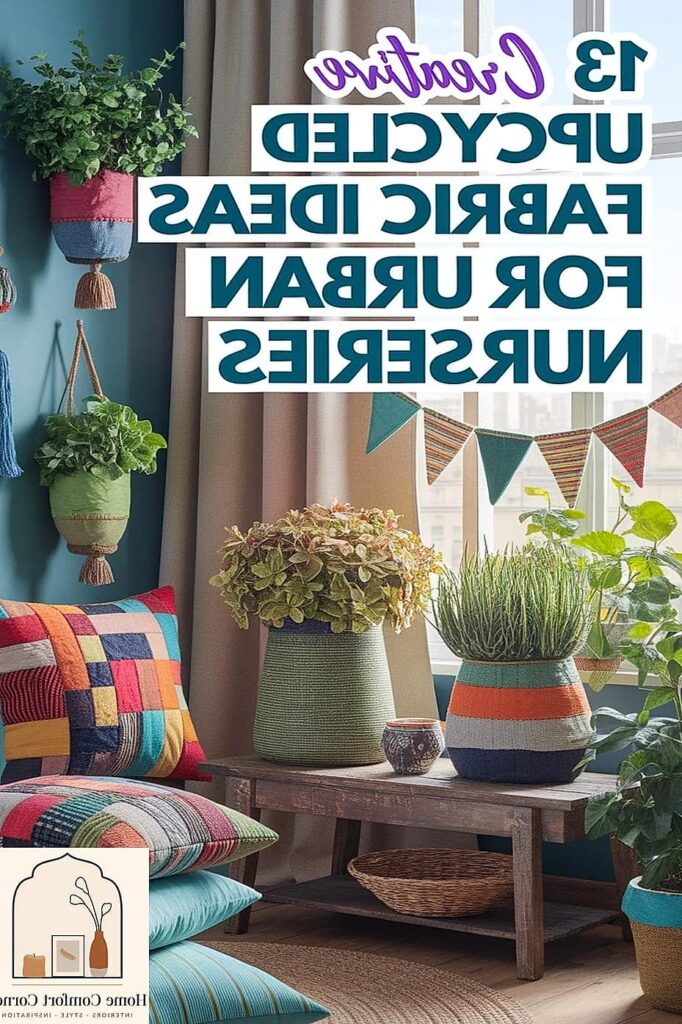
- Vertical Herb or Plant Walls Using Wall-Mounted Planters
- A Reading Corner Built Around One Statement Chair
- Open Shelving in Just One Section of a Room
9 Creative Easy Room Decor Ideas You Haven’t Seen Before
If you’ve scrolled through the same tired lists of throw pillows and gallery walls one too many times, I get it. Most “decor ideas” articles just recycle the same five tips with different photos. This one’s different. These are the kinds of small, clever updates that people notice but can’t quite place — the ones that make a room feel intentional instead of thrown together.
I’ve pulled these ideas from real projects, client homes, and a few happy accidents in my own space. None of them require a contractor, a huge budget, or a weekend of chaos. Let’s get into it.
Color-Drenched Ceilings Instead of Walls
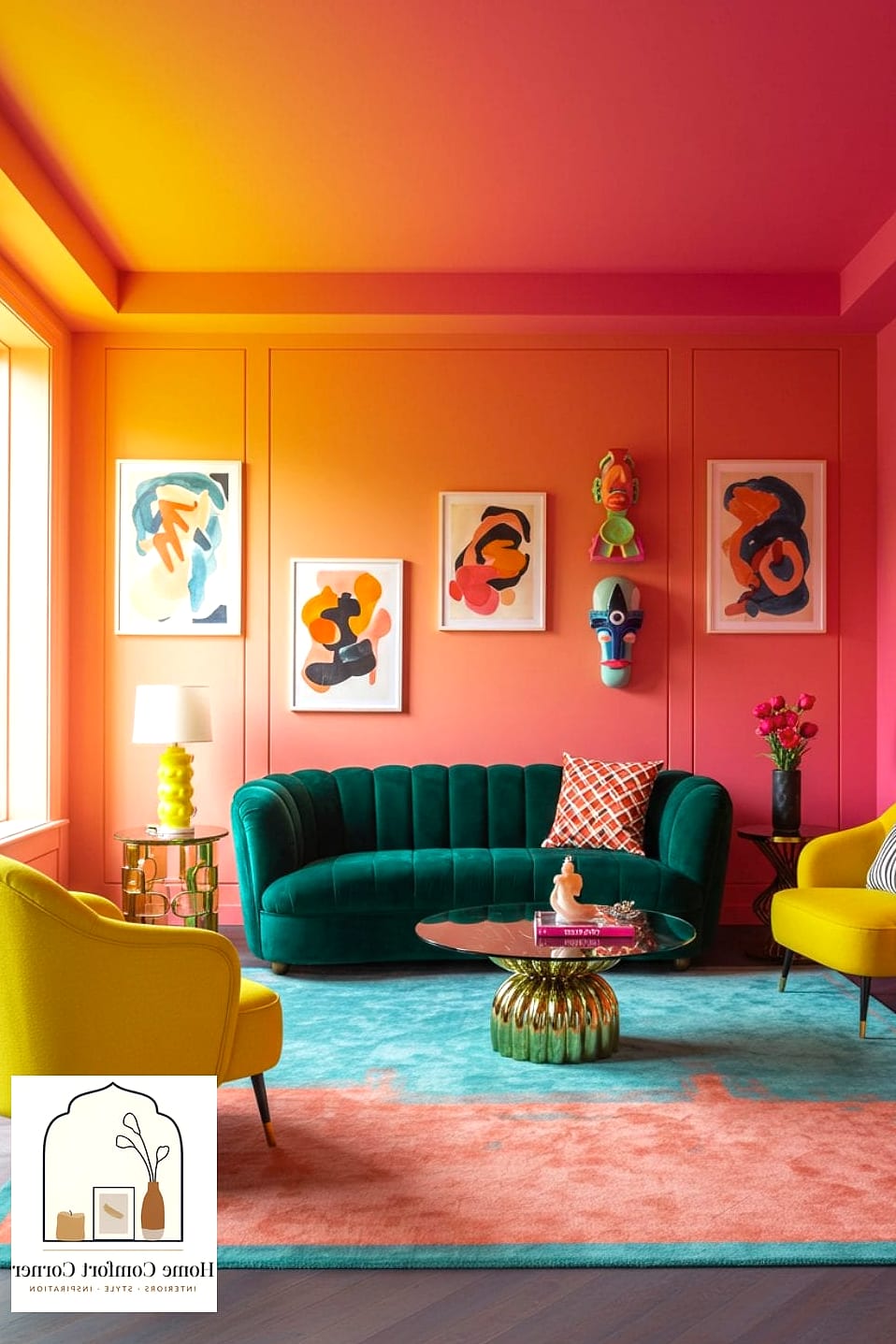
Everyone talks about accent walls, but nobody talks about accent ceilings, and that’s a shame because they’re way more interesting. Painting the ceiling a saturated color while keeping the walls neutral makes a room feel taller and more dramatic without the commitment of covering every wall.
This works especially well in small bedrooms or reading nooks where you want coziness without visual clutter. Deep terracotta, forest green, or even a warm charcoal can pull this off beautifully. If you’re renting, you can test the look with a large fabric canopy in a similar tone instead of paint.
The best part is how forgiving it is. A ceiling doesn’t get scuffed by furniture or foot traffic, so the finish stays looking fresh for years with basically zero maintenance.
Layered Rugs on Top of Rugs
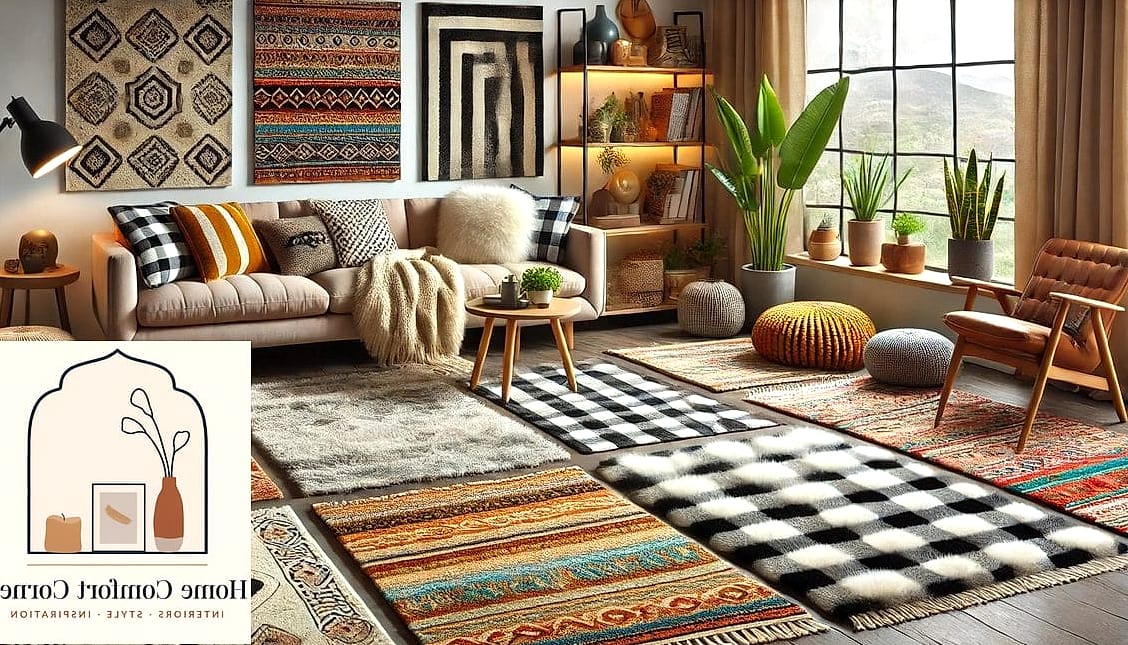
Layering rugs sounds fussy, but done right it adds texture and warmth that a single rug just can’t match. Start with a large, low-pile neutral rug as your base, then add a smaller patterned or textured rug on top, slightly off-center.
This trick works great in living rooms and bedrooms where the flooring feels cold or plain. Jute or sisal as the base layer paired with a vintage-style wool rug on top gives you that collected-over-time look designers love.
It’s also genuinely practical. The bottom rug protects flooring and adds cushioning, while the top rug is easy to swap out seasonally without buying a whole new setup. Budget-wise, thrifted or vintage-style rugs work perfectly for the top layer since a little wear only adds character.
Hardware Swaps on Furniture You Already Own
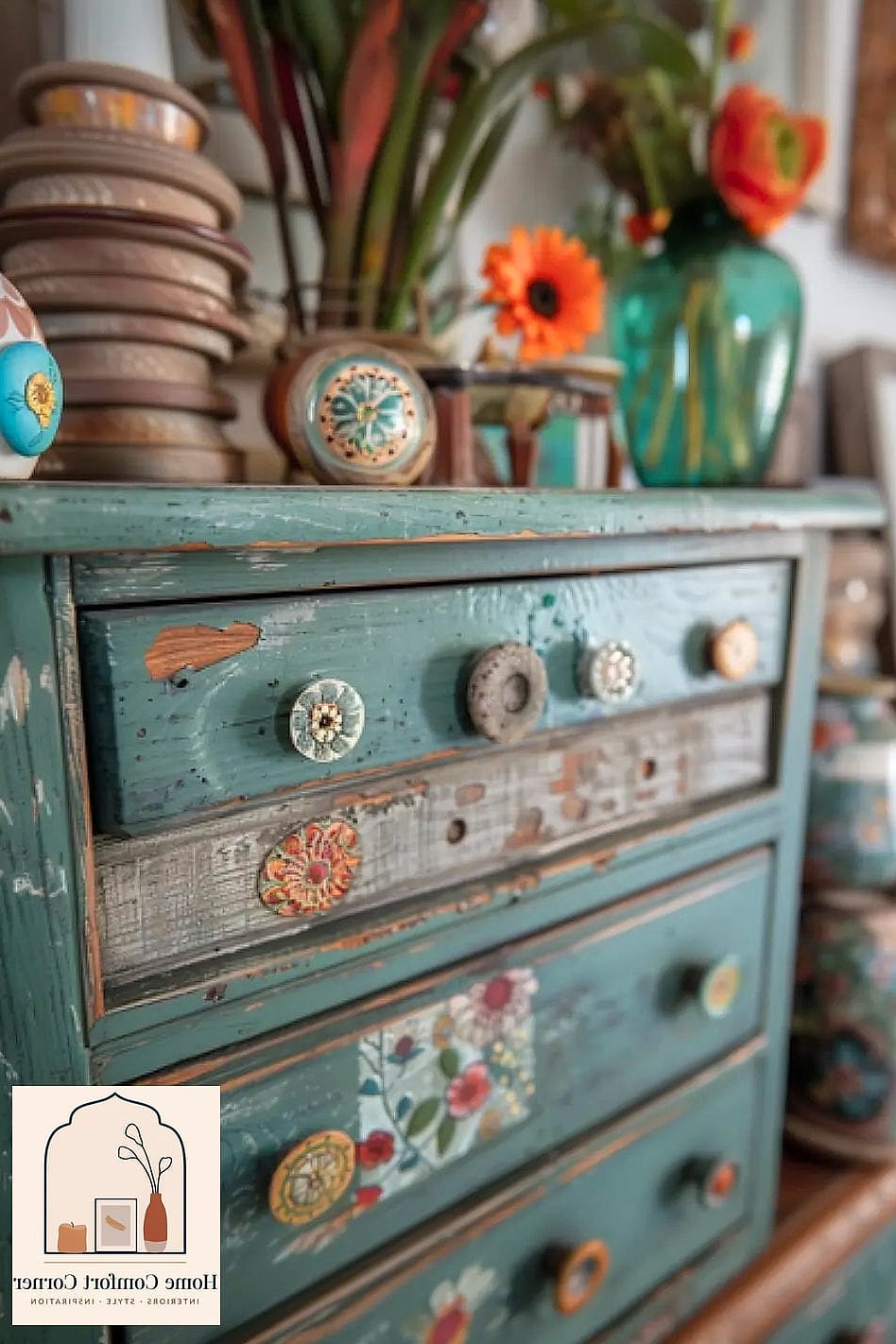
This one barely counts as decorating, but it makes a bigger difference than people expect. Swapping out plain knobs and pulls on dressers, cabinets, and nightstands for brushed brass or matte black hardware instantly makes furniture look more expensive.
It works especially well on builder-grade furniture or hand-me-down pieces that are structurally fine but visually boring. A screwdriver and twenty minutes is really all it takes.
Mixing metals is more forgiving than people assume. Pairing warm wood tones with cool black fixtures, or brass with matte finishes, tends to look more curated than matchy-matchy hardware sets.
A Dedicated “Object Shelf” Instead of Random Decor
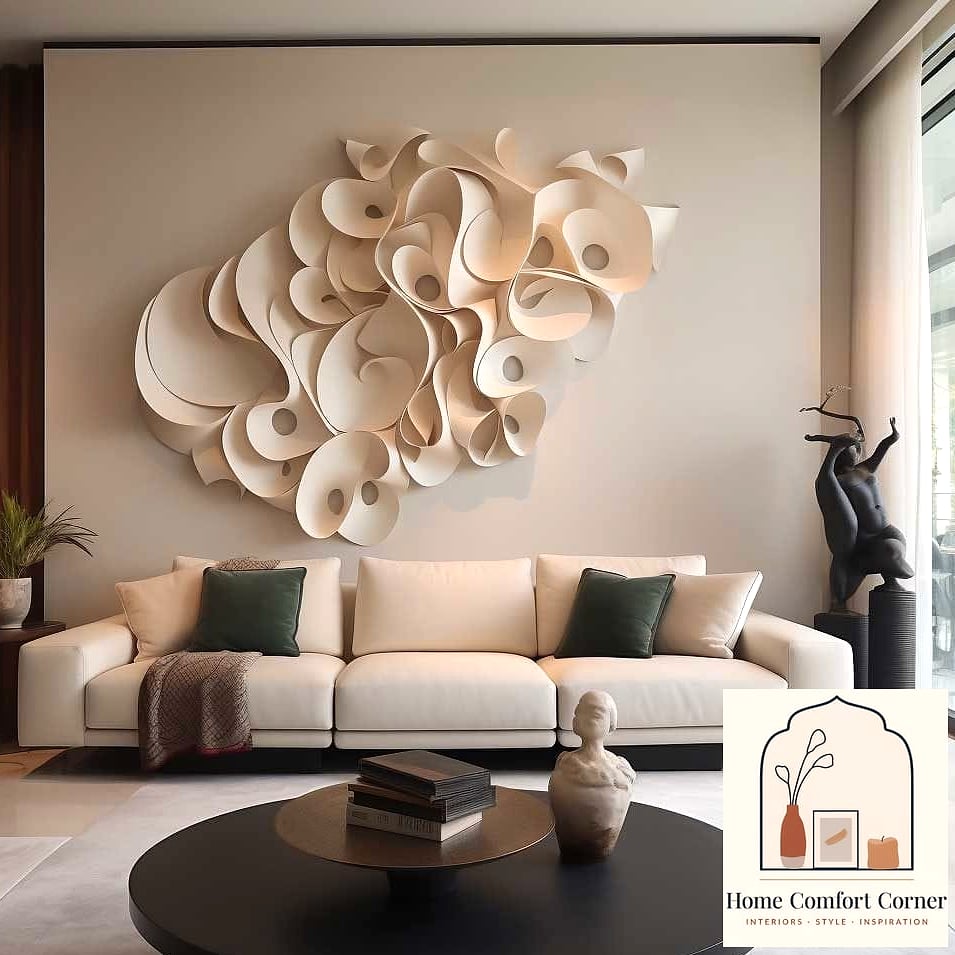
Rather than scattering candles, books, and trinkets across every surface, pick one floating shelf and treat it like a tiny gallery. Group three to five objects with varying heights and textures — a small vase, a stack of books, a piece of pottery.
This idea shines in entryways, hallways, or above a desk where clutter tends to pile up otherwise. It gives your eye one clear focal point instead of visual noise everywhere.
The maintenance is basically nonexistent since you’re dusting one shelf instead of a dozen surfaces. It’s also renter-friendly, since most floating shelves install with minimal wall damage using anchors rather than heavy brackets.
Fabric Wrapped Cords and Cables
Nobody decorates around cords, which is exactly why hiding them makes such a noticeable difference. Wrapping visible cables in fabric cord covers that match your wall color makes lamps, TVs, and chargers practically disappear.
This is especially useful in living rooms and home offices where cords tend to snake across the floor or dangle behind furniture. Braided cord sleeves or simple fabric wrap tape both do the job without any electrical know-how.
It’s an easy, affordable fix that photographs surprisingly well too — half the reason curated rooms on social media look so clean is that you literally can’t see any cords.
A Mirror Placed to Reflect Something Beautiful, Not Just Light
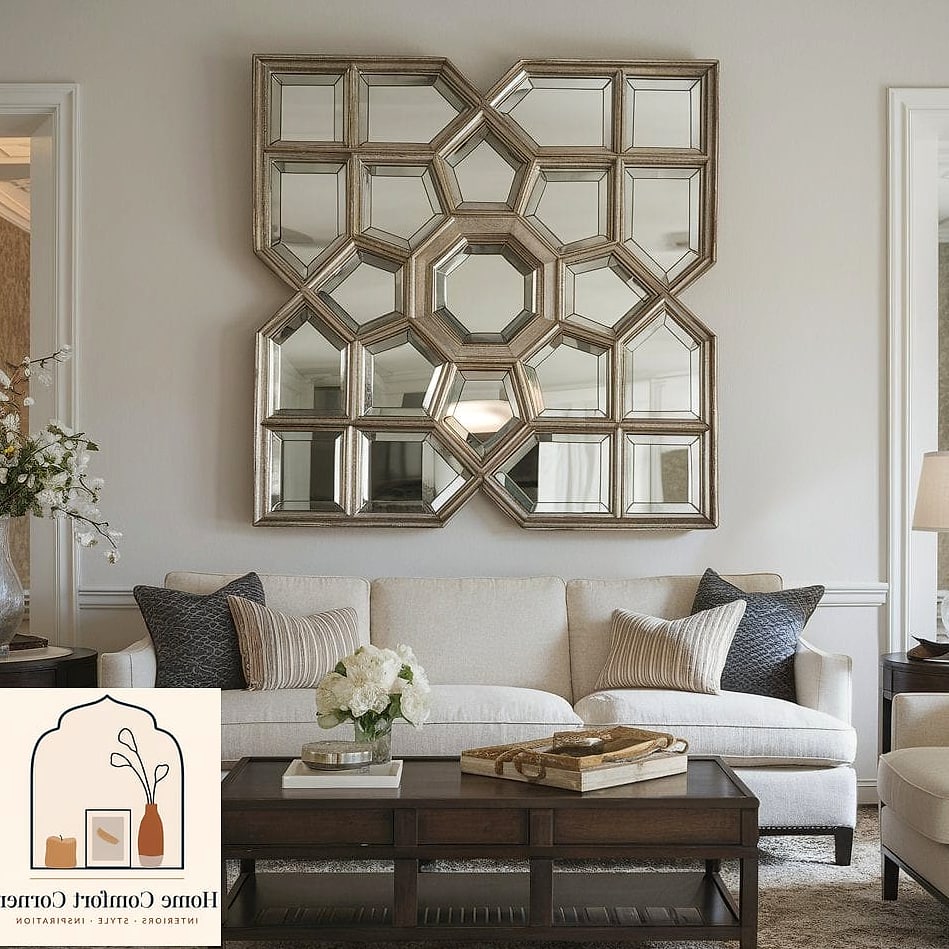
Most people hang mirrors just to bounce light around a room, which is fine, but it’s not the most creative use of one. Instead, angle a mirror so it reflects something intentional — a piece of art, a plant, a window view — so you essentially get two decorative moments for one.
This works particularly well in smaller rooms like bathrooms, entryways, or bedrooms where wall space is limited. A round mirror in a warm wood or brushed brass frame tends to soften the look compared to a sharp rectangular one.
It’s a small shift in thinking, but once you start placing mirrors this way, it’s hard to go back to just hanging one wherever there’s empty wall space.
Vertical Herb or Plant Walls Using Wall-Mounted Planters
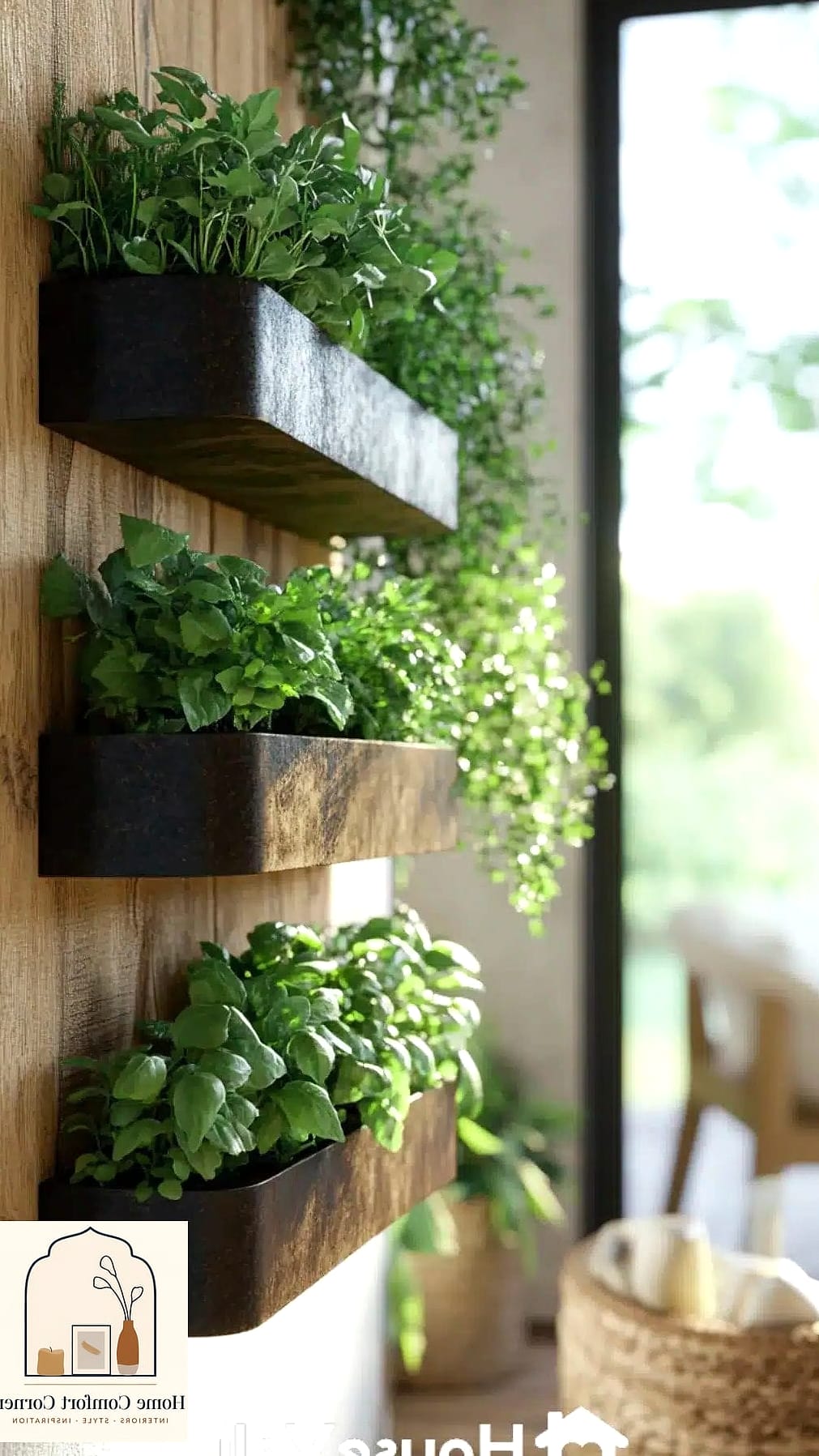
Floor plants are great, but going vertical with a small cluster of wall-mounted planters adds greenery without eating up square footage. Group three or four planters at slightly staggered heights near a kitchen window or on an empty wall.
This is a favorite for small kitchens, apartments, and rentals since it adds life to a room without needing floor space for pots. Herbs like basil and mint do especially well here if the wall gets decent light.
Maintenance is minimal if you choose low-fuss plants like pothos or succulents for non-kitchen walls. And because the planters mount directly to the wall, watering and rotating them for sunlight takes seconds.
A Reading Corner Built Around One Statement Chair
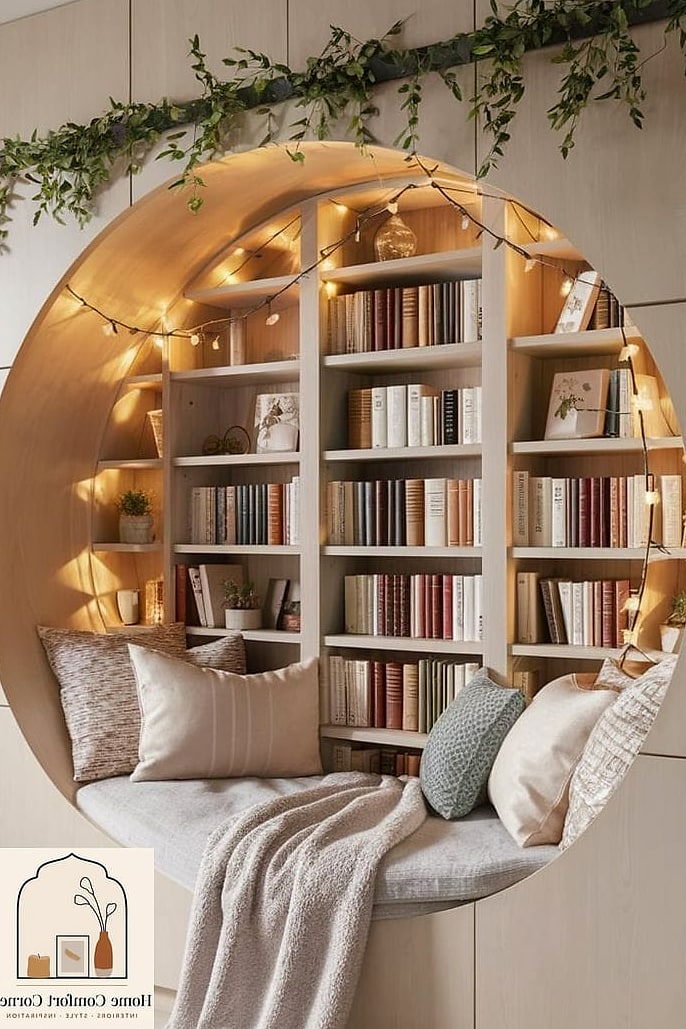
You don’t need a full room redesign to create a reading nook — you need one good chair, one small side table, and one lamp with warm lighting. Tuck this combo into an underused corner, near a window if possible, and suddenly that dead space has a purpose.
This works in bedrooms, living rooms, or even oversized hallways and landings. A vintage or bouclé accent chair adds personality, while a slim side table keeps the footprint small in tighter spaces.
It’s one of those upgrades that instantly makes a room feel more custom without requiring a full renovation. Add a small basket beside the chair for blankets or current reads, and the whole corner feels finished.
Open Shelving in Just One Section of a Room
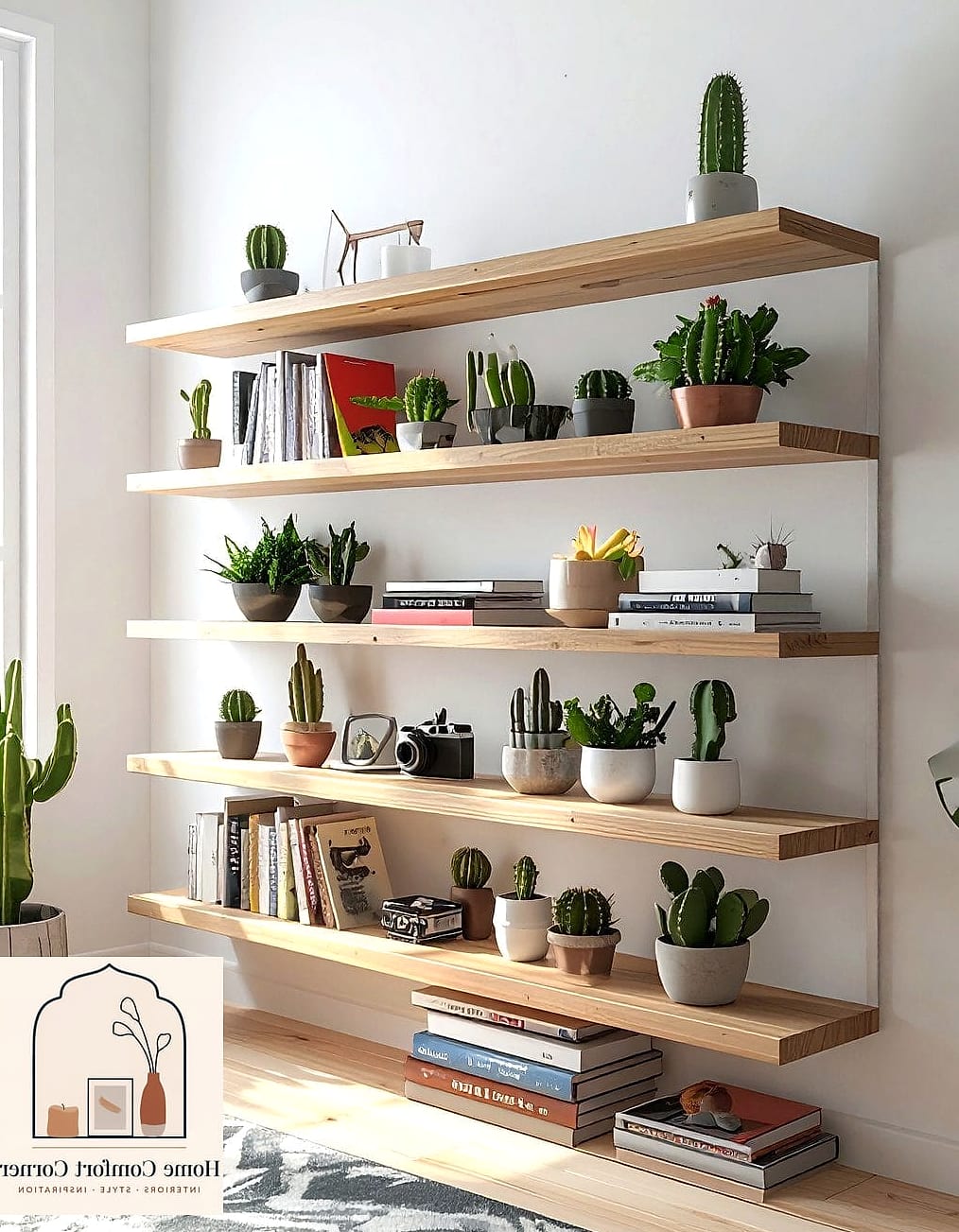
Full open shelving can feel overwhelming to maintain, but converting just one section — a single kitchen cabinet, one closet shelf, or a small nook — gives you the aesthetic benefit without the daily upkeep of styling an entire wall.
This idea works especially well in kitchens and bathrooms, where a mix of ceramic dishes, woven baskets, or rolled towels can look intentionally styled rather than chaotic. Floating shelves in a warm wood tone pair nicely with both modern and farmhouse-style spaces.
Because it’s contained to one area, dusting and rearranging stays manageable. It’s also a low-commitment way to test whether you’d actually enjoy open shelving before removing more cabinet doors throughout the house.
Final Thoughts
None of these ideas require tearing anything apart or spending a fortune, which is really the whole point. Small, thoughtful changes — a painted ceiling, a repositioned mirror, one well-styled shelf — often make a bigger visual impact than an expensive overhaul.
If you’re looking for creative easy room decor ideas you haven’t seen before, the trick is usually paying attention to the details everyone else skips. Pick one or two from this list, see how they feel in your space, and build from there. Decorating doesn’t have to happen all at once to actually work.