23 Mediterranean Interior Design Designs That Maximize Style and Function
- Whitewashed Plaster Walls
- Terracotta Tile Flooring
- Arched Doorways and Niches
- Zellige Tile Backsplash
- Wrought Iron Light Fixtures
- Blue and White Color Palette
- Exposed Wood Ceiling Beams
- Mosaic Tile Accents
- Courtyard-Inspired Indoor Gardens
- Natural Stone Countertops
- Rattan and Woven Furniture
- Warm Terracotta and Ochre Accent Walls
- Patterned Cement Tile Floors
- Olive Branch and Botanical Decor
- Vaulted or Beamed Ceilings in Bedrooms
- Hand-Painted Ceramic Tile Details
- Neutral Linen Textiles
- Brass and Warm Metal Hardware
- Open Shelving with Ceramic Pottery
- Stucco Exterior with Interior Archways
- Hammered Copper Sinks and Fixtures
- Layered Textiles and Kilim Rugs
- Outdoor-Inspired Dining Nooks
23 Mediterranean Interior Design Designs That Maximize Style and Function
If you’ve ever walked into a home with sun-washed walls, terracotta floors, and that easy, breezy coastal feel, you already know why Mediterranean style has stuck around for centuries. It’s warm without being fussy, elegant without being stiff, and it works in everything from a tiny apartment to a sprawling family home. Below are 23 ways to bring that look into your own space, whether you’re planning a full renovation or just want to borrow a few ideas here and there.
Whitewashed Plaster Walls
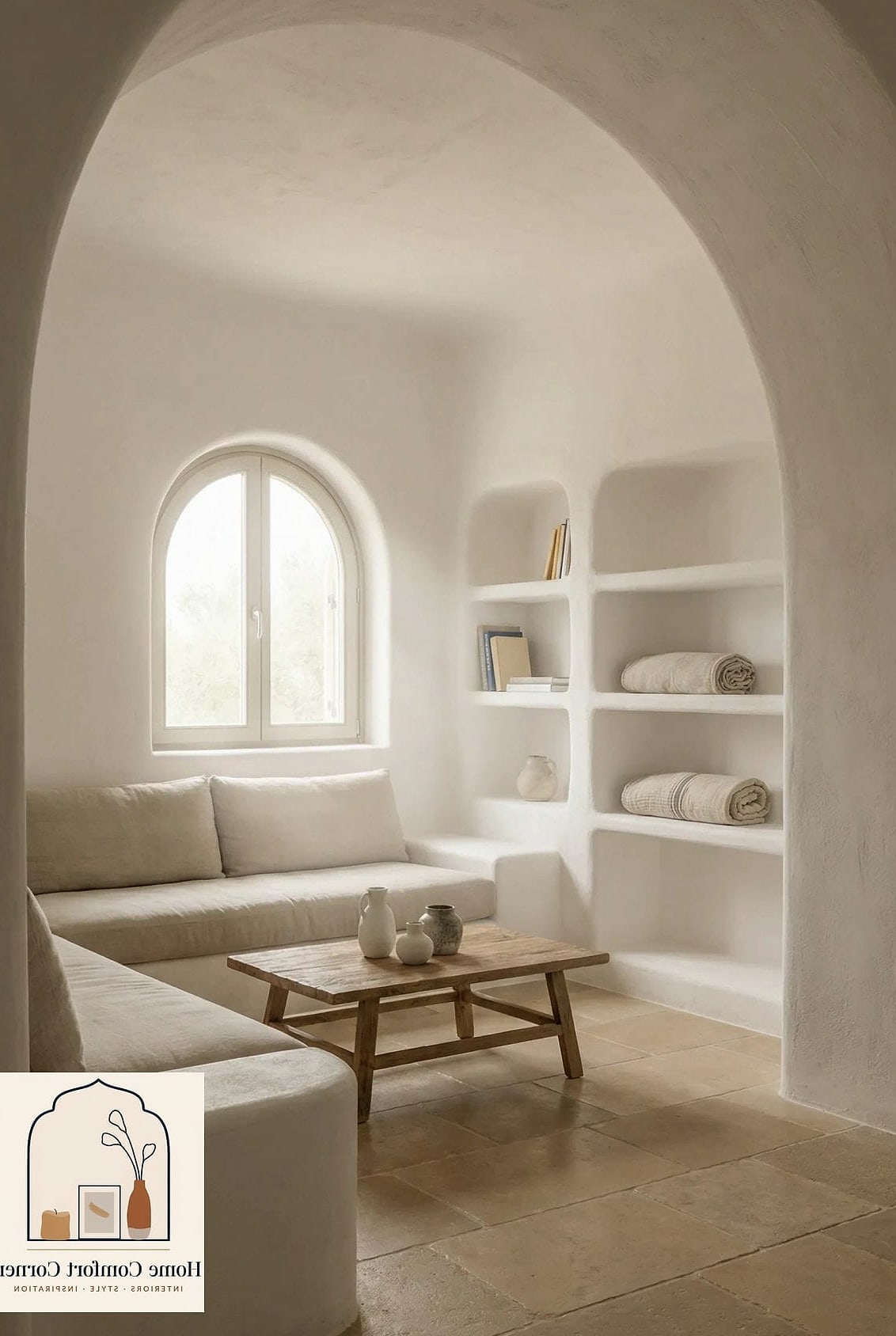
Nothing says Mediterranean quite like textured, whitewashed plaster. It gives walls a soft, hand-applied look that catches light beautifully throughout the day. This works best in living rooms, entryways, or bedrooms where you want a calming backdrop. Homeowners love it because it hides imperfections better than flat paint and adds real depth to a room. For a budget-friendly version, try a textured roller with limewash paint instead of true plaster. It’s fairly low maintenance too, just an occasional dusting or gentle wipe-down.
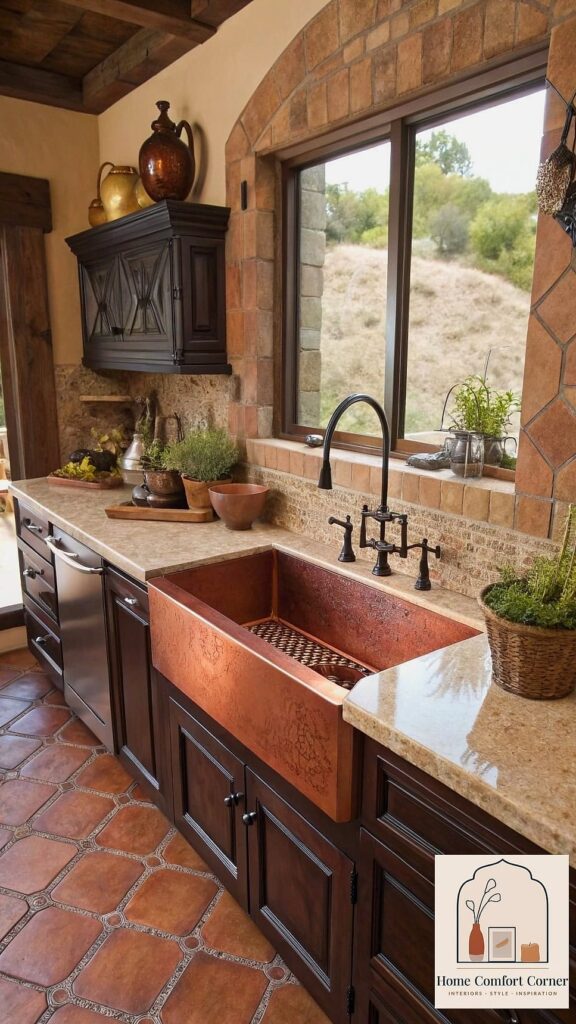
Terracotta Tile Flooring
Terracotta floors are basically the backbone of Mediterranean design. The warm, earthy tone pairs well with almost any color palette and feels grounded underfoot. It’s especially popular in kitchens, sunrooms, and entryways where durability matters. Real terracotta needs periodic sealing to prevent staining, but porcelain tile made to look like terracotta is a lower-maintenance alternative that’s great for busy families or pet owners.
Arched Doorways and Niches
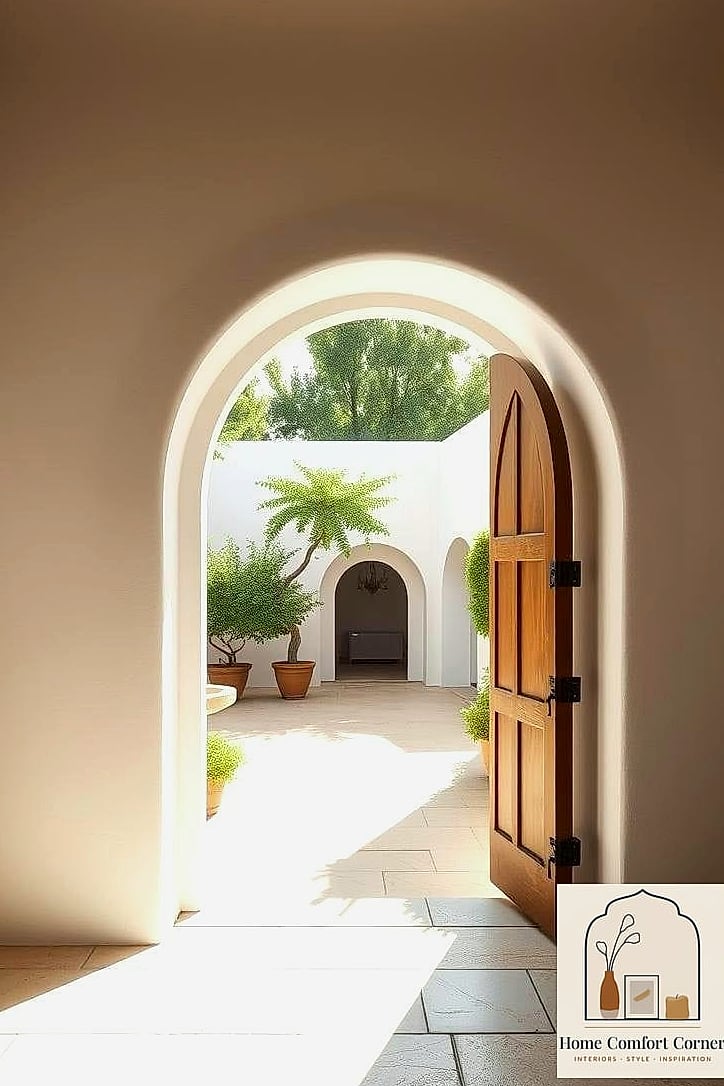
Curves soften a space in a way straight lines just can’t. Arched doorways, built-in niches, and rounded openings between rooms instantly read as Mediterranean. They work especially well in hallways and between kitchens and dining areas. If a full structural arch isn’t in the budget, a decorative arched mirror or shelf niche can give a similar visual effect without the renovation cost.
Zellige Tile Backsplash
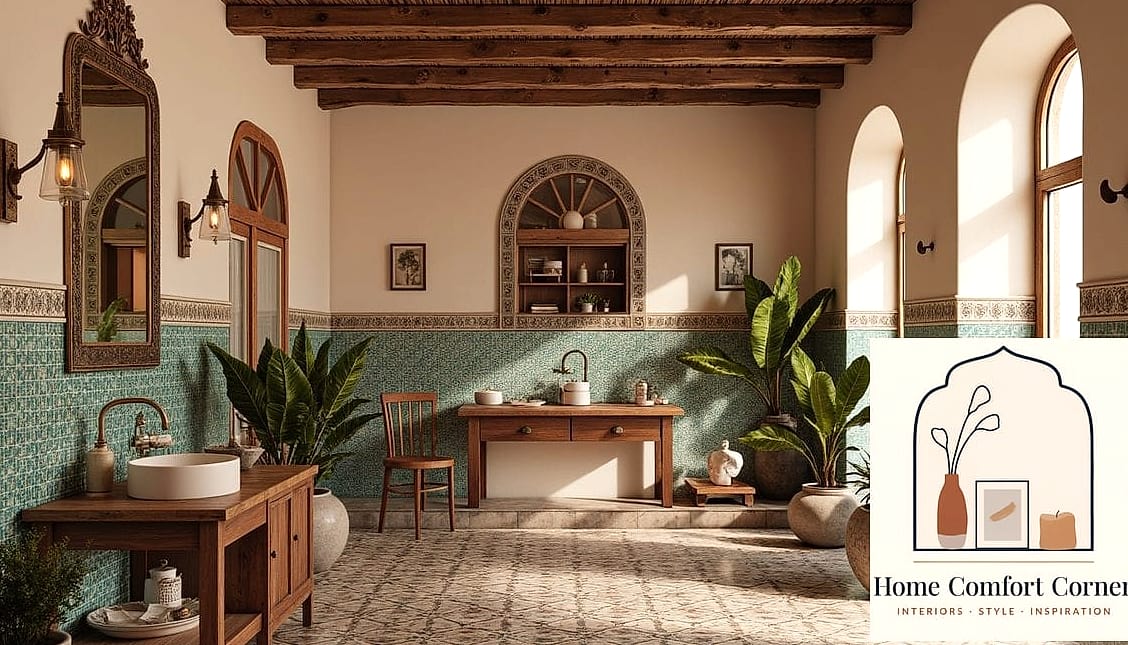
Zellige tile has that irregular, handmade look with subtle color variation that makes every installation one of a kind. It’s a favorite for kitchen backsplashes and bathroom accent walls. The slightly uneven surface catches light differently depending on the time of day, which honestly never gets old. It’s pricier than standard ceramic tile, so some homeowners use it as a focal strip rather than covering an entire wall.
Wrought Iron Light Fixtures
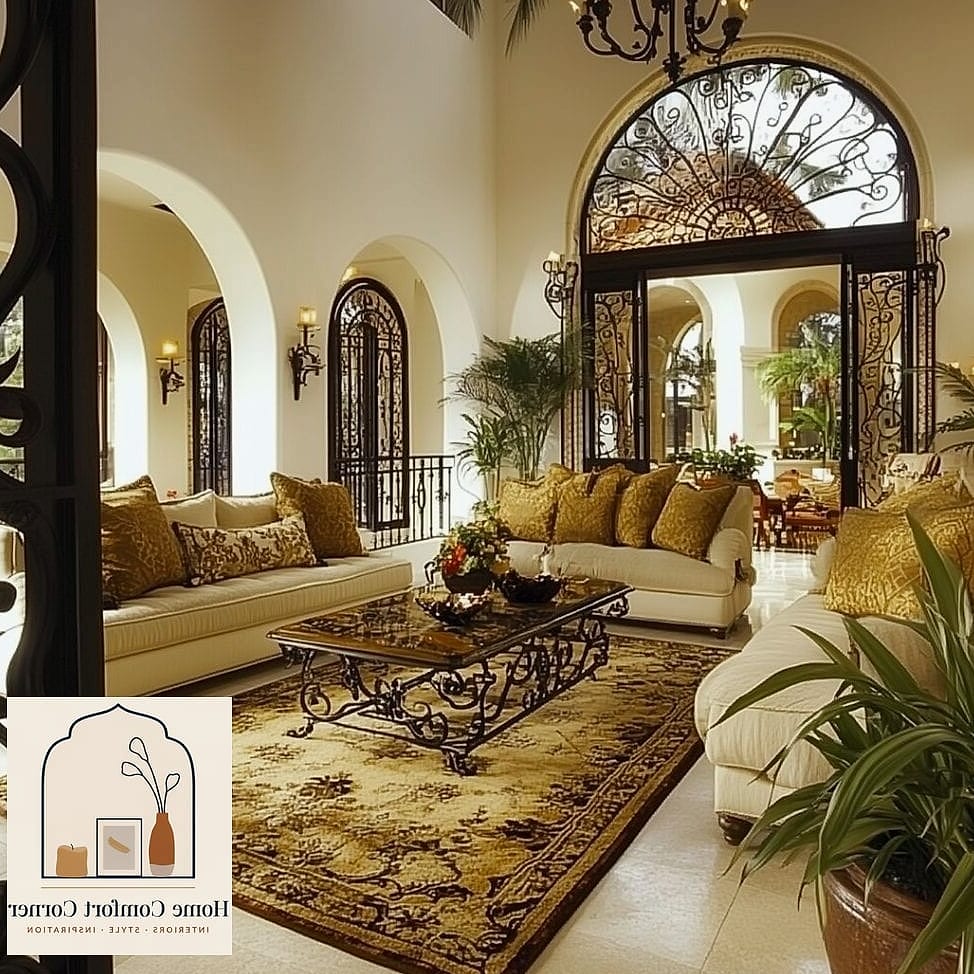
Iron chandeliers, lanterns, and wall sconces add that old-world character Mediterranean spaces are known for. They work well in dining rooms, entryways, and even outdoor patios. Look for pieces with scrollwork or candle-style bulbs for extra authenticity. Layering this kind of lighting with warm bulb tones makes the whole room feel more inviting come evening.
Blue and White Color Palette
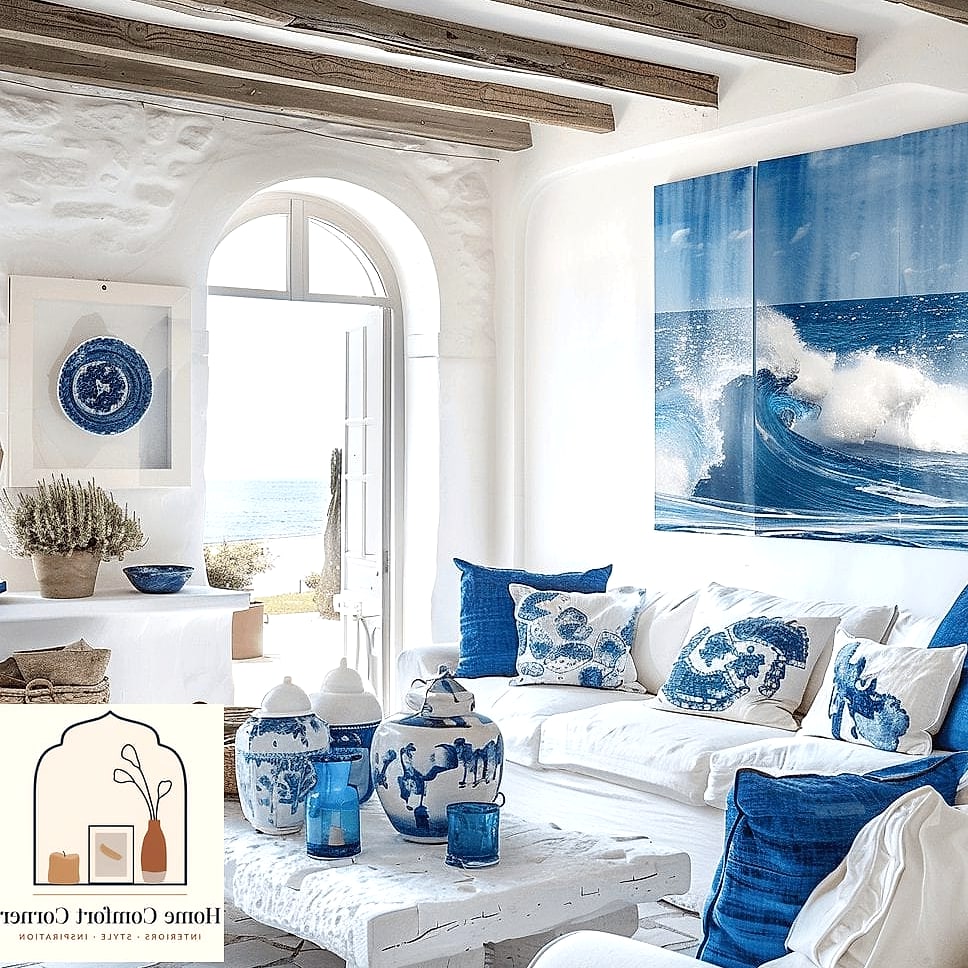
Inspired by coastal towns along the Mediterranean Sea, this palette pairs crisp white walls with cobalt or cornflower blue accents. It works beautifully in kitchens, bathrooms, and bedrooms. You can go bold with a blue tile floor or keep it subtle with blue throw pillows and ceramics. Either way, it brings a fresh, airy energy that feels especially nice in sunnier rooms.
Exposed Wood Ceiling Beams
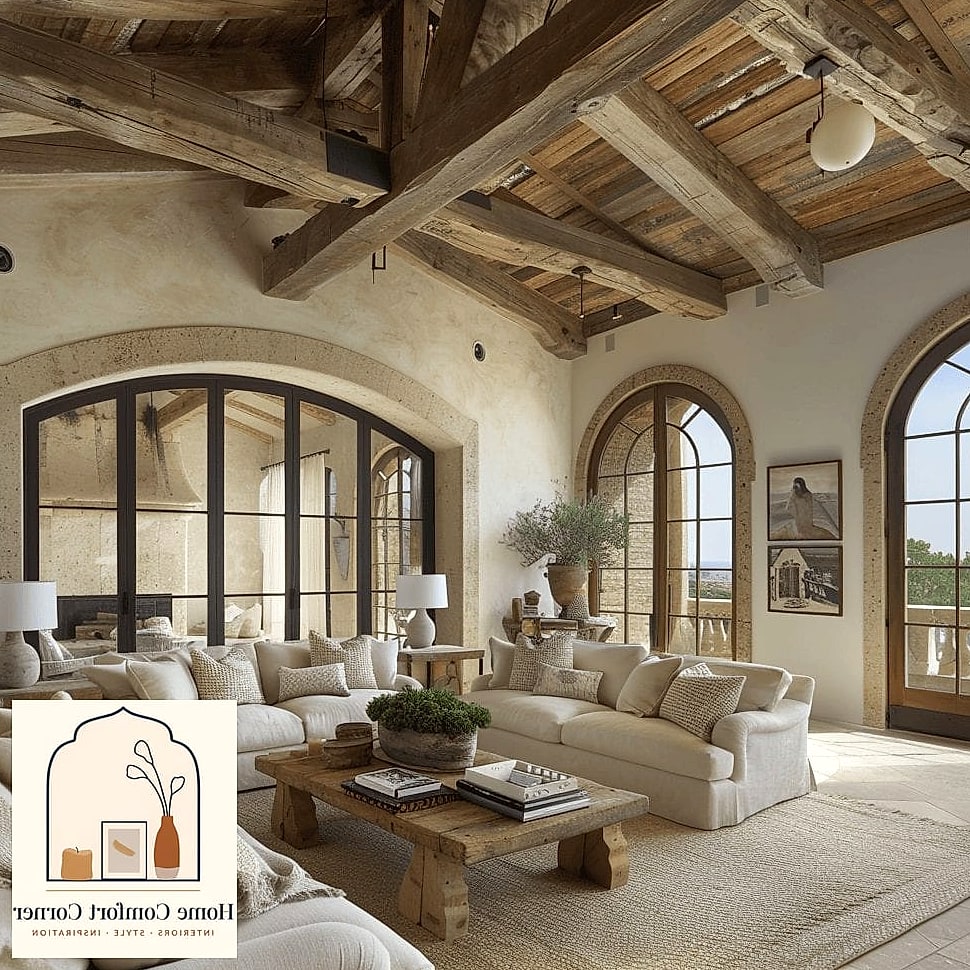
Rustic wood beams add warmth and architectural interest overhead, especially in rooms with higher ceilings. They’re common in living rooms and kitchens where you want a cozy, lived-in feel. Real structural beams are a bigger project, but faux beams made from lightweight polyurethane give the same visual impact at a fraction of the cost and effort.
Mosaic Tile Accents
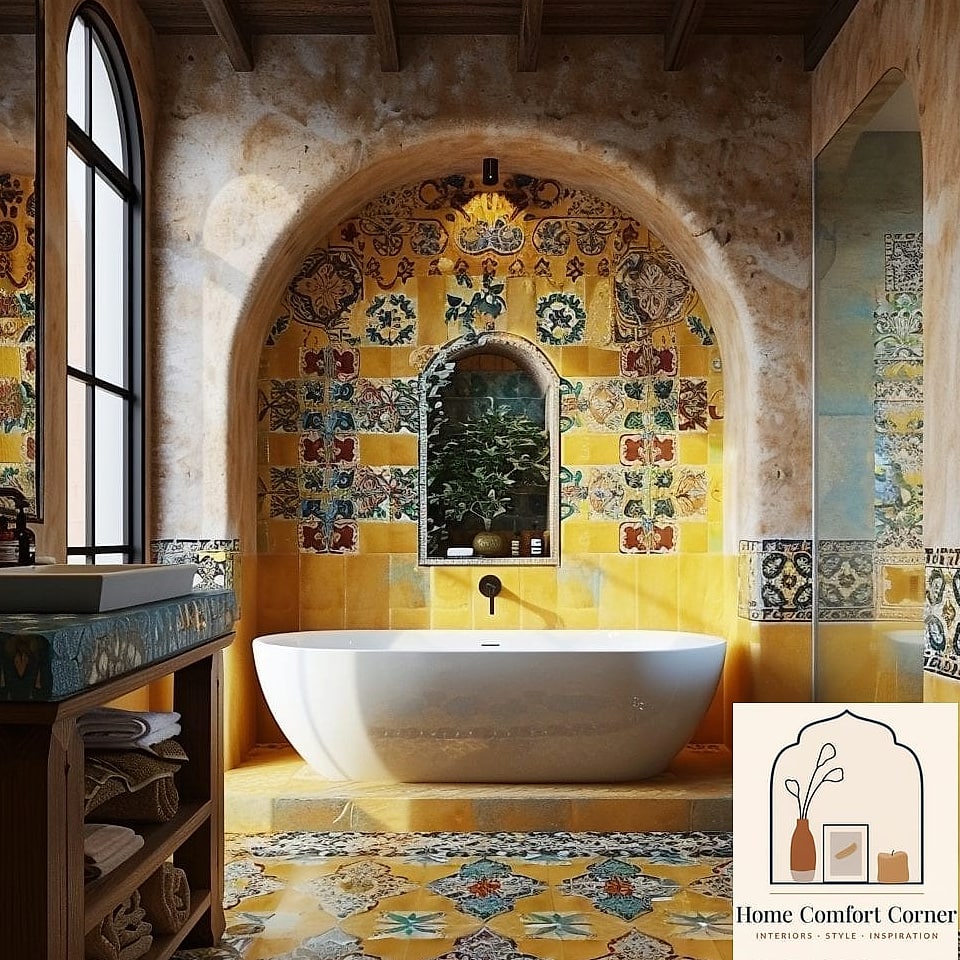
Small mosaic tiles arranged in geometric or floral patterns bring intricate detail to floors, backsplashes, and even fireplace surrounds. This is one of those details that instantly makes a space feel more custom without requiring a full renovation. Consider using mosaic as a border or medallion rather than covering large areas, since it can get busy visually if overdone.
Courtyard-Inspired Indoor Gardens
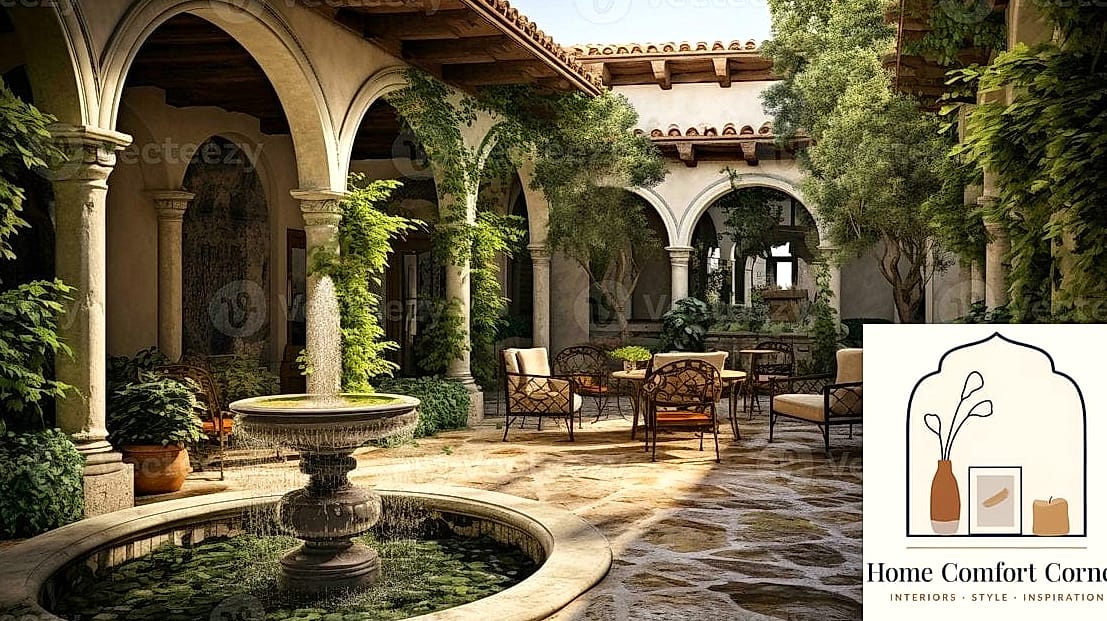
Bringing a bit of the outdoors in is central to Mediterranean living. A small indoor garden nook with potted olive trees, citrus plants, or trailing greenery near a sunny window captures that courtyard feeling. This works great in sunrooms or near patio doors. It’s also a nice way to add life and texture to a room without touching the walls or floors at all.
Natural Stone Countertops
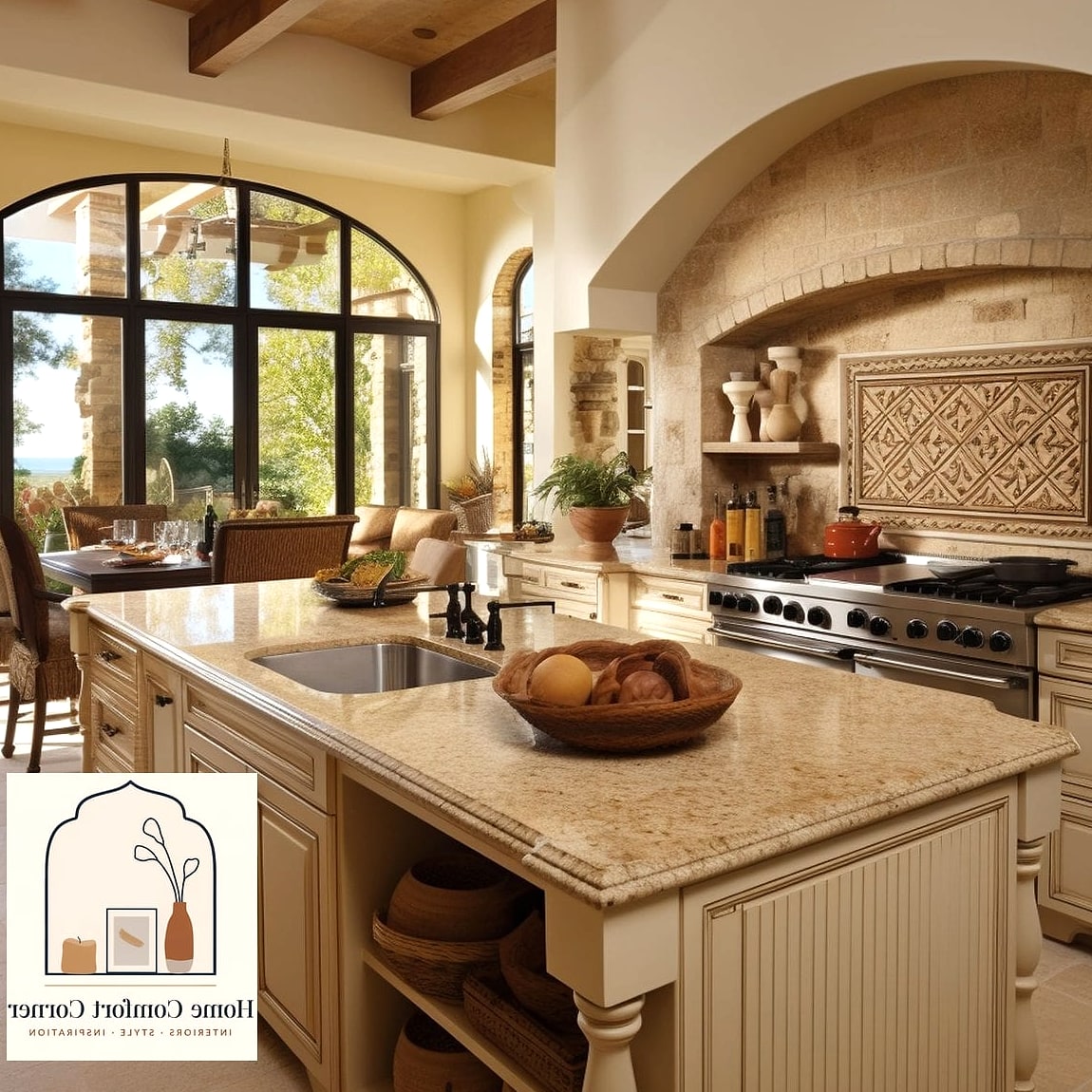
Honed marble, limestone, or travertine countertops bring an organic, slightly imperfect beauty to kitchens and bathrooms. The soft veining and matte finish feel more relaxed than a glossy quartz surface. They do require sealing and a bit more care around acidic spills, so this is a great option for homeowners who don’t mind a little extra maintenance in exchange for that authentic look.
Rattan and Woven Furniture
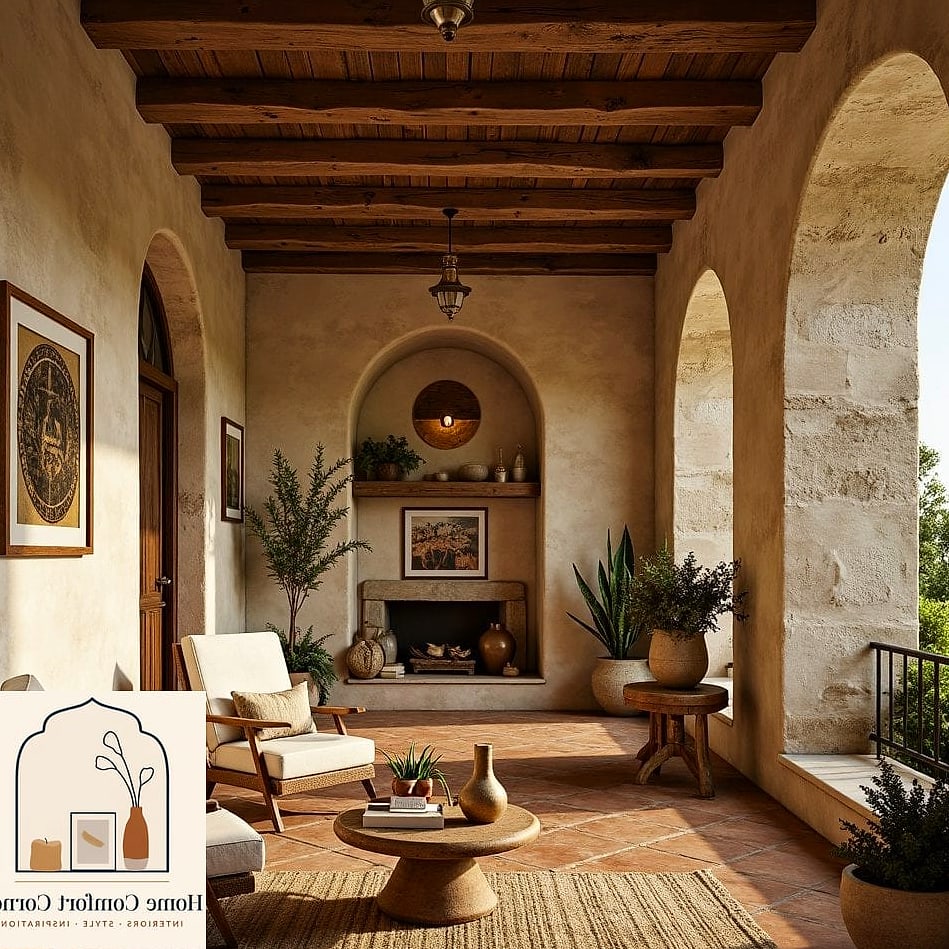
Woven headboards, rattan chairs, and jute rugs add texture and a relaxed, sun-soaked feel to any room. They pair naturally with the earthy tones common in Mediterranean interiors. This furniture works well in bedrooms, reading nooks, and sunrooms. It’s also generally budget-friendly compared to solid wood pieces, making it an easy way to test the style before committing further.
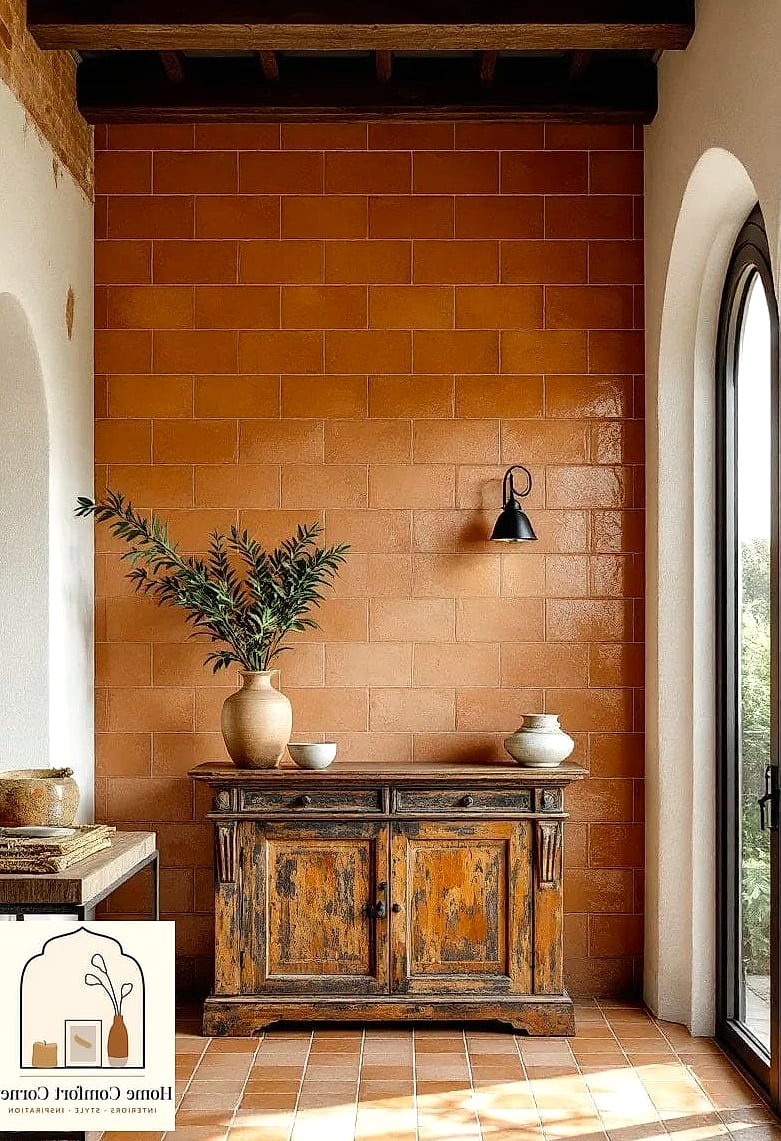
Warm Terracotta and Ochre Accent Walls
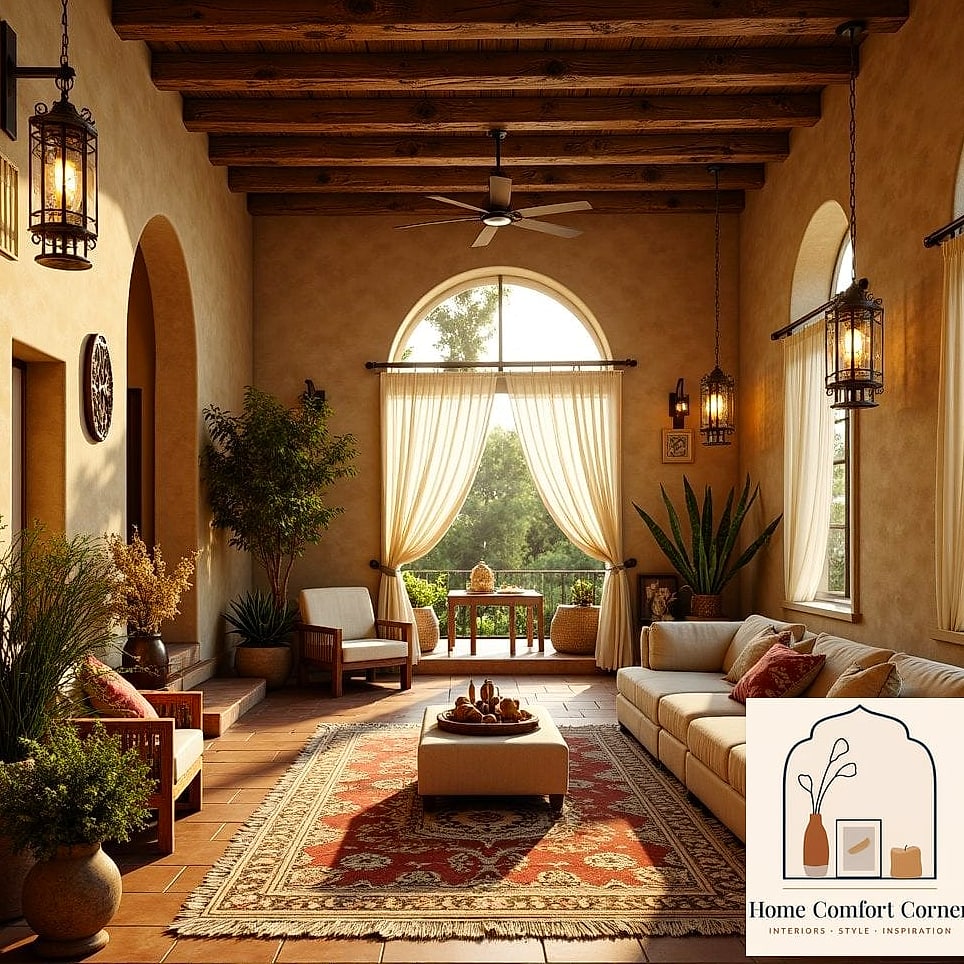
If a full plaster wall feels like too much, a single accent wall in a warm terracotta or ochre tone can do a lot of the heavy lifting. This works especially well in dining rooms or bedrooms where you want a cozy focal point. Pair it with cream trim and natural wood furniture so the warm tone doesn’t overwhelm the space.
Patterned Cement Tile Floors
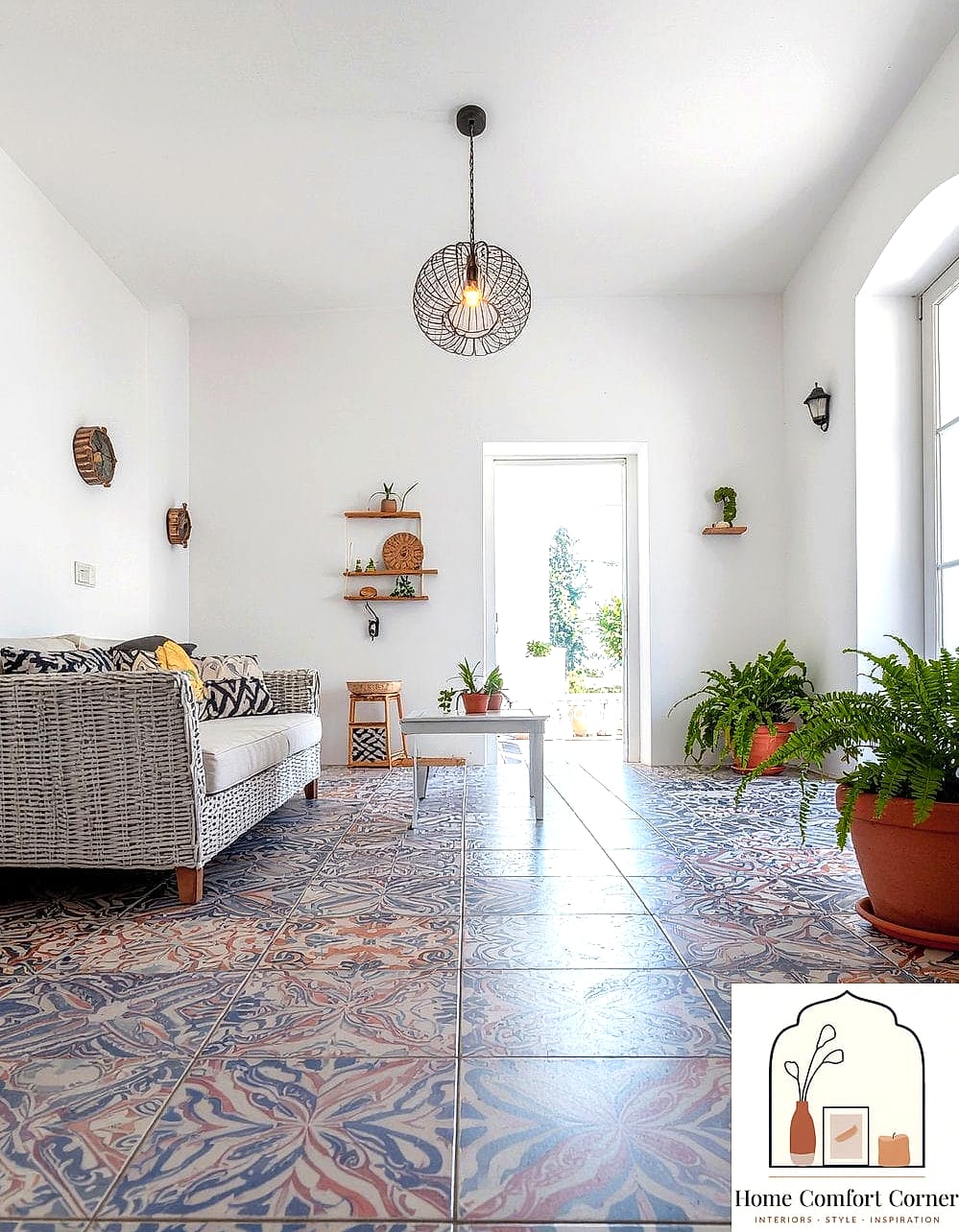
Cement tiles with bold geometric or floral patterns bring old-world charm to entryways, kitchens, and bathrooms. They’re a bit more porous than porcelain, so sealing is recommended, but the visual payoff is hard to match. Many homeowners use patterned cement tile in smaller areas like a powder room floor to keep the statement contained.
Olive Branch and Botanical Decor
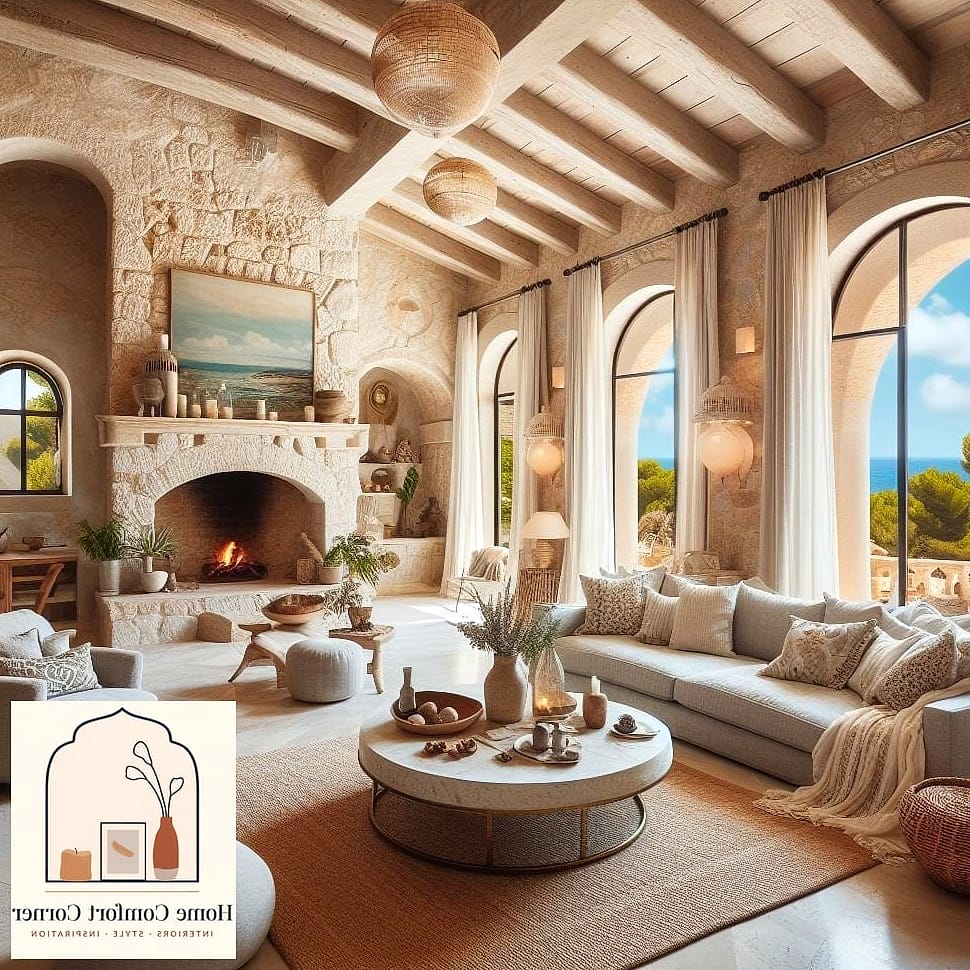
Simple touches like olive branch stems in a ceramic vase or botanical wall art bring a sense of place without any construction at all. This is one of the easiest and cheapest ways to nod to Mediterranean style in a rental or apartment. Swap the greenery seasonally to keep things feeling fresh.
Vaulted or Beamed Ceilings in Bedrooms
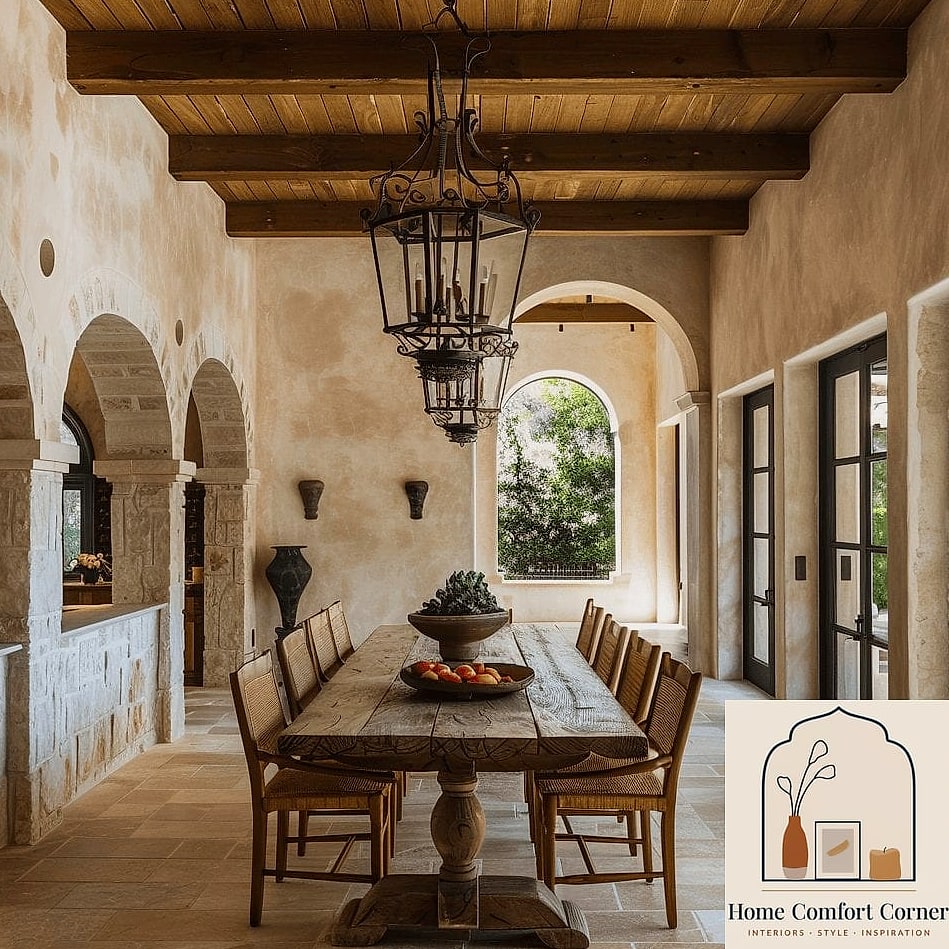
Taking the wood beam idea a step further, a vaulted ceiling with exposed beams in a primary bedroom creates a retreat-like feel. It works particularly well in homes with attic-style or upper-floor bedrooms where the roofline already slopes. Pair it with soft linen bedding and warm wall tones for a cohesive look.
Hand-Painted Ceramic Tile Details
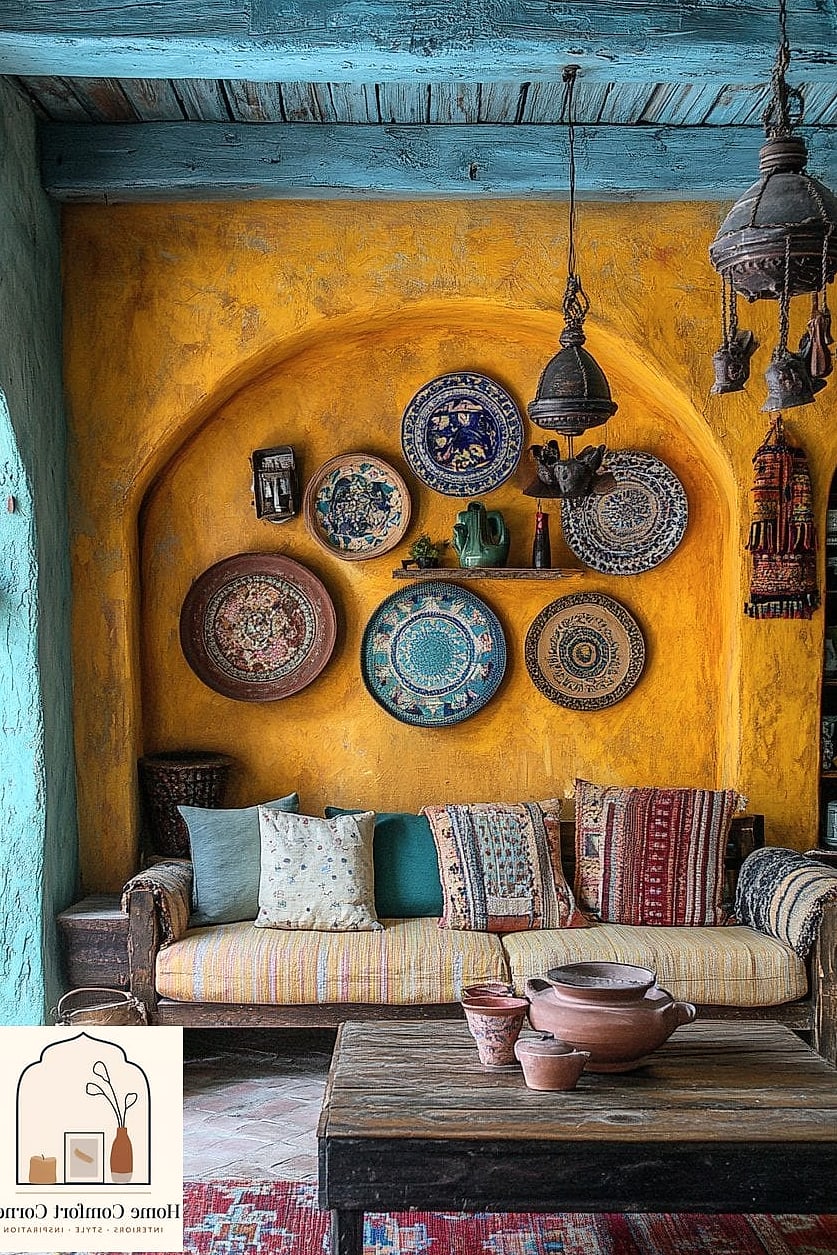
Small hand-painted tiles used as accents, whether inset into a stair riser, backsplash, or fireplace surround, add personality and craftsmanship. Every piece looks slightly different, which is part of the charm. This is a great detail for homeowners who want authenticity but don’t need to tile an entire surface.
Neutral Linen Textiles
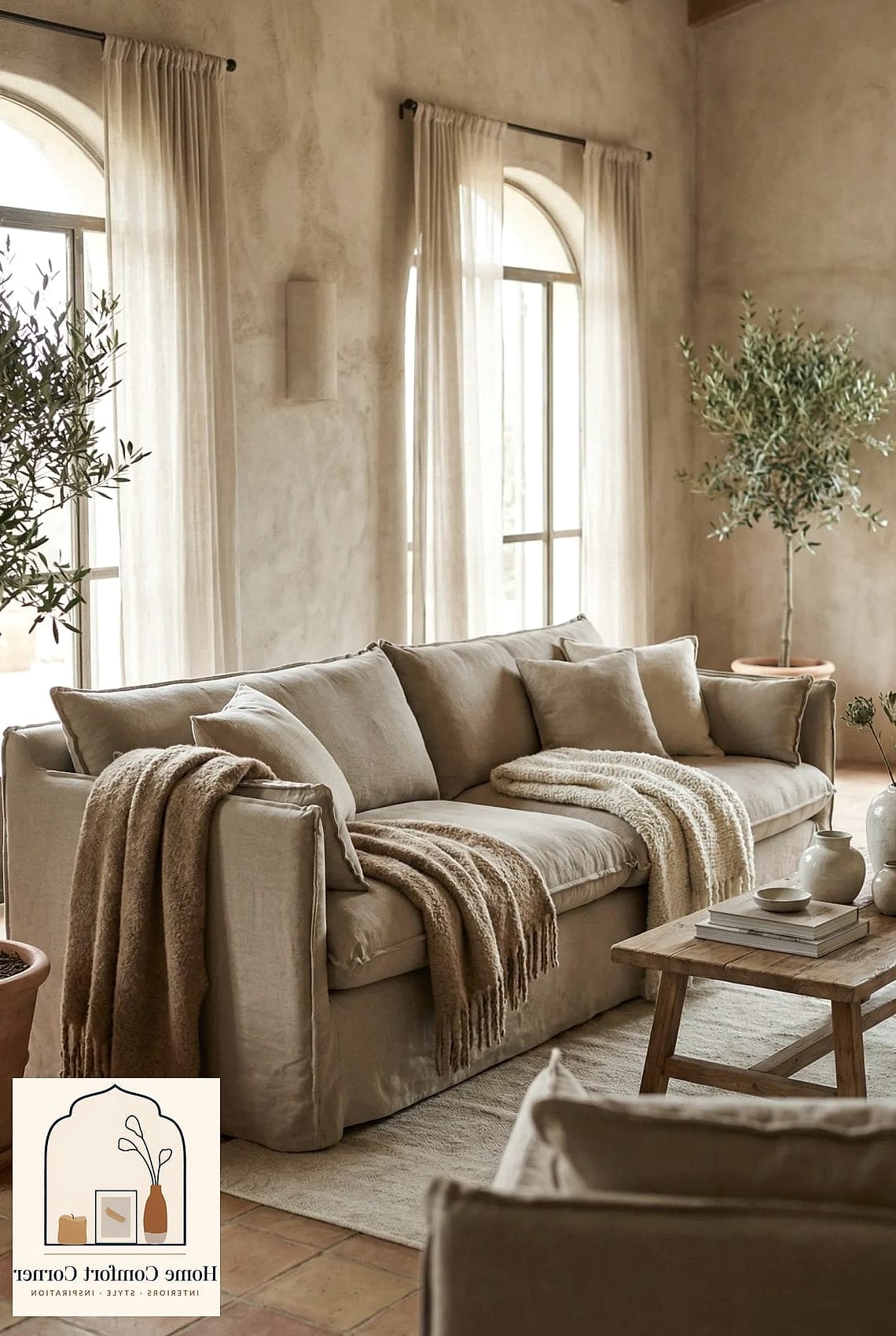
Soft, slightly wrinkled linen curtains, slipcovers, and bedding bring an effortless, breezy quality to a room. Mediterranean homes tend to favor natural fibers over synthetic ones, and linen holds up well while aging gracefully. It’s also fairly low maintenance and works in almost any room of the house.
Brass and Warm Metal Hardware
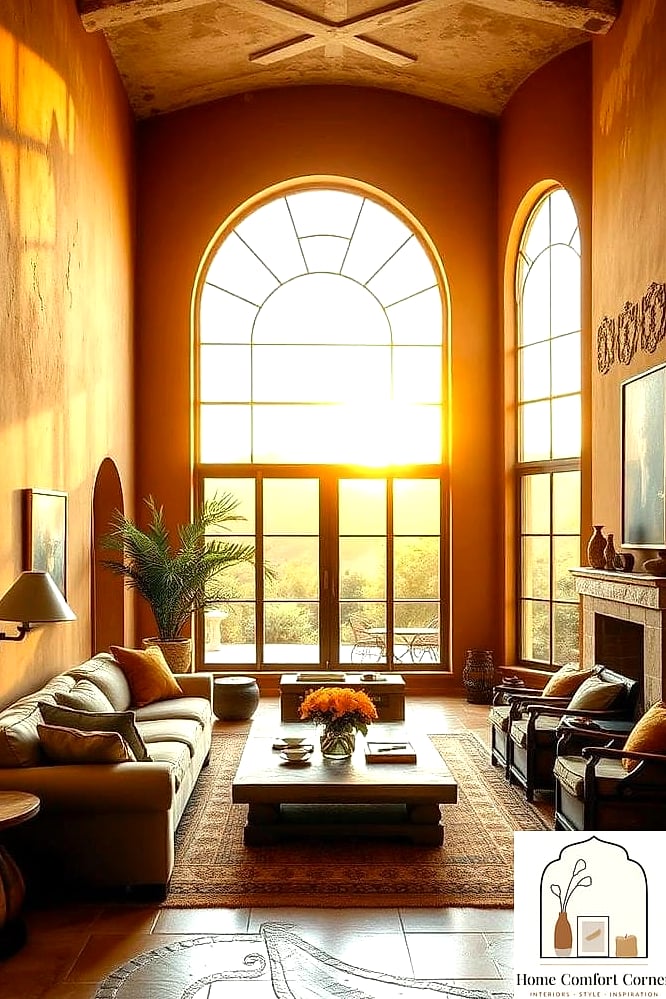
Swapping out cabinet pulls and faucet fixtures for aged or brushed brass instantly warms up a kitchen or bathroom. This small update pairs beautifully with natural stone and wood tones already common in the style. It’s one of the more affordable upgrades on this list and doesn’t require any major construction.
Open Shelving with Ceramic Pottery
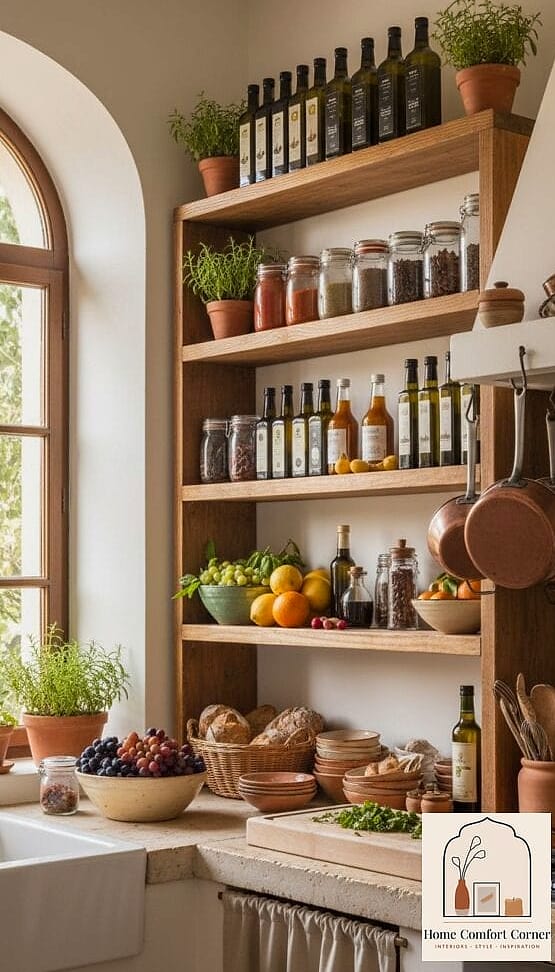
Open shelves lined with handmade pottery, olive oil jars, and woven baskets give kitchens a lived-in, welcoming feel. This works especially well in kitchens with limited upper cabinets already, since it turns a practical need into a decorative opportunity. Just keep in mind open shelving does require a bit more regular dusting than closed cabinets.
Stucco Exterior with Interior Archways
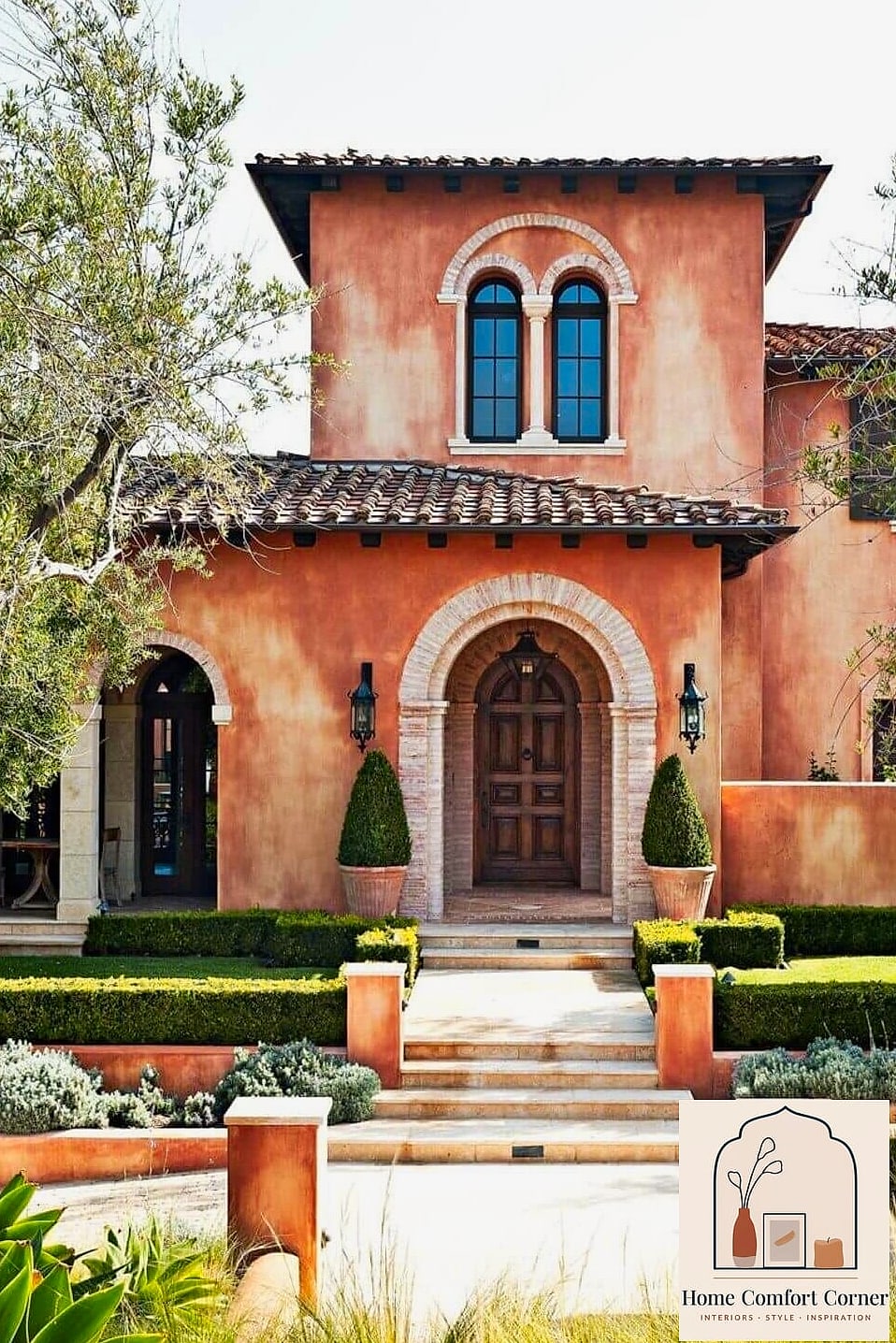
While stucco is technically an exterior material, homes that carry the same soft, textured look into interior archways and wall transitions create a seamless indoor-outdoor feel. This is particularly effective in entryways that open directly onto a patio or courtyard.
Hammered Copper Sinks and Fixtures
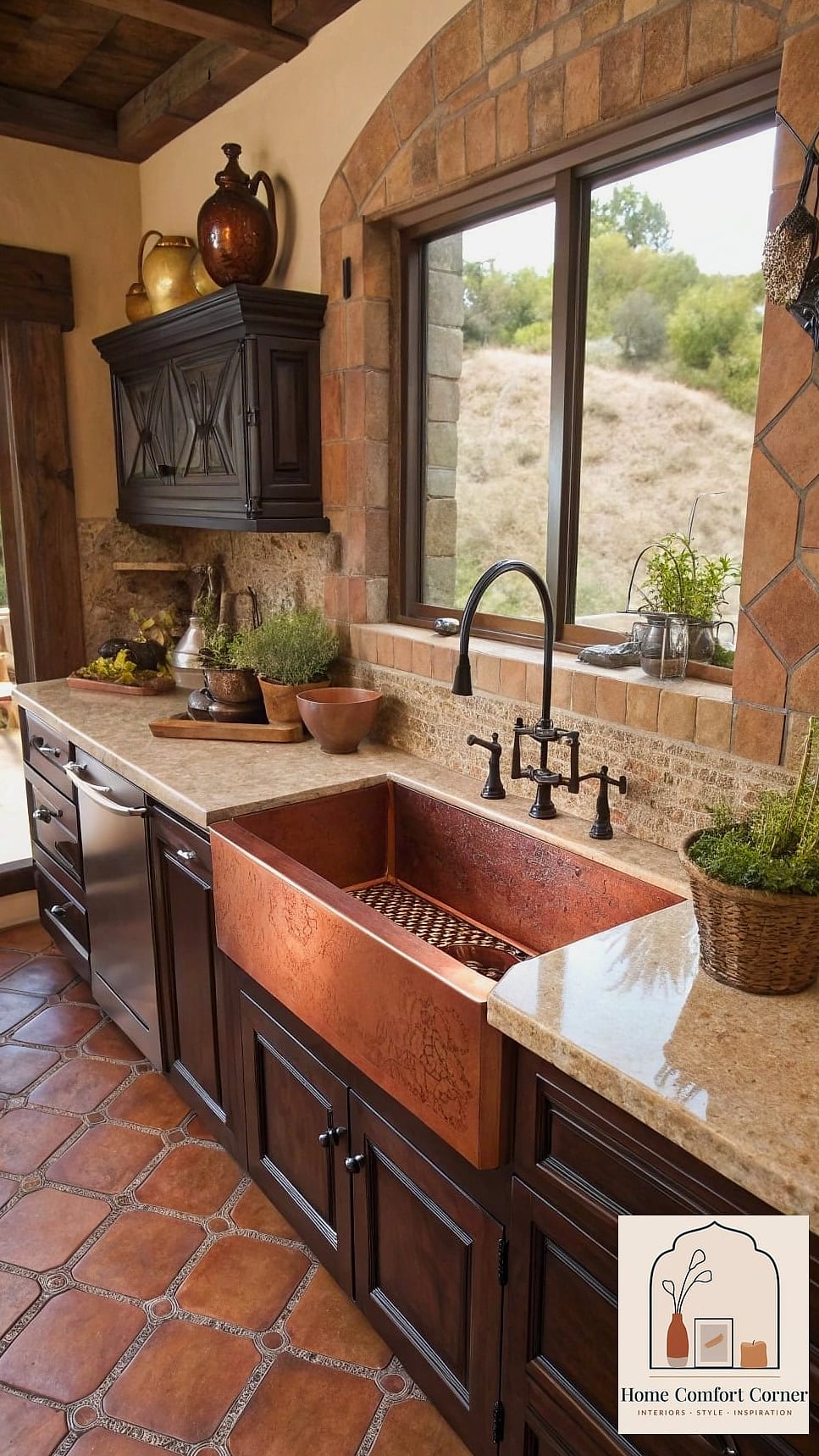
A hammered copper sink in a powder room or outdoor kitchen adds warmth and old-world texture. Copper develops a natural patina over time, which some homeowners love and others prefer to maintain with regular polishing. Either way, it’s a striking focal point that photographs beautifully.
Layered Textiles and Kilim Rugs
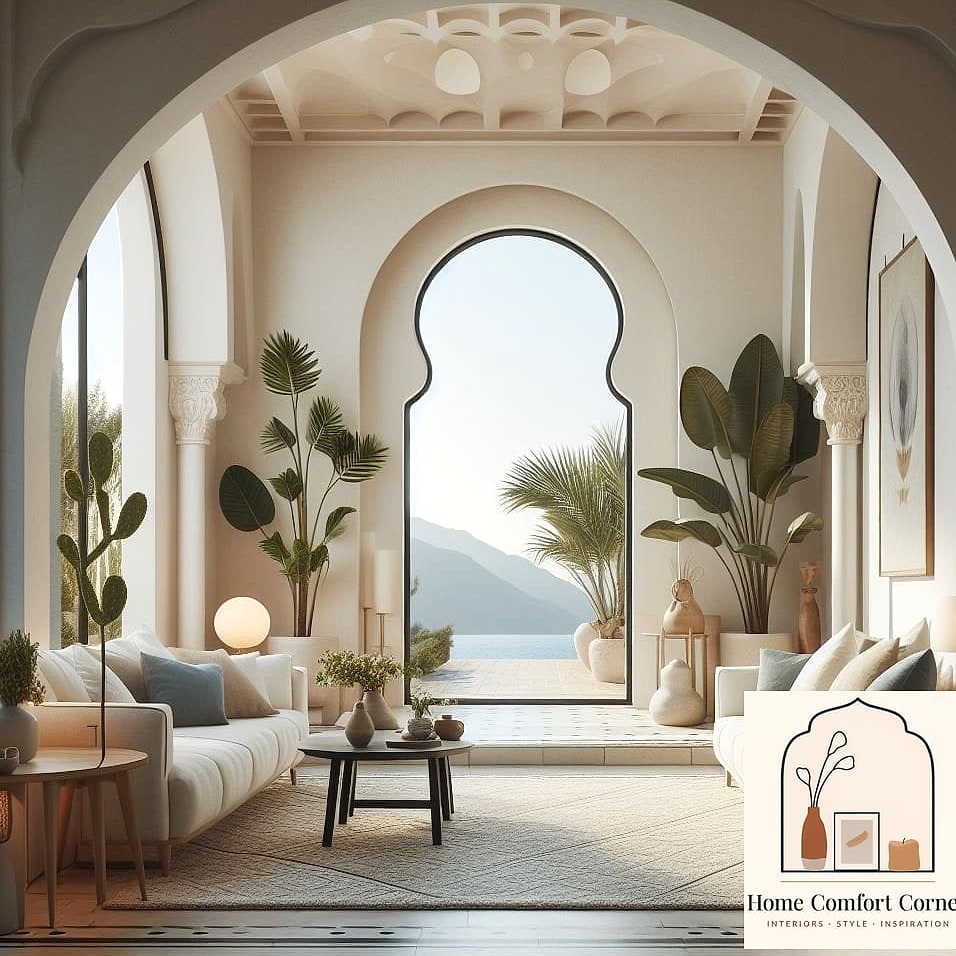
Kilim rugs with warm, muted patterns layered over natural stone or wood floors add softness underfoot and visual interest. They work well in living rooms and bedrooms, especially layered over a plain jute rug for added texture. This is a great renter-friendly way to bring in pattern without touching the walls or floors.
Outdoor-Inspired Dining Nooks
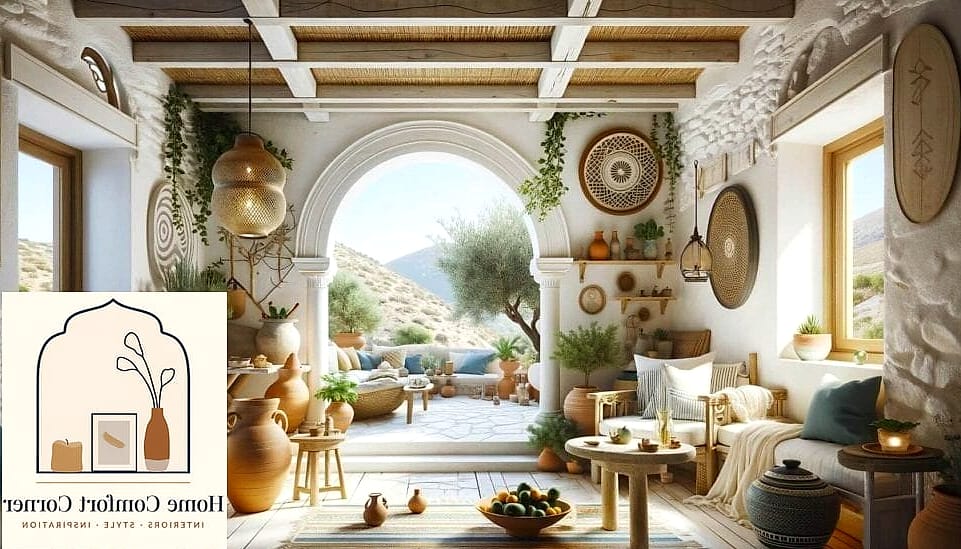
A dining area with a wood table, iron chandelier, and French doors leading to a patio blurs the line between indoor and outdoor living, which is a huge part of what makes Mediterranean homes feel so relaxed. Adding a potted herb garden nearby ties the whole look together and makes the space feel functional as well as beautiful.
Bringing Mediterranean style into your home doesn’t mean committing to every detail at once. Start with one or two elements, whether that’s a warm color palette, some natural stone, or a few well-placed textiles, and build from there. The beauty of this style is how forgiving and layered it is, so there’s plenty of room to make it your own over time.