9 Design Interior Ideas That Will Transform Your Space
- Warm Up Walls with Textured Finishes
- Swap in Layered Lighting Instead of One Overhead Fixture
- Add a Statement Backsplash in the Kitchen
- Bring in Natural Wood Accents
- Rethink Your Cabinet Hardware
- Create a Cozy Reading Nook with Layered Textiles
- Maximize Storage with Built-Ins
- Choose a Neutral Palette with One Bold Accent Color
- Add Greenery and Natural Elements Throughout
9 Design Interior Ideas That Will Transform Your Space
If your home feels a little flat lately, you’re not imagining it. Sometimes a space just stops working for you, even if nothing is technically wrong with it. The good news is you don’t need a full remodel to fix that feeling. A handful of smart, well-placed changes can completely shift how a room looks and functions. Here are nine design interior ideas that will transform your space, whether you’re working with a big budget or just a free weekend and a trip to the hardware store.
Warm Up Walls with Textured Finishes
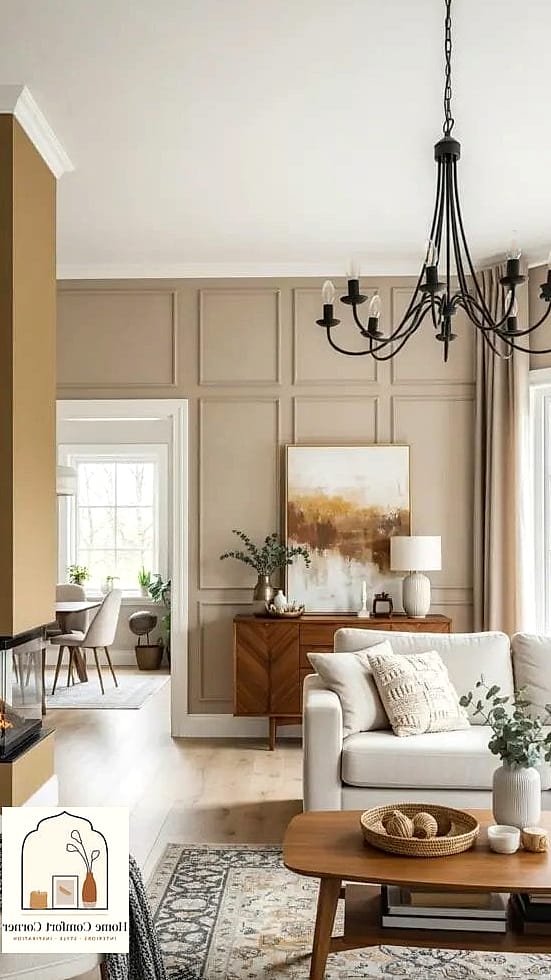
Flat white walls are having a bit of a moment where people are moving away from them, and honestly, it makes sense. Textured finishes like limewash, plaster, or even a subtle grasscloth wallpaper add depth that paint alone just can’t give you.
This works especially well in living rooms, entryways, and primary bedrooms where you want a little drama without going overboard on color. Limewash in particular gives walls this soft, cloudy movement that photographs beautifully and looks even better in person.
Budget-friendly option: try a peel-and-stick textured wallpaper. It’s renter-friendly and comes off cleanly when you’re ready for a change. Going custom with hand-applied plaster costs more, but the result feels genuinely artisan.
Maintenance is easy on most of these finishes, though textured surfaces do collect a bit more dust than flat paint. A microfiber duster once a week keeps things looking crisp.
Swap in Layered Lighting Instead of One Overhead Fixture
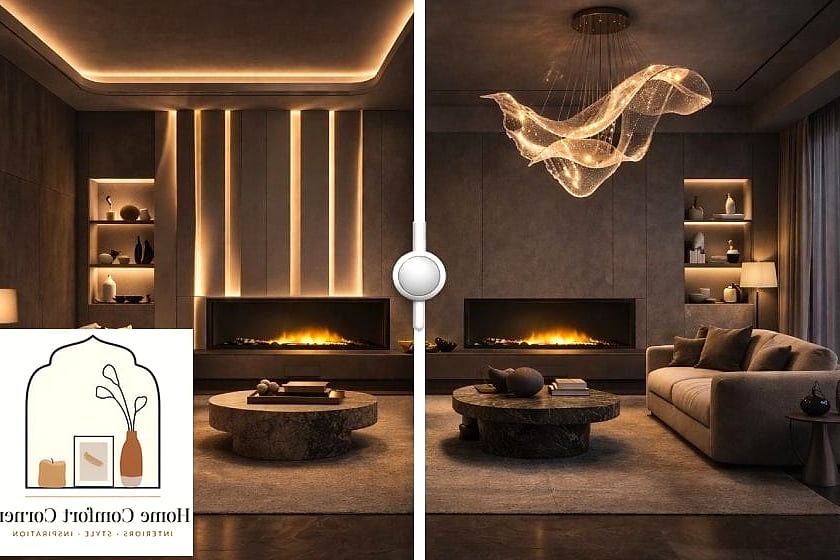
I think overhead lighting alone is one of the most underrated problems in home design. A single ceiling fixture casts flat, harsh light and makes rooms feel more like an office than a home.
Layered lighting means combining ambient, task, and accent light sources, think a floor lamp in the corner, a table lamp near the sofa, and maybe picture lights over artwork. This trick works in literally every room, but it’s especially noticeable in living rooms and bedrooms where mood matters.
Warm bulbs (2700K–3000K) make a huge difference here. Cool white bulbs tend to feel clinical in residential spaces. If you’re on a budget, start with two lamps from a home store and dimmer switches, since that alone changes the whole atmosphere of a room after dark.
Add a Statement Backsplash in the Kitchen
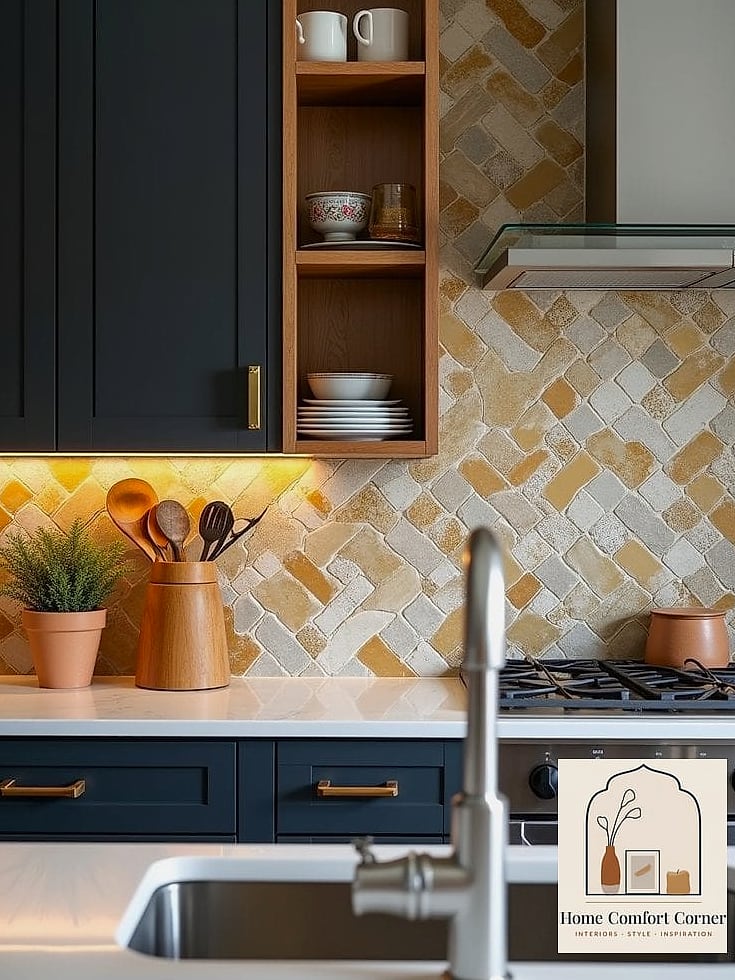
Kitchen backsplashes get a lot of design attention for good reason. This is one of those upgrades that instantly makes a kitchen feel more custom without requiring a full renovation.
Zellige tile has become a favorite for its handmade, slightly imperfect glaze that catches light differently across every piece. If you want something a bit more classic, white subway tile with dark grout gives a crisp, graphic look that never really goes out of style.
For a herringbone pattern, expect a slightly higher installation cost due to the extra cutting involved, but the visual payoff is worth it in a lot of kitchens. Porcelain tile backsplashes that mimic natural stone are a durable, lower-maintenance alternative if you’re worried about grout staining or moisture.
DIY-friendly option: peel-and-stick tile backsplashes have improved a lot in quality and can be a great weekend project for renters or anyone testing out a bold look before committing.
Bring in Natural Wood Accents
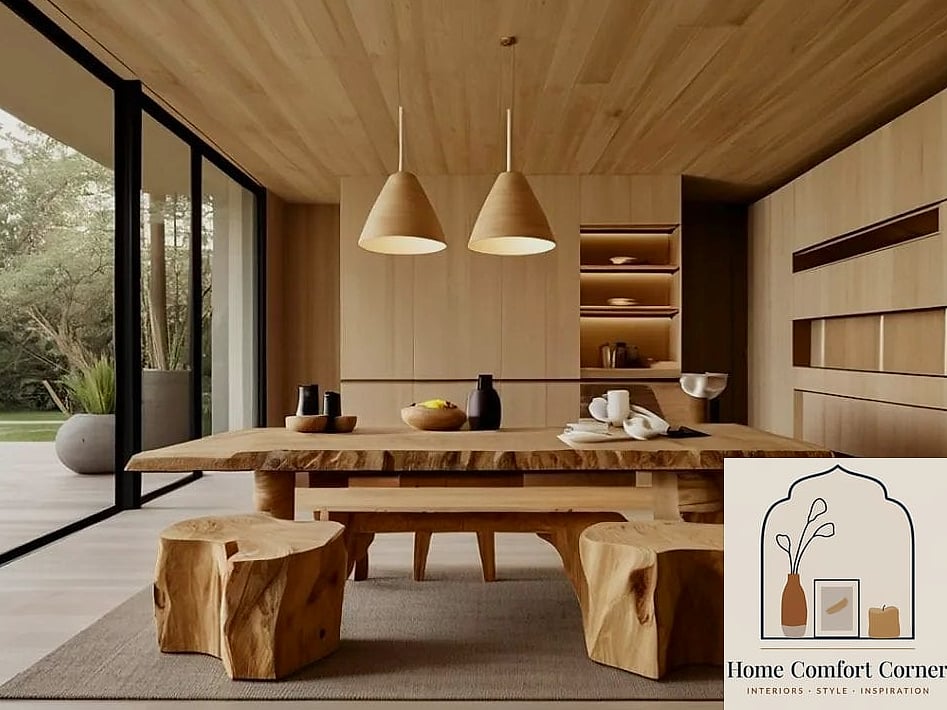
Wood accents ground a space and keep it from feeling too sterile, especially in homes with a lot of white, gray, or black finishes. This isn’t about matching every wood tone perfectly either, mixing warm and cool wood tones actually looks more collected than forcing everything to match.
Open shelving with wood brackets in a kitchen, a butcher block countertop on an island, or even a simple wood bench in an entryway all bring warmth into a room. Floating shelves in a living room or bathroom are an easy, budget-friendly way to start.
This idea works particularly well in Japandi and modern farmhouse style homes, but honestly it fits into almost any design because wood is a neutral in its own right. Keep an eye on humidity near sinks and tubs, since untreated wood can warp over time in high-moisture areas.
Rethink Your Cabinet Hardware
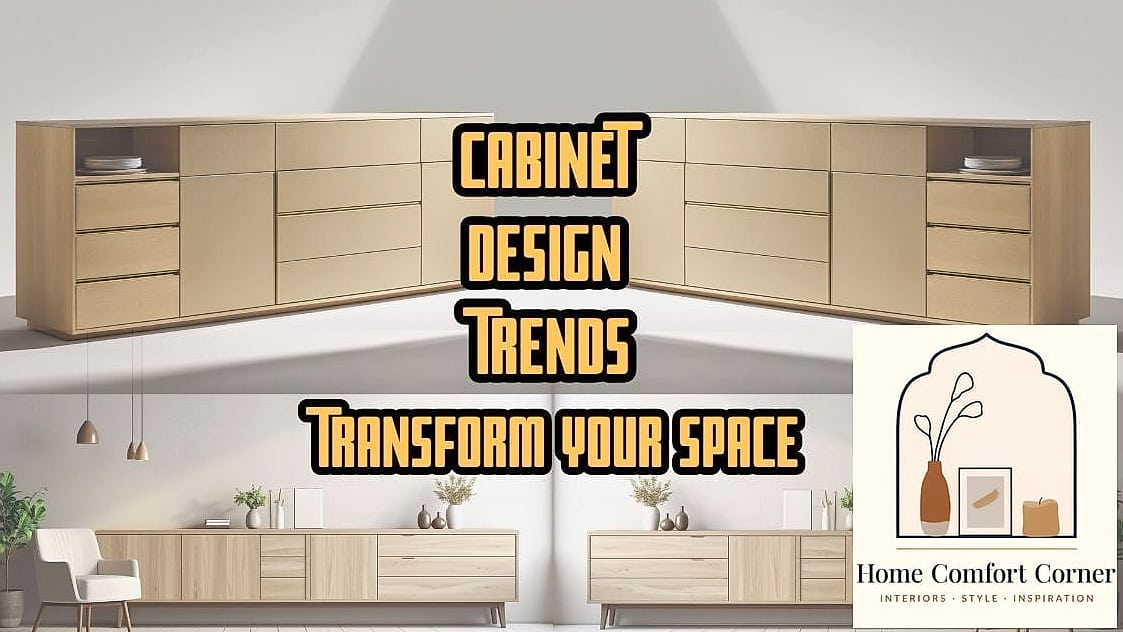
This is genuinely one of the cheapest, highest-impact updates you can make. Swapping outdated hardware for brushed brass or matte black fixtures changes the entire personality of a kitchen or bathroom, sometimes in under an hour.
Brushed brass tends to read as warmer and more traditional, while black fixtures lean modern and moody. Mixing metals is also totally fine these days, a black faucet with brass cabinet pulls can look intentional rather than mismatched if you keep the rest of the palette simple.
This project is extremely DIY-friendly. Most cabinet pulls use the same predrilled holes, so you’re usually looking at a screwdriver and an afternoon. It’s a great starting point if you’re testing out design ideas before committing to bigger changes.
Create a Cozy Reading Nook with Layered Textiles
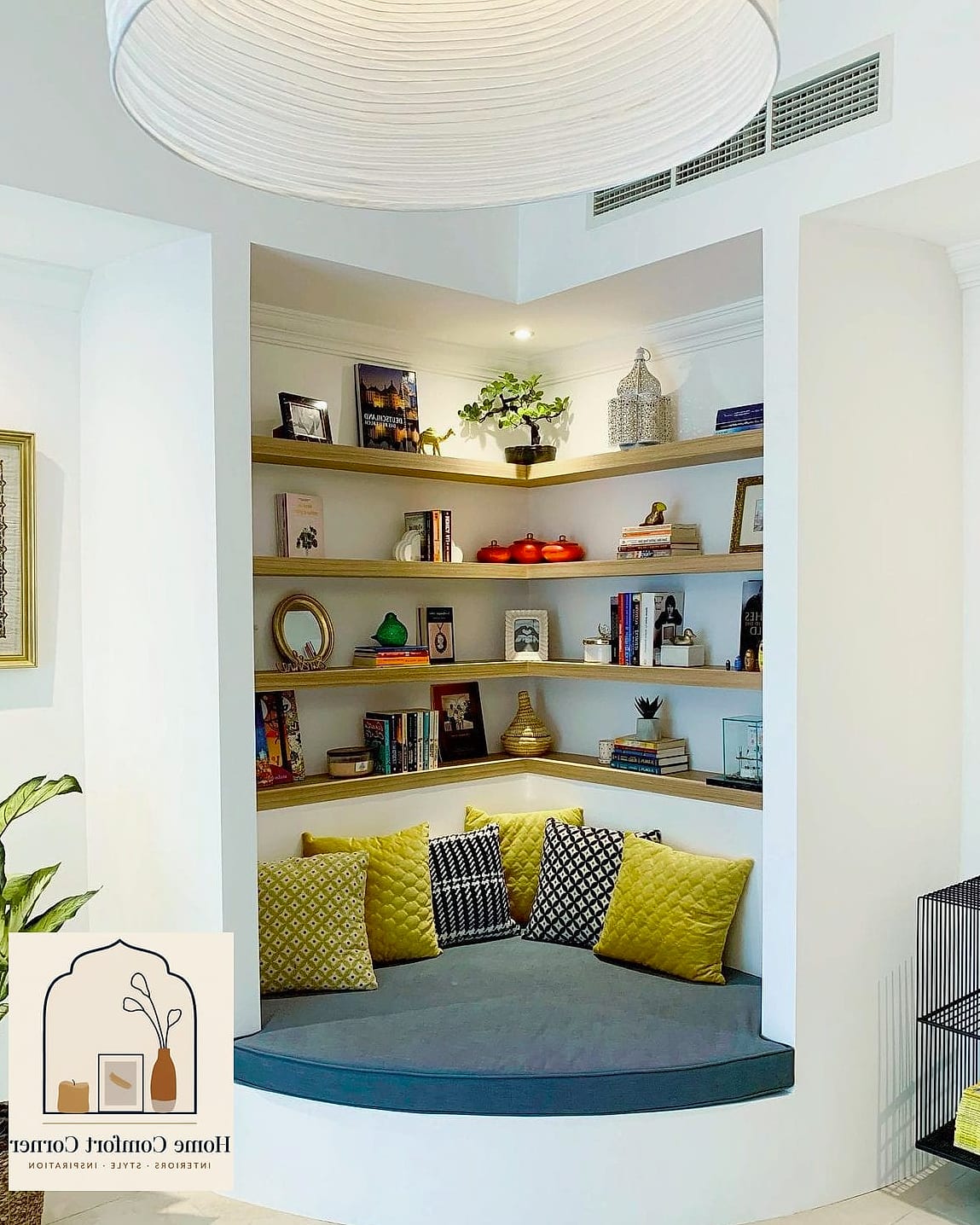
Every home benefits from one spot that feels made for slowing down. A reading nook doesn’t need much space, just a comfortable chair, good lighting, and layered textiles like a chunky knit throw and a few textured pillows.
Corners near windows work best since natural light adds to the cozy factor during the day. In smaller homes, a bedroom corner or even a widened hallway nook can work just as well as a dedicated room.
Mixing textures matters more than matching colors here. A linen chair, a wool rug, and a mohair throw all in a neutral palette will look more intentional than perfectly color-coordinated pieces that feel a bit stiff.
Budget tip: thrifted or vintage chairs reupholstered in a durable fabric can look custom for a fraction of retail price, and they tend to have more character than mass-produced options anyway.
Maximize Storage with Built-Ins
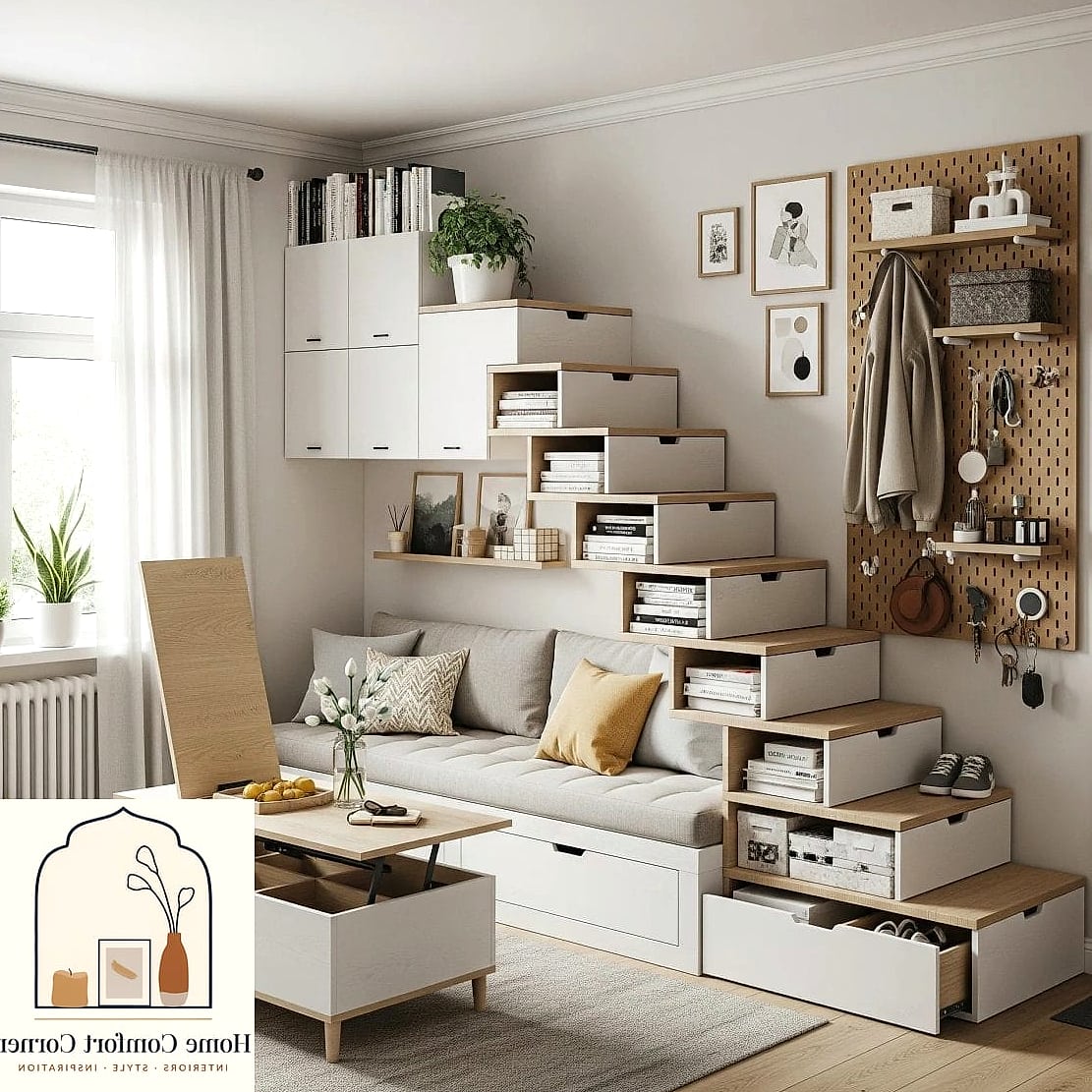
Built-in storage is one of those design interior ideas that quietly transforms your space by solving problems you didn’t even realize were bothering you. Awkward corners, empty wall space, and underused nooks are all opportunities.
Built-in bookshelves flanking a fireplace, a window seat with hidden storage underneath, or custom pantry shelving all add function without eating into your floor space. For families or pet owners, built-in mudroom storage with baskets and bins near the entry keeps daily chaos contained.
These projects range widely in cost. A simple IKEA hack with stock cabinets and custom trim can look surprisingly high-end for a fraction of fully custom carpentry. If you’re renting, freestanding shelving units styled to look built-in are a smart workaround.
Drawer organizers inside these built-ins make a real difference too. It’s easy to focus on the exterior look and forget that the inside needs a system, otherwise you’re just hiding clutter instead of organizing it.
Choose a Neutral Palette with One Bold Accent Color
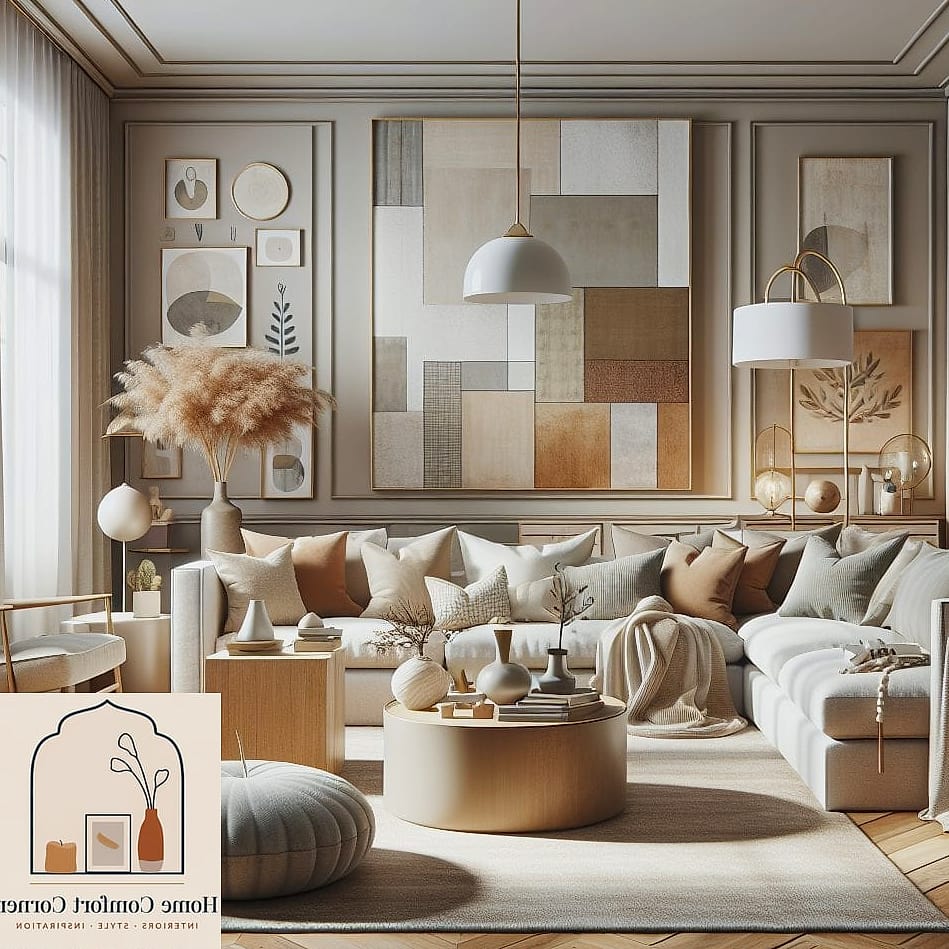
A fully neutral room can feel a little flat, but a fully colorful one can feel overwhelming fast. The sweet spot for a lot of homeowners is a neutral base, think warm whites, greiges, or soft taupes, paired with one confident accent color.
This could show up as a deep green kitchen island, a burnt orange accent chair, or a navy front door. The neutral backdrop lets that one color really do its job instead of competing with five other bold choices.
This approach also ages better than an all-trend-driven color scheme. When you’re ready for a change, you’re usually just swapping pillows, art, or one piece of furniture rather than repainting an entire room.
If you’re nervous about commitment, start with accessories in your chosen accent color before moving to something permanent like paint or tile.
Add Greenery and Natural Elements Throughout
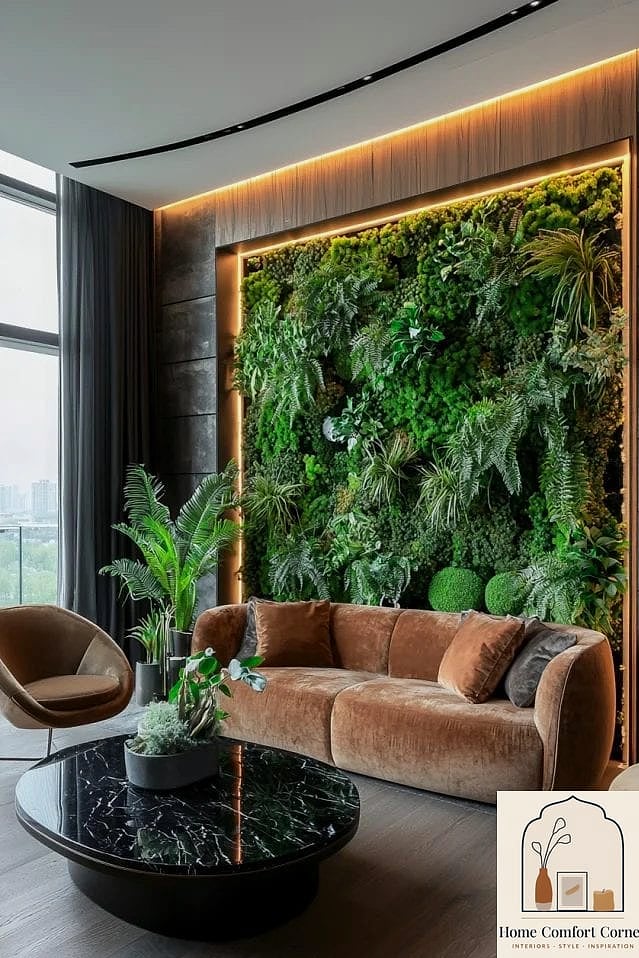
This one sounds simple, and it is, but it’s consistently underused. Plants, dried florals, or even a bowl of natural elements like stones or wood pieces add life to a space in a way that manufactured decor can’t quite replicate.
Low-maintenance options like pothos, snake plants, or ZZ plants are ideal if you don’t have a ton of natural light or a consistent watering routine. For pet-friendly households, double-check toxicity before bringing home anything new, since not every popular houseplant is safe around curious cats and dogs.
If live plants aren’t realistic for your lifestyle, quality faux greenery has come a long way and can still soften a room’s hard edges, especially on shelves or in corners that feel a little empty.
Larger plants like a fiddle leaf fig or olive tree can act almost like sculptural furniture in a living room, filling vertical space in a way that feels intentional rather than like an afterthought.
Final Thoughts
None of these design interior ideas require gutting your home or spending a fortune to see real results. Small, thoughtful changes, whether that’s new hardware, better lighting, or a single bold accent color, tend to add up to something that feels much bigger than the sum of its parts. Pick one or two that fit your space and your budget, and go from there. You don’t need to do everything at once for a room to start feeling like yours again.