23 Colonial House Interior Design Ideas That Are Both Stylish and Practical
- Center Hall Symmetry
- Wainscoting in the Dining Room
- Statement Fireplace Mantels
- Brick Accent Walls
- Traditional Crown Molding
- Farmhouse Sink in the Kitchen
- Beadboard Ceilings
- Built-In China Cabinets
- Herringbone Wood Flooring
- Panelled Front Doors with Sidelights
- Brass and Pewter Hardware
- Formal Living Room, Reimagined
- Neutral Color Palette with Historic Accents
- Chair Rail Molding Throughout
- Multi-Pane Windows
- Kitchen Islands with Turned Legs
- Layered Window Treatments
- Staircase with a Painted Runner
- Antique Mixed with Contemporary Furniture
- Bedroom Fireplaces as Focal Points
- Open Shelving in a Colonial Kitchen
- Symmetrical Window Box Planters
- Mudroom Built-Ins Near the Back Entry
23 Colonial House Interior Design Ideas That Are Both Stylish and Practical
Colonial homes have this incredible bones that a lot of newer builds just can’t replicate—tall windows, symmetrical layouts, crown molding, and a sense of formality that still feels warm when done right. But updating one for modern life without losing that historic charm takes a bit of thought. Here are 23 ideas that respect the architecture while making the space actually livable for how we use homes today.
Center Hall Symmetry
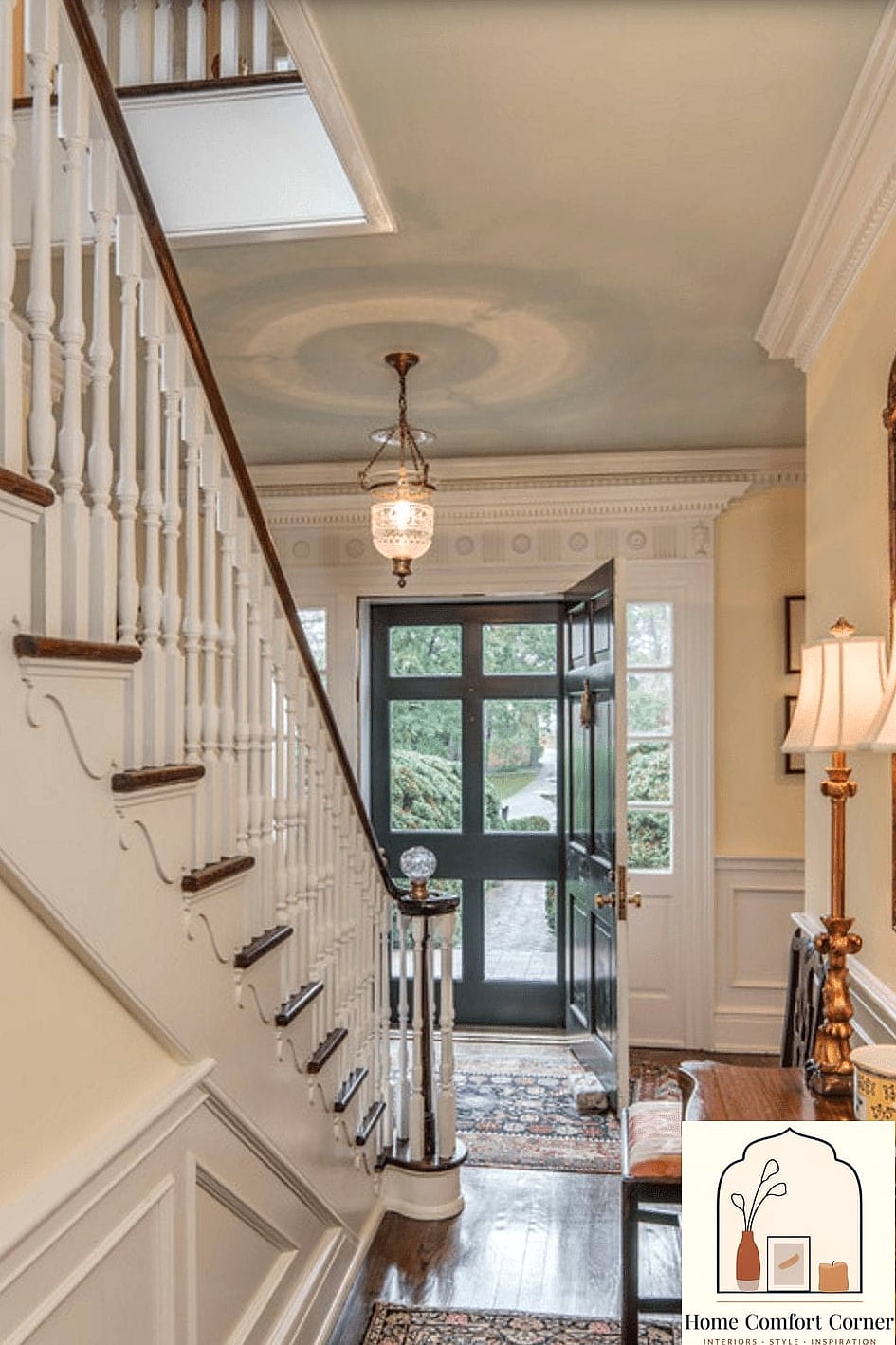
Colonial floor plans almost always revolve around a central hallway with rooms branching off evenly on each side. Lean into that instead of fighting it. Matching console tables, mirrored light fixtures, or paired artwork on either side of the hall reinforce that classic balance. It’s a simple styling trick that instantly makes the entryway feel intentional rather than like an afterthought.
Wainscoting in the Dining Room
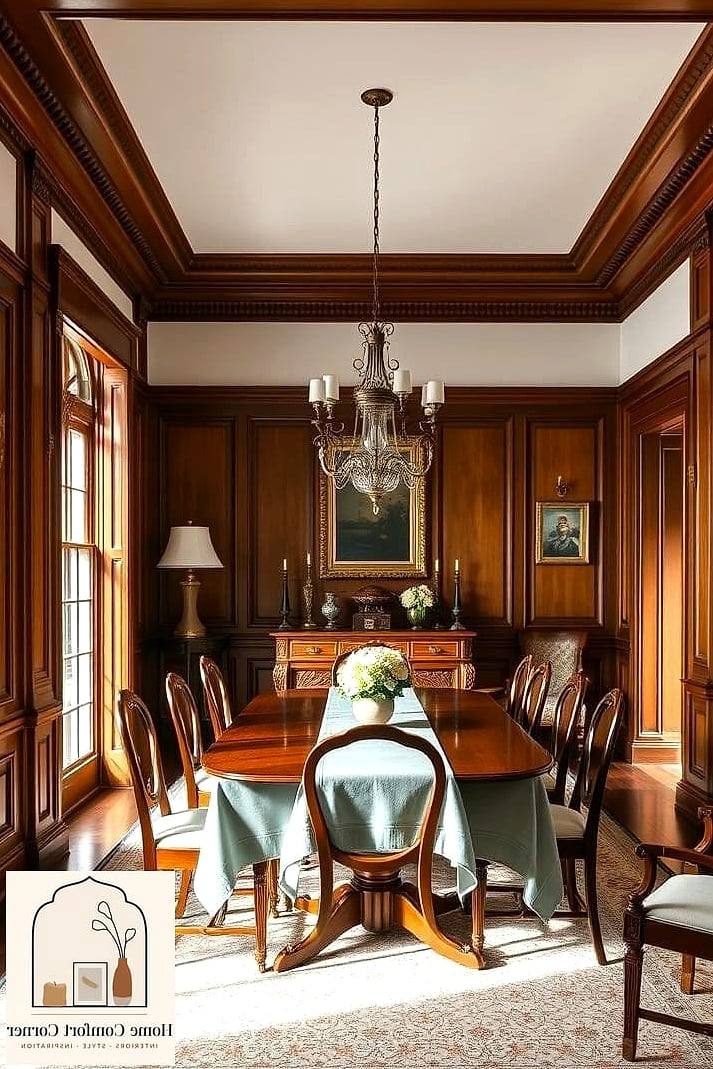
Raised panel wainscoting is one of the most recognizable colonial details, and it’s still one of the best ways to add texture to a dining room. Paint it a soft white or off-white to keep things bright, or go bold with a deep navy or hunter green below the chair rail. It protects walls from chair scuffs too, which is a nice practical bonus.
Statement Fireplace Mantels
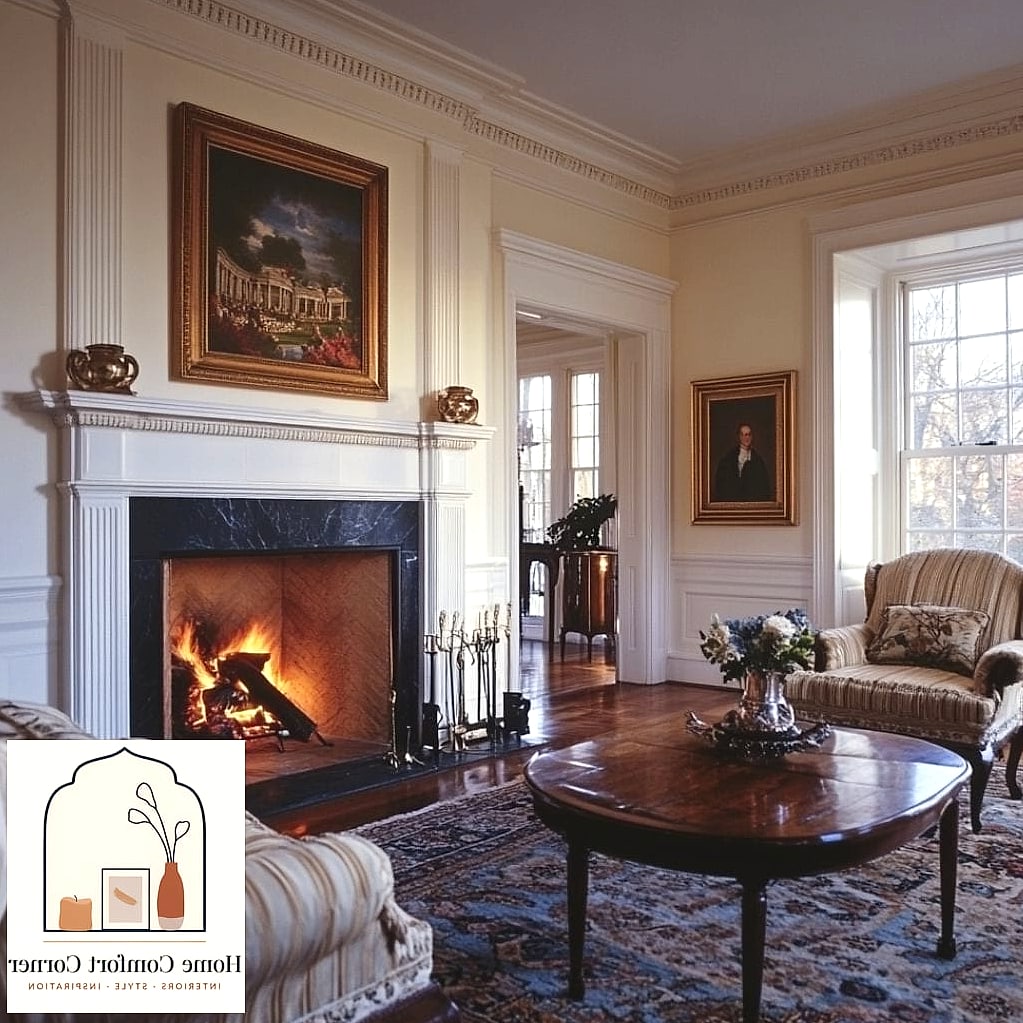
Colonial homes were built around the hearth, so the fireplace deserves to be a focal point, not something you decorate around apologetically. A chunky wood mantel painted white or left in a warm natural finish gives you a spot for candlesticks, mirrors, or a piece of art. Flanking built-in bookshelves on either side make the whole wall feel finished.
Brick Accent Walls
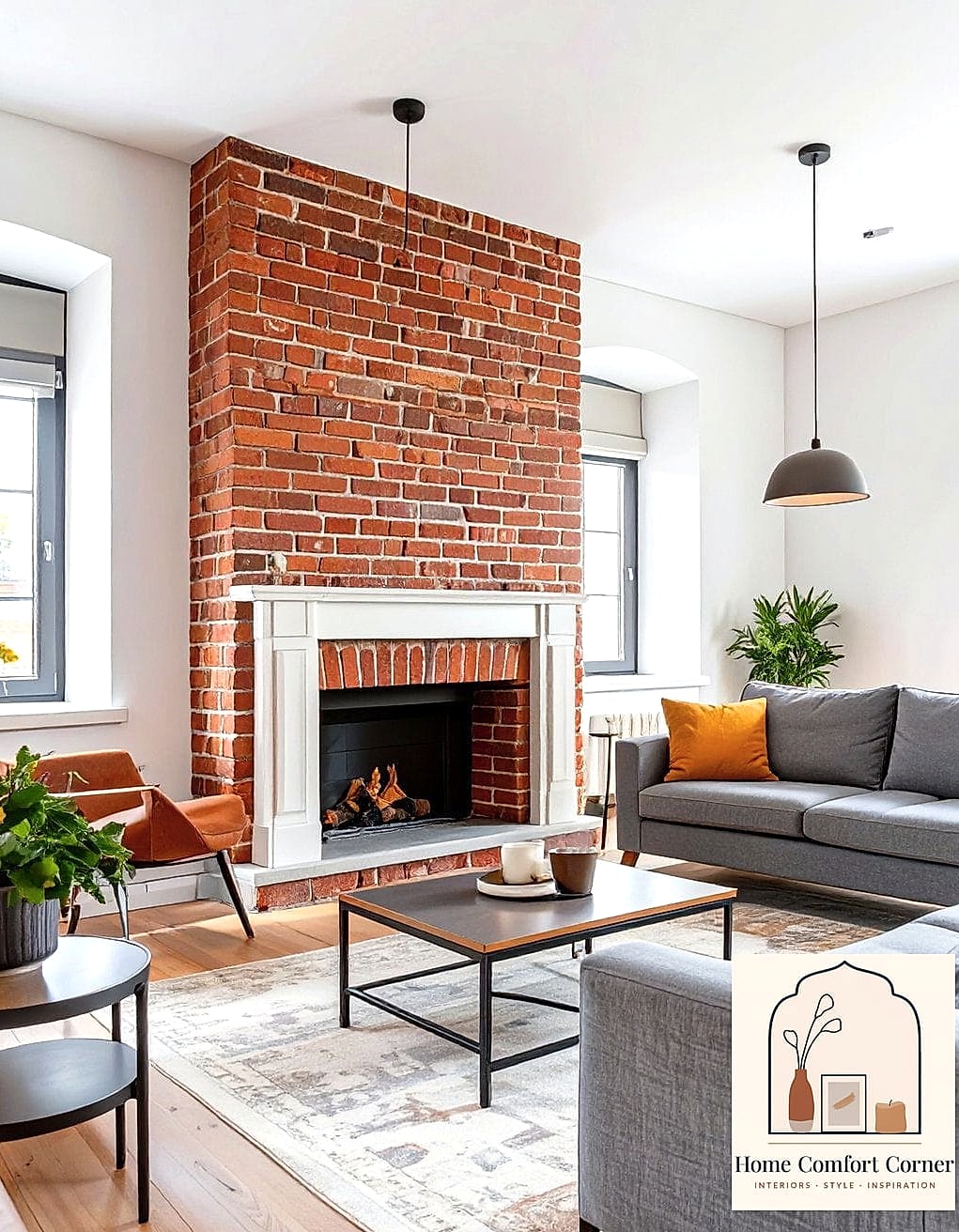
If your colonial has exposed brick anywhere—a fireplace surround, a kitchen wall, a basement—don’t cover it up. Brick adds instant warmth and character that’s hard to fake with paint or wallpaper. For homes without original brick, a limewash or whitewash treatment on existing brick can soften a look that feels too heavy or dark.
Traditional Crown Molding
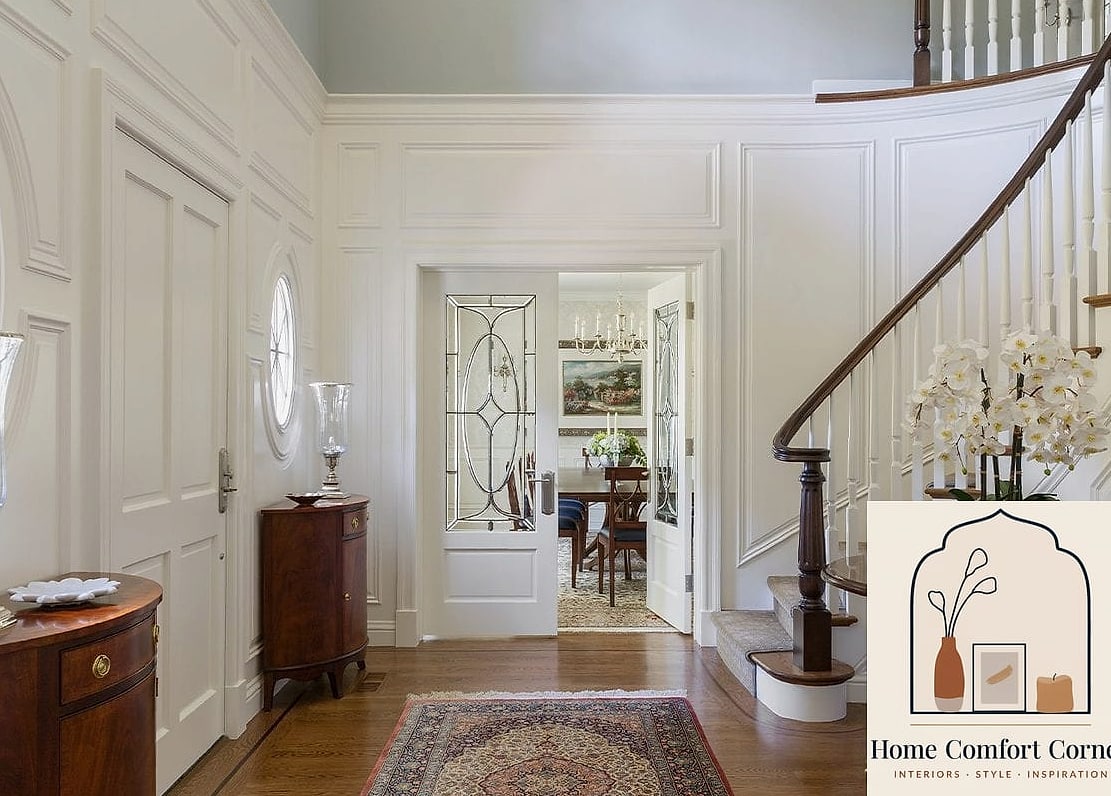
Crown molding is one of those details that separates a colonial from a generic build the second you walk in. If your home already has it, keep it painted crisp white to let it stand out against colored walls. If it’s missing in a few rooms, adding simple crown molding is a relatively affordable renovation that pays off in resale value too.
Farmhouse Sink in the Kitchen
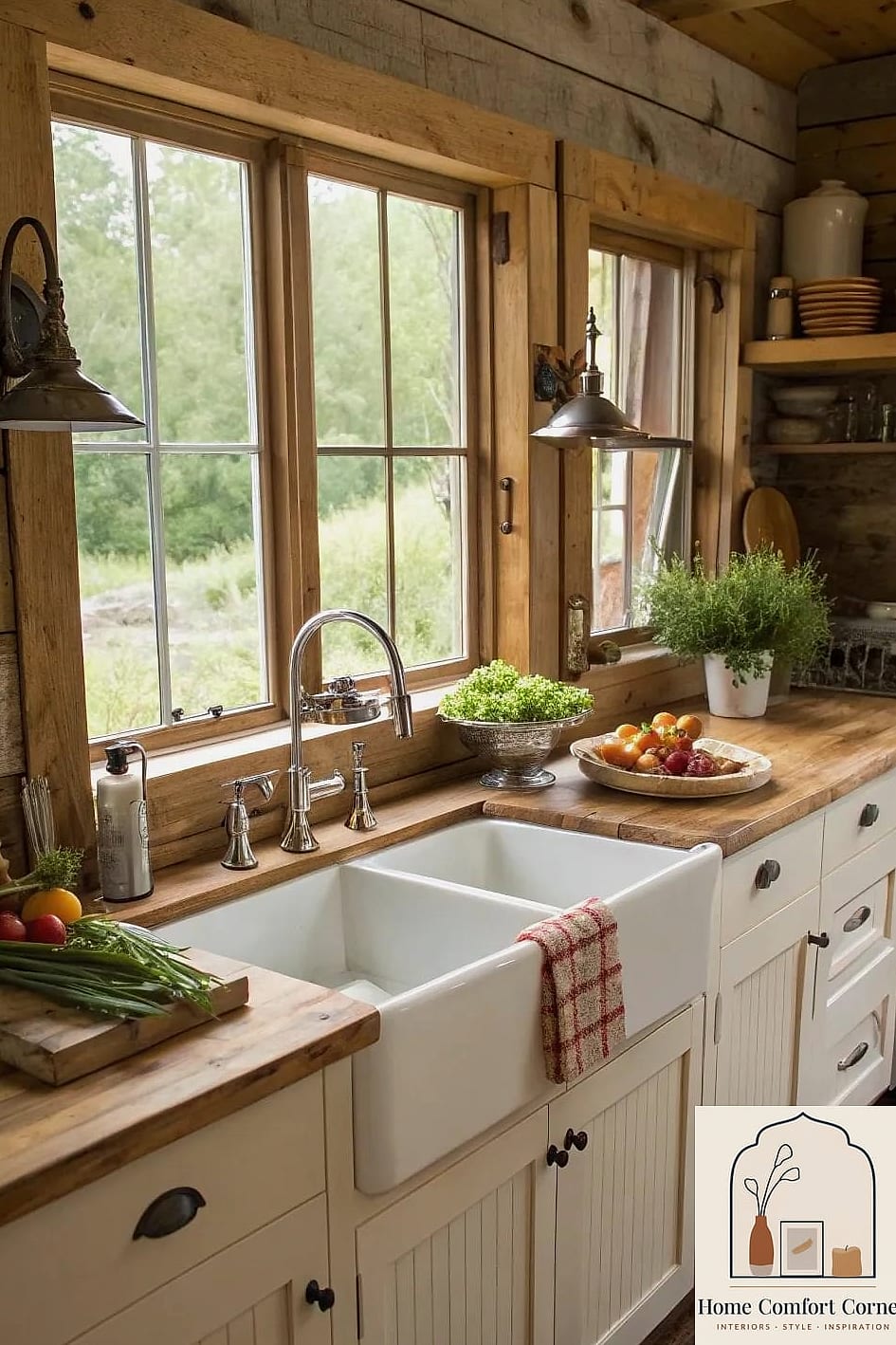
An apron-front farmhouse sink feels right at home in a colonial kitchen, especially paired with a butcher block counter or classic white subway tile backsplash. It’s deep enough to handle big pots and pans, which families actually appreciate, and it has a certain old-world charm that a standard undermount sink just doesn’t offer.
Beadboard Ceilings
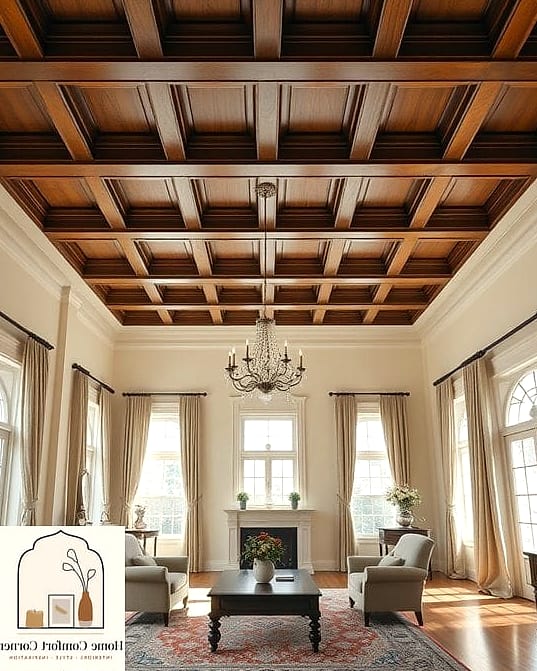
Beadboard isn’t just for wainscoting—adding it to a ceiling in a mudroom, porch, or kitchen nook brings in texture without overwhelming the space. Painted white or a soft blue, it has that classic New England colonial feel. It’s also a fairly DIY-friendly project if you’re comfortable with a nail gun and some patience.
Built-In China Cabinets
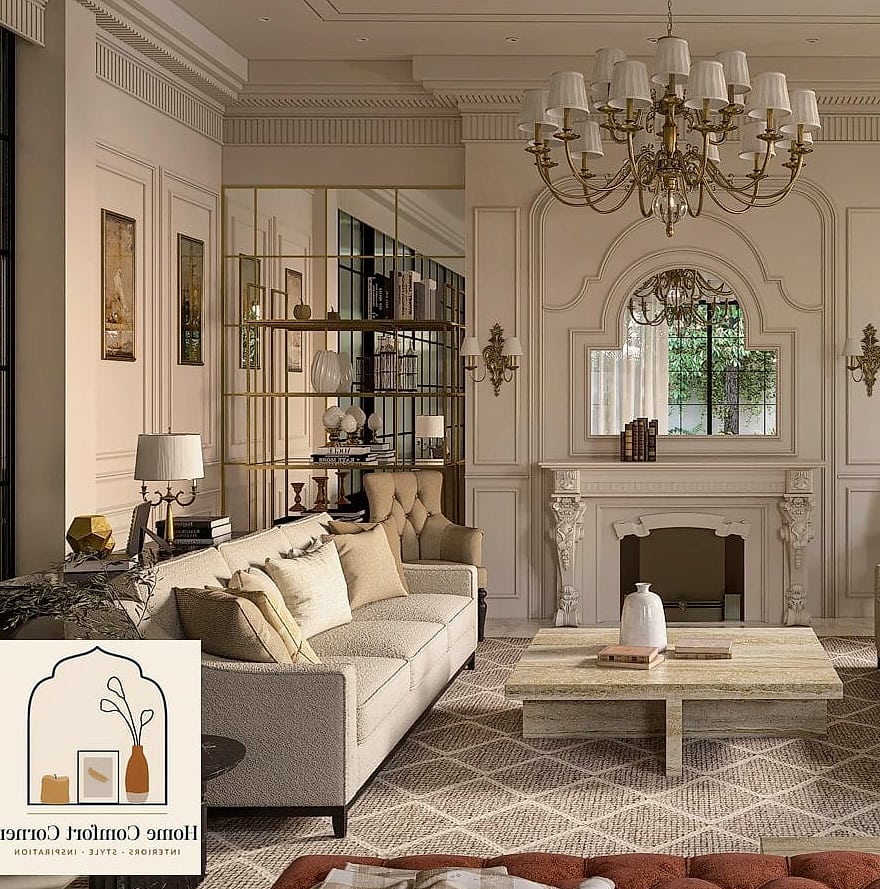
Colonial dining rooms often came with (or have room for) a built-in china cabinet, and it’s worth keeping or adding one if you can. Glass-front doors let you display heirloom dishes or collected glassware, while the closed lower cabinets hide linens and serving pieces. It’s storage that doubles as decor, which is always a win.
Herringbone Wood Flooring
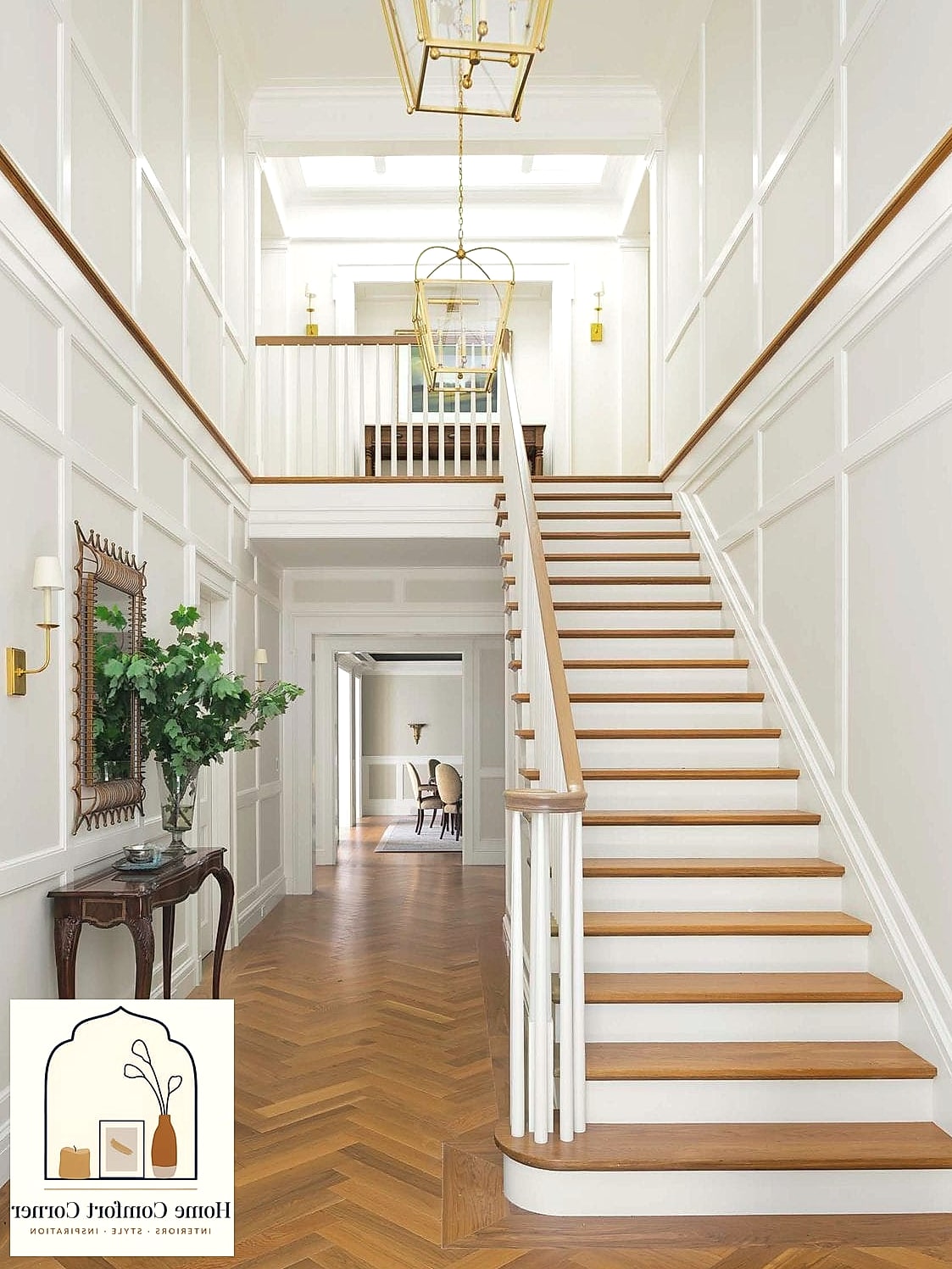
Original colonial homes usually had wide-plank hardwood, but if you’re refinishing or replacing flooring, a herringbone pattern in the entry or dining room adds a subtle upgrade. It reads as more custom without straying from the traditional material palette. Just know it can be pricier to install than standard plank flooring, so budget accordingly.
Panelled Front Doors with Sidelights
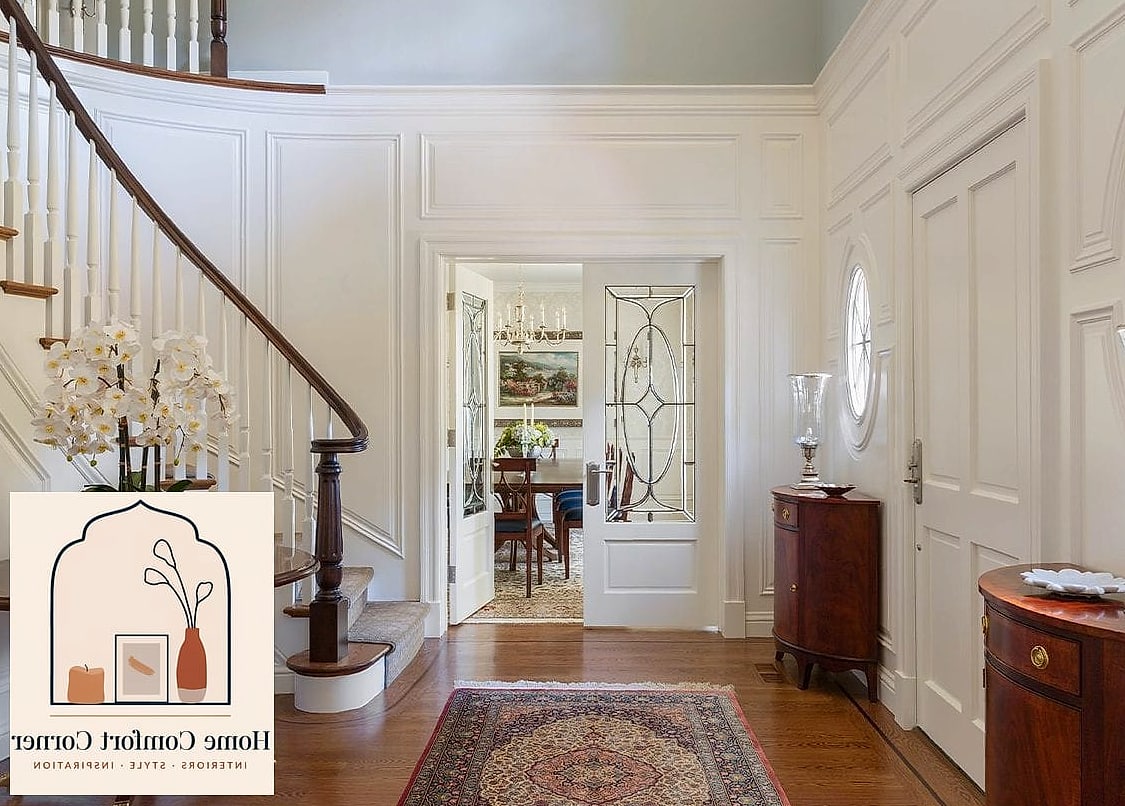
The front door is basically the face of a colonial house, so a solid panelled door in black, navy, or a rich red makes a strong first impression. Sidelights and a transom window above let natural light spill into the entry hall, which is especially nice in homes where the foyer can otherwise feel a little dark.
Brass and Pewter Hardware
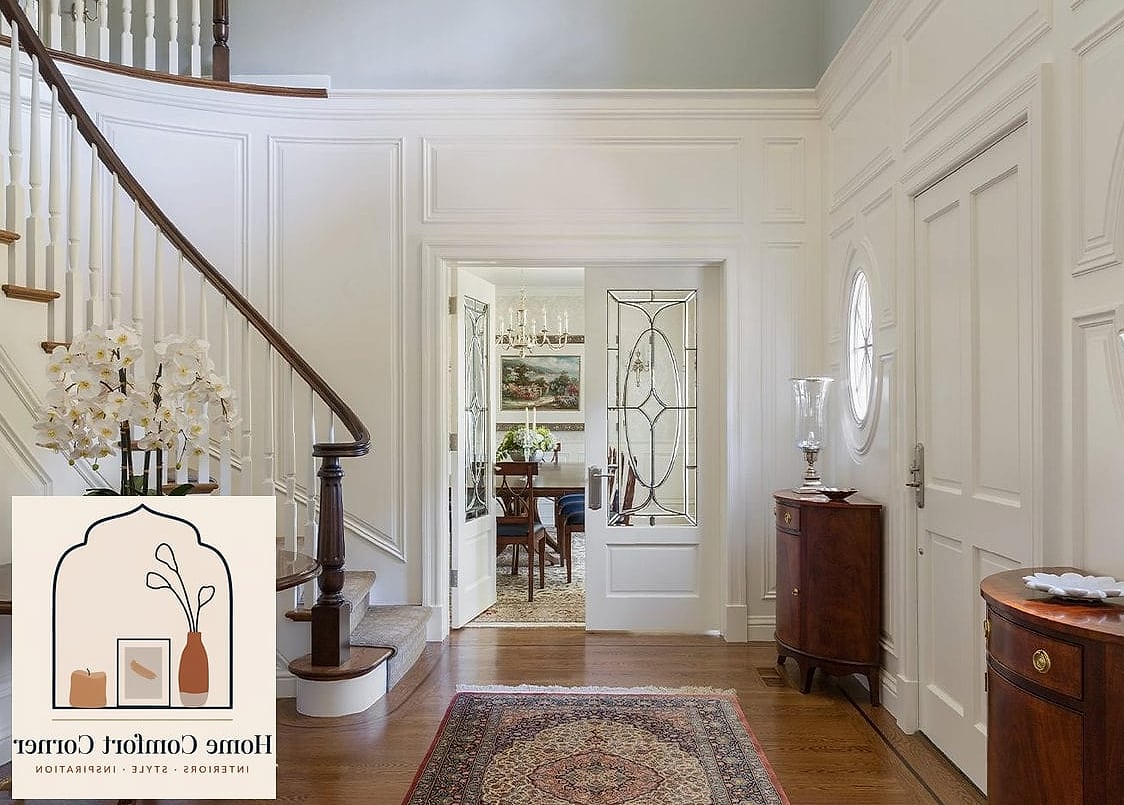
Skip the ultra-modern matte black hardware here—brass, pewter, or aged bronze finishes feel more authentic to the era. On cabinets, doorknobs, and light fixtures, these warmer metals tie the whole house together. If you want a slightly updated look, brushed brass gives that traditional warmth with a cleaner, less shiny finish than polished brass.
Formal Living Room, Reimagined
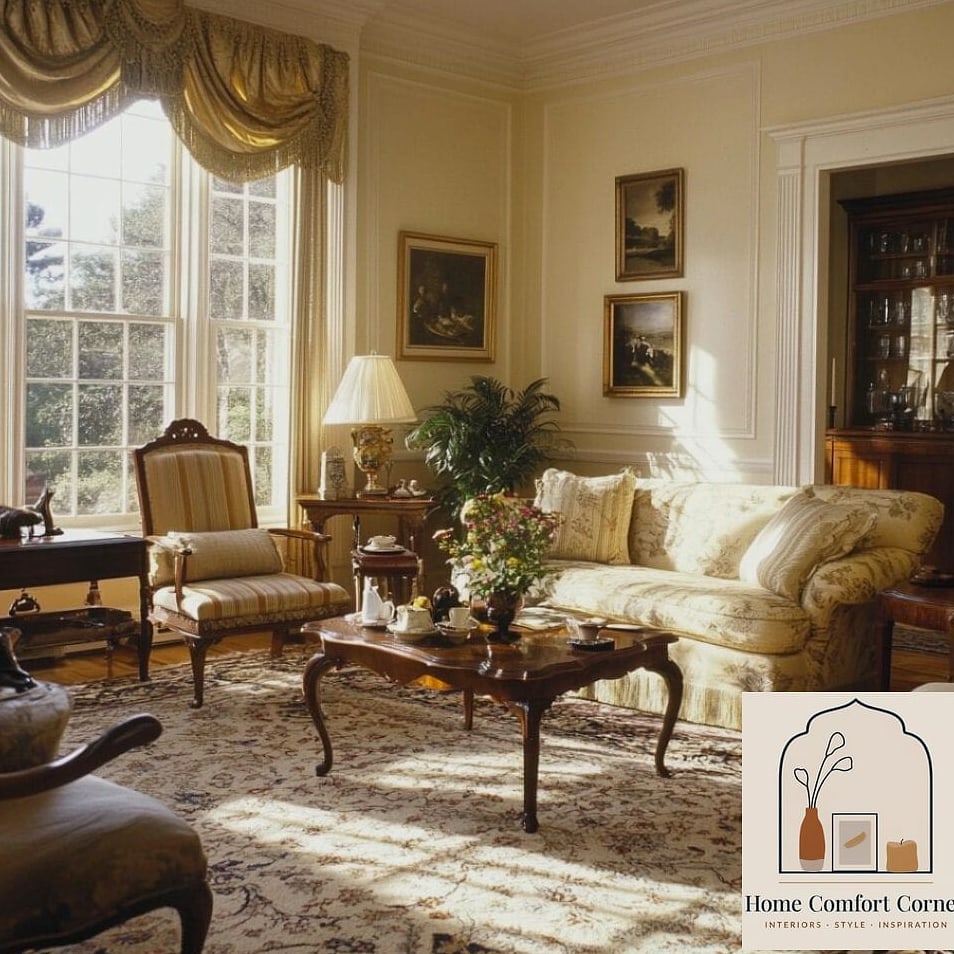
Colonials typically have a formal living room that modern families sometimes struggle to use. Rather than leaving it stiff and untouched, furnish it with comfortable seating, a mix of antique and contemporary pieces, and layered lighting so it actually gets used for reading or evening conversation instead of sitting empty.
Neutral Color Palette with Historic Accents
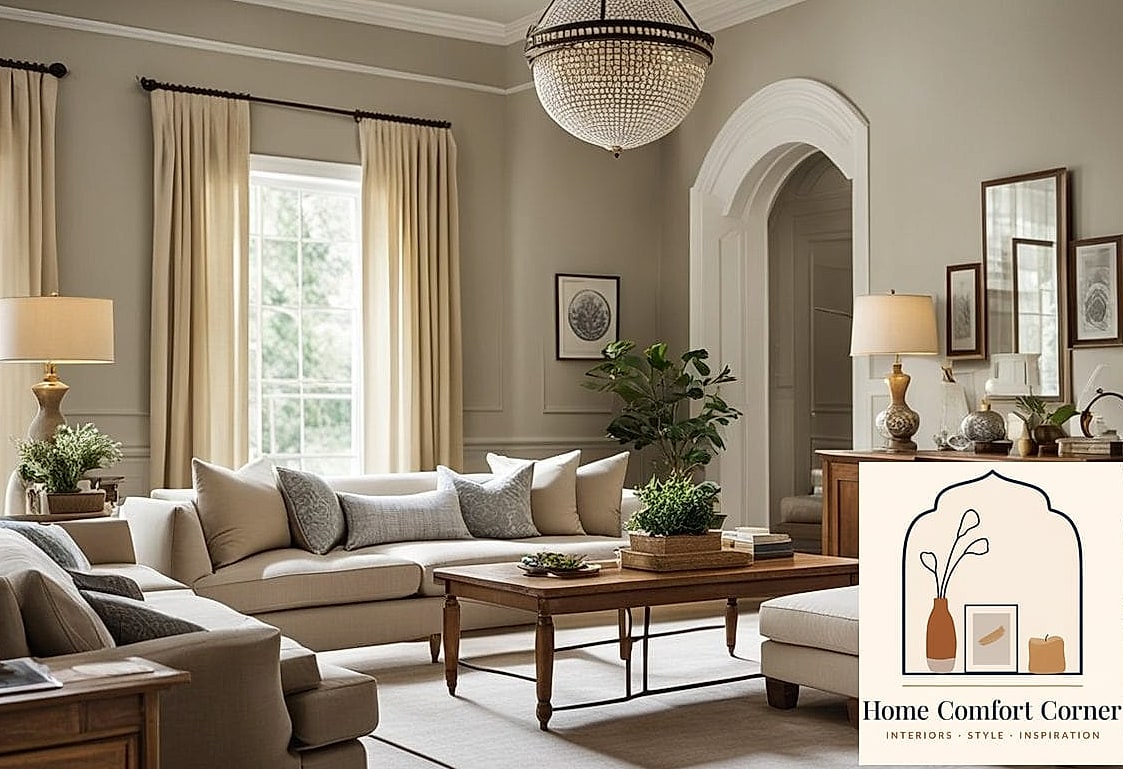
A palette of soft whites, warm grays, and creamy beiges lets the architectural details do the talking. Then bring in historic-feeling accent colors—a deep colonial blue, brick red, or forest green—through pillows, drapery, or an accent wall. This keeps things from feeling like a museum while still nodding to the home’s roots.
Chair Rail Molding Throughout
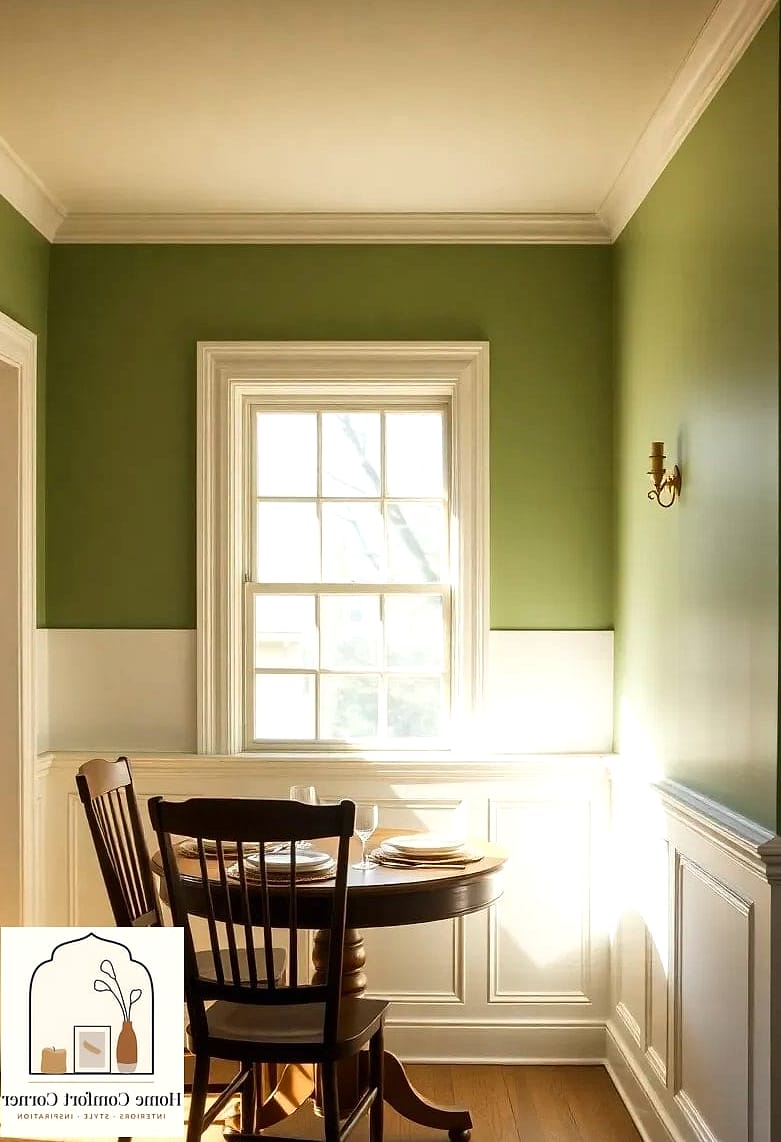
Chair rail isn’t limited to the dining room. Running it through hallways, bedrooms, and even bathrooms adds cohesion and a bit of architectural interest to rooms that might otherwise feel plain. It also happens to protect walls from furniture dings, so it’s practical as much as it is decorative.
Multi-Pane Windows
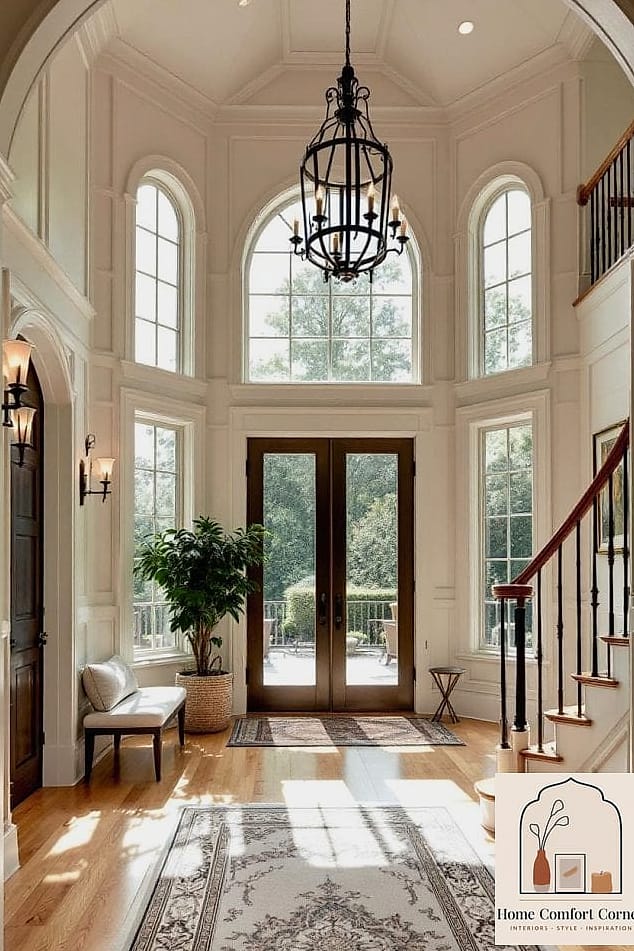
Colonial windows are known for their divided lights—those small individual panes rather than one big sheet of glass. If you’re replacing windows, look for options that replicate this grid pattern rather than going full modern. It keeps the exterior and interior character intact, and honestly, the way light filters through those smaller panes has a charm you don’t get with large plate glass.
Kitchen Islands with Turned Legs
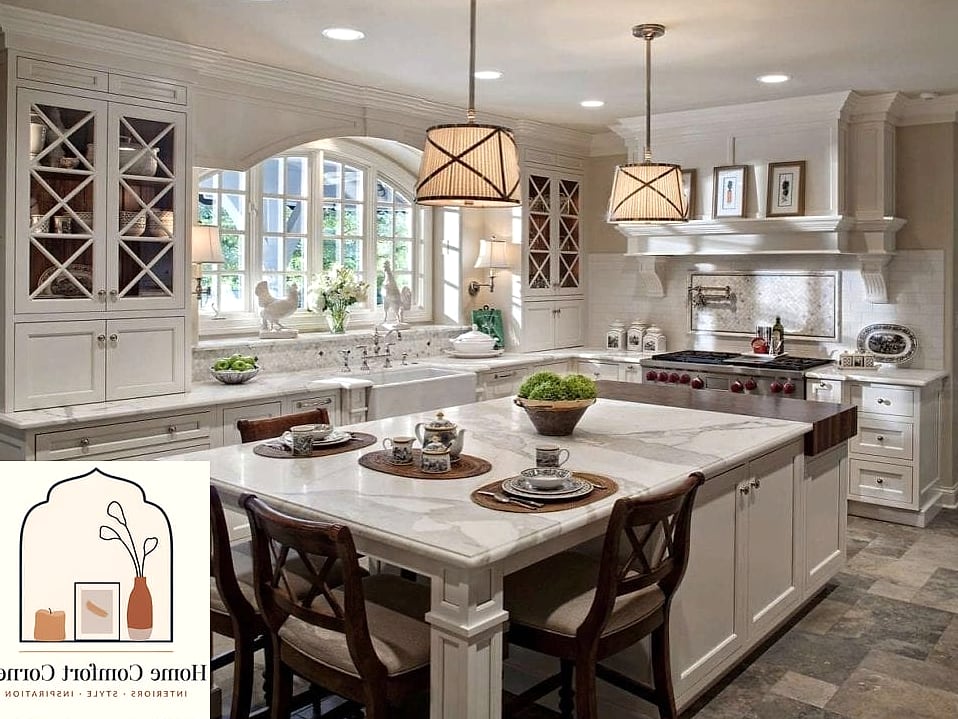
A kitchen island with furniture-style turned wood legs (rather than a solid box base) fits the colonial aesthetic beautifully. Pair it with a butcher block or soapstone top for an authentic touch. It also tends to feel less bulky in a smaller colonial kitchen since the open legwork doesn’t visually crowd the room.
Layered Window Treatments
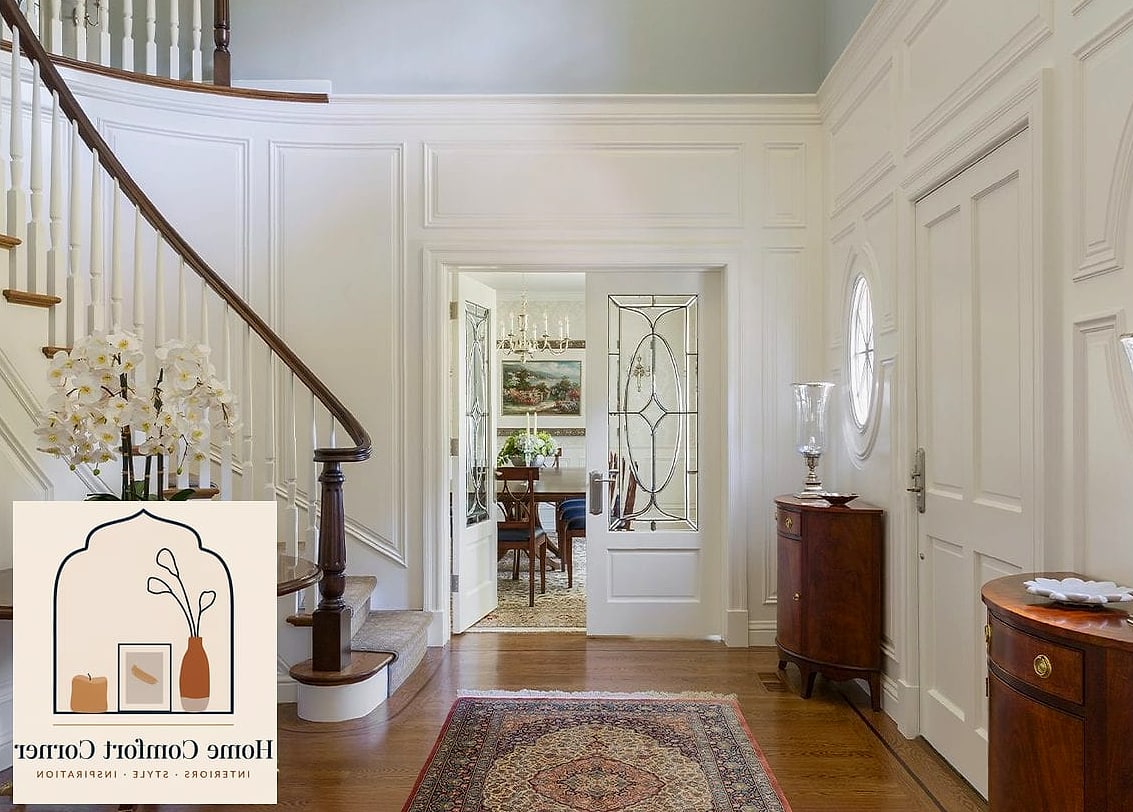
Tall colonial windows deserve proper dressing—think classic panel curtains with tiebacks over simple wood blinds or roman shades. This layered approach controls light and privacy while still showing off the window shape and trim. Linen or cotton fabrics in soft neutrals keep it from looking fussy or overly formal.
Staircase with a Painted Runner
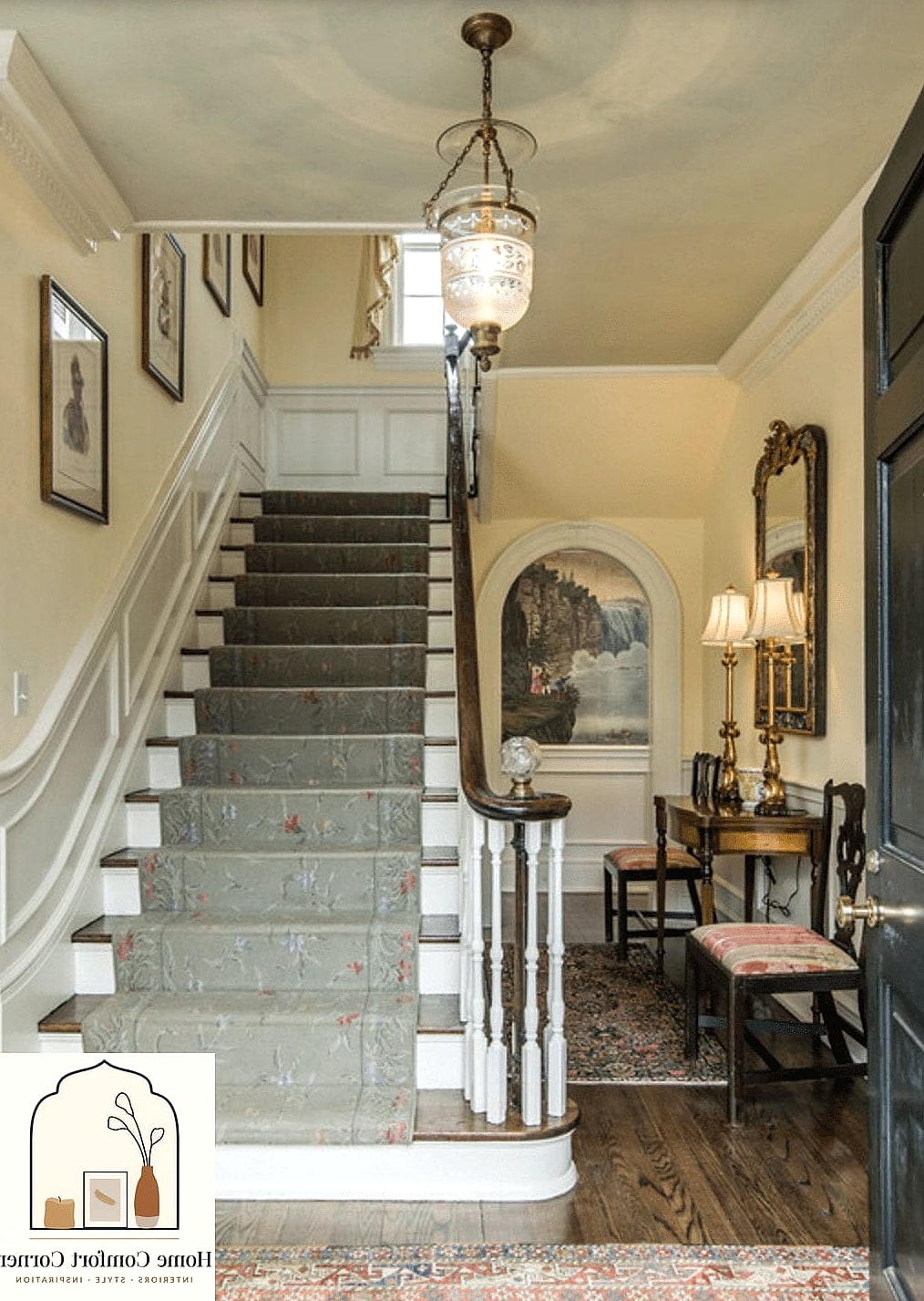
Colonial staircases are often a focal point right off the entry, and a painted or stenciled runner effect down the center of the treads is a budget-friendly way to dress it up without committing to a full carpet runner. It also adds a little grip underfoot, which matters if you’ve got kids or pets running up and down.
Antique Mixed with Contemporary Furniture
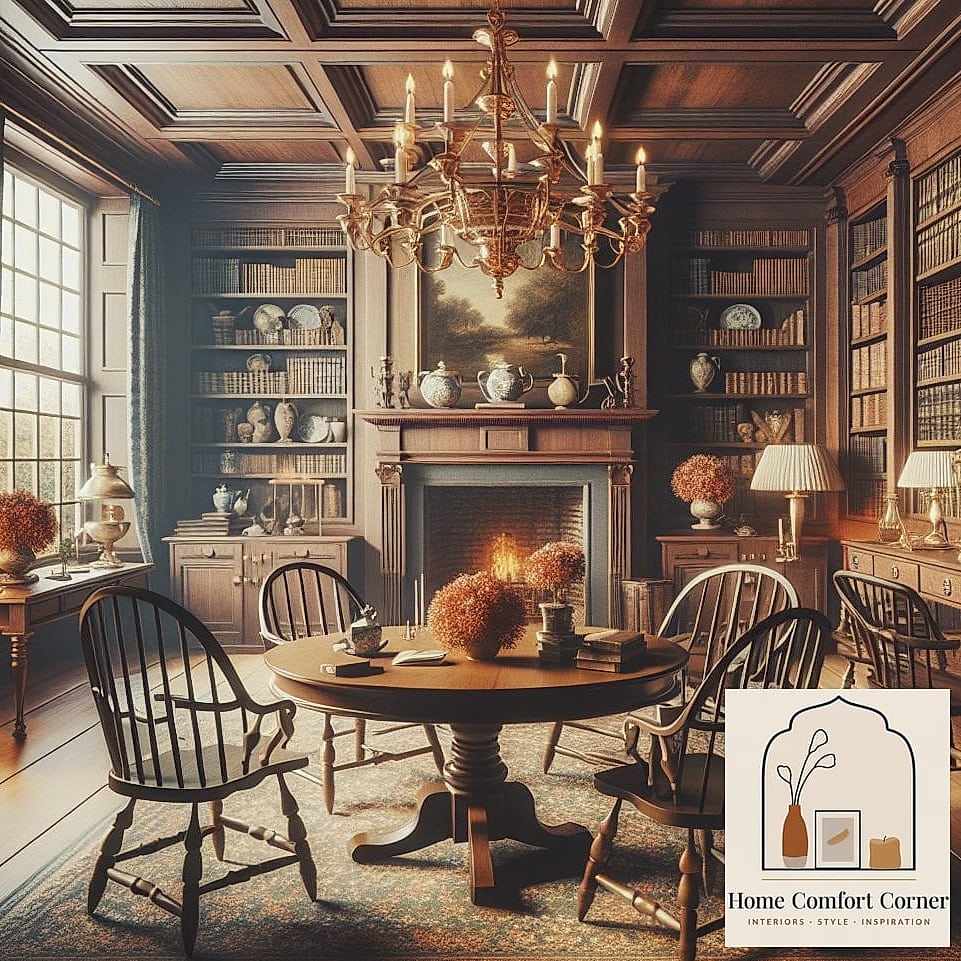
The trick to making a colonial house feel current instead of dated is mixing eras. Pair an antique dresser or vintage mirror with a modern sofa or contemporary light fixture. That contrast keeps rooms from feeling like a period reenactment while still honoring the home’s history.
Bedroom Fireplaces as Focal Points
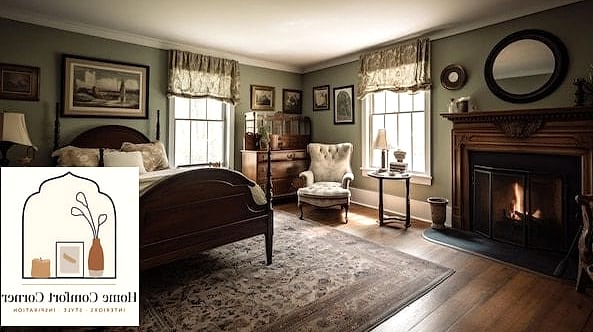
Plenty of colonials have secondary fireplaces tucked into bedrooms, and they’re worth building the whole room around. Arrange the bed to face it, or flank it with reading chairs for a cozy sitting nook. Even non-working fireplaces look great filled with candles or a stack of firewood for texture.
Open Shelving in a Colonial Kitchen
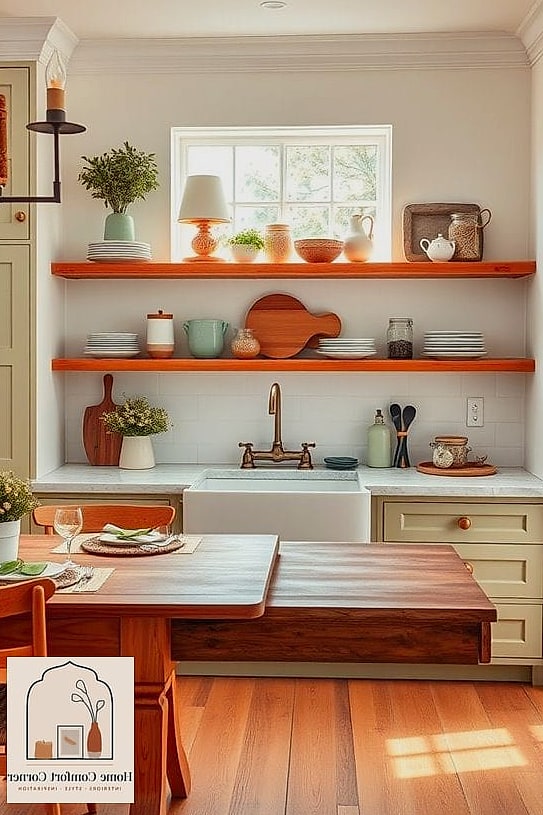
While colonial kitchens lean traditional, open shelving in place of a few upper cabinets adds a lighter, more current feel. Use it to display everyday dishware, glass jars, or a few plants. It’s an easy weekend project if you’re renovating, and it keeps frequently used items within easy reach.
Symmetrical Window Box Planters
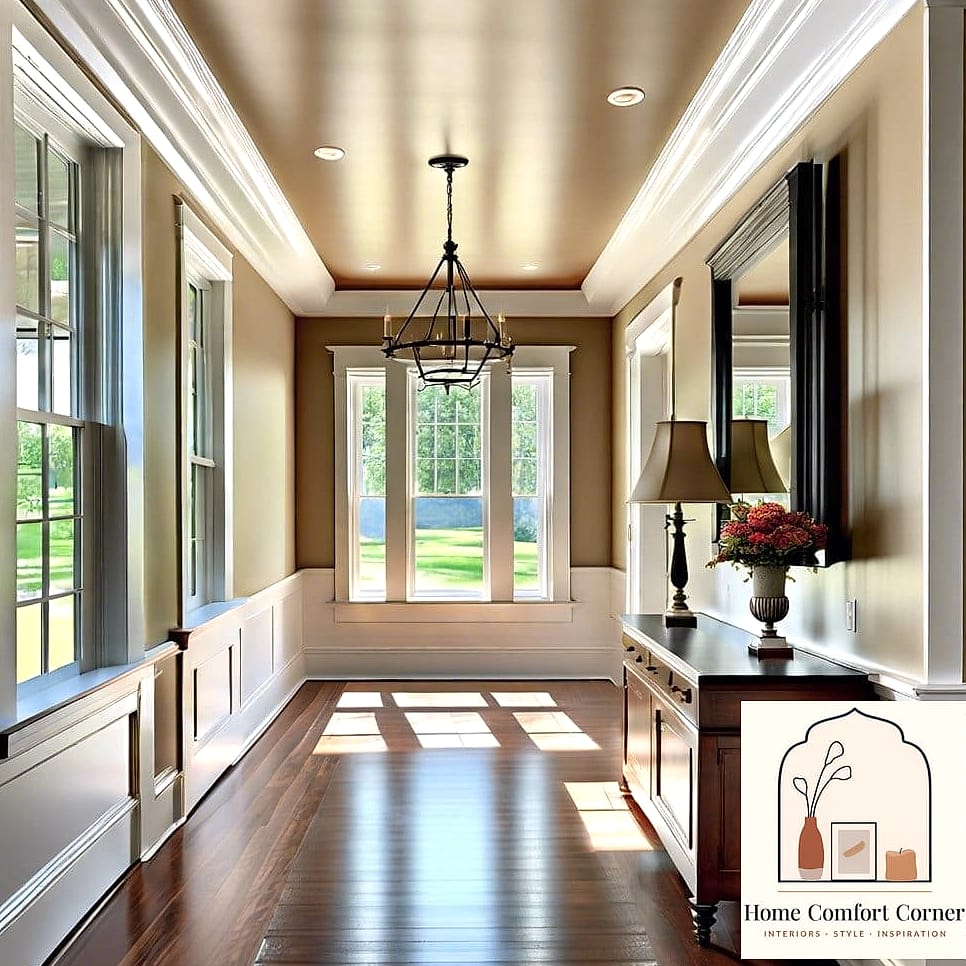
On the exterior, matching window boxes filled with seasonal greenery reinforce that colonial symmetry from the outside in. It’s a small detail, but it ties the landscaping to the architecture and gives you an easy way to refresh curb appeal every season without a big project.
Mudroom Built-Ins Near the Back Entry
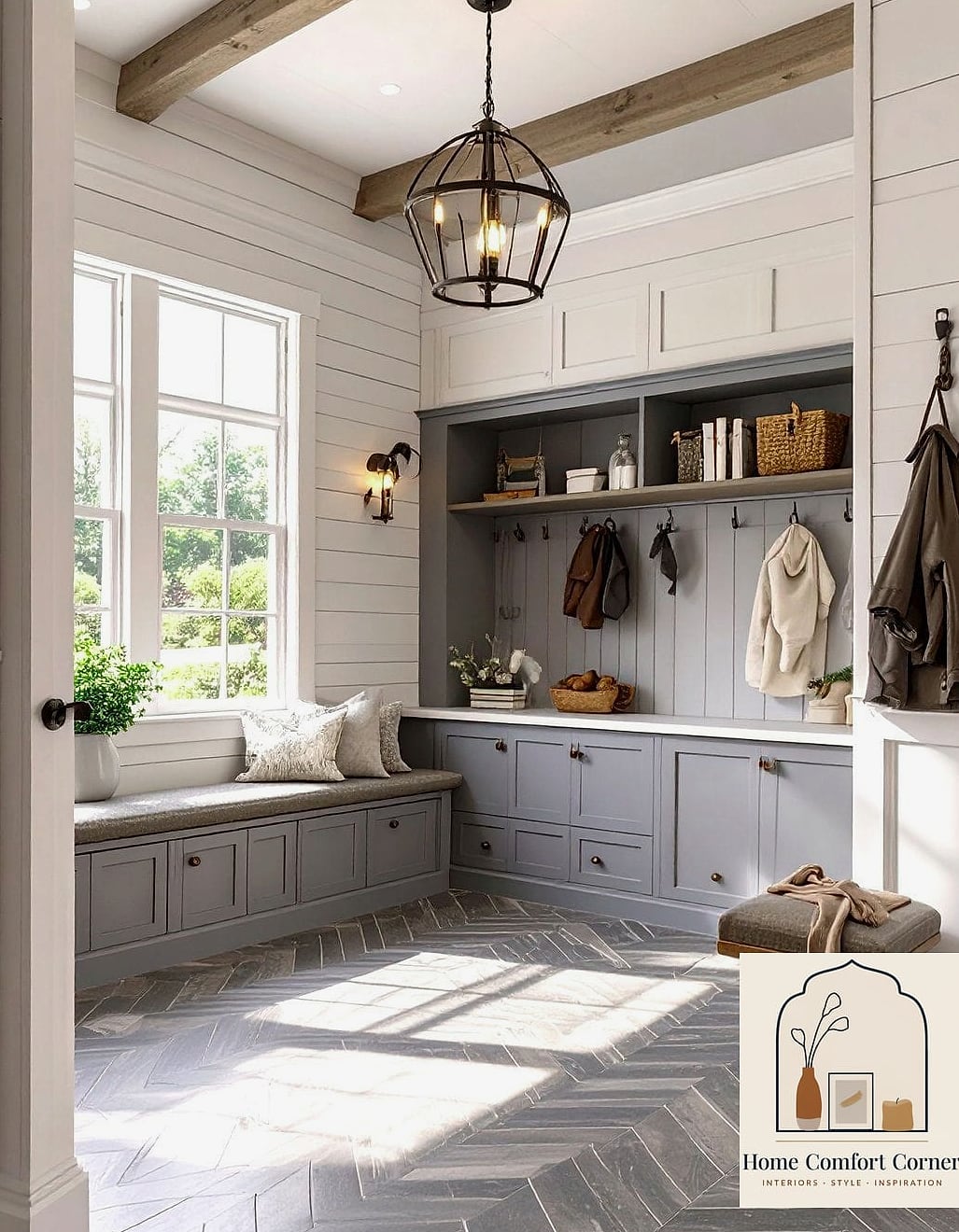
Colonial homes weren’t originally designed with mudrooms in mind, but converting a back entry or breezeway into one with built-in cubbies, hooks, and a bench is one of the more practical updates you can make. Add baskets or bins for shoes and bags, and it becomes the drop zone that keeps the rest of the house tidier.