14 Small Dining Room Decor Ideas That Are Both Stylish and Practical
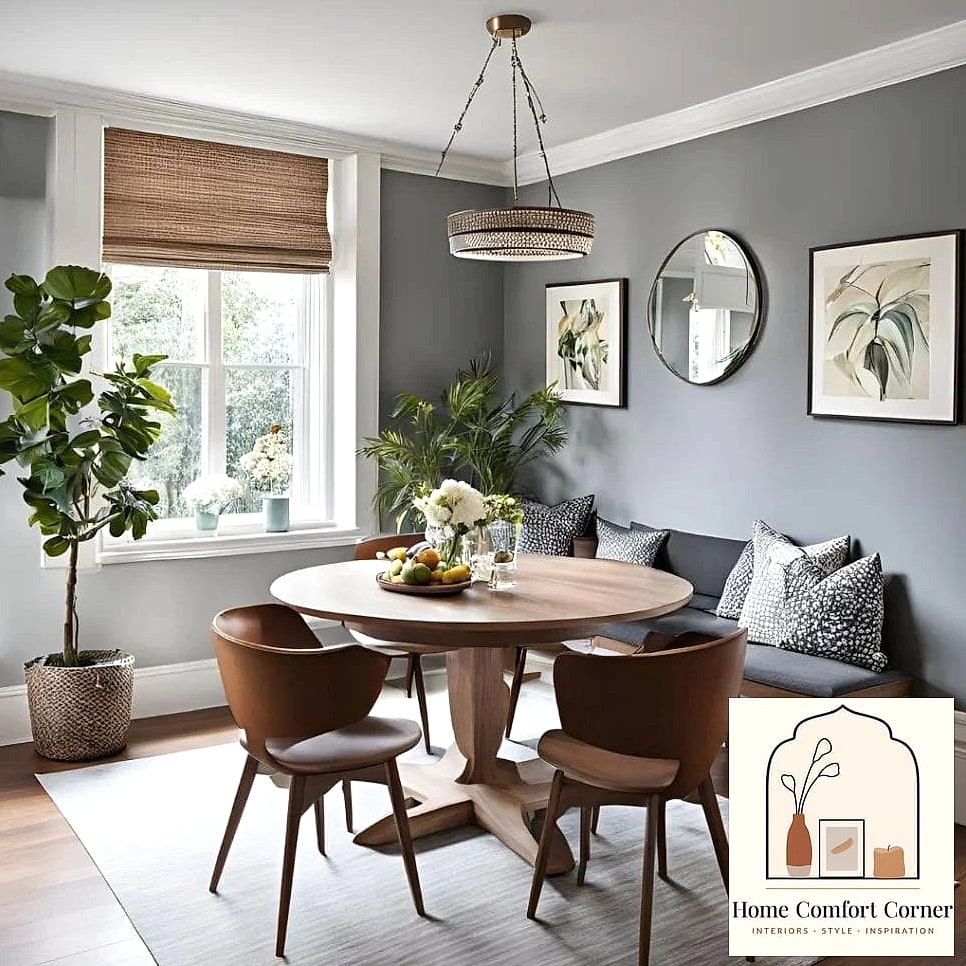
- Round Tables for Better Flow
- Mirrors to Expand the Visual Space
- Bench Seating Instead of Chairs
- Wall-Mounted Shelving for Display and Storage
- Pendant Lighting to Anchor the Space
- A Statement Rug to Define the Area
- Built-In or Slim Sideboards
- Layered Textiles for Warmth
- Wallpaper or an Accent Wall
- Mixed Seating for Visual Interest
- Corner Banquettes for Maximum Seating
- Vertical Storage with Tall Cabinets
- Greenery to Soften Hard Edges
- Multi-Purpose Furniture
14 Small Dining Room Decor Ideas That Are Both Stylish and Practical
Small dining rooms get a bad reputation, but honestly, some of the coziest and most charming dining spaces I’ve seen are the tiny ones. When square footage is limited, every decision matters more, which forces you to be intentional instead of just filling space for the sake of it. Below are 14 small dining room decor ideas that actually work in real homes, not just in photos.
Round Tables for Better Flow
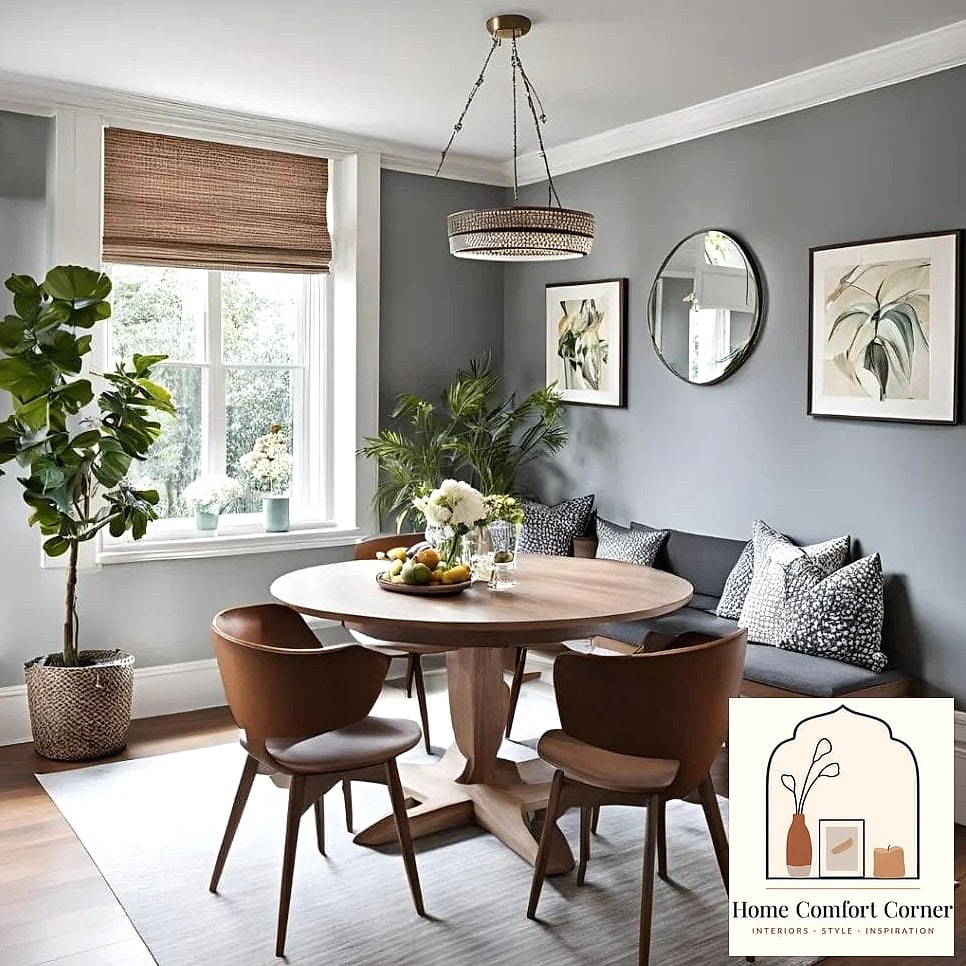
A round table is one of the easiest swaps for a tight dining space. Without sharp corners, people can walk around the table without bumping into anything, which matters a lot in a small room. Round tables also tend to seat people more comfortably in a tighter footprint compared to rectangular ones. Pedestal bases are especially helpful since there are no legs to navigate around. This works well in apartments, breakfast nooks, or any room where traffic flows through the dining area. Budget-friendly round tables in wood or laminate are easy to find, while marble-top versions add a more upscale look.
Mirrors to Expand the Visual Space
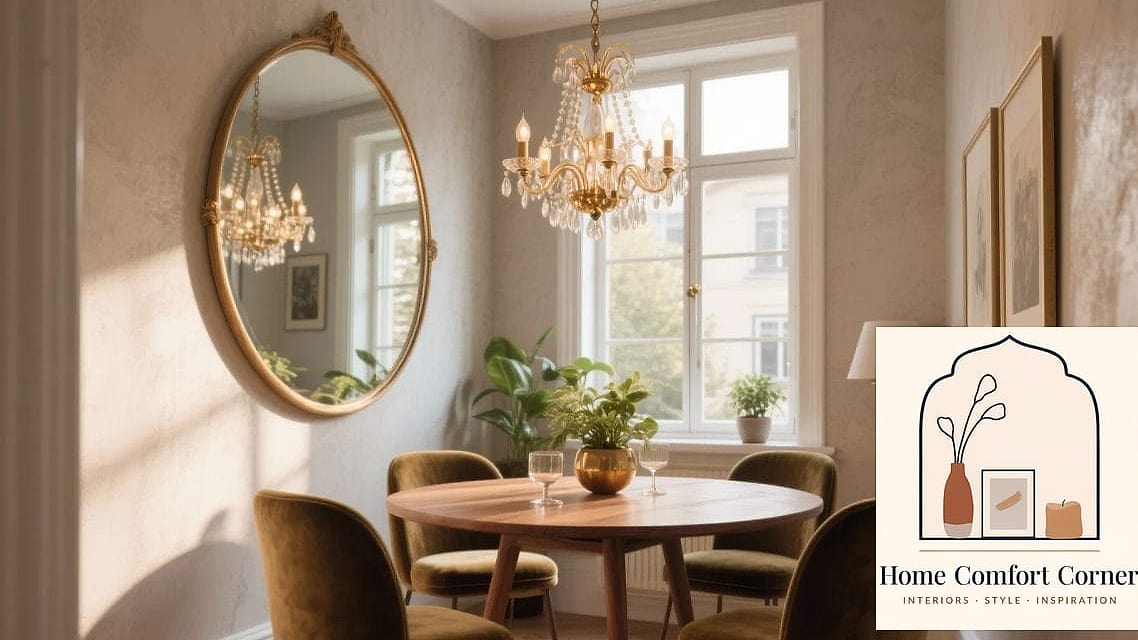
This trick is almost too simple, but it works every time. A large mirror on one wall bounces light around the room and creates the illusion of extra depth. Place it across from a window if possible so it reflects natural light throughout the day. Round or arched mirrors soften a small space, while a full wall of mirrored panels feels more dramatic and modern. This is also a renter-friendly option since most mirrors just need a hook or leaning ledge rather than permanent mounting.
Bench Seating Instead of Chairs
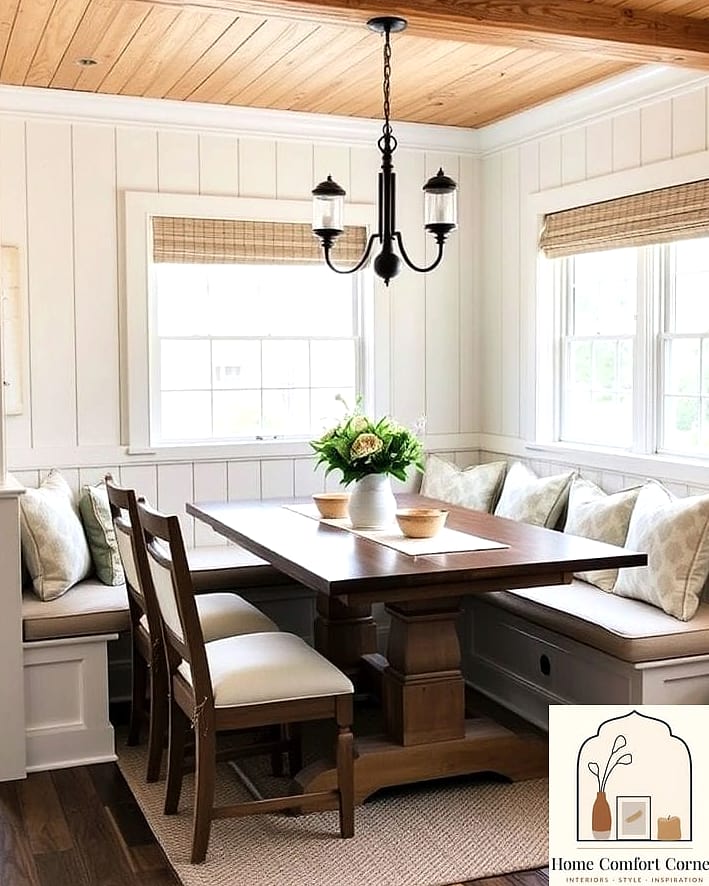
Benches take up noticeably less visual and physical space than a full set of chairs. You can tuck them under the table when not in use, which frees up walking room. They’re also great for families since kids can slide in and out without wrestling with chair legs. A wood bench paired with two end chairs gives a nice mix of practicality and style. For a softer look, add a cushion or a folded throw for extra comfort.
Wall-Mounted Shelving for Display and Storage
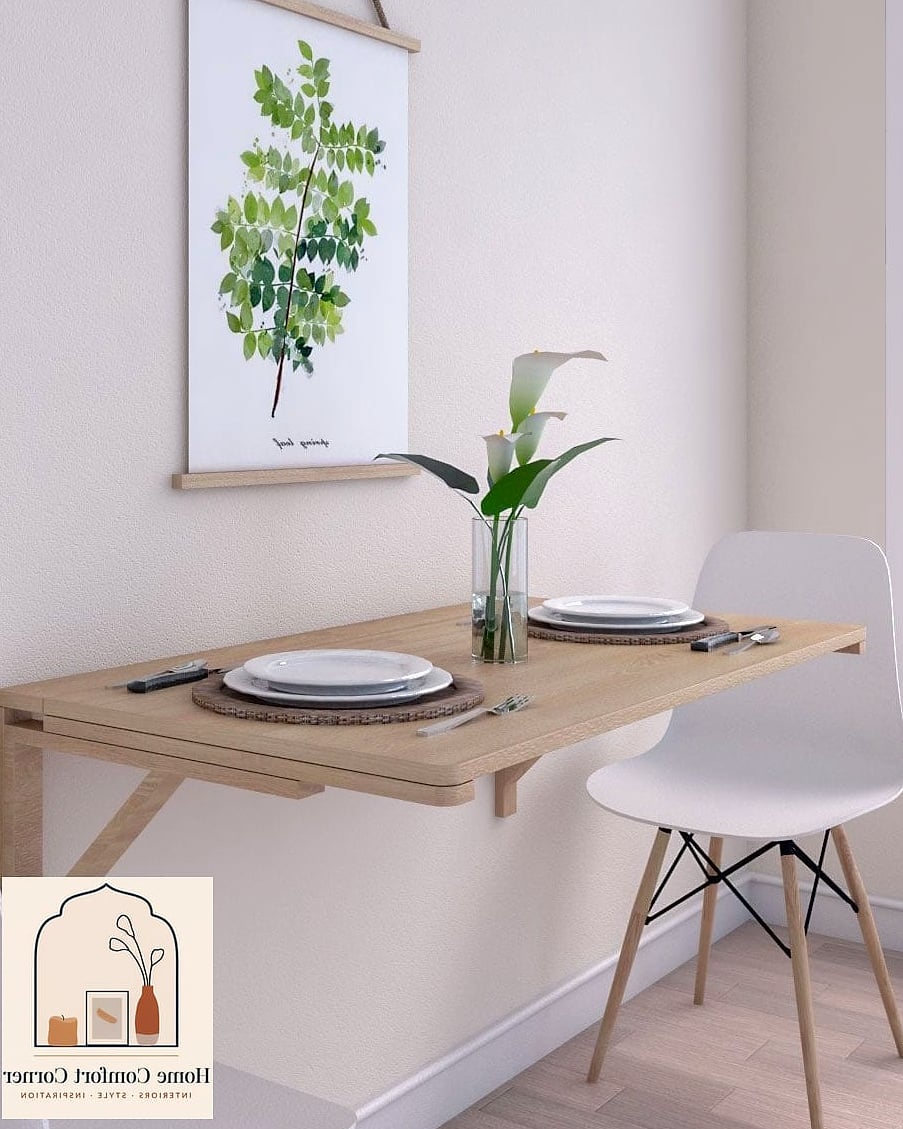
Floating shelves are a small dining room’s best friend. They give you a spot to display dishware, glassware, or décor without taking up floor space. Group a few shelves at varying heights above a sideboard or empty wall for a layered, curated look. Use them for everyday items like napkins and coasters, or keep them purely decorative with candles and greenery. Because they’re wall-mounted, they keep the floor open, which makes the whole room feel less cramped.
Pendant Lighting to Anchor the Space
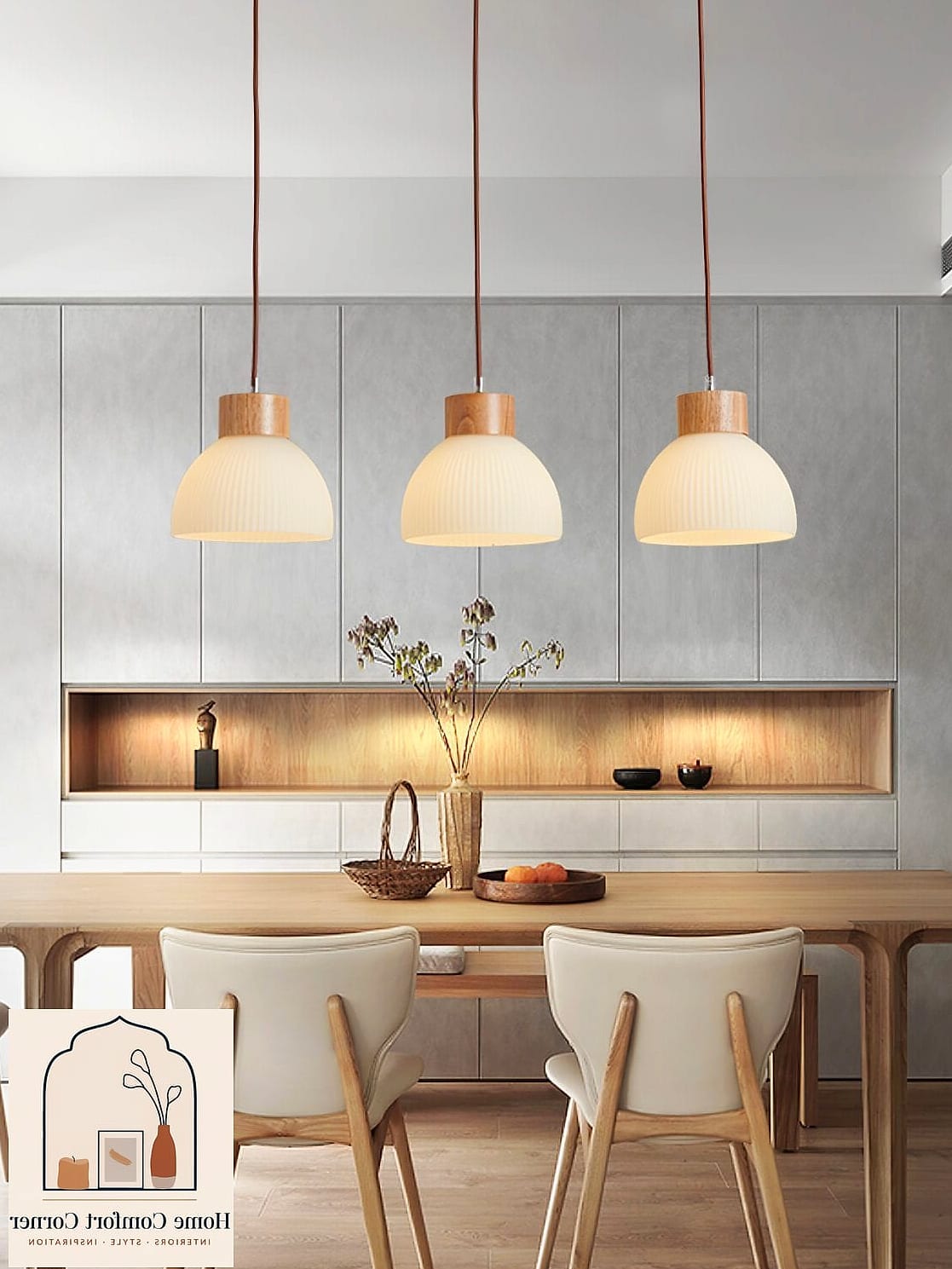
In small rooms, table lamps and floor lamps often eat up counter or floor space you don’t have. A single pendant light hung above the table solves that problem while adding personality to the room. Choose a fixture that’s proportional to your table size so it doesn’t overwhelm the space. Warm brass or matte black finishes are popular right now and pair well with almost any color palette. Dimmable pendants are especially nice since you can adjust the mood for everyday meals versus dinner parties.
A Statement Rug to Define the Area
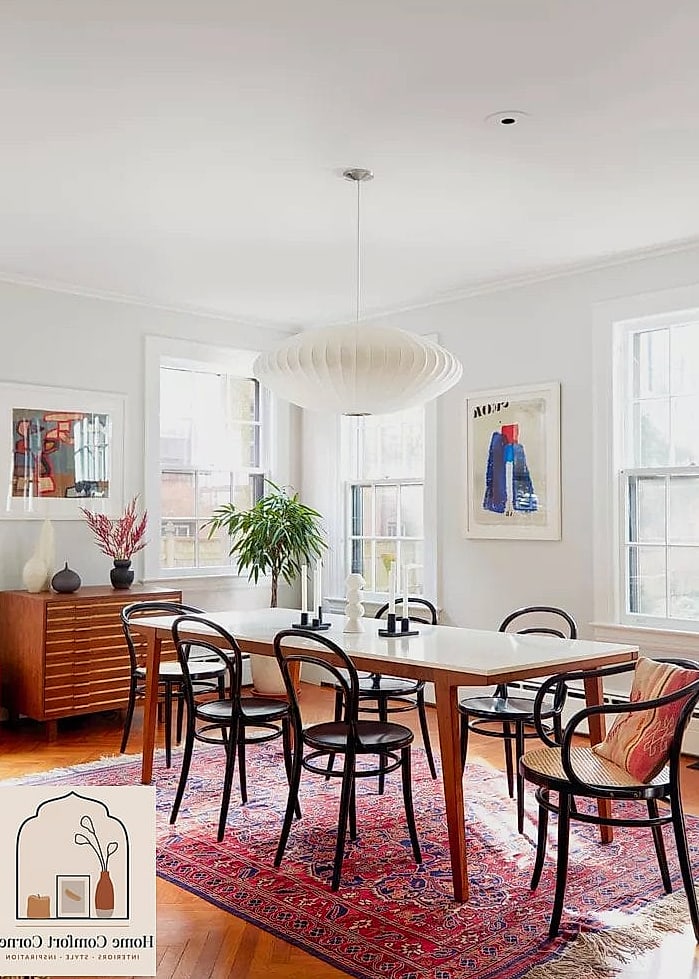
When a dining area shares space with a living room or kitchen, a rug helps visually separate it without adding walls or furniture. Choose a rug large enough that the chairs stay on it even when pulled out. Patterned rugs hide crumbs and stains better than solid colors, which is a nice bonus for families or pet owners. Wool and low-pile options tend to hold up best under chair legs and daily wear. This is one of those details that makes a small space feel more intentional rather than like a leftover corner.
Built-In or Slim Sideboards
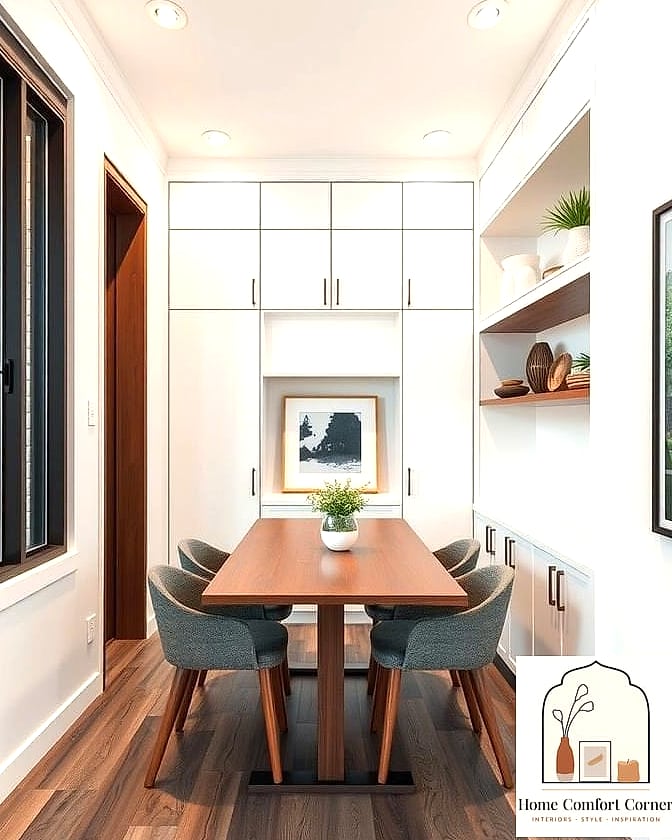
Storage is often the biggest challenge in a small dining room, and a slim sideboard solves that without eating up too much floor space. Look for pieces that are shallow in depth but still tall enough to store table linens, extra dishware, or serving pieces. Sideboards with drawers help keep smaller items organized, while open shelving underneath works well for baskets or bins. If you’re tight on space, a wall-mounted buffet or narrow console can do the same job with an even smaller footprint.
Layered Textiles for Warmth
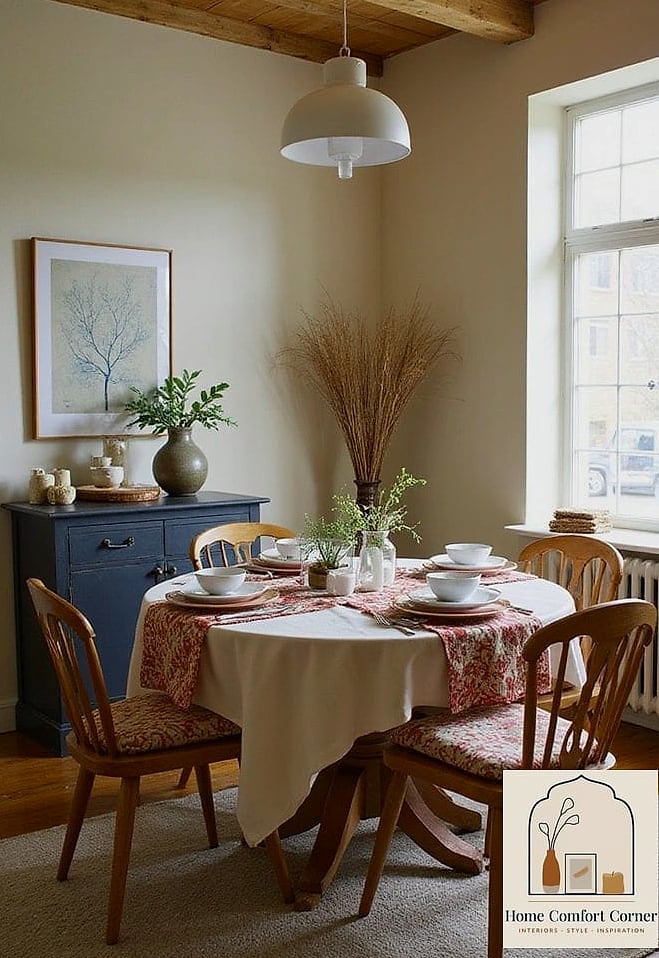
A tablecloth, runner, and cloth napkins might sound like small details, but they add texture and personality fast. Linen and cotton blends are easy to wash and hold up well for everyday use. Mixing patterns, like a solid runner over a printed tablecloth, adds visual interest without cluttering the room. This is also one of the most budget-friendly upgrades on this list since textiles are inexpensive and easy to swap out seasonally.
Wallpaper or an Accent Wall
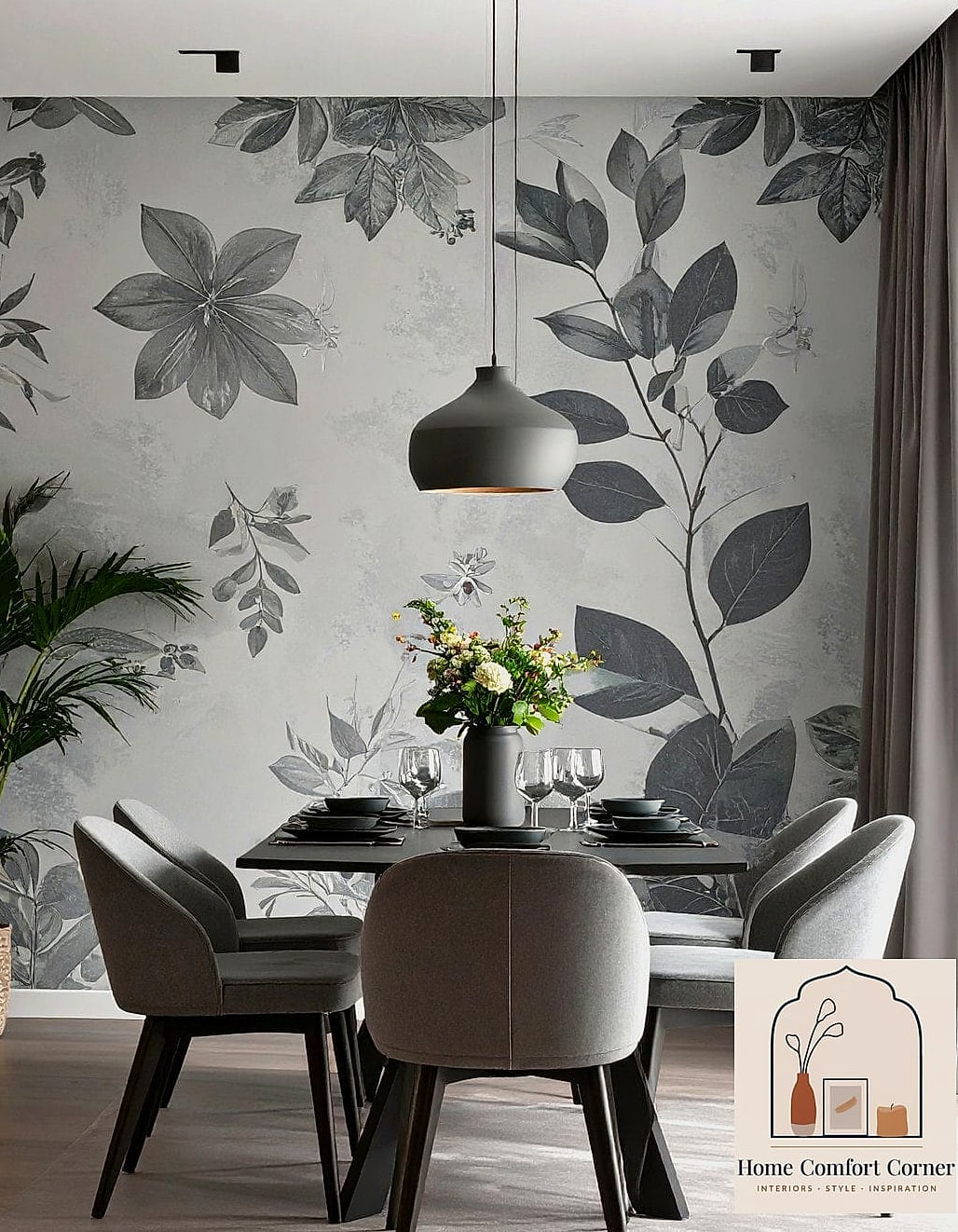
A small dining room is actually the perfect place to experiment with a bold wallpaper or paint color since you’re not committing to a huge surface area. Try a botanical print, textured grasscloth, or a rich, moody color to give the room a sense of personality. Peel-and-stick wallpaper is a great renter-friendly option if you’re not ready for anything permanent. This idea works especially well when paired with simpler furniture, since the wall becomes the star of the room.
Mixed Seating for Visual Interest
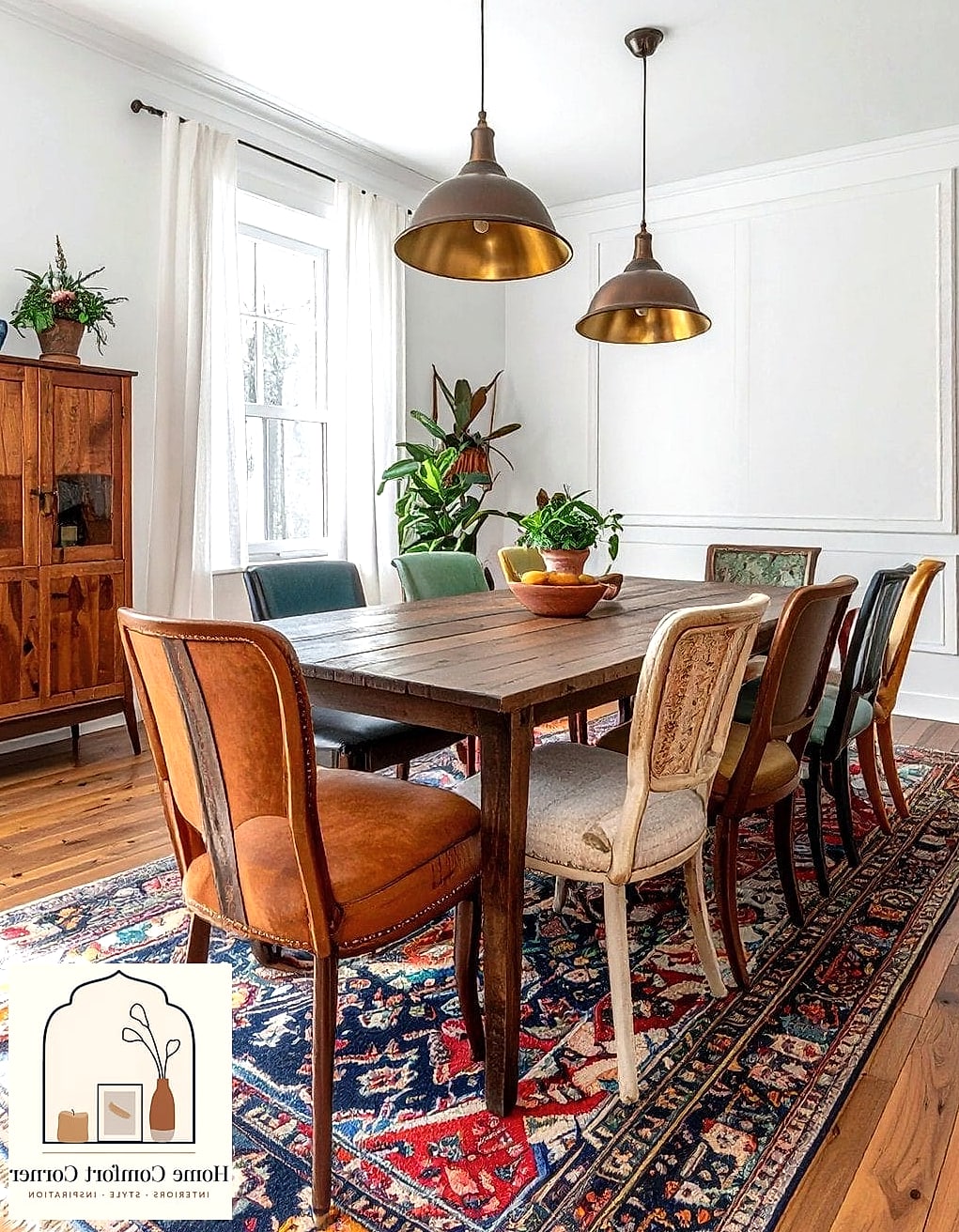
Matching chair sets aren’t necessary anymore, and honestly, mixing it up tends to make a small room feel more collected and less like a showroom display. Try pairing two upholstered chairs at the ends of the table with simpler wood chairs on the sides. This works especially well if you’re furnishing on a budget, since you can source pieces individually over time. It’s also a good option for families who need durable, wipeable seating mixed with something a little softer.
Corner Banquettes for Maximum Seating
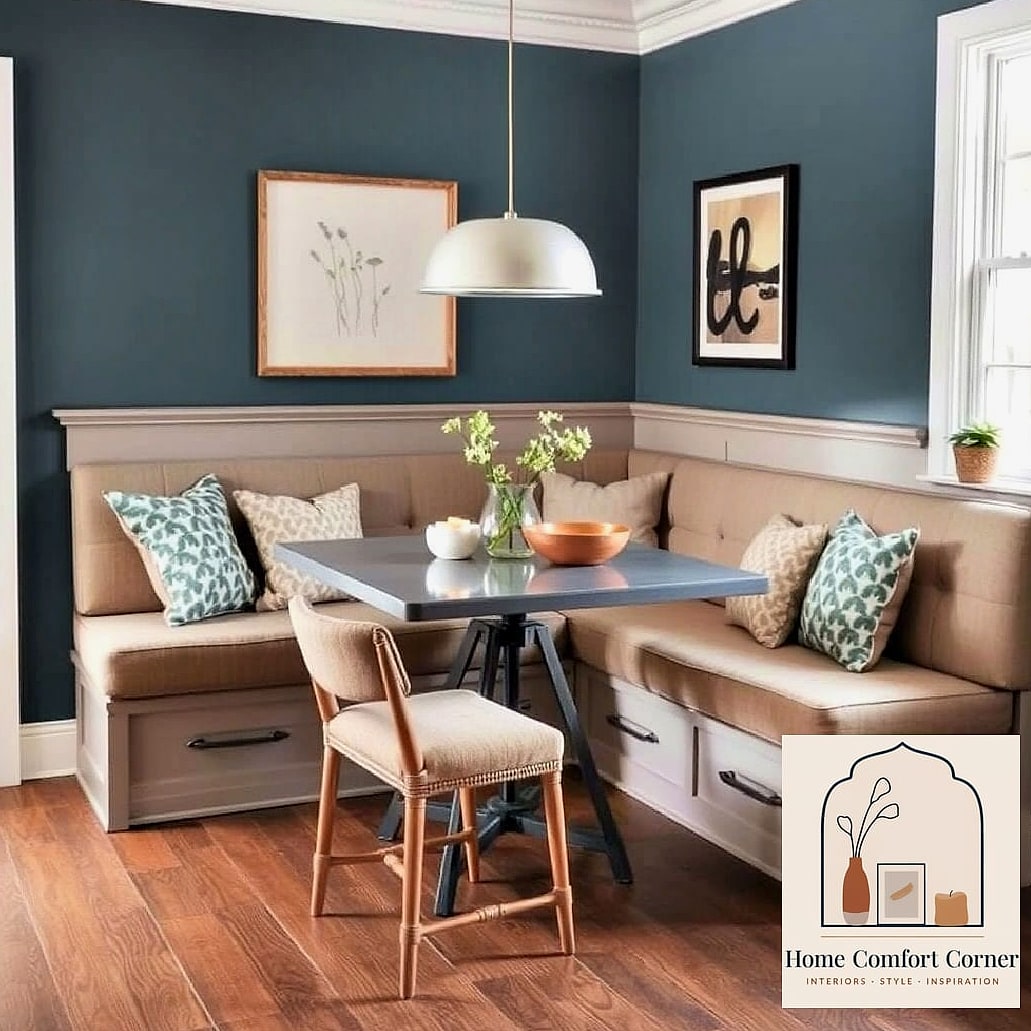
If your dining area is tucked into a corner, a banquette might be the smartest use of that space. Built-in or freestanding benches that wrap around a corner let you seat more people without needing extra chairs pulled out into walking paths. Add cushions in a durable fabric if you have kids or pets, since these get a lot of daily wear. Pair the banquette with a round or oval table so no one feels squeezed into a corner uncomfortably.
Vertical Storage with Tall Cabinets
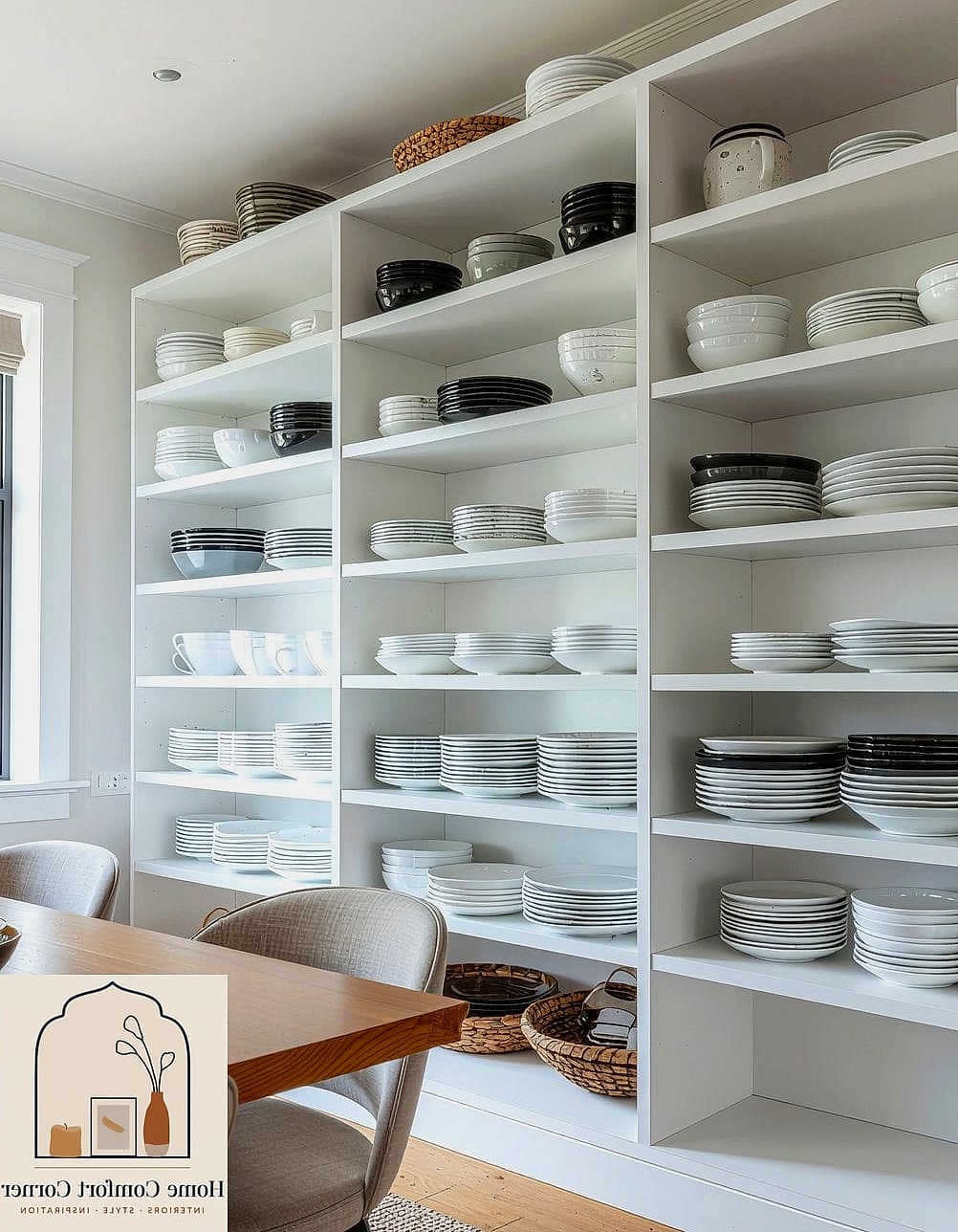
When floor space is limited, going vertical is one of the smartest moves you can make. A tall, narrow cabinet or hutch can hold dishware, table linens, and serving pieces while taking up minimal square footage. Glass-front cabinets let you display pretty dishware while keeping everything else tucked behind closed doors. This is a great option for anyone who entertains occasionally but doesn’t have a separate storage room for extra place settings.
Greenery to Soften Hard Edges
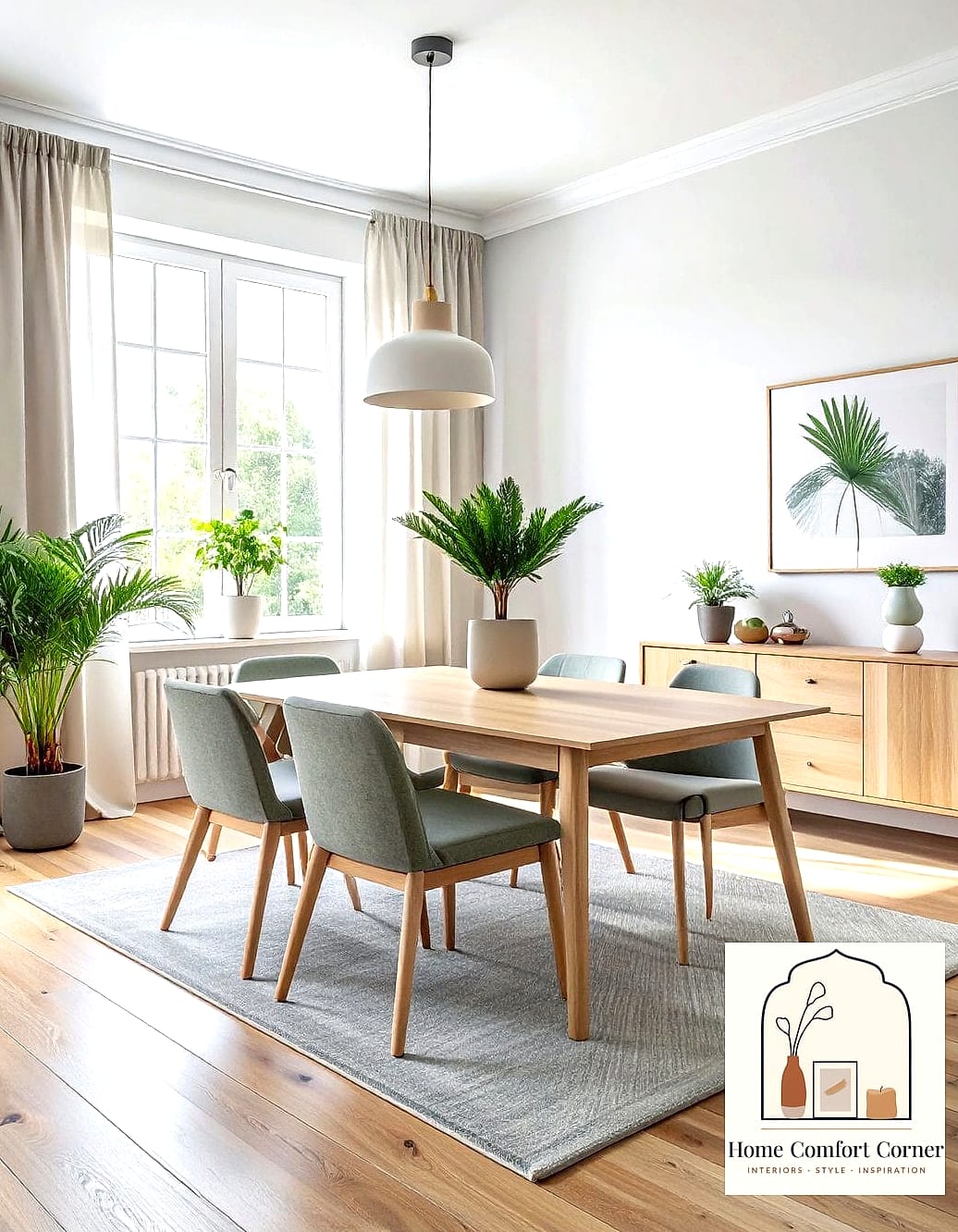
Small rooms with a lot of wood and metal furniture can start to feel stiff without a little life mixed in. A few plants, whether real or faux, soften the space and add color without taking up much room. Trailing plants on a shelf, a small potted plant as a centerpiece, or a taller floor plant in an empty corner all work well depending on your layout. Low-maintenance options like pothos or snake plants are good picks if you don’t have a ton of natural light.
Multi-Purpose Furniture
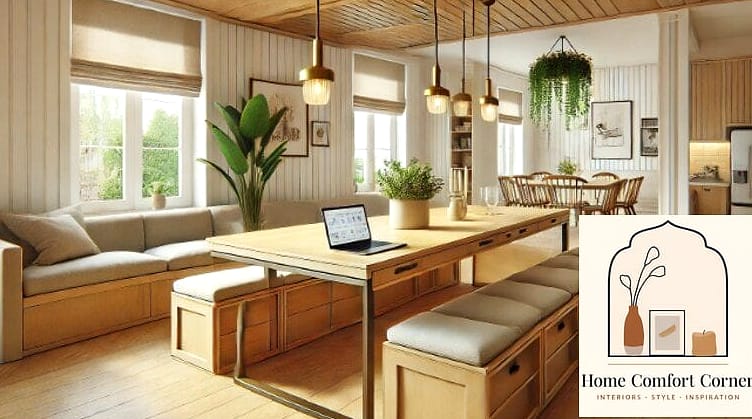
In a small dining room, furniture that does double duty is worth its weight in gold. Extendable tables let you seat more people when needed and shrink back down for everyday use. A bench with hidden storage underneath can hold table linens or extra seating cushions. Even a bar cart can serve as a coffee station most days and a drink station when you’re entertaining. This kind of flexibility means your dining room can adapt to different needs without requiring more furniture than the space can handle.
Small dining rooms have a way of feeling more personal than larger ones, mostly because every piece in the room actually gets used and seen. You don’t need a big renovation or a huge budget to make the space feel intentional. A few smart swaps, like a round table, a well-placed mirror, or some floating shelves, can completely change how the room functions day to day. Start with whatever feels most doable right now, and build from there as your needs and style evolve.