18 Dining Room Decor Ideas Before and After Transformations to Inspire
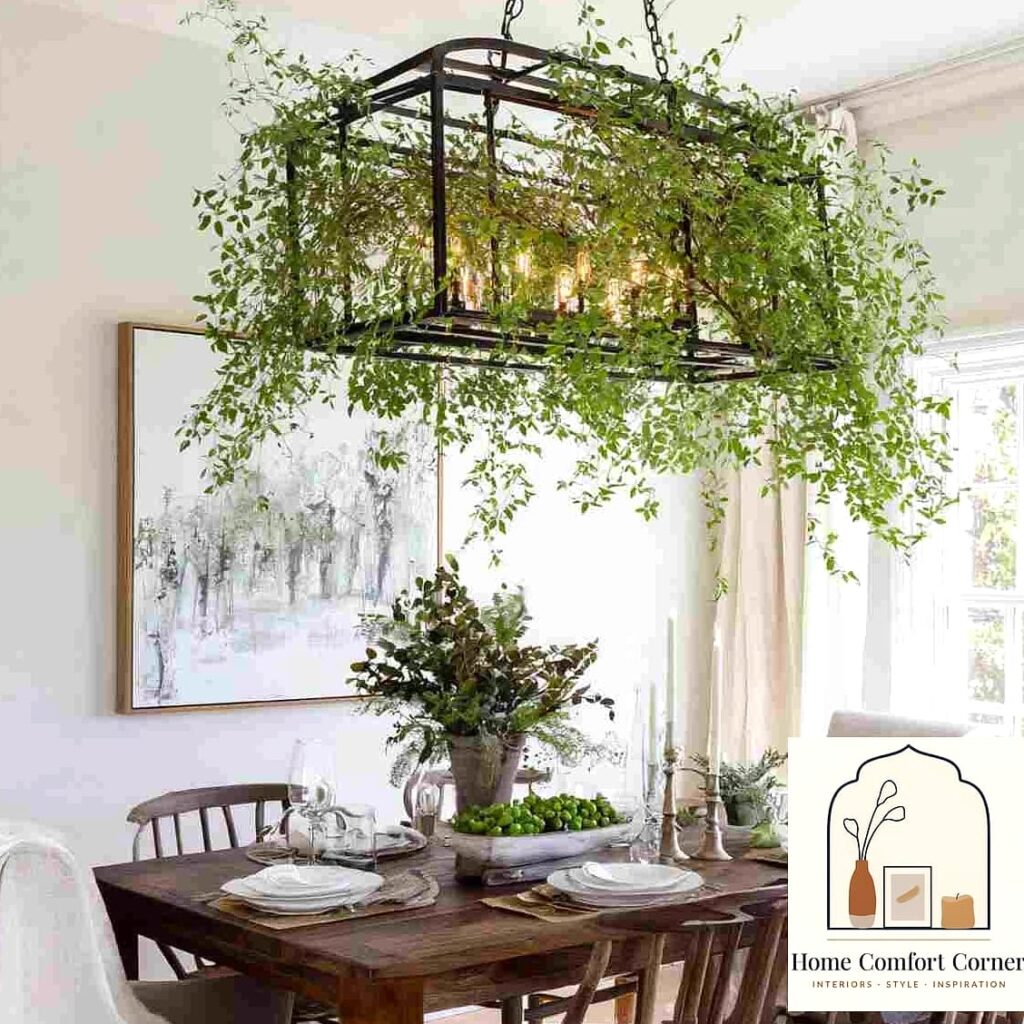
- Swapping Dated Brass Chandeliers for Modern Fixtures
- Painting Dark Paneled Walls a Soft Neutral
- Adding a Statement Rug Under the Table
- Replacing a Boring Table with a Live-Edge Wood Piece
- Turning a Blank Wall into a Gallery Wall
- Installing Wainscoting for Architectural Interest
- Refreshing Old Dining Chairs with New Upholstery
- Layering in Warm, Dimmable Lighting
- Building In a Custom Banquette Seating Nook
- Mixing Metals for a More Collected Look
- Adding Wallpaper to One Accent Wall
- Installing a Board and Batten Ceiling Detail
- Swapping Heavy Drapes for Simple Linen Curtains
- Creating a Built-In Bar or Beverage Station
- Refinishing Hardwood Floors
- Adding Greenery and Seasonal Decor to the Table
- Replacing a China Cabinet with Open Shelving
- Adding a Ceiling Medallion Behind a New Light Fixture
18 Dining Room Decor Ideas Before and After Transformations to Inspire
There’s something so satisfying about a dining room glow-up. It’s usually one of the most overlooked rooms in the house, but a few smart changes can turn a dated, forgettable space into somewhere you actually want to linger after dinner. I’ve pulled together eighteen real transformation ideas that show just how much impact paint, lighting, and a little rearranging can have. None of these require gutting the room down to the studs either.
Swapping Dated Brass Chandeliers for Modern Fixtures
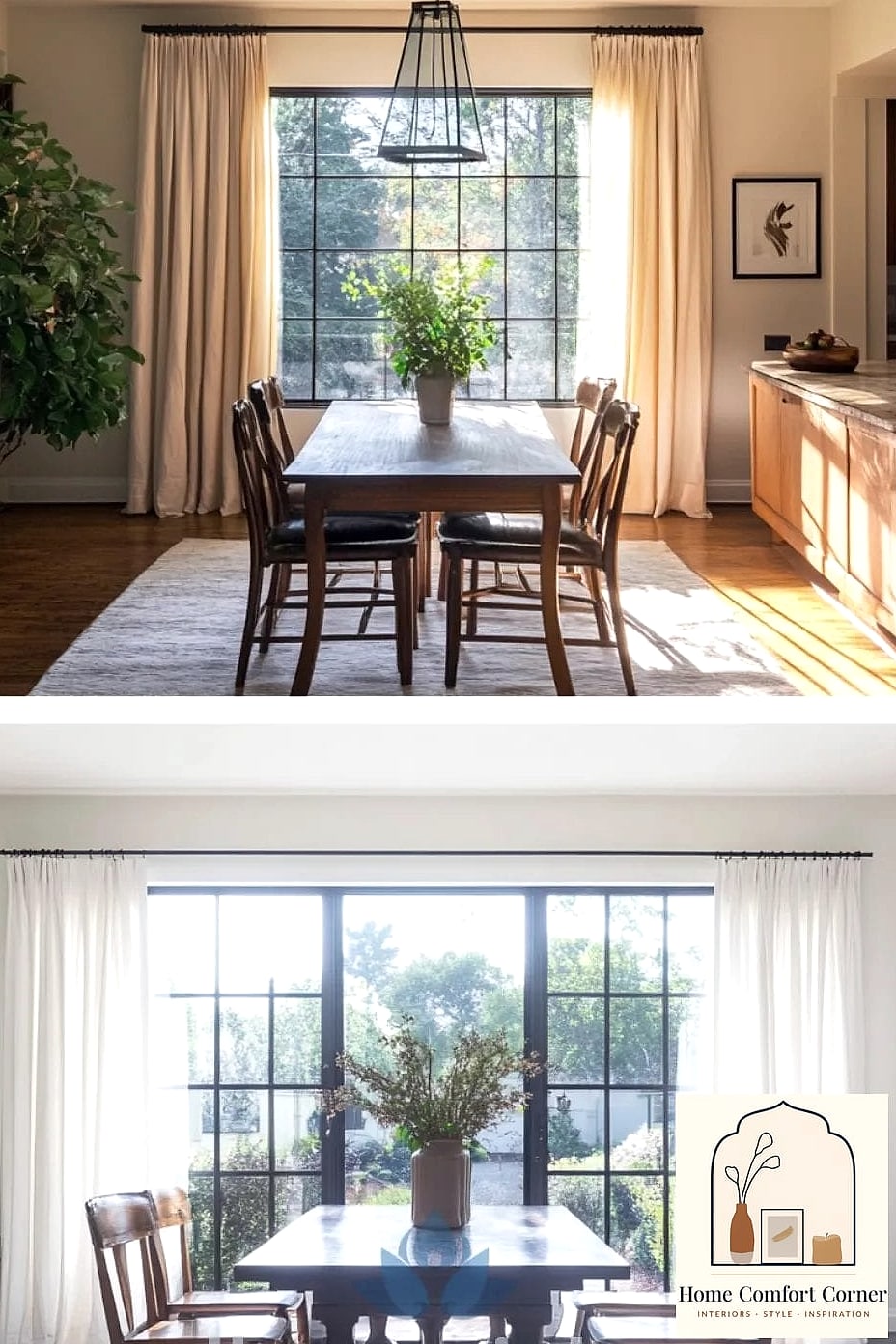
That builder-grade brass chandelier from the early 2000s is usually the first thing to go in a dining room refresh. Homeowners are replacing them with matte black, aged bronze, or linear fixtures that feel more current. The before-and-after difference here is honestly dramatic because lighting sits at eye level and anchors the whole room. A linear pendant works especially well over a rectangular table, while a drum shade softens things up over a round one. Budget-friendly swaps run under $150, though statement fixtures with brushed brass or handblown glass can climb into luxury territory.
Painting Dark Paneled Walls a Soft Neutral
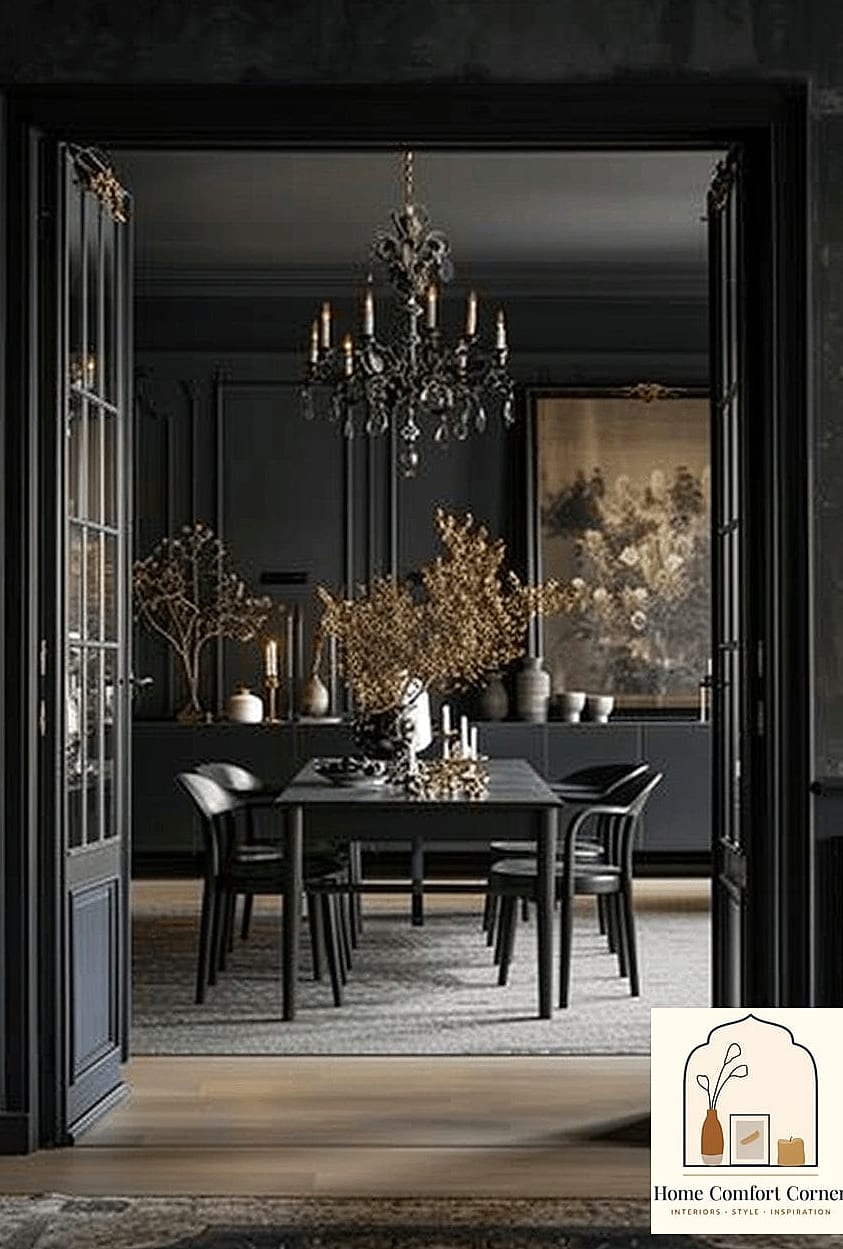
Old wood paneling can make a dining room feel like a cave, even with good natural light. A coat of paint in a warm white or soft greige completely opens things up. I’ve seen this exact transformation brighten a room without touching a single wall structurally. The key is priming properly since paneling can be stubborn about absorbing paint evenly. This is a weekend DIY project for most people, and it’s one of those upgrades that instantly makes a kitchen feel more custom without requiring a full renovation—same logic applies here in the dining room.
Adding a Statement Rug Under the Table
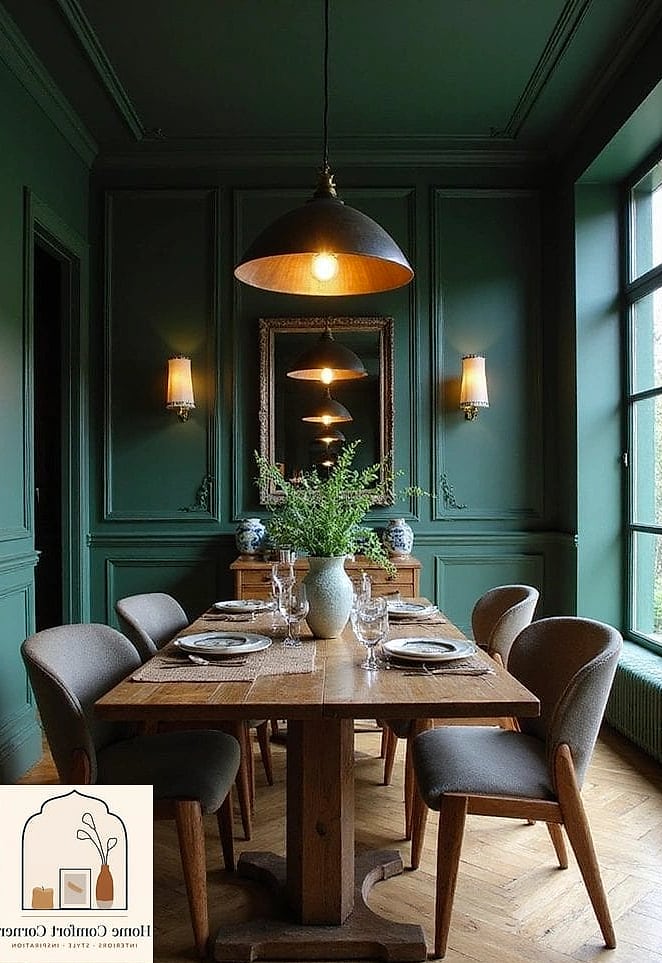
An area rug grounds a dining space and adds warmth, especially over hardwood or tile. Before shots often show a bare floor that feels a little sparse, while the after includes a patterned or textured rug that pulls the whole layout together. Go for a low-pile option since dining chairs need to slide in and out easily. Wool blends hold up well to crumbs and spills if you’re willing to spot clean occasionally, while synthetic options are more forgiving for families with young kids.
Replacing a Boring Table with a Live-Edge Wood Piece
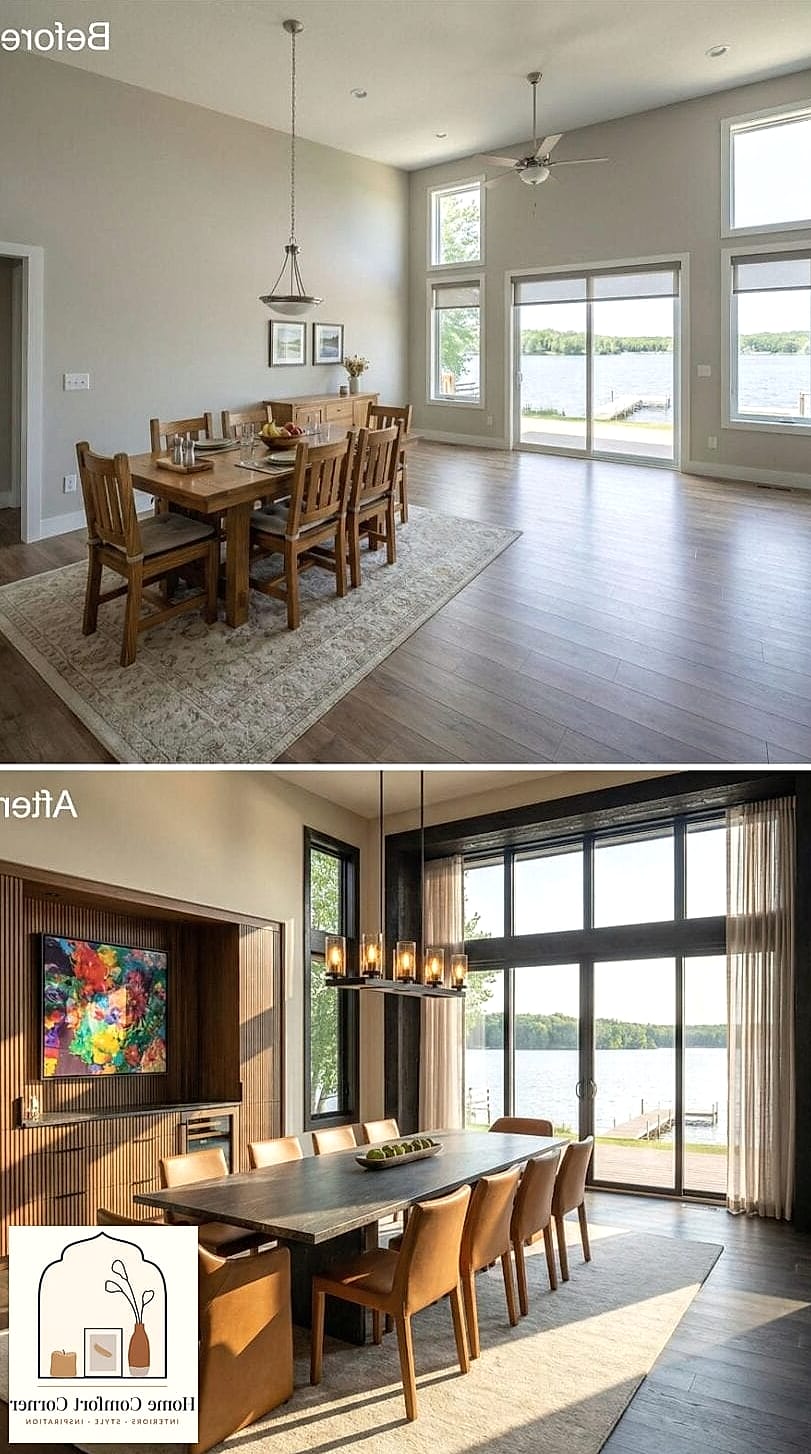
Swapping a generic laminate table for a live-edge wood slab table changes the entire personality of the room. It brings in natural texture and warm wood tones that pair beautifully with almost any style, from farmhouse to modern. These tables aren’t cheap, but secondhand and refurbished versions pop up often if you’re patient. Maintenance is pretty low—just a food-safe oil every so often keeps the wood from drying out.
Turning a Blank Wall into a Gallery Wall
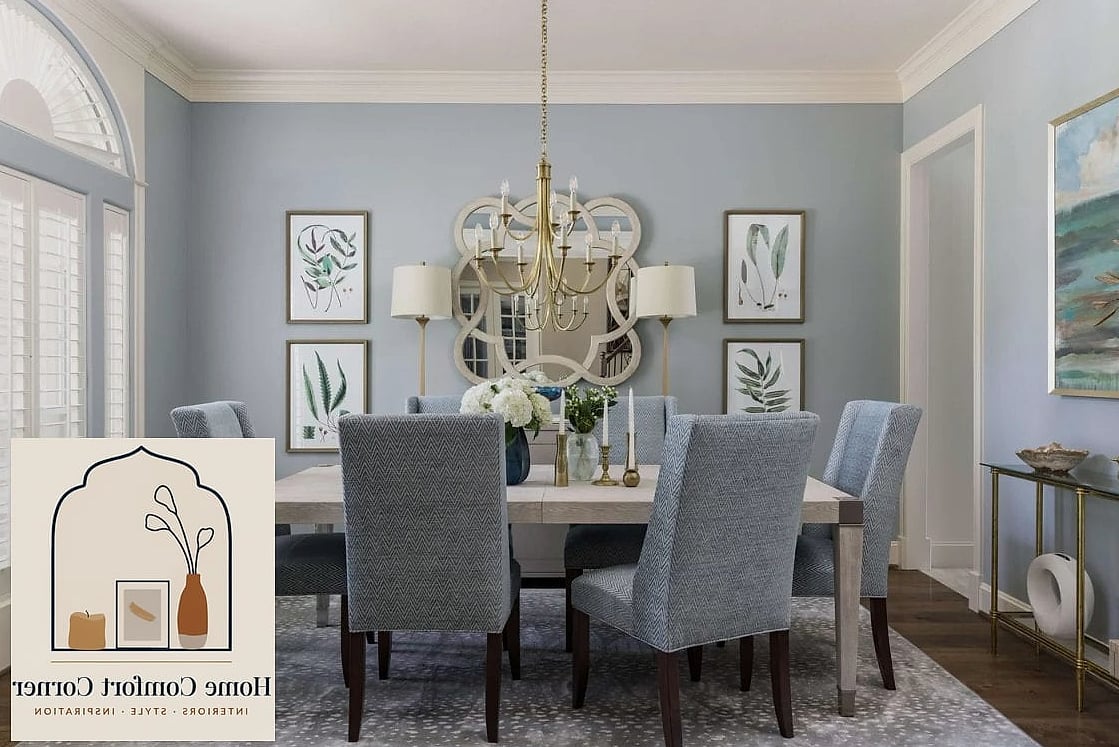
A plain, empty wall is one of the easiest before-and-after wins. Layering framed art, mirrors, and maybe a woven piece or two gives the eye something to travel across during dinner conversations. Mixing frame finishes like black, brushed brass, and natural wood keeps it from feeling too matchy. This is a renter-friendly project too, since command strips and adhesive hooks handle most of the hanging without damaging walls.
Installing Wainscoting for Architectural Interest
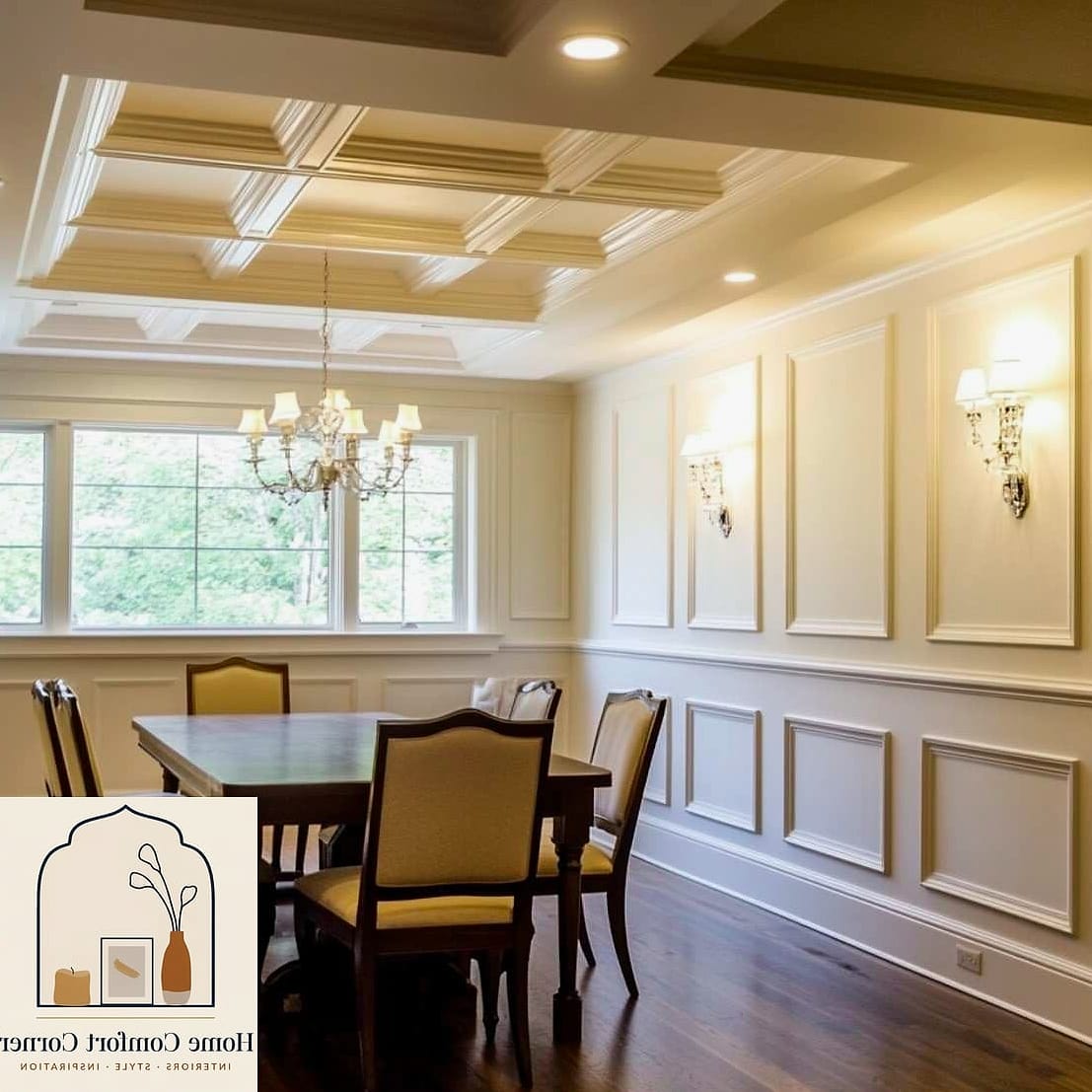
Flat, featureless walls get a serious upgrade with wainscoting or board and batten. It adds dimension and a slightly more formal feel without going overboard. Painted white it reads classic and traditional, while a moody navy or forest green wainscoting feels more dramatic and current. This one takes more effort than most ideas on this list, but kits from home improvement stores make it manageable for an ambitious DIYer over a weekend.
Refreshing Old Dining Chairs with New Upholstery
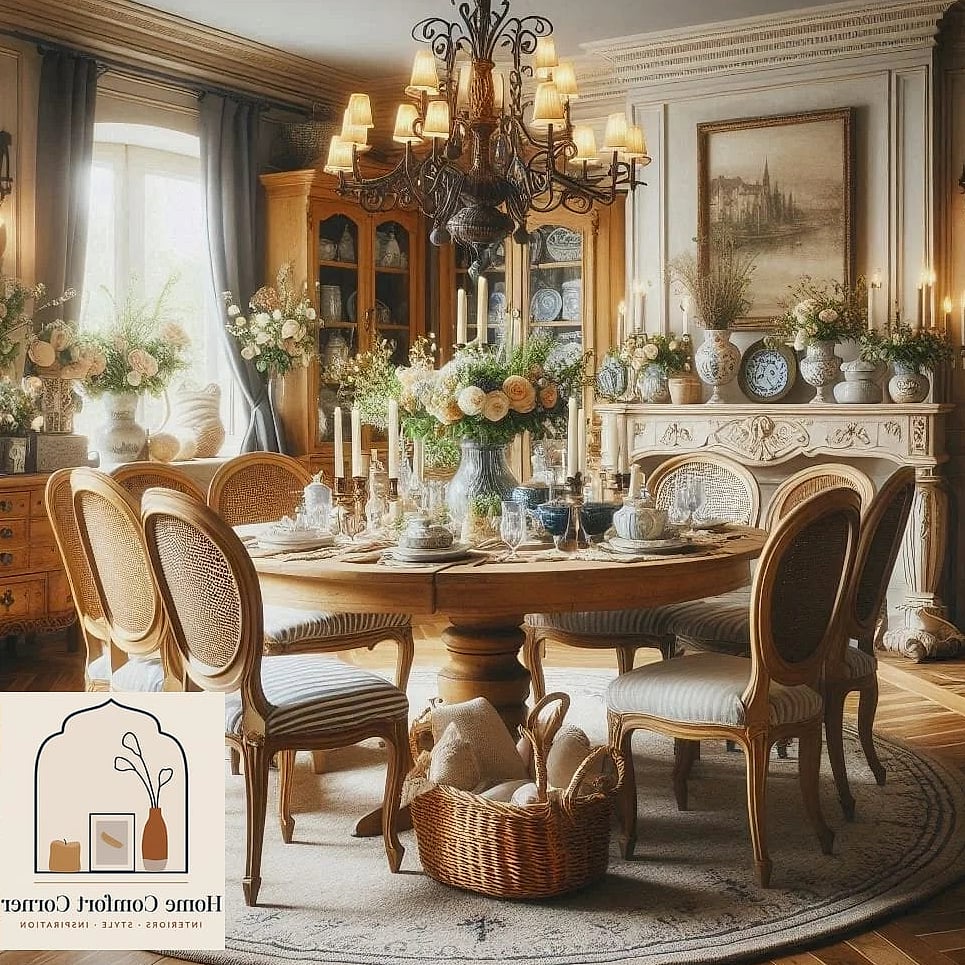
Reupholstering dining chairs is a budget-conscious way to update an entire room. The before photo usually shows tired, stained fabric, while the after reveals a durable, stain-resistant textile in a color that ties the space together. Performance fabrics are worth the extra cost if you have kids or pets, since they wipe clean easily. If sewing isn’t your thing, plenty of upholsterers will do the job for less than a new chair set would cost.
Layering in Warm, Dimmable Lighting
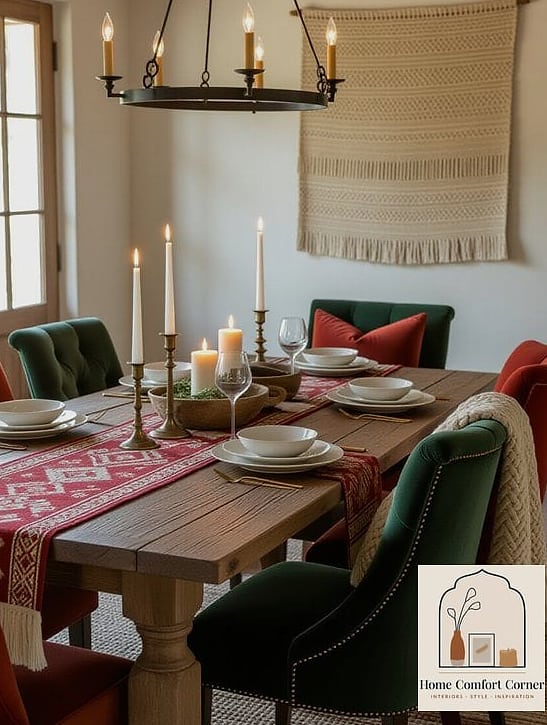
Overhead lighting alone tends to feel flat and a little clinical. Adding a dimmer switch, plus a buffet lamp or two, creates layered lighting that feels warmer and more intentional. This is one of the cheapest changes on this list and arguably one of the most impactful, since lighting affects mood more than most people realize. Smart bulbs are a nice shortcut if you don’t want to mess with rewiring a dimmer switch.
Building In a Custom Banquette Seating Nook
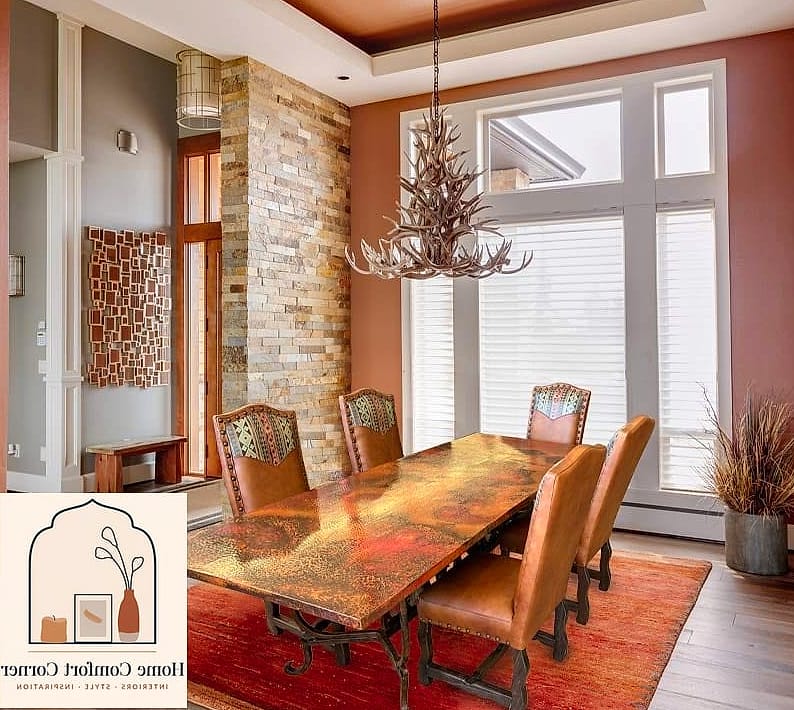
A banquette swaps out bulky chairs for built-in bench seating, which works especially well in smaller dining rooms or awkward corners. The transformation photos here are usually striking because it maximizes seating without eating up floor space. Adding storage underneath the bench is a smart move for stashing linens or extra dishware. This project leans more toward a weekend carpentry job or a hired contractor, depending on your comfort level with building.
Mixing Metals for a More Collected Look
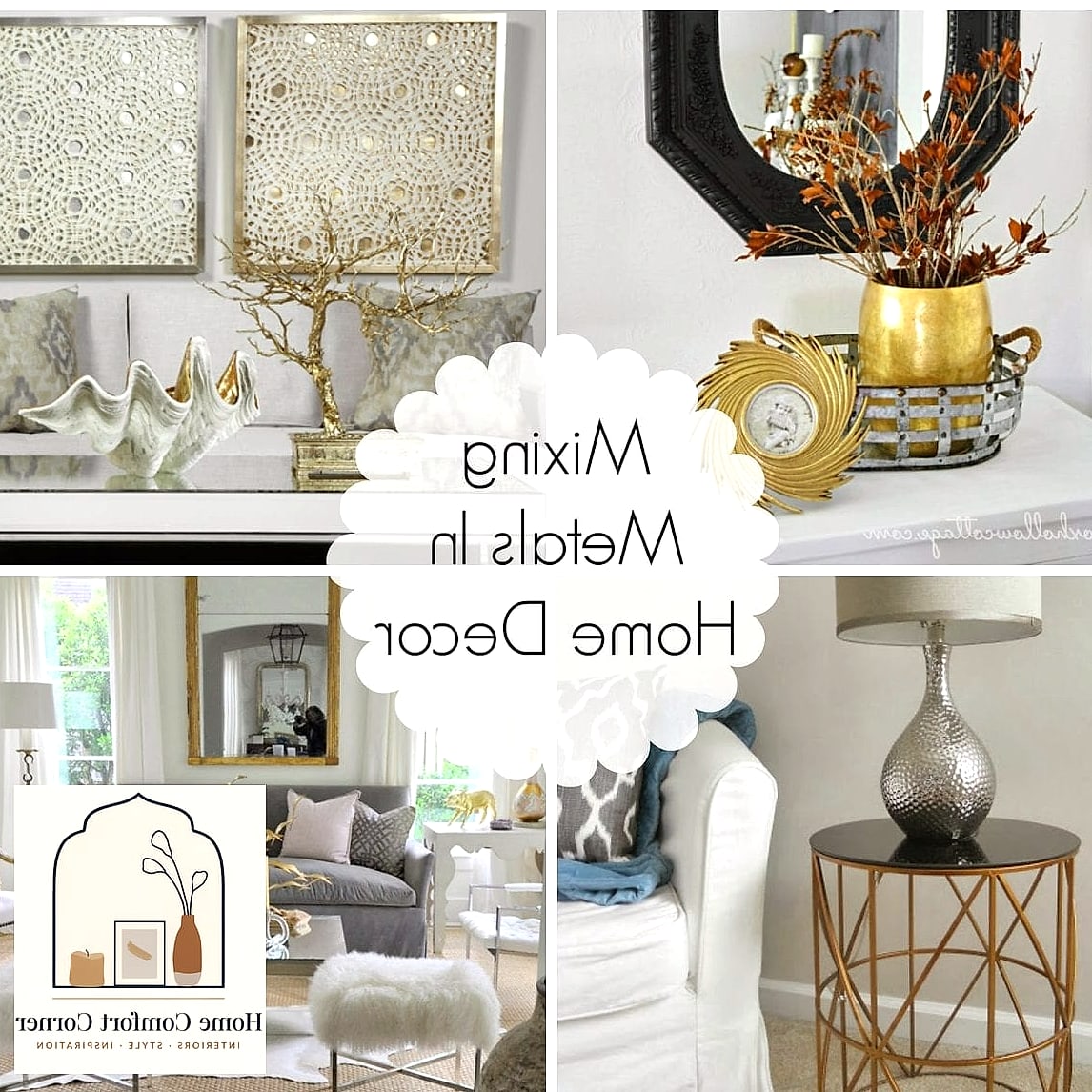
A dining room where every metal finish matches perfectly can feel a little sterile. Mixing brushed brass hardware with black fixtures and maybe a chrome accent or two creates a more collected, lived-in look. This shows up well in before-and-afters because it’s such a subtle shift that makes a huge difference in how curated the space feels. It doesn’t cost much either, since it’s mostly about swapping small hardware pieces like drawer pulls or curtain rods.
Adding Wallpaper to One Accent Wall
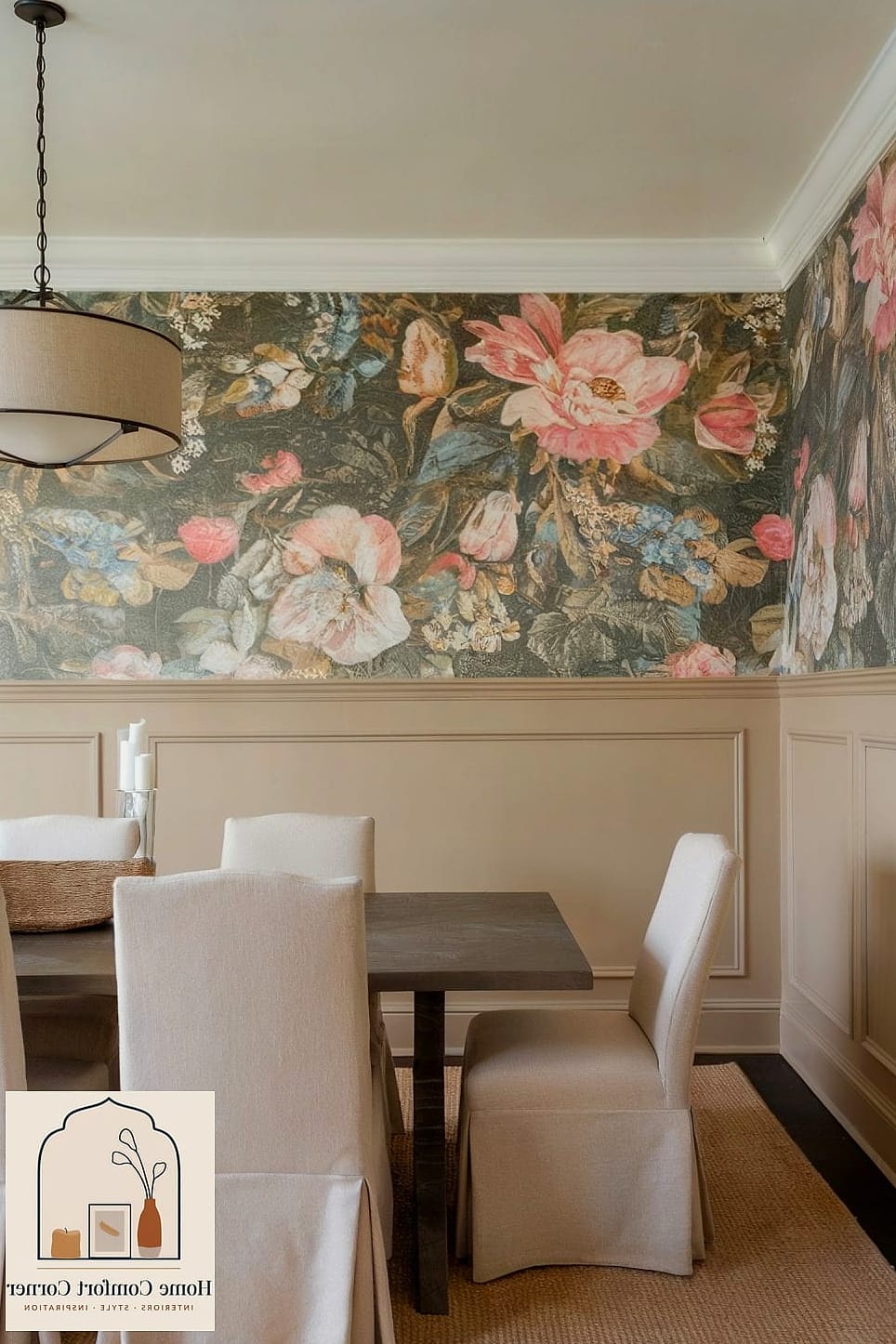
A single wallpapered wall can turn a plain dining room into something with real personality. Botanical prints, subtle stripes, and grasscloth textures are popular choices right now. Peel-and-stick options make this approachable for renters or anyone nervous about commitment, and they’re removable if you change your mind down the road. Traditional wallpaper lasts longer and looks more premium if you’re staying put for a while.
Installing a Board and Batten Ceiling Detail
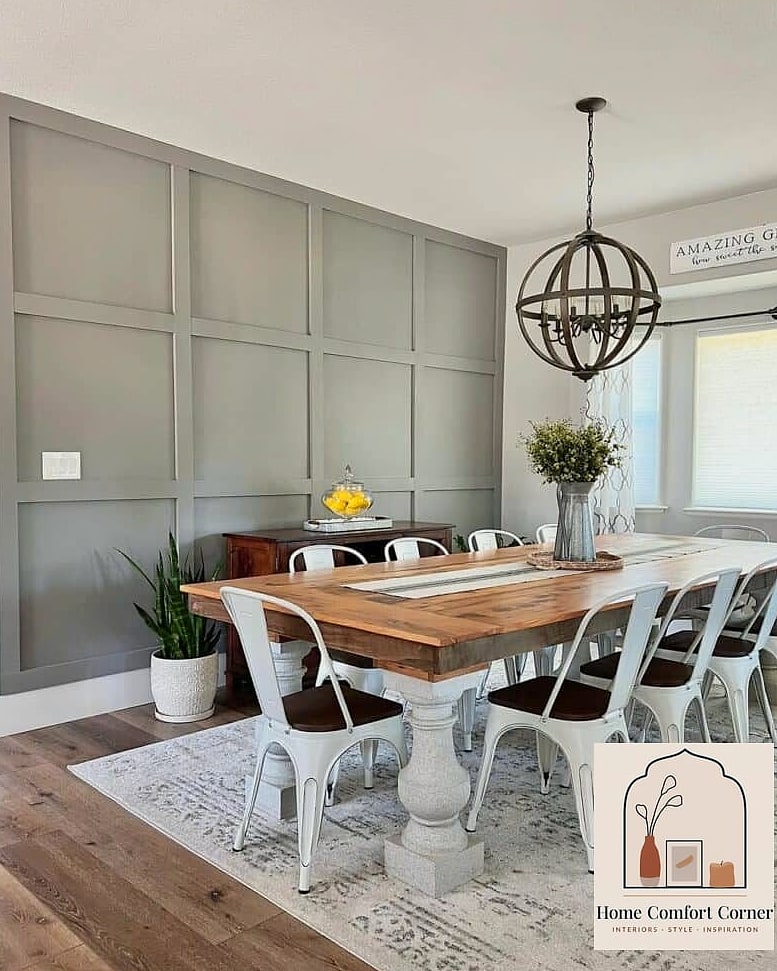
Ceilings get ignored constantly, but adding beams or a board and batten grid pattern up top gives the room a custom, almost architectural feel. This is a more advanced project, so hiring it out is common unless you’re experienced with trim carpentry. Painted a soft white it stays subtle, while a contrasting color on the ceiling makes more of a statement. It’s a great option if your walls and floors are already done and you want one more layer of visual interest.
Swapping Heavy Drapes for Simple Linen Curtains
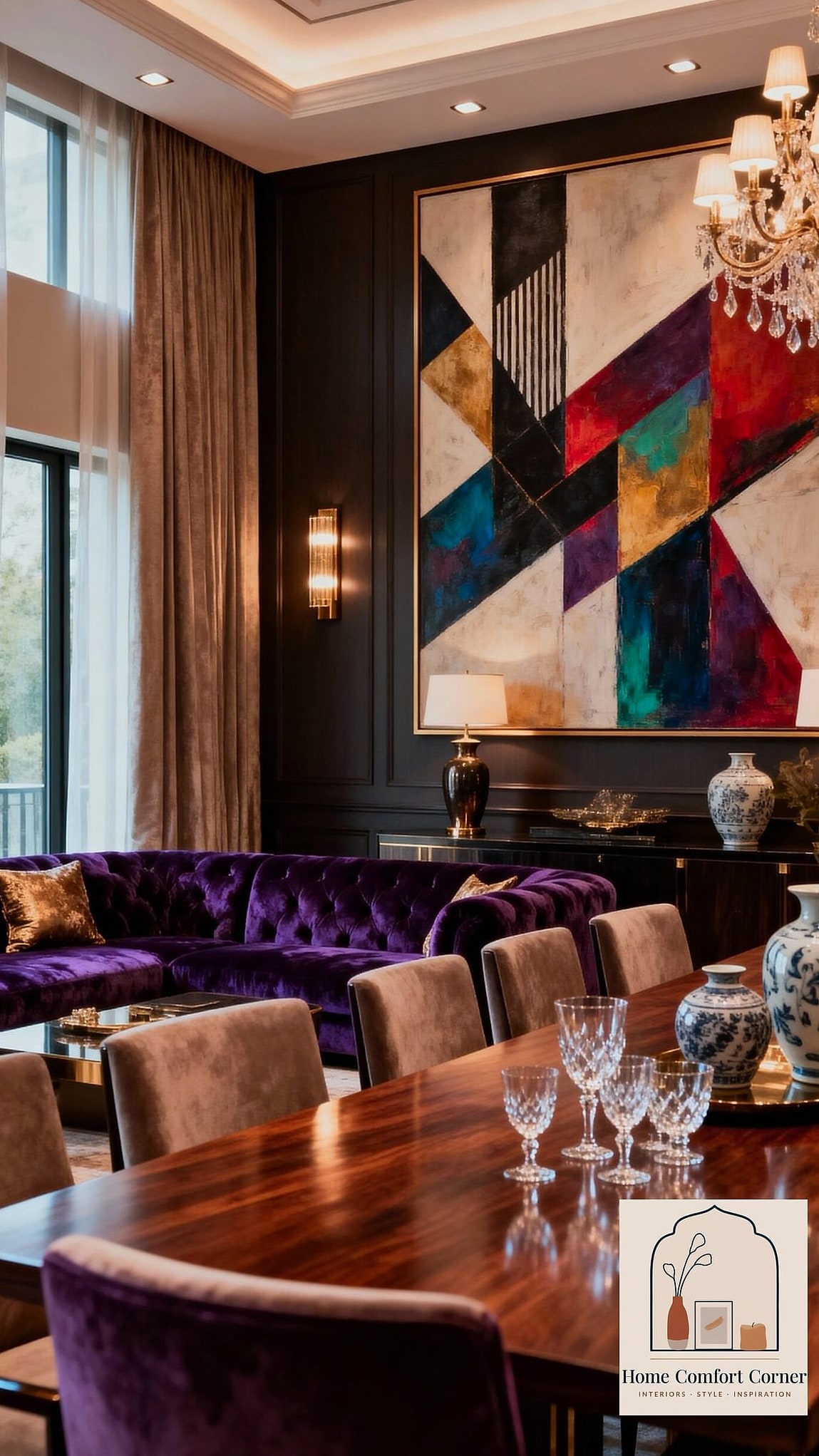
Bulky, dated drapes can make a dining room feel stuffy and closed off. Lightweight linen curtains in a neutral tone let more light filter through while still softening the windows. The before-and-after contrast is usually about how much airier the whole room feels. Linen wrinkles naturally, which honestly works in its favor here since it gives off a relaxed, textured look without needing to be ironed constantly.
Creating a Built-In Bar or Beverage Station
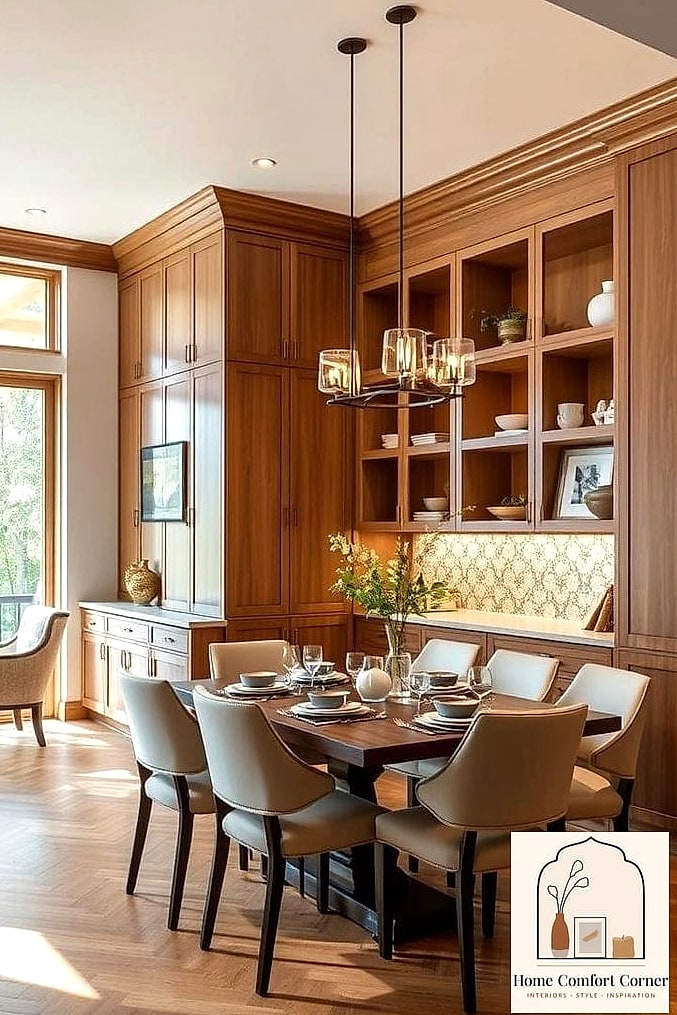
Turning an unused corner or old buffet into a bar cart setup or built-in beverage station makes the dining room feel more functional for entertaining. Open shelving above with glassware, paired with closed storage below for bottles, keeps things organized and visually appealing. This works whether you’re doing a full built-in or just styling an existing piece of furniture you already own. It’s a nice example of built-in storage doing double duty as decor.
Refinishing Hardwood Floors
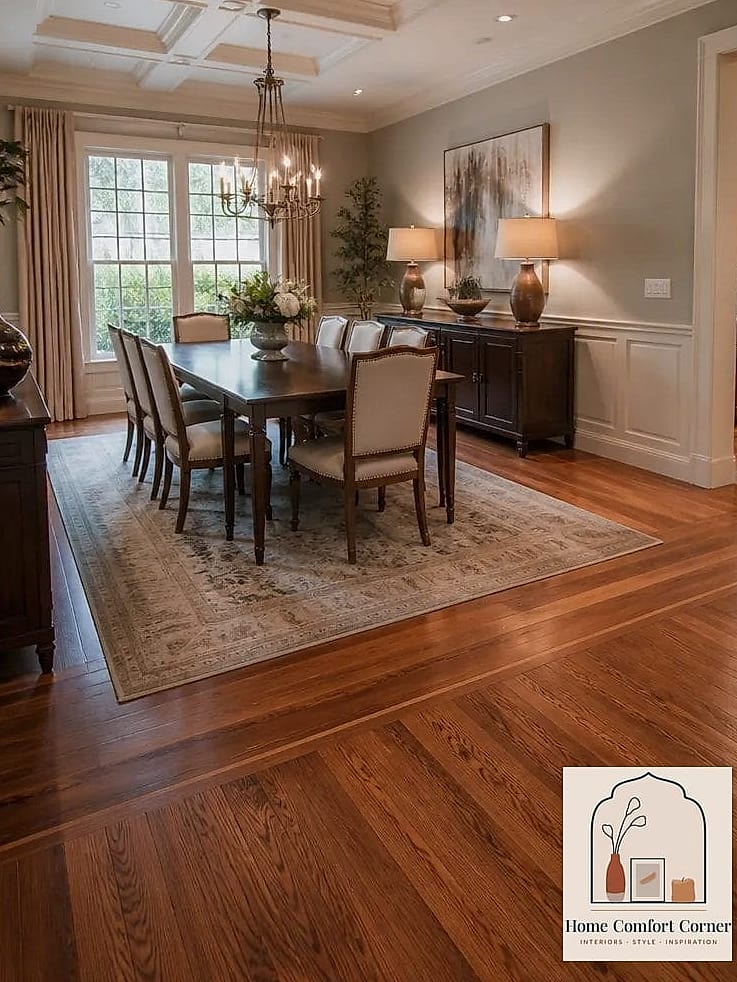
Scratched, dull hardwood floors drag down even a well-decorated dining room. Refinishing brings back the natural grain and warmth, and it’s one of those projects where the before-and-after photos genuinely look like a different house. This isn’t a casual weekend DIY unless you’re experienced, since sanding and staining require some skill to avoid uneven patches. Professional refinishing costs more upfront but tends to last for decades with normal care.
Adding Greenery and Seasonal Decor to the Table
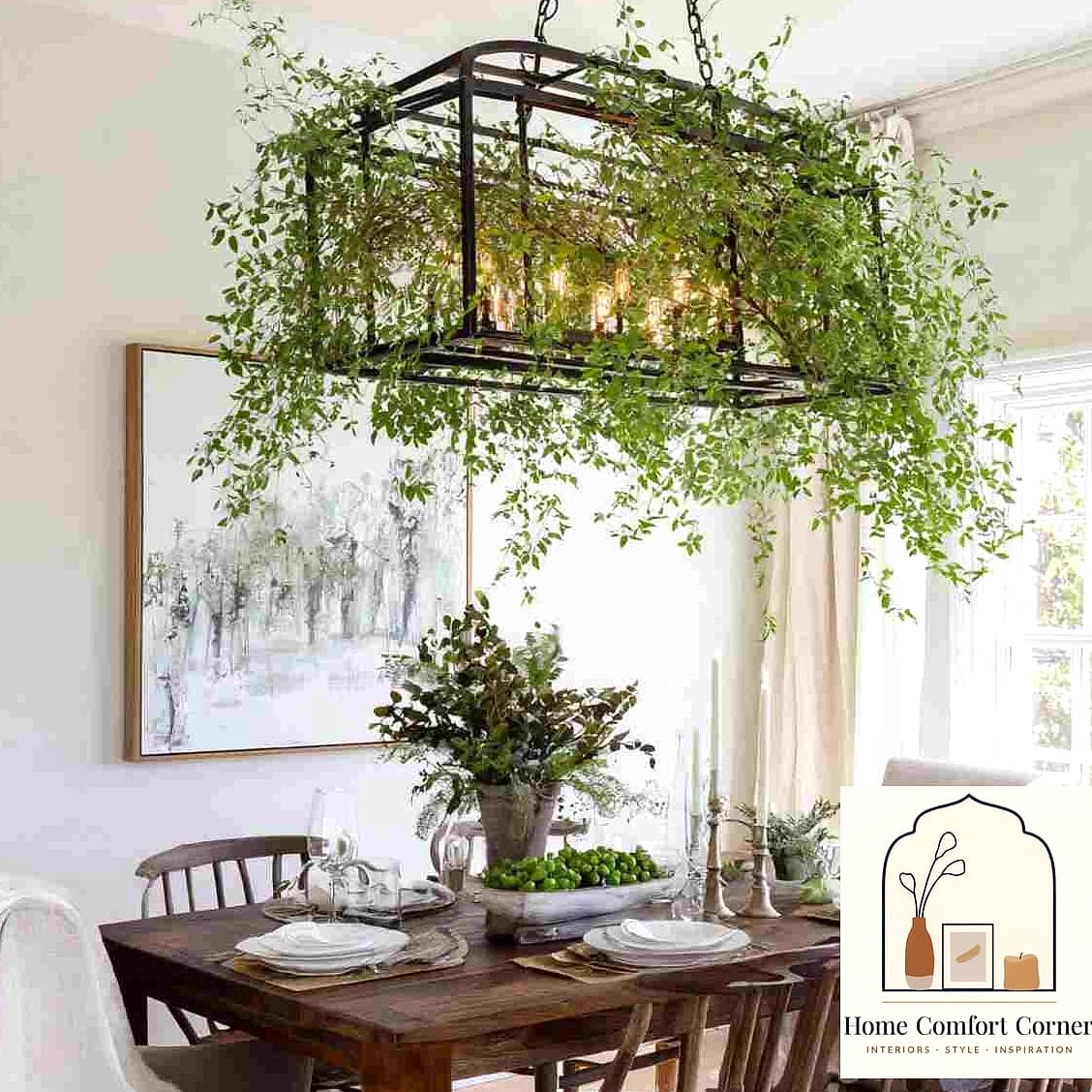
Sometimes the simplest transformation is just styling what’s already there. A bare table becomes inviting with a runner, some greenery, and a few taper candles. Rotating seasonal decor keeps the space feeling fresh without spending much money. This is the easiest idea on the entire list and honestly one of the most satisfying, since it takes maybe twenty minutes and makes a real difference for dinner parties or everyday meals.
Replacing a China Cabinet with Open Shelving
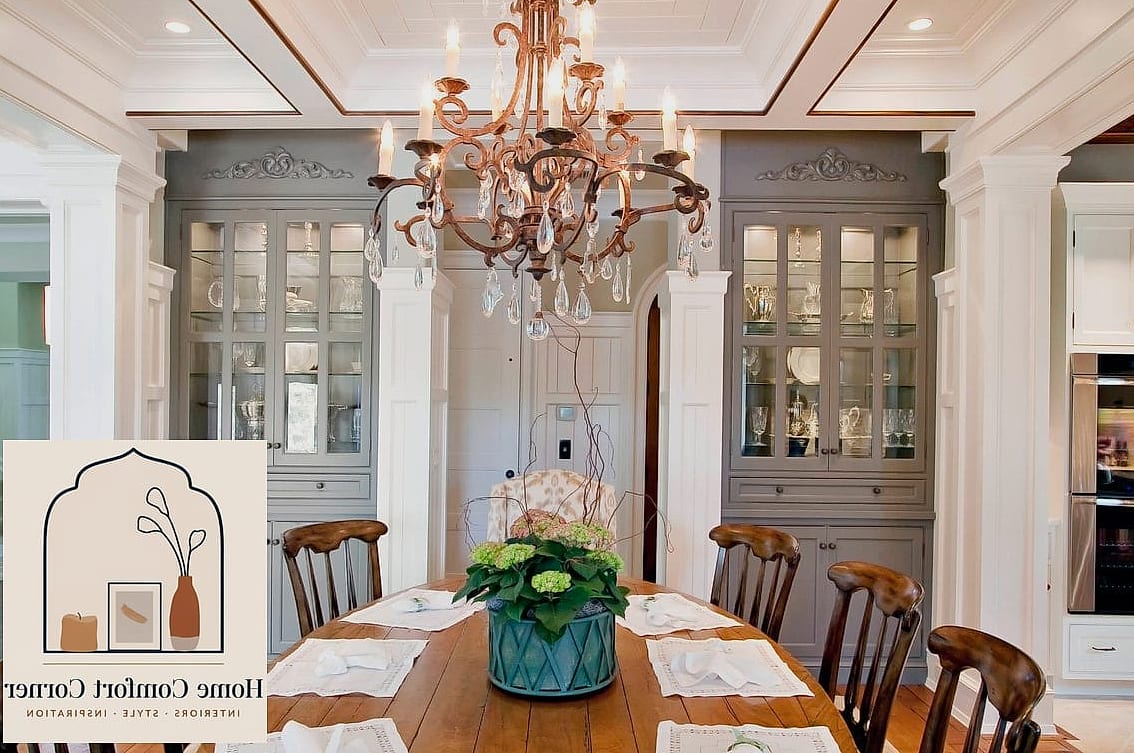
Bulky, dark china cabinets can make a dining room feel closed in and outdated. Swapping one out for floating shelves or an open hutch instantly lightens things up visually. Styling the shelves with a mix of dishware, books, and a plant or two gives it personality instead of just function. This works especially well in smaller dining rooms where every bit of visual breathing room matters.
Adding a Ceiling Medallion Behind a New Light Fixture
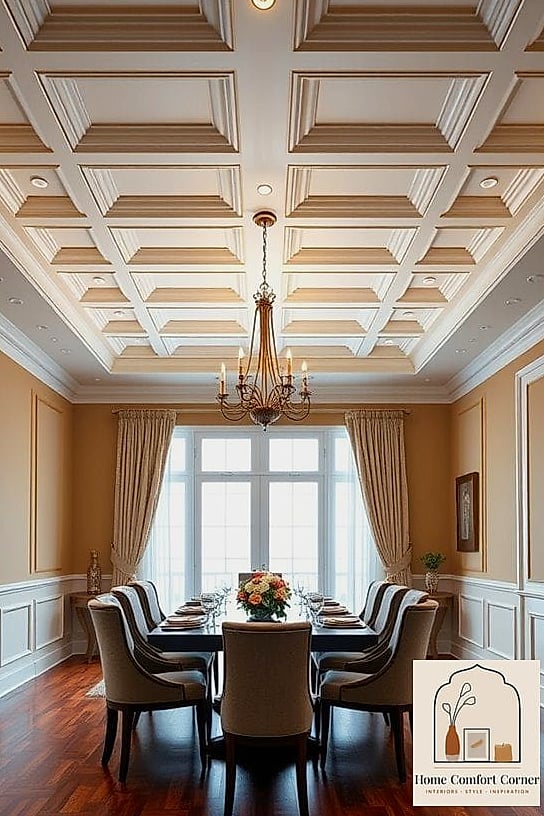
This is a small but surprisingly effective upgrade. A ceiling medallion adds a bit of architectural detail right where the eye naturally lands when you walk into the room. Paired with a new fixture, it reads more custom and finished, almost like the room was designed around that detail rather than it being an afterthought. Installation is straightforward since most medallions are lightweight and adhere with construction adhesive, making it a beginner-friendly weekend project.
Every one of these dining room transformations proves you don’t need a massive budget or a full remodel to make the space feel new again. Sometimes it’s a lighting swap, sometimes it’s paint, and sometimes it’s just styling the table differently. Pick one or two ideas that match your current setup and budget, and you’ll likely be surprised how much of a difference a single change can make.