19 Stunning Room Decoration Ideas for Every Budget
- Create a Gallery Wall With Mismatched Frames
- Add a Layered Lighting Scheme
- Paint an Accent Wall in a Bold Color
- Bring in Textured Throw Pillows and Blankets
- Install Floating Shelves for Display and Storage
- Add a Statement Rug
- Swap Hardware on Furniture and Cabinets
- Bring the Outdoors In With Greenery
- Use Wallpaper on Just One Wall
- Reupholster or Recover a Tired Chair
- Add Curtains That Actually Hang Right
- Create a Cozy Reading Nook
- Display Books and Objects by Color
- Add a Large Mirror to Bounce Light
- Try a Ceiling Treatment for Extra Drama
- Use Baskets and Bins for Stylish Storage
- Hang Art at the Right Height
- Incorporate Warm Wood Tones
- Rotate Decor Seasonally
19 Stunning Room Decoration Ideas for Every Budget
Redecorating a room doesn’t have to mean gutting it and starting over. Some of the best transformations come from small, smart changes that cost almost nothing, while others are worth saving up for because the payoff is huge. Either way, you don’t need a design degree to make a space feel intentional and put together.
I’ve pulled together nineteen ideas that cover every budget range, from a five dollar thrift store find to a full accent wall project. Pick a few that fit your style and your wallet, and go from there.
Create a Gallery Wall With Mismatched Frames
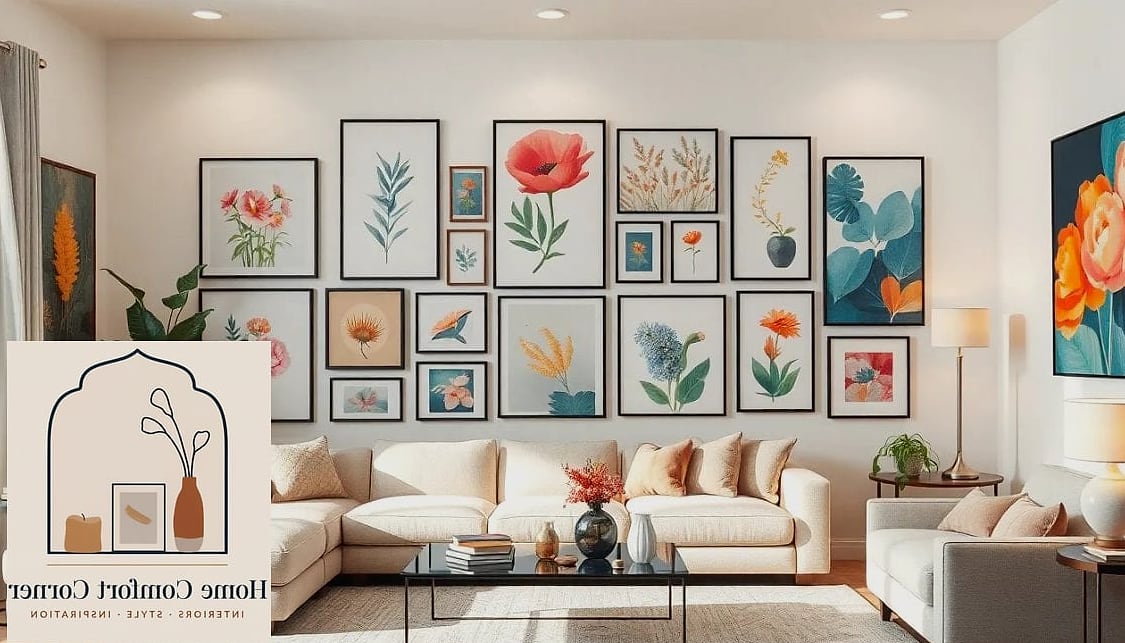
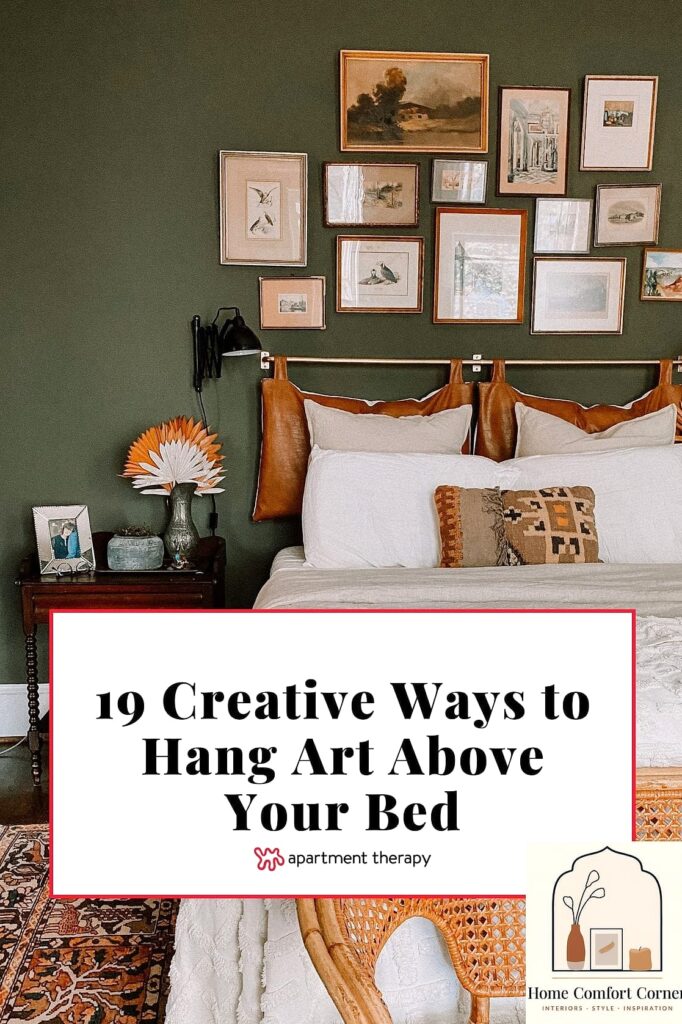
There’s something so personal about a wall full of frames that don’t match. Mix thrifted frames, family photos, and a few art prints for a look that feels collected over time rather than bought in one trip.
This works especially well in hallways, above a sofa, or on a staircase wall where you have a long vertical or horizontal run of space. Start with a paper template on the floor so you can plan spacing before anything goes on the wall.
Budget-wise, this can cost almost nothing if you’re using frames you already own. If you want a splurge version, invest in a few matching frame finishes like brushed brass or matte black to tie everything together visually.
Add a Layered Lighting Scheme
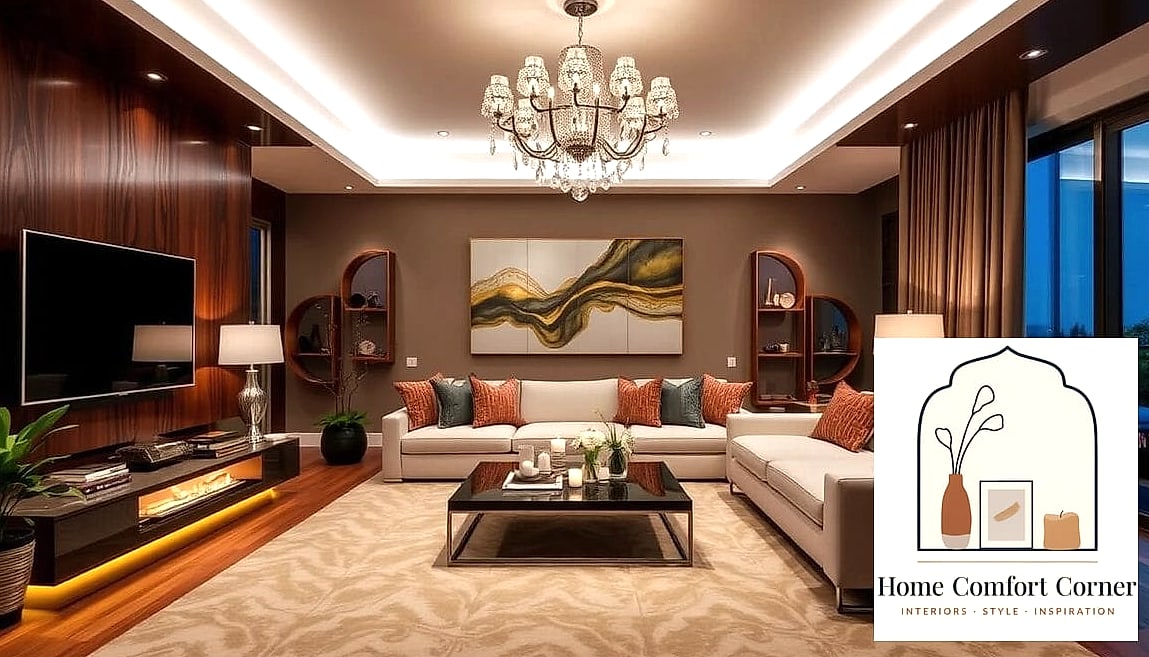
Most rooms rely on one overhead light, and it shows. Layered lighting means combining ceiling fixtures with table lamps, floor lamps, and maybe a strip of LED lighting behind a shelf or TV.
This instantly makes a room feel warmer and more finished, especially in the evening. Warm white bulbs (around 2700K) tend to feel cozier than the cool white ones you’ll find in a lot of hardware stores.
A single lamp from a thrift shop can run you ten dollars, while a designer floor lamp might be a couple hundred. Either way, the effect is the same: shadows and pools of light instead of one flat wash from above.
Paint an Accent Wall in a Bold Color
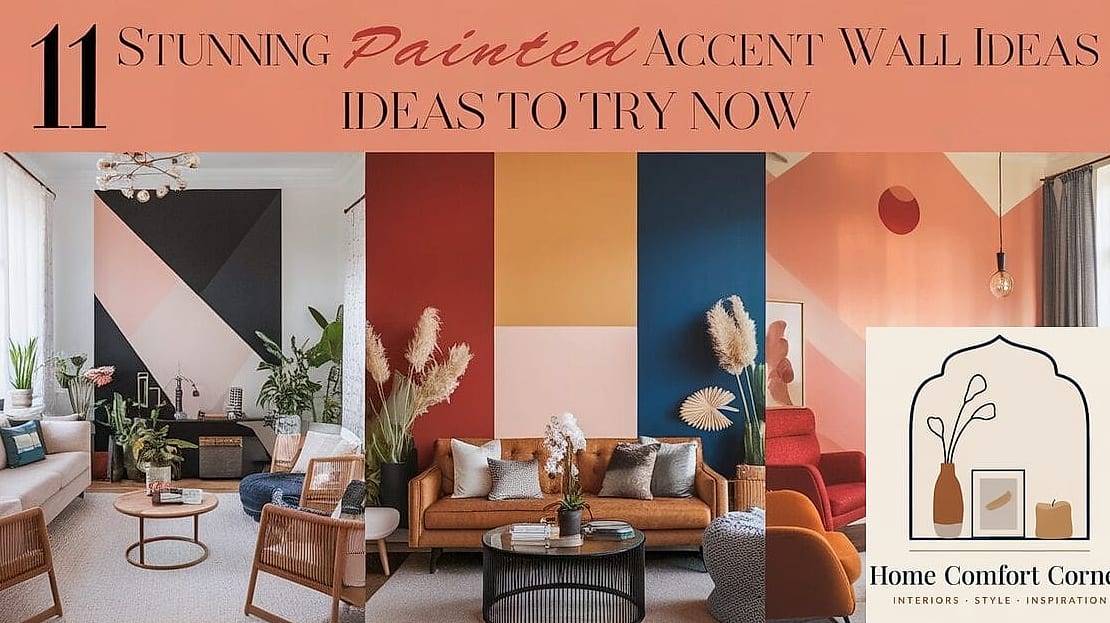
An accent wall is still one of the most affordable ways to change the entire mood of a room. Deep greens, warm terracottas, and moody navy blues have all been popular choices lately, but honestly any color that feels right to you works.
This idea works best on the wall behind your bed, sofa, or a fireplace, since it naturally becomes a focal point. Skip it in small rooms with low ceilings unless you’re going for a cozy, cocoon-like feel on purpose.
A gallon of paint typically covers one wall for around thirty to fifty dollars, making this one of the cheapest high-impact changes on this list.
Bring in Textured Throw Pillows and Blankets
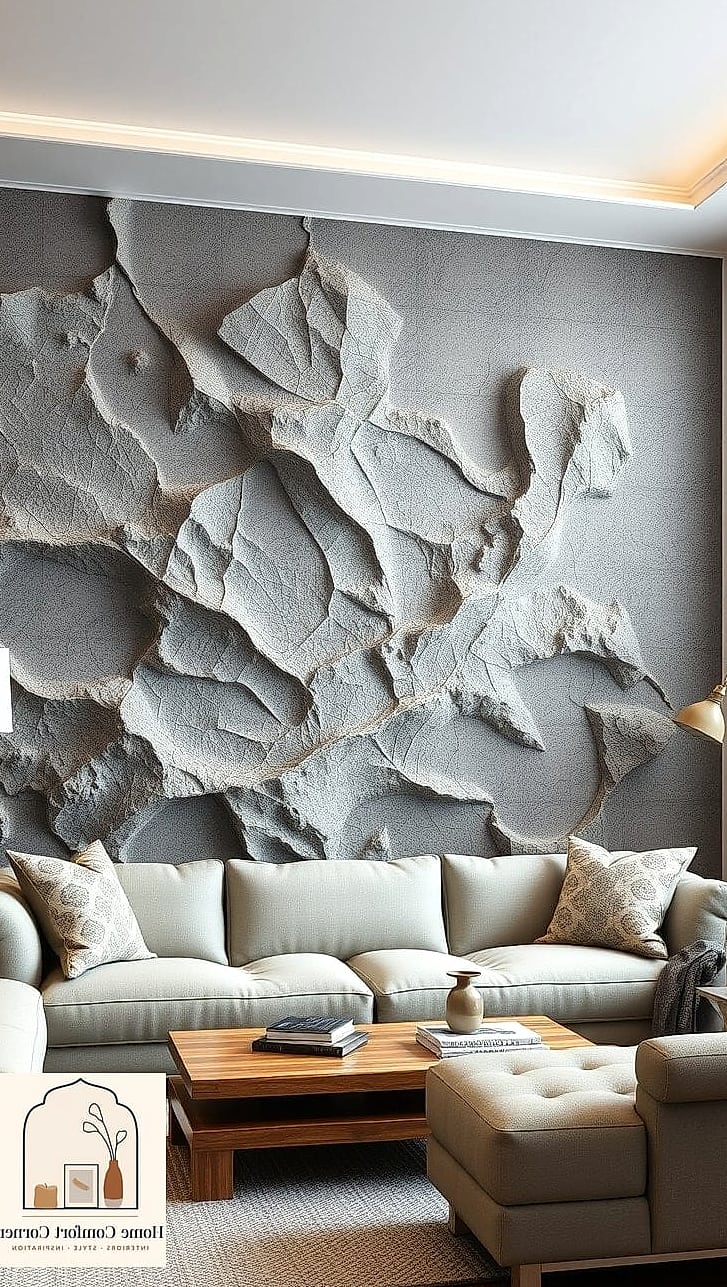
Swapping out flat, matching pillow sets for a mix of textures like bouclé, linen, and chunky knit instantly makes a couch or bed feel more inviting. Odd numbers tend to look more natural than even ones, so try three or five pillows instead of four.
This is a low-commitment way to test a new color palette before you paint or buy furniture. If your style changes in a year, you’re only out the cost of a few pillow covers, not a whole sofa.
Budget shoppers can find great options at HomeGoods or on Facebook Marketplace, while wool and mohair versions from smaller design brands can run quite a bit higher.
Install Floating Shelves for Display and Storage
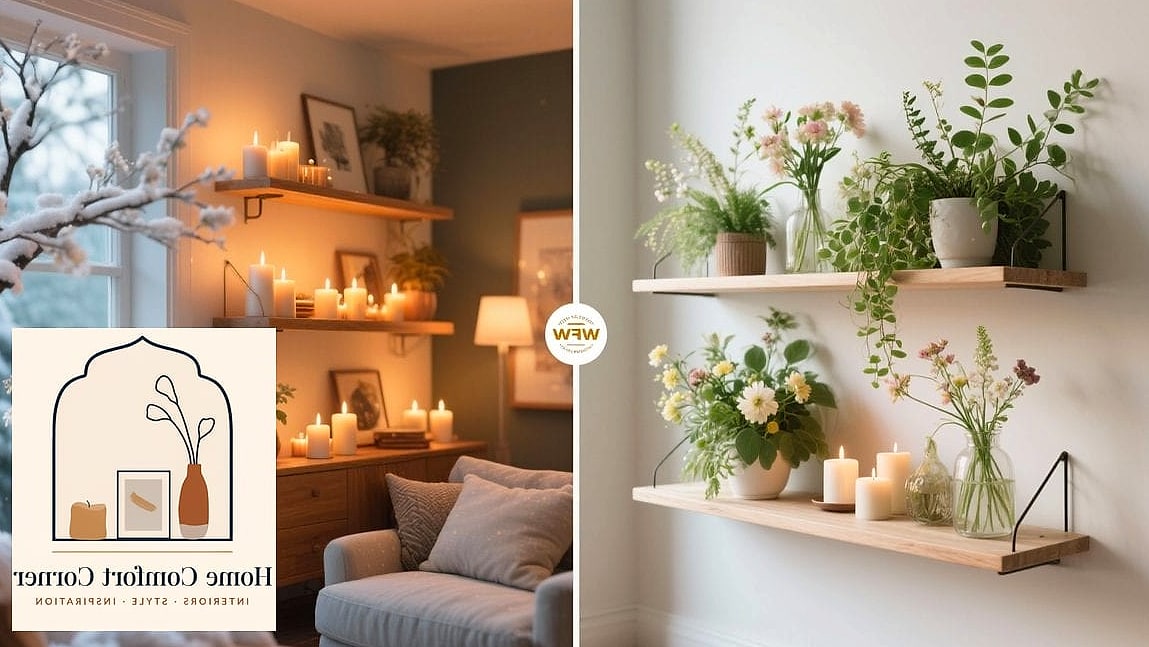
Floating shelves give you a spot to show off books, plants, and decor without eating up floor space. They work great in living rooms, bedrooms, and even bathrooms where storage is tight.
Style them in odd groupings with varying heights: a stack of books, a small plant, and a piece of art leaning against the wall rather than hung. Avoid overcrowding, since shelves read as cluttered fast if every inch is filled.
These are fairly DIY-friendly with a stud finder and a level, and a basic set costs under thirty dollars. Solid wood versions with hidden brackets cost more but look considerably more custom.
Add a Statement Rug
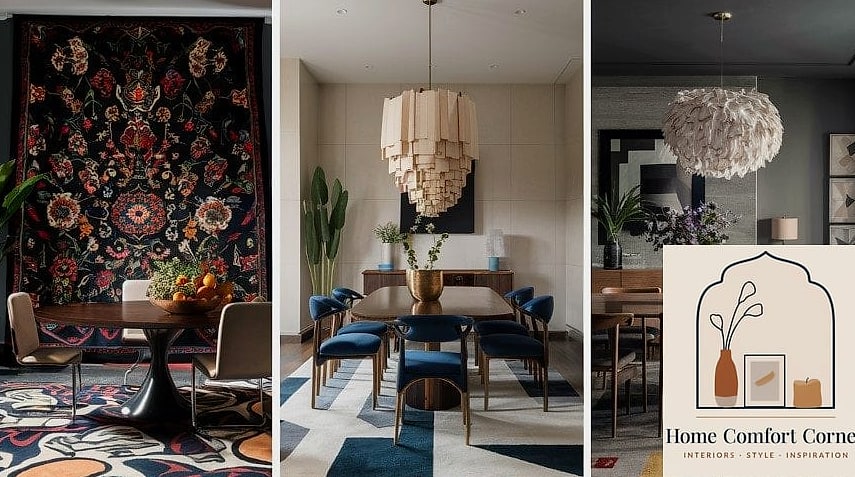
A rug does more than protect your floors. It defines a seating area, adds warmth underfoot, and can introduce color or pattern without committing to paint or wallpaper.
In open floor plans, a rug is one of the best tools for visually separating a living room from a dining area. As a rule of thumb, front furniture legs should sit on the rug rather than floating off the edge.
Vintage-style and Persian-inspired rugs have had a moment for a while now, and you can find affordable machine-made versions that mimic the look for a fraction of the cost of an authentic piece.
Swap Hardware on Furniture and Cabinets
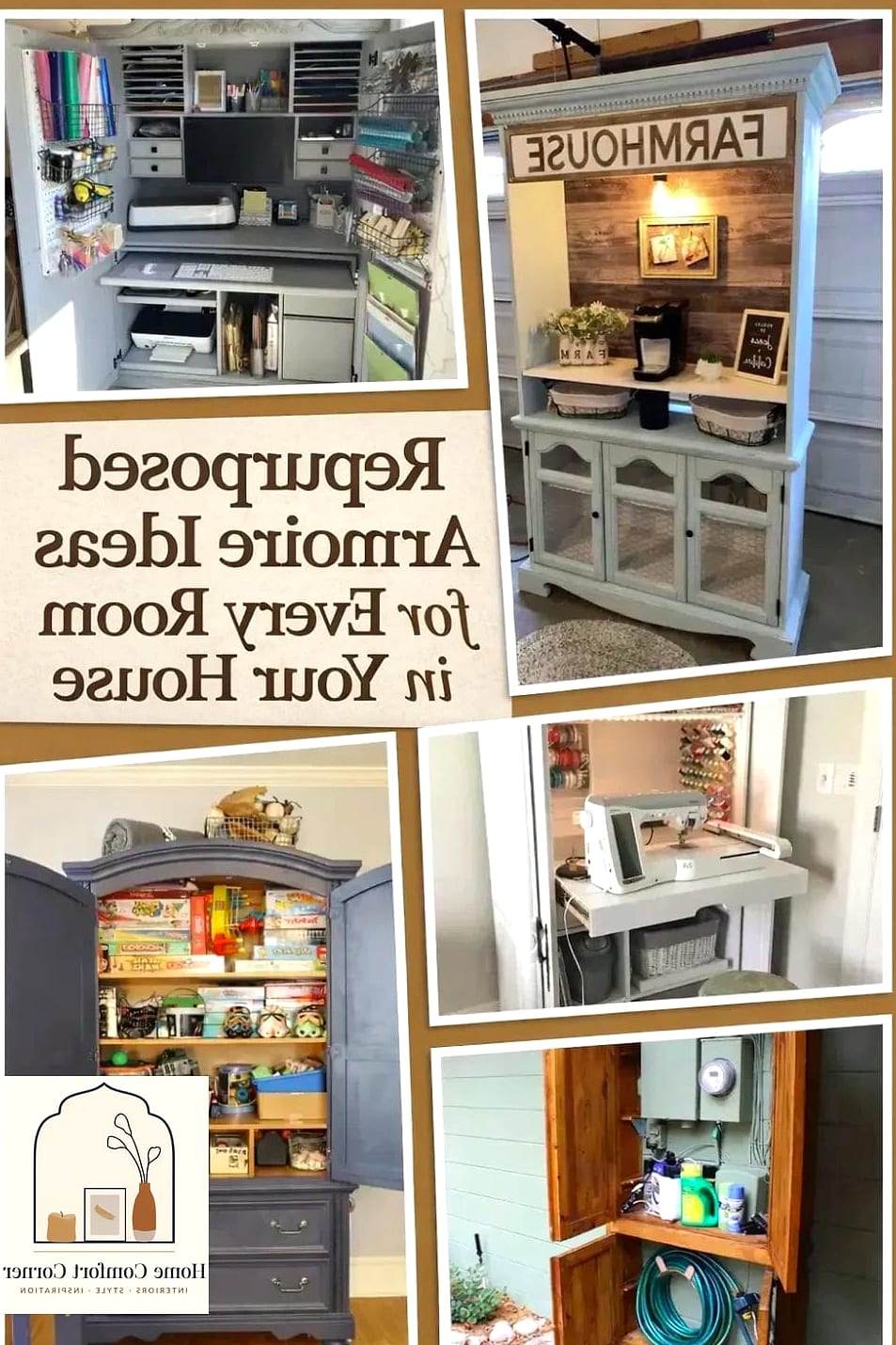
New knobs and pulls are one of those small details that make a bigger difference than you’d expect. Brushed brass and matte black are both still popular, and mixing metals is more acceptable now than it used to be.
This works on kitchen cabinets, dressers, and even old furniture you’re trying to give a second life. It’s a weekend project at most, usually just a screwdriver and maybe a bit of wood filler if you’re changing hole spacing.
Basic hardware starts around two dollars a piece, while designer brands can run fifteen or twenty dollars per knob.
Bring the Outdoors In With Greenery
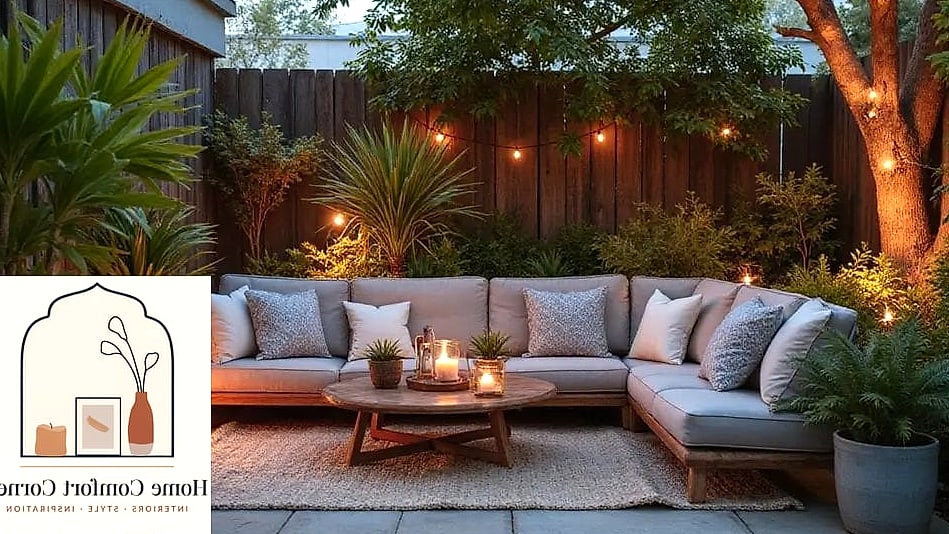
Plants soften hard edges and add life to a room in a way that’s hard to replicate with anything else. Low-light options like pothos, snake plants, and ZZ plants are nearly impossible to kill, which makes them great for beginners.
Cluster plants of different heights on a shelf or windowsill rather than spreading single plants around the room. This creates a more intentional, jungle-like feel instead of a scattered one.
If you don’t trust yourself with real plants, quality faux versions have improved a lot and can be a smart, low-maintenance alternative, especially in rooms with little natural light.
Use Wallpaper on Just One Wall
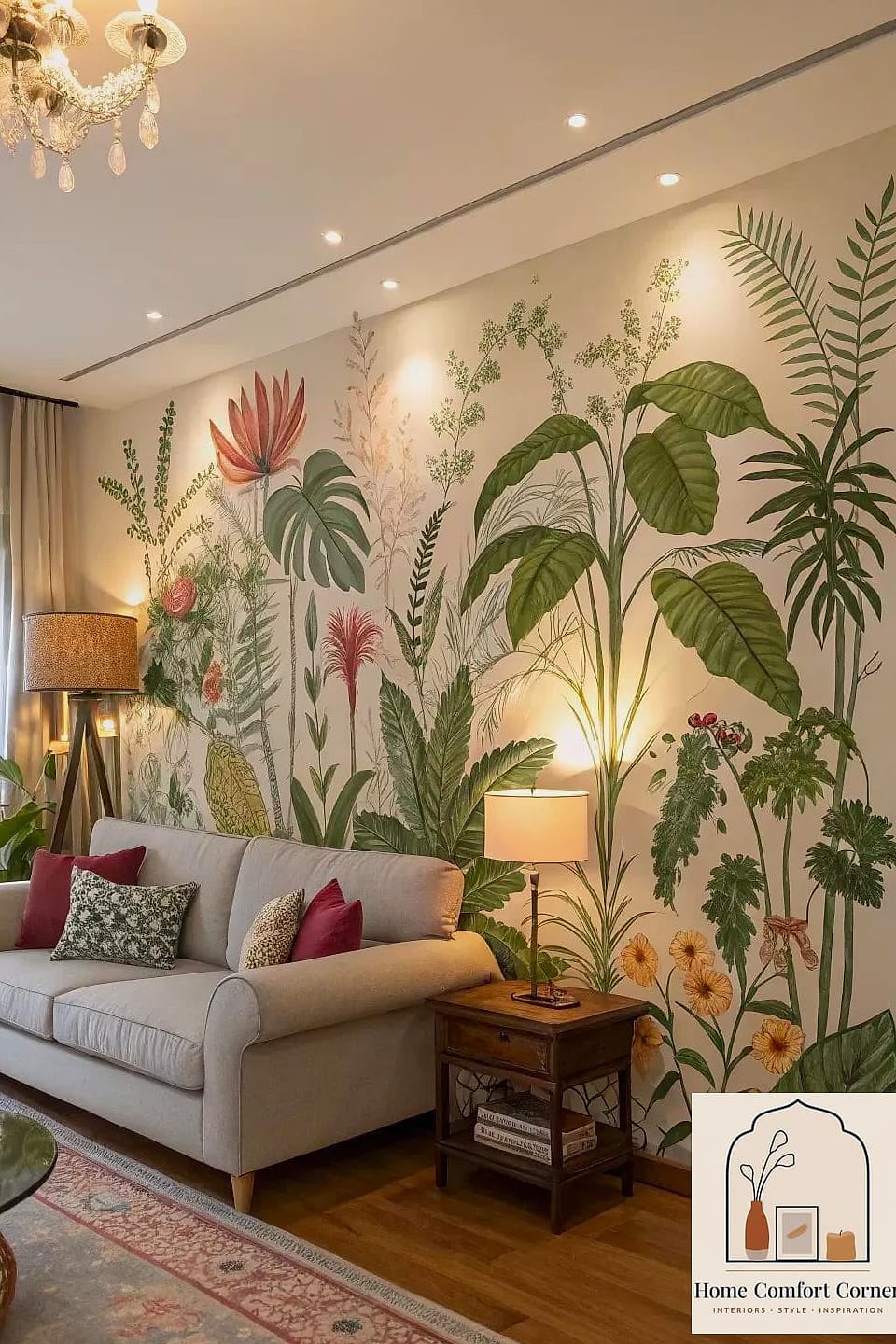
Wallpaper has made a real comeback, but committing to an entire room can feel like a lot. Papering just one wall gives you the pattern payoff without overwhelming the space or your budget.
Peel-and-stick options are great for renters since they come off without damaging paint underneath. Traditional pasted wallpaper tends to lay flatter and last longer if you’re in a home you plan to stay in.
Botanical prints, checkerboard patterns, and textured grasscloth looks are all popular right now, and a single roll can often cover a smaller accent wall.
Reupholster or Recover a Tired Chair

An old chair with good bones but ugly fabric is a great candidate for reupholstering rather than replacing. This is a fantastic way to save a piece with sentimental value or solid vintage construction.
It works especially well for accent chairs, dining chairs, or a bench at the foot of a bed. A local upholsterer can often do a single chair for less than the cost of buying new, and you get to pick the exact fabric.
If you’re handy, reupholstering a simple seat cushion yourself with a staple gun and a yard of fabric is a very doable weekend project.
Add Curtains That Actually Hang Right
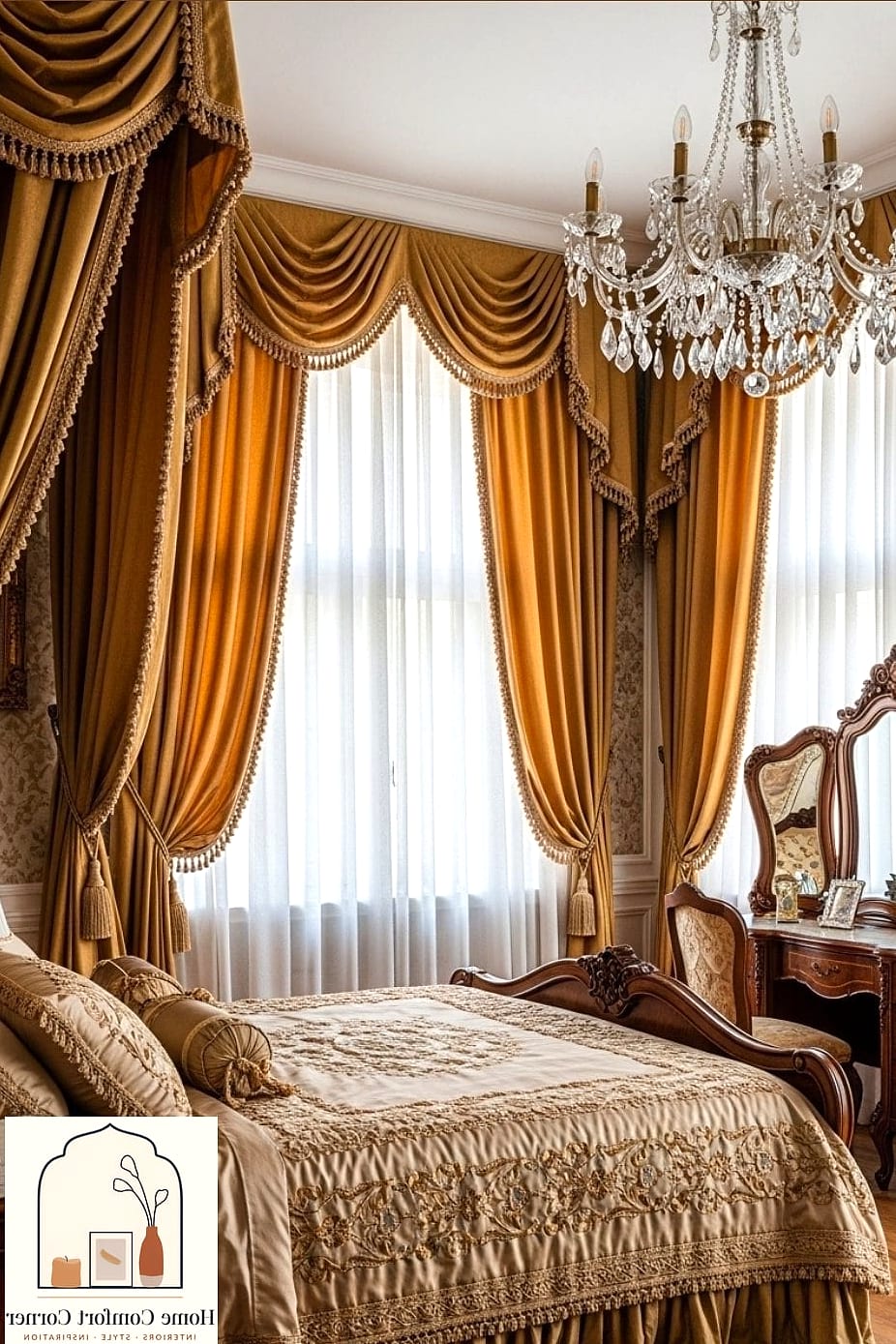
A surprising number of rooms have curtains hung too low or too short, which makes ceilings feel lower than they are. Hanging your curtain rod closer to the ceiling and letting the panels graze the floor instantly makes a room feel taller.
Linen and cotton blends give a relaxed, breathable look, while velvet adds a bit of drama and helps with insulation in colder rooms. Blackout linings are worth it in bedrooms if you’re a light sleeper.
Budget stores carry decent basic panels for twenty or thirty dollars a pair, while custom lengths from specialty shops cost more but solve the too-short problem for good.
Create a Cozy Reading Nook
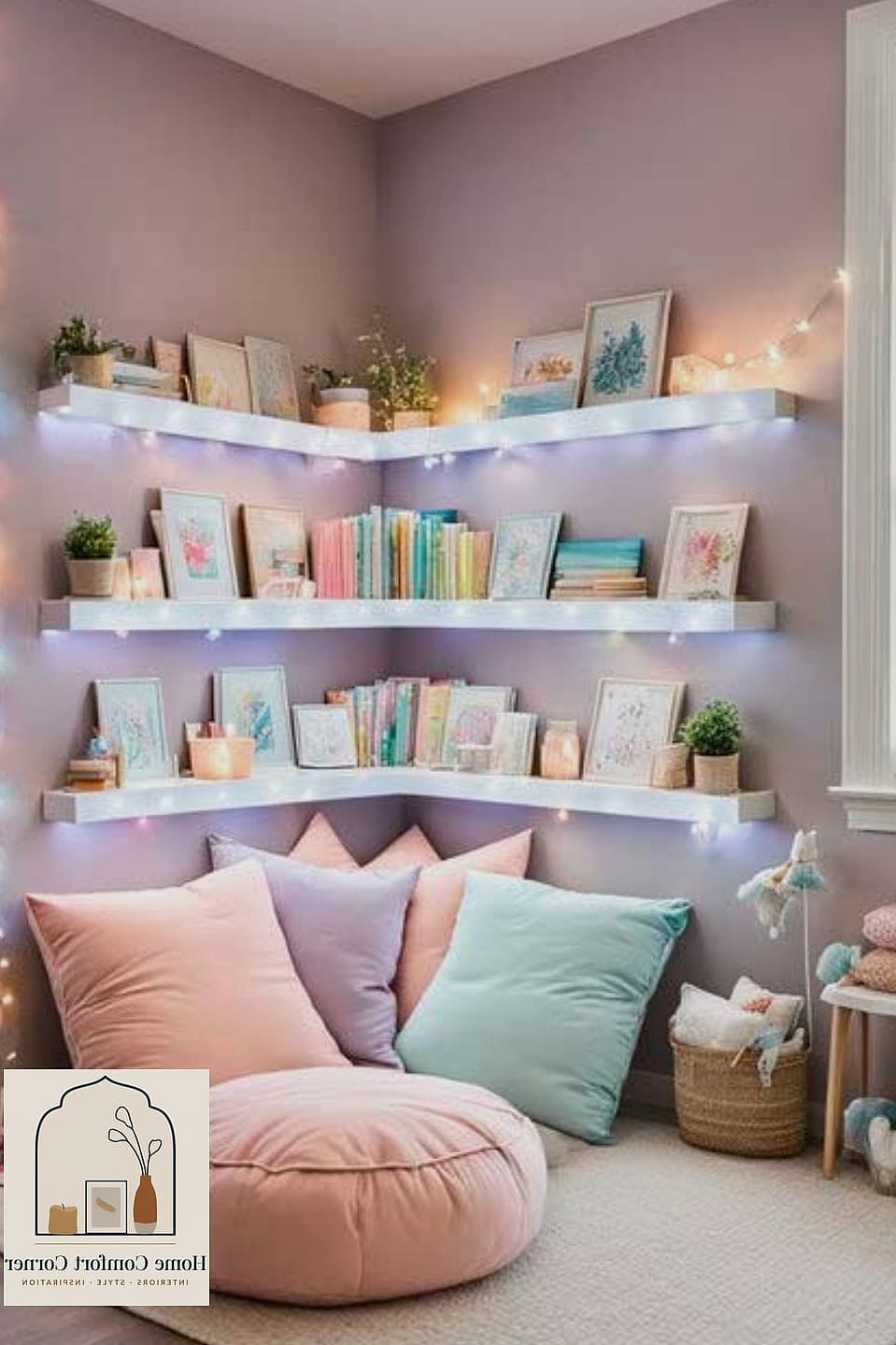
Even a small unused corner can become a reading nook with a comfortable chair, a soft throw, and good lighting. This is one of those ideas that makes a room feel more lived-in and personal.
Window nooks work particularly well since you get natural light during the day. Add a small side table for a cup of coffee and a stack of books, and you’ve got a spot that feels like a little retreat.
On a budget, a floor cushion and a clip-on reading light can create the same cozy effect as a full armchair setup.
Display Books and Objects by Color

Organizing a bookshelf by color instead of by author or genre turns storage into decor. Rainbow order or a tonal gradient both look intentional and surprisingly calming.
This works best on open shelving or a bookcase that’s already visible in your main living space. Mix in a few decorative objects, like a vase or a small sculpture, so it doesn’t read as too uniform.
It costs nothing beyond the time it takes to rearrange what you already own, which makes it one of the most budget-friendly ideas on this list.
Add a Large Mirror to Bounce Light
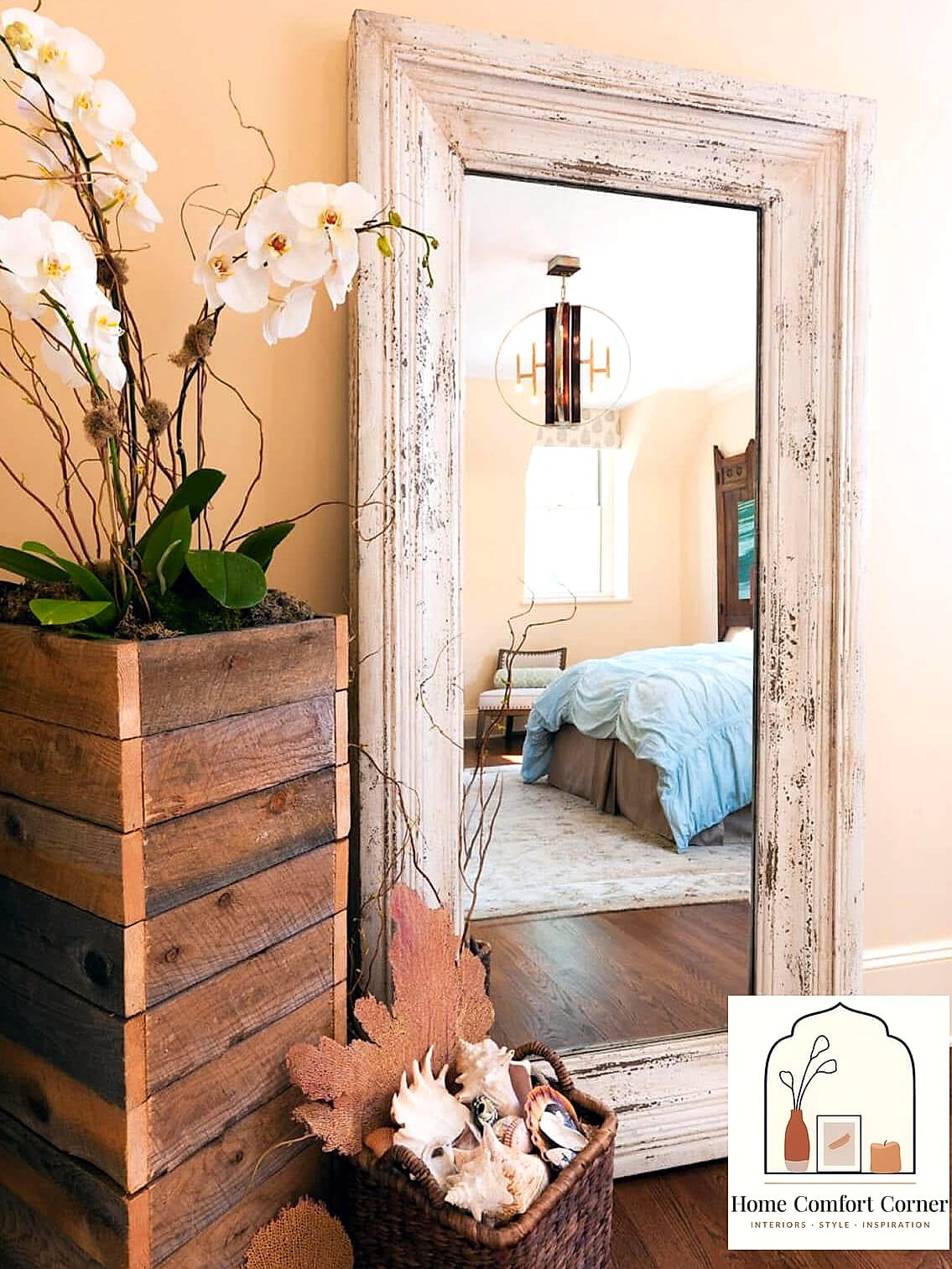
Mirrors make small or dark rooms feel noticeably bigger and brighter by reflecting whatever light is already in the space. Placing one across from a window can double the amount of natural light bouncing around.
An oversized leaning mirror against a wall has become a popular alternative to hanging smaller framed mirrors, and it doesn’t require any tools or wall damage.
Thrift stores and marketplace listings often have large mirrors for a fraction of retail price, especially if you’re open to a little reframing or a fresh coat of paint on the frame.
Try a Ceiling Treatment for Extra Drama
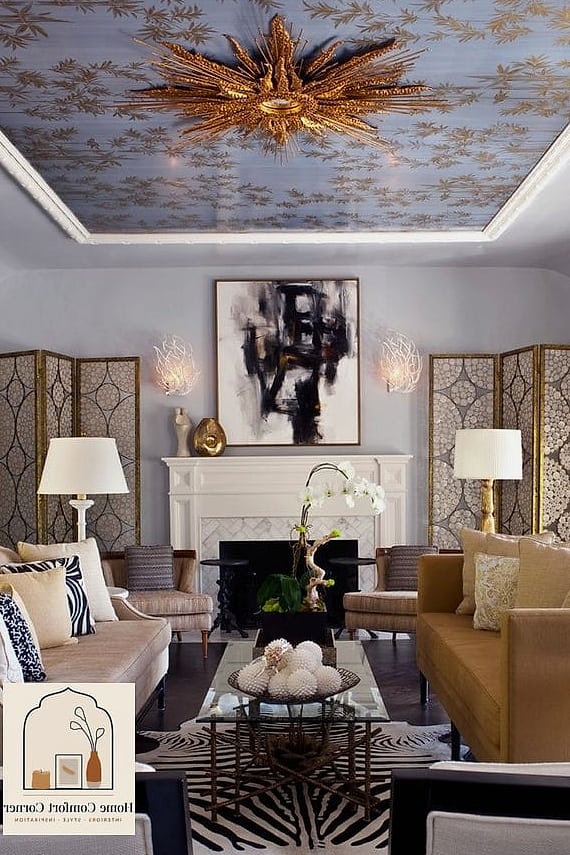
Most people forget the ceiling exists when decorating, but a painted or papered ceiling, sometimes called a “fifth wall,” adds a surprising amount of character. Even a soft color can make a room feel cozier and more finished.
This works particularly well in smaller rooms like a powder room, nursery, or reading nook where the scale doesn’t feel overwhelming. Stick to lighter or mid-tone colors if you’re worried about the room feeling too closed in.
A gallon of ceiling paint costs about the same as wall paint, making this a low-cost way to add a detail most guests won’t quite be able to place.
Use Baskets and Bins for Stylish Storage
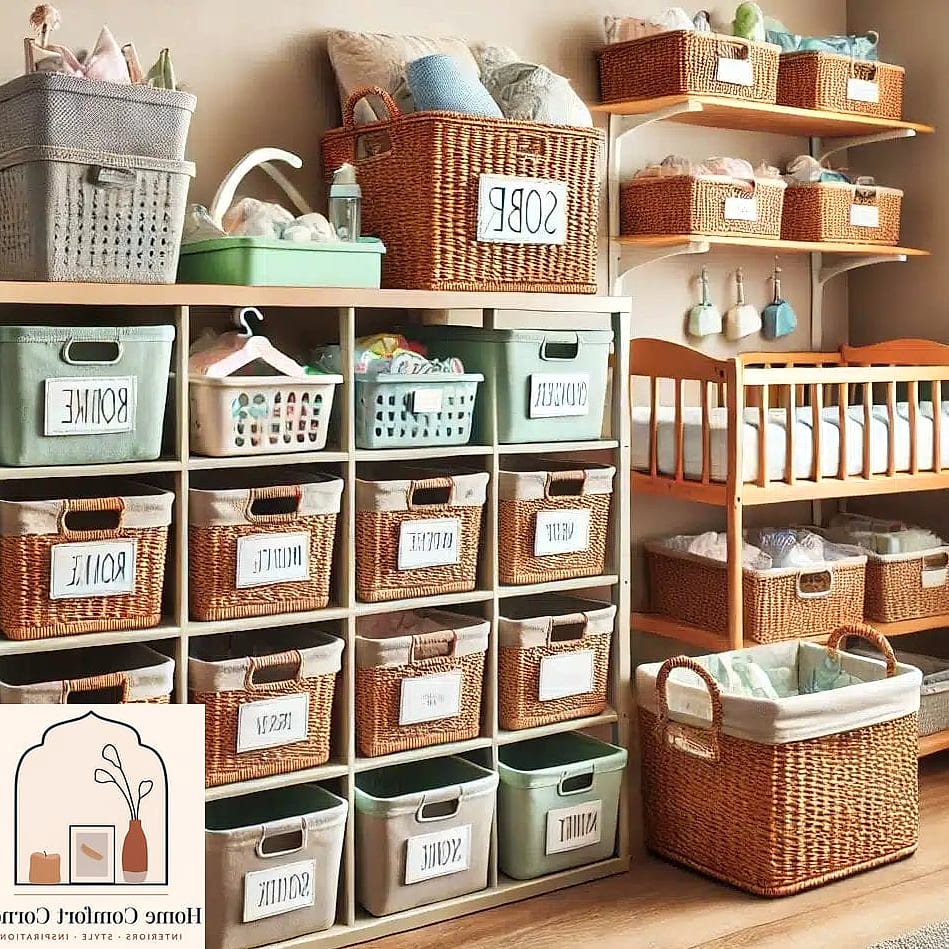
Woven baskets and fabric bins hide clutter while adding warmth and texture at the same time. They’re great for blankets, toys, shoes, or anything that tends to pile up in a corner.
Open shelving benefits especially from baskets since they conceal the messier items while keeping the more attractive ones on display. Look for a mix of sizes so you can nest smaller baskets inside larger ones when not in use.
Budget options are available at most home stores for under fifteen dollars, while handwoven seagrass or rattan versions cost more but tend to hold up longer.
Hang Art at the Right Height
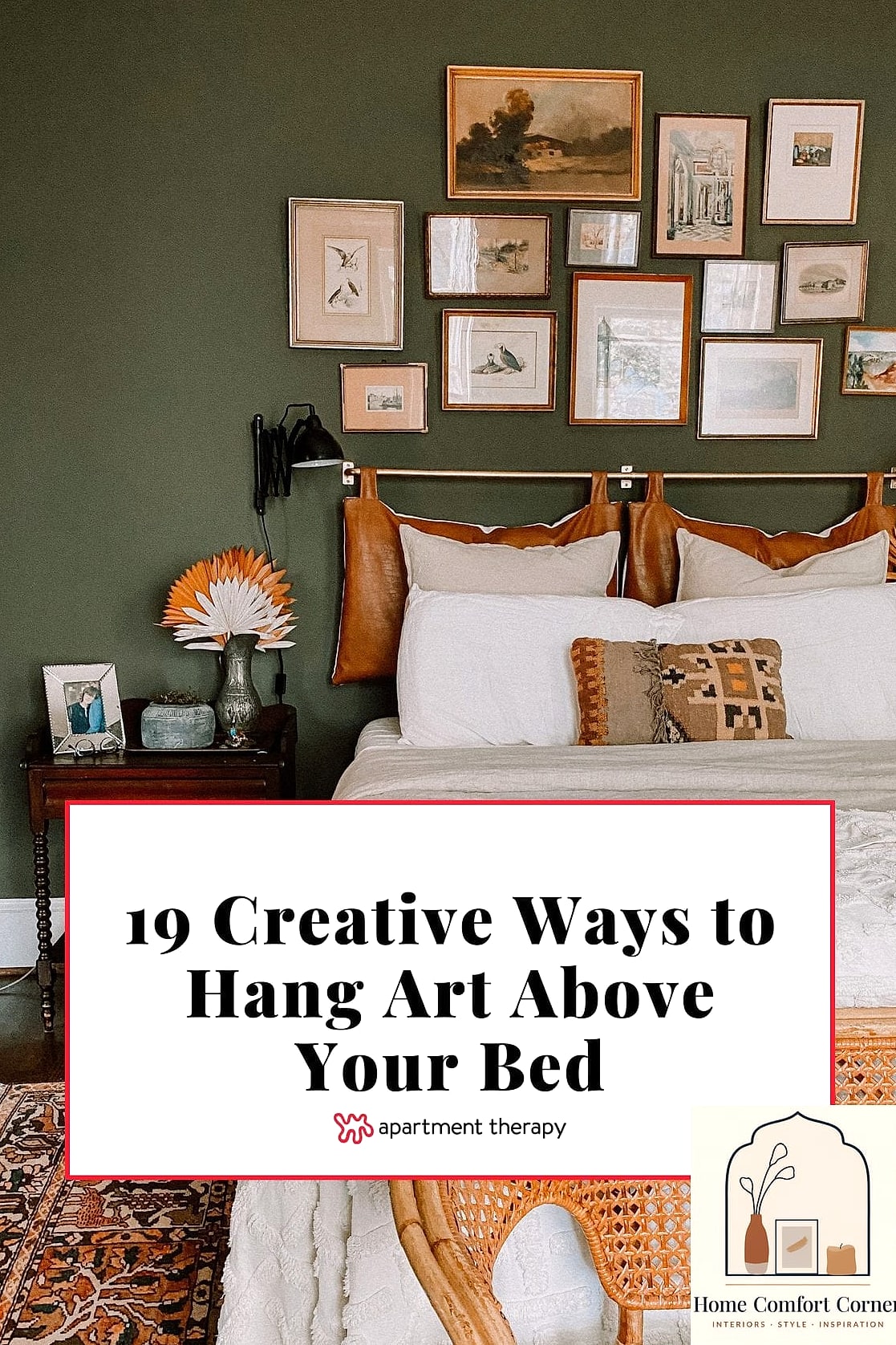
This one costs nothing but genuinely changes how a room feels. Art hung too high is one of the most common decorating mistakes, and the fix is simple: the center of the piece should sit around eye level, roughly 57 to 60 inches from the floor.
Above furniture like a sofa or bed, leave about six to eight inches between the top of the furniture and the bottom of the frame. This keeps the piece visually connected to what’s below it instead of floating awkwardly above.
It’s a five-minute fix that makes existing art look far more intentional without spending a cent.
Incorporate Warm Wood Tones
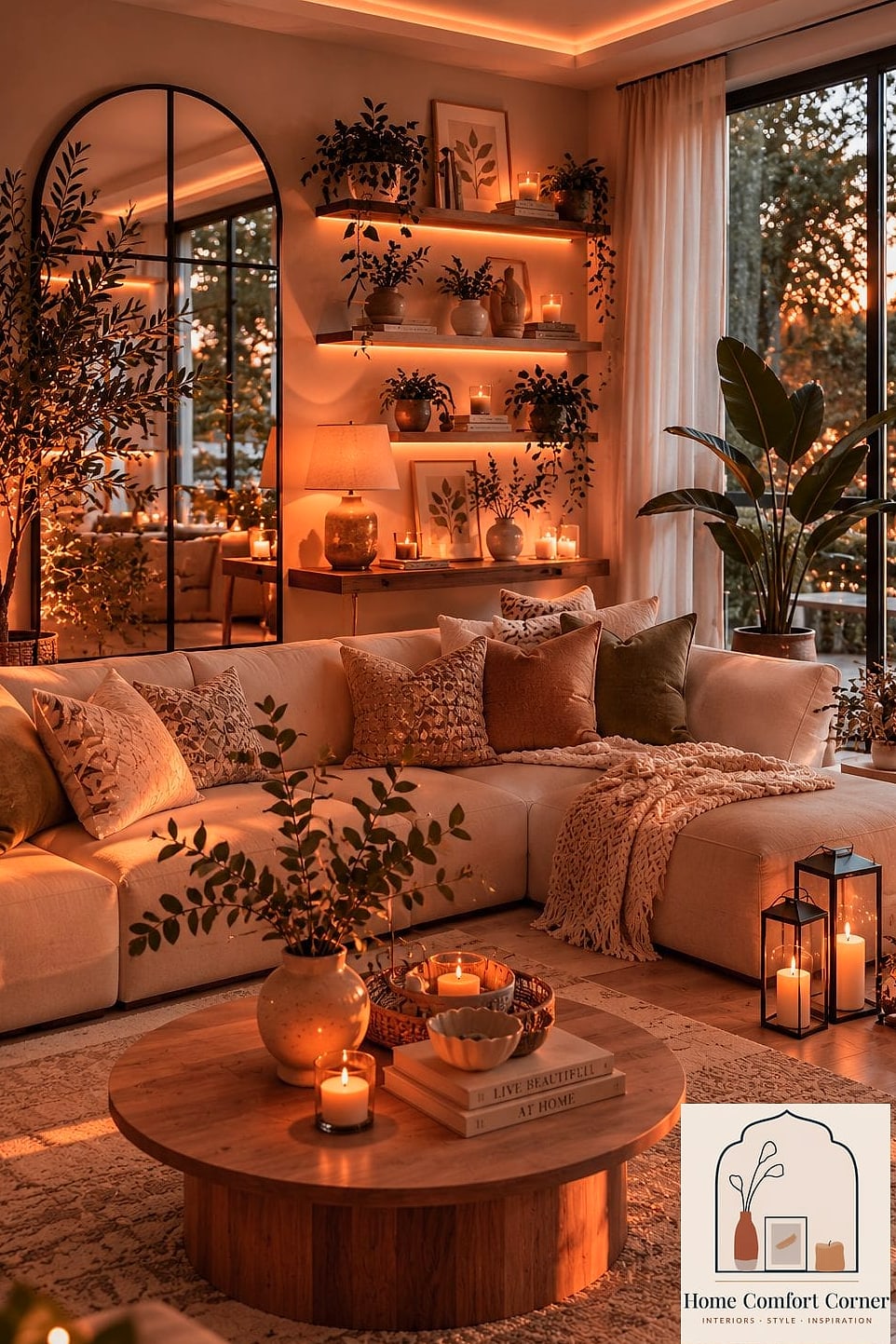
Mixing in natural wood, whether through furniture, a shelf, or even a wood accent wall, adds warmth that’s hard to get from other materials. It pairs well with almost any color palette, from crisp whites to deep jewel tones.
This works particularly well in rooms that lean heavily on cool tones like gray or white, since the wood adds contrast and keeps things from feeling sterile.
Budget-friendly options include wood photo frames, a butcher block shelf, or a secondhand wood side table. On the higher end, a full wood accent wall or built-in shelving unit makes a much bigger statement.
Rotate Decor Seasonally
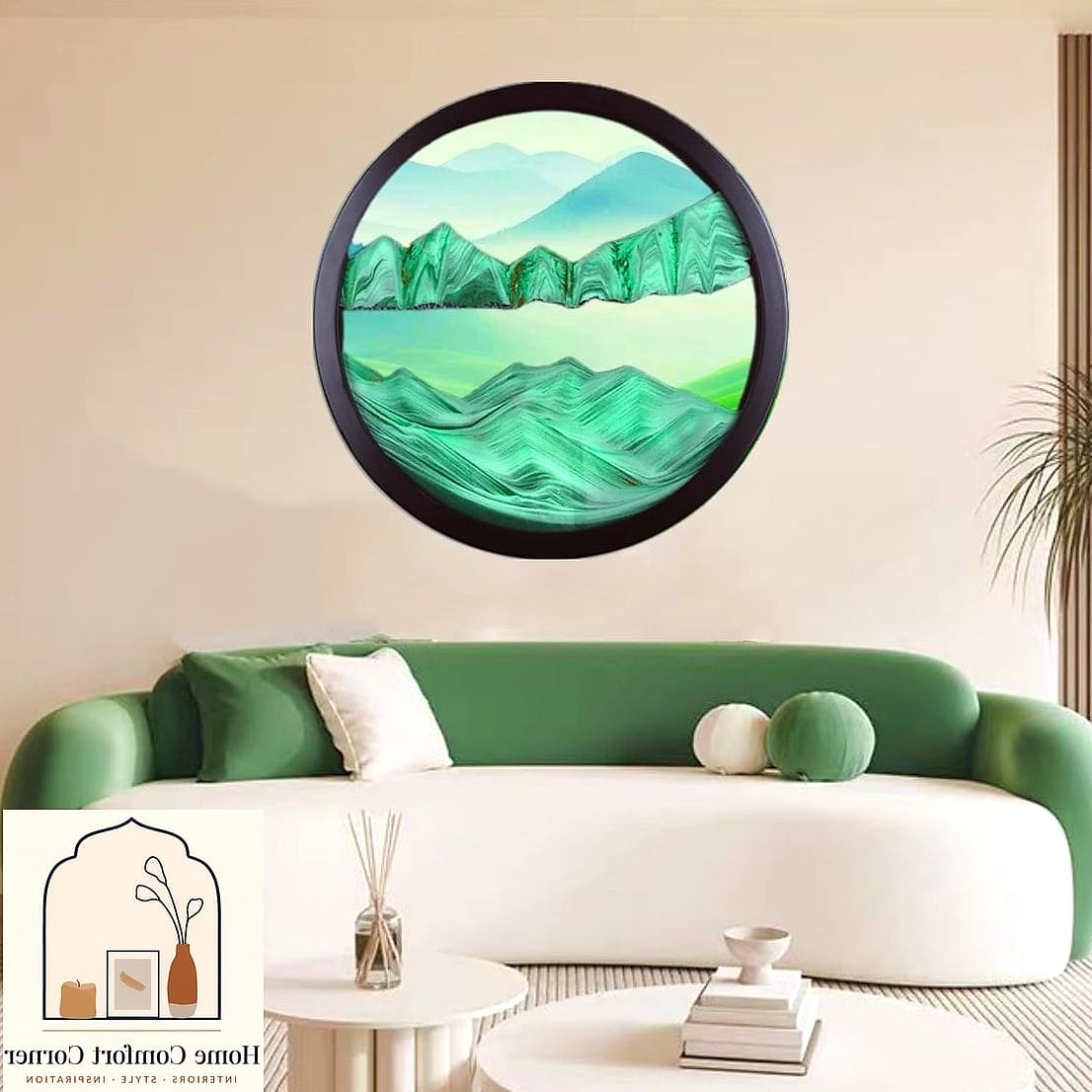
Keeping a small rotating collection of seasonal decor, like different throw pillow covers, a few candles, or a seasonal wreath, keeps a room feeling fresh without buying new furniture every few months.
This is especially useful in living rooms and entryways, where the first impression of your home changes throughout the year. Storing off-season items in a labeled bin keeps things from becoming clutter themselves.
It’s an easy habit to build gradually. Even swapping two or three items a season is enough to keep a space feeling current, and you can build your rotating collection slowly as you find pieces you love.
Whichever of these nineteen stunning room decoration ideas you try first, remember that a room doesn’t need to be finished all at once. Small changes add up, and some of the most charming spaces are the ones that were built one thrifted lamp or one painted wall at a time.