25 Room Decor Tips From Top Interior Designers
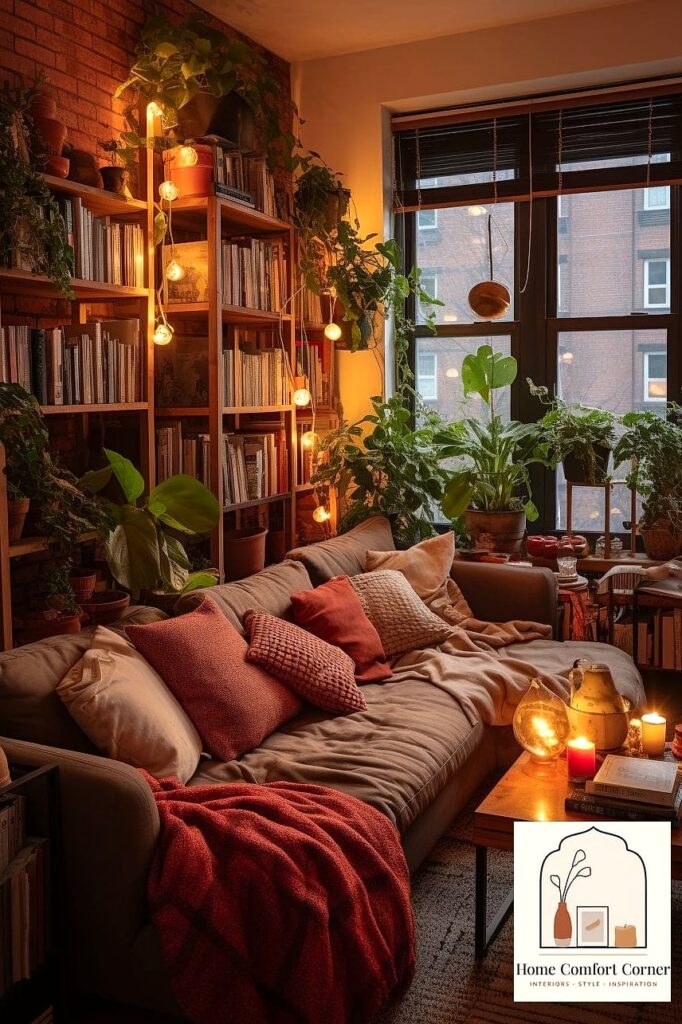
- Layer Your Lighting Instead of Relying on One Fixture
- Paint Your Ceiling a Color
- Use the Rule of Odd Numbers for Styling
- Hang Curtains High and Wide
- Bring in Vintage or Secondhand Pieces
- Choose a Neutral Color Palette With One Bold Accent
- Add Texture Through Textiles
- Hang Art at Eye Level, Not Above the Furniture
- Use Open Shelving Sparingly and Intentionally
- Bring the Outdoors In With Greenery
- Swap Out Hardware for an Instant Refresh
- Define Zones in Open Floor Plans With Rugs
- Don’t Push All Furniture Against the Walls
- Use Mirrors to Bounce Light Around
- Repeat One Material or Color at Least Three Times
- Invest in Window Treatments That Actually Fit
- Choose a Statement Ceiling Light
- Layer Rugs for Added Warmth
- Keep a Consistent Trim Color Throughout Your Home
- Style Your Coffee Table Like a Tiny Vignette
- Use Wallpaper in a Small, High-Impact Space
- Balance Warm and Cool Tones in the Same Room
- Add Personality Through Books, Not Just Decor Objects
- Choose Furniture With Visible Legs in Smaller Rooms
- Bring in Seasonal Decor Without Overdoing It
25 Room Decor Tips From Top Interior Designers
Good design doesn’t have to mean hiring a pro or spending a fortune. Most of the tricks that make a space look pulled-together are things you can do yourself in an afternoon. I’ve pulled together the advice that actually gets repeated by working designers, the stuff they mention over and over because it works. Here are 25 room decor tips worth stealing for your own space.
Layer Your Lighting Instead of Relying on One Fixture
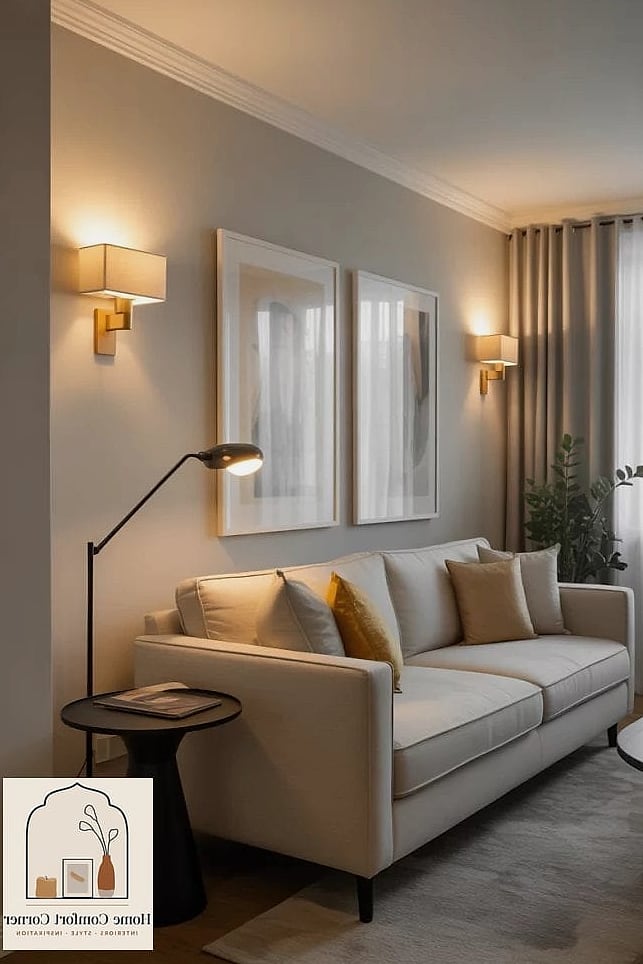
A single overhead light flattens a room and makes it feel like an office. Designers almost always layer three types of lighting: ambient (overhead), task (reading lamps, under-cabinet lights), and accent (sconces, picture lights). Try a floor lamp in one corner, a table lamp on a console, and dimmable overheads. The mix creates depth and lets you change the mood depending on the time of day.
Paint Your Ceiling a Color
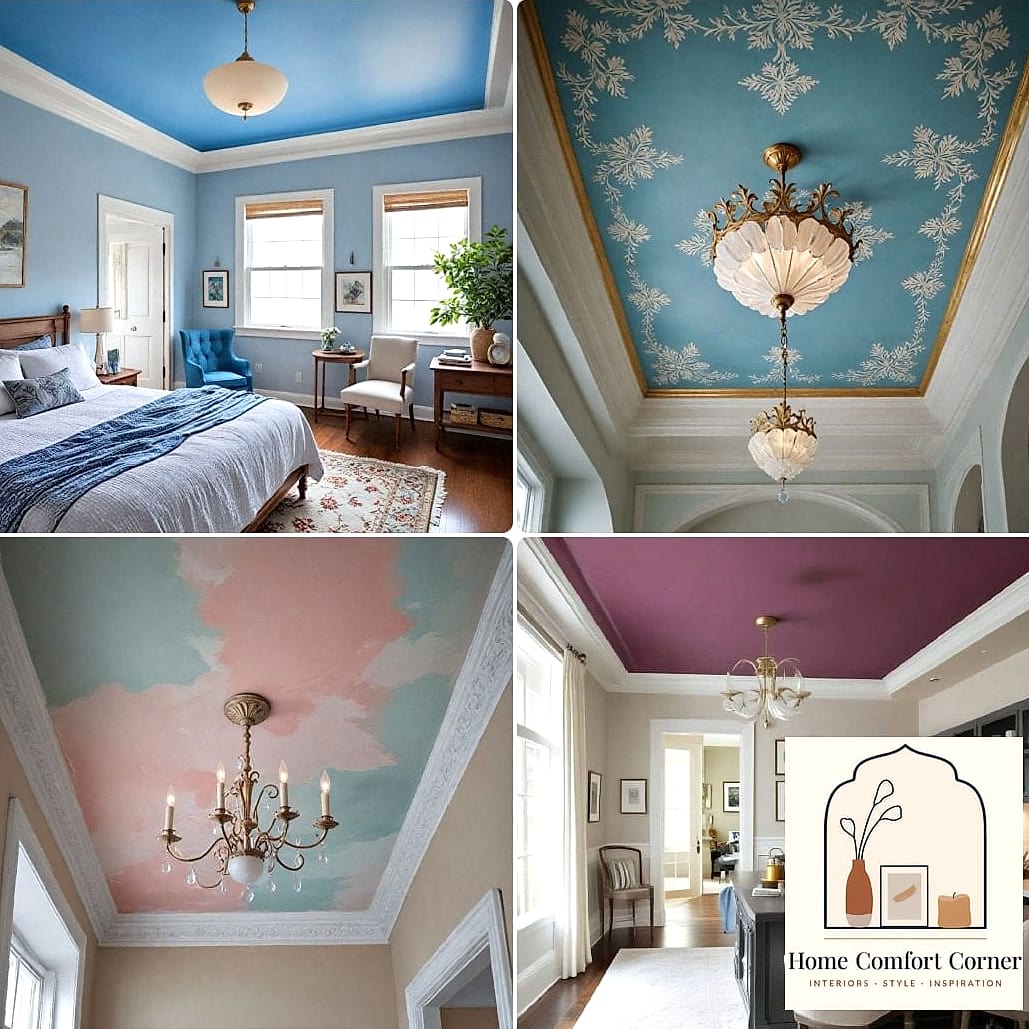
We default to white ceilings without even thinking about it, but a soft color up there can make a room feel more finished and intentional. A pale blue, warm cream, or even a deep tone in a small powder room adds a sense of coziness. It’s called a “fifth wall” for a reason. This is a cheap change with a surprisingly big payoff.
Use the Rule of Odd Numbers for Styling
Groupings of three, five, or seven objects tend to look more natural than pairs. It’s why a trio of vases on a shelf reads better than two matching ones. Vary the heights slightly too. This trick works on coffee tables, bookshelves, mantels, basically anywhere you’re arranging small objects.
Hang Curtains High and Wide
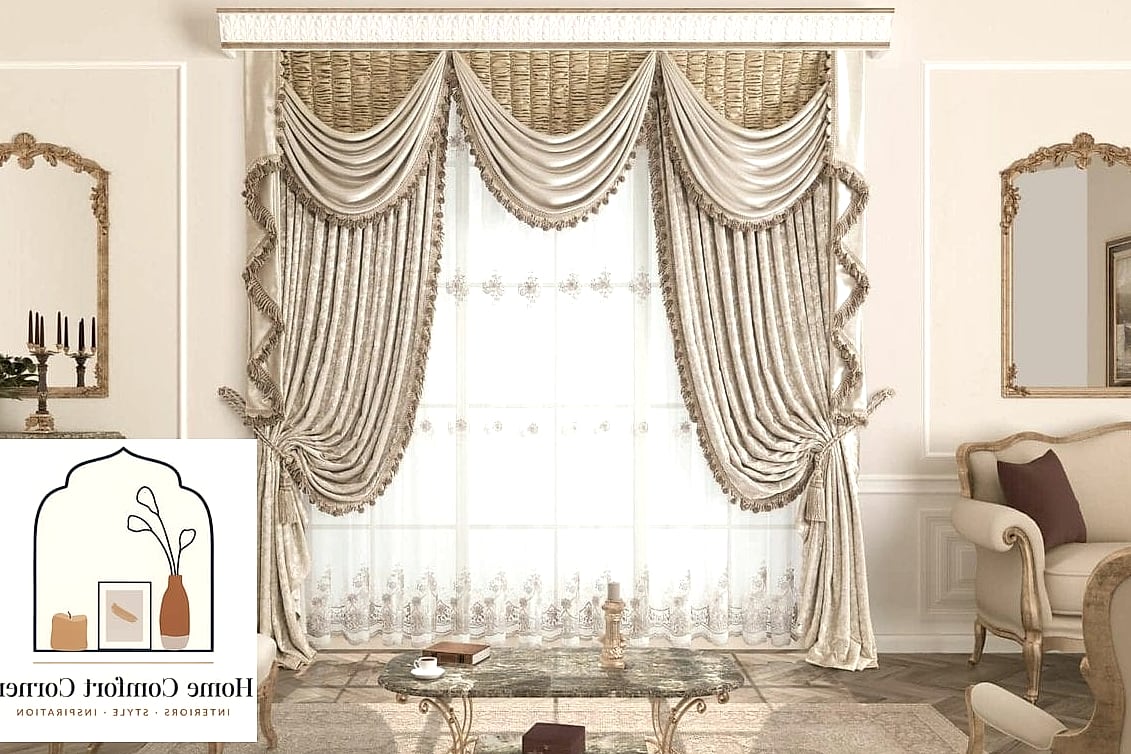
One of the most common mistakes in average-looking rooms is curtain rods mounted right above the window frame. Instead, hang the rod close to the ceiling and extend it several inches past the window on each side. This makes ceilings feel taller and windows feel bigger, even if neither actually changed size.
Bring in Vintage or Secondhand Pieces
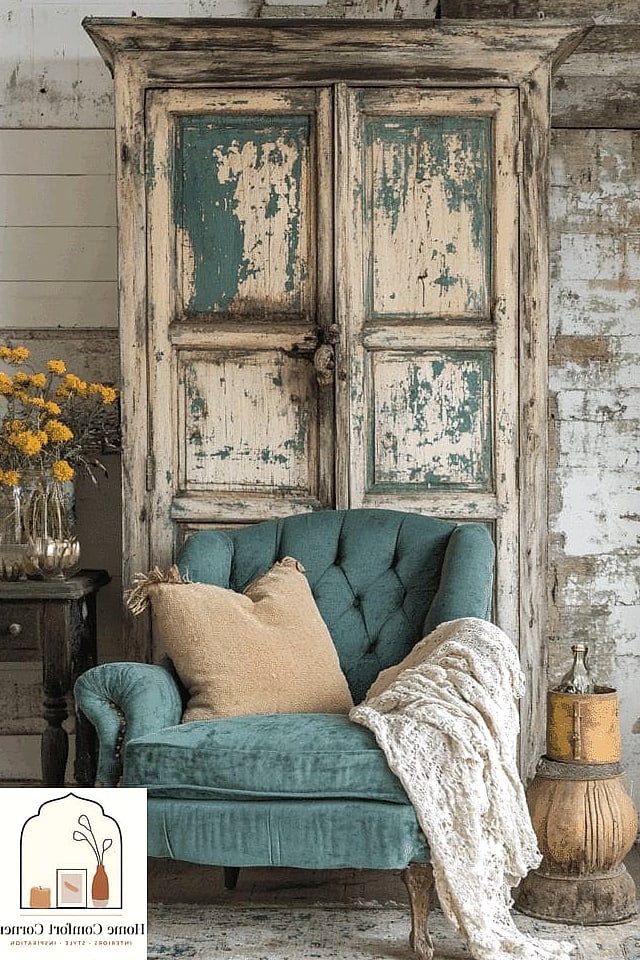
Rooms that are entirely brand-new furniture tend to feel a little sterile. Mixing in a vintage side table, an inherited dresser, or a thrifted mirror gives a space history and character. It doesn’t need to be expensive antiques either; estate sales and secondhand shops are full of solid wood pieces with more personality than anything mass-produced.
Choose a Neutral Color Palette With One Bold Accent
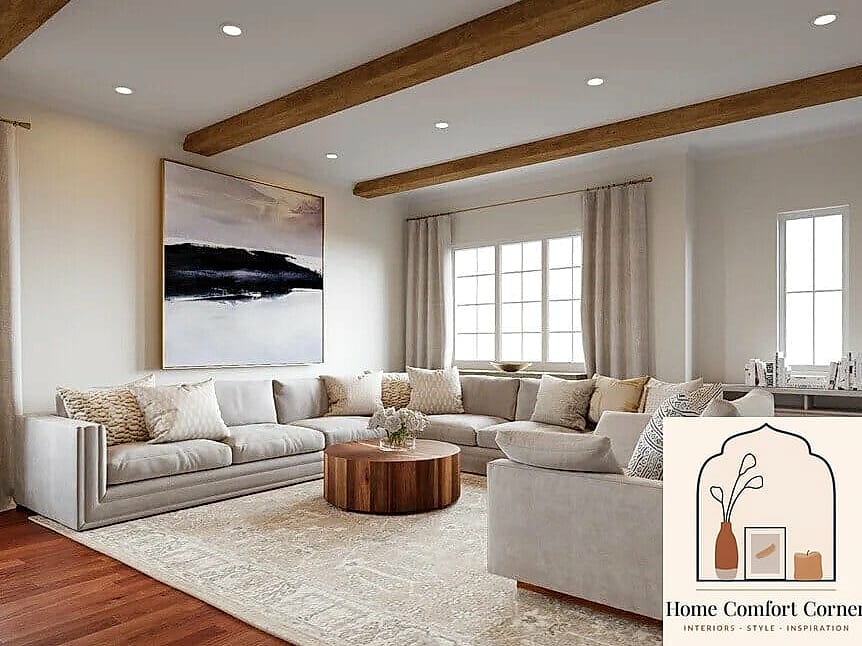
A lot of professionally designed rooms lean on a neutral base, think warm whites, soft greige, natural wood tones, and then commit to one saturated accent color. That could be a deep green sofa, a rust-colored throw, or a set of navy dining chairs. It keeps the room calm while still having a clear personality.
Add Texture Through Textiles
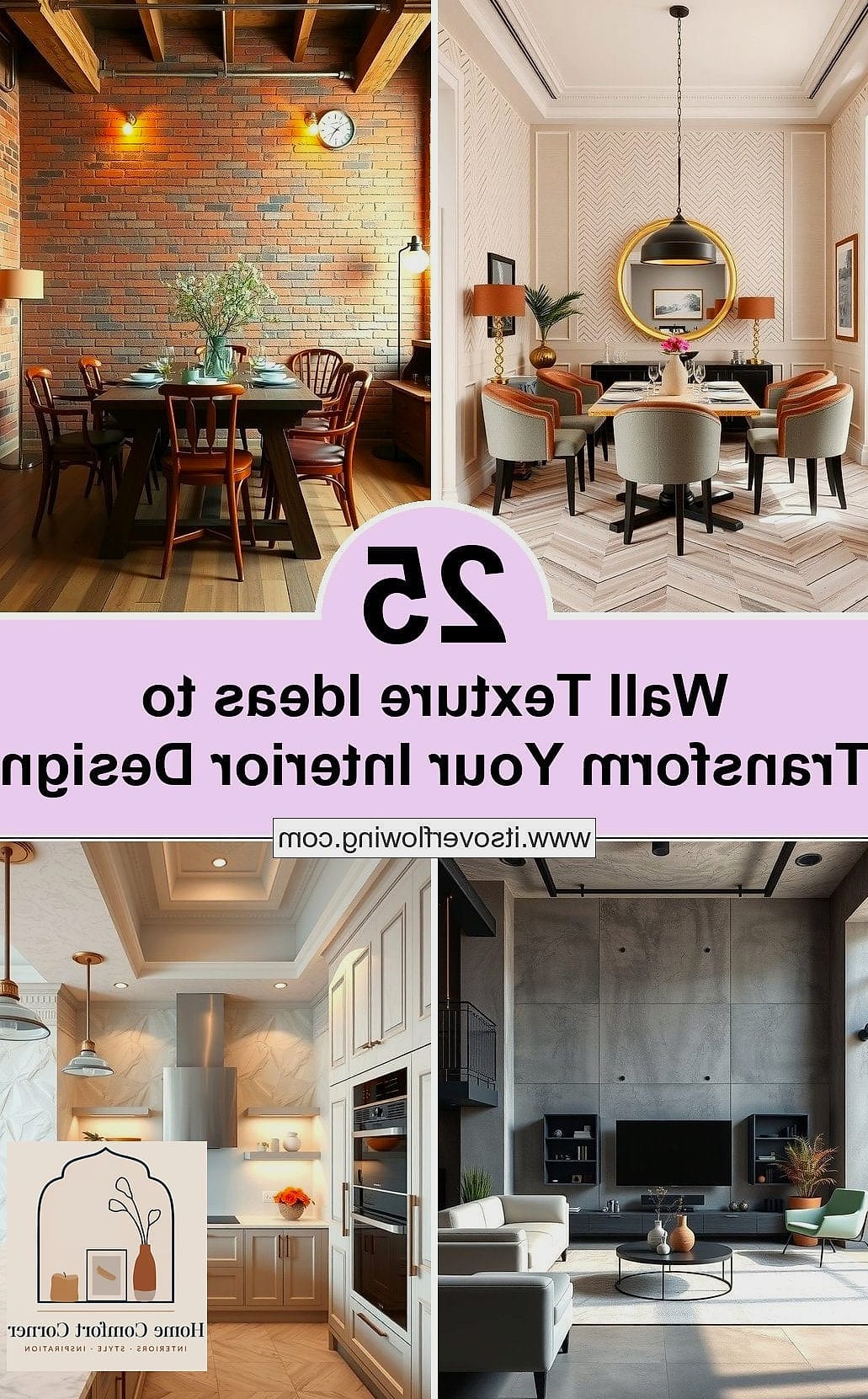
Flat, matching fabrics everywhere can make a room look like a furniture showroom. Mixing textures, a nubby wool rug, a linen sofa, a velvet pillow, a woven basket, adds visual interest without adding more color. This is an easy fix if your room feels “fine” but not quite finished.
Hang Art at Eye Level, Not Above the Furniture
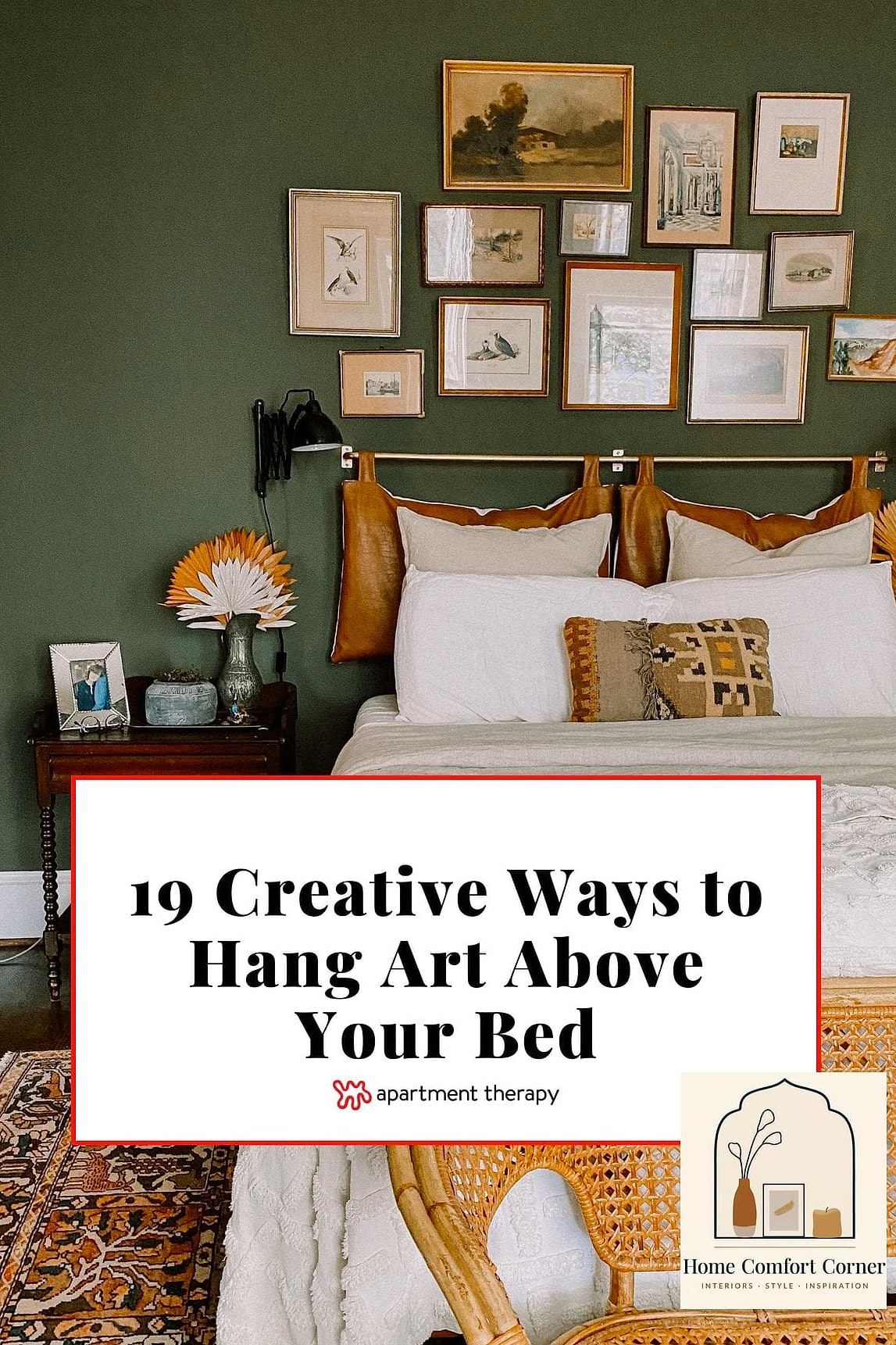
A common habit is hanging art too high, usually because we’re centering it on the wall instead of on where people’s eyes actually land. The center of a piece should sit around 57 to 60 inches from the floor. Over furniture, keep it 6 to 8 inches above the piece so it feels connected rather than floating.
Use Open Shelving Sparingly and Intentionally
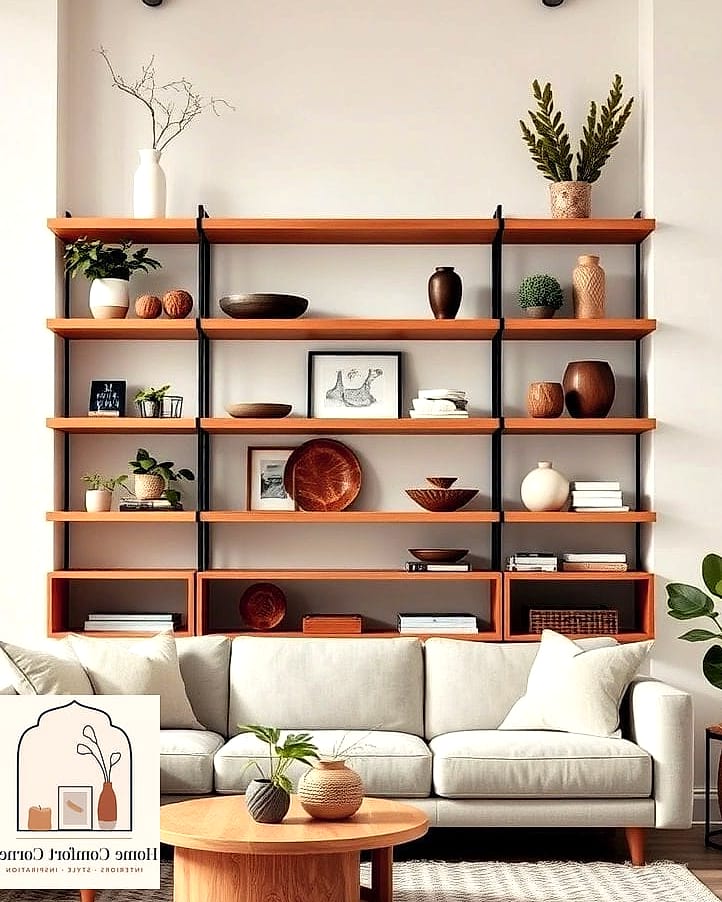
Open shelving looks great in photos but can turn cluttered fast in real life. Designers tend to style it with a mix of books stacked horizontally and vertically, a plant, and one or two decorative objects, leaving plenty of negative space. If you’re not naturally tidy, keep open shelving to one accent area rather than a whole wall.
Bring the Outdoors In With Greenery
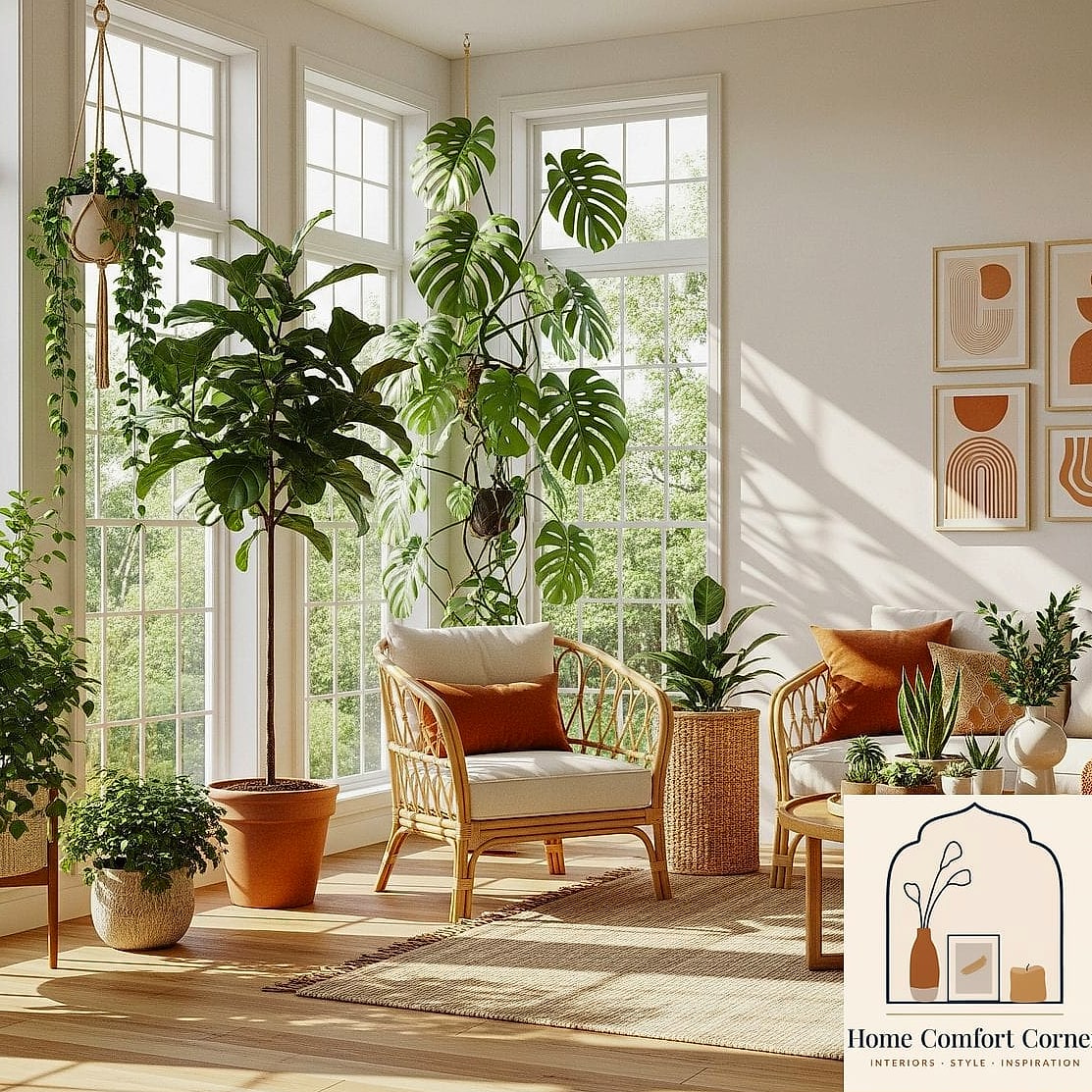
A room without a single plant often feels a little lifeless, even if everything else is styled well. You don’t need a green thumb either; low-maintenance options like snake plants, pothos, and ZZ plants tolerate low light and irregular watering. Faux greenery has also gotten much better looking if you’d rather skip the upkeep entirely.
Swap Out Hardware for an Instant Refresh
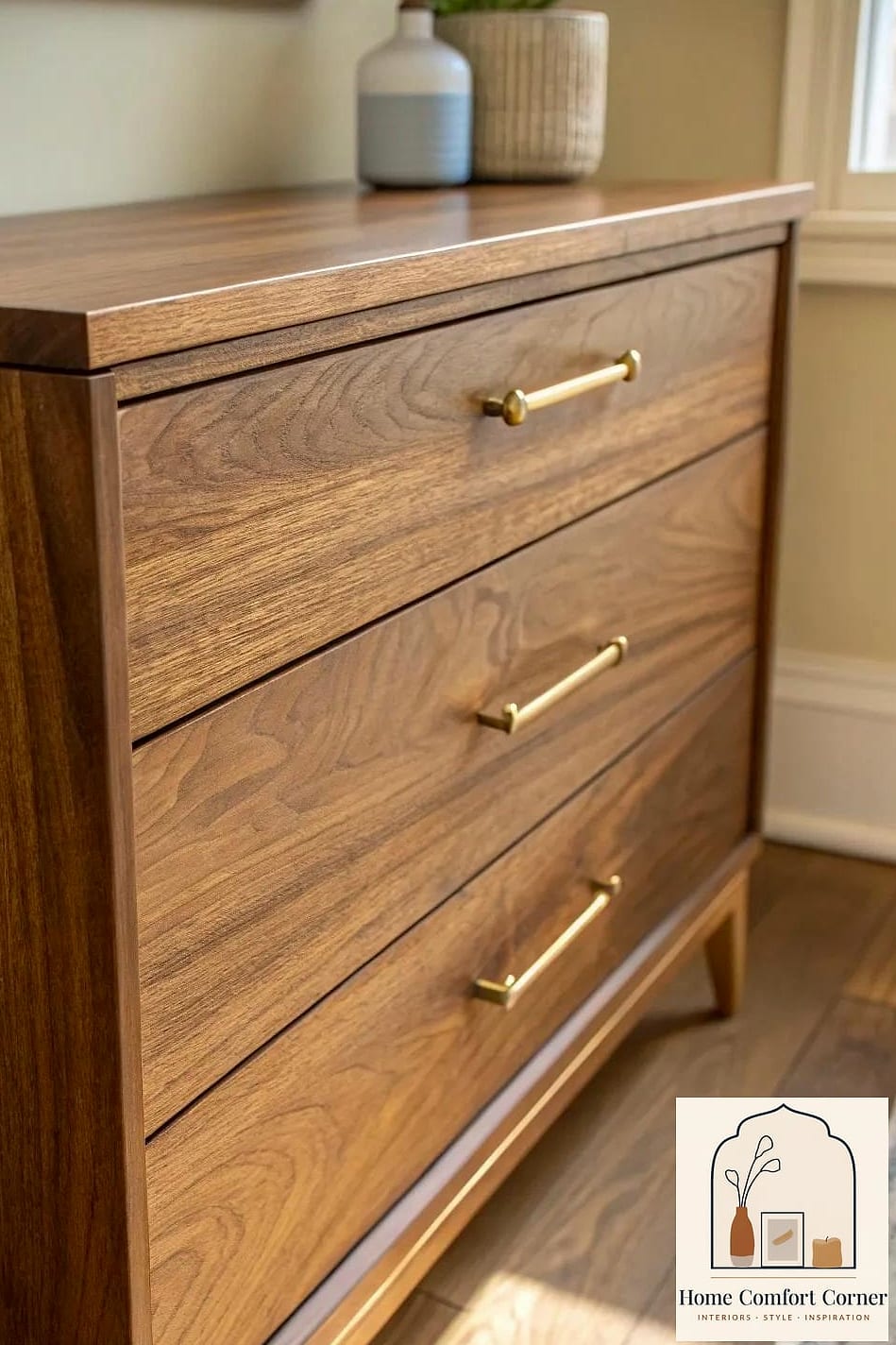
Cabinet pulls, drawer knobs, and door hinges get overlooked, but swapping dated brass or plastic hardware for brushed brass, matte black, or unlacquered brass fixtures changes the whole feel of a kitchen or bathroom. It’s one of the most budget-friendly updates that still reads as a real renovation.
Define Zones in Open Floor Plans With Rugs
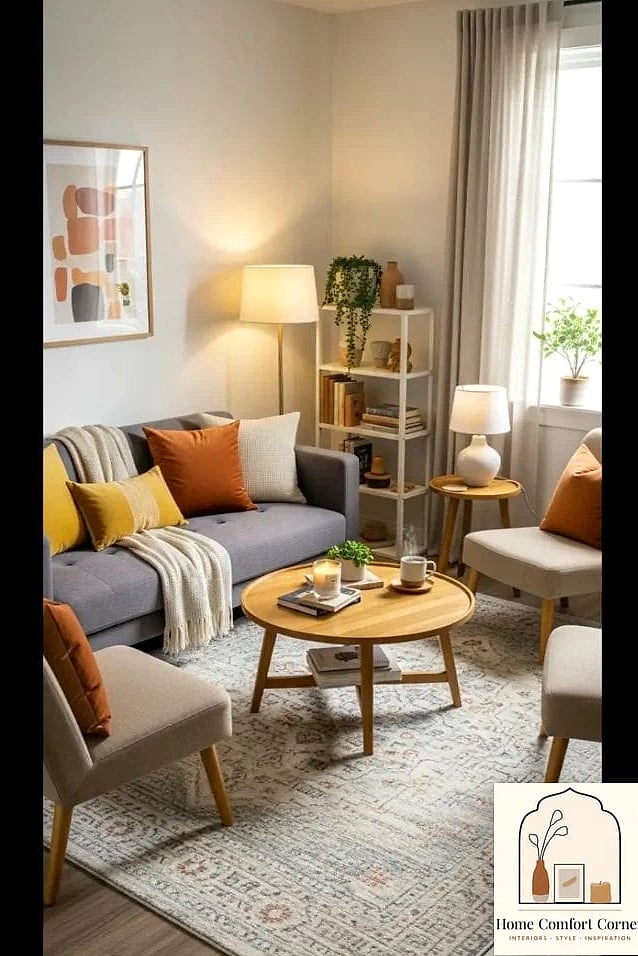
Open-concept living and dining spaces can feel like one big undefined blob without visual anchors. A rug under the sofa and a separate rug under the dining table signal “this is one zone, this is another” even without walls. Just make sure the rug is large enough that furniture legs sit on it, not hanging off the edge.
Don’t Push All Furniture Against the Walls
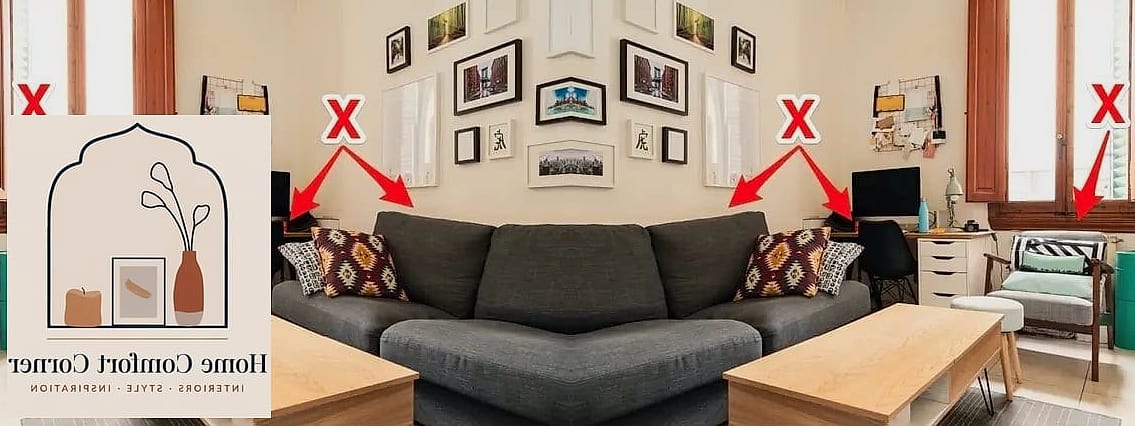
It’s tempting to line every piece up against the perimeter to “open up the middle,” but it usually makes conversation harder and the room feel less cozy. Pulling a sofa a few inches off the wall and angling chairs toward each other creates a more inviting, lived-in layout, even in a smaller room.
Use Mirrors to Bounce Light Around
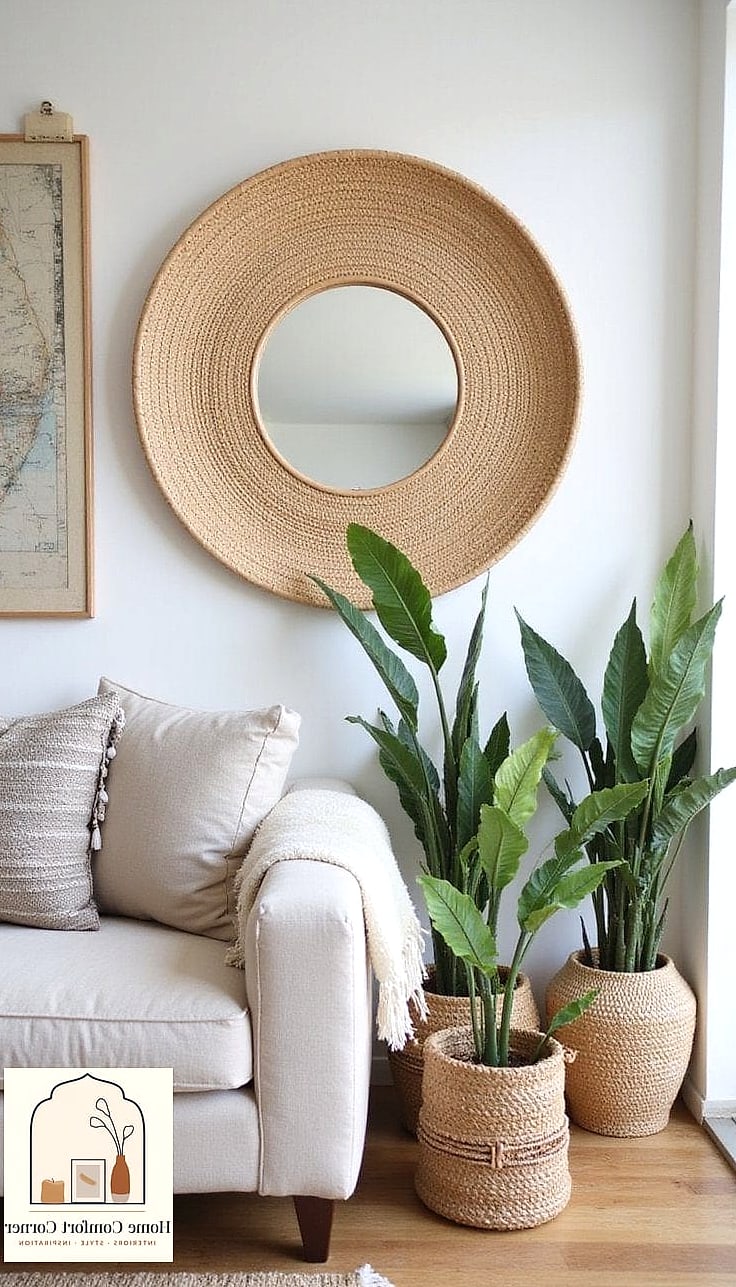
A well-placed mirror across from a window reflects natural light deeper into the room and makes the whole space feel brighter and larger. Oversized floor mirrors leaned against a wall have also become a favorite because they add drama without needing to be hung.
Repeat One Material or Color at Least Three Times
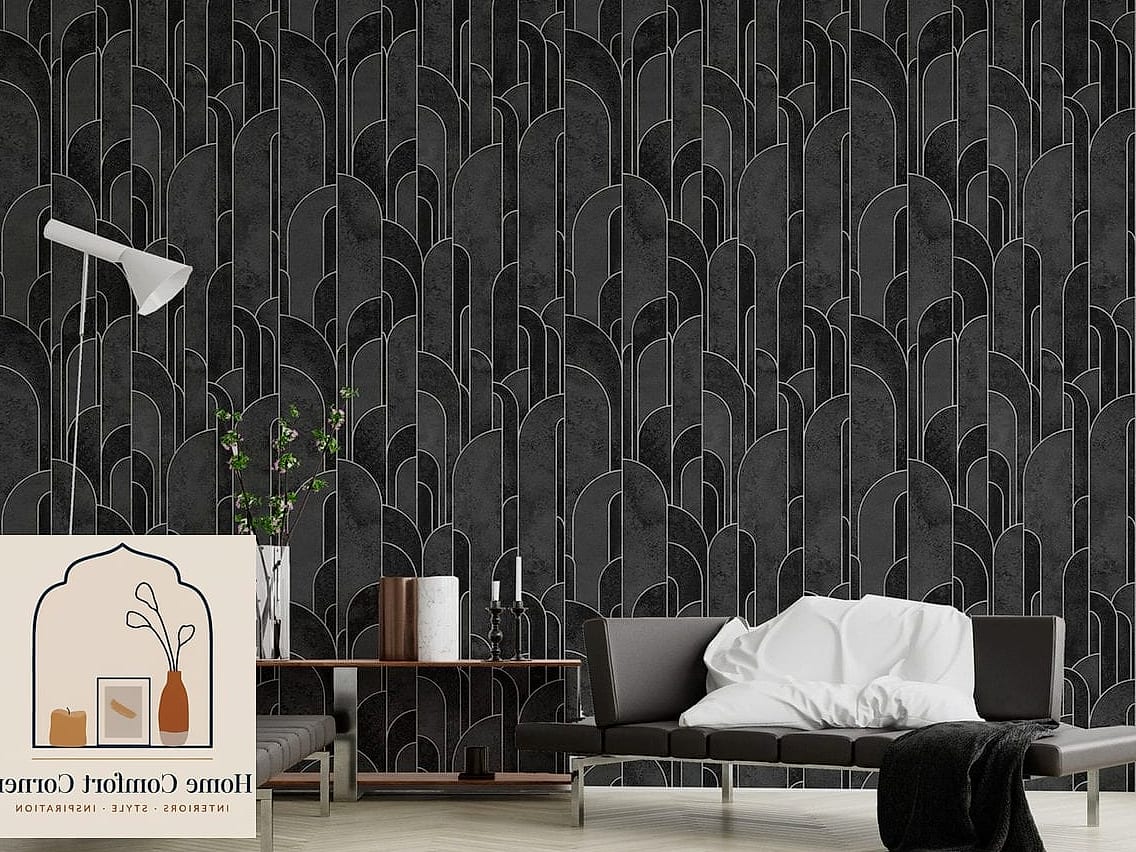
Design cohesion often comes down to repetition. If you use a black light fixture, echo that black somewhere else, in a picture frame, a vase, a chair leg. Repeating a material like brass or a color like terracotta at least three times through a room ties everything together without it feeling matchy.
Invest in Window Treatments That Actually Fit
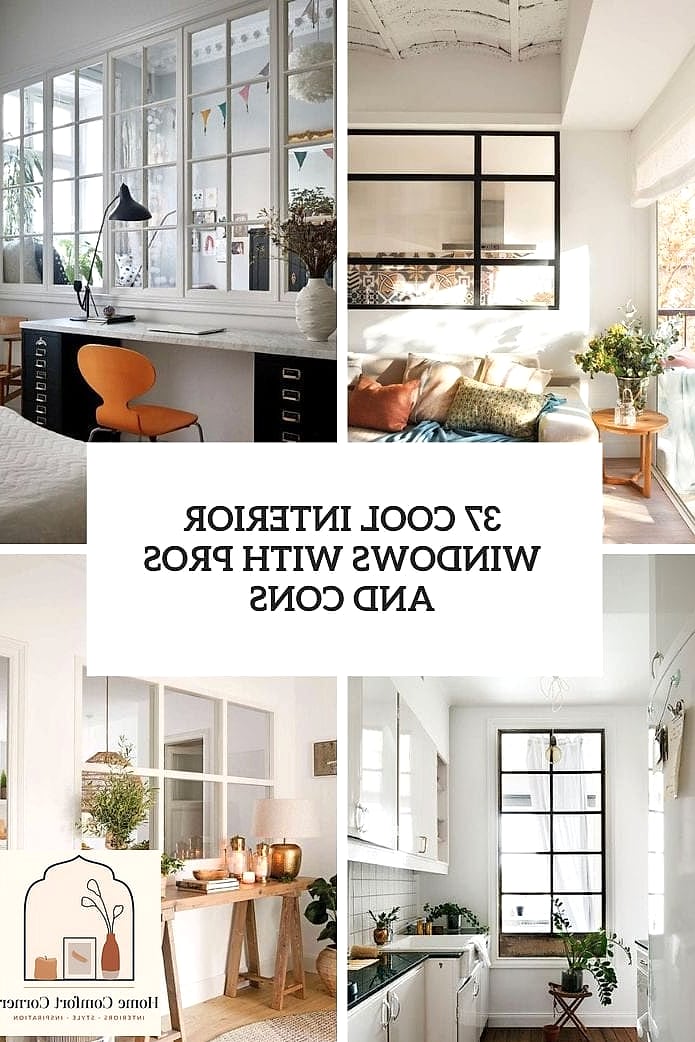
Curtains that are too short or too skimpy are one of those things that instantly reads as unfinished, even if you can’t quite say why. Floor-length panels with enough fullness (roughly two to three times the width of the window) look far more polished than a single flat panel barely covering the glass.
Choose a Statement Ceiling Light
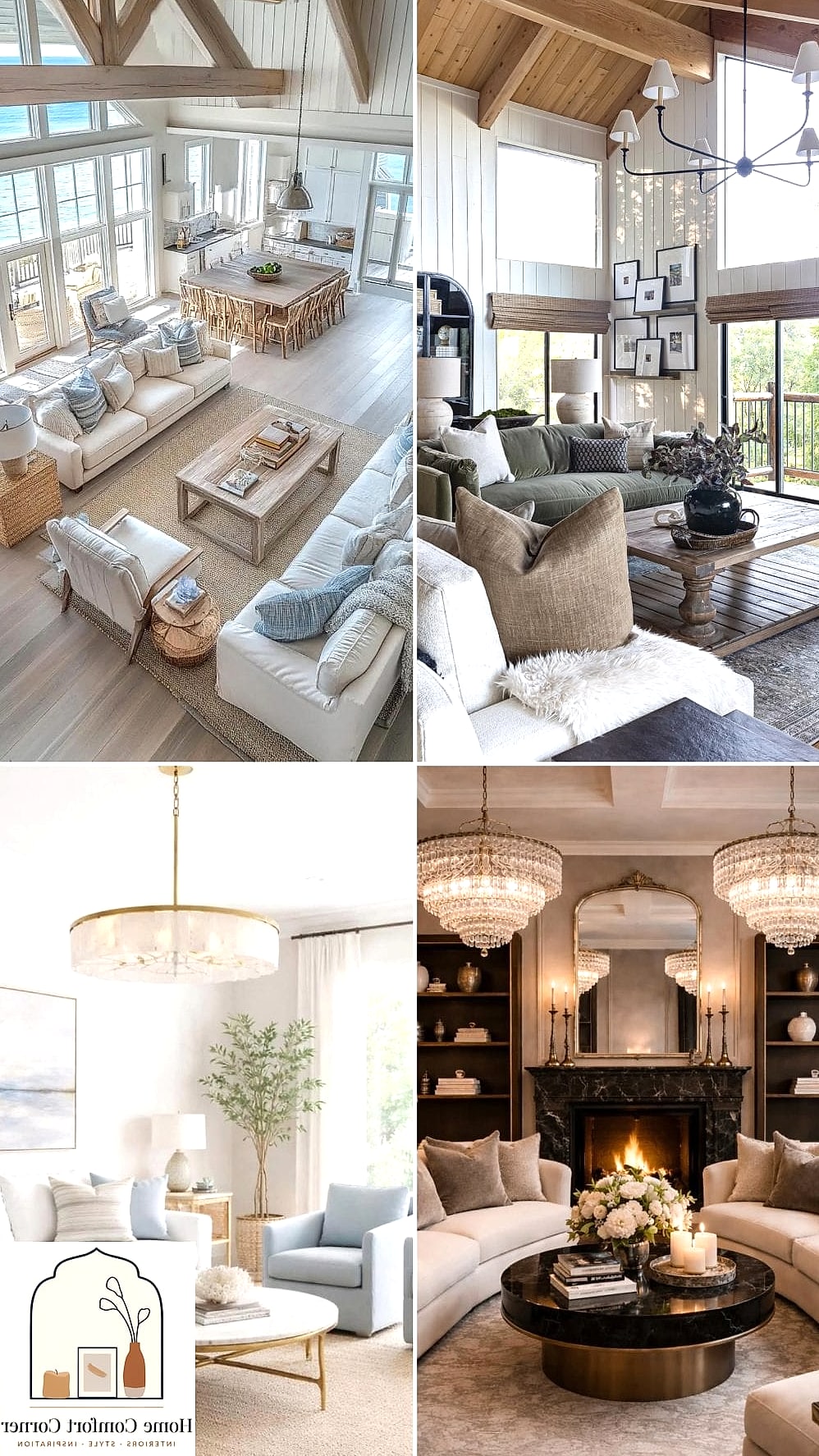
The overhead fixture is one of the first things people notice walking into a room, so it’s worth treating it like jewelry rather than an afterthought. A woven pendant, a sculptural chandelier, or even a simple oversized globe can anchor a whole room’s style, especially over a dining table or in an entryway.
Layer Rugs for Added Warmth
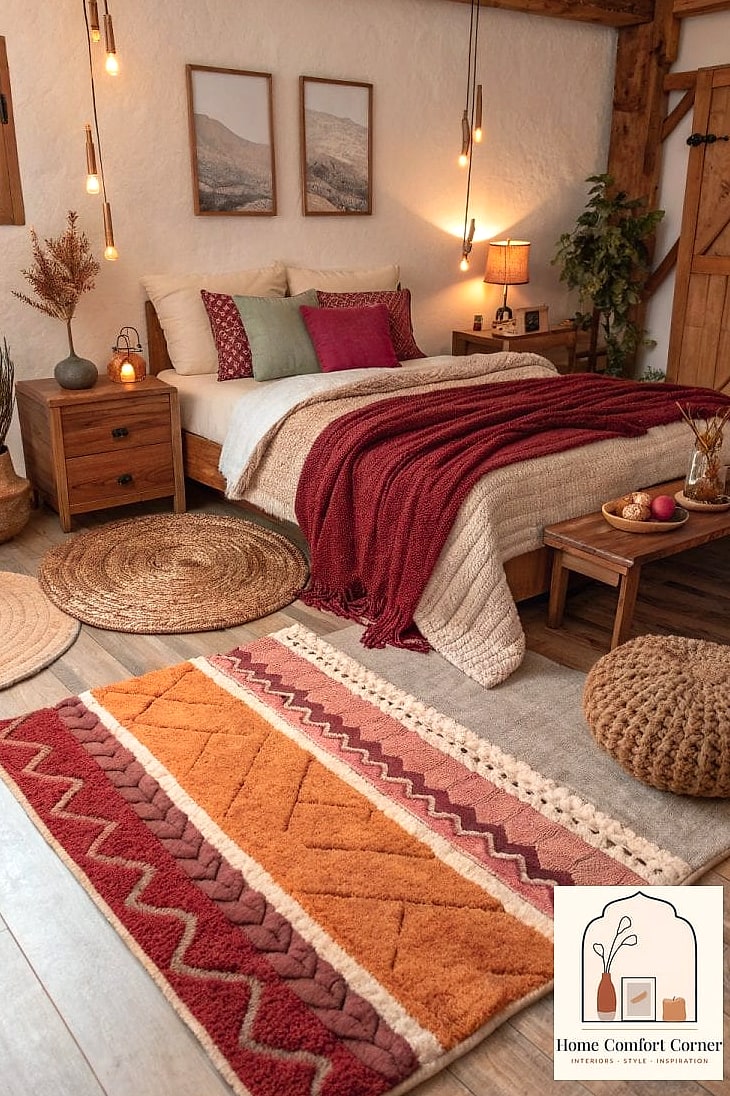
Placing a smaller patterned or textured rug on top of a larger jute or sisal rug adds visual interest and warmth underfoot. This works especially well in living rooms and bedrooms where you want softness without committing to one giant patterned rug covering the whole floor.
Keep a Consistent Trim Color Throughout Your Home

Switching trim colors from room to room can make a house feel choppy. A lot of designers stick to one trim color, often a soft white or warm white, throughout the main living areas so the eye moves smoothly from space to space, even as wall colors change.
Style Your Coffee Table Like a Tiny Vignette
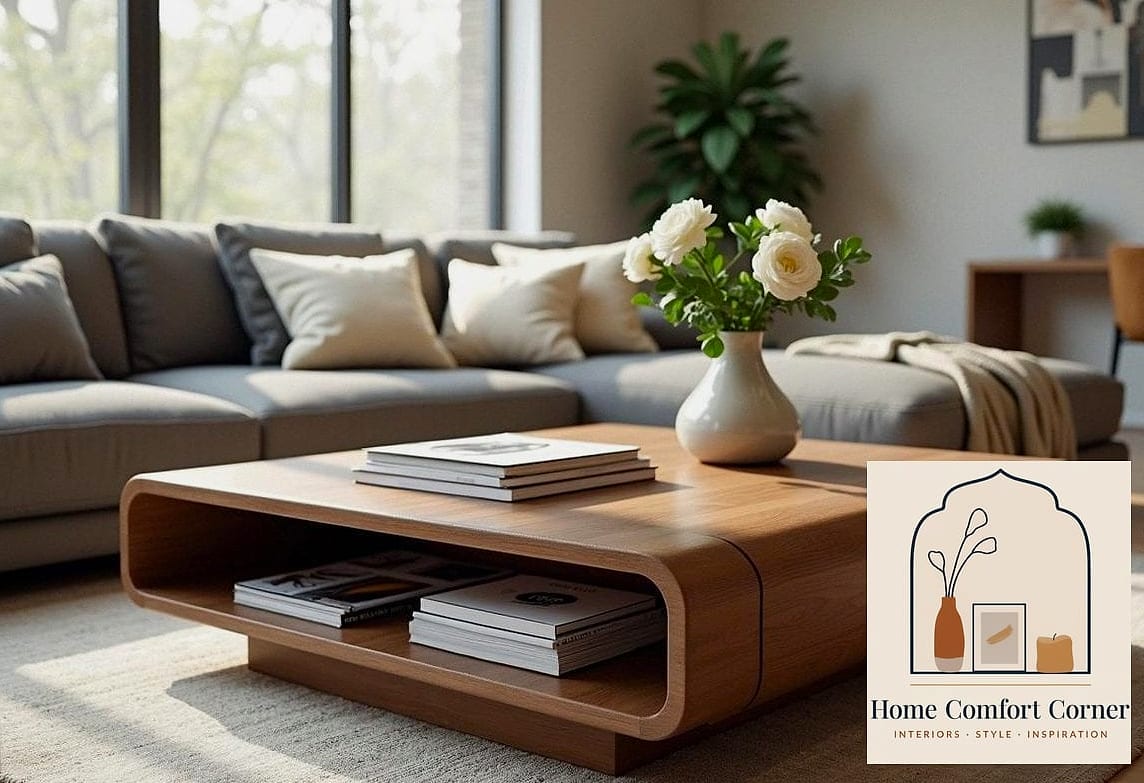
An empty coffee table looks unfinished, but a cluttered one looks stressful. Aim for a stack of two or three books, a small tray with a candle, and something organic like a bud vase or small plant. Leave enough open space that people can actually set a drink down.
Use Wallpaper in a Small, High-Impact Space
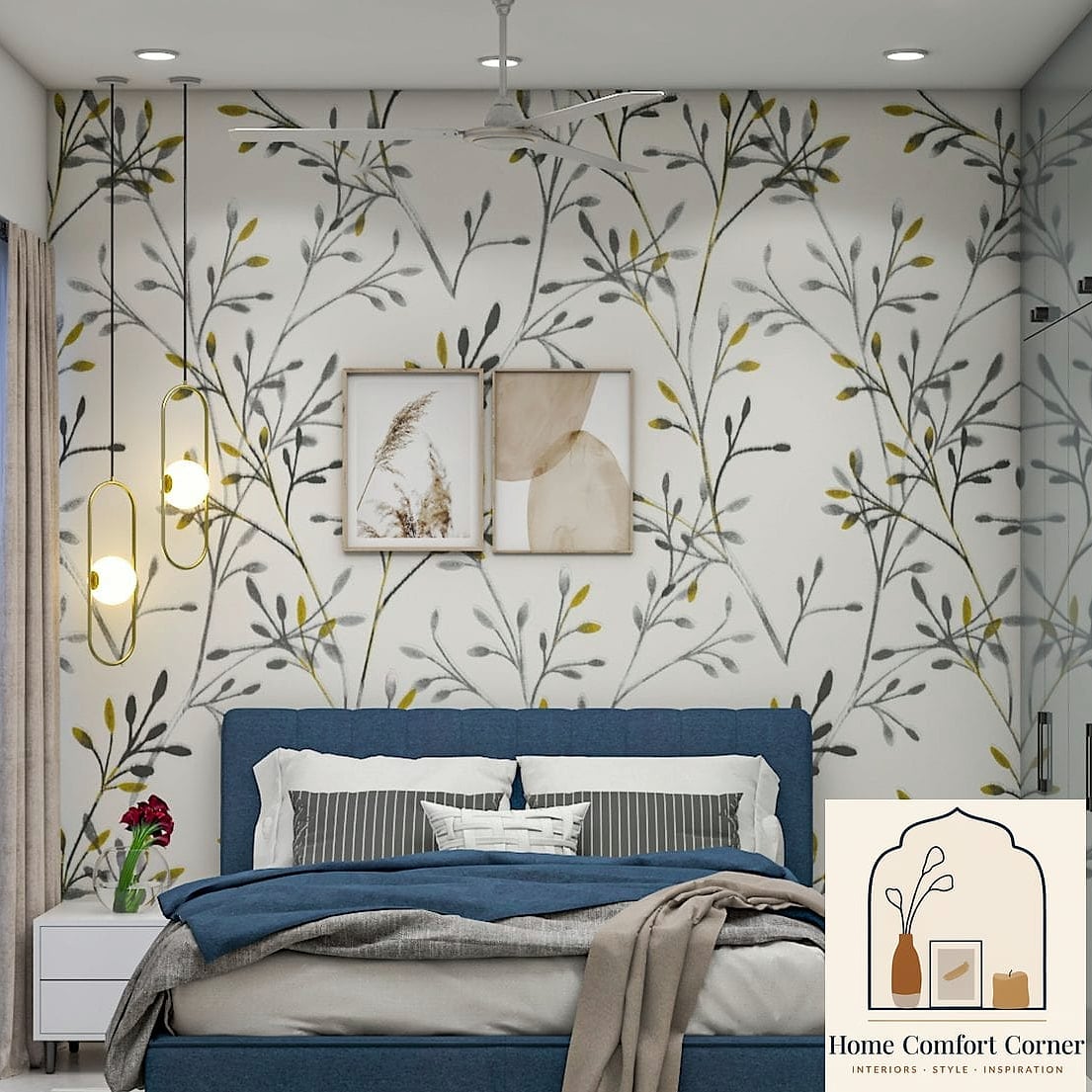
Wallpapering an entire house can feel like a big commitment, but a powder room, a closet interior, or the back of a bookshelf gives you all the drama with a fraction of the surface area. Peel-and-stick options have gotten good enough that this is genuinely renter-friendly too.
Balance Warm and Cool Tones in the Same Room
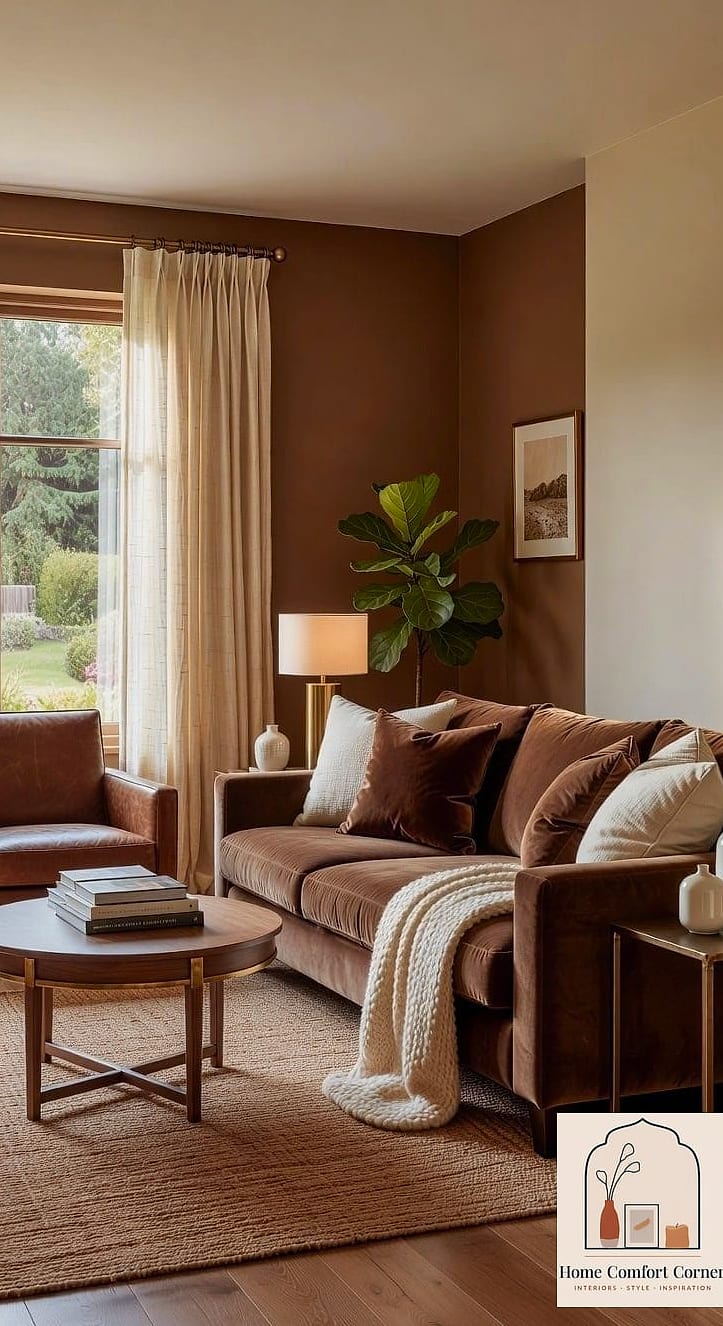
An all-warm room (lots of wood, cream, tan) can start to feel flat, while an all-cool room (grays, whites, chrome) can feel cold. Mixing in at least a little of the opposite temperature, a black metal light fixture in a warm room, or a wood accent in a cool one, keeps things balanced.
Add Personality Through Books, Not Just Decor Objects
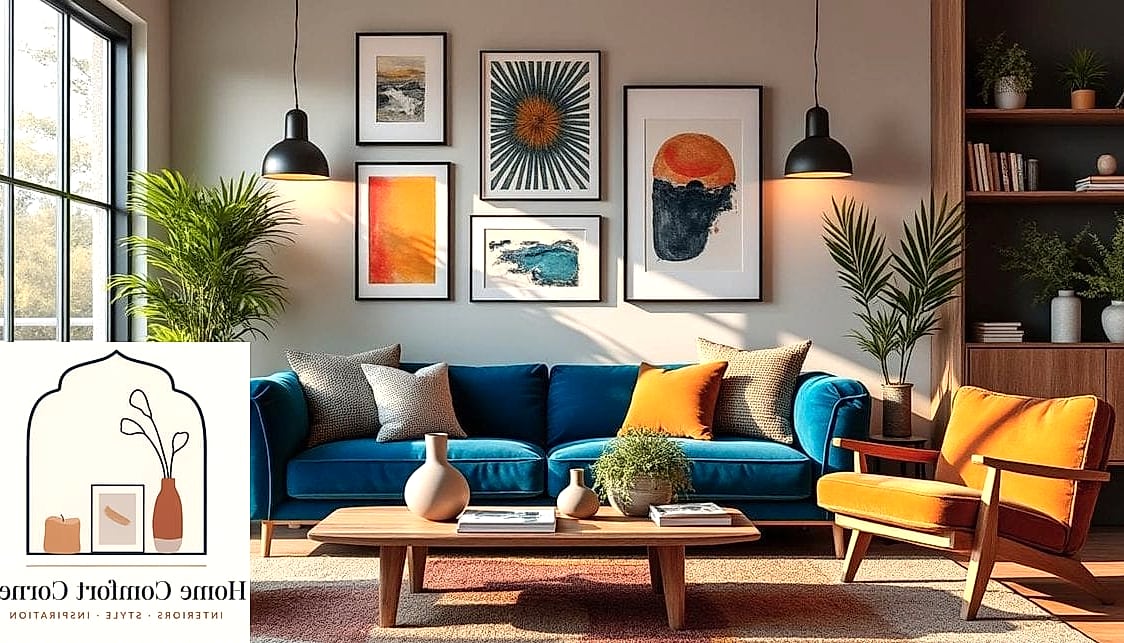
Displaying your actual books instead of hiding them away adds color, texture, and a sense of who lives there. Mix spine-out and stacked orientations, and don’t be afraid to group by color if you want a more curated look rather than alphabetical.
Choose Furniture With Visible Legs in Smaller Rooms
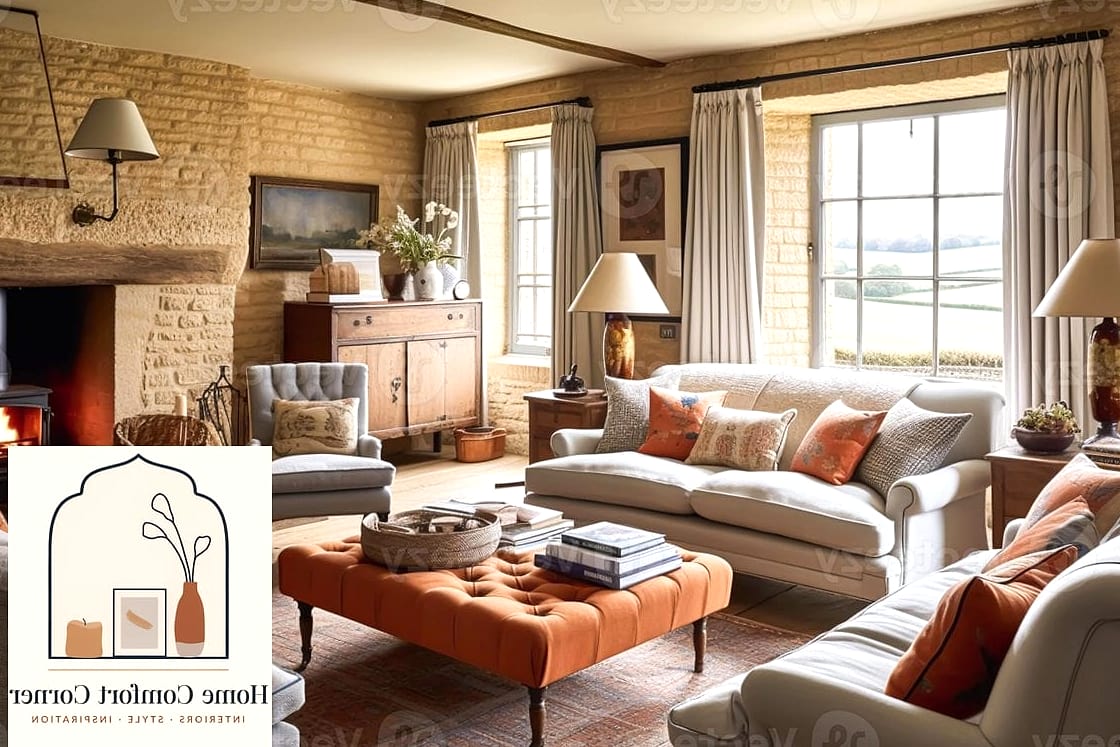
Furniture that sits flush to the floor, like a skirted sofa or a low platform bed, can make a small room feel more cramped because you can’t see the floor beneath it. Pieces with visible tapered or turned legs let light and sightlines pass underneath, which makes the whole room feel more open.
Bring in Seasonal Decor Without Overdoing It
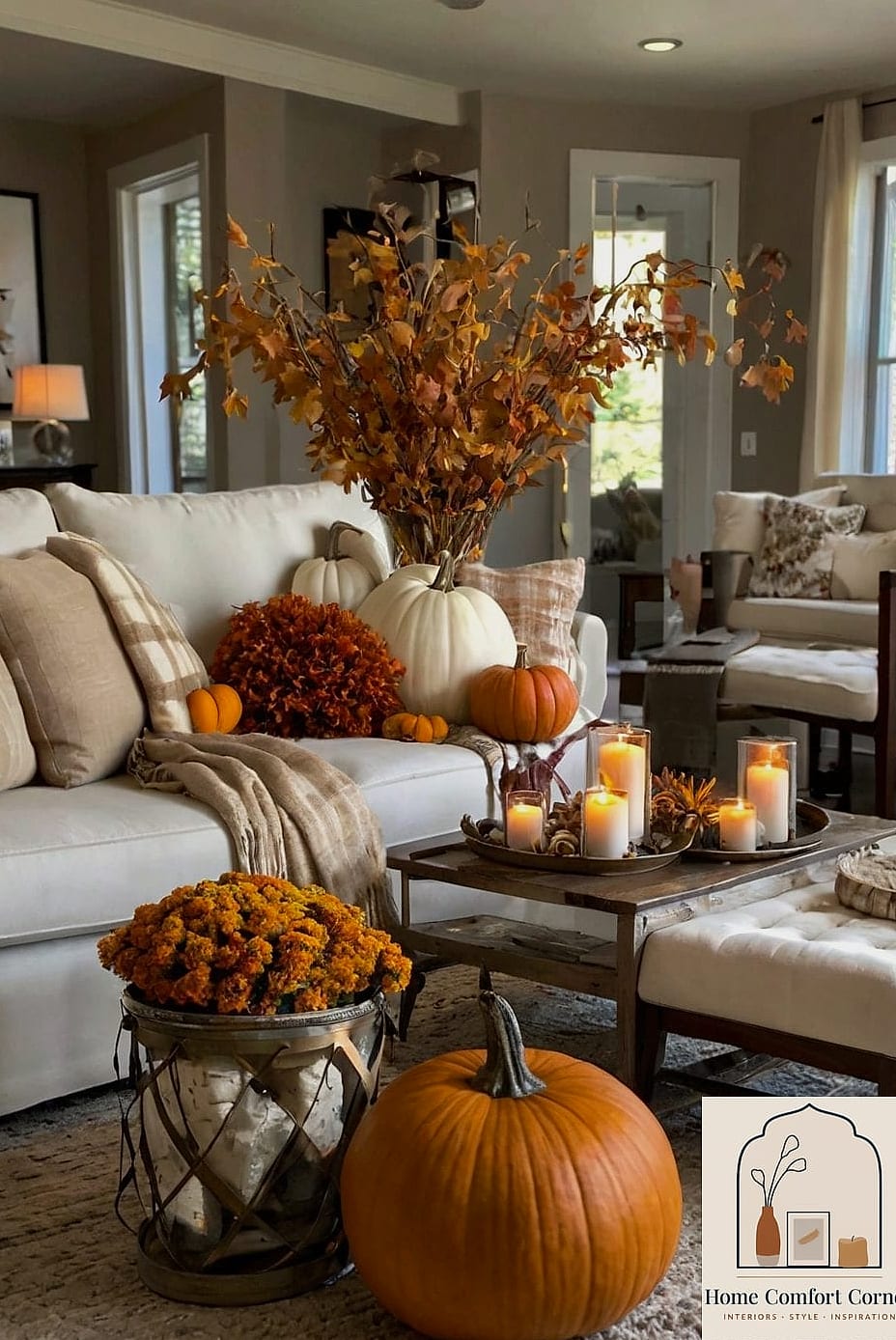
Swapping a few small items, a different table runner, a bowl of seasonal fruit or pinecones, a lighter or heavier throw blanket, keeps a room feeling current without a full redecorate every few months. Designers tend to treat seasonal decor as an accent layer on top of a solid year-round base, not the whole design plan.
Putting even five or six of these into practice can genuinely change how a room feels, and none of them require a contractor. Start with whatever bugs you most when you walk into the room, whether that’s flat lighting, bare walls, or curtains that just don’t sit right, and work outward from there. That’s really how most well-designed rooms come together anyway: one small, deliberate fix at a time.