10 Green Home Decor Concepts That Are Actually Achievable on a Budget
- Secondhand and Vintage Furniture Finds
- Cork and Reclaimed Wood Accents
- Houseplants as Your Main Decor Layer
- Natural Fiber Rugs and Textiles
- Refinishing Instead of Replacing
- Energy-Efficient and Layered Lighting
- Upcycled Storage Solutions
- Low-VOC and Natural Paint Choices
- Composting and Kitchen Waste Stations
- Repurposed Glass and Metal Decor
10 Green Home Decor Concepts That Are Actually Achievable on a Budget
Going green in your home decor doesn’t mean gutting your kitchen or dropping a fortune on bamboo everything. Most of the time, it’s about swapping a few habits and materials for ones that don’t cost the planet (or your wallet) quite so much. I’ve pulled together ten ideas that real homeowners actually use, not just Pinterest fantasies that require a contractor and a second mortgage.
Secondhand and Vintage Furniture Finds
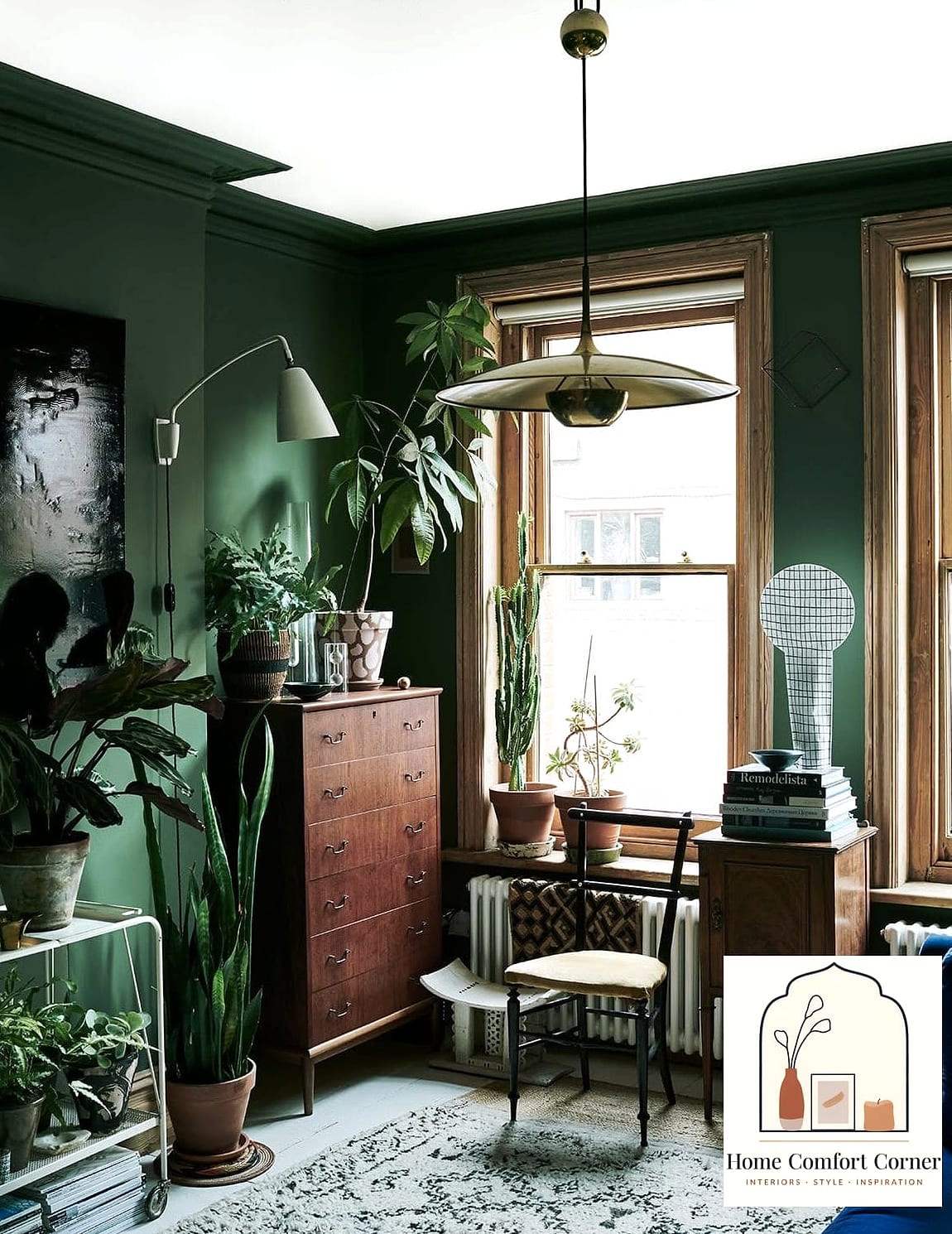
Buying used furniture is probably the single biggest eco-friendly move you can make in your home, and it’s also the cheapest. Every piece you buy secondhand is one less item manufactured, shipped, and eventually landfilled.
Thrift stores, estate sales, and local marketplace apps are goldmines for solid wood dressers, coffee tables, and dining chairs that were built to last decades longer than most new furniture. A little sanding and a coat of low-VOC paint can turn a dated piece into something that looks intentional and collected.
This works especially well in living rooms and bedrooms where you want character anyway. Mixing a vintage credenza with newer pieces gives a room depth that showroom furniture just doesn’t have.
Cork and Reclaimed Wood Accents
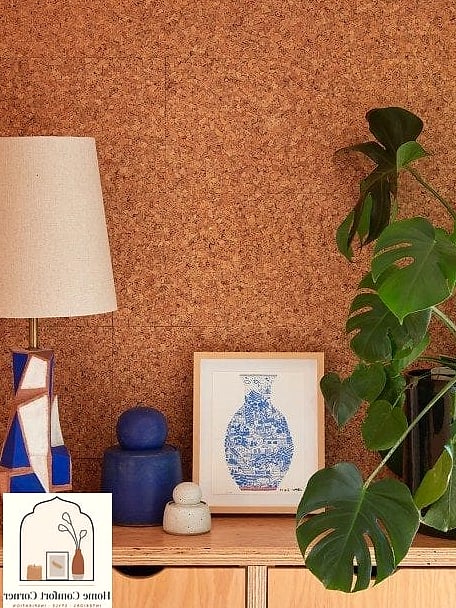
Cork gets overlooked, but it’s a genuinely renewable material since it’s harvested from tree bark without cutting the tree down. Cork wall tiles or cork flooring panels add warm texture and even help with sound absorption, which is a nice bonus in apartments.
Reclaimed wood accents work similarly. A floating shelf made from salvaged barn wood or an accent wall built from reclaimed pallets brings in natural texture without new lumber being harvested.
Both options pair beautifully with a neutral color palette and brushed brass hardware if you’re going for that warm, organic look. Just make sure reclaimed wood is properly treated before it comes indoors, especially if pets or kids will be around it.
Houseplants as Your Main Decor Layer
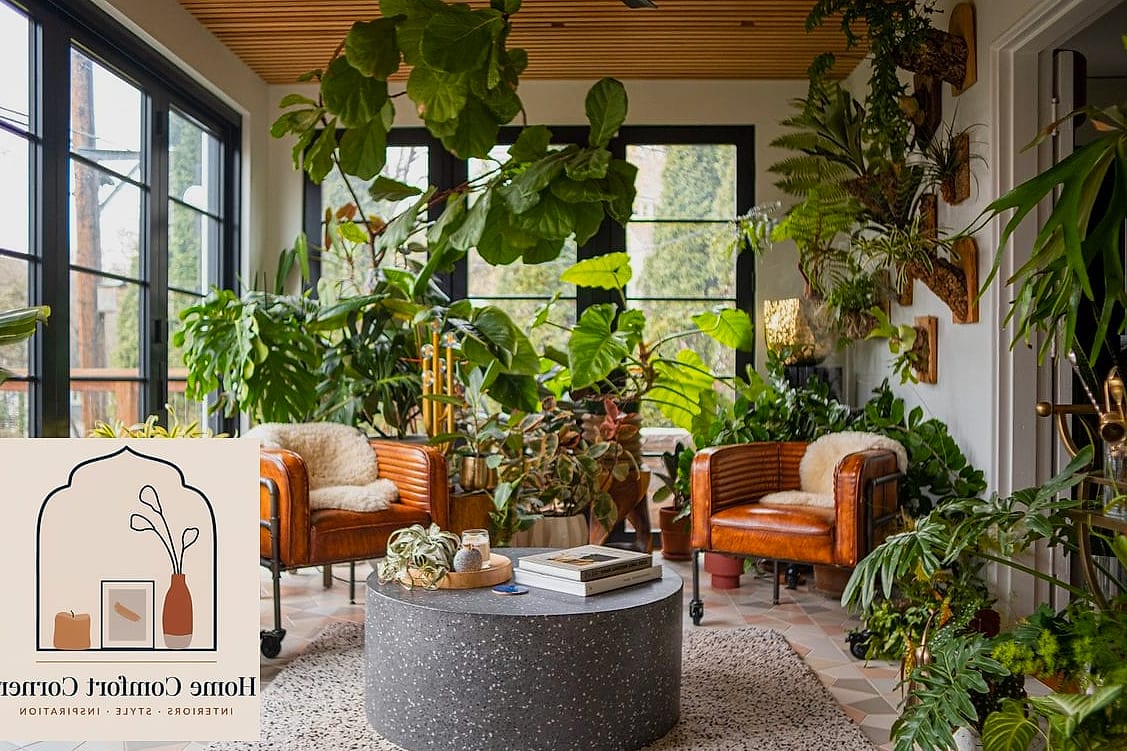
Plants are the most budget-friendly green decor concept out there, literally and figuratively. A few pothos cuttings from a friend or a neighborhood plant swap can fill a room with life for basically nothing.
Beyond looking good, plants improve air quality and give a space that lived-in, cared-for feeling that’s hard to fake with anything else. Group different heights together on a plant stand or shelf for a layered, jungle-adjacent look that photographs well too.
If you’re not confident with plant care, start with snake plants or ZZ plants. They’re nearly impossible to kill and still deliver that fresh, natural aesthetic people pay landscapers for.
Natural Fiber Rugs and Textiles
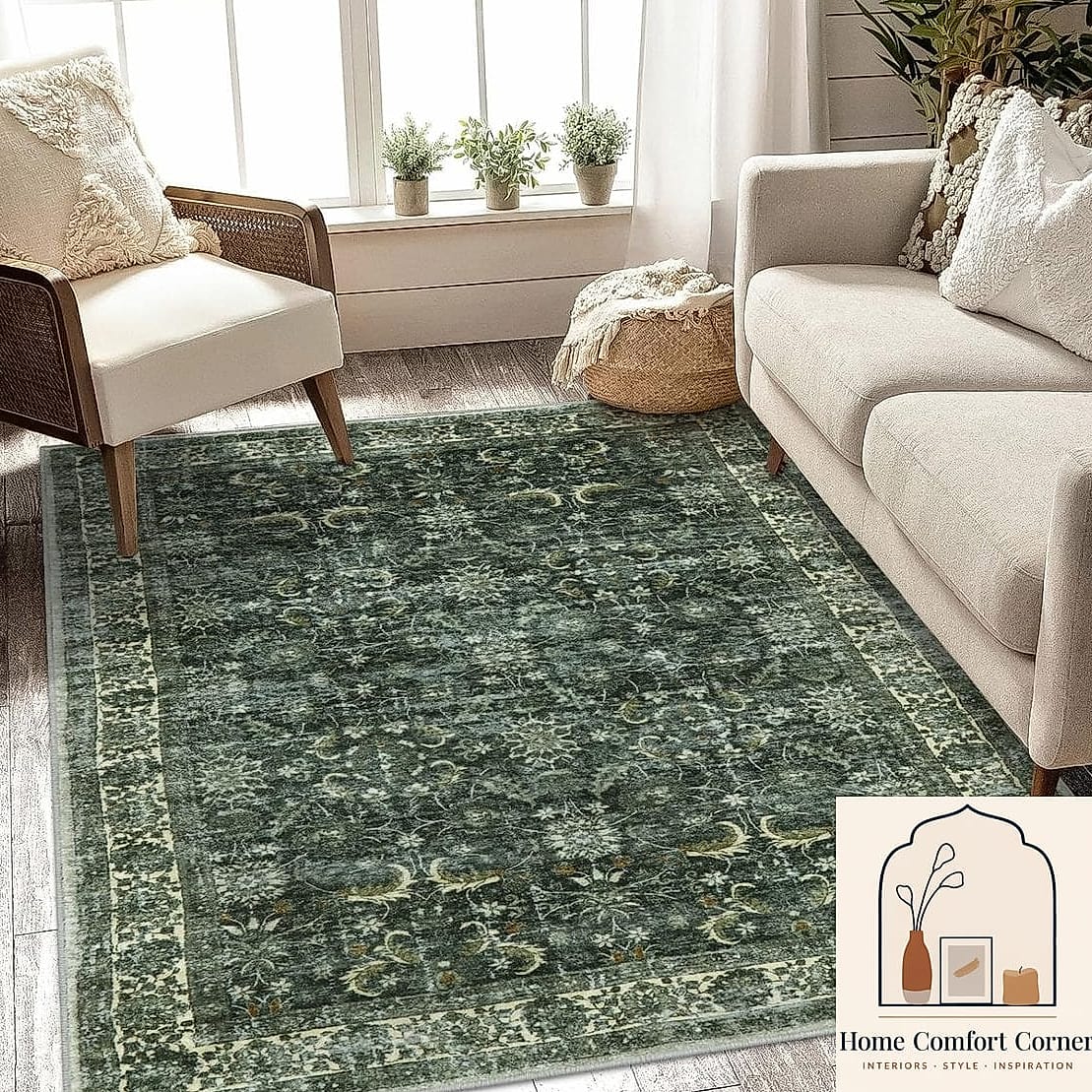
Swapping synthetic rugs for jute, sisal, or seagrass options is an easy upgrade that also happens to be one of the more affordable flooring changes you can make. These materials are biodegradable and often more breathable underfoot than synthetic alternatives.
Natural fiber rugs work particularly well in entryways and living rooms where you want texture without a heavy visual footprint. They tend to hide dirt better than you’d expect, though they’re not always the best pick for homes with a lot of spills.
For a softer feel, layer a smaller cotton or wool rug on top. This is a trick a lot of designers use to get texture and comfort without going all-in on one expensive piece.
Refinishing Instead of Replacing
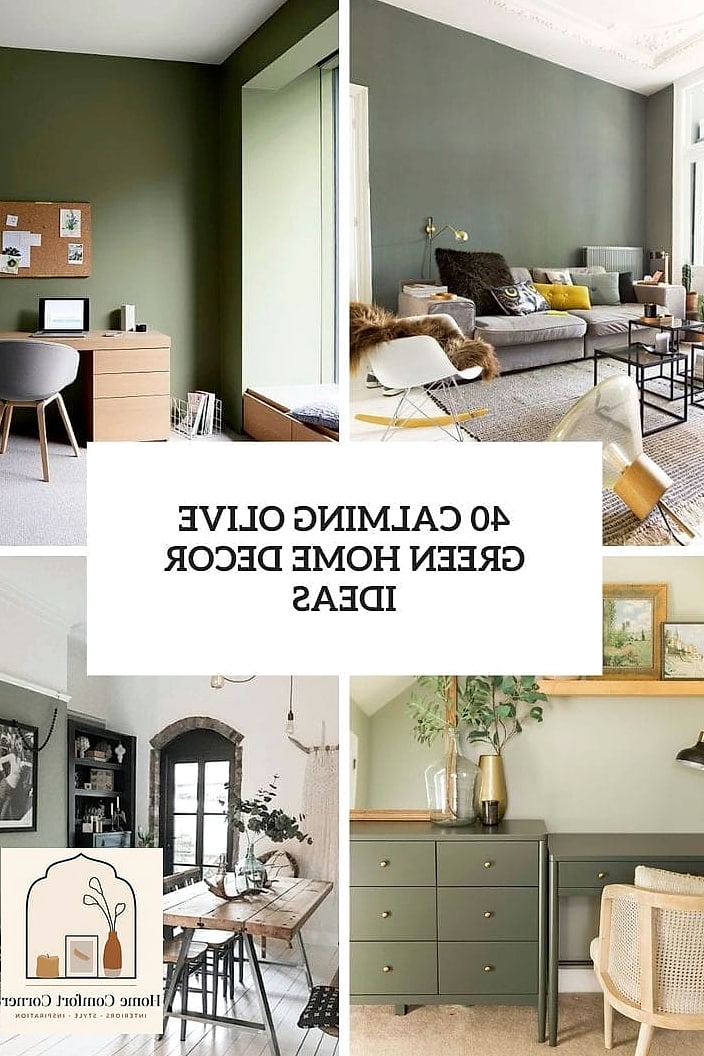
Before you toss that scratched-up dresser or dated kitchen cabinet, consider what a weekend with sandpaper and paint could do. Refinishing existing furniture and cabinetry keeps usable materials out of the landfill and almost always costs less than buying new.
Cabinet refacing, in particular, has become a popular budget alternative to a full kitchen remodel. Swapping out hardware for brushed brass or matte black pulls alone can make old cabinets look current again.
This concept also applies to hardwood floors. Refinishing existing floors instead of ripping them out and installing new material saves both money and resources, and honestly, older hardwood is usually better quality than what’s sold today.
Energy-Efficient and Layered Lighting

Green decor isn’t only about materials, it’s also about how a space performs. Switching to LED bulbs throughout your home is one of the cheapest upgrades on this entire list, and it noticeably cuts energy use.
Layered lighting, meaning a mix of overhead, task, and ambient sources, also reduces how much you rely on harsh overhead fixtures. A warm floor lamp in the corner and under-cabinet lighting in the kitchen do a lot of visual and functional work.
Solar-powered outdoor lights are another easy add for patios or entryways. No wiring, no electrician, just stick them in the ground and let the sun do the work.
Upcycled Storage Solutions
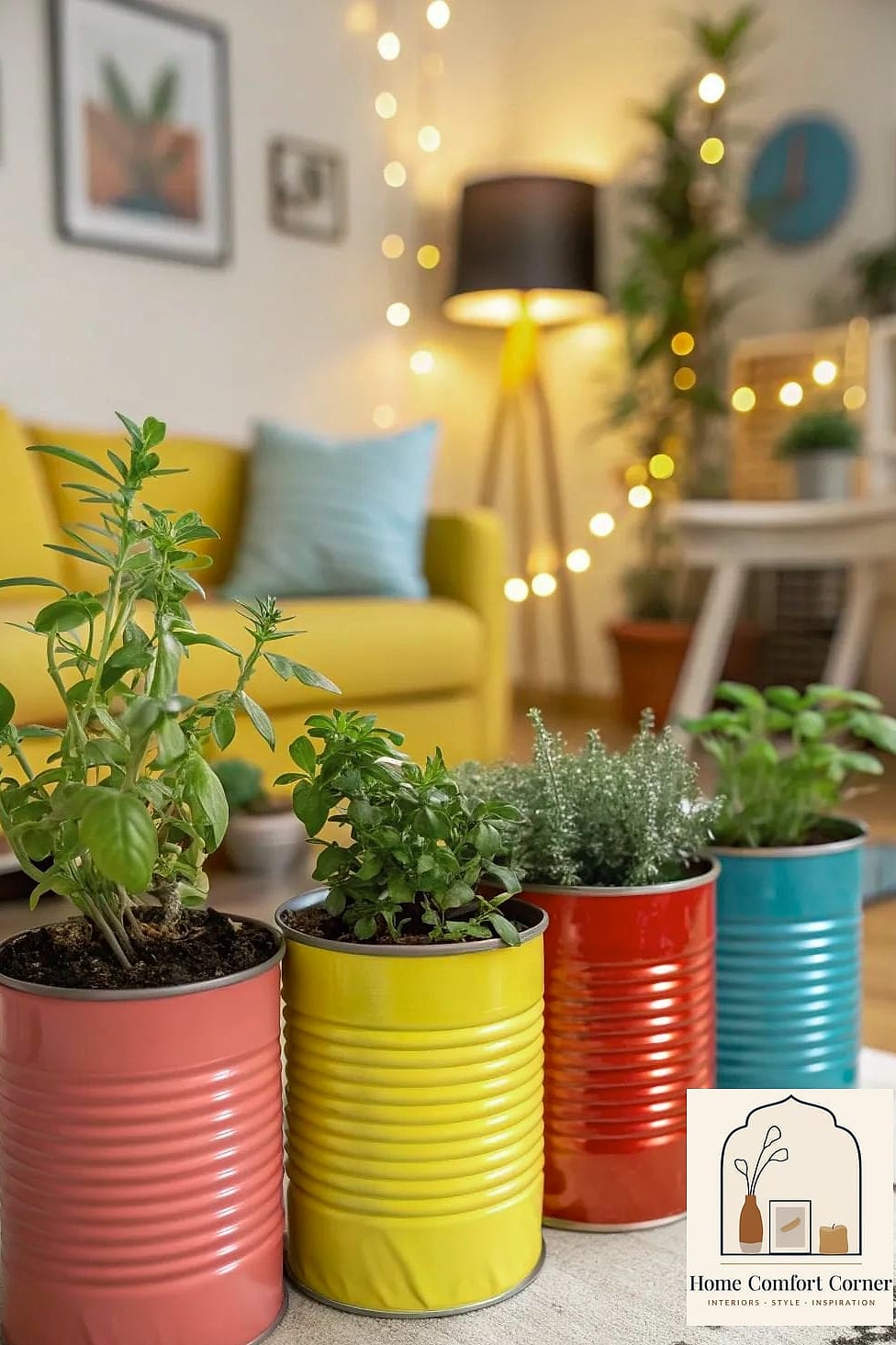
Instead of buying new bins and baskets, this concept is about reimagining what you already have. Old mason jars become bathroom organizers, wooden crates become open shelving, and vintage suitcases stack into a side table with hidden storage inside.
This approach is especially handy for renters who want function without permanent built-ins. It’s also just more interesting than matching plastic totes from a big box store.
Woven baskets from secondhand shops work great for corralling blankets, toys, or pantry items, and they add texture that manufactured storage bins can’t match. Drawer organizers can even be DIYed from shoeboxes if you’re really trying to keep costs down.
Low-VOC and Natural Paint Choices
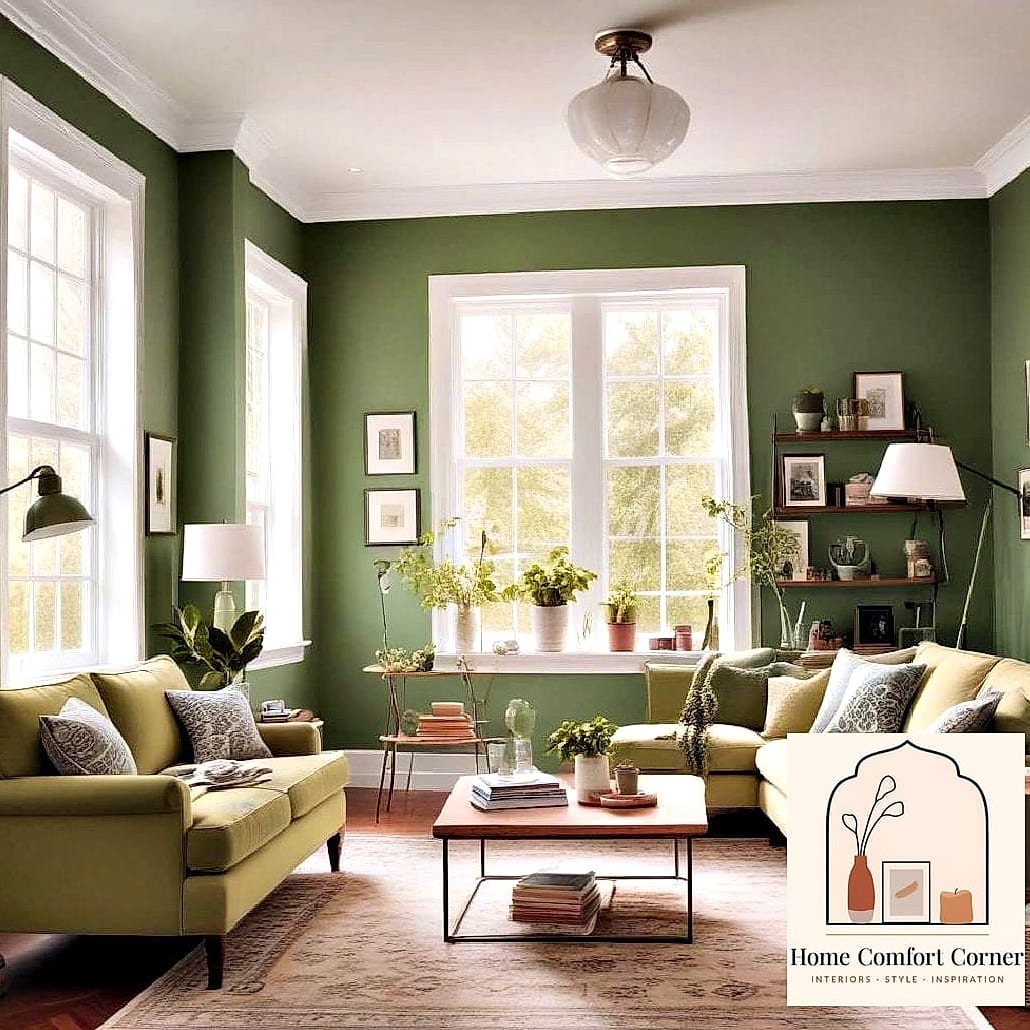
Paint is one of the fastest ways to change a room, and choosing low-VOC or zero-VOC formulas means you’re not filling your home with the off-gassing chemicals traditional paints are known for. Most major paint brands now offer these at a similar price point to standard paint, so it’s not really a splurge anymore.
Earthy, warm tones like terracotta, sage, and clay have been trending for a reason. They read as natural and grounded, which fits nicely into a green decor concept without feeling like a theme.
If you’re renting, peel-and-stick wallpaper made from eco-friendlier materials is worth a look too. Just double check the adhesive and backing since not all peel-and-stick options are created equal.
Composting and Kitchen Waste Stations
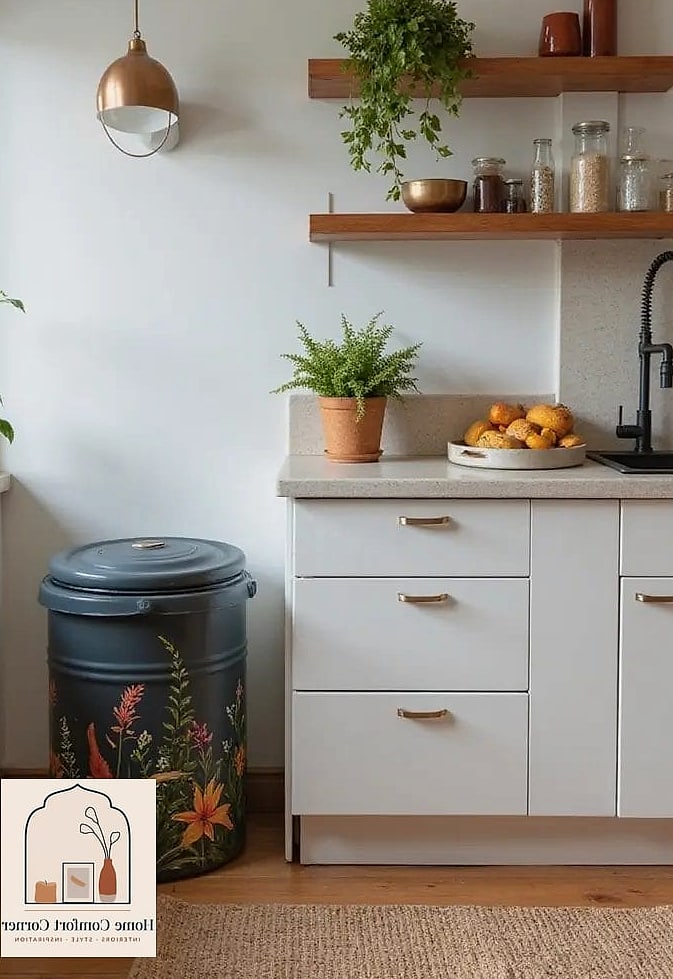
This one’s more functional than decorative, but hear me out: a well-designed compost station can actually look nice sitting on a countertop. Ceramic compost bins with charcoal filters don’t scream “trash” the way a plastic bucket does.
Setting up a small waste station near your sink, even just a labeled bin under the cabinet, makes composting feel like part of the kitchen’s design rather than an afterthought. It’s a small habit shift that keeps a surprising amount of food waste out of landfills.
Pair it with reusable produce bags or beeswax wraps stored in an open basket nearby, and suddenly your sustainable habits are also part of your kitchen’s visual story.
Repurposed Glass and Metal Decor
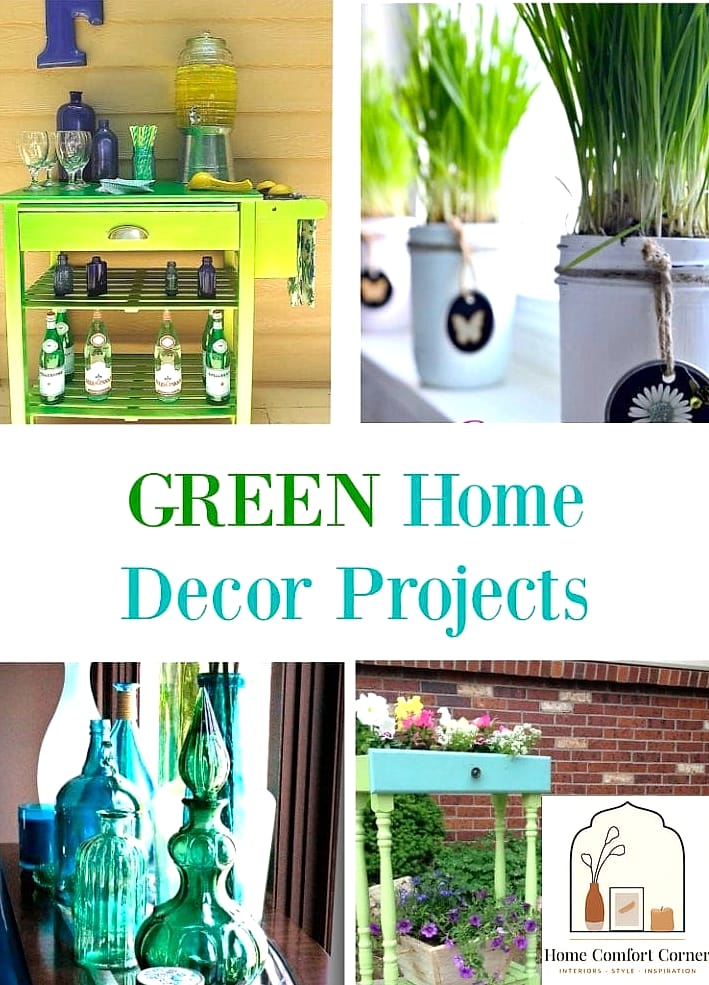
Glass jars, old wine bottles, and metal tins are everywhere, and most of us throw them away without a second thought. With minimal effort, they become vases, candle holders, or utensil organizers that look intentional rather than thrifted.
This concept shines in kitchens and bathrooms, where small containers are constantly needed anyway. A cluster of repurposed glass jars filled with cotton balls, q-tips, or bath salts looks more curated than anything you’d buy pre-packaged.
For a more polished look, spray paint metal tins in a matte finish or wrap glass jars in twine or leather cord. It’s a five-minute project that costs almost nothing and adds a handmade touch to open shelving.
Final Thoughts
None of these ideas require you to overhaul your entire home or spend a weekend at a specialty eco-store. Most of them start with what you already own or what’s sitting in a thrift shop waiting for someone to give it a second life. Pick one or two that fit your space, see how they feel, and build from there. Sustainable decorating isn’t about perfection, it’s about making better choices where you can, one room at a time.