22 Switch Board Art Ideas Room Decor Concepts That Are Actually Achievable on a Budget
- Hand-Painted Floral Switch Plates
- Marbled Effect Covers Using Nail Polish
- Gold Leaf Accent Plates
- Chalkboard Paint Switch Plates for Kids’ Rooms
- Wallpaper-Matched Covers for a Seamless Blend
- Washi Tape Geometric Patterns
- Ombre Painted Plates
- Botanical Pressed Flower Covers
- Metallic Sharpie Line Art
- Terrazzo-Inspired Painted Plates
- Fabric-Covered Switch Plates
- Brass and Matte Black Hardware Swaps
- Mini Gallery Wall Around the Switch Plate
- Stenciled Pattern Plates
- Vintage Postage Stamp Decoupage
- Color-Blocked Two-Tone Plates
- Glow-in-the-Dark Switch Plates
- Faux Marble Contact Paper Wraps
- Kids’ Handprint or Footprint Plates
- Botanical Print Decoupage Plates
- Textured Plaster or Joint Compound Plates
- Seasonal Swap Switch Plates
22 Switch Board Art Ideas Room Decor Concepts That Are Actually Achievable on a Budget
Switch plates and outlet covers are one of those things you walk past a hundred times a day without ever really seeing them. That’s exactly why they’re such an underrated decorating opportunity. You’ve already got the wiring, the wall, the fixture in place — all you need is a little creativity to turn a boring beige rectangle into something that actually adds character to a room.
The best part about switch board art is that it costs almost nothing compared to a full room refresh. A can of paint, some washi tape, or a $6 cover plate from a hardware store can genuinely change how a wall feels. Below are 22 ideas that range from five-minute weekend projects to slightly more involved upgrades, all without needing an electrician or a big budget.
Hand-Painted Floral Switch Plates
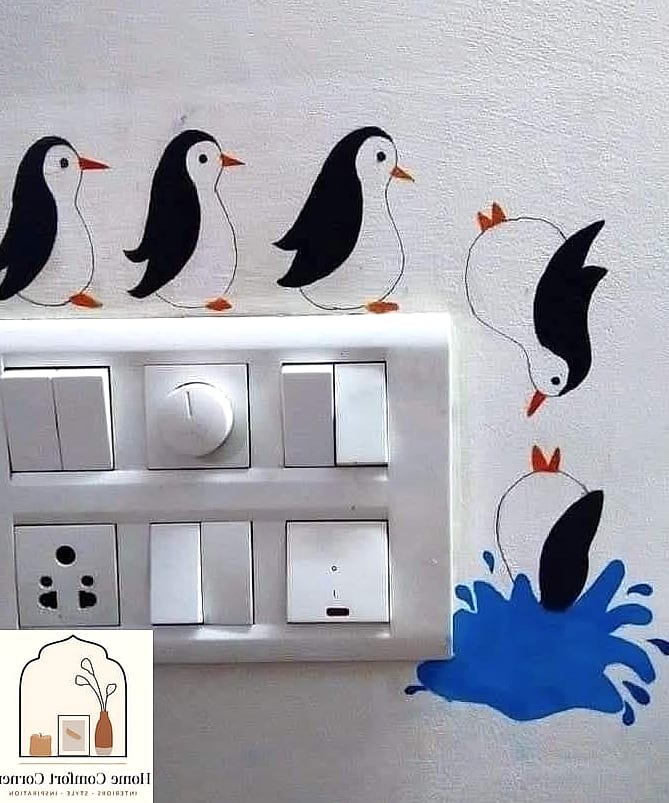
Grab a plain plastic or metal switch plate and turn it into a tiny canvas. Small floral clusters, single stem sketches, or loose watercolor-style blooms work beautifully here because the scale is so small that even beginner painters can pull it off.
This idea works especially well in bedrooms, nurseries, and powder rooms where you want a soft, feminine touch. Acrylic paint holds up fine, but a matte sealant on top will help it survive daily fingerprints. If you mess up, plates are cheap enough to just start over.
Marbled Effect Covers Using Nail Polish
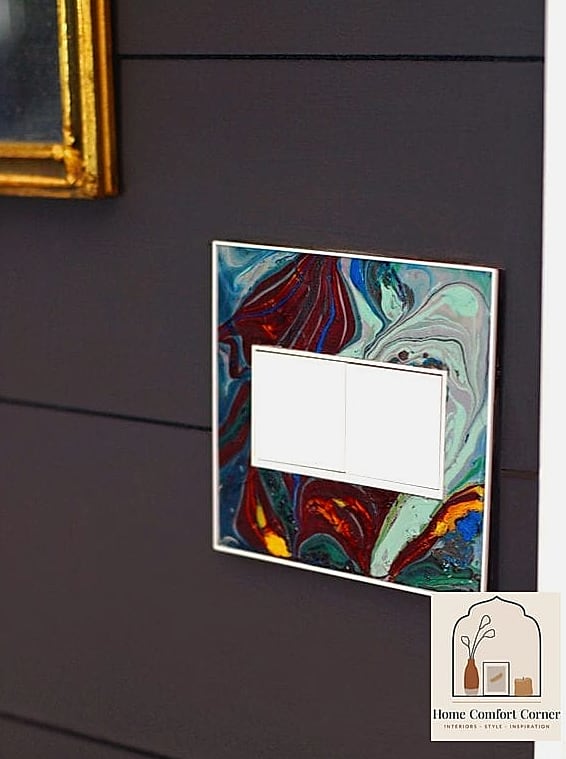
This is the classic nail-polish-in-water marbling trick, just applied to a switch plate instead of paper or eggs. Drop a few colors of polish into a bowl of water, swirl gently, then dip the plate in for an instant marble pattern.
It looks surprisingly luxe for something that costs under five dollars, and no two plates ever come out the same, which is part of the charm. This one’s great for bathrooms or kitchens where you’re already working with a marble or stone-look countertop and want the small details to echo that palette.
Gold Leaf Accent Plates
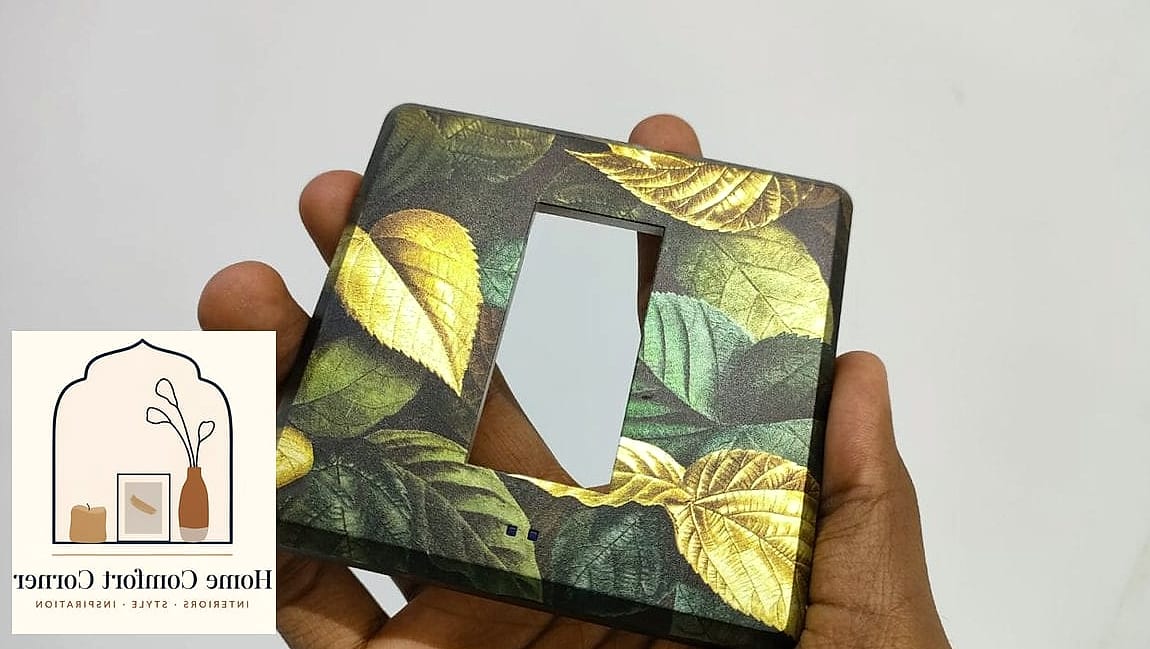
Gold leaf isn’t just for furniture and picture frames. Applying a thin layer to a switch plate with adhesive size and loose leaf sheets gives you a glam little accent that catches the light every time someone flips the switch.
This works particularly well against black or deep jewel-toned walls, where the metallic pops instead of blending in. It’s a bit messier than other methods, so lay down some newspaper, but the payoff feels a lot more expensive than the process actually is.
Chalkboard Paint Switch Plates for Kids’ Rooms
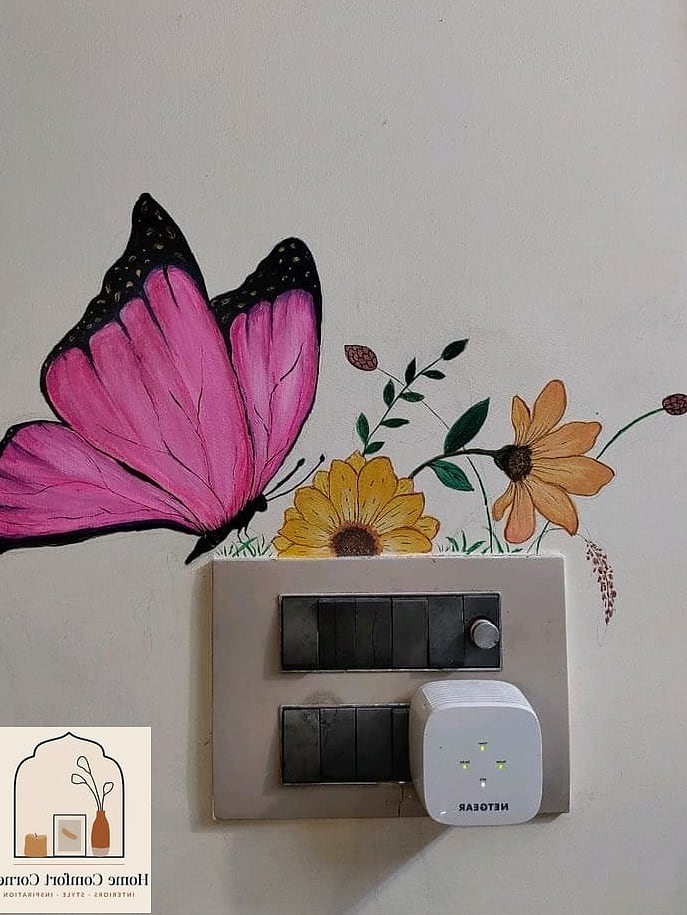
Chalkboard paint on a switch plate gives kids a tiny doodle spot that’s actually appropriate to draw on, which, let’s be honest, is a win for everyone involved. It’s washable, endlessly reusable, and genuinely fun for little ones who like to leave notes or scribbles.
This idea is especially handy in playrooms or shared kid bedrooms. Just remember to keep chalk dust away from the actual switch mechanism, and maybe skip this one directly around outlets that get used often.
Wallpaper-Matched Covers for a Seamless Blend
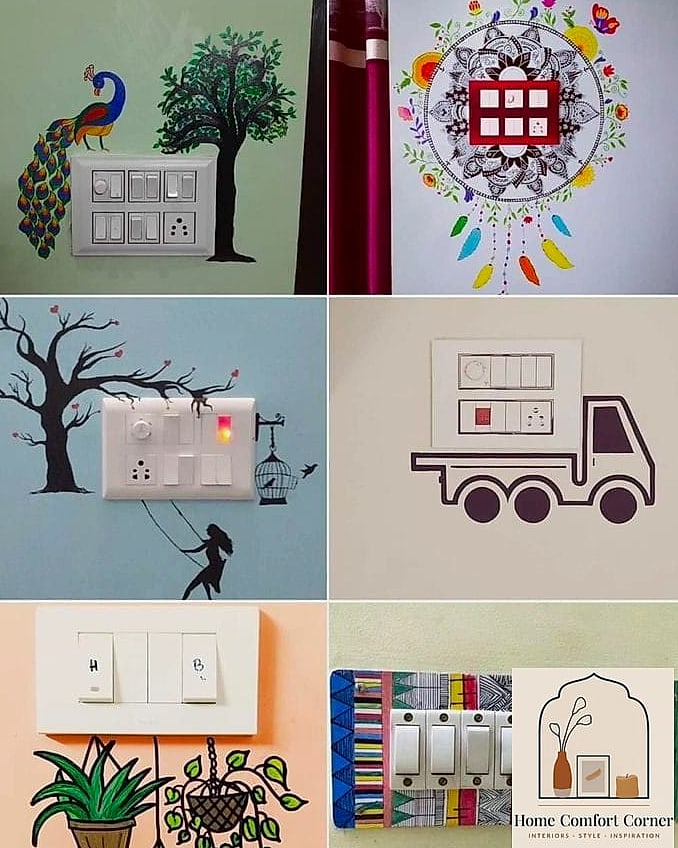
If your room has patterned wallpaper, covering the switch plate in a scrap of the same paper makes it disappear into the wall almost entirely. This is one of the most renter-friendly options on this list since it’s removable and doesn’t touch the actual fixture.
Peel-and-stick wallpaper samples work great here because you only need a tiny piece. This trick is especially satisfying in busy patterns like botanical prints or geometric designs, where a plain white switch plate would otherwise stick out like a sore thumb.
Washi Tape Geometric Patterns
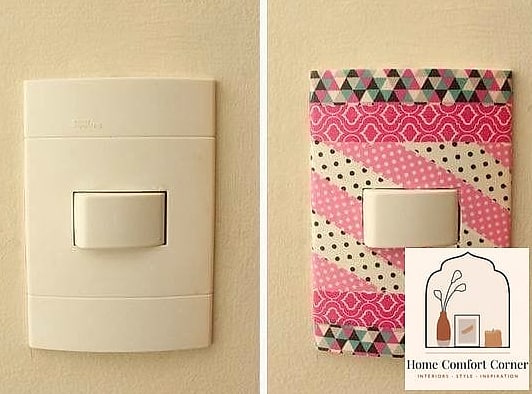
Washi tape is basically the entry-level craft supply for a reason — it’s cheap, repositionable, and comes in more patterns than you’ll ever need. Layering strips into triangles, chevrons, or simple stripe patterns on a switch plate takes maybe ten minutes.
This is a solid pick for renters, dorm rooms, or anyone who wants to test out a look before committing to paint. Since it peels off cleanly, you can swap the design seasonally without any real effort.
Ombre Painted Plates
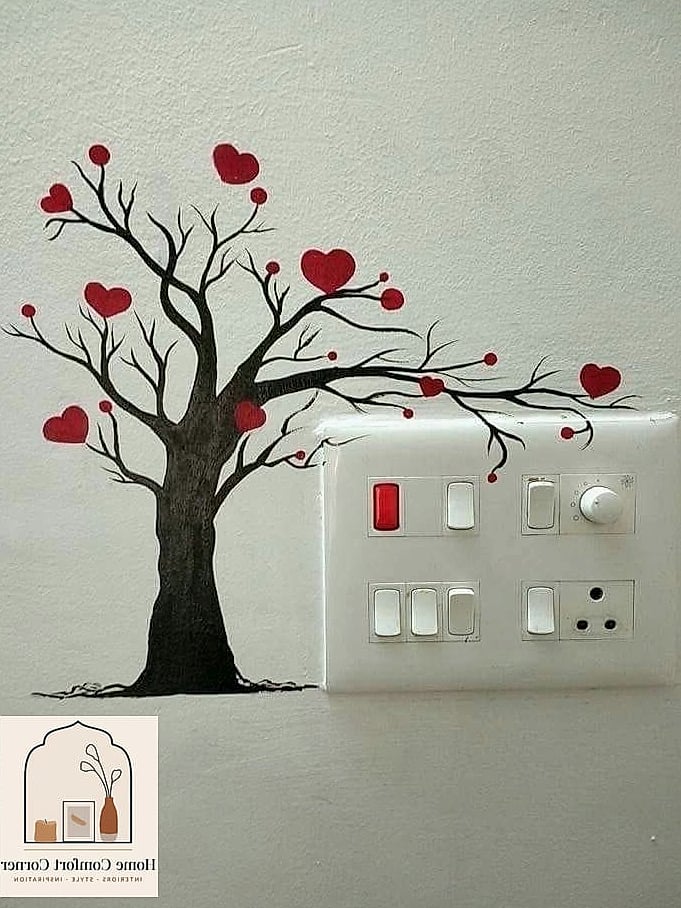
Blending two or three shades of the same color family across a switch plate creates a soft gradient effect that photographs really well and adds subtle depth to a wall. Sponge application tends to give a smoother blend than a brush.
Ombre plates work nicely in nurseries, reading nooks, or anywhere you’re already leaning into a soft, calming palette. Pastels are popular, but a moody navy-to-black ombre looks surprisingly sophisticated in a home office.
Botanical Pressed Flower Covers
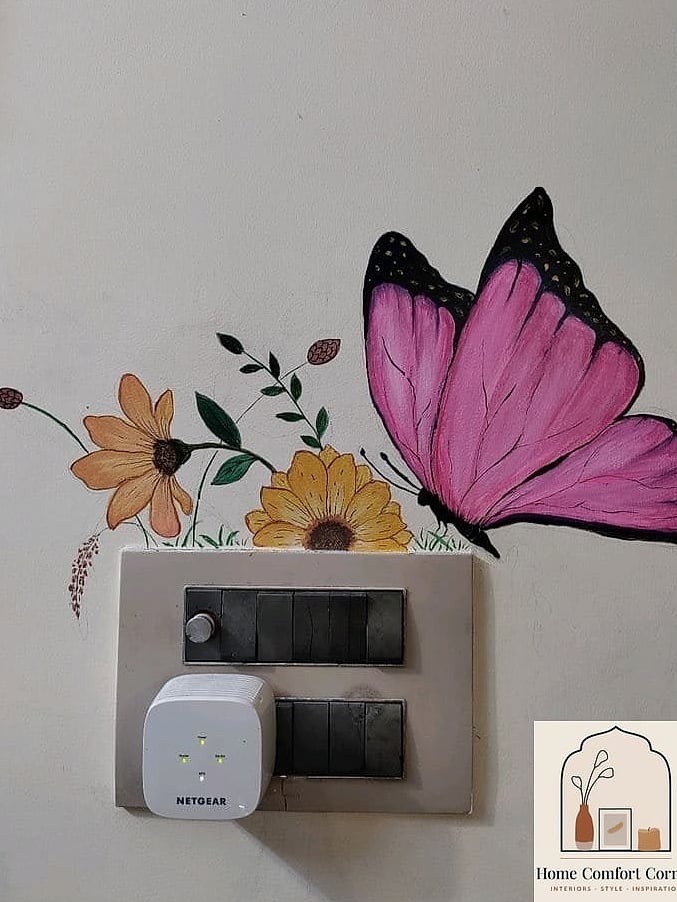
Pressed flowers or leaves placed under a clear acrylic switch plate cover create a delicate, nature-inspired detail without any painting skills required. You can press your own flowers at home or buy pre-pressed ones online for a few dollars.
This idea pairs beautifully with boho or cottagecore-style rooms, and it’s a nice way to preserve a flower from a special occasion, like a bouquet or a garden clipping, somewhere you’ll actually see it daily.
Metallic Sharpie Line Art
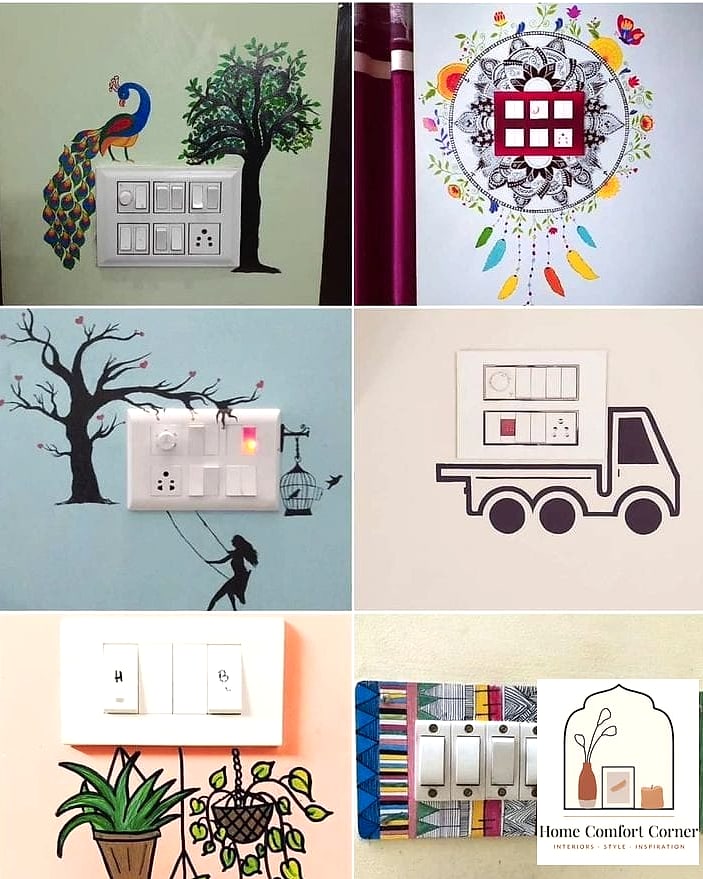
A metallic paint marker and a plain switch plate can produce surprisingly elegant line art — think simple mountain silhouettes, abstract faces, or minimalist plant sketches. Gold or copper markers show up beautifully against white or black plates.
This is one of the more forgiving projects since mistakes wipe off easily before the ink fully sets, and even a shaky hand tends to look intentional in a minimalist line-art style.
Terrazzo-Inspired Painted Plates
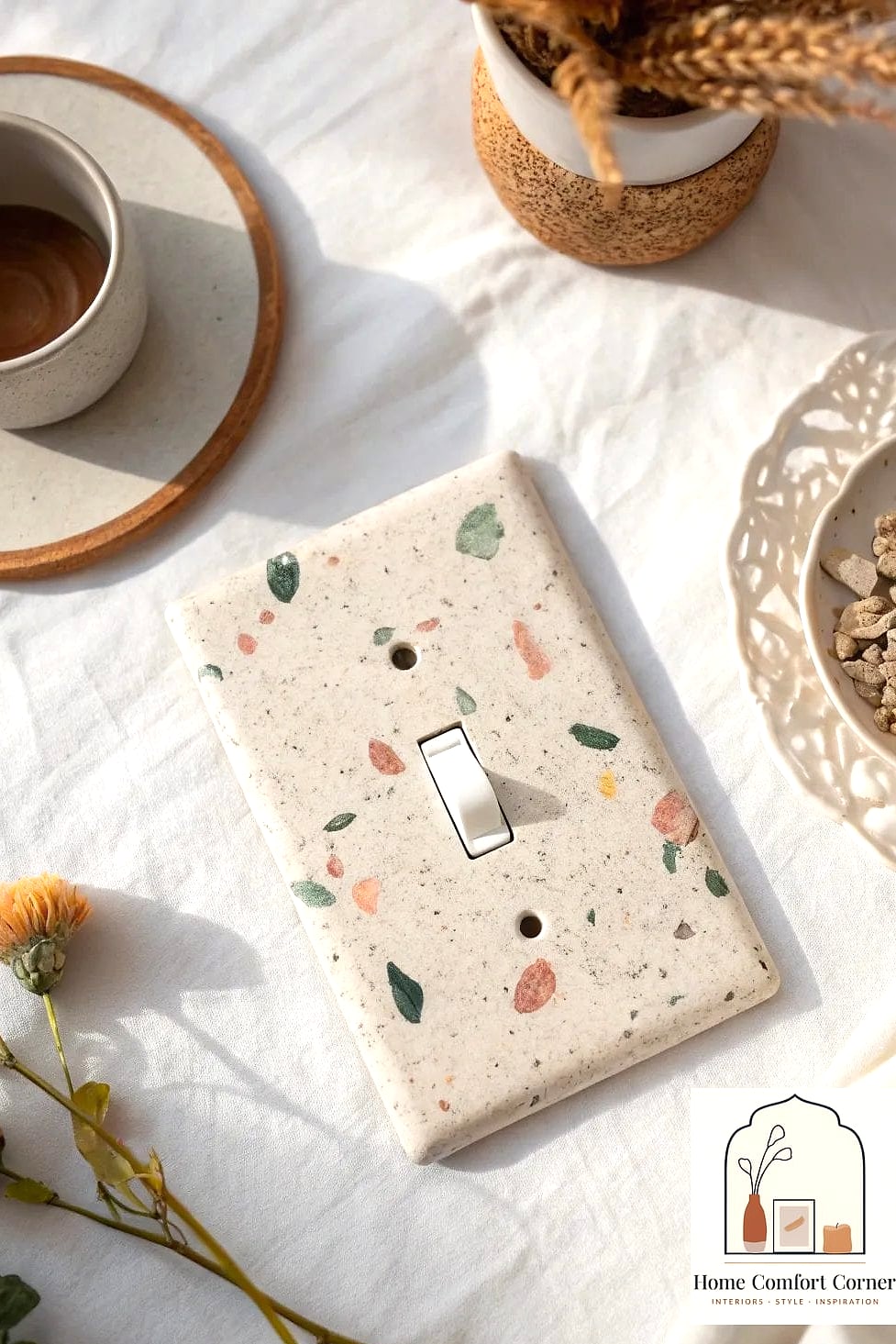
Terrazzo has been having a moment in flooring and countertops, and it translates surprisingly well to a tiny switch plate. Dab small flecks of two or three contrasting paint colors onto a base coat for that speckled stone look.
This works well in kitchens and bathrooms that already lean into a modern or Mediterranean aesthetic, tying the smaller details back into a bigger design trend without any real commitment.
Fabric-Covered Switch Plates
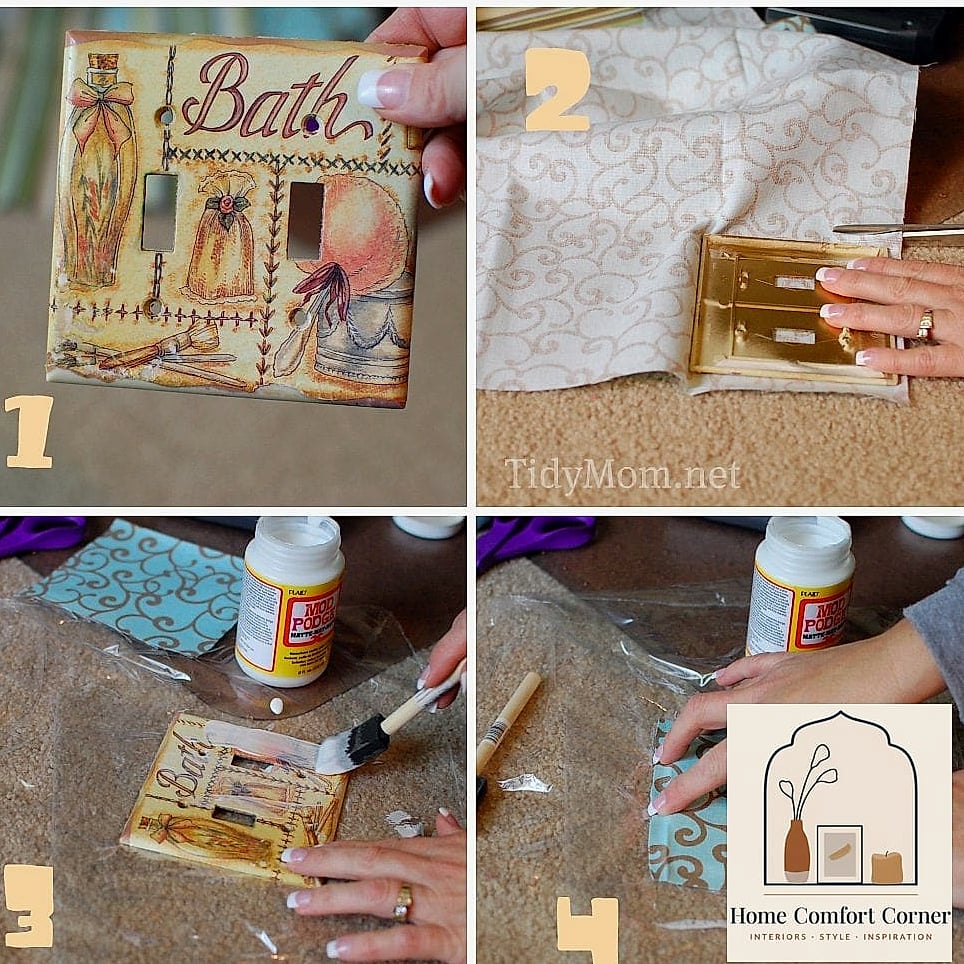
Wrapping a switch plate in a scrap of fabric — linen, velvet, or a bold print — gives it a soft, textured feel that stands out from typical plastic or metal covers. Mod podge or spray adhesive keeps the fabric secure.
This is a great way to use leftover fabric from curtains or pillow projects so your switch plate actually coordinates with existing textiles in the room, instead of feeling like an afterthought.
Brass and Matte Black Hardware Swaps
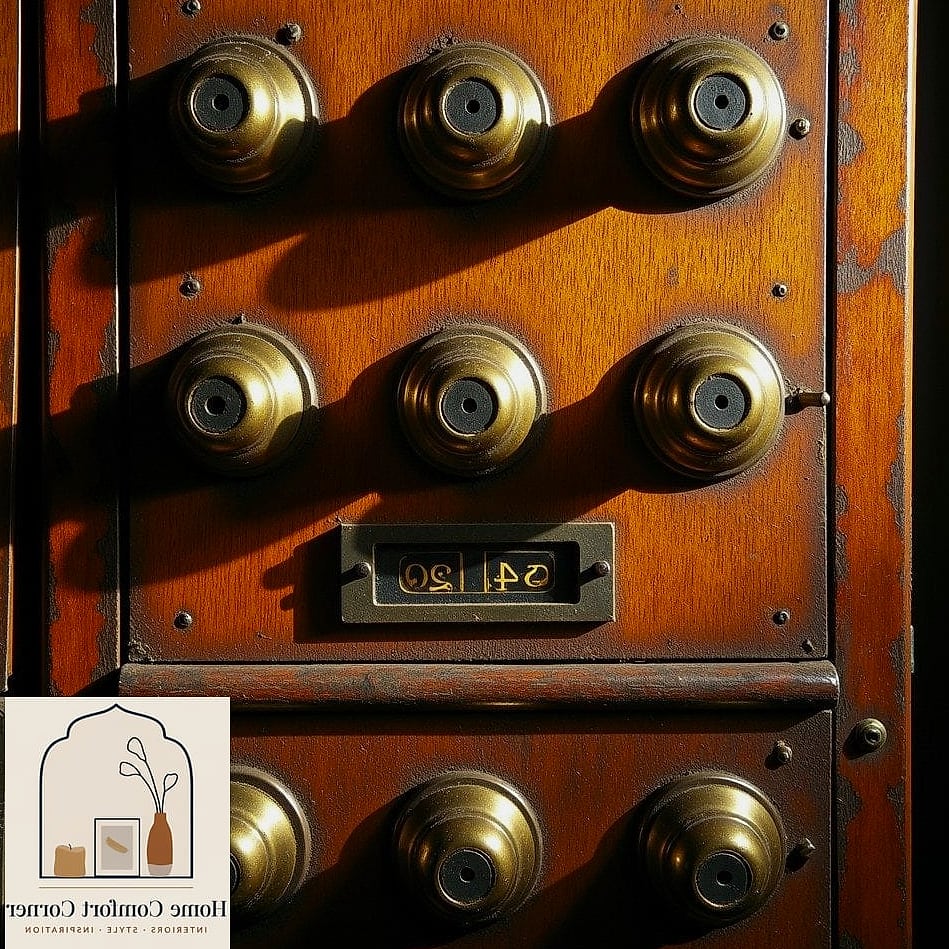
Sometimes the easiest upgrade isn’t art at all — it’s just swapping a plastic plate for a solid brass or matte black one. These finishes have become staples in modern farmhouse and transitional design because they read as intentional rather than builder-grade.
This is a especially smart move in kitchens and bathrooms where you’re already using brushed brass or black fixtures elsewhere, since matching hardware makes the whole space feel more pulled together.
Mini Gallery Wall Around the Switch Plate
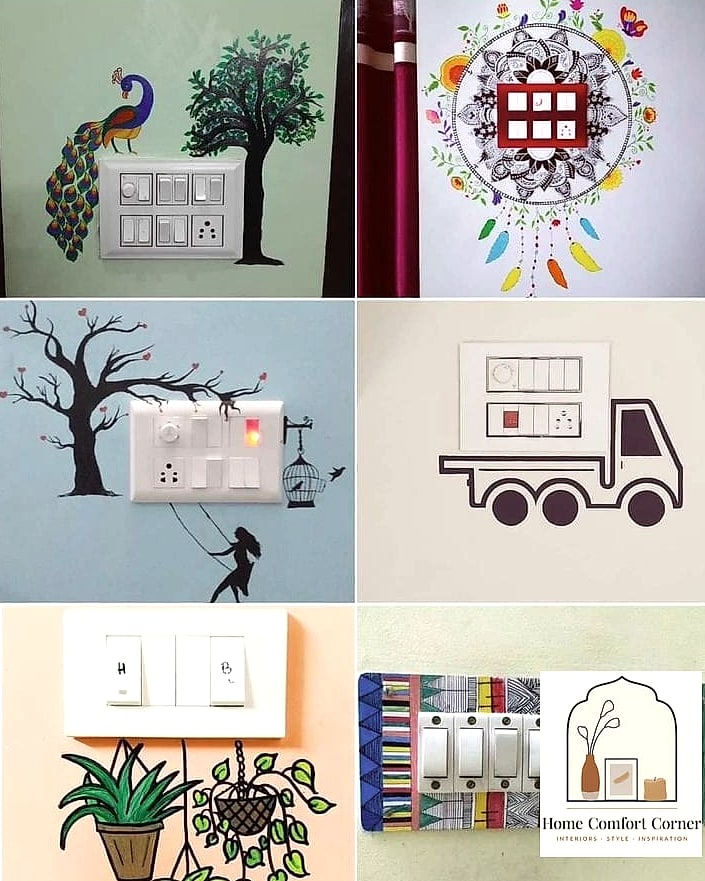
Instead of decorating the plate itself, frame it with a tiny gallery wall of small art prints, postcards, or photos arranged around it. This turns a random wall interruption into a deliberate focal point instead of something to hide.
Hallways and entryways work particularly well for this since they often have that one awkward switch placement that never quite fits into other decor plans.
Stenciled Pattern Plates
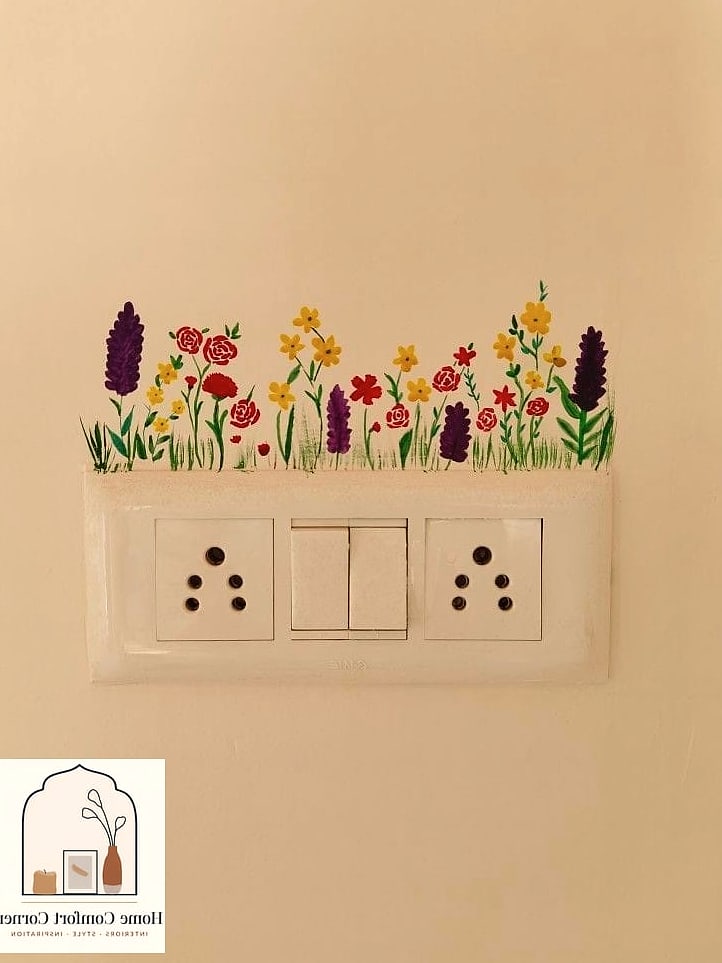
Small stencils, whether store-bought or hand-cut from cardstock, let you add intricate patterns without freehand painting skills. Mandalas, florals, and geometric shapes all translate well to the small scale of a switch plate.
This is a nice option if you love the look of hand-painted tile or wallpaper patterns but want to commit to it in a smaller, lower-risk spot first.
Vintage Postage Stamp Decoupage
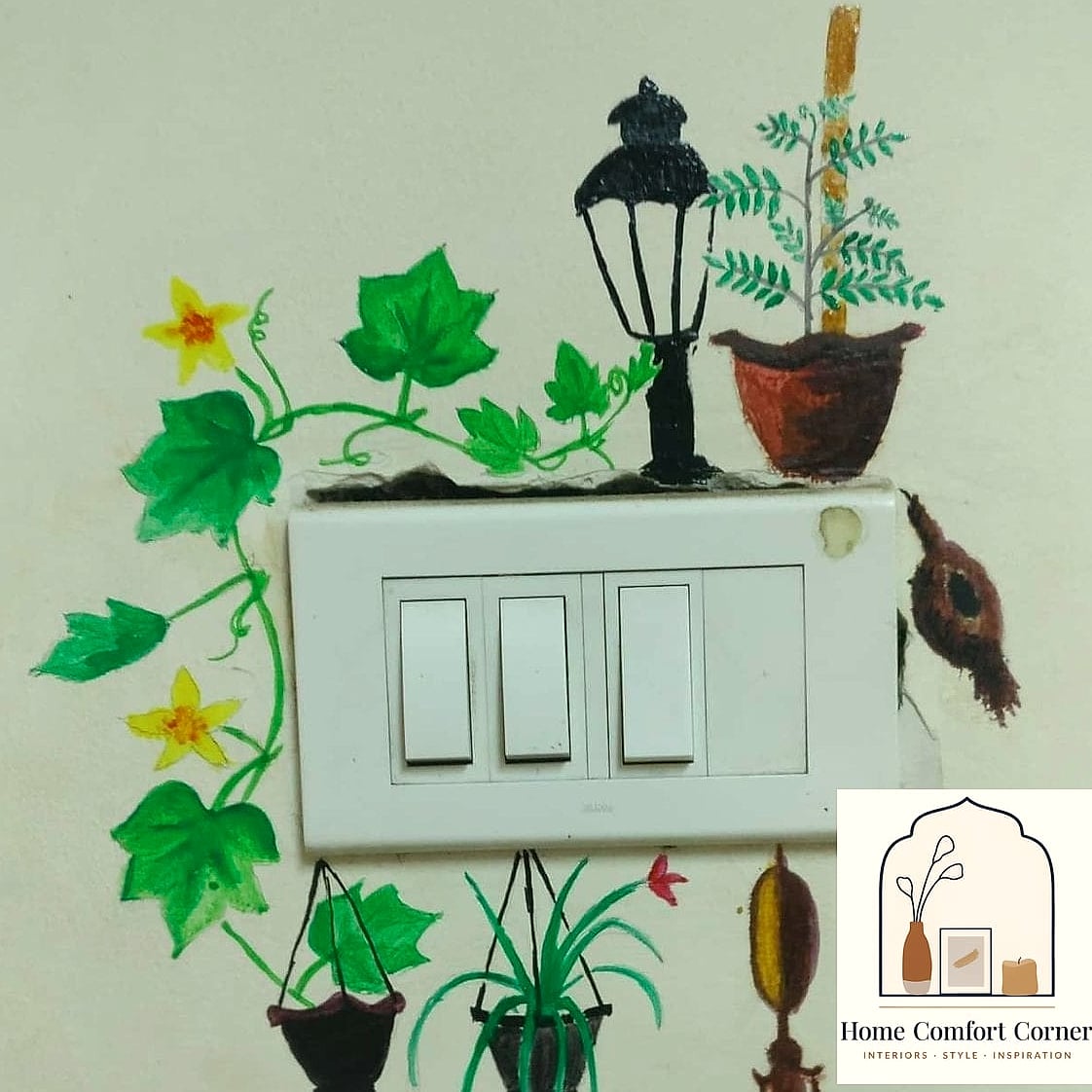
Old stamps, sheet music, or vintage book pages decoupaged onto a switch plate bring a collected, eclectic feel that works especially well in offices, libraries, or reading corners. Mod podge seals everything in place and adds a slight sheen.
This is a great project if you’ve got a stash of old paper ephemera sitting in a drawer somewhere with no real purpose, since it gives that stuff an actual home on your wall.
Color-Blocked Two-Tone Plates
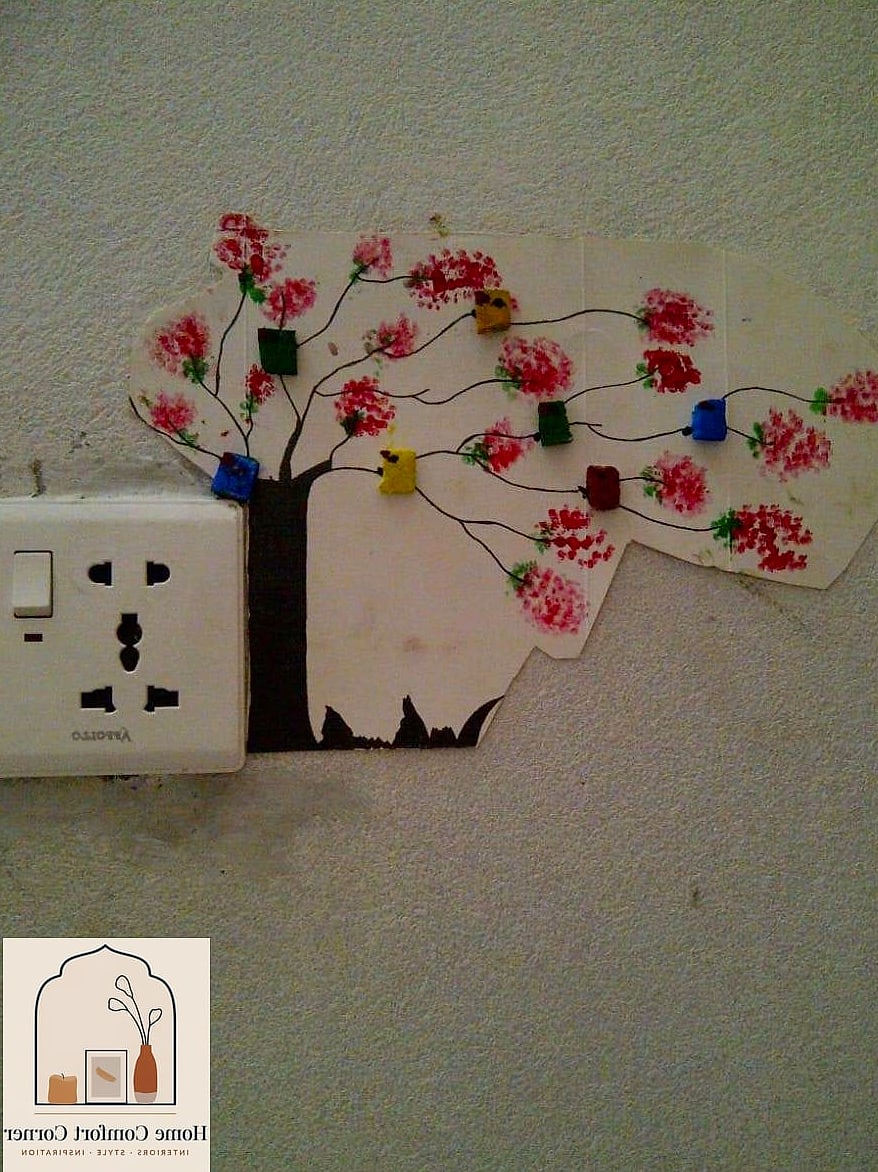
Painting a switch plate in two contrasting colors, split diagonally or down the middle, adds a graphic, modern touch that works especially well in kids’ rooms, playrooms, or creative studio spaces. Painter’s tape keeps the line crisp.
This idea is easy to coordinate with an accent wall, since you can pull the same two colors straight from your paint cans without buying anything new.
Glow-in-the-Dark Switch Plates
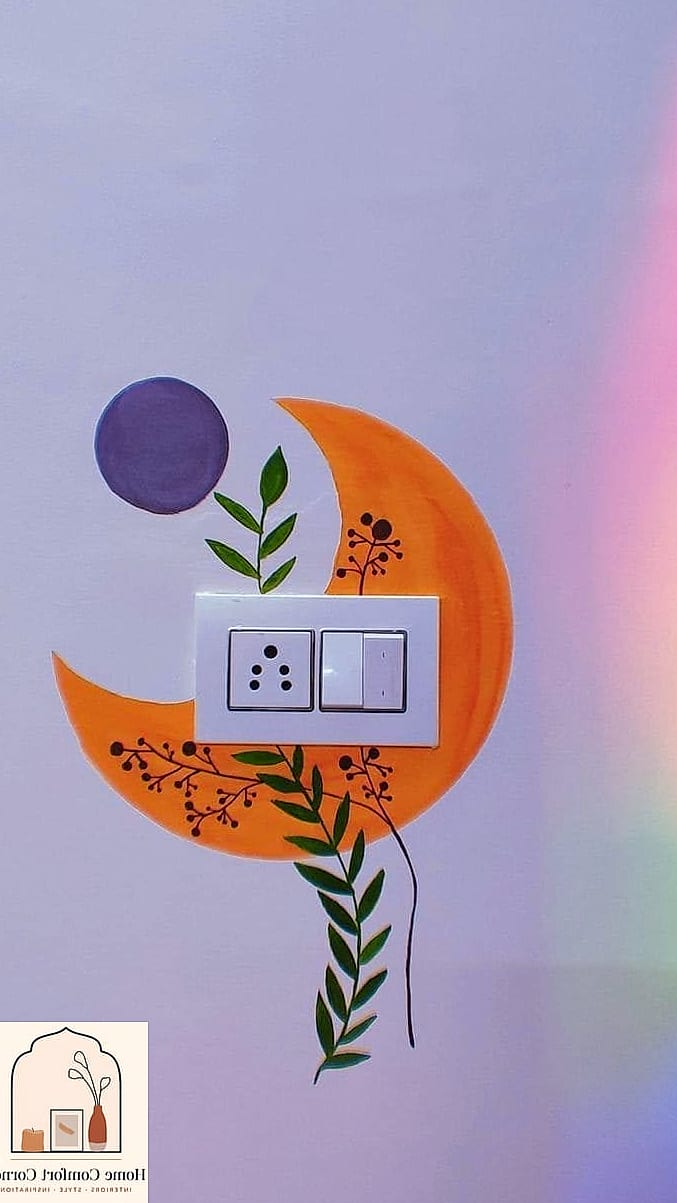
Glow-in-the-dark paint on a switch plate isn’t just a novelty — it’s genuinely useful in a dark hallway or a kid’s bedroom where finding the light switch at 2 a.m. shouldn’t require fumbling along the wall. A light topcoat over any design keeps the glow subtle rather than glaring.
This works nicely paired with star or moon motifs for a nursery, or simple dots and dashes for a more grown-up hallway application.
Faux Marble Contact Paper Wraps
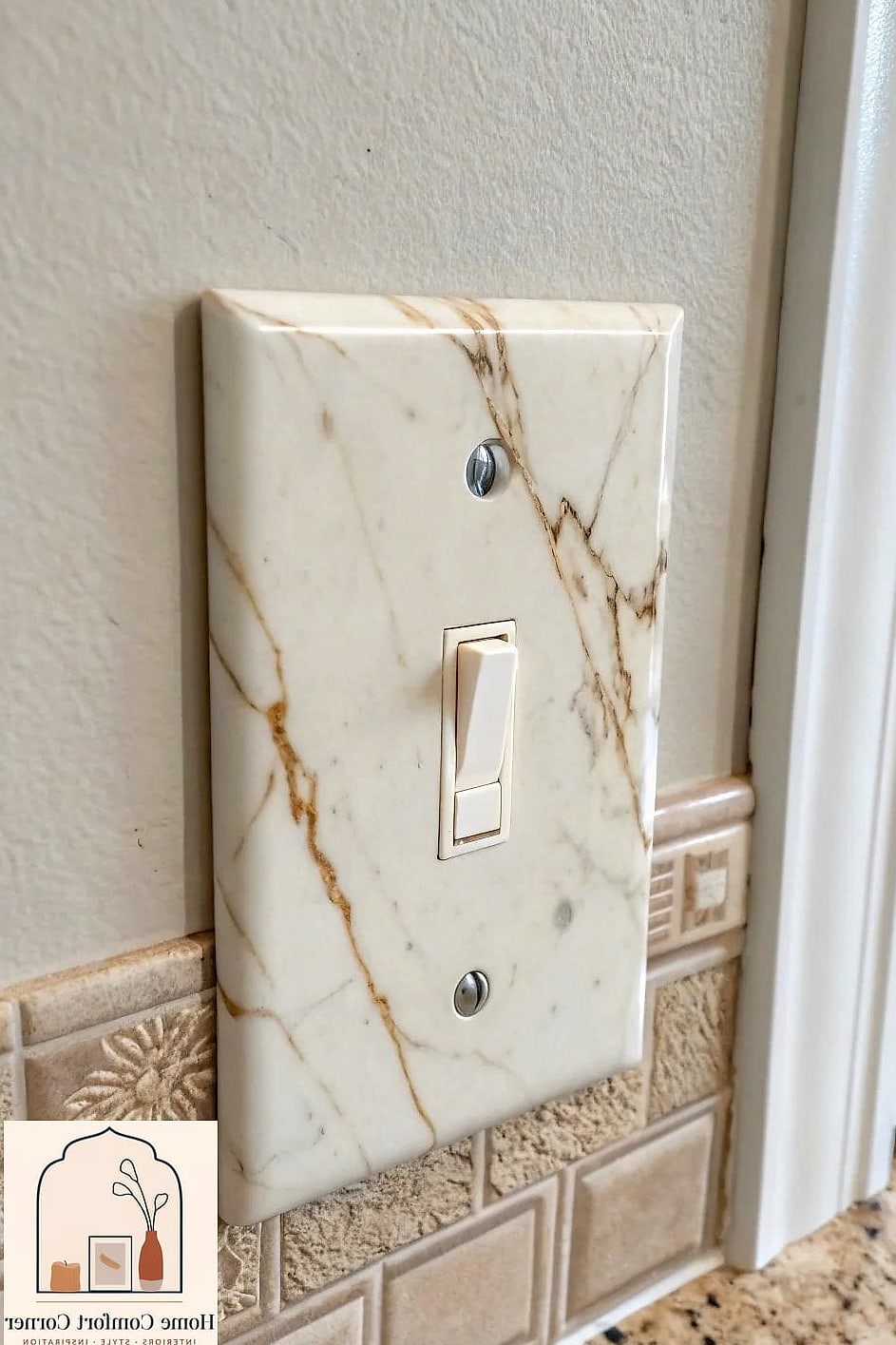
Peel-and-stick contact paper in a marble or granite print is an easy, no-mess way to dress up a switch plate in minutes. It’s fully removable, which makes it one of the safest options for rental apartments.
This pairs especially well in kitchens with marble-look countertops or backsplash tile, letting the small details echo the bigger design choices without any extra painting or sealing.
Kids’ Handprint or Footprint Plates
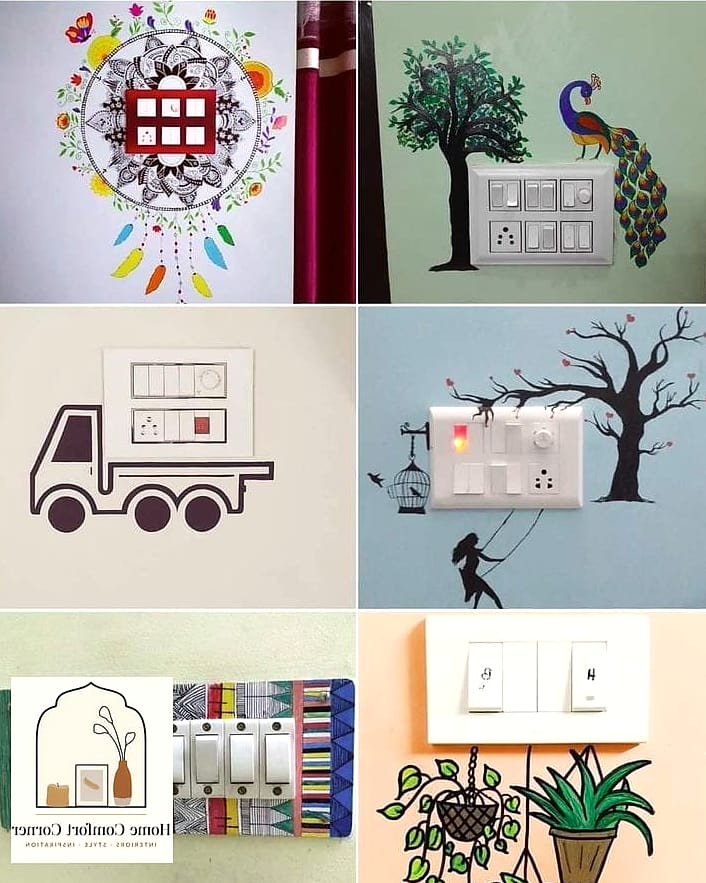
A painted handprint or footprint on a switch plate turns a functional object into a genuine keepsake. It’s a simple craft project you can do with young kids, and unlike wall art, it doesn’t take up extra space since it’s already built into something the room needs.
This idea works nicely in nurseries or playrooms, and you can even date the plate on the back for a sweet little time capsule element.
Botanical Print Decoupage Plates
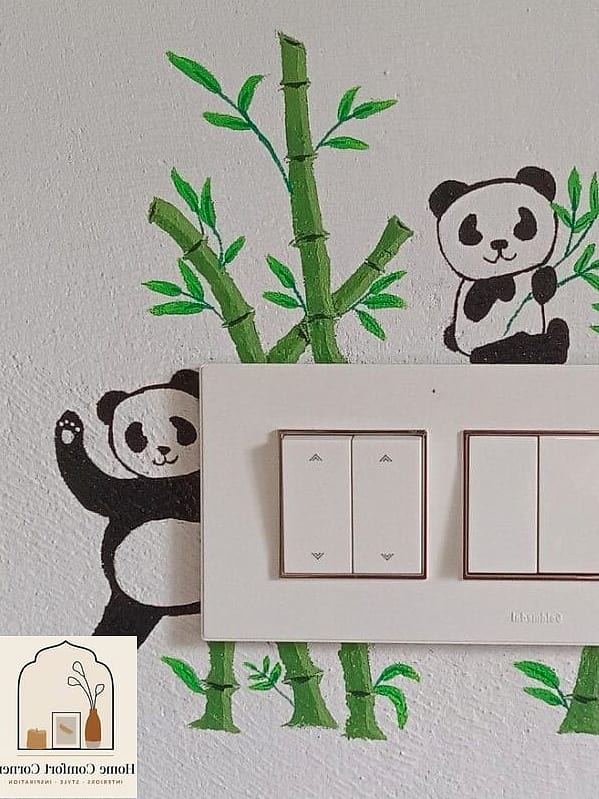
Cutting small botanical illustrations from old calendars, magazines, or printable art and decoupaging them onto a switch plate is an easy way to bring nature-inspired art into tight spaces. Mod podge seals the print and gives it a slight protective sheen.
This works especially well scattered through a hallway gallery of plates, each one featuring a different leaf or flower for a cohesive but varied look.
Textured Plaster or Joint Compound Plates
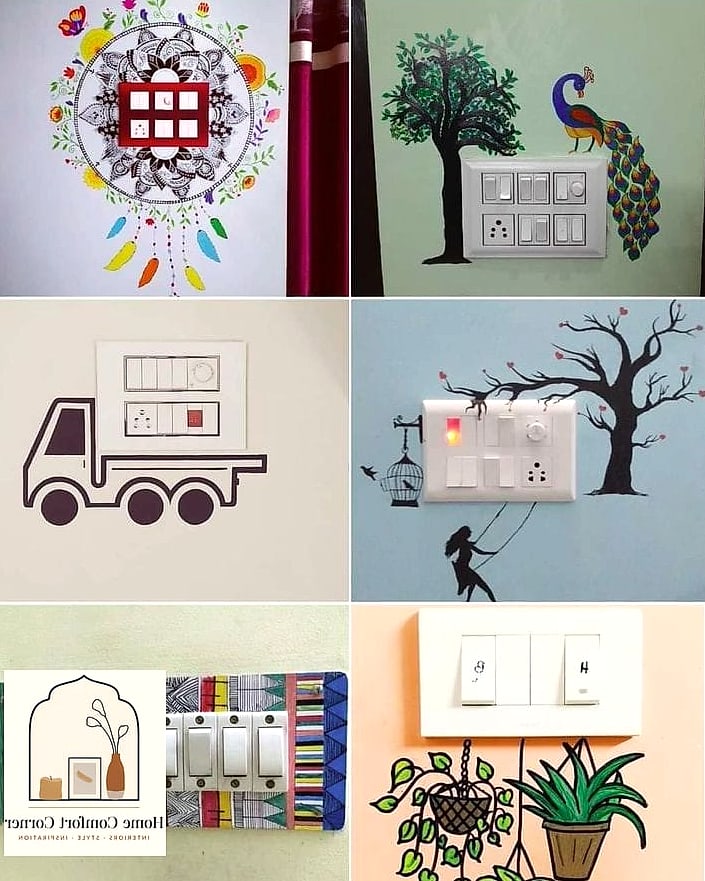
For a more tactile, organic finish, a thin layer of joint compound or lightweight plaster applied with a putty knife creates texture that mimics Venetian plaster walls. Once dry, a coat of paint or limewash finishes the look.
This is a great match for modern organic or Japandi-style rooms that already lean into raw, textured materials like linen, rattan, and unfinished wood.
Seasonal Swap Switch Plates
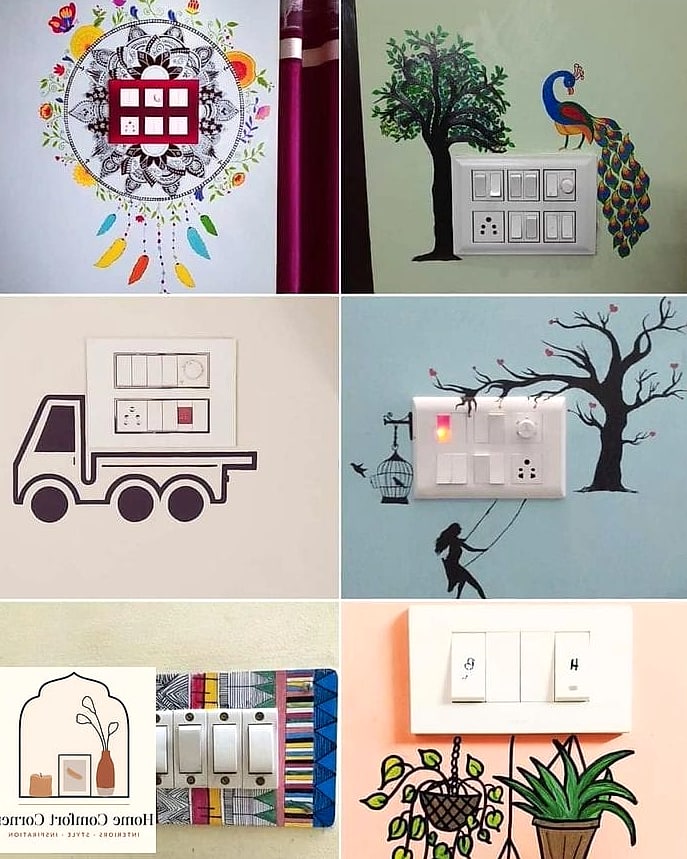
Rather than committing to one permanent design, keep a small rotation of switch plates on hand and swap them out with the seasons — florals for spring, warm tones for fall, metallics for the holidays. Magnetic or snap-on plate covers make swapping quick and mess-free.
This idea is perfect for anyone who already rotates seasonal decor elsewhere in the house, since it extends that same rhythm down to the smallest details in the room.
Switch board art is honestly one of the lowest-risk, lowest-cost ways to add personality to a home. None of these ideas require major tools, most can be finished in an afternoon, and if you don’t love how one turns out, a replacement plate is only a few dollars away. Start with whichever room bugs you the most every time you flip that boring plastic switch, and work your way around the house from there.