17 Study Room Decor Student Ideas to Upgrade Your Home This Weekend
- Add a Statement Pegboard Wall
- Use a Floating Desk for Small Rooms
- Create a Cork Board Command Center
- Add Warm Layered Lighting
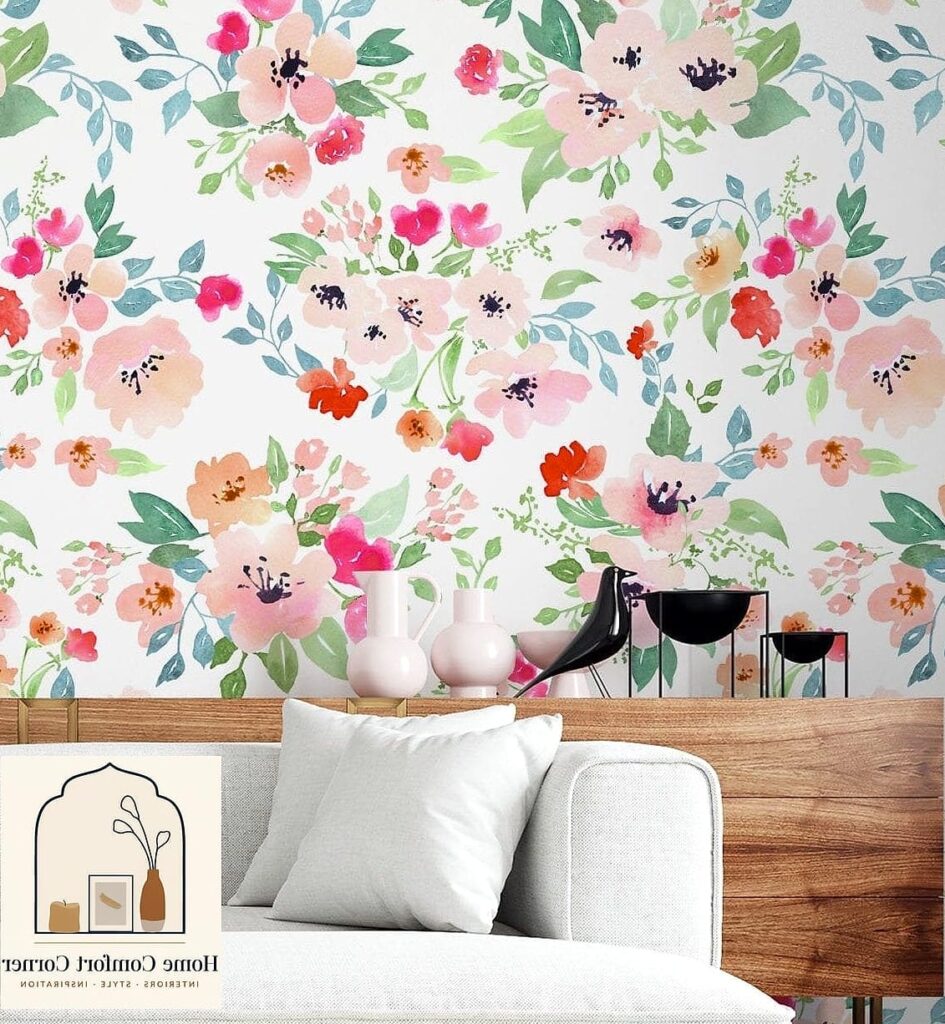
- Try a Bold Accent Wall
- Set Up Under-Desk Storage Bins
- Add a Cozy Reading Nook Corner
- Use Floating Shelves for Books and Decor
- Add a Rug to Define the Space
- Create a Vision Board Wall
- Add Greenery for a Calmer Vibe
- Use a Daybed Instead of a Traditional Bed
- Add a Chalkboard or Whiteboard Wall
- Personalize with a Gallery Wall
- Add a Corkboard Calendar System
- Use Woven Baskets for Soft Storage
- Add a Small Fridge or Snack Station
17 Study Room Decor Student Ideas to Upgrade Your Home This Weekend
If your study space still looks like an afterthought, this is your sign to fix that. A good study room doesn’t need a big budget or a weekend-long renovation. It just needs a little intention, some smart storage, and a few decor choices that actually make you want to sit down and focus.
Whether you’re setting up a corner for a college student or revamping a home office that’s turned into a junk pile, these ideas will help you create a space that feels calm, organized, and genuinely productive. Let’s get into it.
Add a Statement Pegboard Wall
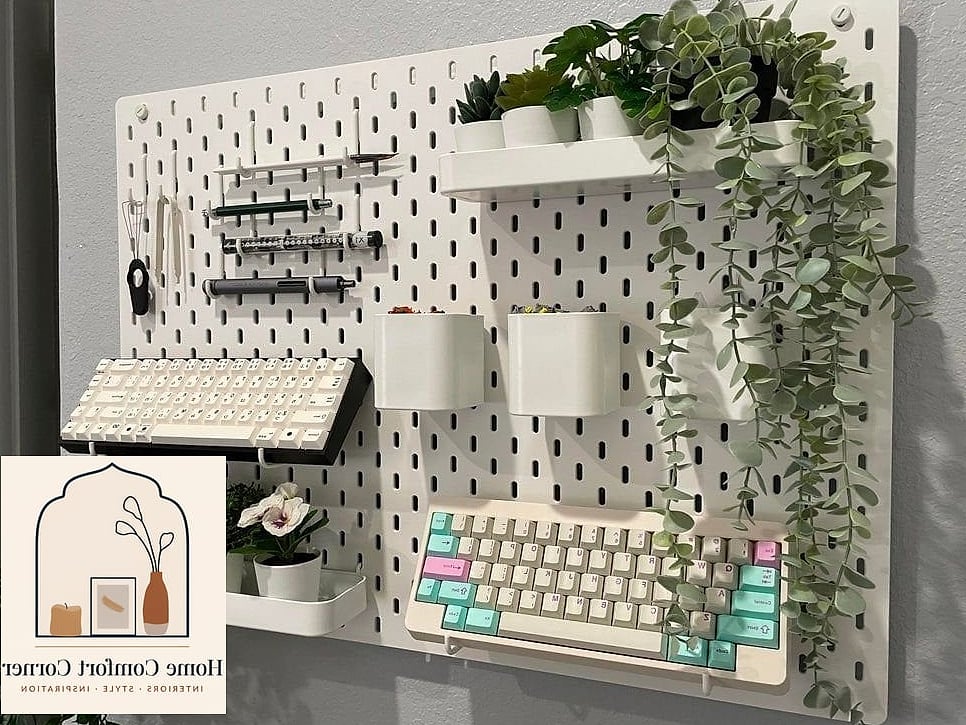
A pegboard sounds simple, but it completely changes how a study space functions. You can hang folders, string lights, small shelves, and even a mini planter without drilling a dozen holes in the wall.
This works especially well in small bedrooms or dorm rooms where floor space is limited. Paint it a soft sage or muted terracotta to keep it from feeling too industrial. It’s renter-friendly too, since most pegboards can be mounted with removable adhesive strips.
Use a Floating Desk for Small Rooms
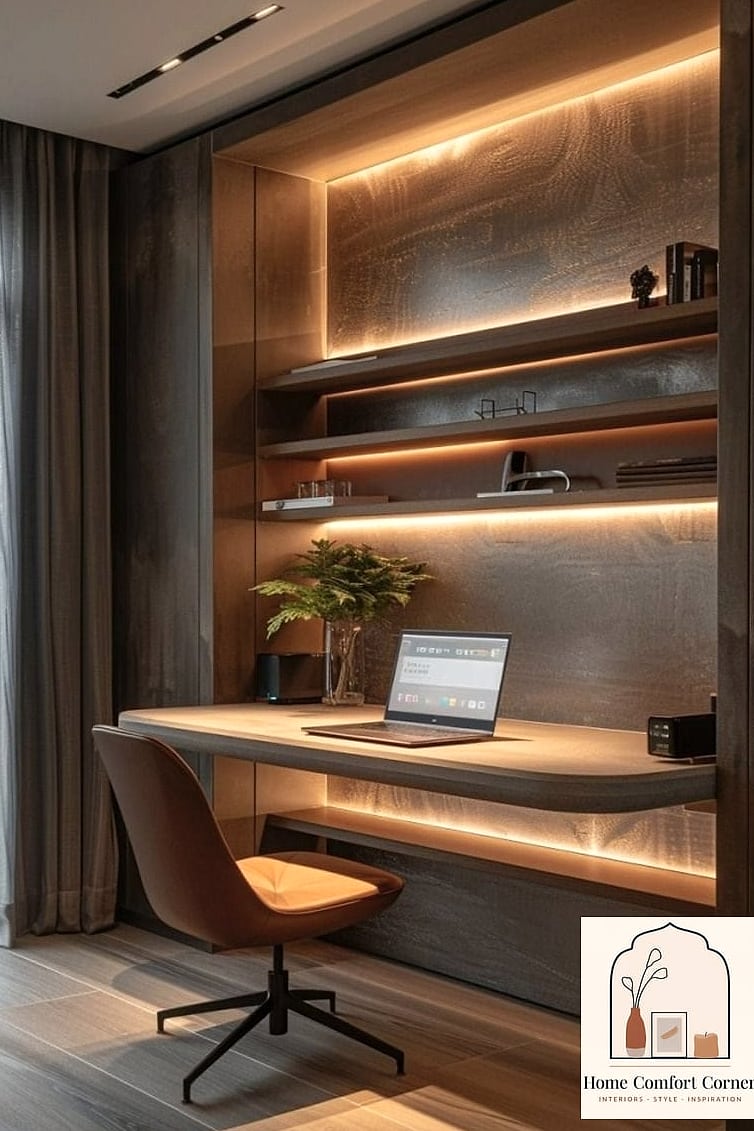
Floating desks are a favorite for a reason. They free up floor space, make a room look bigger, and give off a clean, modern vibe that’s easy to style around.
They work best in narrow rooms or awkward corners where a bulky desk just wouldn’t fit. Pair it with a slim stool that tucks away completely when not in use. Just double check your wall can support the weight before installing.
Create a Cork Board Command Center
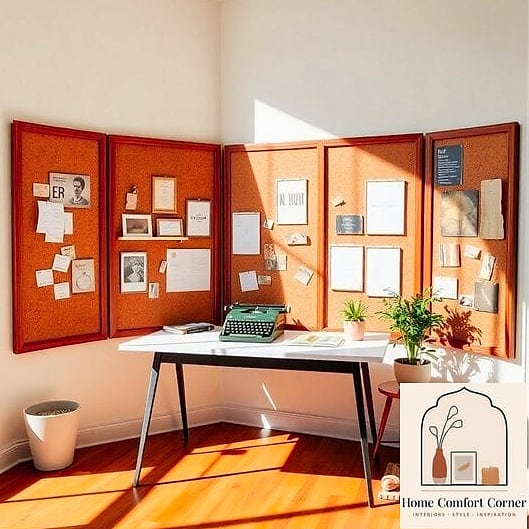
A big cork board near the desk keeps deadlines, reminders, and inspiration all in one spot instead of scattered across sticky notes. Frame it with washi tape for a little personality without spending extra money.
This idea is especially handy for students juggling multiple classes or projects. Add small clips or pins so papers don’t fall off every time the door slams. It’s a small touch, but it keeps clutter from creeping onto the desk itself.
Add Warm Layered Lighting
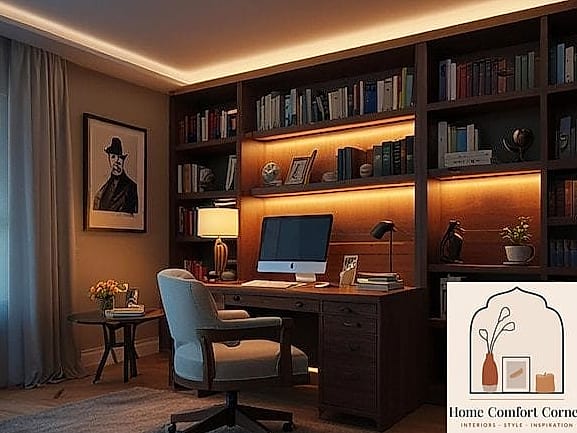
Overhead lighting alone makes most study rooms feel harsh and uninviting. Layering in a desk lamp, a floor lamp, and maybe a small string of fairy lights creates a softer, more focused atmosphere.
This matters more than people expect, especially for late-night study sessions. Warm white bulbs are easier on the eyes than cool white ones. A simple dimmable desk lamp is one of the best upgrades you can make for under thirty dollars.
Try a Bold Accent Wall
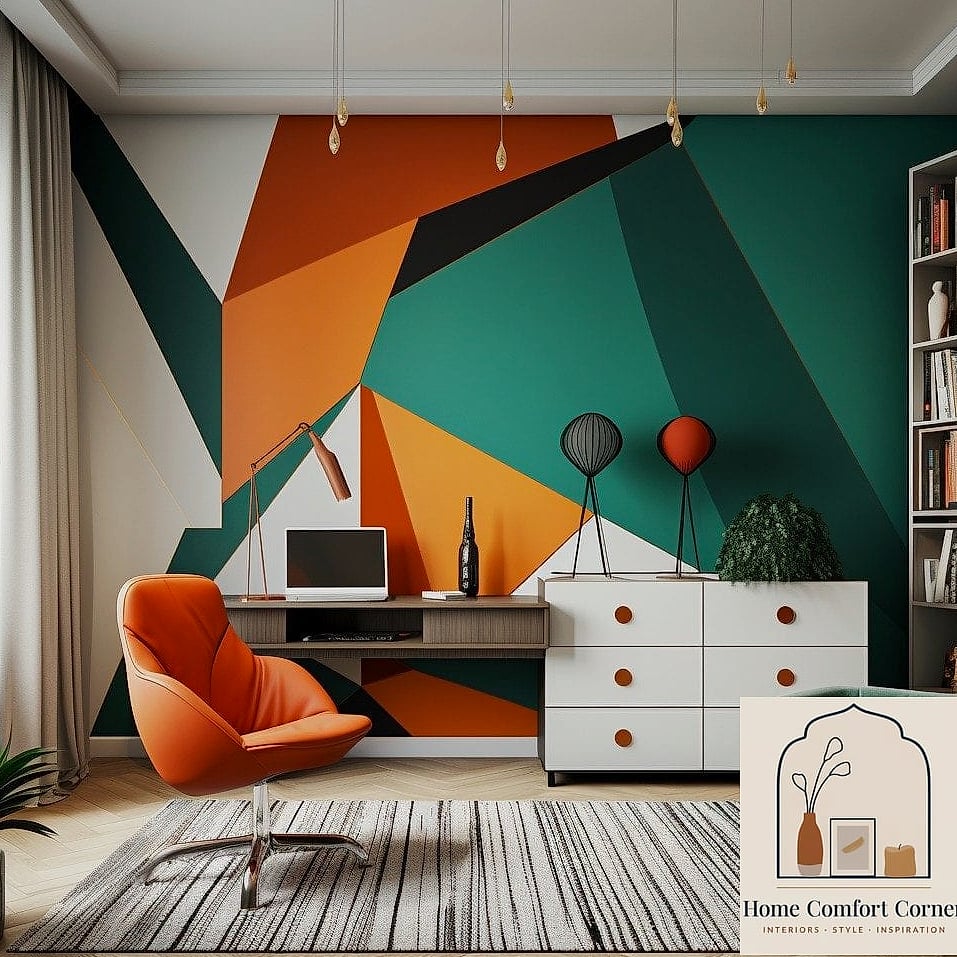
You don’t need to paint an entire room to make a statement. One accent wall behind the desk, done in a deep navy, forest green, or even a muted clay tone, gives the space personality without overwhelming it.
Renters can get the same effect with a large removable wallpaper panel. This works particularly well in home offices where the rest of the space is neutral. It gives your eyes something to land on that isn’t just a stack of textbooks.
Set Up Under-Desk Storage Bins
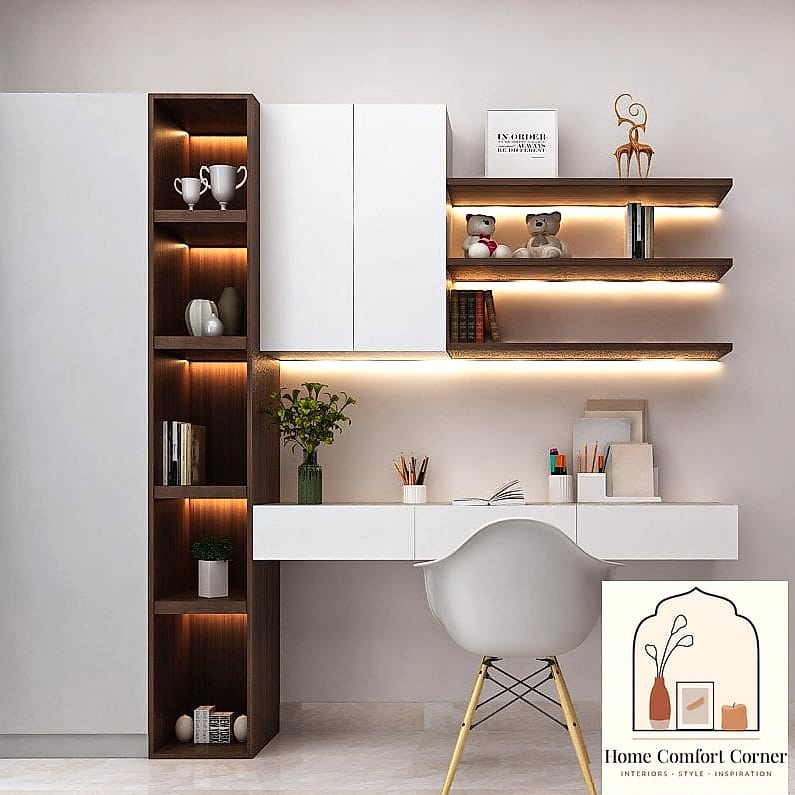
Wasted space under the desk is one of the most common study room mistakes. Stackable bins or a small rolling cart tucked underneath keeps notebooks, chargers, and supplies out of sight but still within reach.
This is a great option for students sharing a room or working with limited square footage. Clear bins make it easy to see what’s inside without digging around. Woven baskets look nicer if you want something less clinical.
Add a Cozy Reading Nook Corner
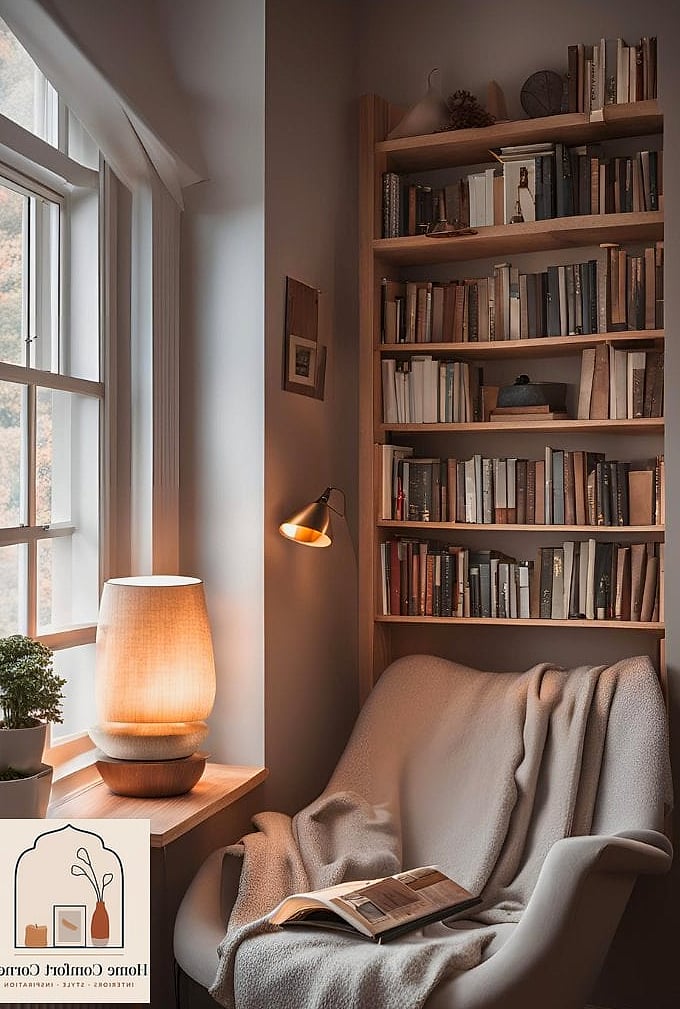
Not every study session happens at a desk. A small armchair or floor cushion near a window gives you somewhere to read, review notes, or just take a mental break without leaving the room.
This idea works especially well if your study room doubles as a bedroom. Add a small side table for a mug of coffee and a soft throw blanket for colder months. It softens the whole room and makes it feel less like a workstation.
Use Floating Shelves for Books and Decor
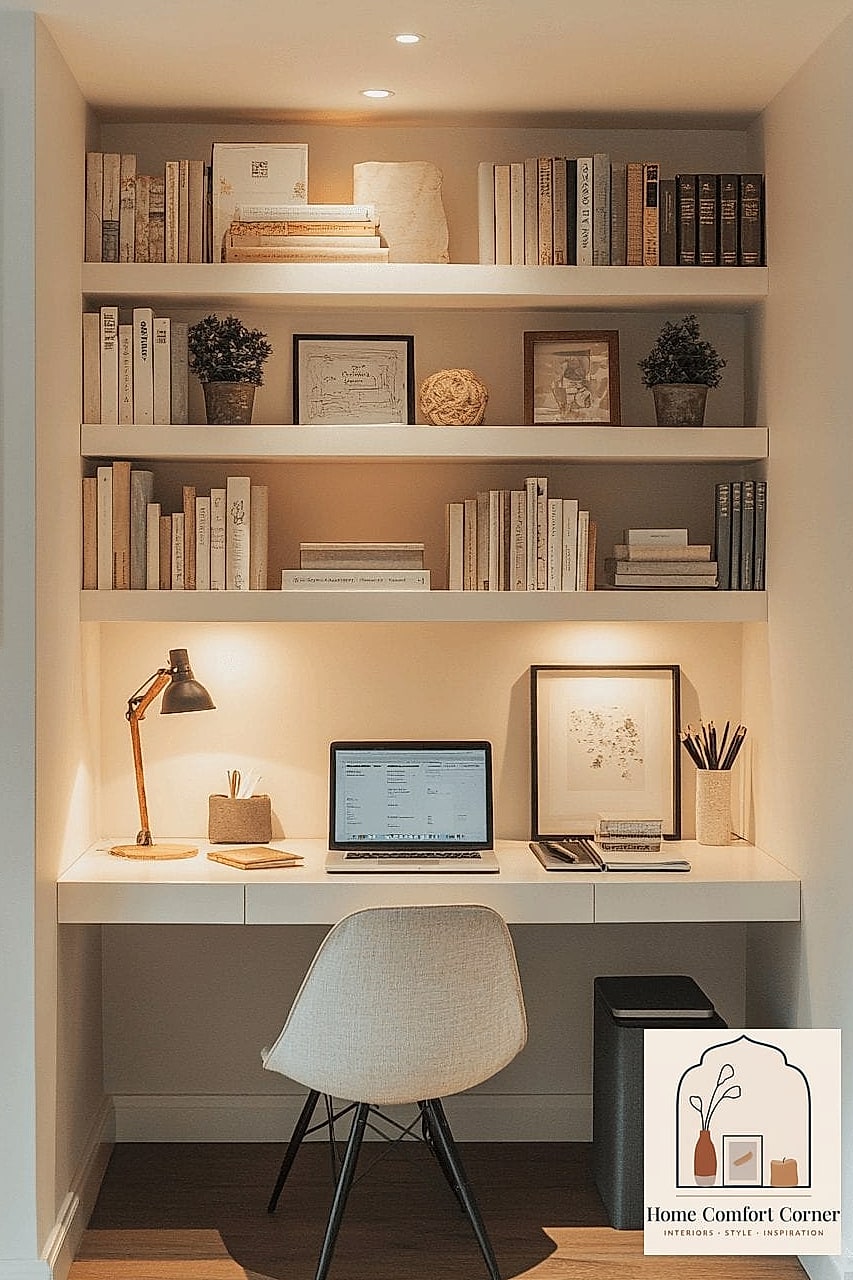
Floating shelves are one of the easiest ways to add storage without taking up floor space. Mix in books, small plants, and a few personal items so the shelves don’t look like a library display.
Keep the styling loose and asymmetrical rather than perfectly matched. This works well above a desk or along an empty wall near the entrance. Just avoid overloading them, since floating shelves have weight limits that are easy to underestimate.
Add a Rug to Define the Space
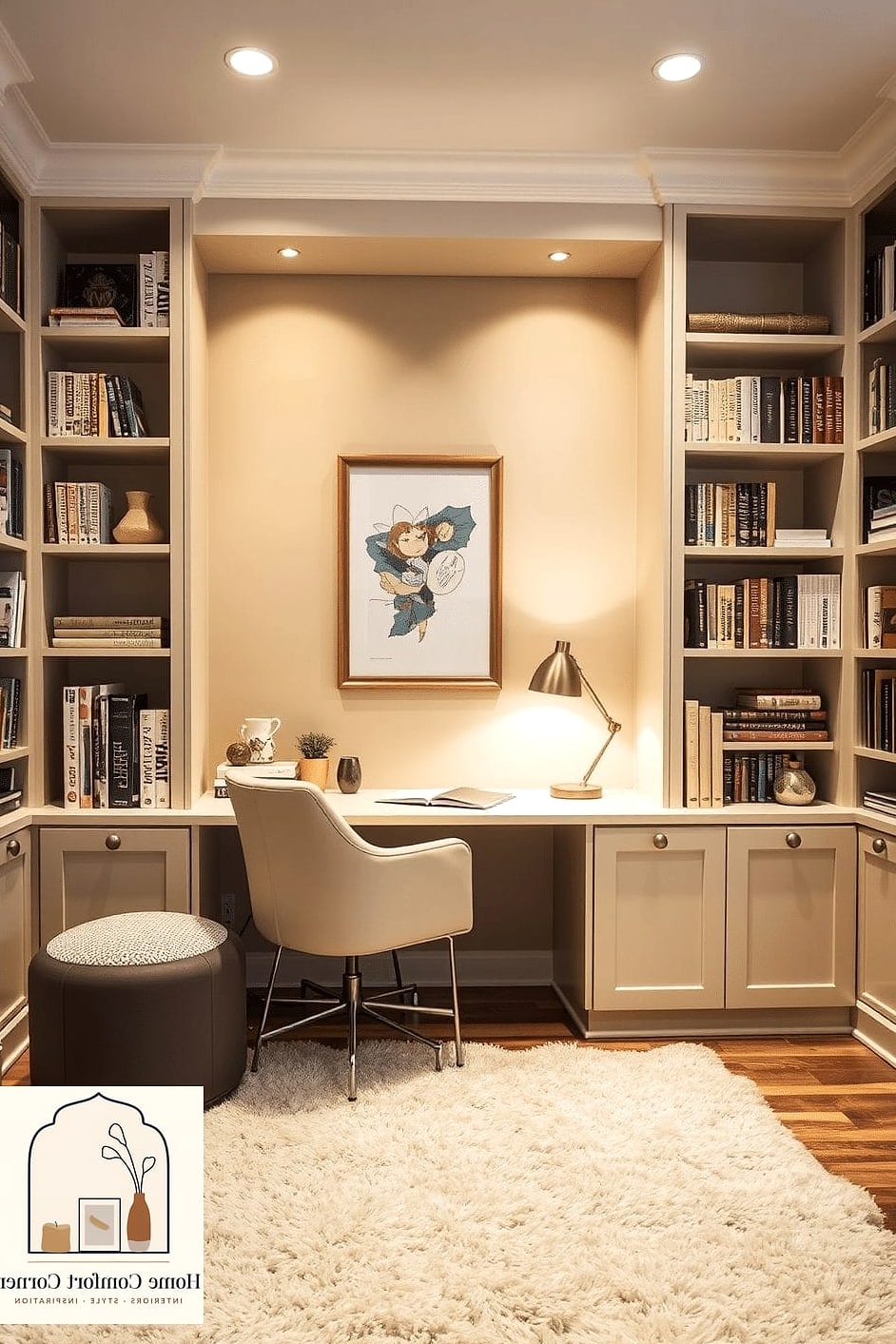
If your study area is part of a larger room, a rug helps visually separate it without adding walls or furniture. It also makes hardwood or laminate floors feel warmer underfoot during long study sessions.
A medium pile rug is a solid middle ground between cozy and easy to clean. Darker colors or patterned rugs hide stains better, which matters if snacks are involved. This is a simple trick, but it makes the whole setup feel more intentional.
Create a Vision Board Wall
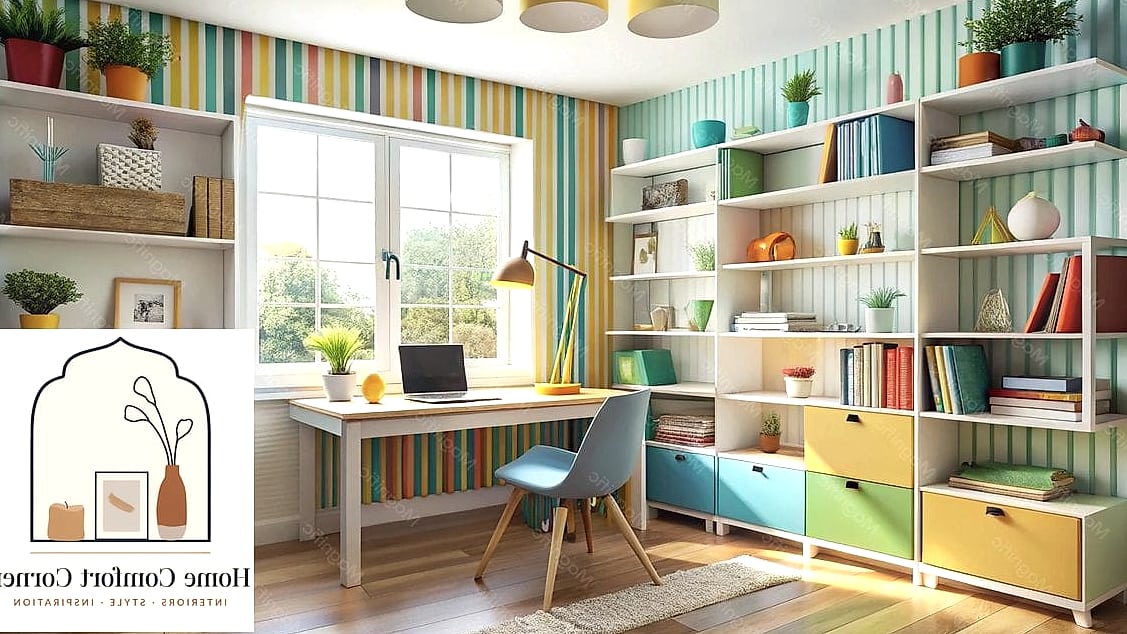
A vision board isn’t just for manifesting your dream apartment. In a study room, it can double as motivation, whether that’s grades, career goals, or just a reminder of why you’re putting in the work.
Use a mix of printed photos, magazine clippings, and handwritten notes for texture. This idea works particularly well for high schoolers and college students who want a personal touch. Keep it contained to one section so it doesn’t turn into visual clutter.
Add Greenery for a Calmer Vibe
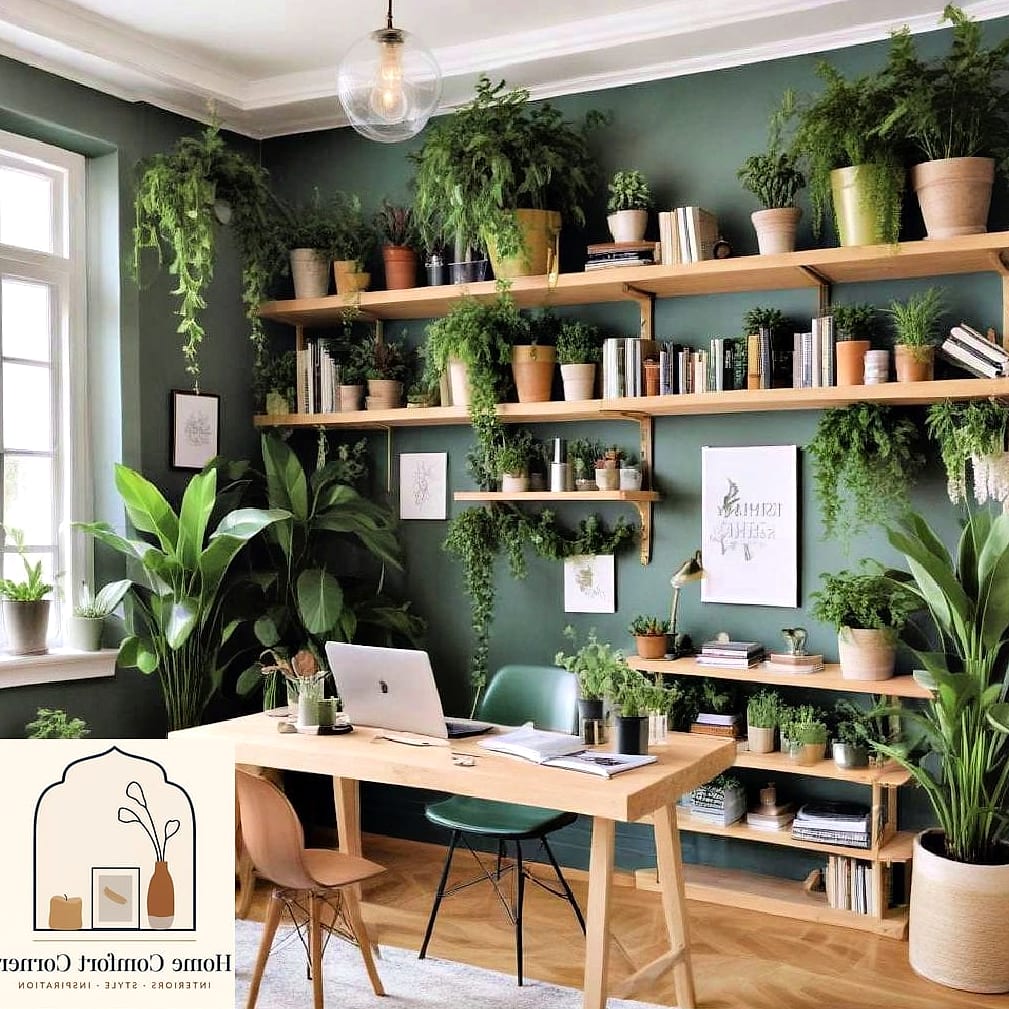
Plants genuinely make a study space feel more alive, and there’s research backing up how much greenery can improve focus and mood. Low-maintenance options like pothos, snake plants, or ZZ plants are nearly impossible to kill.
Place one on the desk and a taller one in a corner for balance. If natural light is limited, faux plants have come a long way and still add that same visual softness. Either way, it’s an easy upgrade that costs very little.
Use a Daybed Instead of a Traditional Bed
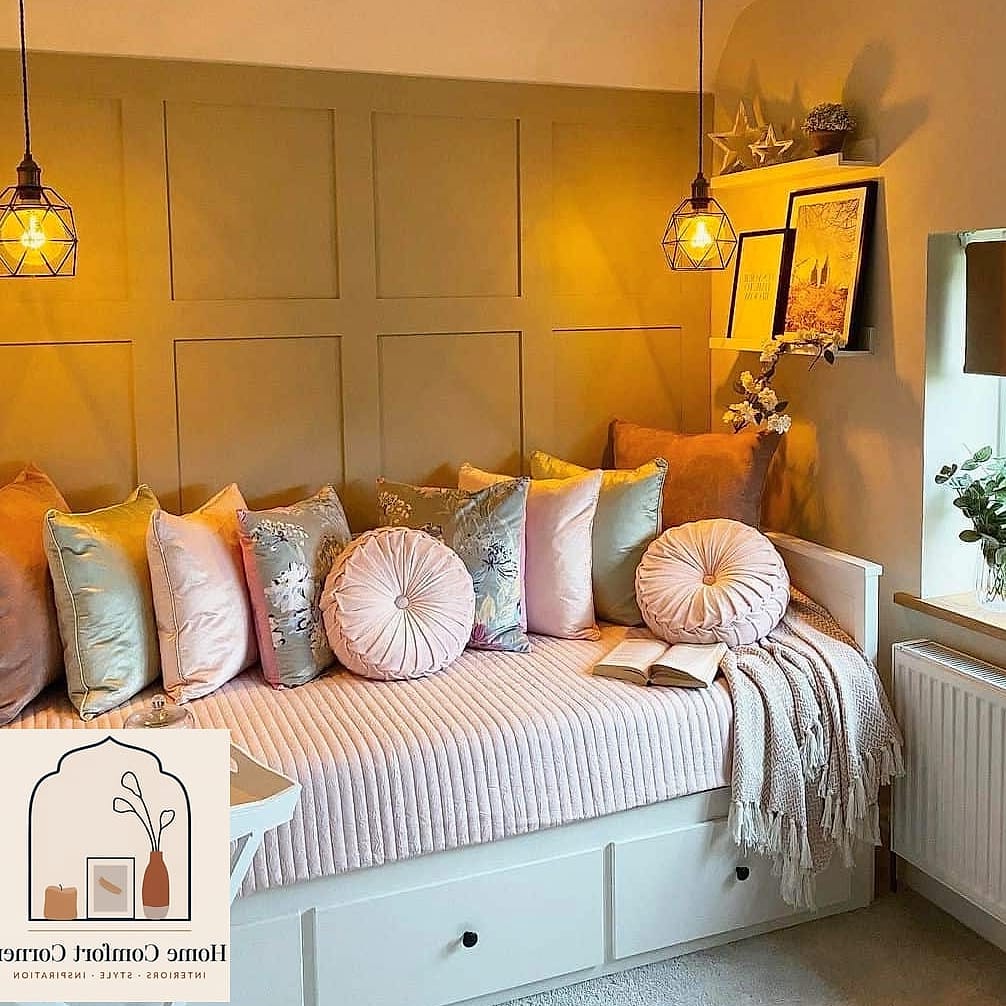
For shared spaces or smaller bedrooms doubling as a study room, a daybed is a smart swap. It gives you a spot to sleep at night and a lounge-style seating area during the day without looking like an unmade bed.
Style it with bolster pillows so it reads more like a sofa. This works especially well in studio apartments or multi-purpose guest rooms. It’s a bigger investment than most ideas on this list, but it solves two problems at once.
Add a Chalkboard or Whiteboard Wall
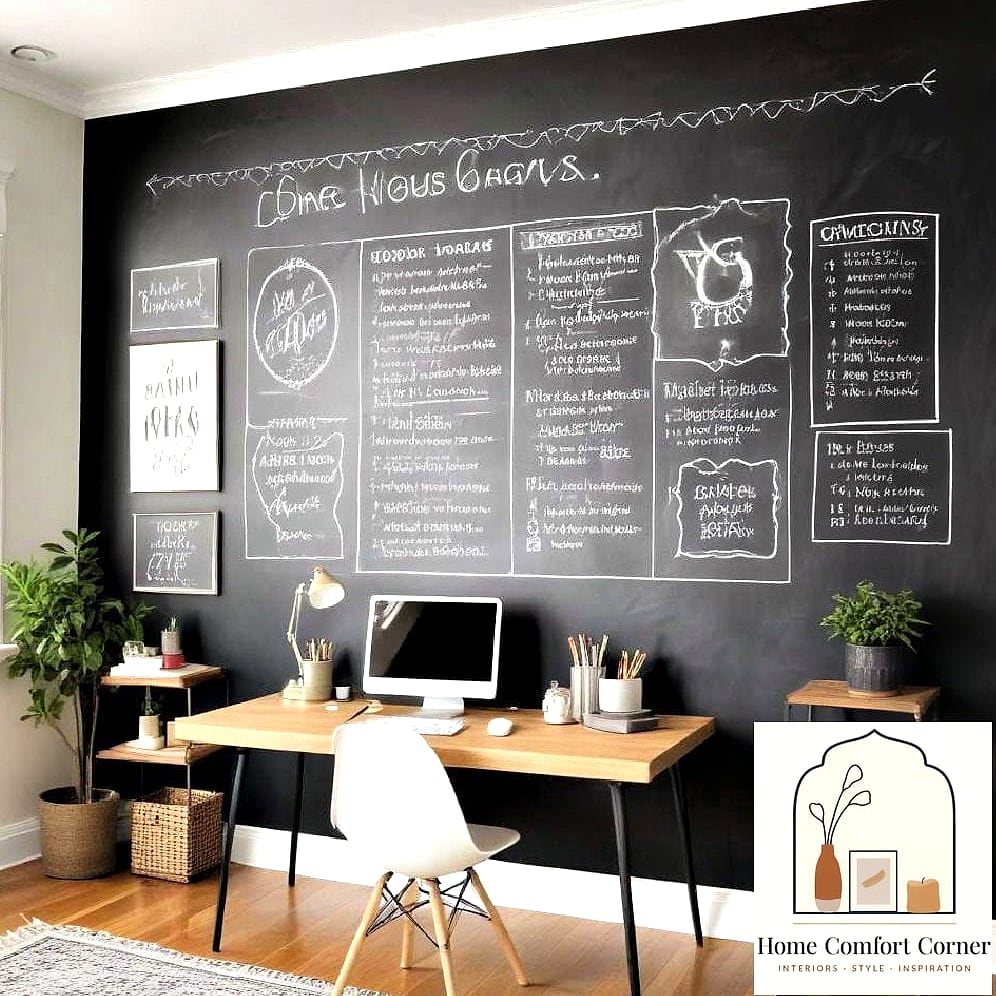
A dedicated wall for jotting down notes, formulas, or reminders keeps your actual notebooks less cluttered. Whiteboard paint is inexpensive and can turn almost any flat wall into a functional workspace.
This is especially useful for visual learners who like mapping out ideas before writing them down formally. It also doubles as decor, since a half-filled whiteboard looks intentional rather than messy. Keep a small tray nearby for markers and erasers so they don’t end up scattered around the room.
Personalize with a Gallery Wall
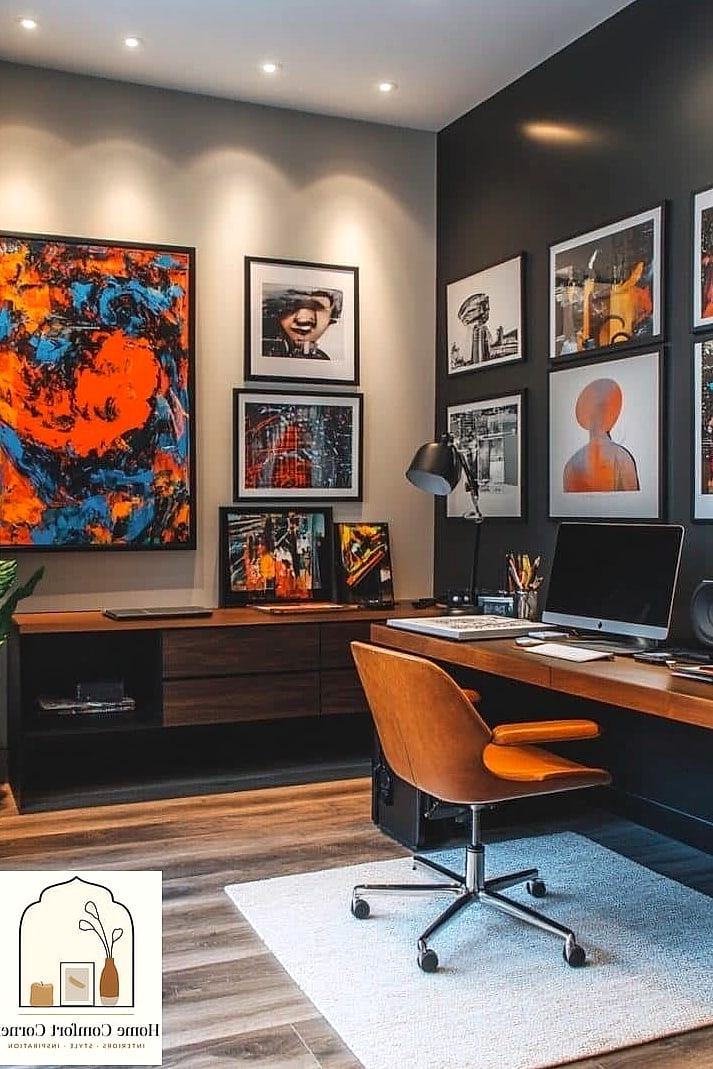
A small gallery wall above the desk adds personality without taking up any usable space. Mix in photos, art prints, and a few motivational quotes for variety rather than uniformity.
Command strips make this completely renter-friendly, which matters if you’re in a dorm or apartment with strict no-nail policies. Keep the frame styles loosely coordinated so it doesn’t look chaotic. This is one of those upgrades that instantly makes a study space feel more like yours.
Add a Corkboard Calendar System
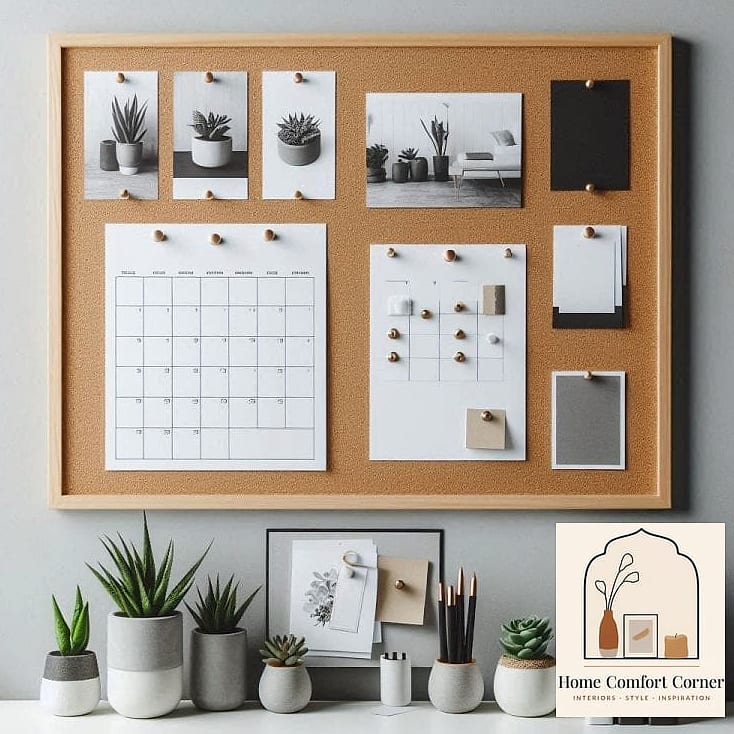
Beyond a basic wall calendar, a corkboard calendar lets you pin assignments, color-coded by class or priority level. It’s more flexible than a printed calendar since you can move things around as deadlines shift.
This is especially helpful for students managing multiple subjects or extracurriculars at once. Use colored pins or small flags to make high-priority items stand out at a glance. It’s a small system, but it keeps procrastination a little more in check.
Use Woven Baskets for Soft Storage
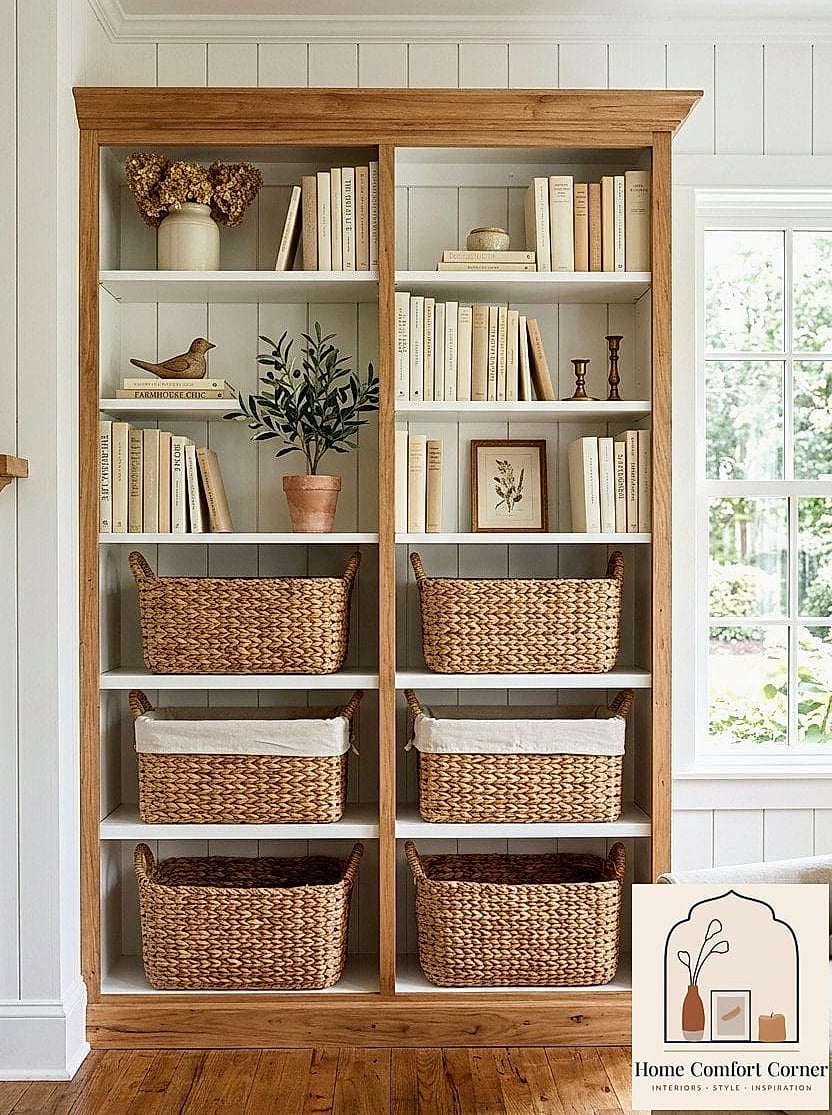
Baskets are an easy way to hide clutter while still looking intentional. Use them for extra blankets, loose papers, or charging cables that always seem to end up in a tangled pile.
Natural fiber baskets like seagrass or rattan add warmth and texture, which balances out a desk full of electronics. They work well tucked under a desk, stacked on a shelf, or lined up along the floor. This is a budget-friendly fix that still looks pulled together.
Add a Small Fridge or Snack Station
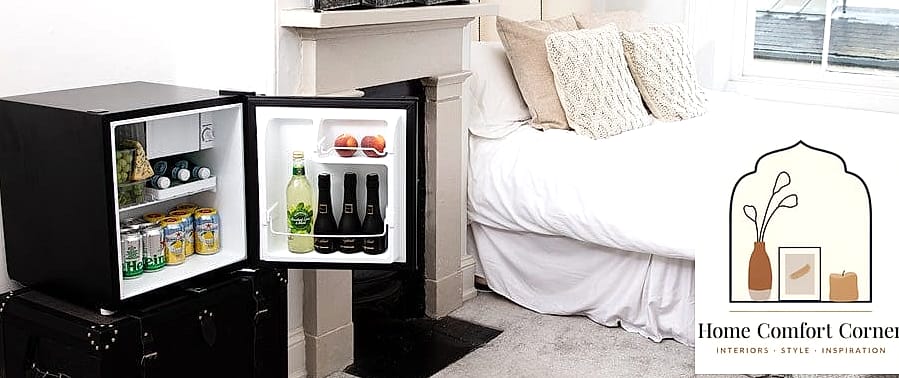
This one sounds unconventional for a study room, but if you’re a student pulling long study sessions, having water and snacks within reach means fewer distracting trips to the kitchen. A small mini fridge or a simple snack basket on a shelf does the trick.
Keep it tucked into a corner so it doesn’t dominate the room visually. This works especially well in dorm rooms or studio apartments where the kitchen might be shared or far away. It’s a practical touch that makes long study sessions feel a little less draining.
Putting even three or four of these ideas together can completely change how your study space feels and functions. You don’t need a full weekend or a big budget to make it happen, just a few intentional swaps here and there. Pick the ones that fit your space and your habits best, and build from there.