14 Indie Room Decor Inspiration Boards You’ll Want to Copy
- The Thrifted Gallery Wall
- Fairy Lights and String Light Layering
- Vintage Rug Layering
- The Record Player Corner
- Tapestry Wall Hangings
- Mismatched Vintage Furniture
- Plant-Filled Window Ledges
- DIY Macrame and Fiber Art
- The Cozy Floor Cushion Reading Nook
- Polaroid and Film Photo Displays
- Warm, Moody Lamp Lighting
- Repurposed Crate and Ladder Shelving
- Botanical and Pressed Flower Art
- The Personal Altar or Memory Shelf
14 Indie Room Decor Inspiration Boards You’ll Want to Copy
If you’ve spent any time scrolling Pinterest lately, you’ve probably noticed indie decor is having a real moment. It’s messy in the best way — thrifted finds mixed with DIY art, warm lighting, and rooms that feel collected over years instead of bought in one Target run. There’s no rulebook here, which is exactly the point.
What makes indie room decor so fun to copy is that it’s less about matching everything perfectly and more about surrounding yourself with stuff you actually love. Old records, plants in mismatched pots, string lights, secondhand furniture with a story. It’s personal, a little chaotic, and honestly pretty forgiving if you’re decorating on a budget.
Below are 14 indie decor boards worth stealing ideas from, whether you’re working with a tiny rental bedroom or a whole apartment you get to make your own.
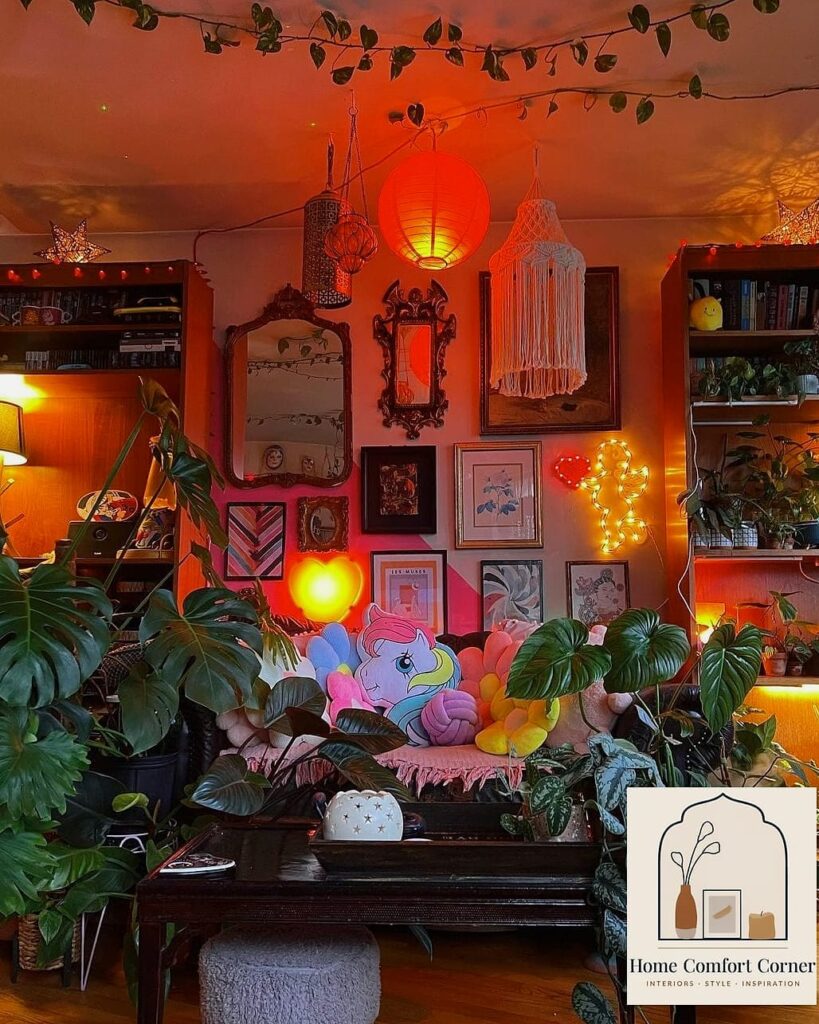
The Thrifted Gallery Wall
This is the heart of indie decor for a lot of people. Instead of matching frames from a store, you pull together pieces from thrift shops, flea markets, and yard sales — odd sizes, different finishes, maybe a few with the original photos still tucked inside that you swap out.
It works best on a big blank wall in a living room or bedroom where you’ve got room to spread out. Lean into asymmetry here; a perfectly gridded gallery wall kind of defeats the purpose. Mix in postcards, band posters, and small tapestries alongside actual framed art.
Budget-wise this one’s hard to beat since most of your pieces come from secondhand shops. Just grab a level and some picture-hanging strips so you’re not putting extra holes in a rental wall.
Fairy Lights and String Light Layering
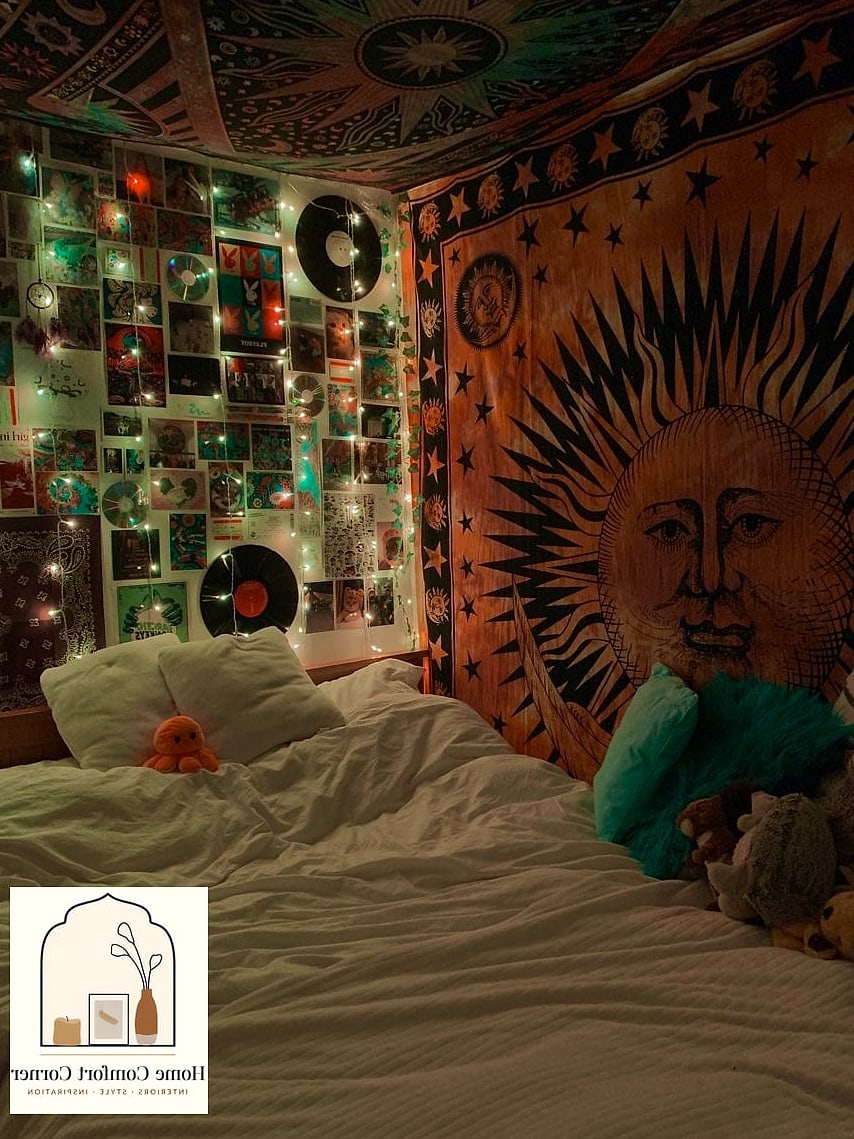
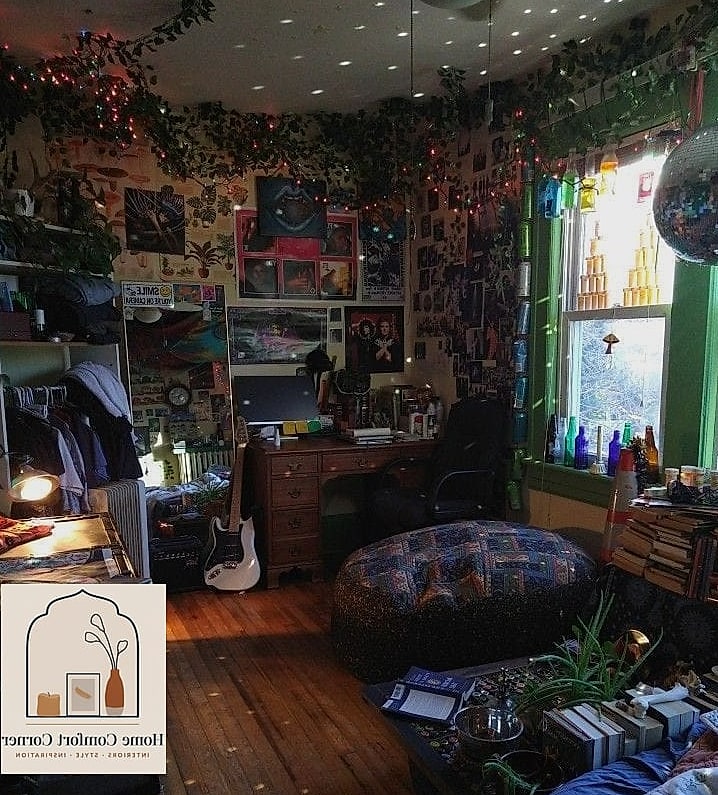
Indie rooms almost never rely on one overhead light, and string lights are usually the reason why. Warm white fairy lights draped along a headboard, wrapped around a curtain rod, or pinned along the ceiling edge instantly soften a space.
This look shines in bedrooms and reading nooks where you want that low, cozy glow in the evening. Layer a few different light sources — a lamp, string lights, maybe a small salt lamp — instead of leaning on one bright bulb.
They’re cheap, they’re renter-friendly since most use removable clips or hooks, and they’re an easy first project if you’re new to decorating. Just keep cords tucked and tidy so it doesn’t turn into a hazard.
Vintage Rug Layering
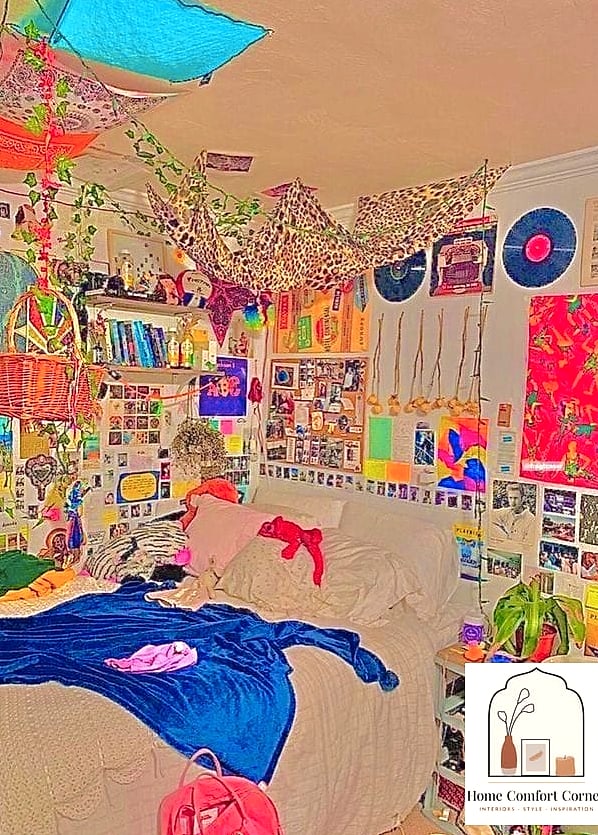
Instead of one big area rug, indie spaces often stack two or three smaller vintage or Persian-style rugs on top of each other. It adds texture underfoot and makes a room feel lived-in rather than staged.
This works especially well in living rooms and bedrooms with hardwood or laminate floors that could use some warmth. Look for rugs with worn edges or faded patterns — that’s part of the charm, not a flaw to hide.
Thrift stores and estate sales are goldmines for this. If you’ve got pets, a slightly worn secondhand rug is honestly less stressful than a brand-new one, since you’re not as precious about it.
The Record Player Corner
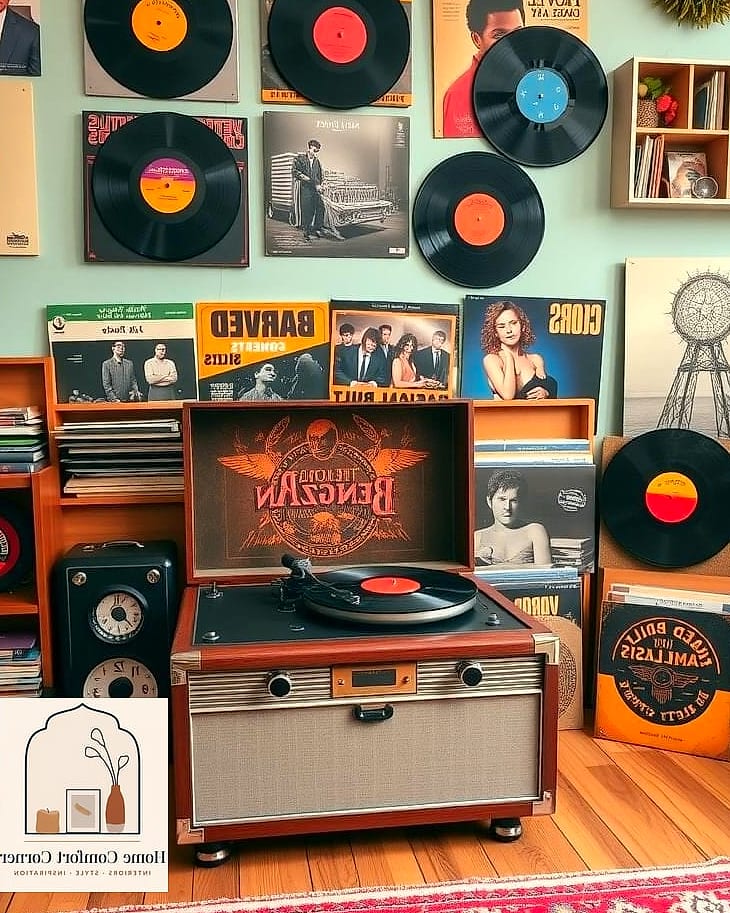
A dedicated little nook for vinyl and a record player is a classic indie touch. Even a small side table or repurposed dresser works if you don’t have room for a full media console.
Best placed near a window or reading chair where you’ll actually sit and listen. Store records upright in wooden crates or vintage milk crates instead of stacking them flat, which protects the vinyl and looks intentional.
This one can scale from budget to splurge depending on the turntable you pick up. Either way, it becomes a natural gathering spot for friends who want to flip through your collection.
Tapestry Wall Hangings
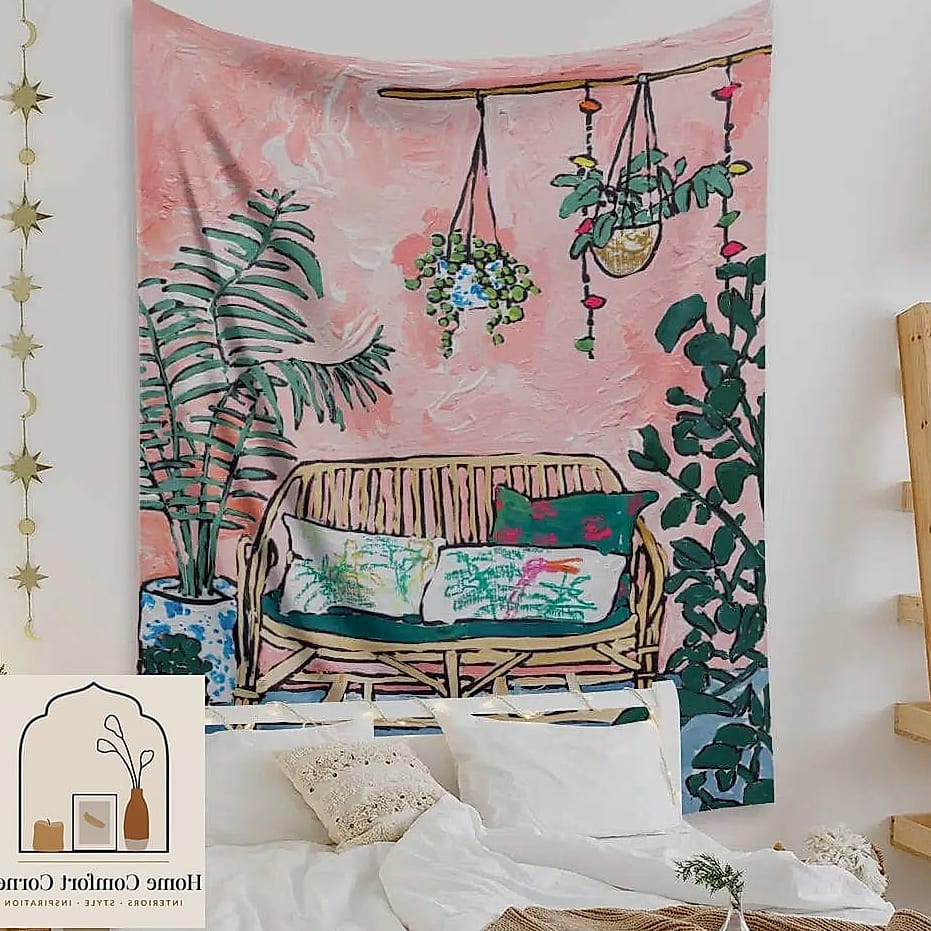
Big fabric tapestries — whether mandala prints, botanical patterns, or vintage bedsheets repurposed as wall art — are an indie decor staple. They cover a lot of wall space fast and add color without needing to paint or hang heavy frames.
They’re perfect for dorm rooms, rental bedrooms, or any space where you can’t drill much into the walls. Command hooks or a simple curtain rod at the top will hold most tapestries just fine.
Beyond looks, they also help with sound absorption in an echoey room, which is a nice bonus nobody mentions enough.
Mismatched Vintage Furniture
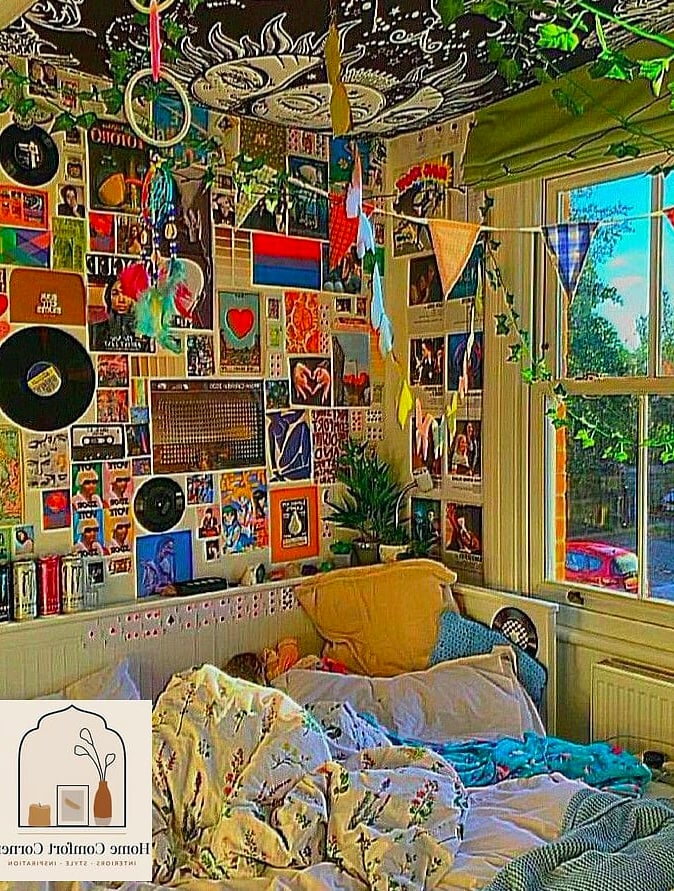
Rather than a matching bedroom set, indie rooms pull furniture from different eras and finishes — a mid-century dresser next to a wicker chair next to a metal-frame bed. Nothing matches on purpose, and it somehow all works together.
This approach is great if you’re furnishing slowly over time, piece by piece, from thrift finds or hand-me-downs. It’s genuinely one of the more budget-friendly ways to decorate a whole room without buying a furniture set upfront.
Ties everything together with a shared color thread — like warm wood tones throughout — even if the styles themselves are all over the place.
Plant-Filled Window Ledges
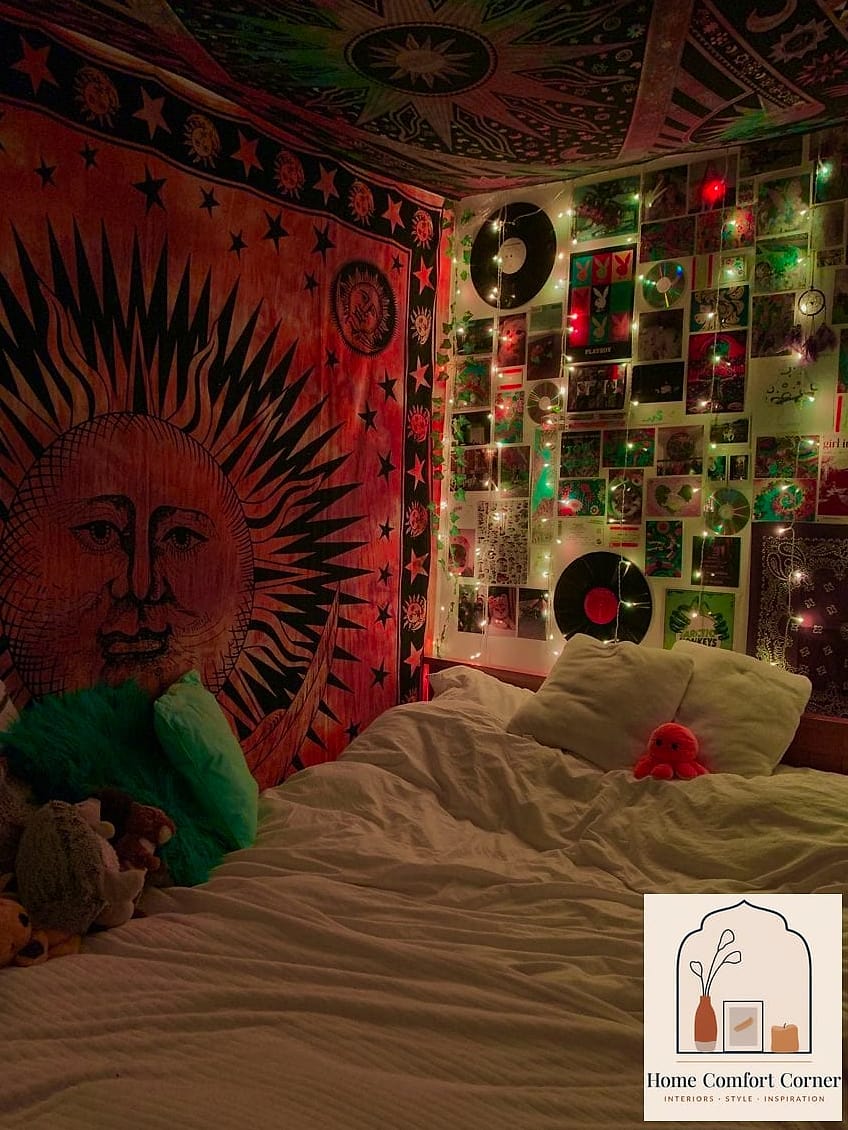
Indie spaces lean heavily on greenery, and window ledges packed with plants in mismatched pots is a go-to look. Think trailing pothos, a few succulents, maybe a fern in a thrifted ceramic planter.
Works best in any room with decent natural light, though low-light plants like snake plants or ZZ plants can fill in gaps where the sun doesn’t reach. Group plants at different heights using small stands or stacked books for visual interest.
Maintenance is honestly the main consideration — pick plants that match how much attention you’ll realistically give them. Pet owners should double check which varieties are pet-safe before committing to a full ledge.
DIY Macrame and Fiber Art
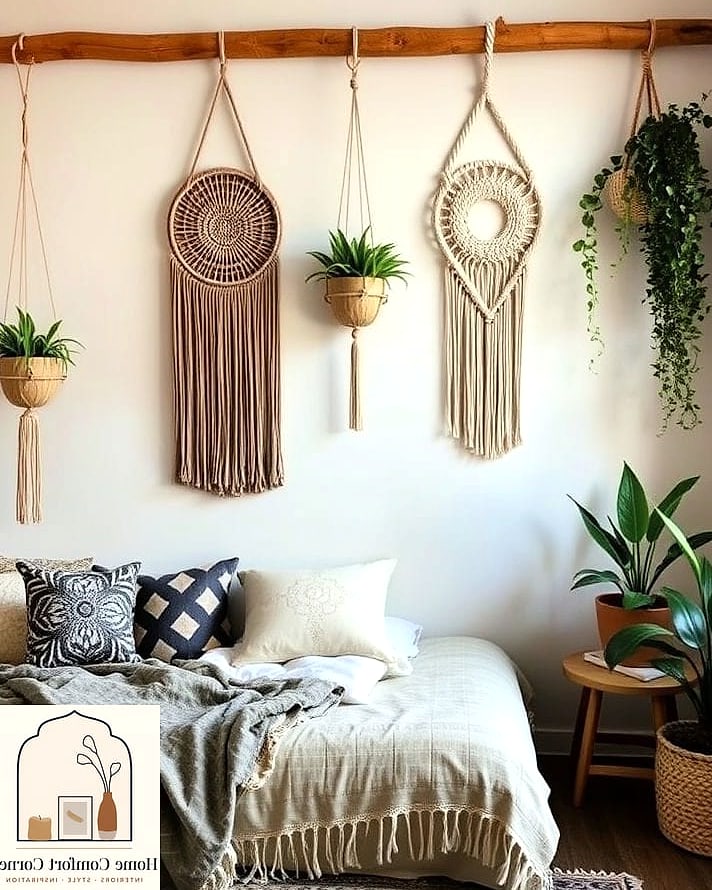
Macrame wall hangings, woven wall art, and fiber tapestries are everywhere in indie decor boards, and a lot of people make their own. It’s a relatively easy craft to pick up with just cotton cord and some patience.
These pieces work well above a bed, couch, or empty corner that needs texture without adding more furniture. Natural, undyed cord keeps things neutral, while dip-dyed pieces add a pop of color if your room leans more colorful.
Even store-bought versions are affordable, and they’re a nice way to add handmade warmth to a room without committing to a big DIY project.
The Cozy Floor Cushion Reading Nook
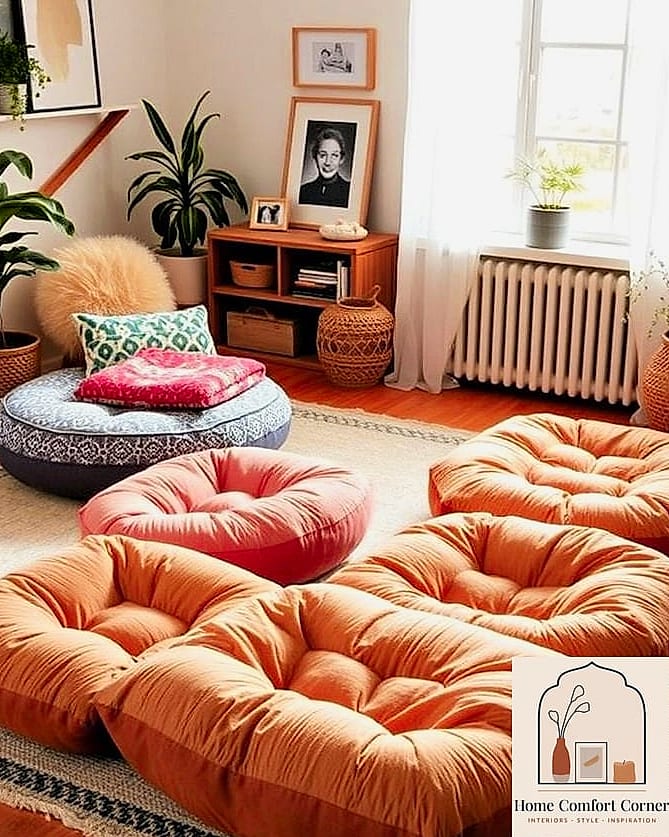
Skip the traditional armchair and build a low seating area with floor cushions, poufs, and a stack of blankets instead. Add a small side table for a lamp and your current read, and you’ve got an indie reading corner.
This setup is ideal for smaller bedrooms or apartments where a full accent chair would eat up too much floor space. Floor cushions are also easy to store away or shift around when you need the room for something else.
Thrifted floor pillows or ones made from repurposed fabric keep costs low, and it’s a genuinely comfortable way to lounge if you don’t mind sitting closer to the ground.
Polaroid and Film Photo Displays
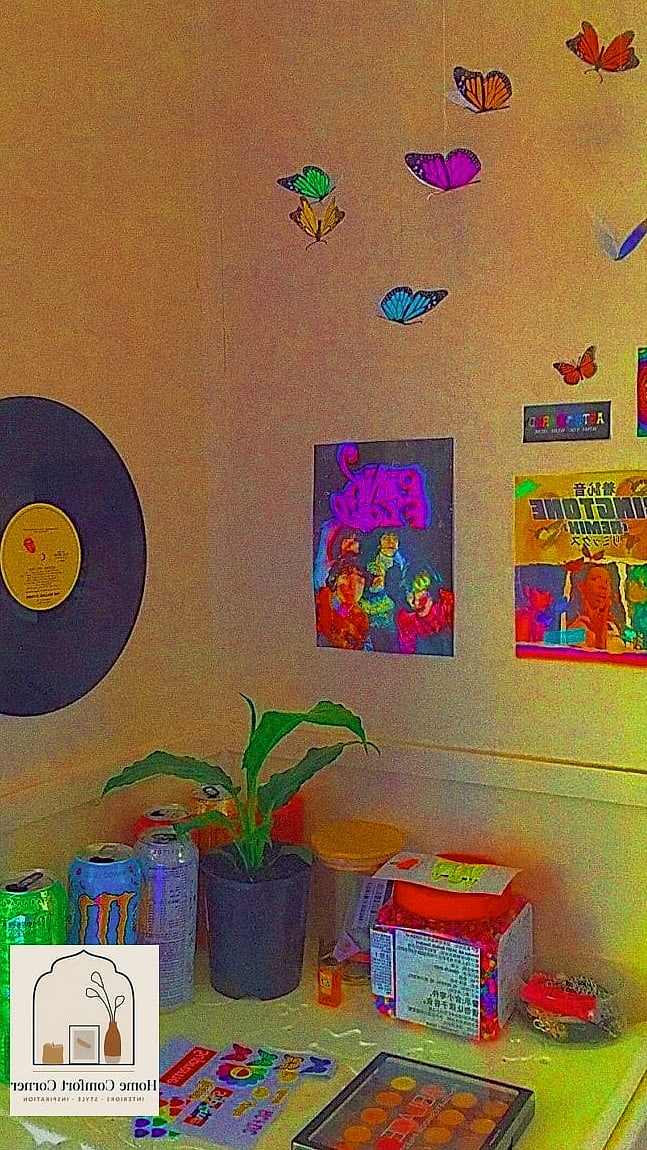
Instant film photos clipped to string lights, pinned to a corkboard, or taped in a grid on the wall are a signature indie decor move. It’s personal in a way that printed art just can’t compete with.
Bedrooms and desk areas are the natural home for this one, since it’s something you’ll want to see often and add to over time. Small wooden clothespins and twine make it easy to keep adding new photos as you take them.
It costs almost nothing beyond film for the camera, and it naturally evolves as your life does, which is part of why it never really feels dated.
Warm, Moody Lamp Lighting
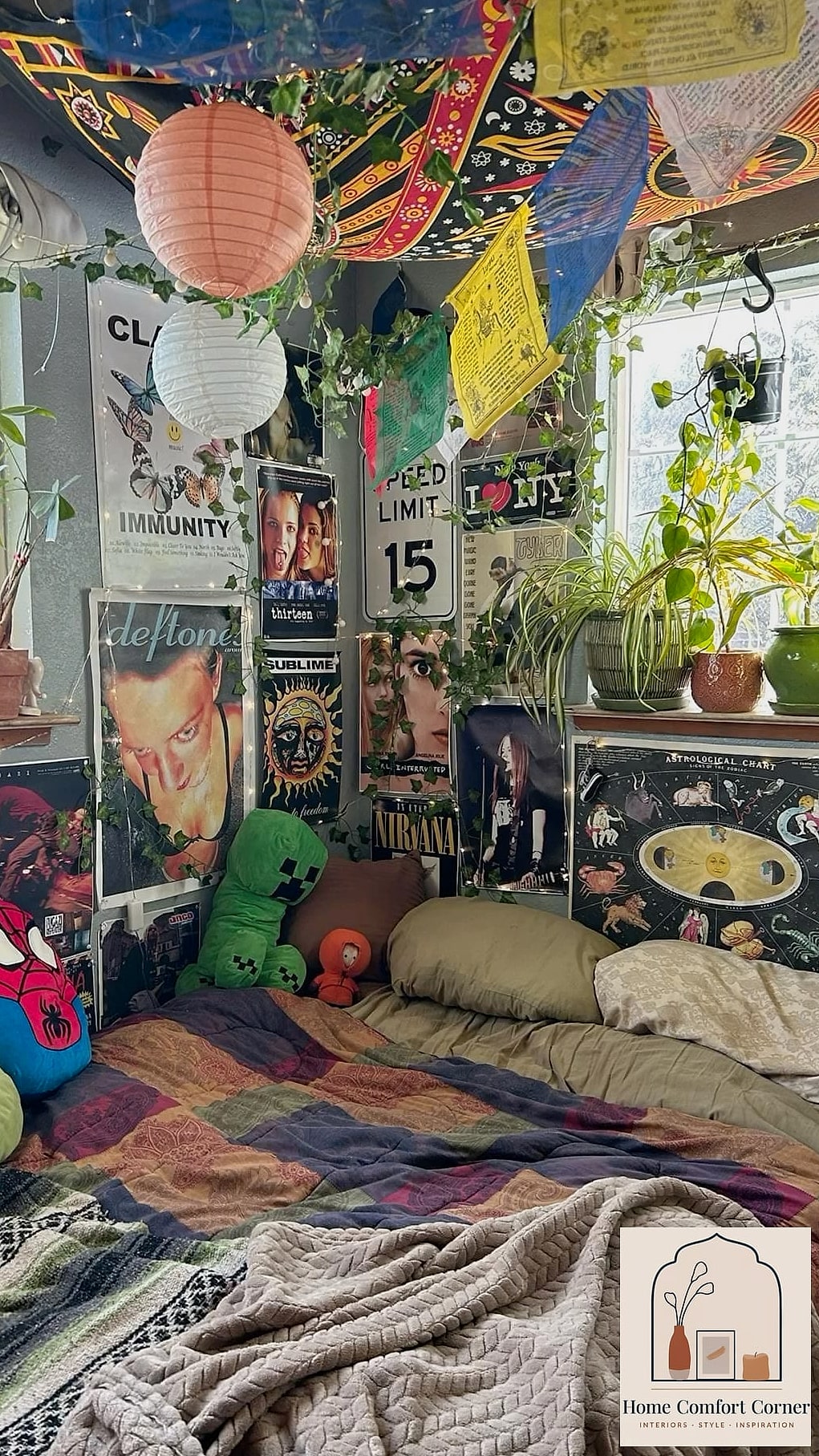
Indie rooms tend to avoid harsh overhead lighting altogether, relying instead on a mix of table lamps, floor lamps, and colored bulbs to create a warmer, moodier atmosphere. Amber-toned bulbs are especially popular for that golden-hour glow.
This works in any room, but it makes the biggest difference in bedrooms and living rooms where you spend downtime relaxing. A cluster of two or three lamps at different heights reads more intentional than one lamp doing all the work.
Smart bulbs are worth considering if you want to adjust warmth and brightness without buying multiple lamps, especially if your budget’s tighter.
Repurposed Crate and Ladder Shelving
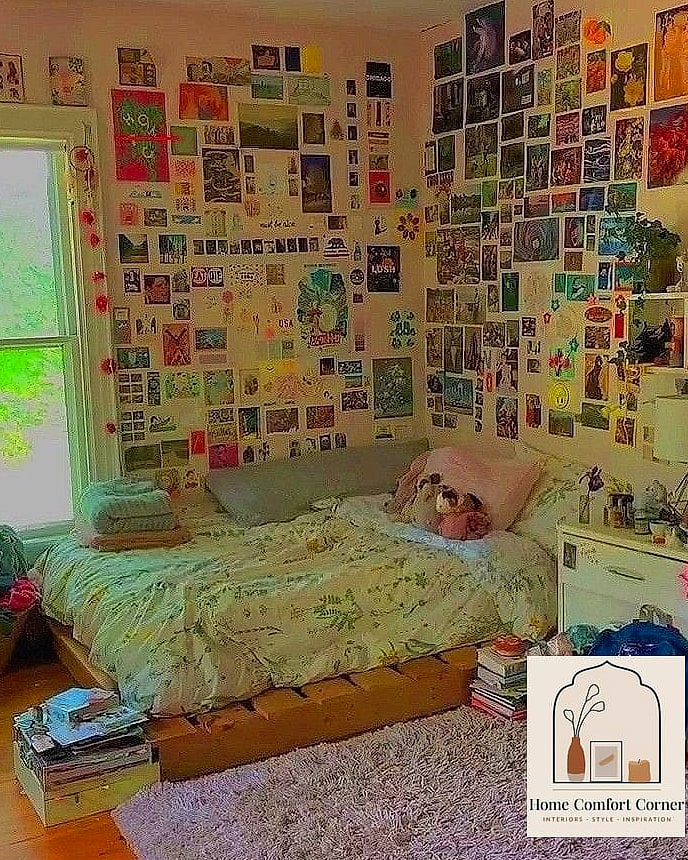
Old wooden crates stacked as bookshelves, or a leaning ladder used to display blankets and plants, are classic indie storage solutions. They add function without looking like store-bought furniture.
Great for small bedrooms or apartments where built-in storage isn’t an option and you need something renter-friendly. Crates can be painted, stained, or left raw depending on the vibe you’re going for.
This is also one of the more practical entries on this list — you get actual storage for books, records, or folded clothes while keeping the room’s collected, DIY feel intact.
Botanical and Pressed Flower Art
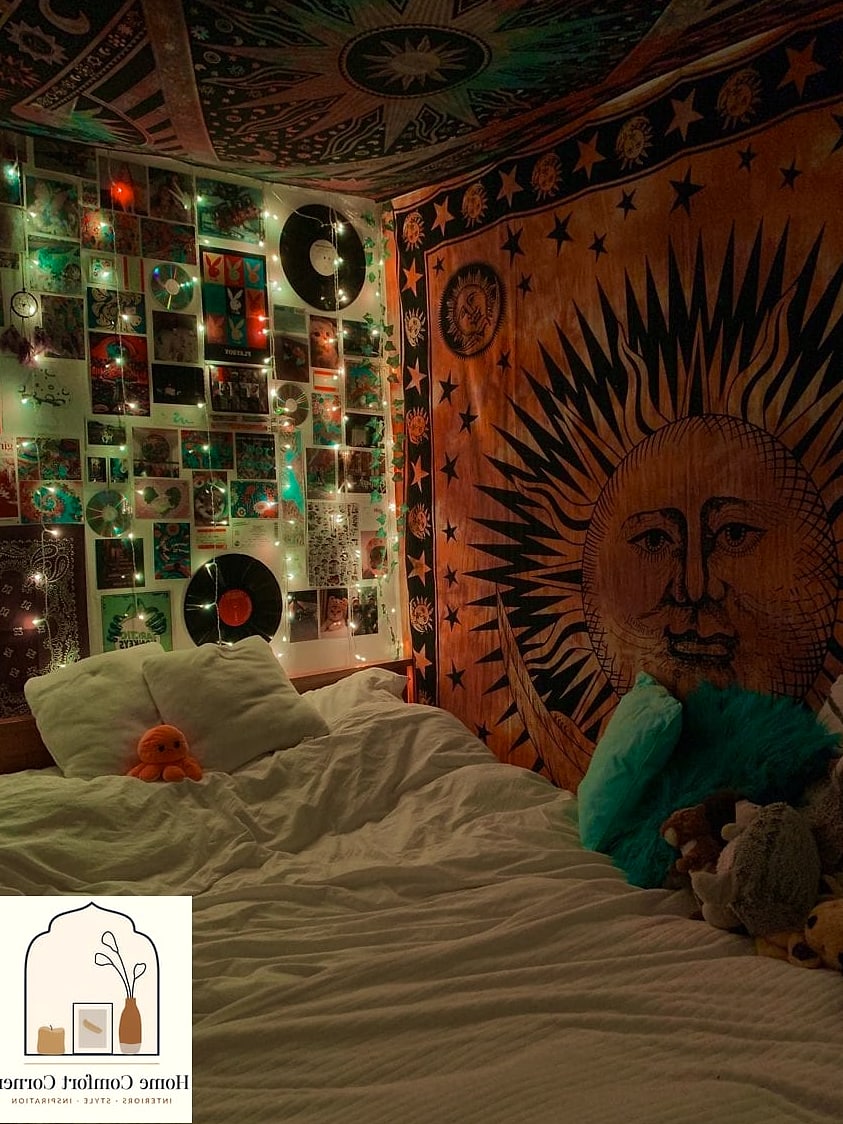
Framed pressed flowers, dried botanicals, or hand-pressed leaves are a quieter, more delicate corner of indie decor. They pair nicely with the busier elements like gallery walls and tapestries by giving the eye a place to rest.
These work well grouped in small frames along a shelf or hallway, or as a single statement piece above a desk. Dried pampas grass or eucalyptus in a floor vase is another popular variation if framed art isn’t your thing.
Low maintenance is the big selling point here since dried botanicals don’t need water or sunlight, just an occasional dusting.
The Personal Altar or Memory Shelf
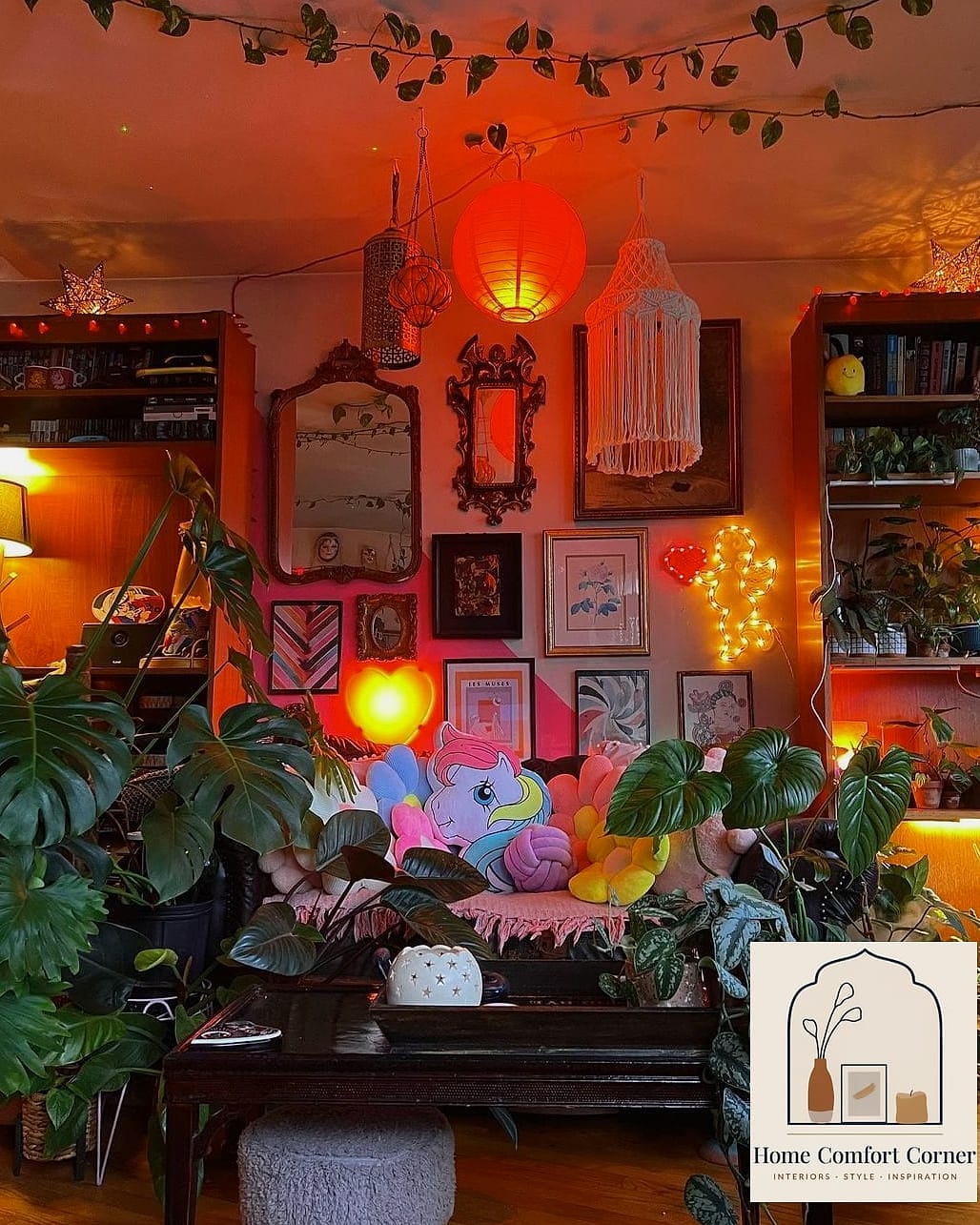
A small dedicated shelf or corner for meaningful objects — ticket stubs, letters, candles, small trinkets from trips — rounds out a lot of indie decor boards. It’s less about display and more about having a spot that feels like yours.
This works anywhere you’ve got a free shelf, windowsill, or dresser top, and it naturally changes as your interests and memories do. Grouping items by color or height keeps it from looking cluttered even with a lot going on.
It’s the kind of detail that costs nothing extra since you’re using things you already own, but it’s often what makes an indie room feel genuinely personal instead of copied from a board.
Putting a handful of these together — say, layered lighting, a thrifted gallery wall, and a plant-filled windowsill — is usually enough to give a room that indie feel without redoing everything at once. Start with whatever speaks to you most, add pieces as you find them, and let the room grow into itself over time. That slow, collected feeling is really the whole point of indie decor anyway.