20 Small Room Decor Ideas Ideas That Will Transform Your Space
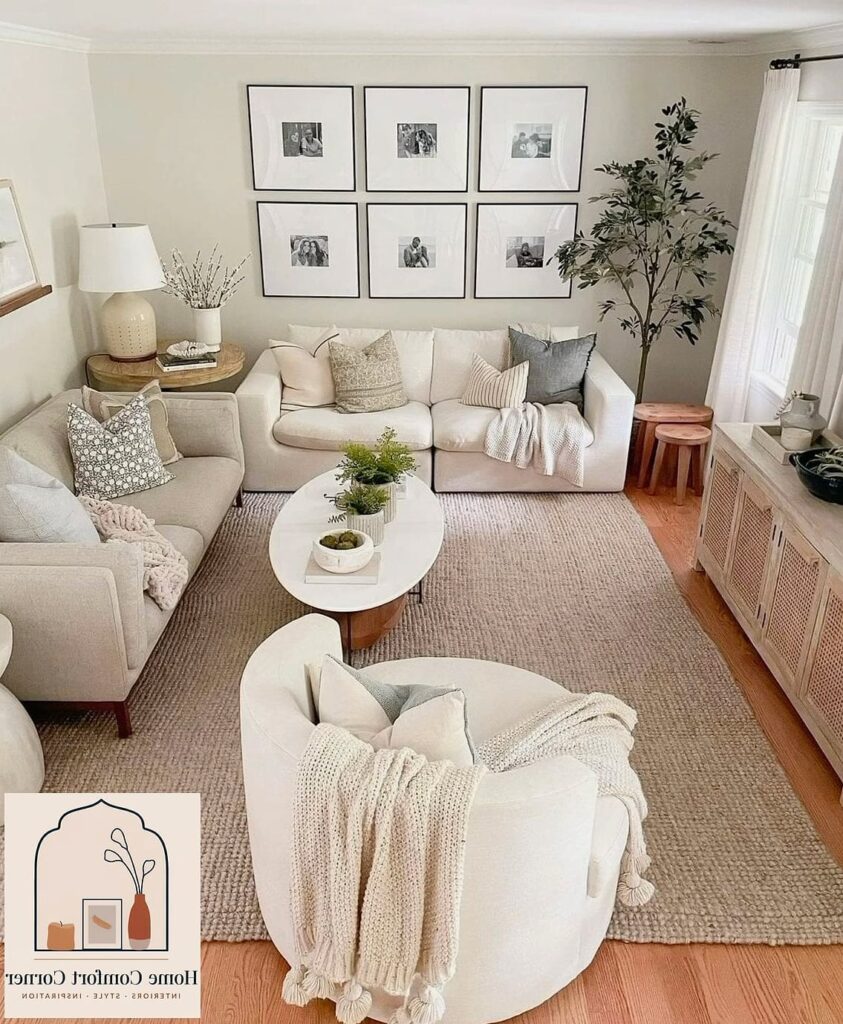
- Hang Curtains Close to the Ceiling
- Choose a Monochromatic Color Palette
- Add a Large Mirror on the Main Wall
- Use Floating Shelves Instead of Bulky Furniture
- Pick Furniture With Visible Legs
- Layer Multiple Light Sources
- Go Vertical With Storage
- Use a Rug to Define the Space
- Bring in Greenery at Different Heights
- Choose a Statement Headboard
- Swap Solid Doors for Sliding or Pocket Doors
- Use Multi-Functional Furniture
- Paint an Accent Wall in a Rich Color
- Keep Window Treatments Simple
- Create a Gallery Wall With Cohesive Framing
- Use Under-Bed Storage Bins
- Add a Round Table Instead of a Square One
- Use Wall-Mounted Sconces Instead of Table Lamps
- Keep Surfaces Mostly Clear
- Use Vertical Stripes or Paneling
20 Small Room Decor Ideas That Will Transform Your Space
Small rooms get a bad reputation they honestly don’t deserve. Yes, you’re working with less square footage, but that just means every decision counts more. I’ve helped friends and family reimagine tiny bedrooms, cramped home offices, and boxy living rooms, and the results always surprise people. A small room done right can feel cozier, more intentional, and honestly more stylish than a big empty space. Here are twenty small room decor ideas that actually work in real homes, not just in magazine spreads.
Hang Curtains Close to the Ceiling
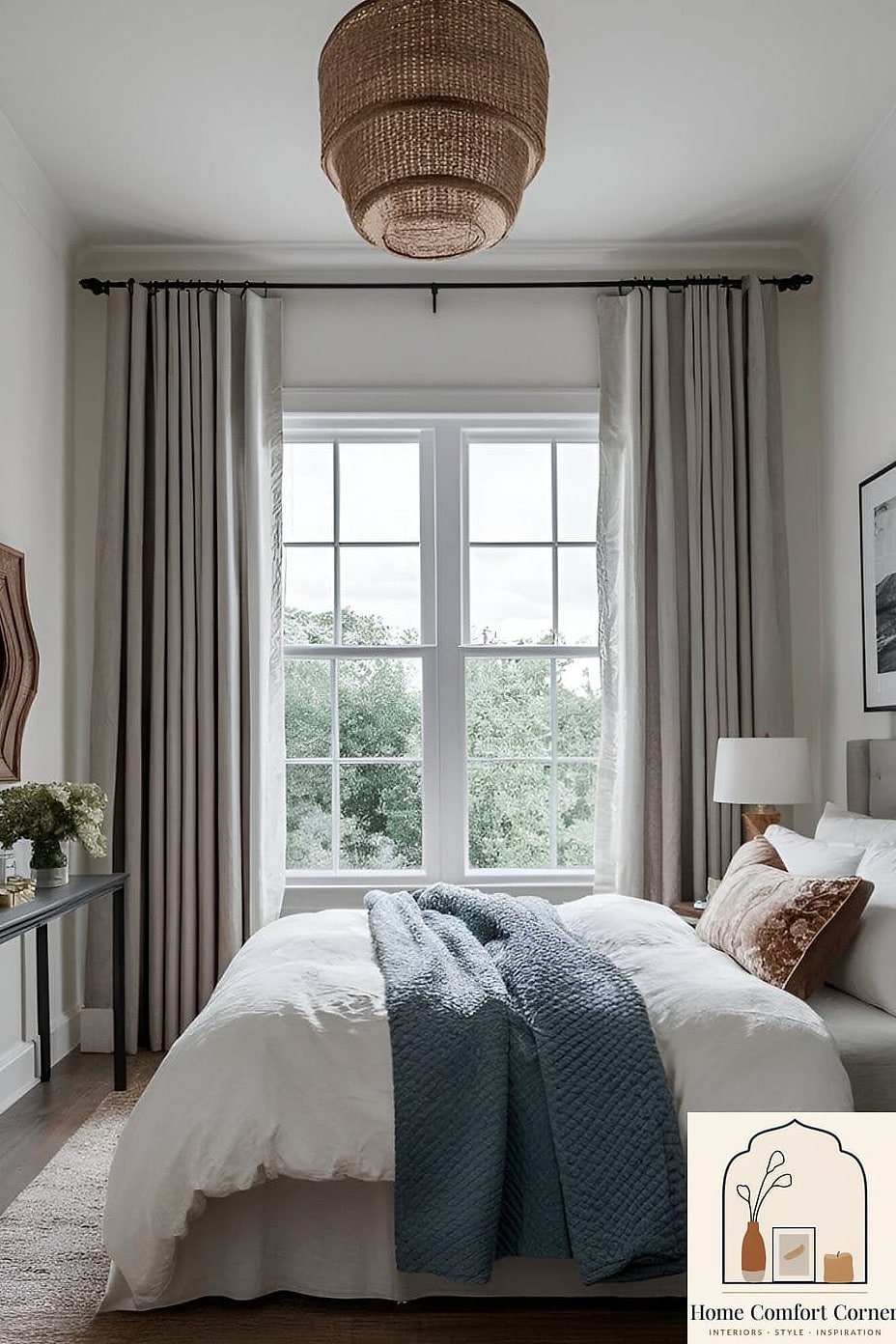
This is one of those tricks that costs almost nothing but makes a massive visual difference. Mounting your curtain rod a few inches below the ceiling instead of right above the window frame draws the eye upward and makes the whole room feel taller.
It works especially well in bedrooms and living rooms with standard eight-foot ceilings, where every inch of perceived height matters. Pair it with curtains that actually touch the floor rather than hovering above it. Linen or cotton panels in soft neutrals keep things airy, while a bolder pattern can add personality without overwhelming the space. Renters love this trick because it requires nothing more than a tension rod or a couple of small holes you can easily patch later.
Choose a Monochromatic Color Palette
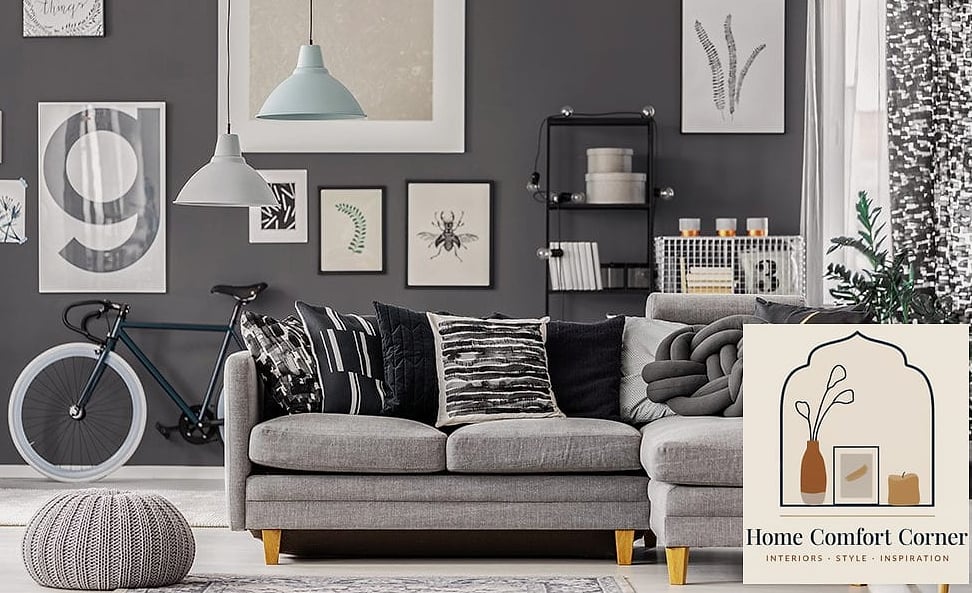
Sticking to one color family, with varying shades and textures, keeps a small room from feeling chopped up. When walls, furniture, and textiles all live in the same tonal range, your eye reads the space as one continuous area instead of a bunch of competing zones.
This doesn’t mean boring. Think warm wood tones layered with cream and soft tan, or a moody palette of charcoal and deep green. Add texture through a nubby throw blanket, a woven rug, or velvet cushions so the room still feels layered and interesting. This approach works beautifully in studio apartments where the “bedroom” and “living room” are technically the same footprint.
Add a Large Mirror on the Main Wall
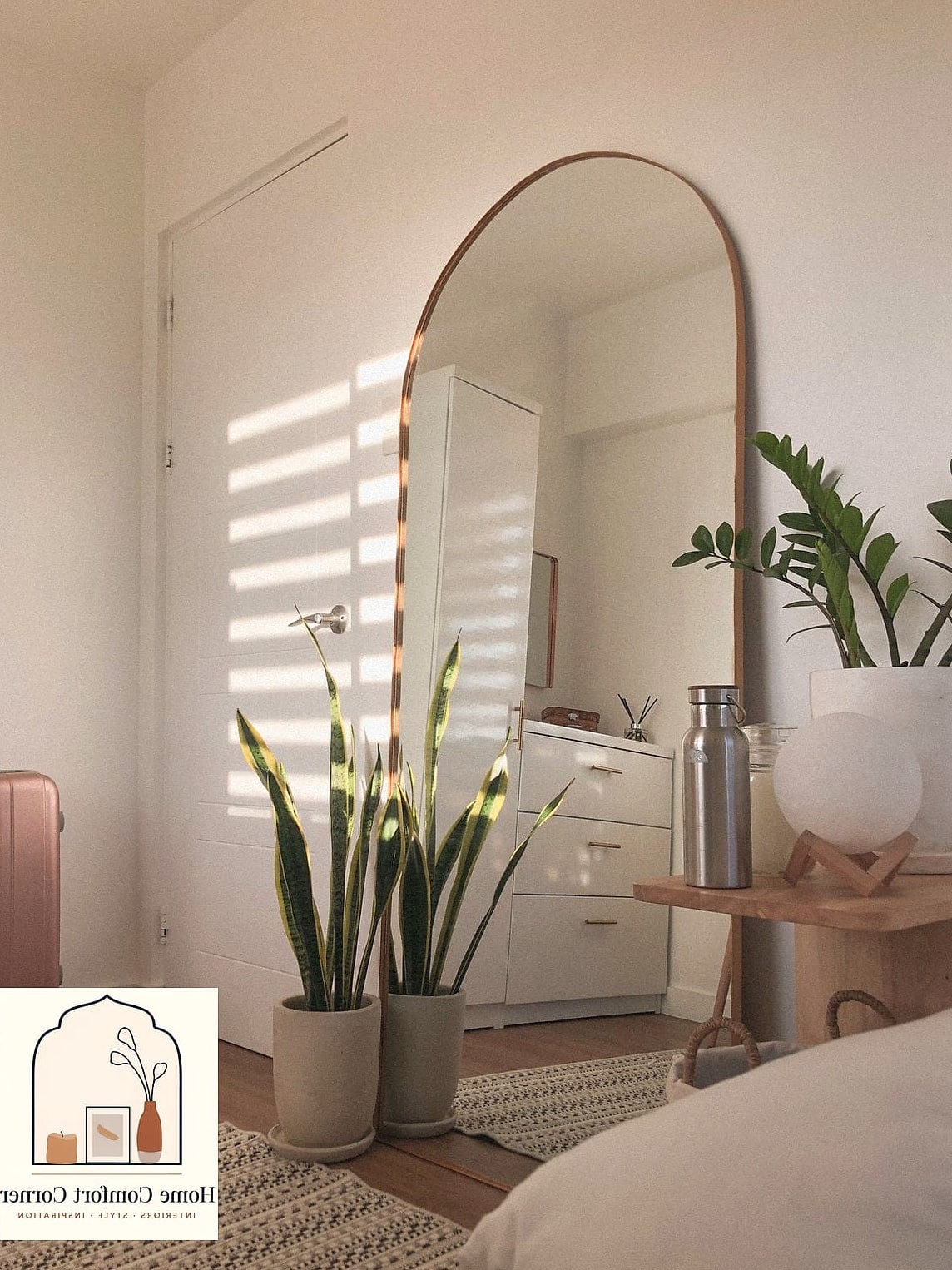
I know this one gets mentioned constantly, but there’s a reason it never goes out of style. A well-placed mirror bounces light around and creates the illusion of depth, especially when positioned across from a window.
Skip the small decorative mirror and go big. An oversized leaning mirror or a full wall-mounted piece with a slim brass or black frame makes more of an impact than three tiny ones scattered around. In a small entryway or narrow hallway, a mirror can genuinely change how the whole space feels the moment you walk in.
Use Floating Shelves Instead of Bulky Furniture
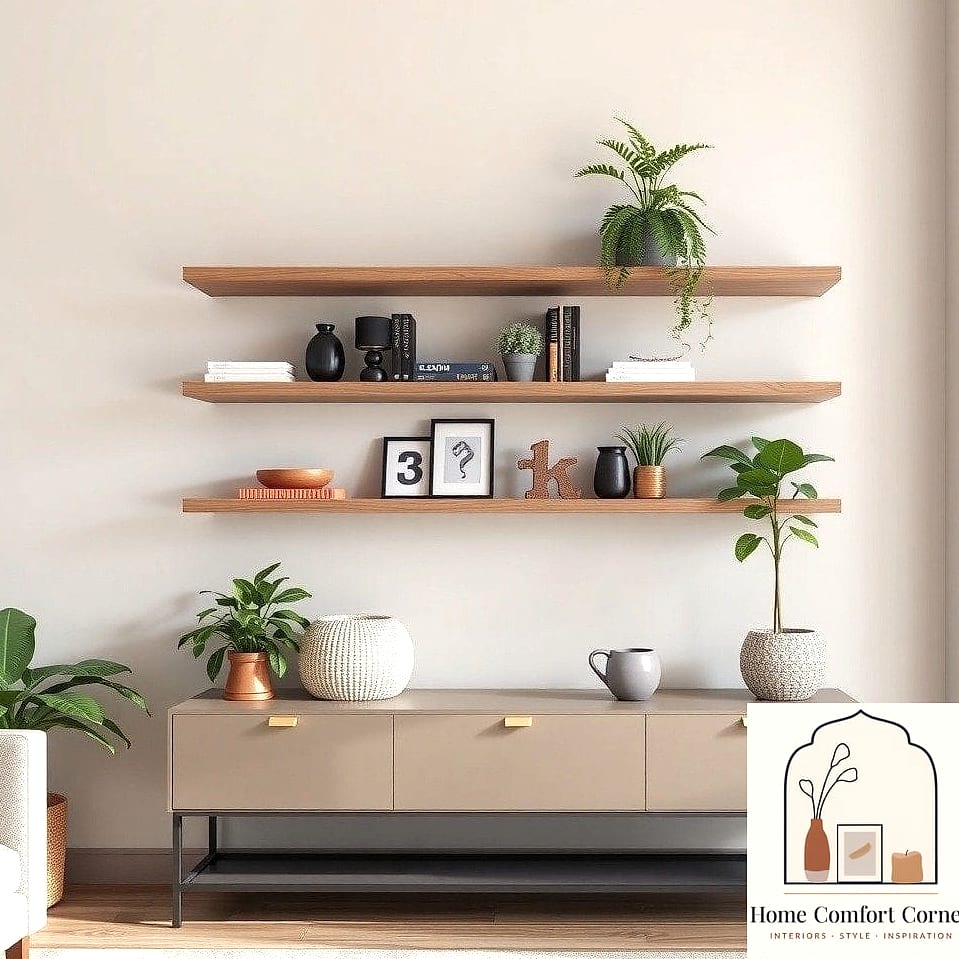
Floating shelves free up floor space while still giving you room to display books, plants, and personal items. Because they don’t have visible legs or a base, they read as lighter than a traditional bookshelf or cabinet.
Install them at varying heights for visual interest, or keep them at a consistent line for a cleaner, more minimal look. In a small bedroom, they can replace a nightstand entirely. In a living room, a cluster of three or four shelves can do the job of a media console without eating up the walking path. Brushed brass brackets add a little warmth if your palette leans neutral.
Pick Furniture With Visible Legs
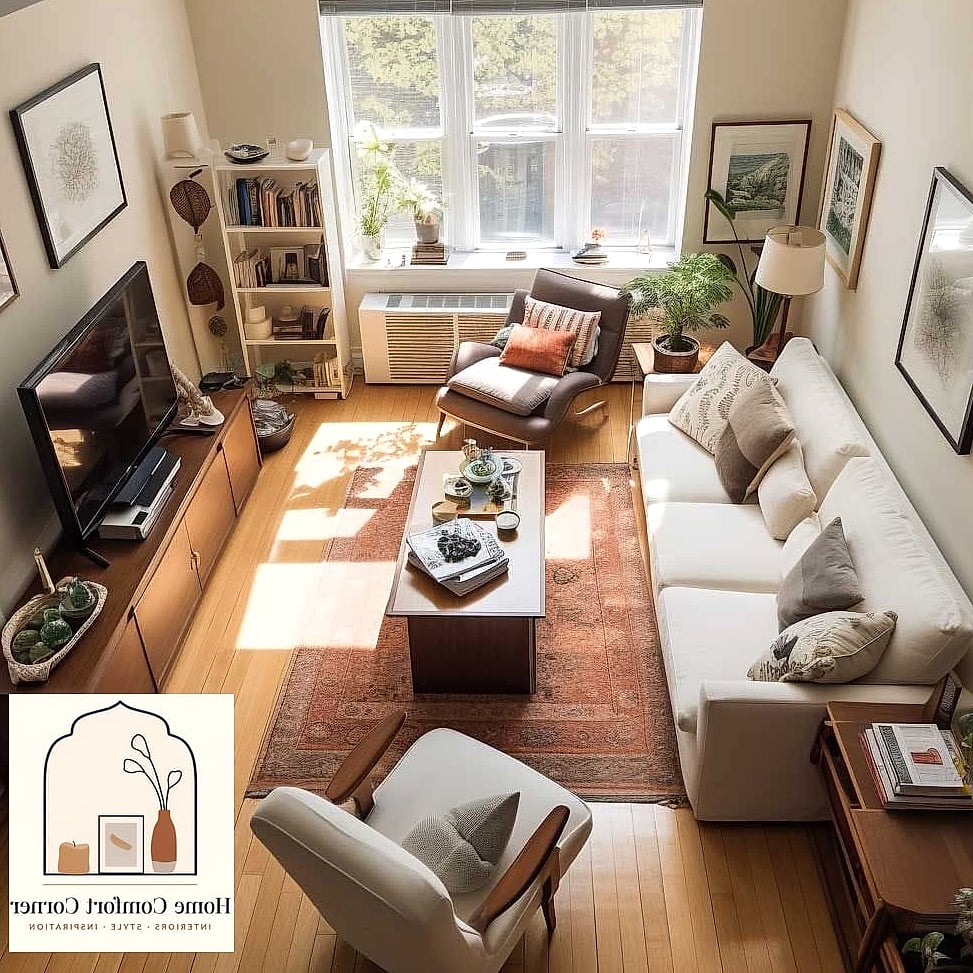
Furniture that sits flush against the floor tends to visually block off sections of a room, making the space feel more cramped than it actually is. Swapping in a sofa, chair, or bed frame with exposed legs lets light and sightlines travel underneath, which tricks the eye into seeing more open floor.
This is a subtle shift, but it adds up when you apply it across multiple pieces. A slim-legged accent chair paired with a leggy coffee table creates breathing room that solid, boxy furniture just can’t match. It’s a small detail, but it’s one interior designers rely on constantly for compact layouts.
Layer Multiple Light Sources
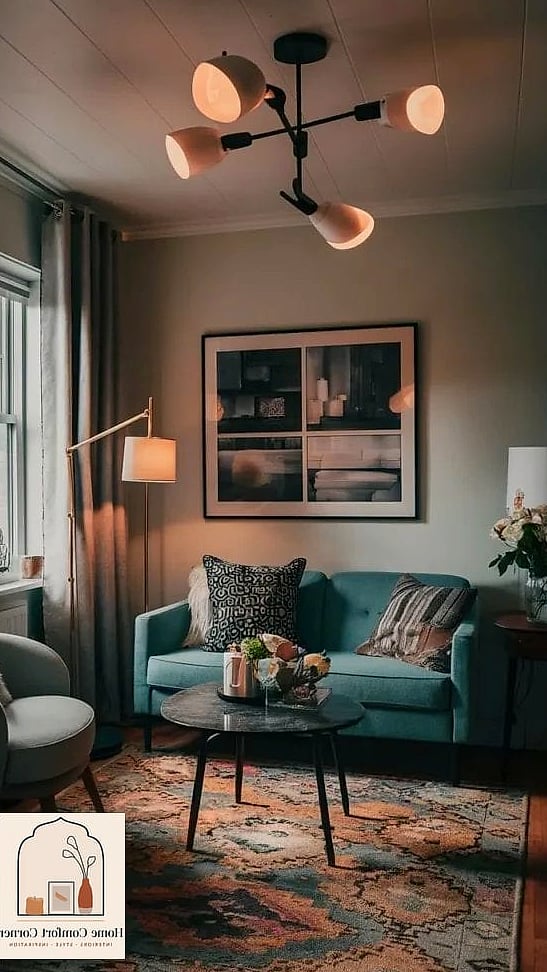
Overhead lighting alone tends to flatten a small room and make it feel more like an office than a home. Layered lighting, meaning a mix of overhead, table, and floor lamps, creates depth and lets you adjust the mood depending on the time of day.
A warm-toned floor lamp in the corner, a small table lamp on a shelf, and maybe a plug-in wall sconce near a reading chair can transform how a room feels in the evening. This matters even more in small spaces, since harsh overhead light tends to highlight every inch of the room at once rather than letting shadows soften the edges.
Go Vertical With Storage
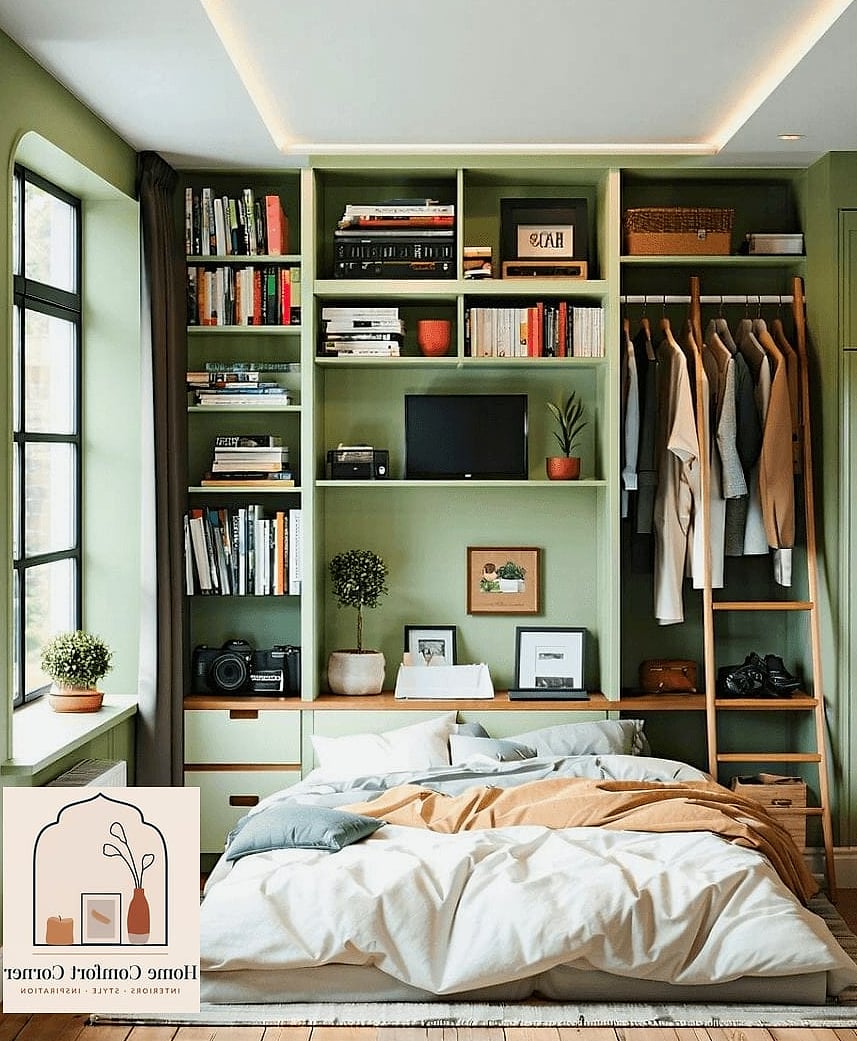
When floor space is tight, the walls become your best friend. Tall, narrow bookcases, wall-mounted cabinets, and hooks placed higher up all take advantage of vertical real estate without eating into your walking area.
This is particularly useful in small bedrooms or home offices where a wide dresser or filing cabinet just won’t fit comfortably. Look for storage pieces that are taller than they are wide, and don’t be afraid to use the space above doorways for baskets or bins holding items you don’t need daily.
Use a Rug to Define the Space
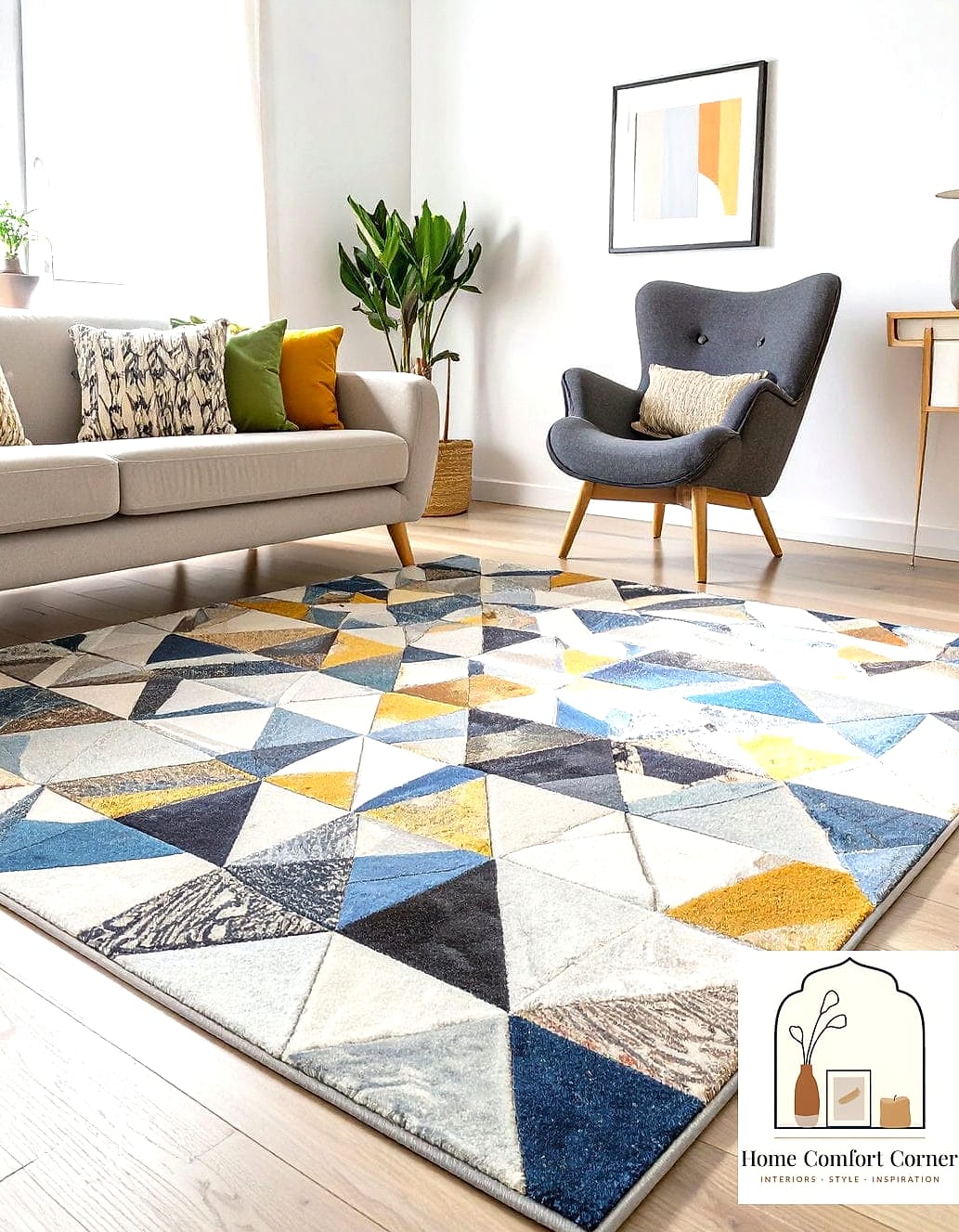
In an open studio or a combined living-dining area, a rug does more than add softness underfoot. It visually separates zones without needing an actual wall, which is huge when you’re trying to make one small room serve multiple purposes.
Size matters here more than people realize. A rug that’s too small will make the seating area look like it’s floating in the middle of nowhere. Aim for a rug large enough that at least the front legs of your furniture rest on it. A natural jute or wool option adds texture, while a patterned rug can anchor a neutral palette with a bit of personality.
Bring in Greenery at Different Heights
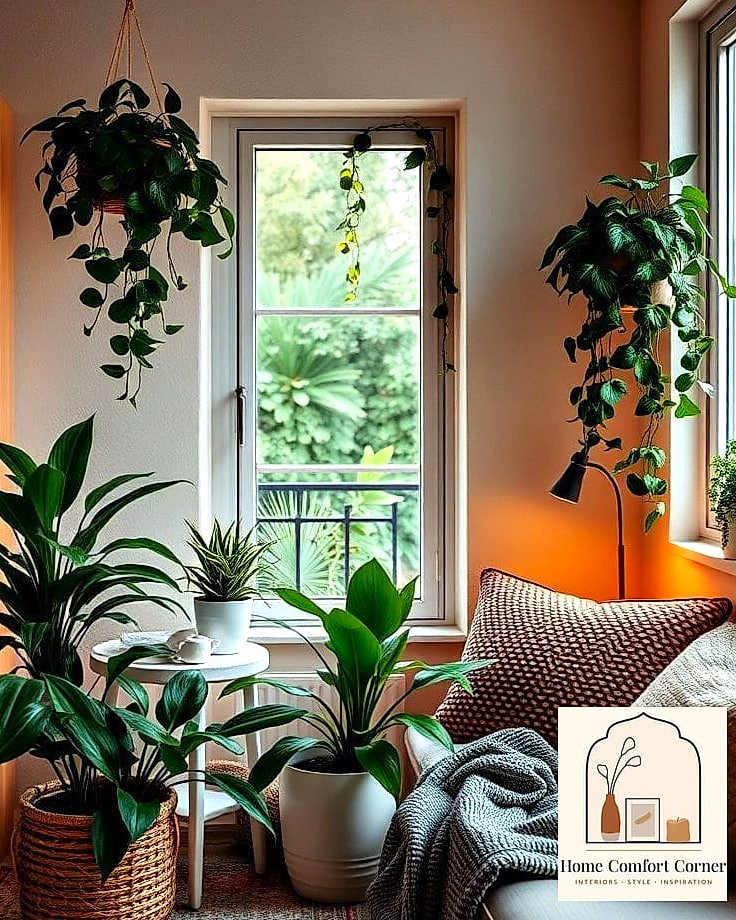
Plants add life to a small room, but placement matters. A single tall plant in a corner, like a fiddle leaf fig or a snake plant, draws the eye upward and fills an awkward empty space that furniture wouldn’t suit anyway.
Mix that with a trailing plant on a shelf and a small potted herb on a windowsill, and suddenly the room feels curated rather than sparse. If you don’t have a green thumb, and no judgment here, high-quality faux plants have come a long way and can fill the same visual role without the maintenance.
Choose a Statement Headboard
In a small bedroom, the bed is usually the largest object in the room, so it makes sense to let it do some visual work. A textured or upholstered headboard in a bold fabric, or even a DIY wood-slat design, gives the room a focal point without adding any extra furniture or floor clutter.
This is a great spot to introduce color or pattern if your palette is otherwise neutral. A deep emerald velvet headboard or a woven rattan option can become the room’s personality piece, letting everything else stay simple and calm around it.
Swap Solid Doors for Sliding or Pocket Doors
If your small room has a closet or connects to another space, a traditional swinging door might be eating up more usable floor space than you realize. Sliding barn-style doors or pocket doors that disappear into the wall free up that clearance entirely.
This works especially well for small home offices or nurseries where every square foot of walking room counts. It’s more of an investment than some ideas on this list, but for anyone doing a renovation anyway, it’s worth factoring in early.
Use Multi-Functional Furniture
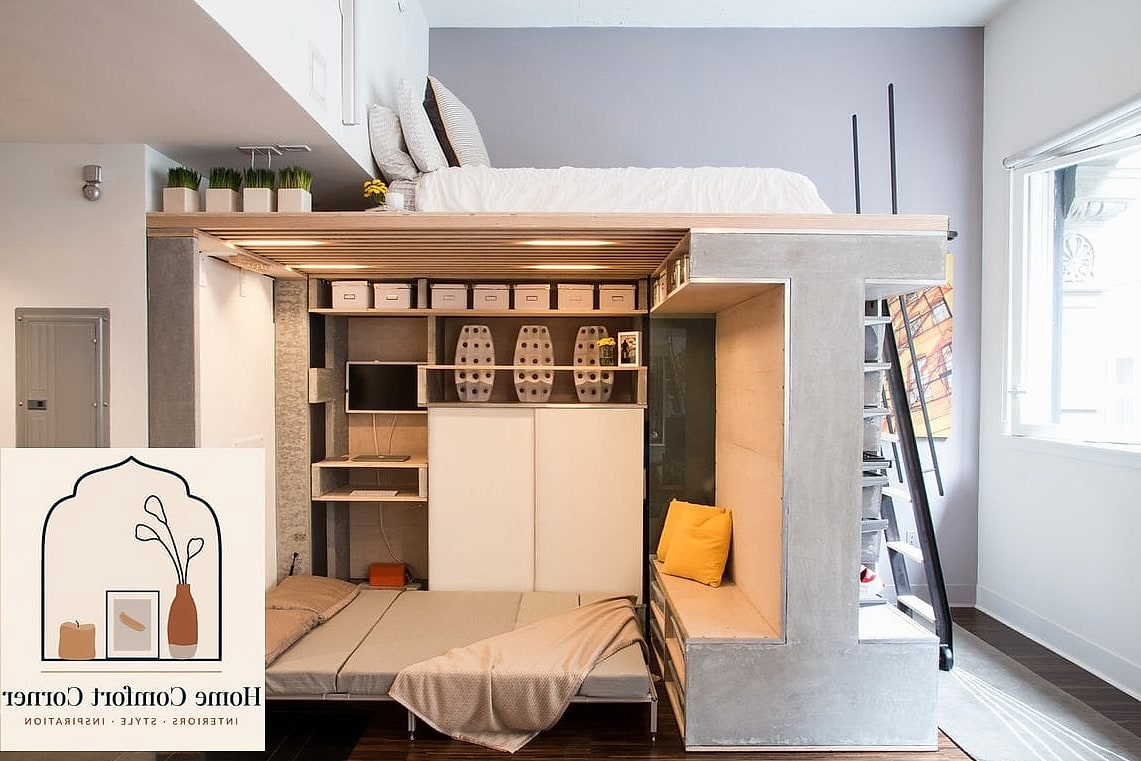
A storage ottoman that doubles as a coffee table and extra seating. A daybed that works as both a sofa and a guest bed. A console table that folds out for dinner parties. Multi-functional furniture is basically the small-space MVP because it lets one piece do the job of two or three.
This matters most in studio apartments or guest rooms that pull double duty as home offices. Look for pieces with hidden storage compartments, since that’s often where the real value lies. A bed frame with built-in drawers underneath can replace an entire dresser.
Paint an Accent Wall in a Rich Color
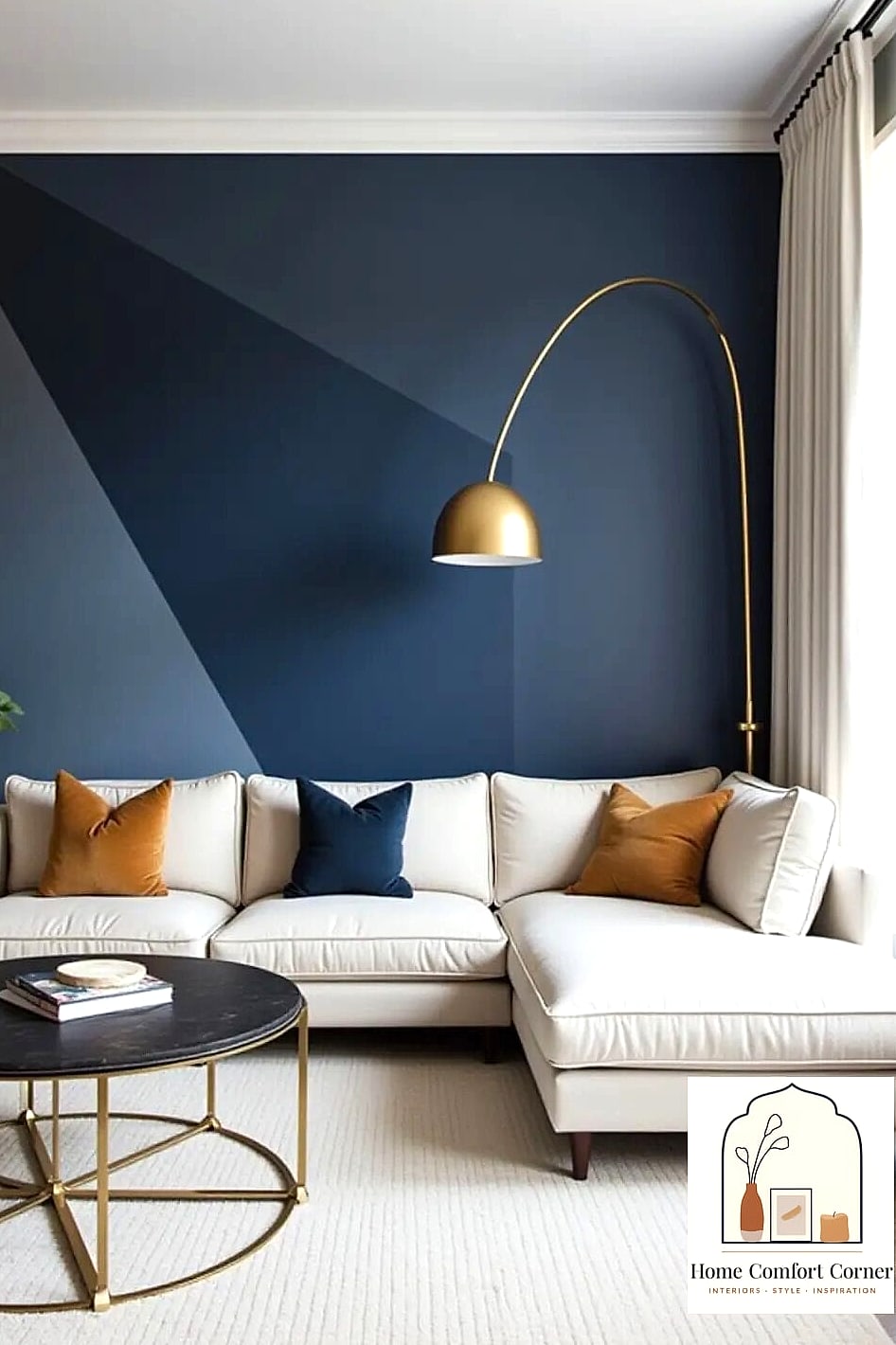
I used to think small rooms needed to stay pale and neutral to avoid feeling closed in, but a deep, saturated accent wall can actually add drama without shrinking the space, especially when it’s paired with lighter furniture and good lighting.
Navy, forest green, or terracotta on just one wall creates depth rather than closing things in. This works particularly well behind a bed or a sofa, where the color acts almost like a piece of art rather than surrounding you on all sides. If you’re renting, peel-and-stick wallpaper in a bold pattern can achieve a similar effect without the commitment.
Keep Window Treatments Simple
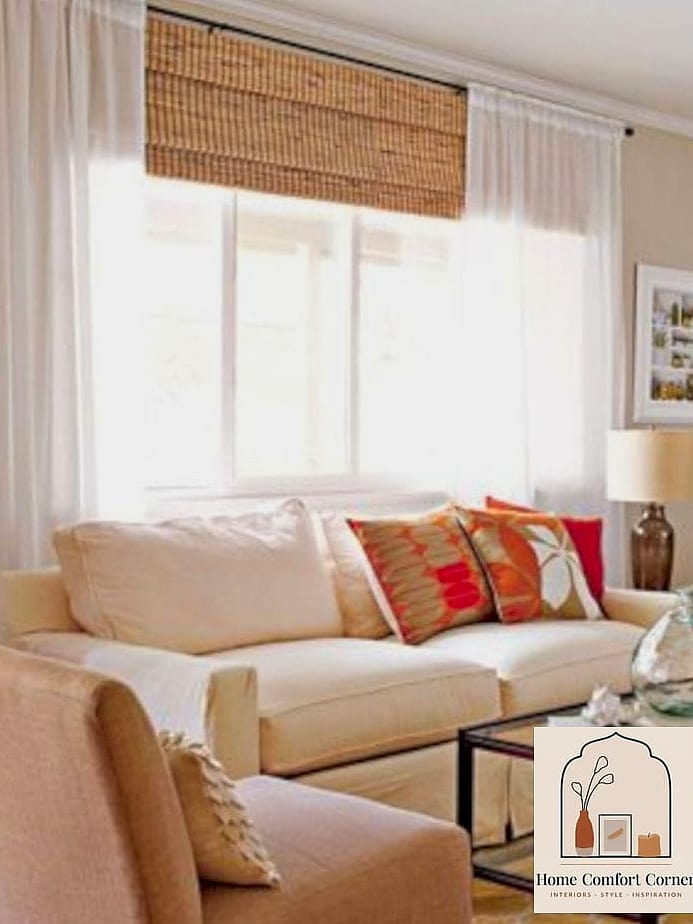
Heavy drapes and fussy valances can visually shrink a window and, by extension, the whole room. In a small space, simpler window treatments, like a clean roman shade or lightweight linen panels, let more natural light in and keep sightlines open.
If privacy is a concern, sheer curtains layered with a simple blackout shade give you flexibility without bulk. The goal is to let the window read as a light source, not a heavy focal point competing with everything else in the room.
Create a Gallery Wall With Cohesive Framing
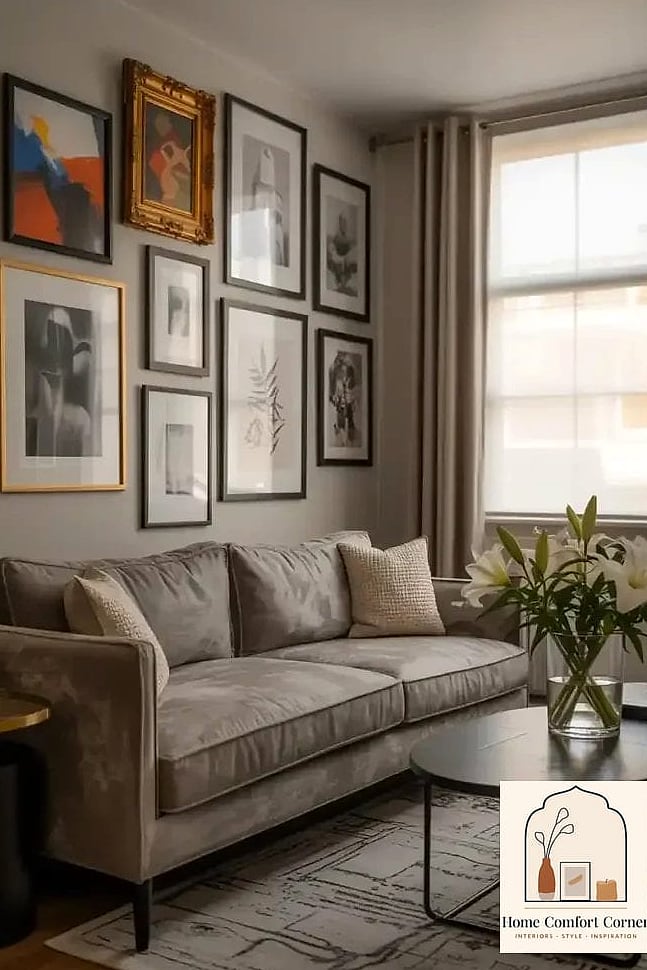
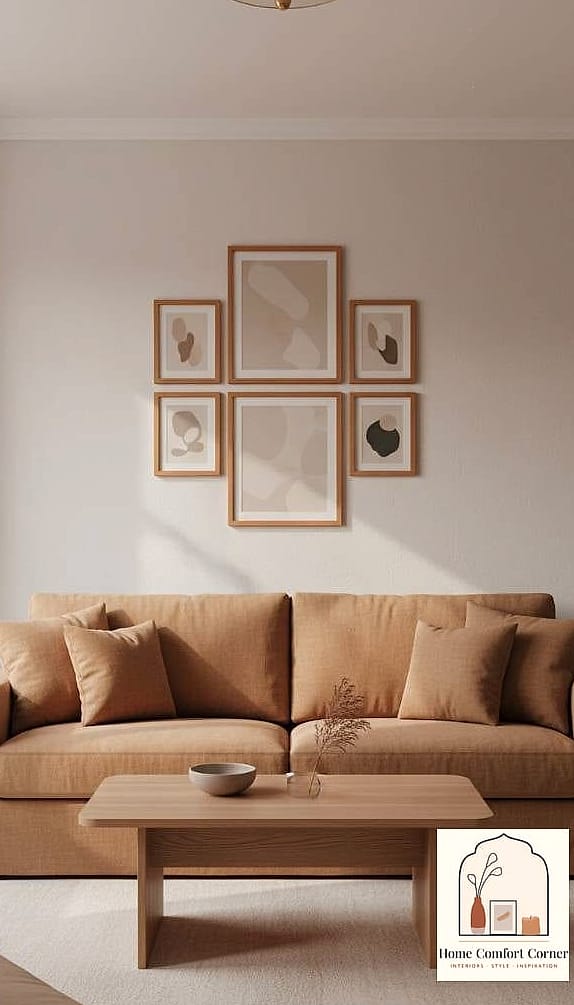
A gallery wall can absolutely work in a small room, but the framing needs to stay consistent to avoid visual chaos. Sticking to two or three frame colors, like black and natural wood, keeps the display feeling intentional rather than cluttered.
This is a great way to add personality to a small living room or hallway without taking up any floor space at all. Arrange the pieces slightly below eye level in a compact room, since a lower placement can make the ceiling feel higher by comparison.
Use Under-Bed Storage Bins
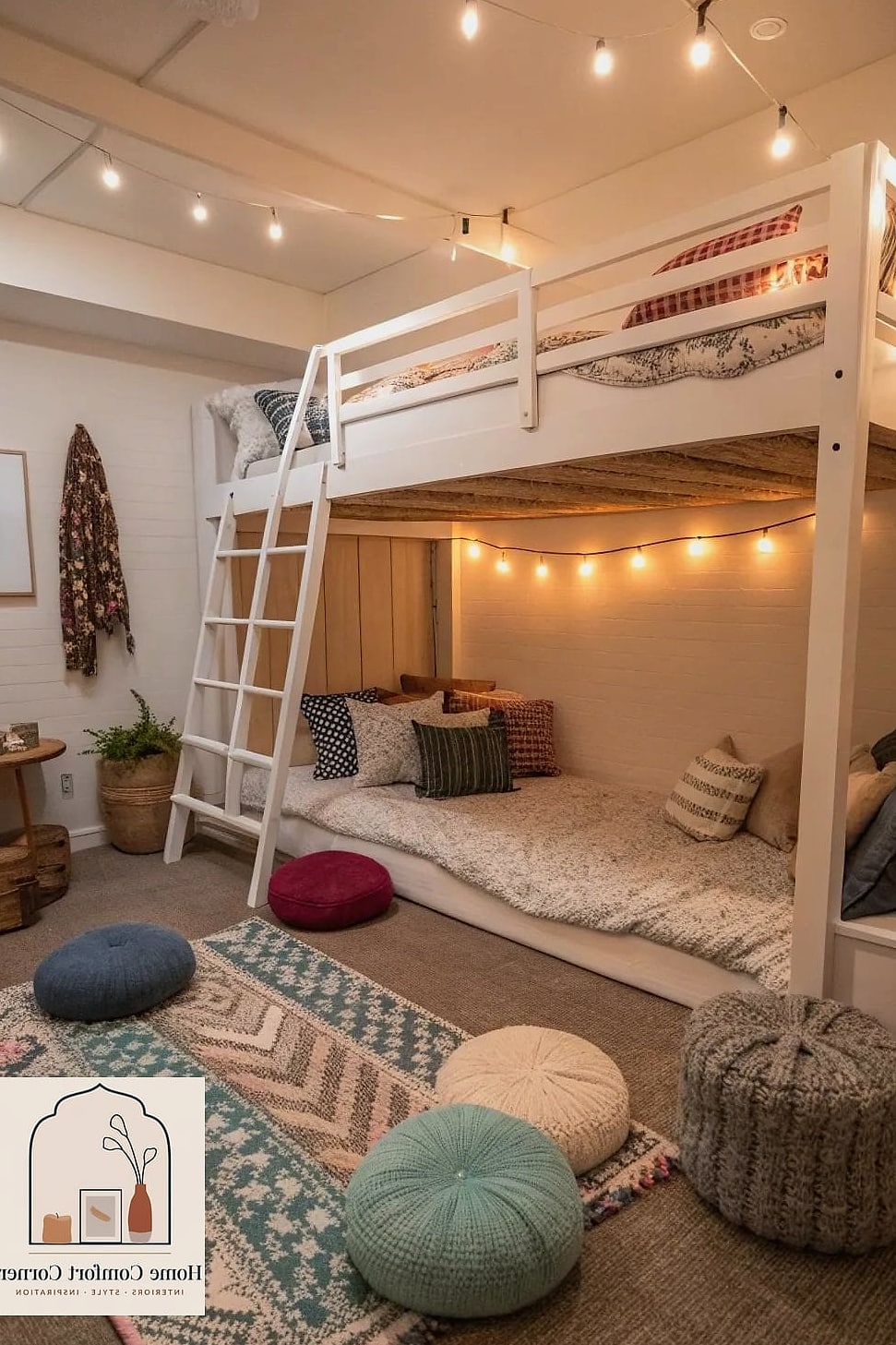
The space under a bed is often completely wasted, especially in small bedrooms where every inch matters. Low-profile storage bins or a bed frame with built-in drawers can hold out-of-season clothing, extra bedding, or shoes without adding a single visible piece of furniture.
Clear bins make it easy to see what’s inside, while fabric bins with lids keep things looking tidy if the space is visible from the doorway. This is one of those small room decor ideas that’s more about function than style, but it genuinely frees up closet space for everything else.
Add a Round Table Instead of a Square One
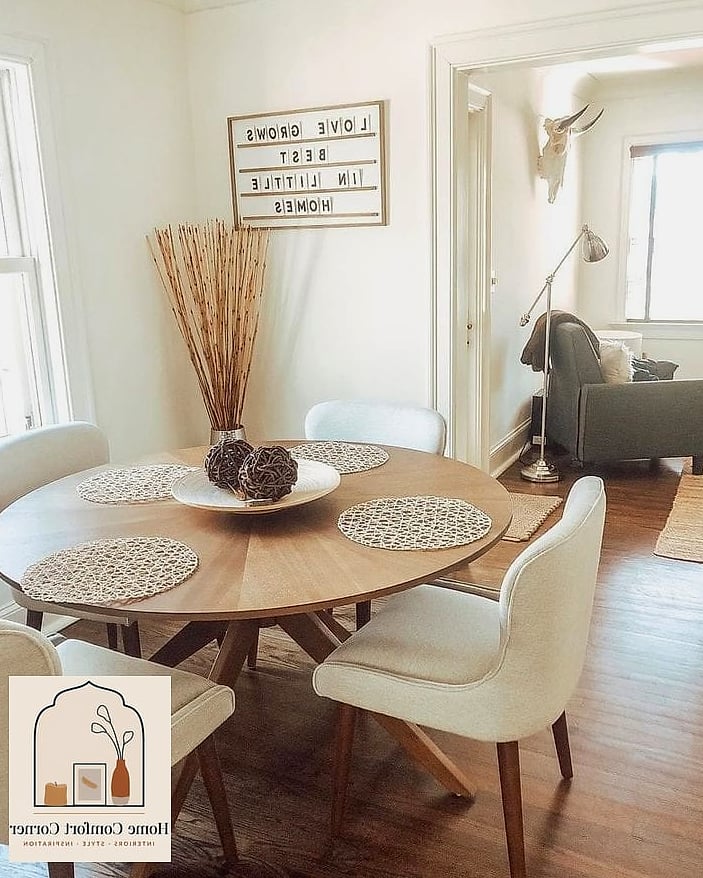
In a tight dining nook or small living room, sharp corners on rectangular furniture can make navigating the space feel more awkward than it needs to be. A round or oval table softens the traffic flow and often fits better in an odd-shaped corner.
This is a simple swap, but it makes a noticeable difference in how easily you can move around the room. Pair it with a couple of armless chairs that can tuck in fully when not in use, keeping the footprint as small as possible.
Use Wall-Mounted Sconces Instead of Table Lamps
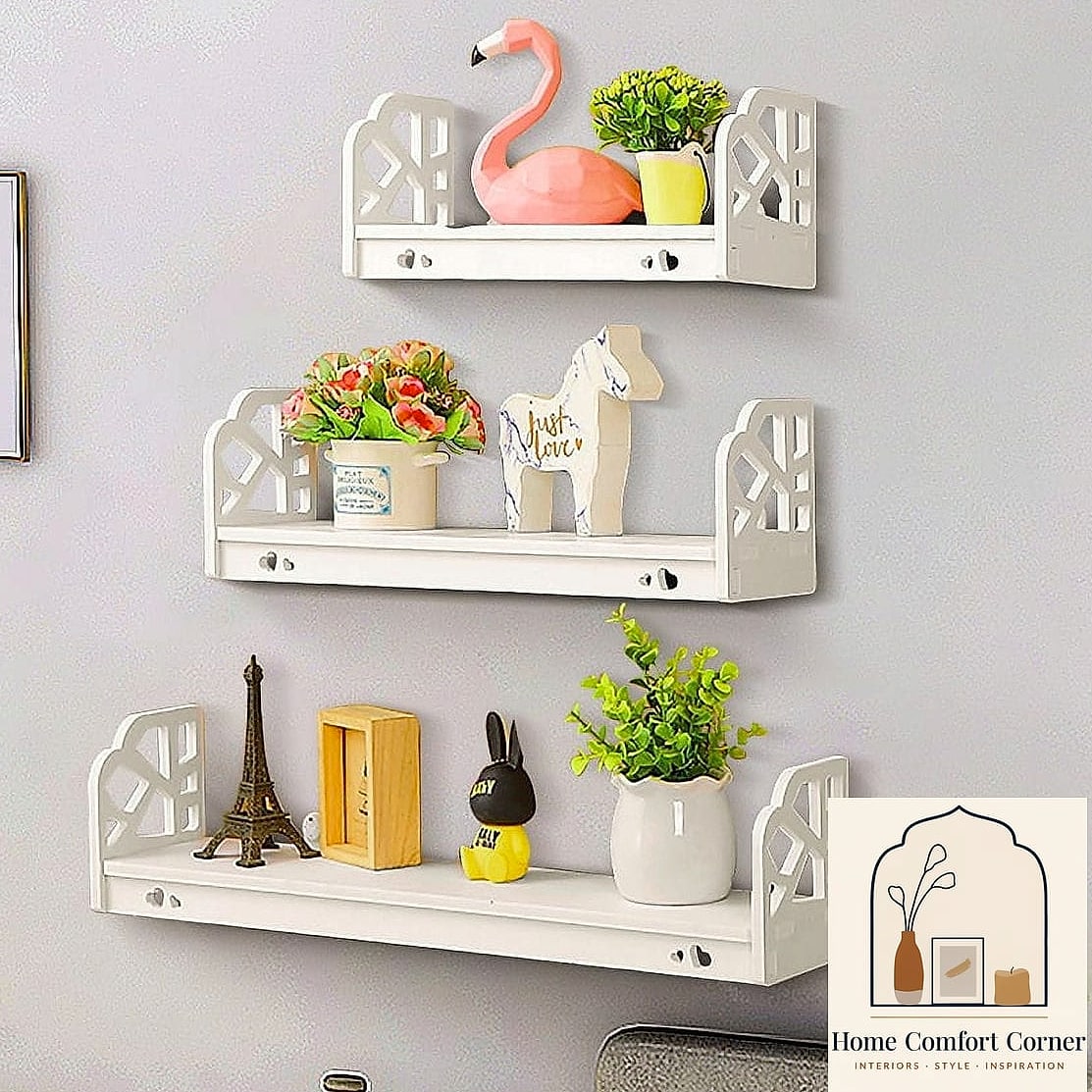
Table lamps are lovely, but they take up surface space you might need for other things in a small room. Wall-mounted sconces flanking a bed or a sofa provide the same warm, layered light without claiming any real estate on a nightstand or side table.
This is an easy upgrade for a small bedroom where nightstand space is already limited by books, a phone charger, and a water glass. Plug-in sconces are widely available now, so you don’t necessarily need to hire an electrician to make the switch.
Keep Surfaces Mostly Clear
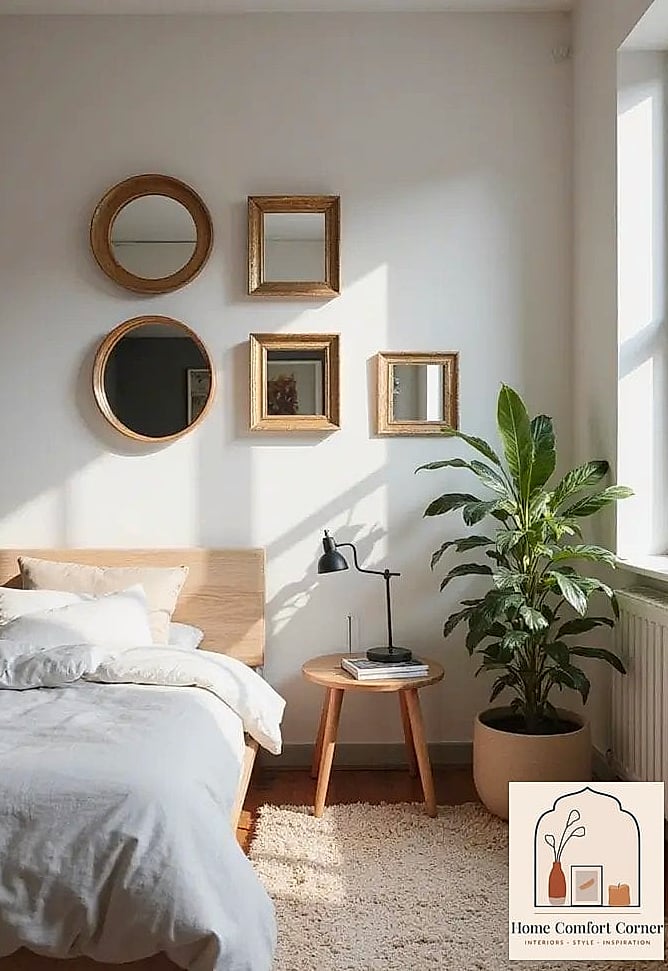
This one isn’t about buying anything, it’s about editing. A small room with clear countertops, an uncluttered dresser top, and a tidy coffee table will always read as more spacious than one filled with knickknacks, even if the actual square footage is identical.
Pick one or two meaningful objects per surface, like a small vase or a stack of books, and store the rest. Drawer organizers and small bins can help contain the items you use daily so they’re accessible but not on constant display.
Use Vertical Stripes or Paneling
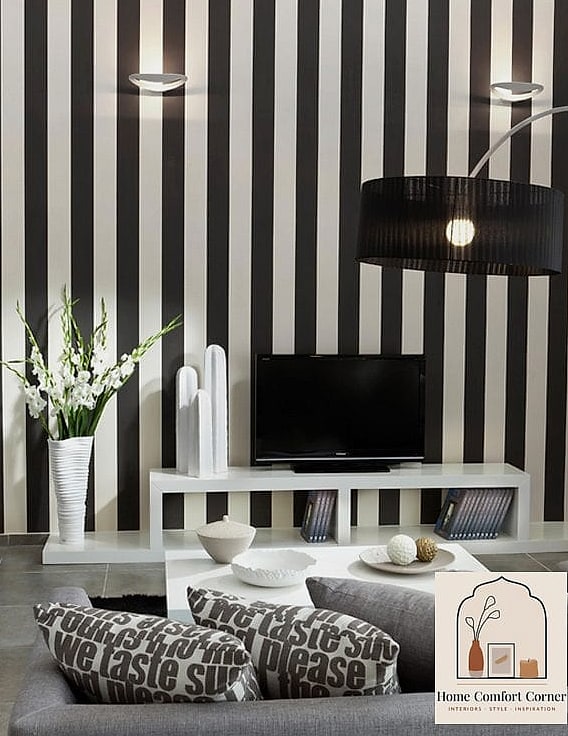
Vertical elements, whether it’s a striped wallpaper, board-and-batten paneling, or even vertically stacked tile in a small bathroom, pull the eye upward and make ceilings feel higher than they are.
This works particularly well in a narrow room where the goal is height rather than width. Paneling painted in a soft, muted tone adds architectural interest without overwhelming the space, and it’s a project plenty of confident DIYers can tackle over a weekend with basic tools and a good level.
Small rooms have a way of teaching you to be more thoughtful with every decision, and honestly, that’s not a bad thing. You don’t need to do all twenty of these small room decor ideas at once. Pick two or three that fit your space and your budget, live with them for a bit, and build from there. The best small rooms feel intentional, not crowded, and that comes from editing just as much as decorating.